



Quick Listen:
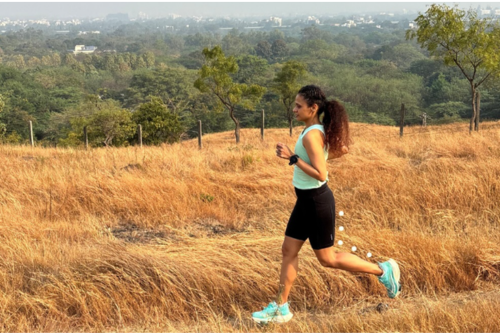
As the first light hits the streets of Mumbai or the tech corridors of Bangalore, runners hit the pavement in growing numbers. Yet many are discovering that standard activewear falls short against India's heat, humidity, and uneven roads. From Hyderabad's sticky mornings to Pune's variable terrain, urban athletes now prioritize gear that delivers genuine performance without premium pricing. This evolution is prompting a fresh look at options across Delhi, Gurugram, Navi Mumbai, Surat, and Ahmedabad too.
Runners in these hubs are exploring insights such as those in Affordable Performance: Why Runners in India's Major Cities Are Re-Evaluating Activewear Choices, where the balance of cost, durability, and climate readiness takes center stage.
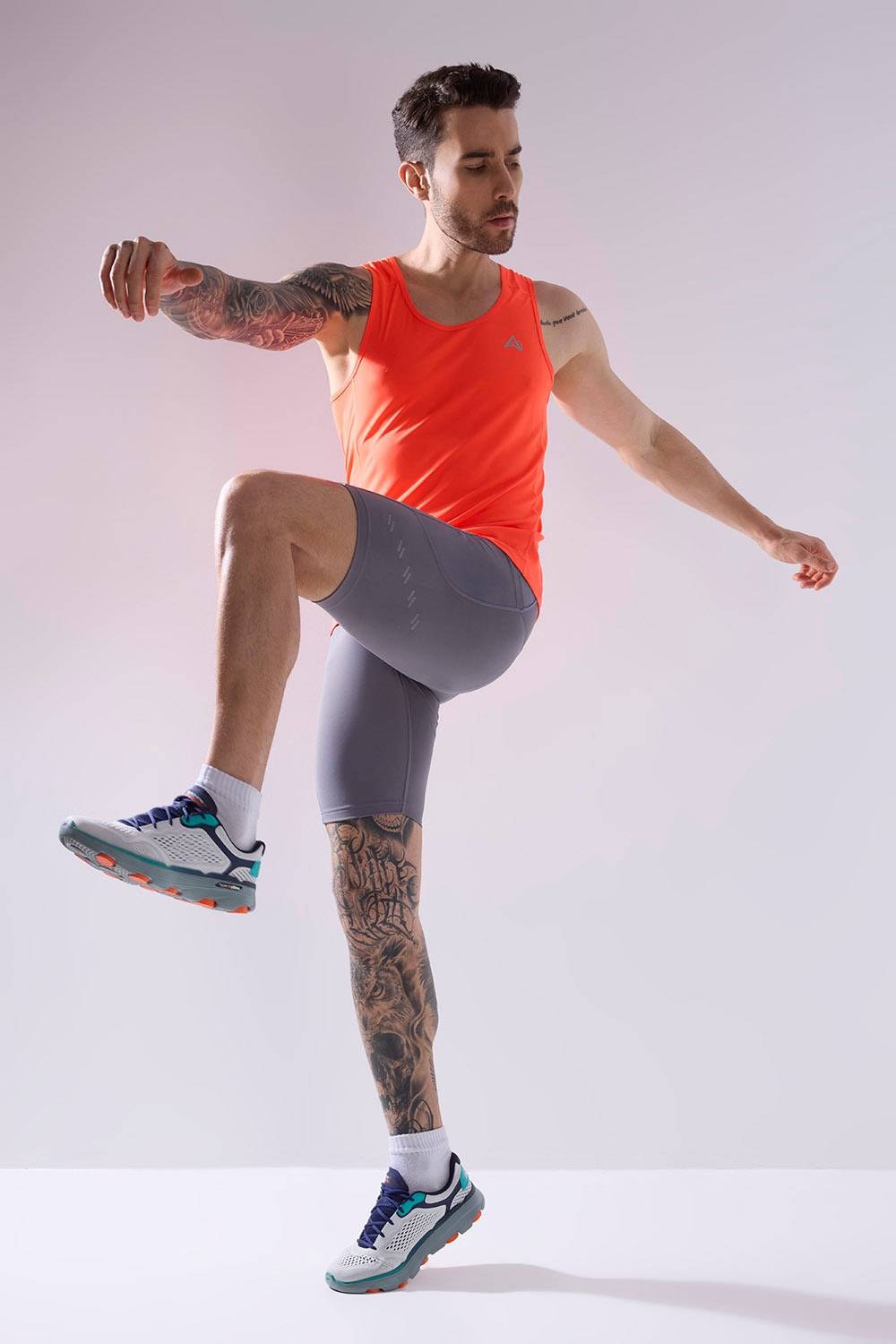
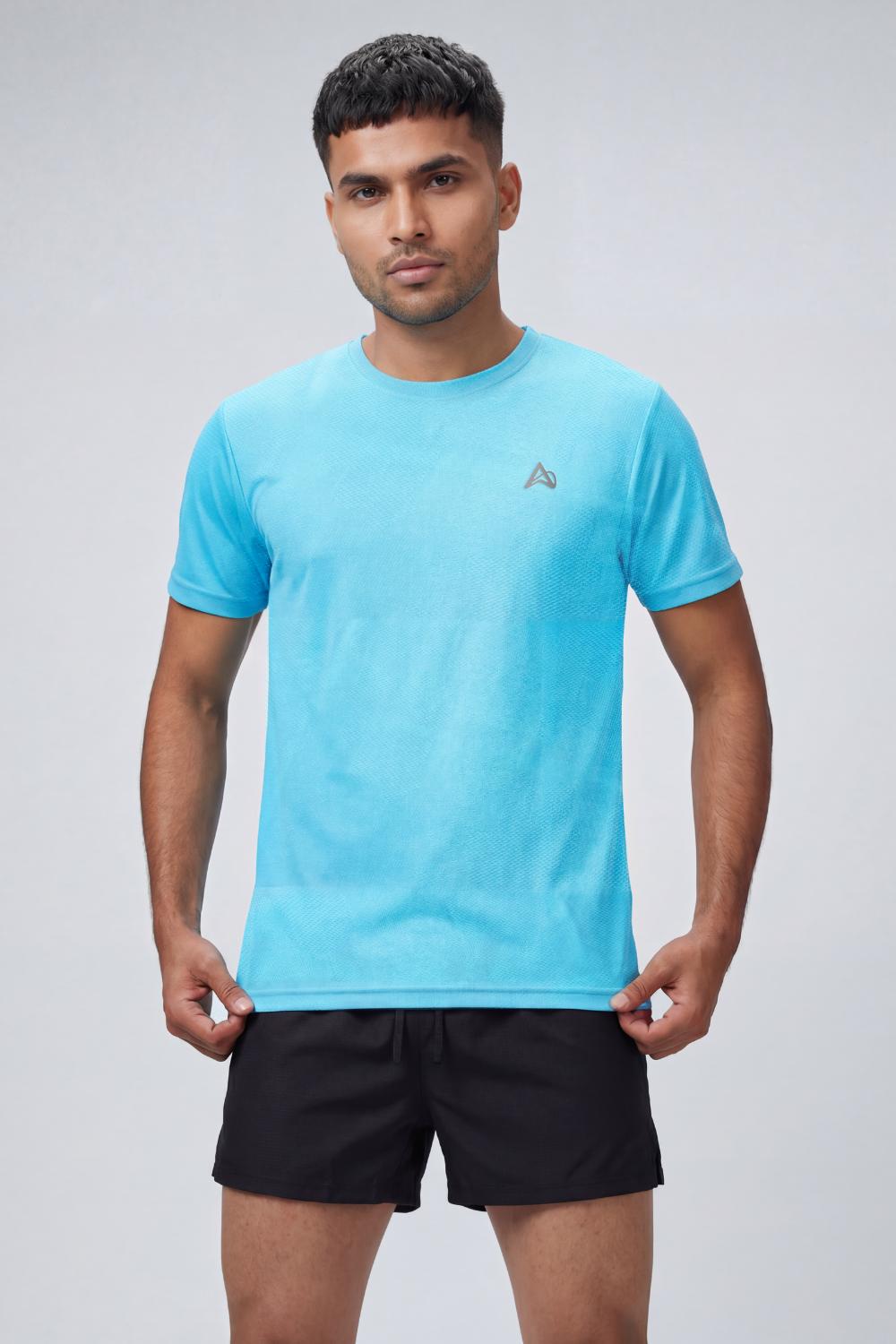
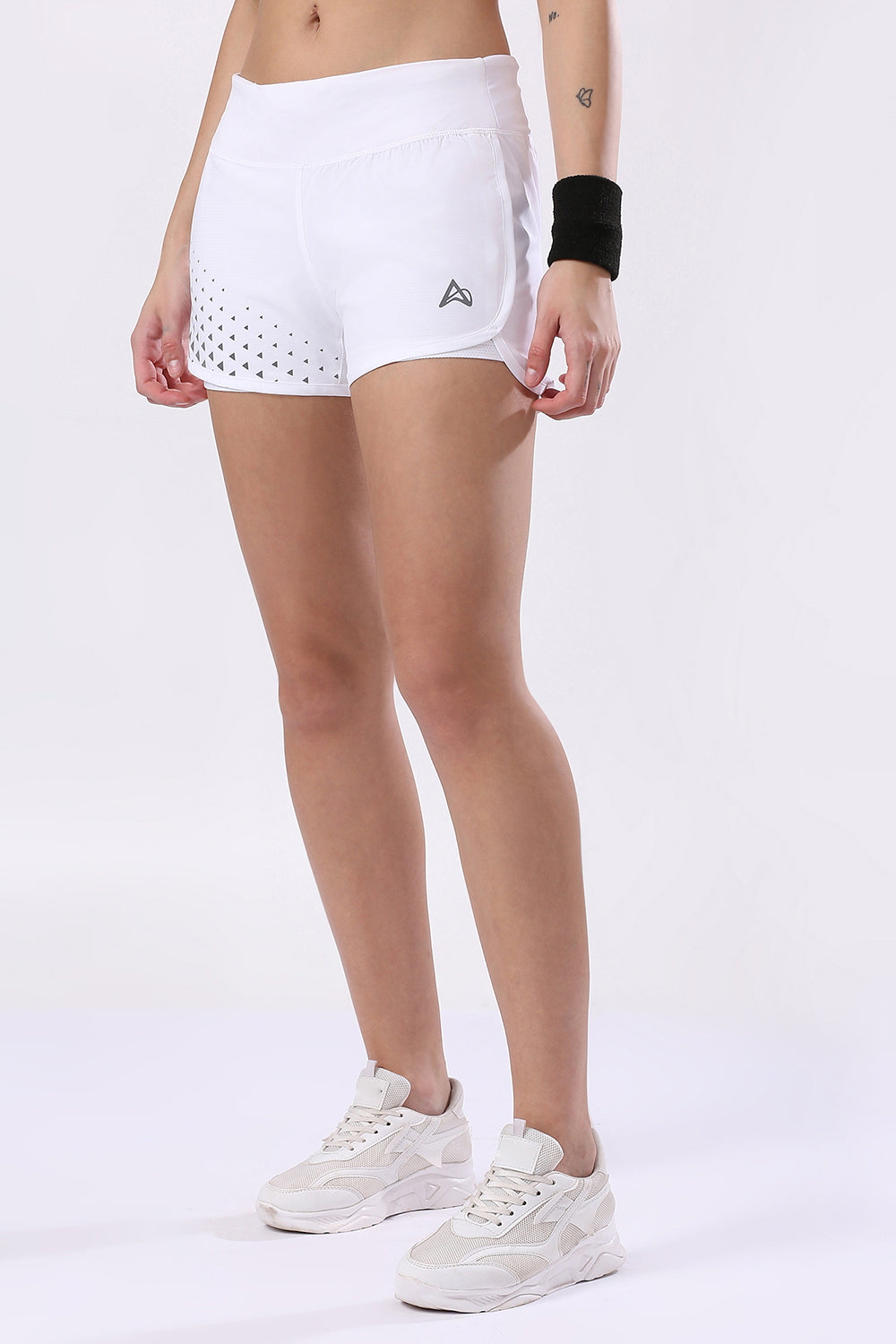
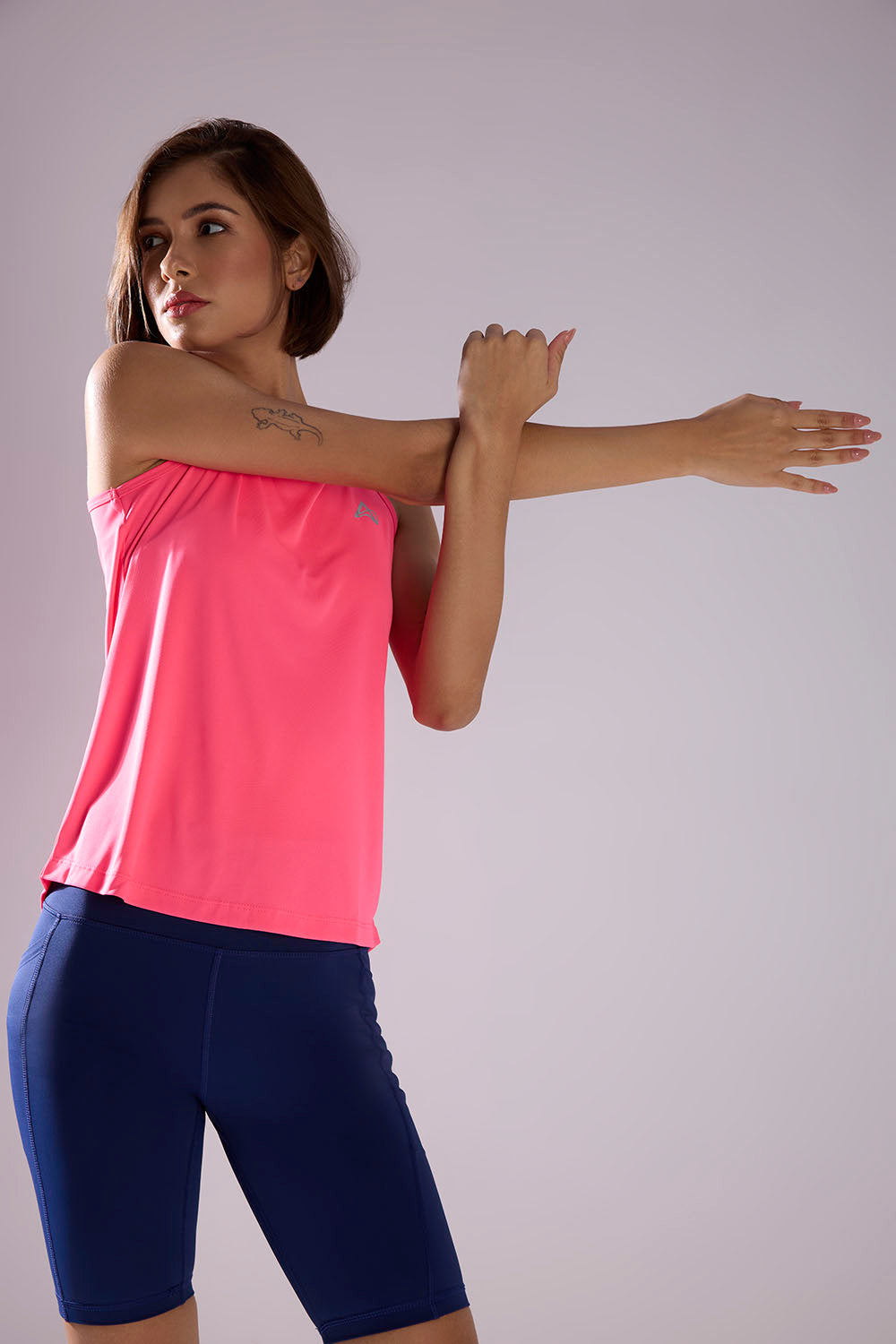
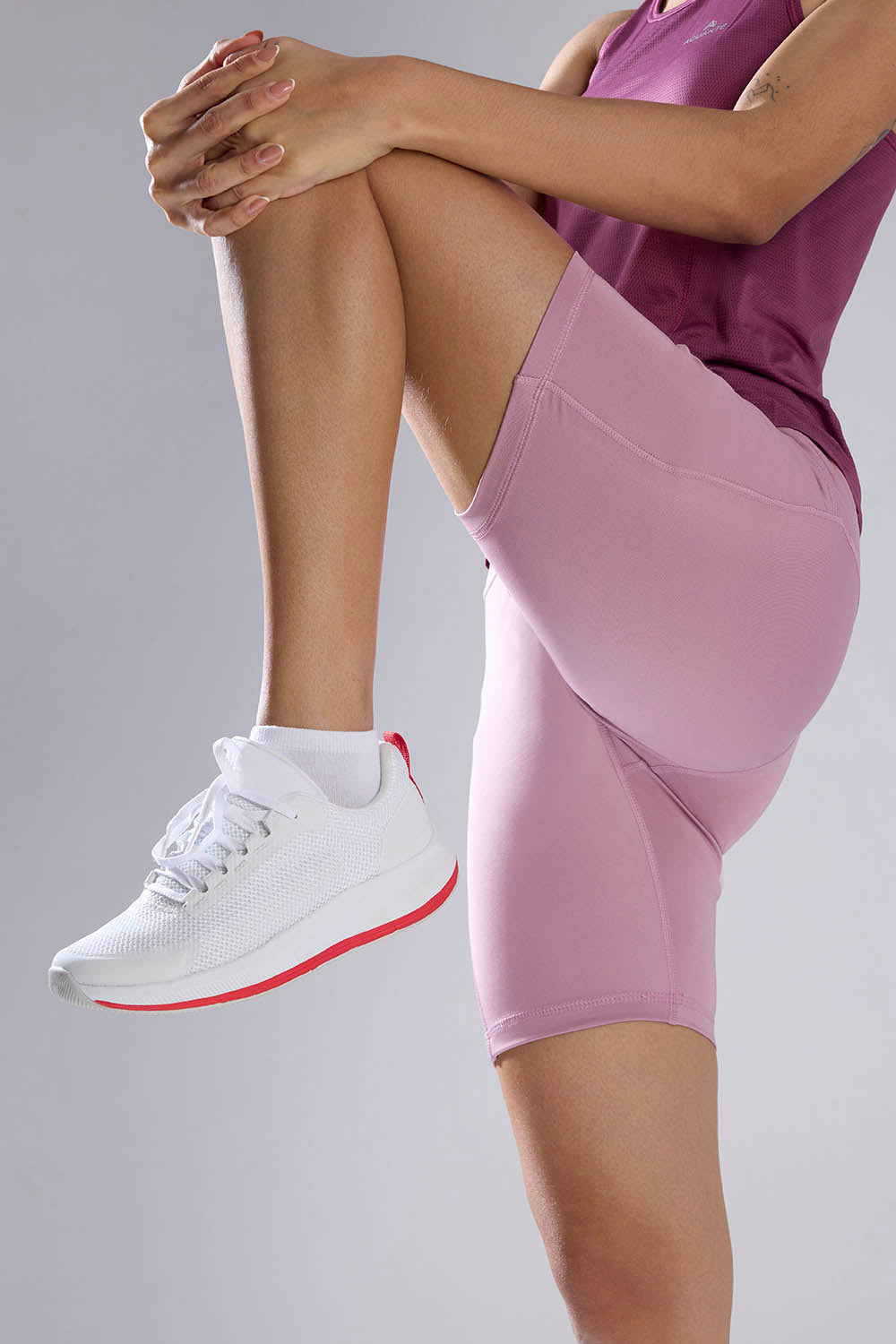
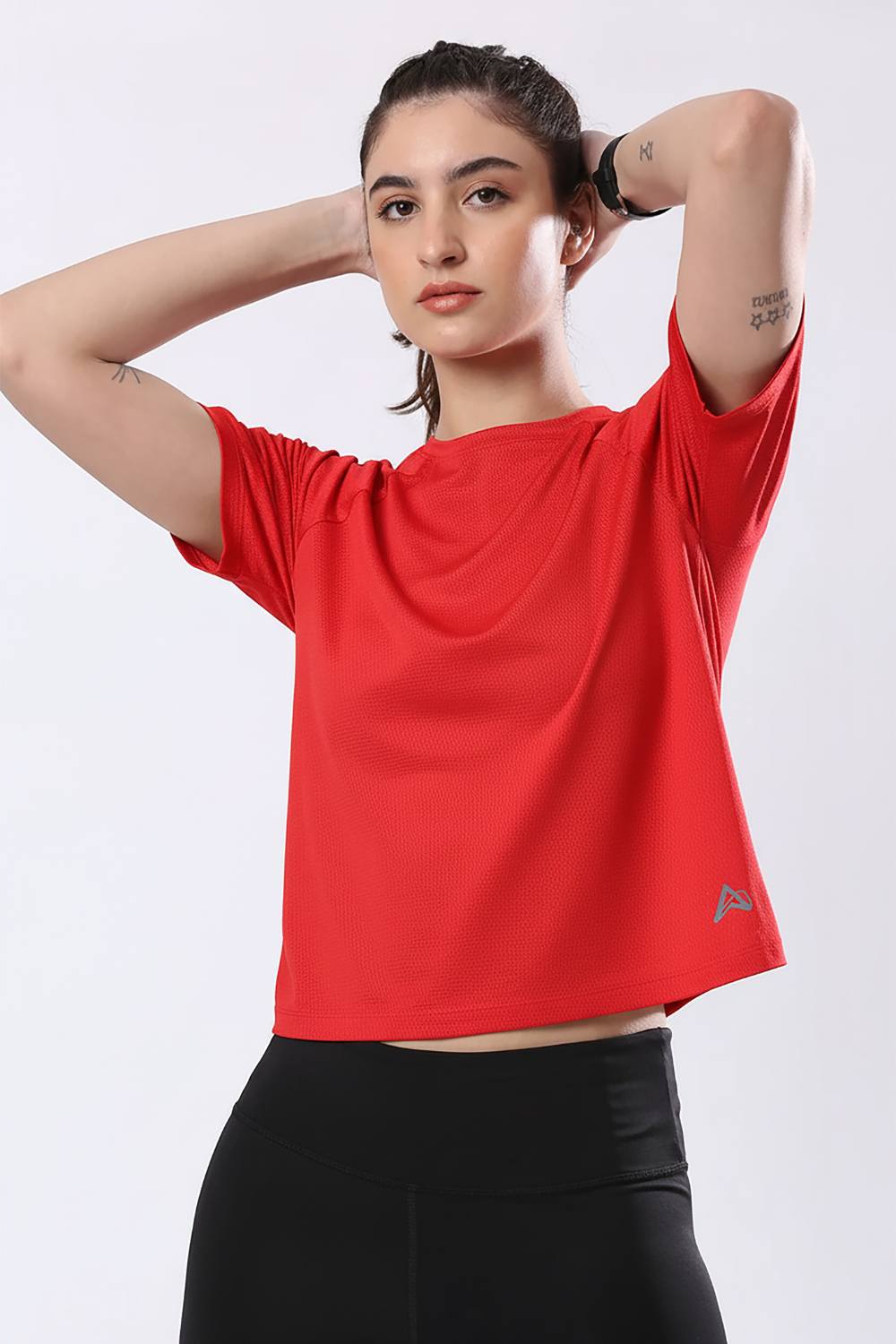
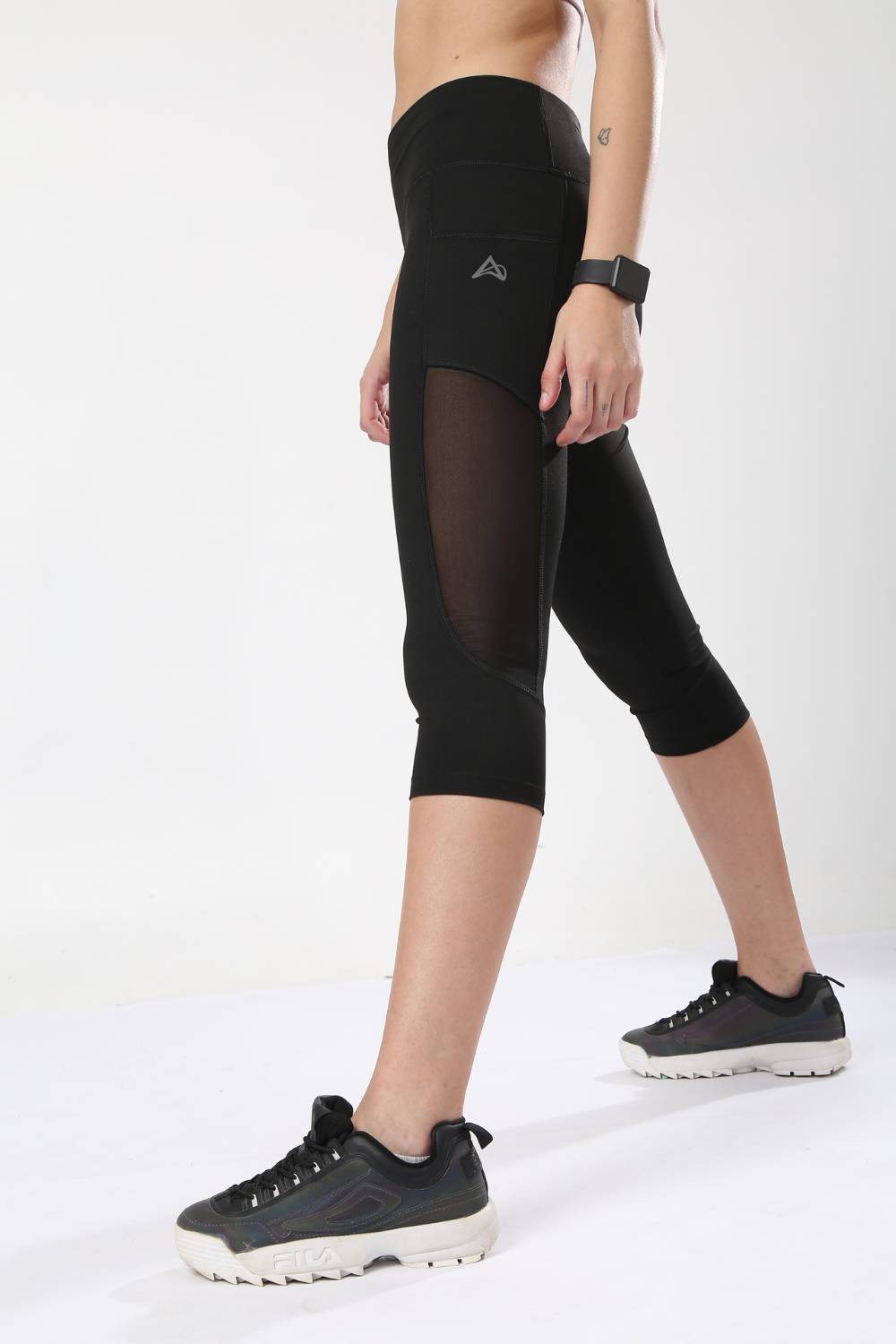
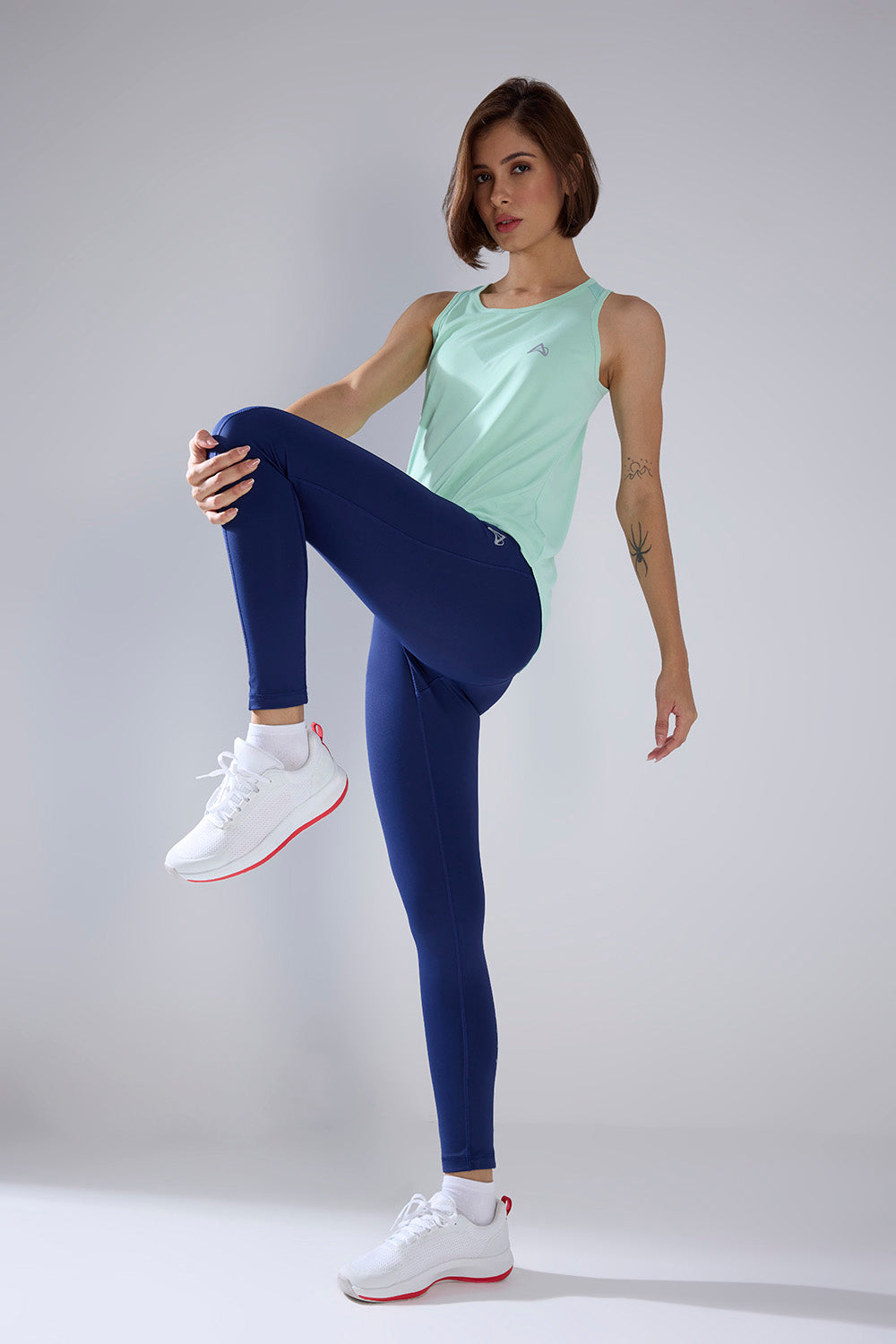
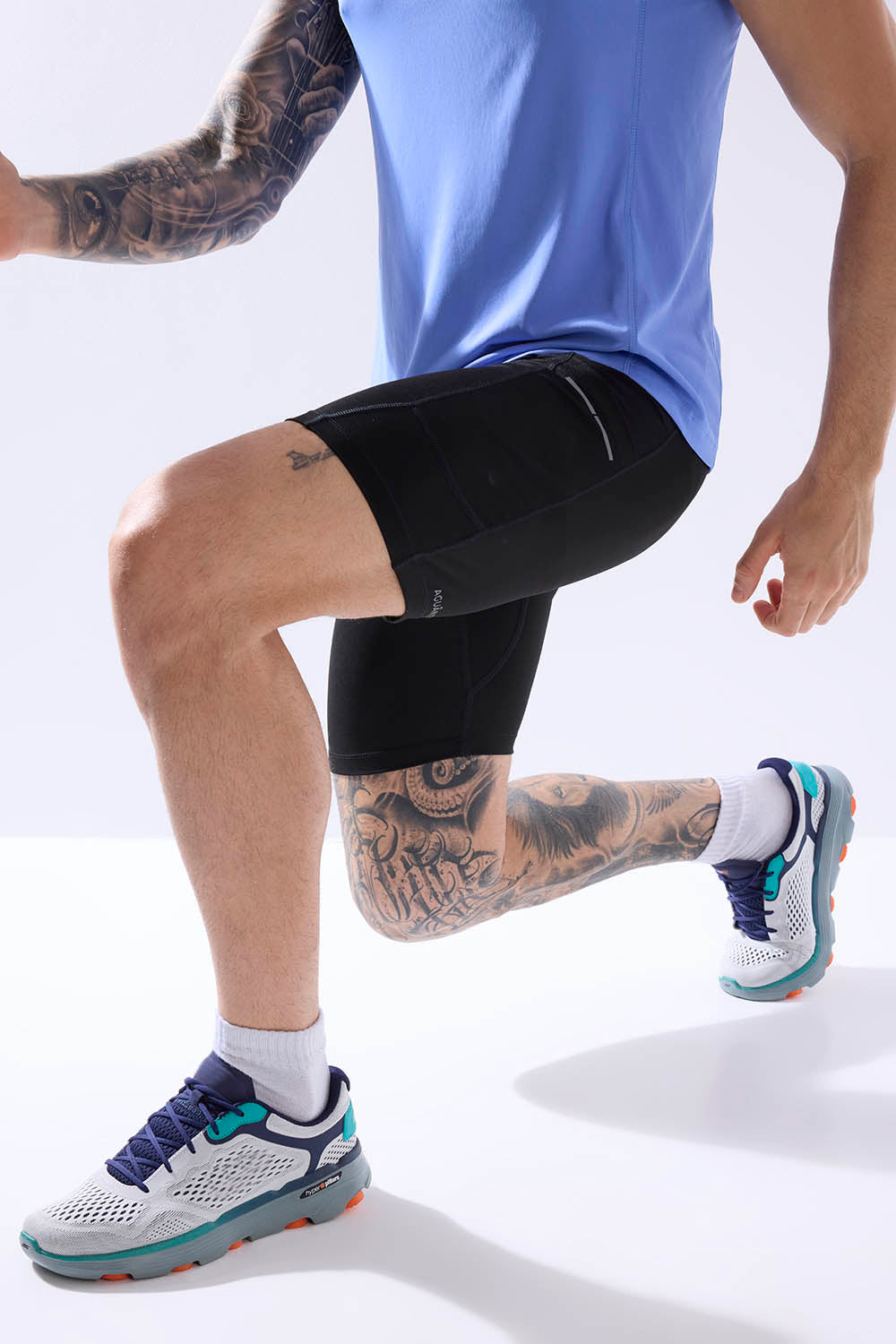
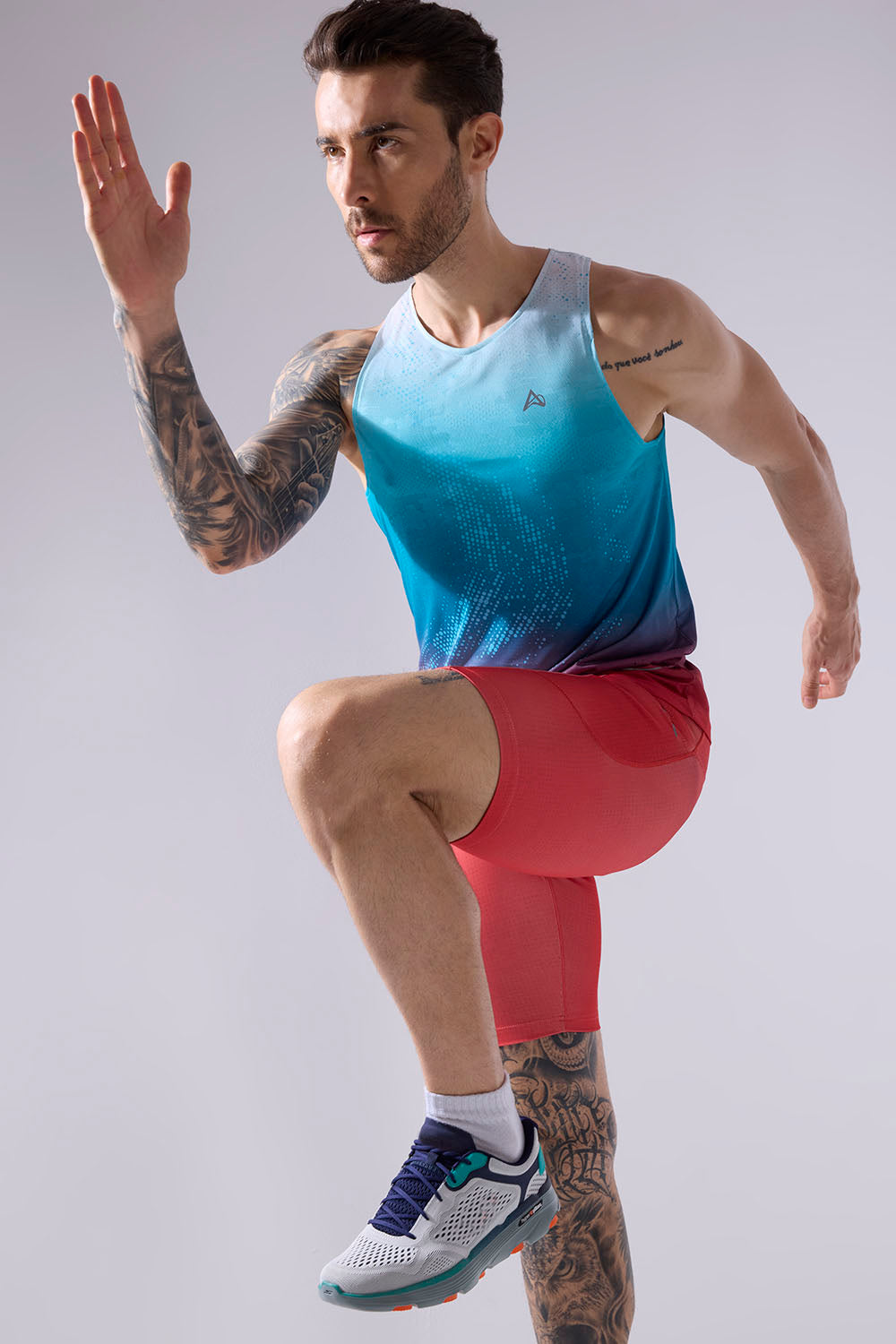
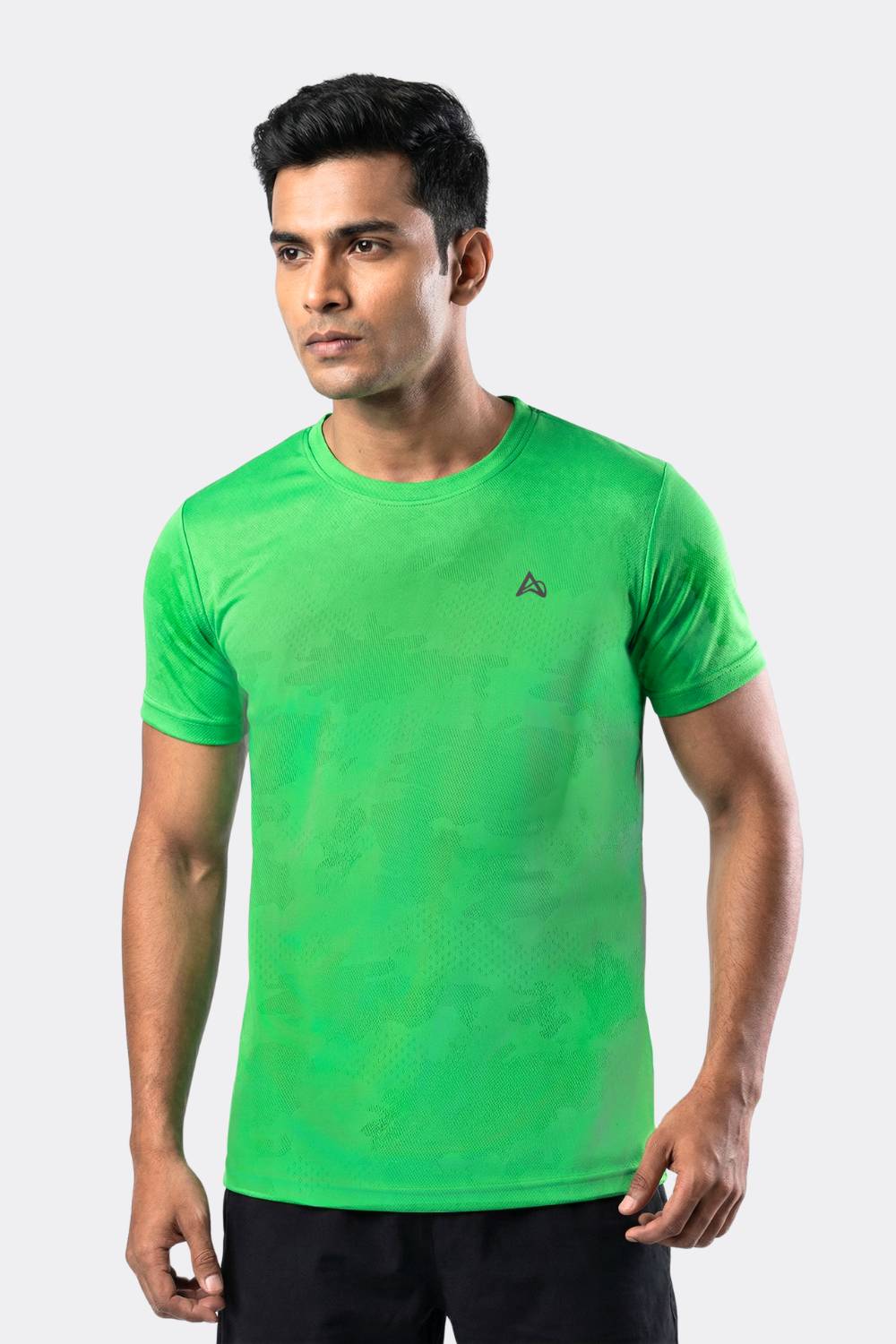
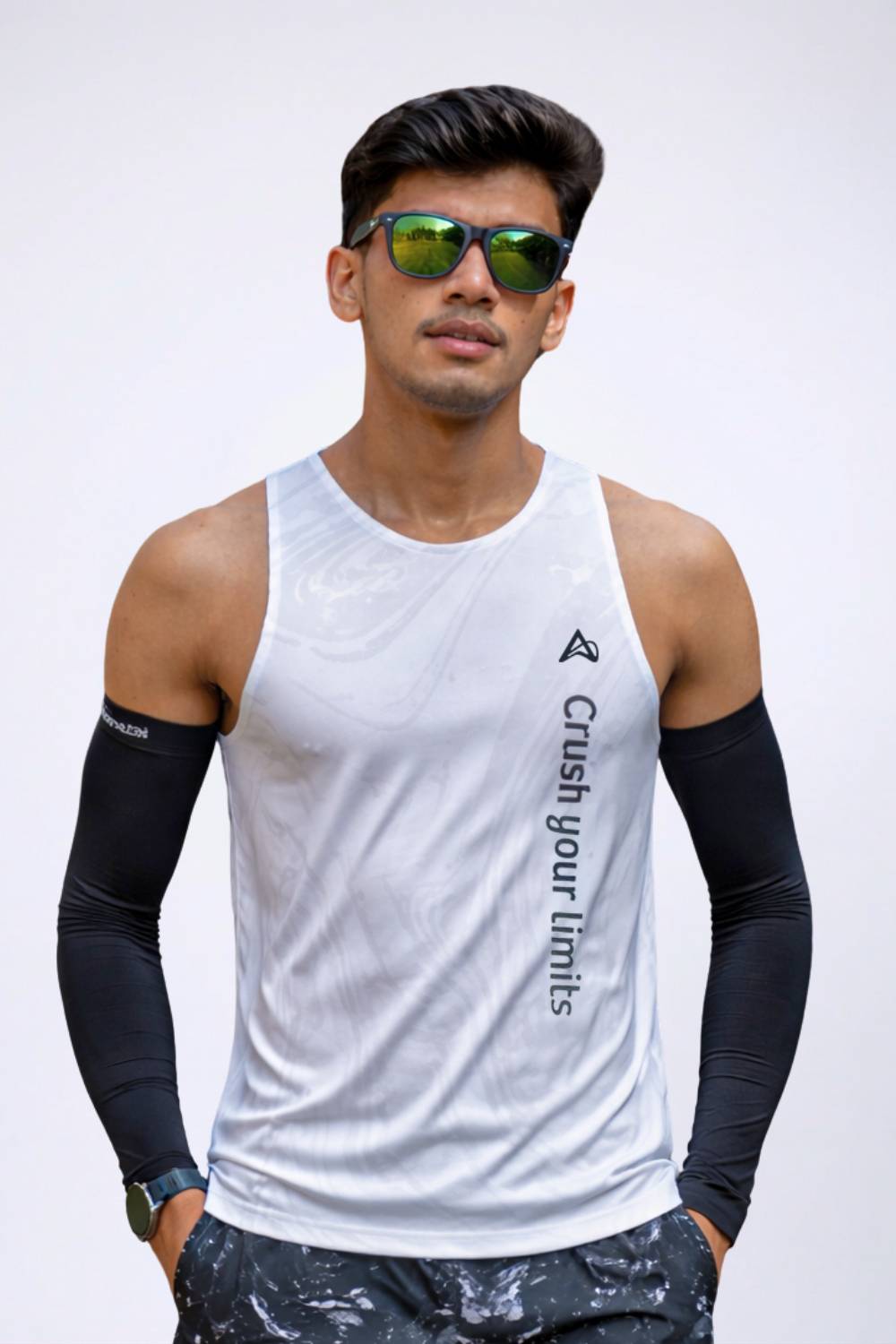
Tired of gear that slows you down? Chafing, soggy fabrics, and missing pockets kill your run's momentum. At Aguante, we're runners who get it. Our high-performance activewear features moisture-wicking fabrics, ergonomic designs, and smart storage to keep you focused. Shop Now!
The Shift in India's Urban Running Economy
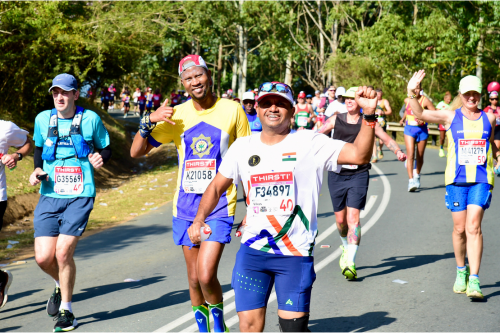
Amateur and competitive running communities have surged in Mumbai, Delhi, and Pune. City marathons pack thousands of participants. Corporate run clubs gather after work, while weekend groups claim local parks and pathways. Runners recognize that apparel choices directly influence injury prevention, sustained comfort, and endurance gains.
Affordability weighs heavily in India's market, where consumers seek value alongside results. The global running apparel market was evaluated at $421 million in 2023 and is slated to hit $641 million by the end of 2032 with a CAGR of nearly 6.3% between 2024 and 2032. Health awareness, marathon popularity, and fabric innovations fuel this expansion, with particular momentum in regions like India where manufacturers and fitness enthusiasm converge.
Climate-Driven Apparel Needs
Heat and humidity dominate runs in Hyderabad and Navi Mumbai. Runners there demand breathable, moisture-wicking fabrics that keep them dry and focused mile after mile. Sweat management isn't a luxury it's essential for maintaining pace without distraction.
Urban pollution and intense UV exposure shape preferences in Gurugram and Surat. Fabrics with protective qualities and reflective elements become practical necessities, especially during early morning or evening sessions when visibility matters on busy roads.
Price Sensitivity Meets Performance Awareness
Middle-income professionals in Bangalore, Mumbai, and Delhi NCR once defaulted to high-end global brands. Now they're exploring mid-tier alternatives that match technical specs without the markup. Performance awareness has risen sharply, driven by training apps, injury data, and peer experiences shared online.
Budget fashion no longer satisfies. Runners want proven durability and features that hold up run after run, yet they refuse to overpay for branding alone.
Localized Design as a Competitive Edge
Products built for Indian body types, climate swings, and road conditions gain traction. Brands incorporating real-runner feedback from local testing loops stand out. Terrain variability from smooth tracks to potholed streets highlights the limits of internationally designed gear. Consumers favor designs refined through India-specific iterations, delivering better fit and function where generic options falter.
Running Communities Driving Demand
Run clubs and coaching groups thrive on Instagram, Facebook, and YouTube across Bangalore, Mumbai, and Hyderabad. These digital spaces circulate product feedback, spotlight functional details, and influence purchasing decisions. Secure pockets that stay put, anti-chafing linings, and reflective detailing frequently top discussion lists.
City marathons and corporate wellness initiatives introduce newcomers to proper gear. Universities and institutes in Delhi NCR and Pune track participation spikes alongside injury trends, reinforcing the need for thoughtful apparel investment.
Key Challenges and Market Frictions
Many runners still equate lower prices with compromised quality or longevity. Imported brands retain aspirational appeal in Mumbai and Delhi, even when local alternatives perform equally well under Indian conditions.
Discovery remains fragmented. Social media recommendations rule, yet structured education on India-specific benchmarks lags. Commuting realities uneven surfaces, heavy pollution, long days create demands that global designs rarely anticipate.
Opportunities for Performance-First, India-Built Brands
Significant space exists for brands prioritizing:
- Climate-specific materials that excel in heat, humidity, and variable weather
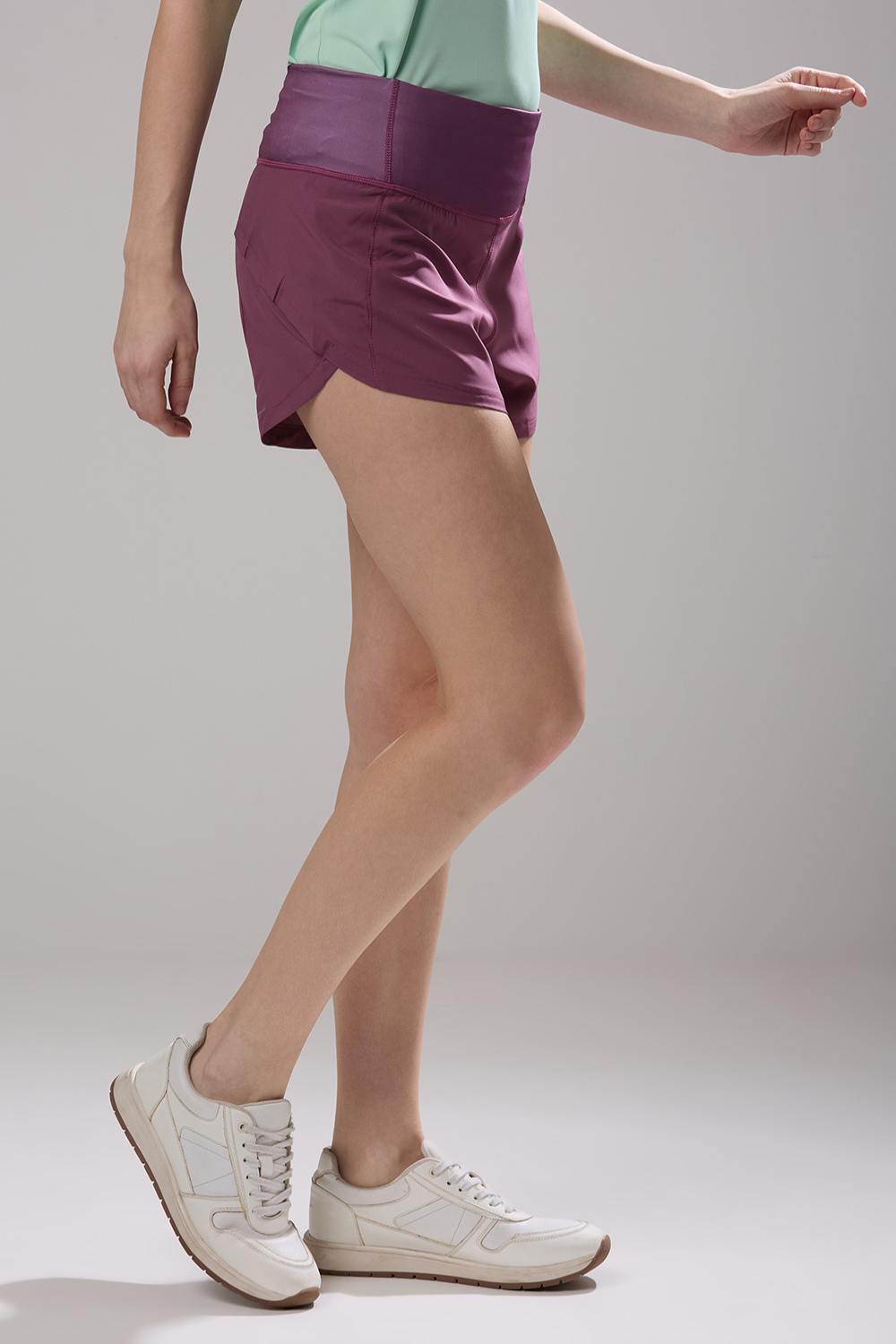
- Anti-chafing inner linings and moisture-wicking fabrics for all-day comfort
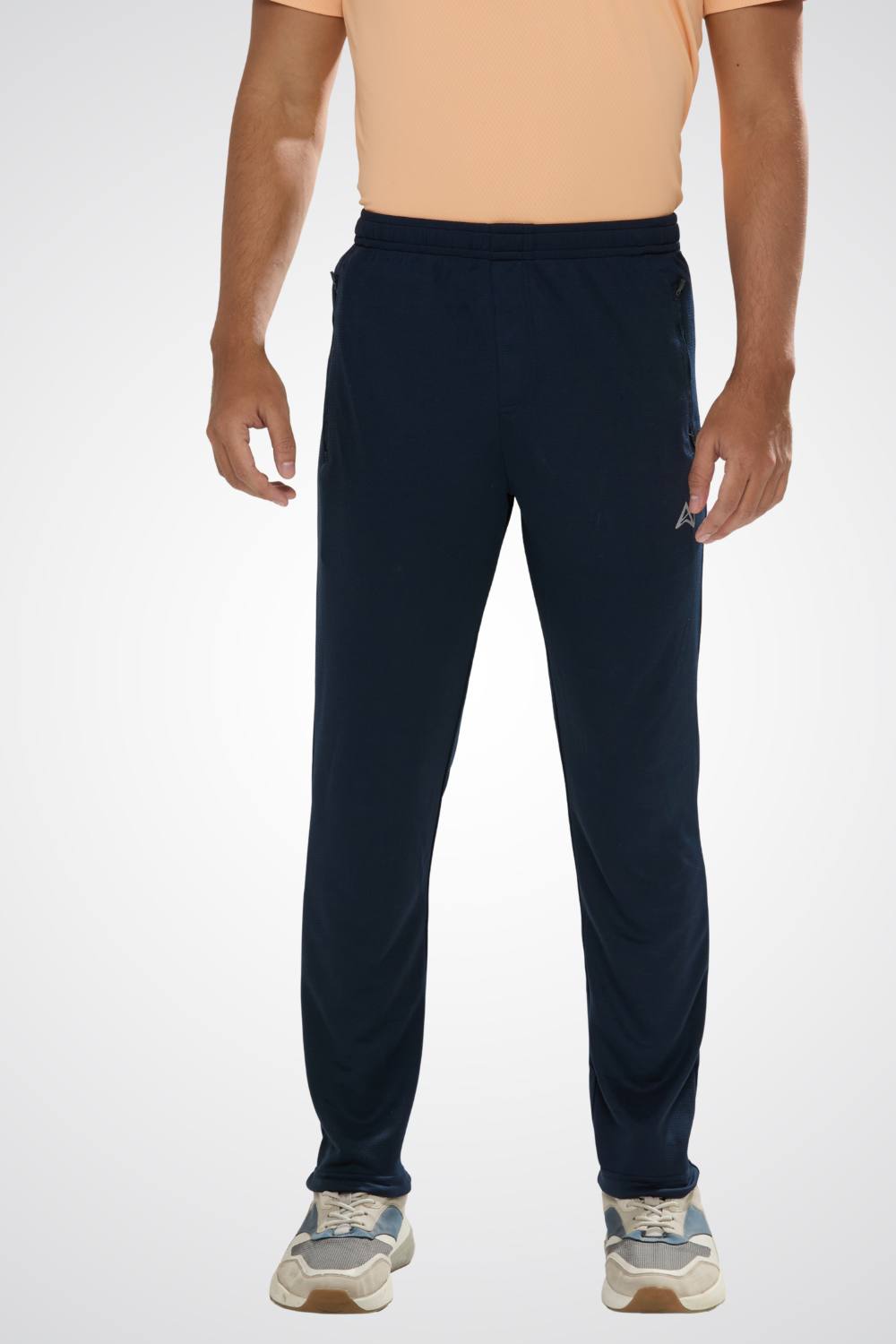
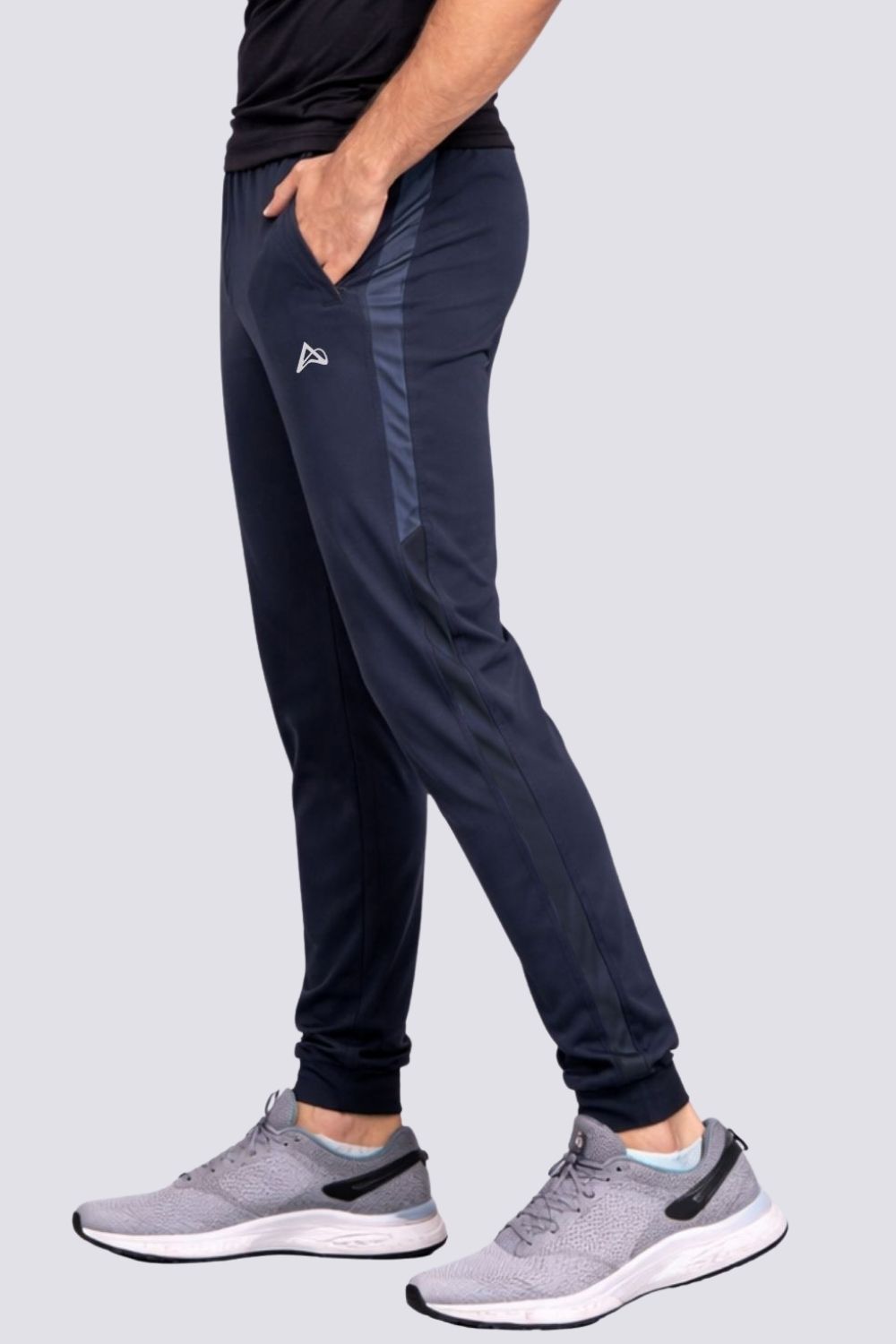
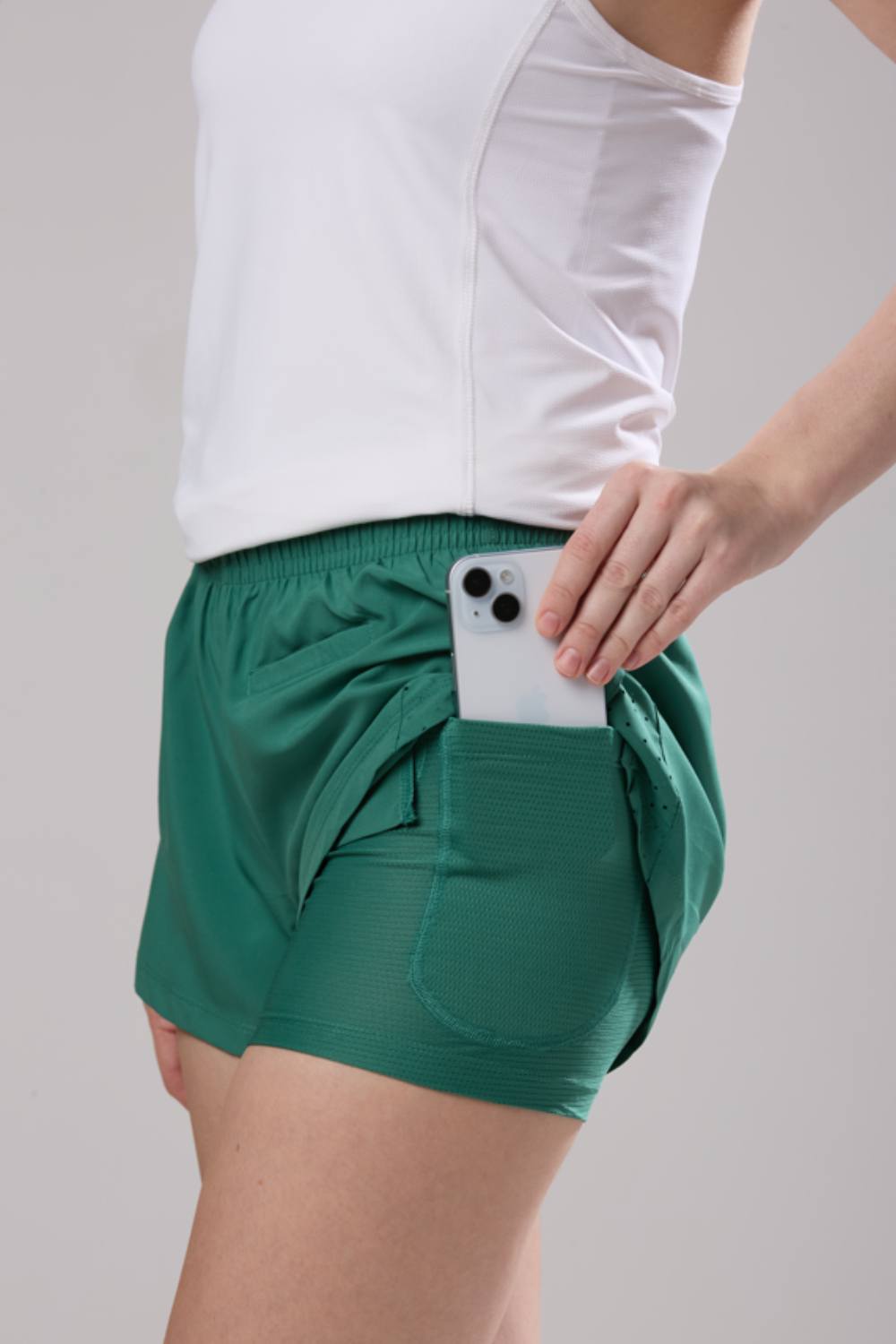
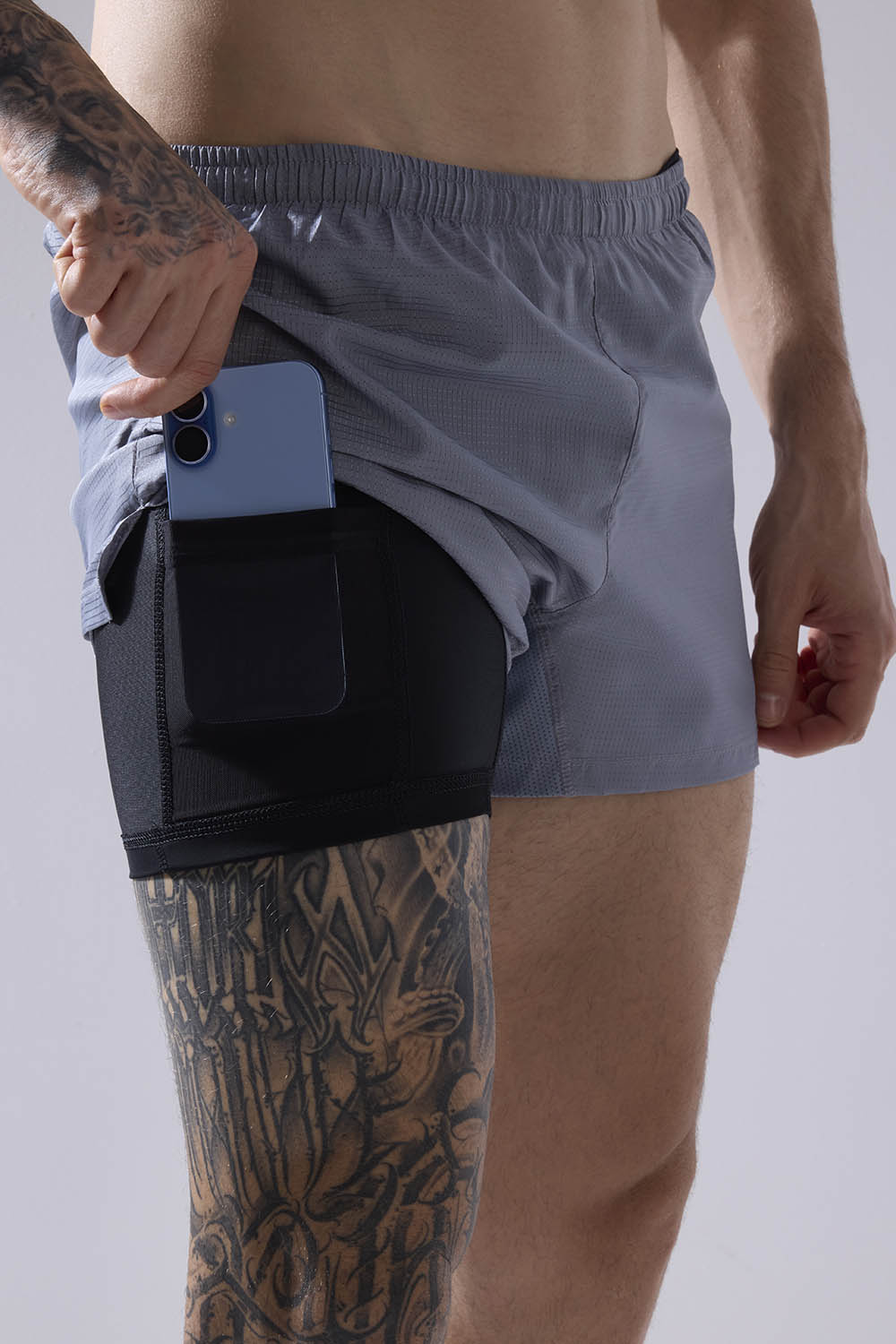
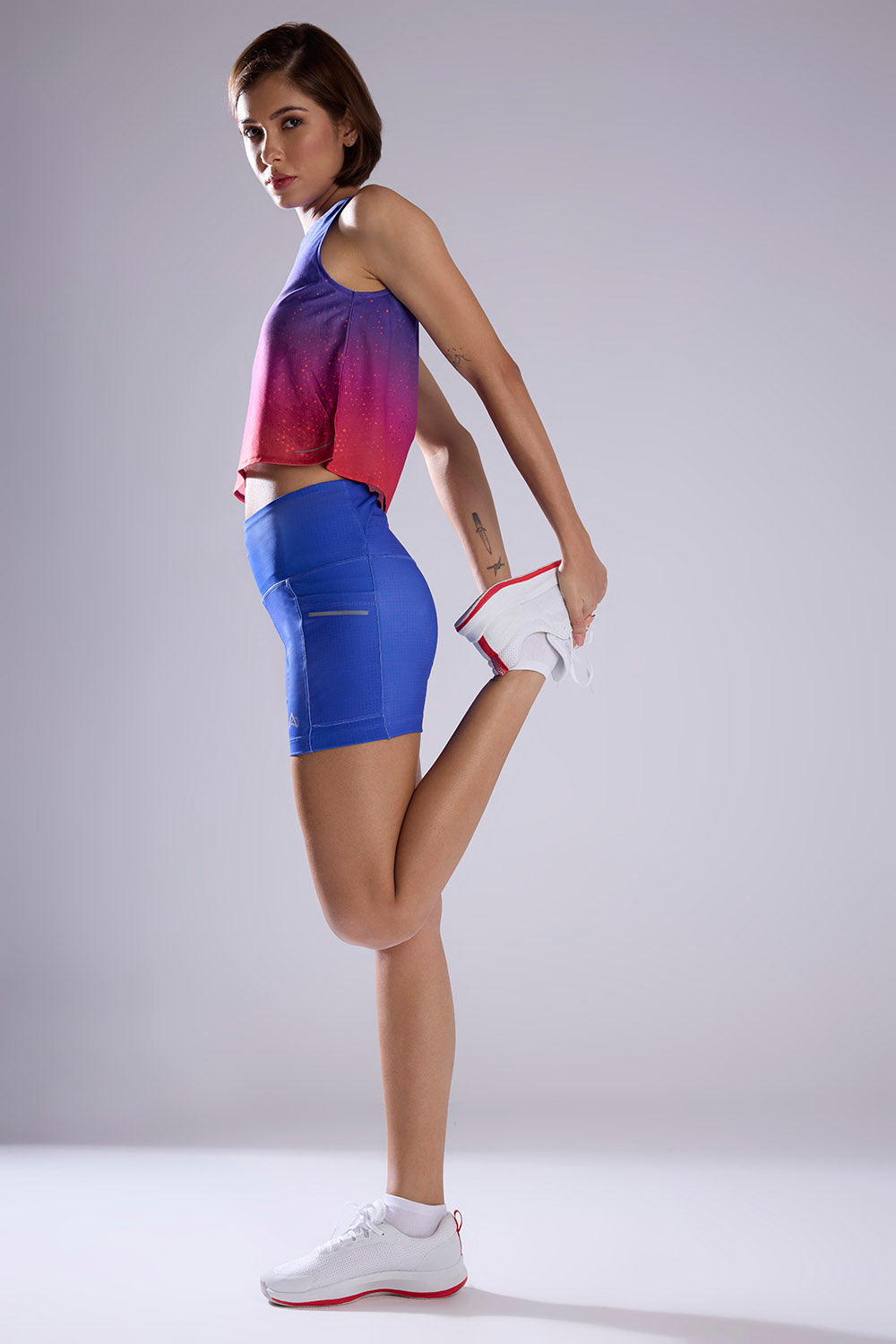
- Secure, bounce-free pockets for carrying essentials without disruption
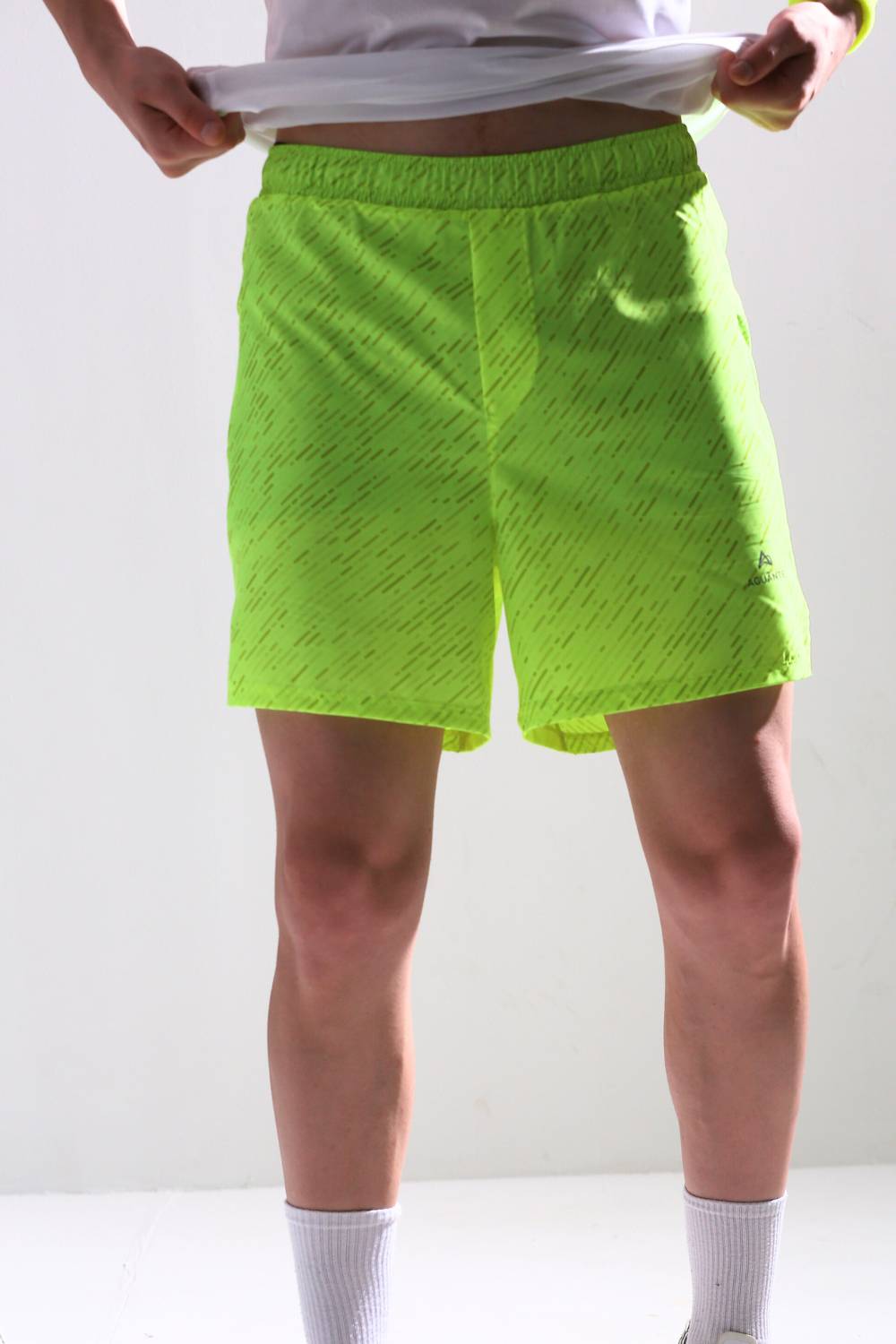
- Reflective detailing for safer visibility during low-light runs
- Ergonomic fits tested by real Indian runners on local routes
Professionals in Bangalore, Gurugram, and Pune show especially strong demand. Direct-to-consumer channels on Instagram, Facebook, and YouTube accelerate discovery and build trust through community validation rather than traditional retail.
The Future of India's Urban Running Gear Market
India's running boom matures beyond simple participation toward optimization. Apparel expectations turn climate-specific, safety-conscious, and ergonomically precise. Brands succeeding will combine technical features tailored to Indian runners with accessible pricing.
The next competitive wave rewards functionality proven on India's roads over branding alone. Runners in these metros already signal the direction: high performance need not come at a premium, and local insight delivers the edge.
Frequently Asked Questions
What features should Indian runners look for in affordable activewear?
Indian runners should prioritize moisture-wicking, breathable fabrics that handle heat and humidity especially in cities like Mumbai, Hyderabad, and Bangalore. Other key features include anti-chafing inner linings, secure bounce-free pockets, and reflective detailing for low-light visibility on busy urban roads. Ergonomic fits tested specifically for Indian body types and local terrain conditions offer a significant advantage over generic international designs.
Are budget-friendly running clothes good enough for serious runners in India?
Yes mid-tier and India-built activewear brands increasingly match the technical performance of premium global labels at a fraction of the cost. Indian urban runners, particularly middle-income professionals in Delhi NCR, Pune, and Bangalore, are shifting away from aspirational branding toward brands proven on local routes. Performance features like climate-specific fabrics and ergonomic fits matter far more than the label when running in India's conditions.
Why is locally designed running gear better suited for Indian conditions than international brands?
International activewear is rarely designed with India's specific challenges in mind intense UV exposure, heavy urban pollution, uneven terrain, and high humidity levels across cities like Gurugram and Surat. Locally developed gear, refined through real-runner testing on Indian roads and tracks, delivers better fit, durability, and functional features. Community-driven feedback via Indian run clubs on Instagram and YouTube further shapes these designs to meet hyperlocal needs.
Disclaimer: The above helpful resources content contains personal opinions and experiences. The information provided is for general knowledge and does not constitute professional advice.
You may also be interested in: Affordable Running Gear Fuels India's Fitness Movement - Aguante
Tired of gear that slows you down? Chafing, soggy fabrics, and missing pockets kill your run's momentum. At Aguante, we're runners who get it. Our high-performance activewear features moisture-wicking fabrics, ergonomic designs, and smart storage to keep you focused. Shop Now!
Powered by flareAI.co