























Professionals training for endurance events frequently find themselves squeezed between conference calls, deadlines, and mileage goals. In cities like Bangalore and Mumbai, where urban professionals increasingly embrace running as a way to manage stress and build resilience, this balancing act is common. The result is often skipped meals, rushed eating, or reliance on convenience foods that fail to support sustained energy or proper recovery.
What matters most is recognizing that inconsistent fueling doesn't just affect weekend long runs it compounds across the workweek, leading to fatigue, slower recovery, and increased injury risk. Successful runners learn to treat nutrition as a non-negotiable part of their performance system, much like their training plan or work calendar. This shift in mindset helps integrate smart eating habits into even the most packed days.
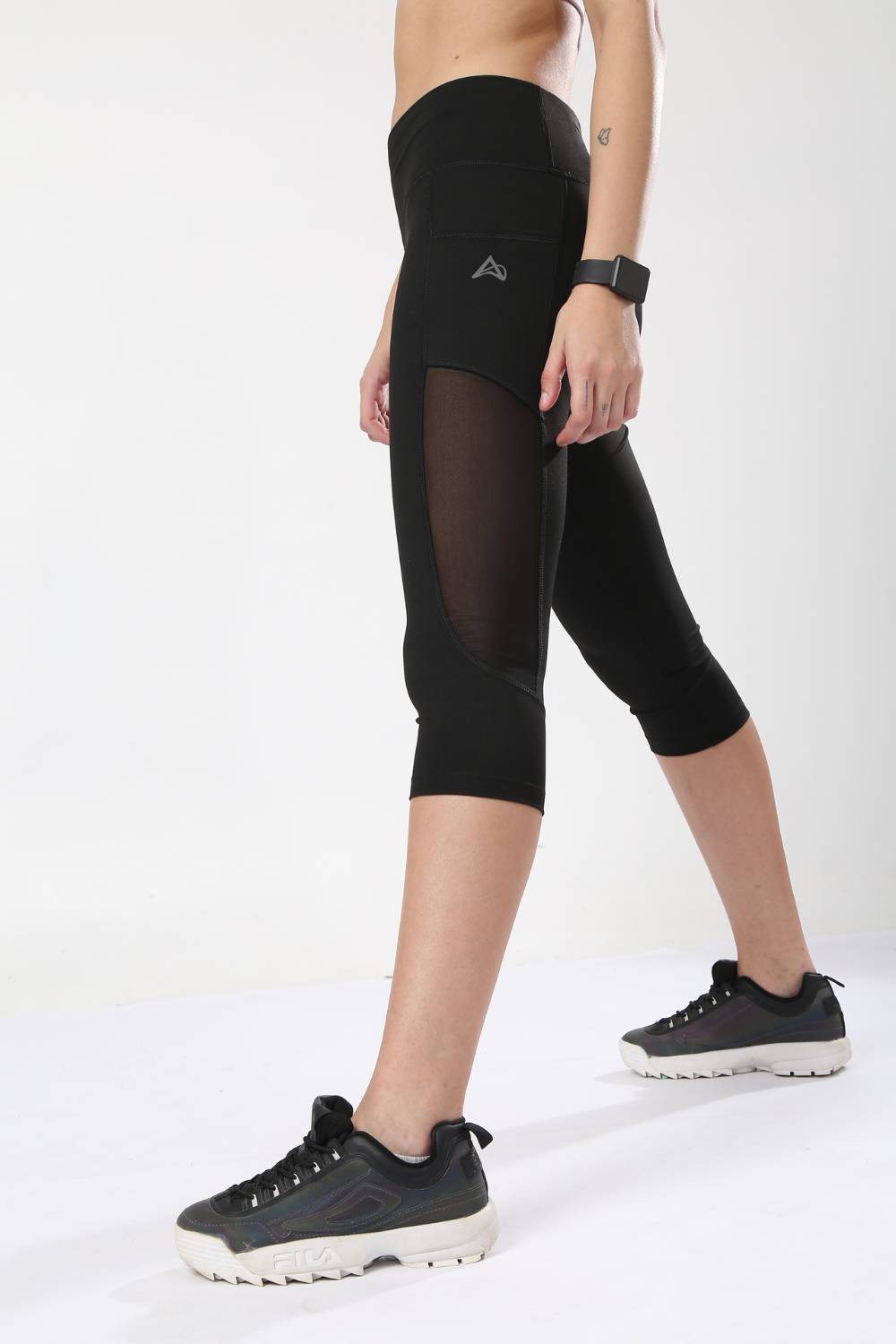
Tired of gear that slows you down? Chafing, soggy fabrics, and missing pockets kill your run's momentum. At Aguante, we're runners who get it. Our high-performance activewear features moisture-wicking fabrics, ergonomic designs, and smart storage to keep you focused. Shop Now!
Common Nutritional Pitfalls for Working Runners
One frequent challenge is under-fueling during the workday. Many runners consume inadequate carbohydrates and protein at lunch, only to hit the wall during evening runs or feel depleted the next morning. Another issue is poor timing grabbing coffee and a pastry before a dawn run without adequate follow-up nutrition, or skipping post-run recovery because of evening meetings.
Dehydration often creeps in too, especially for those commuting in busy metropolitan areas or spending long hours in climate-controlled offices. Electrolyte balance becomes crucial when combining high training volumes with stressful work environments. Additionally, social and family commitments can disrupt consistent meal planning, making it difficult to maintain the steady nutrient intake endurance athletes need.
Strategic Meal Planning for Runners with Demanding Careers
Effective meal planning for runners starts with preparation. Successful athletes batch-cook versatile components on weekends think grilled proteins, roasted vegetables, and whole grains that can be quickly assembled into balanced meals during the week. This approach works equally well for professionals in Hyderabad, Pune, or European capitals.
Focus on nutrient density within limited time windows. Breakfast might include overnight oats with added protein powder and nuts, providing sustained energy without requiring morning cooking. Lunch can be built around portable options like quinoa salads or wraps that travel well to the office. The key is planning meals that align with training demands: higher carbs on heavy training days and more balanced macros on recovery or lighter days.
Pre-Run Fueling That Fits Busy Mornings
For early morning runs, a small, easily digestible snack 30-60 minutes before heading out can make a significant difference. Banana with almond butter, a small smoothie, or toast with avocado offer quick carbohydrates without heaviness. These choices help maintain blood sugar stability during the run while respecting tight schedules.
Even better, some runners prepare their pre-run options the night before, ensuring they can grab and go when the alarm sounds. This small investment in preparation prevents the common mistake of running fasted, which can impair performance and recovery over time.
Optimizing Recovery Nutrition Amid Work Demands
Post-run recovery represents one of the most important yet often neglected aspects of endurance athlete nutrition. The 30-60 minute window after training is ideal for consuming a combination of carbohydrates and protein to replenish glycogen stores and support muscle repair. However, evening commitments frequently interfere with this timing.
Practical solutions include keeping recovery shakes or chocolate milk at the office or in a gym bag for immediate consumption after runs. For those heading straight into meetings, portable options like Greek yogurt with fruit and granola or a turkey and cheese sandwich provide the necessary nutrients. Consistency in recovery fueling often separates runners who progress from those who plateau despite consistent training miles.
Energy Management and Hydration Strategies
Maintaining steady energy throughout long workdays requires more than just three meals. Strategic snacking becomes essential options like trail mix, fruit with nut butter, or protein bars designed for athletes help bridge gaps between meetings and training sessions. These choices support energy management for runners without causing energy crashes.
Hydration requires equal attention. Carrying a reusable bottle and setting phone reminders helps maintain fluid intake, especially important when combining training with air travel or office environments. Adding electrolyte tablets or powders on heavier training days helps replace minerals lost through sweat, supporting both performance and cognitive function at work.
Balancing Social Life, Travel, and Training Nutrition
Business travel and social events present additional nutritional hurdles. Airport food courts and client dinners rarely align with optimal runner fueling. Forward-thinking athletes research restaurant menus in advance, pack portable snacks, and make strategic choices that support their goals without feeling restrictive.
In cities across India and Europe, runners are finding creative ways to maintain nutrition while enjoying local cuisine. Choosing grilled proteins and vegetable-heavy dishes, requesting modifications when needed, and planning training around travel schedules helps minimize disruption. The goal isn't perfection but consistency that supports both performance and enjoyment of life.
Practical Tips for Long-Term Success
Building sustainable habits requires experimentation and flexibility. Many runners benefit from working with sports dietitians who understand corporate lifestyles, or using apps to track both training and nutrition. Tracking how different fueling strategies affect energy levels, sleep quality, and run performance provides valuable data for refinement.
Remember that nutrition for busy runners isn't about following rigid rules but developing systems that work within real-life constraints. Small, consistent improvements like preparing breakfast the night before or keeping recovery snacks accessible compound over months of training. This practical approach supports not just race-day performance but overall well-being and career success.
As you navigate the demands of both professional life and long-distance training, quality gear that moves with you becomes essential. Performance apparel designed for real runners helps maximize comfort during those precious training hours, allowing you to focus on execution rather than distractions. By addressing nutritional challenges thoughtfully, busy runners can achieve their endurance goals while maintaining the energy needed to excel in all areas of life.
Frequently Asked Questions
What are the best meal prep strategies for busy runners training for marathons or half-marathons?
Busy runners benefit most from batch-cooking versatile components on weekends grilled proteins, roasted vegetables, and whole grains that can be quickly assembled into balanced meals during the week. Nutrient-dense, portable options like overnight oats, quinoa salads, and wraps are ideal for workdays. Aligning carbohydrate intake with training intensity (higher on heavy training days, more balanced on recovery days) ensures consistent energy management for runners without requiring daily cooking.
How should working runners fuel before and after early morning runs?
For pre-run fueling, a small, easily digestible snack 30–60 minutes before heading out such as a banana with almond butter, toast with avocado, or a light smoothie helps maintain blood sugar without causing heaviness. Preparing these options the night before prevents skipping nutrition due to time pressure. Post-run, the 30–60 minute recovery window is critical for endurance athlete nutrition; a recovery shake, Greek yogurt with fruit, or chocolate milk immediately after training helps replenish glycogen and support muscle repair.
How can runners maintain proper hydration and energy levels during long, demanding workdays?
Combining high training volumes with stressful office environments makes dehydration a common but often overlooked issue for working runners. Carrying a reusable water bottle, setting phone reminders, and adding electrolyte tablets or powders on heavier training days helps replace minerals lost through sweat and supports both athletic performance and workplace cognitive function. Strategic snacking trail mix, fruit with nut butter, or athlete-focused protein bars also bridges energy gaps between meetings and training sessions, preventing the crashes that disrupt both work productivity and run quality.
Disclaimer: The above helpful resources content contains personal opinions and experiences. The information provided is for general knowledge and does not constitute professional advice.
You may also be interested in: How Runners Are Preparing for India's Expanding Marathon Calendar
Tired of gear that slows you down? Chafing, soggy fabrics, and missing pockets kill your run's momentum. At Aguante, we're runners who get it. Our high-performance activewear features moisture-wicking fabrics, ergonomic designs, and smart storage to keep you focused. Shop Now!
Powered by flareAI.co