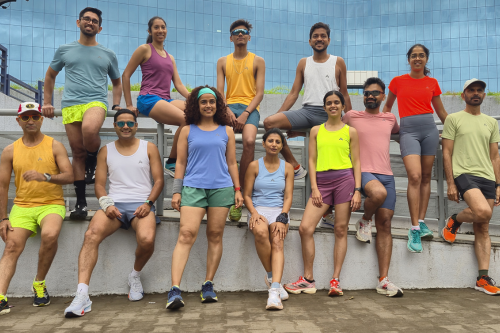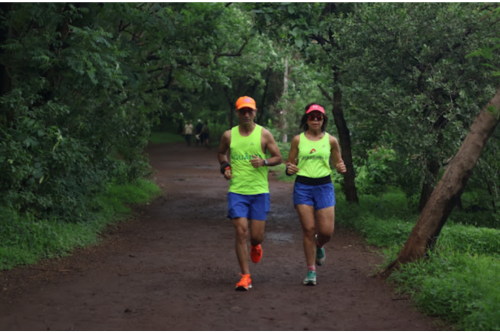
















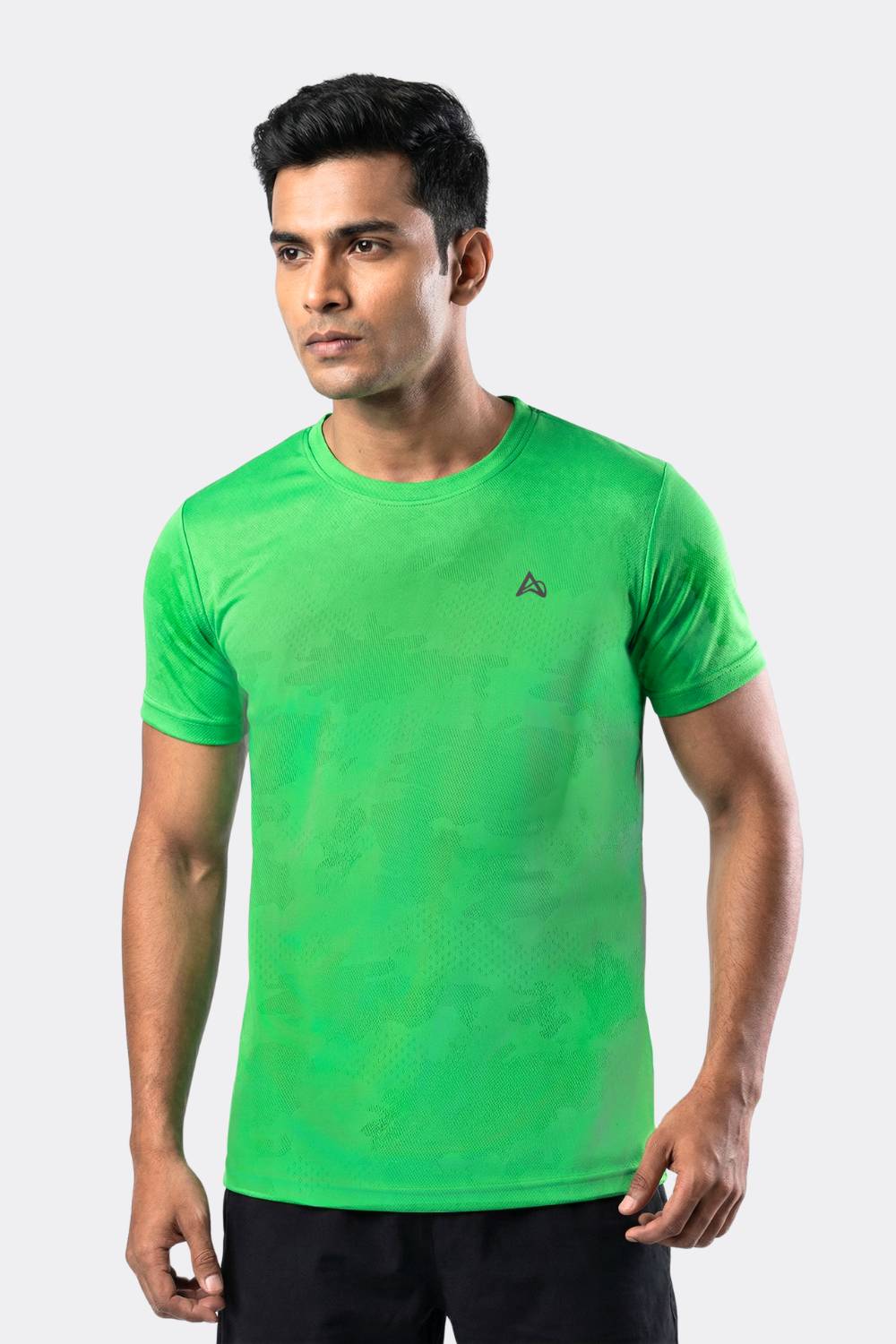
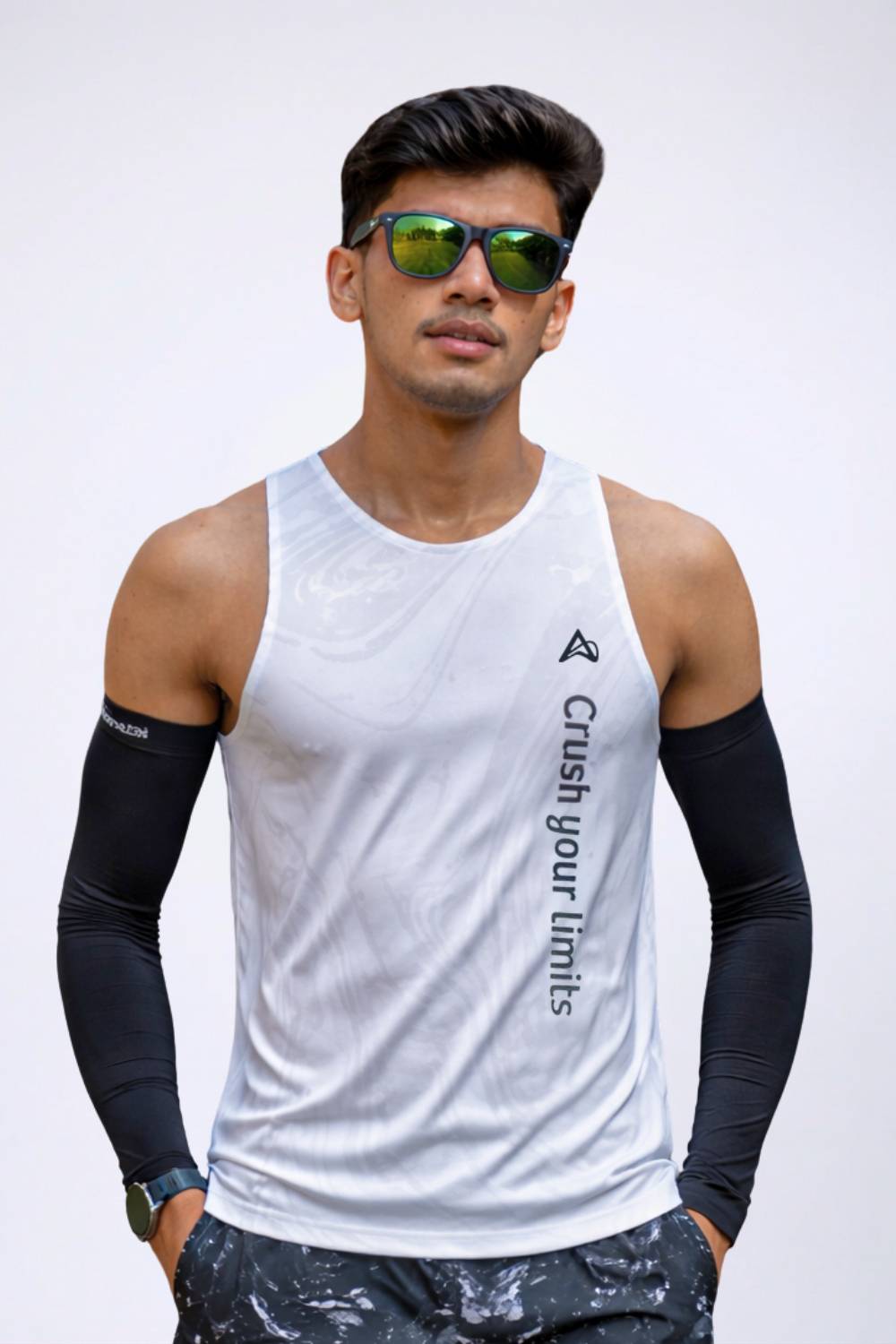

Running is no longer just an individual pursuit; it has evolved into a social movement that fosters connection, motivation, and wellness. In India's tier-2 cities like Pune, Ahmedabad, Surat, and Gurugram, grassroots running communities are forming vibrant support networks that transcend mere physical exercise. These networks provide both newcomers and seasoned runners with structured guidance, shared experiences, and social reinforcement, creating an environment where fitness and community spirit grow hand in hand.
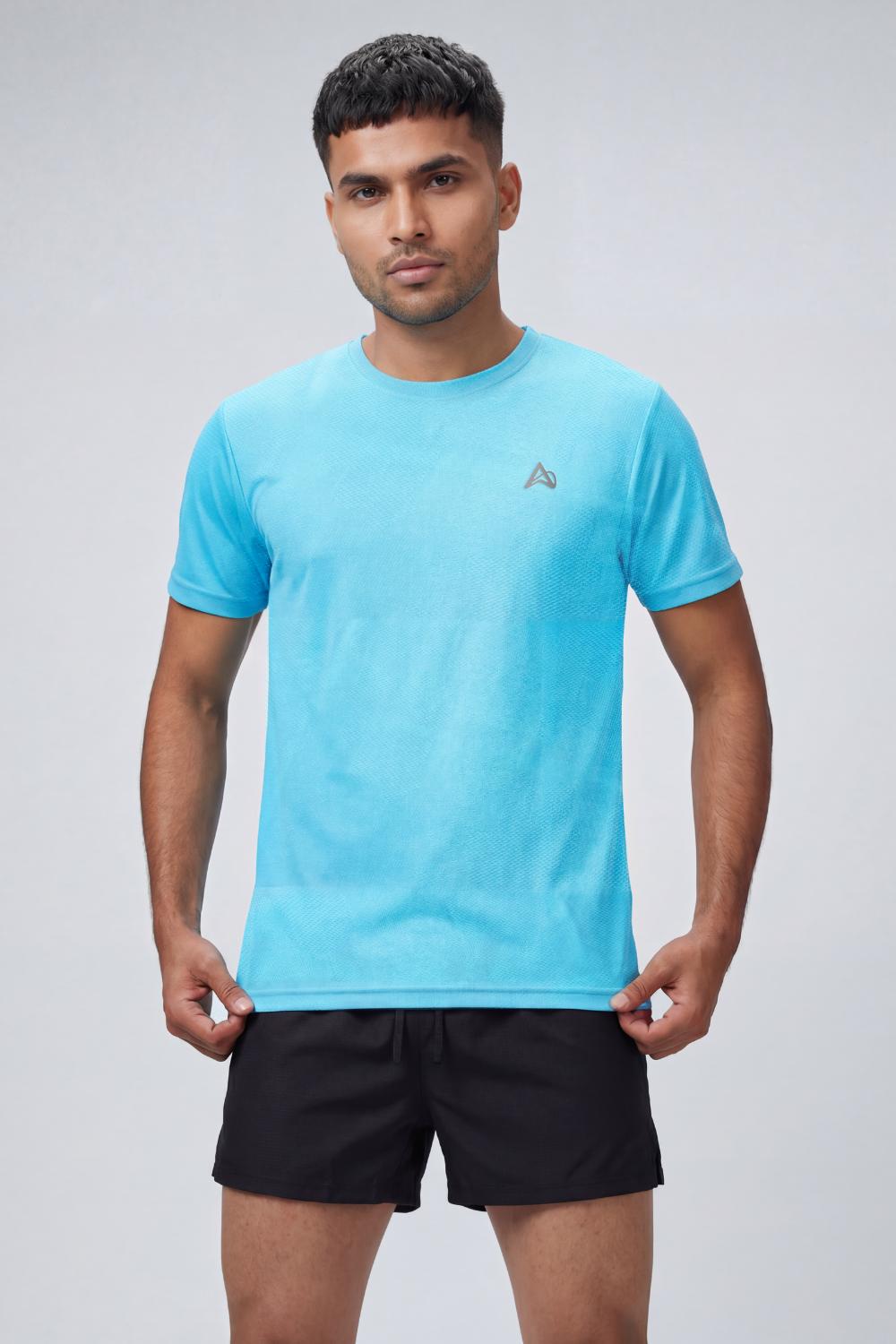
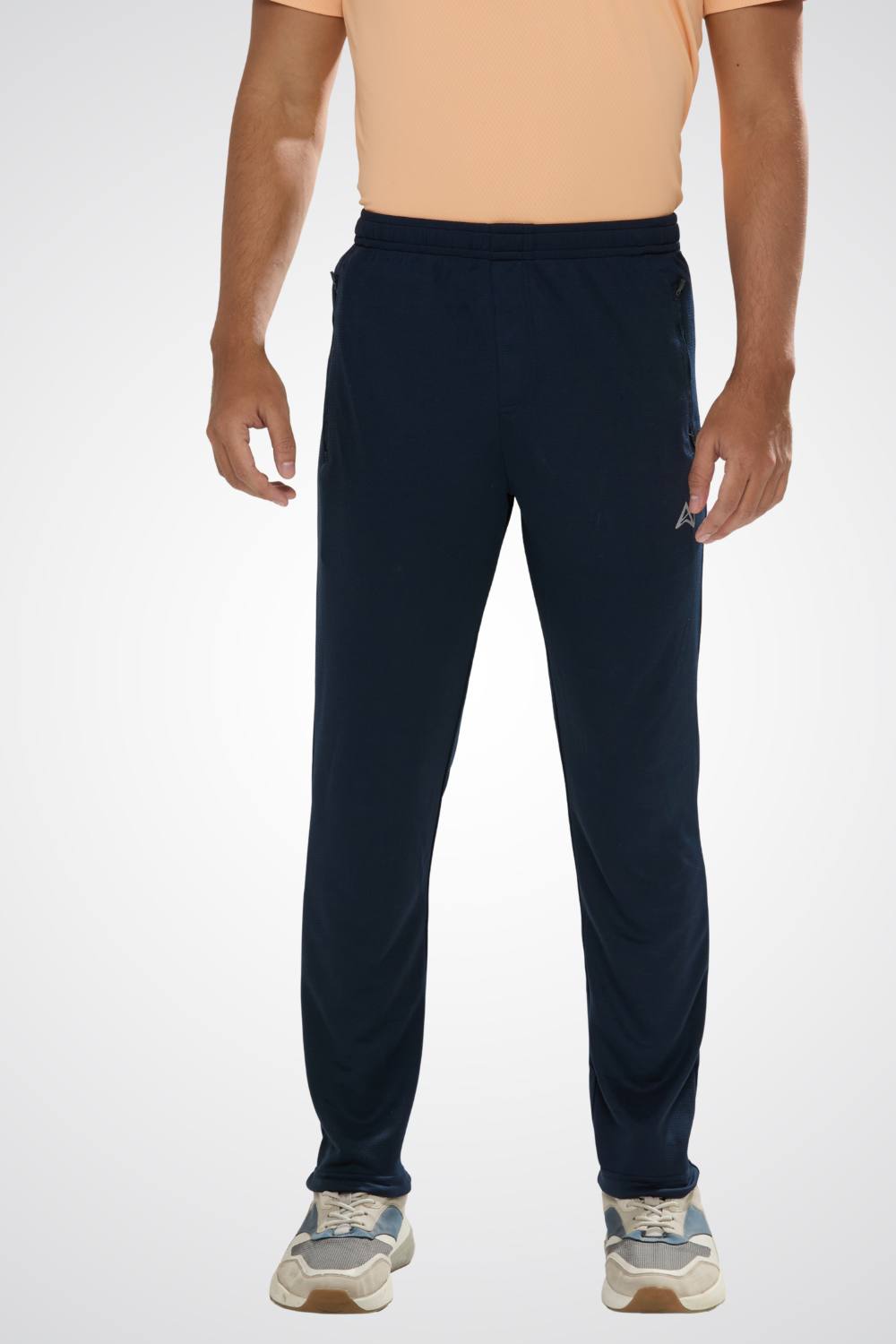
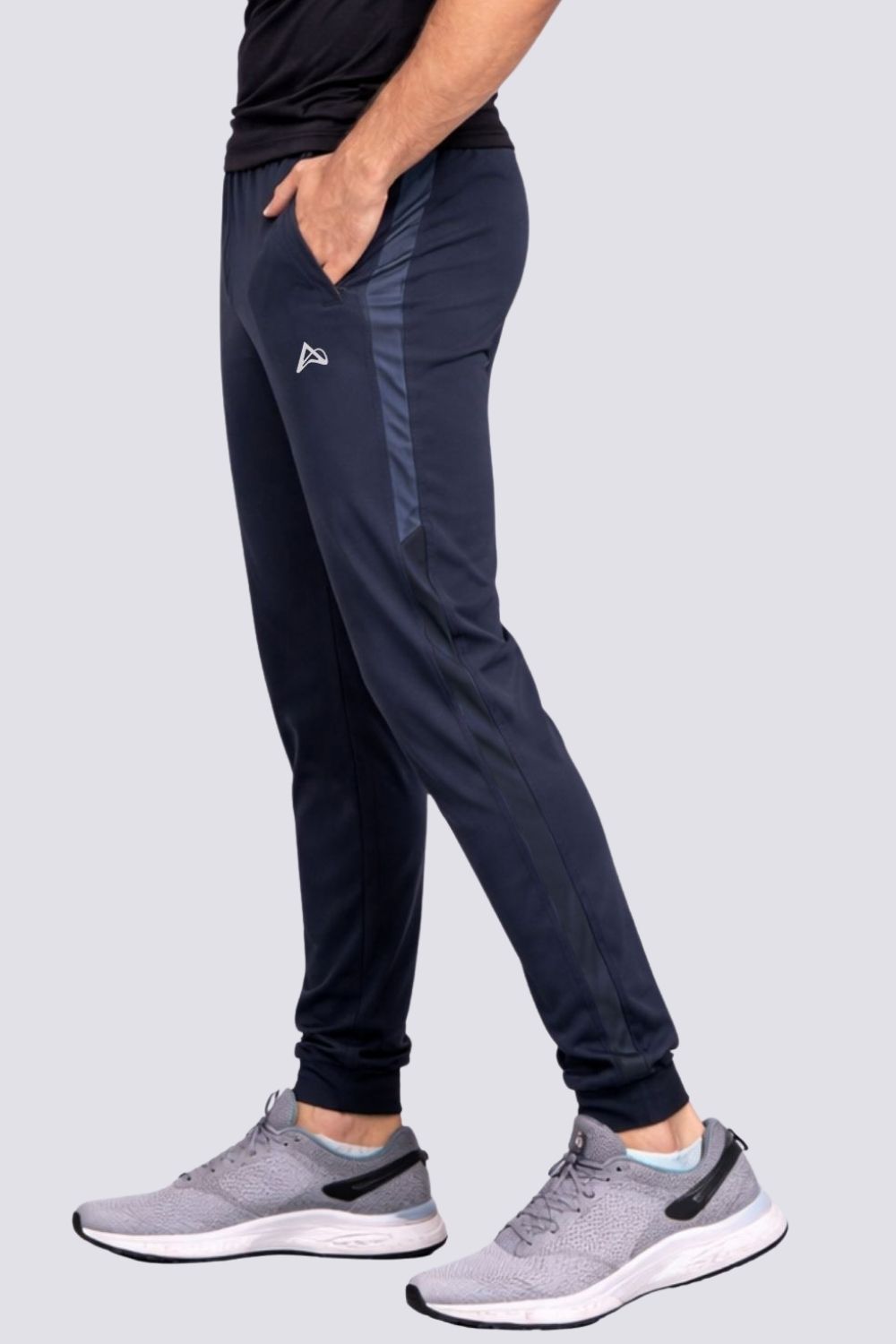
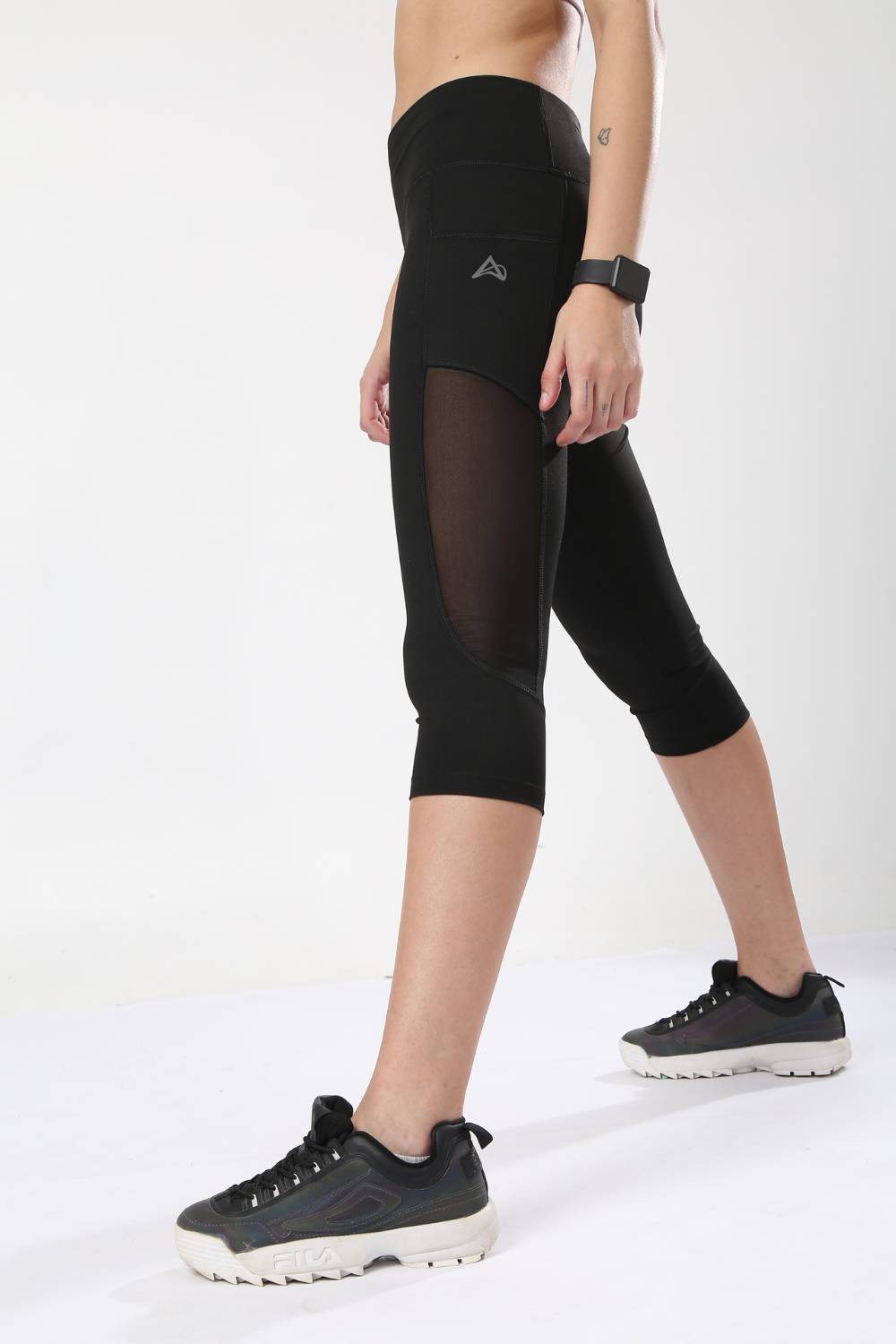
Tired of gear that slows you down? Chafing, soggy fabrics, and missing pockets kill your run's momentum. At Aguante, we're runners who get it. Our high-performance activewear features moisture-wicking fabrics, ergonomic designs, and smart storage to keep you focused. Shop Now!
The Rise of Running Communities in Tier-2 Cities
Across tier-2 cities in India, running clubs are emerging as pivotal spaces for social engagement and physical wellness. Cities such as Pune, Hyderabad, and Bangalore have seen a surge in informal running groups that meet weekly, fostering a culture of accountability and mutual encouragement. These communities often start with a handful of enthusiasts and gradually expand through social media outreach and word-of-mouth, highlighting the grassroots nature of the movement.
Unlike urban megacities, tier-2 cities benefit from accessible public spaces, lower traffic congestion, and community-centered living, which makes organizing group runs easier and safer. Local parks, waterfronts, and university campuses become natural gathering spots, encouraging people to participate in shared fitness routines. Over time, these meetups cultivate a sense of identity and belonging, crucial elements that keep participants motivated and engaged.
Social and Emotional Support Through Running Clubs
Running communities are not solely about athletic performance; they are instrumental in creating social and emotional safety nets. For many participants, joining a local running group in cities like Navi Mumbai or Surat becomes an entry point to building friendships and reducing feelings of isolation. These clubs provide structured training schedules, mentorship, and peer feedback, which help individuals navigate personal fitness journeys with confidence.
Members often share milestones, celebrate achievements, and support each other through challenges, from injury recovery to marathon preparation. This supportive culture helps sustain long-term participation and encourages consistency in exercise, which is difficult to maintain when training alone. The emotional reinforcement provided by peer networks transforms running into a holistic wellness activity rather than a solitary task.
Training and Performance Benefits
Group running also introduces significant advantages in training efficiency and performance improvement. Local clubs in cities like Delhi, Gurugram, and Ahmedabad offer structured marathon training programs and interval sessions that are often guided by experienced runners or certified coaches. By practicing together, runners benefit from pacing strategies, form correction, and real-time feedback that are challenging to achieve individually.
Moreover, these running groups encourage adherence to consistent schedules and provide diverse workout variations, such as hill runs, long-distance endurance sessions, and speed intervals. This diversity not only prevents training monotony but also reduces the risk of injury by promoting balanced conditioning. The presence of experienced peers ensures that newcomers adopt safe running practices while learning the nuances of effective performance training.
Community Engagement and Local Events
Running communities in tier-2 cities are increasingly engaging with the broader community through organized events and social initiatives. Local running clubs in Bangalore and Hyderabad often coordinate charity runs, awareness campaigns, and weekend social runs that attract participants beyond the immediate club members. These activities serve dual purposes: fostering social cohesion and promoting healthy lifestyles across diverse population groups.
Community events also act as recruitment platforms, introducing more residents to the benefits of organized running. By partnering with local schools, municipal bodies, and health organizations, running clubs extend their reach, encouraging participation from various age groups and fitness levels. This democratization of access ensures that fitness becomes a shared cultural practice rather than a niche pursuit limited to urban elites.
Technology and Digital Integration
Digital tools play an essential role in the organization and expansion of running communities in tier-2 cities. Social media groups, mobile apps, and messaging platforms allow members to coordinate schedules, track collective progress, and share motivational content. In cities like Mumbai and Pune, app-based platforms integrate GPS tracking, virtual challenges, and performance metrics, creating a hybrid experience where offline running meets online engagement.
These digital interfaces also help manage logistical aspects, such as safety protocols, route planning, and community announcements. By streamlining communication, technology enhances participation rates and reinforces the sense of connectedness among members. The combination of physical gatherings and virtual coordination strengthens the resilience and sustainability of these support networks.
Inclusivity and Accessibility
Tier-2 city running communities emphasize inclusivity, ensuring that fitness opportunities are available to a diverse range of participants. Local clubs in Surat and Ahmedabad prioritize mixed-ability groups, gender balance, and affordability, ensuring that entry barriers are minimal. Beginner-friendly sessions, mentorship programs, and gradual progression plans cater to individuals with varying levels of experience.
Inclusivity also extends to cultural and social dimensions, where community leaders encourage participation across age groups, occupational backgrounds, and fitness levels. This approach not only increases membership but also strengthens the social fabric, promoting mutual respect, encouragement, and diversity awareness within the club environment.
The Role of Performance Apparel in Community Running
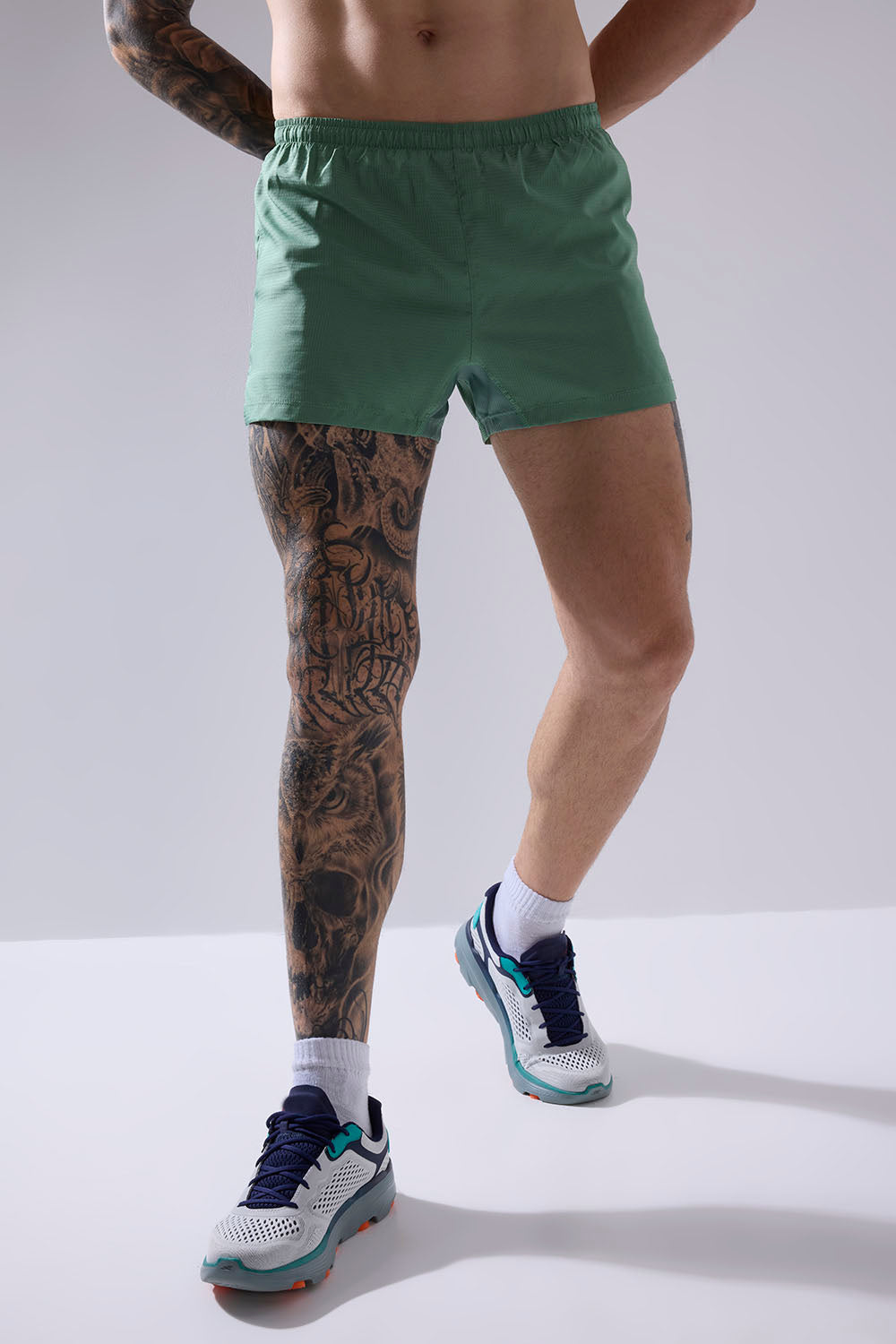
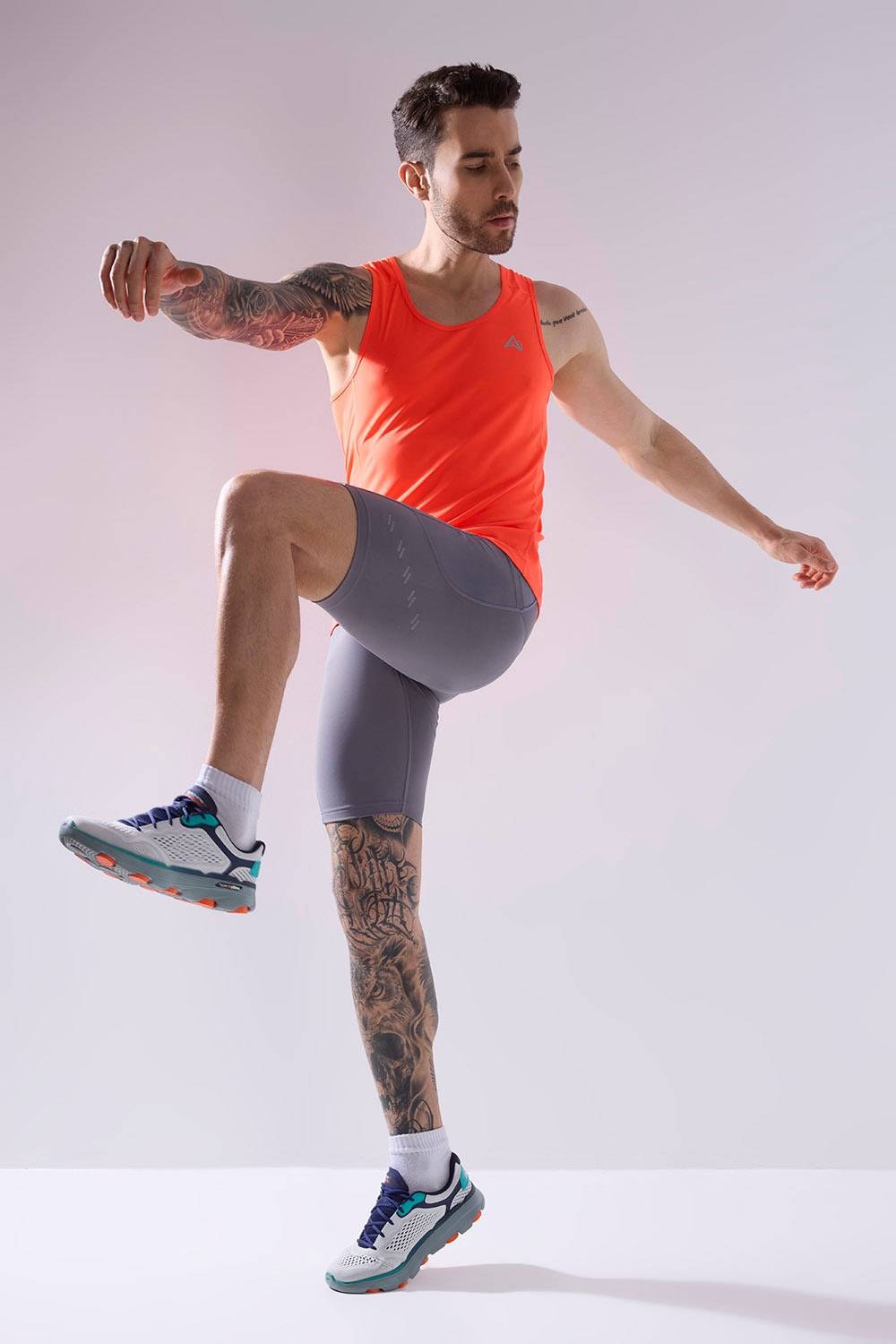
As running communities grow, the demand for high-performance activewear tailored to local climate and training needs has increased. Runners in India's tier-2 cities are seeking moisture-wicking fabrics, breathable textiles, and apparel optimized for both urban and semi-urban running conditions. Verified market insights highlight that the Indian sports fabric market is experiencing a surge driven by advancements in moisture management and UV protection technologies, providing runners with comfort and performance benefits during long-distance training sports fabric market growth.
Similarly, the global performance fabric industry underscores consumer preference for activewear that supports flexibility, ventilation, and stretchability, aligning with the functional requirements of group training sessions and marathon preparation performance fabric trends. Community leaders often recommend apparel that accommodates seasonal variations and diverse running conditions, emphasizing practical benefits over aesthetic considerations.
Challenges and Opportunities
Despite their growth, running communities in tier-2 cities face several challenges. Limited access to well-maintained public spaces, inconsistent infrastructure, and urban safety concerns can hinder participation. Moreover, sustaining engagement requires continuous leadership, innovative programming, and community-driven motivation. However, these challenges also present opportunities for strategic intervention.
Clubs that partner with municipal authorities, local businesses, and fitness brands can enhance resources, secure safer running routes, and expand membership. Strategic collaborations can also lead to specialized training workshops, nutrition guidance, and event sponsorships, further elevating the value proposition for participants. By addressing these hurdles proactively, running communities can create a replicable model for grassroots fitness engagement across tier-2 cities.
Building Lasting Fitness Networks
Running communities in India's tier-2 cities are redefining how individuals approach fitness and social interaction. By combining structured training, peer support, community engagement, and practical use of performance apparel, these groups foster resilient support networks that extend beyond physical exercise. Cities like Bangalore, Hyderabad, Pune, and Gurugram exemplify the transformative impact of collective running, demonstrating that wellness thrives when shared, celebrated, and supported within a community framework. As these networks continue to expand, they offer a blueprint for other urban centers seeking to cultivate healthier, more connected populations through grassroots running initiatives.
Frequently Asked Questions
How are running communities in tier-2 cities different from those in metro cities?
Running communities in tier-2 cities like Pune, Ahmedabad, and Surat benefit from accessible public spaces, lower traffic congestion, and community-centered living, making group runs easier to organize and safer to participate in. Unlike metro cities, these grassroots clubs grow primarily through word-of-mouth and social media, fostering a tight-knit sense of identity and belonging. Local parks, waterfronts, and university campuses serve as natural gathering spots that encourage consistent participation across diverse age groups and fitness levels.
What are the social and fitness benefits of joining a local running club in India?
Joining a running club provides both physical and emotional support members gain access to structured training programs, certified coaching, pacing strategies, and injury-prevention guidance that are hard to achieve when training alone. Beyond performance, these communities help reduce isolation, build friendships, and celebrate personal milestones, transforming running into a holistic wellness activity. The peer accountability and motivational reinforcement offered by running groups significantly improve long-term exercise consistency.
What role does technology and performance apparel play in modern running communities?
Digital tools like GPS-enabled apps, social media groups, and messaging platforms help tier-2 city running clubs coordinate schedules, track progress, and maintain community engagement between physical meetups. On the apparel front, the growing demand for moisture-wicking, breathable, and UV-protective activewear reflects runner's need for gear suited to India's varied climate and urban training conditions. Together, smart technology and performance fabrics enhance both the safety and the overall running experience for community members.
Disclaimer: The above helpful resources content contains personal opinions and experiences. The information provided is for general knowledge and does not constitute professional advice.
You may also be interested in: Indian Activewear Brands Expand to Smaller Cities - Aguante
Tired of gear that slows you down? Chafing, soggy fabrics, and missing pockets kill your run's momentum. At Aguante, we're runners who get it. Our high-performance activewear features moisture-wicking fabrics, ergonomic designs, and smart storage to keep you focused. Shop Now!
Powered by flareAI.co