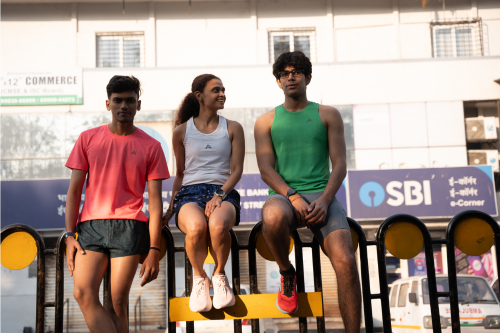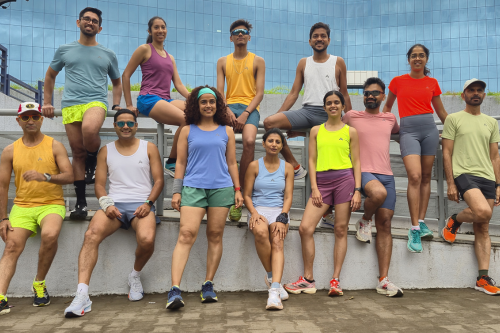
















Runners across India are discovering that weather is no longer just a training variable it is fundamentally reshaping when and where major races take place. From the humid coastal stretches of Mumbai to the variable temperatures of Bengaluru, climate patterns are forcing organizers, athletes, and performance apparel brands to rethink traditional race calendars. Understanding these shifts helps runners plan smarter training cycles and select gear that performs under real conditions.
Tired of gear that slows you down? Chafing, soggy fabrics, and missing pockets kill your run's momentum. At Aguante, we're runners who get it. Our high-performance activewear features moisture-wicking fabrics, ergonomic designs, and smart storage to keep you focused. Shop Now!
Understanding India's Diverse Climate Zones and Their Impact on Running
India's geography creates distinct micro-climates that challenge even experienced marathoners. Coastal cities like Mumbai and Chennai experience high humidity combined with rising temperatures, while inland centers such as Pune, Hyderabad, and Bengaluru face sharper seasonal swings. These patterns directly influence how race organizers schedule events to protect participant safety and performance.
In Mumbai, the pre-monsoon heat and subsequent heavy rains often compress the viable racing window. Runners report that morning starts become essential as afternoon humidity makes sustained effort increasingly difficult. Similarly, in Delhi and Gurugram, winter fog and summer extremes create narrow optimal periods for long-distance events. This regional variation means a one-size-fits-all national calendar no longer works effectively.
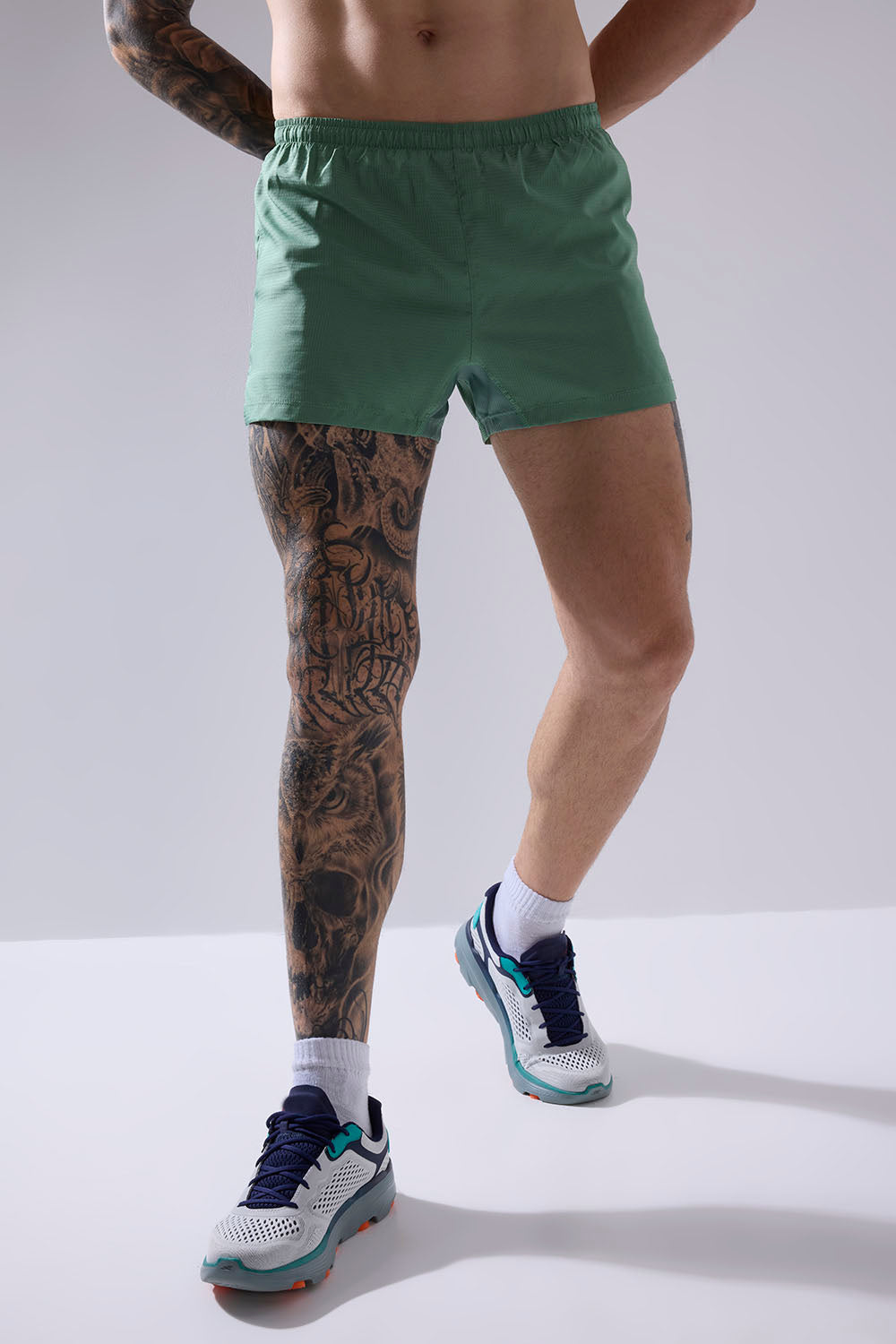
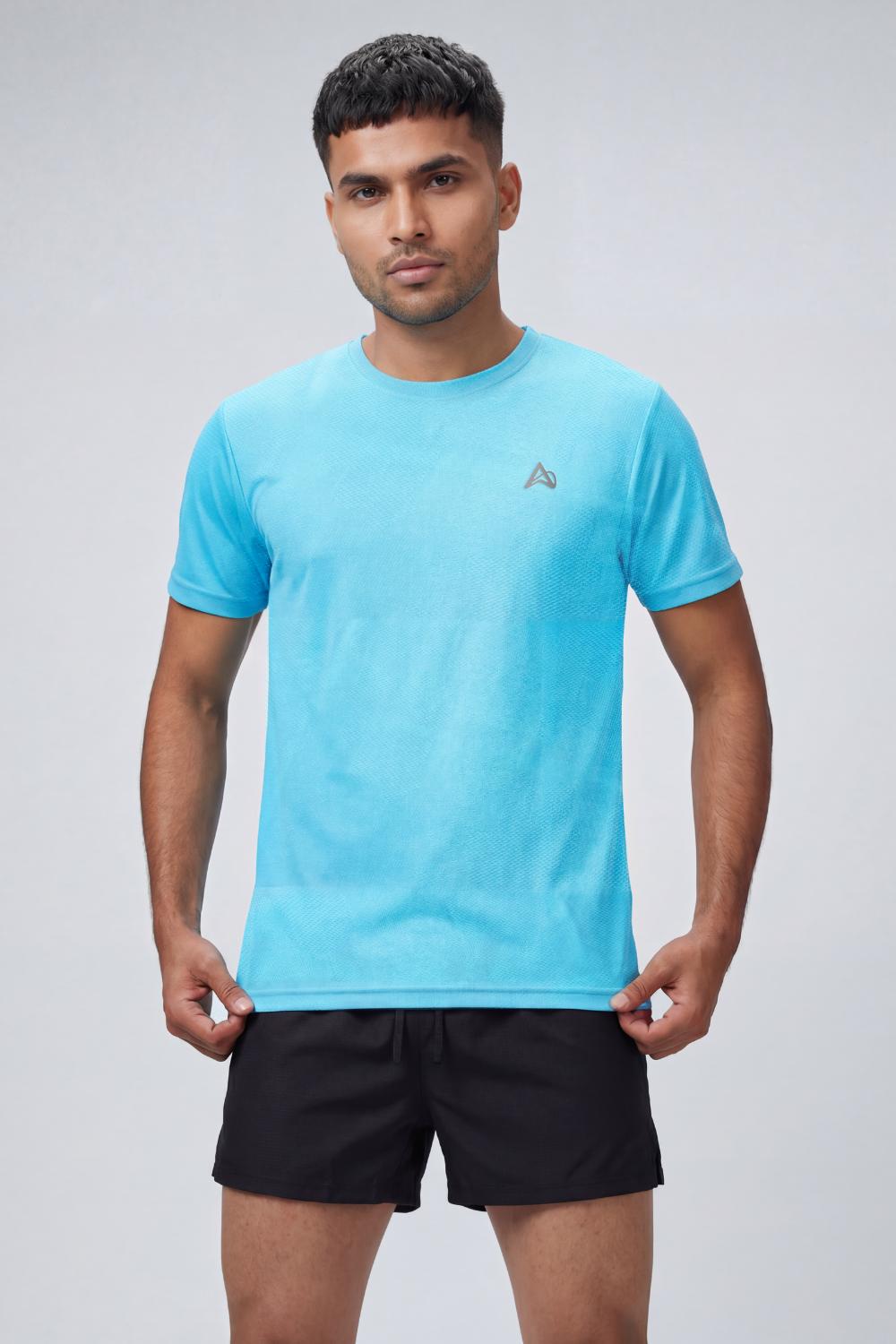
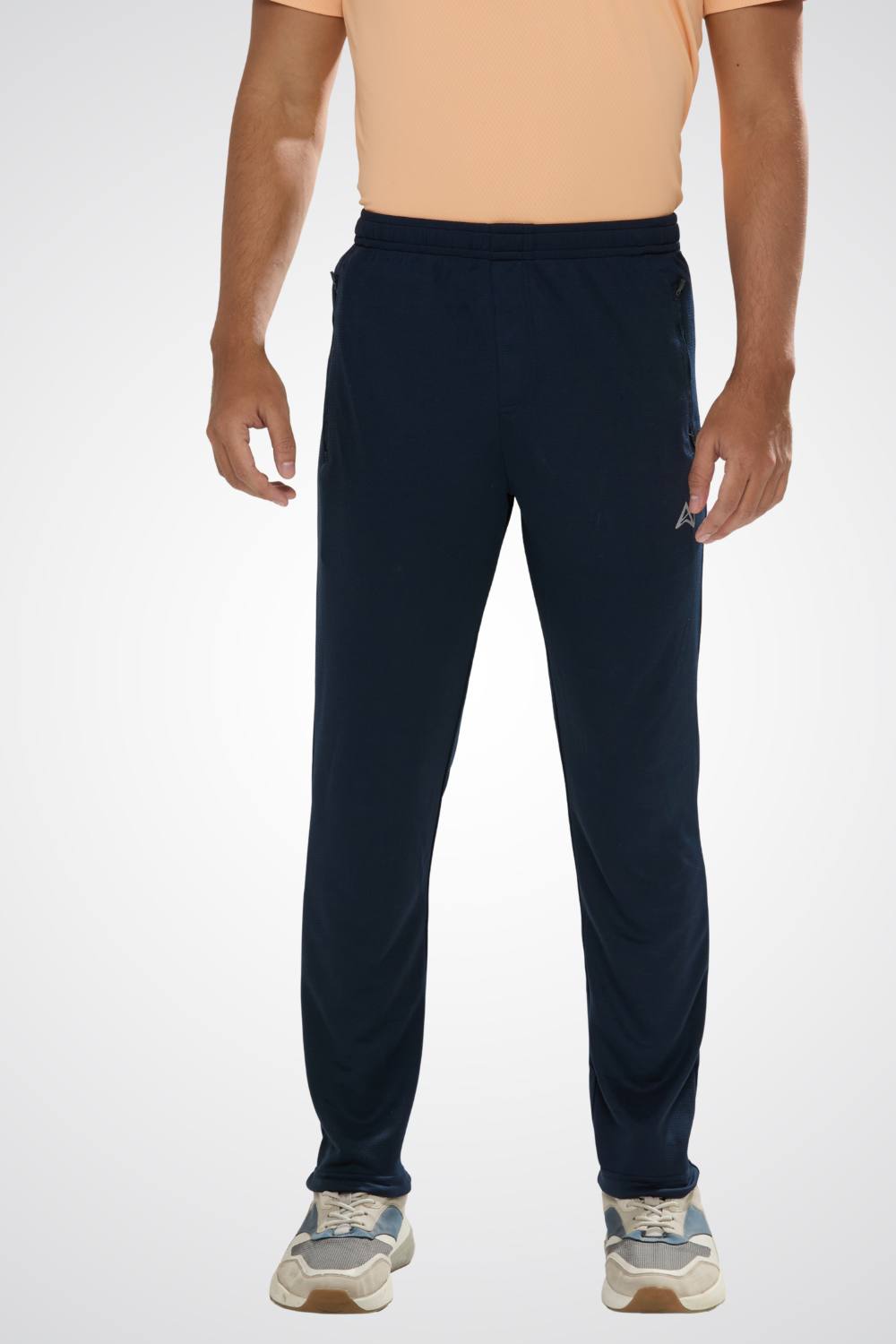
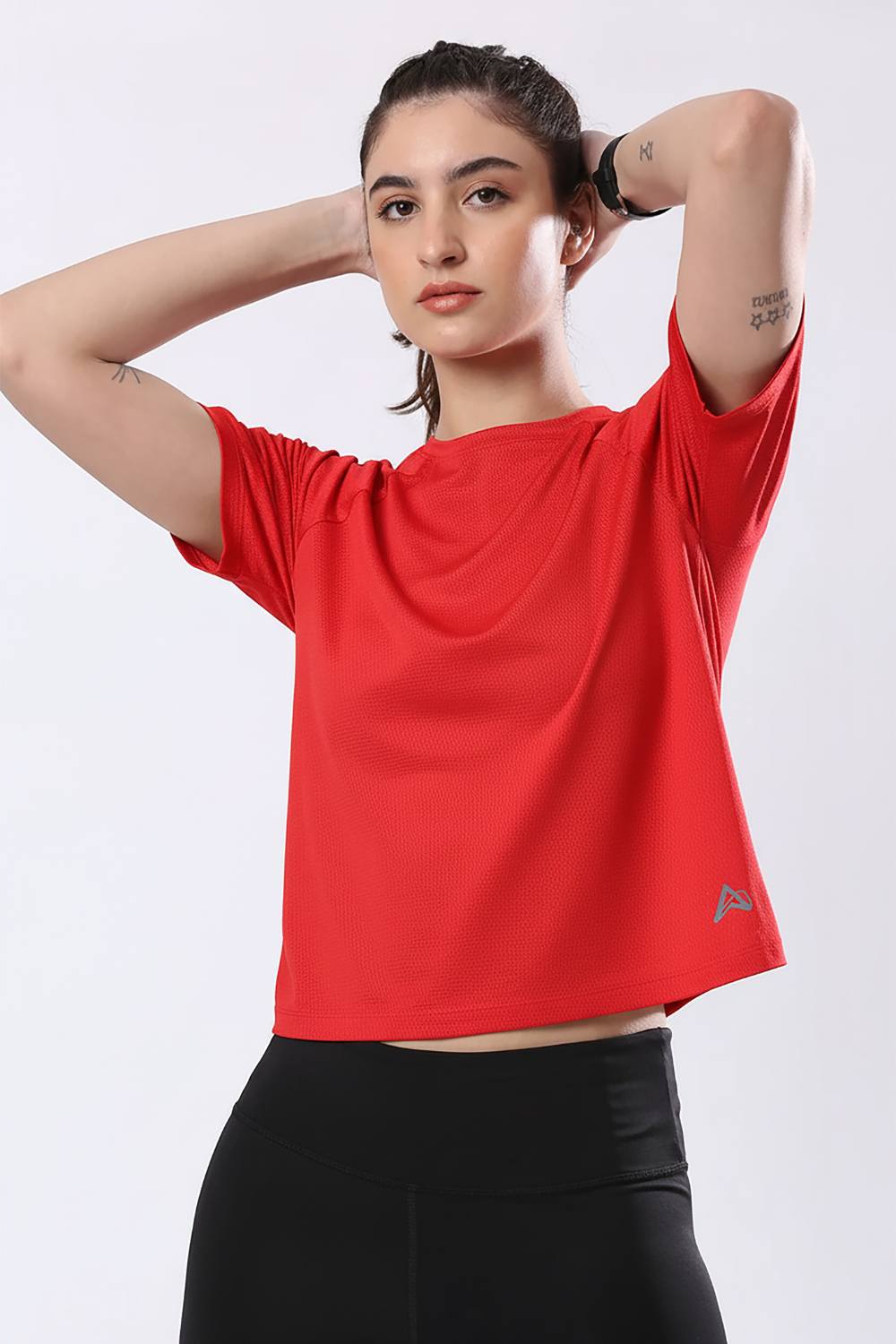
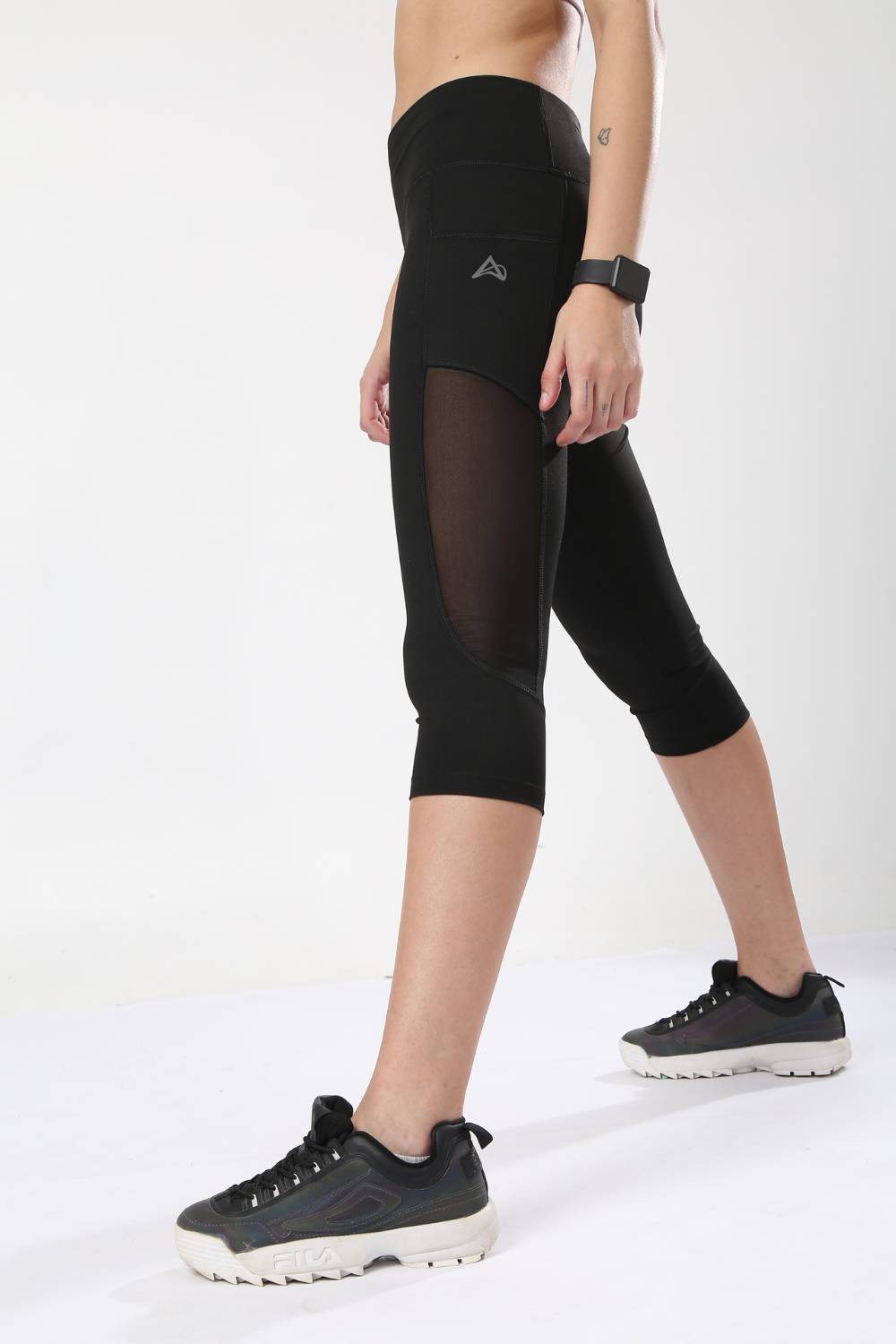
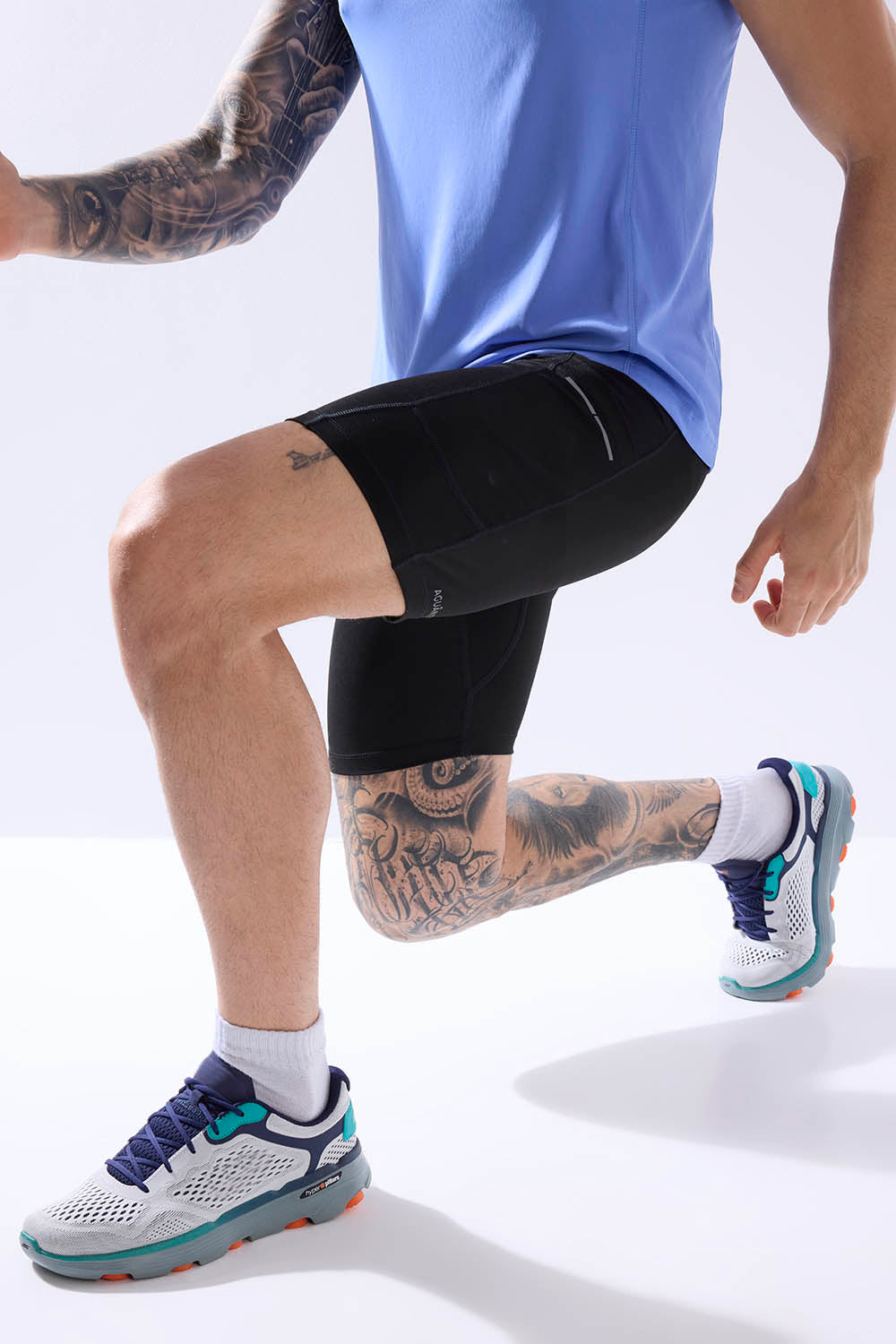
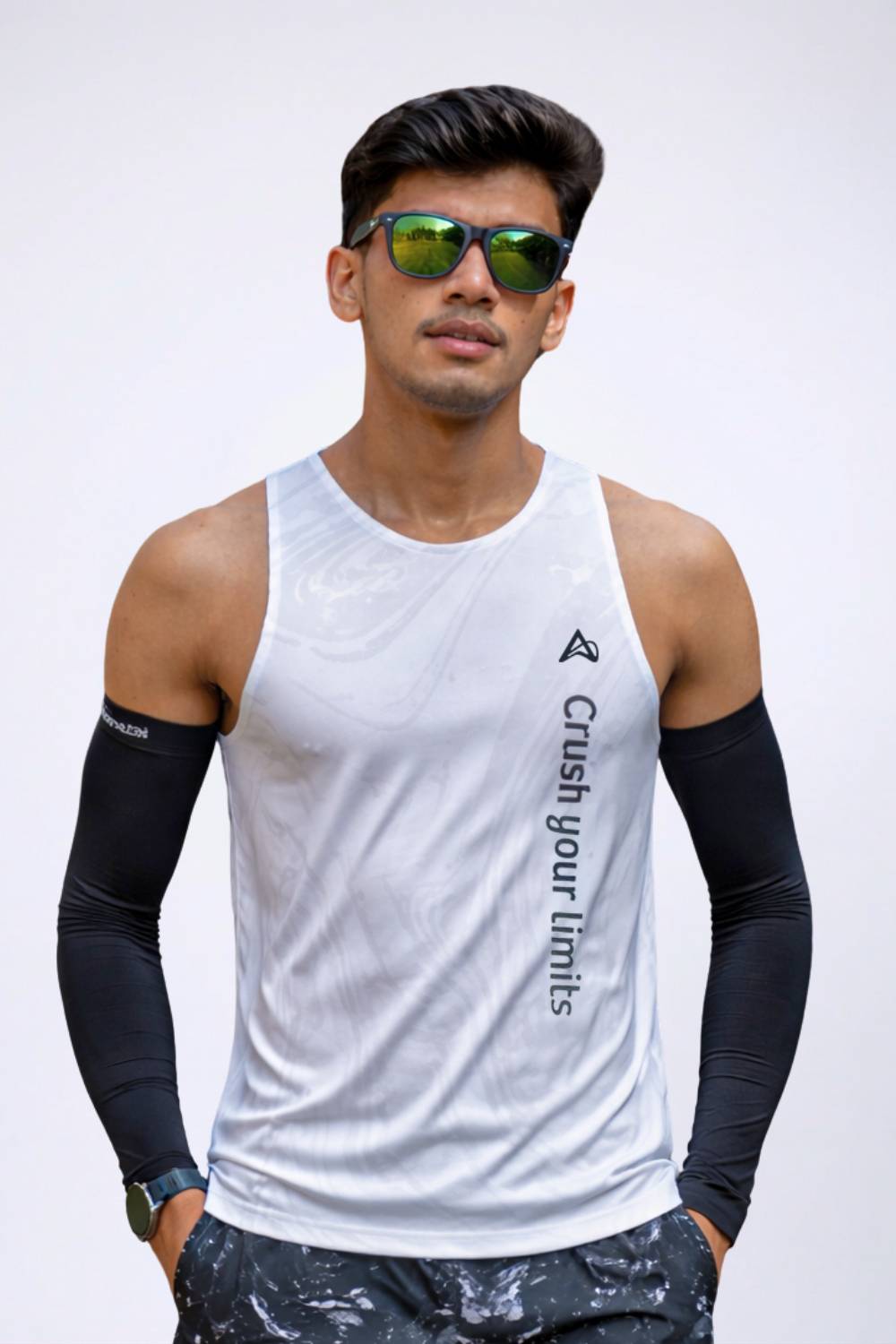
Performance apparel plays a critical supporting role here. Moisture-wicking fabrics and strategic ventilation help runners manage core temperature when humidity climbs, while lightweight, breathable designs become essential for maintaining pace in warmer conditions common across these cities.
How Monsoon Seasons Are Reshaping Race Schedules
The Indian monsoon, traditionally a predictable seasonal feature, has grown more erratic in timing and intensity across key running hubs. Cities like Surat, Ahmedabad, and Pune have seen shifts that push many organizers to avoid peak rainy months entirely. This leads to earlier or later race dates that better align with drier, more stable weather windows.
Runners training in Hyderabad and Bengaluru notice that post-monsoon periods now offer more consistent conditions for building endurance. However, the transition phases bring their own challenges sudden downpours can turn routes slippery and increase injury risk. Smart race planning now incorporates real-time weather monitoring and flexible start times to adapt to these patterns.
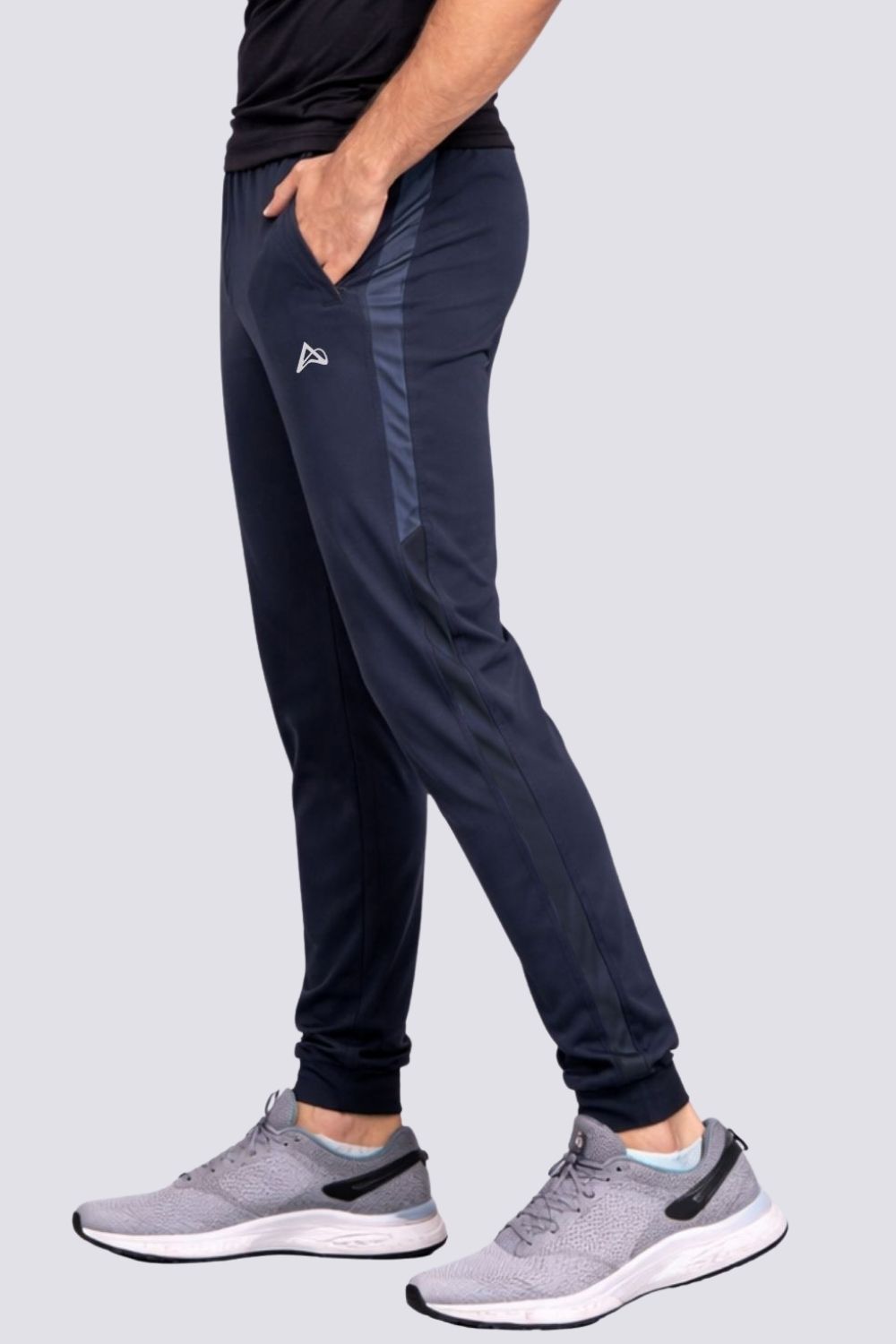
For athletes, this means adjusting training plans around climate realities rather than fixed dates. Those preparing for events in these regions benefit from gear that offers quick-drying properties and reliable grip, helping them maintain confidence even when unexpected showers occur during longer runs.
Temperature Trends and Their Effect on Marathon Performance
Rising average temperatures in urban centers across India are prompting organizers to reconsider traditional early-year race slots. In Delhi-NCR and parts of Maharashtra, what were once comfortably cool January mornings now occasionally push into ranges that demand greater attention to hydration and pacing strategies.
Experienced runners in these areas are learning to prioritize heat acclimatization as part of their preparation. This includes gradual exposure to warmer conditions and selecting apparel that supports thermoregulation. Brands focusing on high-performance sports clothing are responding with innovations in fabric technology that help dissipate heat more effectively during extended efforts.
The practical implication extends beyond comfort. Proper clothing choices can influence perceived exertion and recovery, allowing athletes to train more consistently even as ambient temperatures challenge conventional schedules. This adaptation is particularly relevant for those balancing professional lives with serious running ambitions in busy Indian metros.
City-Specific Race Calendar Adjustments Across India
Bengaluru has emerged as a leader in climate-responsive scheduling, with several prominent events shifting to shoulder seasons to avoid peak heat and rain. The city's elevation provides some natural moderation, but increasing urban heat island effects still require careful planning from organizers.
Mumbai's running community has adapted by embracing more twilight and early morning events during suitable windows. Local clubs coordinate with weather patterns to maximize participation while minimizing health risks, creating a more sustainable model for community races.
In Pune and Hyderabad, hybrid approaches are gaining traction combining virtual elements with in-person races to offer flexibility when extreme weather disrupts traditional formats. These innovations help maintain momentum in the running ecosystem even during challenging climate periods.
Training Strategies for Climate-Aware Runners
Successful marathon preparation in India now requires integrating climate awareness into every phase of training. Runners in Ahmedabad and Surat, for instance, focus on building heat tolerance during warmer months while using cooler periods for high-intensity sessions.
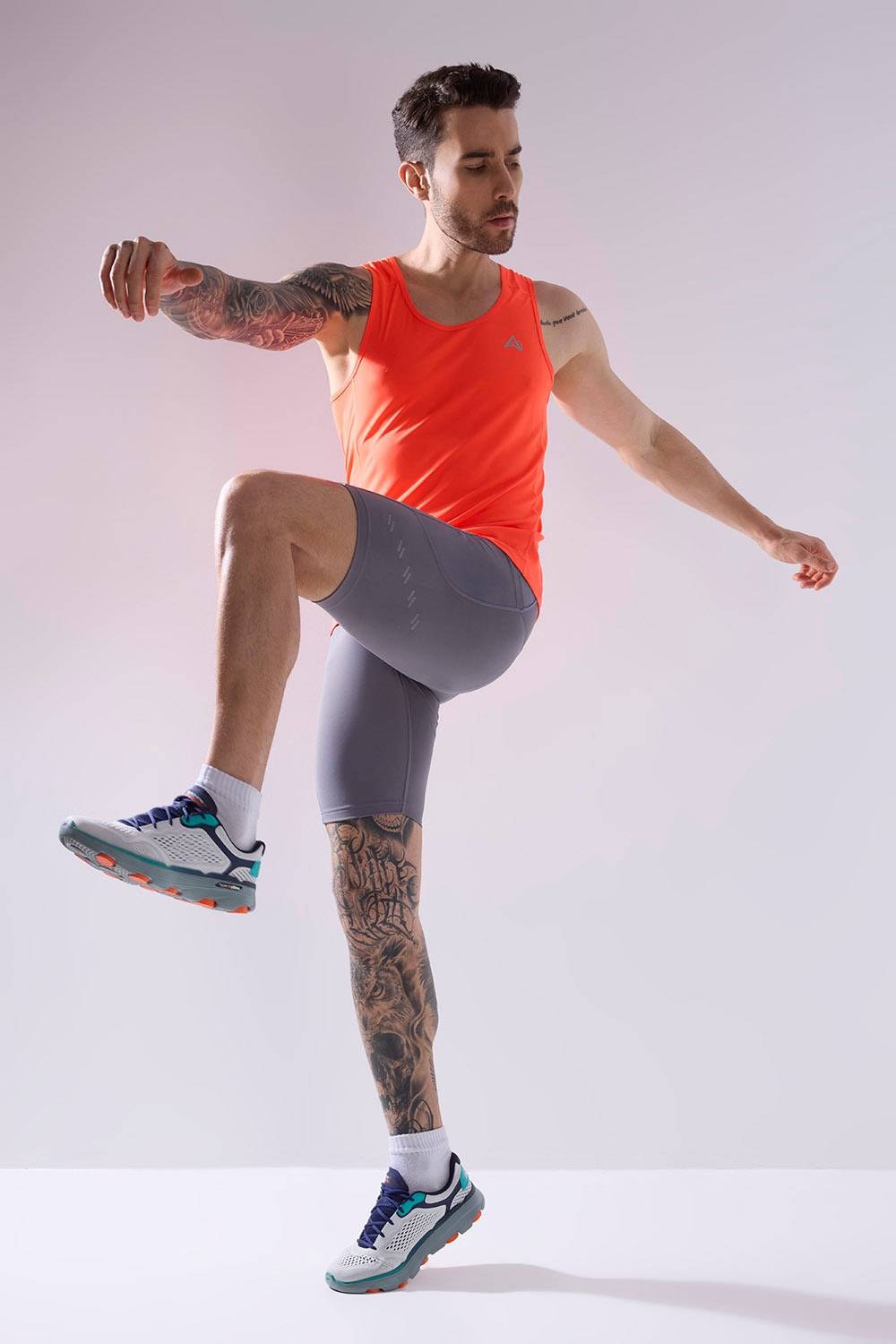
Recovery becomes equally important. Performance apparel designed with compression and muscle support can aid circulation after runs in humid conditions, potentially reducing soreness and supporting consistent training loads. Many athletes are also incorporating indoor or covered route options during particularly challenging weather spells.
Mental preparation plays a key role too. Understanding that conditions will vary helps runners develop the psychological resilience needed to adjust pacing and expectations on race day. This holistic approach combining physical training, strategic gear selection, and adaptive mindset defines the modern Indian endurance athlete.
The Role of Performance Apparel in Adapting to Changing Conditions
As race calendars evolve in response to climate patterns, the right activewear becomes an essential tool rather than an accessory. Technical fabrics that manage moisture, regulate temperature, and offer UV protection help runners perform closer to their potential regardless of external conditions.
Brands like Aguante are particularly attuned to these needs, developing apparel specifically for the diverse climates found across Indian running routes. Features such as anti-odor technology and durable construction support athletes who train year-round in variable environments.
Runners investing in quality performance clothing often report better overall experiences staying drier during humid sessions, cooler during temperature spikes, and more comfortable across varying distances. This equipment advantage becomes increasingly valuable as climate variability adds complexity to training and racing.
Building Resilient Running Communities
The intersection of climate patterns and race calendars presents both challenges and opportunities for India's growing running culture. Communities in cities from Navi Mumbai to Gurugram are demonstrating remarkable adaptability, finding creative ways to keep athletes engaged and events viable.
Organizers, coaches, and brands share responsibility for supporting this evolution. By prioritizing participant safety, environmental awareness, and performance optimization, they help ensure that running remains accessible and enjoyable across seasons.
For individual runners, staying informed about local climate trends and investing in appropriate gear represents a practical step toward long-term success. As these patterns continue to influence the sport, those who adapt thoughtfully will likely find greater satisfaction and achievement in their running journeys.
In the end, climate-aware racing is not about fighting the weather but working intelligently with it. Indian runners and the broader endurance community are showing how thoughtful adaptation, supported by quality performance apparel, can turn environmental challenges into opportunities for more sustainable and rewarding participation in the sport.
Frequently Asked Questions
How are changing climate patterns affecting marathon and race schedules in Indian cities?
Climate shifts are forcing race organizers across India to move events to shoulder seasons avoiding peak heat, erratic monsoons, and extreme weather windows. Cities like Bengaluru and Mumbai have embraced earlier morning starts, twilight events, and post-monsoon scheduling to protect participant safety. In Delhi-NCR and Maharashtra, what were once reliably cool January mornings now occasionally push into temperature ranges that demand revised pacing and hydration strategies. Real-time weather monitoring and flexible start times are increasingly standard tools for modern race planning.
Which Indian cities are most impacted by climate variability when it comes to running events?
Mumbai, Delhi, Bengaluru, Pune, Hyderabad, Ahmedabad, and Surat are among the most affected cities, each facing unique climate challenges. Mumbai's pre-monsoon heat and heavy rains compress the viable racing window, while Delhi contends with winter fog and intense summer extremes. Bengaluru, despite its elevation offering some natural cooling, is experiencing growing urban heat island effects that require careful scheduling. Inland cities like Pune and Hyderabad are increasingly turning to hybrid virtual-and-in-person race formats to maintain community engagement during unpredictable weather spells.
What performance apparel features should Indian runners look for to handle varying race-day weather conditions?
Indian runners should prioritize moisture-wicking fabrics, strategic ventilation, and quick-drying materials that manage sweat and humidity effectively across coastal and inland climates alike. UV protection and anti-odor technology add further value for those training year-round in variable environments. Lightweight, breathable designs help maintain pace during temperature spikes, while compression features can support muscle recovery after runs in humid conditions. As climate variability increases, investing in technically advanced activewear is becoming a practical performance decision rather than just a comfort preference.
Disclaimer: The above helpful resources content contains personal opinions and experiences. The information provided is for general knowledge and does not constitute professional advice.
You may also be interested in: Exploring Regional Differences in Running Gear Needs Across India
Tired of gear that slows you down? Chafing, soggy fabrics, and missing pockets kill your run's momentum. At Aguante, we're runners who get it. Our high-performance activewear features moisture-wicking fabrics, ergonomic designs, and smart storage to keep you focused. Shop Now!
Powered by flareAI.co