
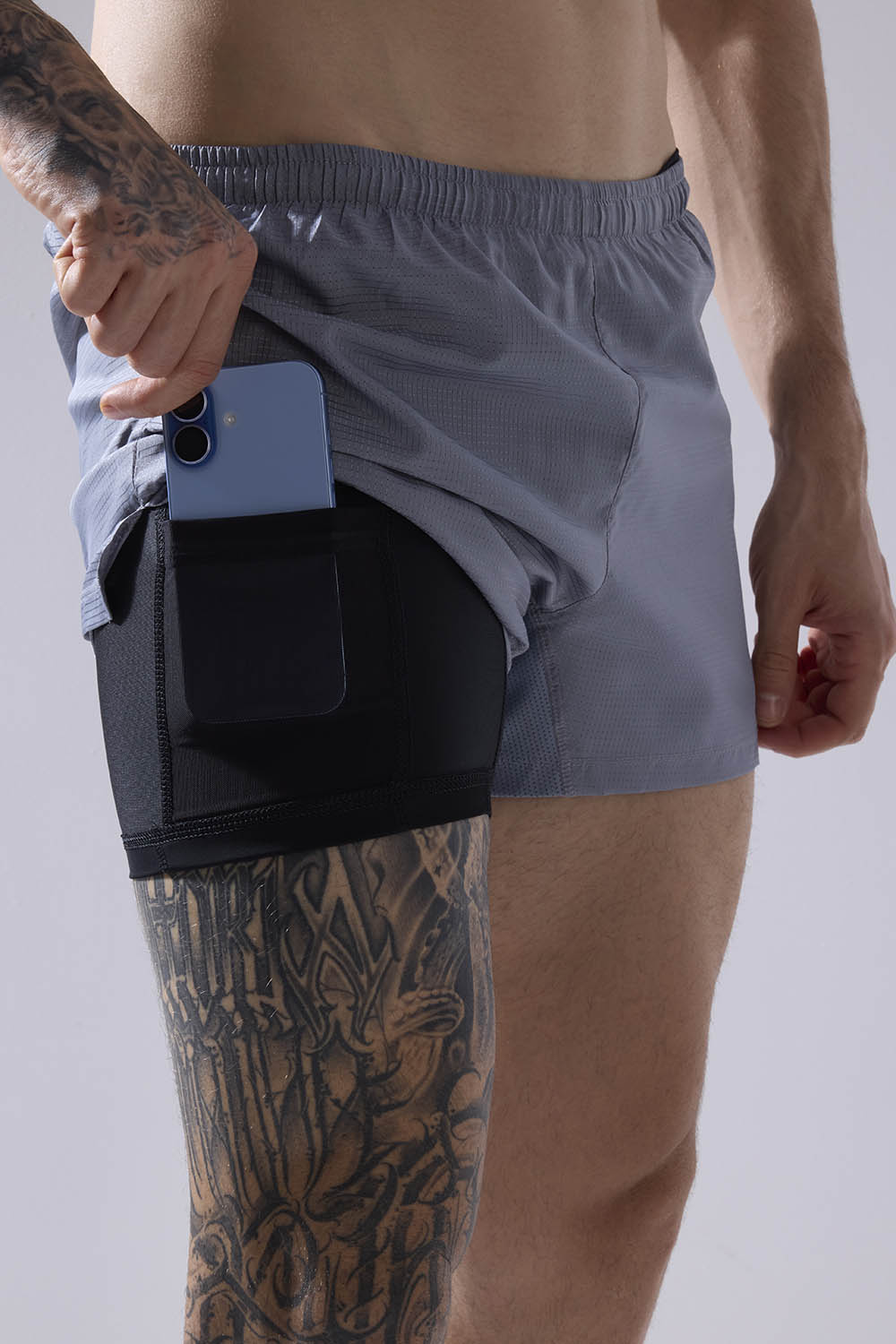

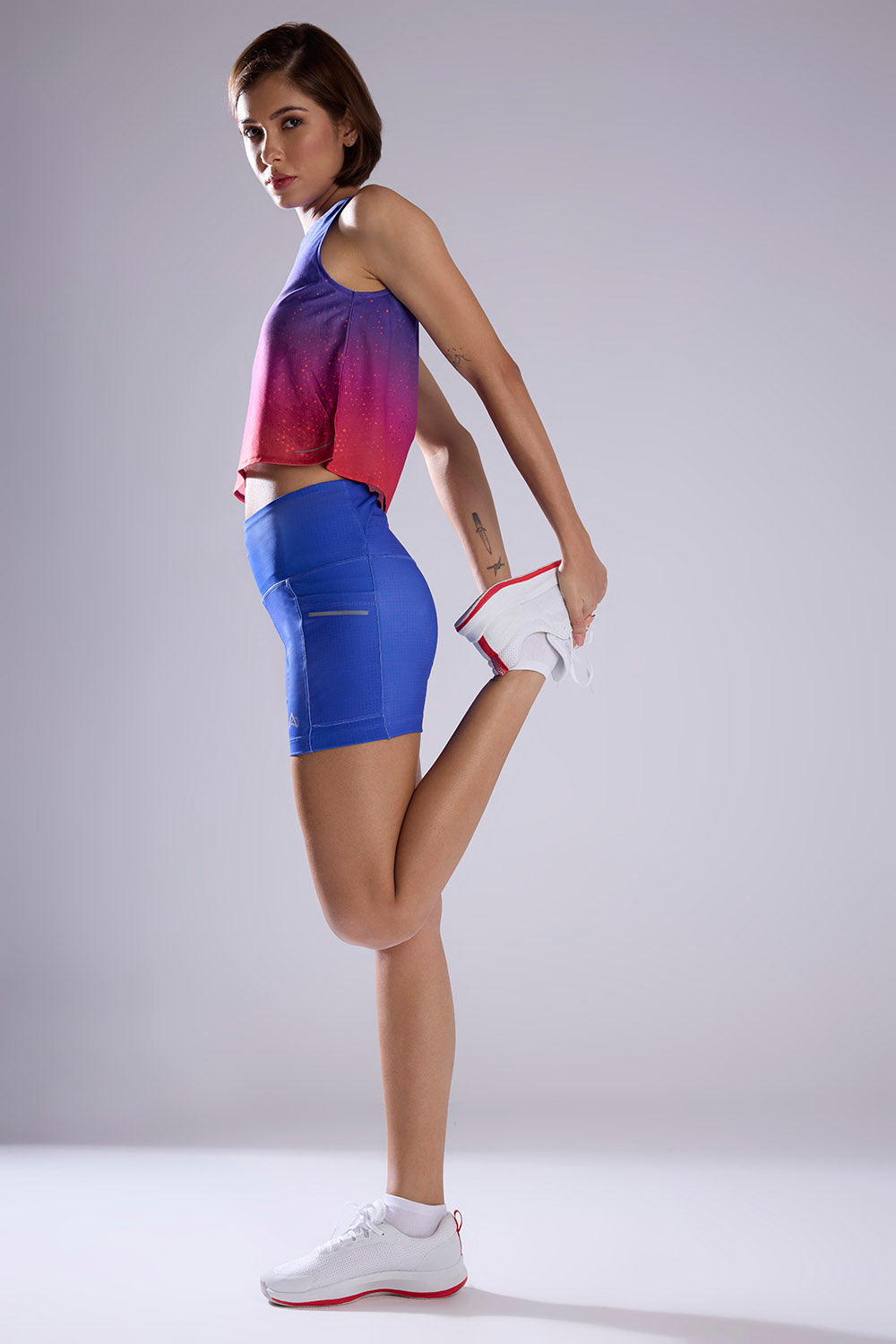
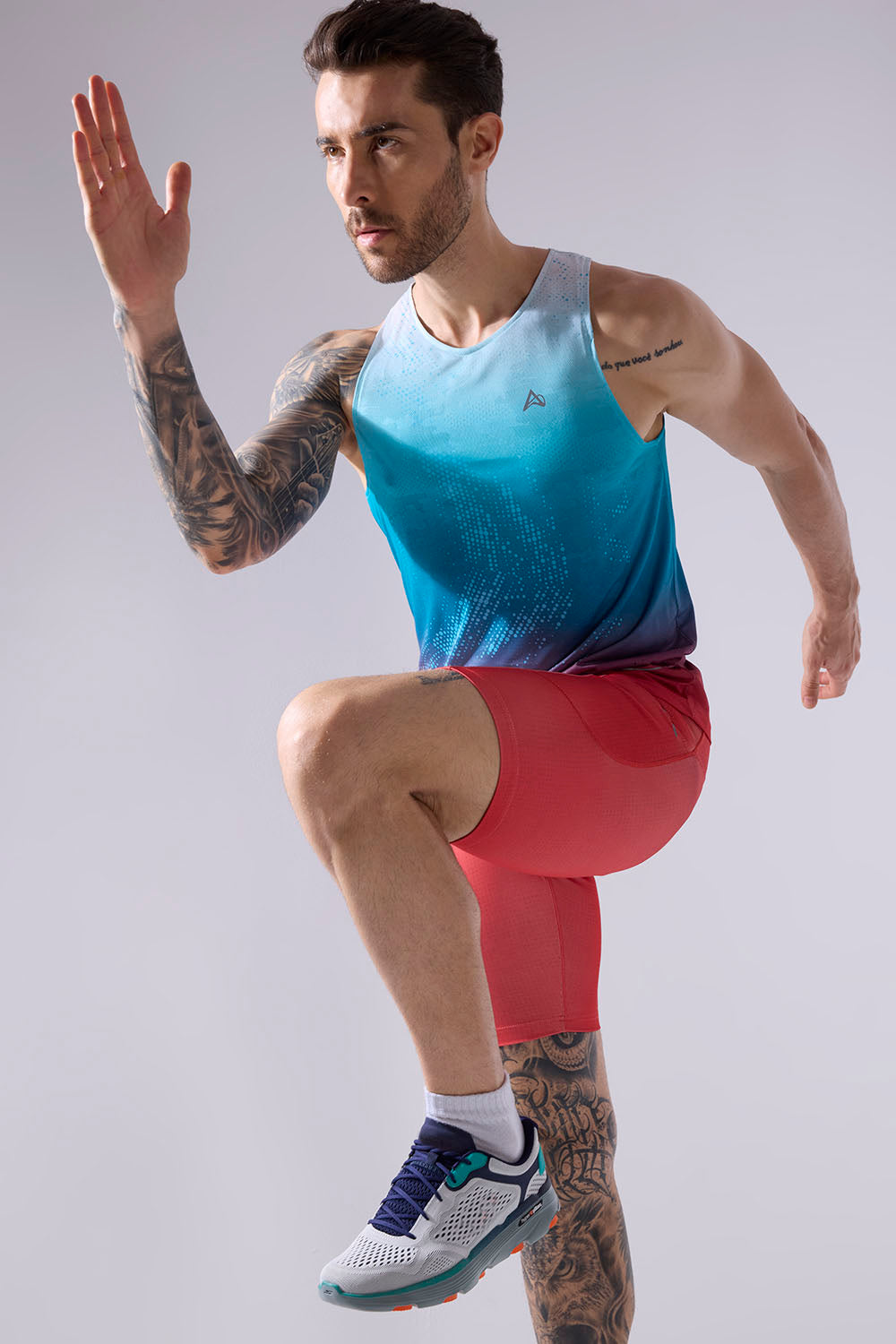

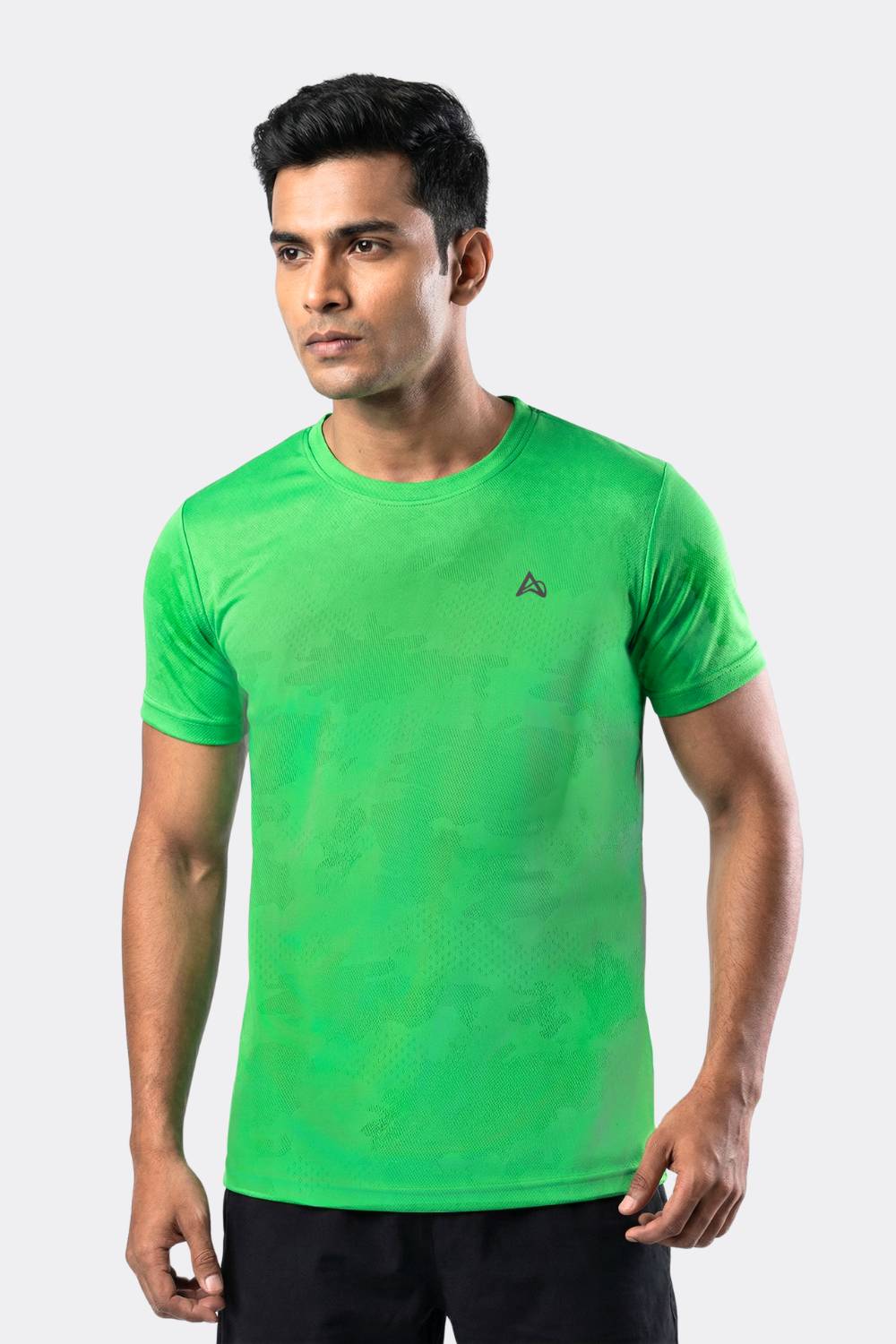
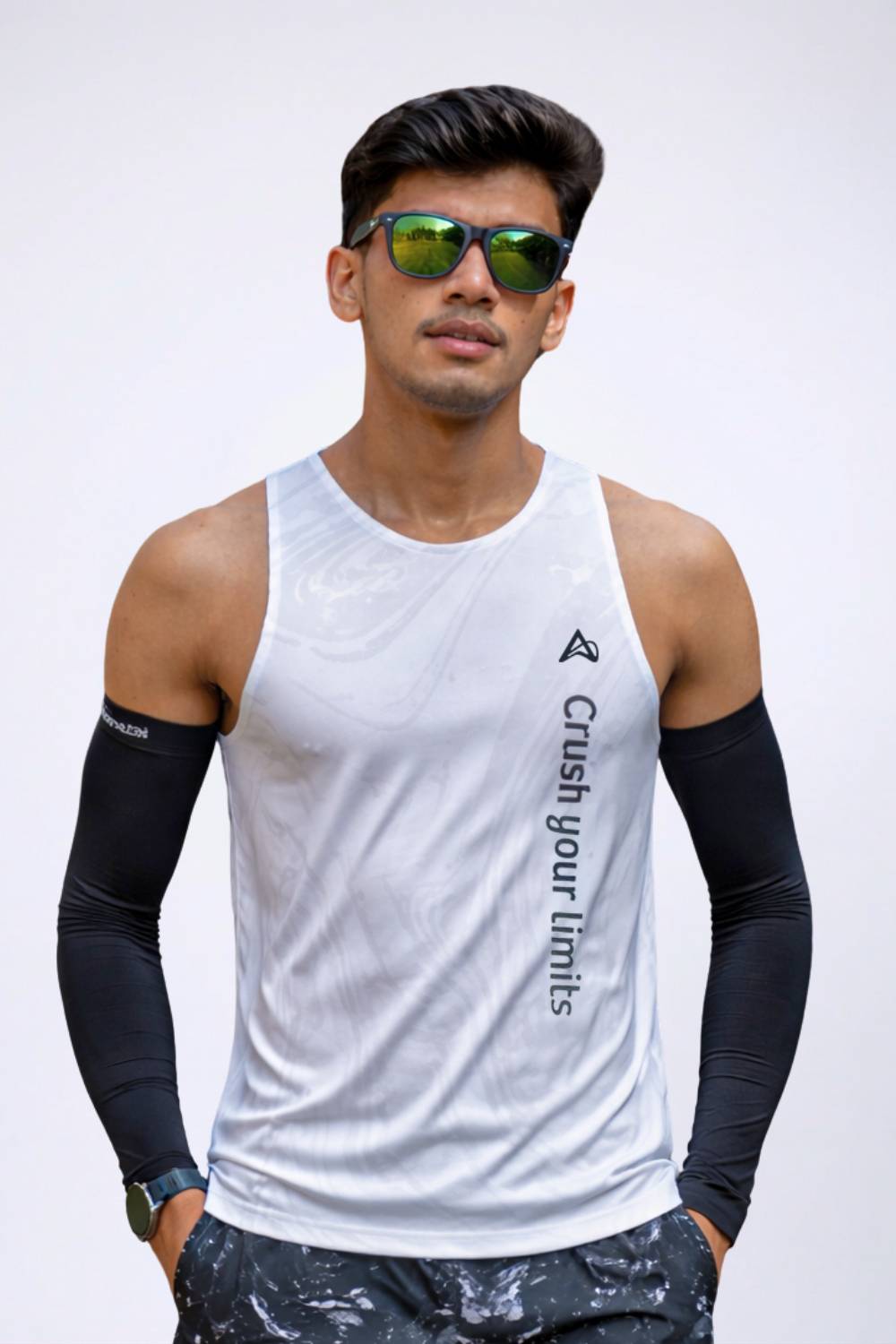

Choosing a running shirt is not only about finding a lightweight fabric or a comfortable fit. For runners, the way a shirt manages sweat can directly influence comfort during training sessions, long runs, and races. Two terms appear frequently when comparing performance apparel: moisture-wicking and quick-dry. Although they are often used together, they describe different fabric functions.
Understanding the difference between moisture-wicking vs quick-dry running shirts helps runners make more informed choices based on workout intensity, climate, and personal comfort preferences. A shirt that moves sweat away from the skin addresses one part of the problem, while a fabric that dries quickly addresses another. The best running apparel often considers both processes together.
Tired of gear that slows you down? Chafing, soggy fabrics, and missing pockets kill your run's momentum. At Aguante, we're runners who get it. Our high-performance activewear features moisture-wicking fabrics, ergonomic designs, and smart storage to keep you focused. Shop Now!
Moisture-wicking and Quick-dry Fabrics Solve Different Problems
When the body heats up during a run, sweat is produced as part of the natural cooling process. The challenge for running apparel is managing that moisture effectively. A fabric that stays wet against the skin can create discomfort, especially during longer sessions or in warm and humid conditions.
Moisture-wicking fabric is designed to move sweat away from the body. Instead of allowing moisture to collect in one area, the fabric helps spread liquid across a larger surface so evaporation can happen more efficiently. This can help runners feel drier and more comfortable while maintaining movement.
Quick-dry fabric focuses on the next stage: how quickly the material releases moisture and returns to a lighter, drier state. A quick-dry running shirt can be useful when sweat, rain, or humidity causes fabric to become wet during activity.
Research into activewear performance shows that evaluating sports clothing involves more than checking whether a fabric feels soft or dries after washing. Scientists are examining how garments handle the complete cycle of sweating, moisture movement, evaporation, and cooling during exercise. Activewear cooling research highlights why fabric construction and garment engineering influence how comfortable performance apparel feels during activity.
How Moisture-wicking Running Shirts Work
Moisture-wicking technology is focused on controlling the relationship between your skin and your clothing. During a run, sweat begins close to the body. If fabric absorbs and holds onto that moisture without moving it, the shirt may feel heavy and uncomfortable.
Moisture-wicking running shirts use specially designed fibres and fabric structures to help transport sweat away from the skin. The moisture is then distributed through the material, creating a larger area where it can evaporate.
For runners, this feature matters because comfort is not only about how dry a shirt feels at the end of a workout. It is also about how well the garment manages moisture throughout the activity.
Why Moisture Management Matters During Runs
A runner completing a short, easy session may not notice fabric performance as much as someone completing a longer workout. During extended activity, repeated sweating can change how clothing feels. A fabric that supports moisture movement can help reduce the uncomfortable feeling of sweat remaining close to the skin.
This is why technical fabric for runners has become an important consideration when choosing performance apparel. The focus has shifted from simply selecting athletic clothing based on appearance to understanding how materials support movement and endurance.
How Quick-dry Running Shirts Work
Quick-dry running shirts are designed around drying speed. When fabric becomes wet, whether from sweat, humidity, or changing weather conditions, quick-dry materials help reduce the time moisture remains trapped in the garment.
A quick-dry shirt can be especially useful for runners who train frequently, run outdoors in challenging conditions, or need apparel that remains comfortable during changing activity levels. However, quick drying alone does not always solve the complete sweat-management challenge.
A shirt may dry quickly after becoming wet, but if it does not move sweat away from the skin effectively, the runner may still experience discomfort during activity. This is why comparing quick dry running shirts with moisture-wicking options requires looking beyond a single feature.
Modern athletic apparel increasingly combines multiple performance features because athletes need clothing that supports sweat management, movement, and comfort at the same time. Research into moisture management technology in sports apparel shows how fabric selection and garment design work together to improve athlete comfort.
Moisture-wicking vs Quick-dry Running Shirts: Which One Should You Choose?
The choice between moisture-wicking and quick-dry fabric depends on how and where you run. Both technologies provide benefits, but they support different stages of sweat management.
- For hot and humid conditions: Runners may benefit from apparel that prioritizes moisture movement and breathability, helping reduce the feeling of sweat staying against the body.
- For longer training sessions: A combination of moisture management and drying ability can support greater comfort over time.
- For high-intensity workouts: Fabrics that handle sweat efficiently can help runners stay focused on performance rather than clothing discomfort.
- For regular training: Lightweight, breathable running apparel with effective moisture control can make everyday workouts more comfortable.
The best running shirt fabric for sweat is not necessarily the one with only one performance feature. Instead, runners should consider how the entire garment works together, including fabric construction, fit, airflow, and intended use.
Common Mistakes When Choosing Running Shirts
Many runners choose apparel based only on whether a shirt feels lightweight or looks athletic. While appearance and comfort are important, technical performance features can make a significant difference during actual use.
Choosing Based Only on Drying Speed
One common mistake is assuming that a quick-dry label automatically means better sweat management. Drying speed is useful, but it does not replace the need for effective moisture movement away from the skin.
Ignoring the Running Environment
The same shirt may perform differently depending on weather, workout length, and intensity. A runner training in warm conditions may have different requirements from someone running shorter distances in cooler weather.
Overlooking Fabric Design
Performance depends on more than the material name. Fabric structure, garment design, and construction methods all influence how a shirt feels during movement. Understanding these details helps runners choose sweat absorbing running clothes that match their needs.
How to Select the Right Running Shirt for Your Training
Before buying a running shirt, consider your personal running habits. The ideal choice depends on factors such as distance, workout frequency, climate, and comfort preferences.
- Will I use this shirt for short workouts or longer endurance runs?
- Do I usually run in warm, humid, or changing weather conditions?
- Does the fabric feel comfortable when worn for extended periods?
- Does the shirt provide the breathability and movement needed for my training style?
Runners looking for running shirts for hot weather should pay attention to moisture management, airflow, and lightweight construction. A well-designed shirt should support the body's natural cooling process while allowing unrestricted movement.
Understanding fabric technology allows runners to move beyond simple product descriptions and choose apparel based on performance needs. Whether selecting a first technical running shirt or upgrading existing gear, knowing how moisture-wicking and quick-dry technologies work makes the decision easier.
Why Fabric Technology Matters in Modern Running Apparel
Performance apparel continues to evolve as runners expect more from their clothing. A running shirt is no longer viewed only as basic workout wear; it is part of the equipment that supports comfort, consistency, and confidence during training.
For brands creating activewear, the challenge is balancing multiple needs at once. Runners want clothing that feels comfortable, manages sweat, supports movement, and performs across different training conditions. This has made fabric engineering an important part of modern sportswear development.
For runners, understanding these differences creates a better way to evaluate apparel. Instead of choosing a shirt based only on labels, they can consider how moisture movement, drying ability, and garment design work together.
Aguante's focus on running apparel makes education around performance fabrics naturally relevant for runners who want to understand what they wear and why it matters. Learning the difference between moisture-wicking and quick-dry technologies helps athletes make more informed choices when selecting running gear for their training routines.
Moisture-wicking and quick-dry fabrics are not competing ideas; they solve different parts of the same challenge. A moisture-wicking shirt helps move sweat away from the skin, while quick-dry technology helps the fabric release moisture faster. For runners, the right choice depends on personal goals, training conditions, and comfort preferences. Understanding these differences makes it easier to select breathable running apparel designed to support every run.
Frequently Asked Questions
What is the difference between moisture-wicking and quick-dry running shirts?
Moisture-wicking running shirts are designed to move sweat away from the skin, while quick-dry running shirts focus on helping fabric release moisture faster. Both technologies improve comfort, but they solve different parts of sweat management during exercise.
Are moisture-wicking running shirts better for hot weather and long runs?
Moisture-wicking running shirts can be a useful choice for hot weather and longer training sessions because they help reduce the feeling of sweat staying against the body. Runners should also consider breathability, fit, and fabric construction when choosing apparel for warm conditions.
What is the best running shirt fabric for sweat management?
The best running shirt fabric for sweat management depends on factors such as workout intensity, climate, and personal comfort preferences. A combination of moisture movement, quick drying, and breathable design can help runners stay comfortable during different types of runs.
Disclaimer: The above helpful resources content contains personal opinions and experiences. The information provided is for general knowledge and does not constitute professional advice.
You may also be interested in: Running Singlets vs Running T-shirts: Which One Should You
Tired of gear that slows you down? Chafing, soggy fabrics, and missing pockets kill your run's momentum. At Aguante, we're runners who get it. Our high-performance activewear features moisture-wicking fabrics, ergonomic designs, and smart storage to keep you focused. Shop Now!
Powered by flareAI.co