


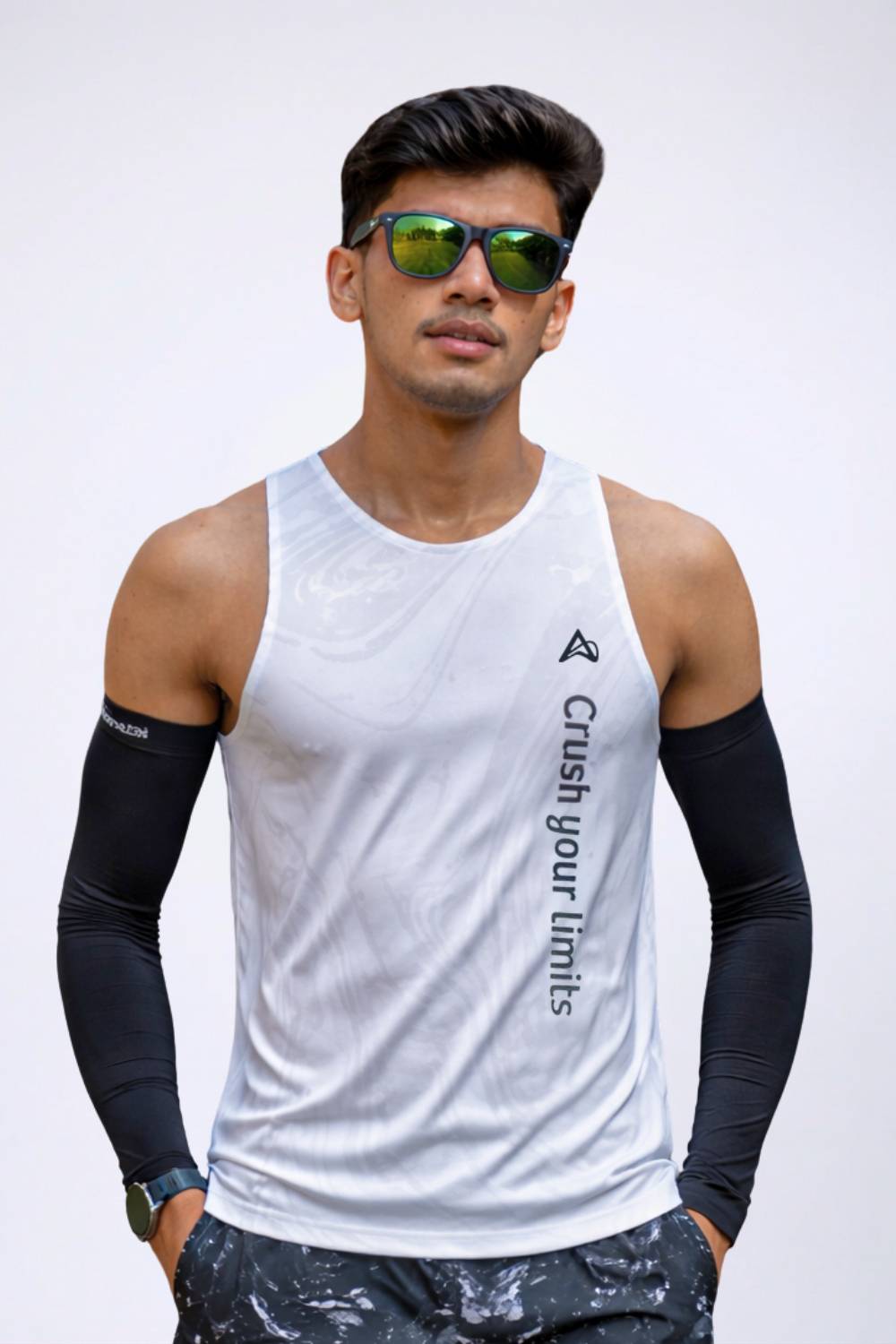

Humidity can change the way a normal run feels. A pace that feels comfortable in dry conditions may suddenly feel harder when the air is heavy with moisture, because sweat does not evaporate as efficiently. For runners, clothing choices become an important part of staying comfortable, managing heat, and maintaining a consistent training routine. Choosing the right outfit is not only about appearance; it is about selecting fabrics, fits, and features that work with the body during demanding outdoor sessions.
Running in humid conditions can feel more demanding because the body depends on sweat evaporation to release heat, and moisture-heavy air can slow that cooling process. When sweat remains on the skin instead of evaporating effectively, the body has to work harder to regulate temperature. Runners preparing for these conditions can explore running in humidity tips for guidance on breathable clothing, moisture management, and adjusting expectations during humid training sessions.
Tired of gear that slows you down? Chafing, soggy fabrics, and missing pockets kill your run's momentum. At Aguante, we're runners who get it. Our high-performance activewear features moisture-wicking fabrics, ergonomic designs, and smart storage to keep you focused. Shop Now!
Why Humid Weather Changes the Way You Run
During exercise, the body relies on sweating as a natural cooling process. In humid conditions, moisture in the air slows sweat evaporation, making it harder for the body to release heat effectively. This can make a familiar route or training session feel more challenging even when the distance and pace remain unchanged. The right clothing helps support the body's cooling process. Instead of trapping sweat close to the skin, effective running apparel should help move moisture away, encourage airflow, and allow unrestricted movement.
Lightweight garments, ventilated designs, and fabrics that manage moisture can make outdoor sessions more comfortable in hot and humid environments. Hydration habits and clothing choices both play an important role when exercising in warm and humid conditions. Lightweight, breathable, moisture-managing fabrics can support comfort by helping move sweat and heat away from the skin. Runners can review heat exercise clothing advice for additional guidance on combining apparel choices with hydration, workout adjustments, and heat management strategies.
Choose Moisture-managing Fabrics Instead of Heavy Materials
The fabric of a running outfit can make a noticeable difference during humid conditions. Lightweight technical materials are designed to handle sweat more effectively than everyday fabrics that absorb moisture and remain damp. One of the most important considerations is moisture management. Sweat wicking clothes for runners are designed to move perspiration away from the skin, helping runners feel drier and more comfortable throughout their workout.
This does not prevent sweating, which is a natural and necessary cooling response, but it can improve how the body feels during exercise. Cotton is often less suitable for longer runs in humid weather because it absorbs sweat and can become heavier as moisture builds up. A damp fabric layer may create discomfort, increase friction, and make movement feel more difficult.
Performance fabrics, on the other hand, are created to support active use through improved ventilation and moisture movement. When choosing running clothing, look for materials that feel lightweight, dry reasonably quickly, and allow airflow. These qualities are useful for everything from short morning runs to longer endurance sessions.
Select Running Tops and Bottoms Designed for Heat Management
A comfortable humid-weather running outfit usually starts with a breathable top. Loose or well-ventilated designs can help reduce the feeling of heat being trapped against the body. The goal is to find a balance between a secure fit and enough room for airflow.
Running Tops That Support Comfort
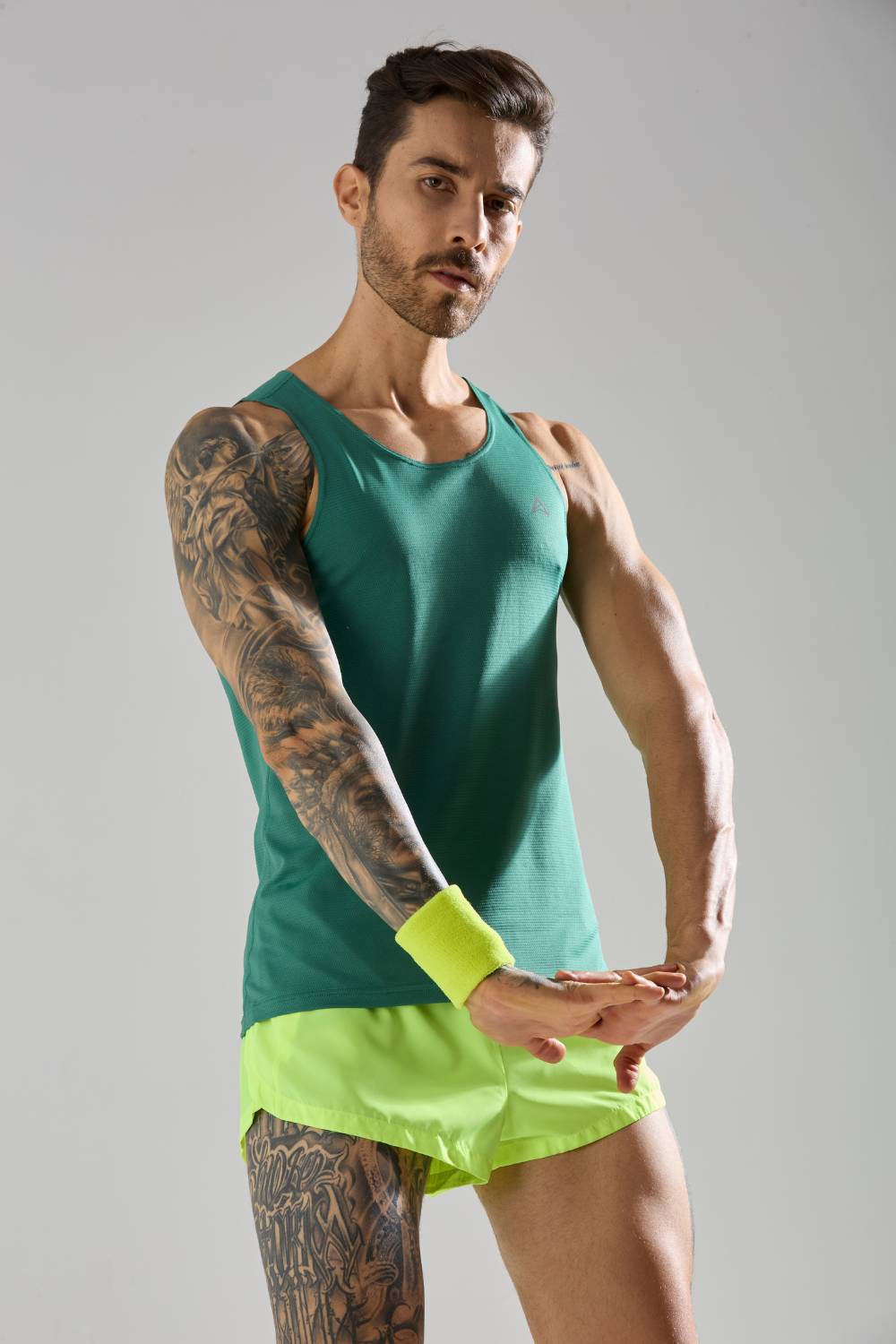
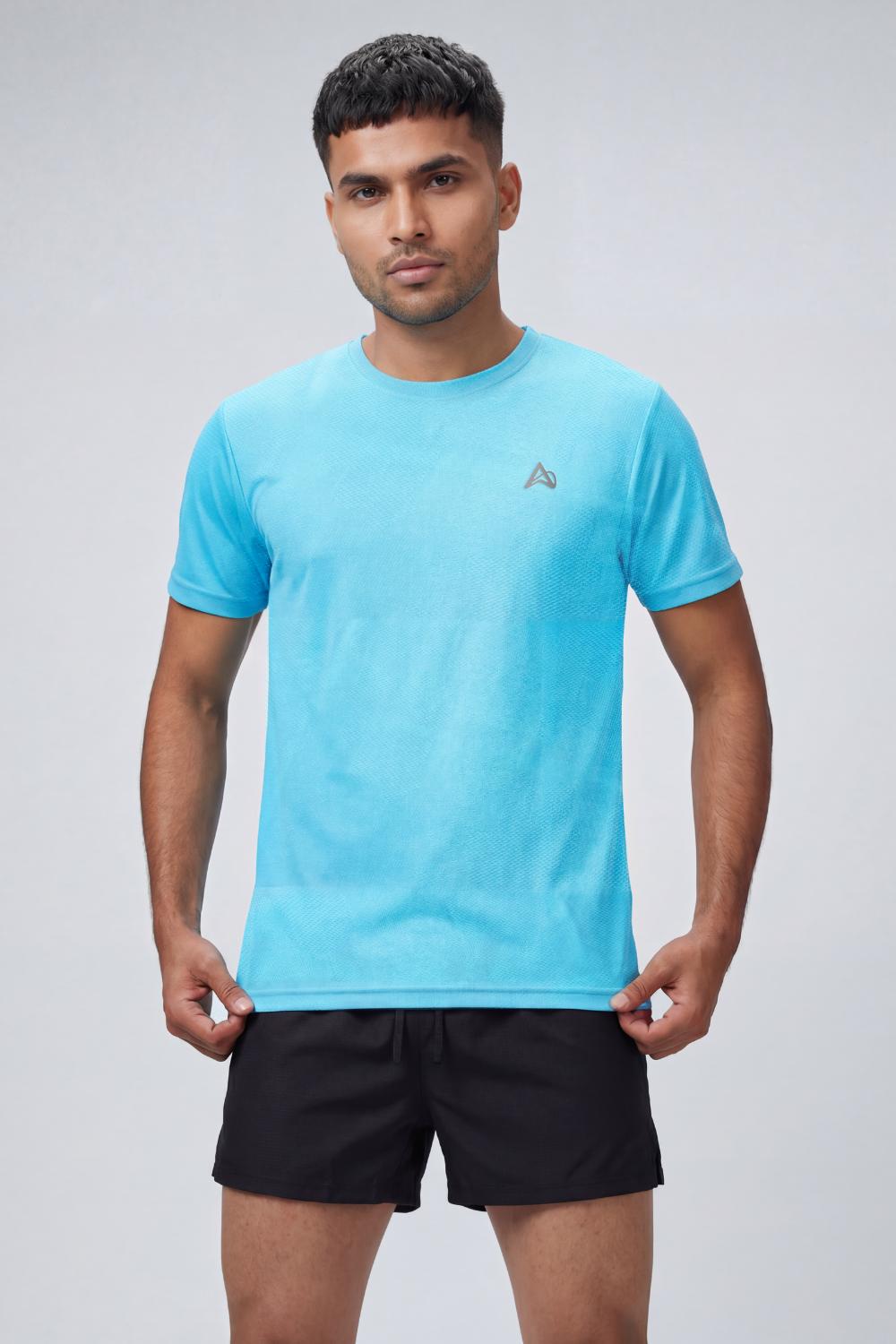
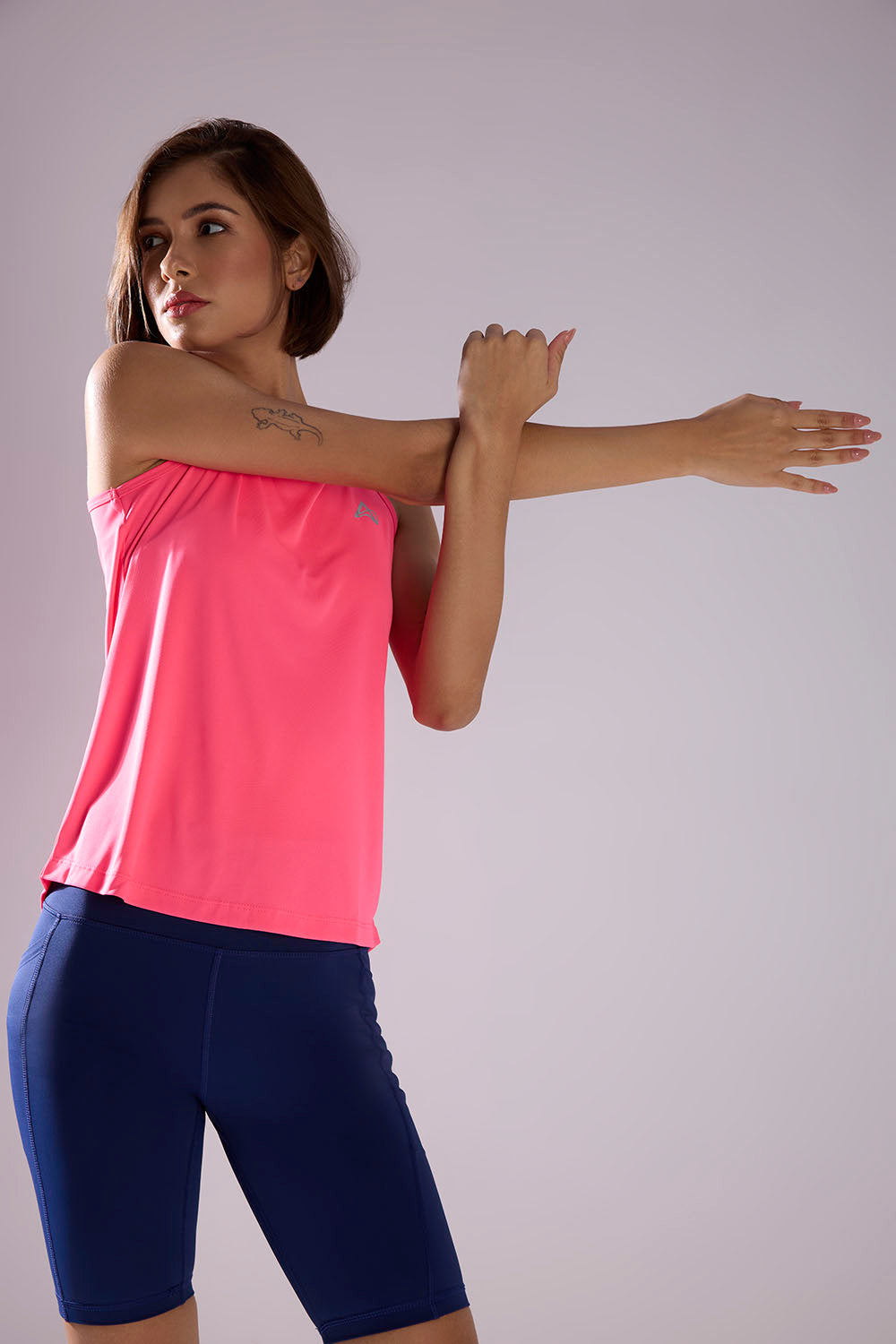
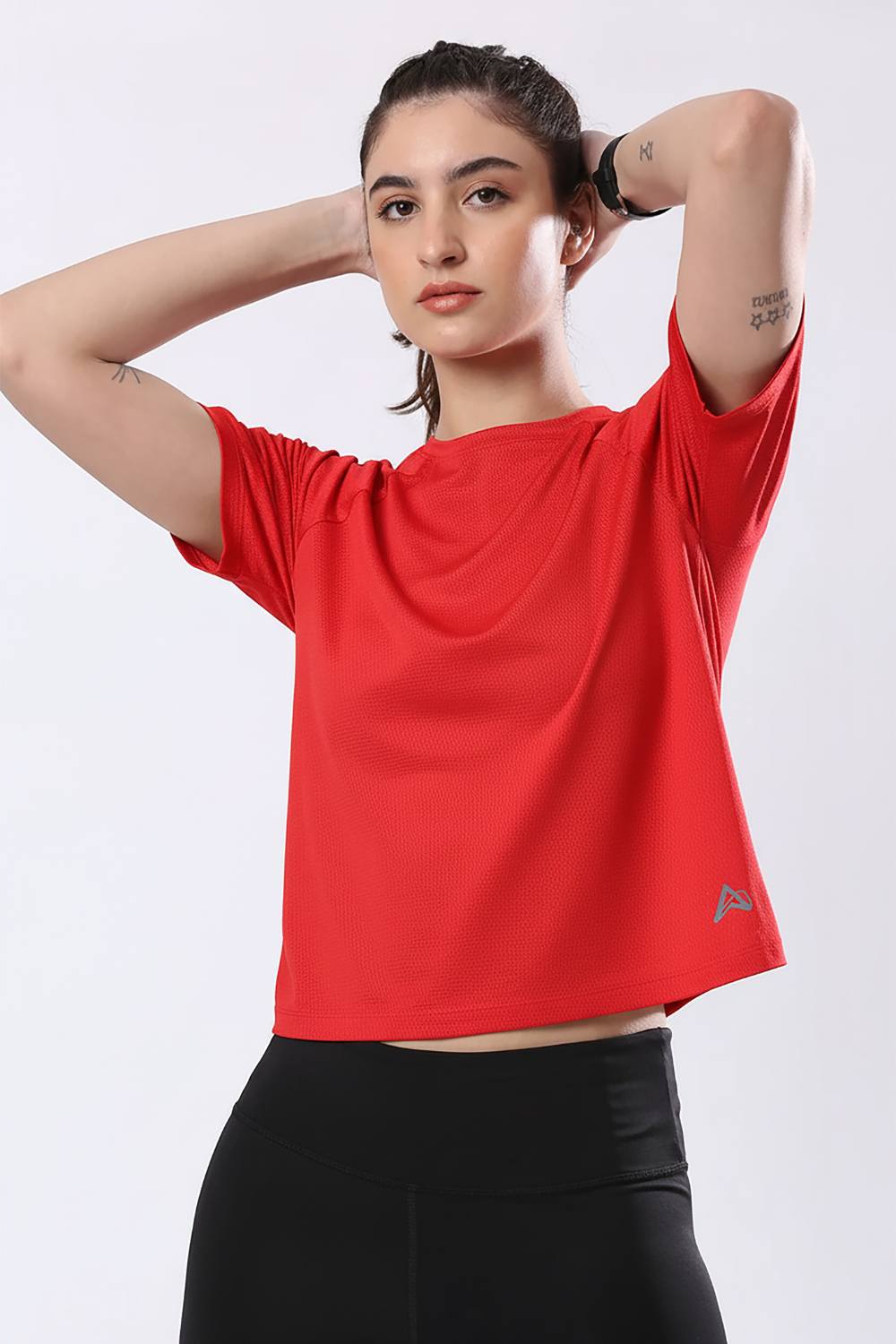
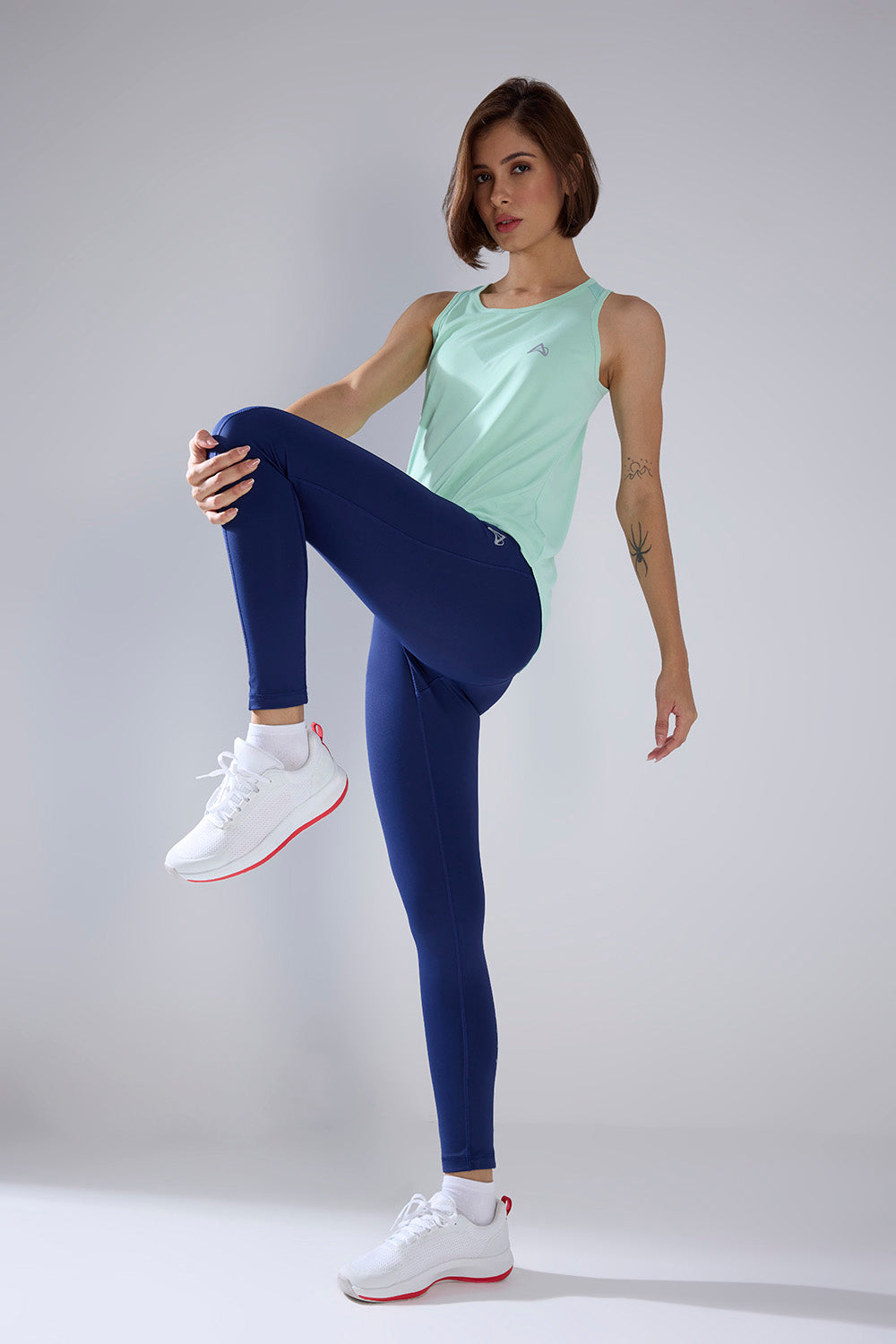
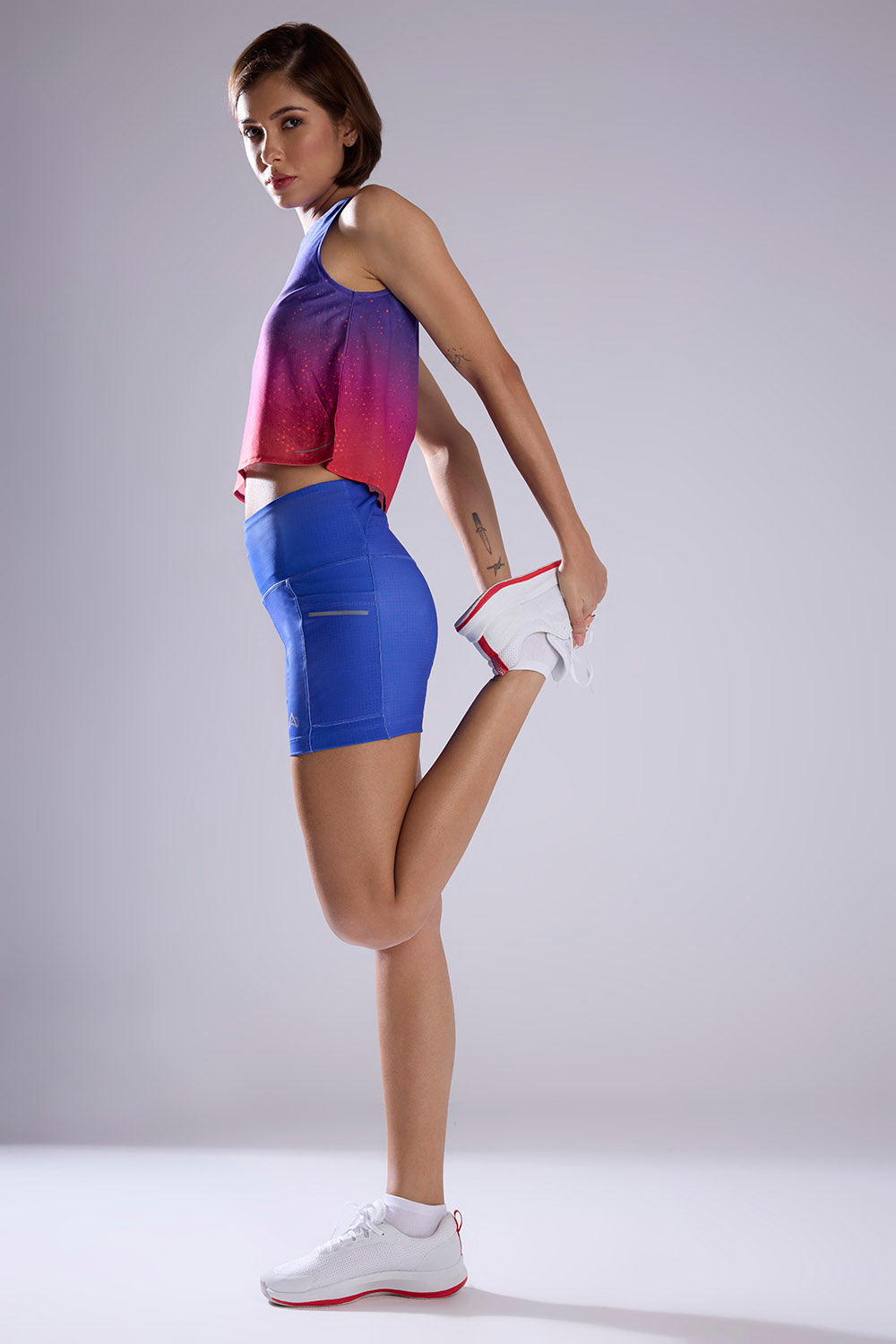
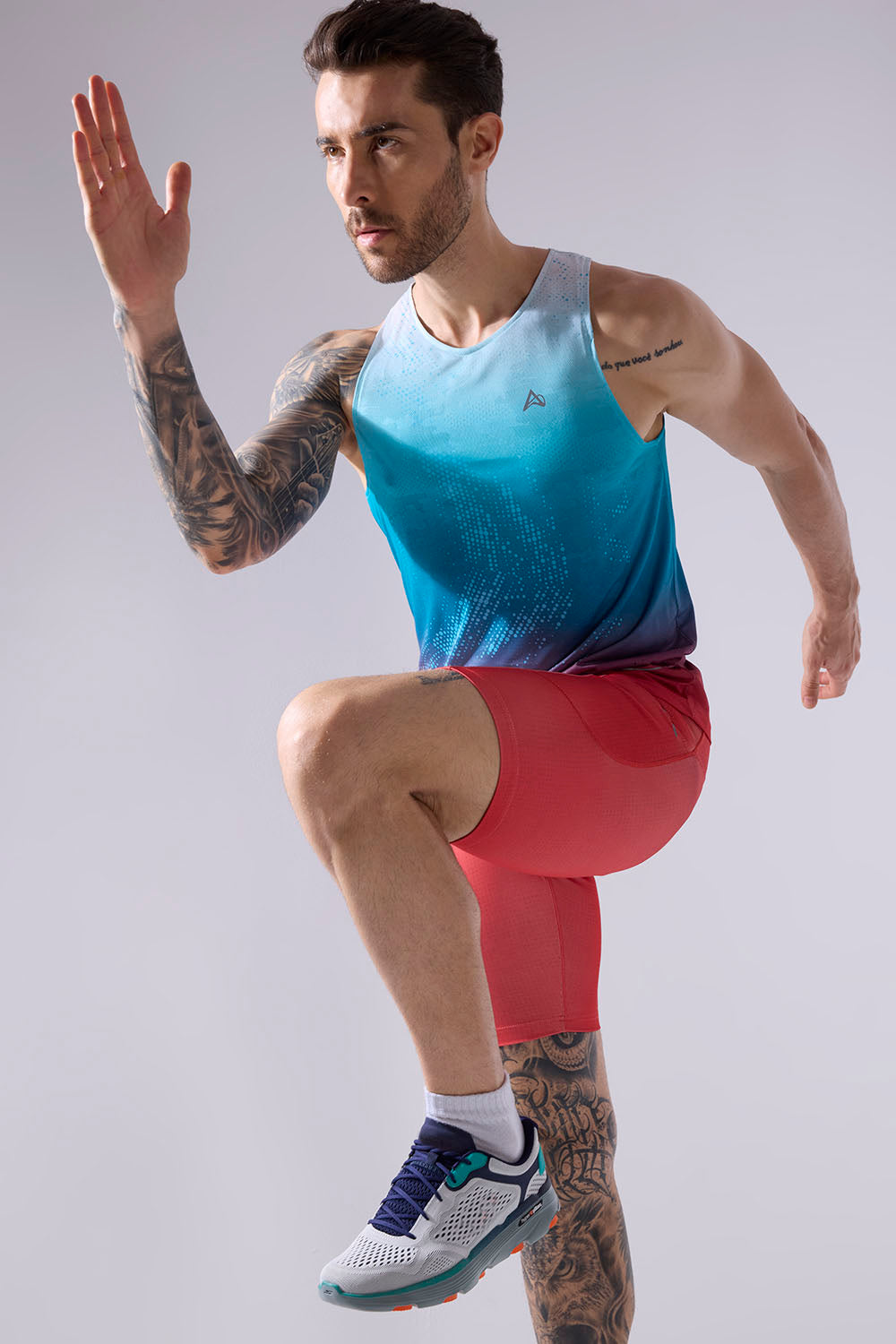
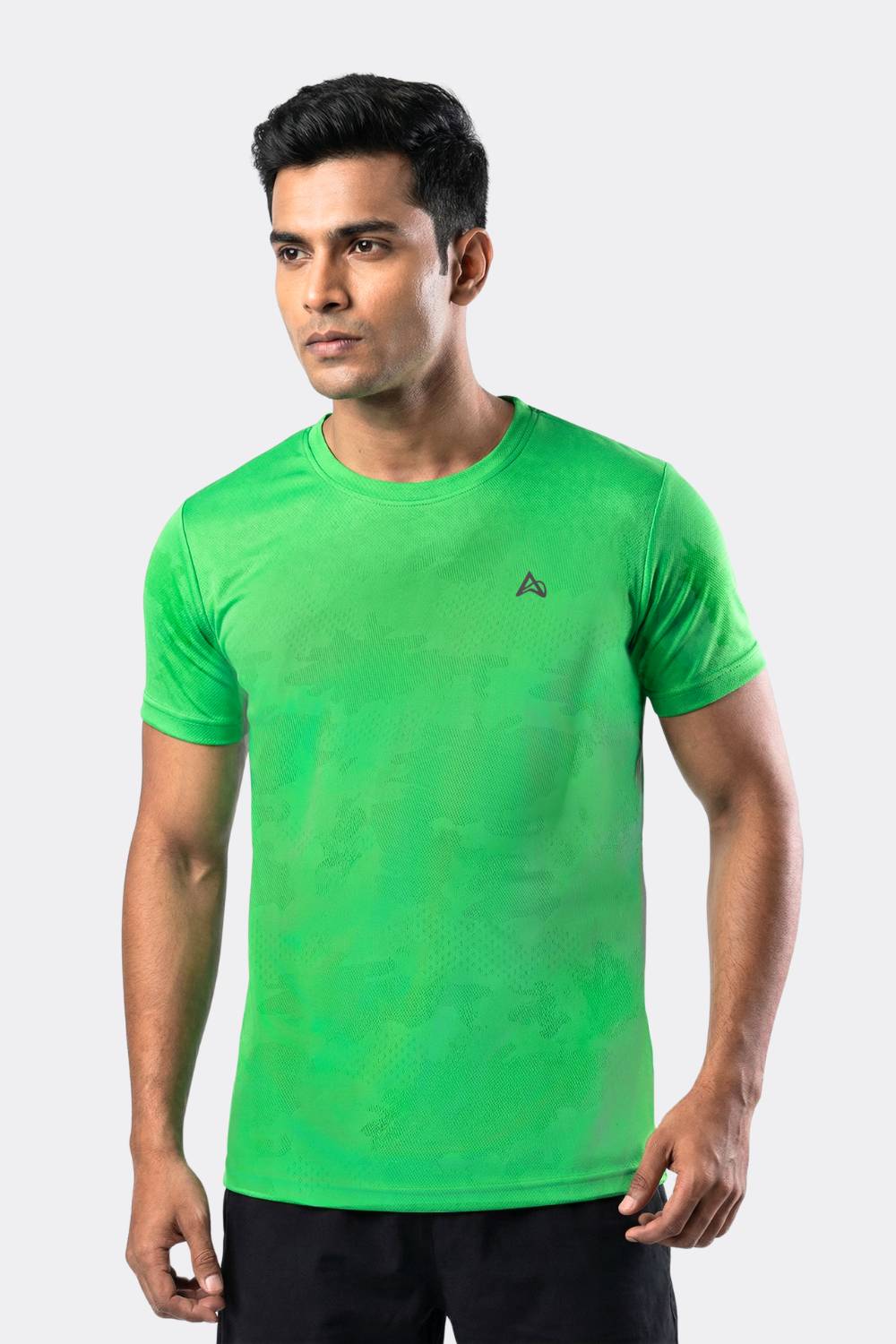
For warm and humid conditions, runners often benefit from lightweight tops that reduce fabric weight and improve ventilation. Sleeveless running tops, breathable T-shirts, and performance singlets can all be useful options depending on personal preference and training conditions. The best running clothes for humid weather should feel comfortable during movement rather than simply look athletic. Features such as lightweight construction, sweat management, and a fit that allows natural arm movement can help reduce distractions during a run.
Choosing the Right Shorts and Lower-body Layers
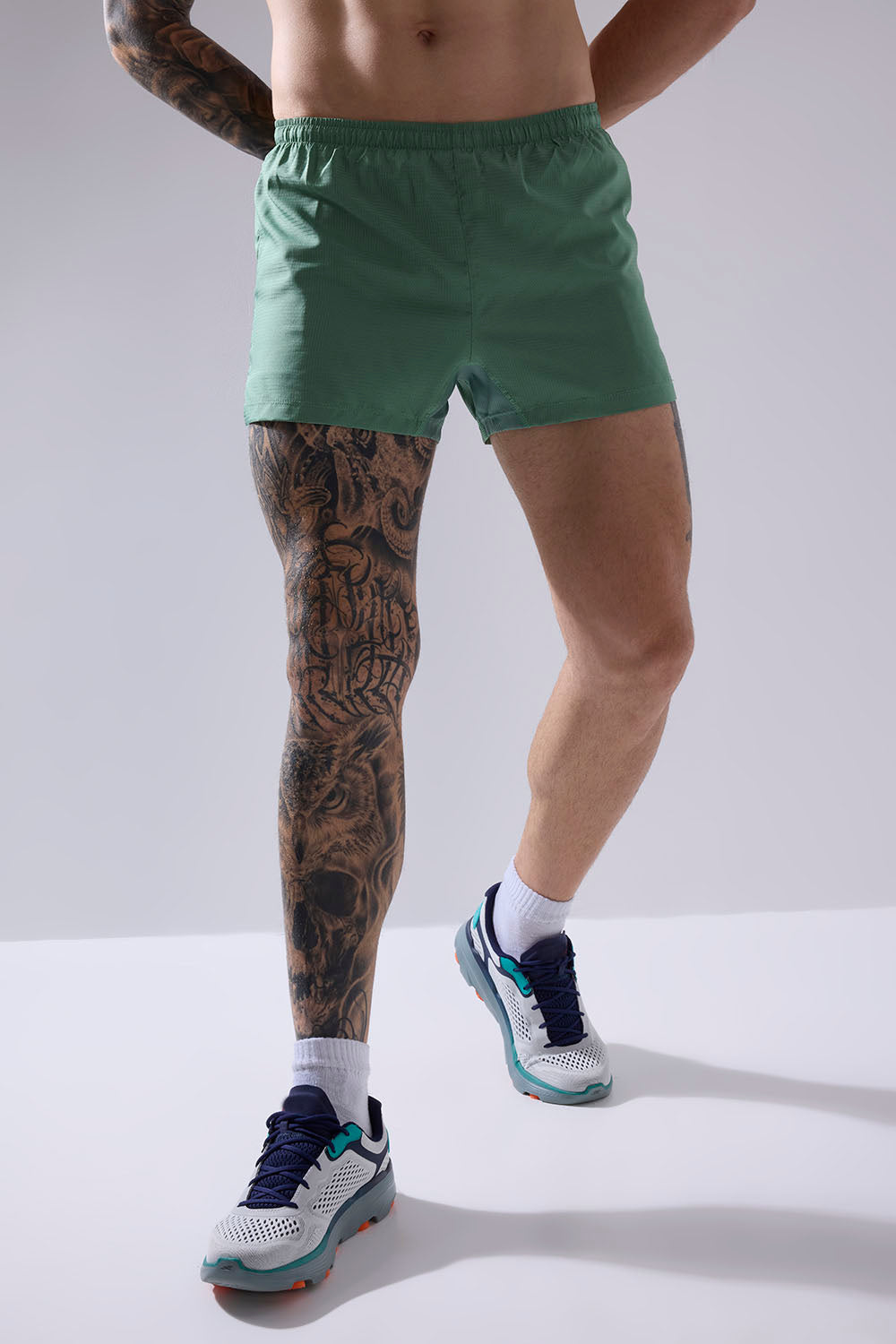
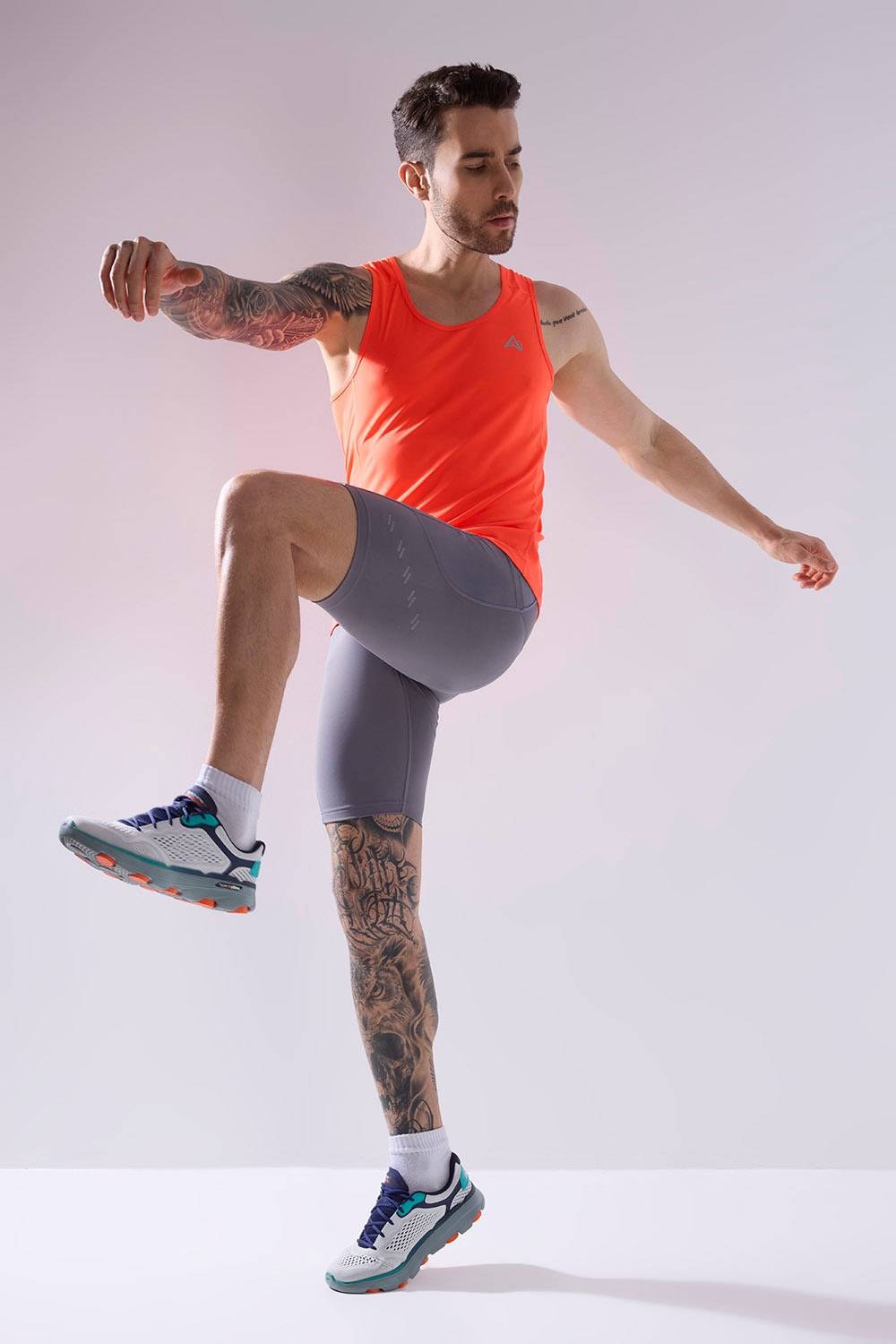
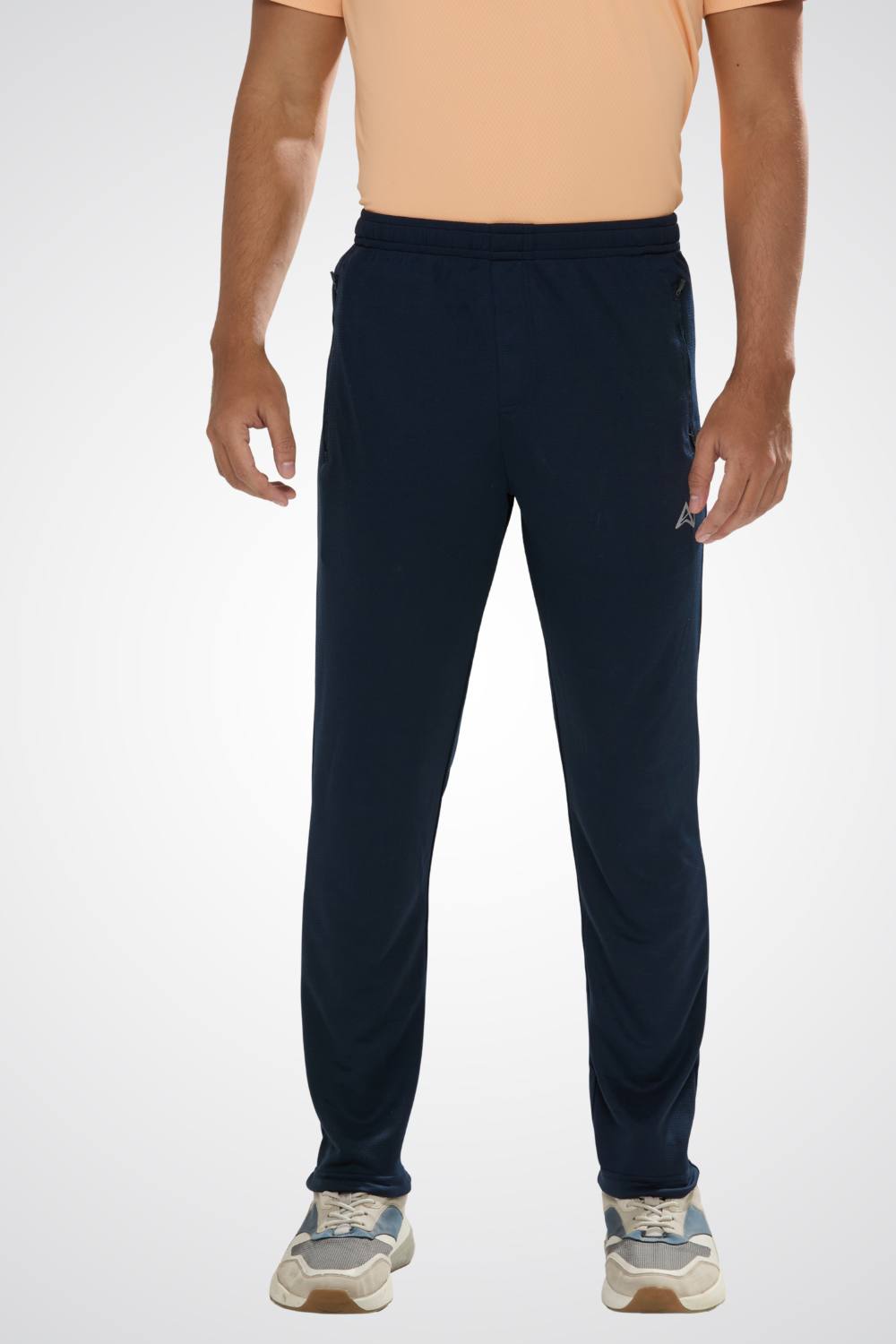
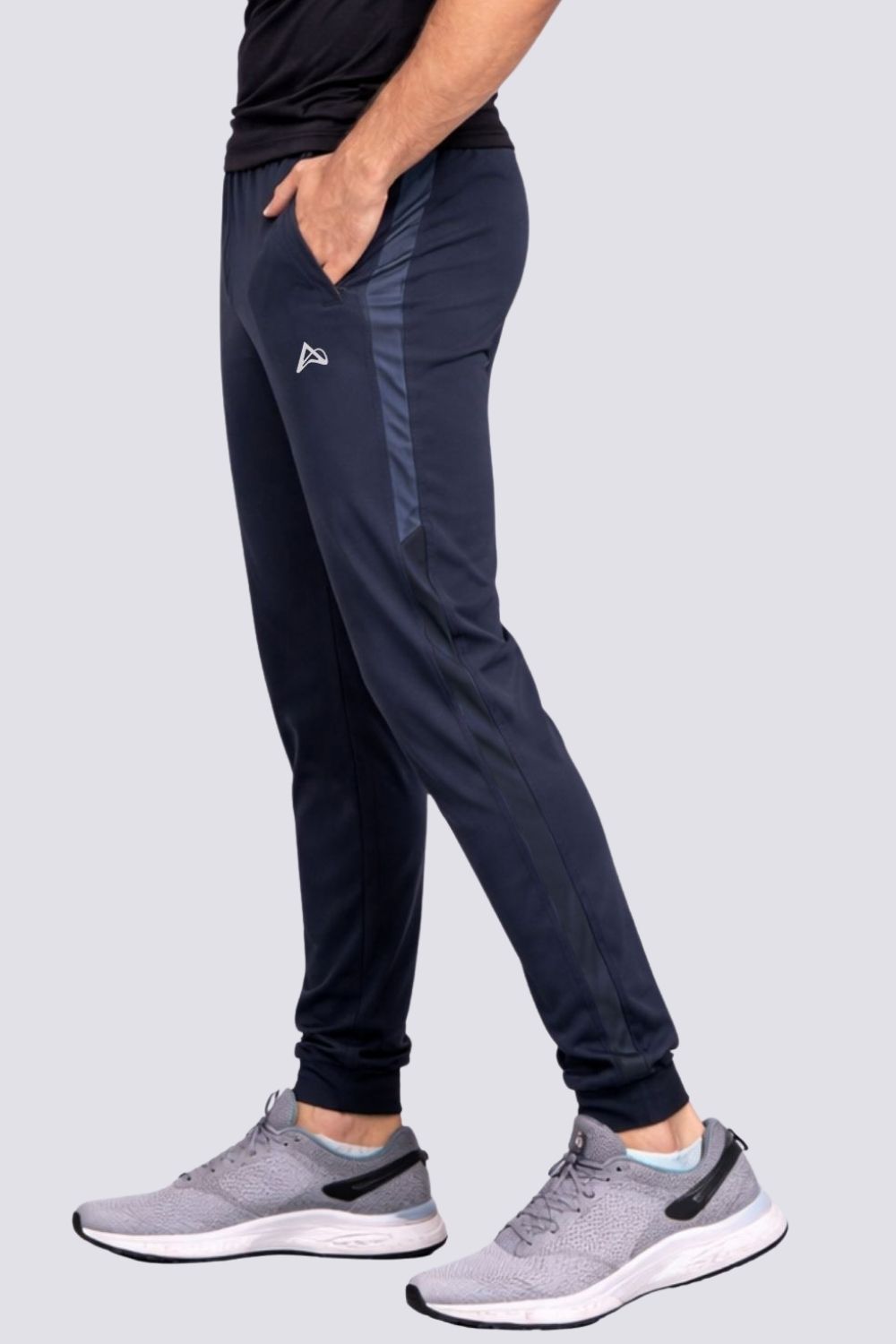
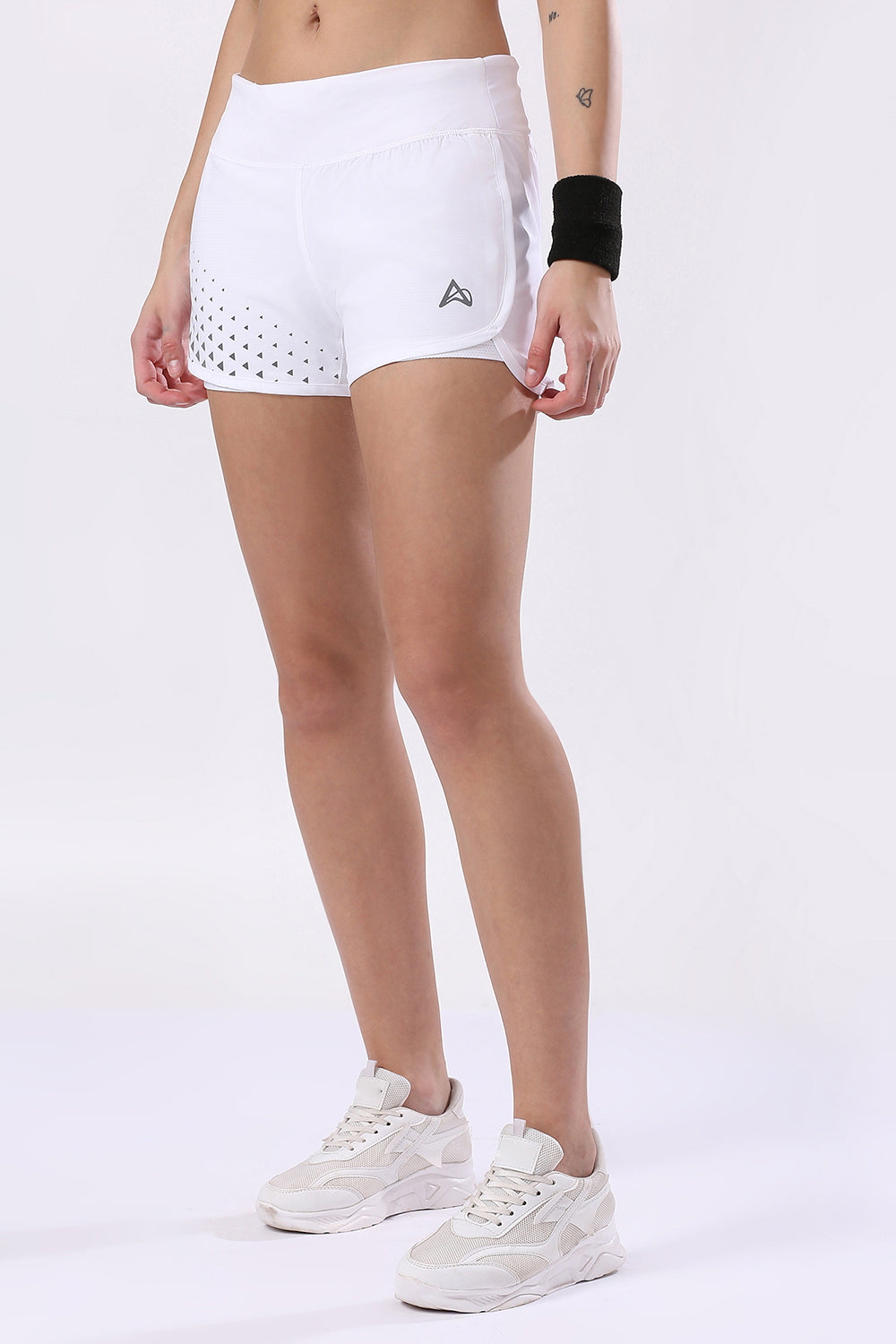
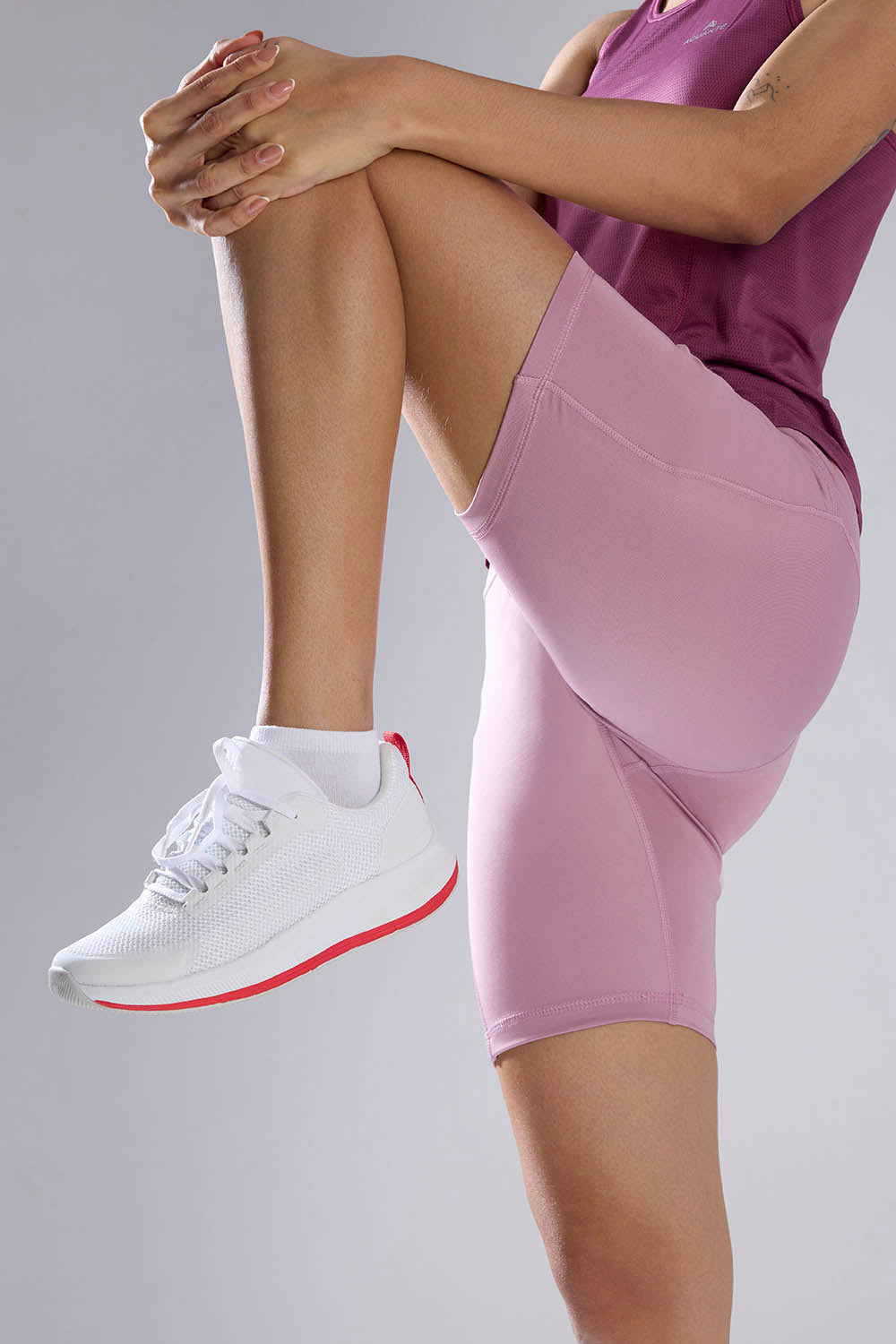
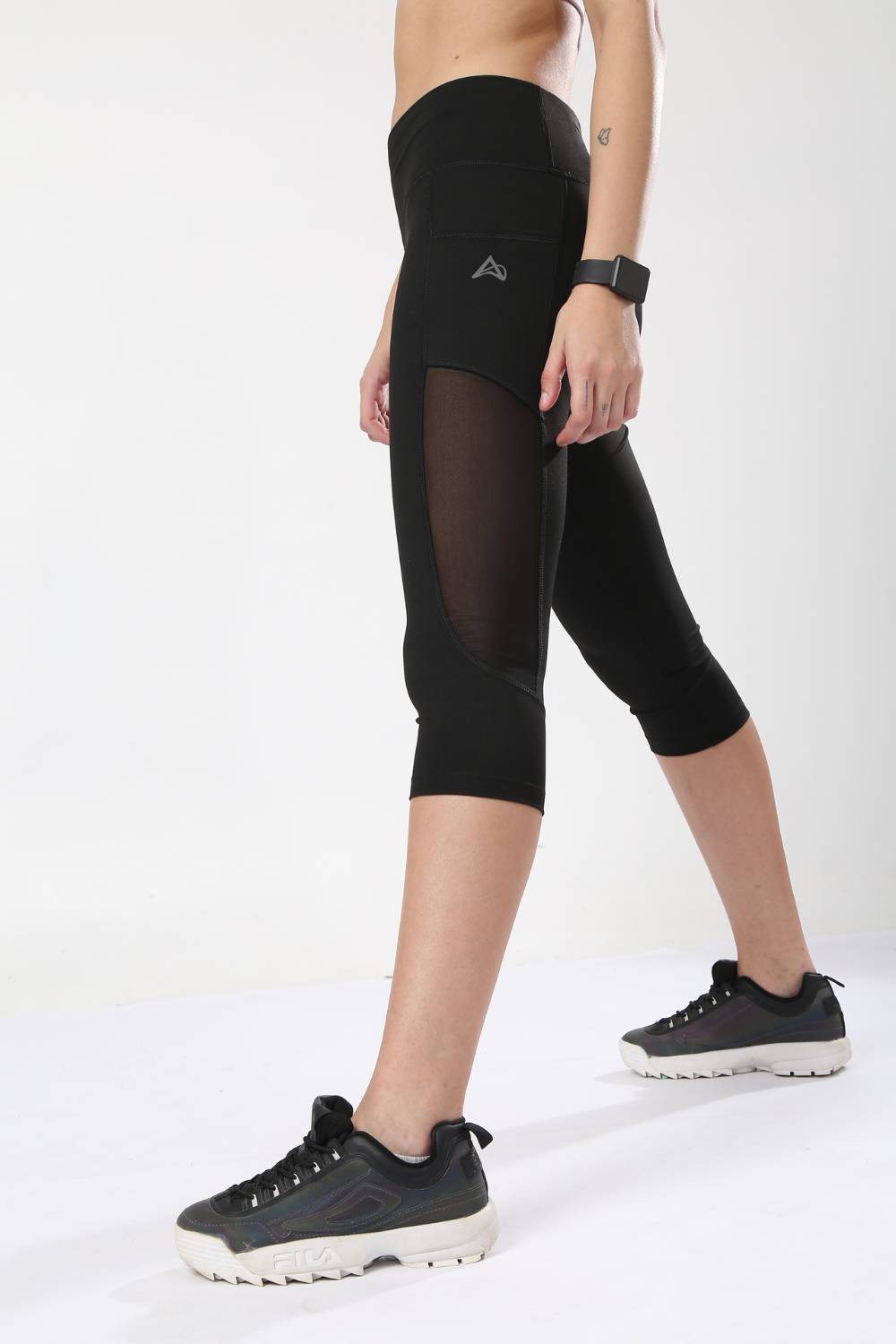
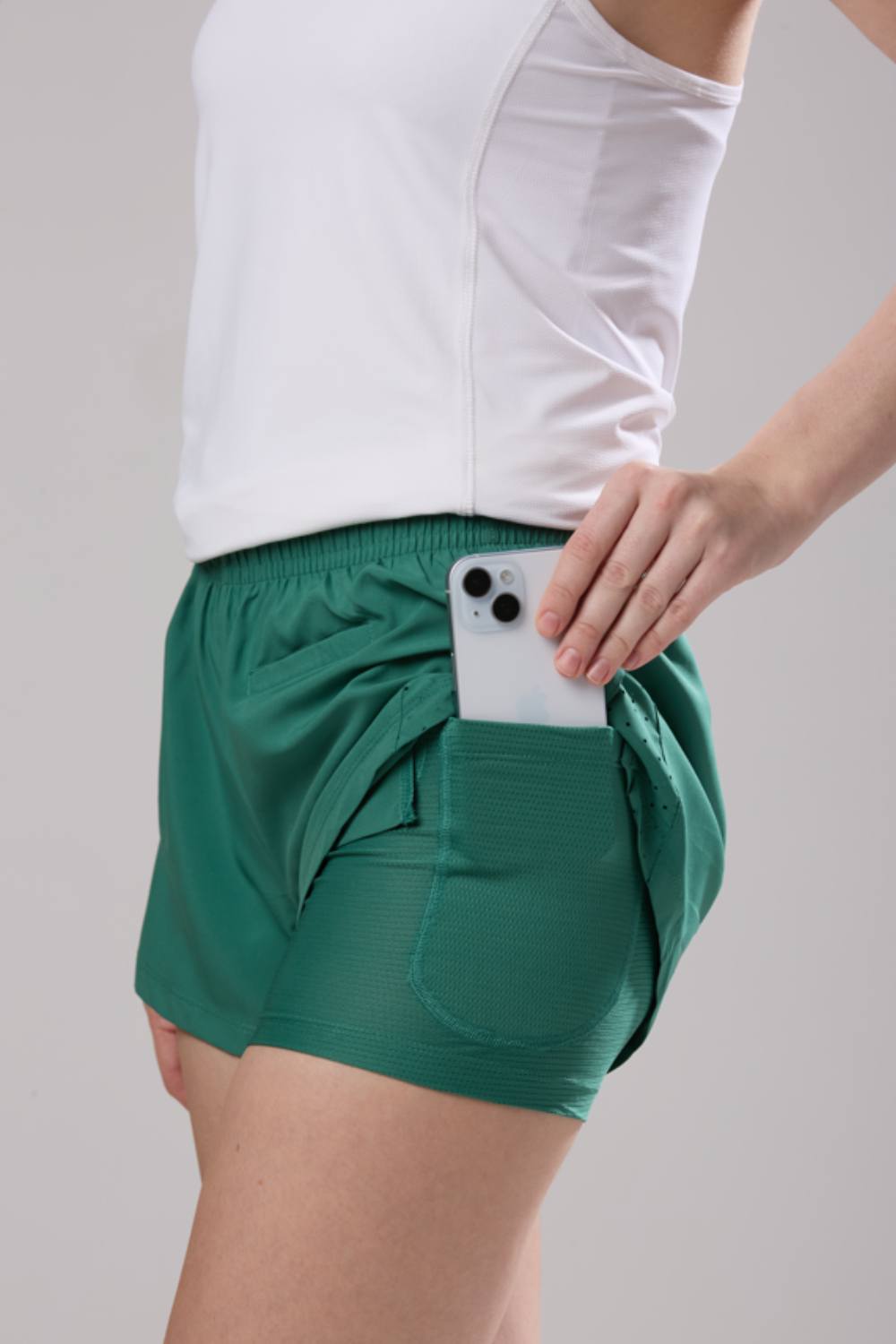
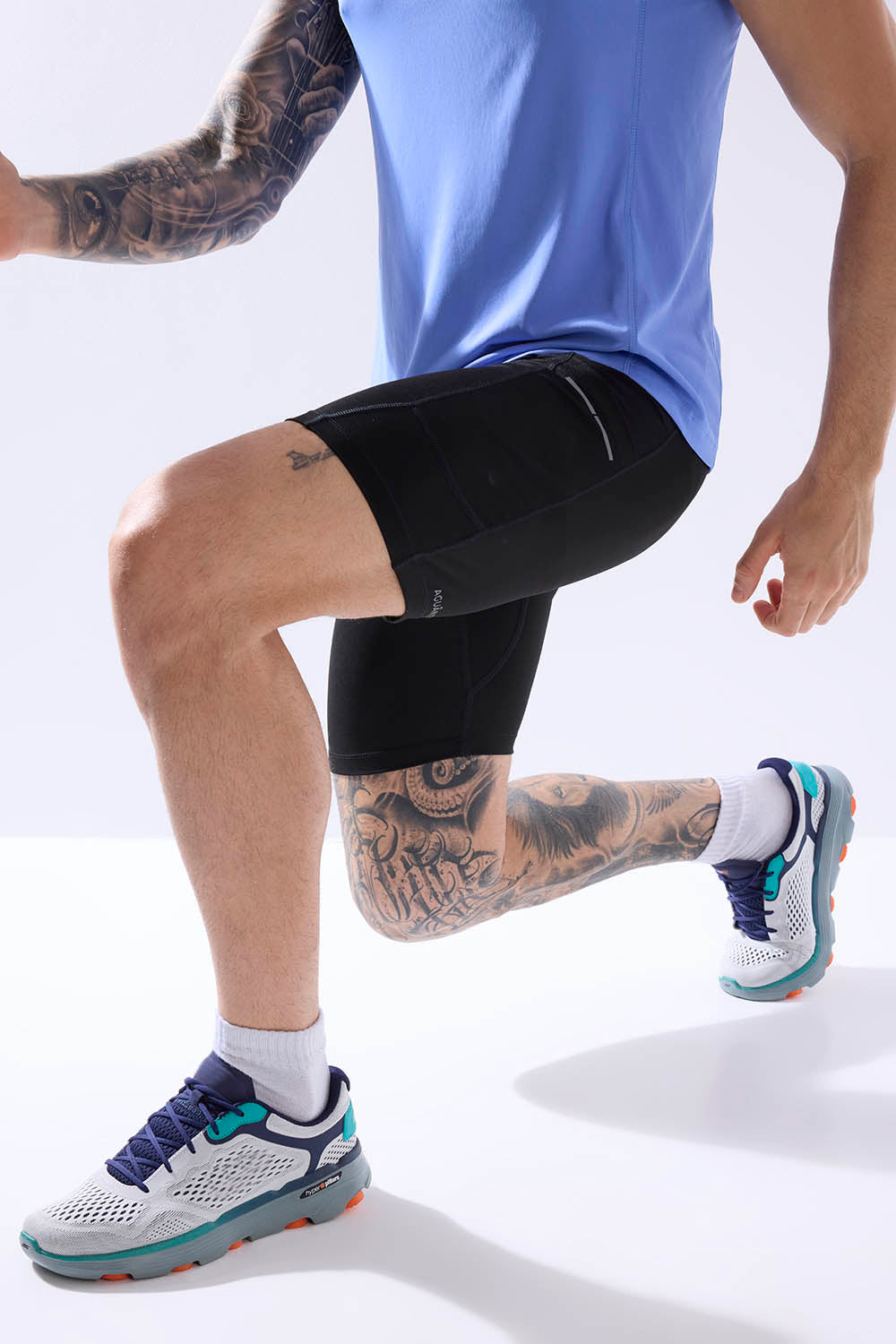
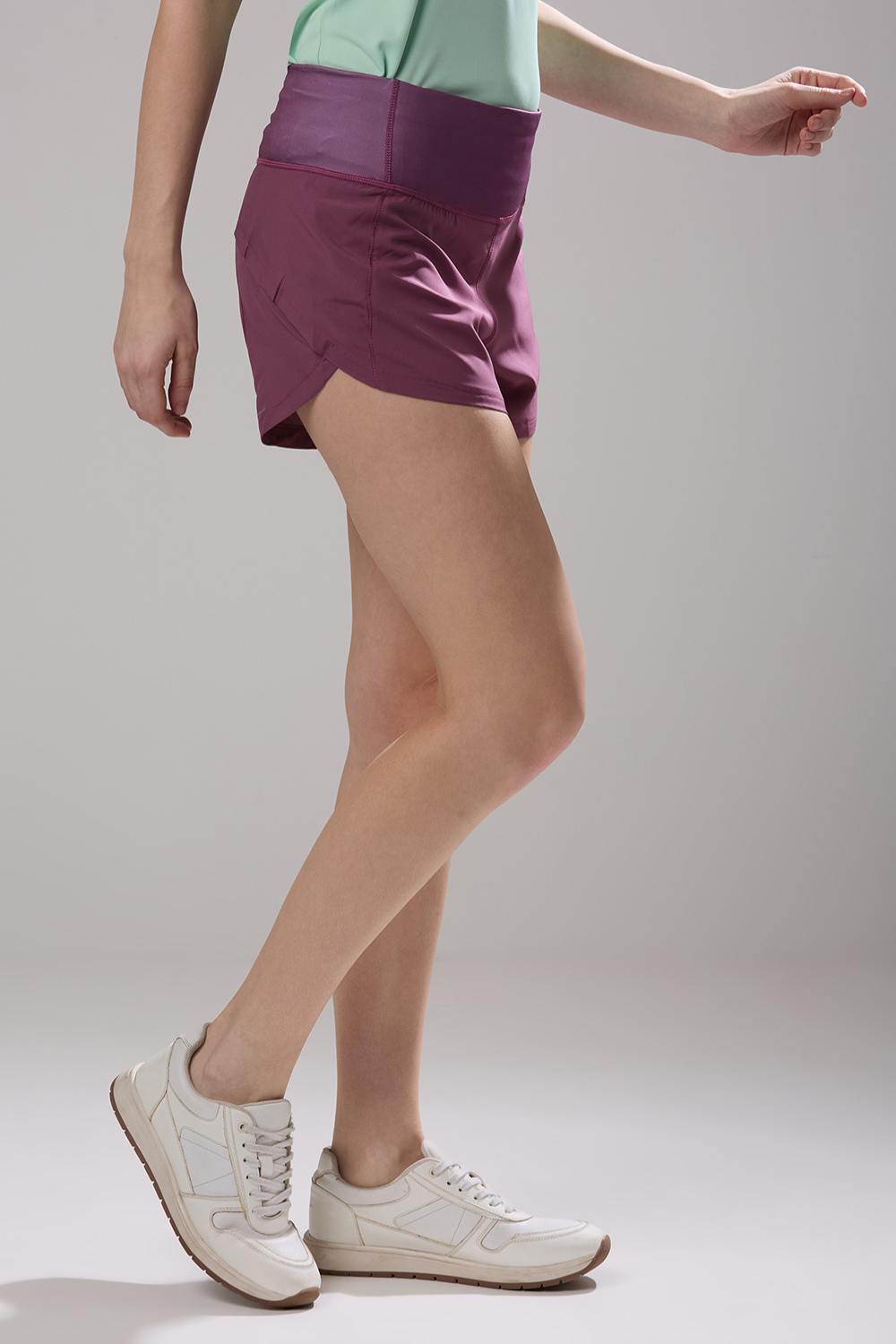
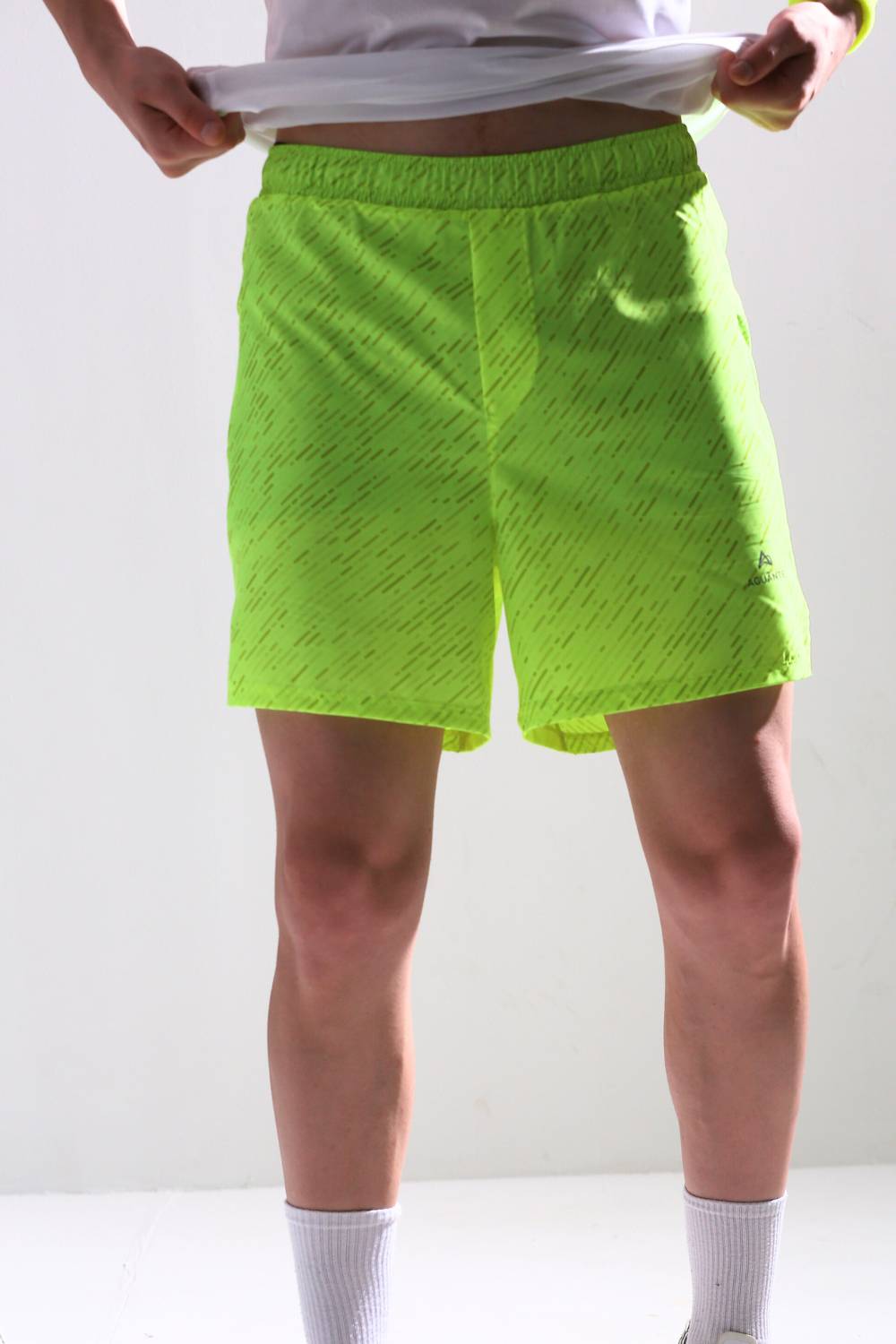
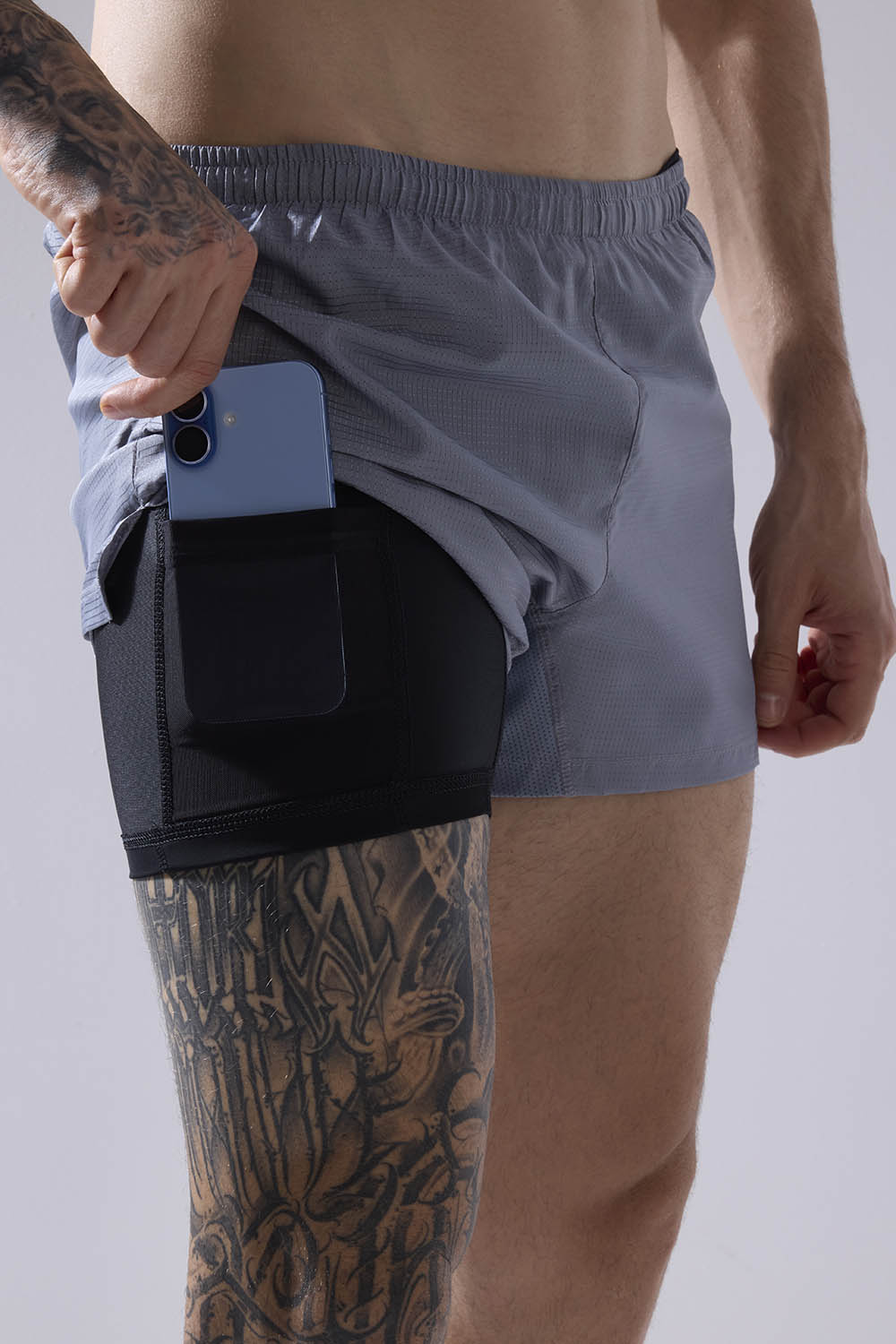
Running shorts are often preferred in humid conditions because they allow greater airflow and reduce excess fabric around the legs. The ideal pair should support movement without feeling restrictive. Runners who prefer additional coverage may choose lightweight half-tights or similar performance layers. The important factor is selecting clothing that matches the activity, weather, and personal comfort needs. Heavy materials or overly tight layers may increase discomfort when temperatures and humidity rise.
How to Stay Cool While Running in Humid Weather
Clothing plays a major role in comfort, but managing a humid-weather run also requires practical adjustments. Runners can improve their experience by considering when they train, how they pace themselves, and how they prepare before stepping outdoors. How to stay cool while running in humid weather often comes down to reducing unnecessary heat stress. Running during cooler parts of the day, choosing shaded routes where possible, and adjusting expectations around pace can make training more manageable. Humidity can increase the feeling of effort because the body works harder to regulate temperature. A slower pace may be a sensible adjustment rather than a sign of reduced fitness.
Training consistency matters more than forcing the same speed in every weather condition. Hydration habits are also an important part of preparation. Clothing should support comfort, but it works best alongside sensible training decisions that consider the conditions outside.
Frequently Asked Questions
What should I wear for running in humid weather?
For running in humid weather, choose lightweight, breathable clothing made from moisture-managing fabrics that help move sweat away from the skin. Running tops with good ventilation and lightweight shorts can improve comfort by reducing trapped heat and allowing better airflow.
Are sweat-wicking clothes better for running in high humidity?
Yes, sweat-wicking clothes can help runners feel more comfortable in high humidity by moving perspiration away from the skin. These fabrics do not stop sweating, but they can help manage moisture better than heavy materials like cotton during longer runs.
How can I stay cool while running in humid weather?
To stay cool while running in humid weather, wear breathable clothing, adjust your pace, and consider running during cooler parts of the day. Choosing shaded routes, staying hydrated, and using lightweight gear can help reduce heat stress during outdoor training.
Disclaimer: The above helpful resources content contains personal opinions and experiences. The information provided is for general knowledge and does not constitute professional advice.
You may also be interested in: How Reflective Elements Enhance Safety for City Runners
Tired of gear that slows you down? Chafing, soggy fabrics, and missing pockets kill your run's momentum. At Aguante, we're runners who get it. Our high-performance activewear features moisture-wicking fabrics, ergonomic designs, and smart storage to keep you focused. Shop Now!
Powered by flareAI.co