



Picture this: You're midway through a grueling midday tennis practice under a blazing sun, your shirt plastered to your skin like a second, unwelcome layer. Sweat stings your eyes, distracts your focus, and threatens to cut your session short. But what if your clothing could actively combat that onslaught, drawing away moisture and keeping you in the zone? In an age where daily physical routines from early-morning runs to evening weightlifting anchor our health and productivity, effective moisture control emerges as a game-changer. It's not merely about comfort; it's the foundation for unwavering commitment, backed by booming industries innovating at breakneck speed.
Relentless heat waves, exacerbated by shifting climate patterns, have made temperature regulation a frontline concern for anyone active outdoors or in stuffy gyms. Rising worldwide temperatures demand smart fixes to ease bodily strain and thermal unease, and advanced textiles are delivering. The cooling fabrics sector hit approximately USD 2.2 billion in value back in 2022, on a path to expand at a 7.9% compound annual growth rate through 2032. This momentum stems from the urgent push to alleviate heat-related stress, offering fabrics that provide genuine respite in scorching settings.
From elite competitors to weekend warriors, people pursuing outdoor pursuits need attire that stabilizes core temperature and boosts ease. These materials shine in athletic wear, fitness gear, and adventure clothing, addressing the core issue of overheating. Complementing this, fresh insights value the worldwide cooling fabrics arena at USD 1.83 billion in 2024, forecasting a leap to USD 2.94 billion by 2030 via an 8.3% CAGR starting 2025. The catalyst? Skyrocketing call for cozy, efficiency-boosting clothes in athletics and recreation.
Regionally, North America commands the landscape with a commanding 33.8% portion of earnings in 2024, fueled by robust consumer spending on premium activewear. Meanwhile, the Asia Pacific region gears up for swiftest expansion at a 9.0% CAGR in the coming years, riding waves of urbanization and fitness trends. Delving into breakdowns, sports clothing claims the top spot, grabbing 41.97% of revenues that year, while man-made fibers lead product categories at 69.2% dominance, thanks to their superior sweat-handling capabilities.
This data isn't abstract it's a direct response to real-world demands. As more individuals prioritize wellness amid busier lives, the ability to train without moisture woes keeps routines intact. Consider how these fabrics work: they employ evaporation principles or phase-shifting tech to dissipate heat, turning potential quit moments into extended efforts.
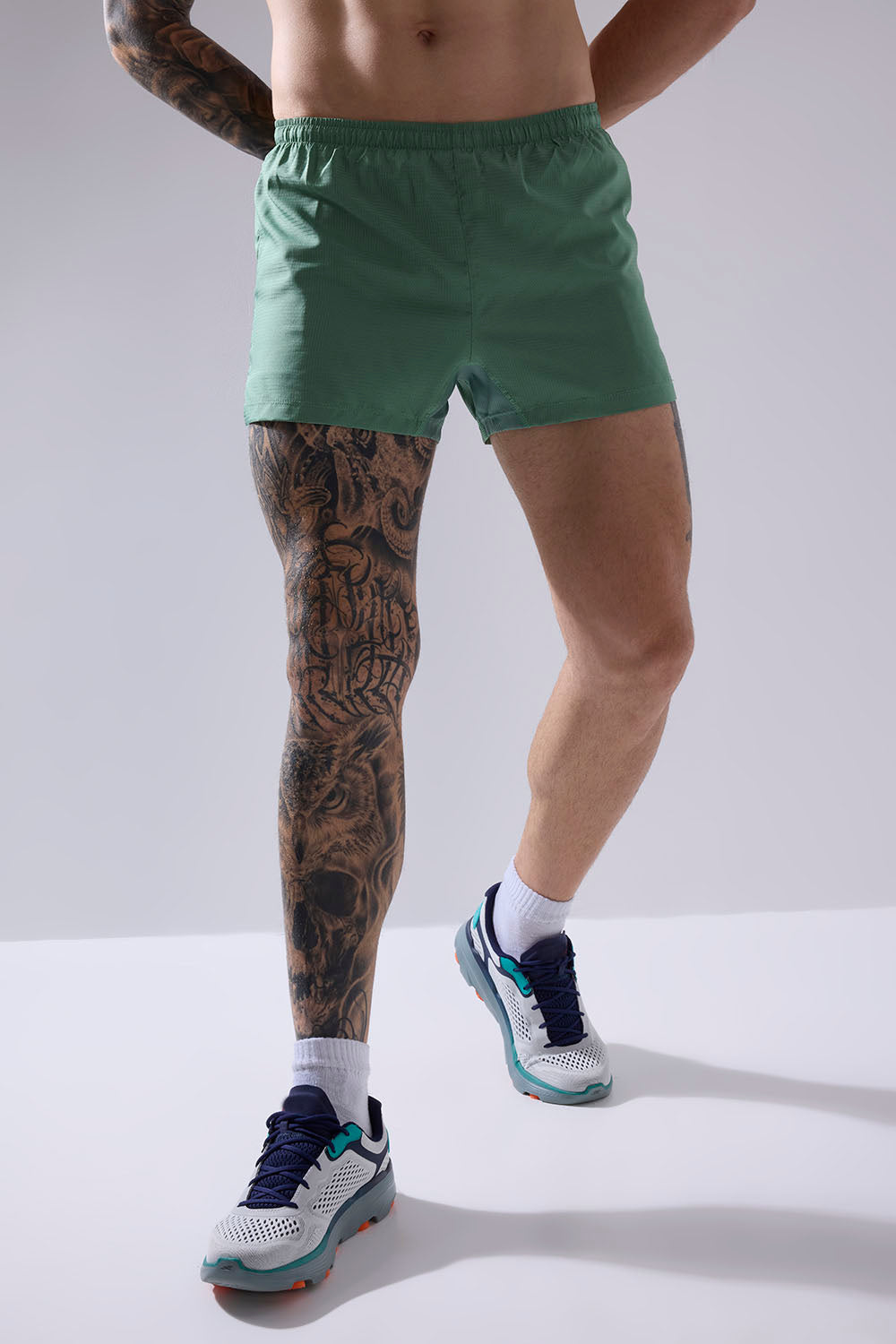
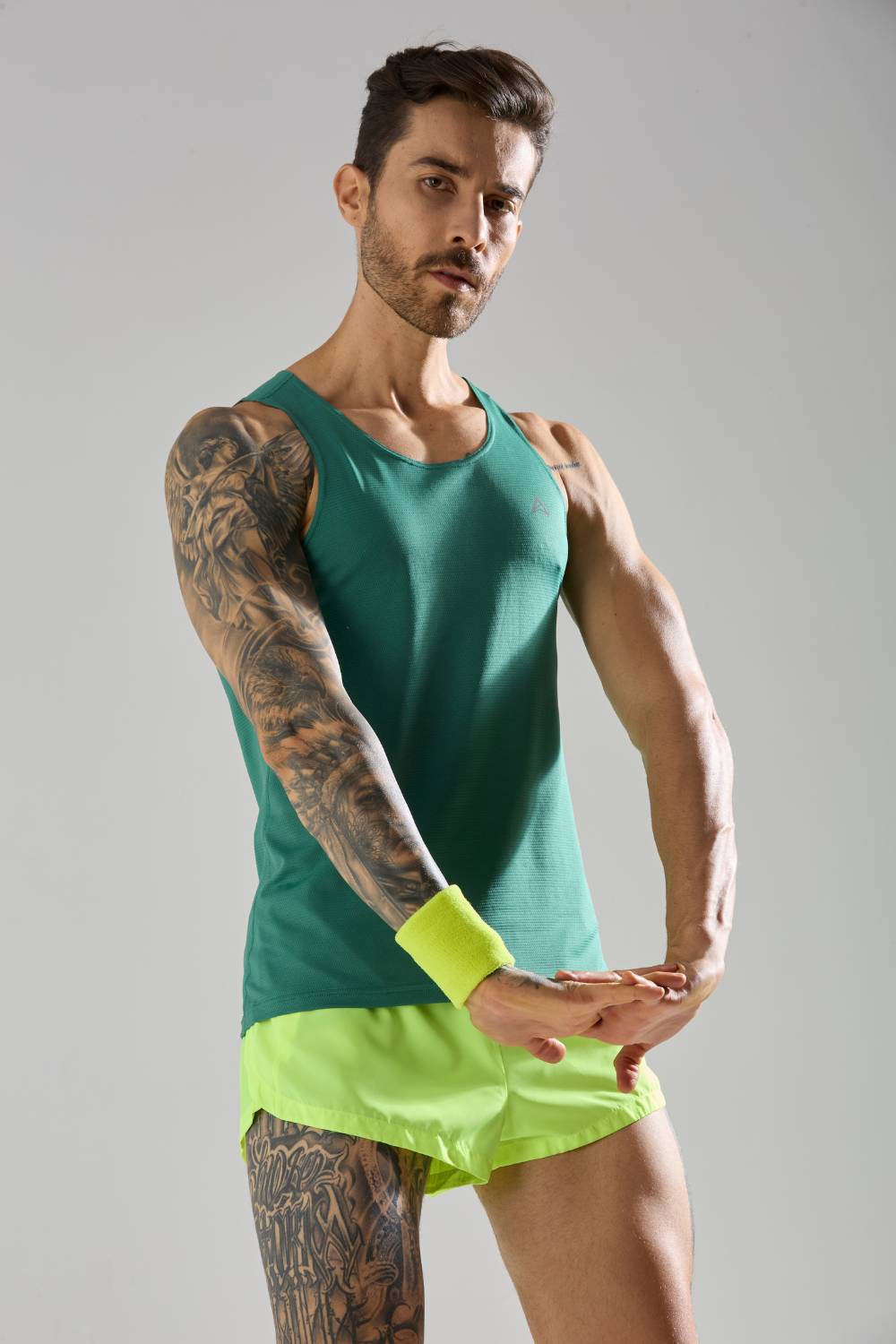
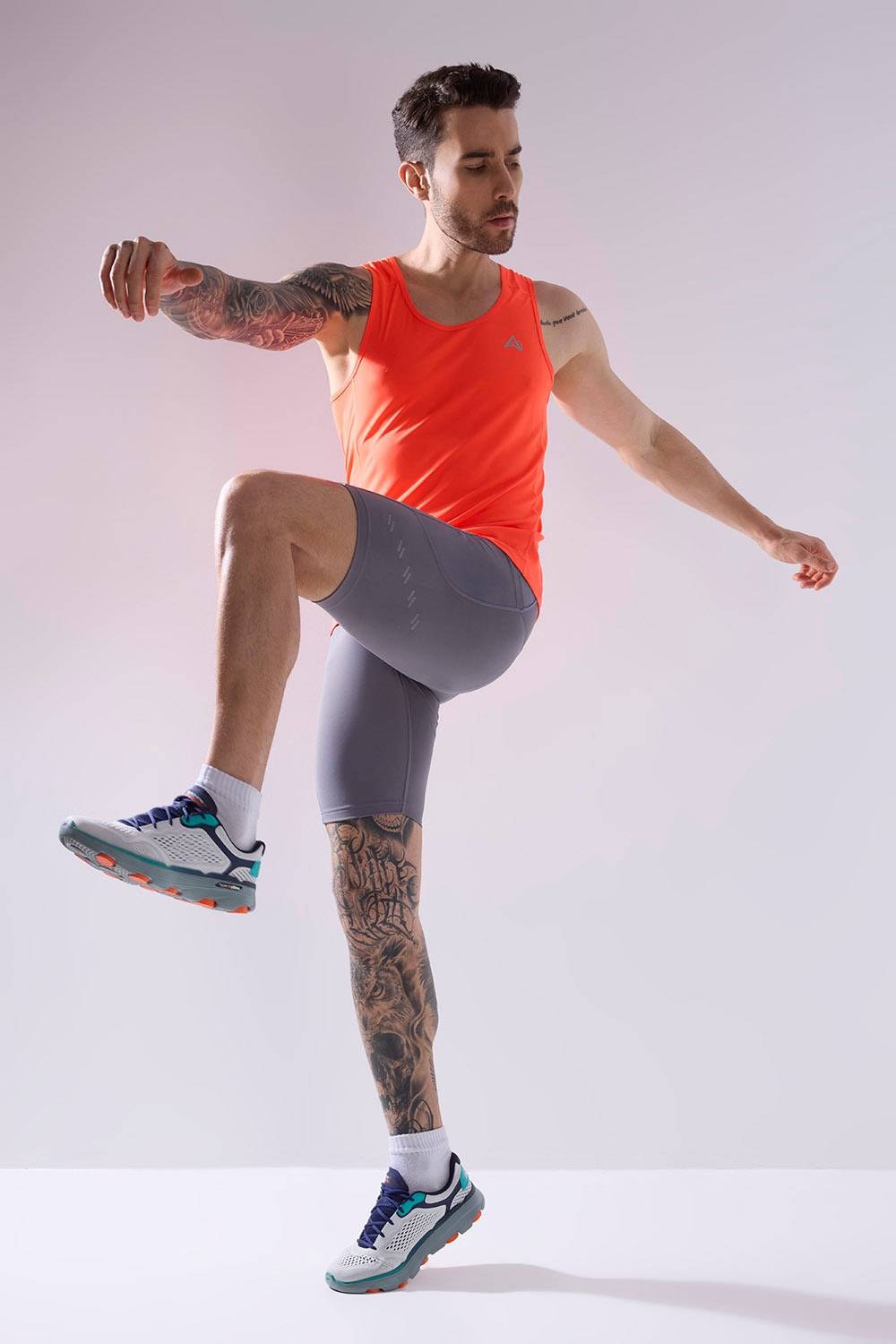
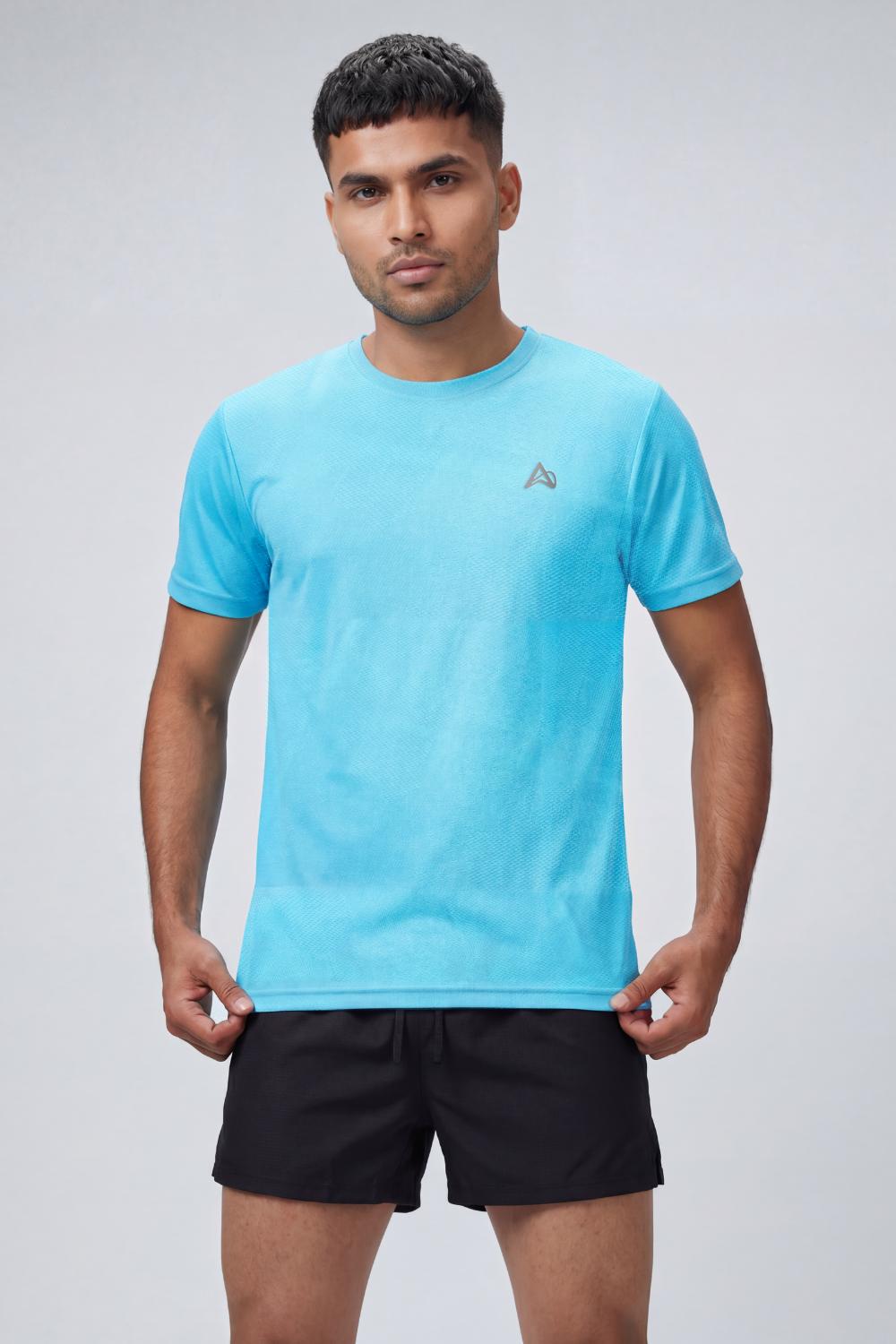
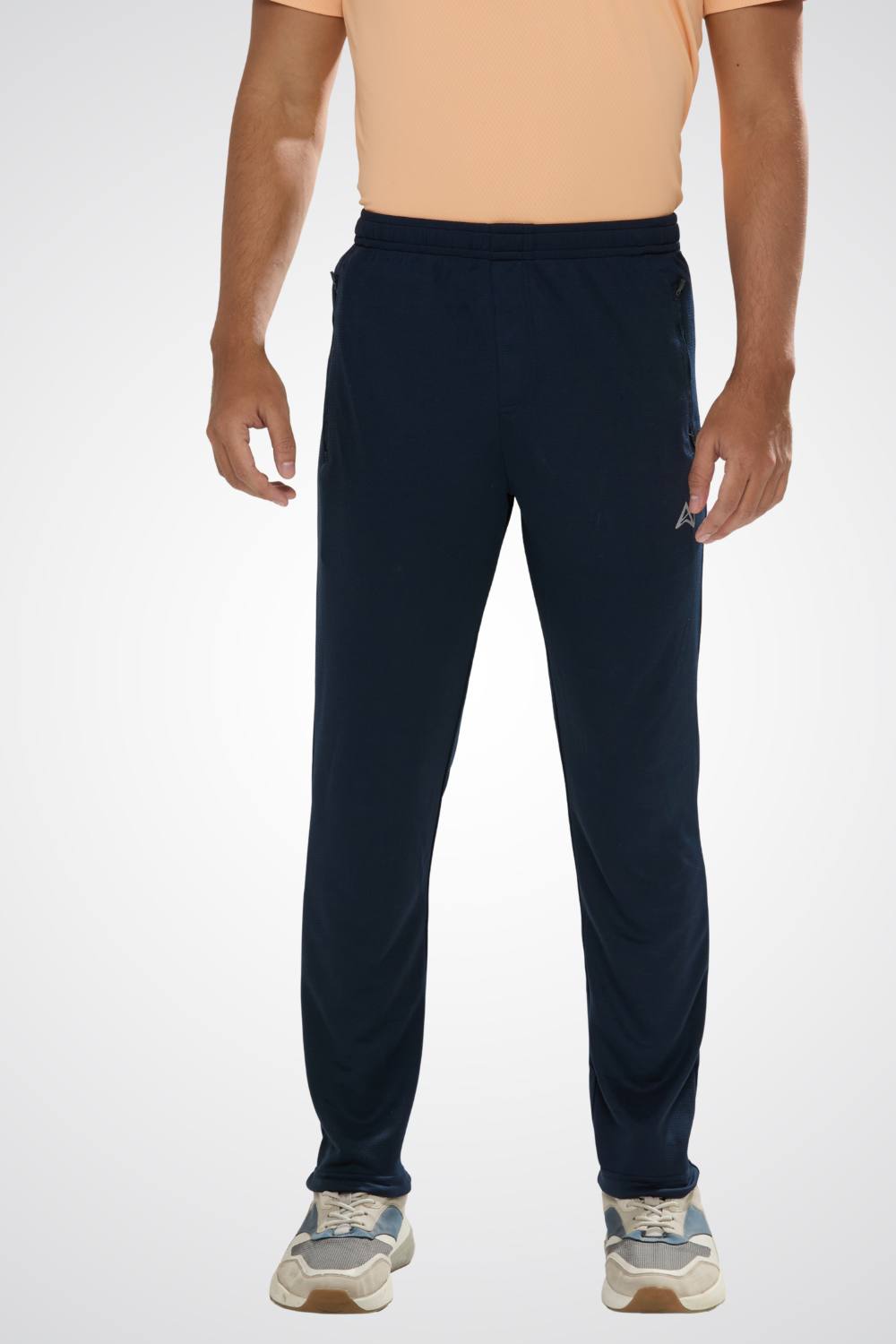
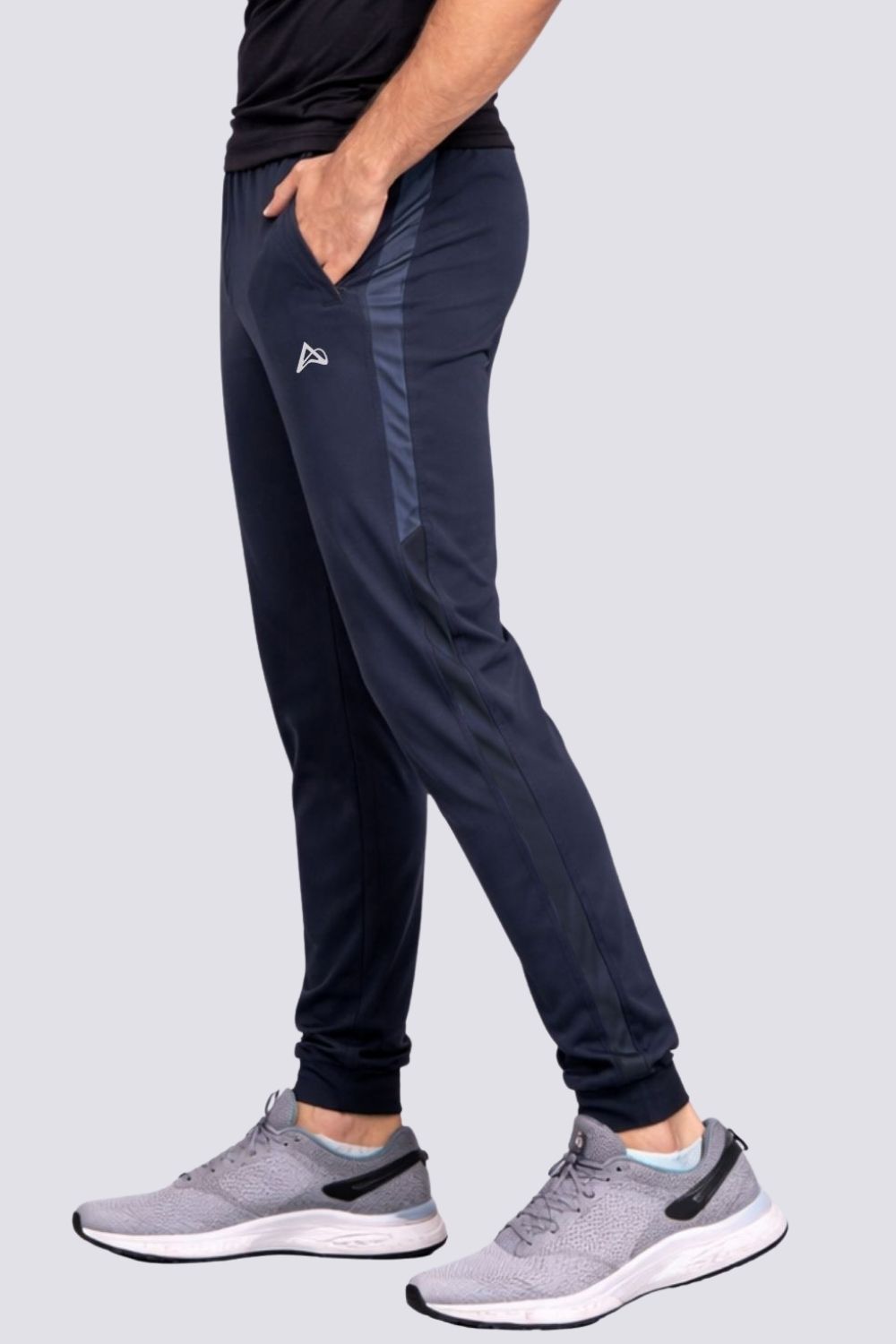
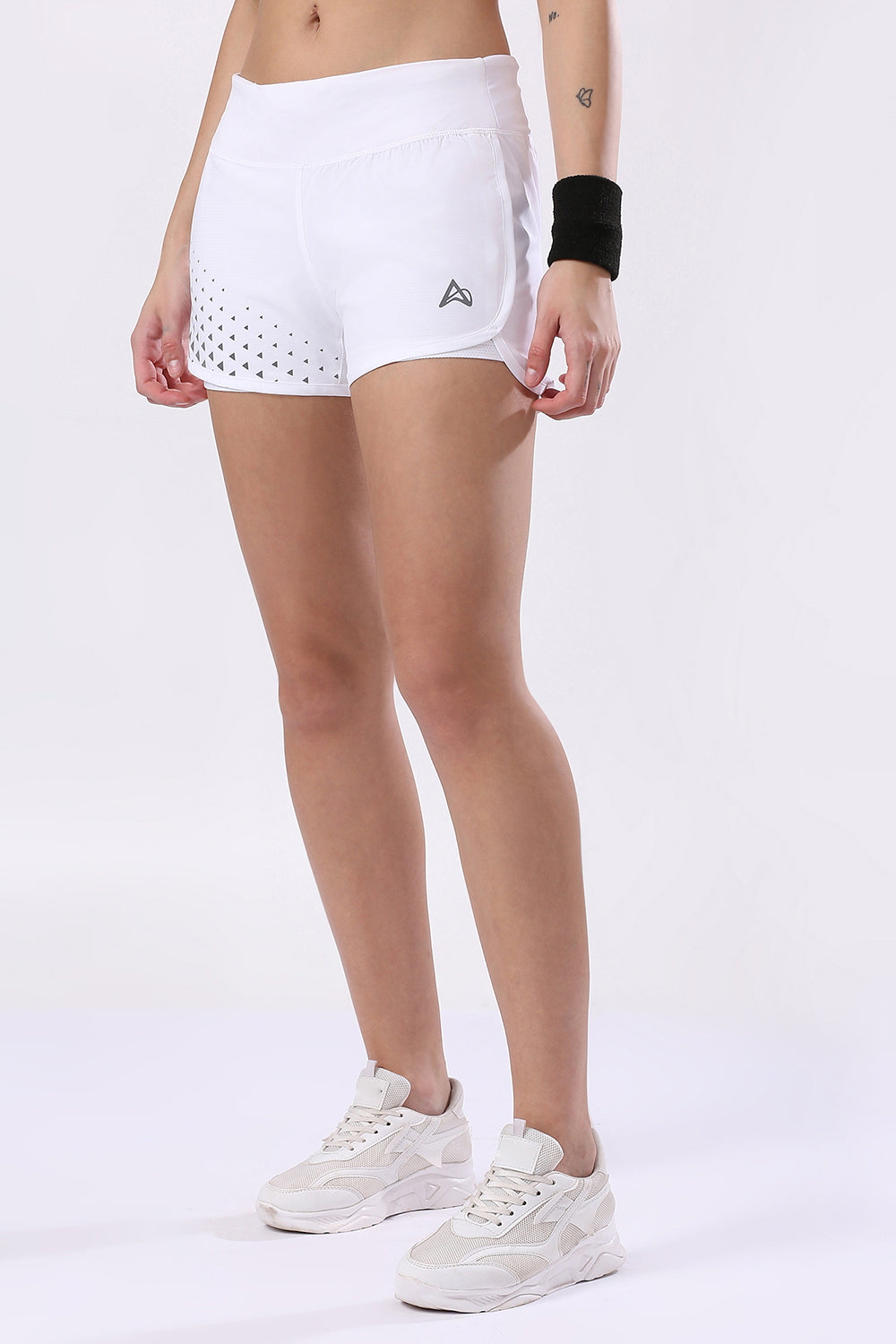
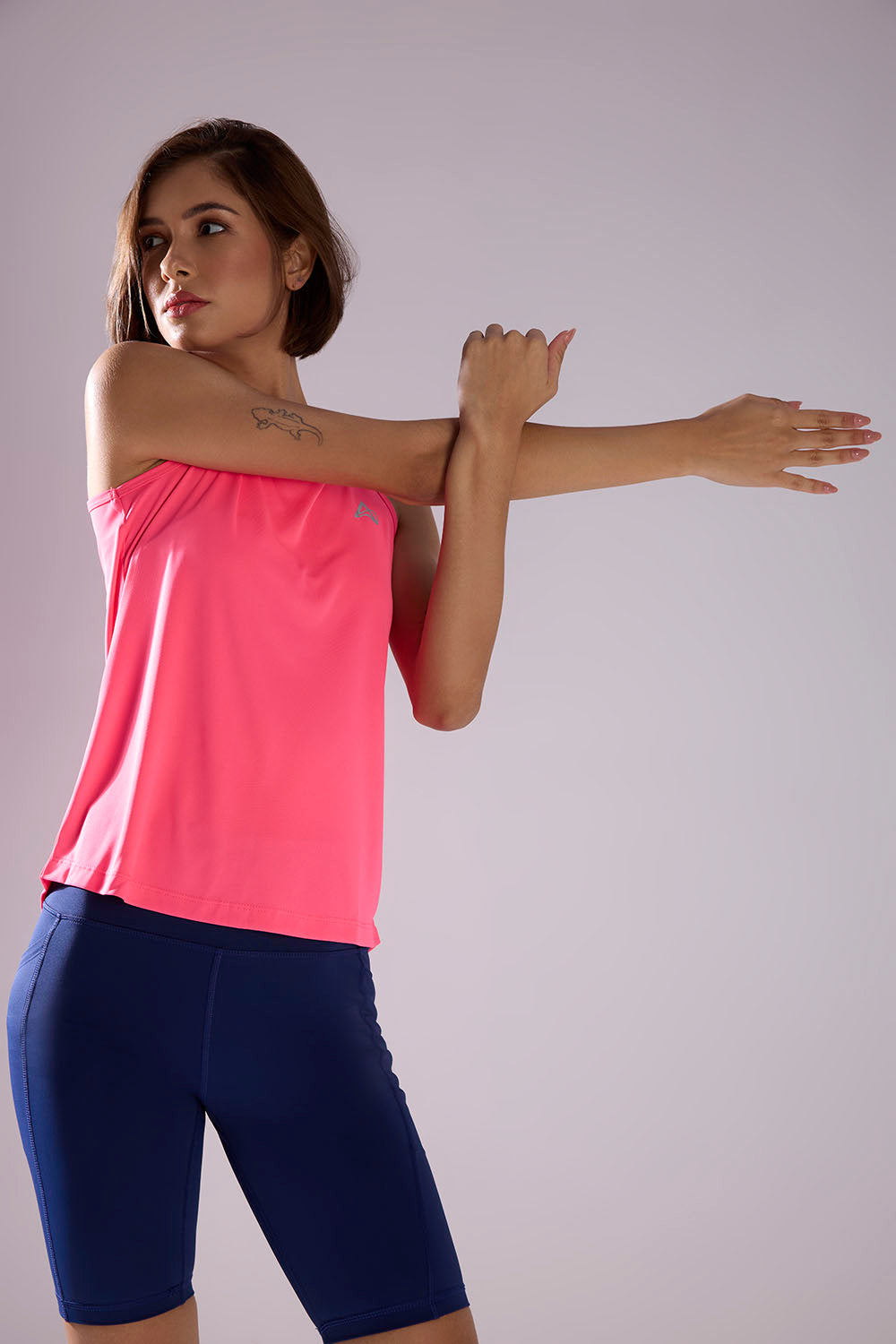
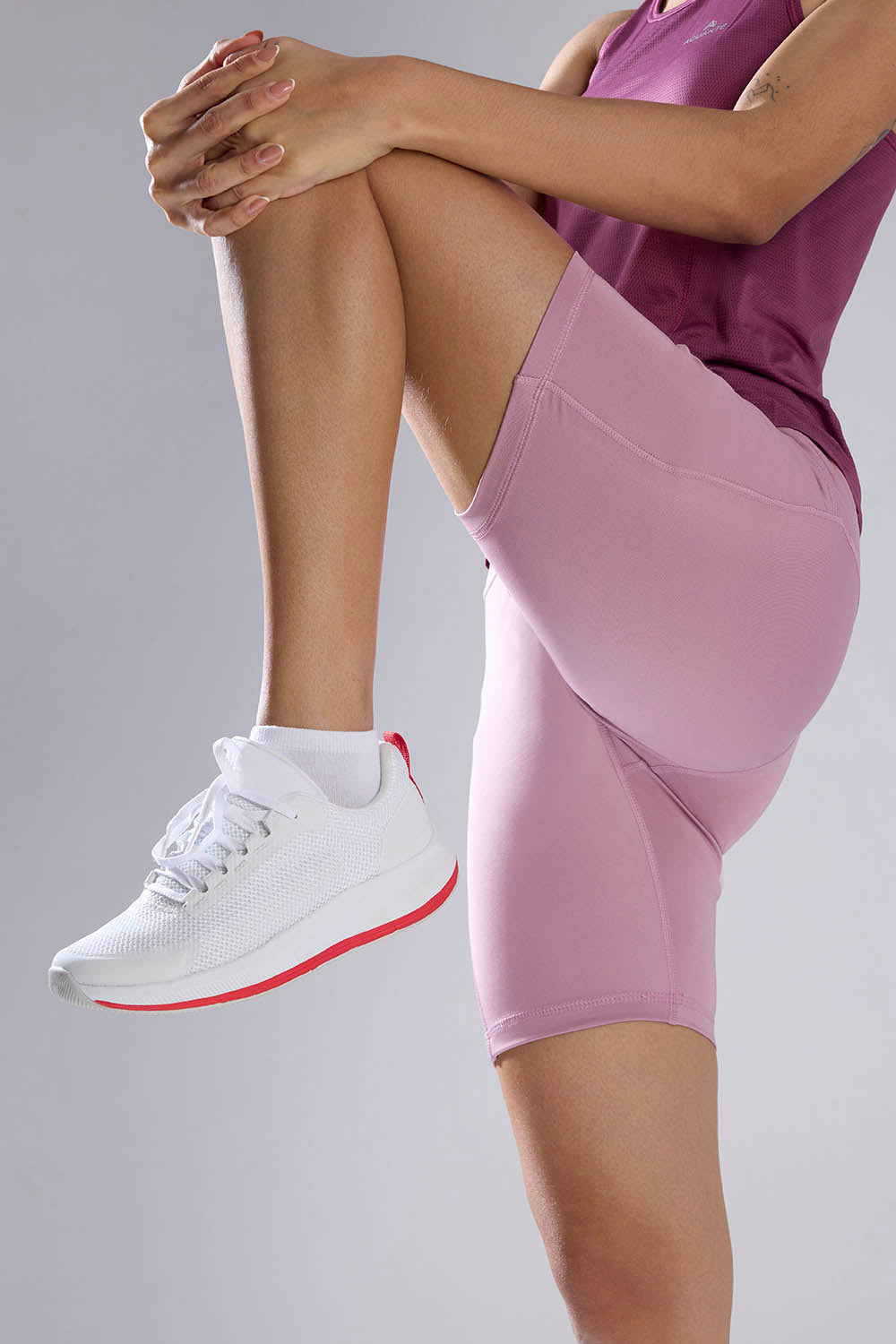
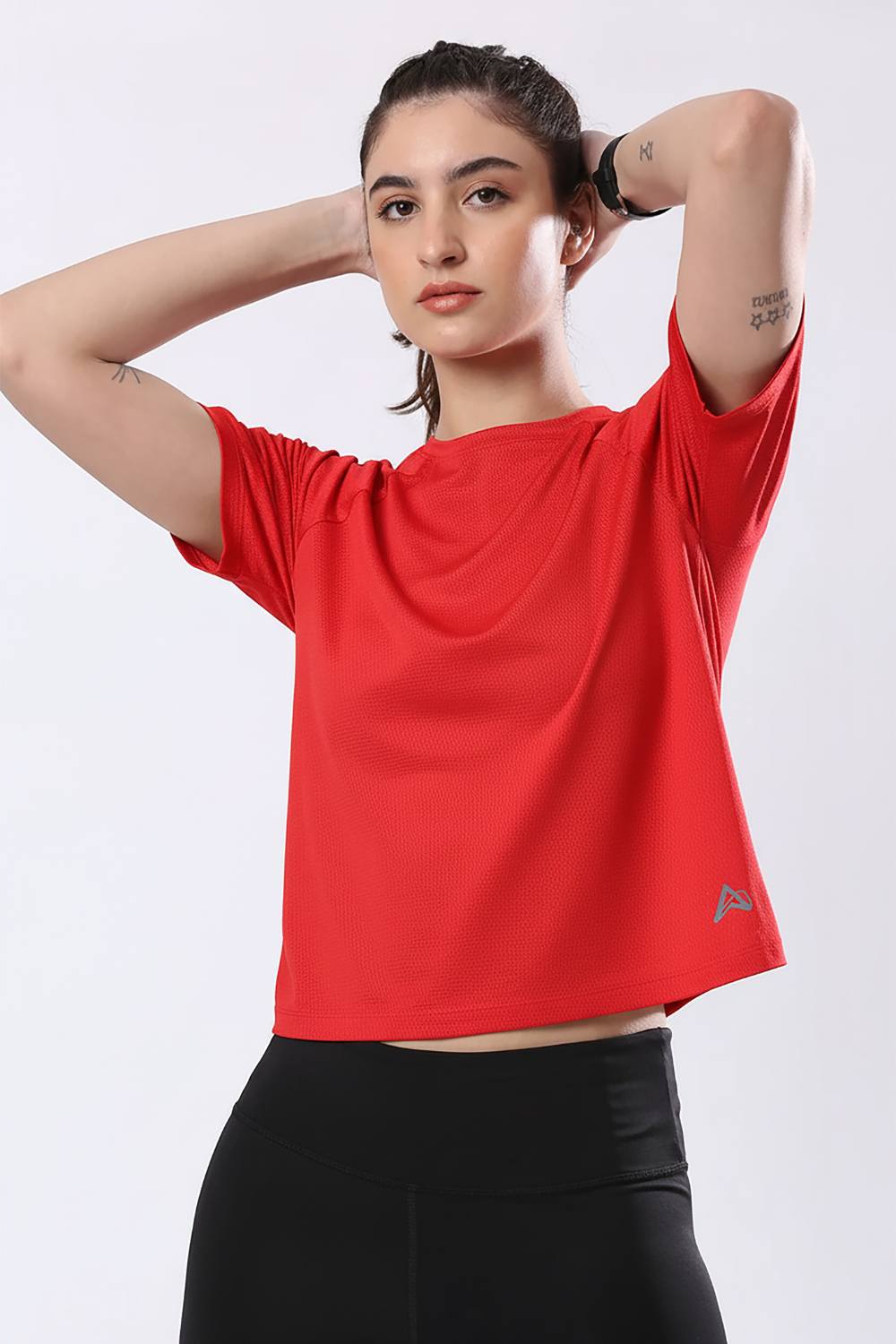
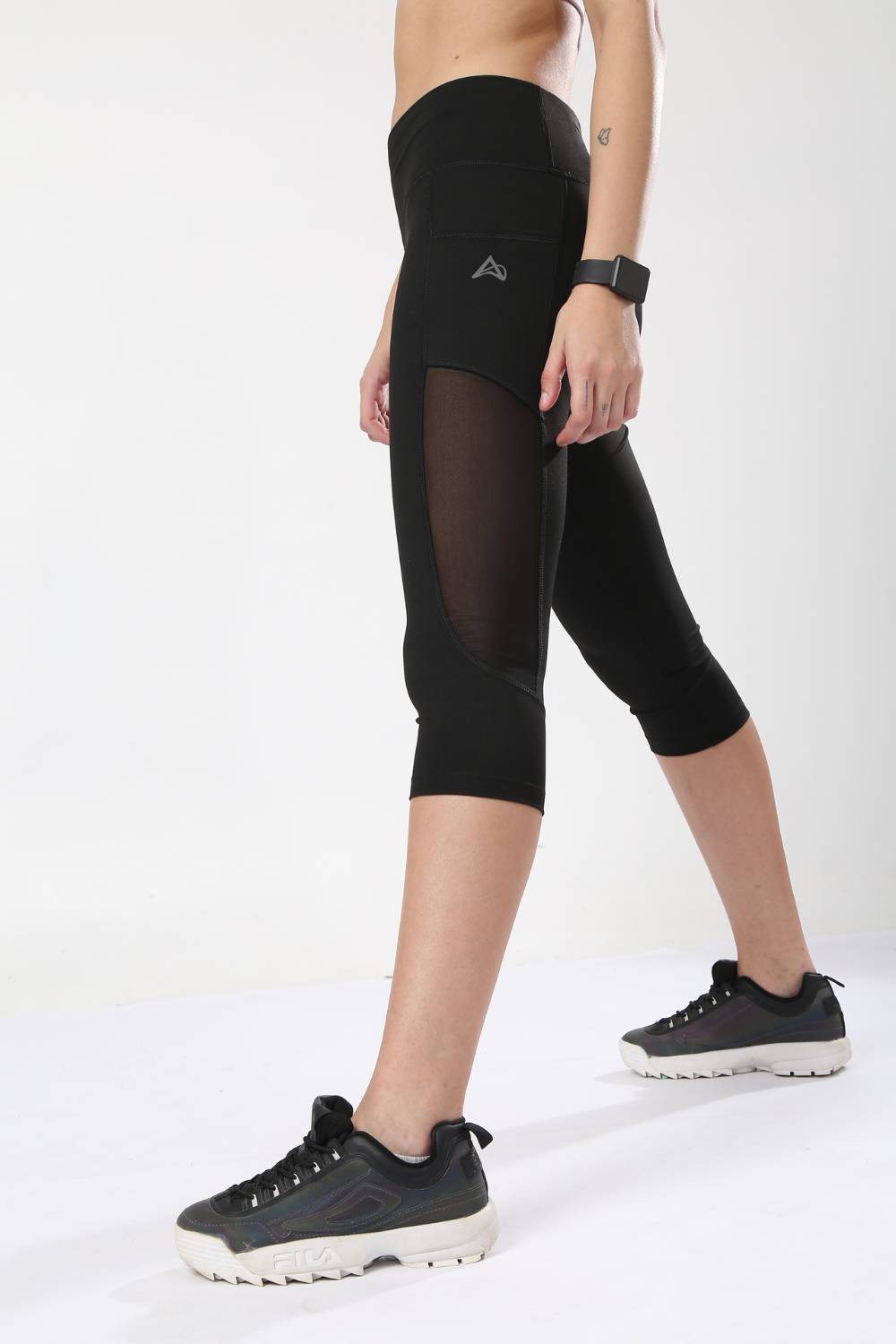
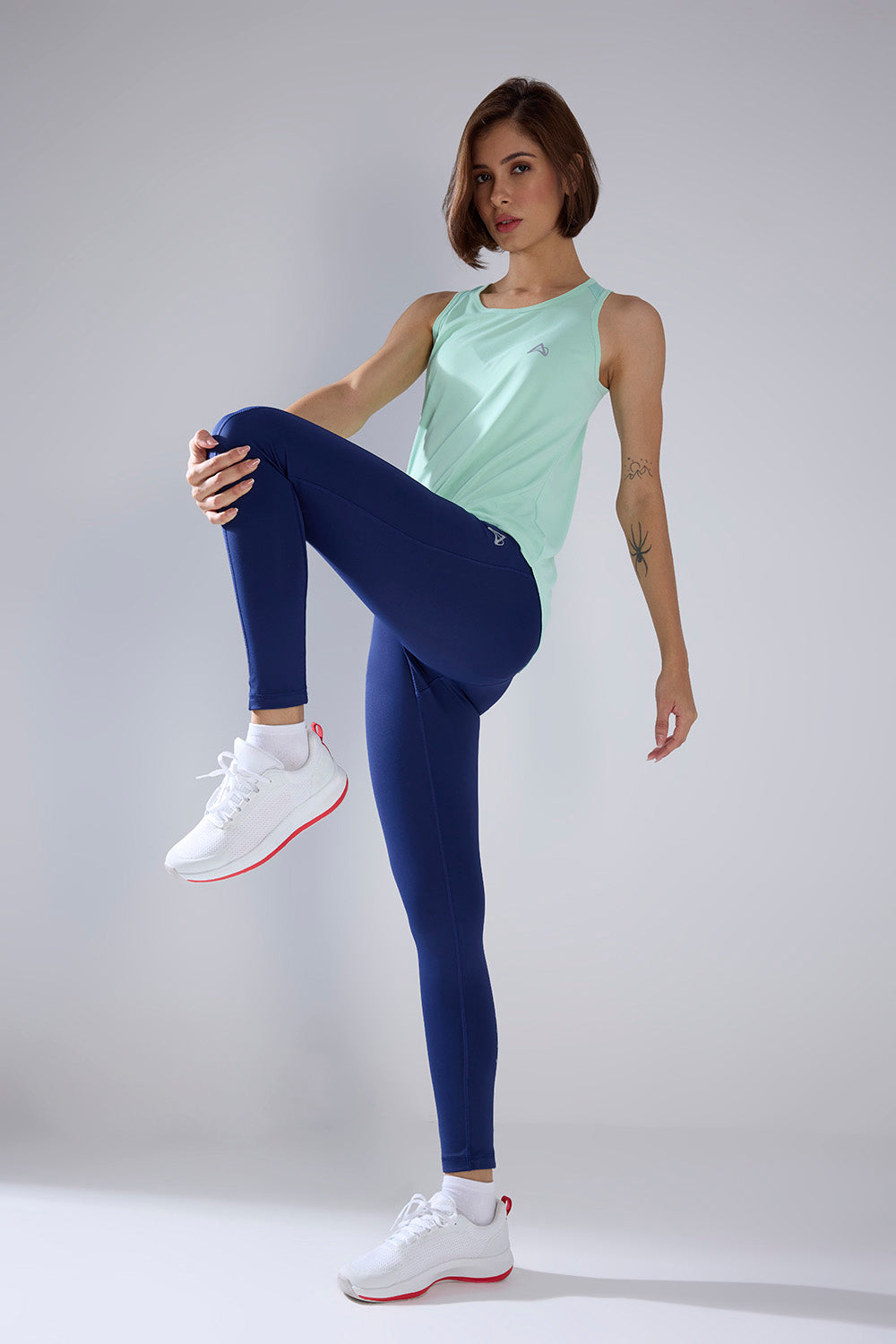
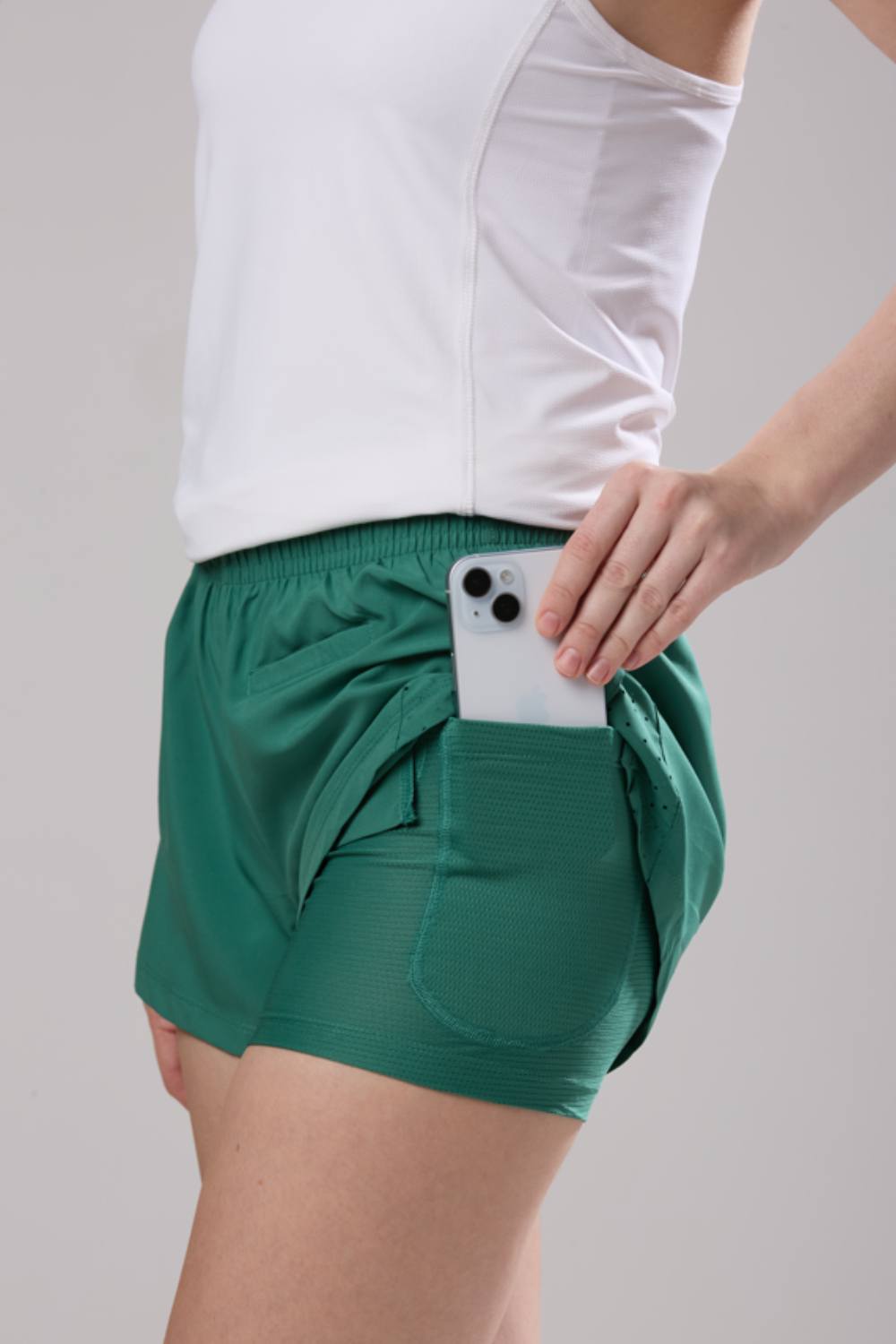
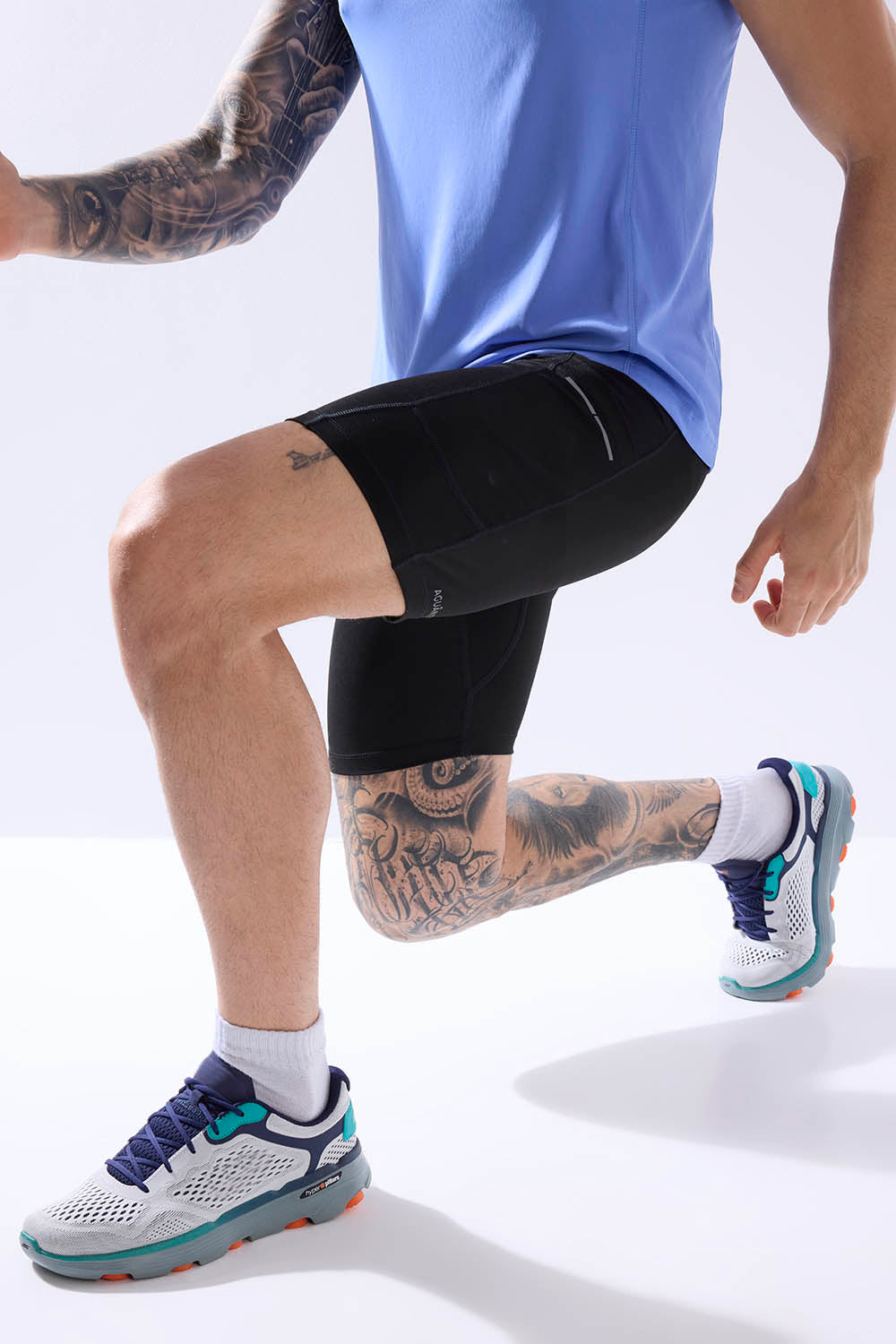
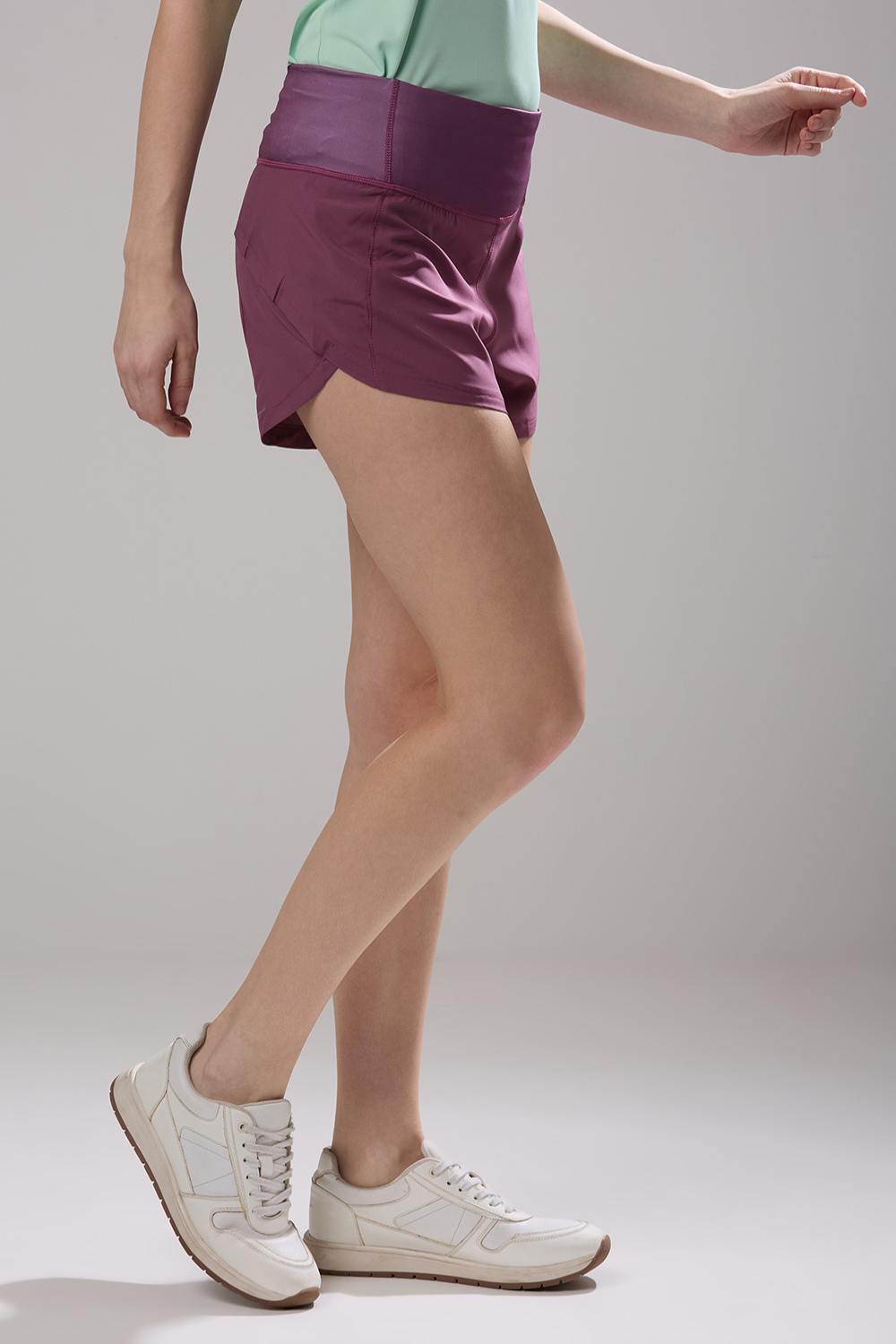
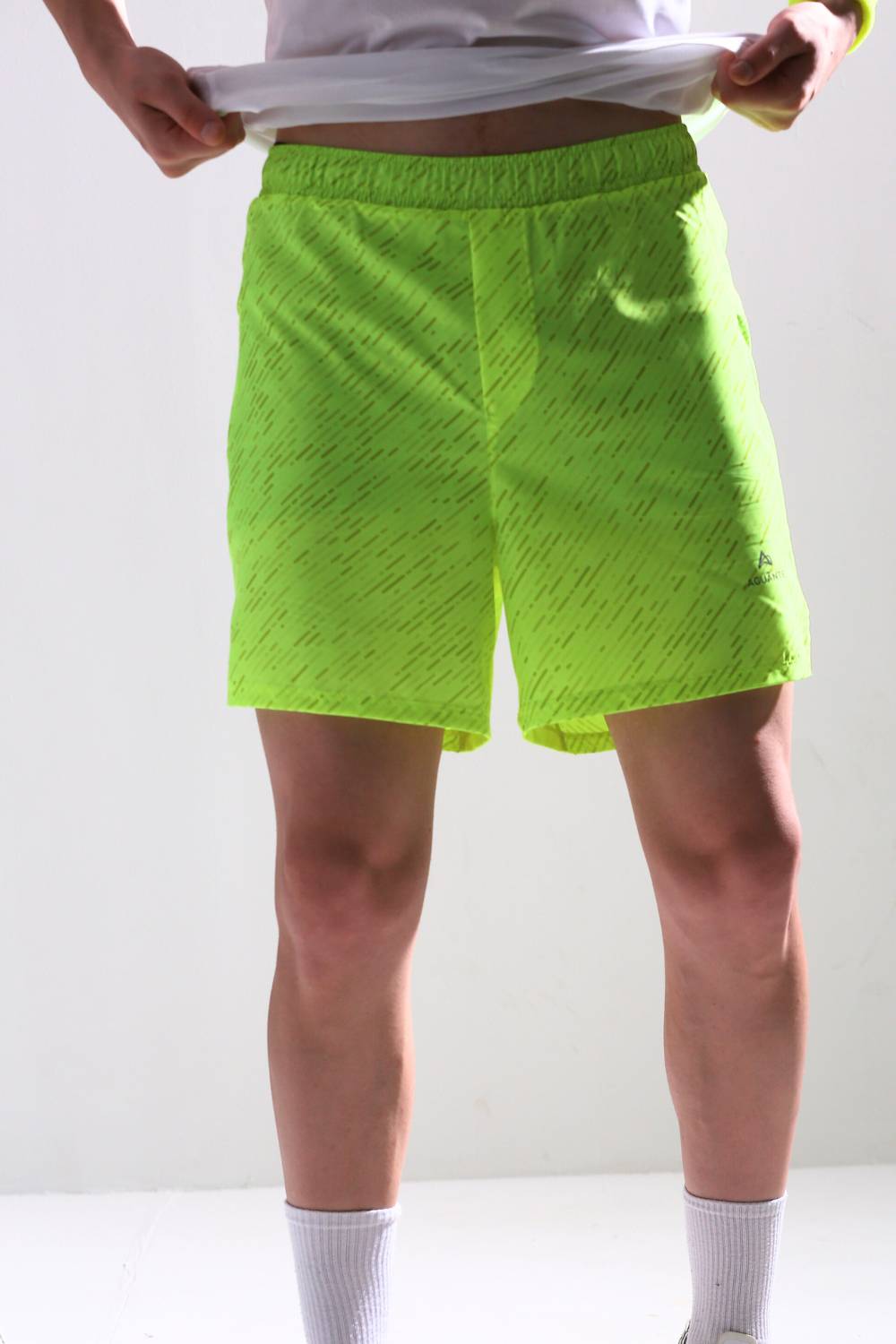
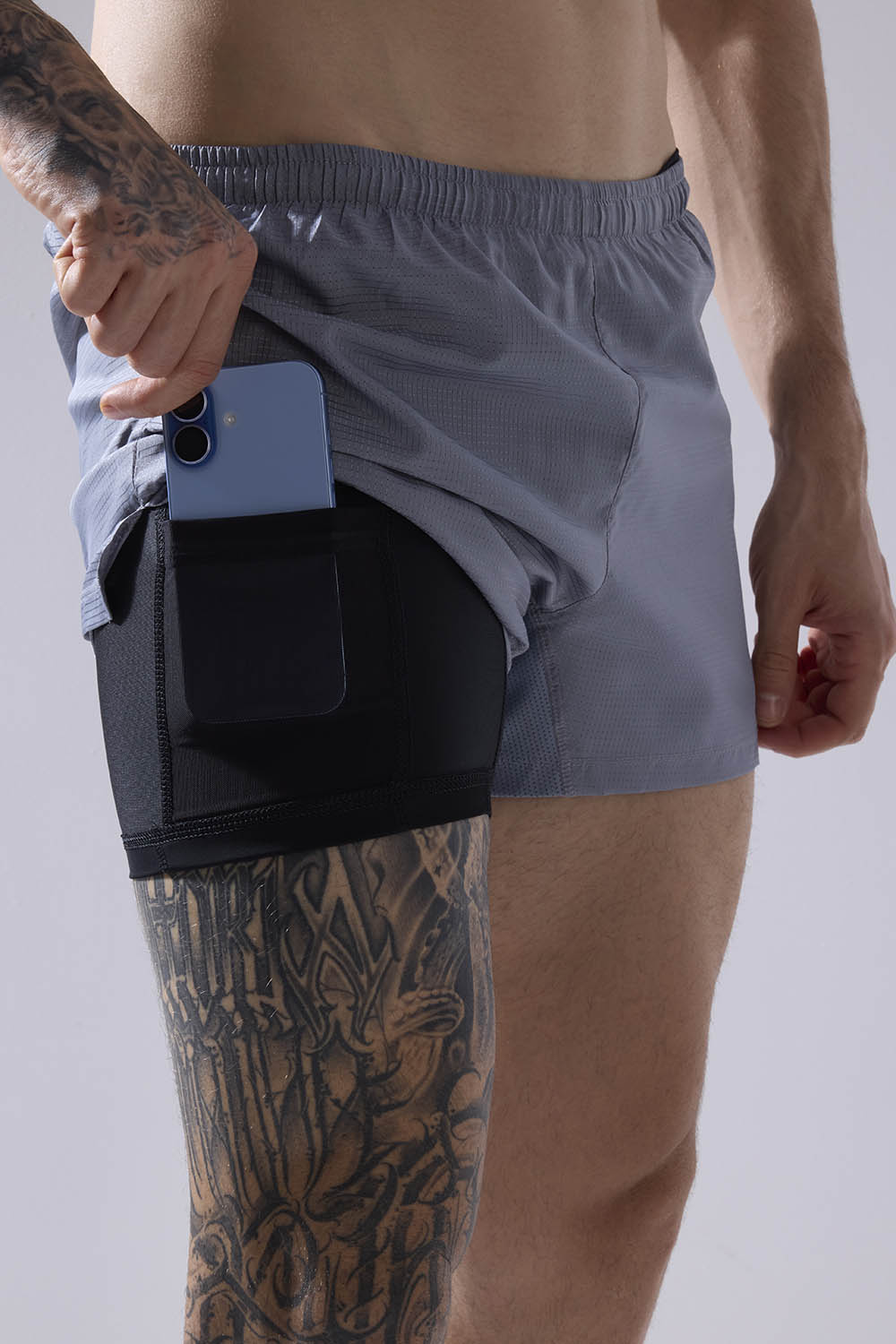
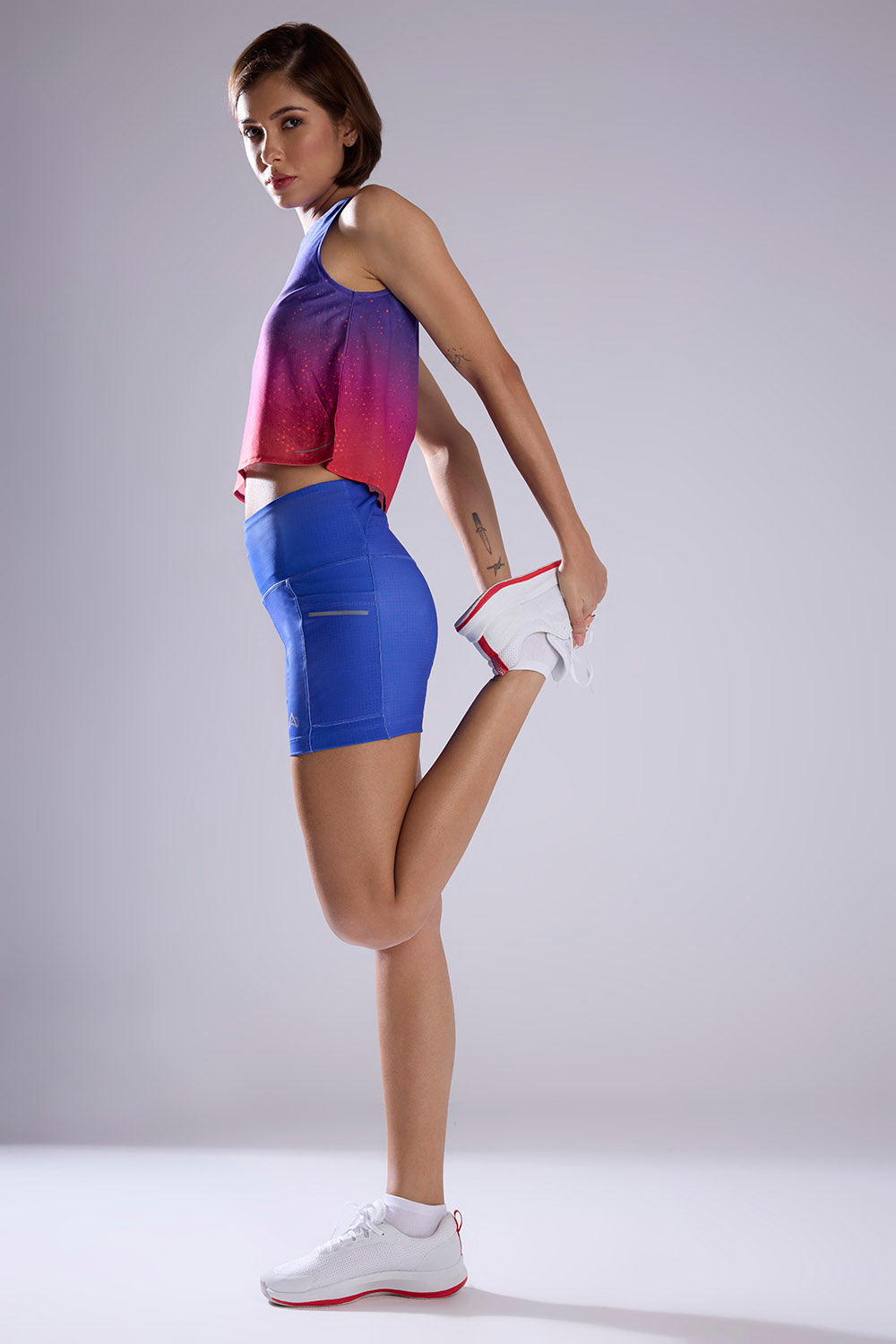
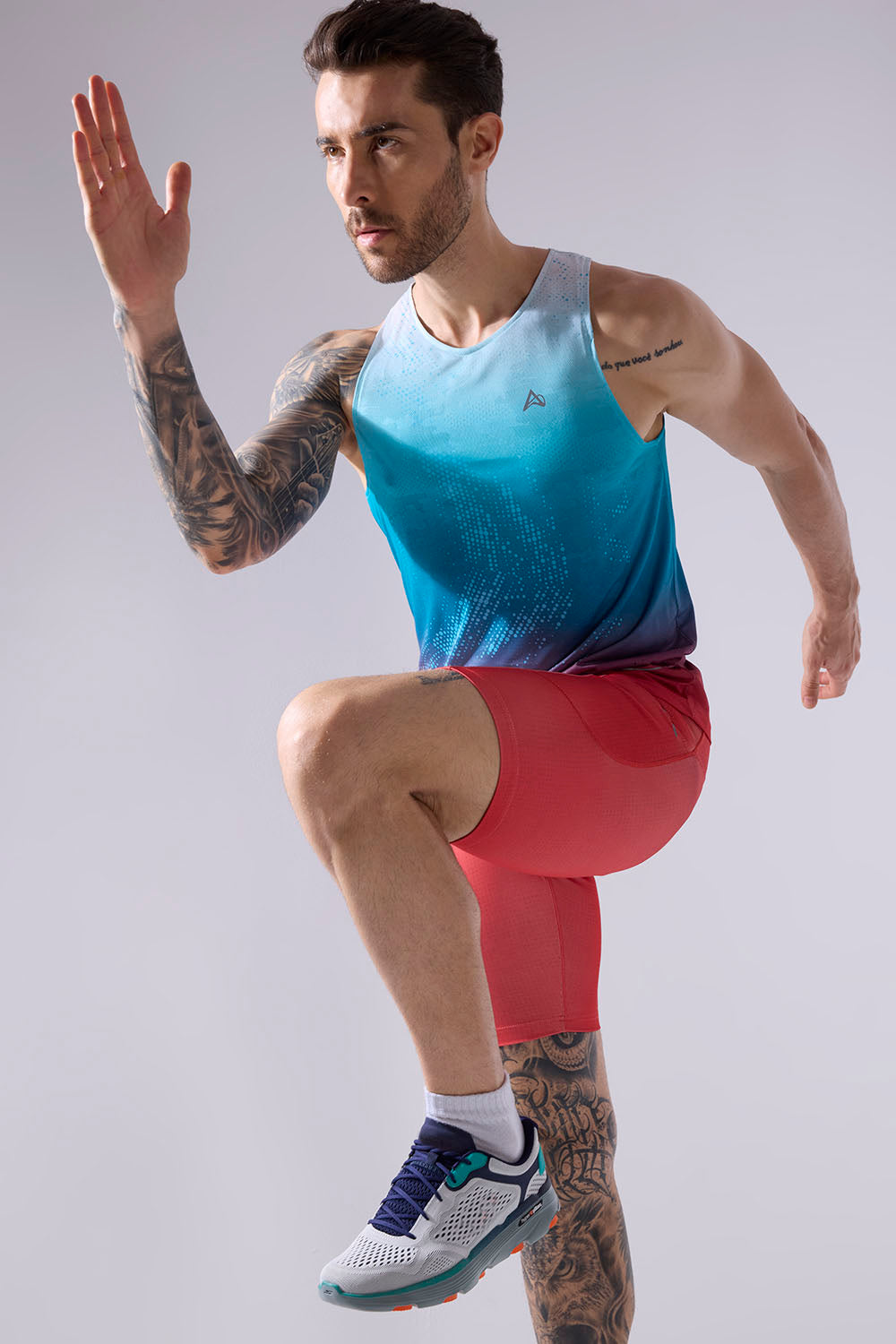
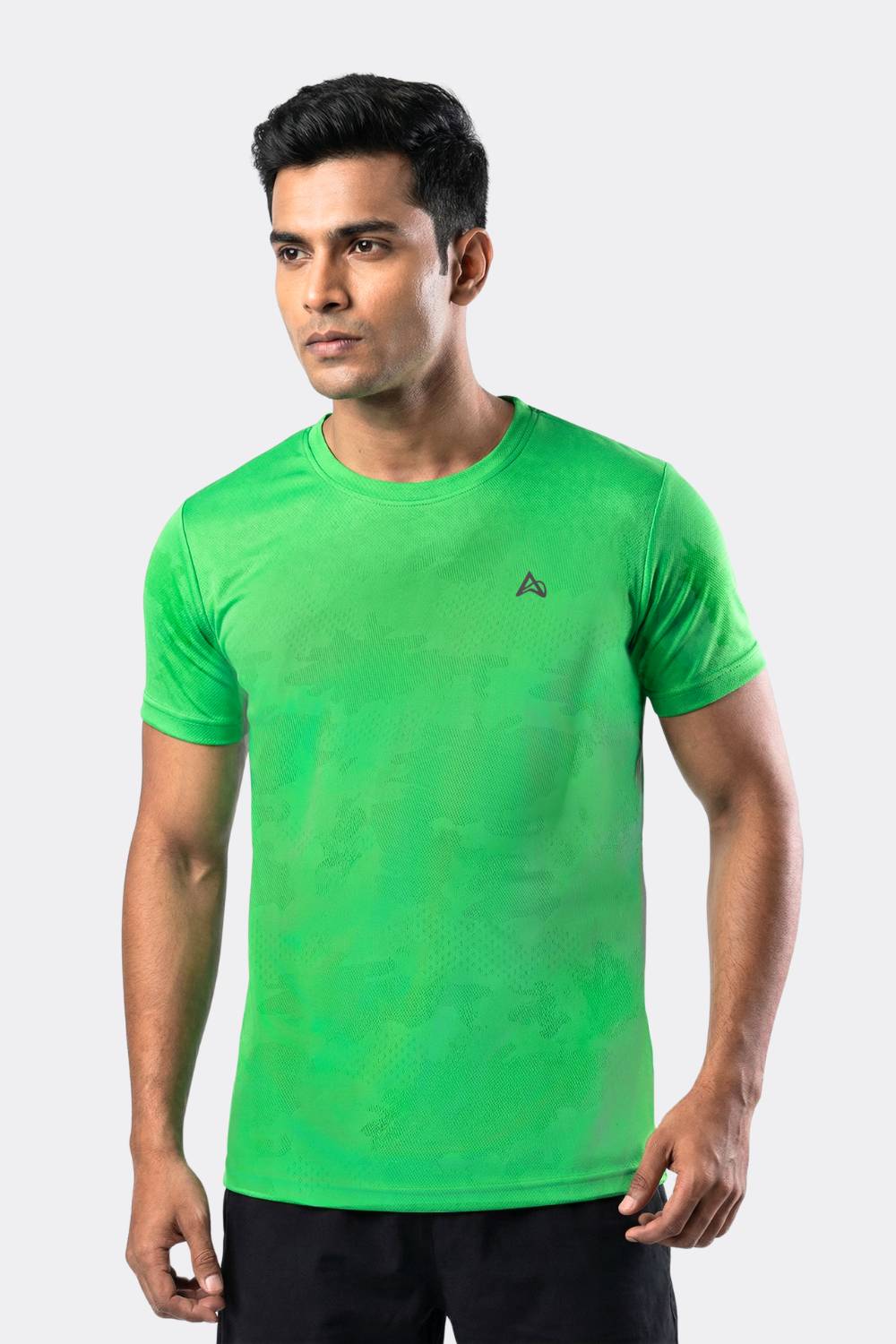
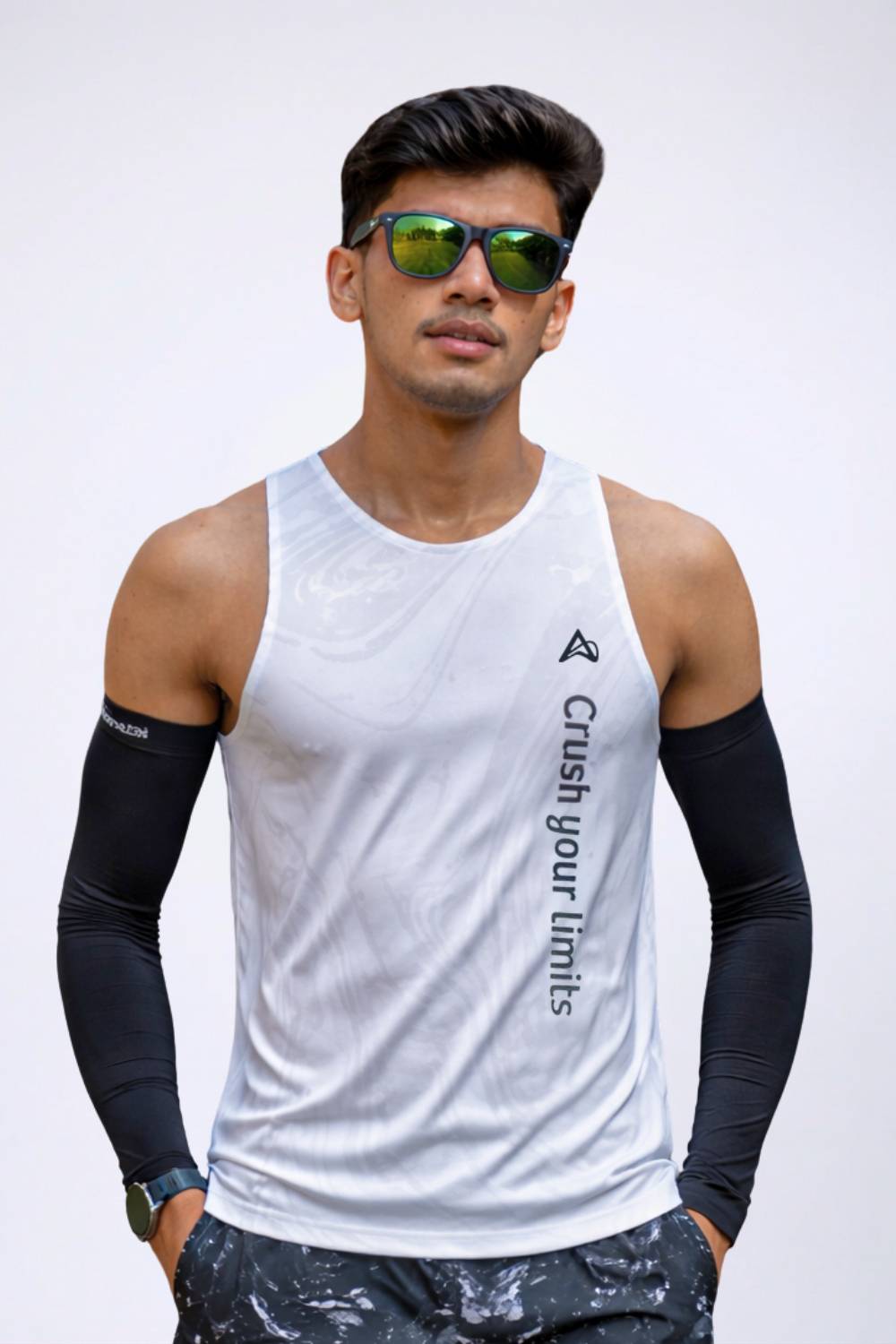
Tired of gear that slows you down? Chafing, soggy fabrics, and missing pockets kill your run's momentum. At Aguante, we're runners who get it. Our high-performance activewear features moisture-wicking fabrics, ergonomic designs, and smart storage to keep you focused. Shop Now!
Decoding the Textile Transformation Underway
At the heart of this shift lie engineered synthetics that outperform cottons in drawing perspiration outward for quick drying. Their market grip nearly 70% in recent figures highlights why: superior wicking leaves skin less irritated, enabling sharper focus during drills or flows. In athletic contexts, where every edge counts, this translates to prolonged performance without the drag of soaked layers.
Beyond cooling alone, apparel designed to resist sweat penetration forms a parallel boom. Valued at USD 206.3 billion globally in 2023, this category anticipates a steady 4.7% CAGR climb through 2032. Driving forces include sharper public focus on wellness, breakthroughs in material science, surging sports involvement, and priorities on usability plus online retail growth. Essentially, amplified fitness consciousness spurs demand for outfits that handle dampness effortlessly, freeing wearers to chase goals unhindered.
Zoom out to the routine level: Your go-to meditation sequence or trail hike risks disruption from accumulating wetness. Here, evaporation-focused textiles align with escalating sportswear evolutions. The international sportswear fabric market clocks in at USD 28.72 billion for 2024, eyeing USD 49.29 billion by 2035 under a 5.03% CAGR from 2025 onward. Eco-conscious choices gain ground as green awareness rises, yet peak functionality rapid sweat dispersal remains the hook, sustaining engagement in sweltering conditions.
Encompassing it all, the vast sports clothing sphere projects USD 266.74 billion in 2025, ballooning to USD 375.77 billion by 2030 at a 7.09% growth rate. Key propellants encompass high-function textiles, athleisure's cultural takeover, and tech-savvy shopper interactions. Newcomers disrupt via green niches, compelling giants to fast-track biodegradable advances and designs. For the everyday devotee, this ecosystem delivers tools that bolster reliability, turning sporadic workouts into ironclad habits despite environmental hurdles.
These interconnected markets reveal a broader truth: Moisture isn't an inevitable foe but a manageable variable. Innovations like embedded cooling agents or hydrophobic coatings redefine limits, supported by e-commerce channels that bring lab-born solutions straight to doorsteps. Health experts note that reduced chafing and overheating correlate with lower injury risks and higher adherence rates crucial for long-term gains.
Yet, the moisture-wicking niche itself charts expansive trajectories. Segments by yarn variety and sales avenues online versus brick-and-mortar forecast robust rises in billion-dollar scales and volume metrics through 2034, per specialized analyses. This granularity assures tailored options, whether polyester blends for endurance or nylon for flexibility.
Actionable Tactics for Optimal Dryness in Training
Applying this intel demands deliberate choices. Prioritize synthetic mixes crafted for thermal regulation; their prevalence stems from efficient outward moisture transport and evaporation. Build outfits in layers a foundational wicking stratum beneath ventilated shells to avert saturation in high-output scenarios.
Adjust habits alongside attire. Schedule around peak heat if feasible, but lean on fabric tech when schedules clash. Preemptive hydration pairs with gear that copes with efflux, minimizing internal buildup. Forward-thinking companies integrate adaptive elements that store and expel warmth, broadening tolerable ranges for varied climates.
Digital marketplaces and straight-to-consumer models explode accessibility, aligning with efficiency cravings. Trial items in authentic setups a quick circuit or stair climb exposes standouts. Care routines matter immensely: Gentle cycles maintain integrity, extending gear lifespan and efficacy.
Tie-ins to fitness surges amplify relevance. As enthusiasm for athletics escalates, so does the call for perspiration-mastering clothes, with tech leaps enabling seamless integration. Distribution evolves too, favoring omnichannel approaches that cater to informed buyers seeking verified performance claims.
For practitioners, this means curating a wardrobe that anticipates needs. Invest in pieces rated for UPF protection alongside wicking, doubling down on sun defense. Track personal responses apps monitoring heart rate and perceived exertion can quantify apparel impacts, refining selections over time.
Institutional backing adds weight: Sports science endorses these strategies for endurance athletes, where even minor dampness erodes efficiency. Amateur levels benefit equally, turning potential drop-offs into peaks. Sustainability weaves in, with recycled synthetics cutting environmental footprints without sacrificing dryness a win-win as markets emphasize eco-innovations.
Stepping Into a Dryer, More Resilient Tomorrow
In essence, commanding moisture elevates fleeting activities to enduring pillars of well-being. With cooling advancements approaching USD 3 billion milestones and allied sectors surging, the arsenal for steadfastness expands rapidly. Don these cutting-edge layers, sense the shift from distraction to flow, and witness routines solidify. Amid escalating warmth and packed agendas, dryness delivers the critical advantage propelling you onward, practice by unbroken practice, toward peaks once thwarted by simple sweat.
Frequently Asked Questions
What are cooling fabrics and why are they important for athletic performance?
Cooling fabrics are advanced textiles engineered to regulate body temperature and manage moisture during physical activity. These materials use evaporation principles or phase-shifting technology to dissipate heat and draw perspiration away from the skin, keeping athletes comfortable and focused. With the cooling fabrics market projected to reach USD 2.94 billion by 2030, these innovations are becoming essential for maintaining consistent training routines in hot conditions.
How do moisture-wicking fabrics work to keep you dry during exercise?
Moisture-wicking fabrics, primarily made from engineered synthetic fibers like polyester and nylon, work by pulling sweat away from your skin to the outer surface of the fabric where it can evaporate quickly. Man-made fibers dominate the market with 69.2% share due to their superior sweat-handling capabilities compared to cotton. This technology reduces chafing, prevents overheating, and helps maintain performance during intense workouts, making it easier to stick to daily training routines.
What should I look for when choosing athletic wear for hot weather workouts?
Prioritize synthetic fabric blends specifically designed for thermal regulation and moisture management, as they efficiently transport perspiration outward for rapid evaporation. Look for features like UPF protection, ventilated construction, and consider layering with a moisture-wicking base layer beneath breathable outer shells. Choose pieces rated for your specific activity polyester blends for endurance training or nylon for flexibility and opt for gear that combines functionality with sustainability, as many brands now offer recycled synthetics without sacrificing performance.
Disclaimer: The above helpful resources content contains personal opinions and experiences. The information provided is for general knowledge and does not constitute professional advice.
You may also be interested in: Essential Running Gear for Safer and More Enjoyable Runs
Tired of gear that slows you down? Chafing, soggy fabrics, and missing pockets kill your run's momentum. At Aguante, we're runners who get it. Our high-performance activewear features moisture-wicking fabrics, ergonomic designs, and smart storage to keep you focused. Shop Now!
Powered by flareAI.co