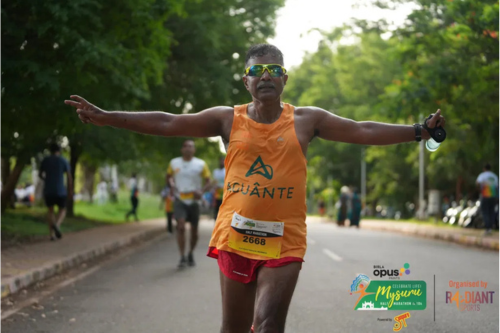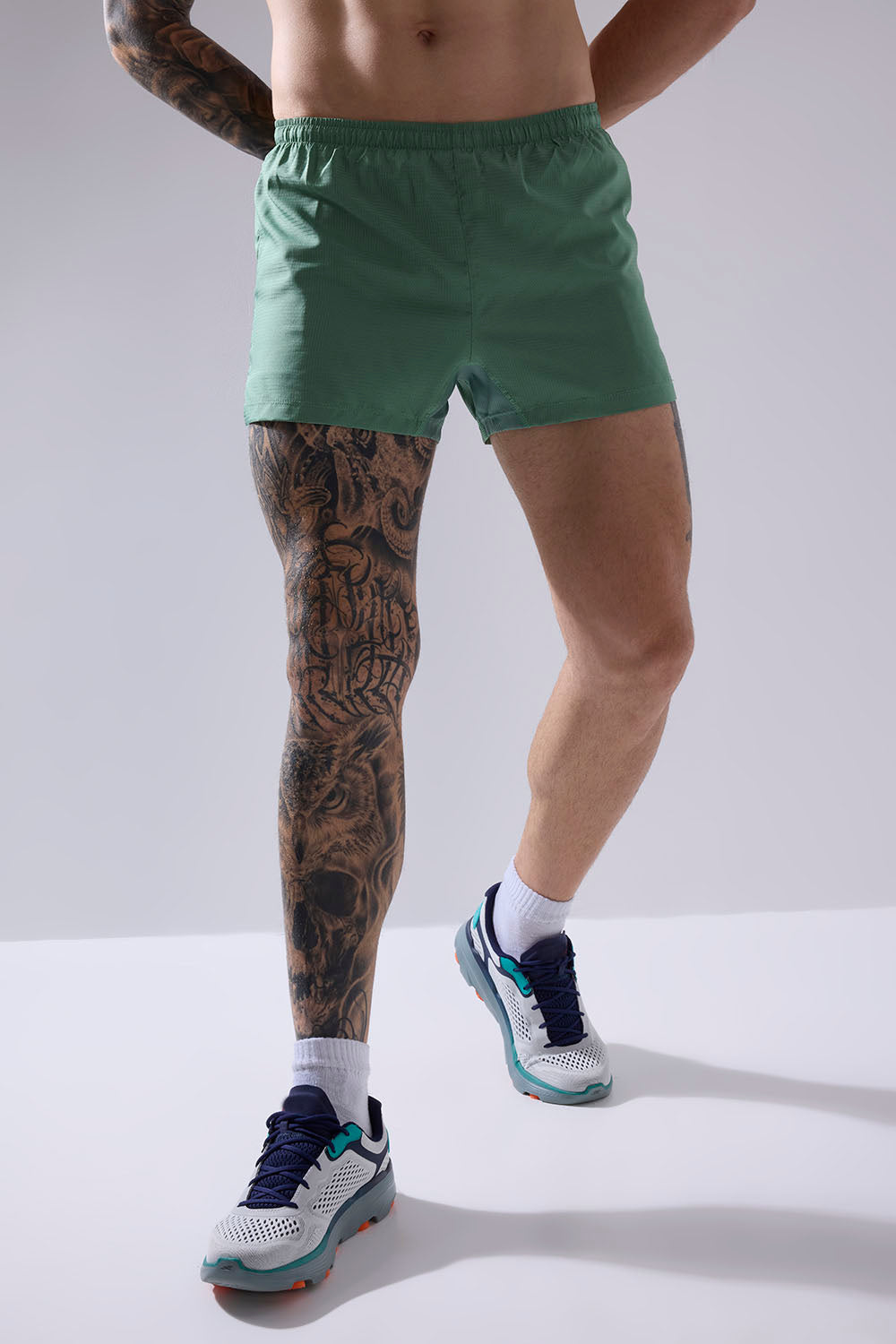
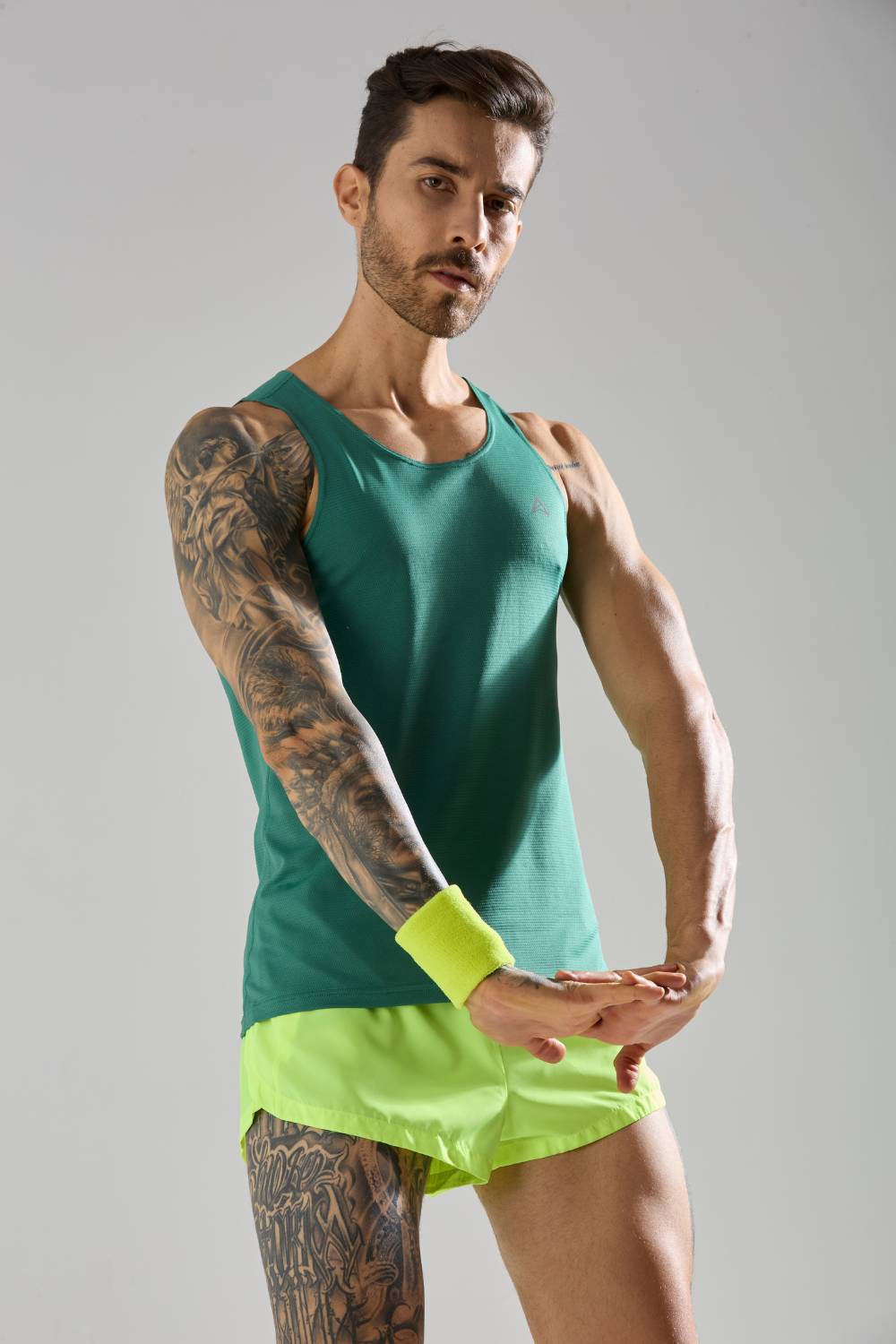
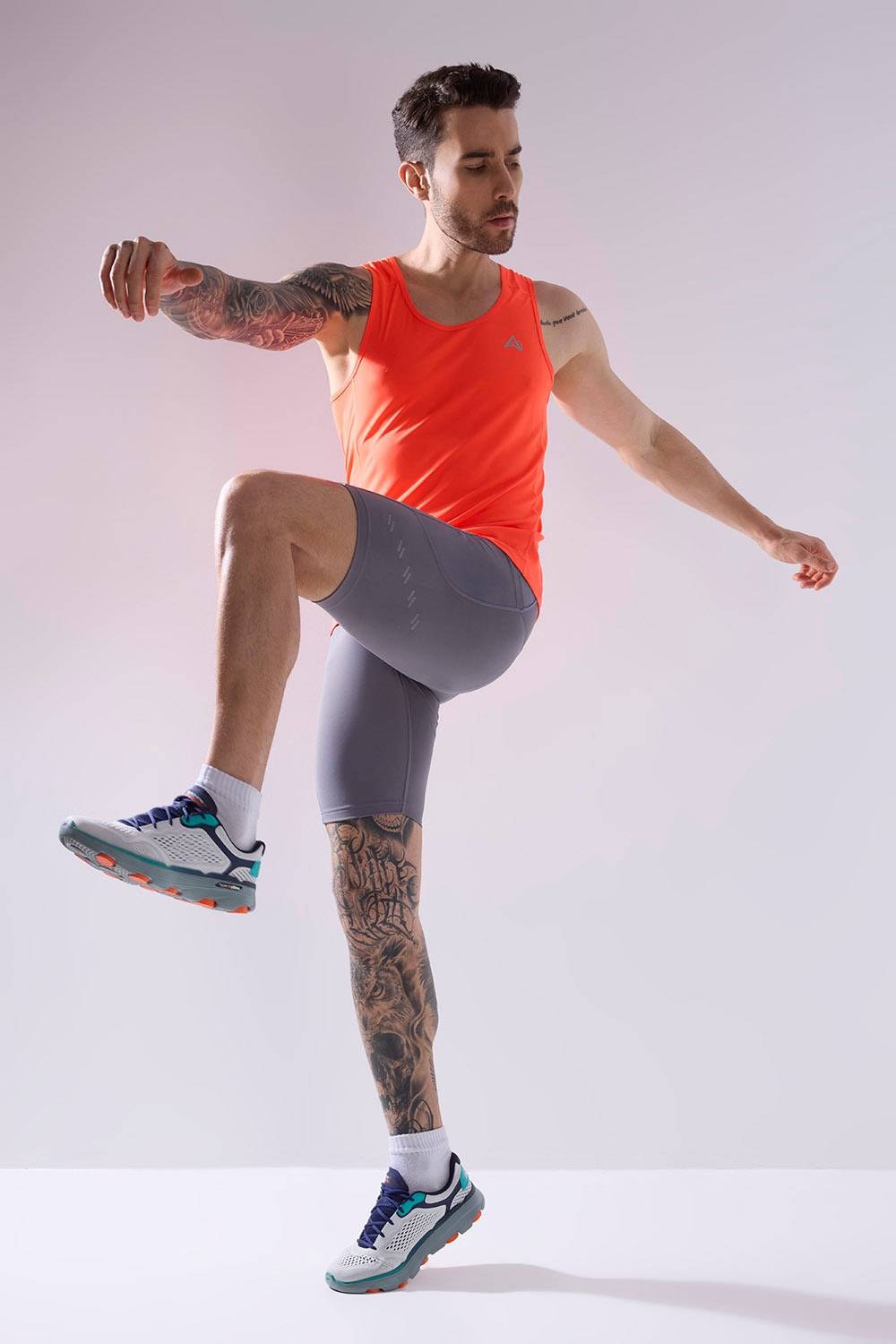
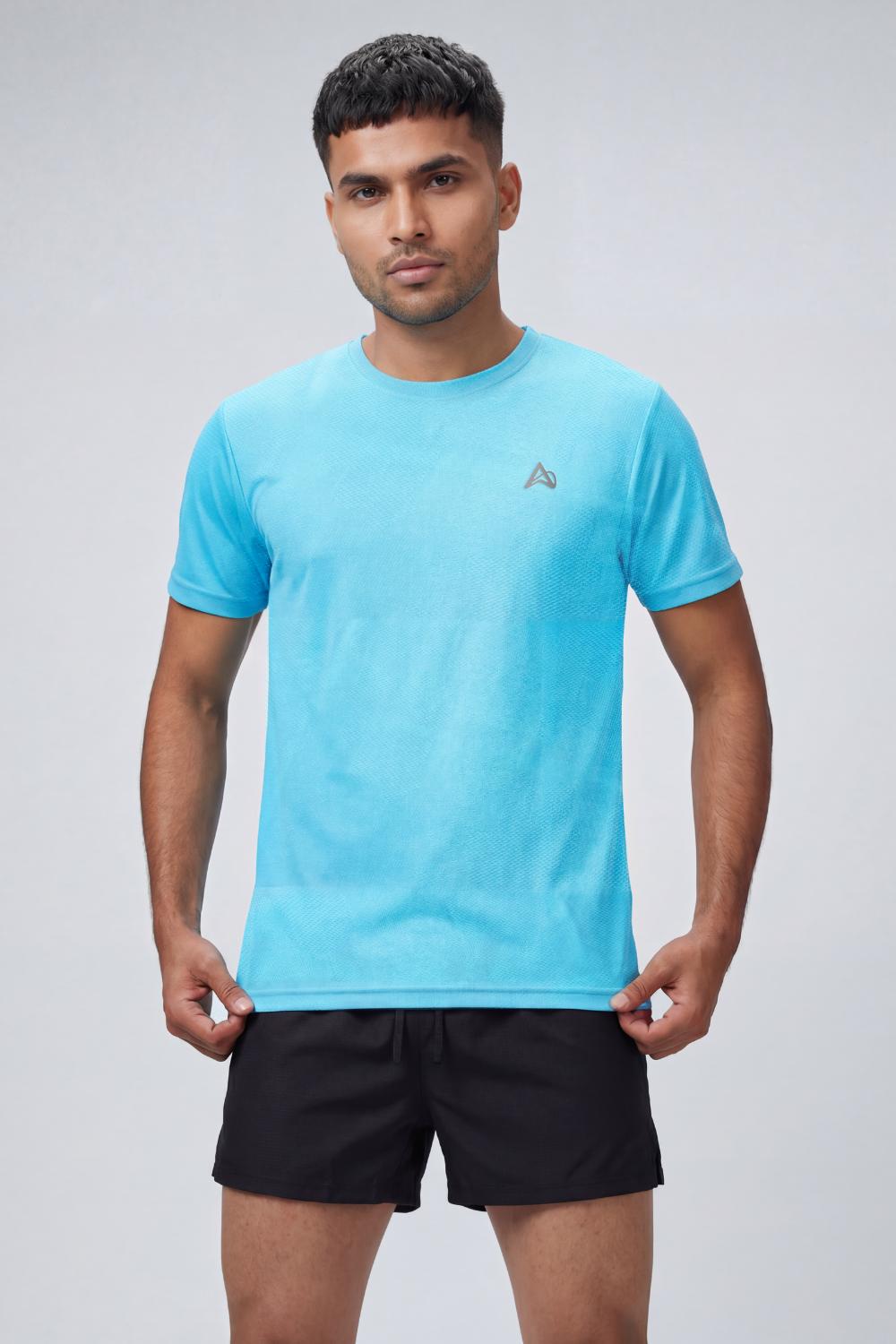
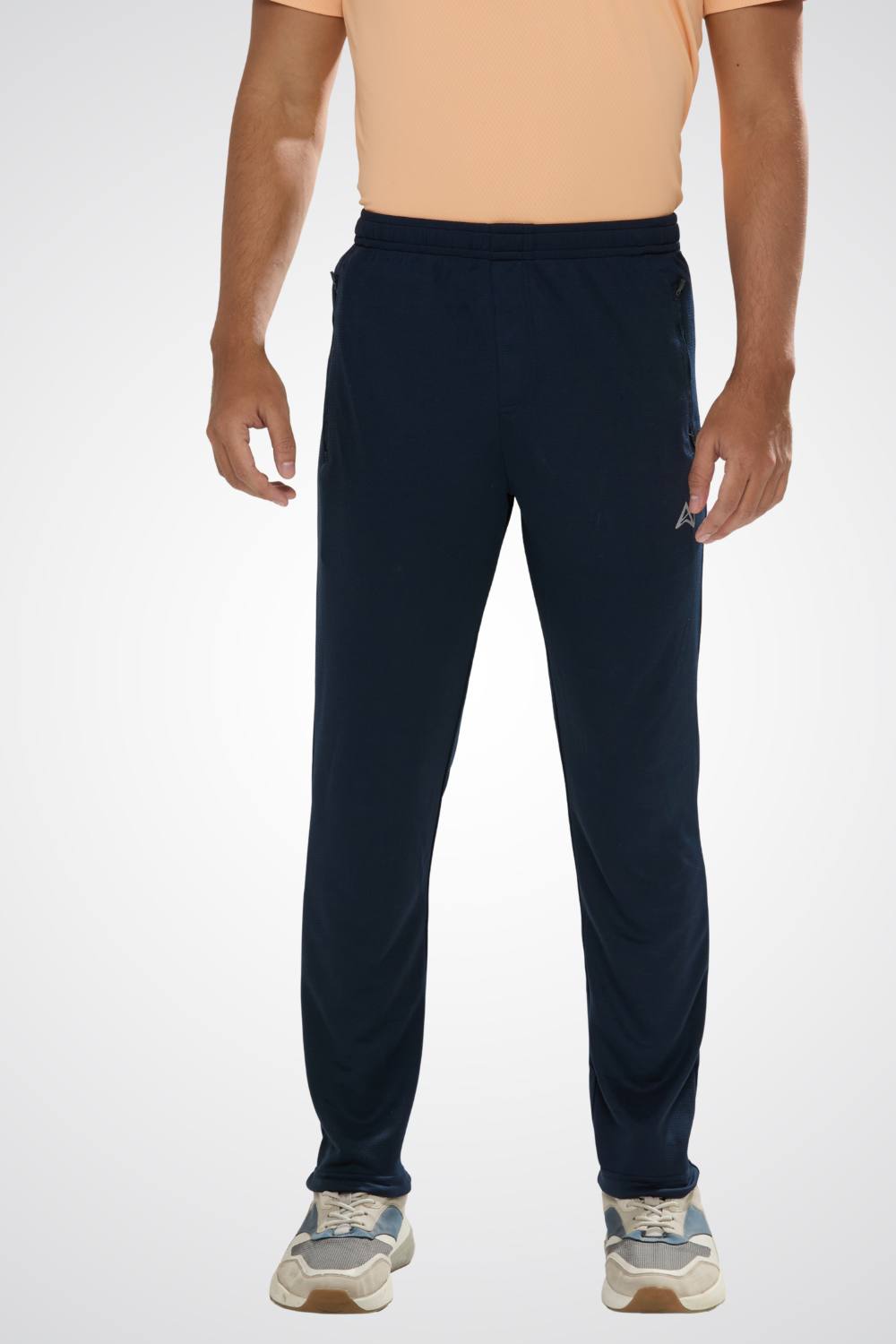
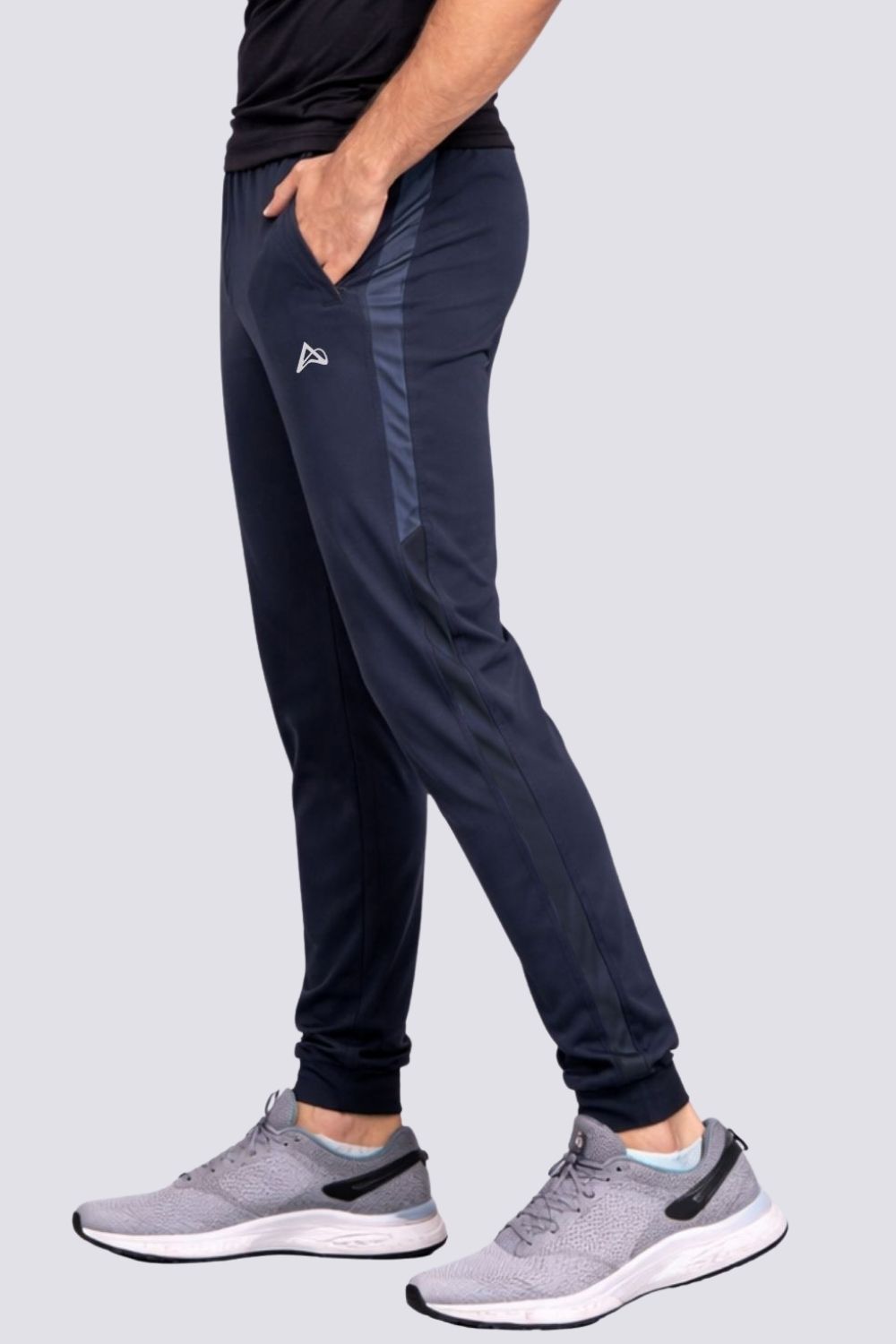
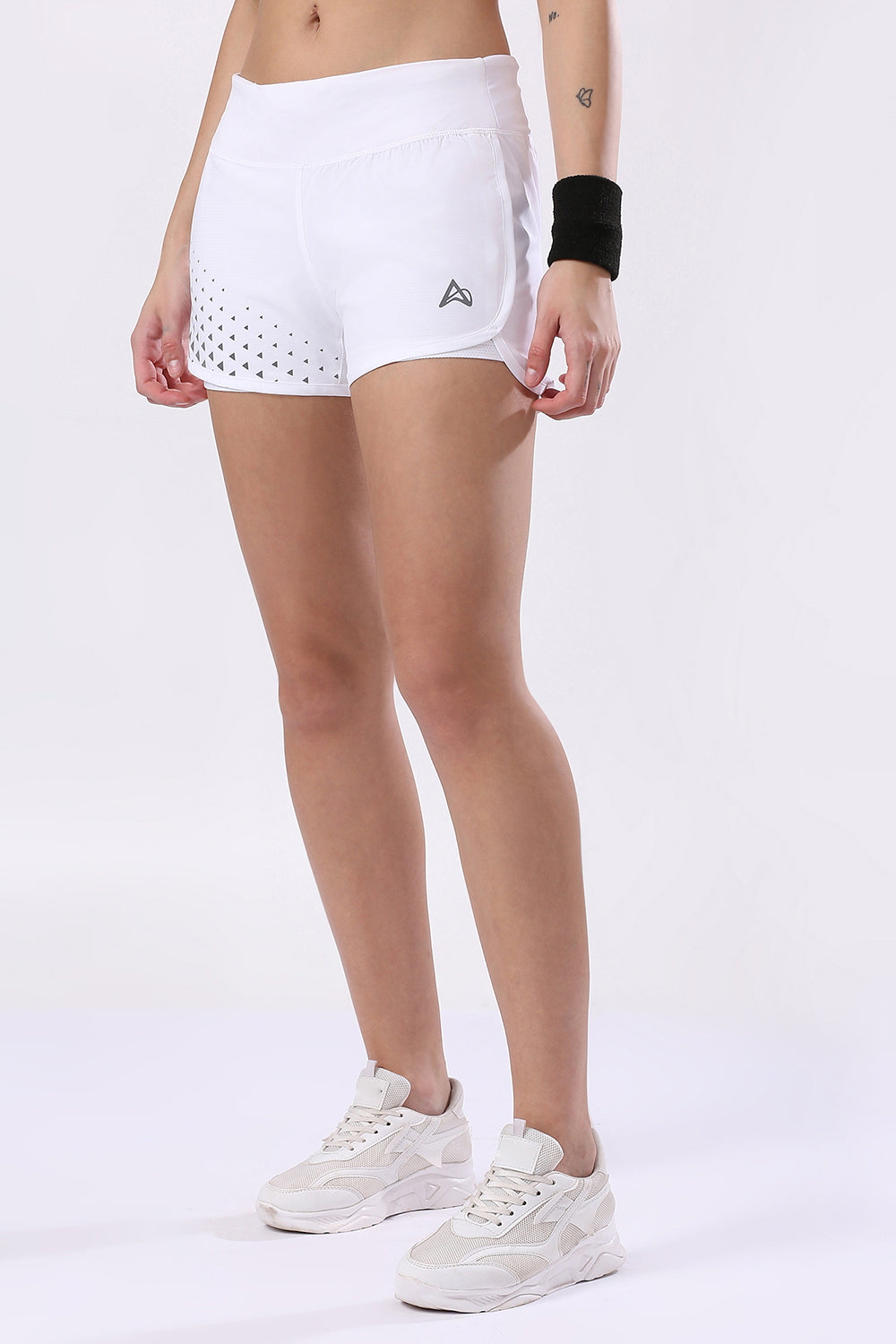
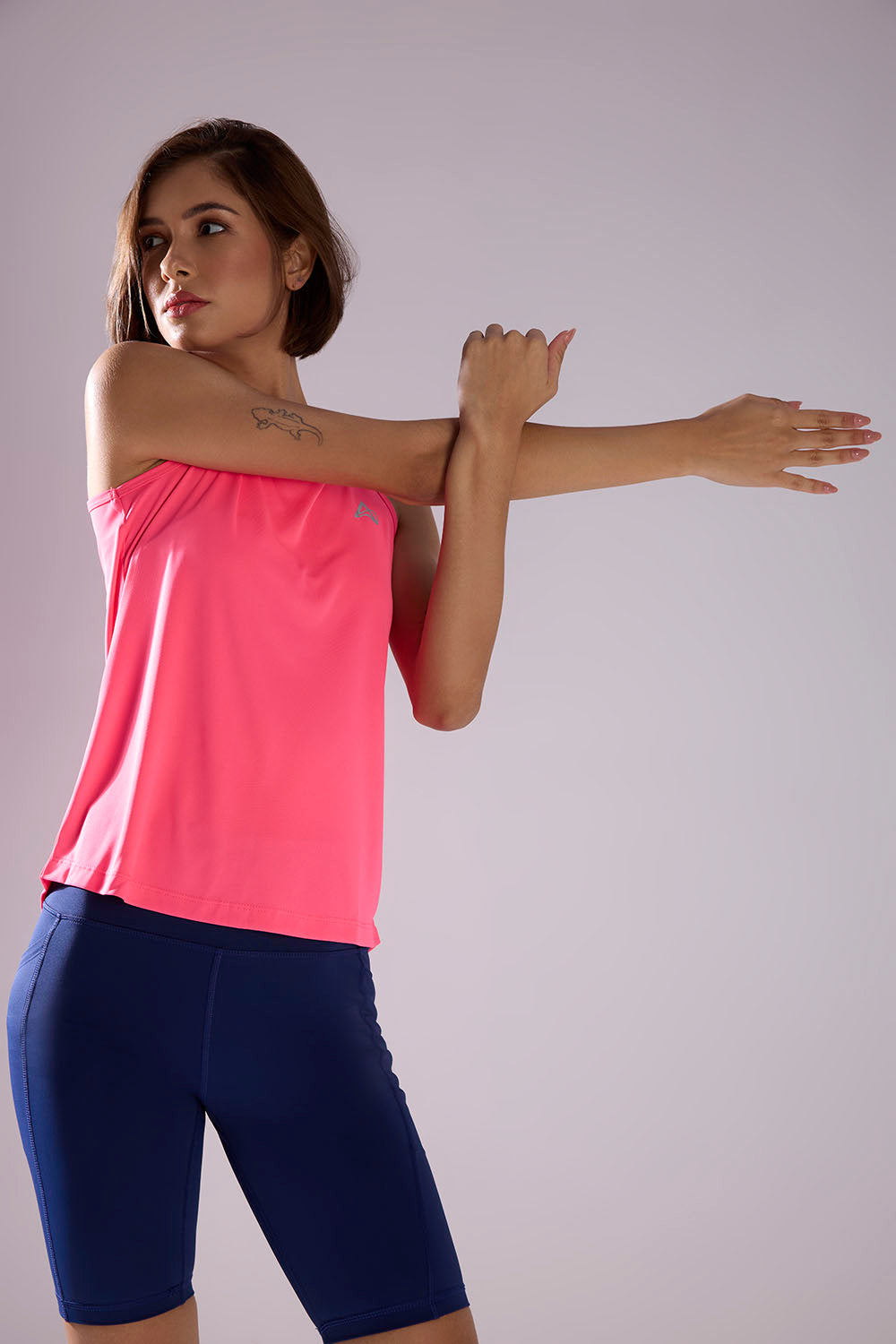
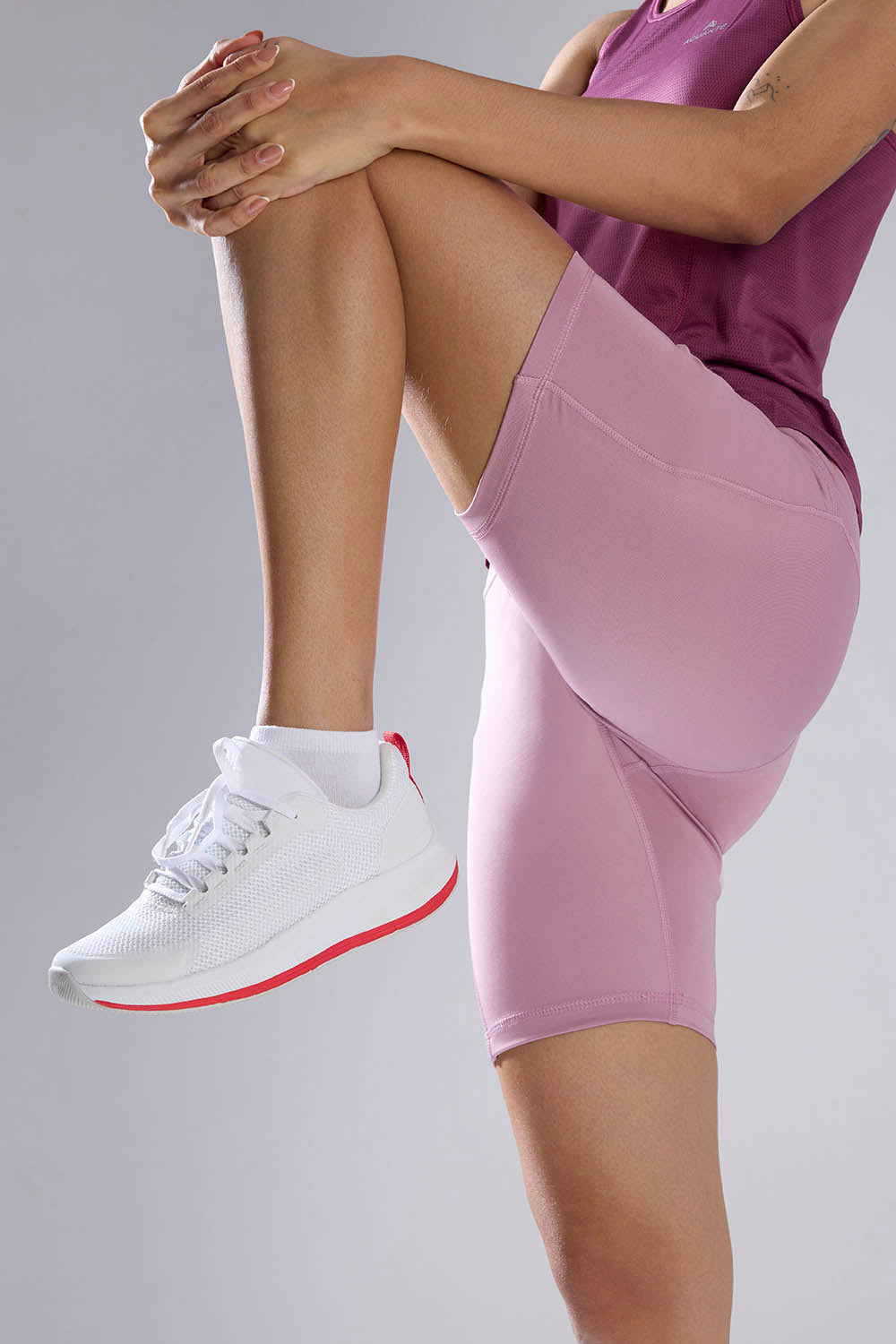
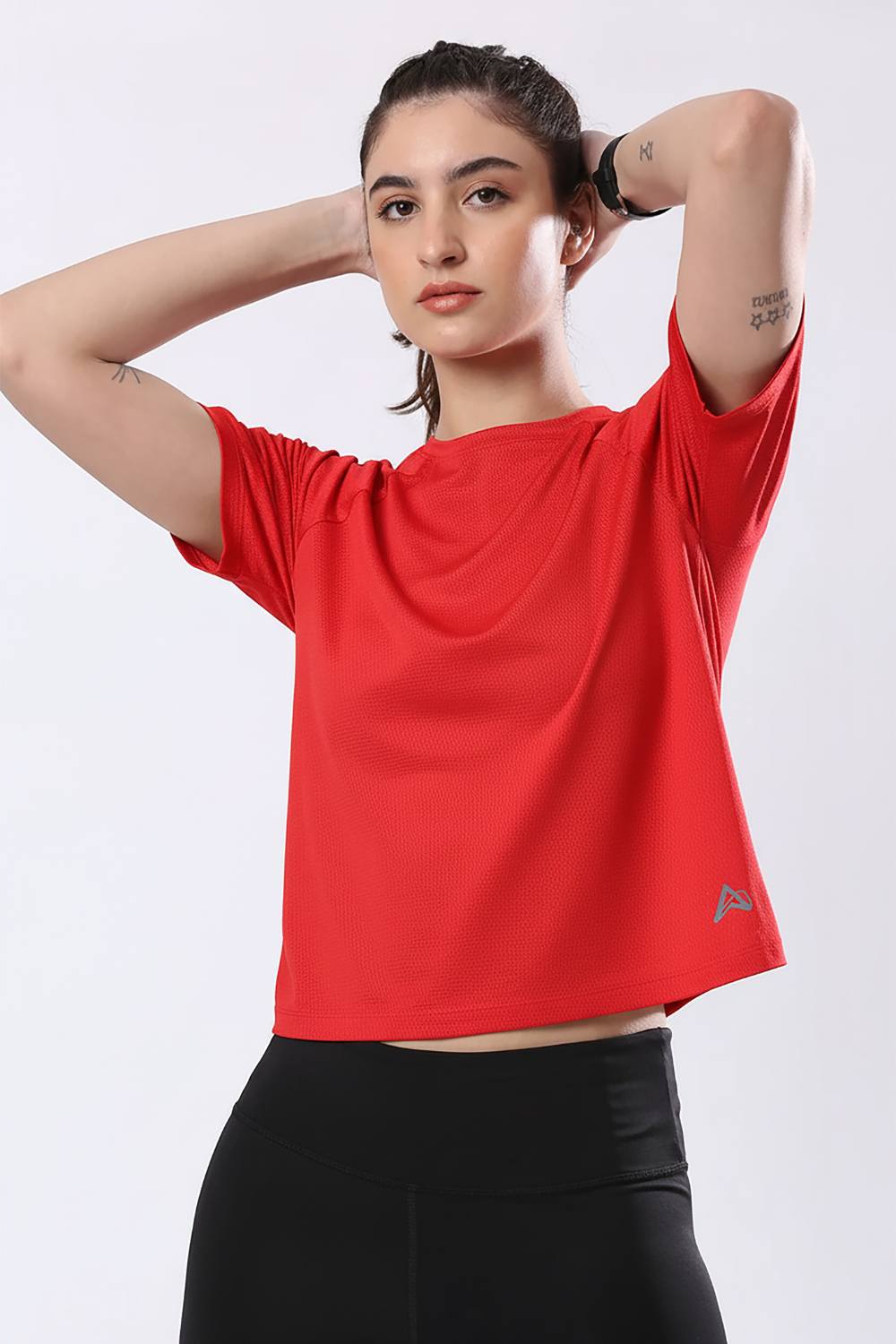
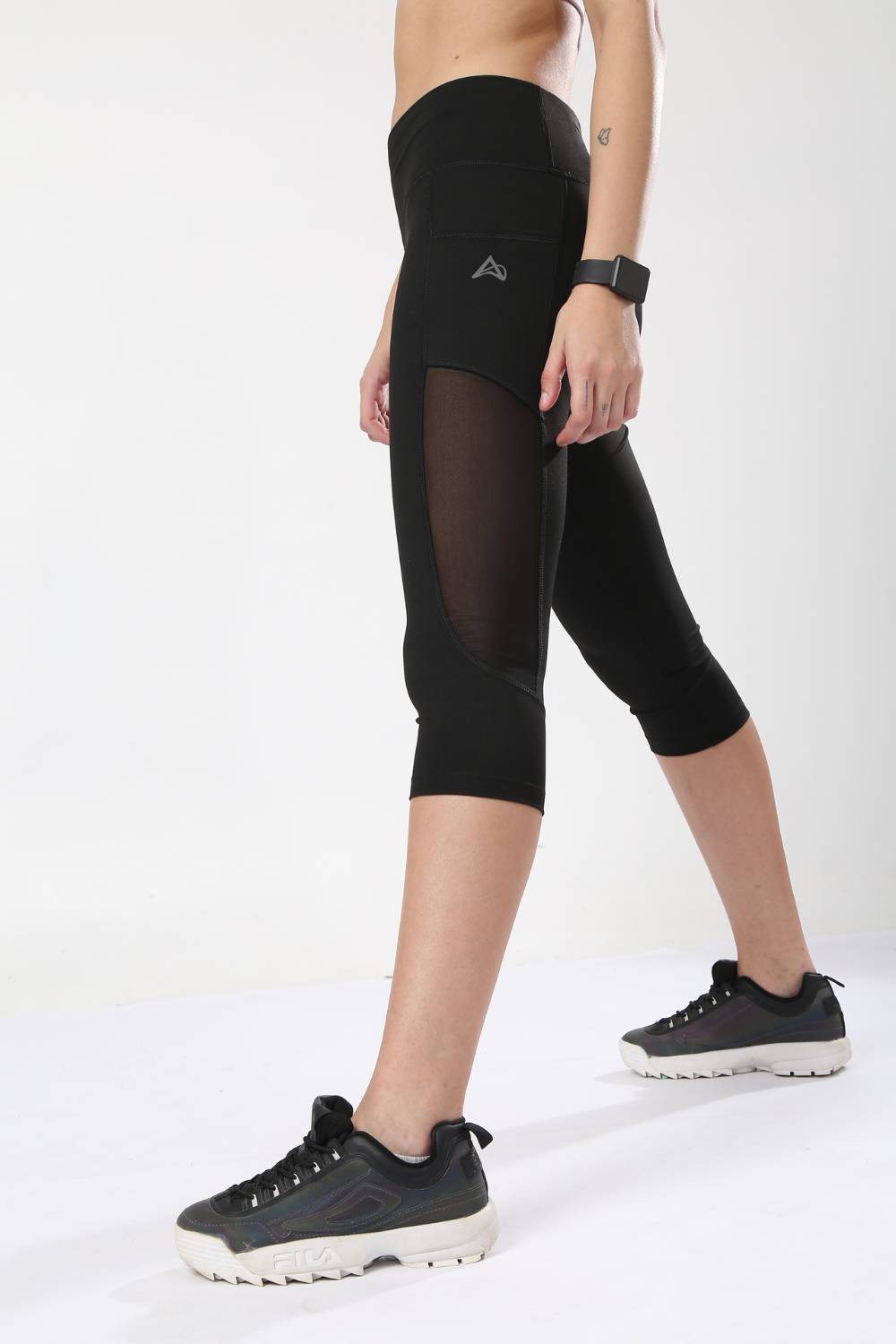
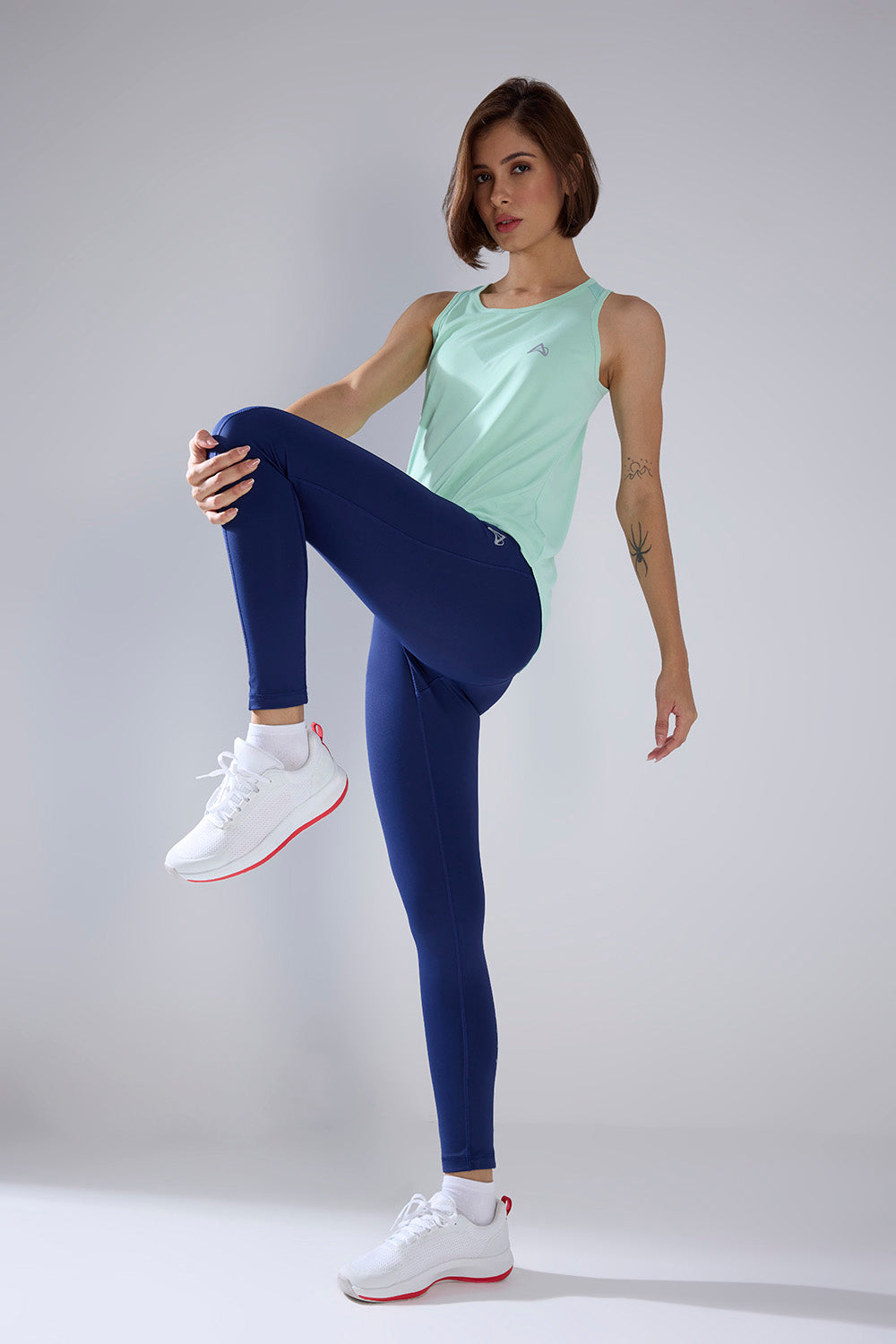

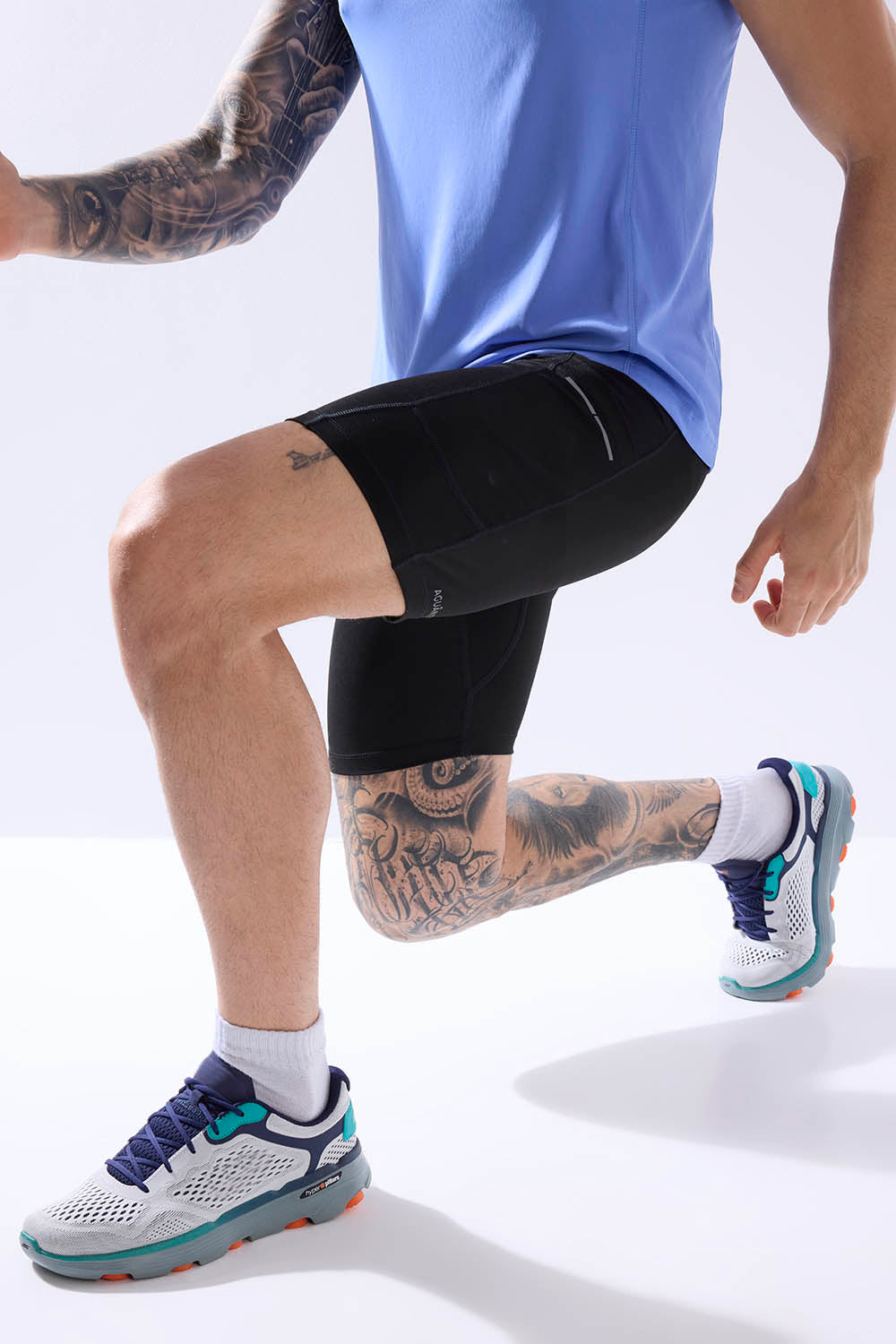
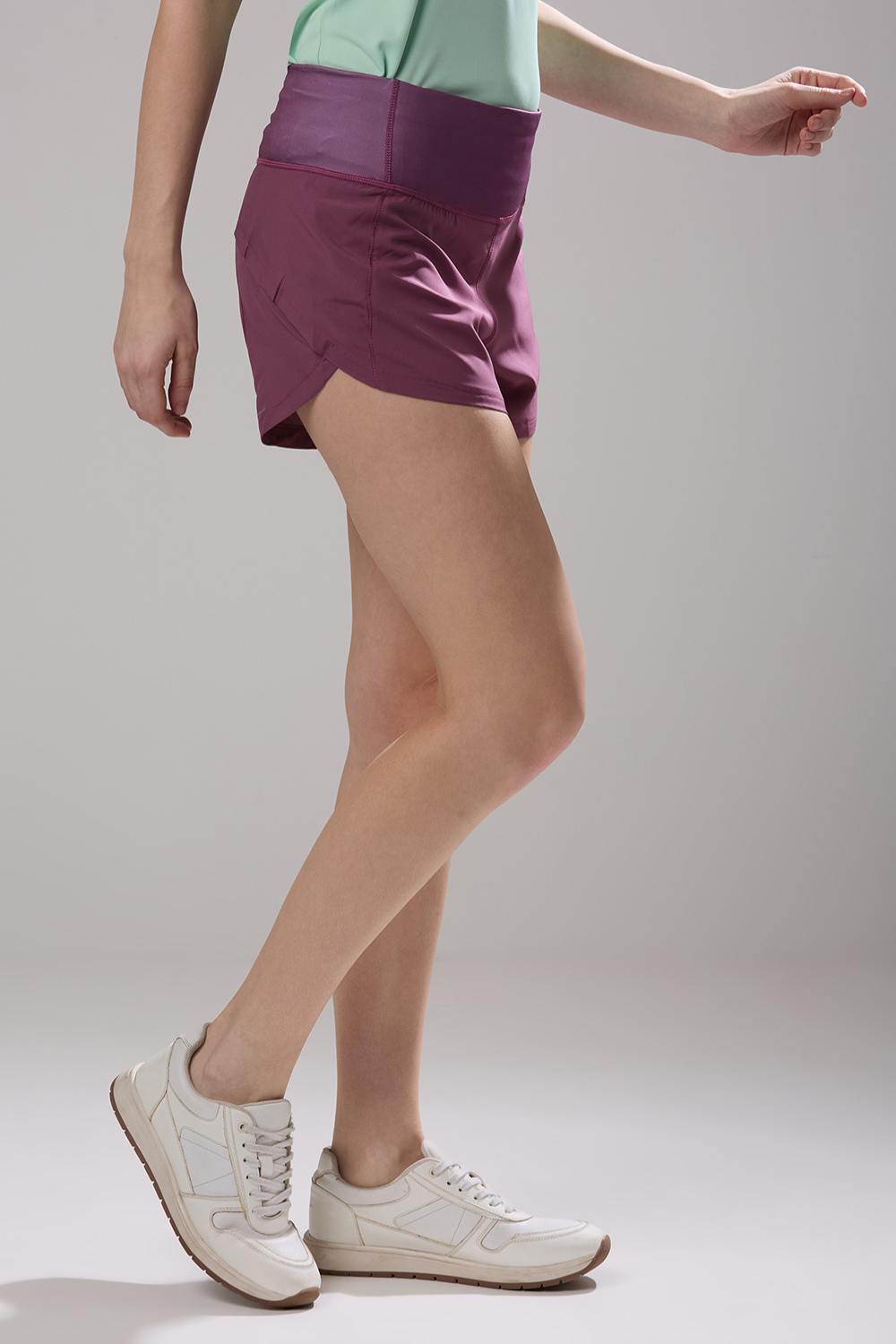
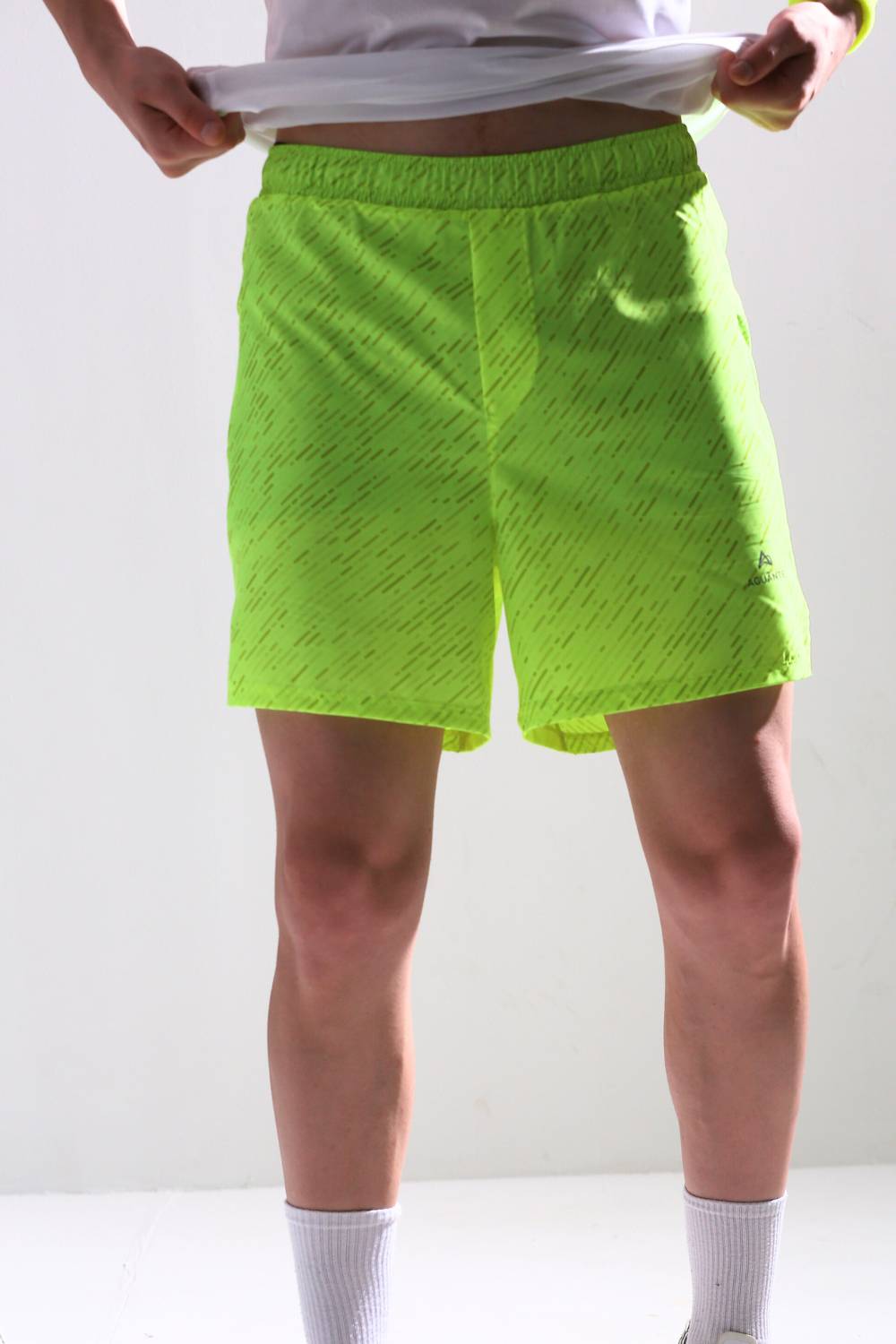
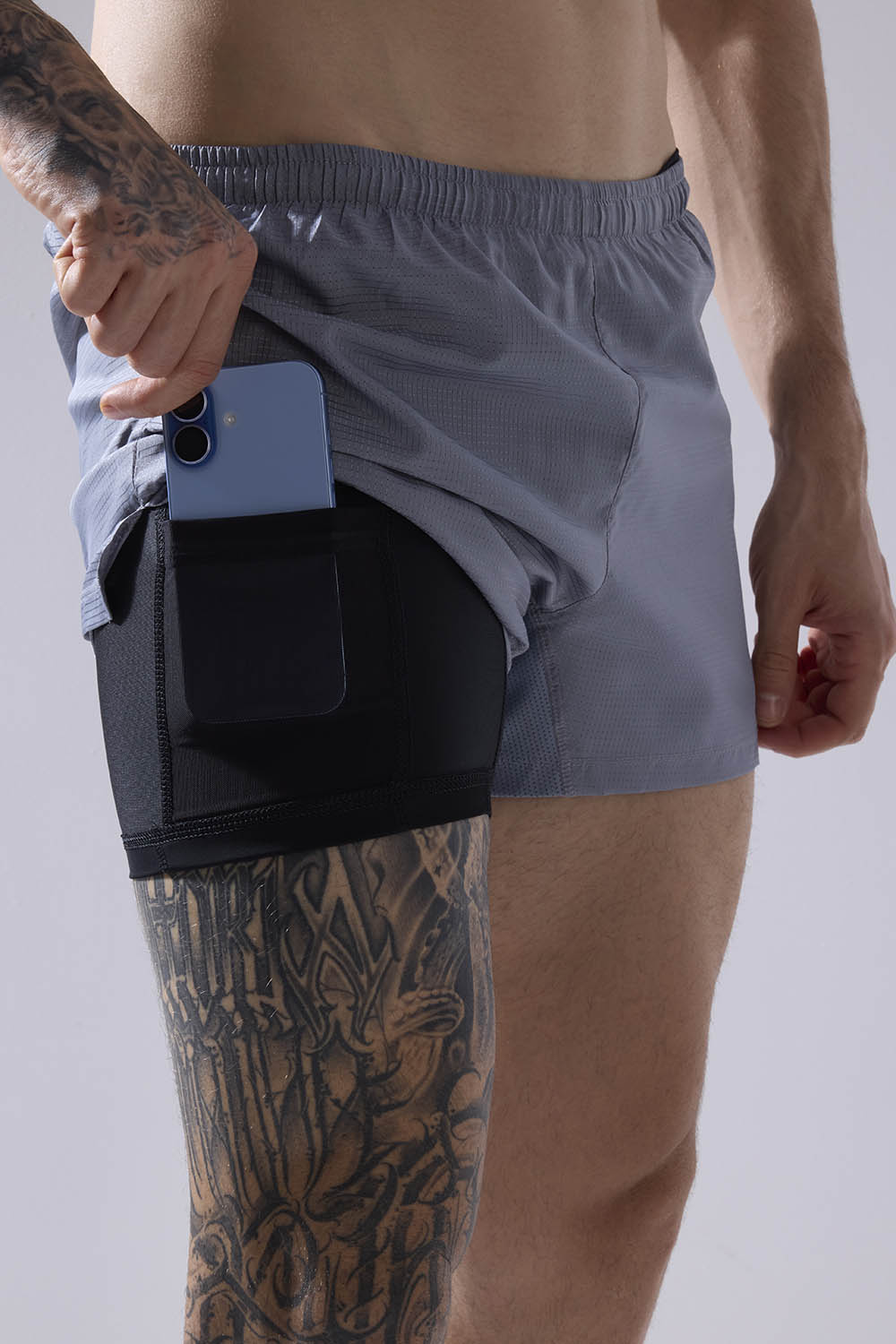

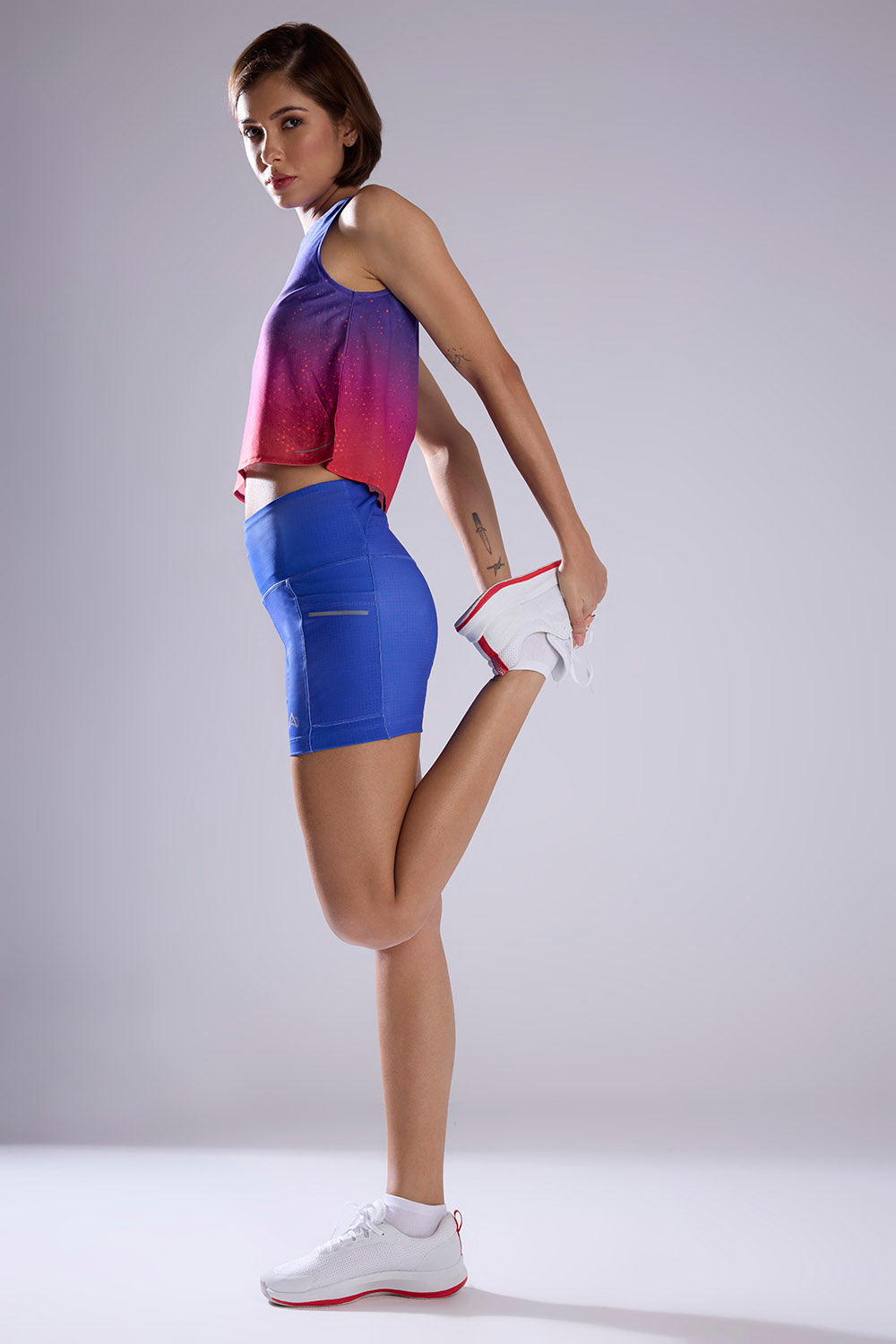
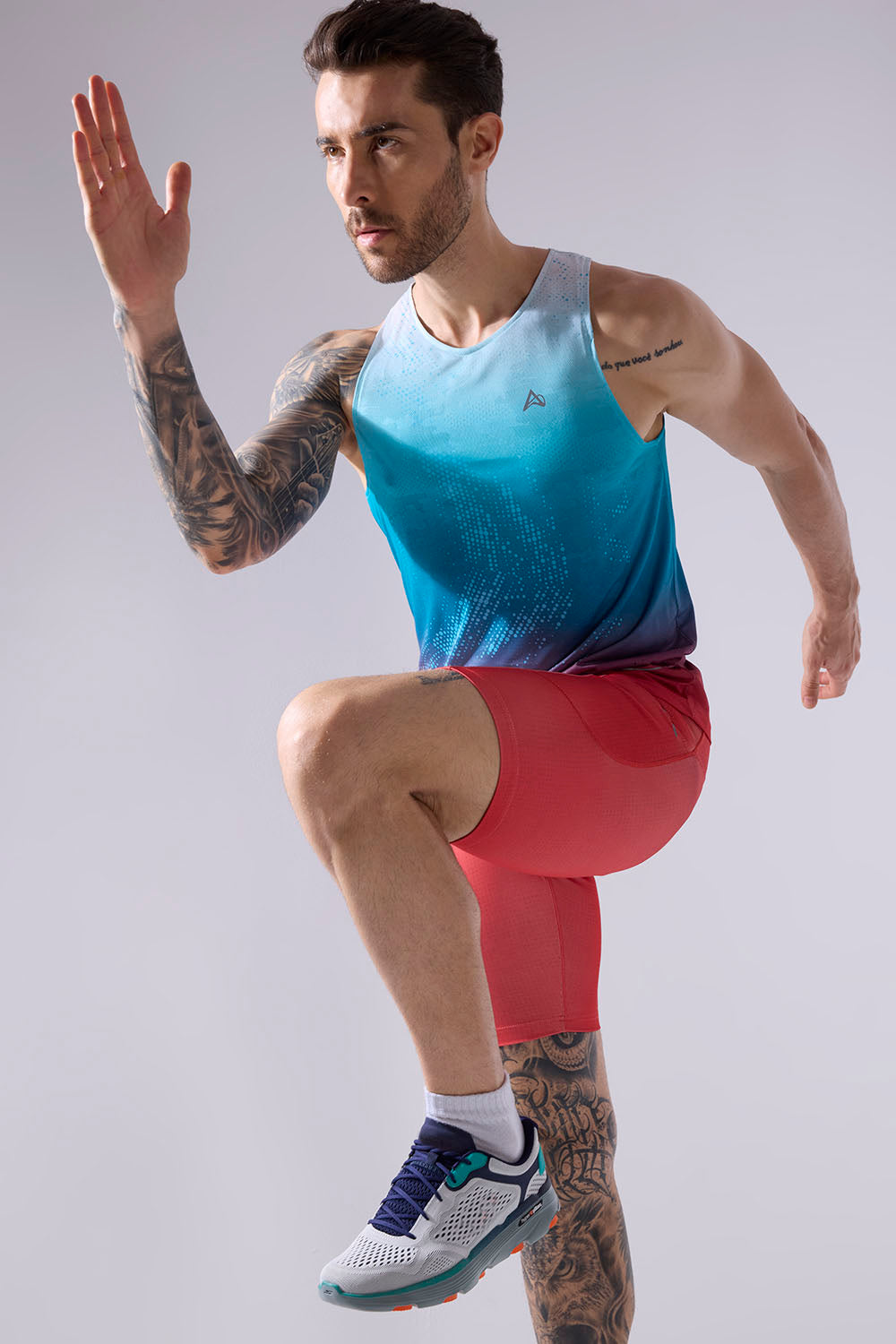

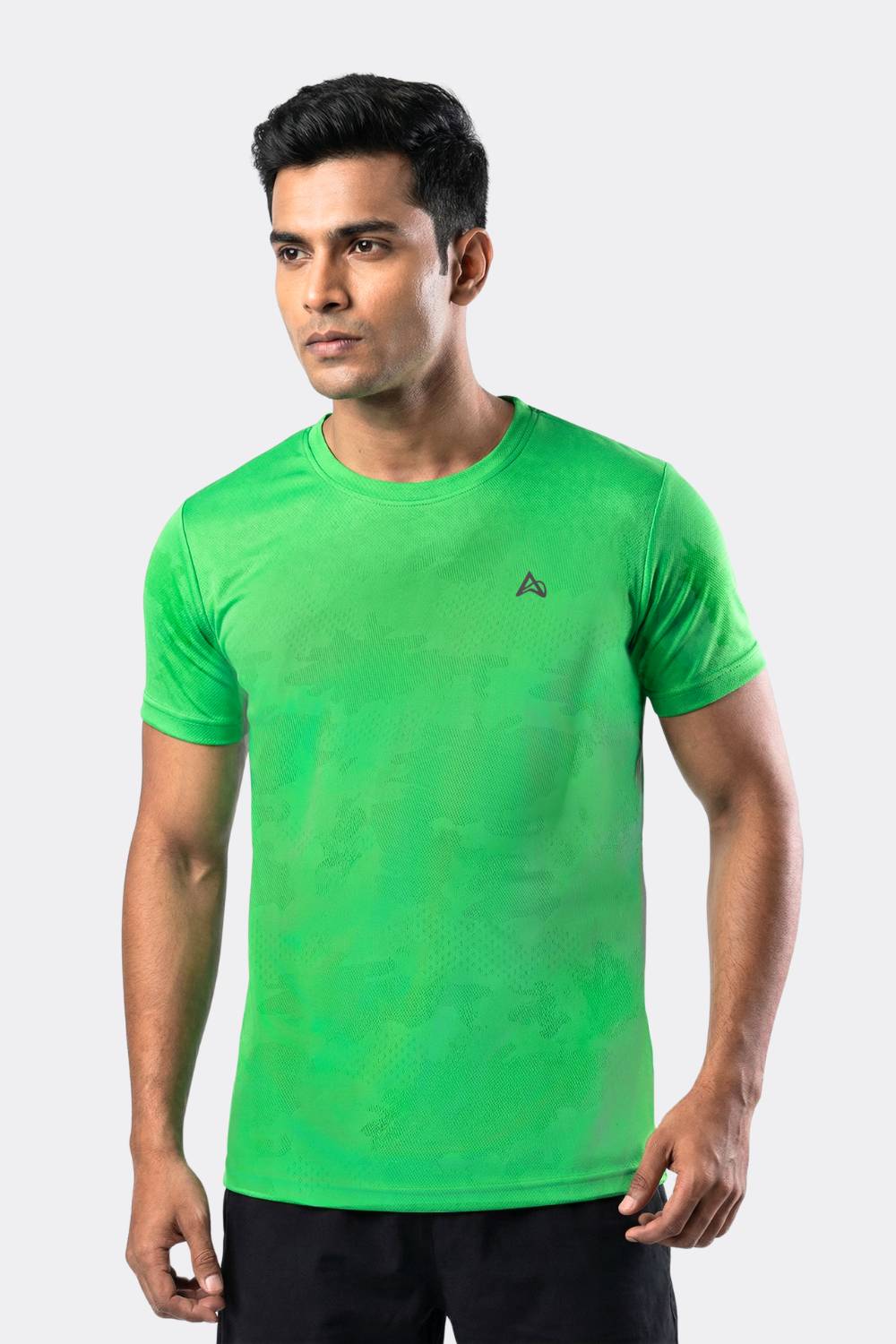
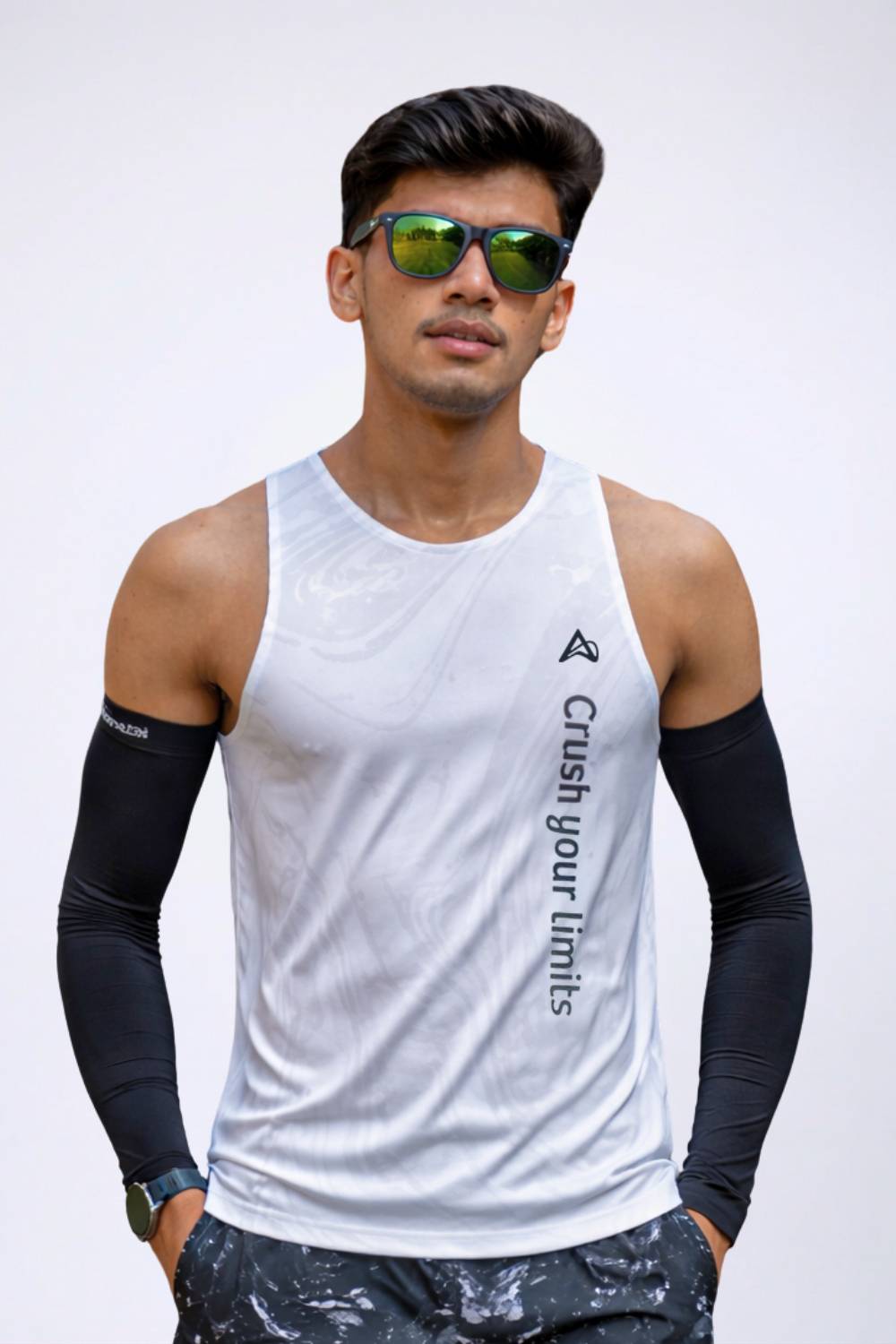

Picture this: You're navigating the crowded streets of a major metropolis as twilight settles in, your running gear suddenly transforming under passing car beams into a vivid signal of presence. This isn't science fiction it's the everyday reality for growing numbers of urban athletes, where reflective elements in fitness wear have shifted from optional extras to indispensable standards, blending seamless safety with cutting-edge style in the hustle of city life.
Step inside a high-end fitness boutique in downtown Chicago or scroll through online collections targeting city commuters, and the evidence is unmistakable: athletic tops, pants, and outer layers now incorporate subtle reflective designs that activate in low light. This evolution reflects deeper societal changes. Urban professionals face extended workdays and erratic schedules, often relegating exercise to dawn patrols or nighttime escapes, heightening the need for gear that enhances visibility amid traffic and dimly lit paths.
Metropolitan environments thrive on after-hours vibrancy, yet they conceal risks in their underlit corners. Joggers evade vehicles, bikers signal turns at busy crossings, and pedestrians compete with electric bikes on shared lanes. Manufacturers have adapted swiftly, integrating reflective components as core attributes rather than mere embellishments. Early iterations featured simple bands on sneakers; today, sophisticated prints serve dual purposes, appearing as artistic accents in daylight while ensuring nighttime prominence.
Market data underscores the momentum behind this transformation. Analysis from industry experts at Lucintel indicates that the worldwide reflective sportswear sector anticipates steady advancement, projecting a compound annual growth rate (CAGR) of 5.1% spanning 2025 through 2031. This progression marks a period of vigorous development, propelled by innovative patterns that are redefining the category's functionality and expanding its applications across diverse activities. Additionally, the study incorporates the effects of the COVID-19 pandemic, illustrating how global health disruptions spurred greater emphasis on outdoor pursuits and personal security measures.
Parallel findings from Technavio reinforce this outlook. Projections show the reflective sportswear sector expanding by USD 424.8 million over the 2024 to 2029 timeframe, achieving a CAGR of 5%. Key drivers include refined promotional tactics from leading firms, which captivate audiences via precision-targeted initiatives, thereby elevating consumer interest and sales. The sector also benefits from enhanced utilization of superior raw inputs and cutting-edge production methods, resulting in robust, long-lasting items that maintain reflectivity effectively. On the flip side, a major obstacle emerges from the surge in fake reflective athletic wear, where substandard knockoffs erode pricing integrity and diminish overall product standards, posing risks to legitimate operators.
Examining past performance provides further context. A Technavio update issued on February 22, 2023, estimated market expansion of USD 333.51 million from 2022 to 2027, with a CAGR of 4.3%. The North American region is poised to contribute 34% to this worldwide increase. Historical records reveal the market's value at USD 1,206.53 million in 2017, with data covering 2017 to 2021 demonstrating consistent upward trajectory amid evolving consumer preferences.
These statistics aren't abstract figures; they mirror real-world adaptations. In dense urban hubs, where public transit and active mobility intersect, adoption rates climb because clothing must serve multiple roles workout essential by day, safety shield by night. This integration has propelled the category forward, turning what was once niche into mainstream necessity.
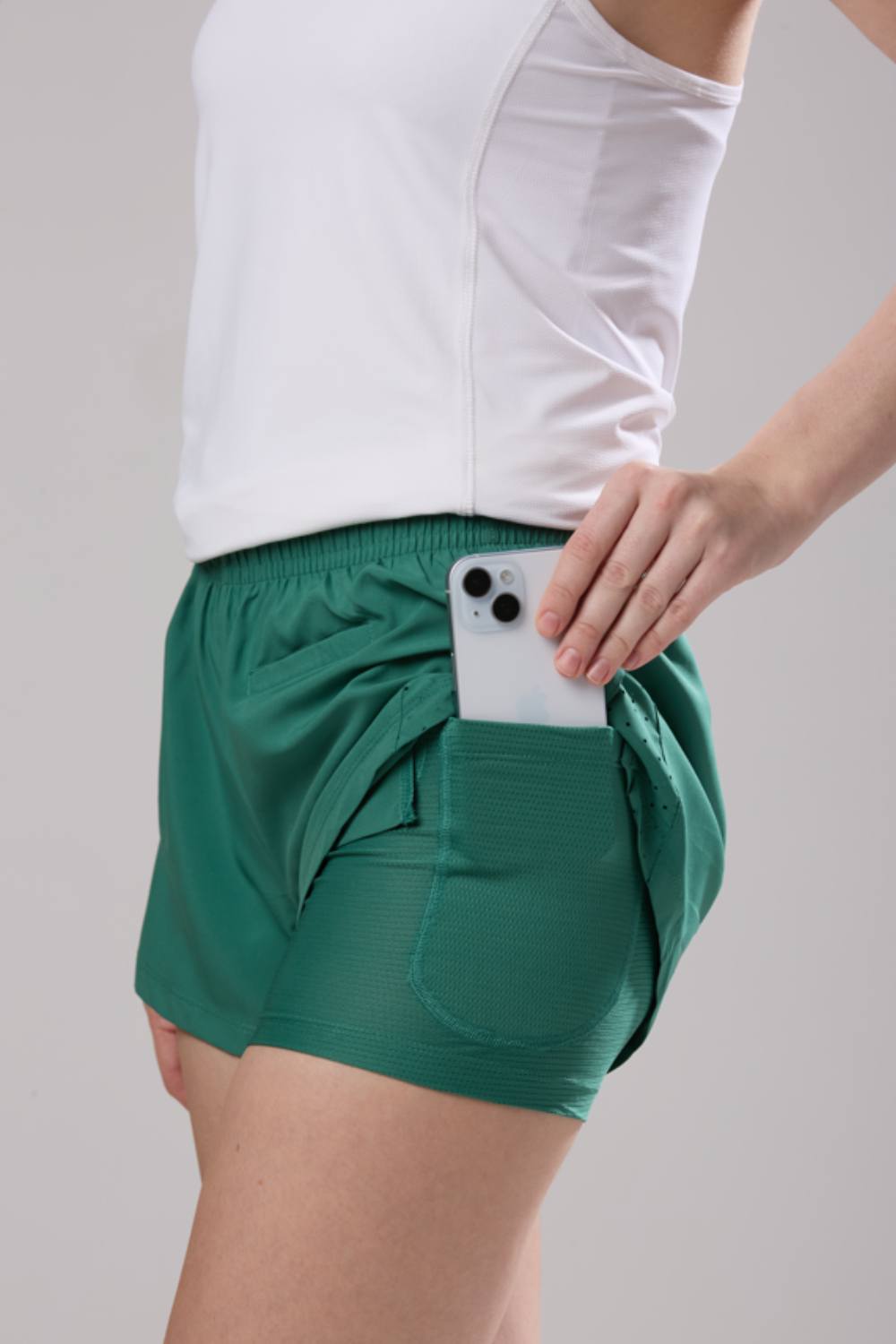
Tired of gear that slows you down? Chafing, soggy fabrics, and missing pockets kill your run's momentum. At Aguante, we're runners who get it. Our high-performance activewear features moisture-wicking fabrics, ergonomic designs, and smart storage to keep you focused. Shop Now!
The Urban Catalyst: Why Cities Are Leading the Charge
Consider metropolises like Los Angeles or Toronto, where fading daylight often coincides with the end of office hours, making reflective apparel a logical extension of daily routines. Practicality drives this, not fearmongering. City residents balance demanding careers with wellness goals, carving out time for fitness in marginal hours. Research supports higher uptake in these areas, as individuals merge commuting with physical activity, demanding gear that transitions effortlessly.
Major brands have capitalized on this through sophisticated outreach. They leverage digital platforms, featuring athletes crossing illuminated urban landmarks at dusk, their garments sparking visual interest online. Such narratives go beyond promotion; they build genuine connections, encouraging shoppers to seek out advanced options. Consequently, this feedback loop spurs material breakthroughs lightweight textiles that provide reflection without added weight, designs echoing graffiti or abstract forms that align with metropolitan tastes.
Yet, imitation products complicate the landscape, inundating channels with inferior alternatives that lose efficacy quickly or offer poor light return. Discerning consumers recognize these flaws, but widespread availability undermines confidence industry-wide. Reputable companies retaliate by advancing technologies, such as incorporating advanced elements that boost detection distances significantly under vehicle illumination, ensuring authentic items stand out.
The lingering effects of the pandemic have intensified these dynamics. With hybrid work models persisting, outdoor engagement surged, prompting priorities on versatile equipment that's airy during exertion yet safeguarding during travel. Lucintel's evaluation acknowledges this, weaving in COVID-19 influences to inform forward-looking estimates, converting crisis-driven behaviors into enduring commercial gains.
Beyond safety, cultural shifts play a role. Urbanites increasingly view fitness wear as an extension of personal identity, where reflective features add an element of cool utility. Events like nighttime marathons or group cycling rides amplify visibility needs, further embedding these prints into standard offerings. Retail data from North America, accounting for that substantial 34% growth share, highlights strong infrastructure from specialized stores to e-commerce giants that facilitates rapid distribution and awareness.
From the 2017 baseline of USD 1,206.53 million, the buildup through 2021 set the stage for post-2022 accelerations, culminating in the projected USD 333.51 million addition by 2027. This historical lens reveals how incremental innovations, like better raw material sourcing, have compounded into the current boom.
Innovation on the Horizon: Materials and Marketing Merge
Peering into the future, technological and stylistic convergence promises even more sophistication. Anticipate reflective applications via sustainable compounds or tiny prism integrations that capture beams omnidirectionally, minimizing blind spots. Promotional evolution includes immersive tools, such as augmented reality fittings simulating low-light scenarios to demonstrate real-time effects.
North America's commanding position, per Technavio insights, arises from established supply chains and affluent buyers eager for premium features. The forecasted USD 333.51 million influx from 2022 to 2027 builds directly on earlier foundations, amplifying reach.
Despite hurdles like counterfeits, positives abound. Superior durability from optimized manufacturing reduces environmental impact, resonating with eco-aware city populations. Branding efforts emphasize these angles, positioning products as holistic choices for security, longevity, and planetary responsibility.
Supply chain enhancements also factor in. Post-pandemic, emphasis on resilient sourcing ensures consistent quality, while tech investments yield fabrics that withstand washes without losing reflective properties. This reliability fosters loyalty, as users experience tangible benefits in daily use.
Collaborations between designers and engineers push boundaries further. Imagine prints that adapt to weather or integrate with apps tracking visibility metrics concepts grounded in current trends toward smarter apparel. As urban densities rise, regulations in some cities may even mandate higher visibility standards for active wear, accelerating adoption.
Marketing strategies, as highlighted in Technavio's analysis, continue to refine. Targeted campaigns dissect demographics, tailoring messages to night-shift workers or late-evening yogis, broadening appeal. The result: a market not just growing but maturing, with the 5% CAGR from 2024-2029 signaling sustained vigor.
A Brighter Path Forward
Ultimately, the entrenchment of reflective prints in city-centric fitness clothing heralds a new paradigm, where illumination transcends aesthetics to embody intelligent design in motion. For anyone lacing up amid urban twilight, that inherent radiance represents more than trend it's a testament to adaptability in an accelerating world. As projections like Lucintel's reflective sportswear market report indicate a 5.1% CAGR through 2031, and Technavio's industry analysis forecasts USD 424.8 million growth to 2029, the trajectory is clear. Their 2023 projection release adds historical depth, from 2017's USD 1,206.53 million valuation onward. In the glow of this evolution, cities don't just move they shine with purpose.
Frequently Asked Questions
Why are reflective prints becoming standard in urban fitness apparel?
Reflective prints have become essential in urban fitness wear due to increased after-hours exercise among city professionals who often work out at dawn or dusk. These features enhance visibility for joggers, cyclists, and pedestrians navigating dimly lit streets and heavy traffic, transforming from optional embellishments into core safety standards. Modern reflective designs serve dual purposes appearing as stylish accents during the day while providing crucial nighttime visibility.
How fast is the reflective sportswear market growing?
The global reflective sportswear market is experiencing significant growth, with projections showing a compound annual growth rate (CAGR) of 5.1% from 2025 through 2031, according to Lucintel. Technavio forecasts the market will expand by USD 424.8 million between 2024 and 2029 at a 5% CAGR. This growth is driven by innovative designs, advanced materials, refined marketing strategies from leading brands, and increased demand for outdoor fitness activities following the COVID-19 pandemic.
What challenges does the reflective fitness apparel industry face?
The primary challenge facing the reflective sportswear industry is the surge in counterfeit products that flood the market with inferior quality alternatives. These substandard knockoffs lose reflective effectiveness quickly, offer poor light return, and undermine pricing integrity across the sector. In response, reputable manufacturers are investing in advanced technologies and superior raw materials to create more durable products with enhanced detection distances, helping authentic items stand out from imitations.
Disclaimer: The above helpful resources content contains personal opinions and experiences. The information provided is for general knowledge and does not constitute professional advice.
You may also be interested in: How reflective elements in running gear respond to urban safety
Tired of gear that slows you down? Chafing, soggy fabrics, and missing pockets kill your run's momentum. At Aguante, we're runners who get it. Our high-performance activewear features moisture-wicking fabrics, ergonomic designs, and smart storage to keep you focused. Shop Now!
Powered by flareAI.co