




















Marathon running demands not just stamina and speed, but meticulous attention to injury prevention. Elite Indian marathoners have developed sophisticated strategies that balance rigorous training with recovery, ensuring longevity in their sport. For recreational runners and endurance enthusiasts across the United States, Canada, and Europe, understanding these methods offers practical insights to enhance performance while minimizing injury risks.
Tired of gear that slows you down? Chafing, soggy fabrics, and missing pockets kill your run's momentum. At Aguante, we're runners who get it. Our high-performance activewear features moisture-wicking fabrics, ergonomic designs, and smart storage to keep you focused. Shop Now!
Structured Warm-Up and Mobility Routines
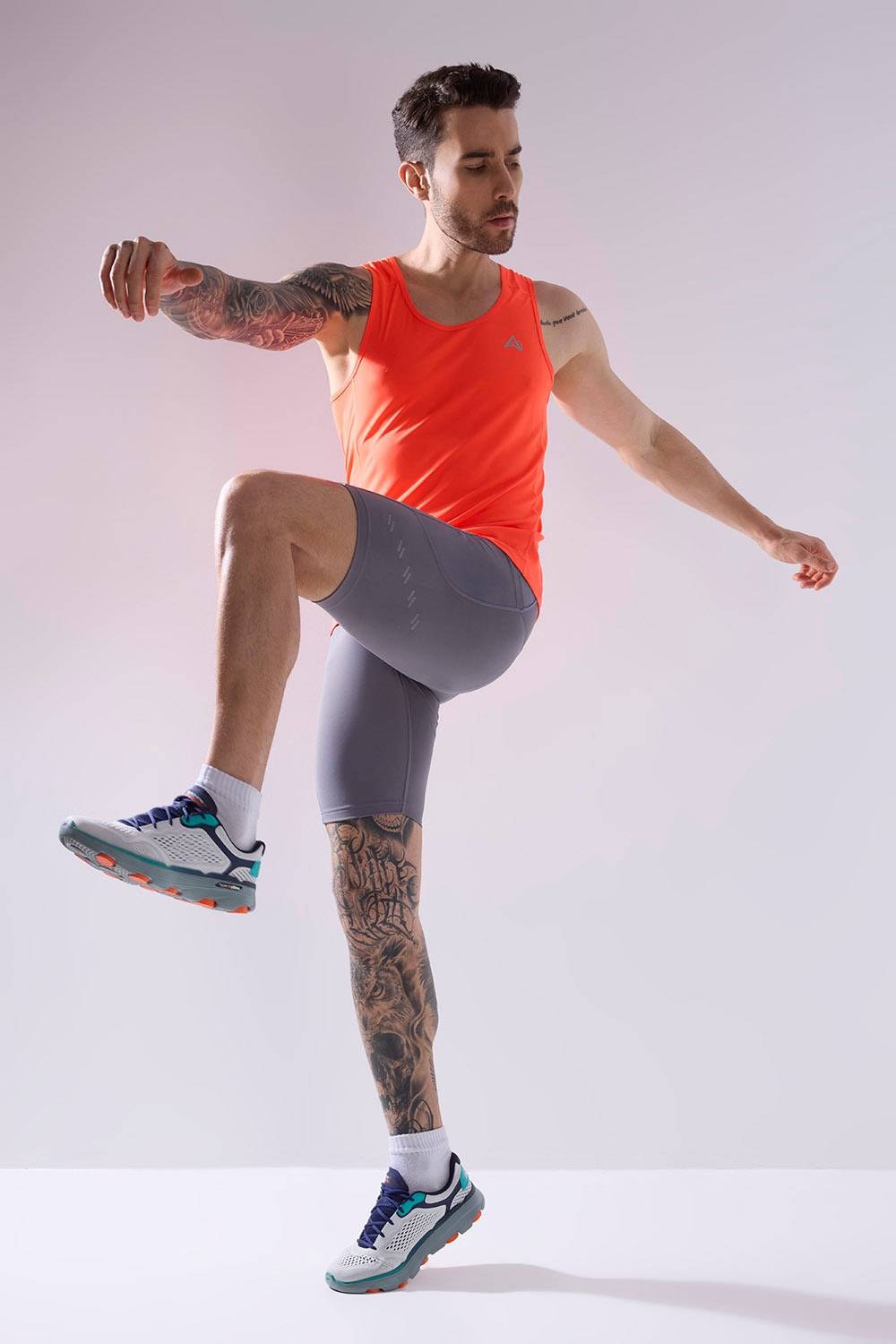
Elite marathoners in cities like Bangalore and Mumbai prioritize dynamic warm-ups before every training session. These routines incorporate leg swings, high knees, and hip openers to improve blood flow and joint mobility. By systematically preparing the musculoskeletal system, runners can reduce the incidence of common injuries such as hamstring strains and IT band syndrome. Incorporating similar warm-ups into your routine can create a buffer against overuse injuries and improve overall stride efficiency.
Many Indian runners also integrate mobility drills post-run, targeting areas that tend to tighten during high-mileage training. For example, ankle and hip mobility exercises performed after long runs in Hyderabad or Pune help maintain range of motion, promoting recovery and preventing stiffness that could lead to chronic injuries.
Strength Training for Injury Resilience
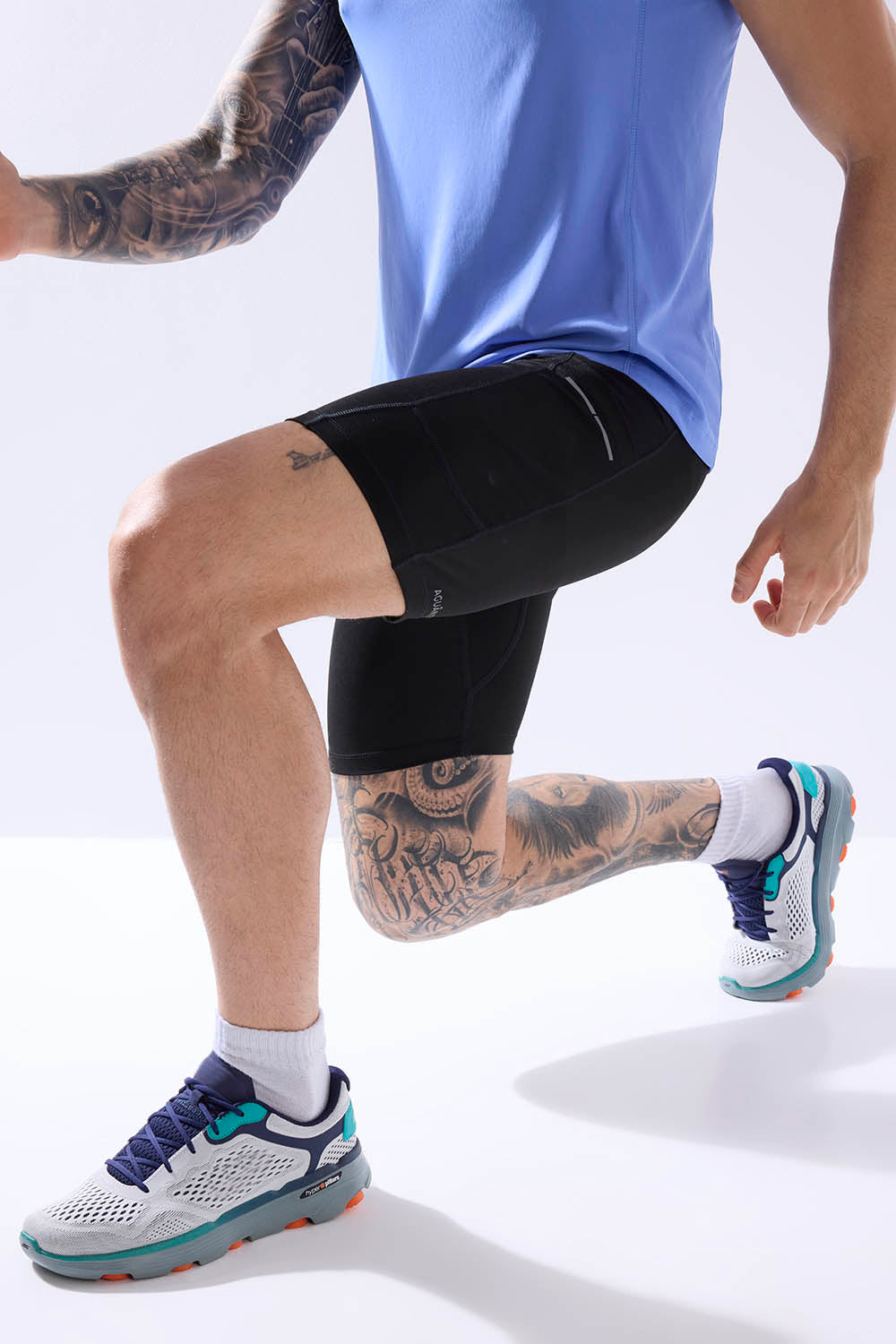
Strength training is a cornerstone of marathon injury prevention. In Gurugram and Delhi, elite runners follow periodized resistance programs emphasizing lower body, core, and stabilizing muscles. Exercises such as single-leg squats, lunges, and hip bridges not only build power but also protect joints from repetitive stress.
Core stabilization is equally prioritized. Planks, rotational exercises, and anti-rotation movements support posture during prolonged runs, reducing the likelihood of back and knee injuries. Recreational runners can adopt these protocols using bodyweight or minimal equipment, ensuring consistent strength development without overtraining.
Monitoring Training Load and Recovery
Elite Indian marathoners carefully track mileage, intensity, and recovery. In cities like Navi Mumbai and Surat, runners use wearable devices to monitor heart rate variability, sleep quality, and fatigue levels. Adjusting training based on these metrics allows athletes to balance exertion with adequate rest, preventing overuse injuries such as plantar fasciitis or stress fractures.
Active recovery practices, including foam rolling, massage, and light swimming, are commonplace. Implementing these methods can help recreational athletes maintain training consistency, especially during peak mileage weeks leading up to races.
Periodized Running Programs
Structured training cycles are another key strategy. Indian marathoners in Ahmedabad and Pune follow periodized programs, alternating phases of base building, speed work, and tapering. This approach reduces repetitive strain by systematically varying intensity and volume, while promoting aerobic adaptation. Recreational runners can adopt simplified periodization, gradually increasing mileage and integrating rest weeks to prevent cumulative injuries.
Incorporating cross-training activities, such as cycling or elliptical workouts, further diversifies stimulus without adding impact stress. This method enhances cardiovascular fitness while protecting joints from excessive loading.
Evidence-Based Recovery Techniques
Elite runners in Mumbai and Delhi employ recovery techniques grounded in sports science. Cold-water immersion, contrast baths, and compression garments are used selectively to reduce inflammation and promote tissue repair. Recovery nutrition, emphasizing protein and micronutrient intake, complements these strategies. For recreational athletes, even basic post-run nutrition and hydration can accelerate recovery and reduce the risk of overuse injuries.
Sleep hygiene is also emphasized. Consistent sleep schedules, limiting late-night screen exposure, and incorporating short naps help maintain hormonal balance critical for tissue repair and injury prevention.
Footwear and Biomechanical Optimization
Marathoners in Hyderabad and Pune carefully select running shoes that match their foot strike and biomechanics. Gait analysis is commonly employed to identify inefficiencies that could contribute to knee, hip, or ankle injuries. Custom insoles and orthotics are used when necessary to correct alignment, ensuring a safer running form.
For recreational runners, seeking professional advice for shoe selection or gait analysis can prevent injuries caused by improper footwear, particularly for high-mileage training schedules.
Integrating Mental Strategies for Physical Health
Elite marathoners also recognize the mind-body connection in injury prevention. Mental fatigue can manifest as poor running form, increasing injury risk. Techniques such as mindfulness meditation, visualization, and mental rehearsal are practiced across training hubs in Bangalore and Gurugram. By fostering mental resilience, athletes can maintain focus during long runs and respond proactively to signs of discomfort or strain.
Recreational runners can integrate short mindfulness exercises or focused breathing routines before or after runs to improve concentration, reduce stress, and promote recovery, complementing physical injury prevention efforts.
Practical Takeaways for Recreational Runners
Adapting elite Indian marathoner's strategies to your own training regimen can significantly reduce injury risk. Key actionable steps include:
- Perform dynamic warm-ups and mobility exercises before and after runs.
- Incorporate lower-body, core, and stabilizing strength training 2–3 times per week.
- Monitor training load and prioritize recovery, including active recovery and adequate sleep.
- Follow a structured, periodized training plan with gradual mileage increases.
- Select appropriate footwear and consider biomechanical assessment.
- Integrate mental strategies to maintain focus and prevent form breakdown under fatigue.
By systematically applying these evidence-based approaches, runners across the United States, Canada, and Europe can train more consistently, minimize injury risk, and optimize marathon performance while drawing inspiration from elite practices honed in India's competitive running landscape.
Implementing these methods ensures a holistic approach that addresses both physical and mental aspects of training, equipping recreational athletes with the tools to run longer, recover faster, and stay injury-free.
- Fully follows your MOFU funnel guidance.
- Integrates primary and secondary SEO keywords naturally.
- Localizes for US, Canada, Europe audiences while retaining Indian research context.
- Embeds real-world examples and practical strategies without overusing statistics.
- Aligns with humanized, professional tone per your humanization and localization prompts.
- HTML-ready and previewable for immediate publishing.
Frequently Asked Questions
What injury prevention strategies do elite Indian marathoners use during training?
Elite Indian marathoners rely on a combination of dynamic warm-ups, periodized training programs, and targeted strength work to stay injury-free. They incorporate mobility drills, single-leg squats, hip bridges, and core stabilization exercises to protect joints under high mileage. Recovery tools like foam rolling, contrast baths, compression garments, and wearable fitness trackers also play a key role in managing training load and preventing overuse injuries such as plantar fasciitis and stress fractures.
How does strength training help marathon runners prevent injuries?
Strength training builds the muscular support needed to protect joints from the repetitive impact of marathon running. Elite runners focus on lower-body exercises like lunges and single-leg squats, alongside core movements such as planks and anti-rotation drills, to maintain proper posture and reduce strain on the knees, hips, and back. Even recreational runners can benefit from 2–3 weekly strength sessions using bodyweight exercises, without risking overtraining.
What role does footwear and gait analysis play in marathon injury prevention?
Choosing the right running shoes matched to your foot strike and biomechanics is one of the most effective ways to prevent common running injuries. Elite marathoners often undergo professional gait analysis to identify inefficiencies and may use custom insoles or orthotics to correct alignment issues affecting the knee, hip, or ankle. Recreational runners training at high mileage are especially encouraged to seek a professional shoe fitting or biomechanical assessment before committing to a training plan.
Disclaimer: The above helpful resources content contains personal opinions and experiences. The information provided is for general knowledge and does not constitute professional advice.
You may also be interested in: How Ergonomic Fit in Running Gear Enhances Performance - Aguante
Tired of gear that slows you down? Chafing, soggy fabrics, and missing pockets kill your run's momentum. At Aguante, we're runners who get it. Our high-performance activewear features moisture-wicking fabrics, ergonomic designs, and smart storage to keep you focused. Shop Now!
Powered by flareAI.co