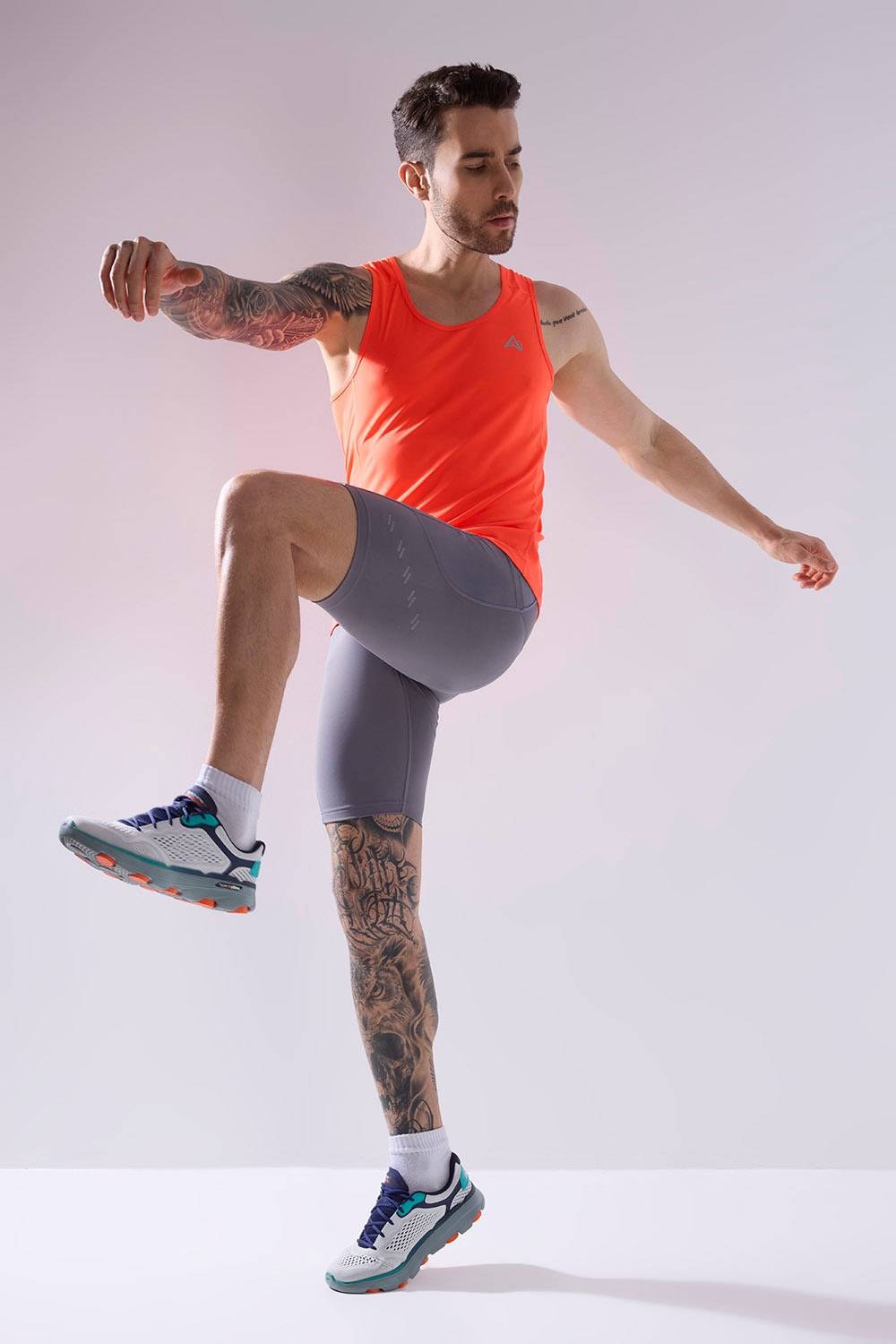
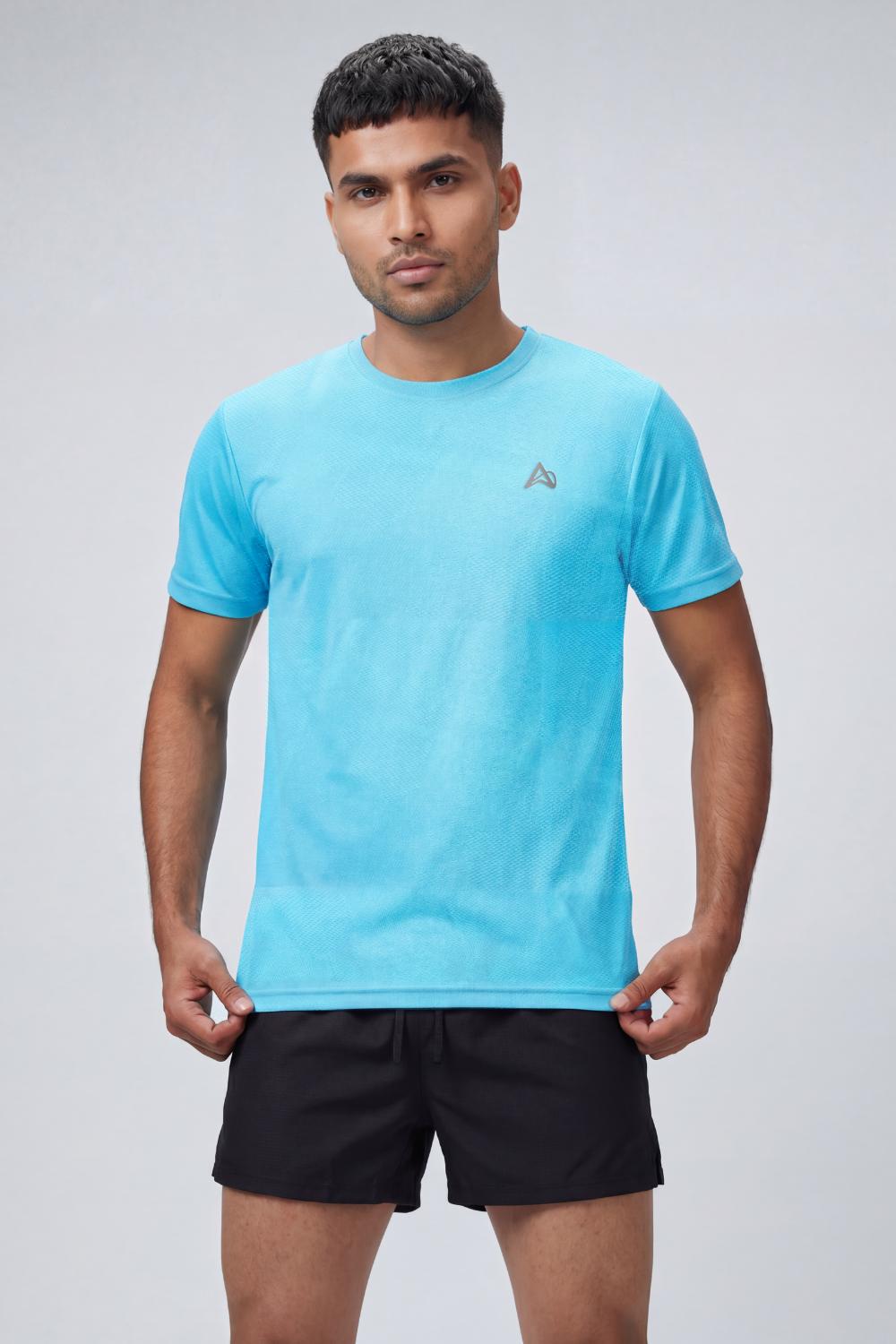
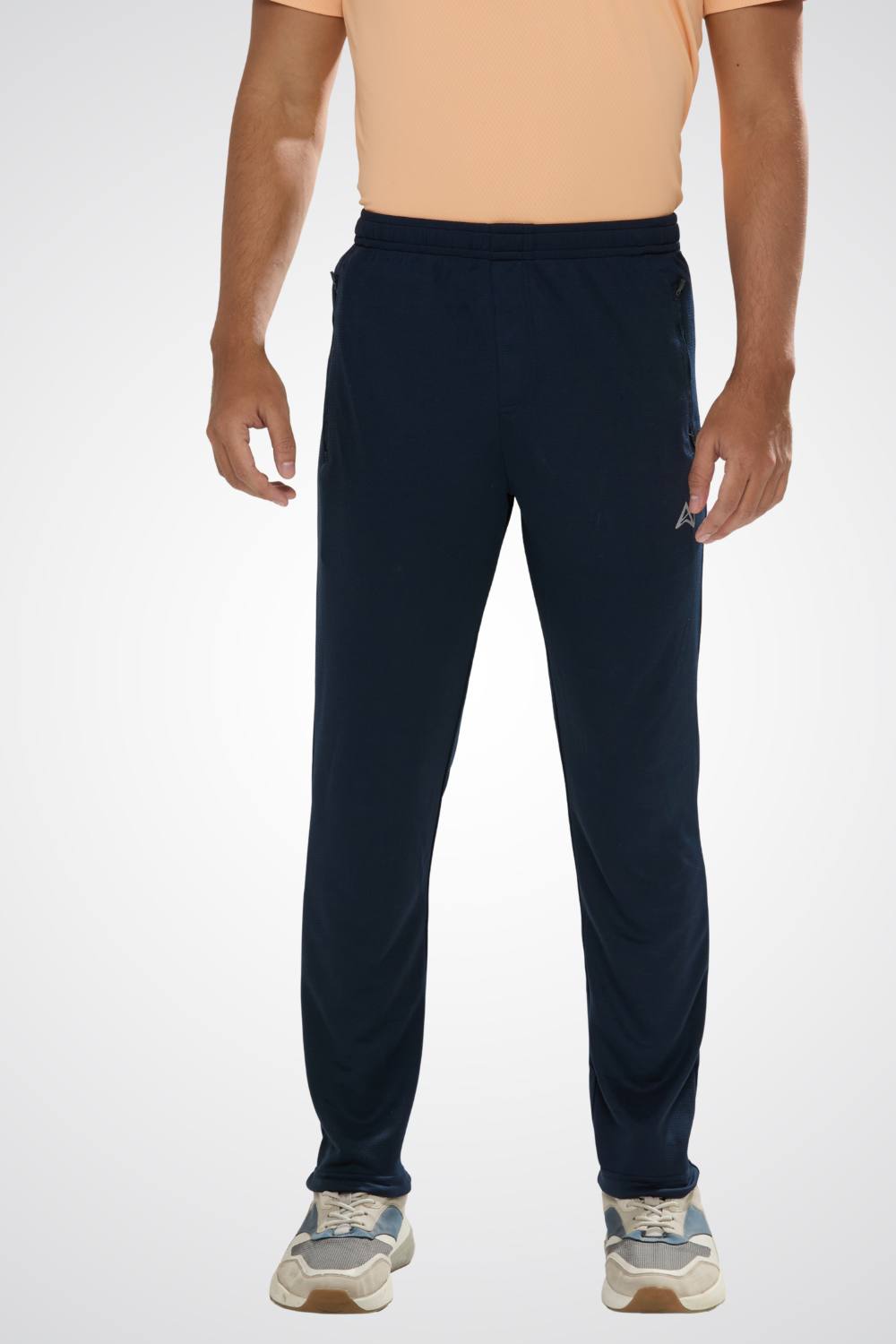
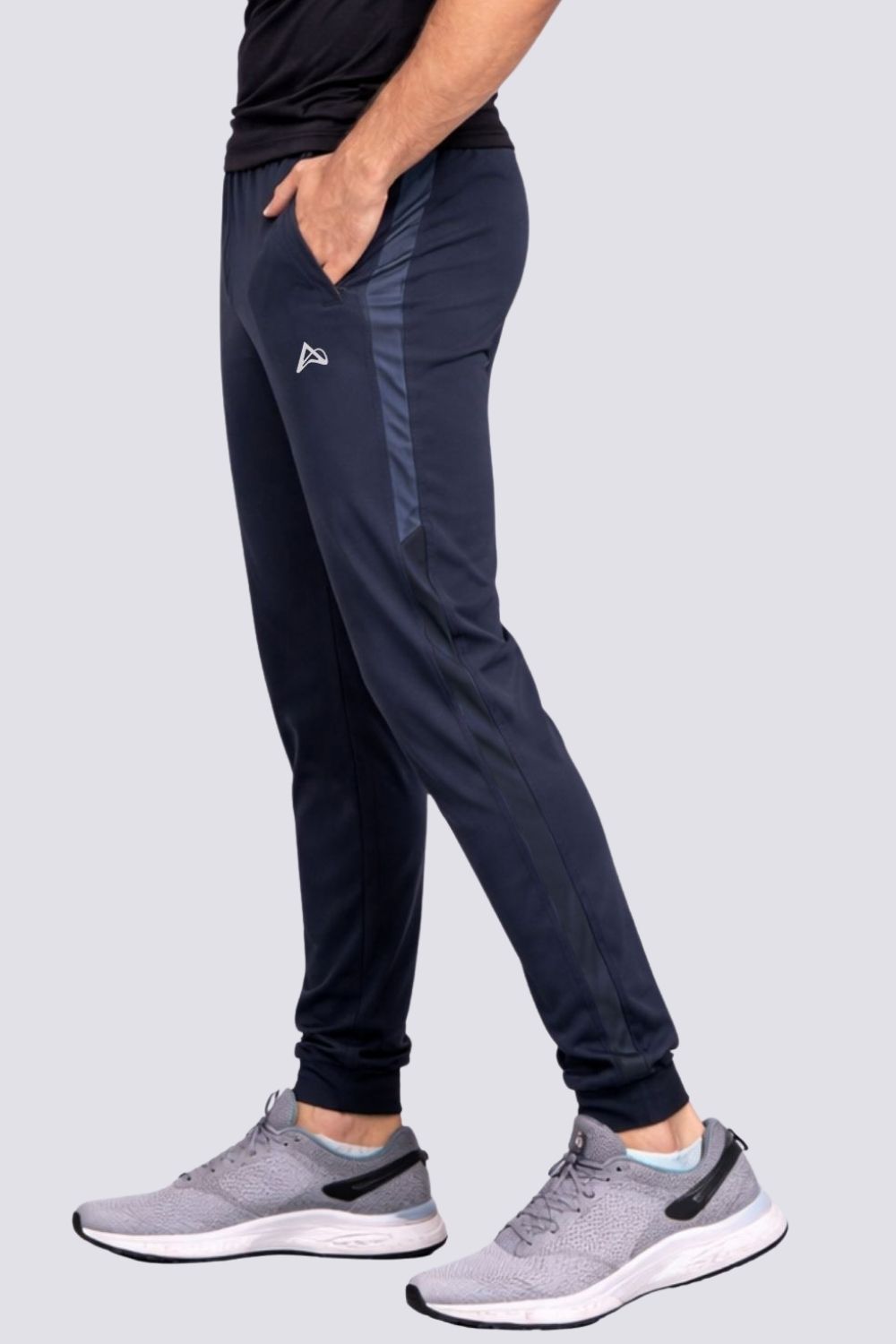


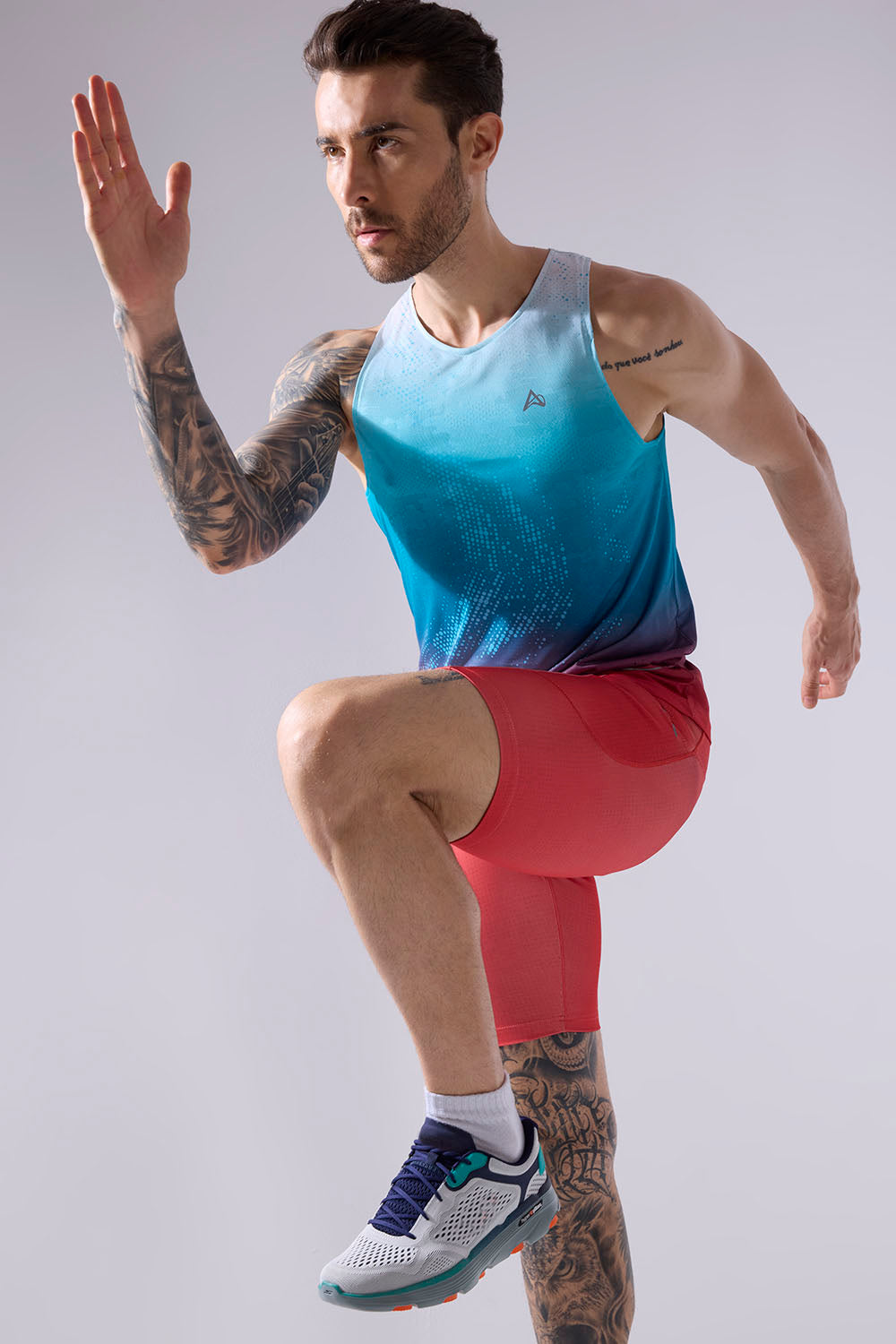


In the fast-paced world of fitness and endurance training, recovery is increasingly recognized as a pivotal component of performance enhancement. Athletes, recreational runners, and fitness enthusiasts across the United States, Canada, and Europe are seeking ways to optimize post-workout recovery, reduce muscle soreness, and improve overall comfort between sessions. Beyond nutrition, sleep, and active recovery routines, specialized recovery wear has emerged as a practical tool that complements modern training strategies, providing tangible benefits for both short-term performance and long-term training sustainability.
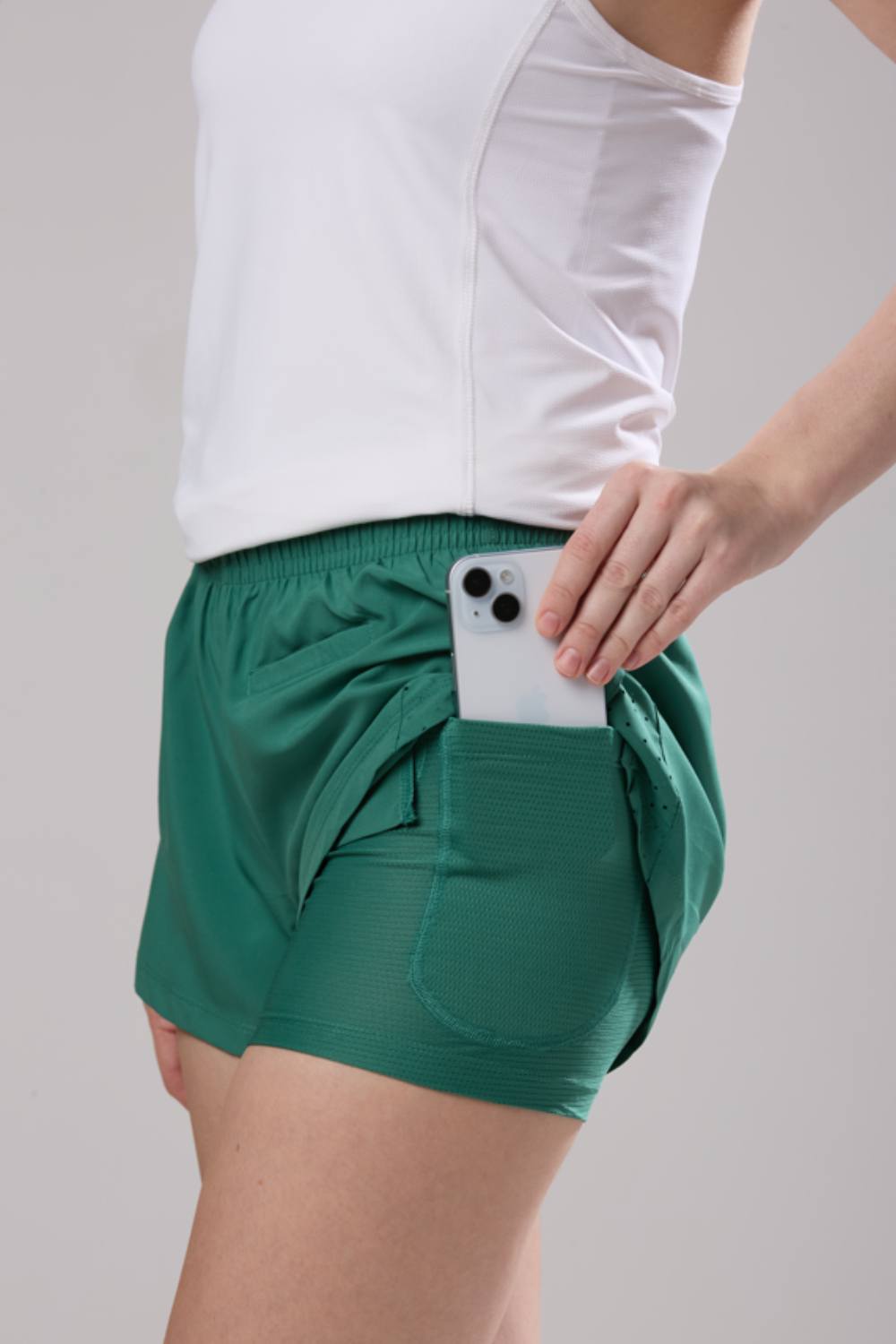
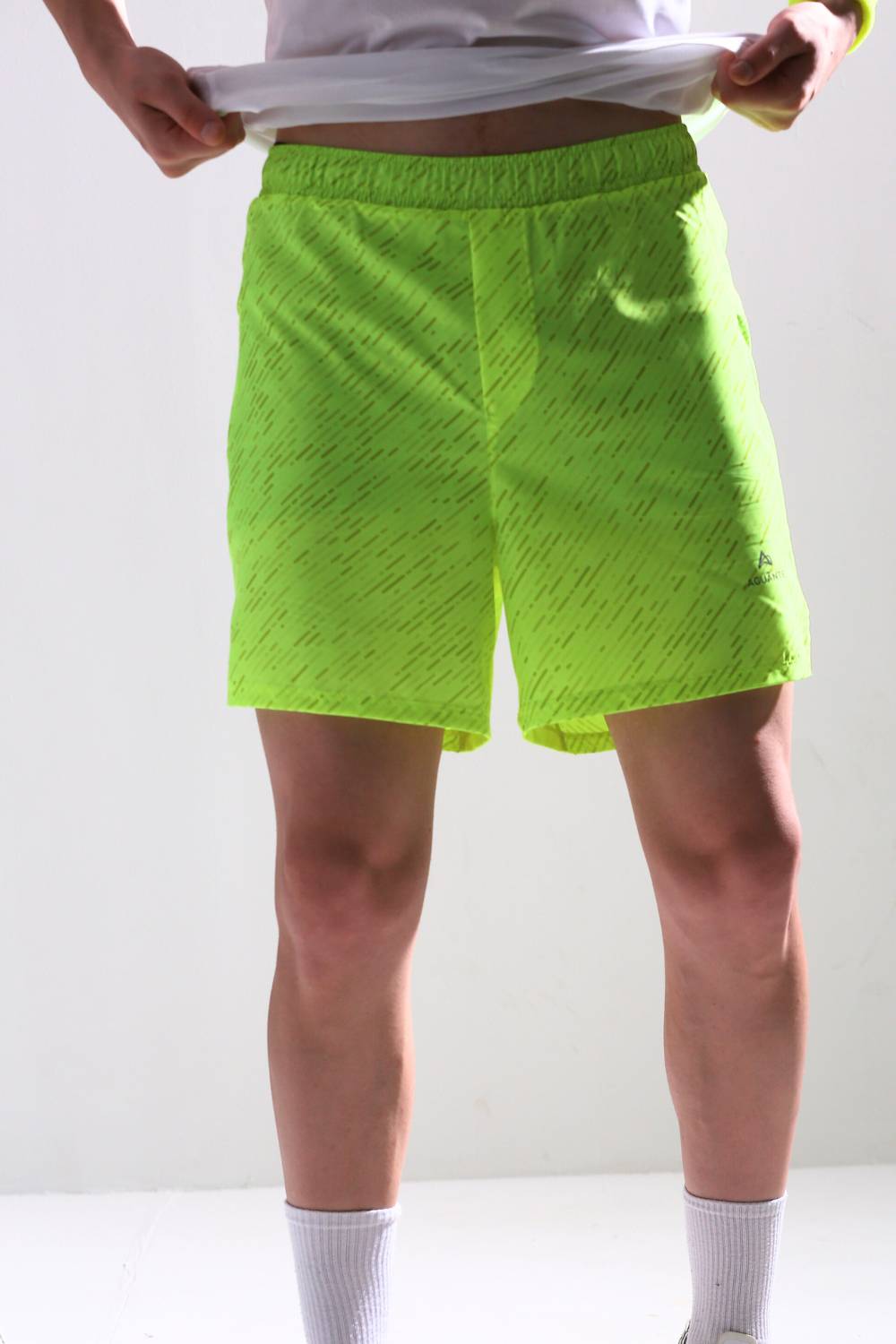
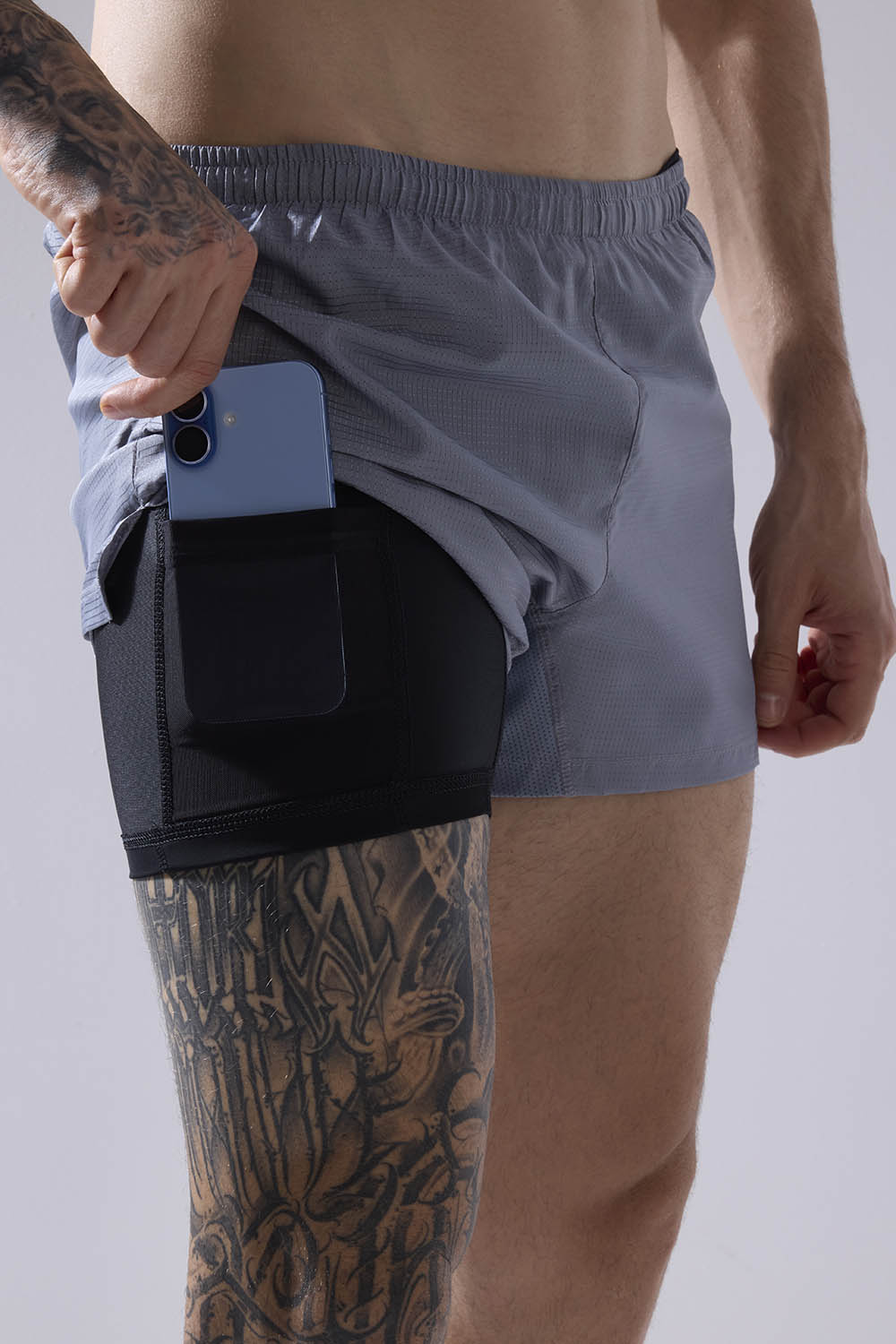
Tired of gear that slows you down? Chafing, soggy fabrics, and missing pockets kill your run's momentum. At Aguante, we're runners who get it. Our high-performance activewear features moisture-wicking fabrics, ergonomic designs, and smart storage to keep you focused. Shop Now!
Understanding Recovery Wear
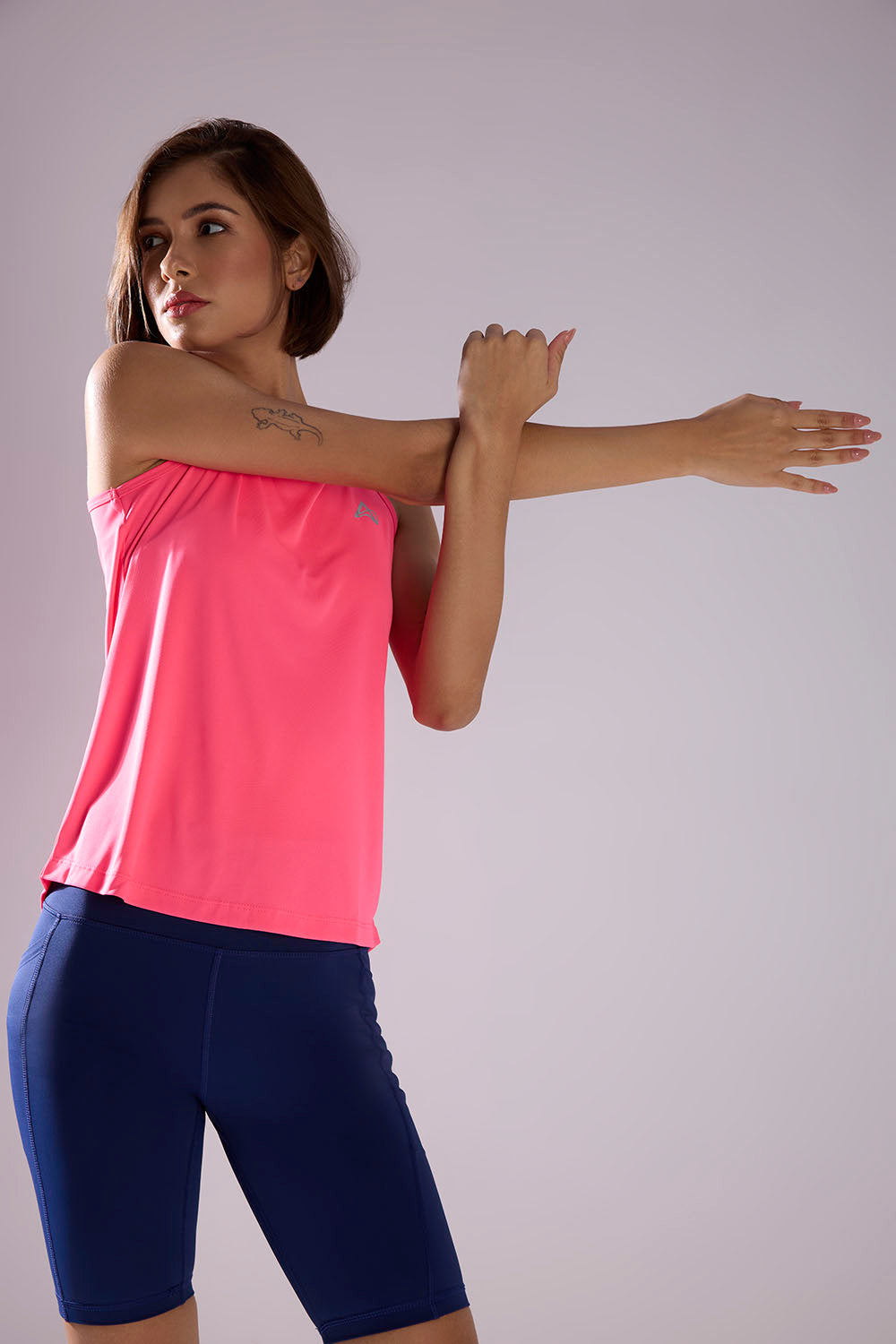
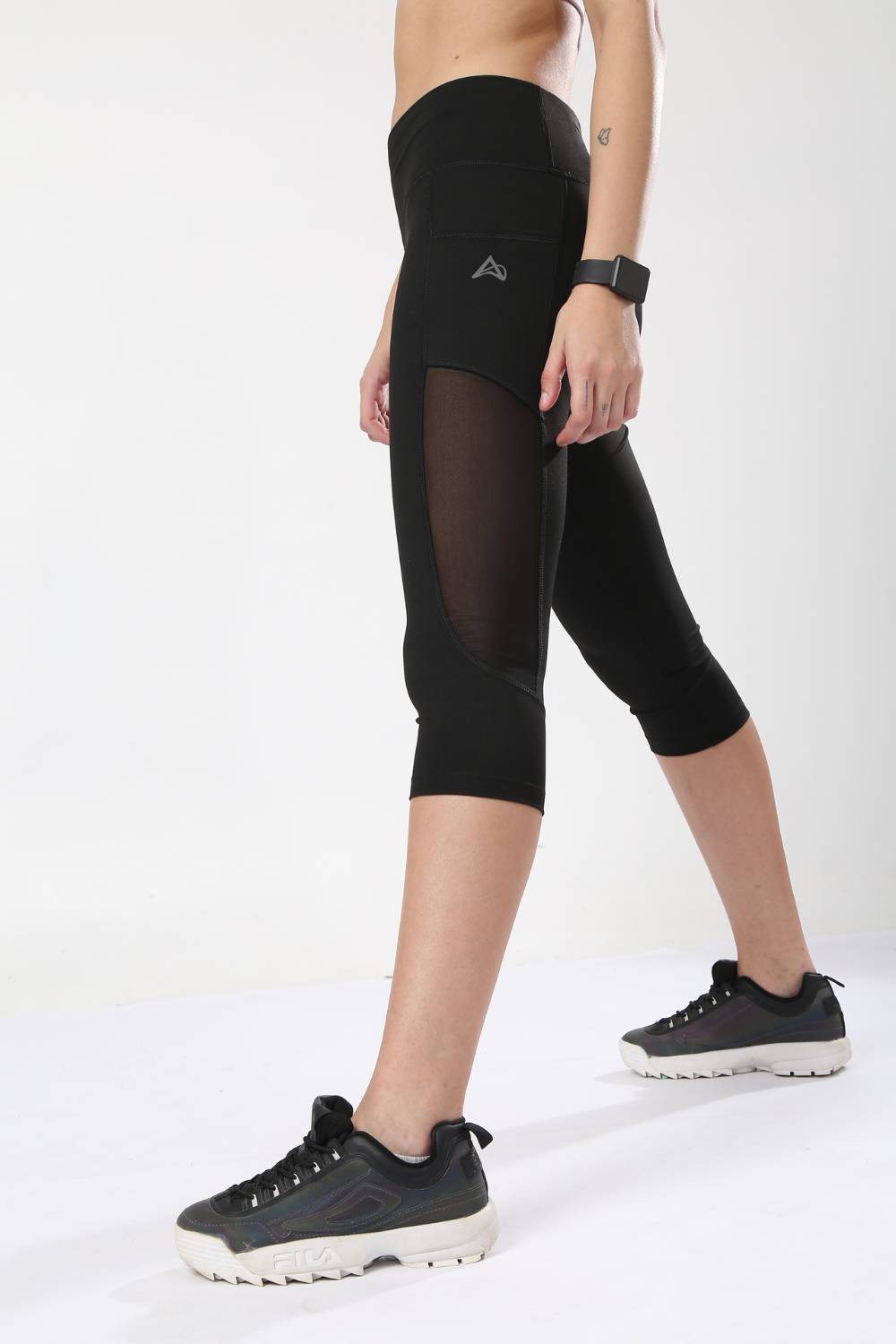
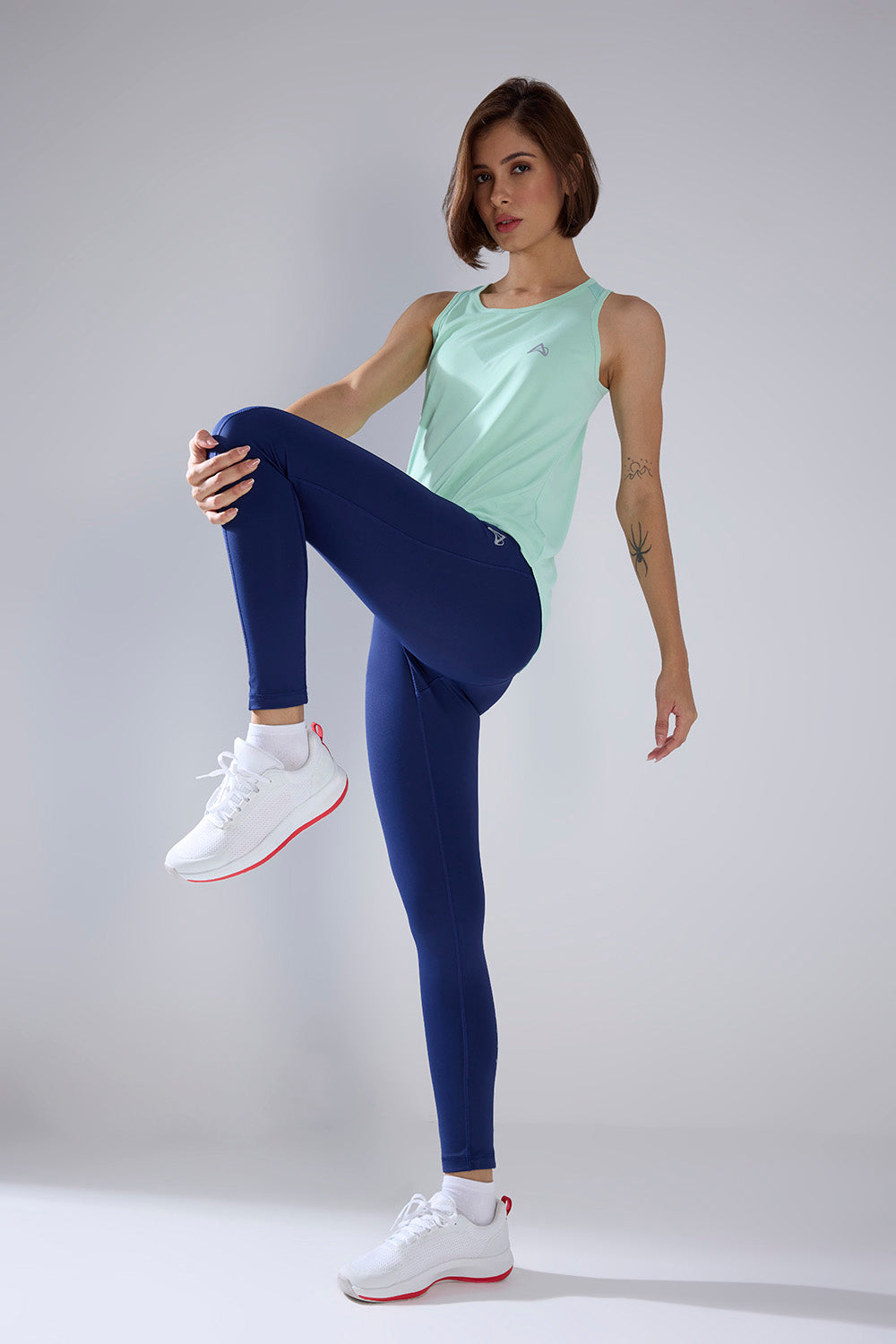
Recovery wear, often referred to as post-workout recovery apparel or compression recovery garments, is designed to facilitate muscle repair, reduce fatigue, and improve circulation following strenuous exercise. Unlike conventional sportswear, these garments incorporate targeted compression zones, moisture-wicking fabrics, and ergonomically engineered panels that support muscle groups prone to stress during training. In cities like Bangalore and Pune, local runners and fitness clubs have adopted these garments not only for aesthetic appeal but for their perceived performance advantages, making recovery wear a staple in modern athletic routines.
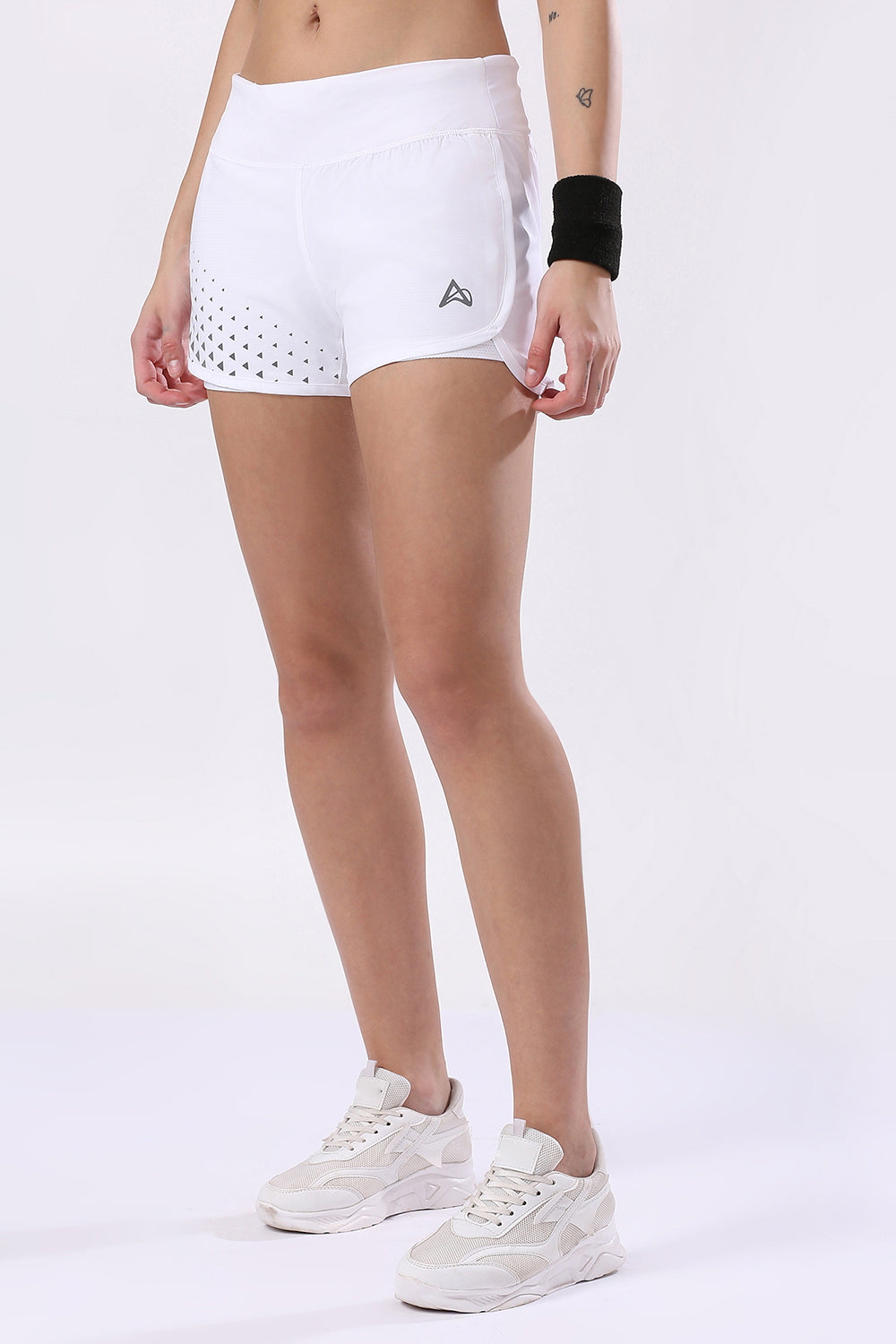
From an industry perspective, the role of recovery wear in training has evolved beyond niche sports markets to become mainstream. Retailers specializing in activewear, such as those operating in Hyderabad and Mumbai, are increasingly offering a diverse range of recovery-focused clothing, from calf sleeves and leggings to full-body recovery suits. These products cater to a spectrum of athletes, from casual runners to competitive triathletes, highlighting a shift towards recovery-conscious apparel strategies that align with broader trends in performance optimization.
Physiological Benefits of Recovery Clothing
Recovery wear primarily leverages compression technology to support circulatory function. By applying graduated pressure across targeted muscle groups, these garments enhance venous return, potentially reducing the accumulation of metabolic waste products such as lactic acid. This mechanism is particularly relevant for endurance athletes in cities like Delhi and Gurugram, where high-intensity interval training and long-distance runs are common in both professional and recreational contexts. Improved circulation can contribute to faster recovery timelines, enabling athletes to maintain training frequency without prolonged downtime.
Additionally, recovery wear can help manage post-exercise inflammation and muscle soreness. For instance, in Mumbai, local marathon participants have reported integrating compression socks and leggings into their post-run routines to alleviate calf and quadriceps fatigue. While individual responses vary, these garments provide a structured approach to mitigating discomfort, facilitating a smoother transition from exertion to recovery, and supporting overall training consistency.
Integrating Recovery Wear into Training Routines
Successful integration of recovery clothing into athletic programs requires strategic consideration of timing, duration, and garment selection. Experts in Pune and Hyderabad recommend wearing compression recovery garments immediately after high-intensity sessions for periods ranging from 30 minutes to several hours, depending on the workout intensity and athlete's recovery needs. This post-activity window is critical for optimizing circulation, reducing soreness, and enhancing perceived comfort.
Beyond post-workout use, some athletes adopt recovery wear during travel or sedentary periods to counteract the negative effects of prolonged sitting or long-distance transportation. In cities like Delhi and Ahmedabad, where commuting times can be substantial, wearing compression socks or sleeves during travel helps maintain leg circulation, which can indirectly support muscle recovery and reduce the risk of stiffness or discomfort after intense training sessions.
Consumer Behavior and Preferences
Research from local retail insights in Mumbai and Navi Mumbai indicates that consumers increasingly prioritize functional benefits over aesthetic appeal when selecting recovery wear. Factors such as fabric breathability, compression gradient, ease of laundering, and compatibility with existing sportswear are key drivers of purchase decisions. Many runners and fitness enthusiasts in these regions report trial-and-error approaches to identify products that best align with their personal recovery routines and comfort preferences.
Interestingly, adoption of recovery clothing also correlates with awareness of scientific training principles. Athletes in Bangalore and Pune who follow structured training plans are more likely to invest in compression recovery garments and monitor their recovery outcomes. This behavioral trend underscores the intersection of informed consumer choices and the rising emphasis on evidence-based recovery strategies in urban Indian contexts.
Practical Applications and Use Cases
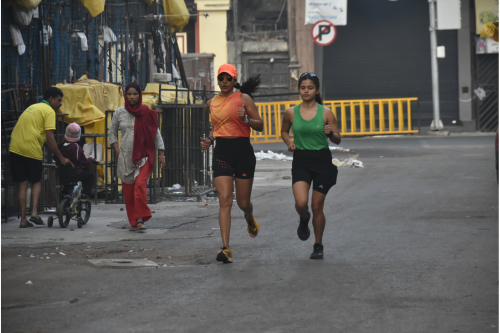
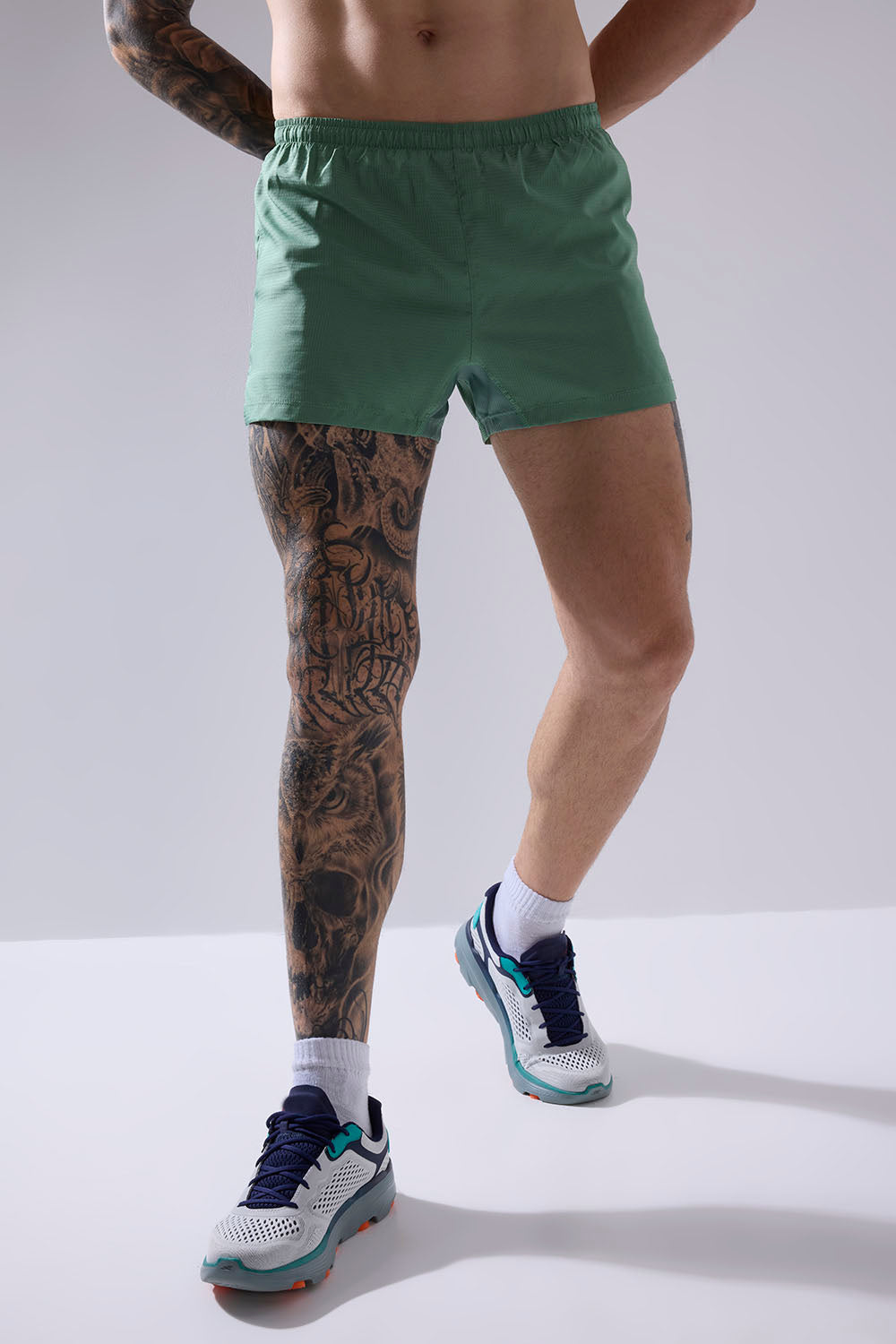
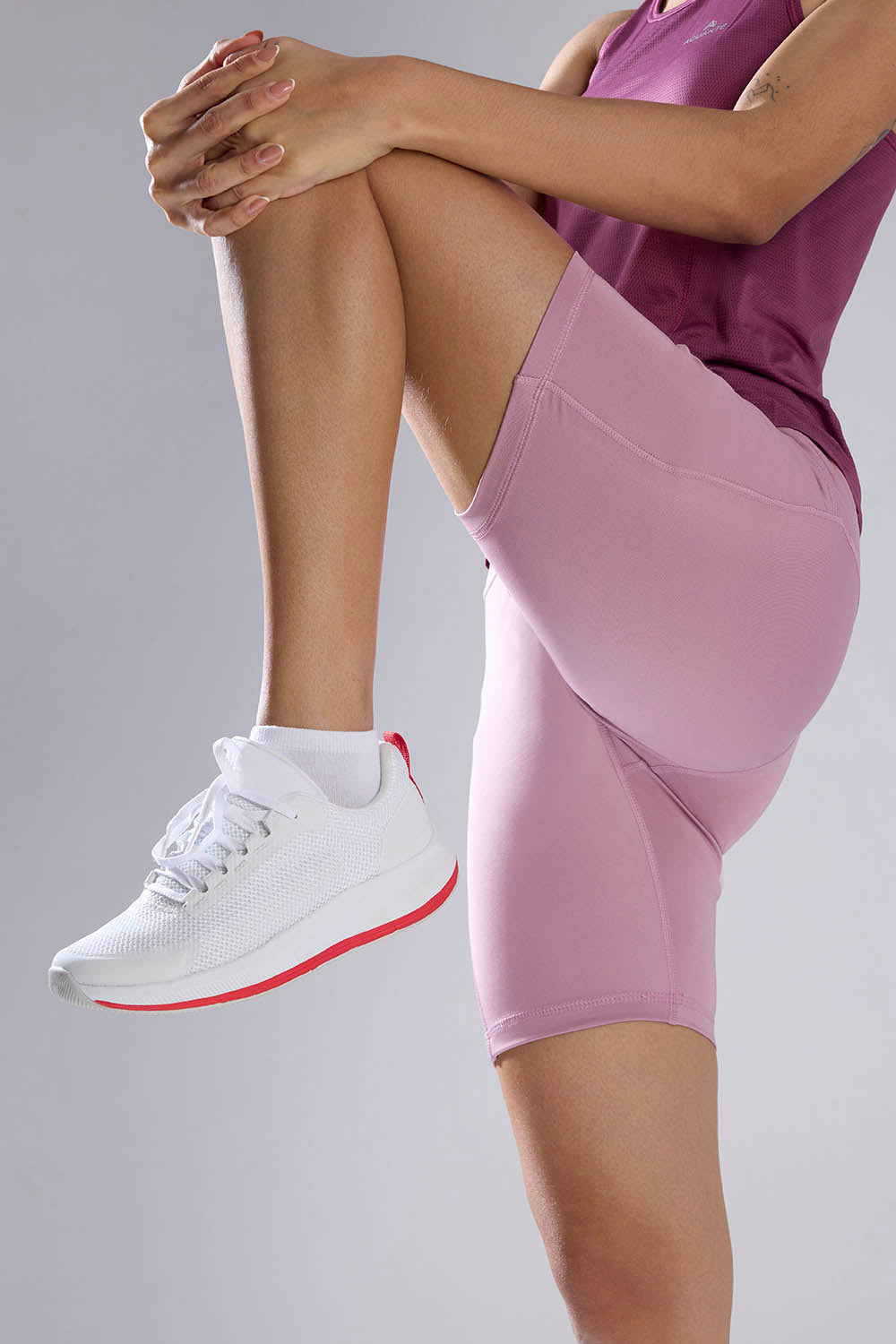
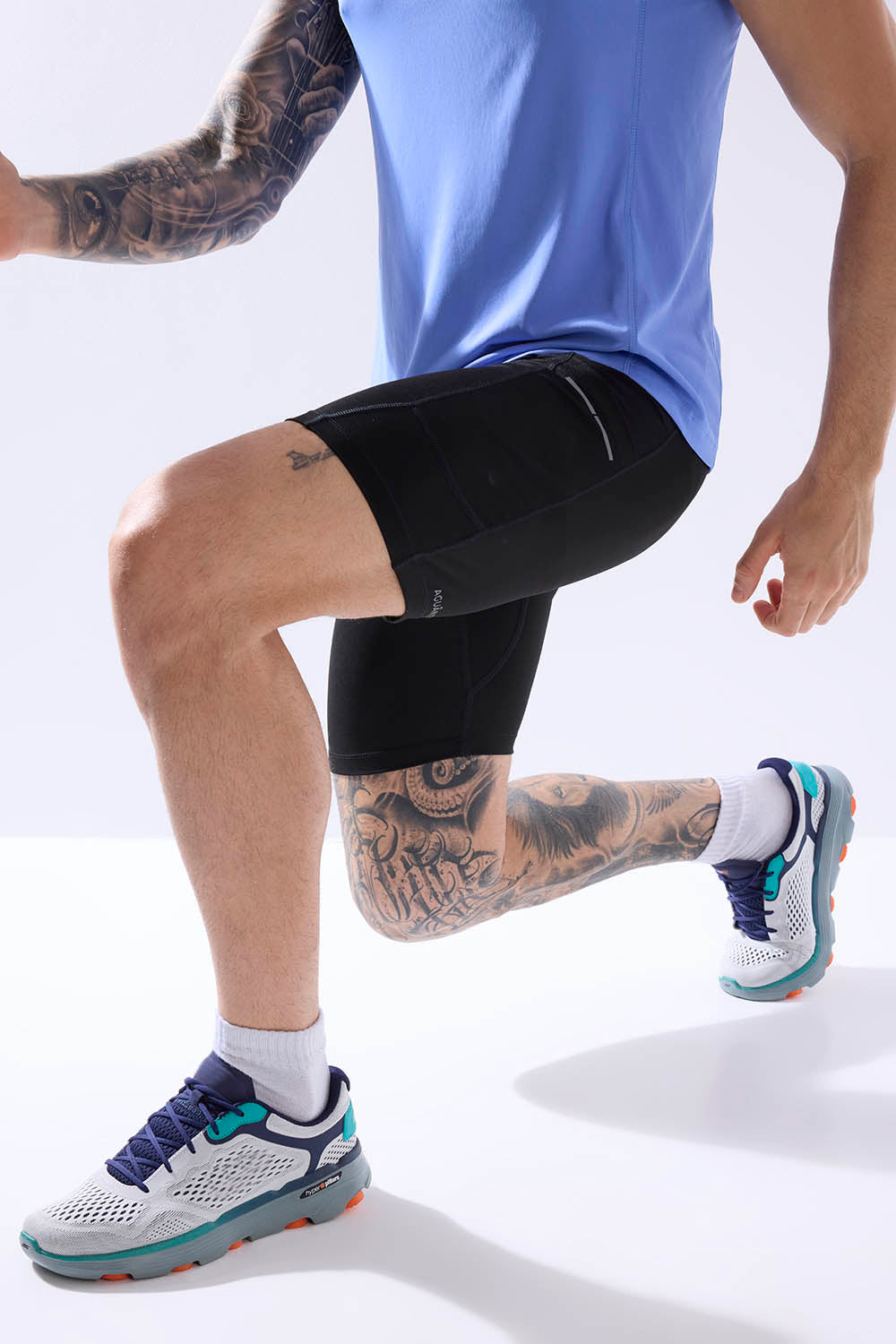
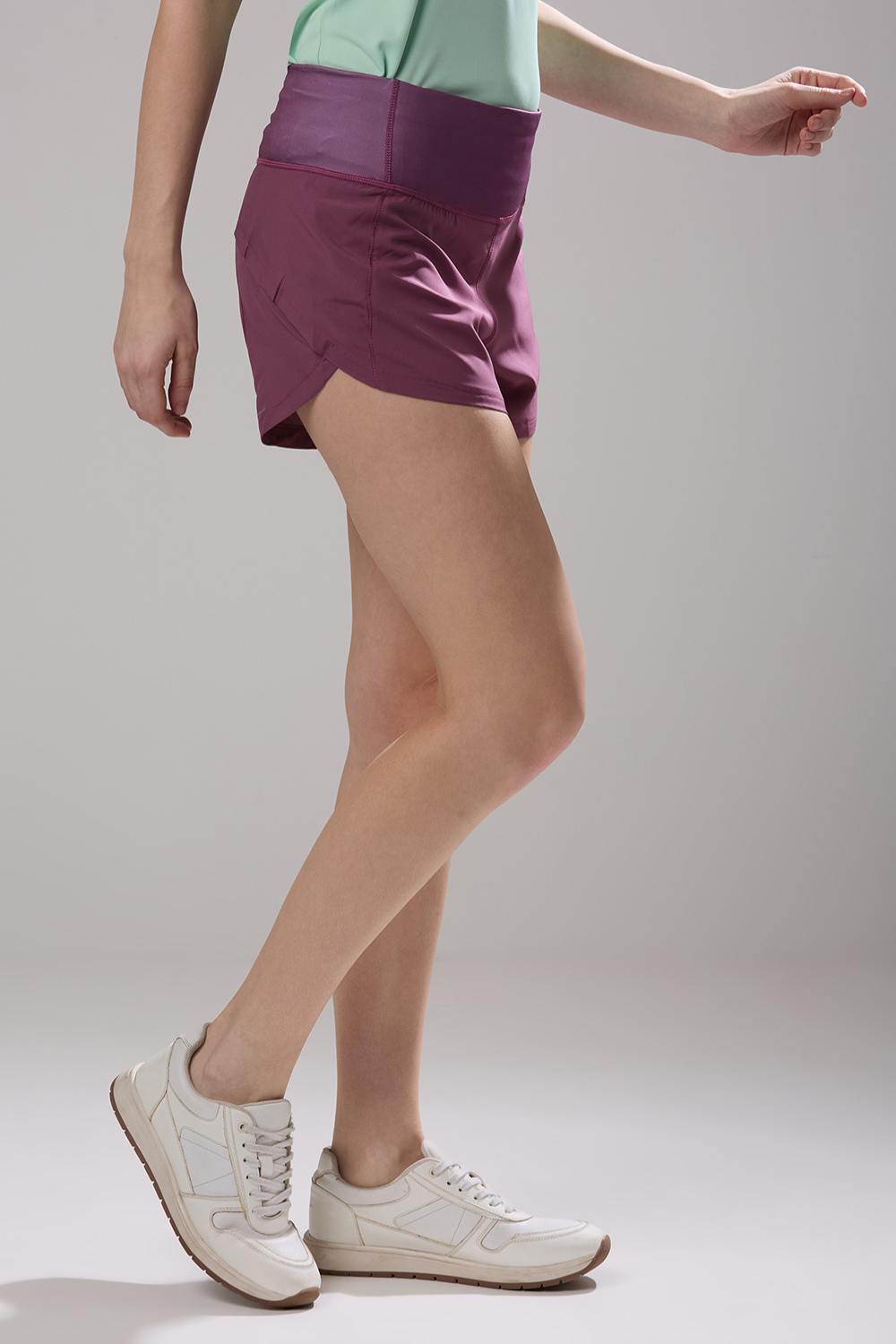
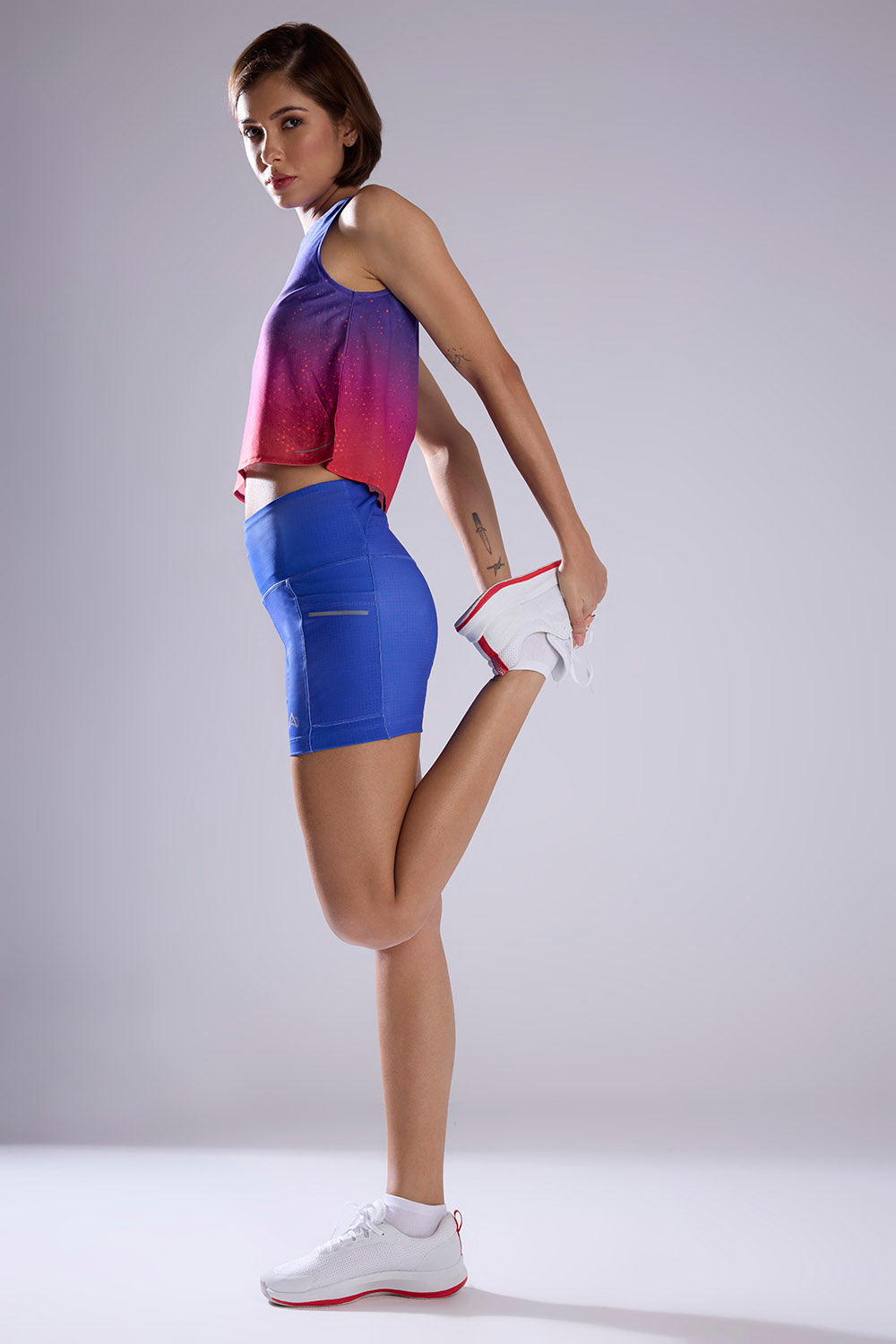
Several practical scenarios illustrate how recovery wear supports modern training regimens. For example, a recreational runner in Gurugram completing a 10K evening run may transition into compression leggings during the cooldown period to aid in leg muscle recovery. Similarly, a triathlete in Hyderabad may use calf sleeves and recovery shorts after swim-bike-run sessions to enhance circulation and reduce perceived fatigue across multiple muscle groups. These use cases highlight that recovery wear is not a mere accessory but a functional tool integrated within daily training cycles.
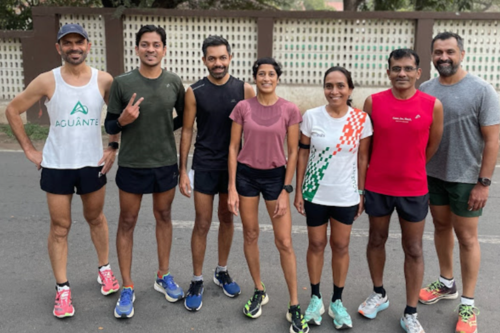
Fitness studios and running clubs in Mumbai and Delhi have also begun incorporating recovery apparel education into member programming. Workshops and post-run demonstrations educate participants on garment selection, fit, and timing, fostering informed practices that maximize the physiological and comfort benefits of recovery clothing. This experiential approach reinforces the practical relevance of recovery wear beyond marketing claims.
Technological Innovations in Recovery Wear
Recent innovations in textile technology have enhanced the functionality of recovery garments. Advanced fabrics now integrate moisture management, thermoregulation, and biomechanical support, adapting dynamically to post-exercise physiological needs. For athletes in Pune and Bangalore, this translates into garments that maintain optimal skin temperature, wick sweat efficiently, and provide targeted muscle support simultaneously. These innovations demonstrate a commitment by performance apparel brands to fuse science, comfort, and usability within recovery-focused products.
Brands specializing in activewear are also exploring smart textiles embedded with sensors that provide feedback on muscle activation and circulation. While adoption remains in early stages in markets like Mumbai and Delhi, these developments signal a potential future where recovery wear not only supports but actively monitors and informs post-training strategies. The convergence of apparel technology and athletic science promises to reshape conventional recovery paradigms, particularly for performance-focused athletes.
Strategic Considerations for Athletes
Incorporating recovery wear into training requires an evidence-informed approach. Athletes should select garments suited to their sport, intensity, and personal physiology. For runners and endurance athletes in Hyderabad and Ahmedabad, ensuring correct sizing, compression level, and fabric breathability is critical to achieving intended benefits. Misaligned compression or poorly fitted garments may compromise comfort or even restrict movement, counteracting the purpose of recovery-focused apparel.
Additionally, recovery wear should complement, not replace, other recovery strategies such as hydration, nutrition, mobility work, and sleep optimization. In Delhi and Gurugram, trainers emphasize a holistic approach, combining scientifically grounded recovery protocols with recovery wear integration. By positioning garments as one element of a comprehensive recovery ecosystem, athletes can optimize performance outcomes while reducing risk of overtraining and injury.
The Growing Role of Recovery Apparel
Recovery wear has emerged as a vital component of contemporary training routines across the United States, Canada, and Europe, offering functional benefits that extend beyond traditional athletic apparel. From enhancing circulation and reducing muscle fatigue to supporting comfort during travel and sedentary periods, these garments are increasingly valued by runners, endurance athletes, and fitness enthusiasts seeking optimized post-workout recovery. By strategically selecting and integrating recovery clothing into their routines, athletes can complement broader training practices, fostering consistency, performance, and long-term wellness. As innovation in textiles and garment design continues, the role of recovery wear is poised to expand further, reinforcing its position as an indispensable tool for modern athletic lifestyles.
Furthermore, the market's recognition of recovery wear aligns with broader consumer trends emphasizing functional performance, scientific training methods, and practical comfort. In cities like Mumbai, Bangalore, and Pune, the integration of recovery clothing into local training ecosystems illustrates the tangible benefits of thoughtful apparel choices, demonstrating how recovery wear bridges the gap between innovation, physiology, and daily training realities. The future of athletic recovery may well be woven into the garments athletes choose, offering both measurable support and experiential confidence on the path to peak performance.
Across urban centers in India and global target markets, the adoption of recovery wear reflects an evolving mindset where strategic recovery is as important as the workout itself. By leveraging the insights, use cases, and innovations highlighted, athletes can make informed choices that enhance their training experience, improve comfort, and sustain long-term performance trajectories.
As noted in the verified research, the global reflective running gear market demonstrates a broader consumer focus on safety and functional apparel, illustrating the growing appetite for specialized, performance-oriented clothing that supports modern training routines.
Frequently Asked Questions
What are the main benefits of wearing recovery wear after a workout?
Recovery wear uses compression technology to enhance blood circulation and support venous return, which helps flush out metabolic waste products like lactic acid from muscles. This can reduce post-exercise soreness and inflammation, particularly in high-use muscle groups like calves and quadriceps. When worn immediately after intense sessions, recovery garments support faster recovery timelines and help athletes maintain consistent training frequency.
How long should you wear compression recovery garments after exercise?
Experts generally recommend wearing compression recovery garments immediately after high-intensity sessions for anywhere from 30 minutes to several hours, depending on workout intensity and individual recovery needs. Beyond post-workout use, athletes can also benefit from wearing compression socks or sleeves during travel or prolonged sitting, as this helps maintain leg circulation and reduces stiffness between training sessions.
What should you look for when choosing the right recovery wear?
When selecting recovery wear, prioritize correct sizing, appropriate compression level, and breathable, moisture-wicking fabrics suited to your sport and physiology. Poorly fitted or misaligned compression garments can restrict movement and undermine recovery benefits. Look for garments with targeted compression zones, easy care instructions, and compatibility with your existing sportswear and remember that recovery wear works best as part of a broader recovery strategy that includes hydration, nutrition, sleep, and mobility work.
Disclaimer: The above helpful resources content contains personal opinions and experiences. The information provided is for general knowledge and does not constitute professional advice.
You may also be interested in: The Role of Lightweight Activewear in Improving Running Times
Tired of gear that slows you down? Chafing, soggy fabrics, and missing pockets kill your run's momentum. At Aguante, we're runners who get it. Our high-performance activewear features moisture-wicking fabrics, ergonomic designs, and smart storage to keep you focused. Shop Now!
Powered by flareAI.co