












Quick Listen:
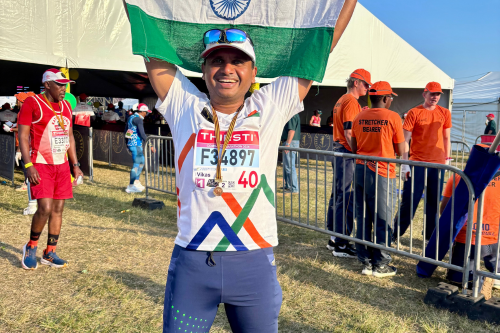
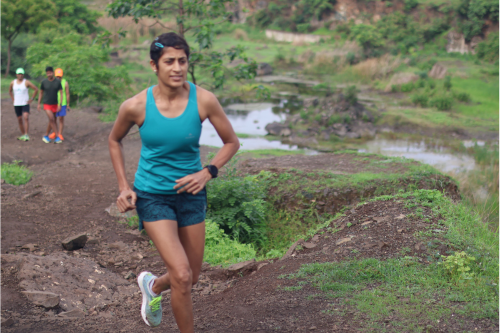
In the early morning haze of Mumbai's bustling streets, thousands of feet pound the pavement, a symphony of determination echoing against the backdrop of the Arabian Sea. This isn't just a race it's a movement. As India's urban landscapes transform into arenas for endurance, the running community is exploding, fueled by a surge in major marathons that draw crowds like never before. For the activewear and performance apparel sector, this boom spells opportunity, with demand for gear tailored to India's unique climate soaring.From the humid tracks of Hyderabad to the historic routes of Delhi, India's passion for running is reshaping lifestyles and economies alike.
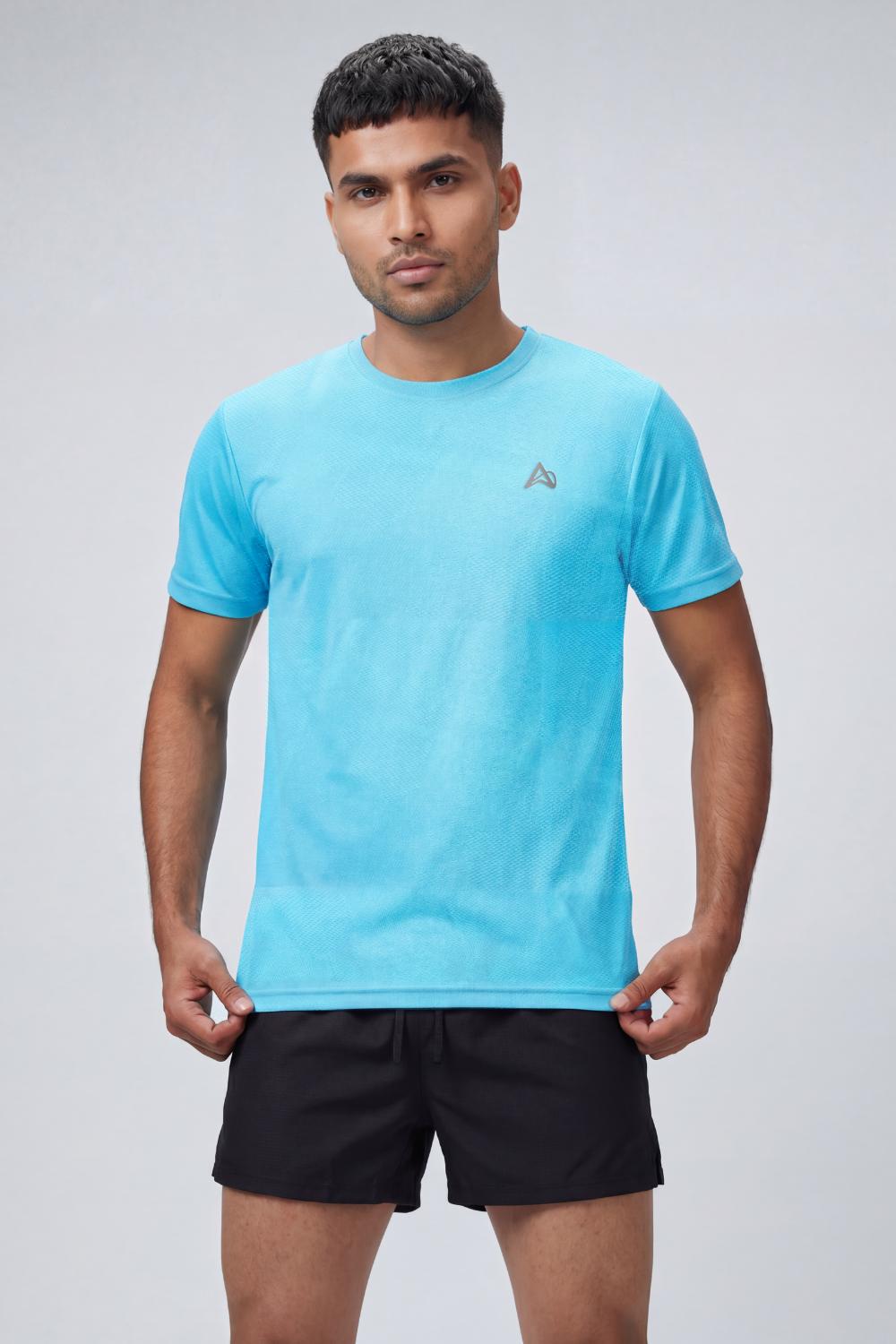
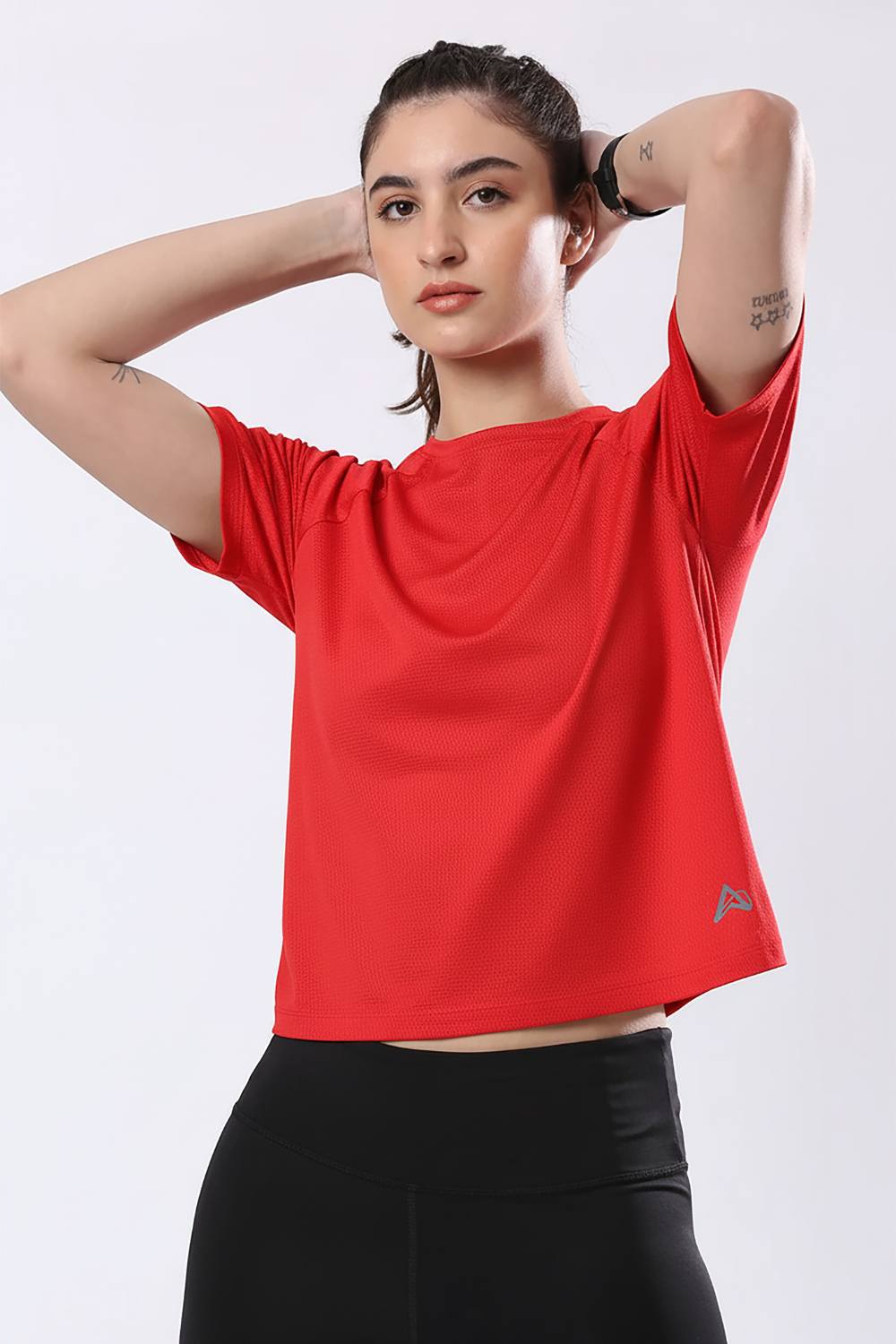
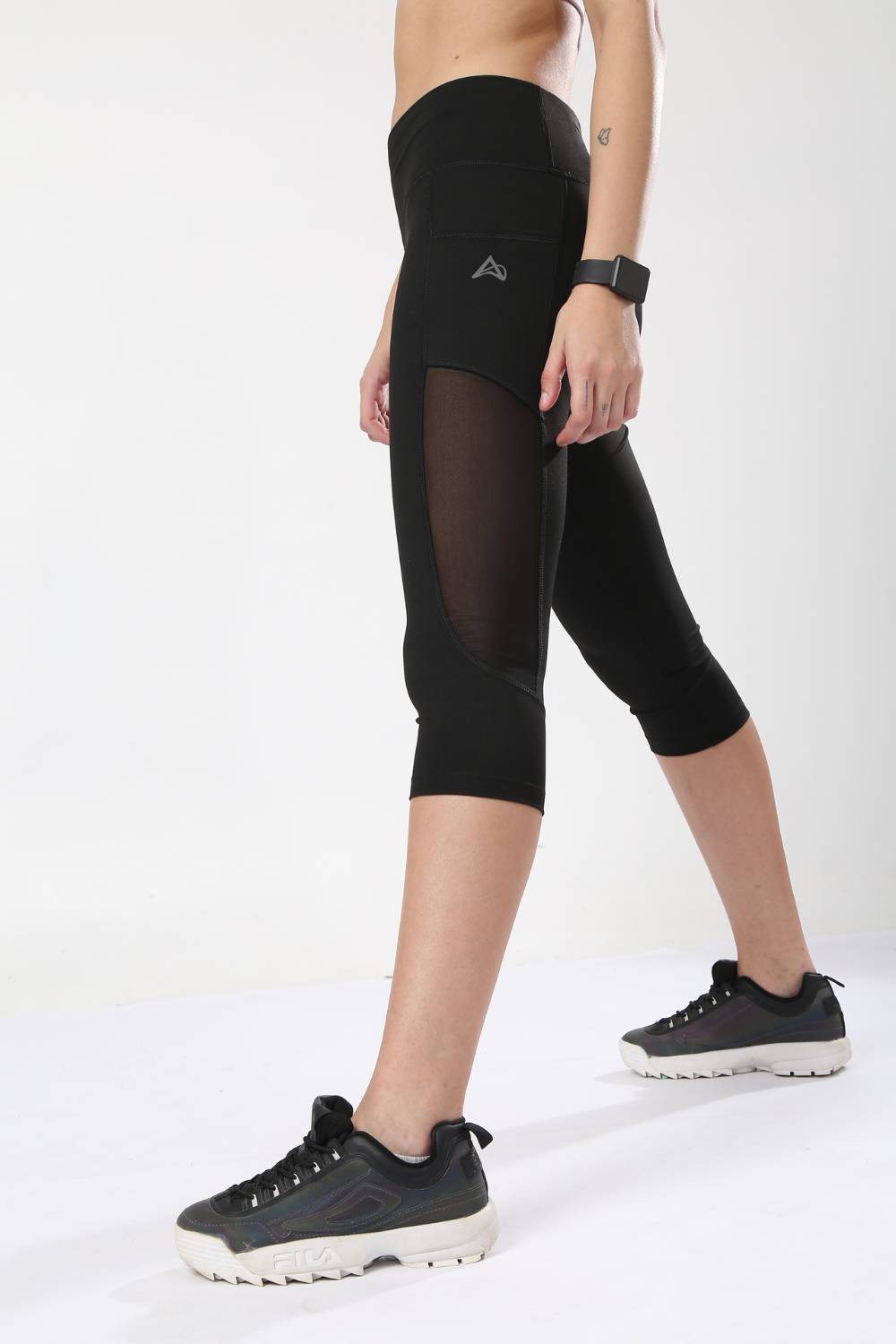
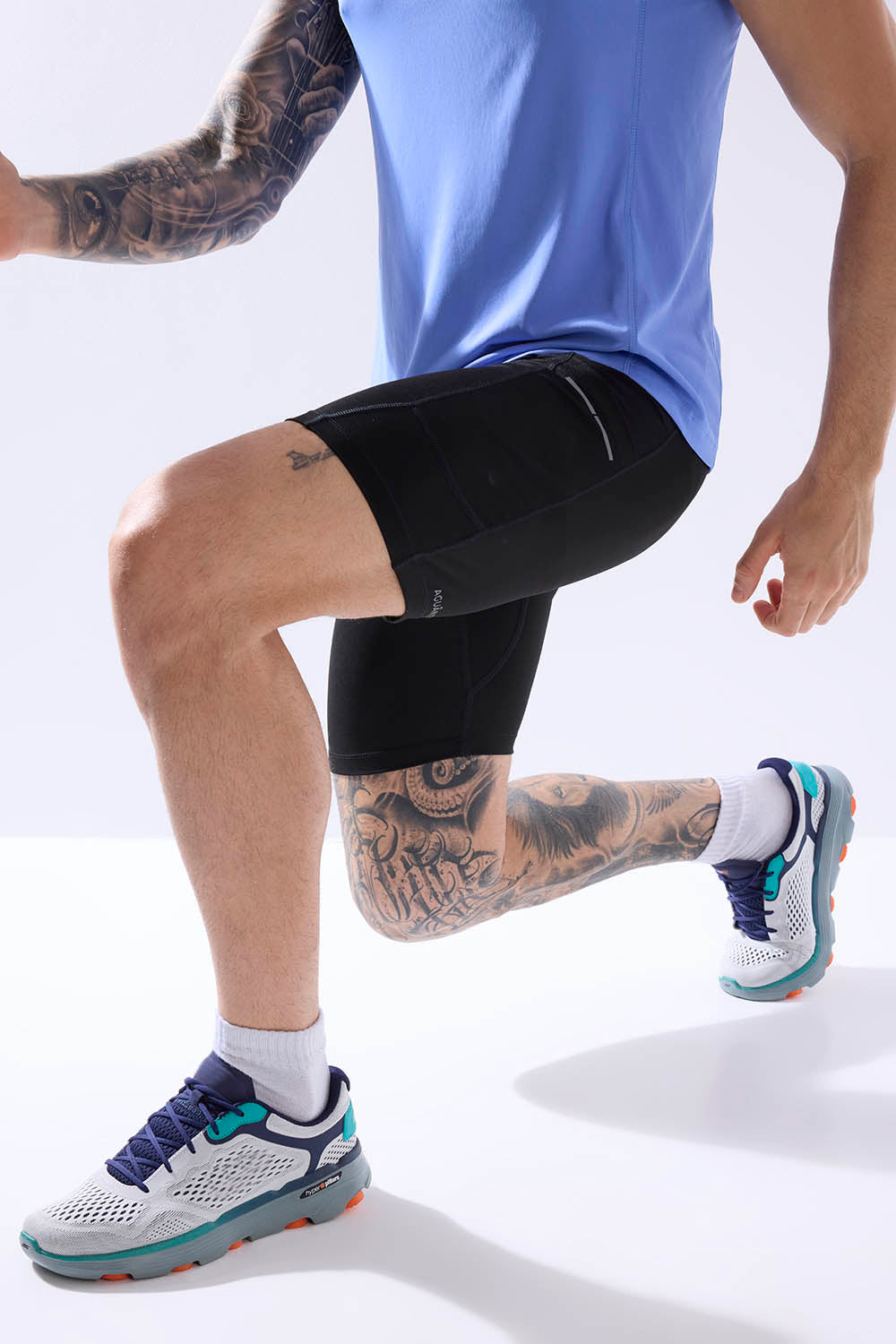
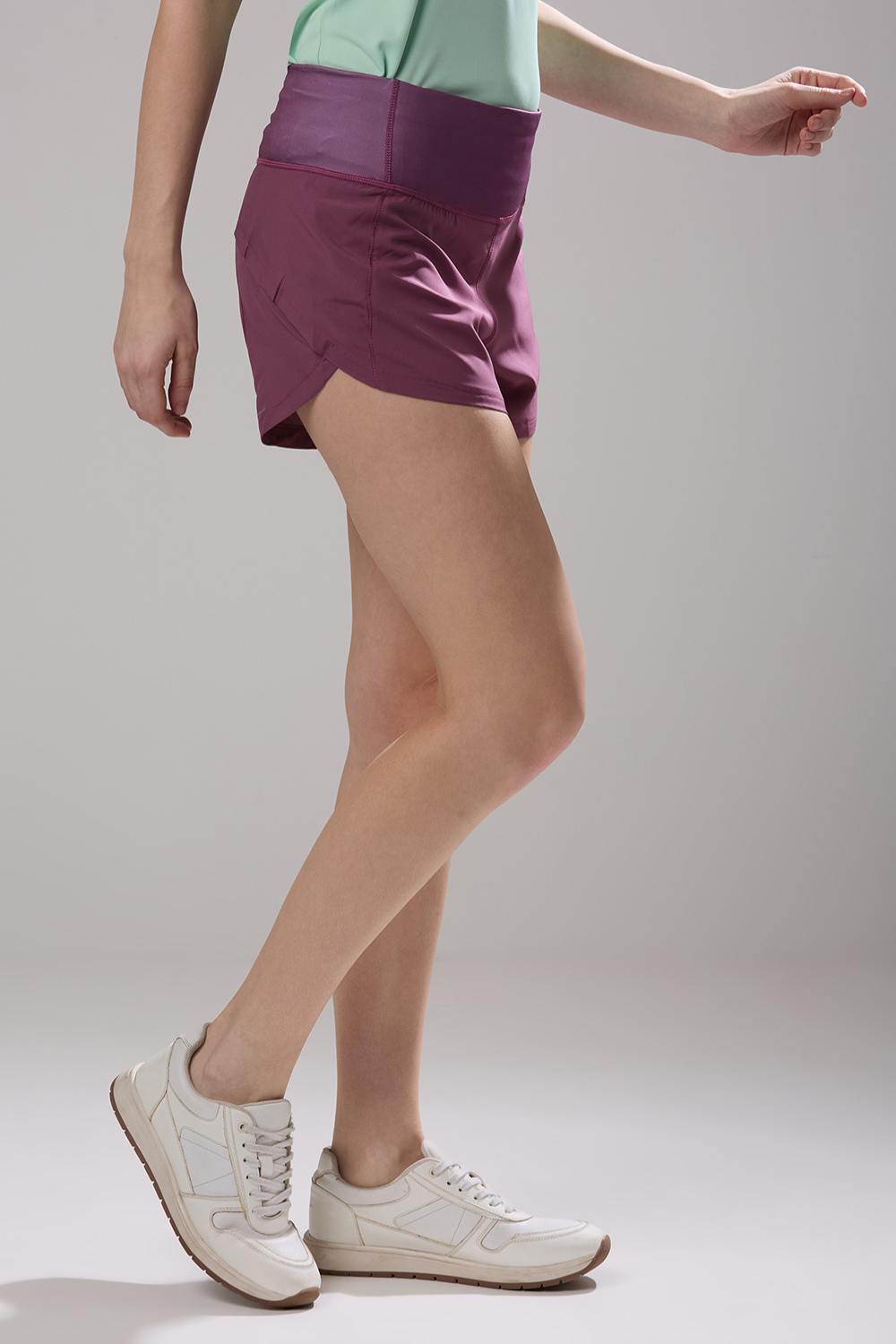
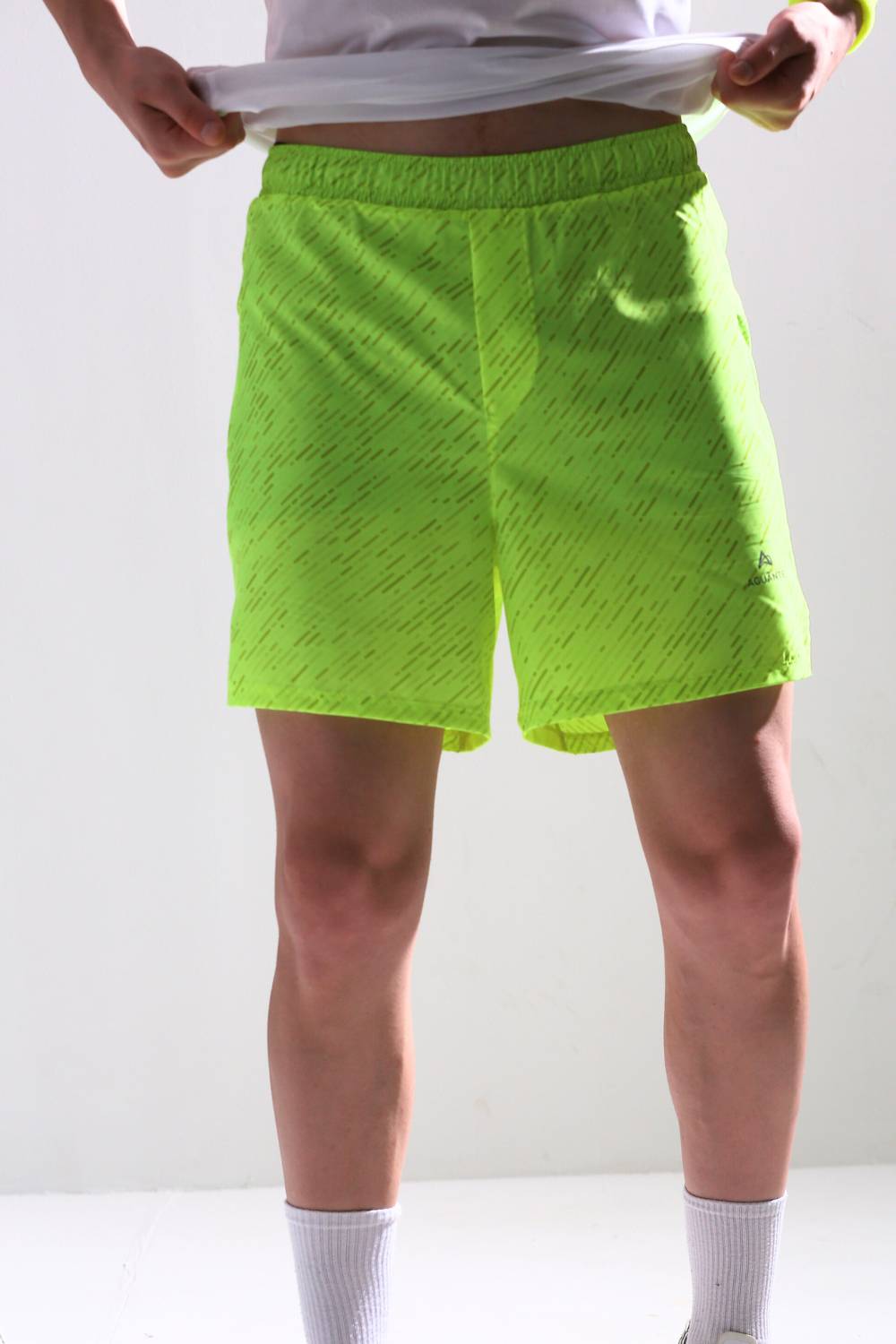
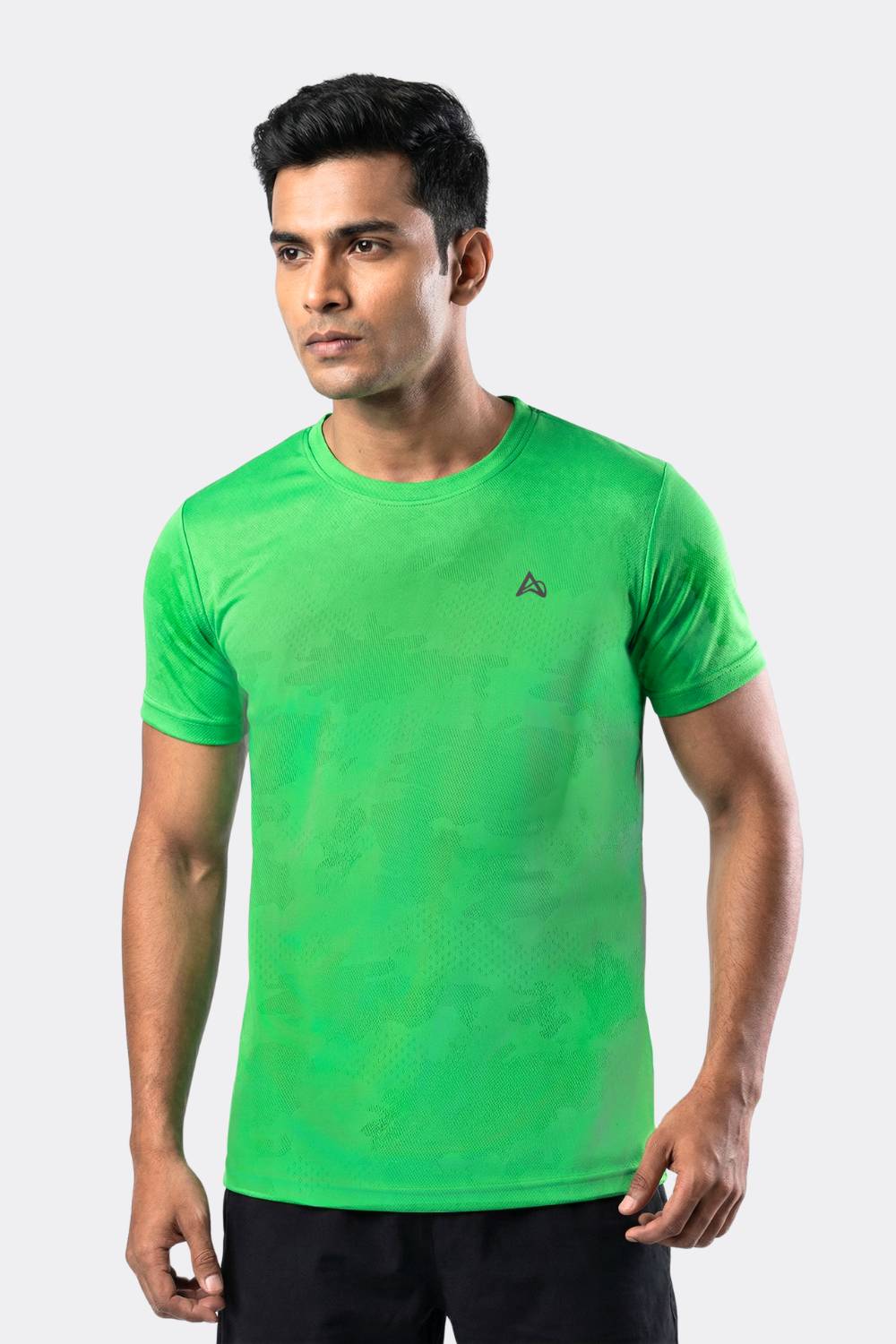
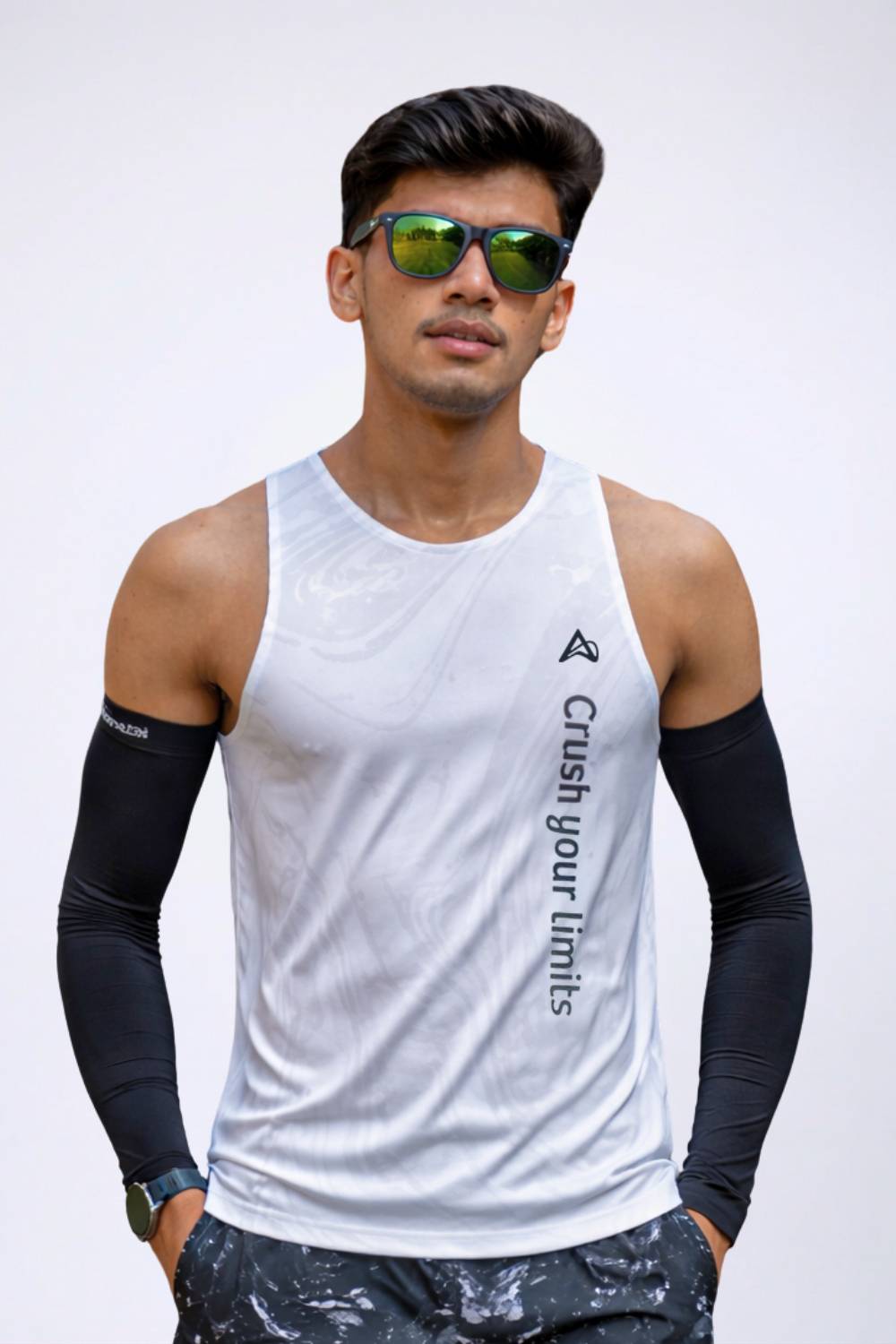
Tired of gear that slows you down? Chafing, soggy fabrics, and missing pockets kill your run's momentum. At Aguante, we're runners who get it. Our high-performance activewear features moisture-wicking fabrics, ergonomic designs, and smart storage to keep you focused. Shop Now!
The Pulse of a Nation on the Run
India's streets are alive with the rhythm of runners. What began as niche gatherings has evolved into a nationwide phenomenon, with marathons and running events attracting record numbers year after year. This surge is no coincidence it's propelled by heightened health awareness, rapid urbanization, and the growing appeal of community-driven fitness. In the activewear and performance apparel retail sector, this shift is creating a robust market for specialized gear.
According to the IMARC Group, the India running gear market reached USD 2.4 Billion in 2024 and is projected to reach USD 4.8 Billion by 2033, growing at a CAGR of 7.71% during 2026-2033. Key drivers include increasing participation in fitness activities, the proliferation of marathons and local races, expanding disposable incomes, and e-commerce growth. The market is regionally divided, with North India (including Delhi and Gurugram), West and Central India (Mumbai, Pune, Navi Mumbai, Surat, Ahmedabad), and South India (Bangalore, Hyderabad) leading the charge as participation in recreational running surges.
As more Indians embrace these events, brands are responding with breathable, moisture-wicking fabrics engineered for the country's heat, humidity, and varied terrain. This isn't merely about staying active; it's a profound cultural shift toward wellness, with marathons acting as powerful catalysts.
Emerging Trends and Recent Developments
The post-pandemic rebound in running has been remarkable. Deep Market Insights places the India Sports Events Market at USD 18,575.37 Million in 2024, with expectations to reach USD 33,625.8 Million by 2033 at a CAGR of 6.86% from 2026 onward. Local and amateur events are poised for the highest growth, reflecting the grassroots enthusiasm sweeping urban centers.
In Mumbai, the Tata Mumbai Marathon continues its dominance, with preparations for future editions highlighting over 65,000 participants in recent cycles and projections pushing toward 69,000+. This growth traces back from modest beginnings in 2004 with around 22,000 runners.
Bangalore's TCS World 10K Bengaluru saw strong momentum in 2026, with the Open 10K category recording over 16,000 finishers a 21.5% increase from the previous year.
Hyderabad's NMDC Hyderabad Marathon achieved a record turnout of 28,300 participants in 2025, up dramatically from just 1,250 in its 2011 debut, solidifying its status as one of India's largest community events.
Delhi's Vedanta Delhi Half Marathon drew over 40,000 participants in 2025, including strong numbers in the half marathon and related categories, emphasizing inclusivity.
Ahmedabad's Adani Ahmedabad Marathon set a new benchmark with more than 24,000 participants in 2025, its biggest edition yet. Pune's International Marathon, in its 39th year, continues to attract thousands, blending tradition with expanding appeal.
Events in Gurugram, such as youth-focused runs, and Surat's community initiatives add to the momentum across these key regions. Broader trends show rising female participation, first-timers, virtual options, and philanthropy, with events raising significant funds for social causes.
Real-World Examples, Applications, and Case Studies
Consider the Tata Mumbai Marathon Asia's premier participation event. In 2026, it generated a socio-economic impact of Rs 530.59 crore for the city, according to reports from the Indian Institute of Sports Management and Procam International. Brand Finance estimates similar events, including Mumbai's contribution of around USD 57 million to the local economy, while Bengaluru's stands at USD 8 million, highlighting boosts to tourism, hospitality, and retail.
Hyderabad's 2026 edition featured athletes from multiple countries and raised Rs 1.4 crore for charities, drawing runners from over 150 Indian cities.
Delhi's event promotes community health through inclusive categories, with thousands engaging in mass runs. Ahmedabad honored soldiers with over 4,000 military personnel participating, reinforcing themes of unity and respect.
Pune's marathon revamps routes to welcome international athletes, while Gurugram and Navi Mumbai runs focus on youth and anti-drug initiatives. These examples illustrate how marathons transcend competition they serve as platforms for social impact, economic stimulus, and cultural bonding across Bangalore to Surat.
Key Challenges, Limitations, or Risks
The rapid growth brings hurdles. Urban congestion in Mumbai and Delhi complicates route management and traffic control. Hyderabad's challenging terrain, including hilly sections, combined with humidity, contributes to higher dropout rates.
Pollution remains a concern in Gurugram and Navi Mumbai, particularly during cooler months. Organizers grapple with logistics for massive crowds providing adequate hydration, medical aid, and security for tens of thousands in Mumbai or Bangalore.
Economic factors, including entry fees and equipment costs, can exclude lower-income groups. Unpredictable weather in Pune or Ahmedabad risks heat-related issues. These challenges, however, drive progress, such as improved planning, sustainable practices, and inclusive policies.
Opportunities, Efficiencies, or Business Impacts
This expansion creates significant opportunities for the sportswear industry. The Deloitte-Google report projects India's sports market to reach USD 130 billion by 2030 at a 14% CAGR, with sporting goods and apparel growing strongly.
In West and Central India including Mumbai, Pune, Surat, and Ahmedabad brands can address the demand for locally relevant apparel. E-commerce efficiencies make high-performance gear accessible nationwide.
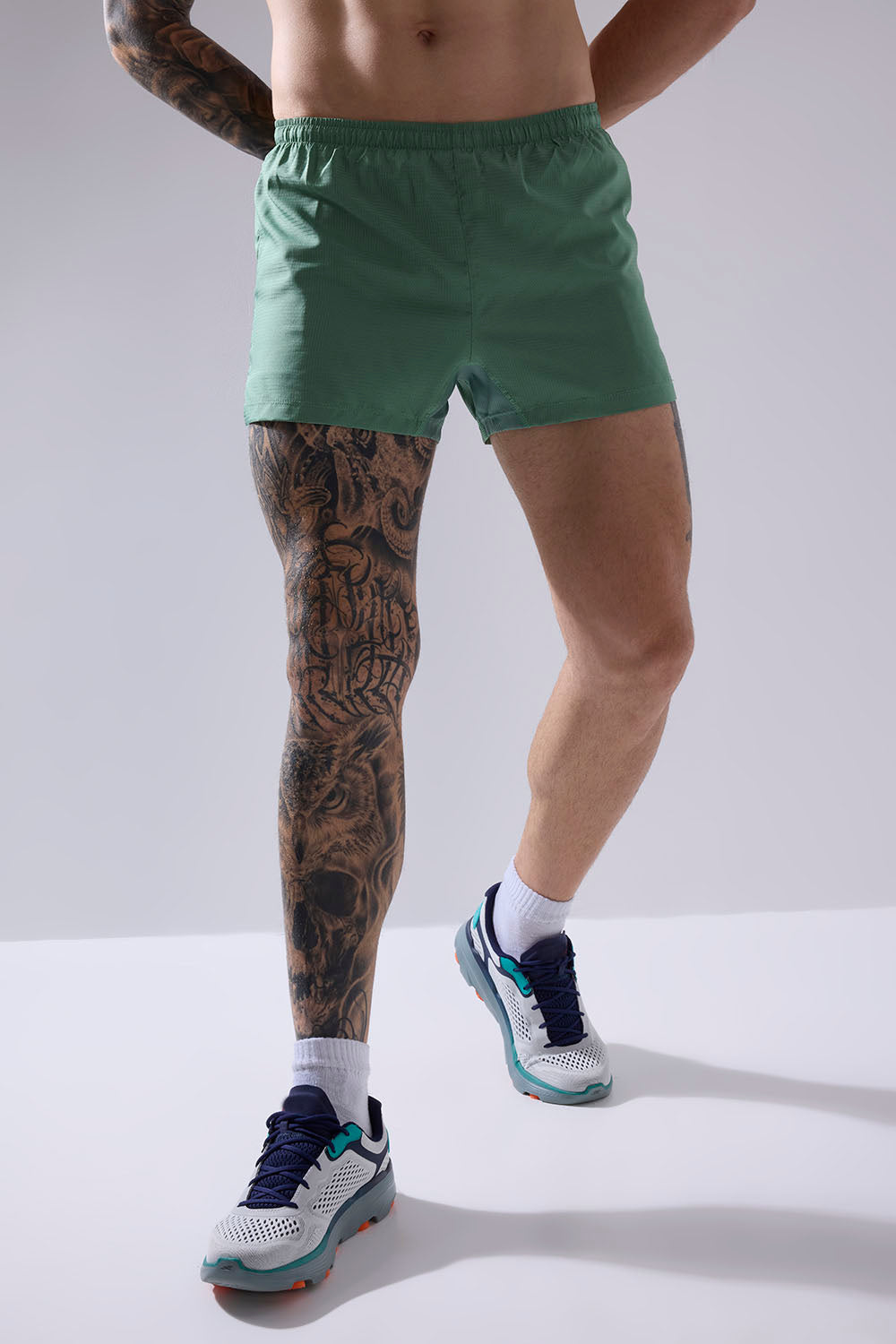
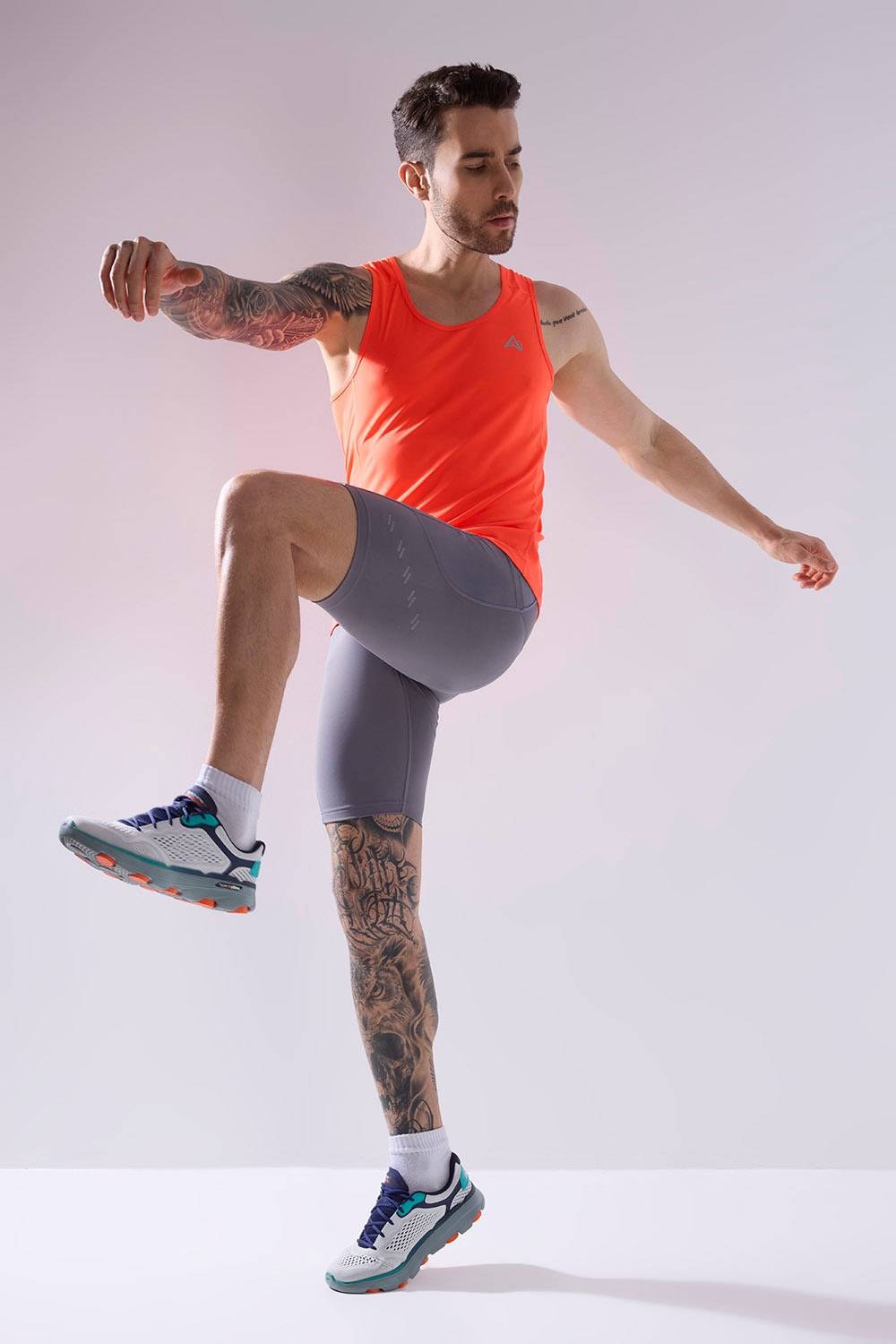
Companies like aguante.in thrive by delivering products designed specifically for Indian running conditions: heat-resistant, breathable fabrics, anti-chafing linings, secure pockets, and thoughtful reflective details all at honest prices. This approach combines local insight with global standards, enhancing retail performance.
Sponsorships from corporates in Delhi and Hyderabad amplify visibility, while partnerships with events in Gurugram or Navi Mumbai foster direct customer connections and loyalty.
Striding Toward a Fitter Future
India's running community is thriving, from Mumbai's massive crowds to Hyderabad's vibrant streets and Delhi's inclusive spirit. Organizers point to increasing inclusivity, technology integration, and health emphasis as hallmarks of this revolution. The horizon promises even larger events in Bangalore, Delhi, Pune, and Ahmedabad, potentially including ultra-distances.
For activewear retailers, the path forward is evident: prioritize gear engineered for Indian bodies and roads like Aguante's offerings to capture this momentum. Whether a veteran in Surat or a newcomer in Gurugram, this surge welcomes everyone, one determined step at a time, toward a healthier, more connected nation.
Frequently Asked Questions
How fast is India's running gear market growing?
India's running gear market reached USD 2.4 billion in 2024 and is projected to grow to USD 4.8 billion by 2033, representing a CAGR of 7.71%. This growth is driven by increasing marathon participation, rising health awareness, expanding disposable incomes, and the boom in e-commerce platforms making performance apparel more accessible nationwide.
Which are the biggest marathons in India in 2026?
The Tata Mumbai Marathon leads with over 65,000 participants, followed by the Vedanta Delhi Half Marathon with 40,000+ runners, and the NMDC Hyderabad Marathon with a record 28,300 participants. Other major events include the Adani Ahmedabad Marathon (24,000+ participants), TCS World 10K Bengaluru (16,000+ finishers in Open 10K), and Pune's International Marathon in its 39th year.
What economic impact do running events have on Indian cities?
Major marathons generate significant economic benefits for host cities. The Tata Mumbai Marathon alone created a socio-economic impact of Rs 530.59 crore (approximately USD 57 million) in 2026, boosting tourism, hospitality, and retail sectors. Similarly, Bengaluru's running events contribute around USD 8 million to the local economy, while events also raise substantial funds for charities Hyderabad's 2026 marathon raised Rs 1.4 crore for social causes.
Disclaimer: The above helpful resources content contains personal opinions and experiences. The information provided is for general knowledge and does not constitute professional advice.
You may also be interested in: How Runners Are Preparing for India's Expanding Marathon Calendar
Tired of gear that slows you down? Chafing, soggy fabrics, and missing pockets kill your run's momentum. At Aguante, we're runners who get it. Our high-performance activewear features moisture-wicking fabrics, ergonomic designs, and smart storage to keep you focused. Shop Now!
Powered by flareAI.co