






Quick Listen:
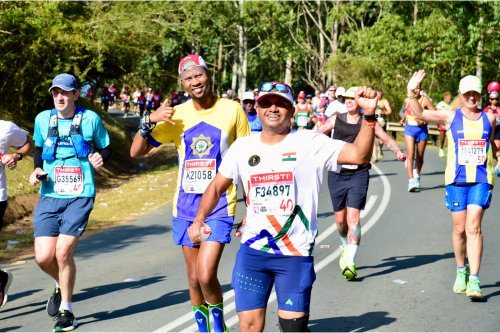
The streets of Mumbai pulsed with energy on January 18, 2026, as more than 69,000 runners transformed the city's iconic avenues into a living testament to endurance and community. From the historic start near Chhatrapati Shivaji Maharaj Terminus to the sweeping views along the Mumbai Coastal Road and Sea Link, the 21st edition of the Tata Mumbai Marathon a World Athletics Gold Label race delivered far more than finish-line euphoria. It confirmed running's evolution into a powerful, mainstream force across India's urban landscape.
Official figures released ahead of the event showed a record 69,100 participants, including over 65,400 on the ground and more than 3,700 in the virtual category. Most strikingly, 14,059 runners tackled the full 42.195 km marathon distance for the first time ever a clear sign of deepening ambition and preparation among Indian endurance athletes. Over two decades, the Tata Mumbai Marathon has pioneered mass-participation sport in the country, fostering unity, inspiration, and pride while boosting local economies through tourism, hospitality, and vendor activity, as noted by Maharashtra government officials.
This surge reflects broader trends in India's growing sports event market. While global marathon events are projected to expand from USD 1.7 billion in 2024 to USD 2.8 billion by 2032 at a 7% CAGR, India's own sports event sector demonstrates even stronger momentum, with professional events leading the charge. The Tata Mumbai Marathon stands as a flagship example, drawing participants nationwide and underscoring running's role in promoting health, wellness, and community connection.
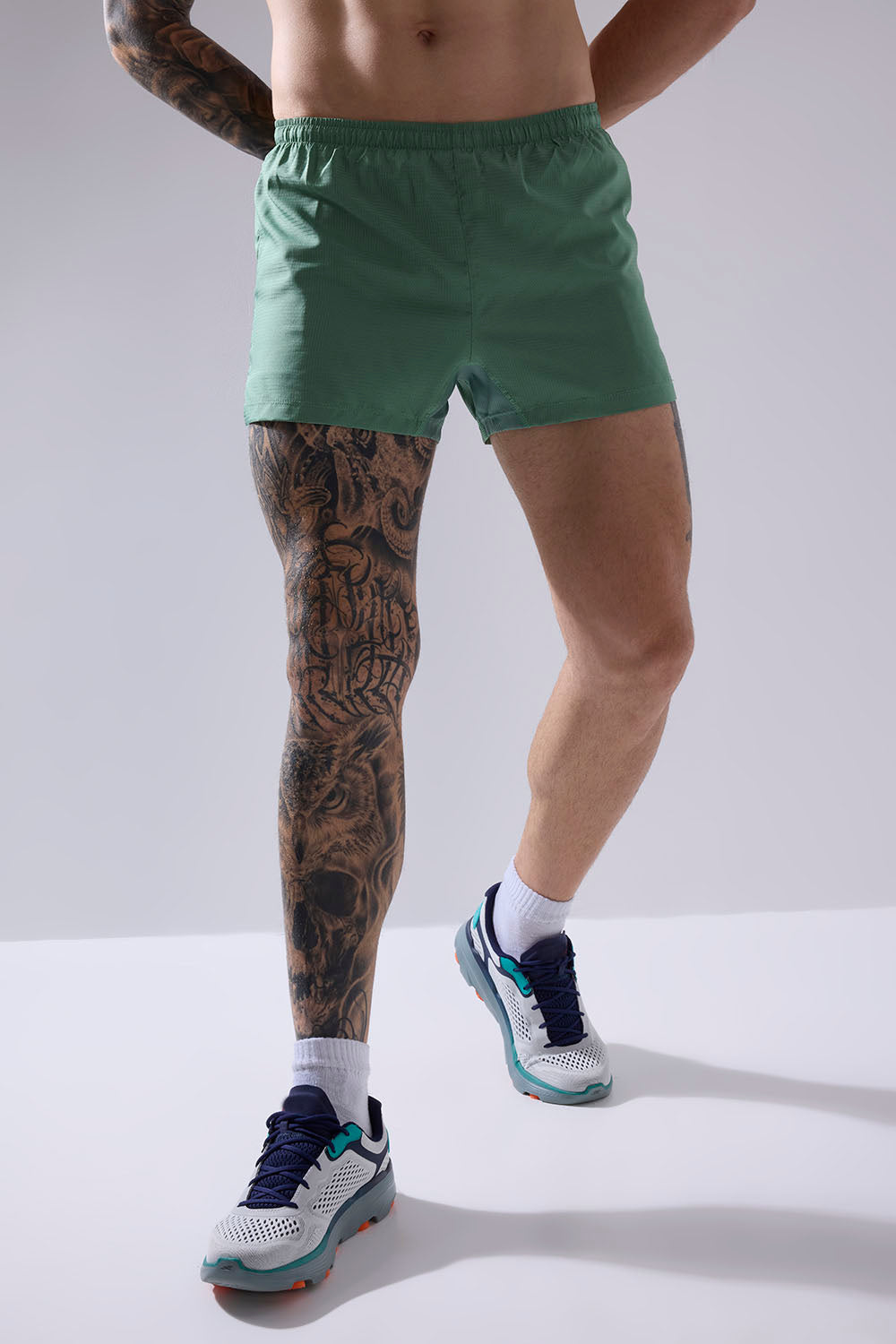
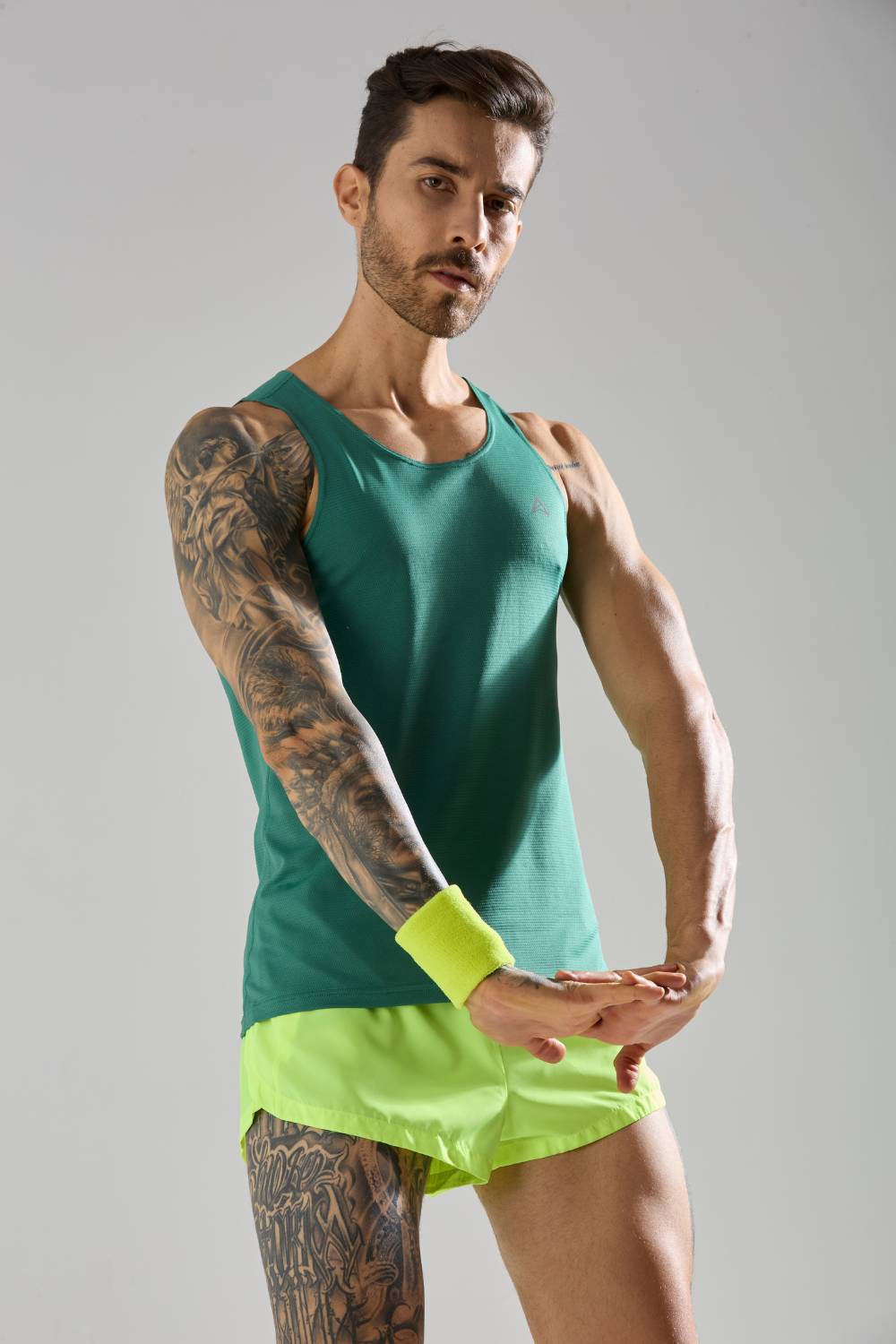
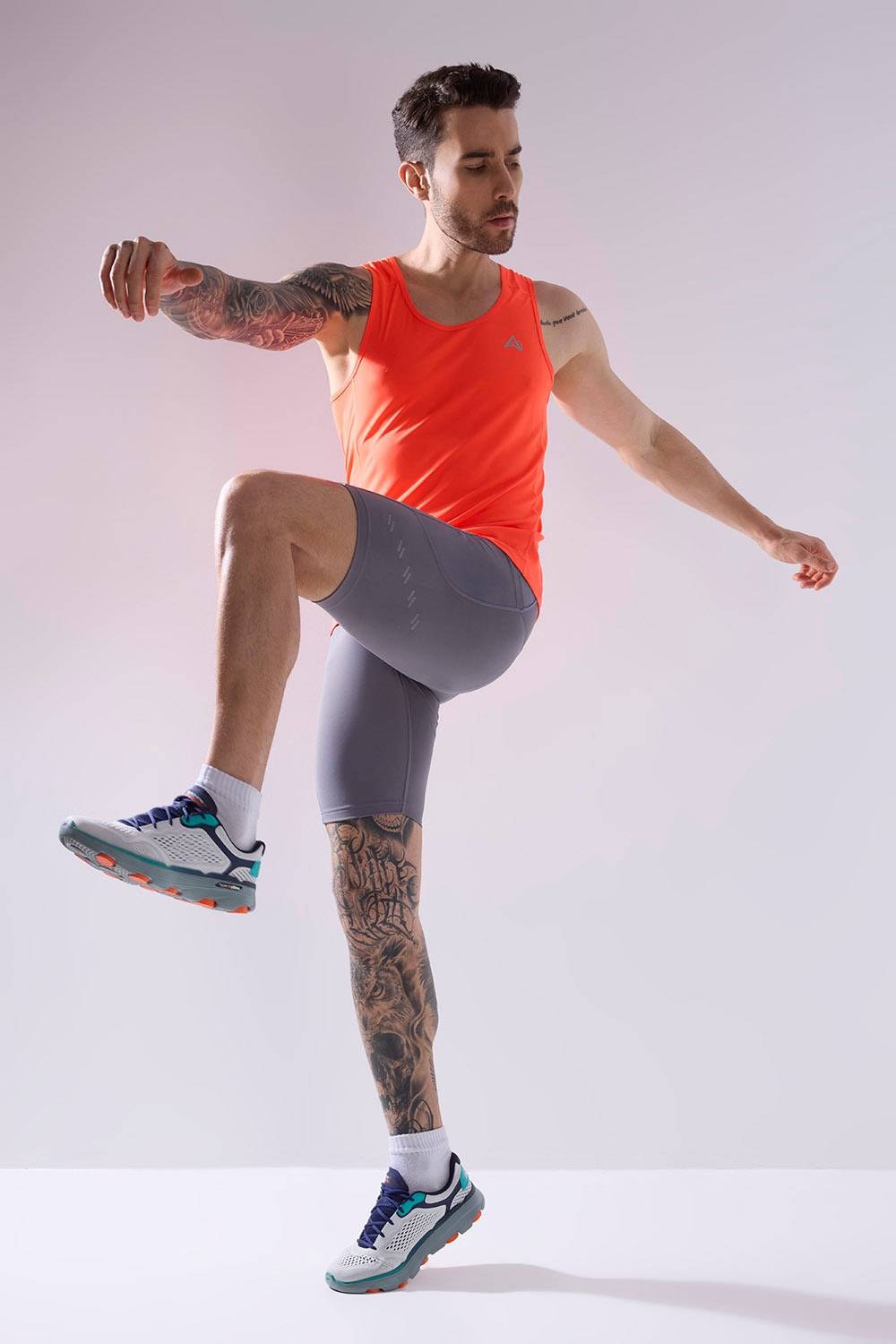
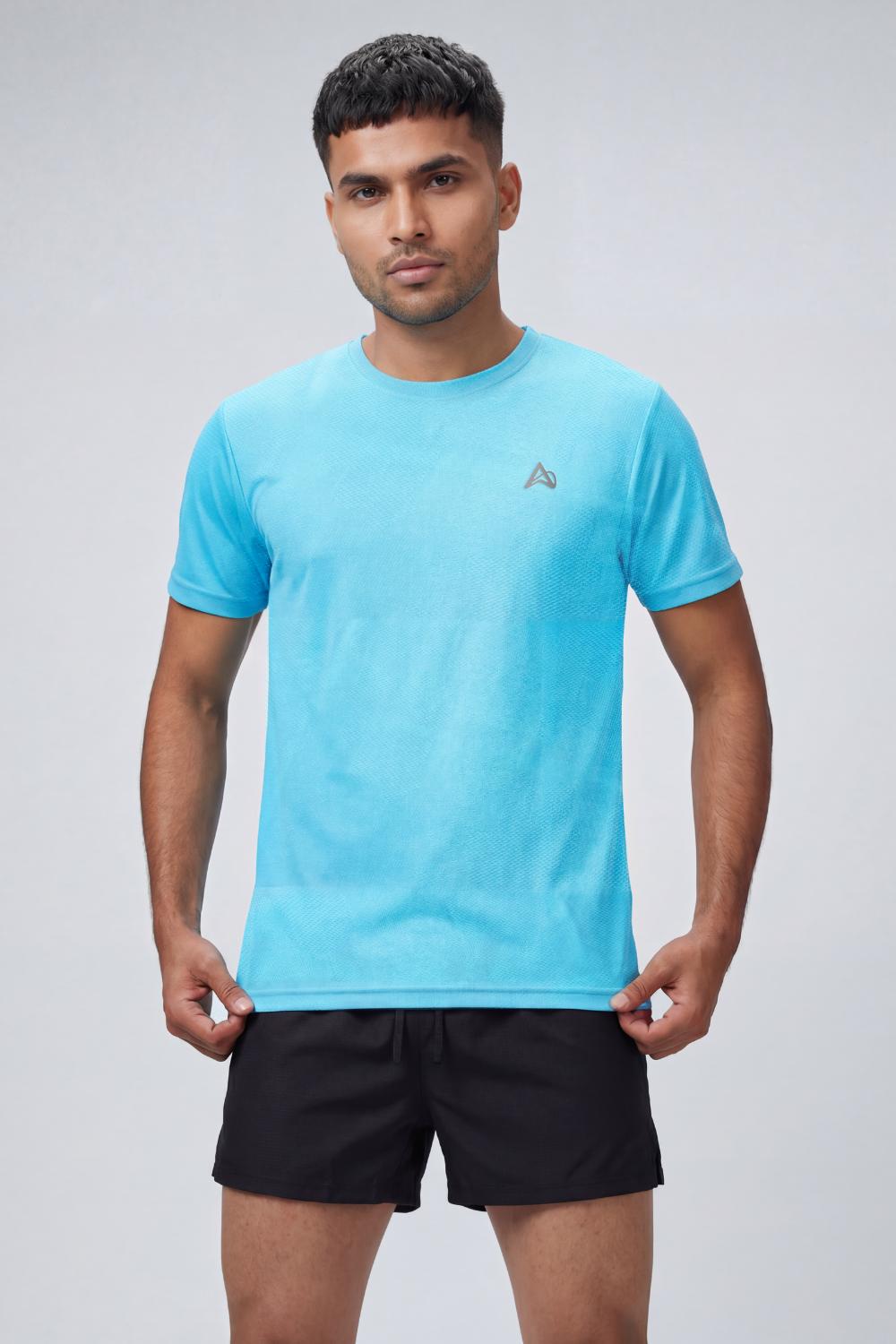
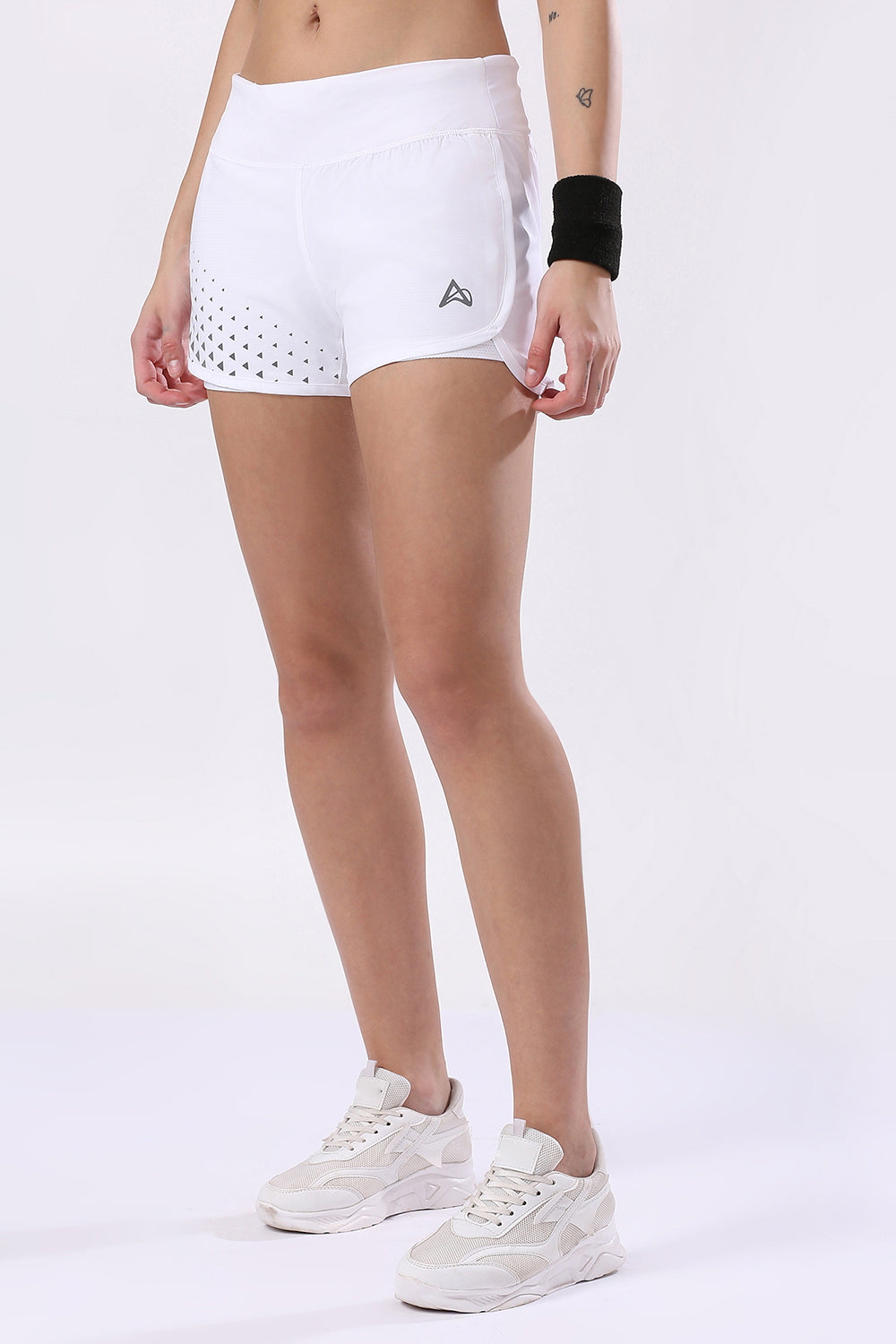
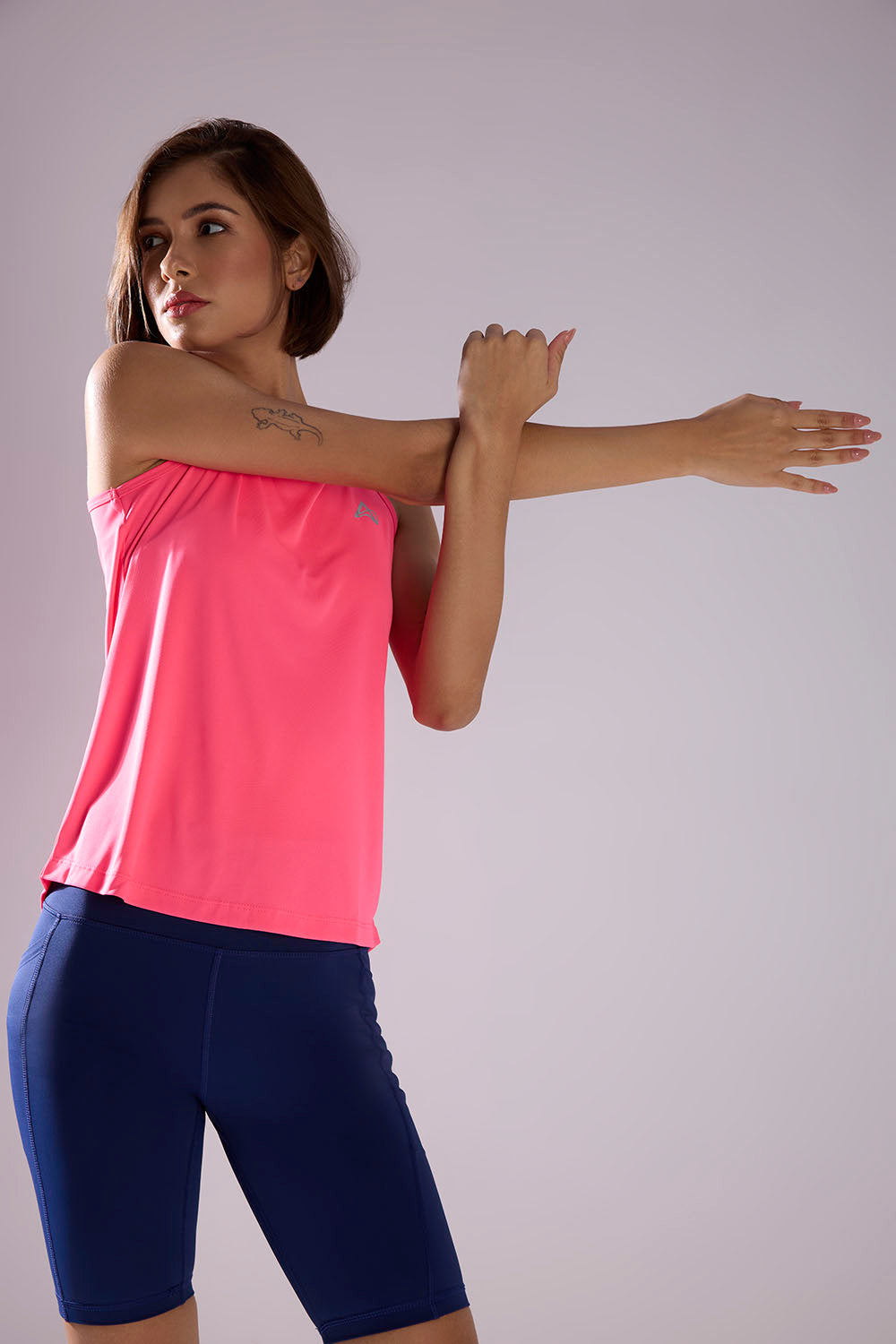
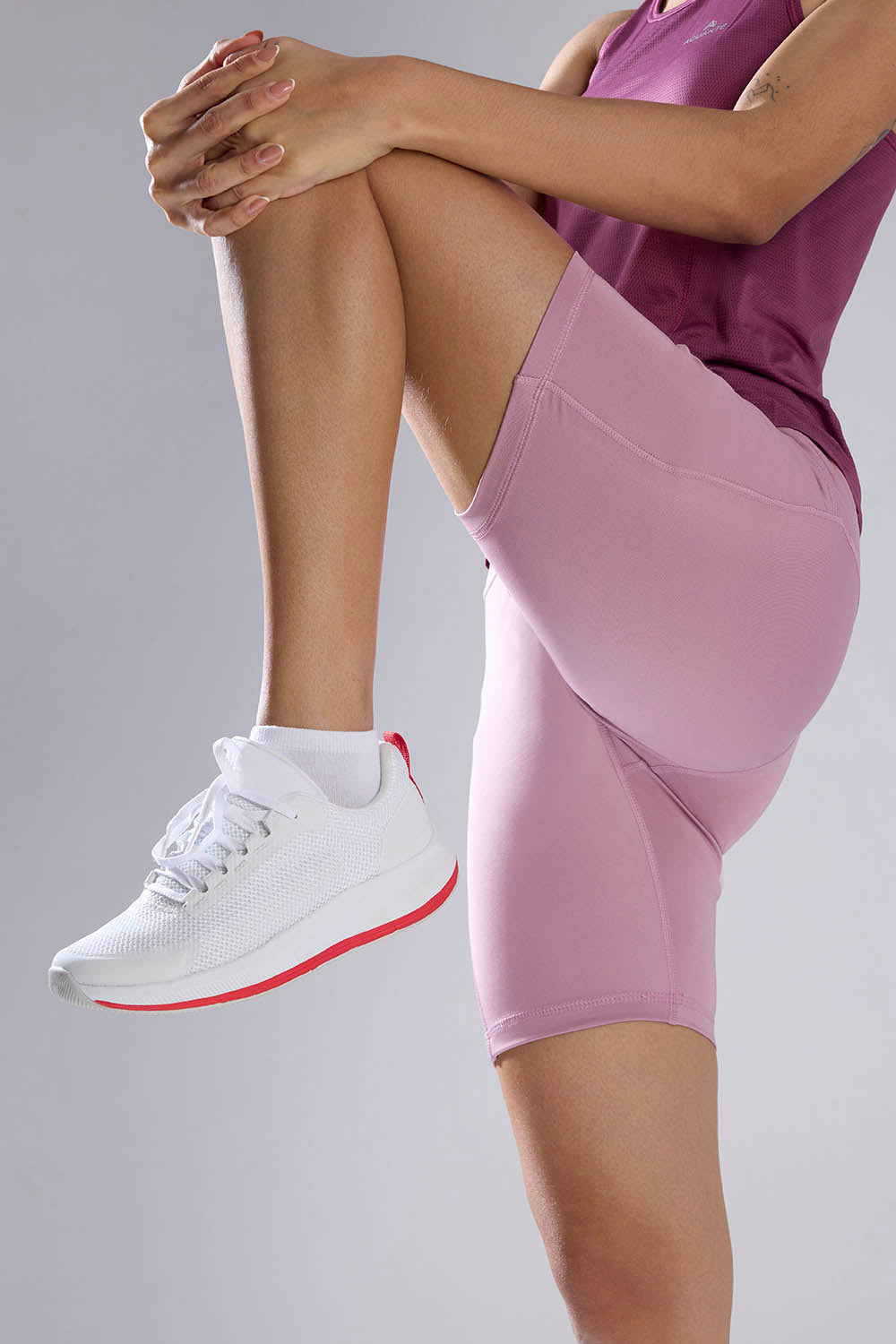
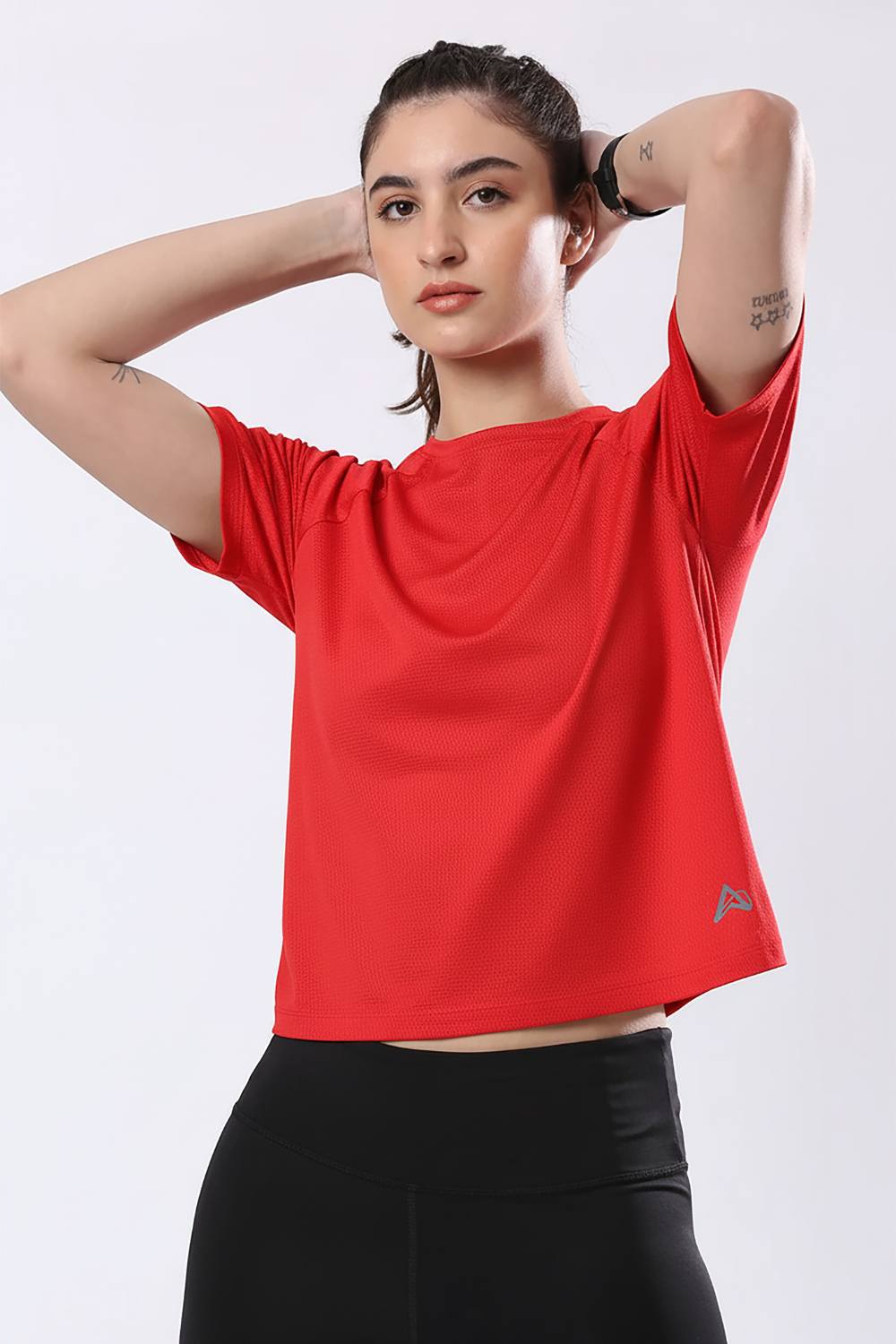
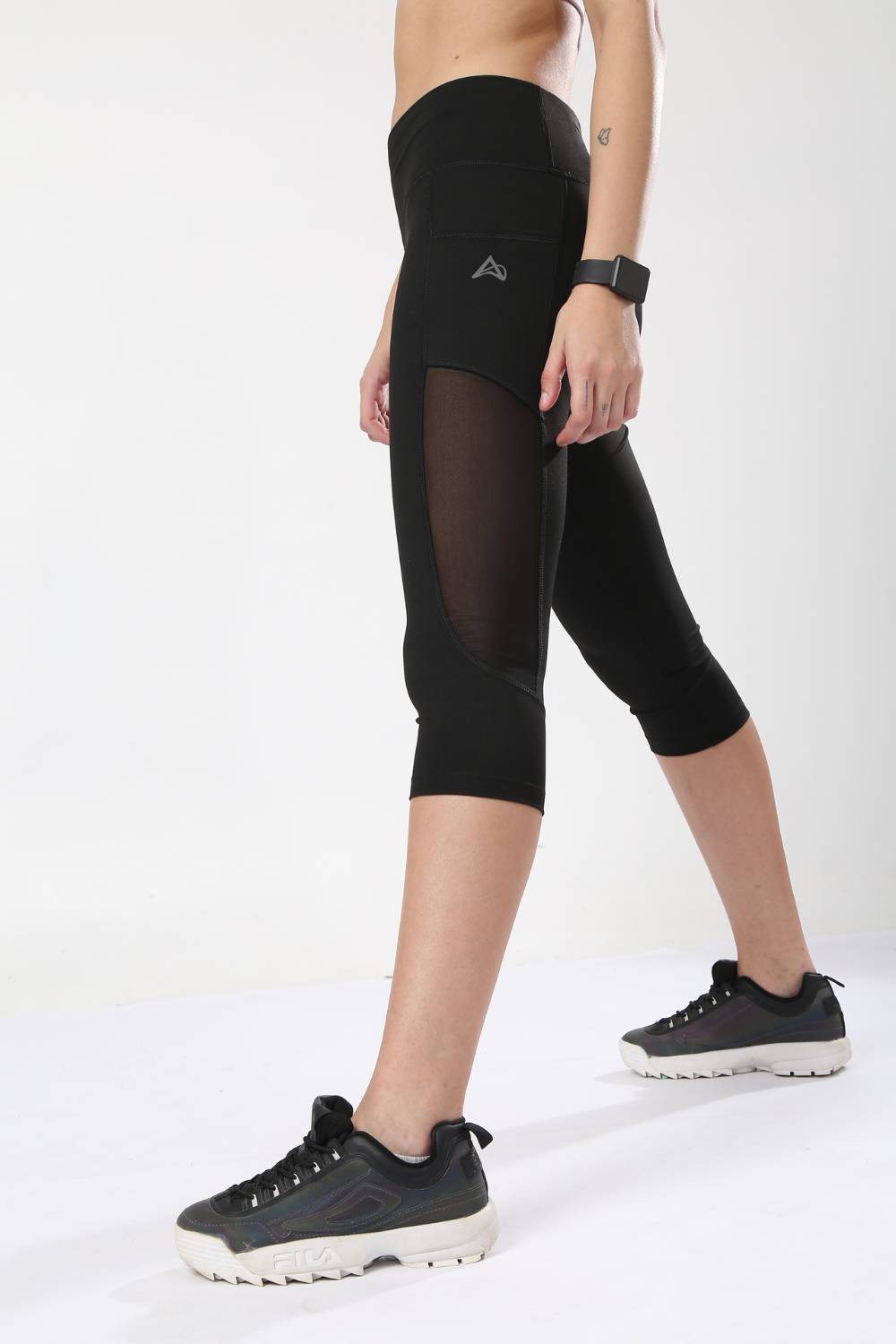
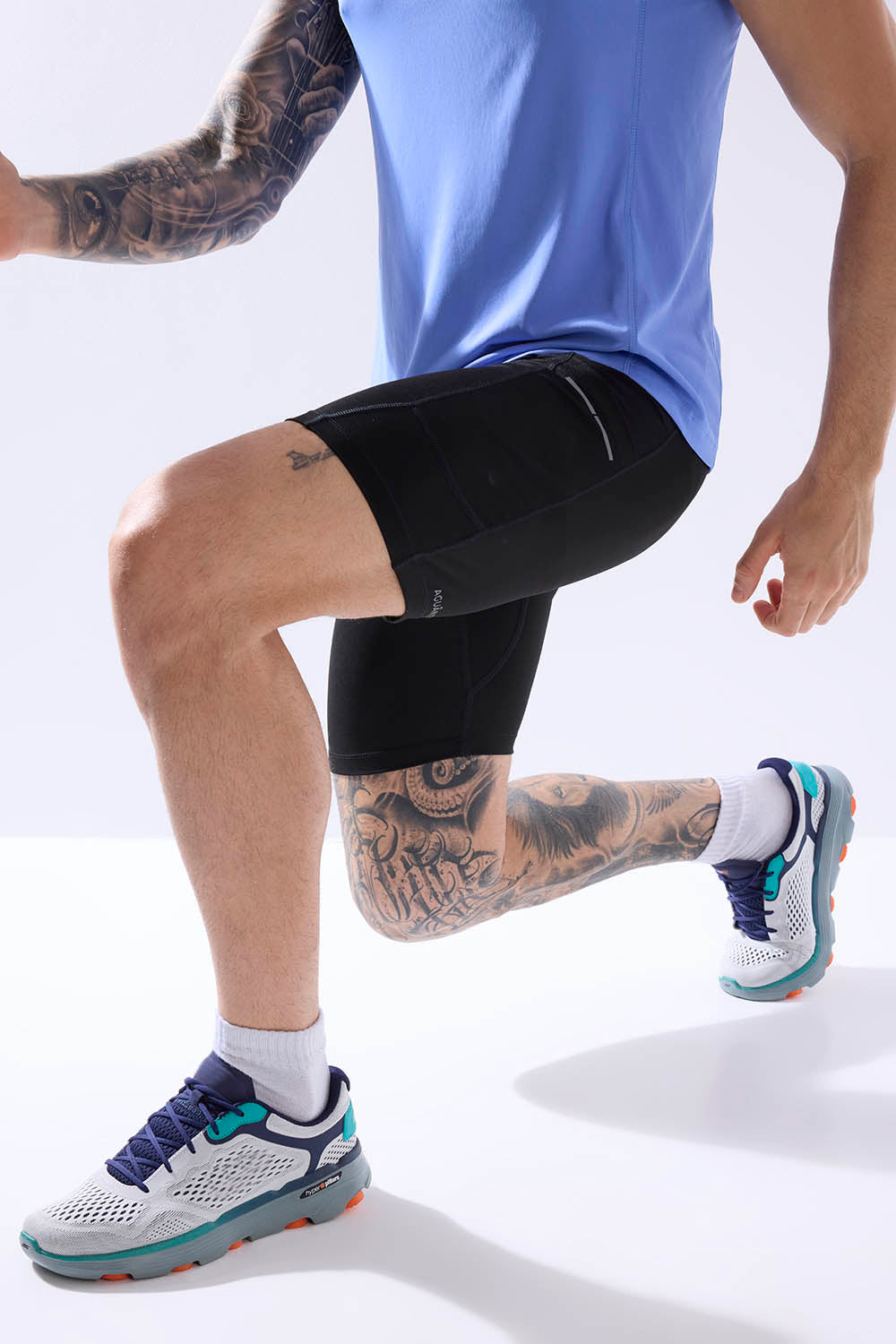
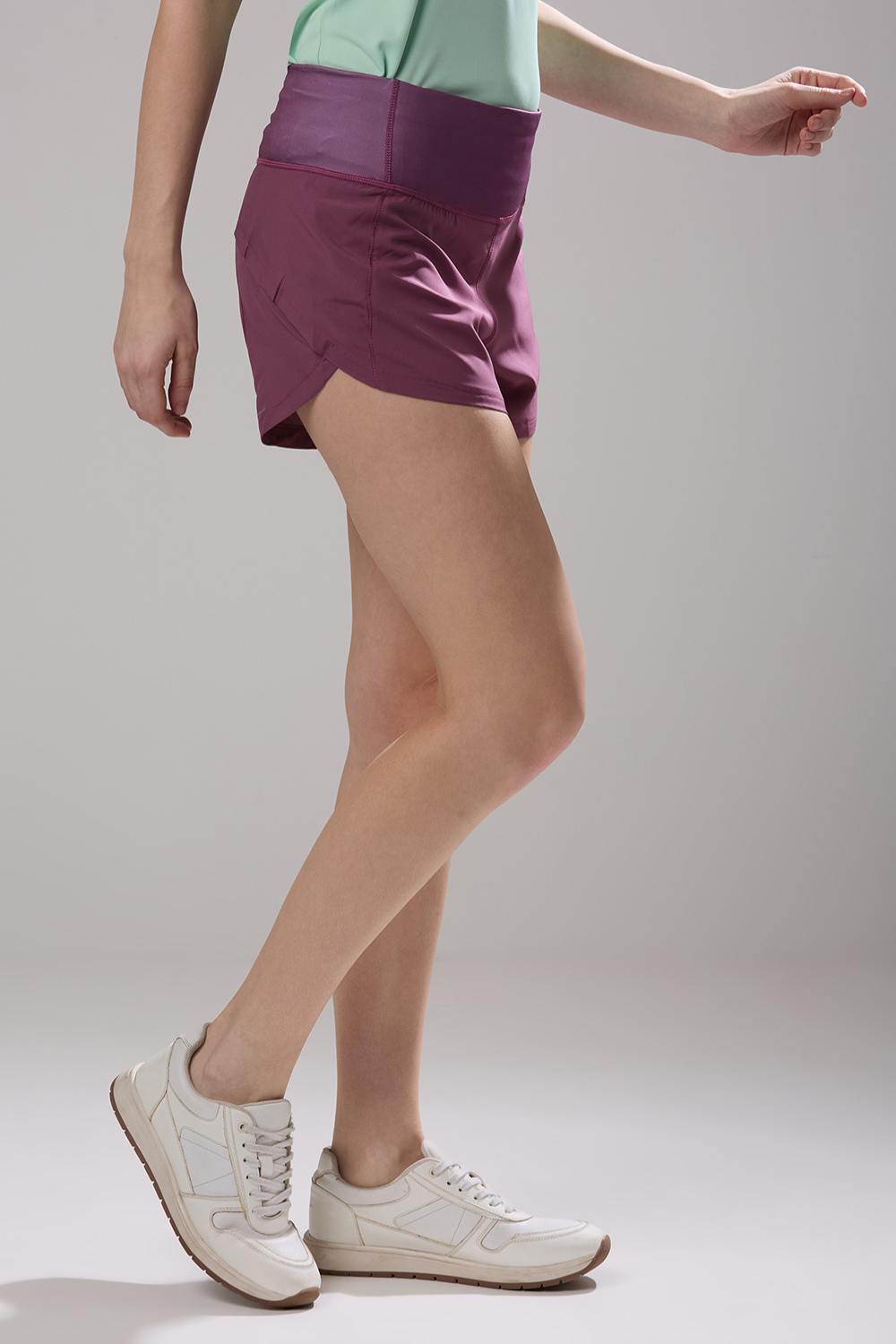
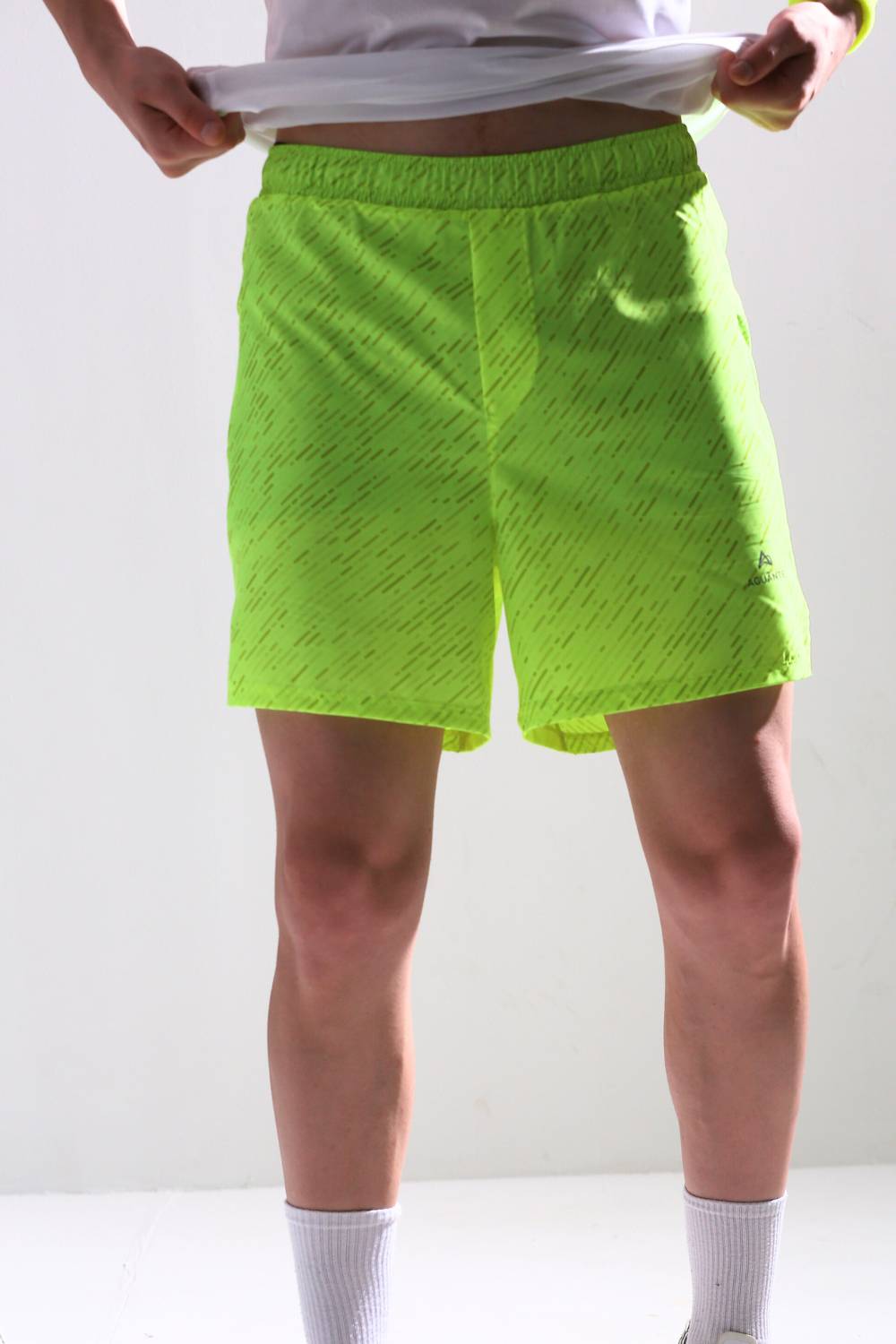
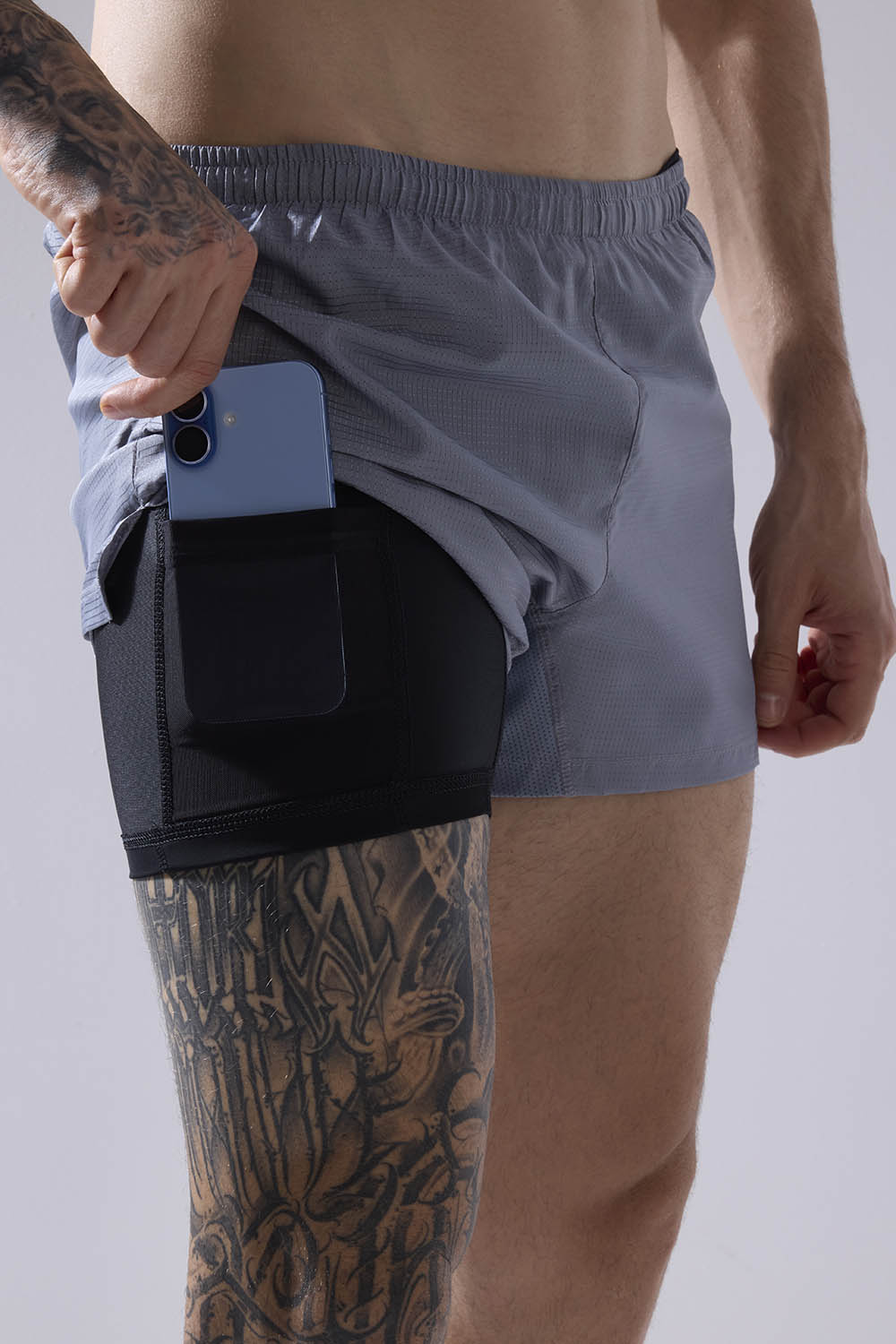
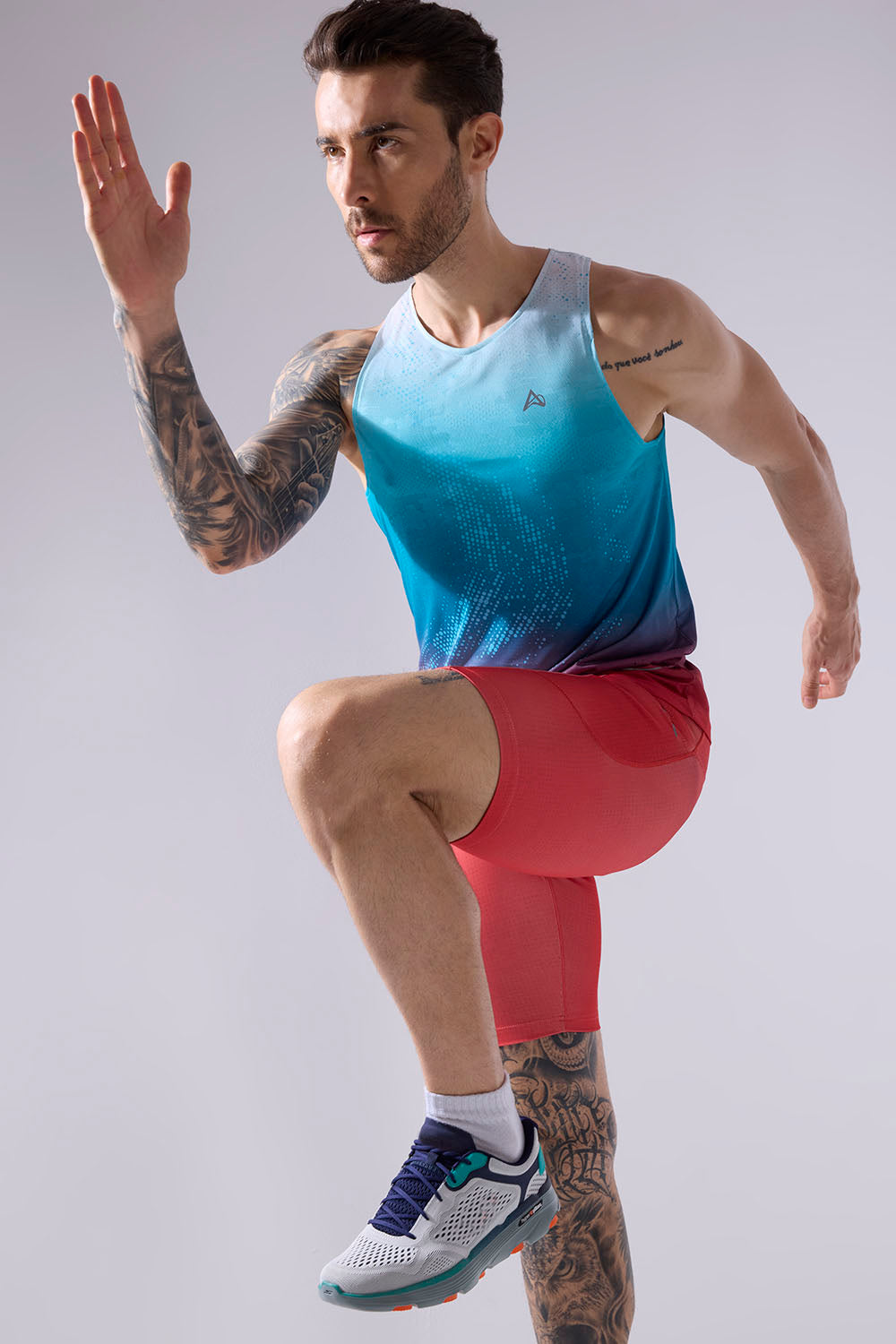
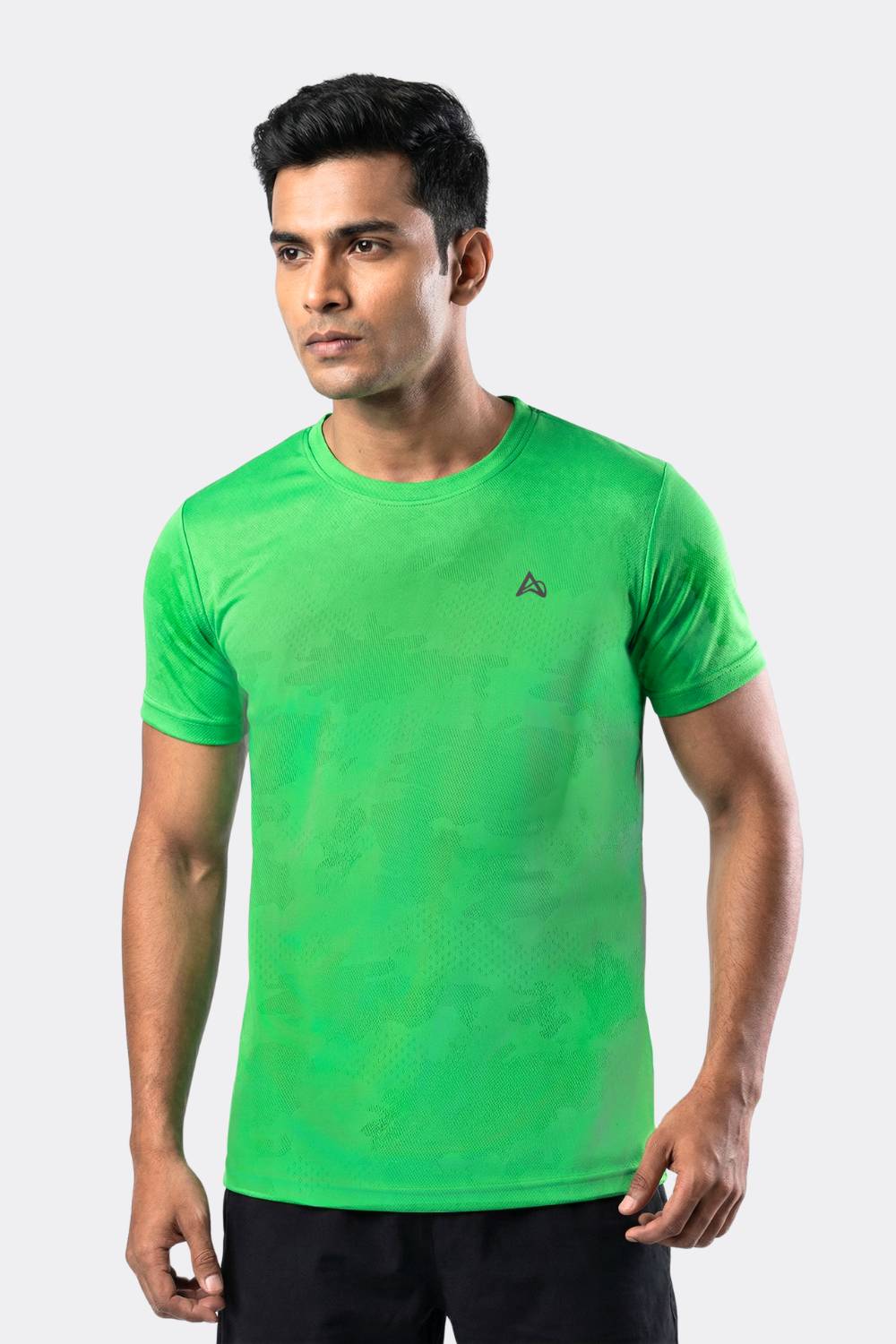
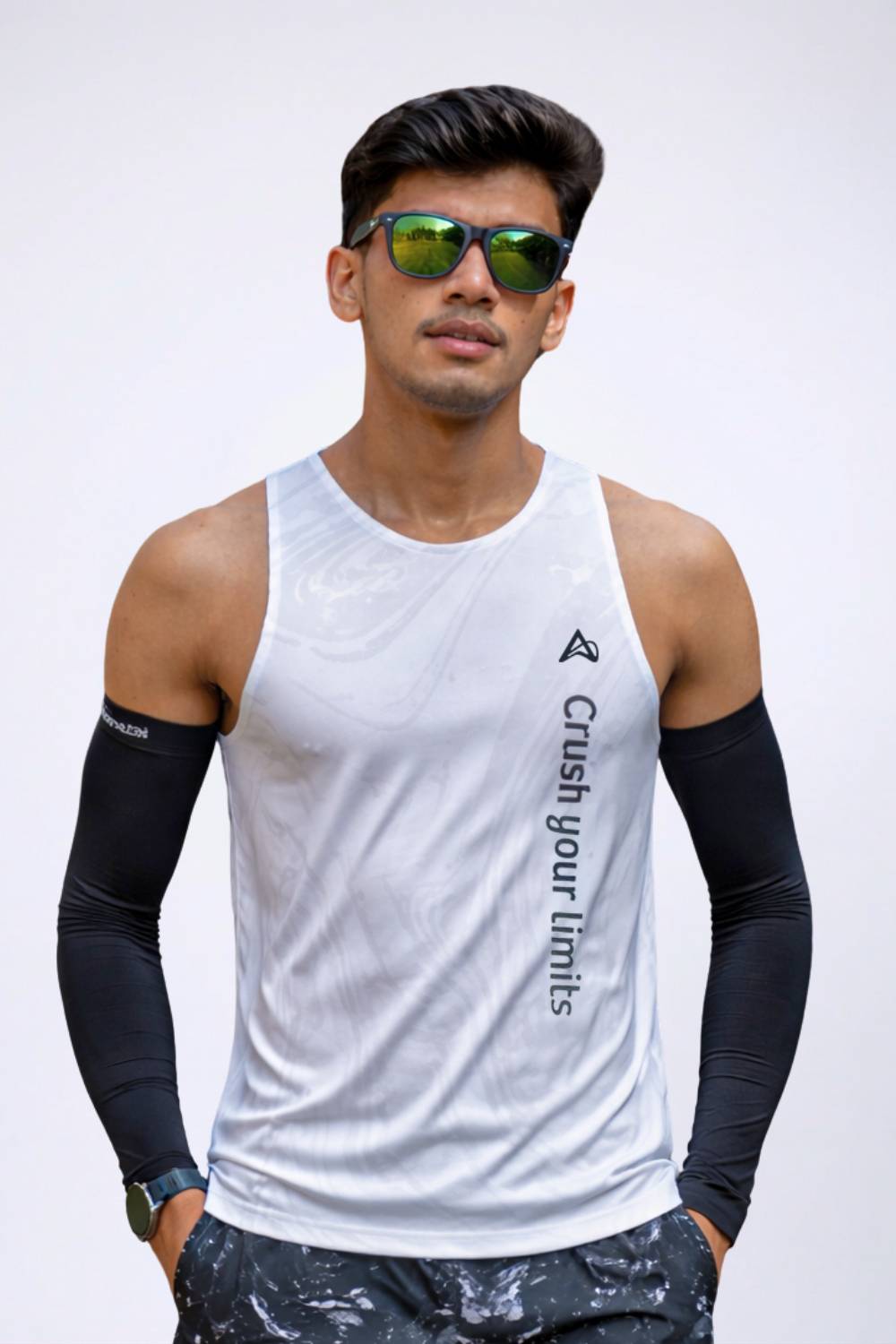
Tired of gear that slows you down? Chafing, soggy fabrics, and missing pockets kill your run's momentum. At Aguante, we're runners who get it. Our high-performance activewear features moisture-wicking fabrics, ergonomic designs, and smart storage to keep you focused. Shop Now!
A Defining Moment for India's Urban Running Movement
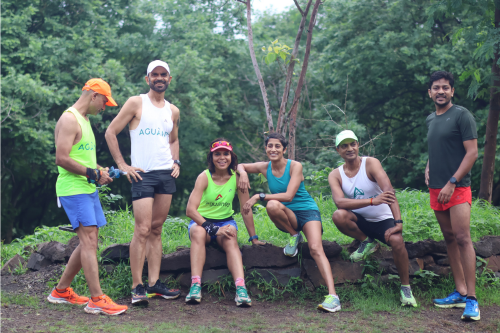
The event's influence stretches well beyond Mumbai and Navi Mumbai. It serves as a national beacon, inspiring runners from tech-driven hubs like Bangalore and Hyderabad, corporate wellness circles in Delhi and Gurugram, and fast-growing endurance scenes in Pune, Surat, and Ahmedabad. Across these cities, running has matured from a weekend pastime into a consistent lifestyle choice, supported by dawn group runs, structured coaching, and heightened emphasis on fitness for long-term well-being.
The reasons for this growth are deeply tied to local realities. Mumbai's heavy coastal humidity, Bangalore's erratic monsoons, Delhi NCR's air-quality constraints, and the blistering summer temperatures in Ahmedabad and Surat demand gear that performs reliably under pressure. Indian runners don't merely accumulate distance they contend with prolonged sweat, uneven pavements, and extended training sessions where every detail of comfort counts.
Mumbai Leads, but Other Metros Fuel the Momentum
Mumbai holds its place as the undisputed heart of the movement, backed by strong institutional support and a legendary route. Yet Bangalore and Hyderabad thrive on IT-sector fitness cultures, where weekday early-morning runs through green spaces like Cubbon Park or along the Tank Bund build lasting accountability.
Delhi and Gurugram contribute disciplined scale through corporate leagues, while Pune's training groups nurture beginners toward bigger goals. In Surat and Ahmedabad, surging half-marathon entries despite extreme heat reveal remarkable grit and highlight the critical need for gear that stays light, dry, and irritation-free in punishing conditions.
These city-specific drivers shape precise expectations: adaptive fabrics for Gujarat's heat, visibility features for northern pre-dawn sessions, and reliable endurance support for southern long efforts. Generic options simply cannot keep pace.
The Shift to Purpose-Built, Climate-Ready Running Gear
The transformation is clear and accelerating. Cotton tees, once standard, have given way to advanced technical materials that aggressively wick sweat and prevent chafing during humid, extended runs in Mumbai, Bangalore, and Hyderabad. Secure, bounce-free pockets for phones and nutrition gels are now essential on Delhi NCR and Pune routes, while reflective elements gain importance for safety during low-light runs in Navi Mumbai and Ahmedabad.
This progression signals a maturing market that values apparel engineered specifically for Indian physiology, terrain, and climate. Brands overlooking these factors face diminishing relevance; those that prioritize them earn lasting trust from an increasingly knowledgeable community.
City Communities Set Higher Standards
Coaches active on Instagram and YouTube in Bangalore and Hyderabad lead the conversation, sharing authentic reviews and training insights that guide gear decisions. Mumbai and Pune's organized marathon programs steer newcomers toward proven essentials like anti-chafe features and stable storage. Corporate networks in Delhi-Gurugram drive widespread adoption of durable performance wear, while Surat and Ahmedabad's half-marathon growth emphasizes extreme breathability.
These groups are active participants, not silent buyers they openly discuss successes and shortcomings in real Indian environments.
Overcoming Persistent Challenges in Gear Performance
Obstacles persist. Too many runners still struggle with clothing that traps heat, causes discomfort over long distances, or commands premium prices misaligned with practical use. The path forward lies in clear education: demonstrating why designs tested by Indian runners on Indian roads deliver superior results compared to imported alternatives.
Opportunities Opened by This Historic Milestone
The 69,000-runner benchmark creates fertile ground for genuine, location-specific narratives “Built for Mumbai humidity,” “Engineered for Bangalore long runs,” “Proven on Pune's demanding terrain.” Partnerships with influential Instagram and YouTube coaches provide direct access to motivated audiences. Brands emphasizing honest pricing alongside runner-validated features secure pockets, anti-chafe linings, reflective accents, and fabrics optimized for heat and humidity are ideally positioned to thrive.
A Clear Signal for India-Centric Running Brands
The Tata Mumbai Marathon 2026 powerfully affirms a thriving, multi-city running economy that insists on equipment crafted for local conditions rather than adapted from foreign contexts. It celebrates innovation rooted in real runner needs over international trends.
Frequently Asked Questions
How many runners participated in the Tata Mumbai Marathon 2026?
The 2026 Tata Mumbai Marathon saw a record-breaking 69,100 participants, including over 65,400 runners on the ground and more than 3,700 in the virtual category. Most notably, 14,059 runners tackled the full 42.195 km marathon distance for the first time ever, demonstrating the growing ambition among Indian endurance athletes. This makes it one of the largest running events in India's history.
What running gear works best for Indian marathon conditions like Mumbai's humidity?
Indian runners need technical apparel specifically designed for high humidity, extreme heat, and prolonged sweat exposure that characterizes cities like Mumbai, Bangalore, and Hyderabad. Essential features include moisture-wicking fabrics that prevent chafing, strategic ventilation for breathability, secure pockets for phones and nutrition gels, and reflective elements for pre-dawn safety. Generic cotton tees have been replaced by purpose-built technical materials that keep runners dry and comfortable during long training sessions in India's challenging climate.
Why is the Tata Mumbai Marathon important for India's running movement?
The Tata Mumbai Marathon serves as a national beacon for India's urban running movement, inspiring participation across major cities including Bangalore, Delhi, Hyderabad, and Pune. As a World Athletics Gold Label race, it has pioneered mass-participation sport in India over two decades, fostering community unity while boosting local economies through tourism and hospitality. The event's record turnout reflects the deepening maturity of fitness culture nationwide and demonstrates running's evolution from a weekend pastime into a mainstream lifestyle choice across India's metropolitan areas.
Disclaimer: The above helpful resources content contains personal opinions and experiences. The information provided is for general knowledge and does not constitute professional advice.
You may also be interested in: How Runners Are Preparing for India's Expanding Marathon Calendar
Tired of gear that slows you down? Chafing, soggy fabrics, and missing pockets kill your run's momentum. At Aguante, we're runners who get it. Our high-performance activewear features moisture-wicking fabrics, ergonomic designs, and smart storage to keep you focused. Shop Now!
Powered by flareAI.co