



Quick Listen:
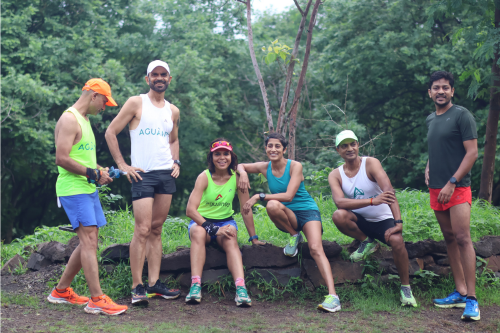
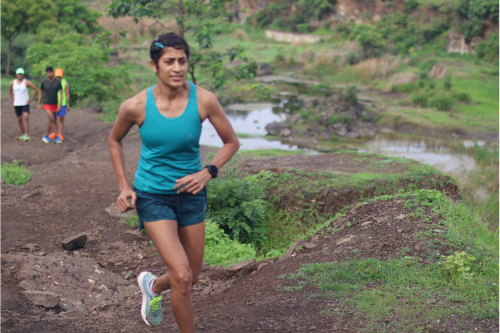
As the vibrant streets of Mumbai hum with eager anticipation, a sea of determined runners prepares to transform the city into a living testament to endurance and community spirit. From elite athletes honing their pace to enthusiastic newcomers embracing the challenge, the atmosphere crackles with energy. This event transcends a mere competition; it embodies a nationwide shift toward active lifestyles, presenting prime opportunities for activewear brands like Aguante to engage with a dynamic audience craving gear that matches India's unique running demands.
In the bustling core of Mumbai, where urban hustle converges with aspirations of vitality, the Tata Mumbai Marathon emerges as a symbol of resilience and well-being. Scheduled for January 18, 2026, this prestigious World Athletics Gold Label Race serves as more than an athletic gathering it acts as a driving force in the activewear and performance apparel industry. With a staggering 69,100 participants registered, comprising over 65,400 on-site runners and more than 3,700 virtual entrants, the marathon illustrates a profound uptick in running enthusiasm that spurs the need for advanced, specialized equipment. For companies such as Aguante, specializing in apparel engineered for India's diverse climates and terrains, this surge opens a fertile ground where features like superior ventilation and friction-resistant designs become essential tools for success.
The connection is evident: escalating marathon involvement directly correlates with heightened requirements for top-tier sportswear. As outlined by industry analysts, the India running gear market achieved a valuation of USD 2.4 billion in 2024, with expectations to expand to USD 4.8 billion by 2033 at a compound annual growth rate of 7.71 percent over the 2025-2033 period. This progression, divided regionally into North, West and Central, South, and East India with West and Central holding the lead is propelled by factors including heightened health consciousness, greater fitness engagement, urban expansion, rising incomes, the appeal of leisure running, the spread of regional competitions, athlete-backed promotions, and online retail advancements. In urban centers like Mumbai and Pune, where runners contend with intense humidity and congested paths, items such as athletic shoes and sweat-evaporating clothing take precedence, positioning marathons like Tata Mumbai as critical catalysts for industry advancement.
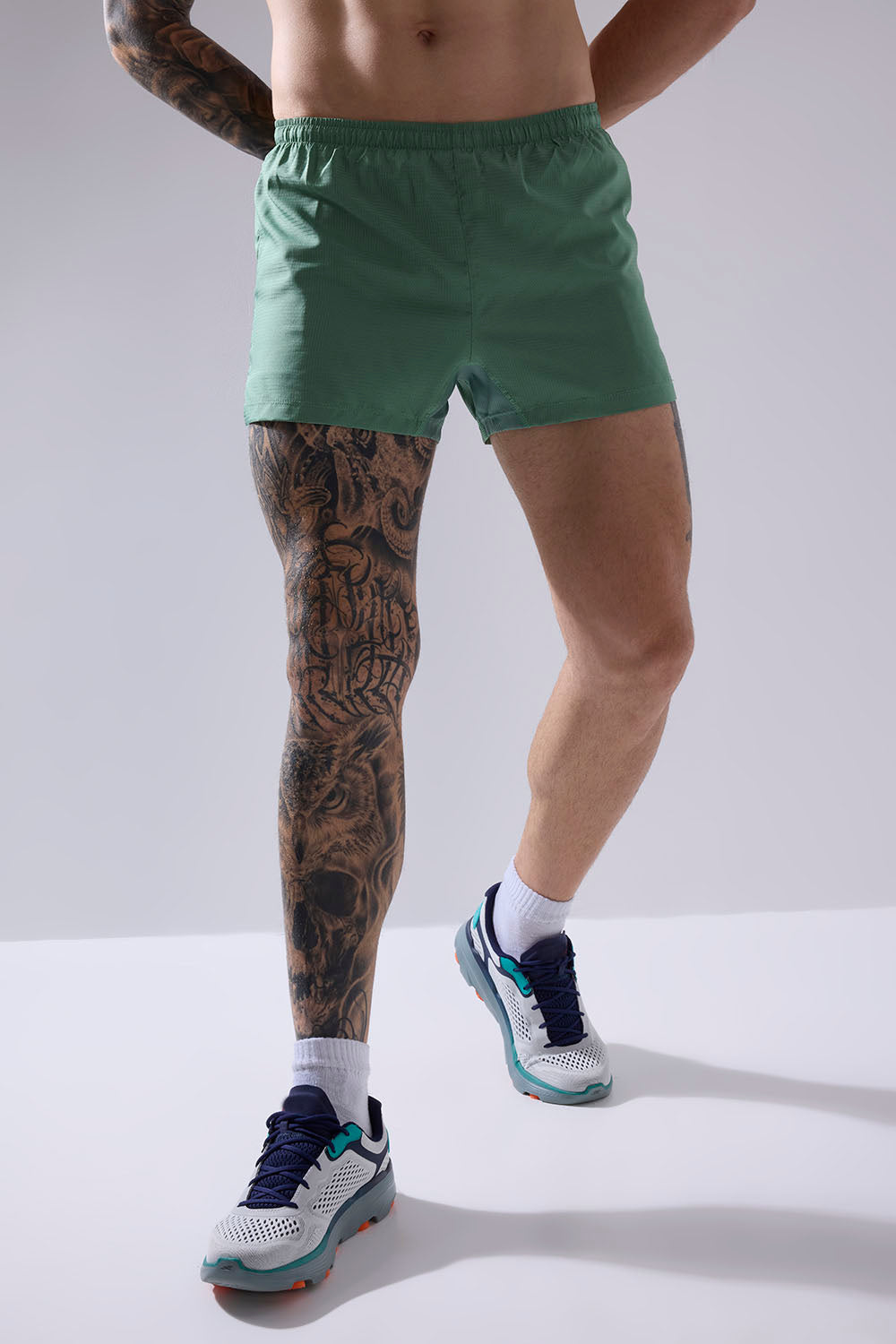
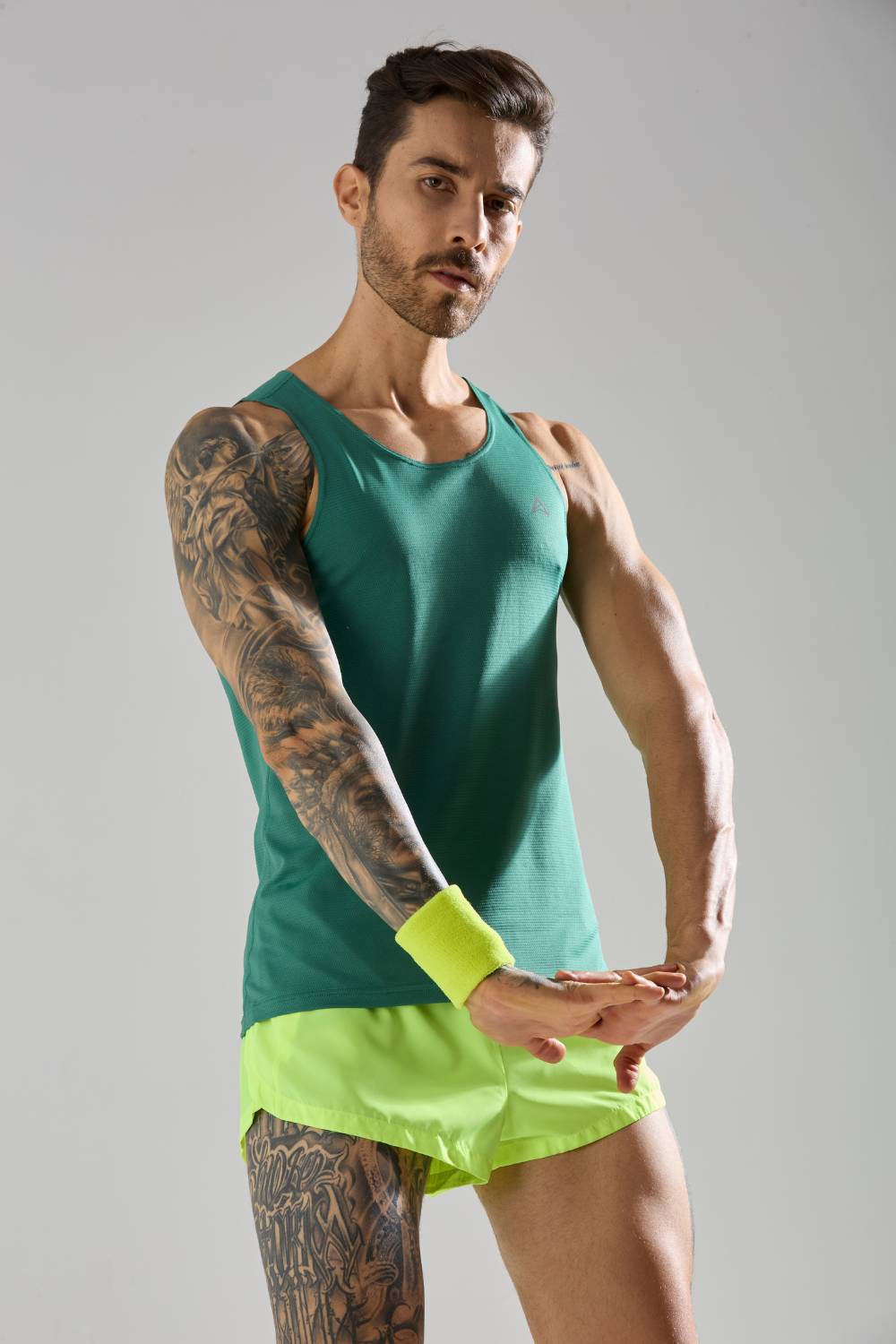
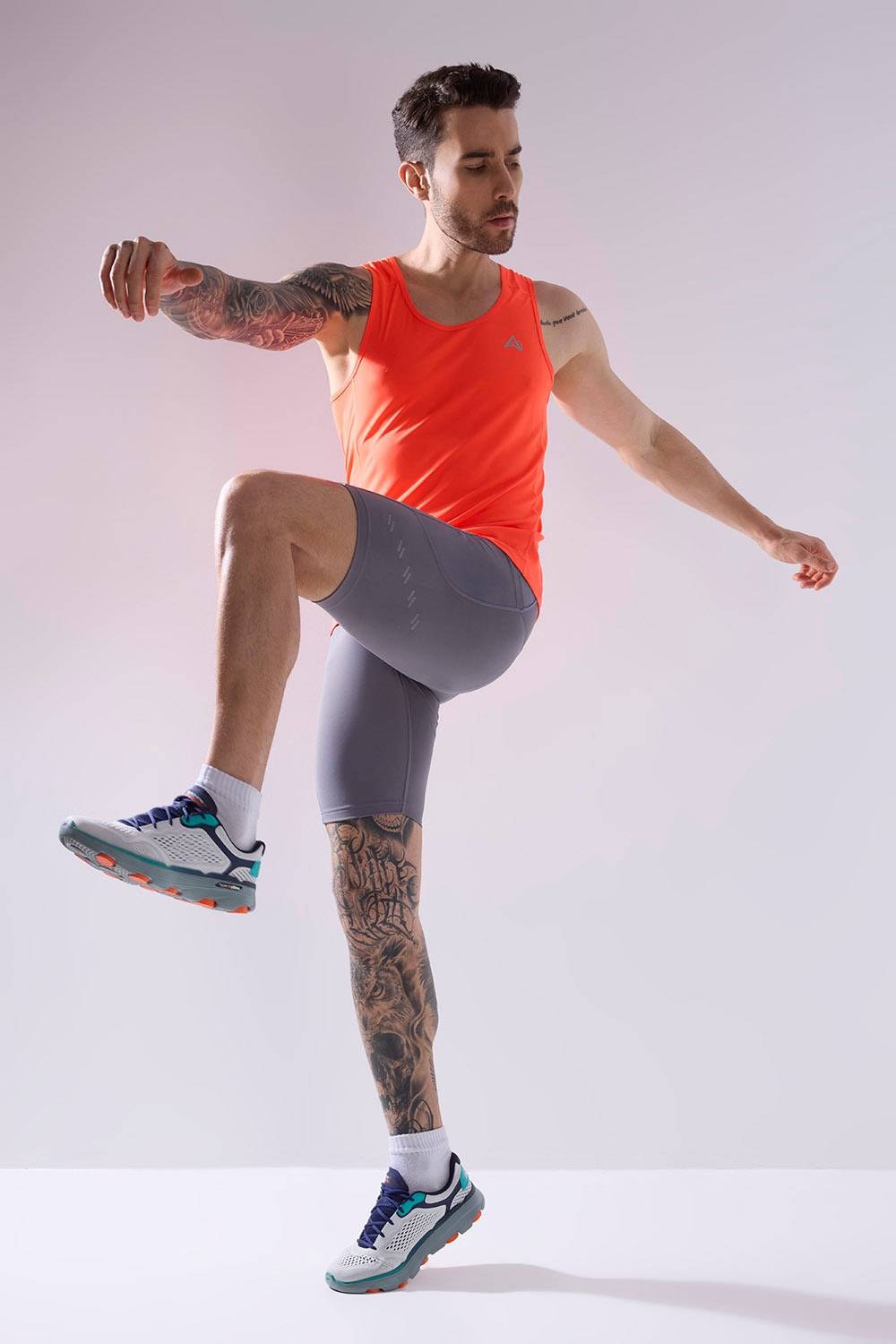
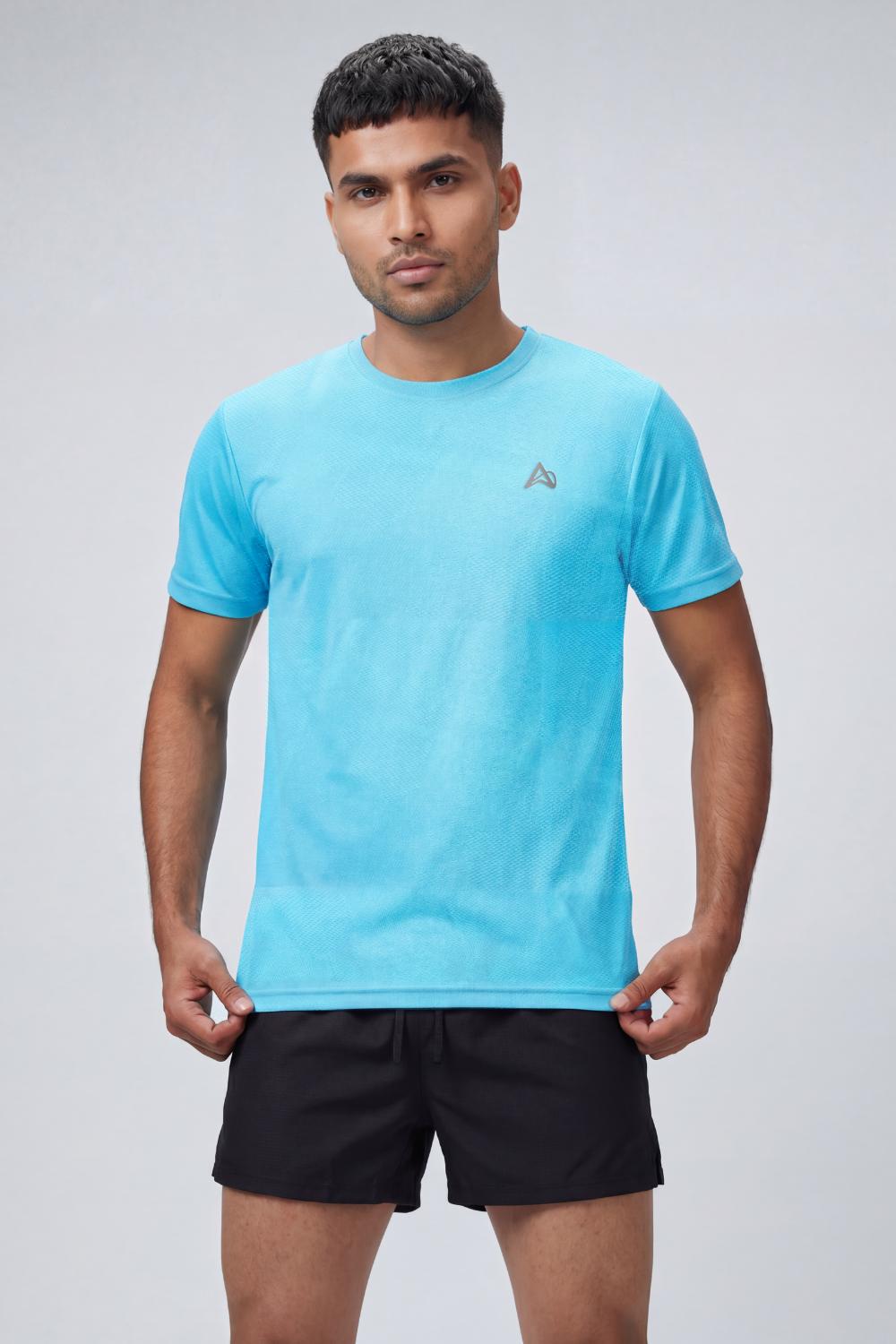
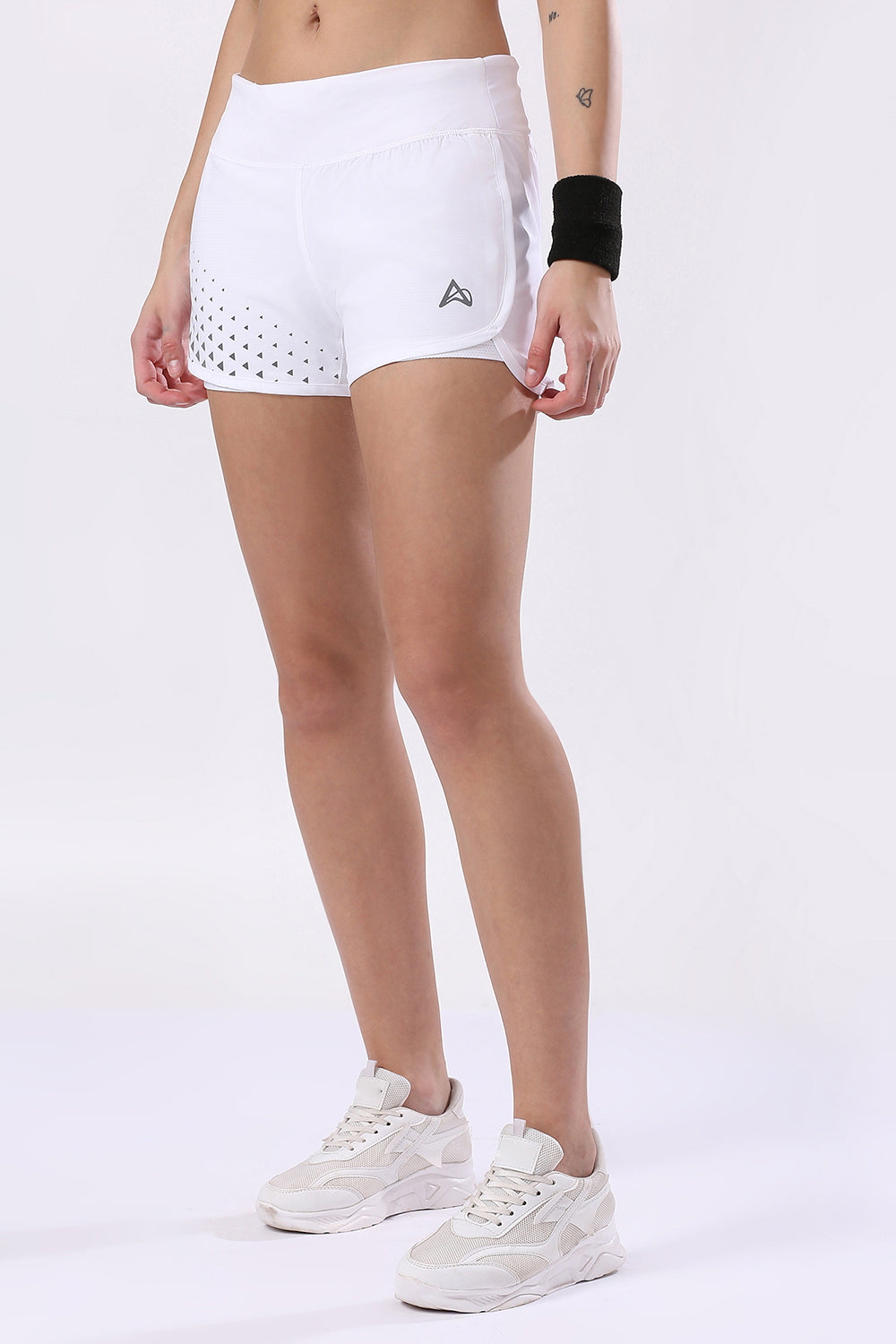
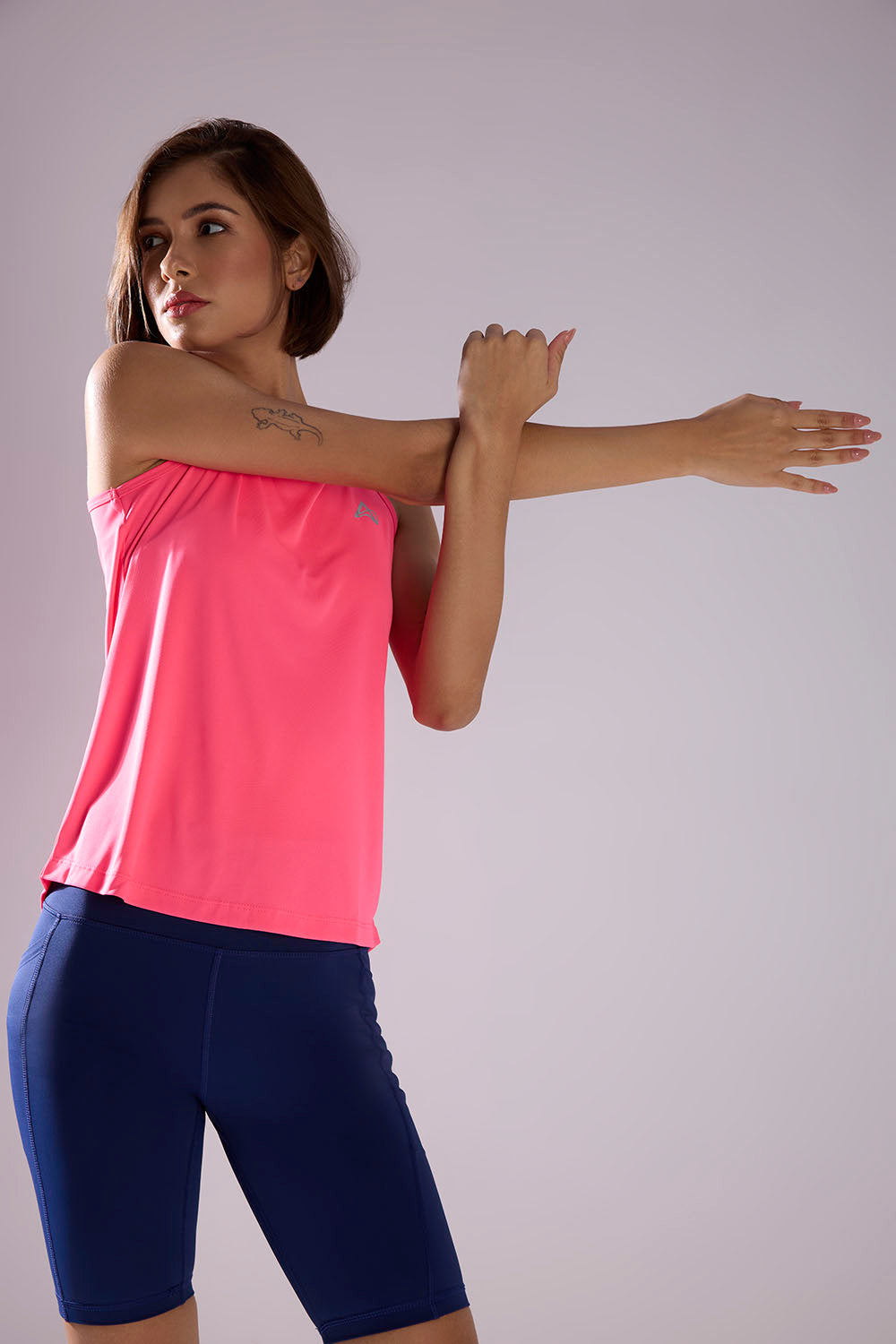
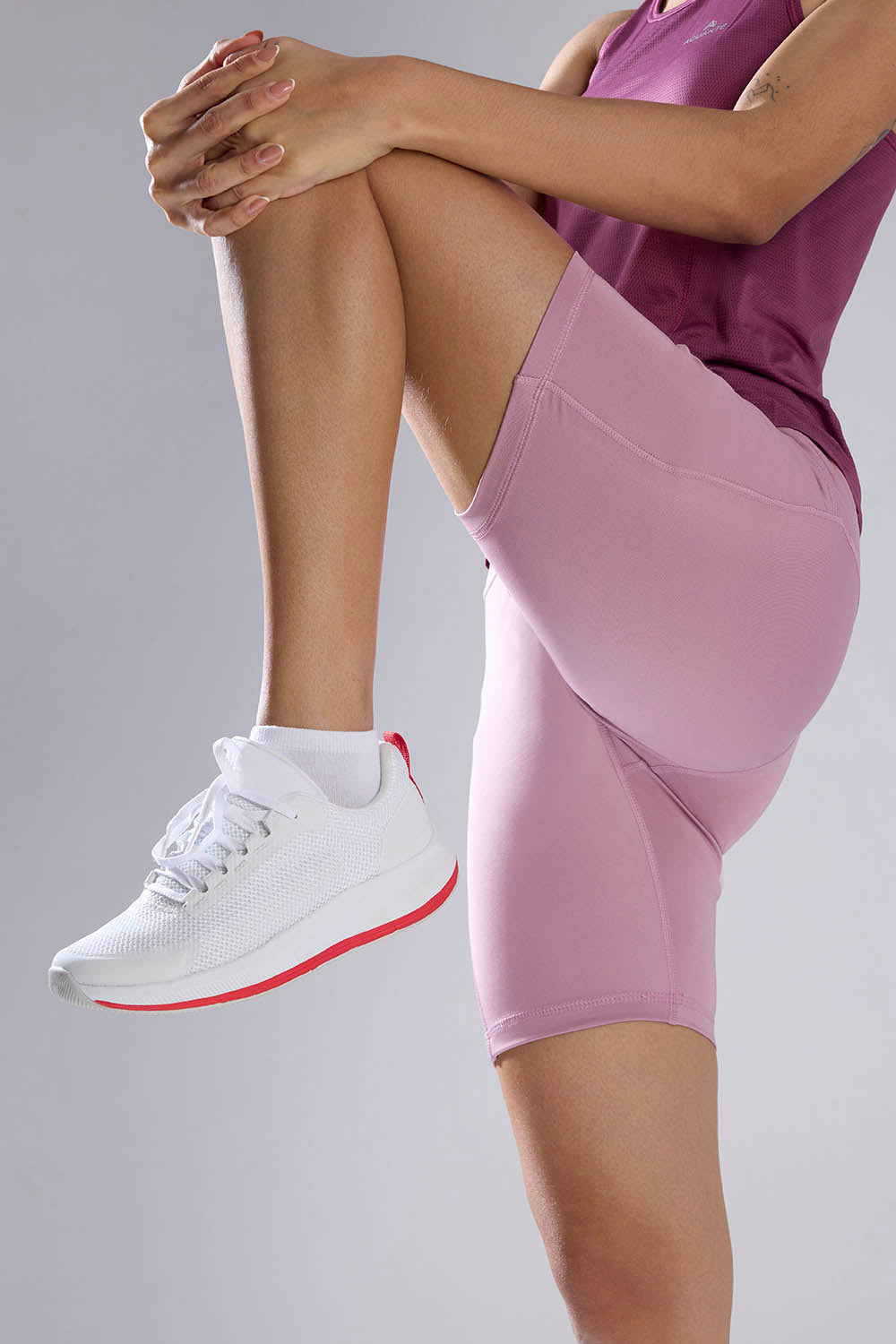
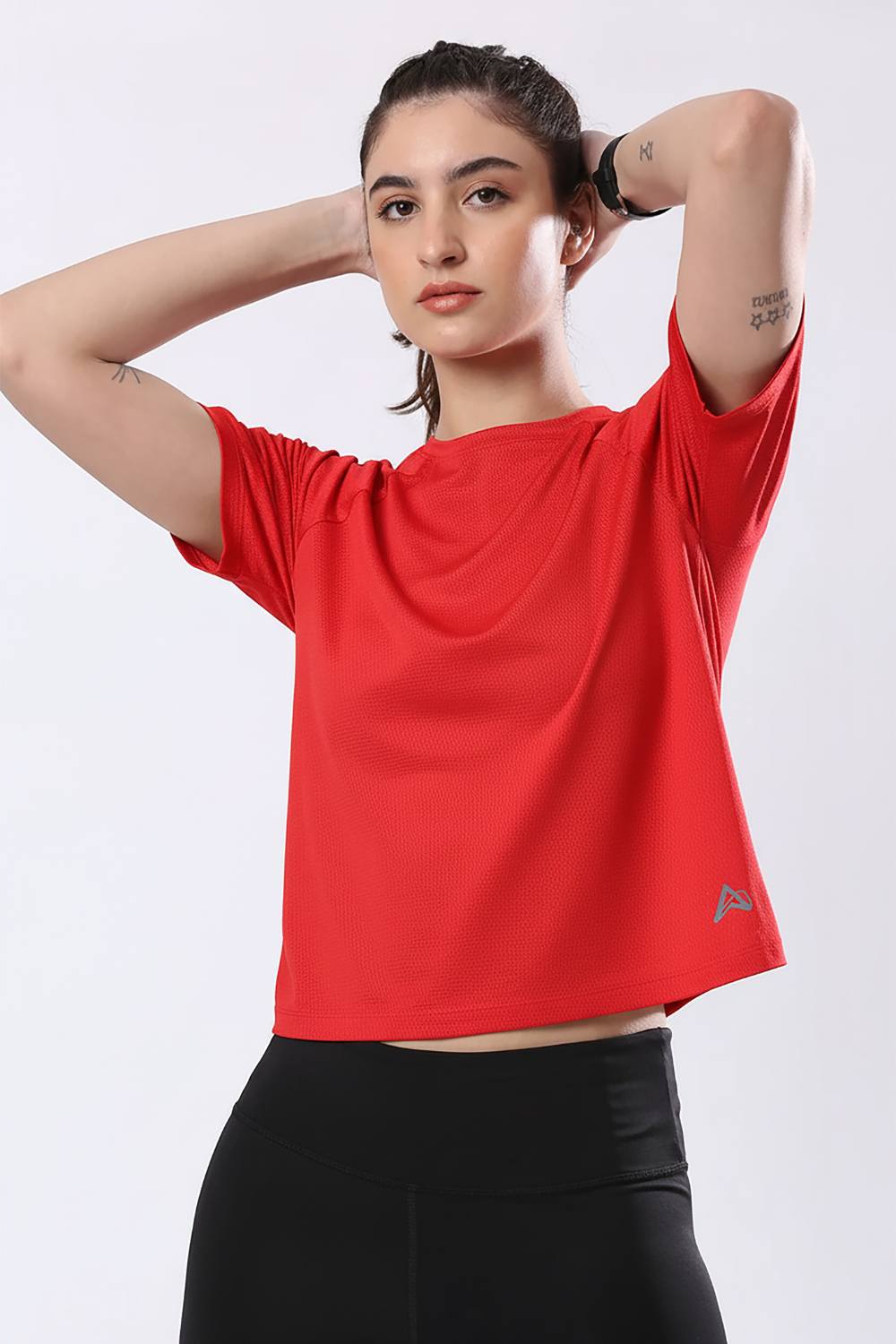
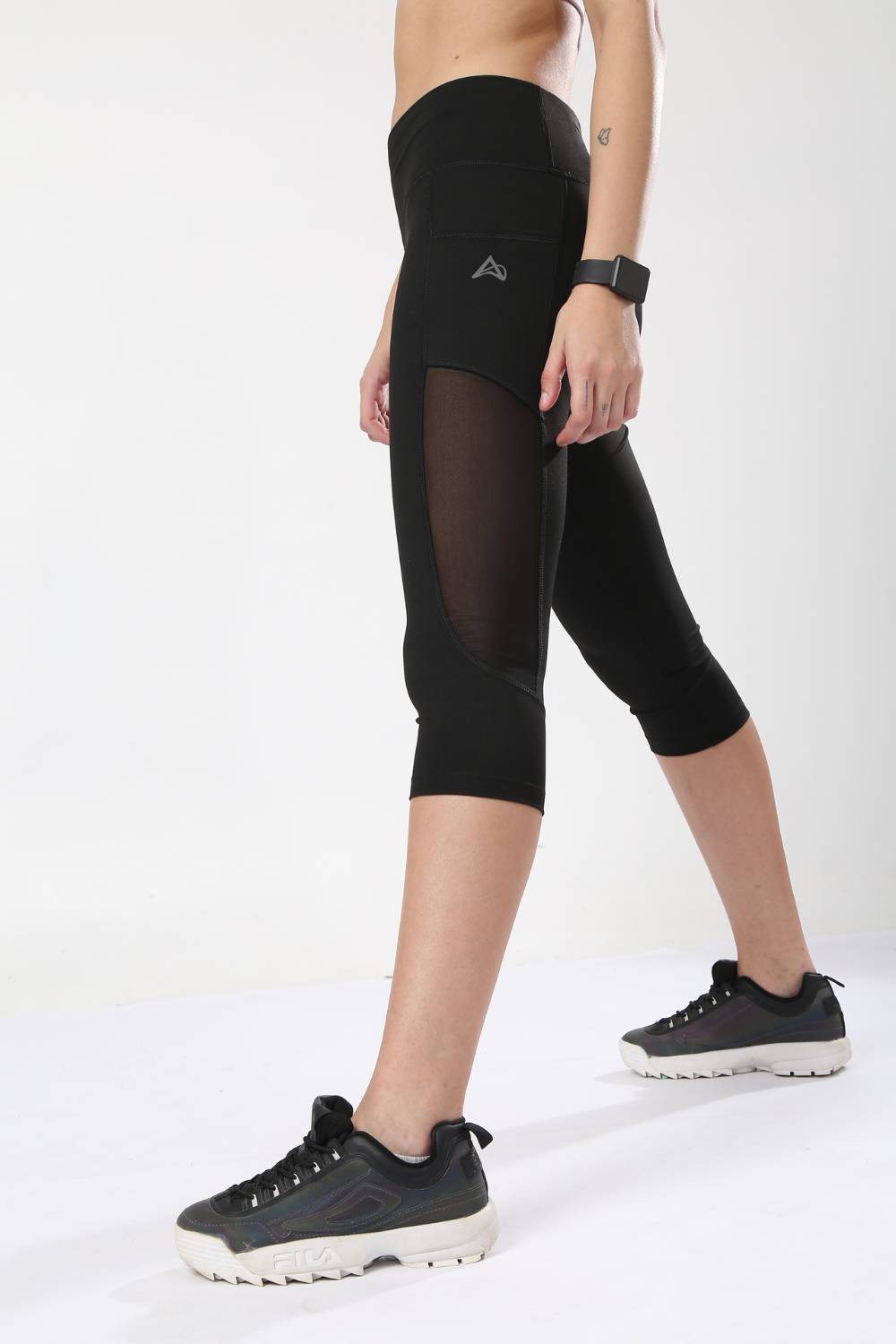
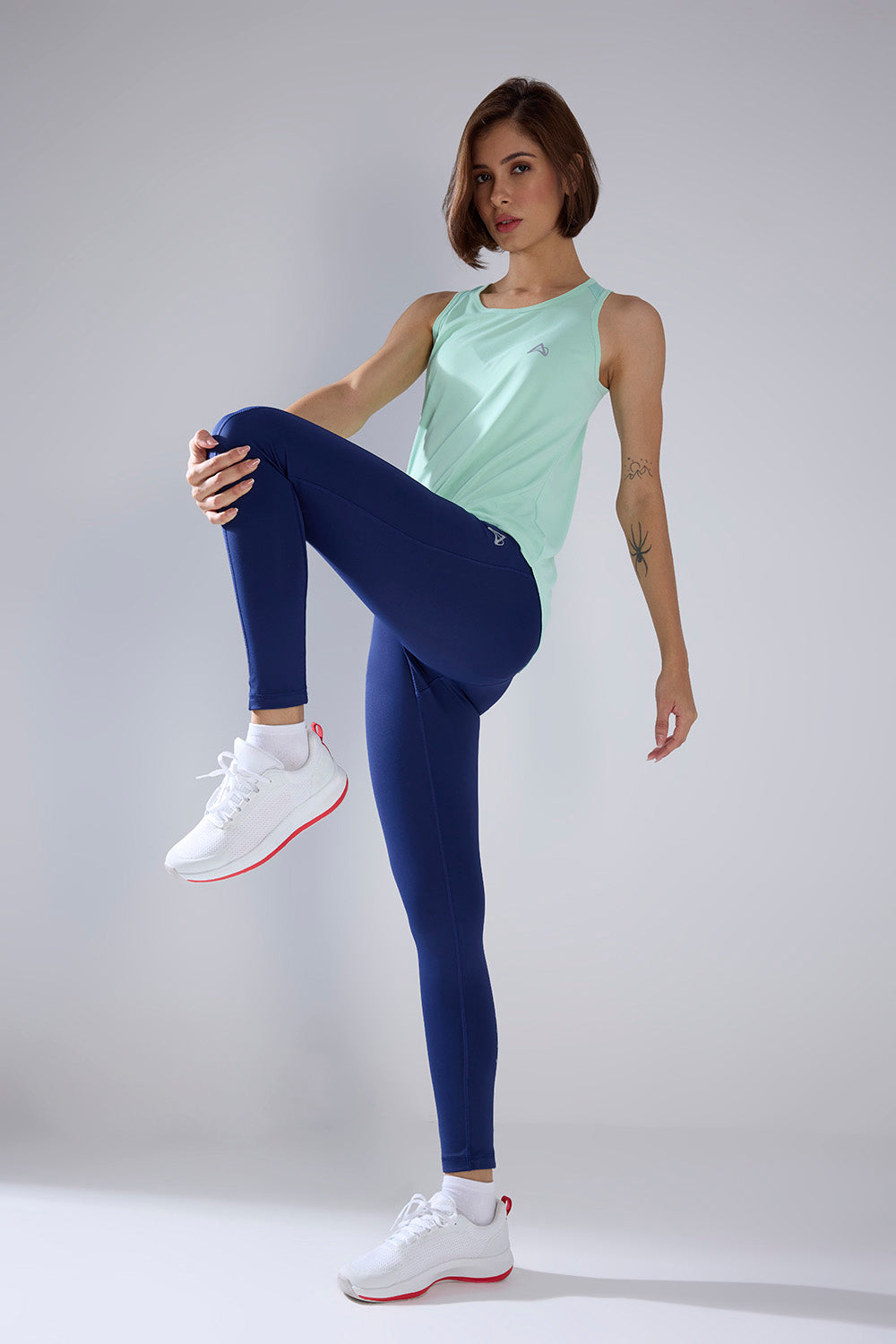
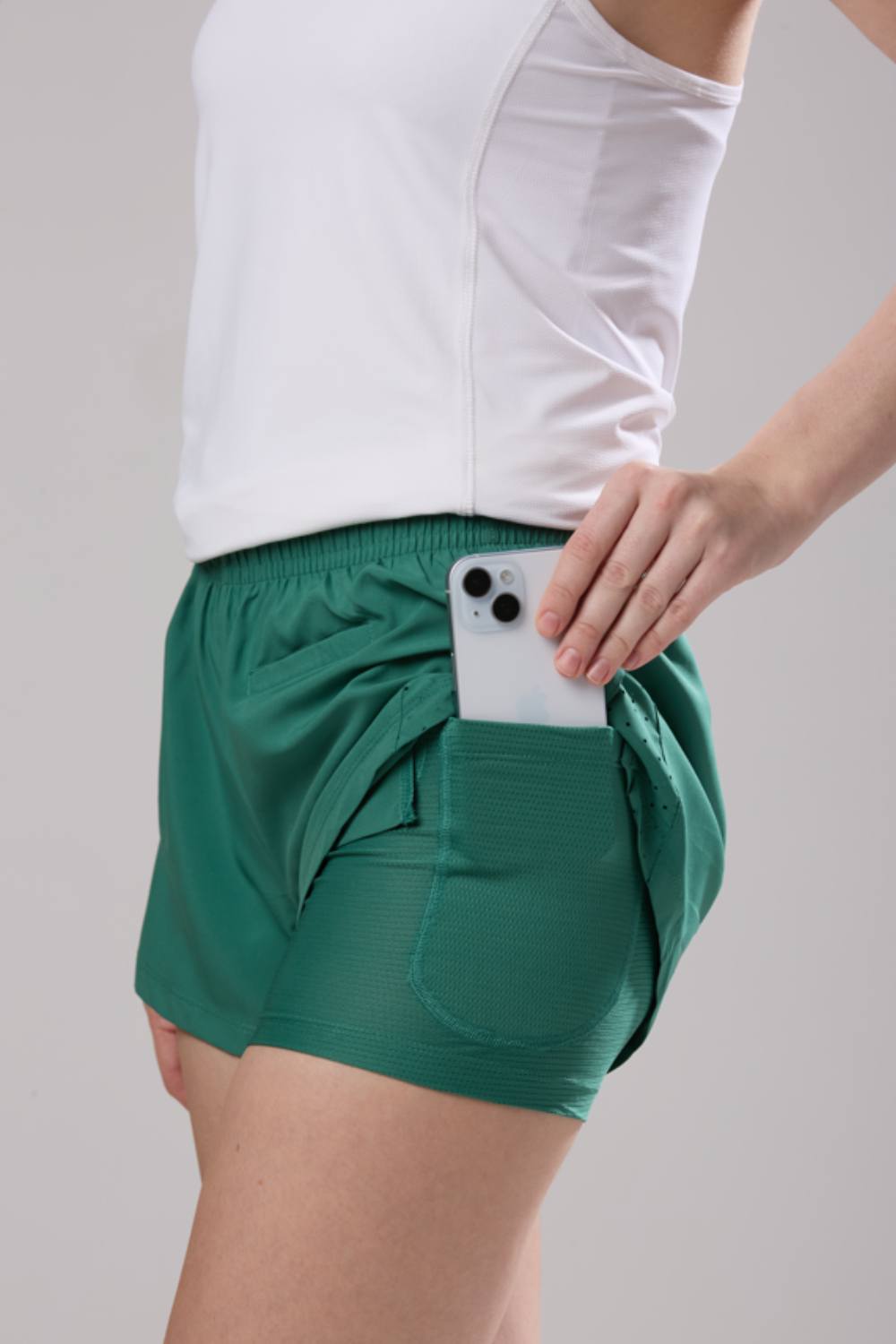
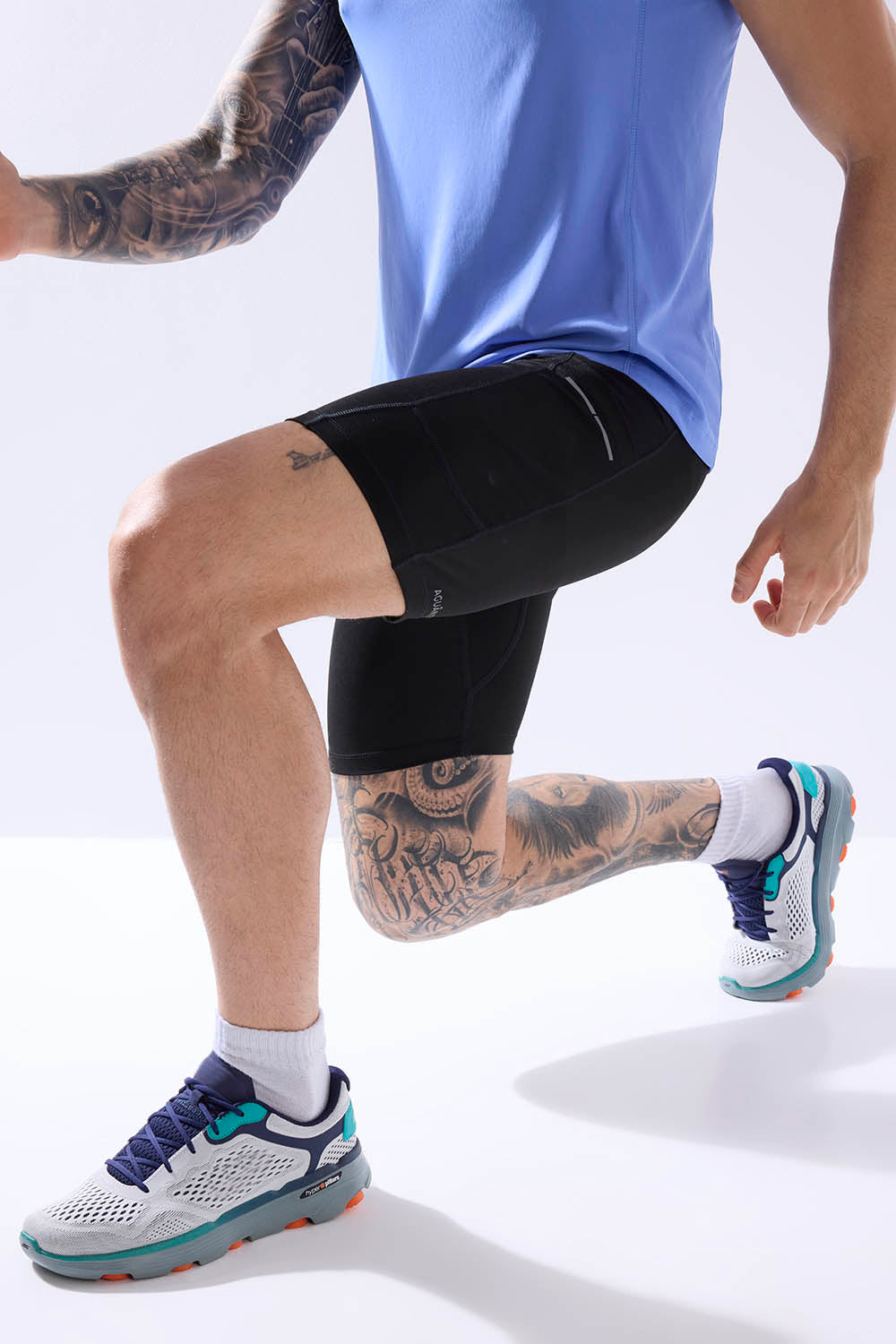
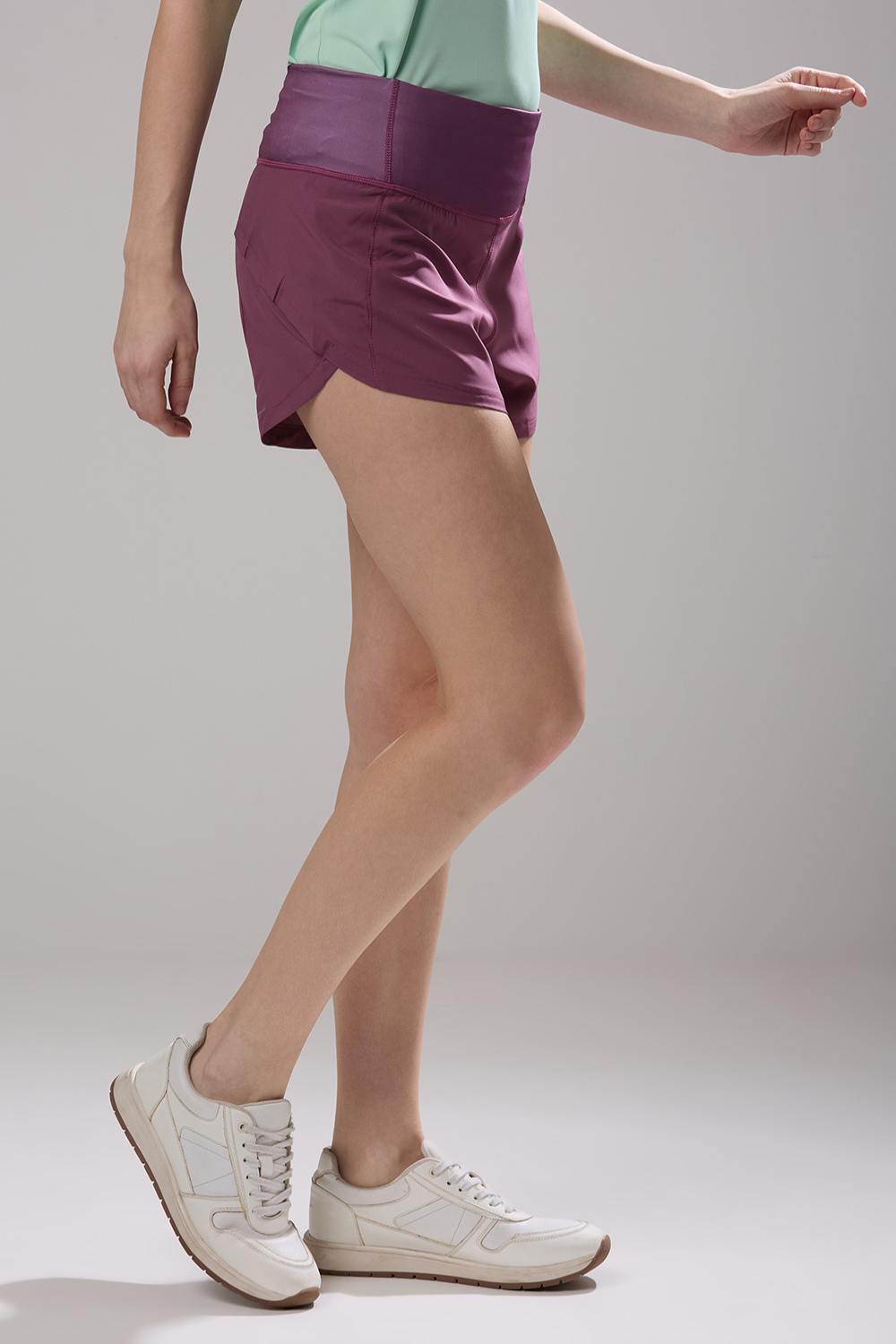
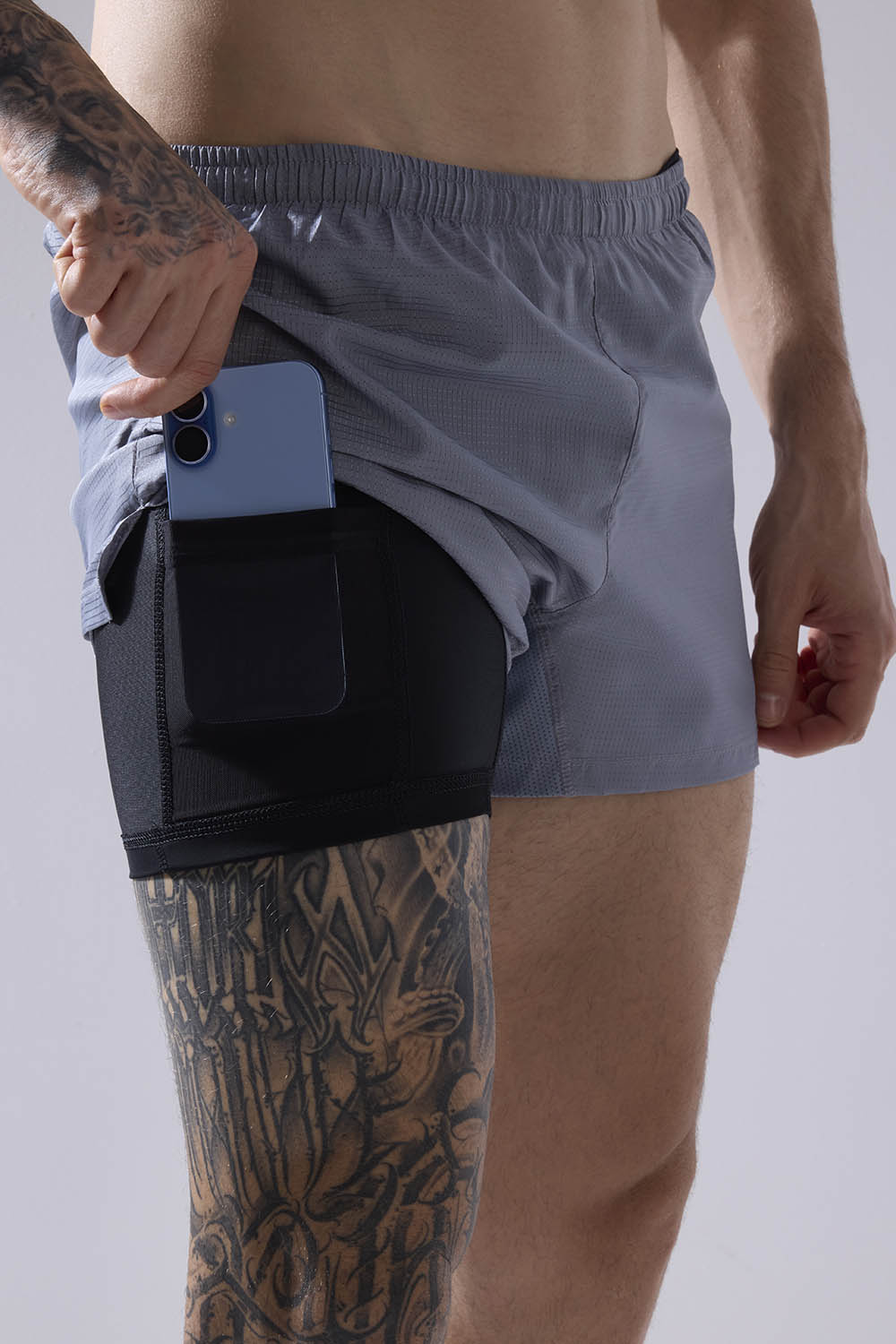
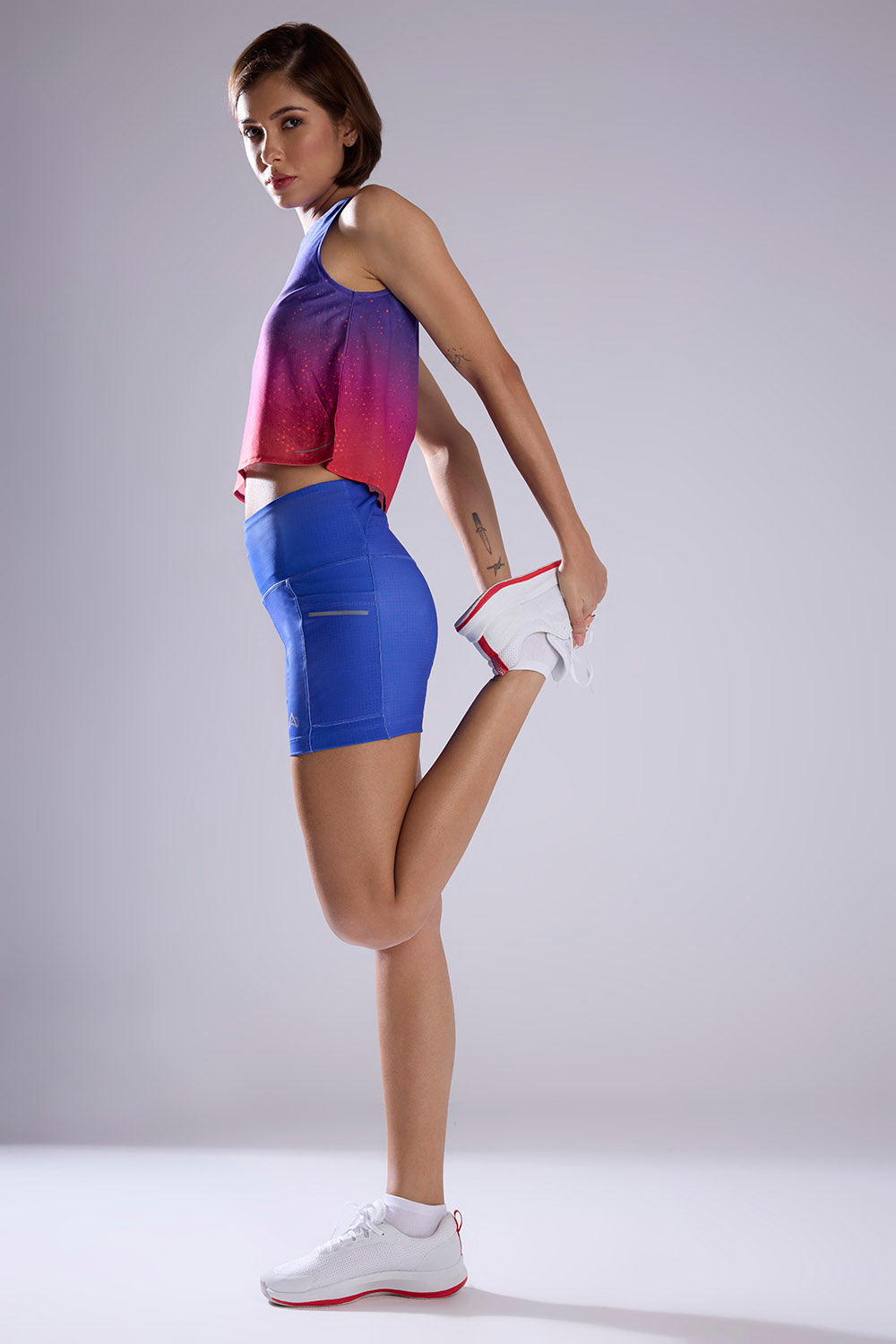
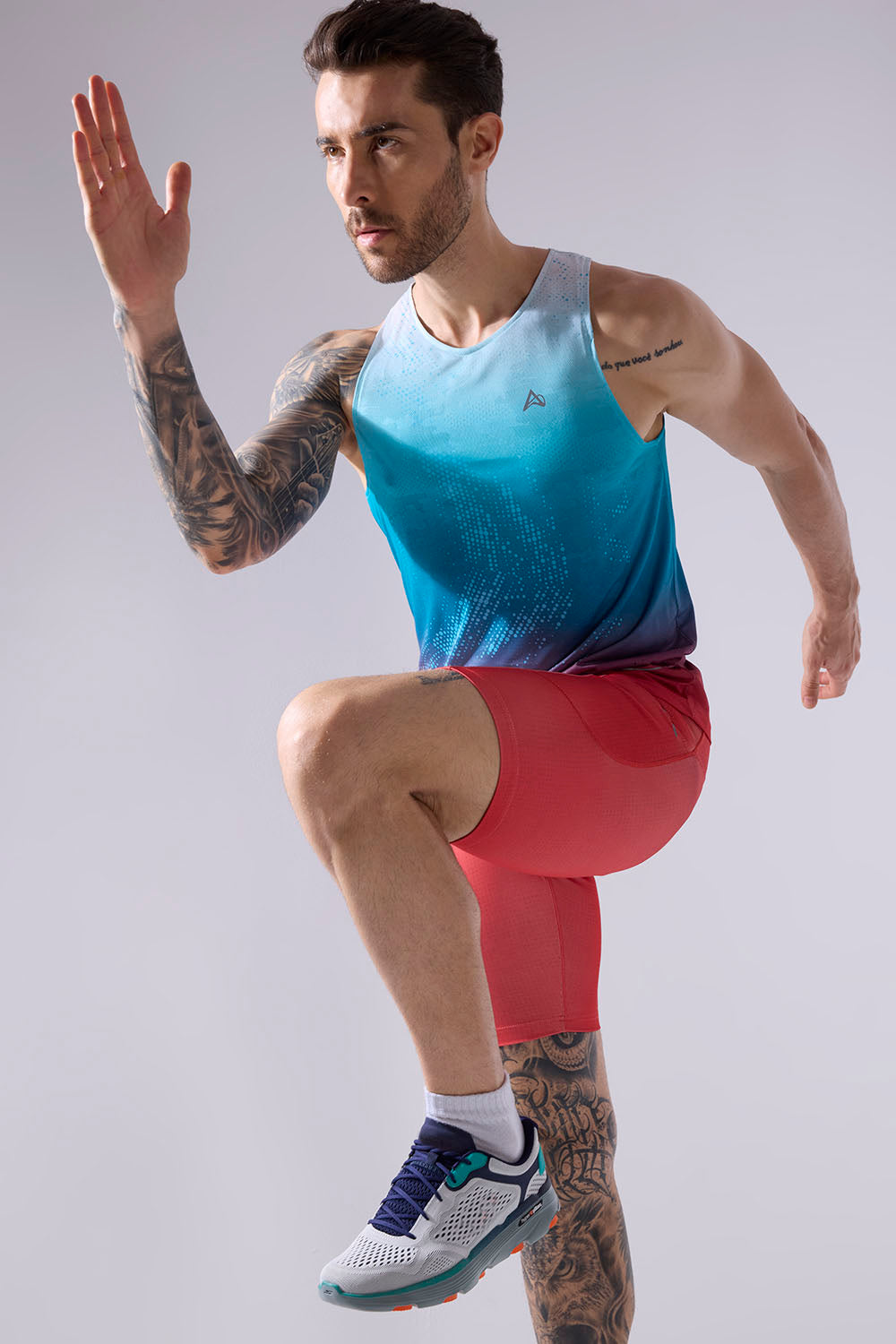
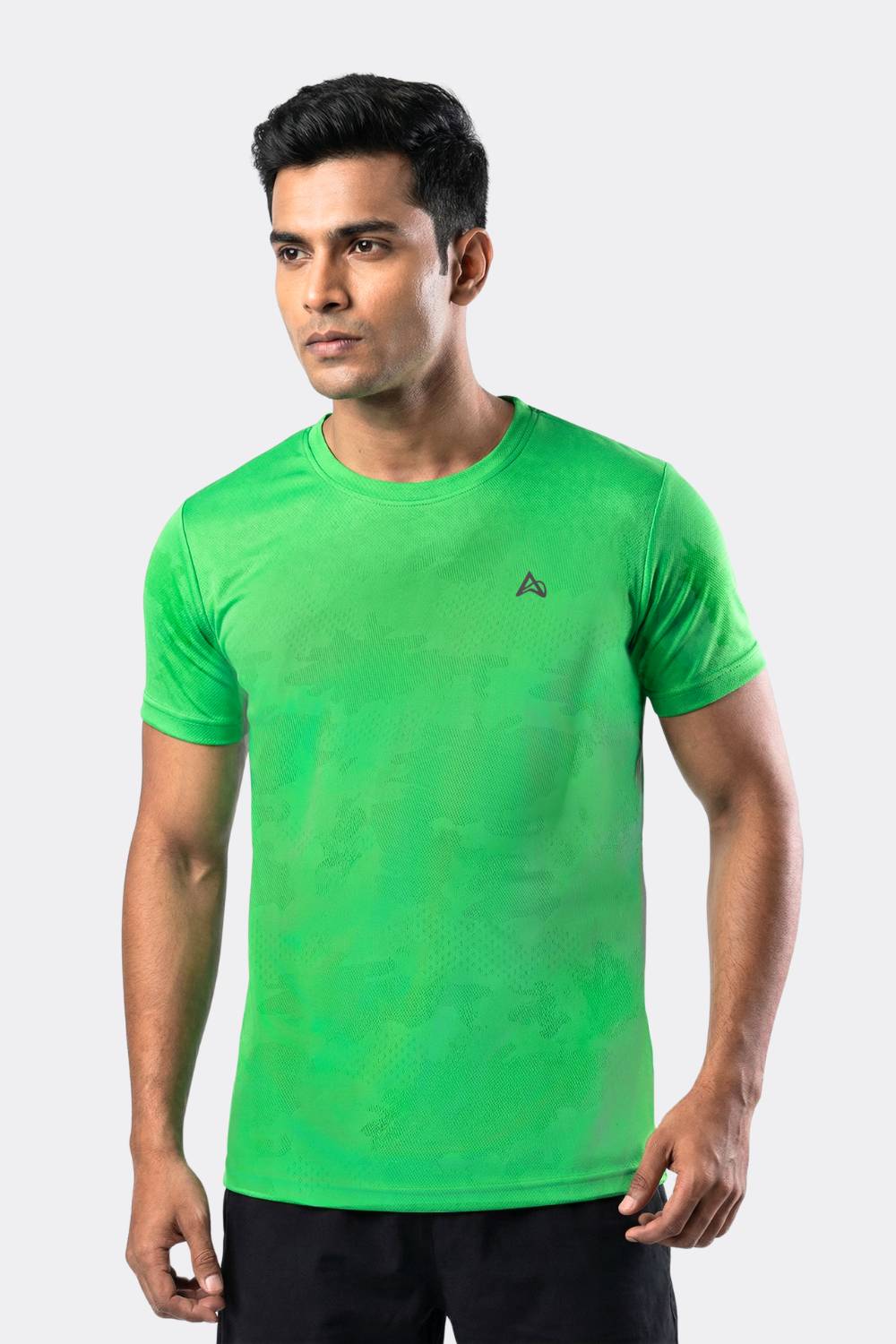
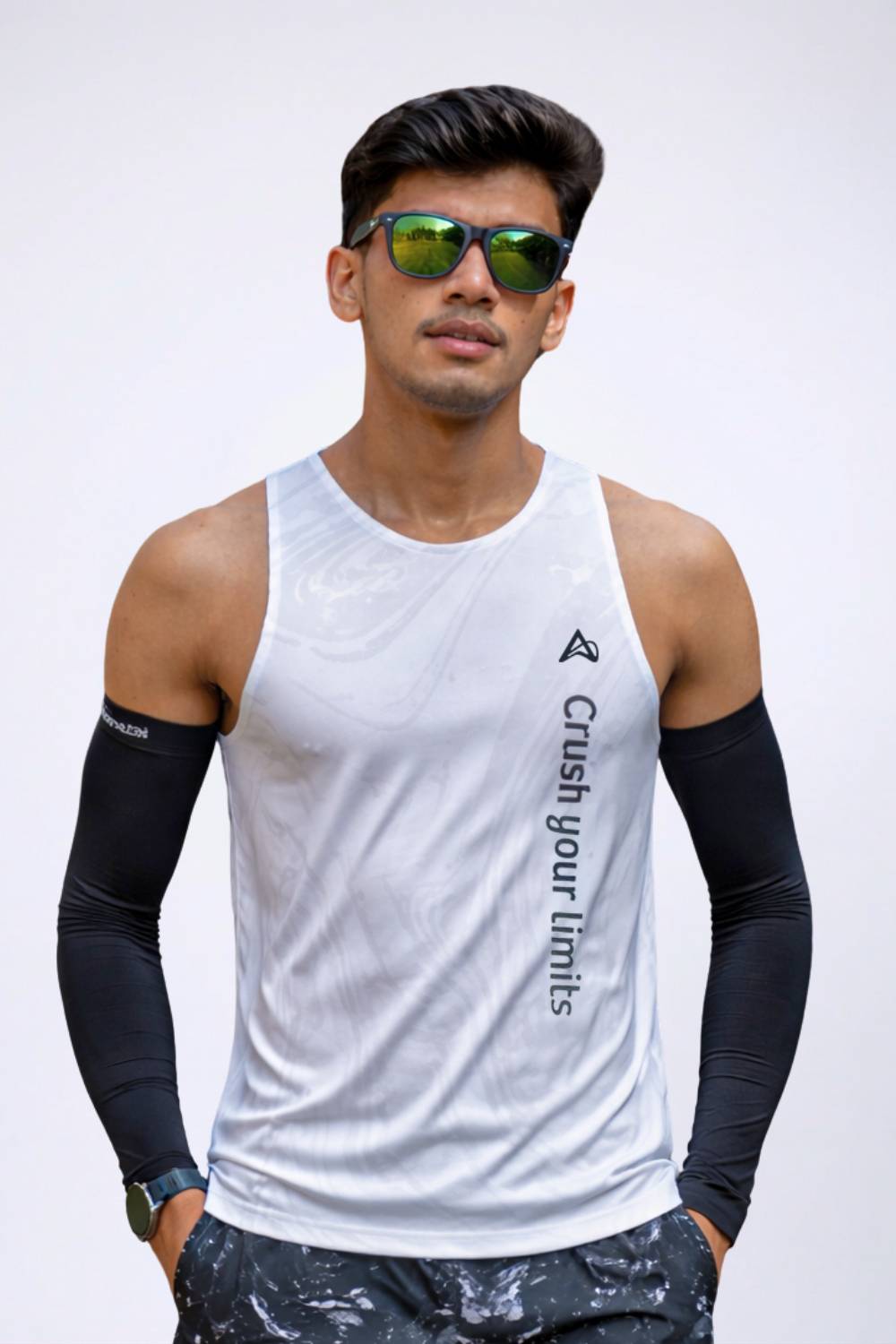
Tired of gear that slows you down? Chafing, soggy fabrics, and missing pockets kill your run's momentum. At Aguante, we're runners who get it. Our high-performance activewear features moisture-wicking fabrics, ergonomic designs, and smart storage to keep you focused. Shop Now!
Emerging Trends in India's Running Landscape
In the thriving urban hubs of Bangalore, Hyderabad, Mumbai, Pune, Navi Mumbai, Delhi, Gurugram, Surat, and Ahmedabad, running is transforming from an individual activity into a vibrant social movement. Latest shifts indicate a rise in structured gatherings, where marathons serve as hubs for wellness and charitable causes. The worldwide marathon event market, assessed at USD 1.7 billion in 2024, is anticipated to grow to USD 2.8 billion by 2032 with a 7 percent CAGR. Insights from 2021 to 2023 reveal patterns like amplified public health focus boosting event attendance, social platforms enhancing promotion, organizers introducing novel formats such as themed or scenic runs, and brands seeking alliances with fitness-minded groups. These occasions stimulate economies through travel boosts, product sales, sponsorships, and heightened local commerce. Although no direct India references appear, the trends resonate strongly within the nation's context.
In Delhi and Gurugram, persistent air pollution issues are steering preferences toward combined indoor workouts and outdoor events, elevating the call for adaptable clothing. Hyderabad's digitally inclined population is adopting wearable tech for monitoring, a category emphasized in market product breakdowns that include trackers alongside footwear, apparel, and accessories. Bangalore's innovative environment, meanwhile, propels casual jogging, supported by digital marketplaces that democratize access to equipment. These evolutions are linked, with celebrity endorsements and collaborations heightening exposure. For example, in Pune and Navi Mumbai, community races are multiplying, attracting participants who value attire optimized for moist environments consider visibility enhancements for dawn sessions amid Surat's or Ahmedabad's arid trails.
This drive is supported by research indicating the India sports events market valued at USD 18,575.37 million in 2024, poised to climb to USD 33,625.8 million by 2033 at a 6.86 percent CAGR from 2026 onward. Professional competitions dominated in 2024, yet local and grassroots activities are projected for the swiftest expansion, rendering them highly promising. India captured 4.22 percent of the international sports events sector that year, outstripping many areas thanks to city growth and income rises in focal regions.
Real-World Illustrations and Case Analyses
The Tata Mumbai Marathon itself provides an exemplary model. Marking its 21st occurrence, this initiative has spearheaded inclusive athletics in India, fostering unity among varied demographics in a collective quest for achievement. According to reports, the 2026 edition boasts unprecedented full marathon sign-ups at 14,059, alongside expansions in half marathons, 10K opens, female involvement, scheduled participants, and inclusive groups via the Dream Run. In Mumbai, entrants from West and Central India assemble, demonstrating how these spectacles invigorate regional economies via visitor influx and item transactions.
Beyond Mumbai, Bangalore's TCS World 10K echoes this pattern, luring multitudes and underscoring clothing necessities amid South India's fluctuating conditions. Hyderabad's Airtel Marathon, emphasizing digital tools like training apps, showcases how urban events cultivate equipment advancements. Delhi's semi-marathons, frequently endorsed by authorities, spotlight obstacles like contamination, where air-permeable performance wear proves vital. Notably, Gurugram's professional crowds depend on gender-neutral options for seamless shifts from office to exercise, corresponding with market divisions into male-dominant, female, and unisex categories.
Ahmedabad's Sabarmati Marathon presents yet another perspective, with neighborhood-led contests in Gujarat stressing cost-effective, robust athletic wear. These instances reveal retail implications: Aguante's emphasis on region-tailored features like stable compartments and irritation-preventing layers gains substantial appeal, as runners from Surat to Pune pursue durable options that endure native challenges sans the elevated costs of foreign labels. Such events not only amplify participation but also cultivate lasting consumer ties, as athletes seek brands that comprehend local nuances, from humidity-resistant materials to fits accommodating diverse physiques.
Principal Challenges, Constraints, and Hazards
Nevertheless, this athletic surge encounters significant barriers. In overcrowded metropolises such as Mumbai and Delhi, facilities buckle under vast assemblies, creating operational perils like roadway blockages and security threats. Climatic elements are prominent: Hyderabad and Bangalore confront rainy season halts, whereas Ahmedabad and Surat endure scorching temperatures, heightening harm potentials if equipment lacks sufficient adaptability.
Industry barriers encompass disparate availability; in peripheral areas of Navi Mumbai or Gurugram, premium sportswear stays costly for numerous individuals, notwithstanding digital sales increases. Overexertion health dangers are escalating, with novice joggers in Pune disregarding appropriate shoes, resulting in frequent ailments like abrasions. Wider issues pertain to occasion management eco-friendly practices trail, with disposable refuse from competitions attracting scrutiny. Analyses show India's sports event sector at USD 20.4 billion in 2025, advancing to USD 60.1 billion by 2033 at a 14.4 percent CAGR from 2026, but beginner categories suffer resource deficits relative to pro levels.
These perils emphasize educational imperatives: neglecting them might impede sector progress, especially as virtual gaming competitions vie for focus in innovation centers like Bangalore. Retailers must tackle these by promoting informed selections, ensuring gear aligns with safety and sustainability, to maintain the momentum of India's running culture.
Prospects, Streamlinings, and Commercial Effects
Conversely, the activewear field brims with prospects. The Tata Mumbai Marathon's online element broadens access for countrywide inclusion, enabling labels to transcend physical boundaries. In Delhi and Mumbai, event collaborations can optimize logistics chains, utilizing tracker insights for item refinement.
Commercial repercussions are substantial: escalating needs in West India, encompassing Pune and Navi Mumbai, elevate clothing transactions, per product groupings. Online avenues, prevalent in Hyderabad and Bangalore, facilitate precise outreach, while Surat and Ahmedabad's expanding bourgeoisie broadens unisex offerings. For Aguante, this entails harnessing domestic creativity attire crafted for native forms and routes to seize portions, fostering efficiencies via consumer-direct approaches that reduce expenses and bolster fidelity.
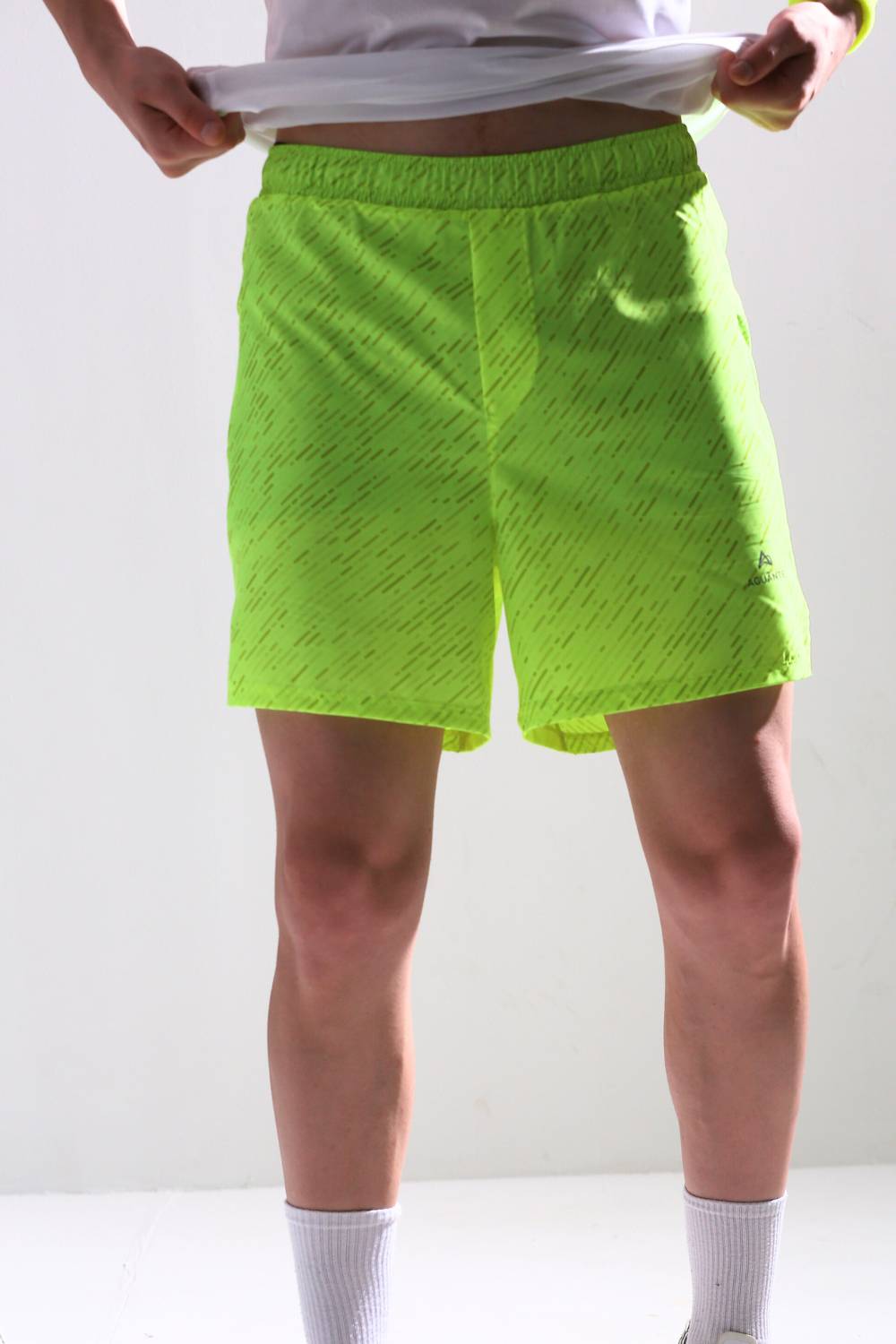
In essence, these gatherings produce widespread financial waves, from endorsements to goods, establishing India as an athletic nucleus and magnifying retail escalation within a 7 to 14.4 percent CAGR span across evaluations. Brands that integrate with these dynamics, prioritizing innovations like reflective accents and moisture management, stand to thrive amid this transformative era.
Advancing Forward: Expert Perspectives and Horizons
As the 2026 Tata Mumbai Marathon nears its culmination, authorities view it as a precursor to India's wellness transformation. Organizers highlight its capacity to motivate national activity. Ahead, with digital sports ascending yet classic formats enduring, the sportswear domain must pioneer emphasizing eco-conscious, accessible equipment to perpetuate drive.
For industry leaders in athletic retail, the directive is straightforward: synchronize with regional patterns, fund communal initiatives, and emphasize attributes that echo in locales like Mumbai and Delhi. With rising engagement, prospects will proliferate; the essence lies in authentic preparation. Ultimately, be it traversing Mumbai's avenues or supporting remotely, this marathon affirms that each advance matters not solely in distance, but in forging a robust, unified India.
Frequently Asked Questions
How many runners are participating in the Tata Mumbai Marathon 2026?
The Tata Mumbai Marathon 2026 expects over 69,000 participants, including more than 65,400 on-site runners and over 3,700 virtual entrants. This marks a record participation with 14,059 full marathon sign-ups, reflecting the surging popularity of running events in India. The event, scheduled for January 18, 2026, is a World Athletics Gold Label Race in its 21st edition.
What is driving the growth of India's running gear market?
India's running gear market reached USD 2.4 billion in 2024 and is projected to grow to USD 4.8 billion by 2033 at a 7.71% CAGR. This growth is fueled by increased health consciousness, rising fitness participation, urban expansion, growing incomes, and the proliferation of regional marathons and digital retail platforms. West and Central India, particularly cities like Mumbai and Pune, currently lead the market.
What challenges do runners face in Indian marathons and how does it affect sportswear needs?
Indian runners contend with diverse challenges including intense humidity in Mumbai and Pune, persistent air pollution in Delhi and Gurugram, and extreme heat in Ahmedabad and Surat. These conditions create demand for specialized activewear with features like superior ventilation, moisture-wicking fabrics, friction-resistant designs, and breathable materials that can withstand India's unique climatic demands while preventing common issues like skin irritation and overheating.
Disclaimer: The above helpful resources content contains personal opinions and experiences. The information provided is for general knowledge and does not constitute professional advice.
You may also be interested in: Aguante Sporswear for Men and Women
Tired of gear that slows you down? Chafing, soggy fabrics, and missing pockets kill your run's momentum. At Aguante, we're runners who get it. Our high-performance activewear features moisture-wicking fabrics, ergonomic designs, and smart storage to keep you focused. Shop Now!
Powered by flareAI.co