



Quick Listen:
The India activewear market has entered a powerful growth phase, propelled by widespread enthusiasm for fitness, greater health awareness across generations, and the rising popularity of athleisure that seamlessly blends performance with everyday style. Industry forecasts point toward the sector reaching approximately US$ 29,972.9 Million by 2030 a clear signal of how firmly active lifestyles have taken root in modern Indian society.
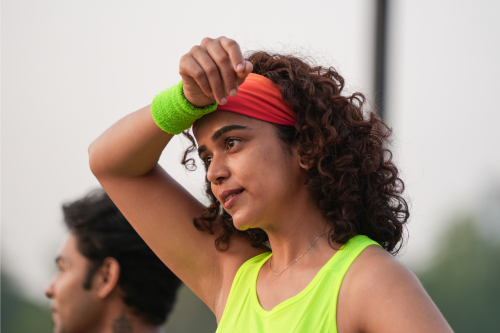
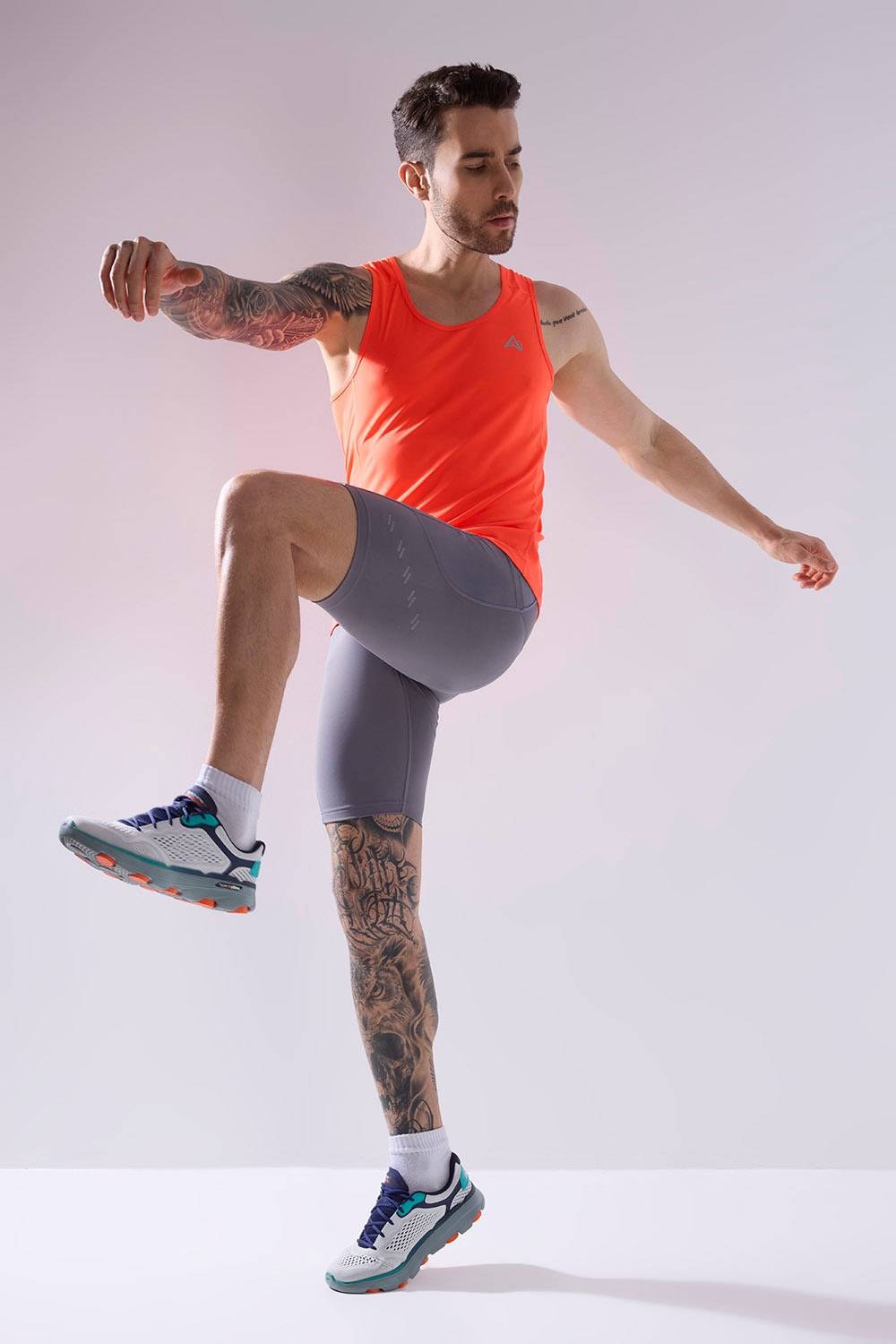
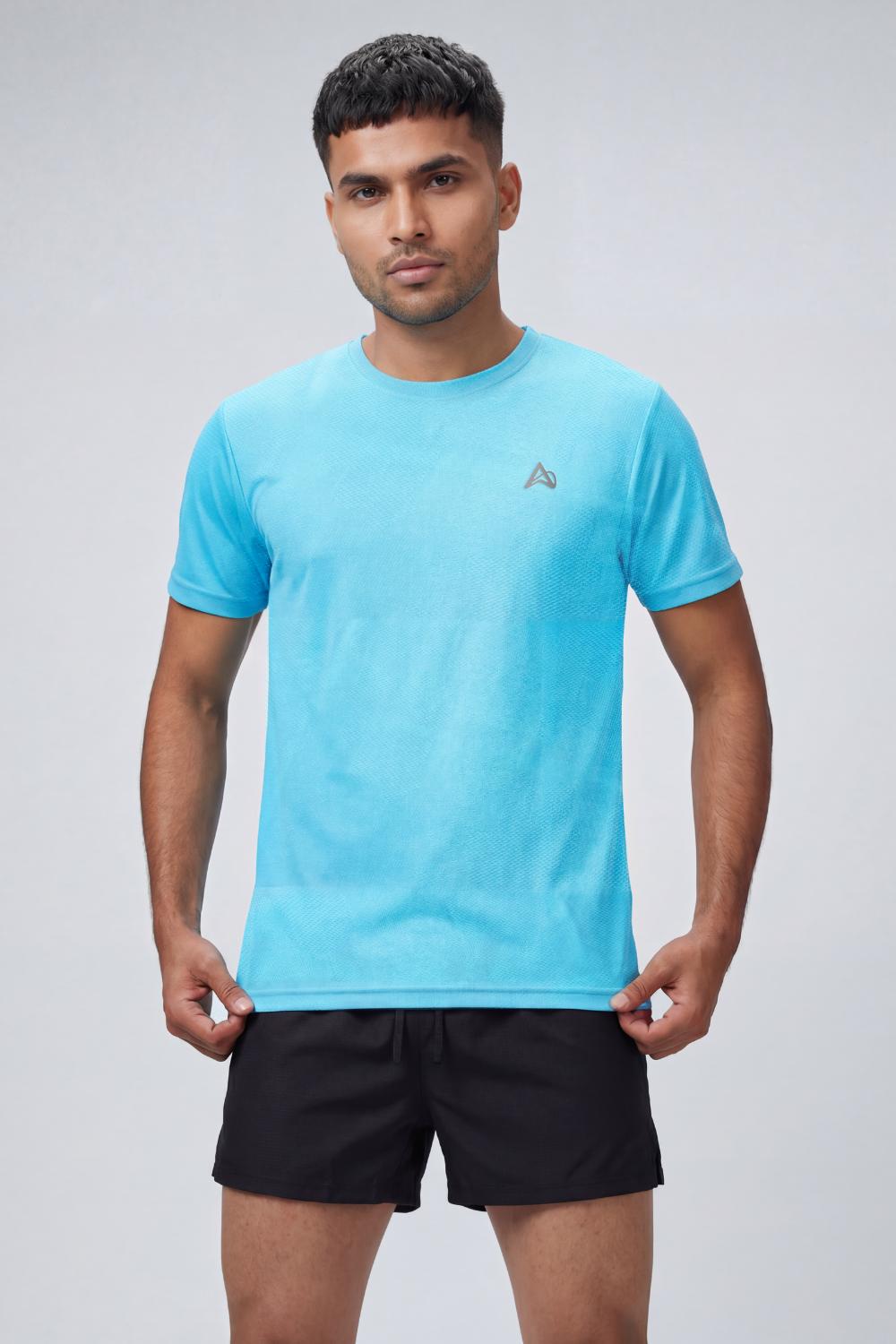
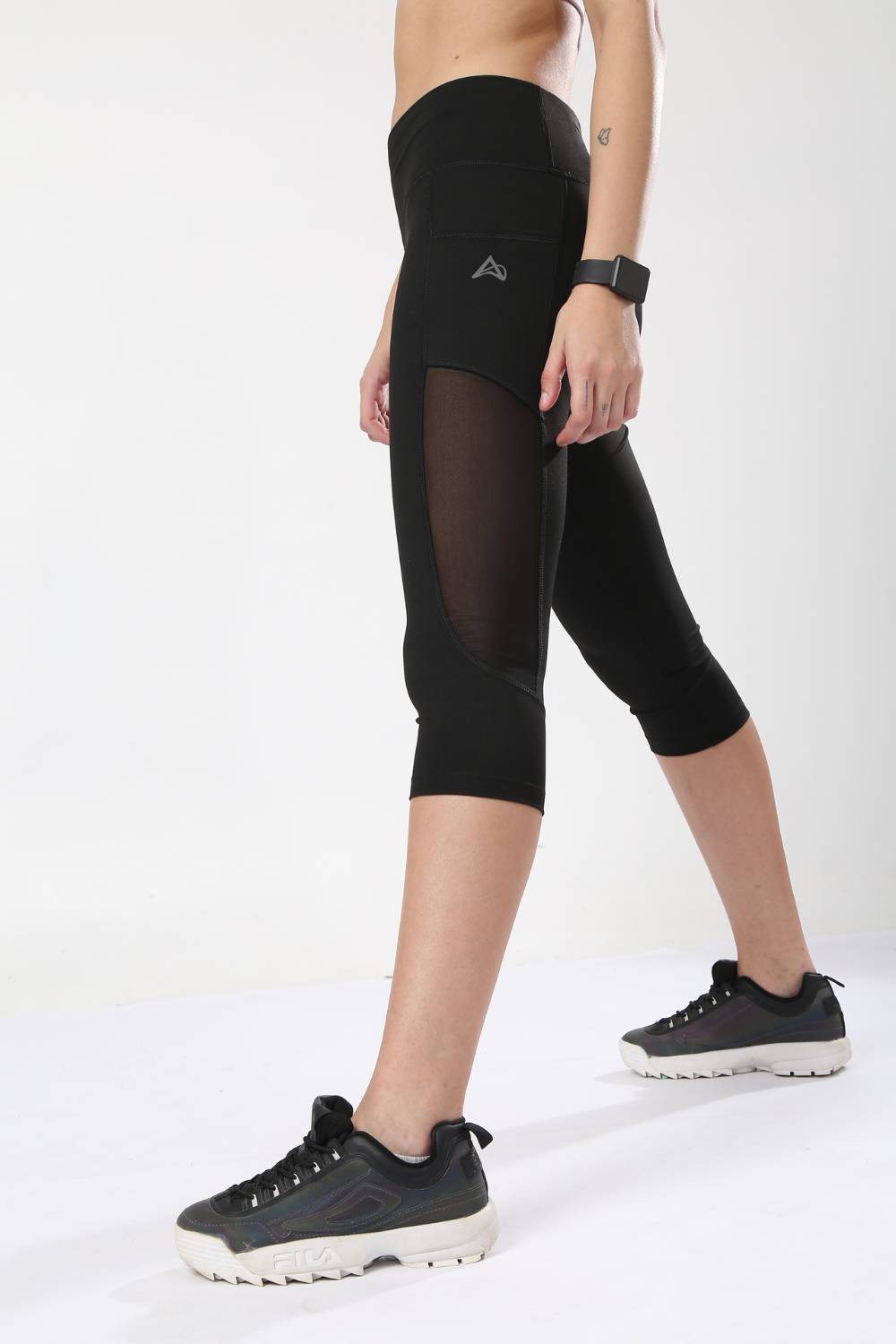
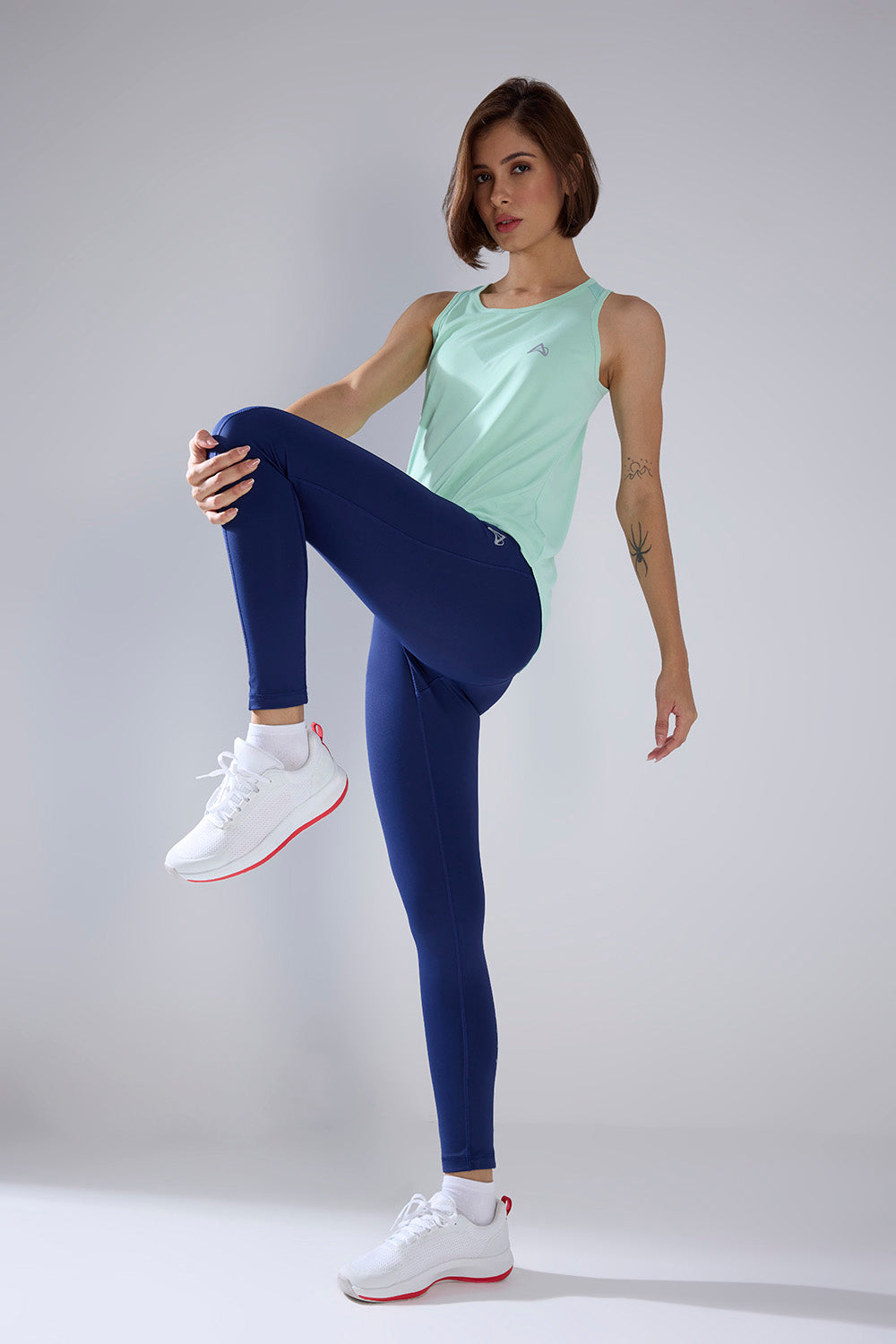
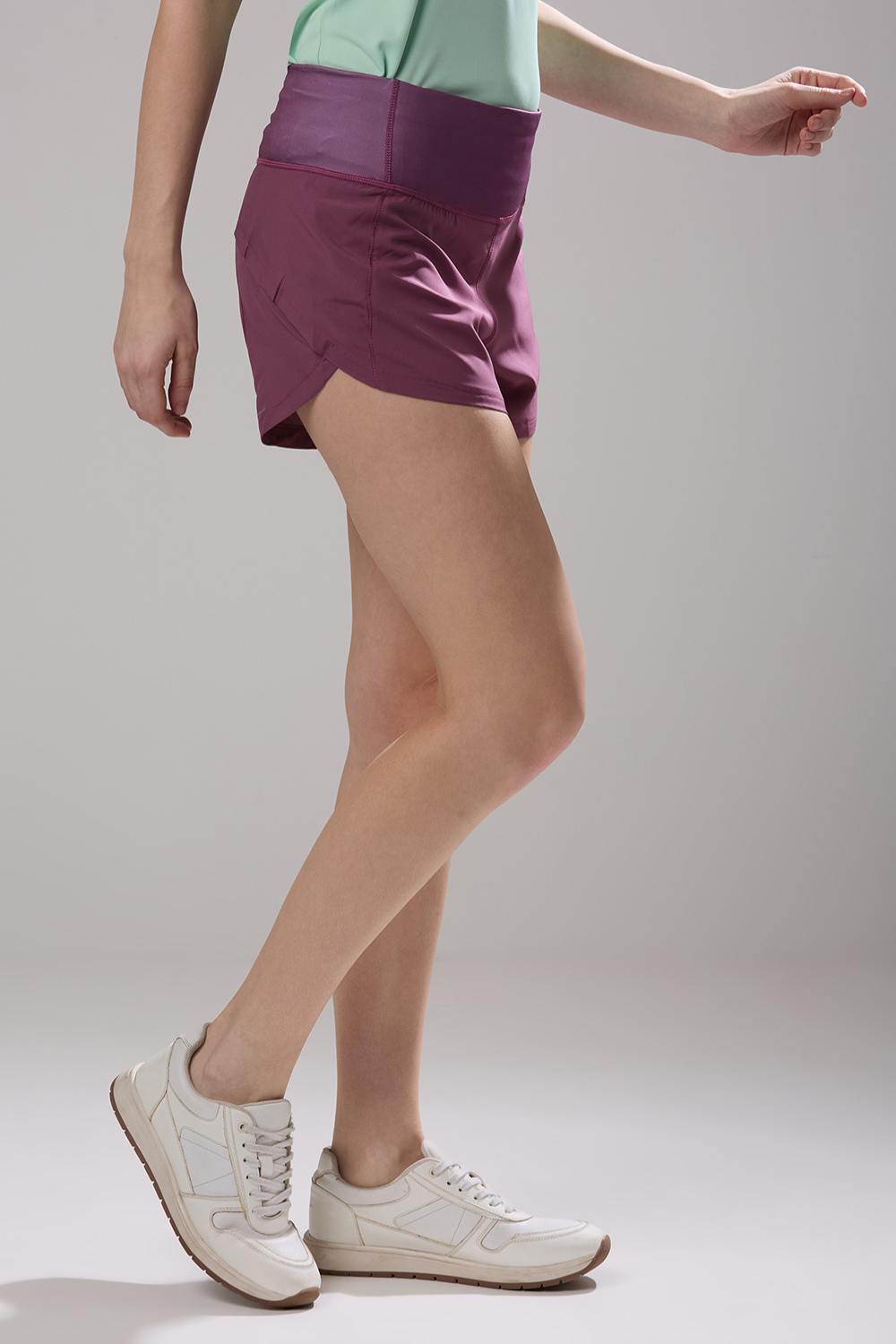
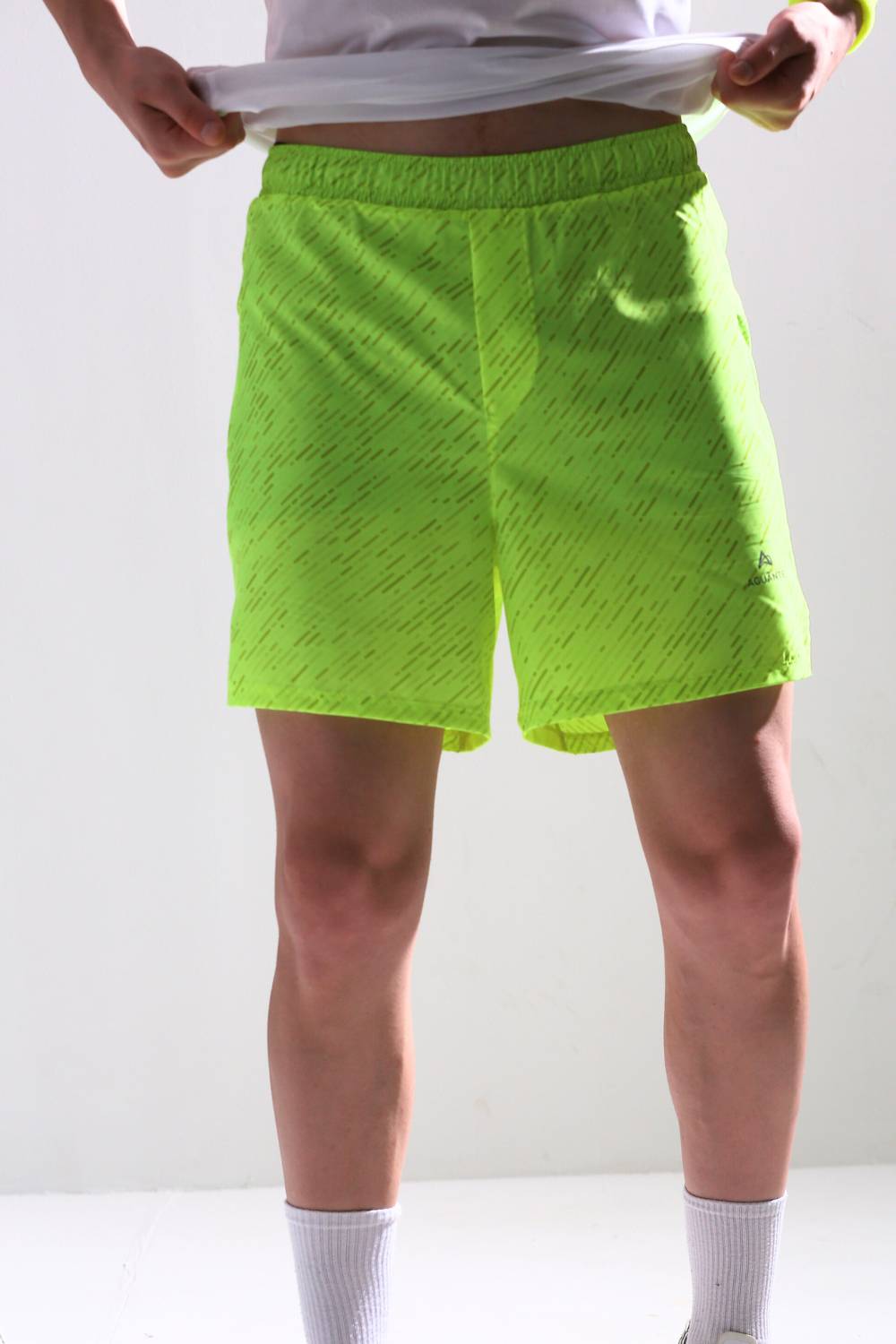
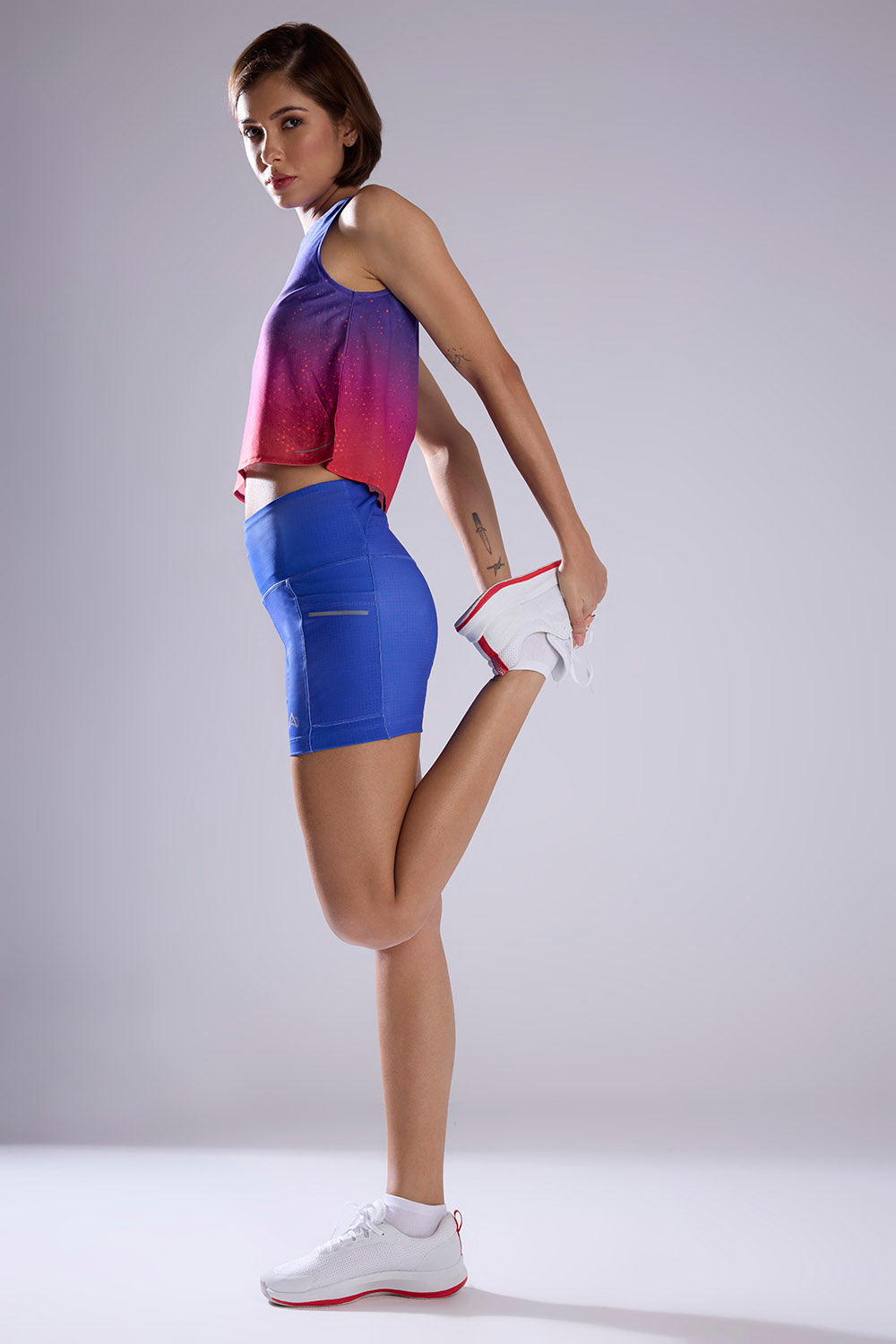
Activewear today reaches far beyond dedicated athletes. Leggings, performance tops, and versatile jackets now appear in workplaces, coffee shops, airports, college campuses, and family outings. Brands have responded by designing clothing that performs during workouts yet looks polished enough for casual settings, meeting the needs of a population that values both function and appearance.
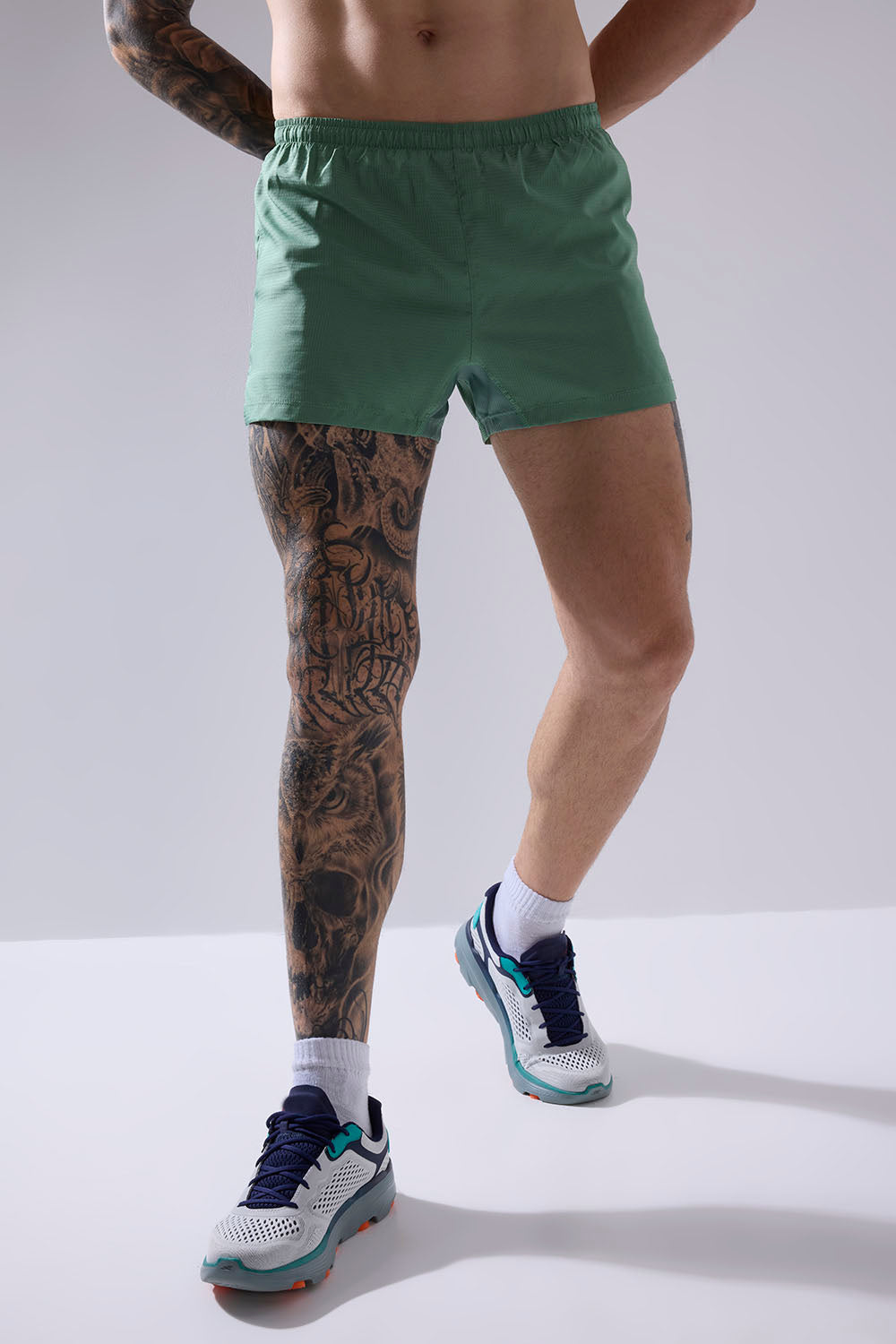
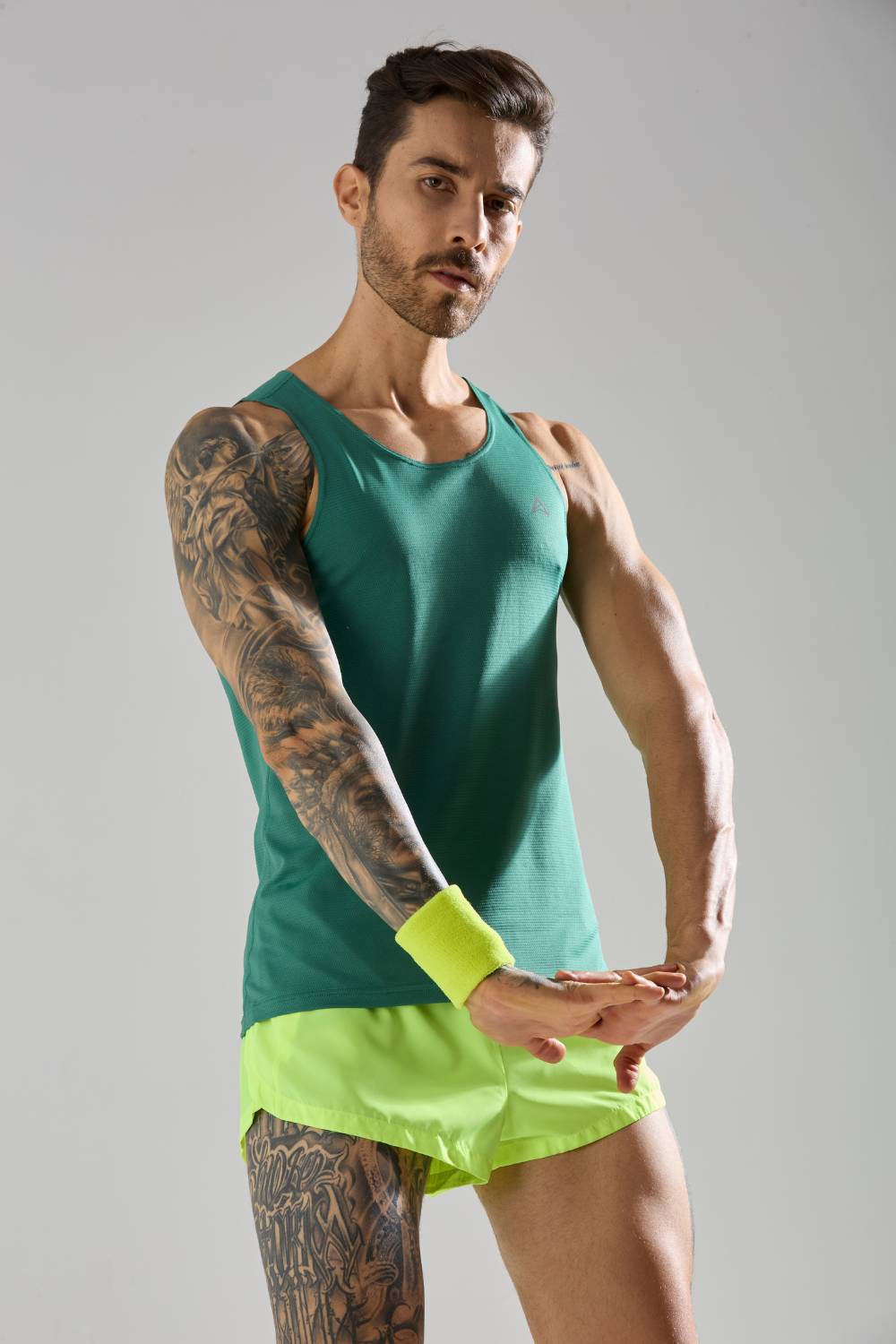
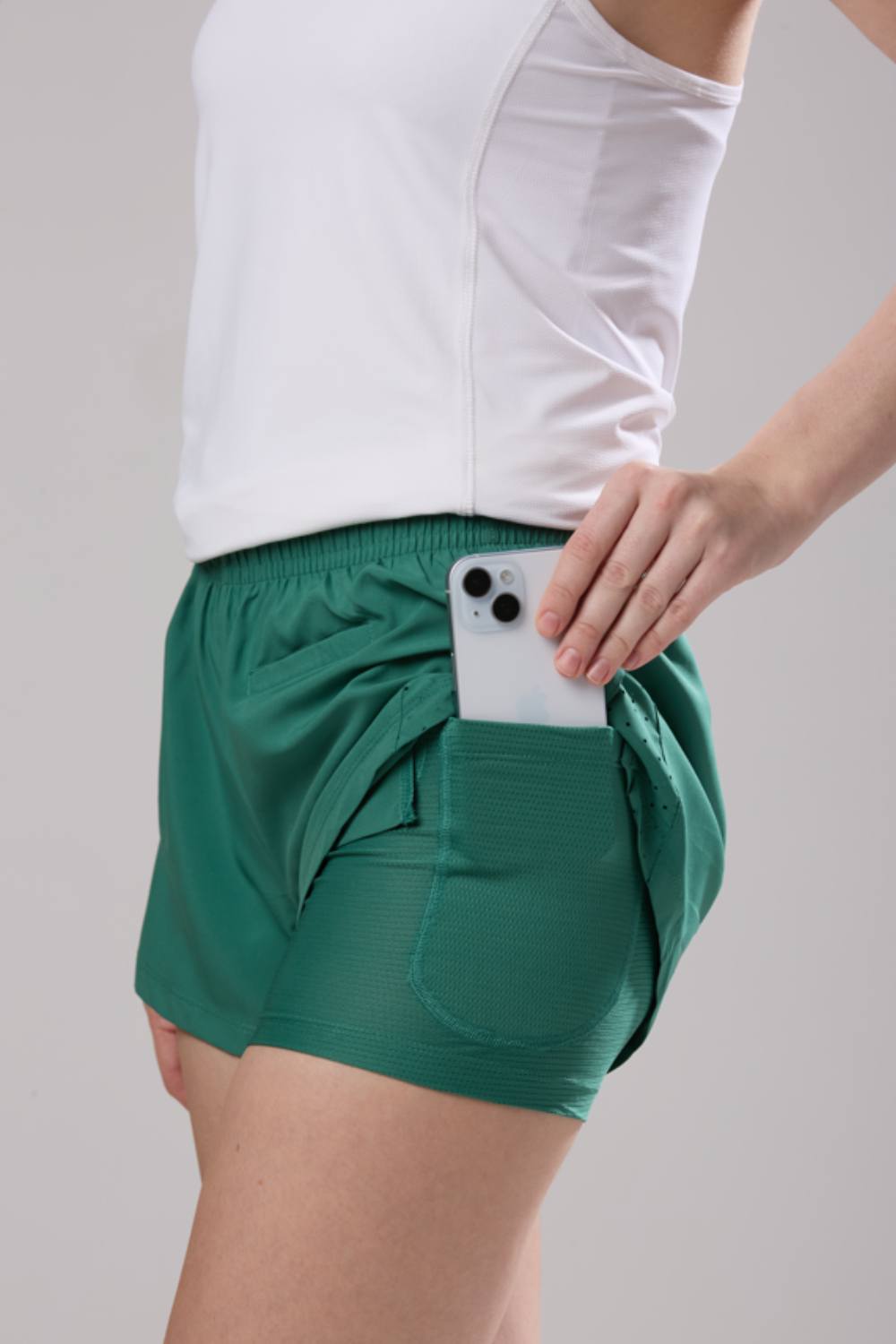
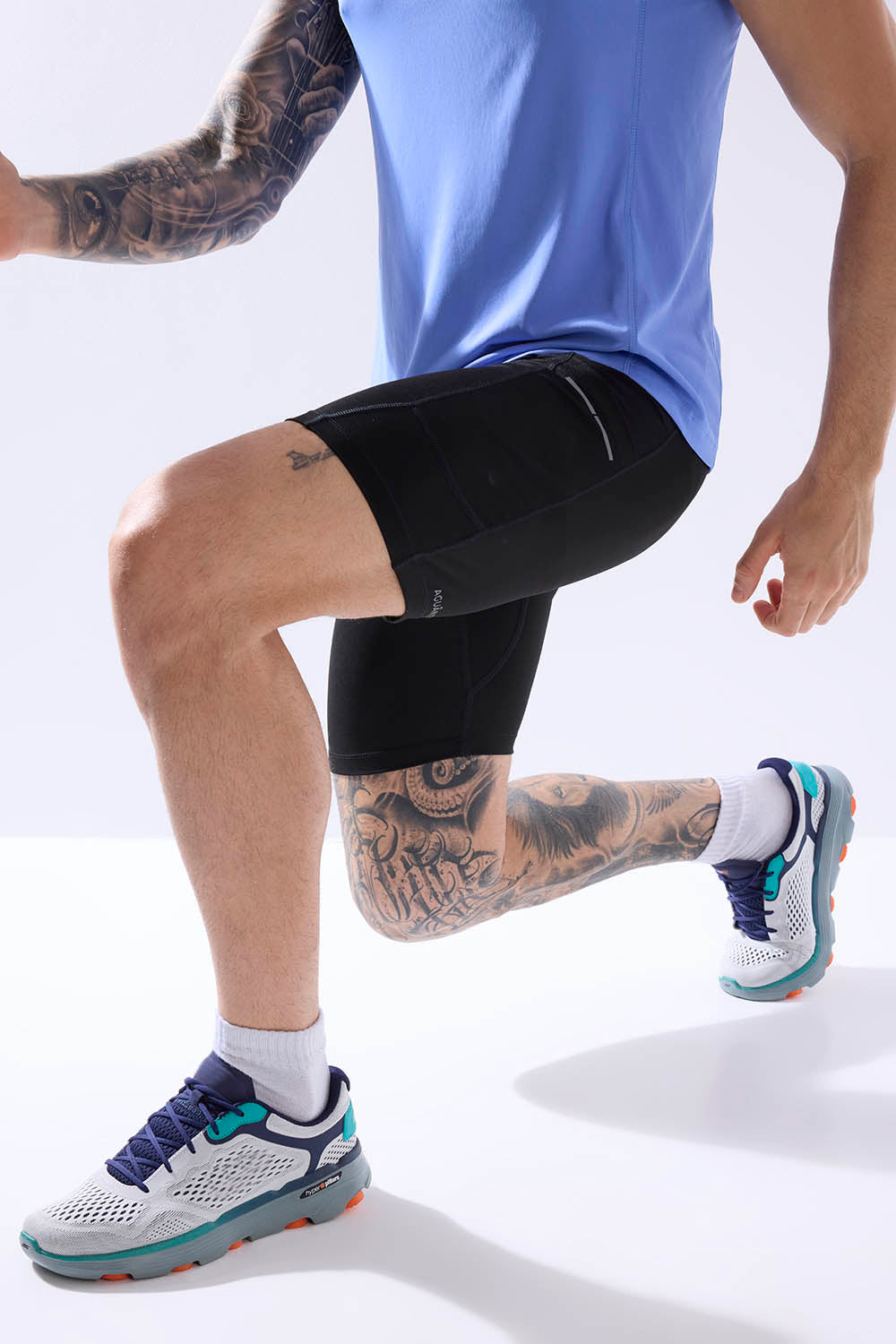
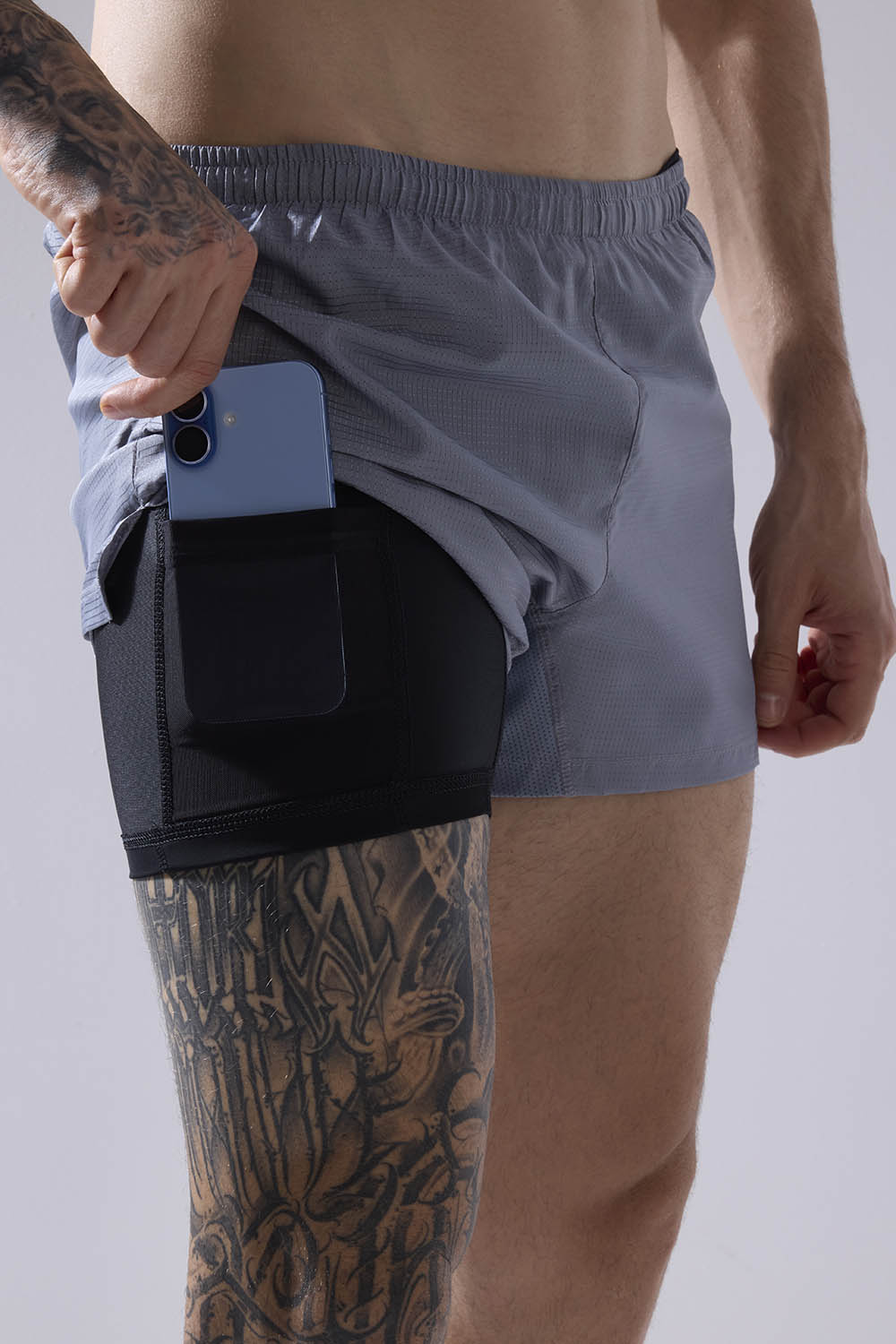
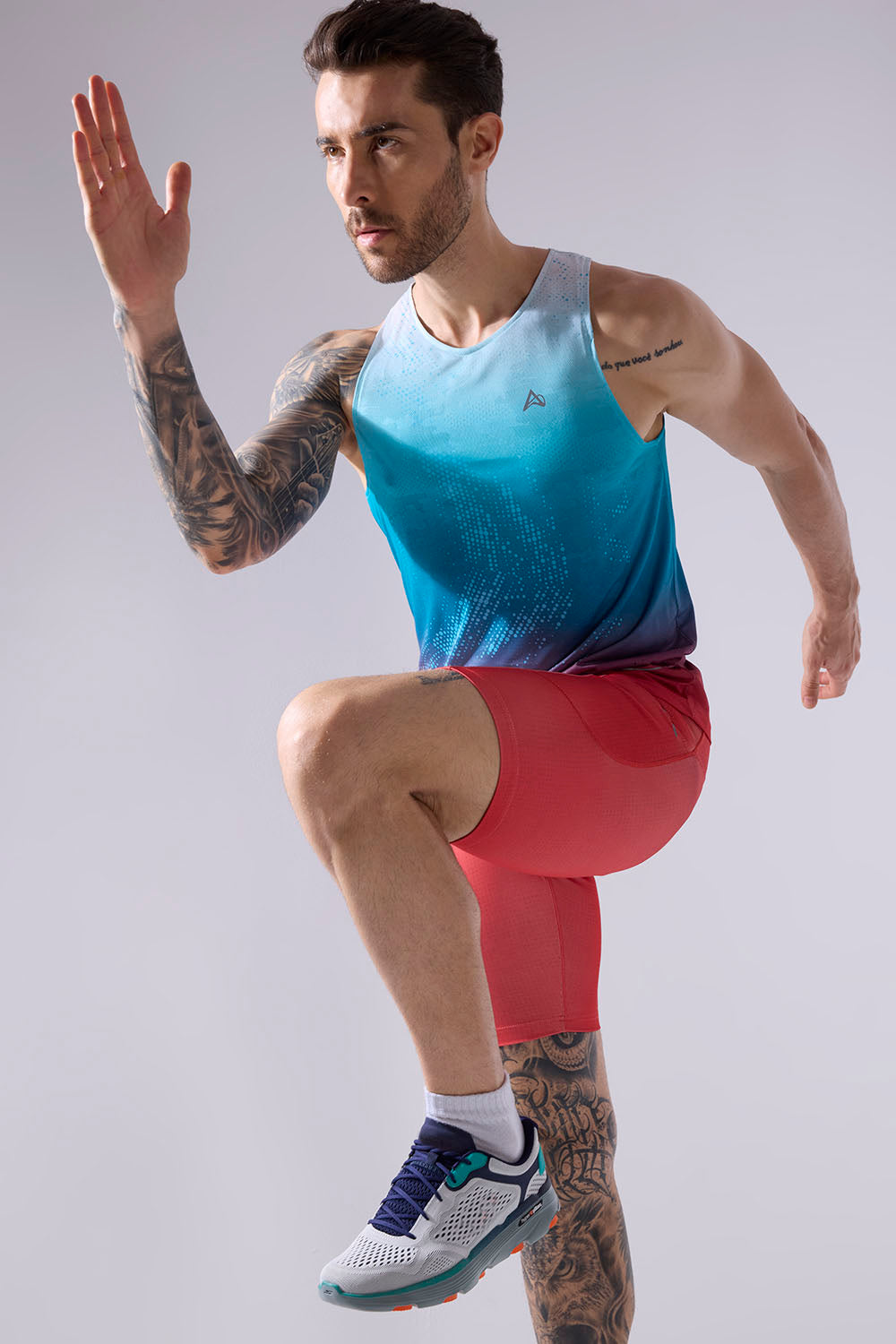
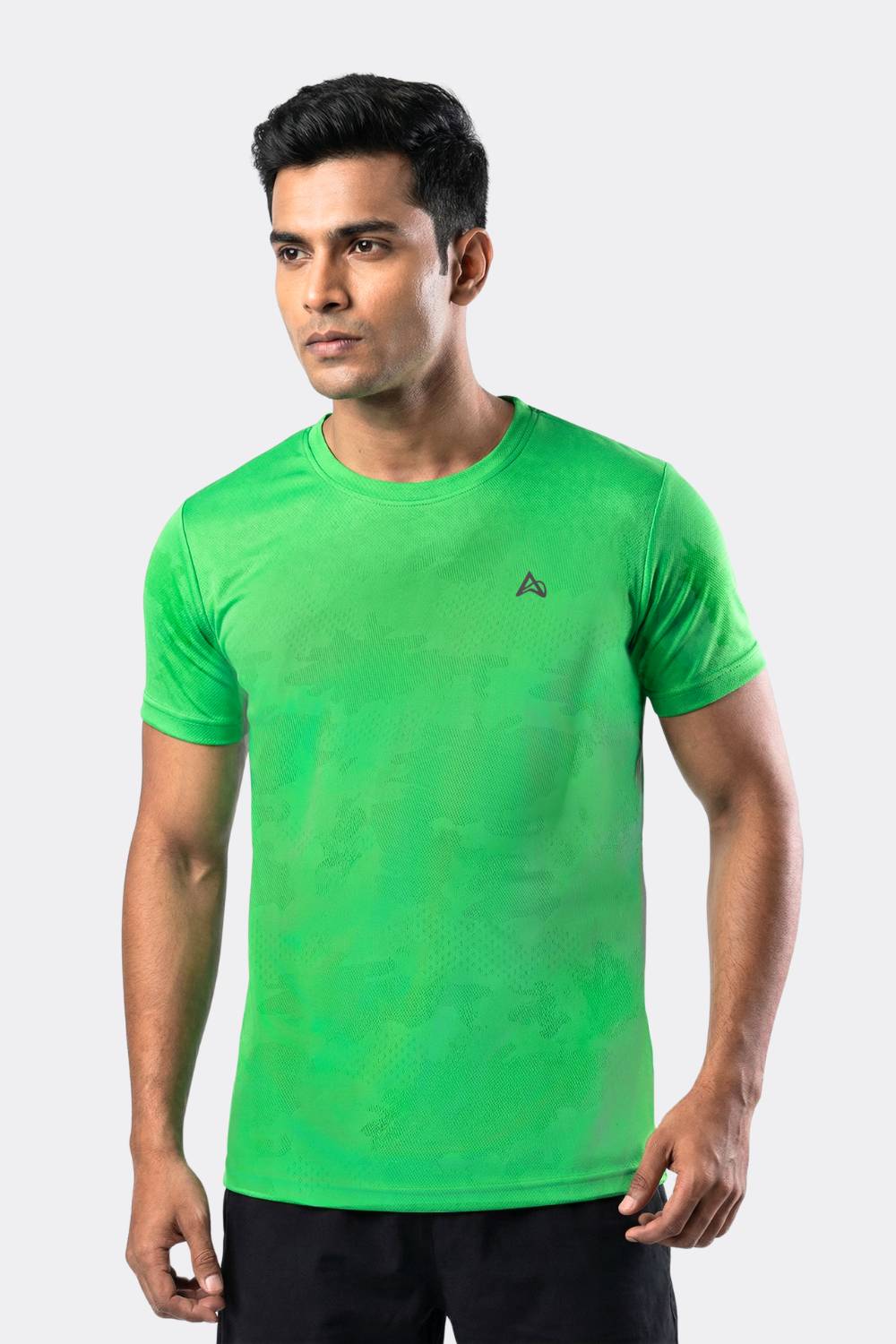
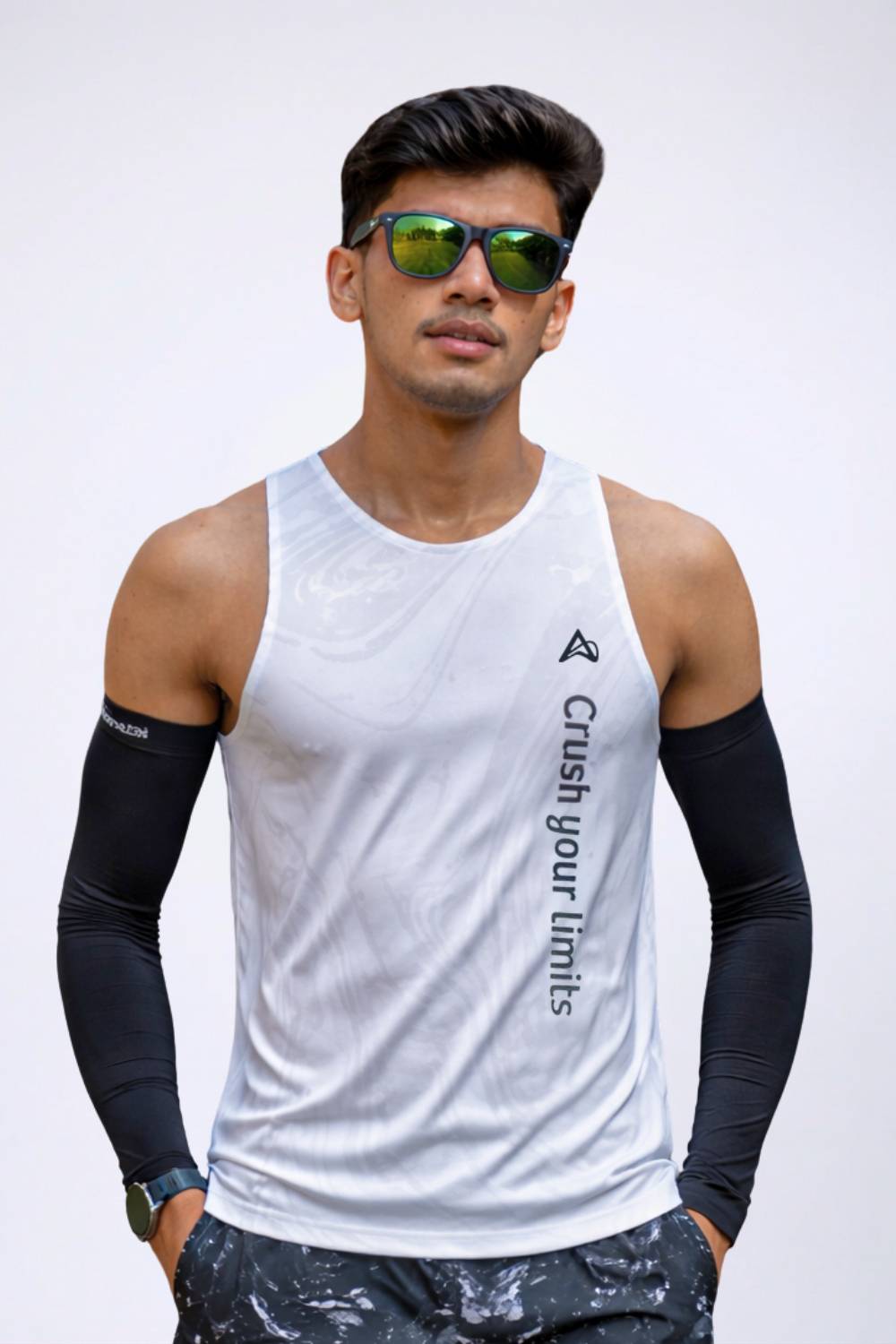
Tired of gear that slows you down? Chafing, soggy fabrics, and missing pockets kill your run's momentum. At Aguante, we're runners who get it. Our high-performance activewear features moisture-wicking fabrics, ergonomic designs, and smart storage to keep you focused. Shop Now!
The Rise of Fitness as a Lifestyle in India
Over the last decade, India has witnessed a profound shift in attitudes toward physical activity. Urban areas have seen a rapid increase in boutique gyms, CrossFit boxes, and yoga studios. The pandemic accelerated home fitness, with millions turning to live-streamed classes, connected equipment, and mobile apps that gamify movement. Today, exercise is increasingly viewed as a non-negotiable part of a balanced life rather than a luxury or occasional pursuit.
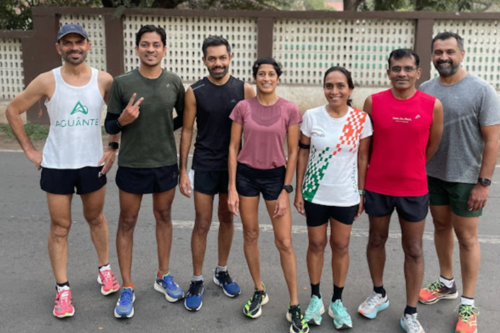
Young professionals in their twenties and thirties, along with a growing number of women across age groups, form the core of this movement. Many juggle demanding careers and family responsibilities yet still carve out time for strength training, running groups, dance fitness, or weekend hikes. This demographic shift has moved activewear from specialized sportswear into a mainstream fashion category that reflects personal identity and priorities.
Market Momentum and Realistic Expectations
Recent industry analysis indicates the India activewear market stood at roughly USD 15 billion in 2024 and is projected to nearly double to around US$ 29,972.9 Million by 2030. The anticipated expansion reflects several structural changes: continued urbanization, higher disposable incomes in tier-1 and tier-2 cities, rapidly improving e-commerce infrastructure, and meaningful increases in female participation in organized fitness activities.
Rather than focusing solely on headline numbers, the trajectory reveals a deeper story: Indians are investing more thoughtfully in clothing designed for movement, and brands that understand local preferences climate, price sensitivity, cultural context are capturing significant loyalty.
Core Forces Driving Demand
Multiple trends converge to sustain this expansion:
- Health awareness on the rise: Social media fitness creators, workplace wellness initiatives, and renewed focus on immunity after 2020 have encouraged millions to adopt consistent exercise habits.
- Athleisure's lasting appeal: In a warm climate where comfort is paramount, clothing that moves effortlessly from gym to grocery store or office to evening plans has become highly desirable.
- E-commerce accessibility: Online marketplaces deliver extensive choice, transparent reviews, competitive pricing, and convenient returns, enabling consumers in smaller cities to access international and premium domestic labels.
- Cultural normalization: Government campaigns promoting sports, celebrity endorsements from actors and athletes, and visibility of fit public figures have made wearing performance-oriented clothing feel natural in daily life.
Together these drivers create demand across budget segments from entry-level sets sold on mass platforms to technical gear favored by serious enthusiasts.
Navigating Market Challenges
Intense Competition
International powerhouses such as Nike, Adidas, and Under Armour now share shelf space with strong Indian brands and fast-fashion players moving into performance categories. Success increasingly depends on meaningful differentiation whether through fabrics engineered for India's humidity, inclusive size ranges, or designs that respect cultural sensibilities.
Pricing and Supply Realities
Fluctuating raw material costs, reliance on imported technical textiles, and periodic inflationary pressure challenge profitability. At the same time, a large portion of the market remains highly price-conscious, requiring brands to balance quality and accessibility without diluting product integrity.
Trust and Authenticity Issues
Counterfeit products remain a persistent concern, particularly in offline channels. Brands that invest in education, holographic tags, authorized seller networks, and transparent communication about materials and performance standards tend to build longer-term customer relationships.
Innovation That Resonates Locally
Leading companies are introducing features tailored to Indian consumers: advanced moisture management for humid conditions, lightweight construction that combats heat, odor-resistant treatments for daily wear, and UV-protective fabrics suited to outdoor activities. Sustainability is gaining ground as well recycled materials, lower-water dyeing processes, and responsible sourcing increasingly influence purchasing decisions among younger buyers.
Digital tools are also reshaping the experience. Augmented reality try-on features reduce uncertainty in online purchases, while integration with fitness trackers creates clothing that complements wearable data. Personalization custom fits, color options, or subtle monogramming adds emotional connection in a crowded field.
Practical Impact on Everyday Life
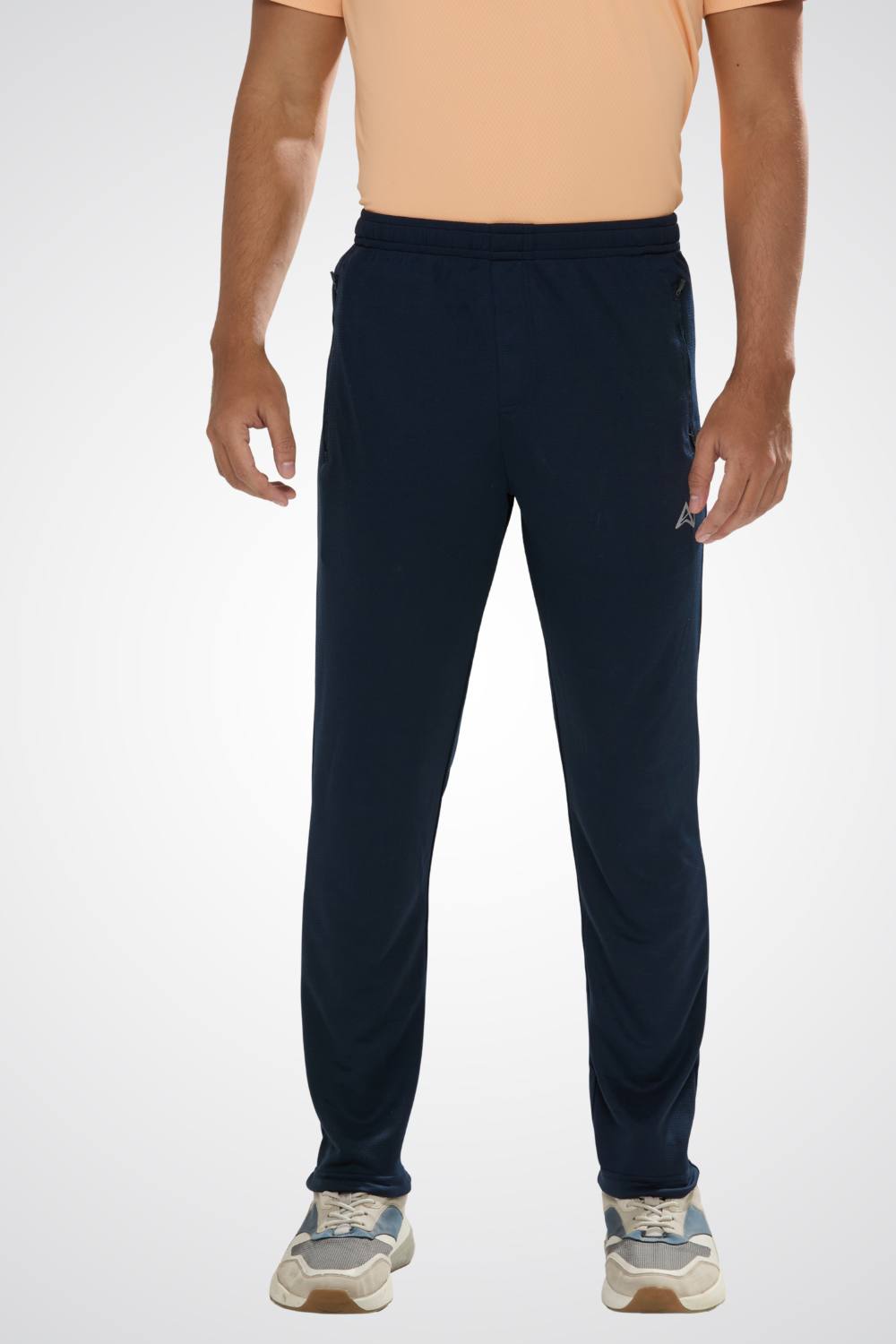
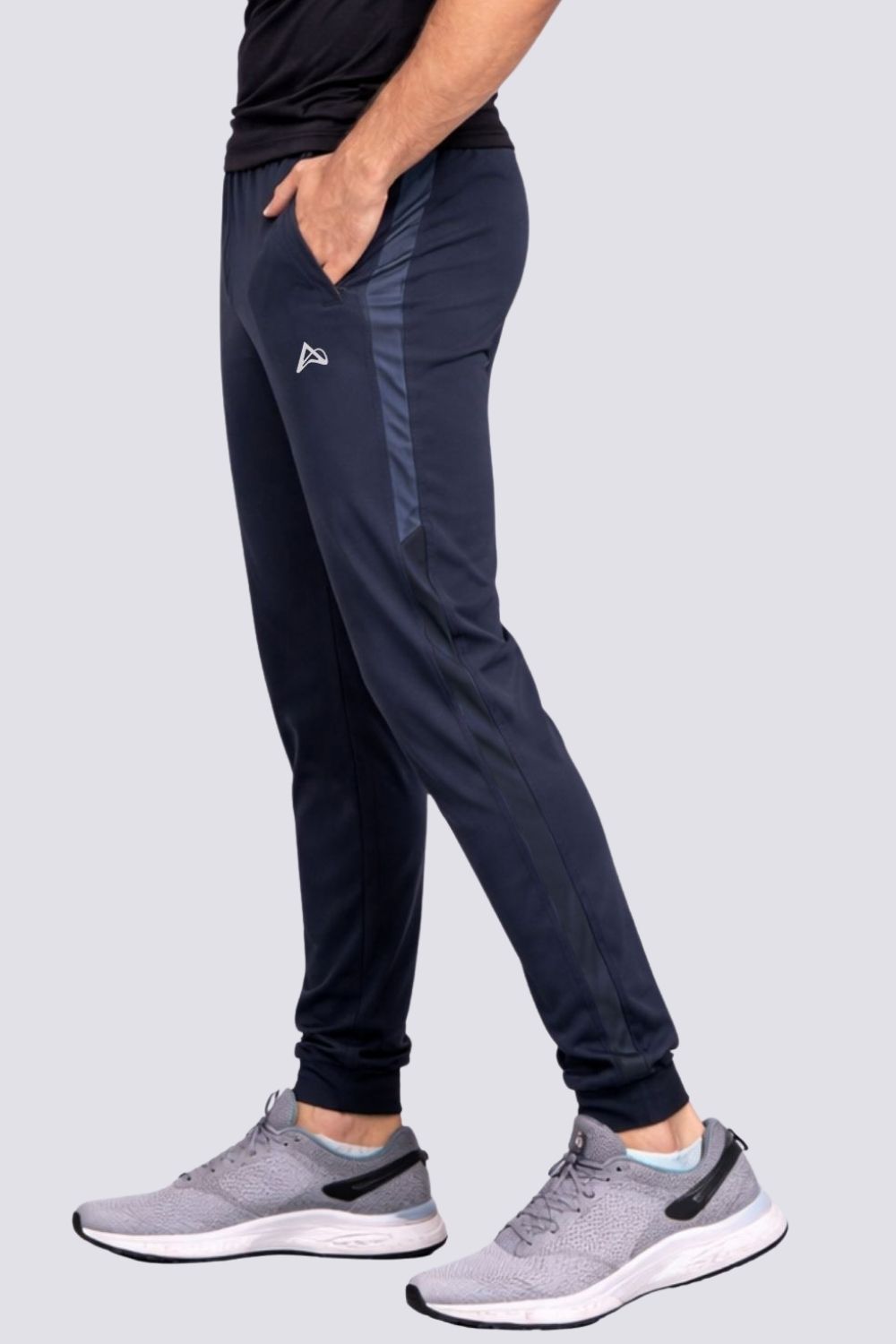
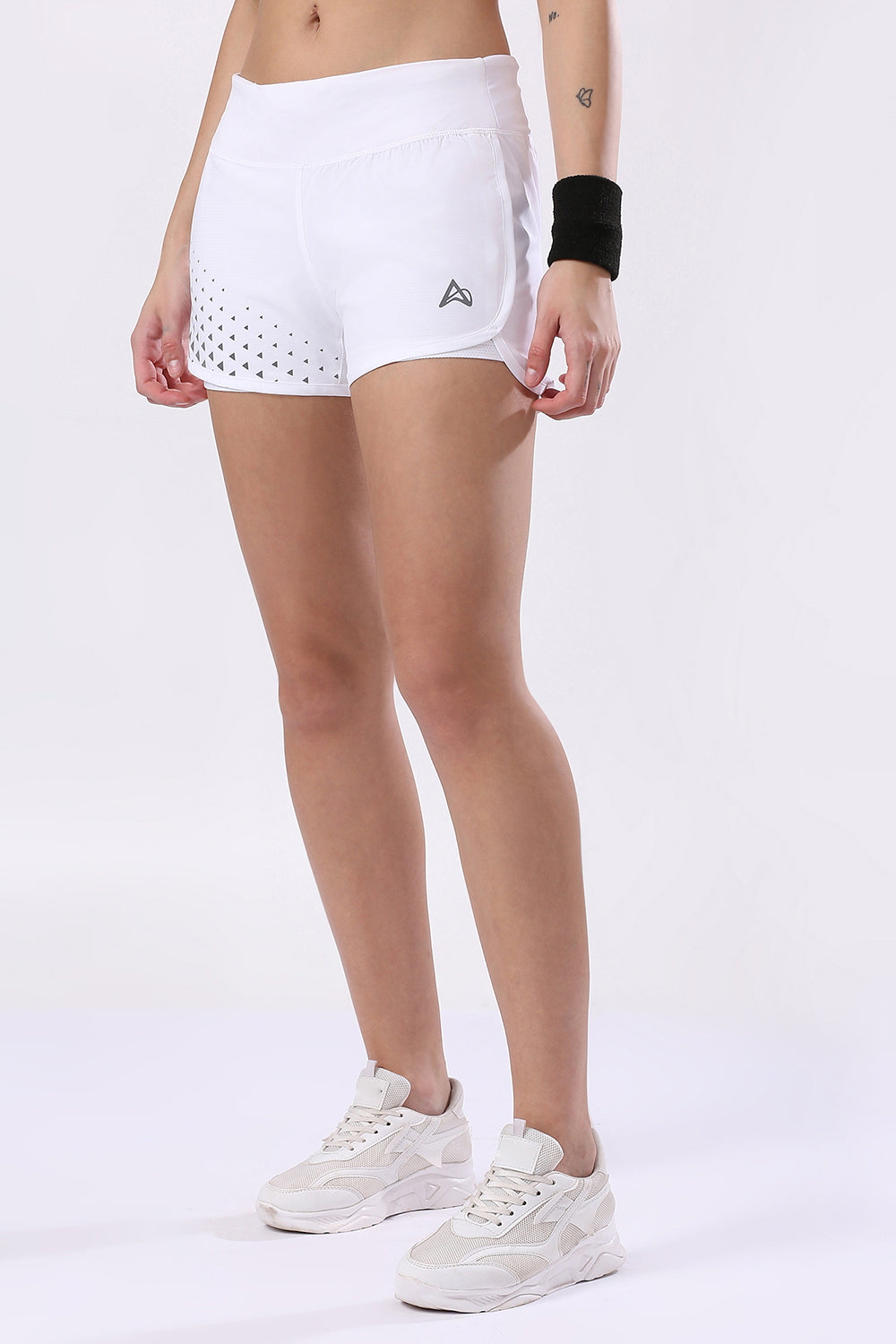
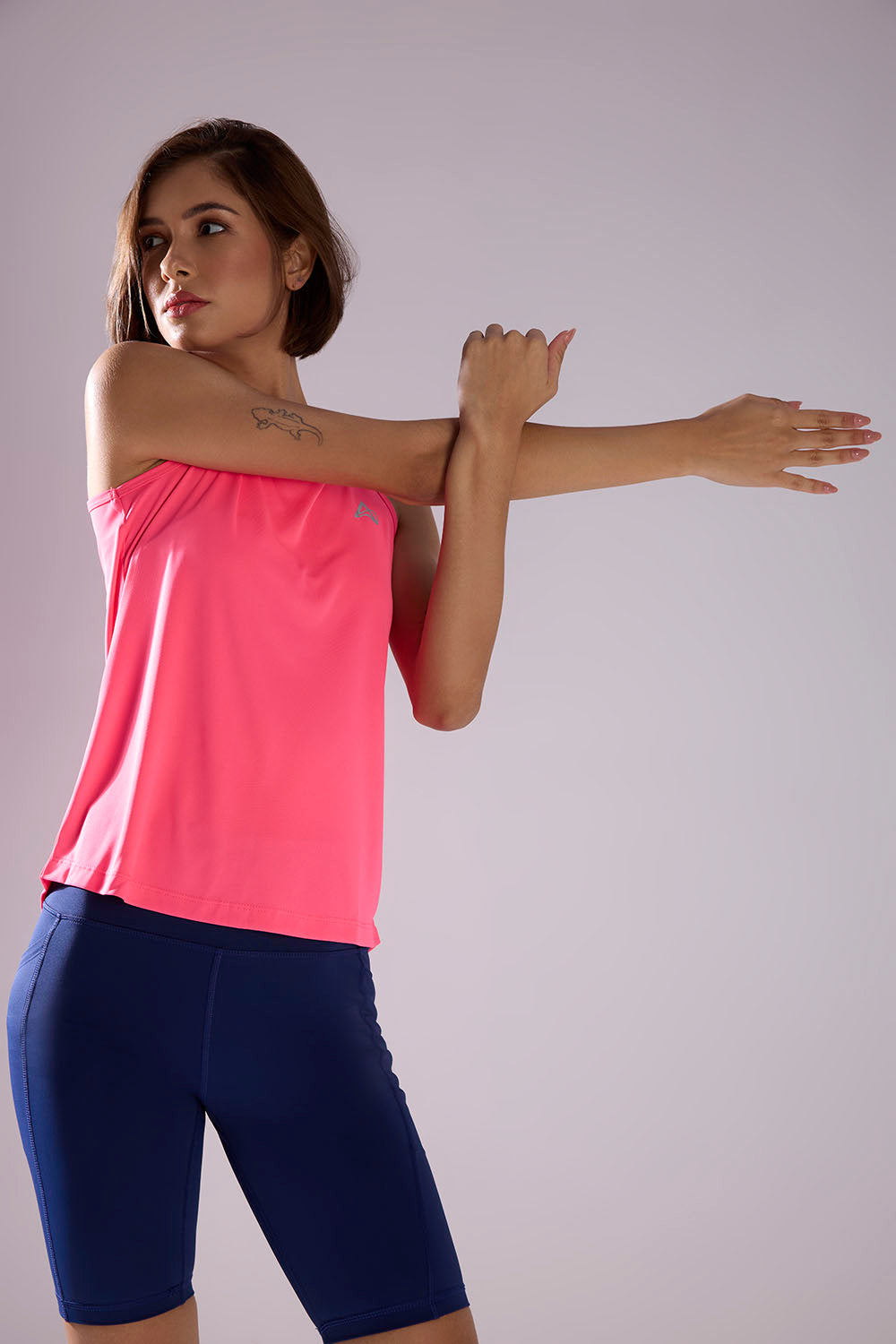
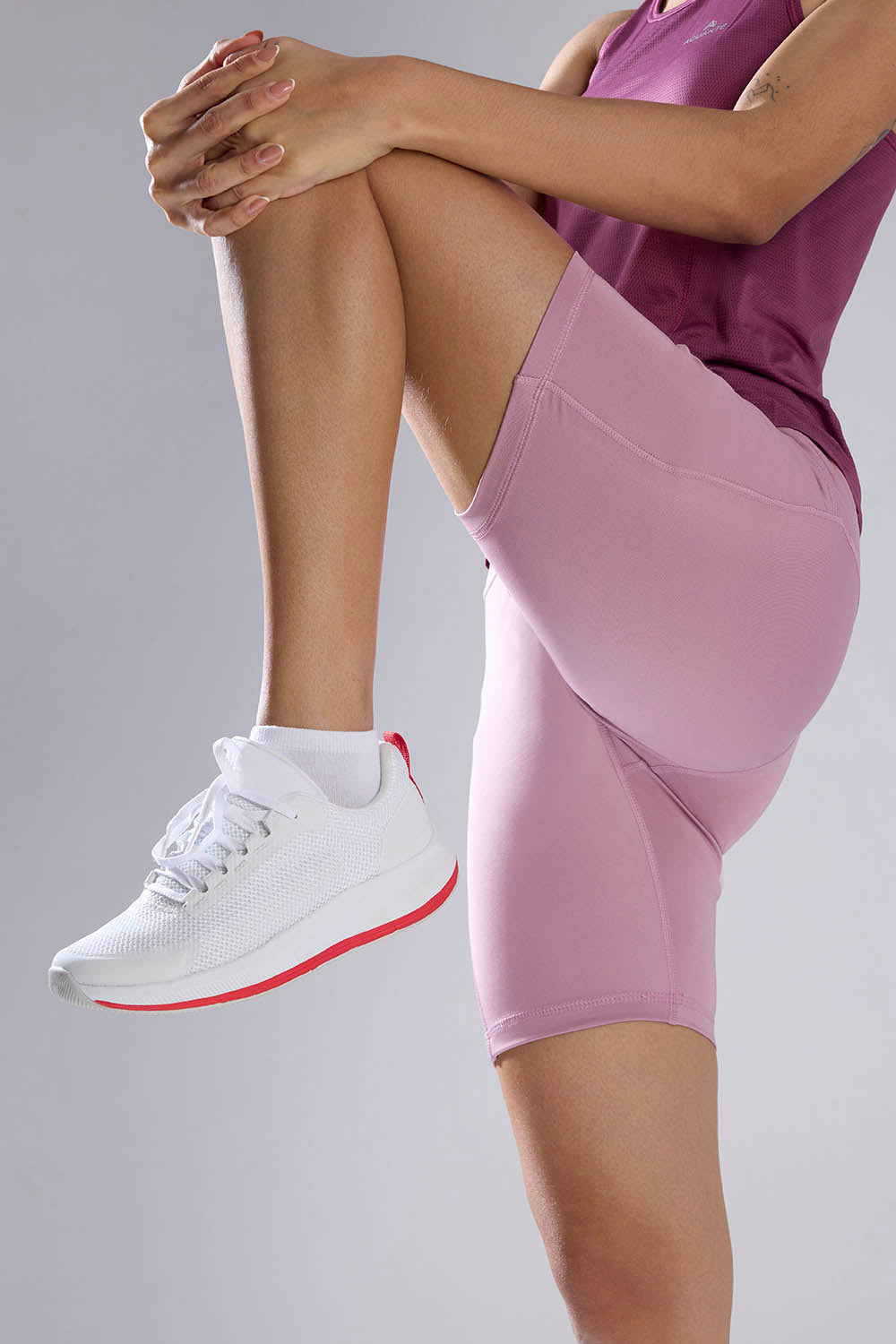
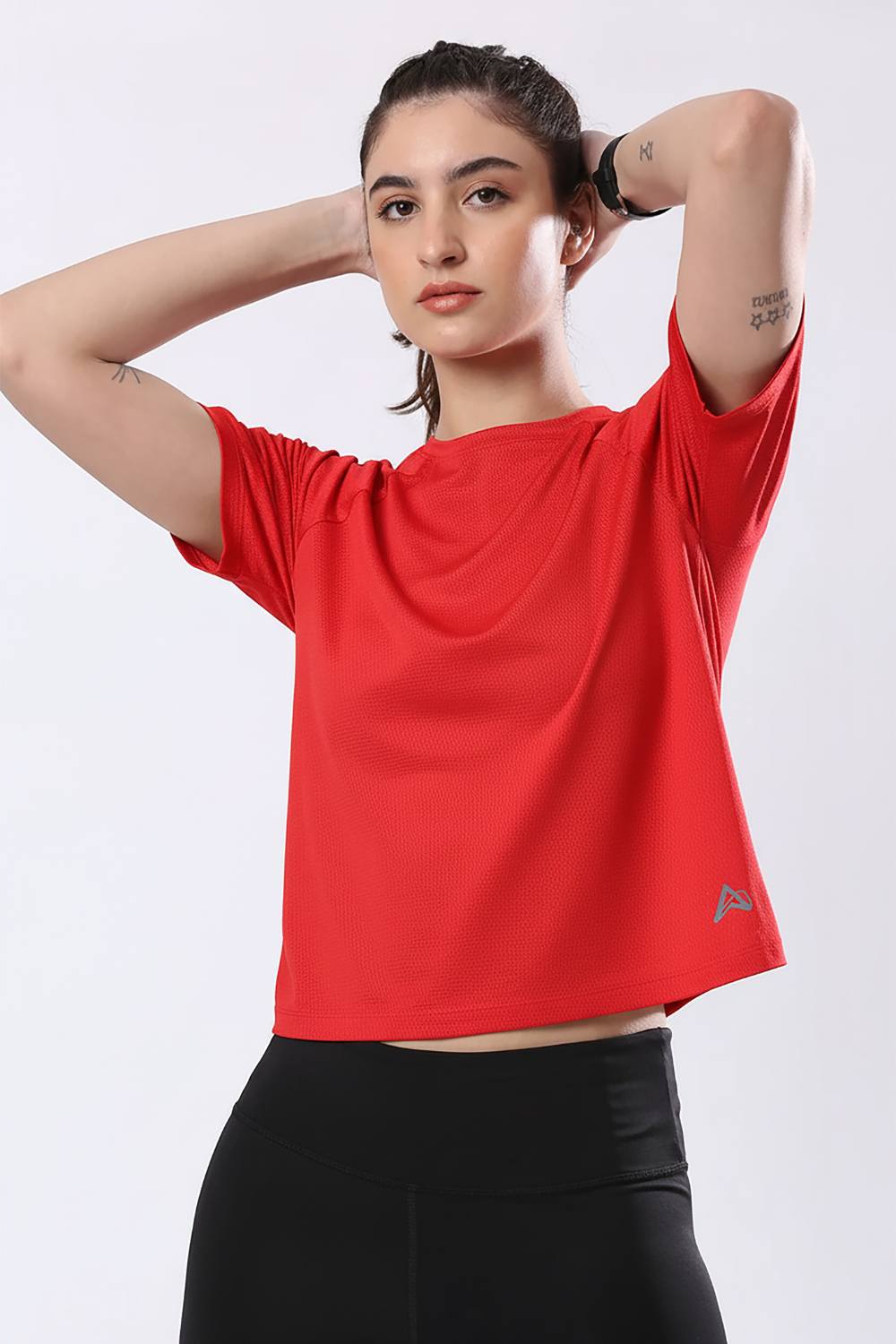
For millions of Indians the expanded market simply means better options: affordable, breathable sets for brisk morning walks in the park, supportive bras and leggings for high-intensity classes, lightweight hoodies ideal for air-conditioned offices or evening travel. The line between “workout clothes” and “regular clothes” has blurred, allowing people to feel capable and put-together regardless of the day's agenda.
Brands that thrive will continue listening closely to local needs delivering reliable performance at accessible price points, embracing body diversity, and embedding cultural relevance while those that treat the market as an afterthought risk losing relevance in one of the world's most dynamic consumer landscapes.
A Future Defined by Movement
The journey toward a substantially larger activewear market reflects something more significant than retail sales. It mirrors a nation increasingly committed to physical well-being, comfortable self-expression, and practical optimism. The garments chosen for exercise and increasingly for living embody aspiration, utility, and a quiet belief in personal progress.
That momentum appears durable. Whether stepping out for a neighborhood run, flowing through a virtual yoga session, or simply moving through a busy day with ease, activewear has quietly become part of how India is choosing to live actively, confidently, and on its own terms.
Frequently Asked Questions
What is driving the growth of the activewear market in India?
Several converging forces are fueling India's activewear boom rising health awareness, the enduring appeal of athleisure, and expanding e-commerce access that brings premium brands to tier-2 and tier-3 cities. Government campaigns promoting sports, celebrity endorsements, and a post-pandemic surge in home fitness have also normalized active clothing as everyday wear, pushing the market toward an estimated US$ 29,972.9 Million by 2030.
What challenges do activewear brands face in the Indian market?
Brands operating in India must navigate intense competition from global giants like Nike and Adidas alongside agile domestic players, all while managing price-sensitive consumers and fluctuating raw material costs. Counterfeit products in offline channels are an additional concern, making investment in brand authenticity through authorized seller networks and transparent communication essential for building lasting customer trust.
How is activewear innovation being tailored specifically for Indian consumers?
Leading brands are engineering features suited to India's climate, including advanced moisture management, lightweight heat-resistant construction, odor-resistant treatments, and UV-protective fabrics for outdoor use. Sustainability is also gaining traction among younger buyers, with recycled materials and low-water dyeing processes increasingly influencing purchase decisions, alongside digital tools like AR try-on features and fitness tracker integration.
Disclaimer: The above helpful resources content contains personal opinions and experiences. The information provided is for general knowledge and does not constitute professional advice.
You may also be interested in: Breathable Fabrics Help Urban Runners Beat the Heat - Aguante
Tired of gear that slows you down? Chafing, soggy fabrics, and missing pockets kill your run's momentum. At Aguante, we're runners who get it. Our high-performance activewear features moisture-wicking fabrics, ergonomic designs, and smart storage to keep you focused. Shop Now!
Powered by flareAI.co