



Quick Listen:
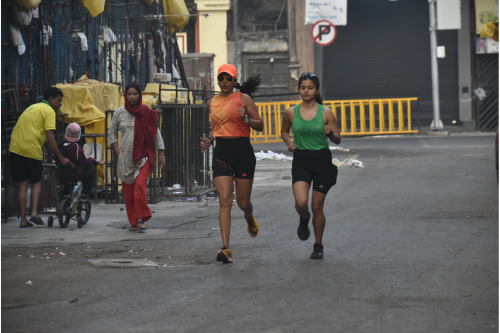
The streets of Mumbai come alive before dawn with joggers in sleek, breathable leggings and moisture-wicking tops. In Delhi's fitness centres, members arrive layered in performance pieces under casual hoodies. Across Bengaluru's sprawling tech campuses, young professionals glide from meetings to workouts in clothing that refuses to draw a line between function and fashion. This is not a fleeting craze India's activewear market is experiencing powerful, sustained momentum, projected to grow at a 12.2% CAGR from 2025 to 2030, reaching an estimated US$ 29,972.9 Million by the end of the decade.
What began as specialised equipment for dedicated athletes has quietly become everyday clothing for tens of millions. The transformation mirrors profound changes in lifestyle, priorities, and self-perception across urban and semi-urban India.
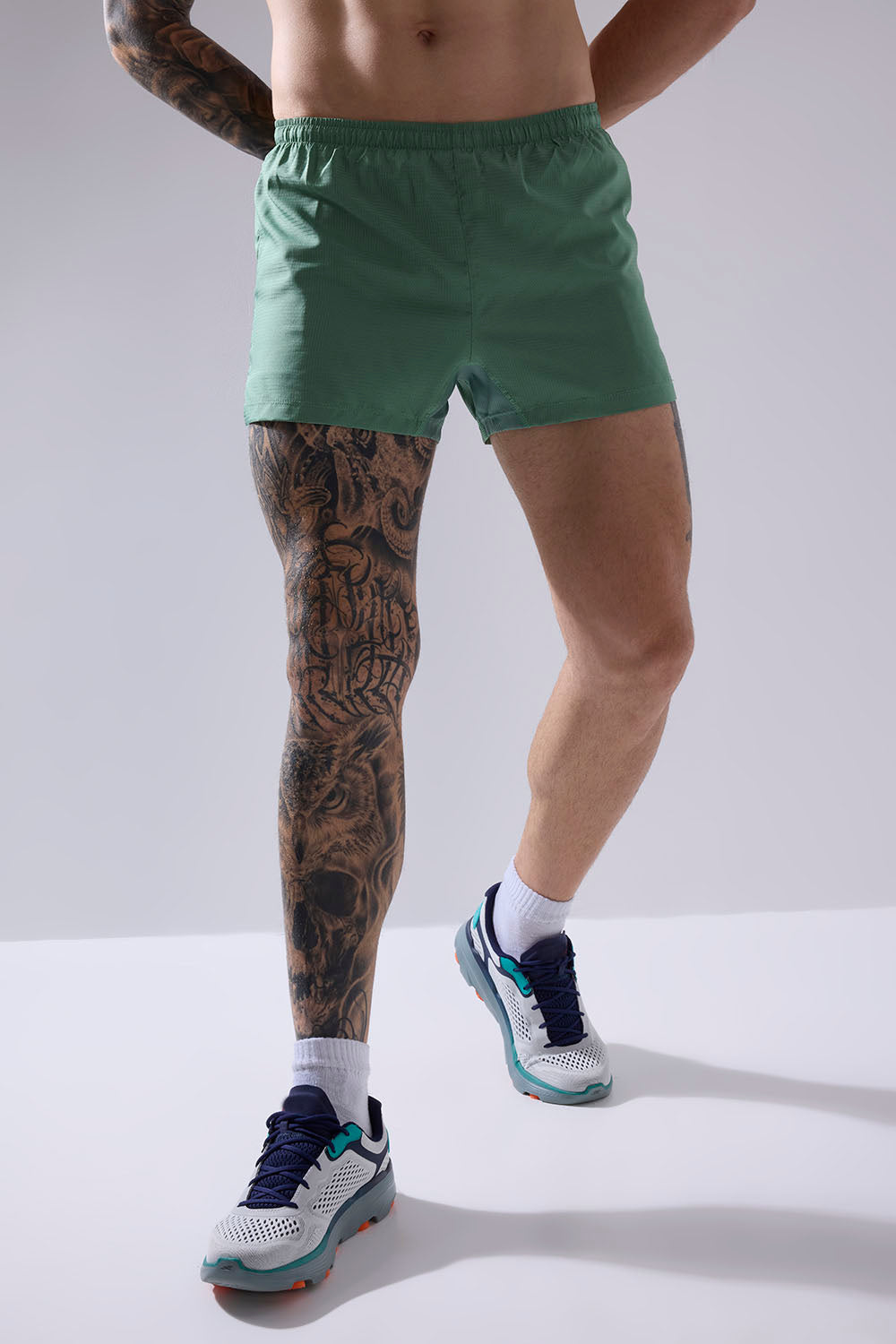
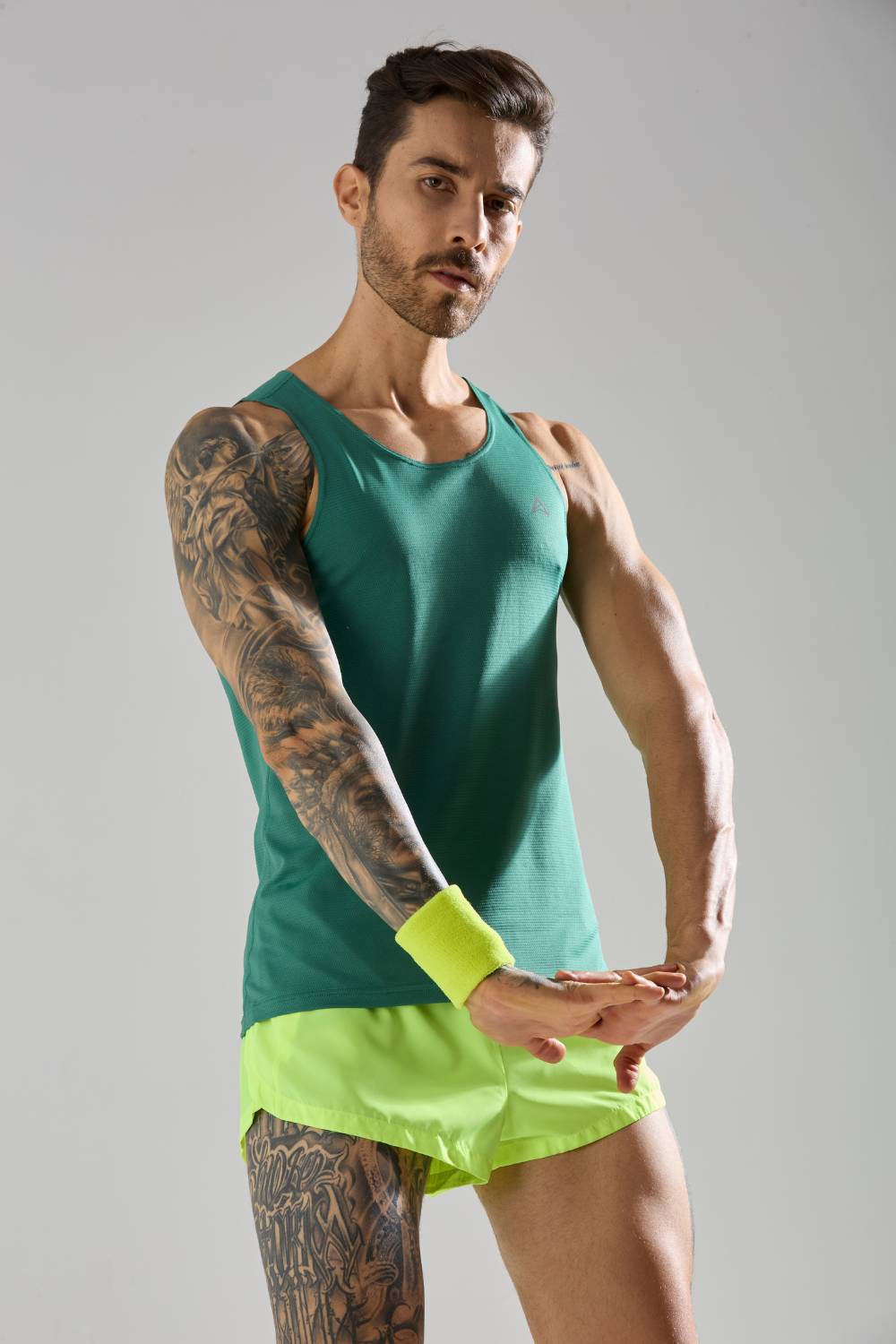
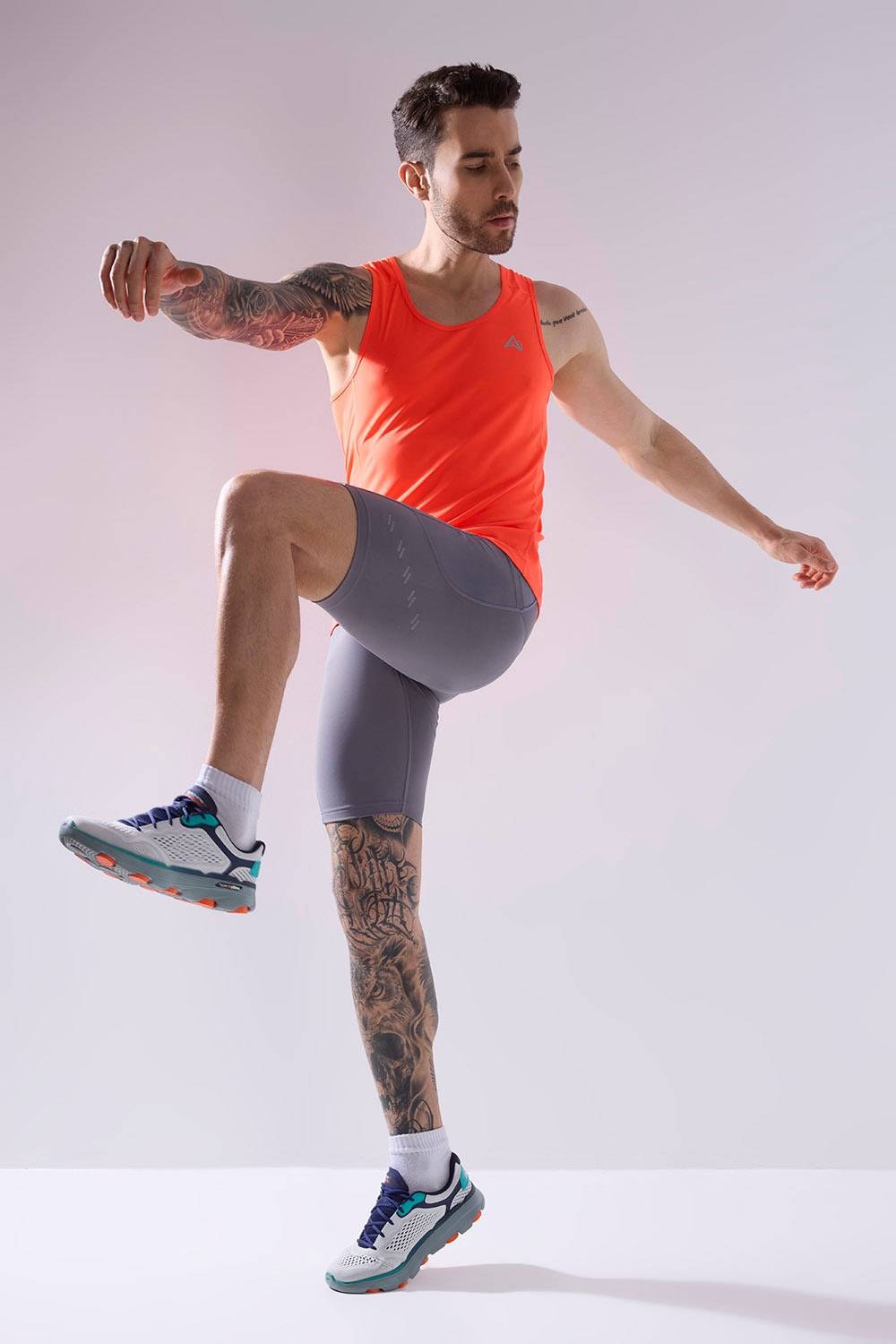
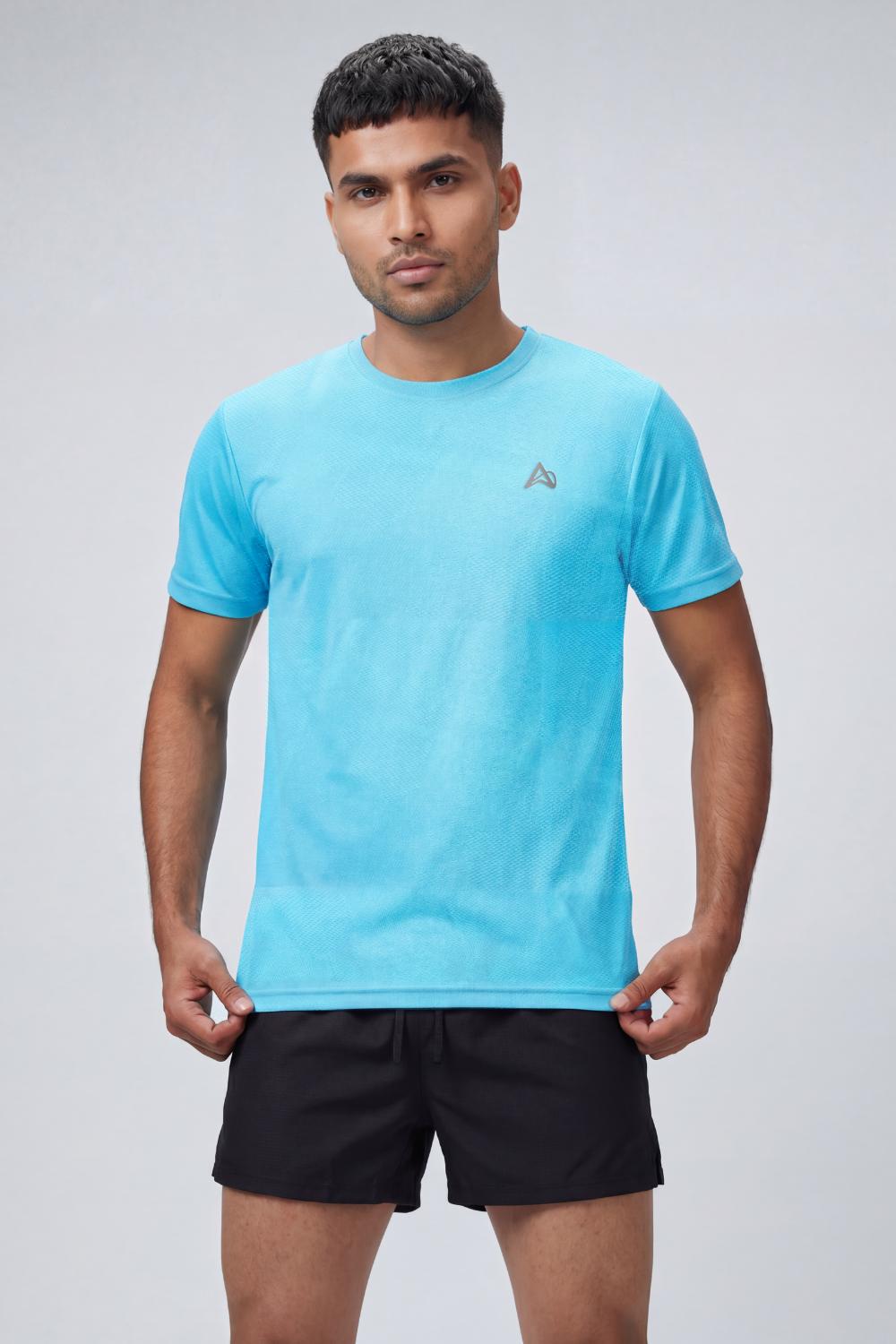
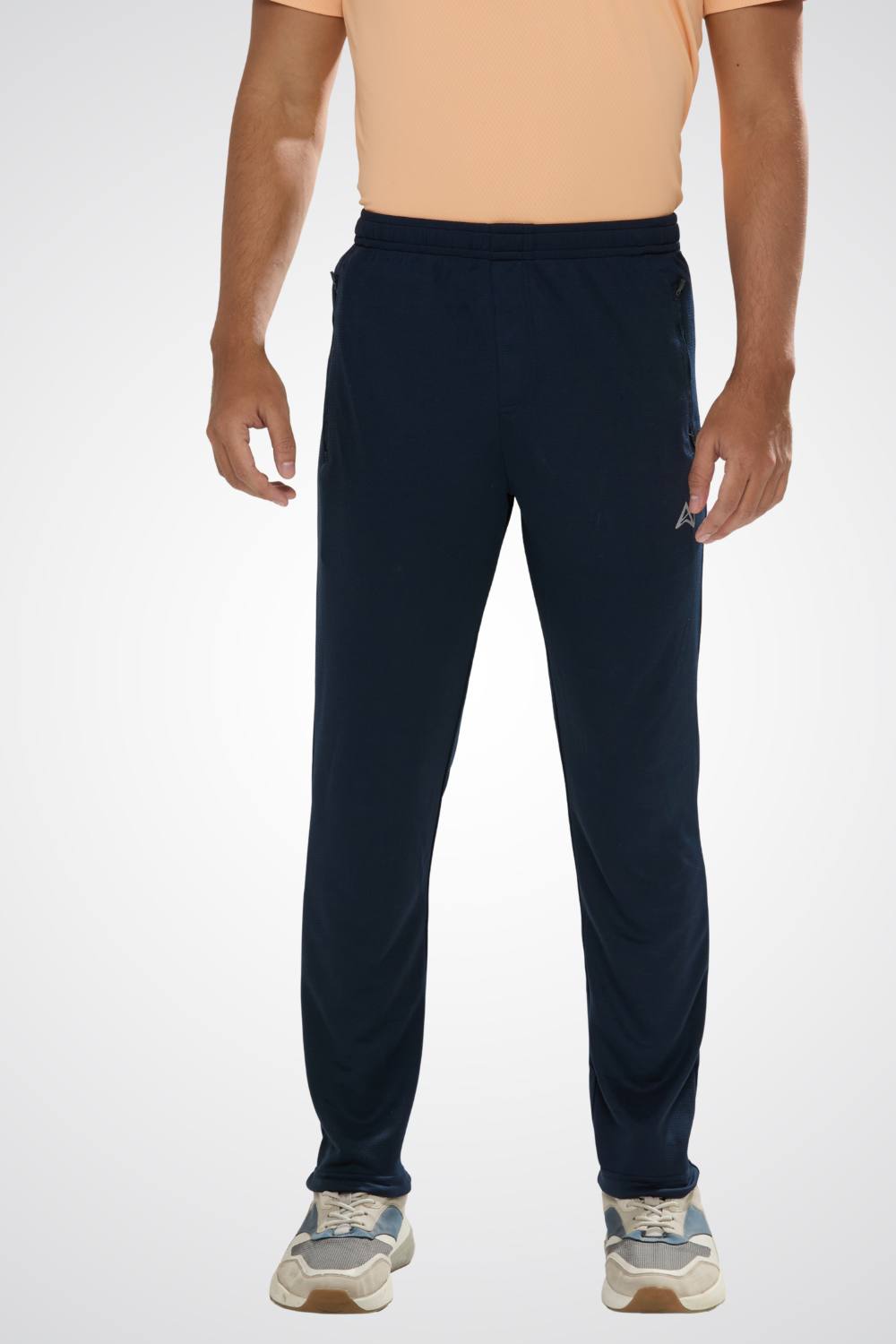
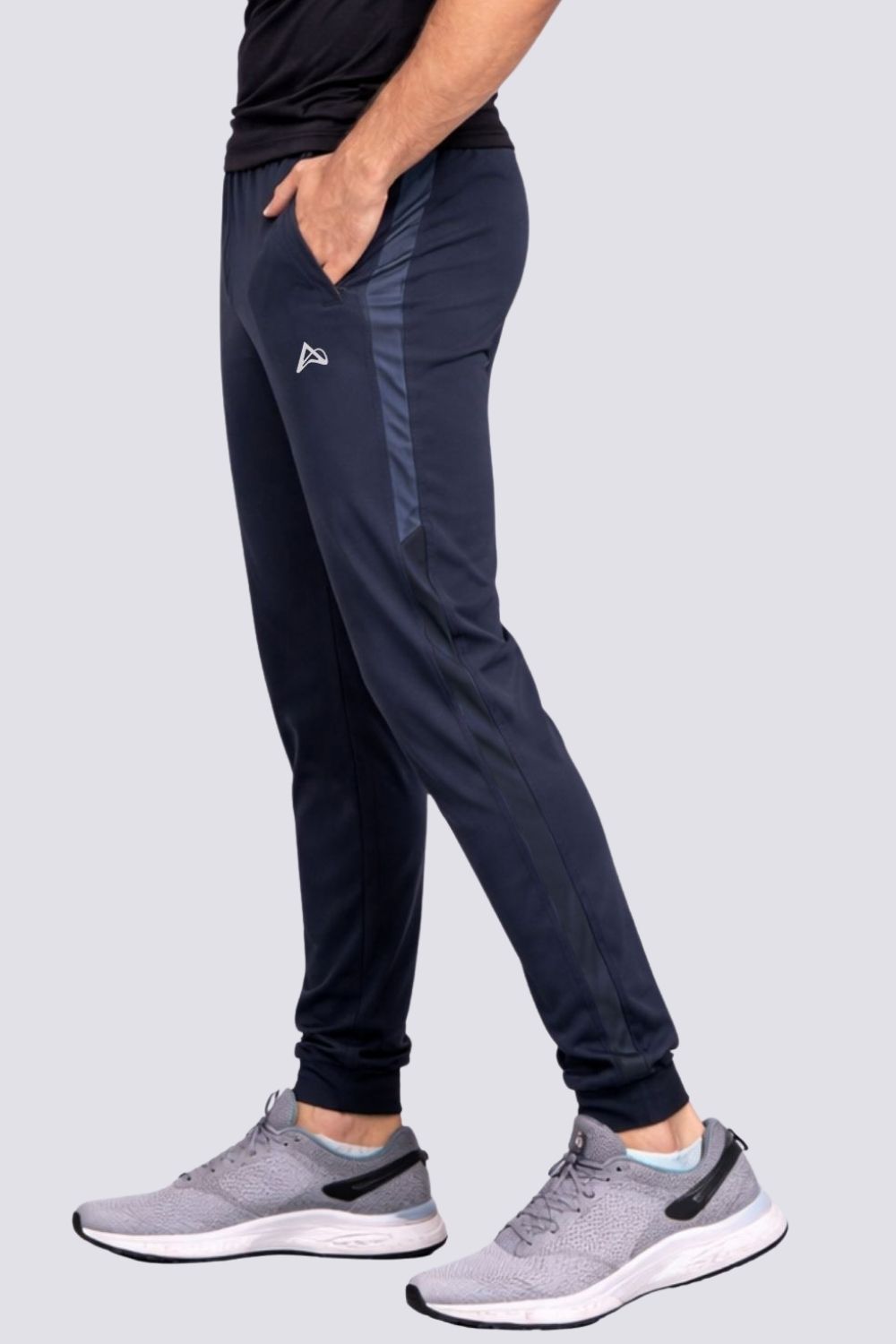
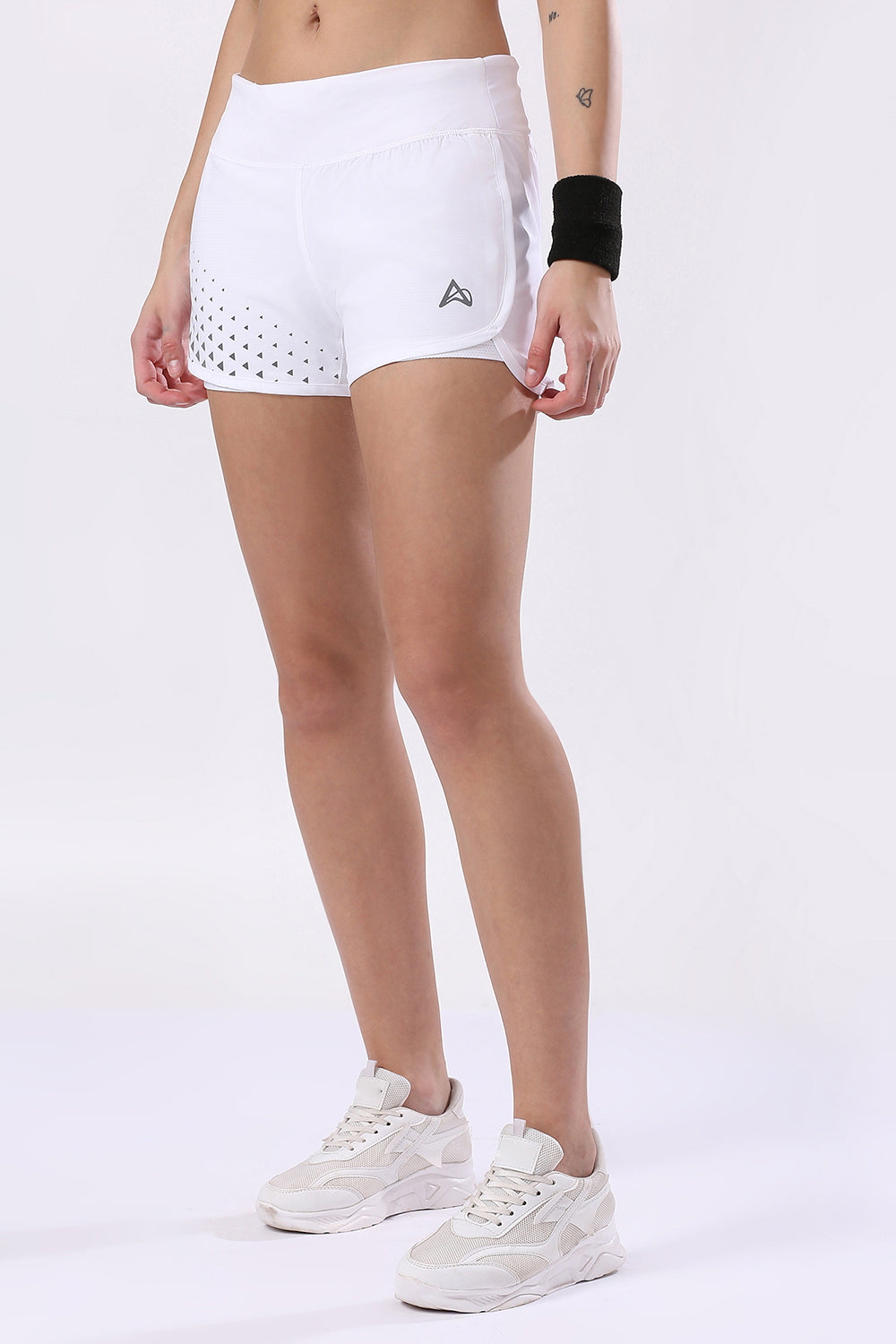
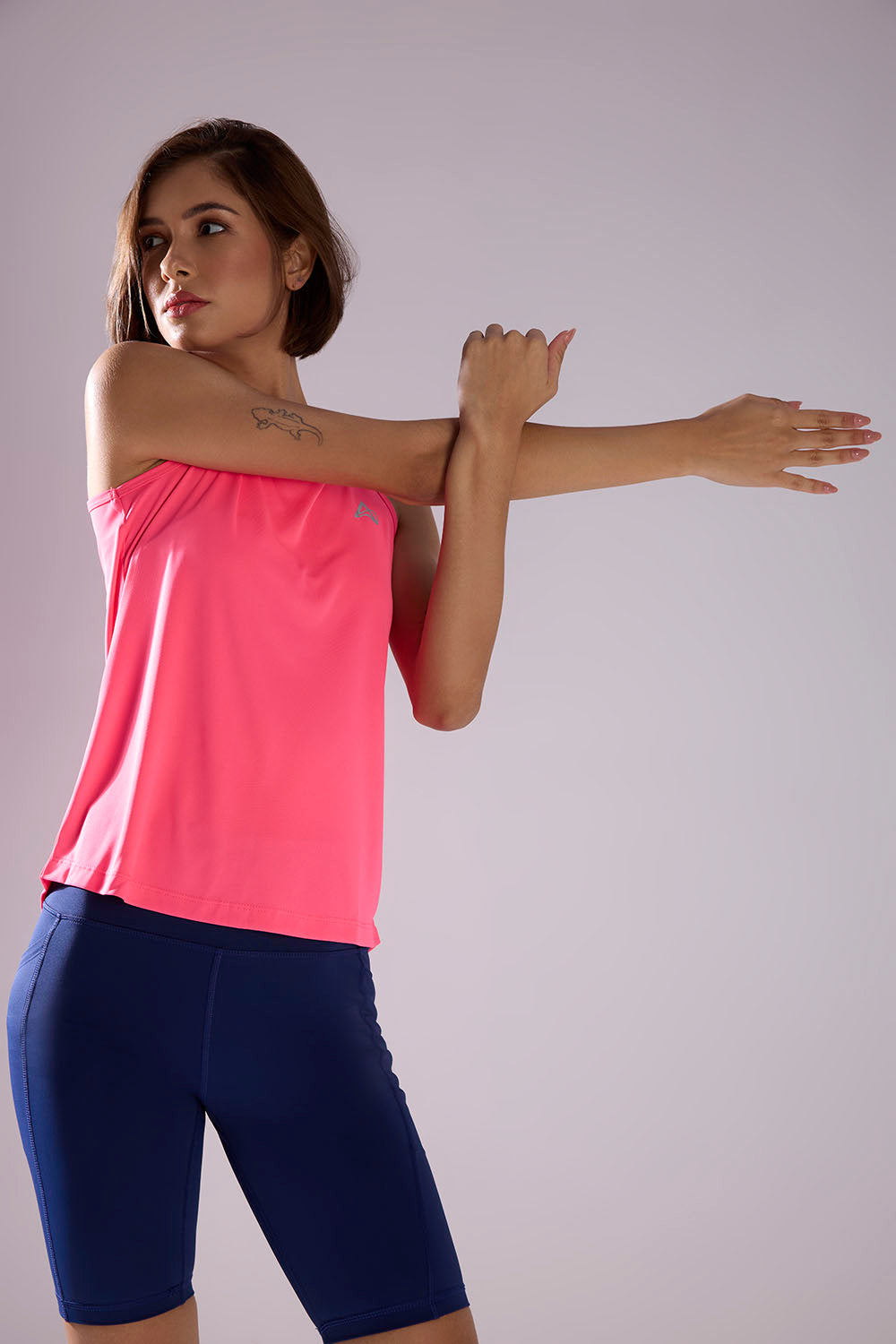
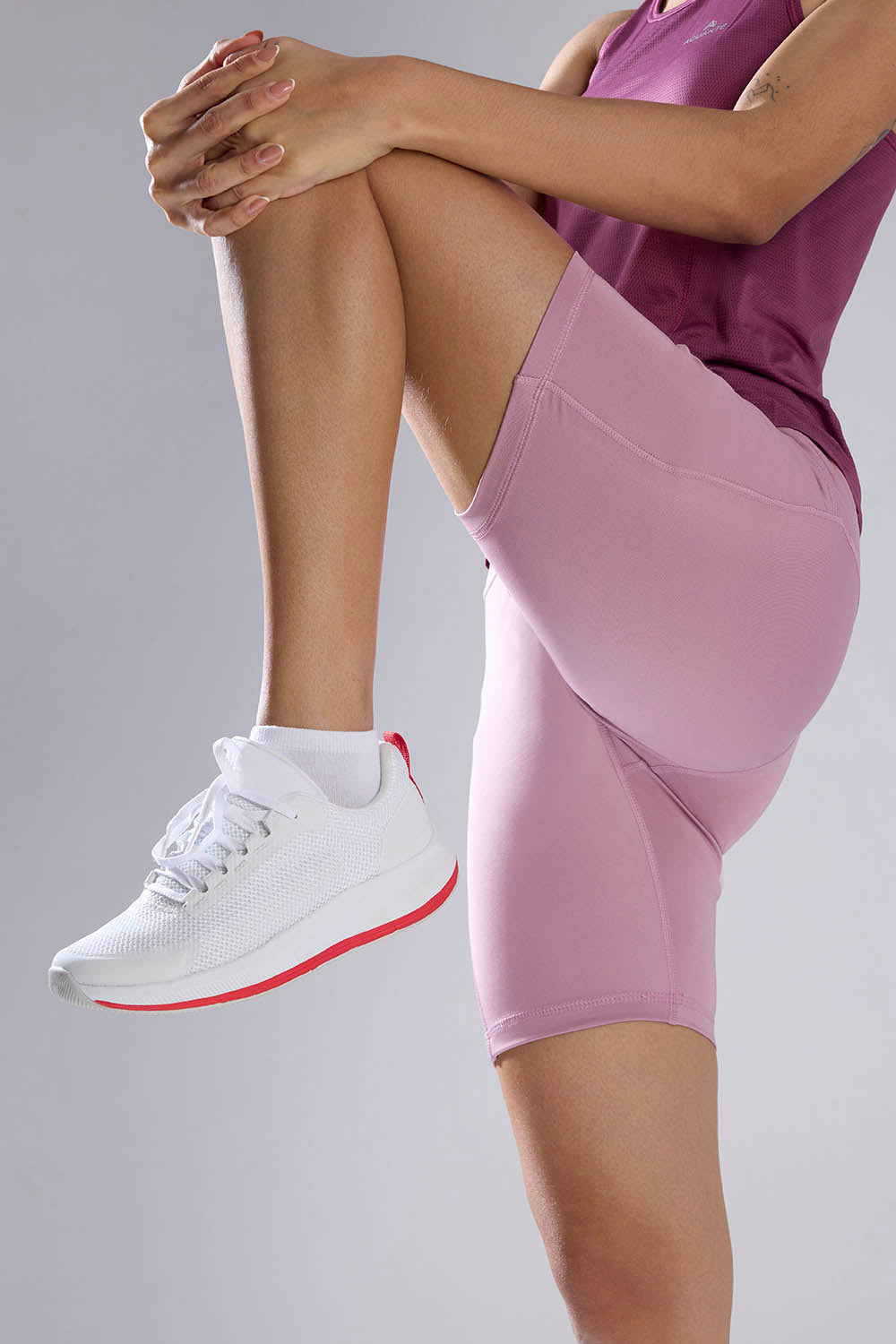
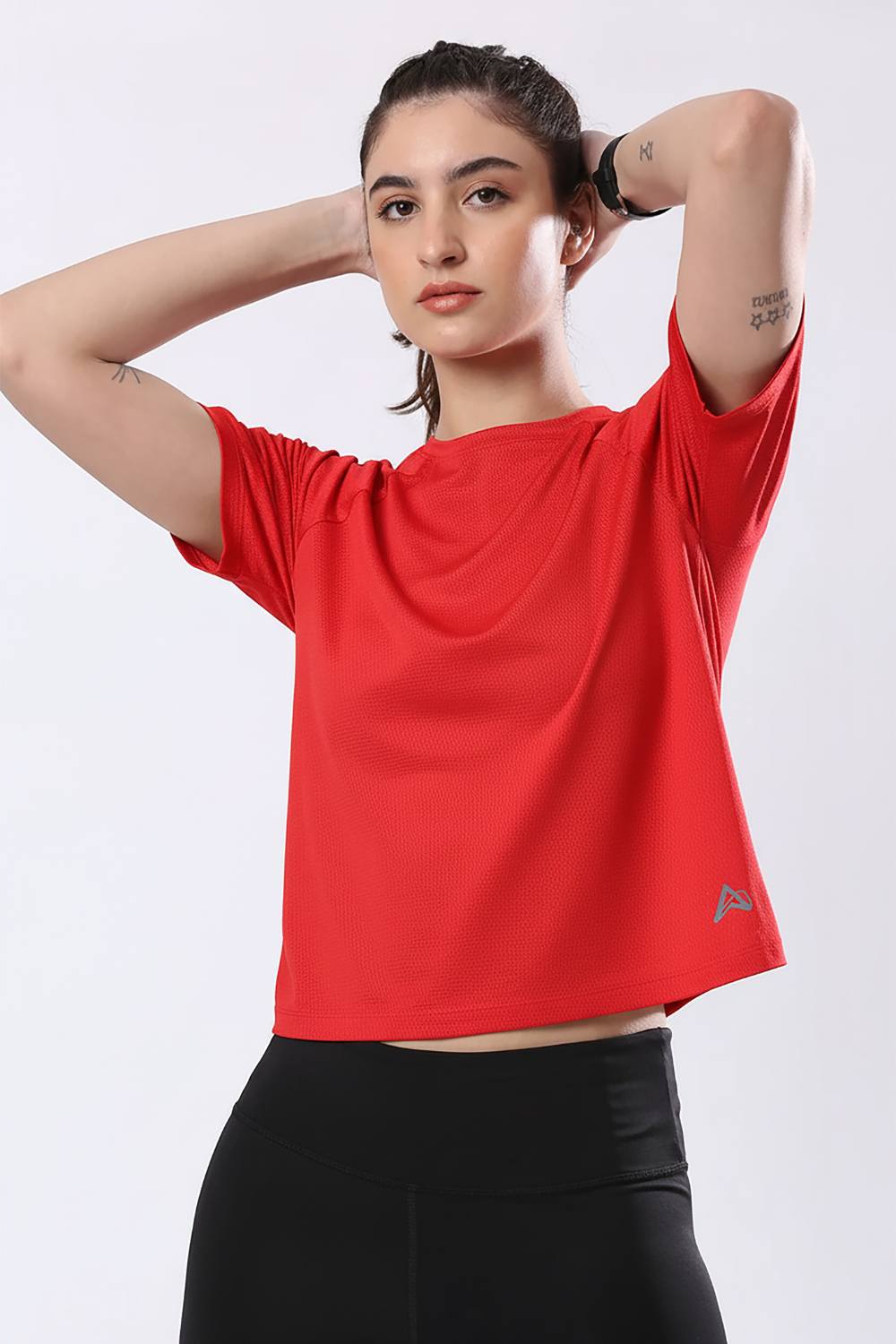
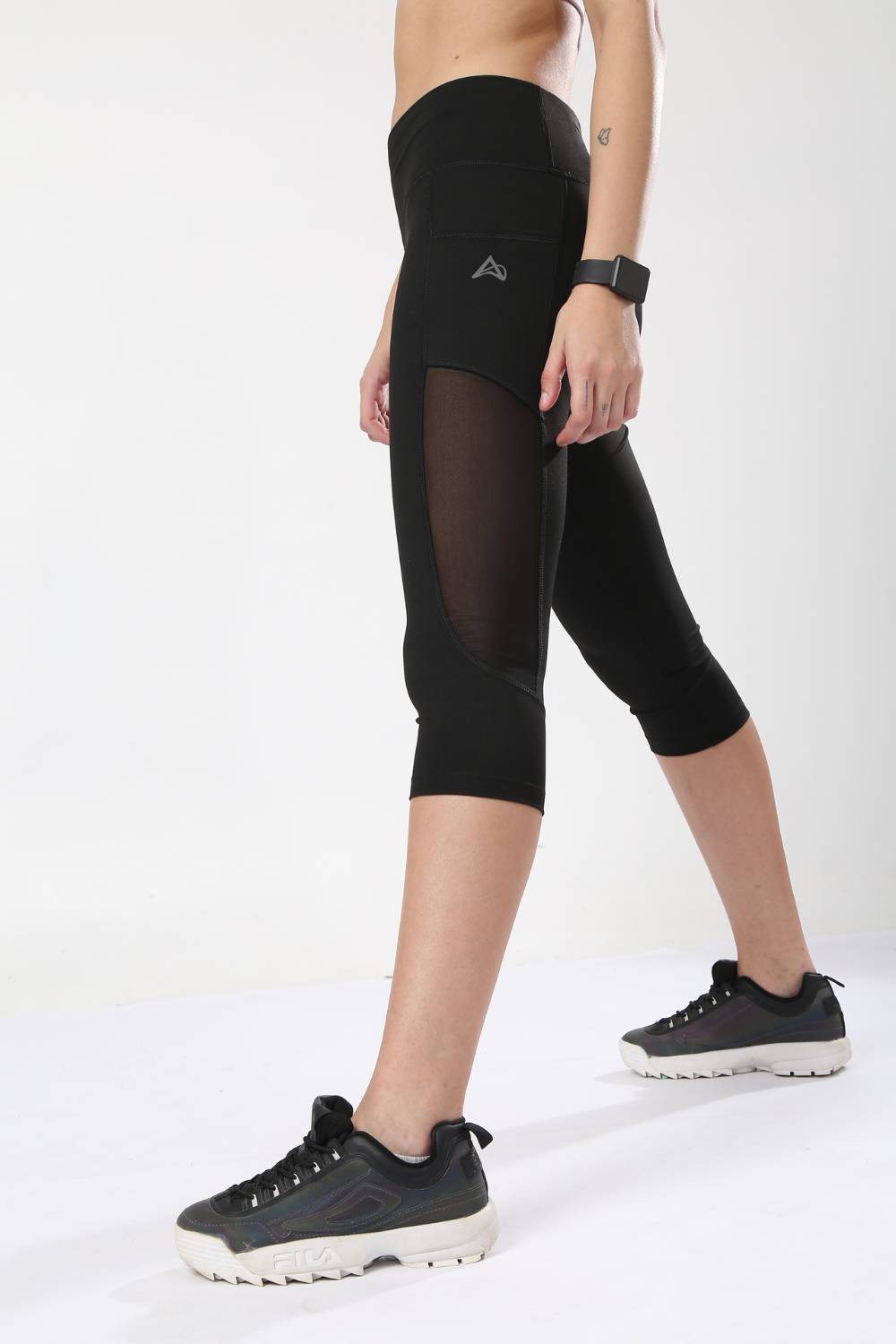
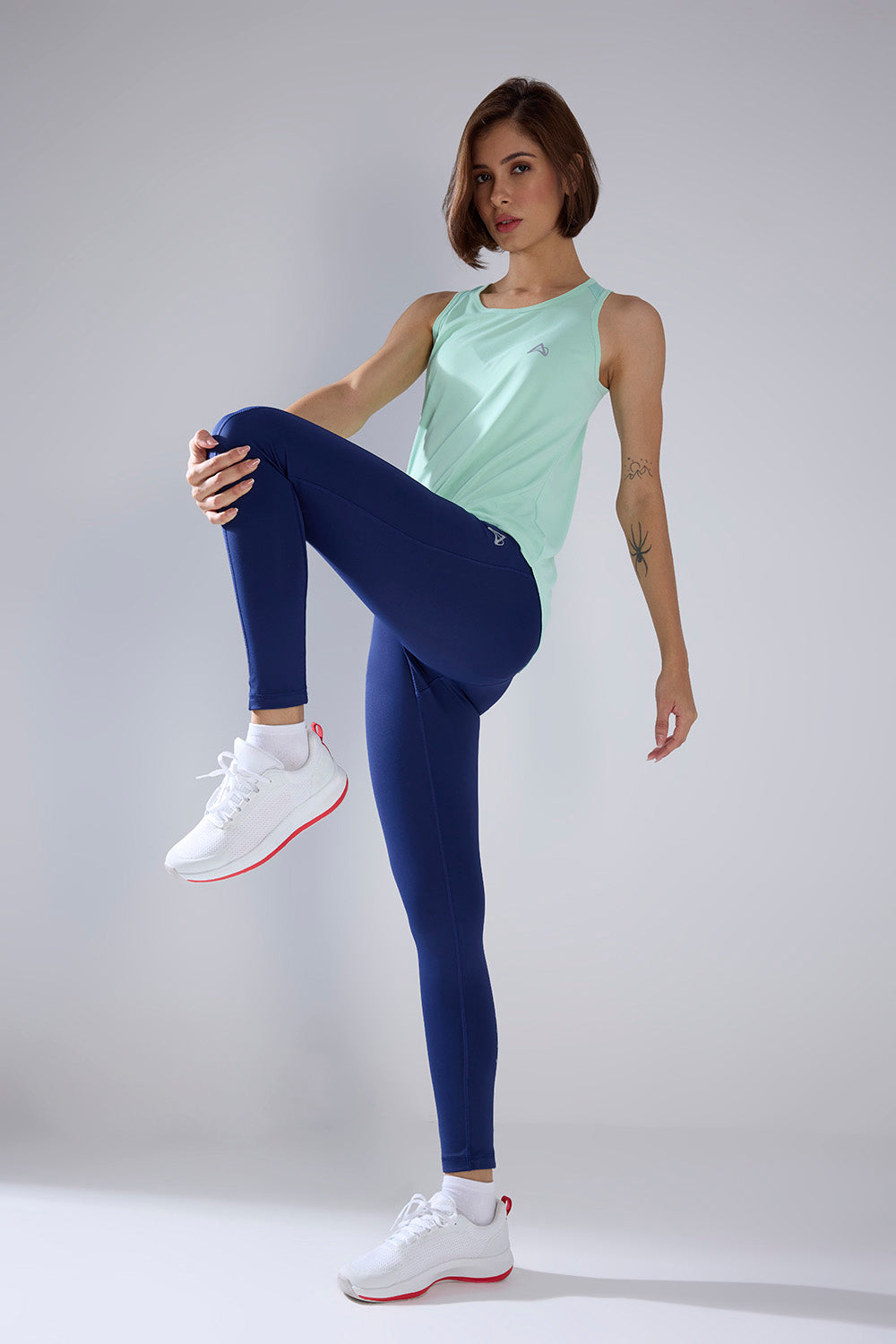
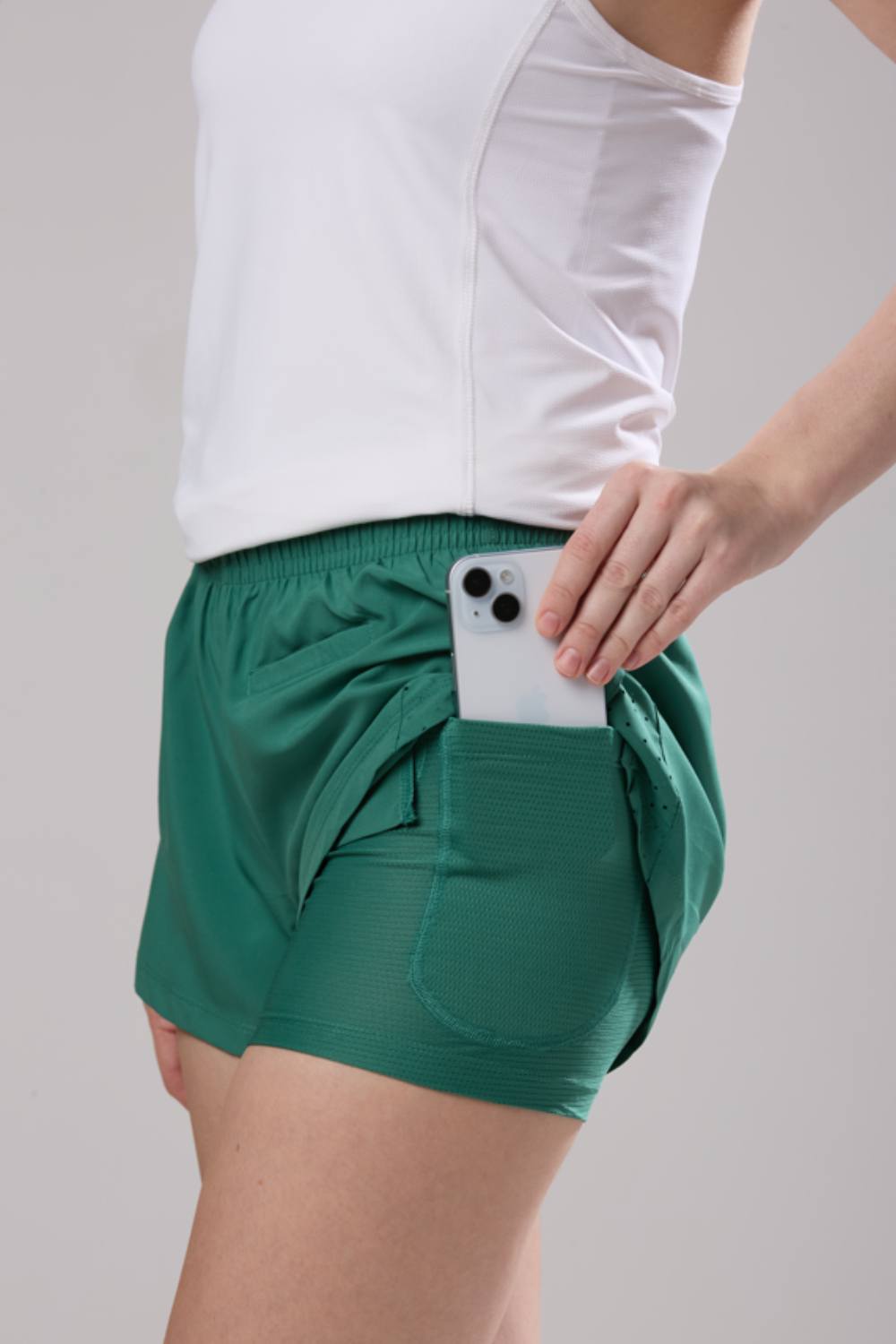
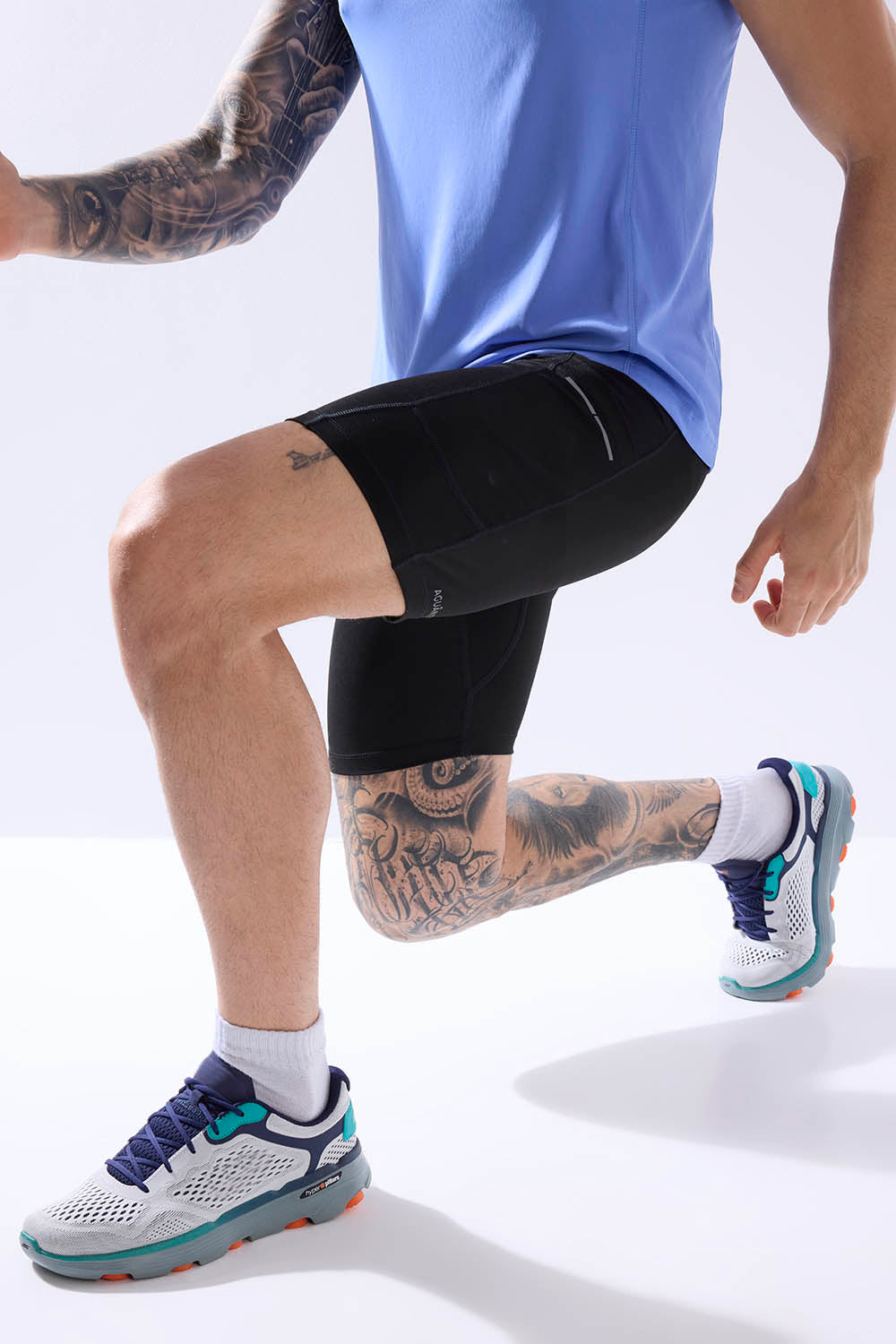
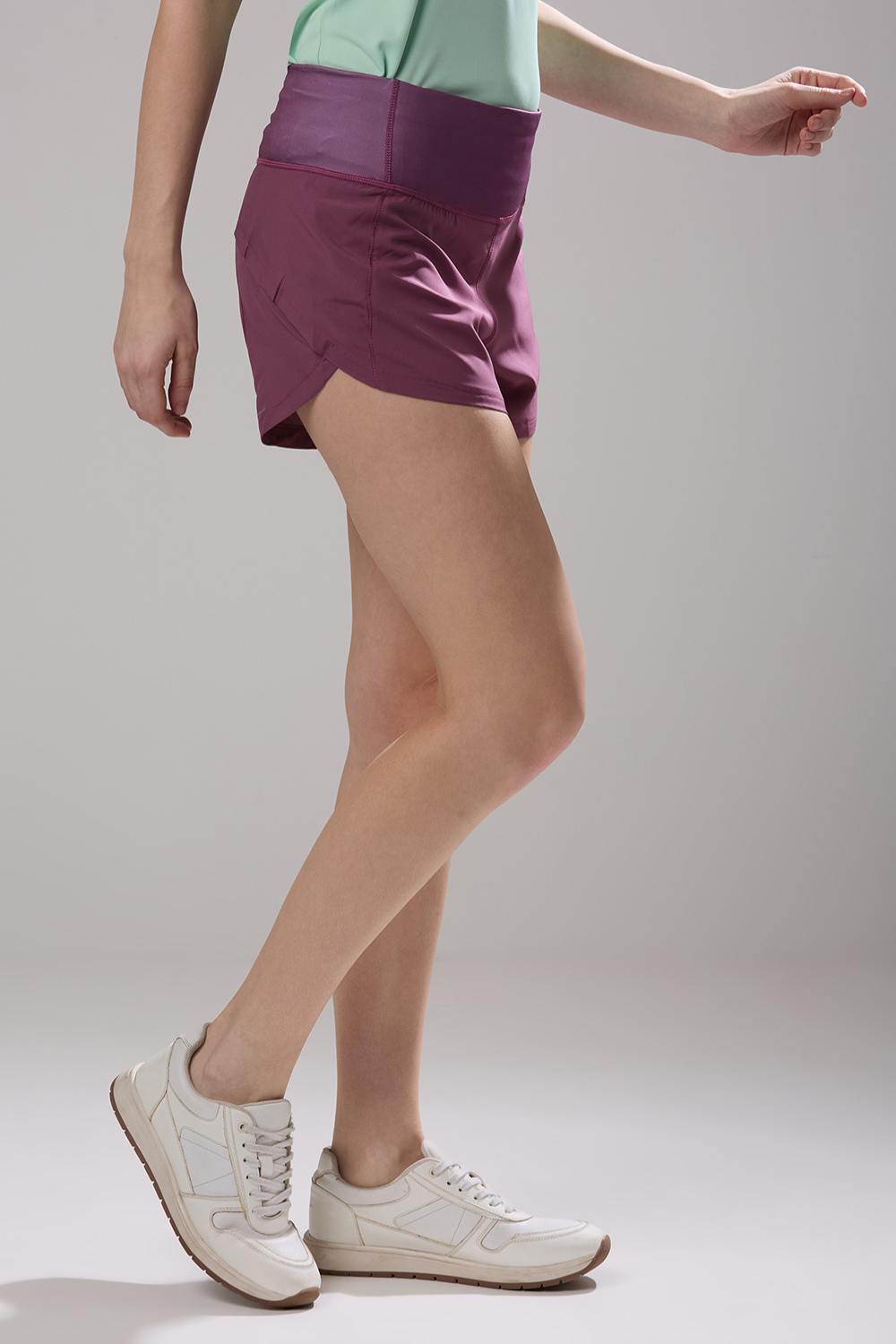
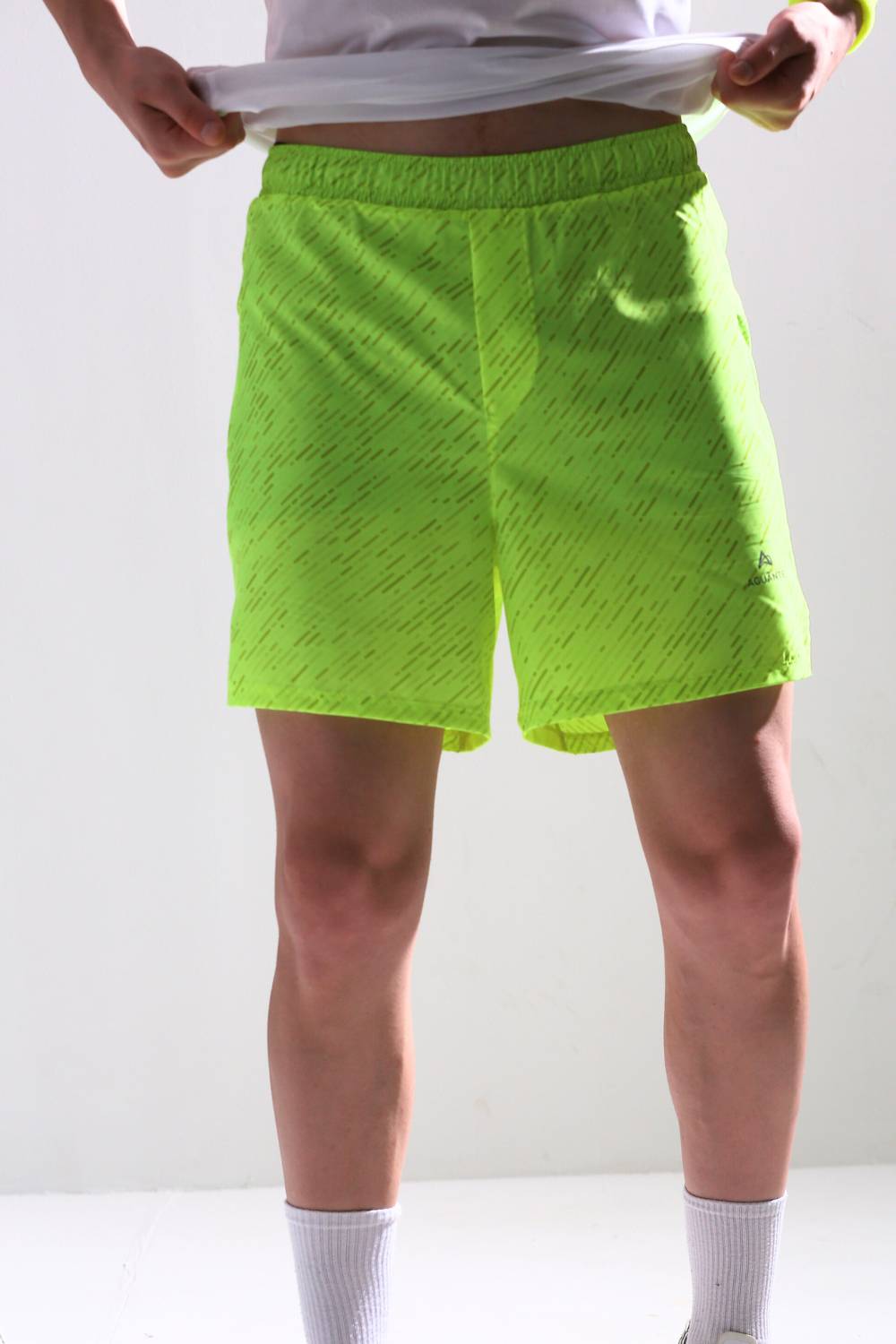
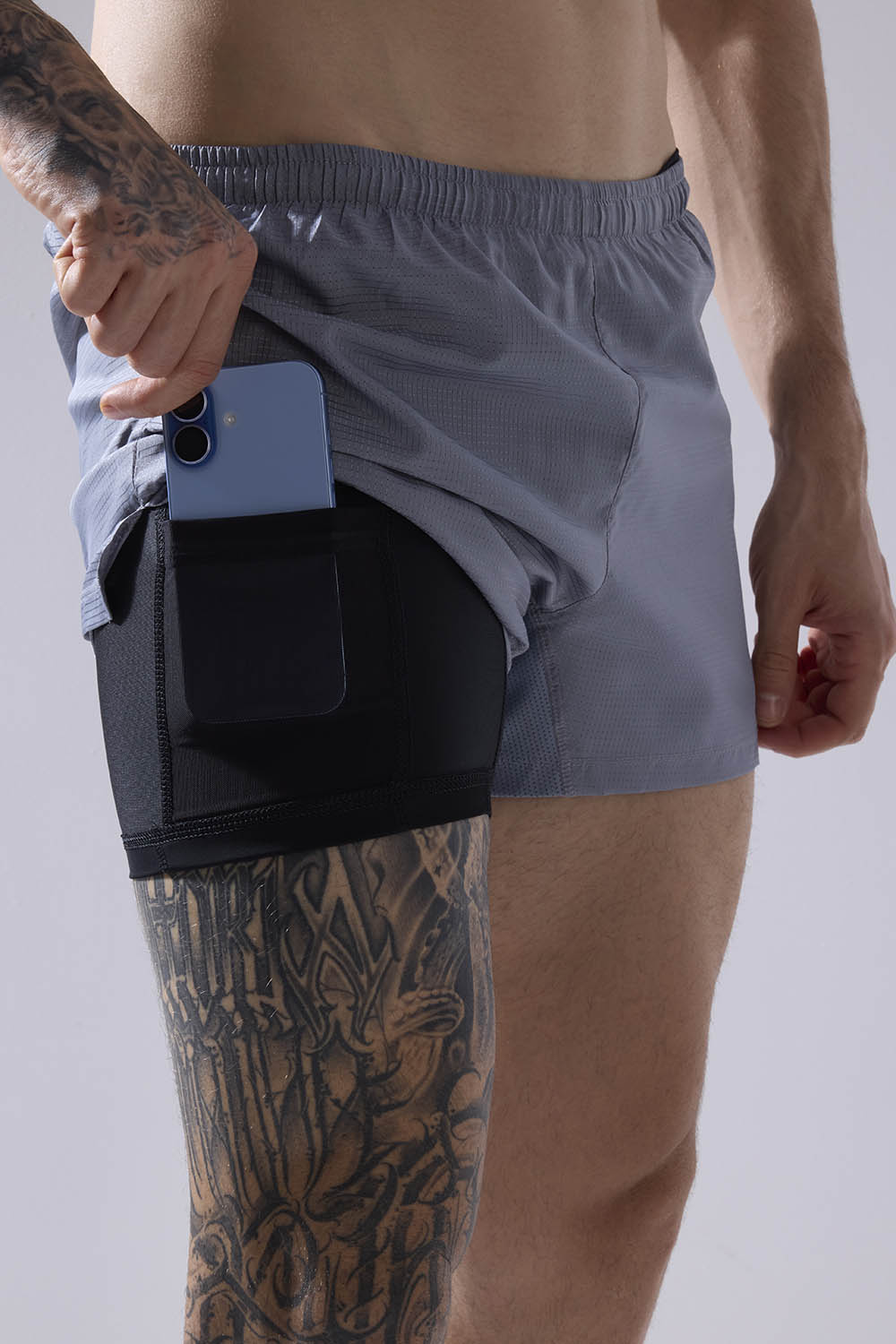
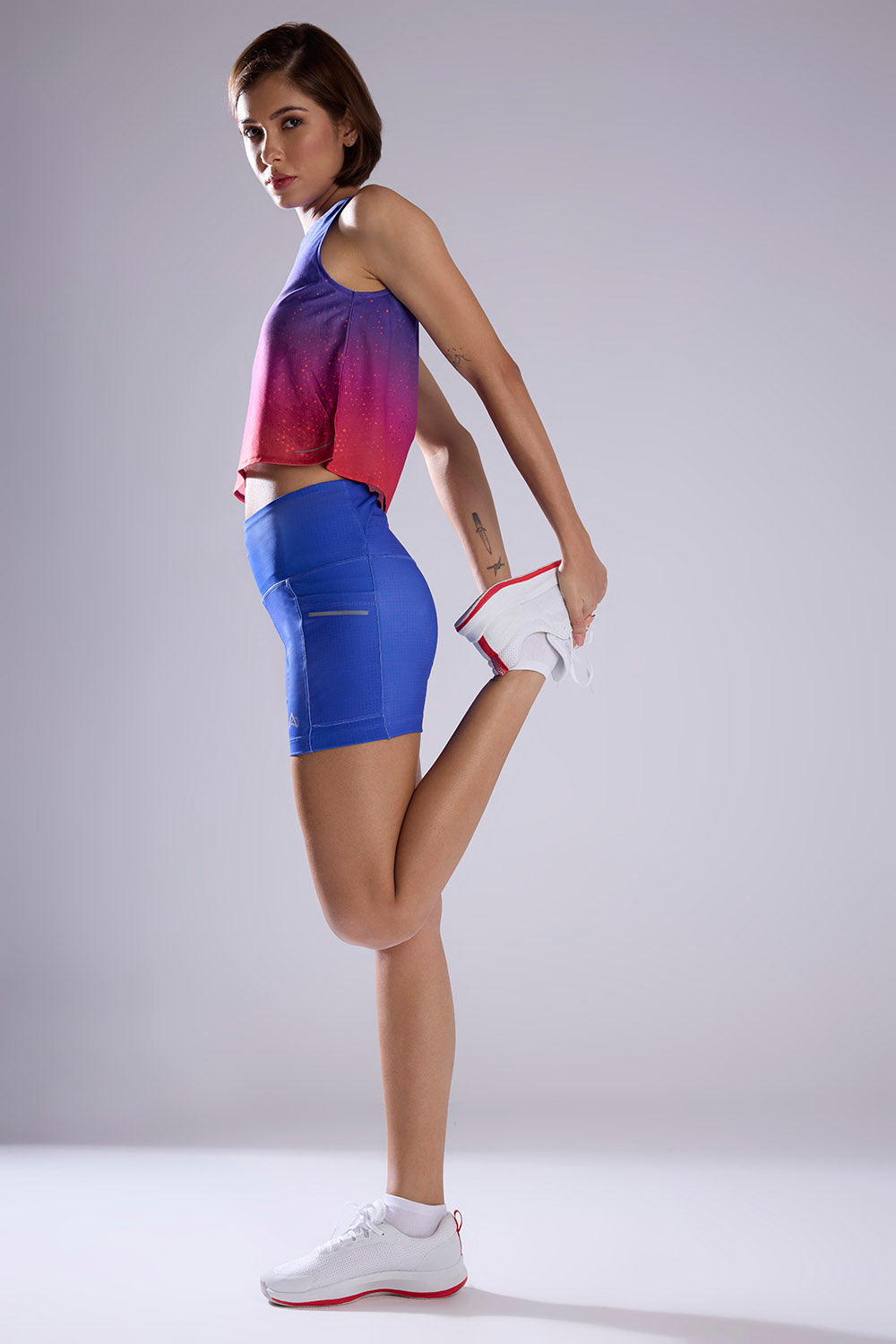
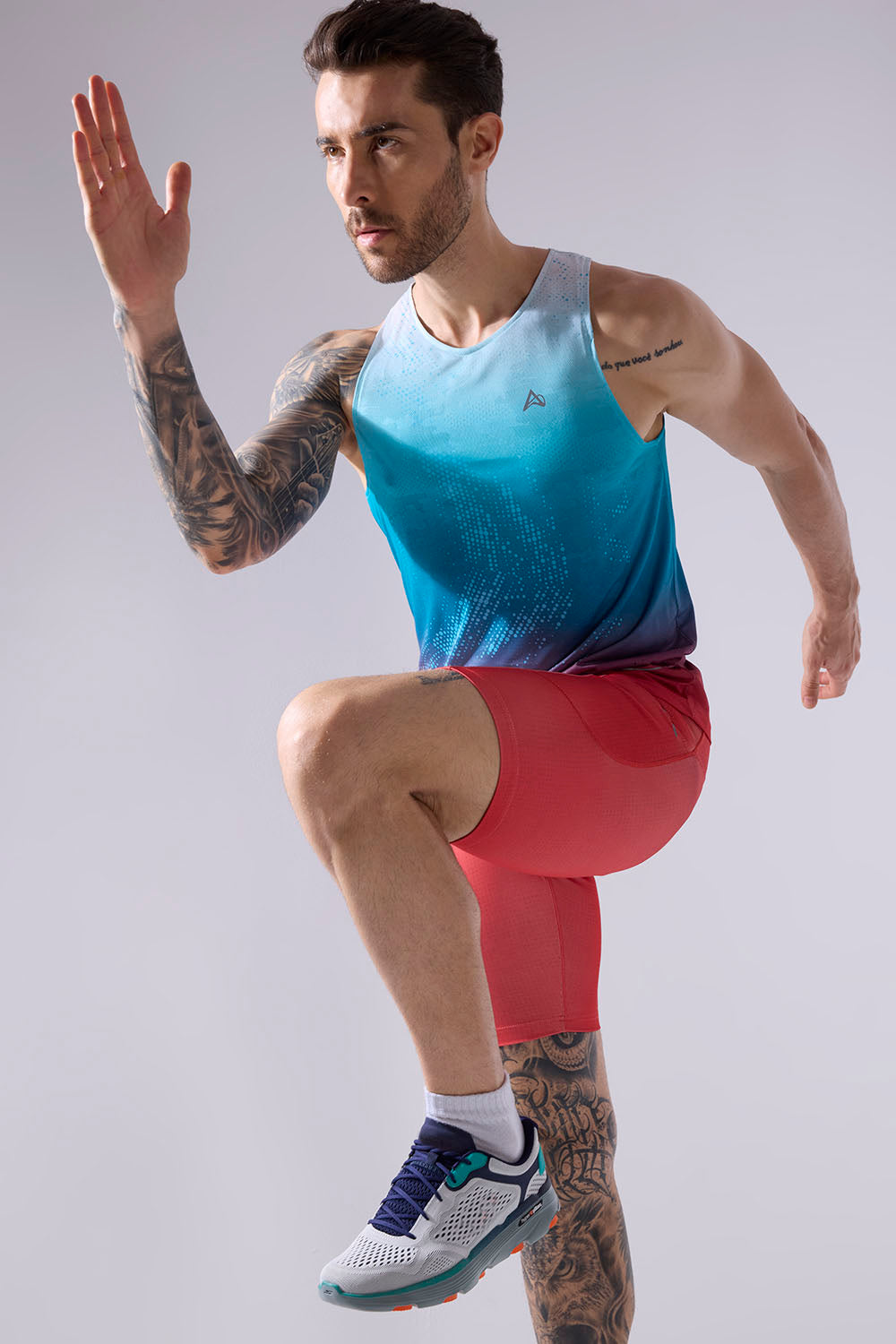
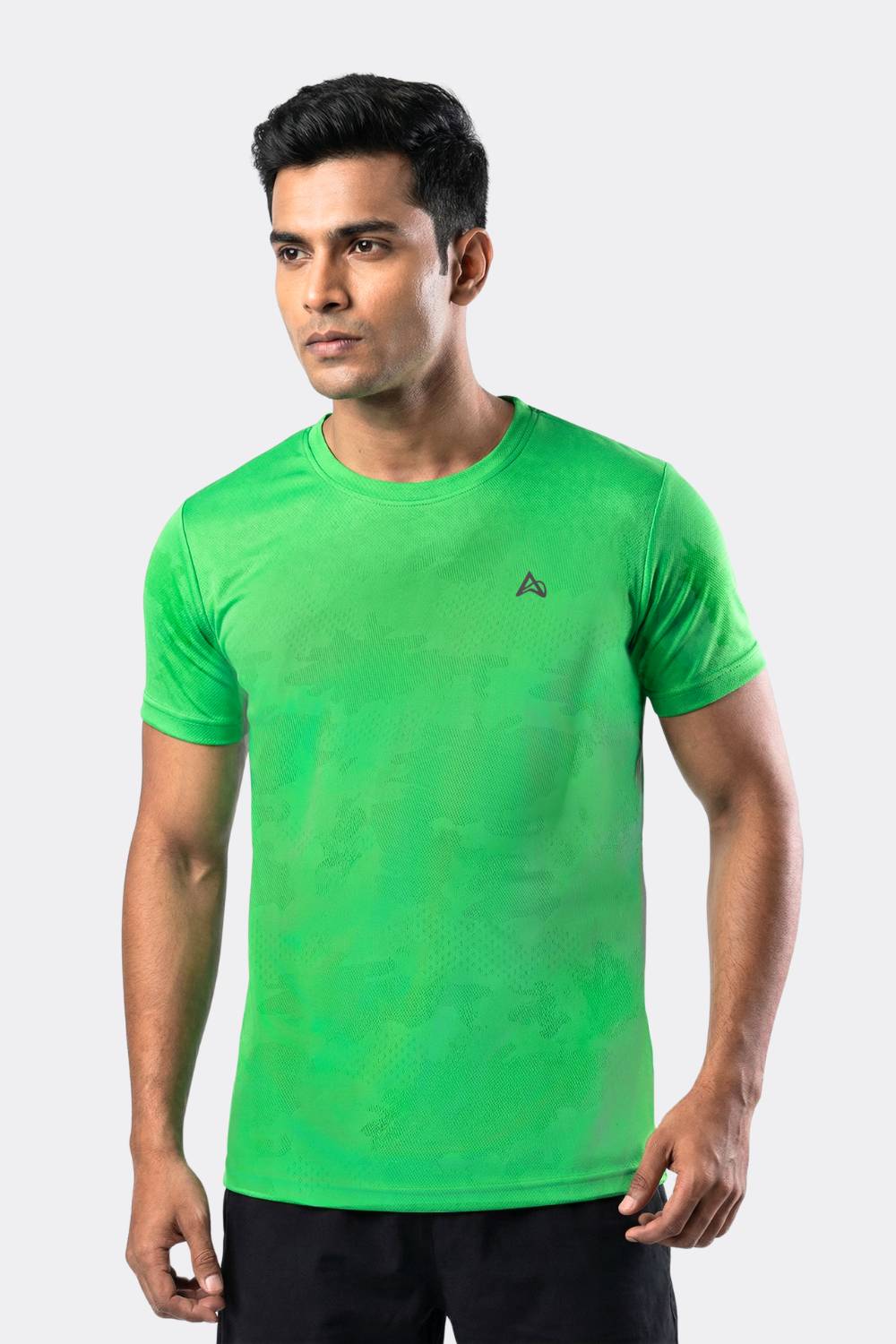
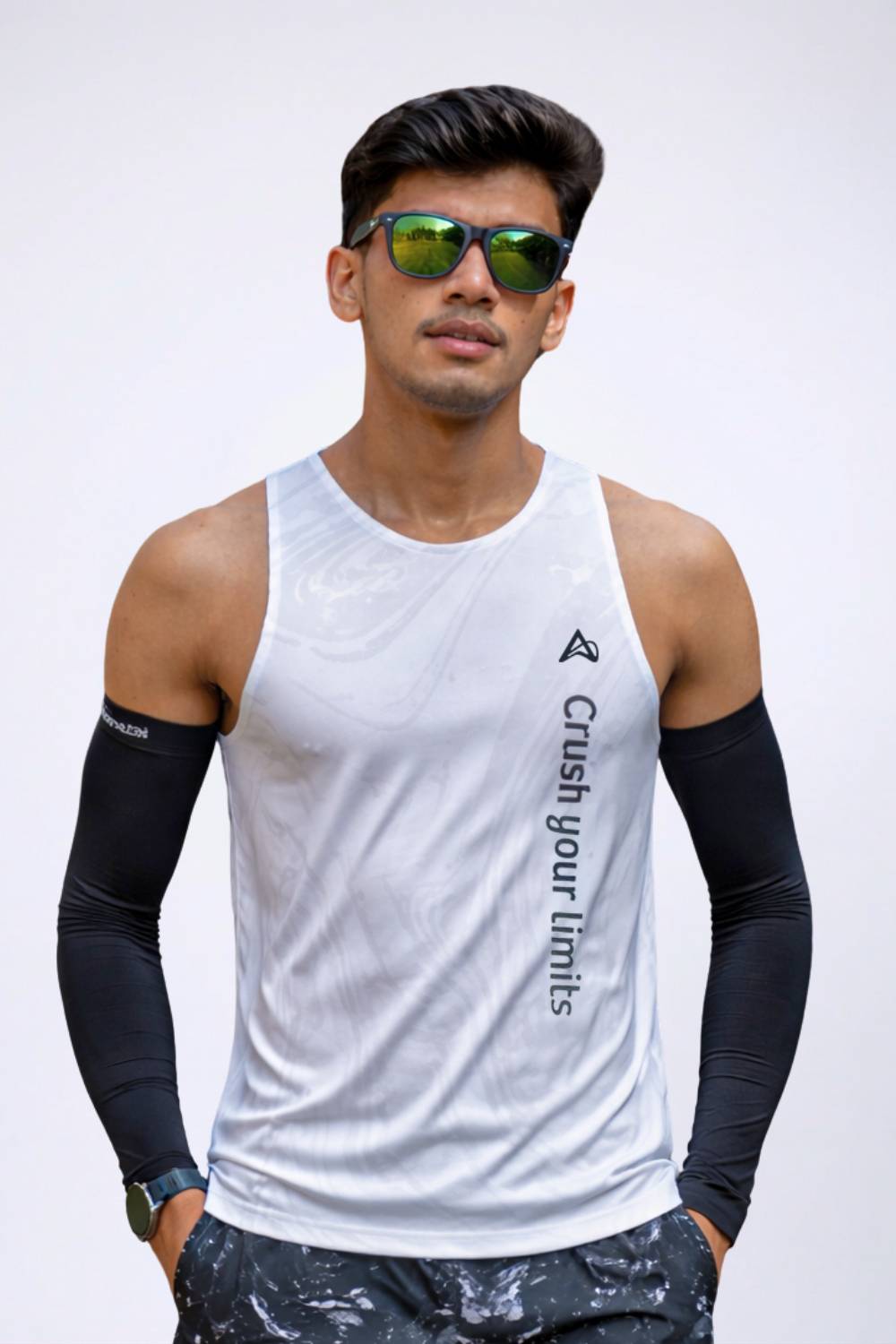
Tired of gear that slows you down? Chafing, soggy fabrics, and missing pockets kill your run's momentum. At Aguante, we're runners who get it. Our high-performance activewear features moisture-wicking fabrics, ergonomic designs, and smart storage to keep you focused. Shop Now!
The Forces Fueling the Boom
Health awareness has shifted from marginal concern to mainstream priority. The post-pandemic period accelerated adoption of running, yoga, strength training, and home workouts as people sought ways to counter prolonged inactivity and rising lifestyle-related conditions. Government initiatives such as Fit India and Khelo India have channelled funding into grassroots sports facilities, school programmes, and public fitness campaigns, normalising physical activity at every age level.
Rapid urbanisation and steadily rising disposable incomes particularly among millennials and Gen Z have created demand for versatile garments that move effortlessly between gym floors, office spaces, and weekend outings. Athleisure fills this exact need, merging technical performance with modern aesthetics in a way rigid sportswear never managed.
E-commerce platforms have removed traditional geographic barriers. Premium international and domestic labels now reach tier-2 and tier-3 cities within hours, while Instagram and YouTube creators demonstrate how advanced fabrics feel, fit, and perform turning passive scrolling into active purchasing.
Related Markets Tell a Consistent Story
Parallel categories reflect the same underlying drivers. According to industry analysis, the broader India sports apparel sector was valued at USD 705.85 Million in 2024 and is forecast to reach USD 1,592.58 Million by 2030. Growth stems from the same forces: surging gym memberships, booming participation in marathons and recreational running, youth enthusiasm for sports, and a clear consumer preference for stretchable, moisture-wicking, stylish pieces suitable for both training and casual settings. Government promotion of sports and expanding digital retail channels continue to widen the addressable market.
Other reports highlight slightly different segments but arrive at similar conclusions: health consciousness, urban lifestyles, and fashion-forward functionality are reshaping how Indians dress for movement.
Navigating Intense Competition and Local Realities
Global leaders such as Nike and Adidas command the high end of the spectrum with powerful branding and innovation pipelines. Domestic players respond by offering sharper price points, regionally informed sizing, and designs that resonate with Indian body types and cultural preferences.
Price remains a decisive factor. Large segments of the population still pause at premium tags, and counterfeit goods continue to circulate in offline channels. Established brands combat this through authorised distribution, visible authenticity markers, and consistent storytelling that emphasises quality and durability over short-term savings.
Supply-chain fluctuations particularly in cotton, polyester, and performance blends challenge margins, yet the long-term outlook stays positive. Retail expansion into smaller cities is accelerating, supported by improved logistics and growing aspirational spending.
Innovation Tailored to India's Climate and Culture
Leading companies have moved far beyond one-size-fits-all imports. Product development now centres on India-specific conditions.
- Advanced moisture-management systems wick sweat efficiently during humid monsoons and punishing summer heat.
- Lightweight, heat-resistant constructions prevent overheating in crowded gyms or long outdoor sessions.
- Odour-resistant treatments reduce the need for frequent washing a practical advantage in water-stressed regions.
- UV-protective fabrics shield skin during daylight training.
Sustainability is no longer an afterthought. Younger buyers increasingly favour brands that incorporate recycled polyester, organic cotton, and low-water dyeing techniques. Ethical production stories now influence purchase decisions as much as performance claims.
Digital features are gaining traction too: augmented-reality try-on tools, seamless integration with fitness trackers, and temperature-regulating “smart” fabrics point toward the next wave of innovation.
Women represent one of the fastest-growing segments. Greater participation in yoga, running groups, dance fitness, and strength training has driven demand for better support structures, thoughtful seam placement, and inclusive sizing that respects diverse body shapes.
Addressing the Questions Readers Are Asking
Why this rapid rise now? A rare alignment of wellness awareness, widespread smartphone penetration, influencer culture, and a generational embrace of active lifestyles has created ideal conditions.
Can legitimate brands compete with unbranded knockoffs? Yes through superior fabric technology, longer garment lifespan, reliable fit, and genuine community-building via loyalty programmes and ambassador networks.
How deeply do brands consider India's climate? Deeply. Ventilation panels, quick-dry laminates, and anti-microbial finishes directly tackle regional weather variations from coastal humidity to northern winters.
Is the sustainability push genuine? In many cases it is. Gen Z's insistence on transparency has compelled meaningful investments in traceable supply chains and lower-impact materials.
Looking Ahead: Cultural Change in Motion
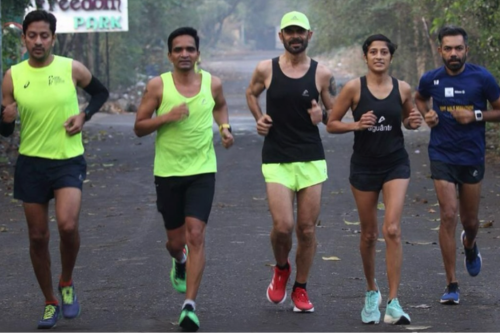
India's activewear journey has only begun. As more people claim space on running tracks, in CrossFit boxes, on neighbourhood walking paths, and inside living-room yoga sessions, the appetite for clothing that performs without sacrificing style will keep expanding.
The headline numbers matter, yet the deeper story is cultural. Activewear has quietly migrated from gym bags into daily wardrobes, reflecting a society increasingly comfortable with movement as a form of self-expression and care.
Whether you are training for a half-marathon, flowing through sunrise yoga, or simply prioritising comfort during a busy day, today's market offers options engineered for Indian bodies, climates, and ambitions. With structural growth locked in through the end of the decade, expect bolder colour stories, more intelligent fabrics, and even greater accessibility in the years ahead. The future of movement in India is not merely active it is confident, inclusive, and unmistakably modern.
Frequently Asked Questions
What is driving the rapid growth of India's activewear market?
India's activewear market is being fueled by a powerful combination of rising health consciousness, increased disposable incomes among millennials and Gen Z, and the post-pandemic surge in fitness activities like yoga, running, and home workouts. Government initiatives such as Fit India and Khelo India have further normalized physical activity across age groups. The explosion of e-commerce and social media influencers has also made premium activewear accessible in tier-2 and tier-3 cities, accelerating adoption nationwide.
How big is the India activewear and sports apparel market, and what is its projected value by 2030?
India's activewear market is projected to grow at a 12.2% CAGR from 2025 to 2030, reaching an estimated US$29,972.9 million by the end of the decade. The broader sports apparel segment, valued at USD 705.85 million in 2024, is forecast to nearly double to USD 1,592.58 million by 2030. This sustained growth reflects strong structural demand driven by urbanization, fitness culture, and expanding digital retail channels.
How are activewear brands adapting their products specifically for Indian consumers?
Leading brands are developing India-specific innovations to address the country's diverse climate and lifestyle needs, including advanced moisture-management systems for humid conditions, UV-protective fabrics for outdoor training, and odour-resistant treatments suited to water-stressed regions. There is also growing emphasis on inclusive sizing that caters to Indian body types and a rising demand for sustainable materials like recycled polyester and organic cotton particularly among younger, eco-conscious shoppers. Women represent one of the fastest-growing customer segments, driving demand for better support structures and thoughtful design.
Disclaimer: The above helpful resources content contains personal opinions and experiences. The information provided is for general knowledge and does not constitute professional advice.
You may also be interested in: Local Manufacturing Strengthens India's Sportswear Ecosystem
Tired of gear that slows you down? Chafing, soggy fabrics, and missing pockets kill your run's momentum. At Aguante, we're runners who get it. Our high-performance activewear features moisture-wicking fabrics, ergonomic designs, and smart storage to keep you focused. Shop Now!
Powered by flareAI.co