






Quick Listen:
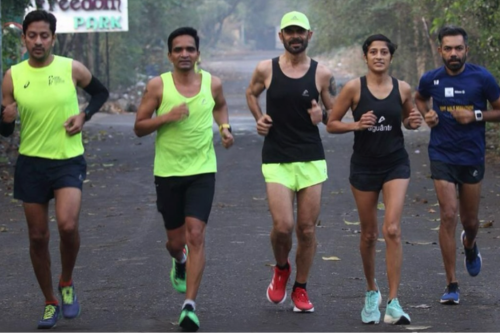
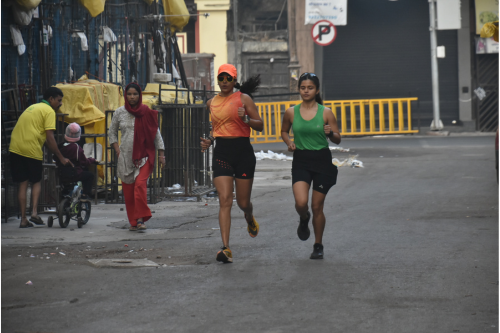
In the early dawn light along Mumbai's Marine Drive, runners pound the pavement in pursuit of personal bests, while in Bangalore's lush Cubbon Park, groups gather for sunrise jogs that double as networking sessions. Across India's urban landscapes, a fitness revolution is gaining serious momentum one that has caught the eye of global sportswear leaders. Asics, the Japanese brand renowned for its meticulously engineered running footwear, is positioning itself at the forefront of this surge. The company anticipates its India operations will expand by as much as 35% each year over the coming five years, with clear ambitions to lead the premium running shoe category by 2029.
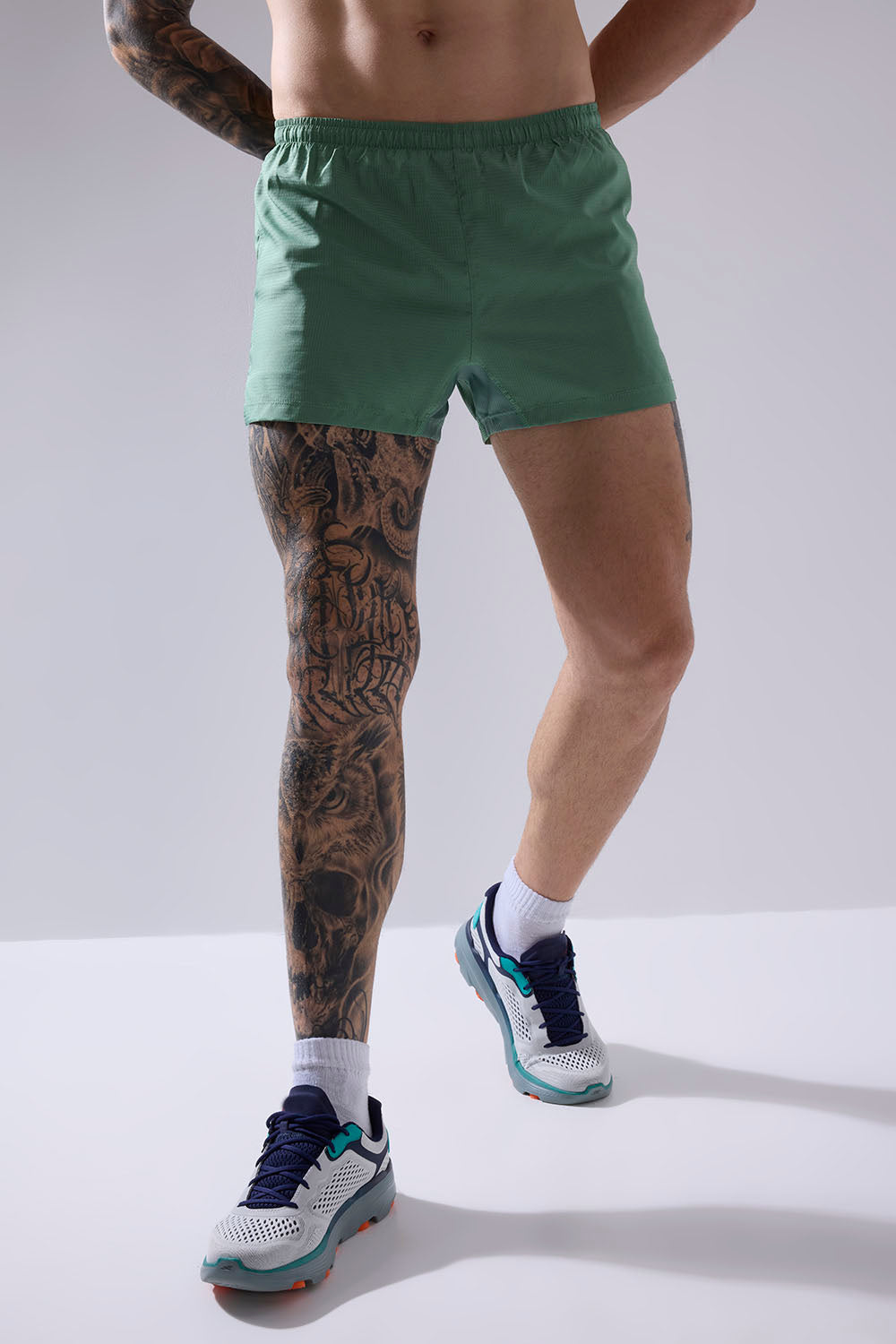
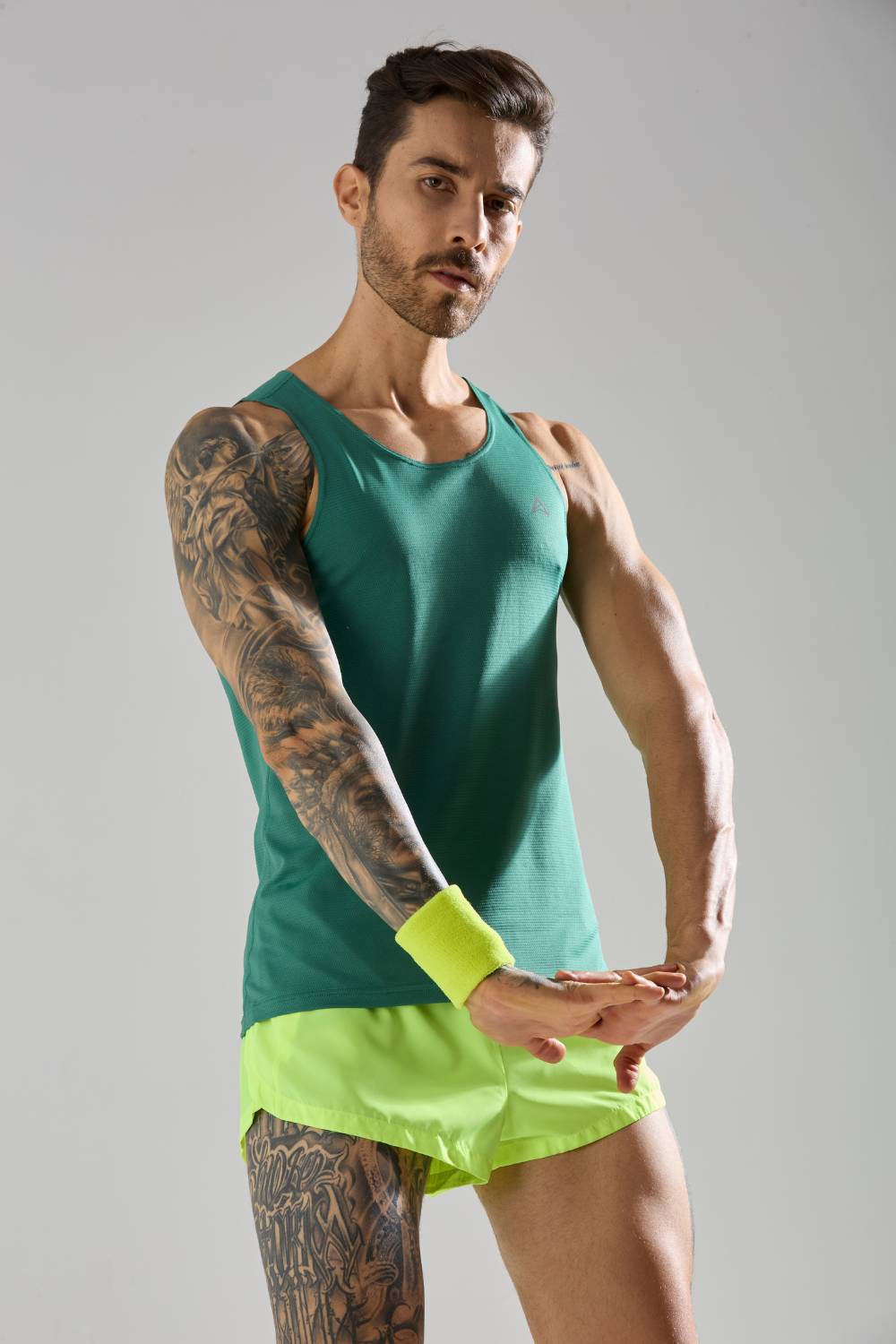
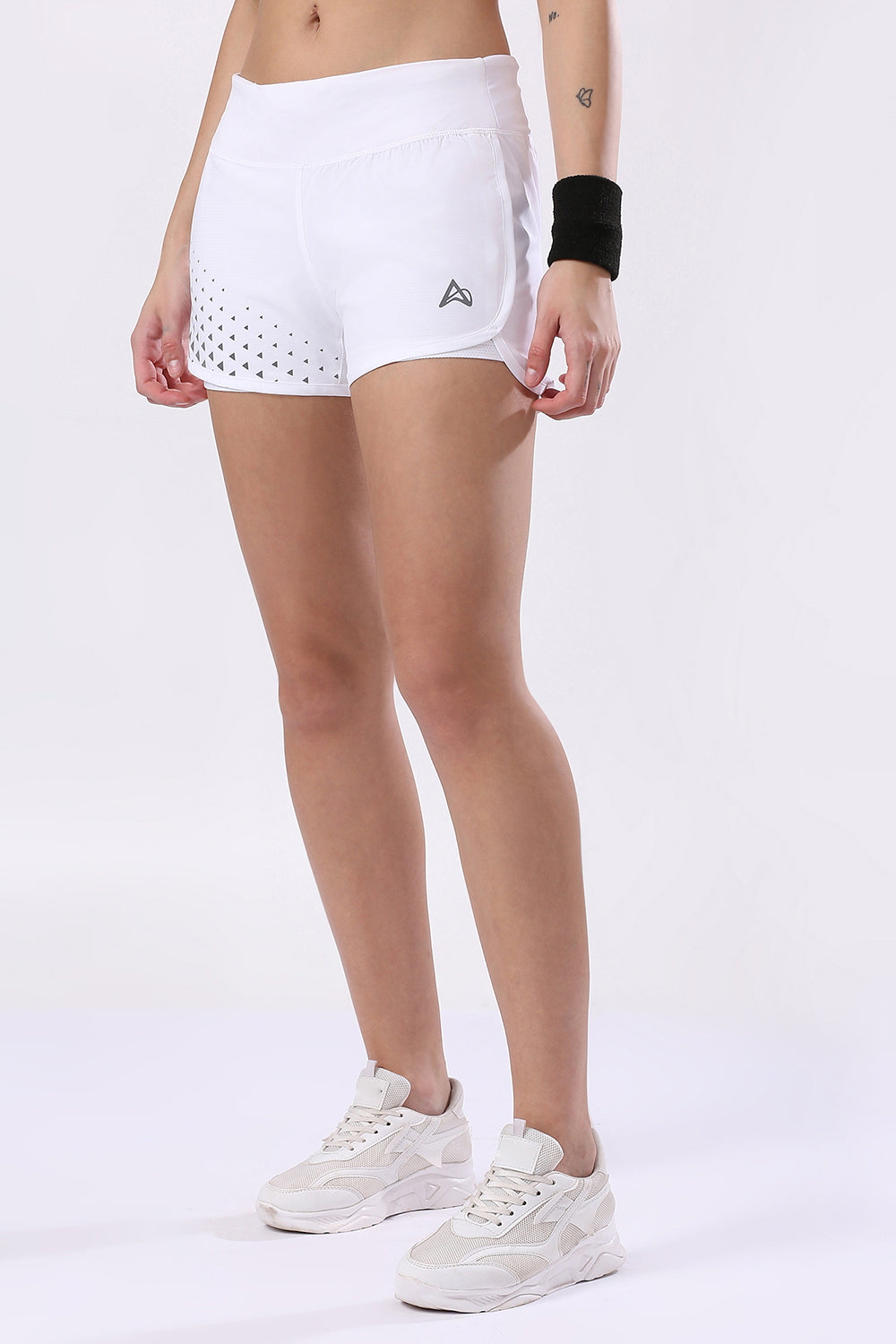
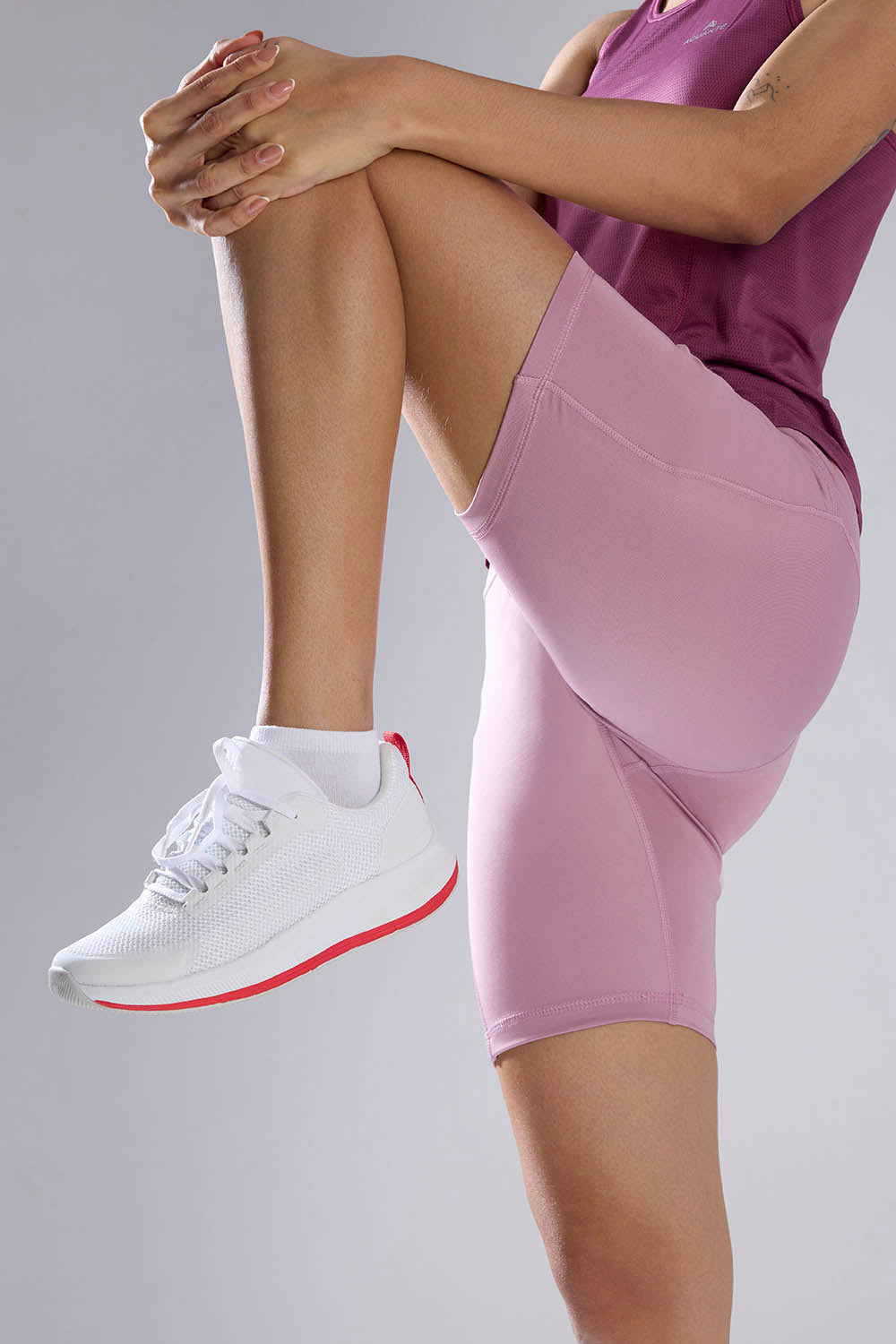
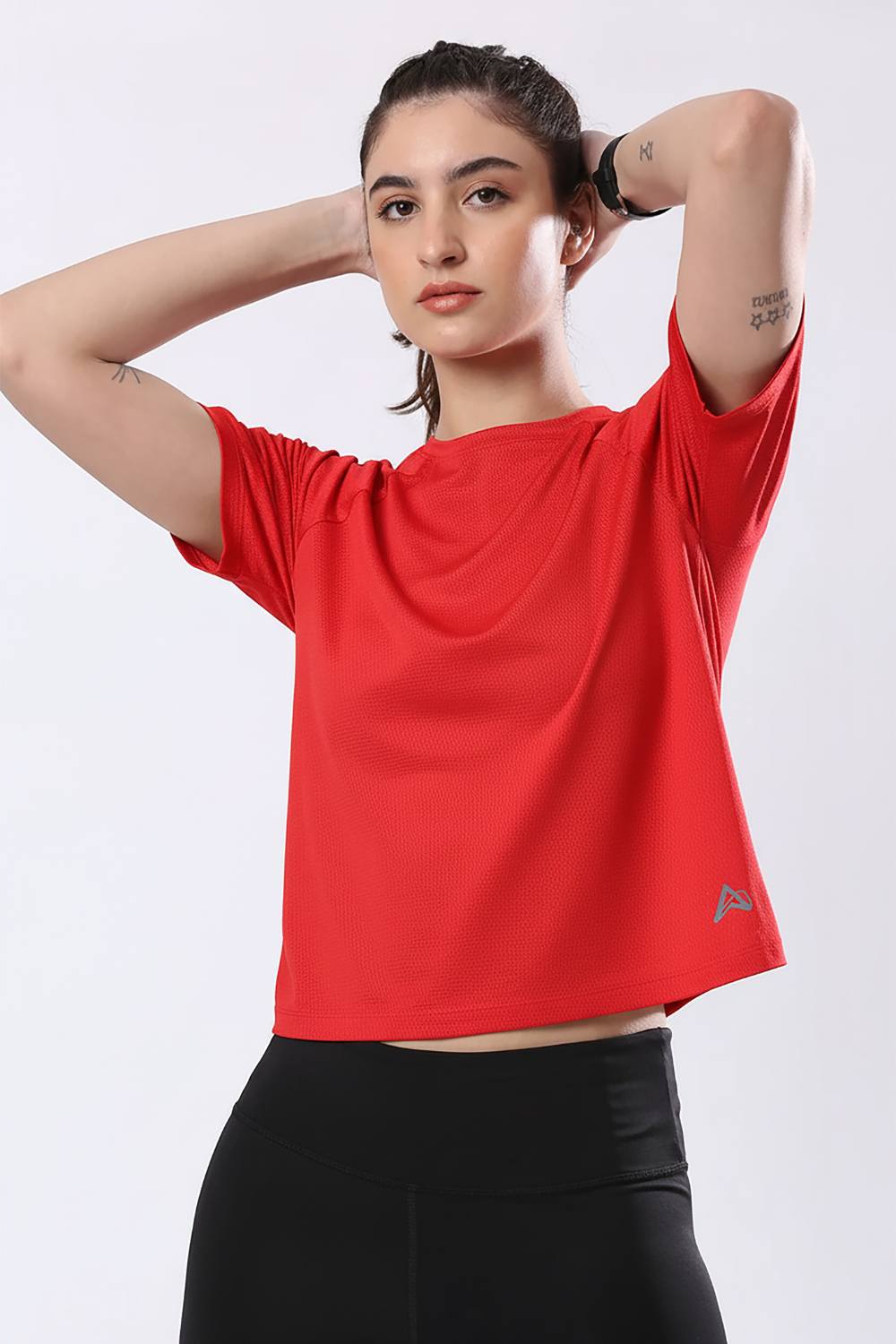
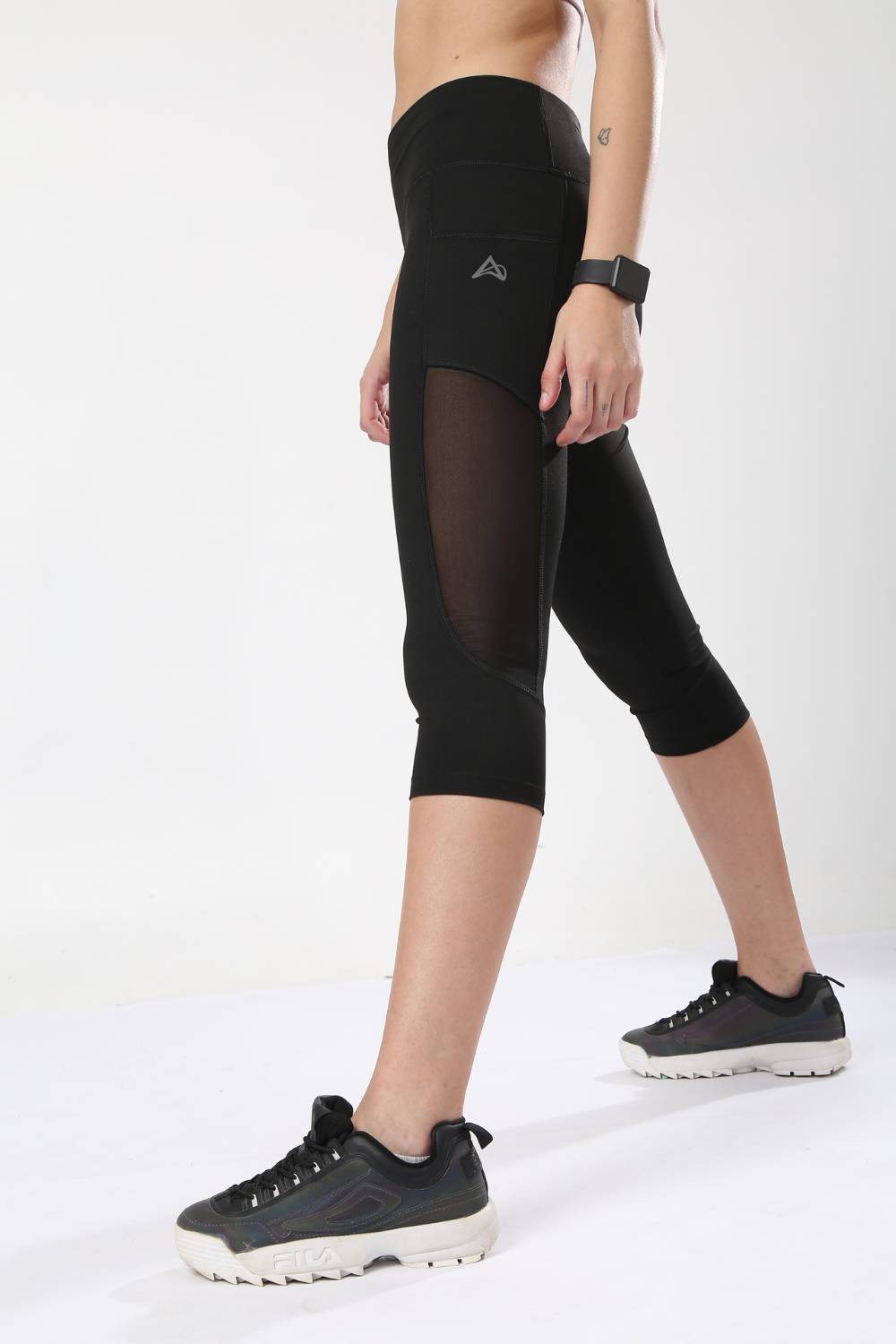
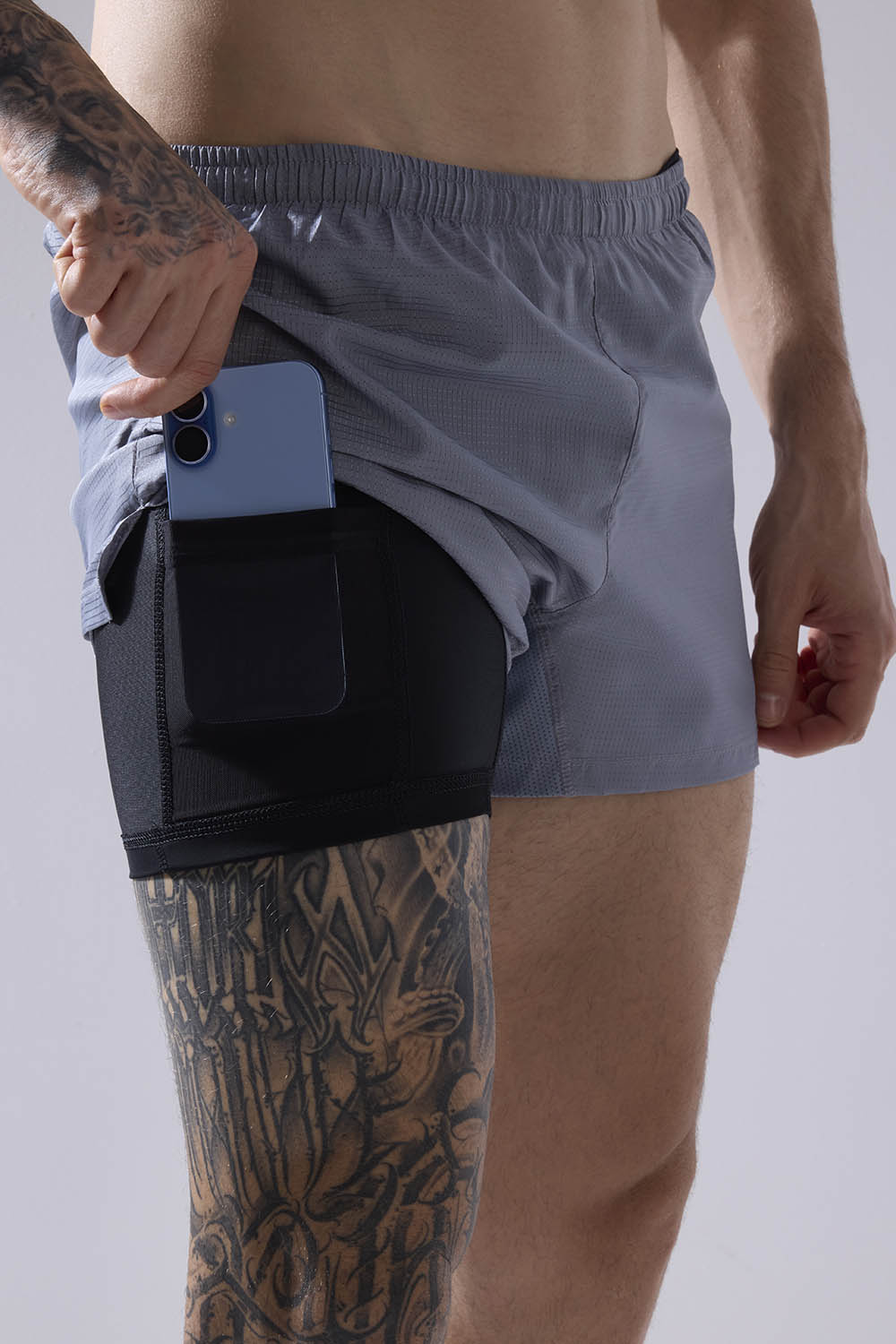
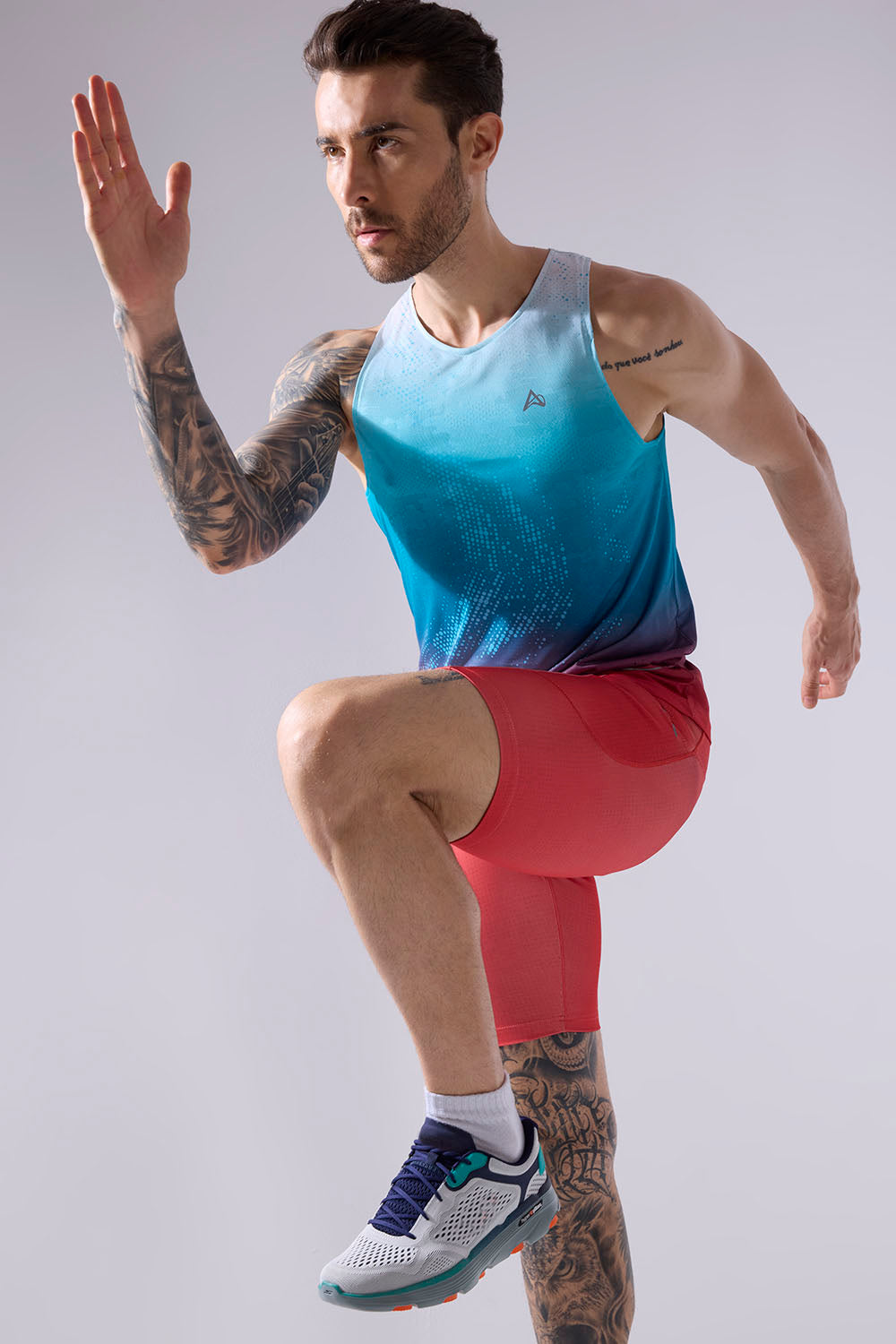
Tired of gear that slows you down? Chafing, soggy fabrics, and missing pockets kill your run's momentum. At Aguante, we're runners who get it. Our high-performance activewear features moisture-wicking fabrics, ergonomic designs, and smart storage to keep you focused. Shop Now!
Asics Accelerates Amid India's Fitness Surge
Rajat Khurana, managing director of Asics India, recently articulated this confident outlook in interviews, pointing to the explosive rise in recreational running nationwide. A swelling affluent demographic increasingly places health and wellness at the center of daily life, fueling demand among both dedicated marathon participants and casual enthusiasts. Same-store sales rose 15% in the prior year, with forecasts indicating close to 30% growth for the latest fiscal period driving projected India revenue toward ¥12 billion, roughly $76 million.
These projections rest on solid foundations within the broader textiles and activewear landscape. India's performance fabric sector recorded USD 5,569.1 million in revenue during 2024 and is on track to reach USD 8,425.5 million by 2033, reflecting a steady compound annual growth rate of 4.8% from 2025 onward. Polyester continues to command the largest share among material types, yet aramid emerges as the segment poised for the quickest expansion, underscoring innovation in high-performance applications. On the global stage, complementary markets reinforce the trend: cooling fabrics, vital for temperature regulation in activewear, were valued at US$ 2,886.3 million in 2024 and are expected to climb to US$ 4,604.5 million by 2031 at a 6.9% CAGR. Similarly, moisture-wicking fabrics essential for drawing sweat away from the skin and enhancing comfort stood at US$1.2 billion in 2024, with projections to hit US$1.7 billion by 2030 through 6.5% annual growth.
Asics is moving decisively to capture this potential. The brand currently produces about 30% of its India-bound footwear locally and intends to lift that proportion to 40% within three years, a step that mitigates import constraints while trimming costs and improving responsiveness. With 138 stores already in operation, plans call for adding as many as 20 more this year through a blend of company-led and franchise models. Meanwhile, the company directs roughly 6% of sales toward marketing initiatives, event sponsorships, and grassroots community engagement to deepen brand affinity.
Key Cities Powering Uneven but Explosive Expansion
Growth concentrates most intensely in India's major urban hubs, each contributing distinct energy to the overall trajectory. Mumbai and Delhi serve as established strongholds, where Asics flagship locations in prominent malls and robust online channels intersect with vibrant marathon cultures that attract massive crowds annually. Bangalore stands out for its unique blend of technology professionals and outdoor enthusiasts; here, Asics customizes selections trail-capable shoes and humidity-friendly apparel to align seamlessly with the city's dynamic, weather-variable lifestyle.
Emerging centers like Hyderabad and Pune reveal accelerating momentum, propelled by expanding gym networks, cycling clubs, and corporate wellness programs. Gurugram and Navi Mumbai benefit from high e-commerce adoption, enabling fluid integration of digital and physical retail touchpoints that appeal to time-pressed consumers. Farther afield, in Ahmedabad and Surat, traditional price awareness persists, yet spreading wellness awareness opens incremental opportunities as middle-class aspirations evolve.
Athleisure continues to blur boundaries between performance and daily wear, particularly in Delhi and Bangalore. In these metros, where remote and hybrid work patterns persist, versatile Asics pieces featuring advanced moisture management, lightweight construction, and contemporary design transition effortlessly from morning workouts to casual meetings, amplifying category demand across running, yoga, training, and lifestyle segments.
Overcoming Competitive Pressures and Structural Hurdles
The road ahead includes formidable obstacles. In premium segments across Mumbai, Delhi, and Hyderabad, Nike and Adidas maintain commanding positions, while nimble local brands and emerging startups intensify rivalry in Pune and secondary markets. In more value-oriented regions such as Ahmedabad and Surat, consumers scrutinize pricing closely, compelling Asics to refine its premium proposition without alienating potential buyers through strategic tiering or targeted promotions.
Cultural dynamics add another layer: cricket's enduring dominance shapes sports preferences in many areas, yet running's ascent carves out a differentiated niche focused on individual achievement and health longevity. Distribution challenges linger in less-developed infrastructure pockets, though enhancements in logistics especially around Navi Mumbai gradually alleviate bottlenecks.
Asics addresses these realities with precision. Collaborations with regional running events and fitness influencers strengthen community ties in Hyderabad and Mumbai. In Delhi and Gurugram, marketing spotlights cutting-edge technologies tailored to ambitious young professionals. Broader policy support for sports facilities in Bangalore and Pune creates fertile ground for partnerships, product placements, and experiential activations.
Looking Forward: Sustained Momentum and Strategic Imperatives
The outlook remains decidedly optimistic. With a youthful, increasingly health-aware population, steadily rising disposable incomes, and urbanization accelerating wellness adoption, India offers Asics substantial runway. Industry observers credit the brand's commitment to technical innovation, consistent quality, and culturally attuned engagement as critical drivers capable of delivering on the ambitious 35% annual growth pathway.
To lock in long-term leadership, further localization could prove decisive perhaps developing cricket-adjacent training apparel suited to Ahmedabad's sporting heritage or specialized heat-resistant lines for Surat's demanding climate. Intensifying digital engagement in Hyderabad, Pune, and beyond will ensure the brand remains accessible and relevant to digitally native consumers. As running evolves from occasional pastime to integral lifestyle element across these diverse cities, Asics appears well-prepared to match every stride, transforming bold forecasts into enduring market presence on tracks, trails, and streets nationwide.
Frequently Asked Questions
Why is Asics expanding so aggressively in India's running shoe market?
Asics anticipates 35% annual growth in India over the next five years due to a surging fitness revolution among the country's affluent, health-conscious population. The brand experienced 15% same-store sales growth last year and projects nearly 30% growth this fiscal period, driven by explosive demand from both marathon runners and casual fitness enthusiasts across major urban centers like Mumbai, Delhi, and Bangalore.
How is Asics planning to compete with Nike and Adidas in India's premium sportswear segment?
Asics is increasing local manufacturing from 30% to 40% within three years to reduce costs and improve responsiveness, while expanding its retail footprint by adding up to 20 new stores this year. The brand differentiates itself through technical innovation, city-specific product customization (like trail shoes for Bangalore), and strategic partnerships with regional running events and fitness influencers to build deeper community connections.
What growth opportunities exist for running shoes in India beyond major metro cities?
Emerging cities like Hyderabad, Pune, Ahmedabad, and Surat present significant expansion potential as middle-class wellness awareness grows alongside expanding gym networks, cycling clubs, and corporate wellness programs. While traditional price sensitivity remains in some regions, the athleisure trend where performance gear transitions from workouts to casual daily wear is creating new demand across running, yoga, training, and lifestyle segments nationwide.
Disclaimer: The above helpful resources content contains personal opinions and experiences. The information provided is for general knowledge and does not constitute professional advice.
You may also be interested in: Reflective Accents Becoming a Symbol of Smart Urban Fitness
Tired of gear that slows you down? Chafing, soggy fabrics, and missing pockets kill your run's momentum. At Aguante, we're runners who get it. Our high-performance activewear features moisture-wicking fabrics, ergonomic designs, and smart storage to keep you focused. Shop Now!
Powered by flareAI.co