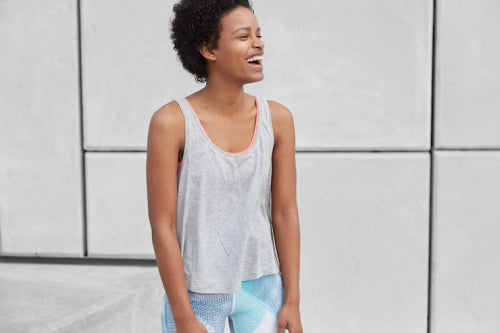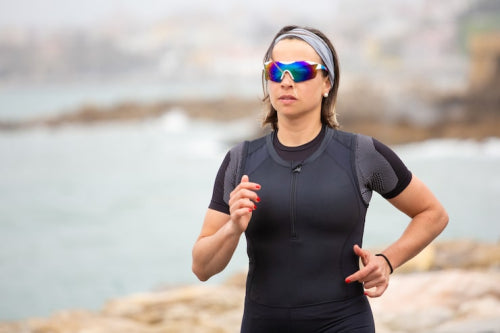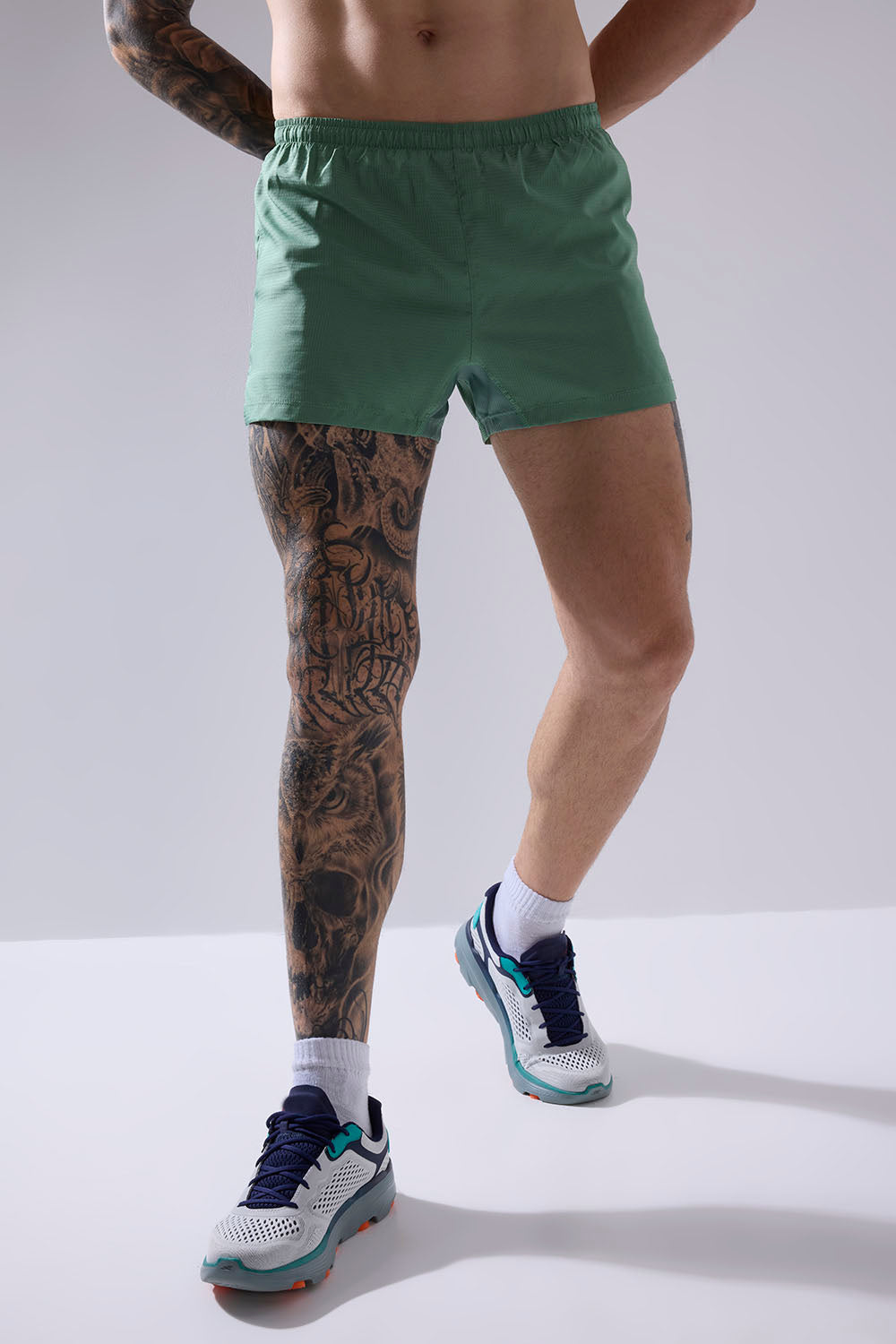

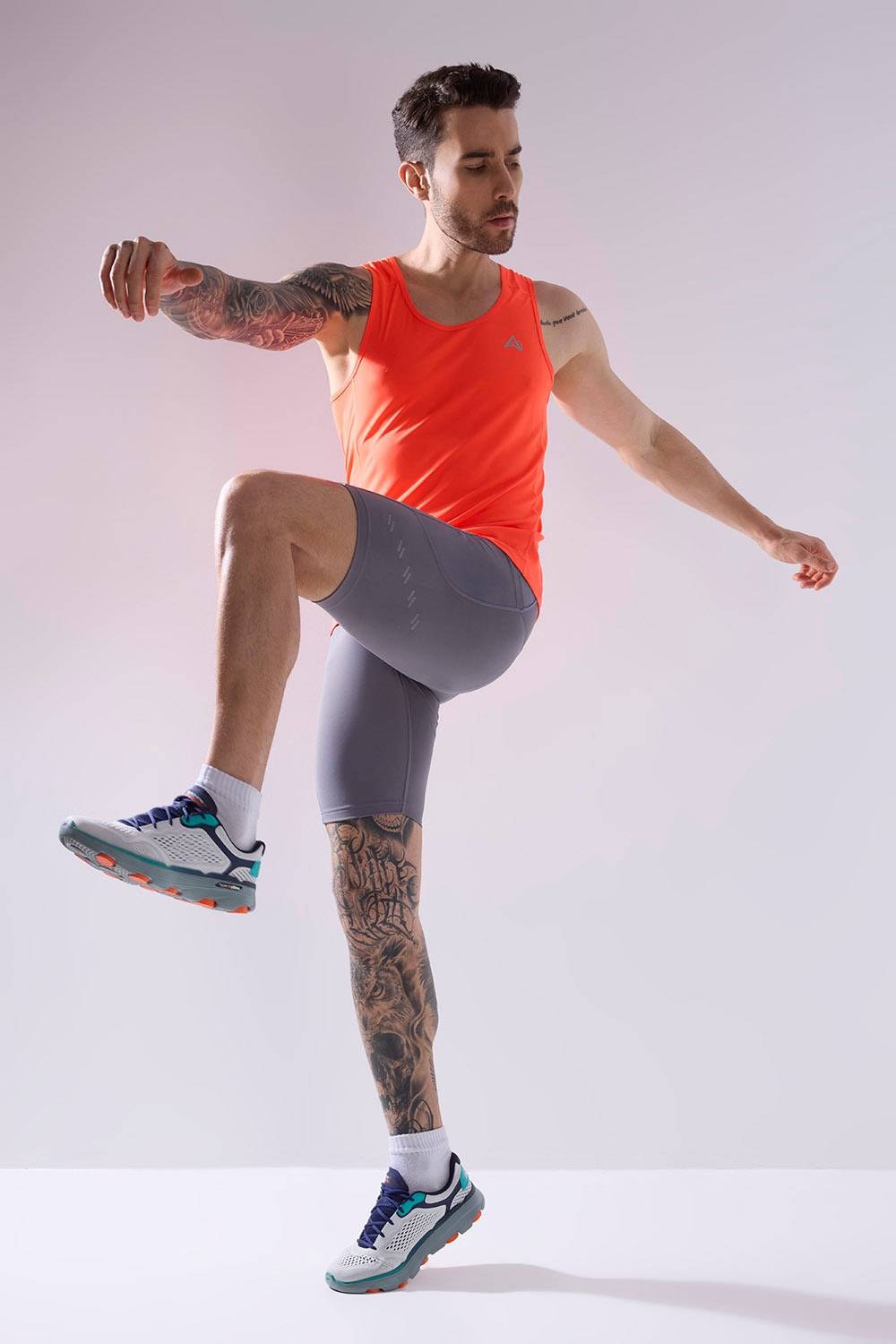
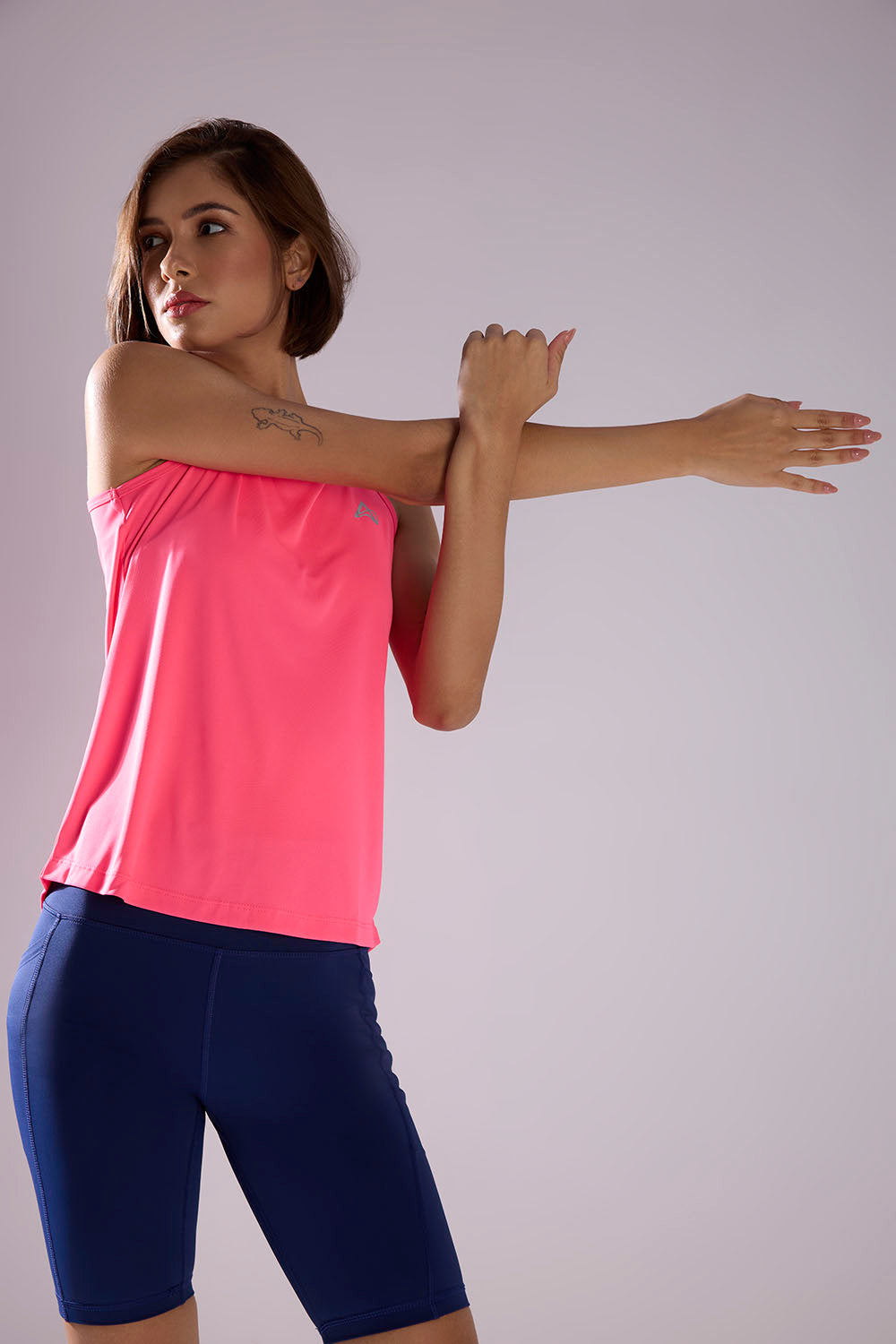
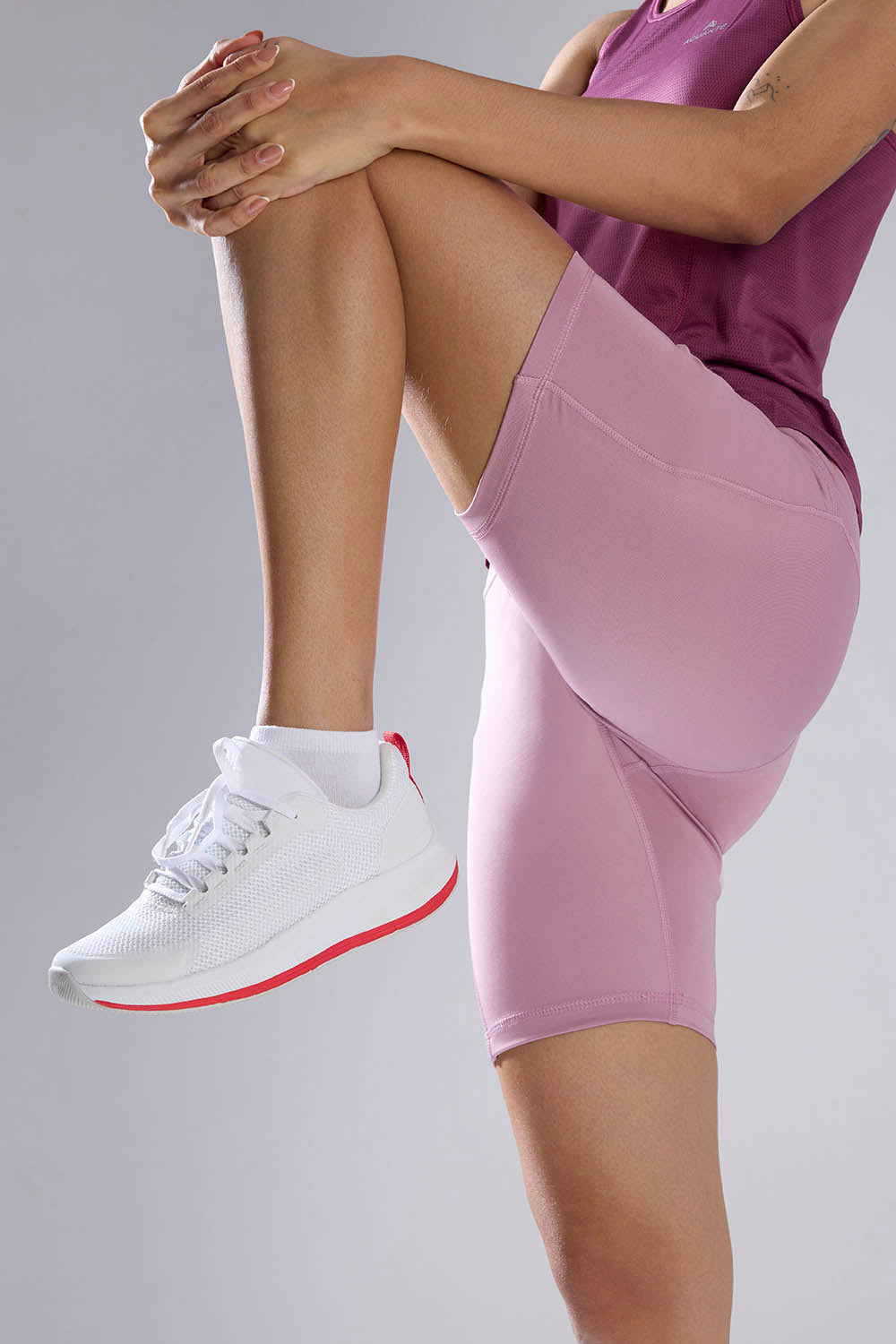
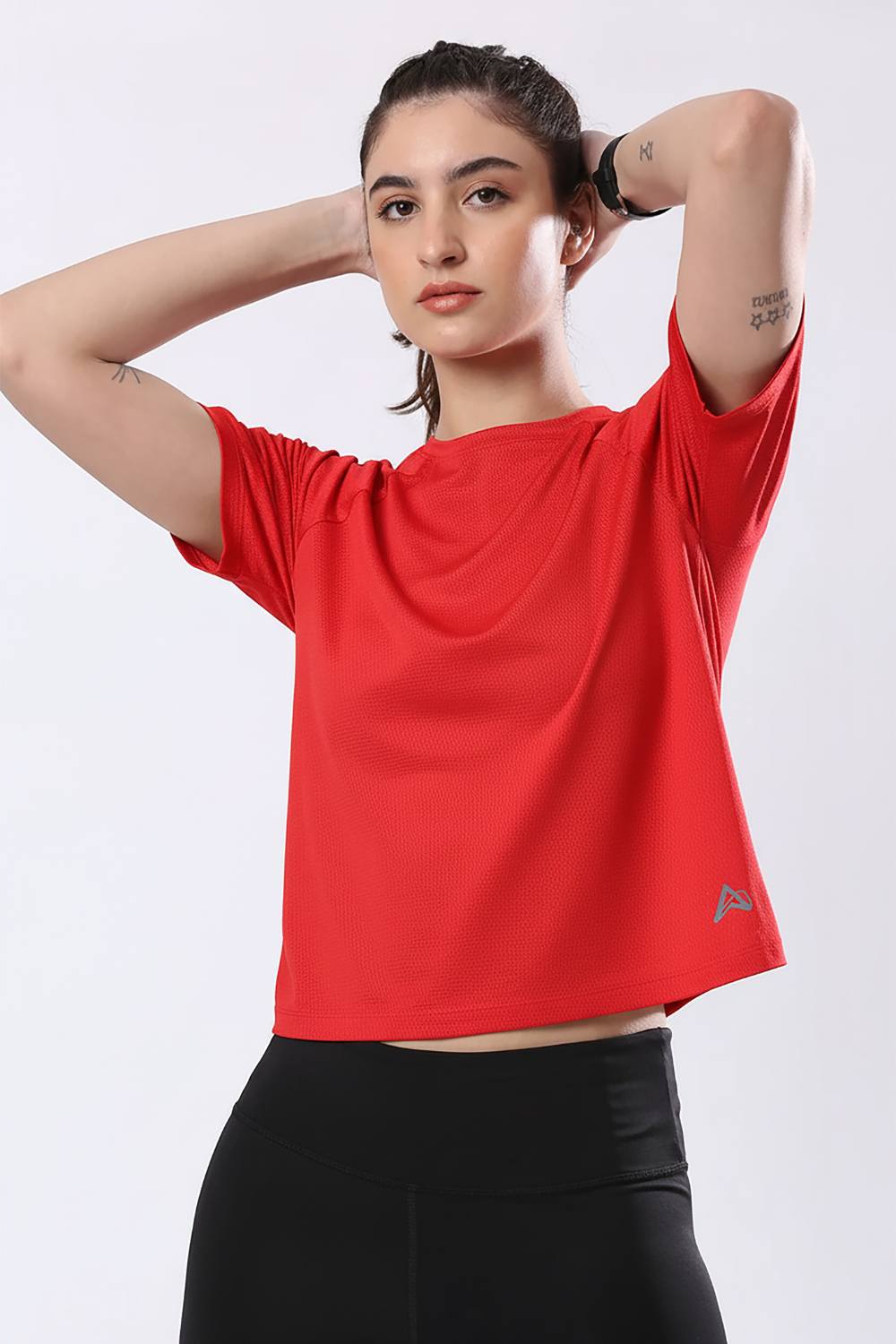
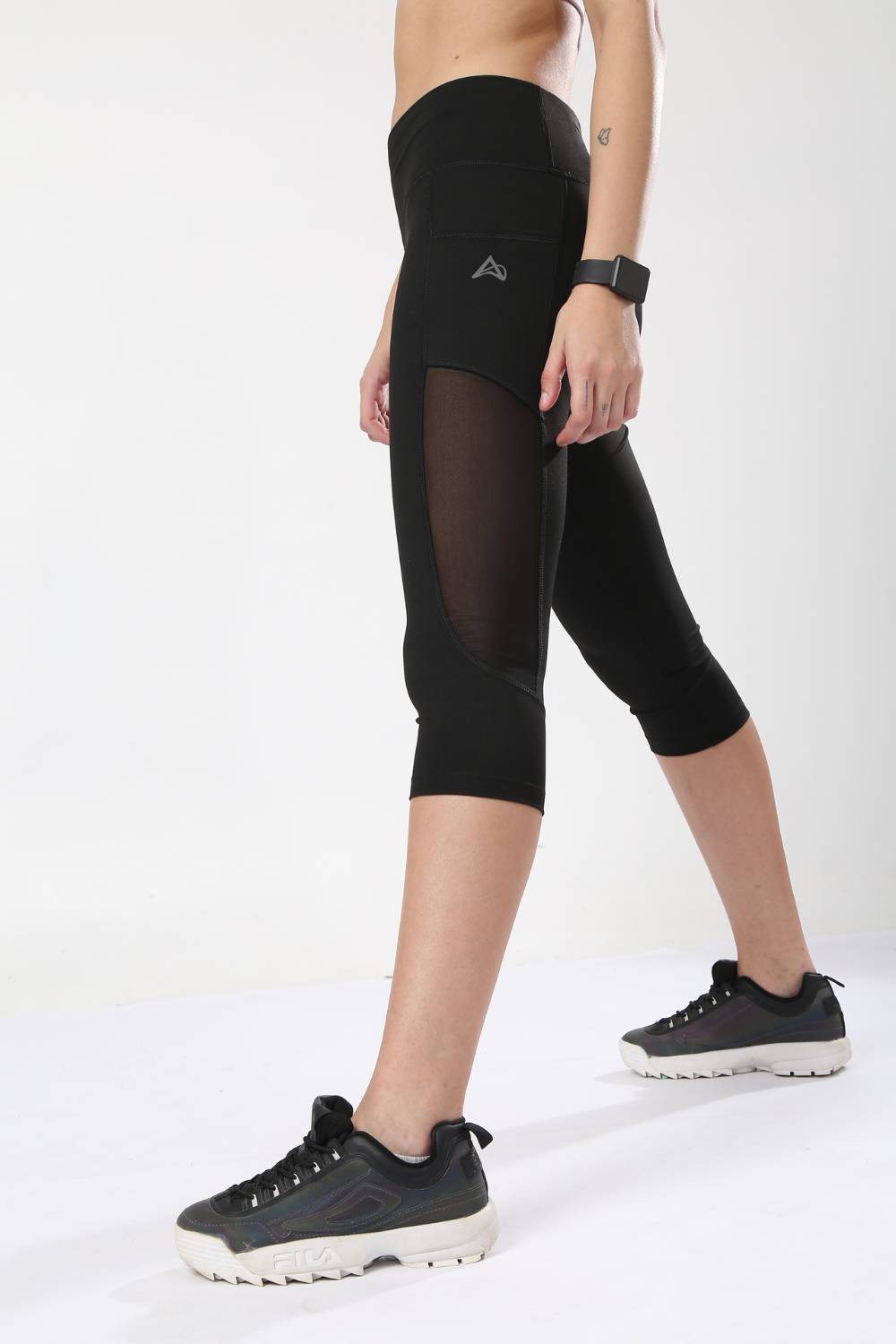
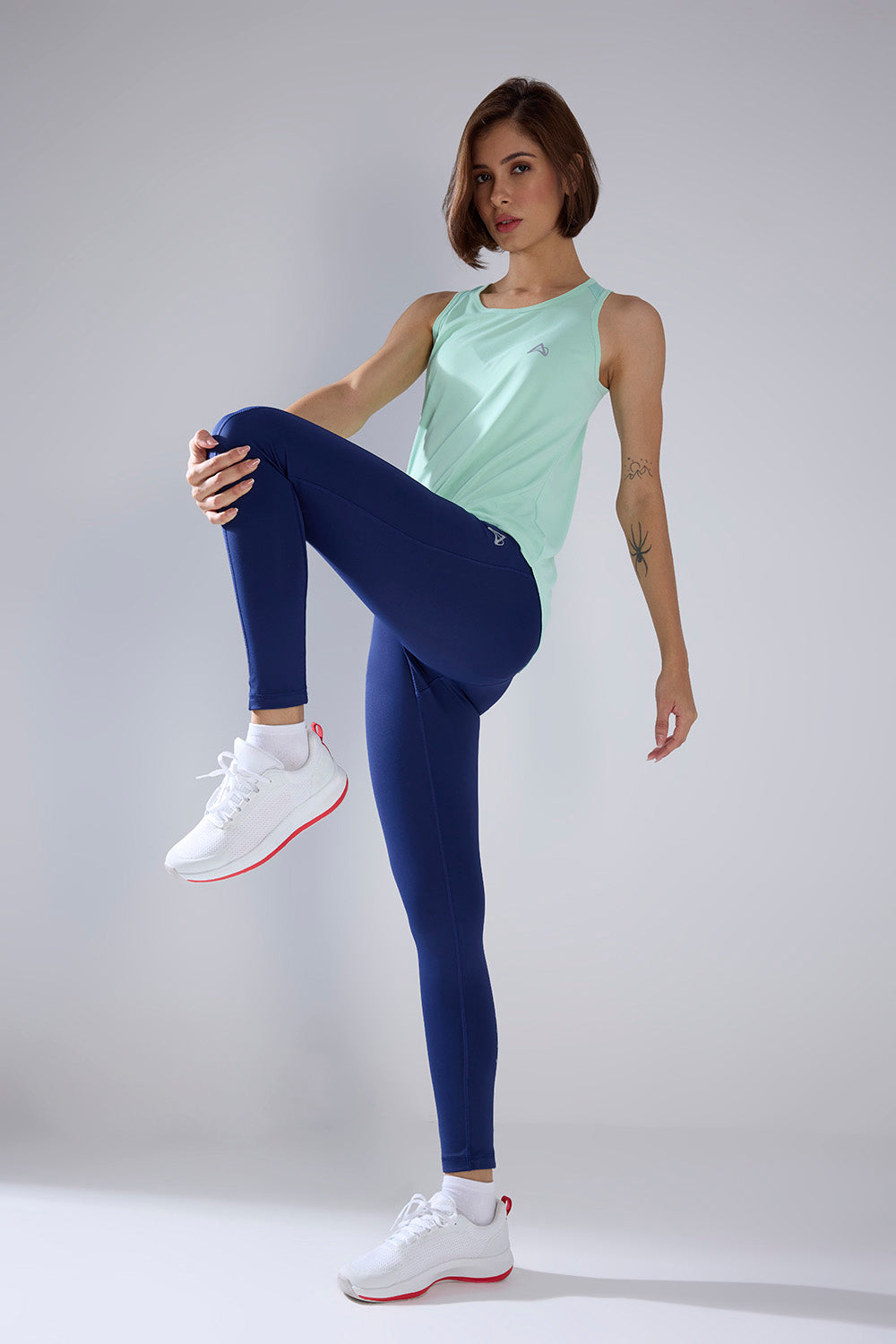

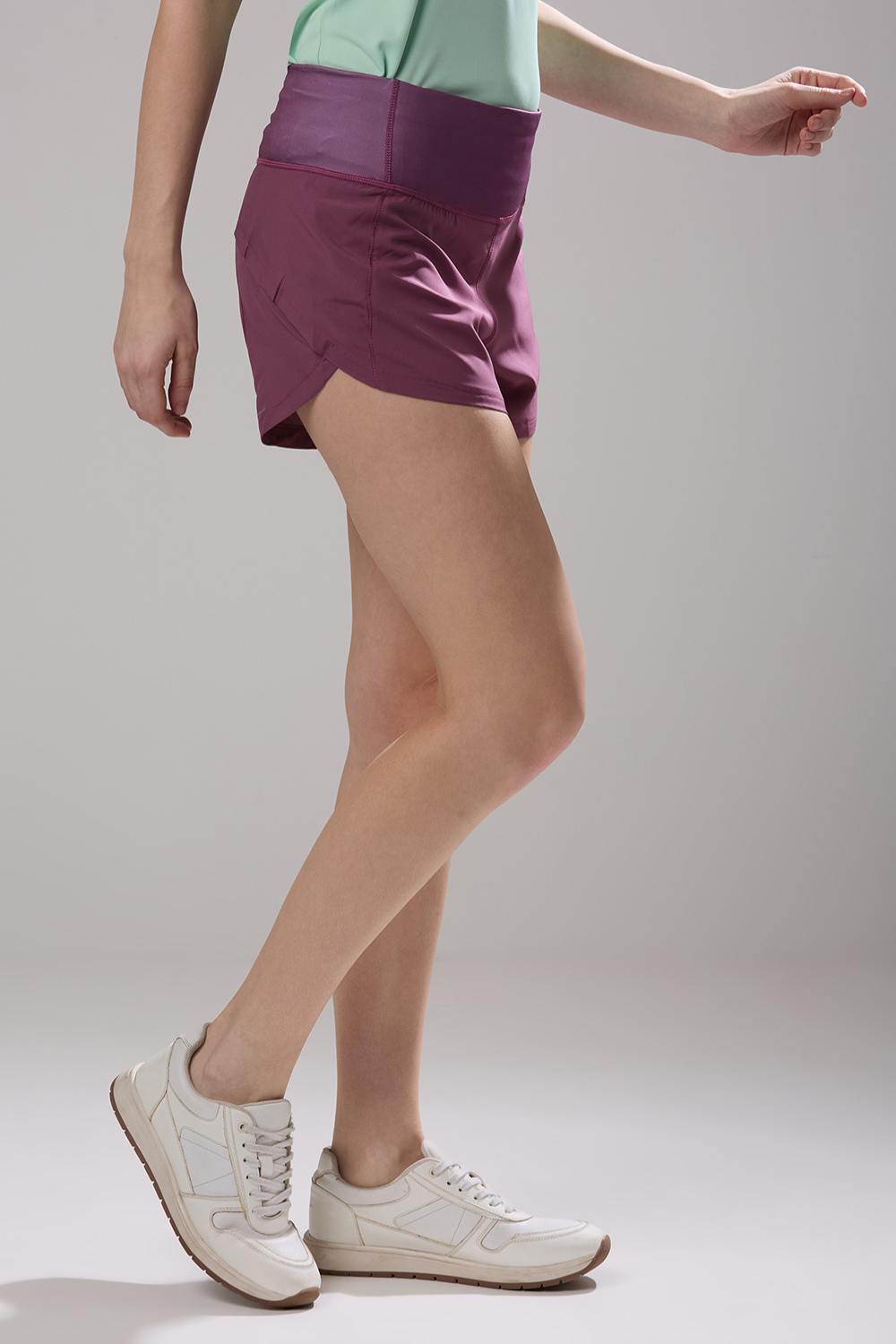


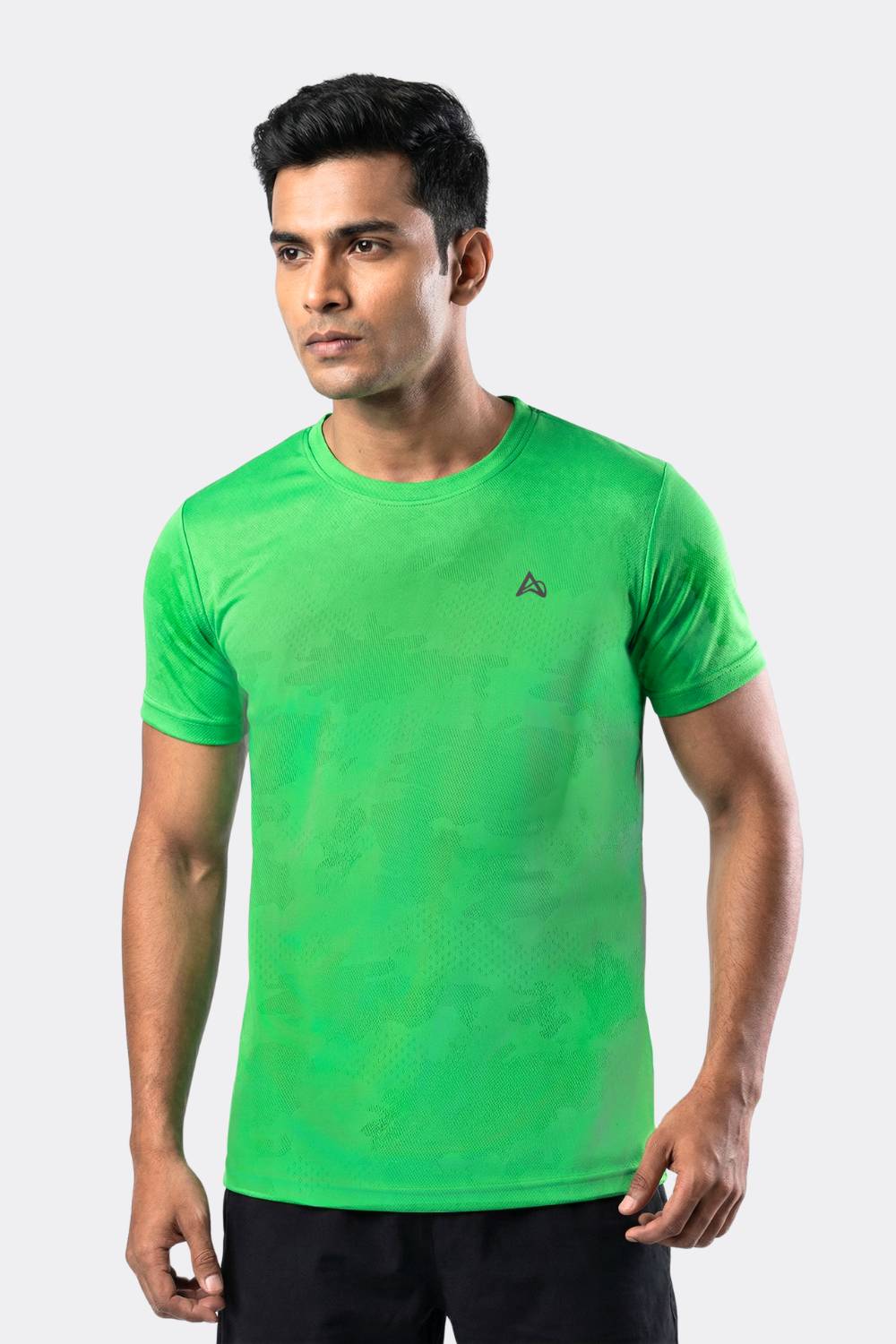
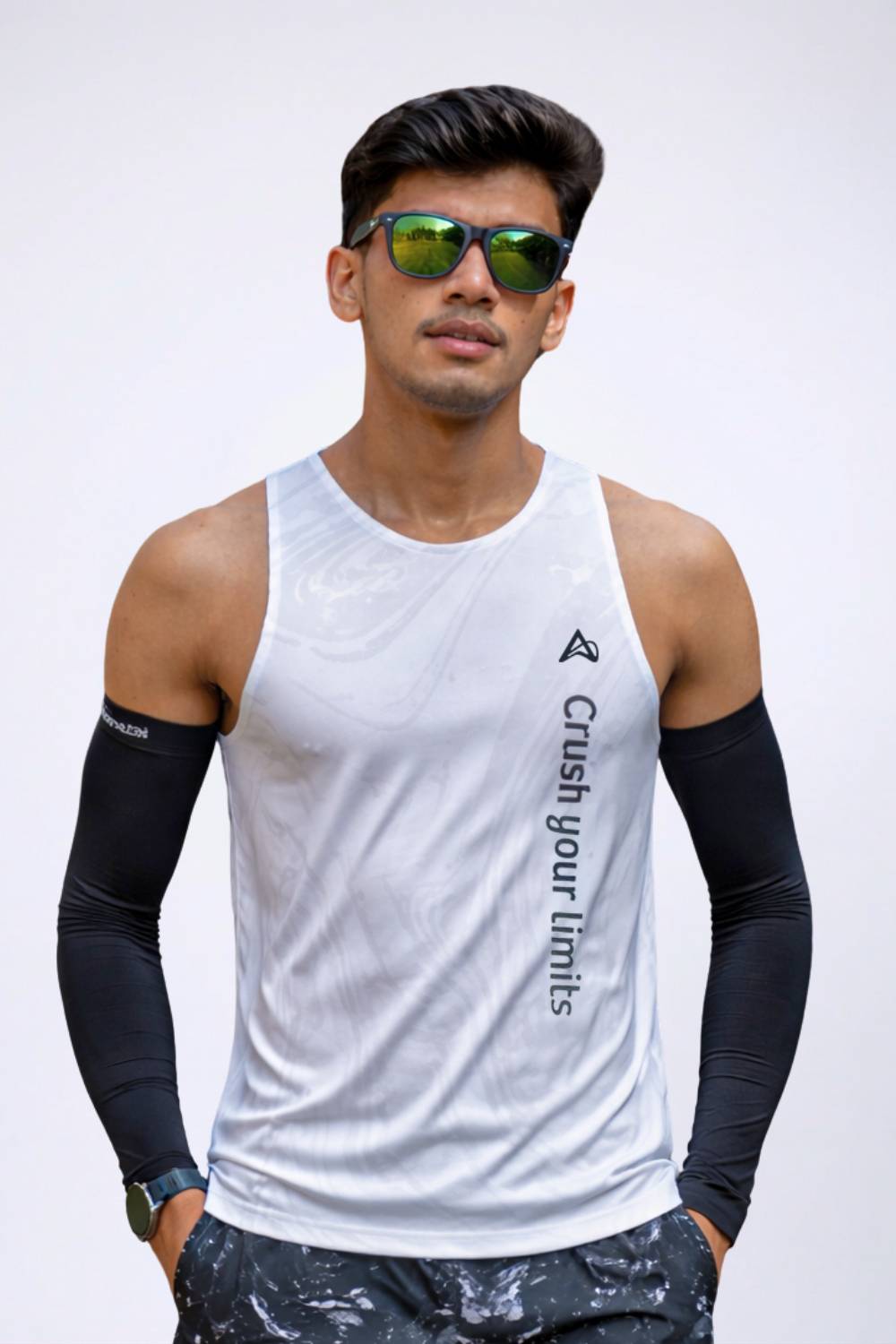

Amid the vibrant chaos of India's expanding metropolises, runners are redefining their paths. No longer limited to distant wilderness trails, they're pounding pavements through crowded parks, over bridges, and along bustling shorelines. This transformation is sparking innovations in athletic wear, detailed in How Trail Running Gear Is Adapting to Urban Environments. As city dwellers embrace fitness amid growing populations, manufacturers are crafting equipment suited to the gritty realities of urban landscapes in hubs like Bangalore, Hyderabad, and Mumbai.
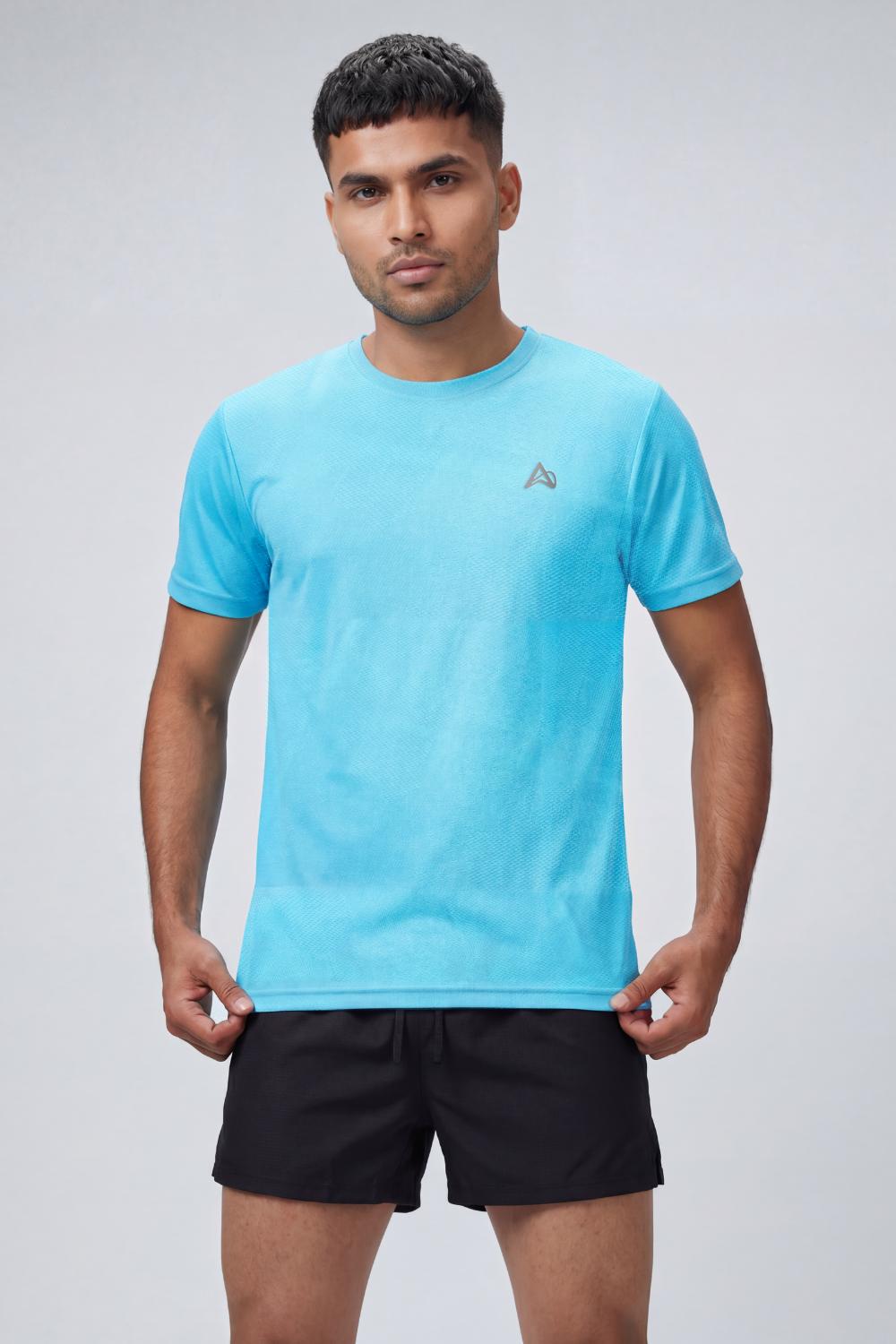
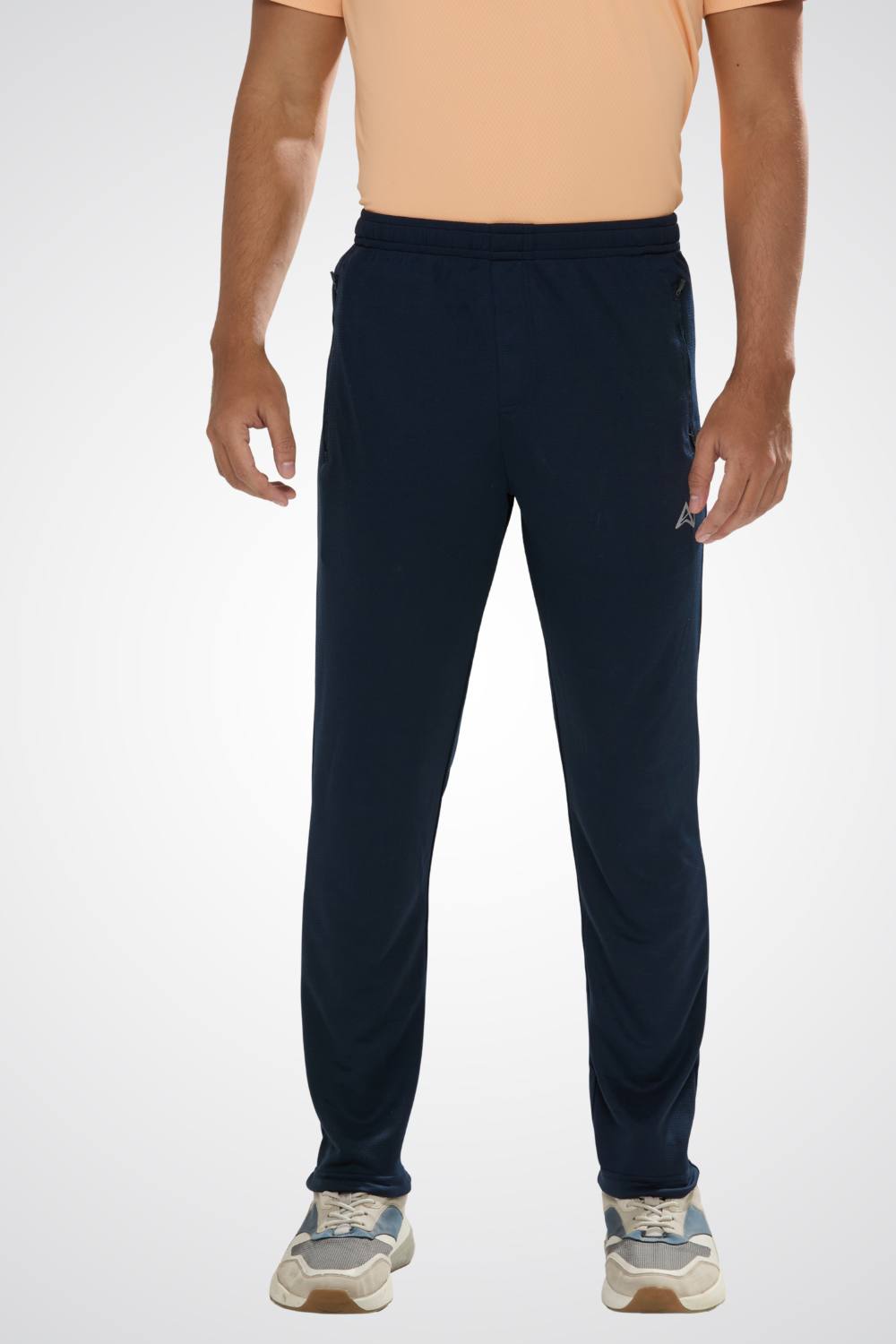
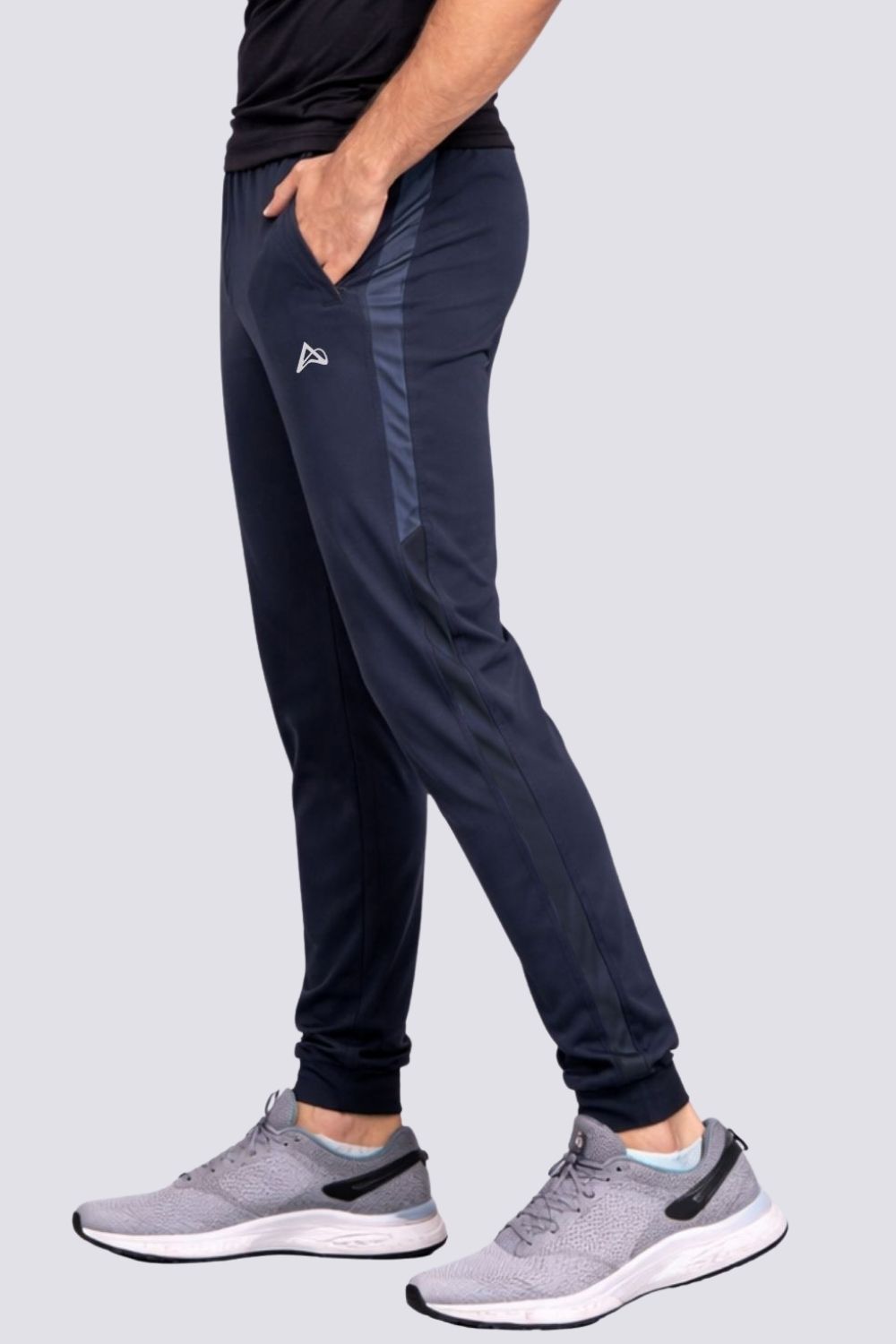
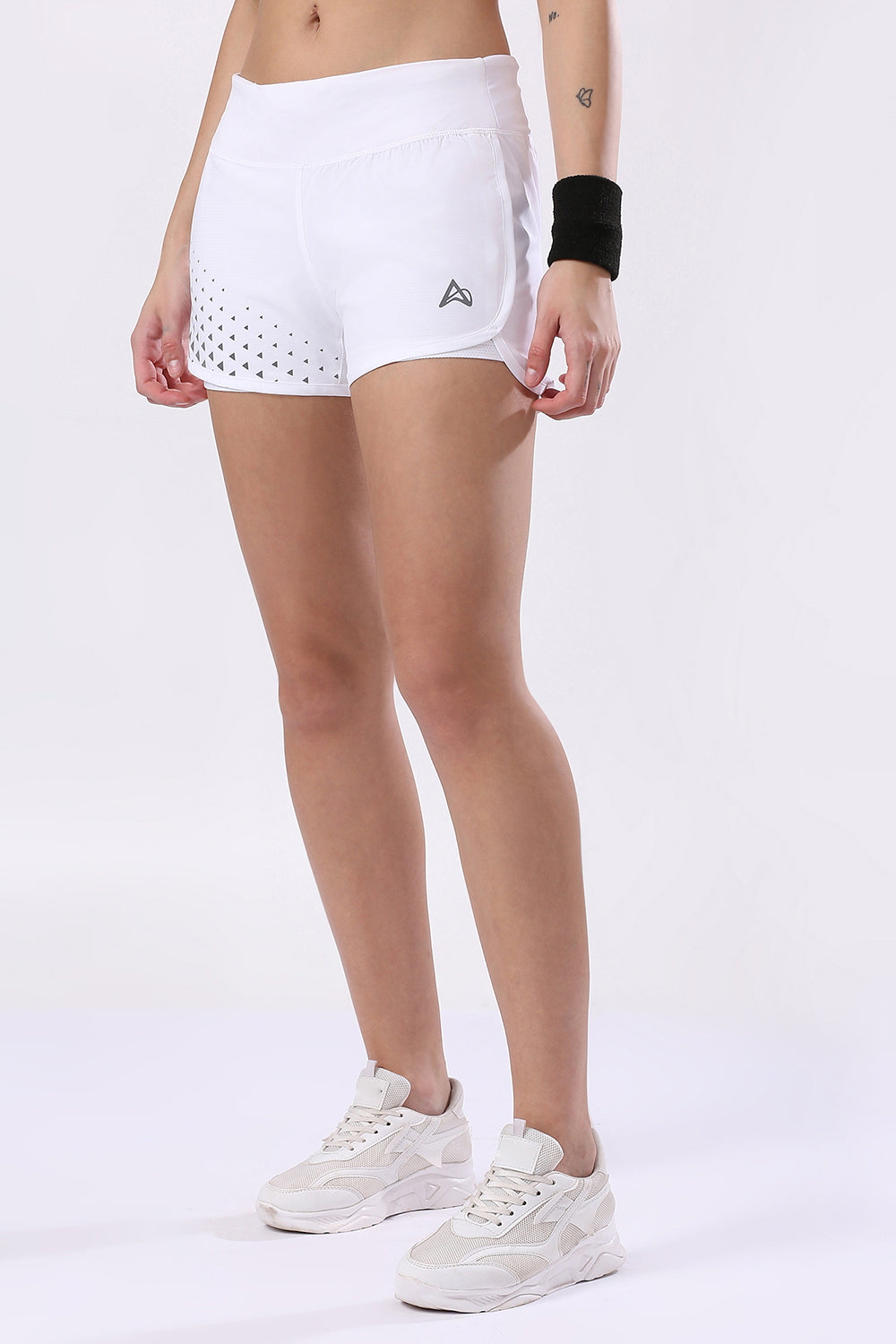
Tired of gear that slows you down? Chafing, soggy fabrics, and missing pockets kill your run's momentum. At Aguante, we're runners who get it. Our high-performance activewear features moisture-wicking fabrics, ergonomic designs, and smart storage to keep you focused. Shop Now!
The Rise of City-Based Running Communities
Urban fitness in India mirrors a global trend where active lifestyles are booming. The global activewear market reached an estimated USD 406,830.3 million in 2024, with projections pointing toward substantial growth by 2030, driven by increasing health consciousness. Women, in particular, are fueling this expansion, representing a significant portion of the demand. In India, the sector shows even stronger momentum, highlighting how urbanites are prioritizing wellness despite packed schedules. This surge encourages gear that blends functionality with everyday urban demands.
In places like Pune and Delhi, where development merges with pockets of greenery, enthusiasts incorporate off-road elements into routine jogs. Studies from urban planning bodies underscore how city expansion links with infrastructure, fostering mixed terrains where smooth roads give way to bumpy surfaces. Such environments call for adaptable apparel that supports seamless transitions, ensuring runners stay comfortable and focused.
Overcoming Urban Environmental Hurdles
Running in Indian cities involves battling scorching temperatures, stifling humidity, and erratic ground conditions from Mumbai's salty sea breezes to Gurugram's dusty avenues. Research on urban corridors stresses the need for pedestrian-oriented designs, yet many face uneven sidewalks, exhaust pollution, and seasonal downpours. Effective gear counters these with advanced fabrics that draw away moisture and allow air circulation, tailored to tropical climates.
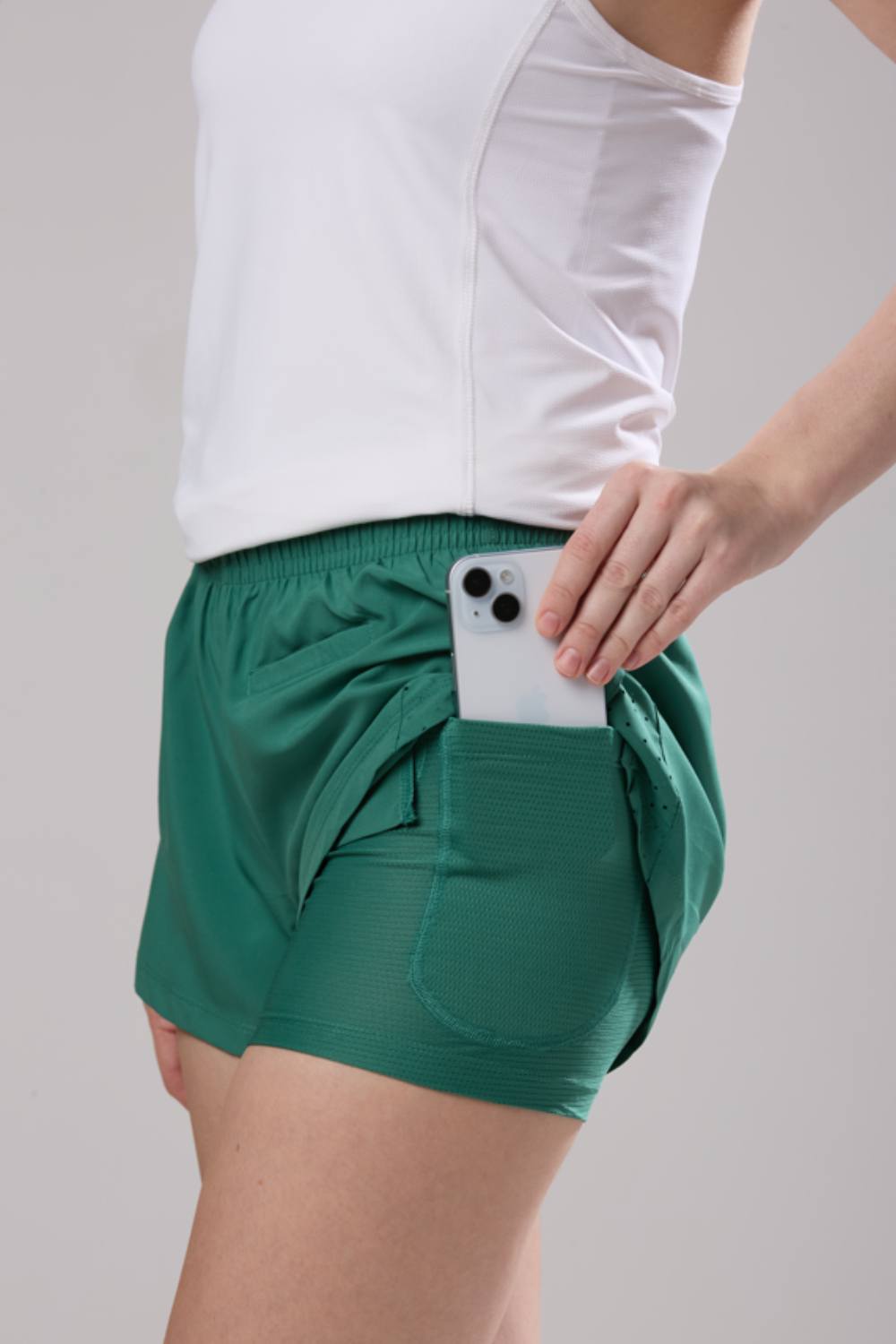
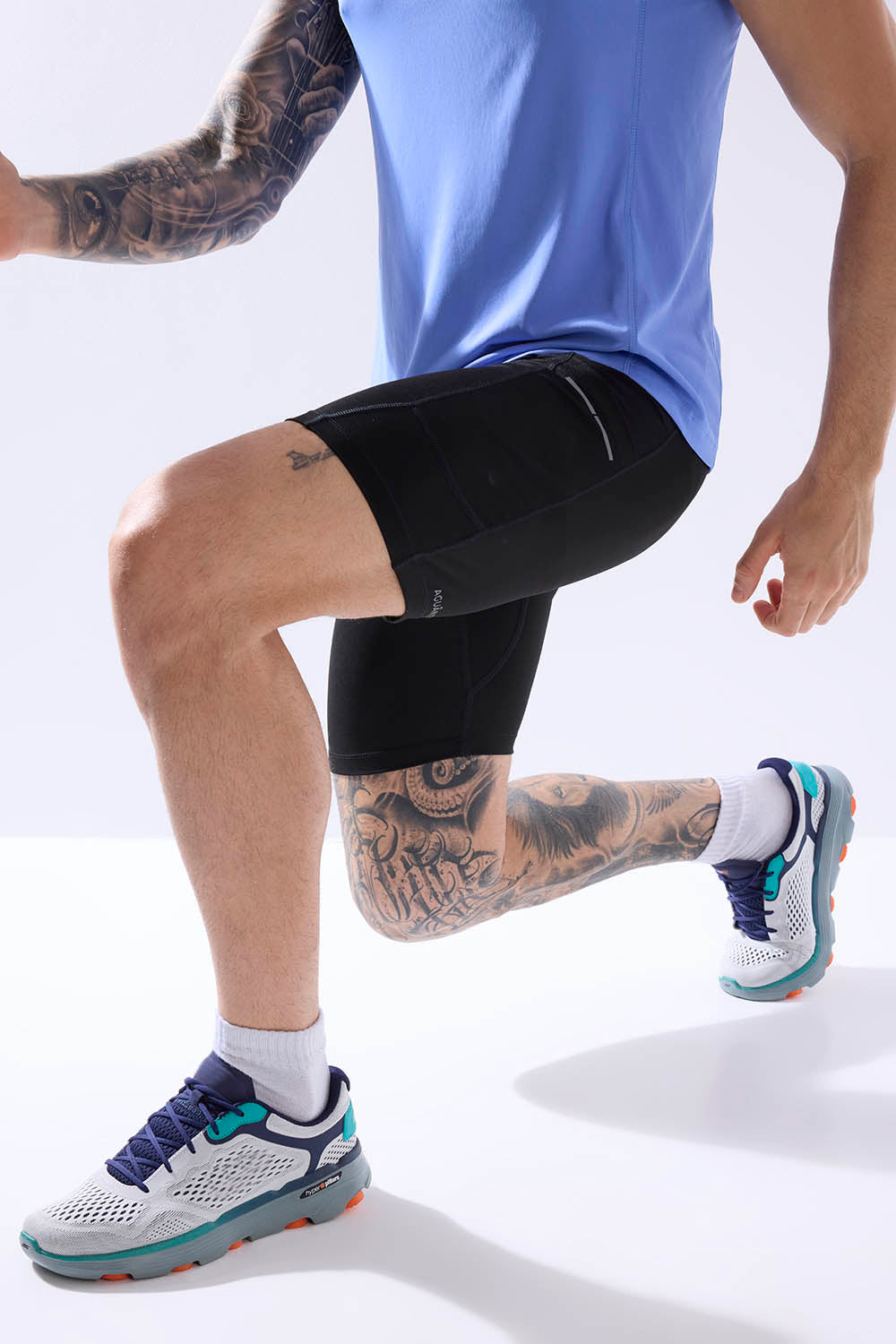
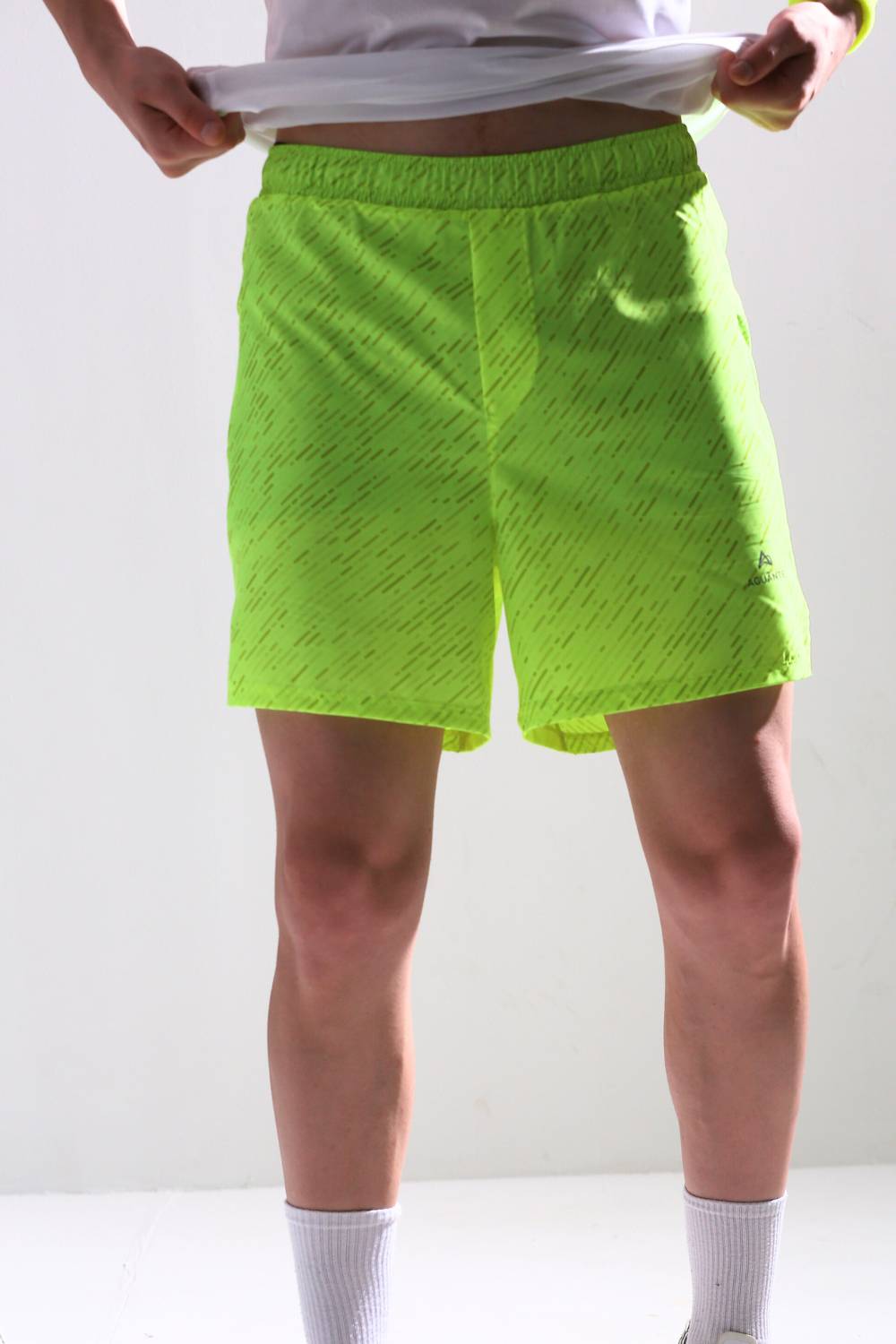
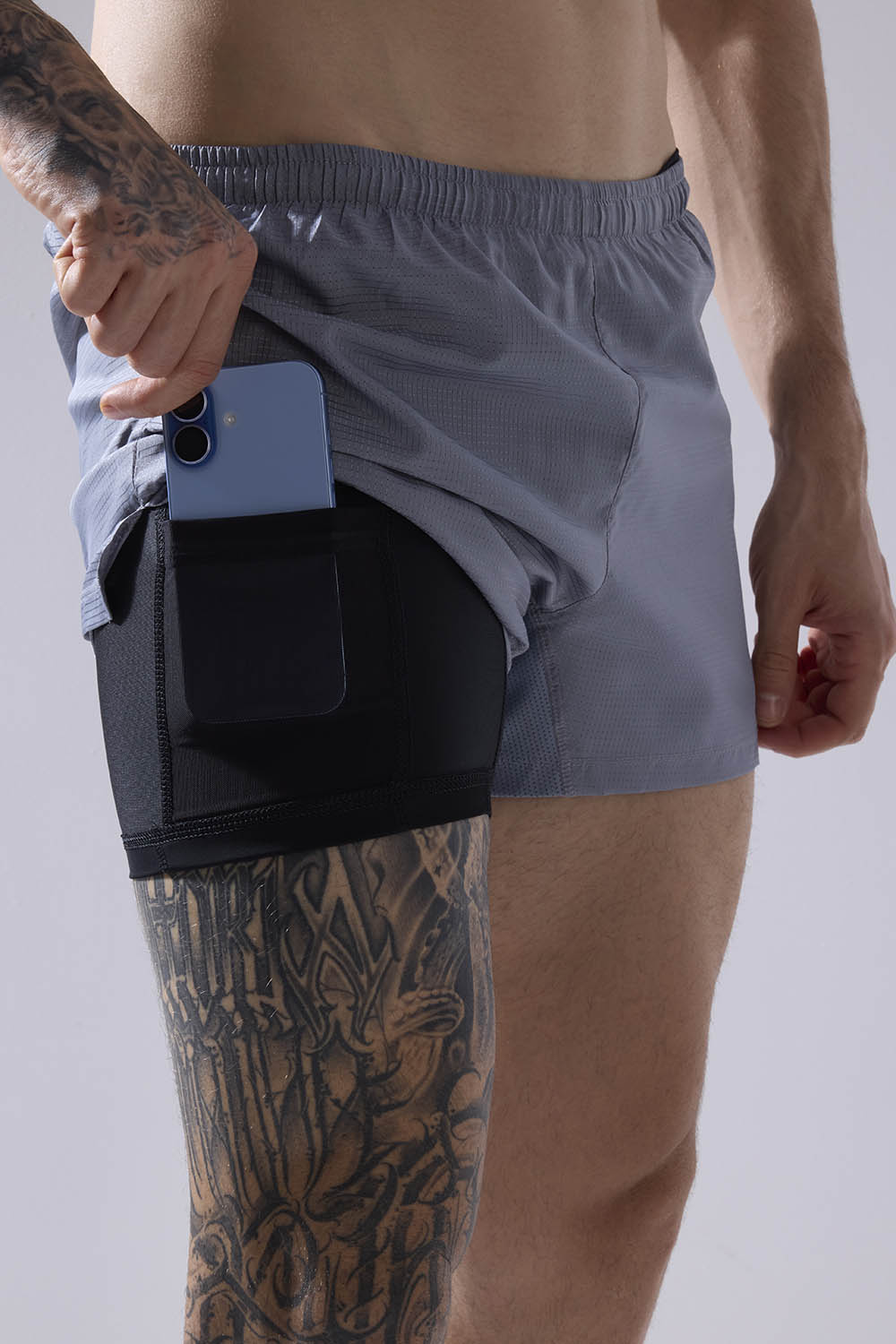
In Navi Mumbai and Surat, towering structures create shadowy routes, making visibility crucial. Elements like reflective strips enhance safety during dawn or dusk sessions, while smooth inner layers prevent skin irritation on sweaty days. Pockets designed to hold items securely without jostling suit the bumpy urban jogs, letting athletes concentrate on their stride amid the din.
Regional Challenges and Solutions
- Hyderabad: Elevated paths and lakesides demand incline-ready support, with breathable materials combating heat.
- Ahmedabad: Dust-heavy air calls for durable, easy-clean fabrics that maintain performance.
- Bangalore: Variable elevations and pollution mimic trails, requiring gear with superior ventilation and grip.
Guidelines from the Ministry of Housing and Urban Affairs promote non-motorized transport, including shaded pathways that indirectly aid runners by creating safer, more inviting spaces.
Advancements in Gear Design for City Trails
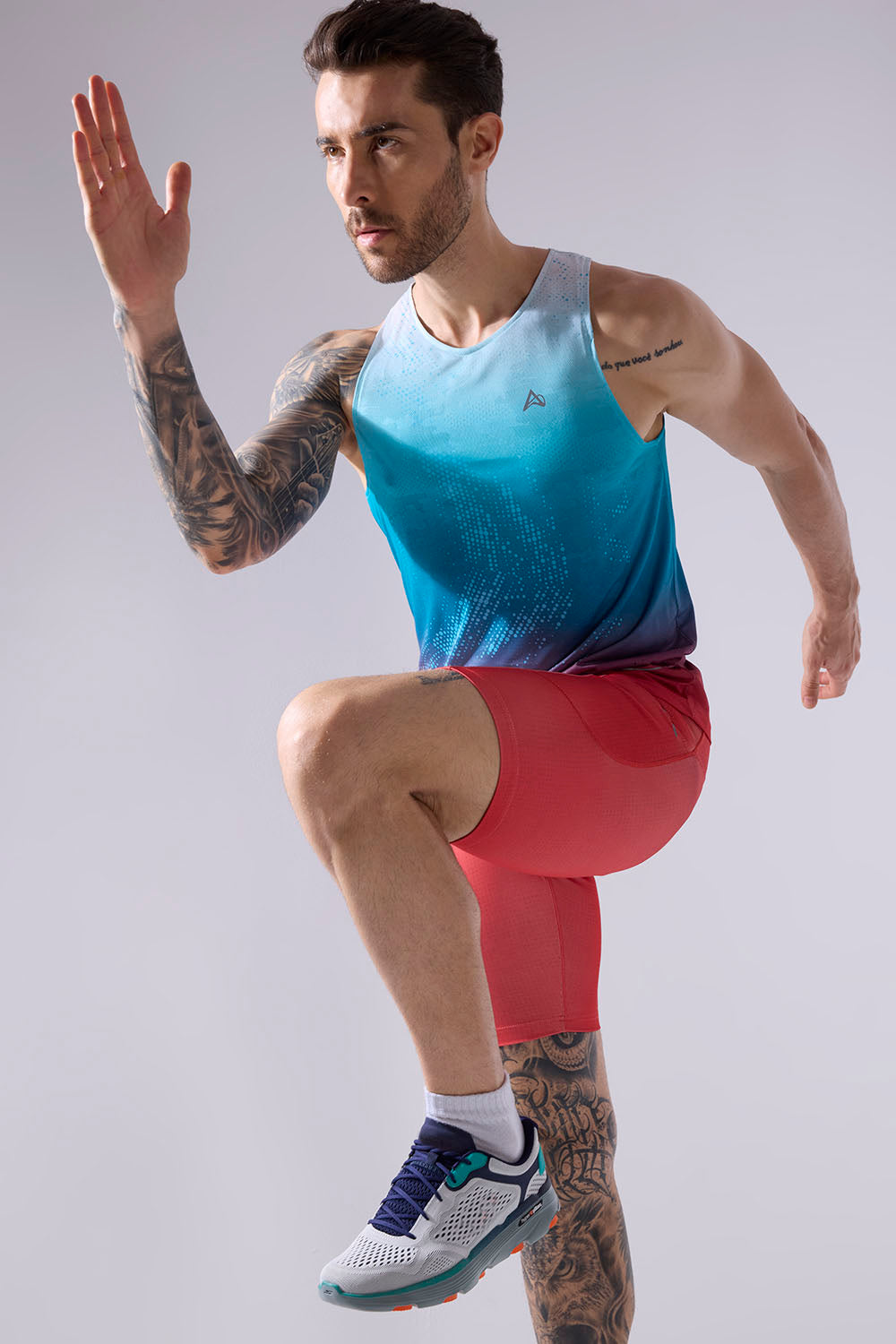
Originally built for rugged outdoors, trail apparel is evolving to meet city needs. Local testing in humid conditions leads to water-resistant yet airy constructions, ensuring runners in Delhi avoid sogginess without overheating. Safety features like glow-in-the-dark accents address low-light urban runs, while fits adjusted for diverse Indian physiques come from real-user input in Mumbai and Pune.
These innovations aren't imported; they're rooted in regional insights, offering quality at fair costs. Secure compartments for gadgets and keys, combined with chafe-free seams, support distraction-free movement. Urban infrastructure reports note how redesigned streets with green belts foster active lifestyles, aligning with equipment that minimizes injury and maximizes endurance.
Beyond basics, sustainable materials are gaining traction, reflecting a shift toward eco-conscious choices. As cities like Gurugram expand, gear that withstands pollution and wear becomes essential, blending global standards with local practicality.
Spotlight on Indian Urban Running Scenes
Mumbai's iconic Marine Drive sees joggers dodging waves and walkers, where salt-resistant gear proves invaluable. Mobility studies highlight pocketed designs aiding safe navigation. In Pune, upgraded lanes offer trail-like variety within city bounds, supported by segregated paths.niua.in
Delhi's sprawl interweaves roads with greens, perfect for hybrid sessions. Planning journals emphasize community initiatives in Ahmedabad, shaping apparel that addresses dust and heat. Surat's riverside developments provide scenic routes, where moisture management shines.
| City | Unique Feature | Gear Adaptation |
|---|---|---|
| Mumbai | Coastal promenades | Salt-resistant, reflective |
| Pune | Segregated lanes | Incline support, breathable |
| Delhi | Green networks | Pollution-resistant fabrics |
| Hyderabad | Flyovers and lakes | Secure storage, anti-chafe |
Voices from the Running Community
Coaches and influencers share insights on urban adaptations. Profiles like those on Instagram highlight barefoot techniques in city parks, emphasizing minimal yet effective gear for natural strides. Ultra-runners discuss endurance in mixed terrains, advocating for versatile apparel in marathons across Hyderabad and Mumbai.
Training experts focus on recovery, tying in features like moisture-wicking to urban challenges in Navi Mumbai. Social media platforms amplify these stories, fostering a community that demands innovation. Government guidelines on walkability further support these efforts, creating spaces where such gear thrives.
Urban running isn't just exercise; it's a way to reclaim space in the city hustle.
Toward Sustainable and Tech-Enhanced Futures
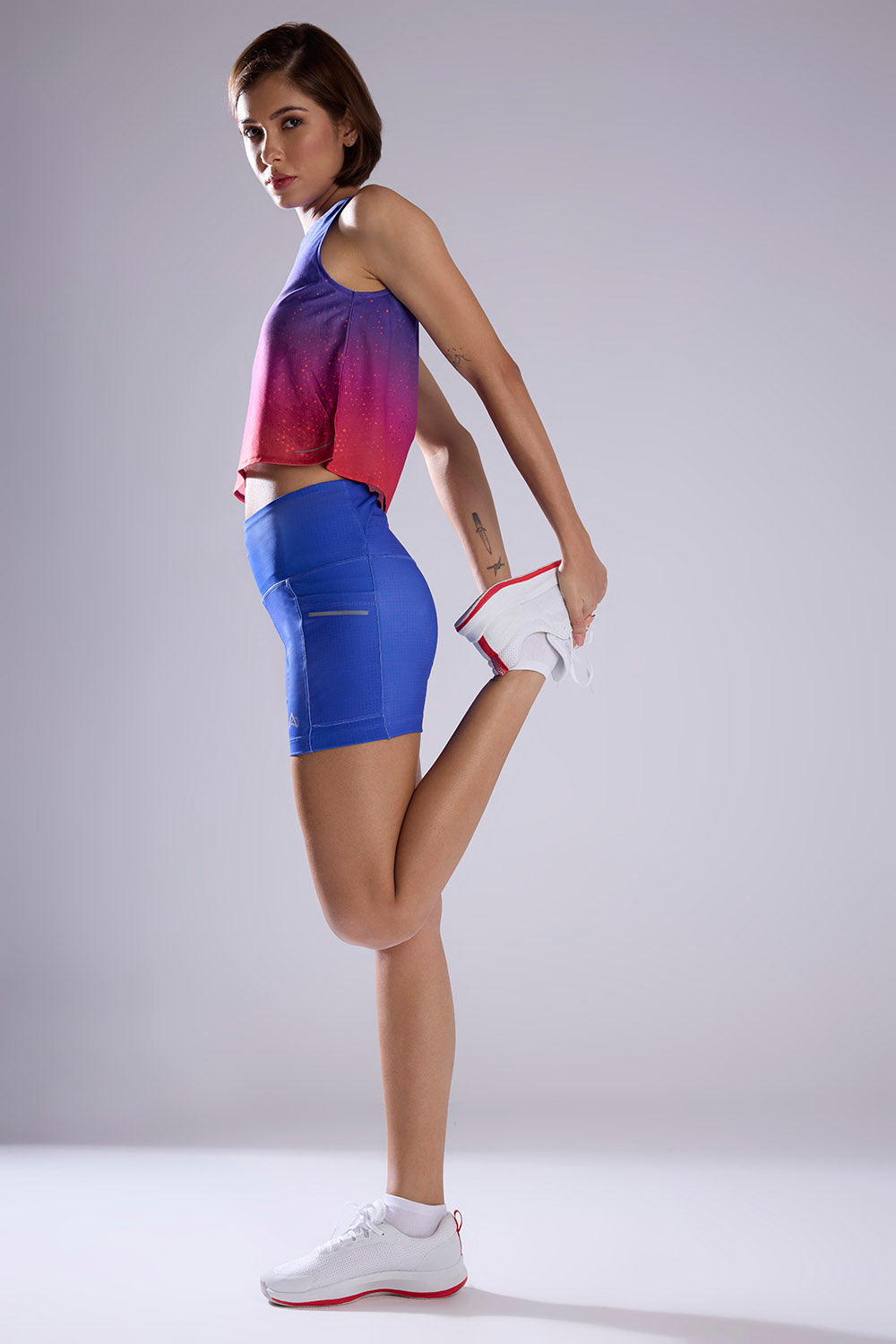
Looking ahead, eco-materials and integrated tech like sensor pockets will define the next wave. Initiatives for green corridors in Bangalore necessitate robust, adaptable equipment. With women's participation rising, designs prioritize inclusivity.
Innovations grounded in local studies will benefit runners in Ahmedabad and Surat, aligning with broader urban resilience goals. Climate adaptation strategies emphasize heat-resistant features, ensuring gear evolves with environmental shifts.
Integrating Gear into Urban Fitness
Adapting trail equipment to city life opens doors for more people to engage in running. Honest pricing and detail-oriented designs make high performance accessible. As Indian cities transform, so too does the apparel, supporting every step in the vibrant urban tapestry.
Frequently Asked Questions
How is trail running gear being adapted for urban environments in Indian cities?
Trail running gear is being redesigned with moisture-wicking fabrics, reflective strips, and chafe-free seams to handle the heat, humidity, and low-light conditions common in Indian cities like Mumbai, Delhi, and Bangalore. Manufacturers are incorporating secure pockets for gadgets and keys, as well as water-resistant yet breathable constructions suited to tropical climates. These innovations are rooted in regional insights rather than imported designs, making high-performance gear accessible at fair prices.
What features should urban runners in India look for in running apparel?
Urban runners in India should prioritize gear with advanced moisture-wicking and ventilation to combat heat and humidity, along with reflective or glow-in-the-dark elements for safety during early morning or evening runs. Anti-chafe seams and ergonomic fits tailored to diverse Indian physiques ensure comfort on uneven city terrain. Secure storage compartments are also essential for carrying phones and keys without disrupting stride.
Why is specialized running gear important for city runners compared to traditional trail runners?
City runners face a unique mix of challenges — including air pollution, unpredictable surfaces, coastal salt air, and dense traffic — that traditional trail gear wasn't designed to address. Urban-specific adaptations like pollution-resistant fabrics, salt-resistant materials (ideal for Mumbai's Marine Drive), and dust-repellent textiles (suited for Ahmedabad) make a significant difference in performance and durability. As Indian cities expand and more people embrace urban fitness, gear that bridges trail functionality with city practicality is becoming essential.
Disclaimer: The above helpful resources content contains personal opinions and experiences. The information provided is for general knowledge and does not constitute professional advice.
You may also be interested in: Urban fitness trends drive demand for breathable, lightweight running
Tired of gear that slows you down? Chafing, soggy fabrics, and missing pockets kill your run's momentum. At Aguante, we're runners who get it. Our high-performance activewear features moisture-wicking fabrics, ergonomic designs, and smart storage to keep you focused. Shop Now!
Powered by flareAI.co