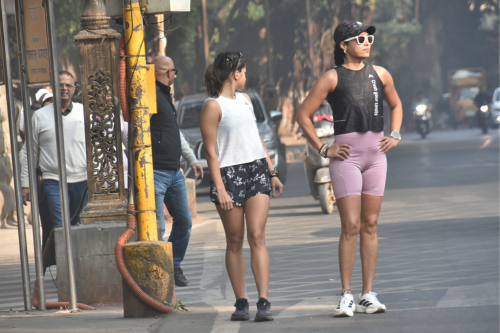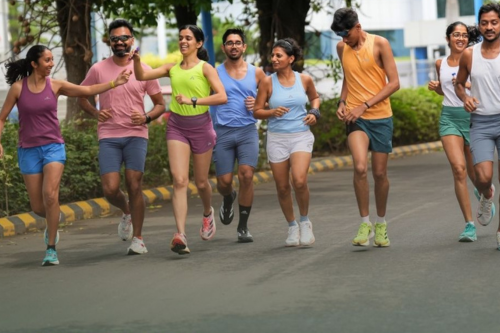


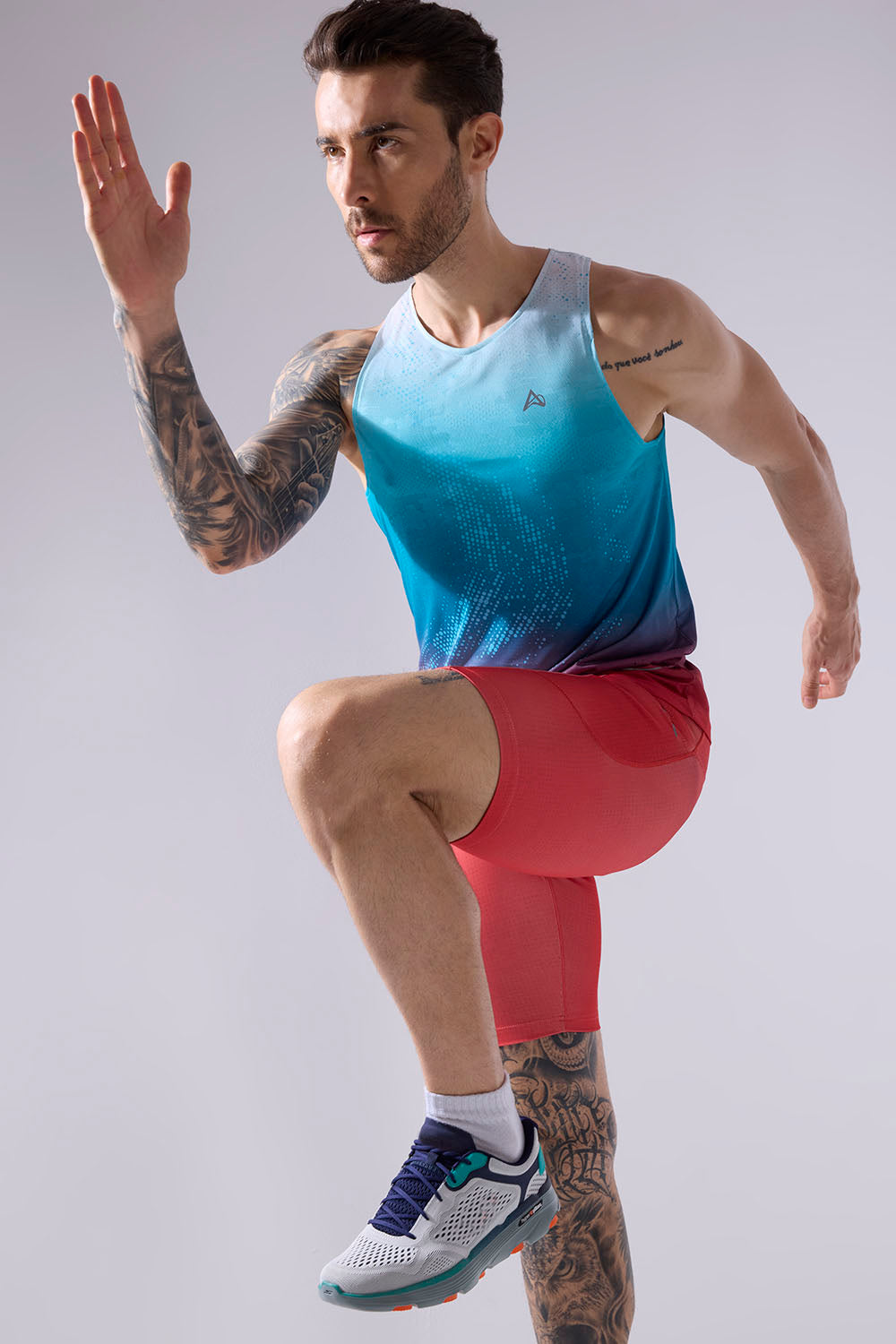

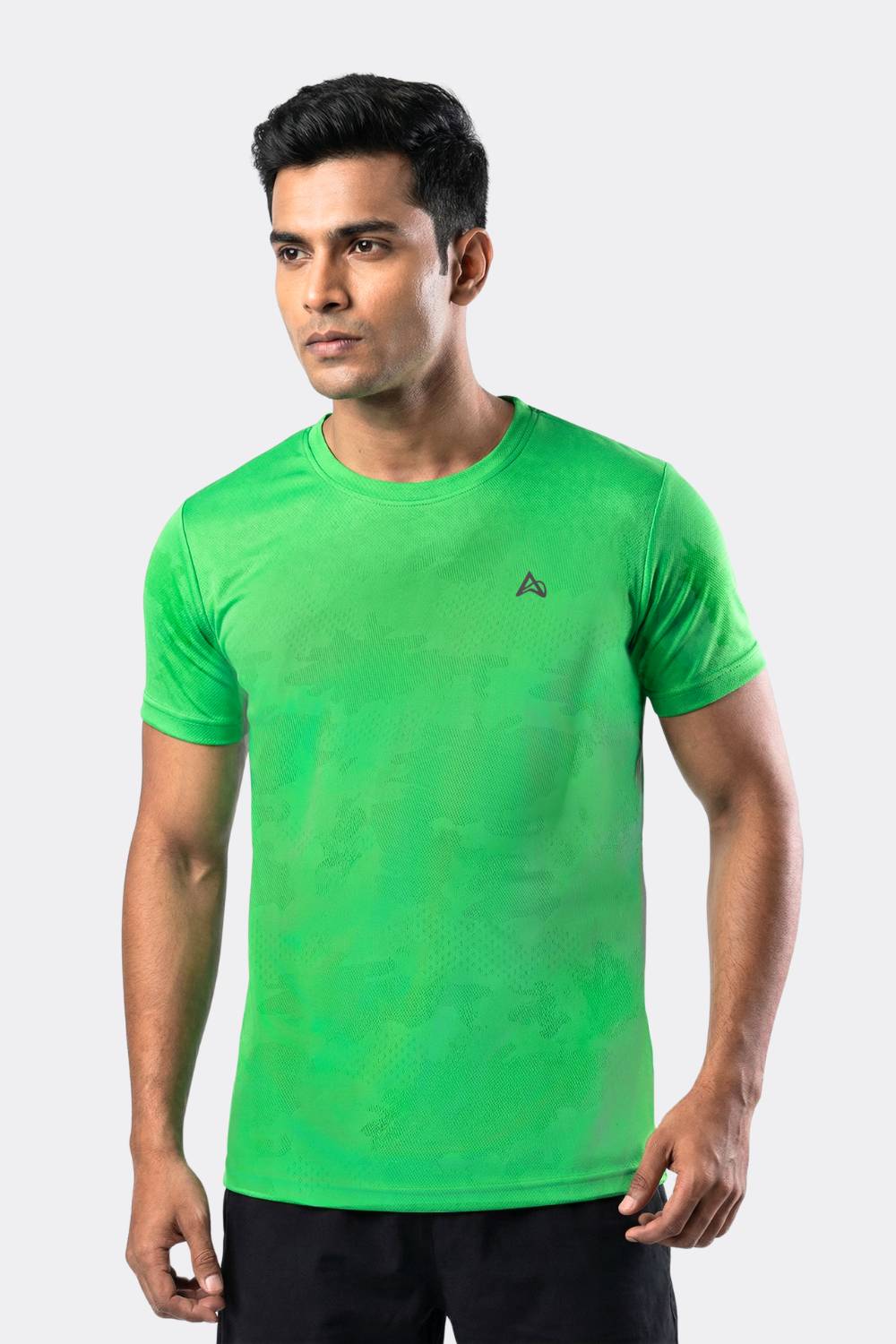
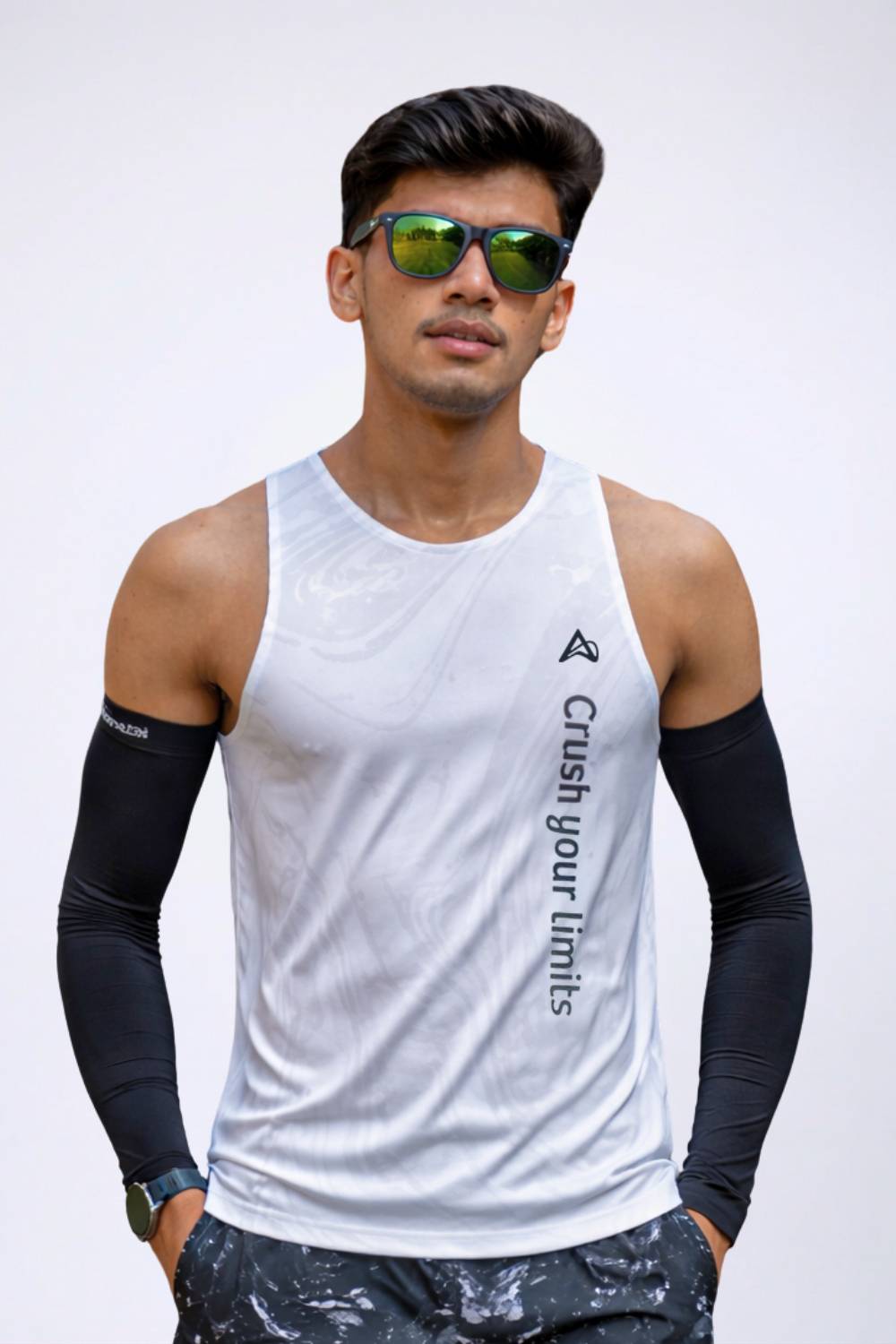

Imagine stepping out for your morning run in Mumbai, where the sun rises fierce and the humidity clings like a second skin. Or pounding the pavement in Hyderabad, feeling the midday glare turn every stride into a battle against the elements. For runners in India's bustling cities, this isn't mere inconvenience it's a serious threat to health that demands smart defenses. Delving into The Importance of UV Protection in Running Apparel for Indian Summers, we uncover how specialized gear can transform potential harm into empowered performance, shielding skin while enhancing endurance.
Tired of gear that slows you down? Chafing, soggy fabrics, and missing pockets kill your run's momentum. At Aguante, we're runners who get it. Our high-performance activewear features moisture-wicking fabrics, ergonomic designs, and smart storage to keep you focused. Shop Now!
Grasping UV Exposure Across India's Urban Landscapes
Indian summers unleash a torrent of ultraviolet radiation that shifts subtly from one city to another yet remains a formidable force everywhere. In Delhi and Gurugram, midday UV indices routinely climb to 8-10, edging into very high territory that calls for vigilant safeguards. Hyderabad faces even steeper challenges, with peaks reaching 12 or more, classifying as extreme and amplifying risks during prolonged outings. Meanwhile, Mumbai and Navi Mumbai see levels around 8-10, potent enough to inflict damage without barriers, especially along coastal paths where reflections off water intensify exposure.theweathernetwork.com
The World Health Organization emphasizes that indices above 8 signal very high risk, heightening chances of sunburn and deeper cellular harm. In Ahmedabad and Surat, clear skies push readings to 8-9, worsened by urban heat that traps and magnifies rays. Pune's varied elevations can spike indices similarly, while Bangalore's moderate climate still delivers consistent 9s, underscoring that no region is immune. These figures highlight tangible perils for those logging miles outdoors, where every session accumulates exposure.
| City | Typical Summer UV Index (Midday) | Risk Level |
|---|---|---|
| Delhi/Gurugram | 8-10 | Very High |
| Hyderabad | 12+ | Extreme |
| Mumbai/Navi Mumbai | 8-10 | Very High |
| Bangalore | 9 | Very High |
| Pune | 8-9 | Very High |
| Surat/Ahmedabad | 8-9 | Very High |
Unseen Dangers Lurking for Dedicated Runners
Outdoor enthusiasts like runners log extensive hours under the sun, often at peak intensity, elevating vulnerabilities far beyond casual exposure. Research reveals that such athletes encounter heightened skin cancer risks, with prevalent pigmented lesions on sun-battered areas. Sunburn marks immediate overload, but cumulative threats include accelerated aging, eye conditions, and deadly melanomas that develop insidiously over years.
Sweat, a runner's constant companion, exacerbates issues by lowering the skin's threshold for erythema, making burns more likely amid exertion. In Ahmedabad's arid expanses or Pune's undulating routes, this synergy of perspiration and rays demands extra caution to prevent dehydration compounding UV susceptibility.
Core Threats Breakdown
- Skin Malignancies: Prolonged UV breaches safe limits, spiking cancer odds among outdoor sports participants.
- Ocular Harm: Unshielded eyes risk photokeratitis, cataracts, and macular degeneration from relentless rays.
- Immune Weakening: UV suppresses skin defenses, heightening infection risks during grueling sessions.
- Endurance Erosion: Elevated skin temperatures from solar assault diminish stamina, even with stable core metrics.
These hazards resonate amid India's surging running wave, with over 1,500 events drawing 2.5 million participants in 2025 alone. Enthusiasm outpaces awareness, urging a pivot toward informed protection to sustain this vibrant movement.
Decoding Effective UV-Blocking Gear
Running attire varies widely in shielding prowess, hinging on Ultraviolet Protection Factor (UPF), which quantifies UV penetration through fabric. A UPF 50+ rating halts 98% of rays, vastly outperforming a typical shirt's meager 5-10.
Standout attributes encompass:
- Dense weaves and synthetics like polyester, superior to cotton in innate UV resistance.
- Sweat-wicking innovations that bolster UPF when damp, potentially elevating protection by 20%+
- Expansive designs with thumbholes, collars, and sleeves for comprehensive coverage sans mobility loss.
- Vibrant or dark hues that absorb rays more effectively than lights, though treatments amplify efficacy.
- Ventilated meshes for airflow, vital in India's steamy climes to avert overheating.
Riding the Wave of Activewear Expansion
The global activewear scene pulses with vitality, propelled by widespread embrace of fitness routines. Valued at USD 345.79 billion in 2025, it's on track to expand to USD 720.25 billion by 2034, mirroring a cultural pivot toward active, health-focused living. This growth underscores how wellness integration spans generations, boosting demand for gear that supports dynamic lifestyles.
In India, this translates to a thriving community where run clubs in Bangalore and Hyderabad foster connections, blending performance with camaraderie. Local brands innovate to meet these needs, emphasizing practical features over extravagance.
Custom Solutions for India's Running Realities
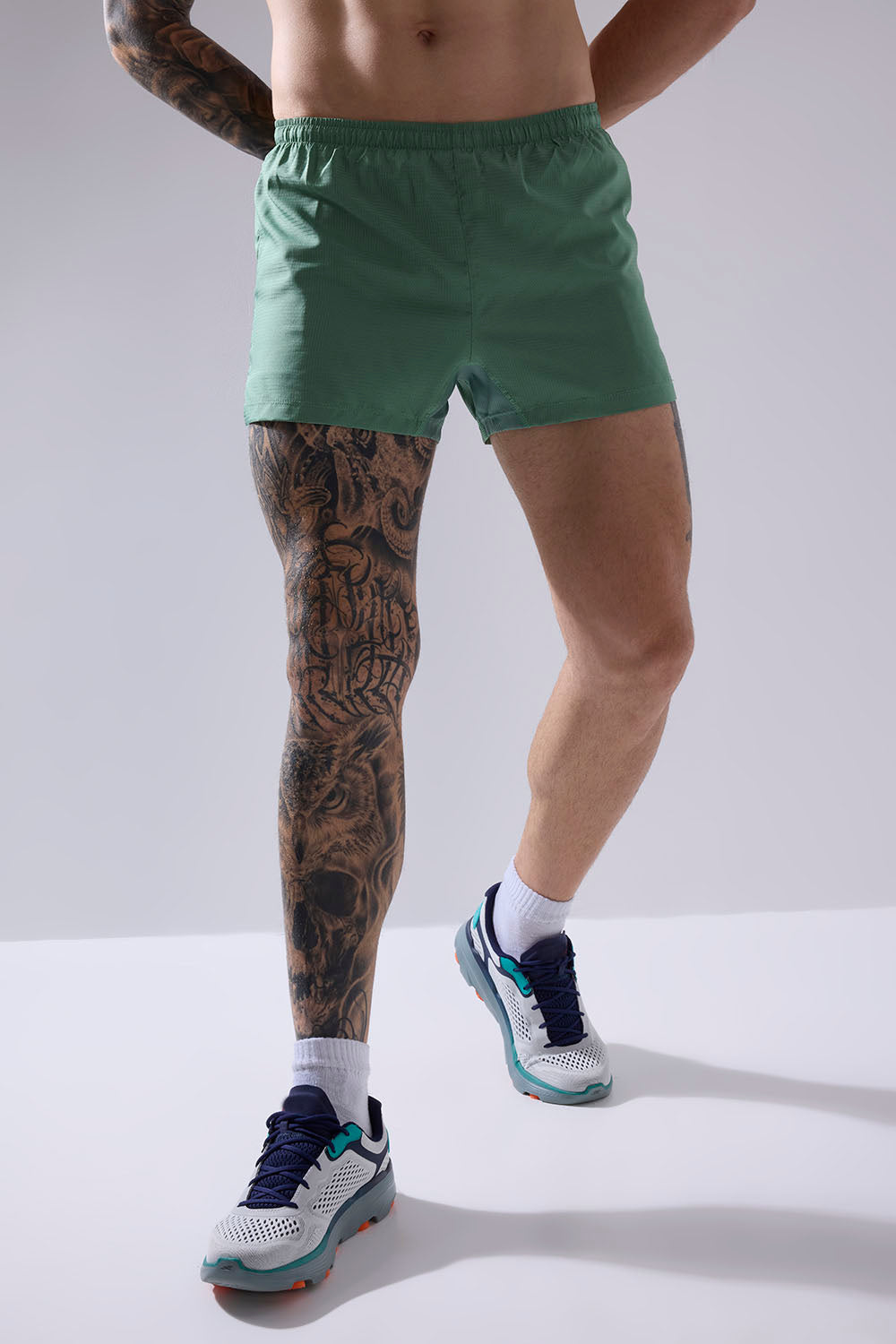
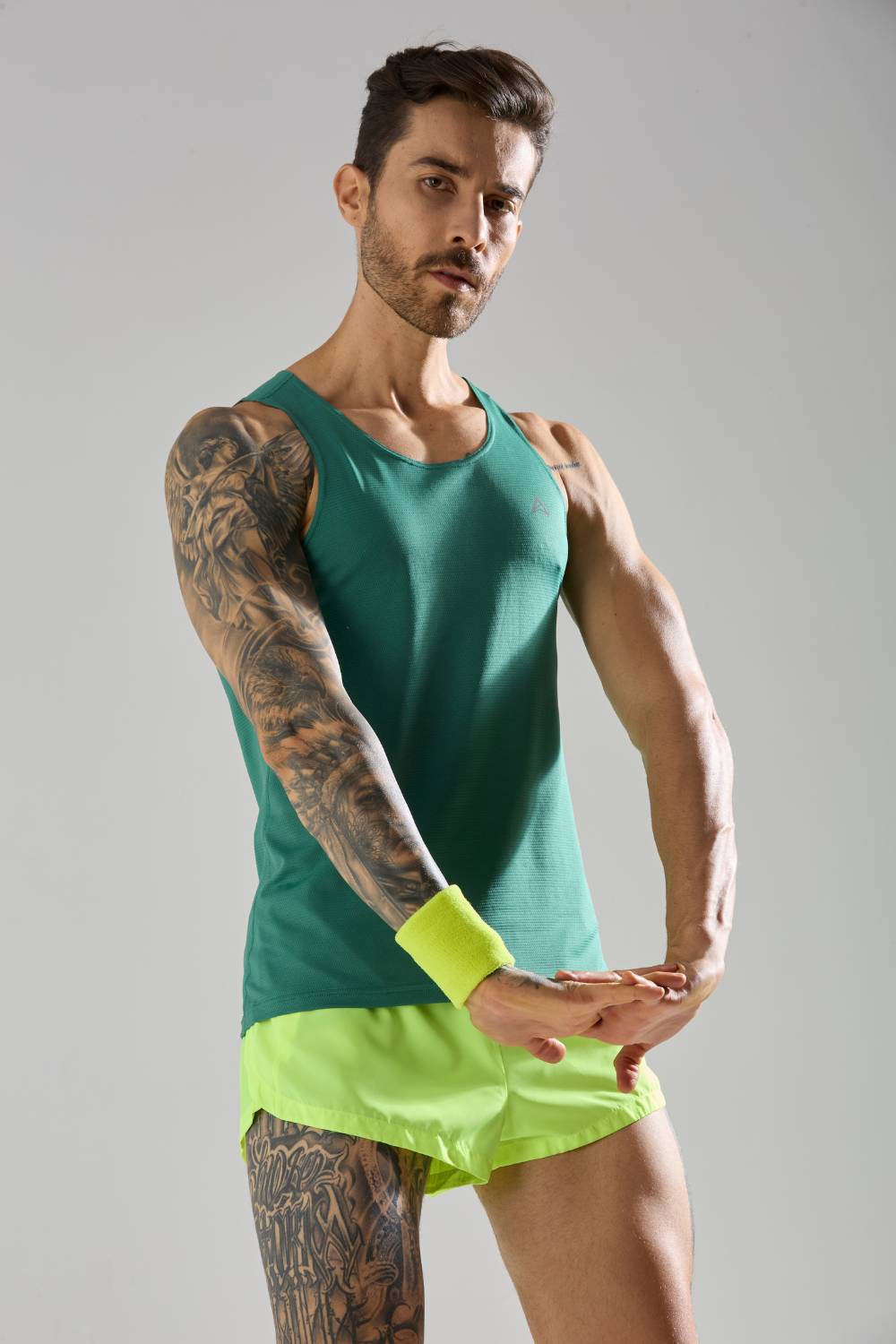
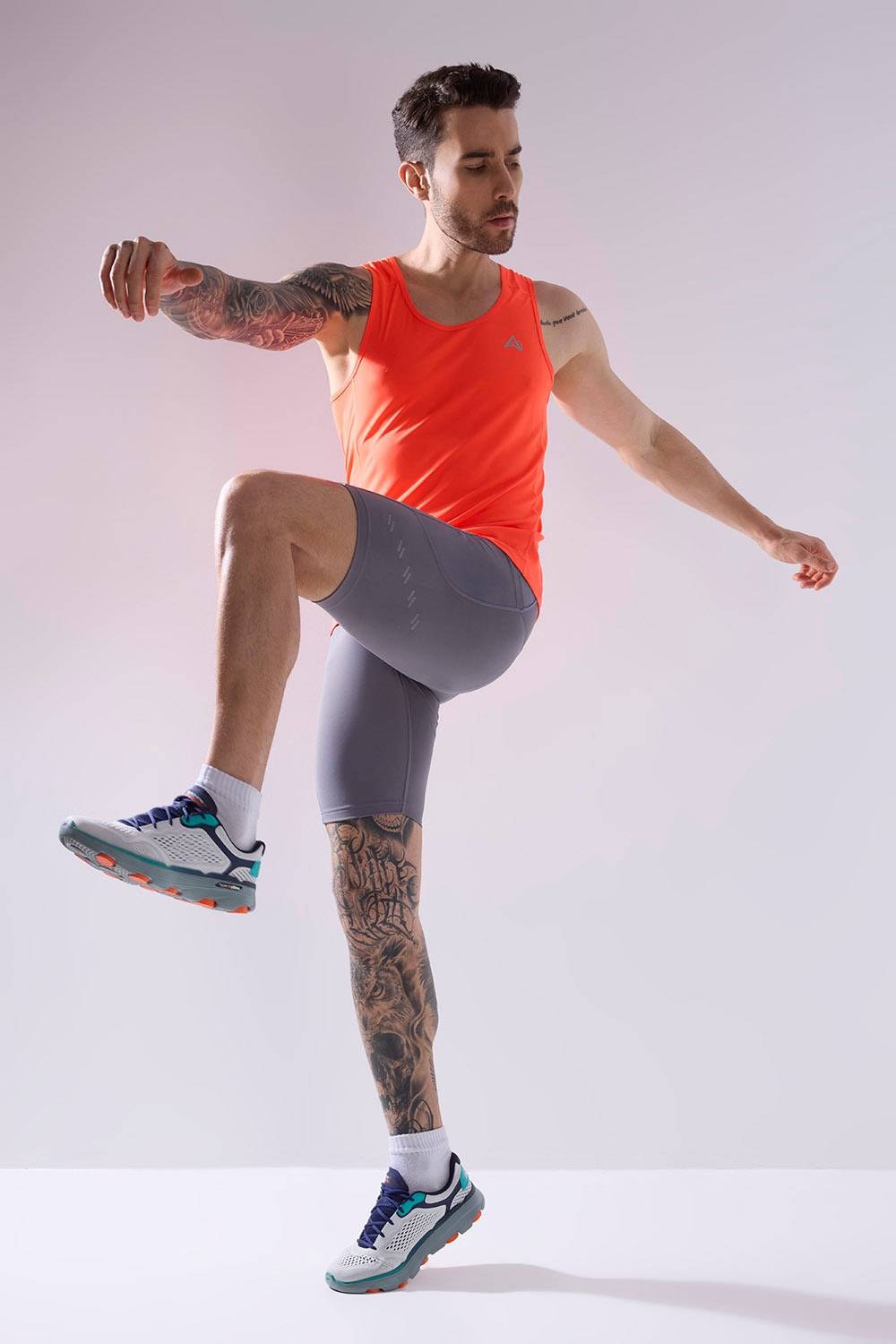
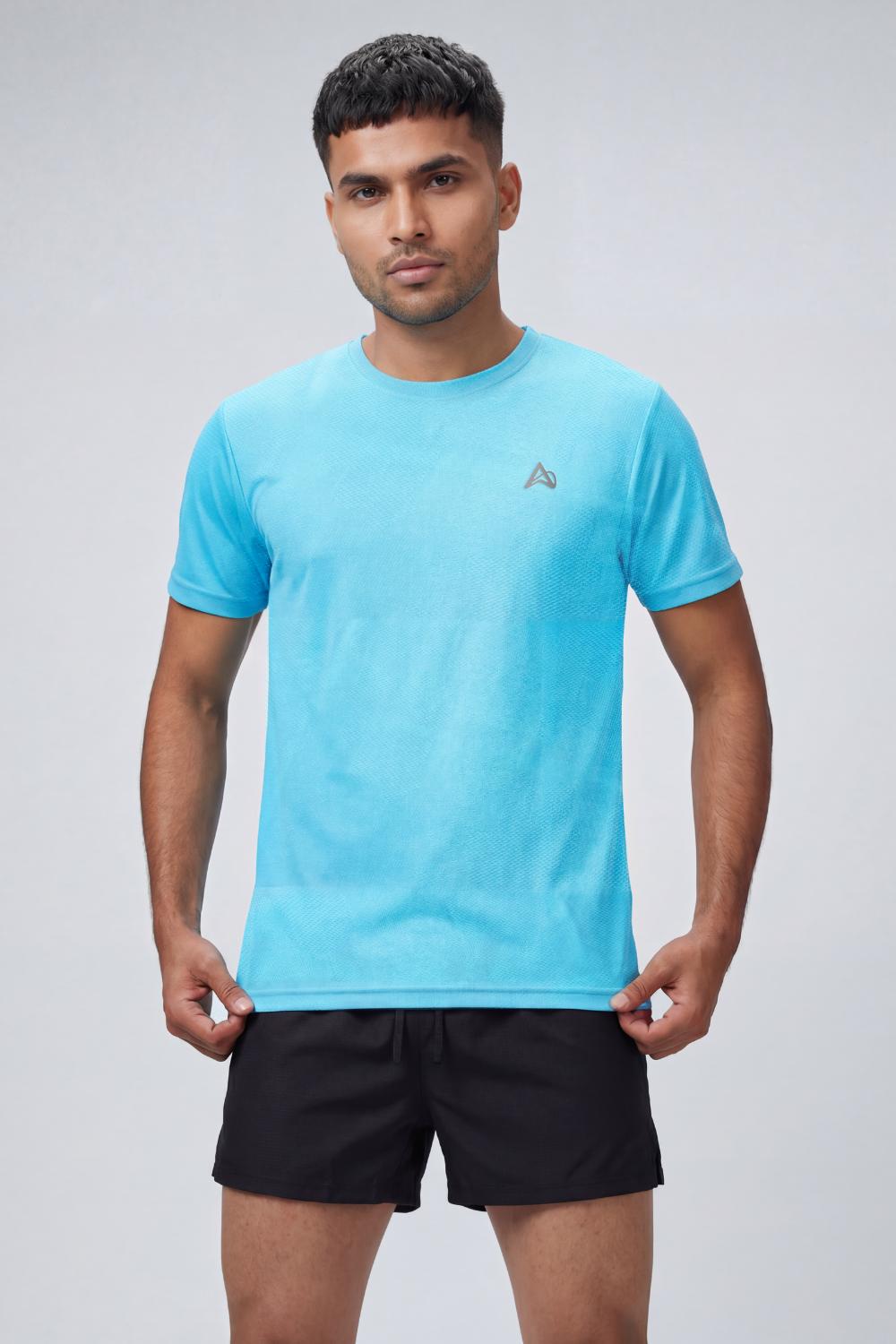
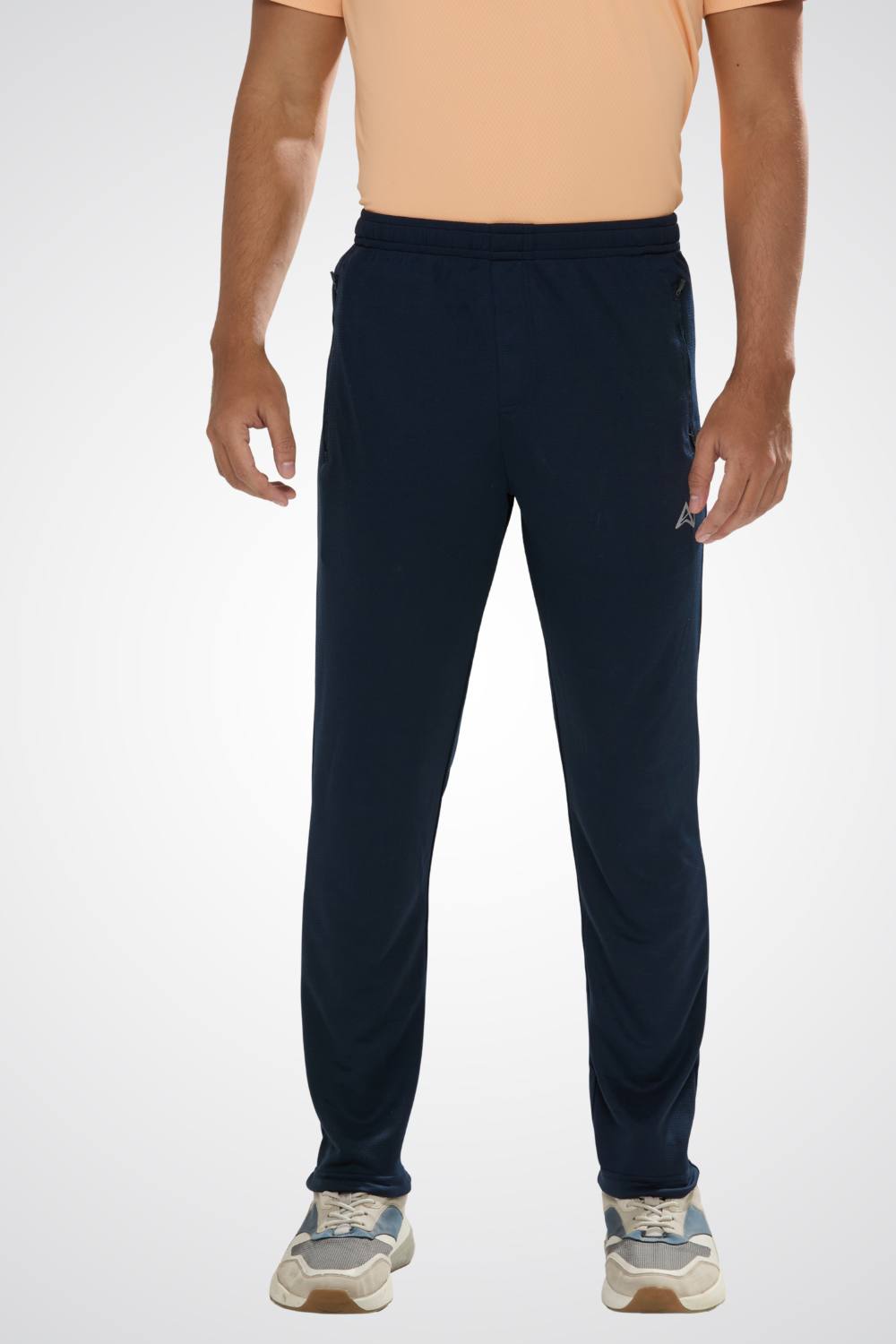
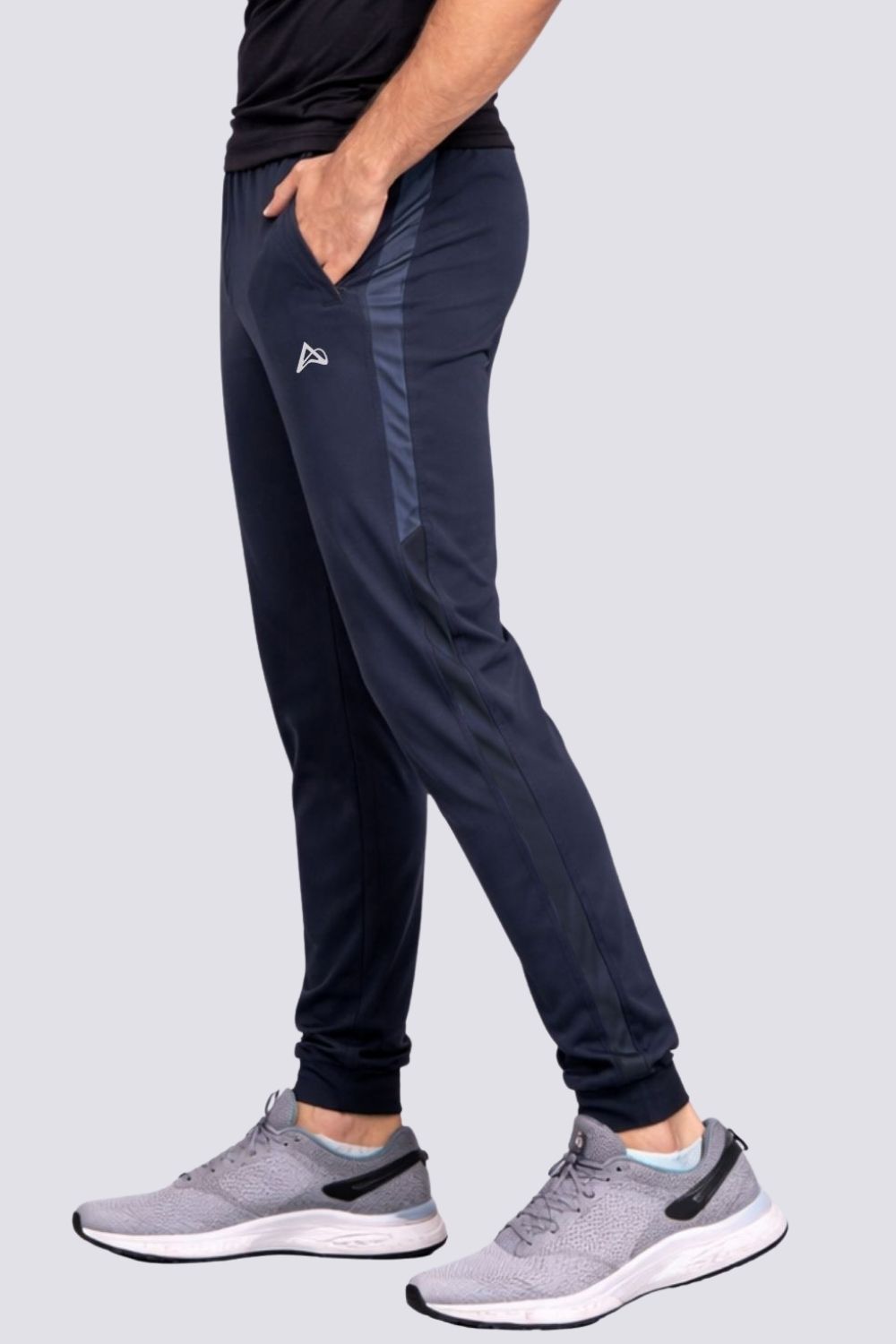
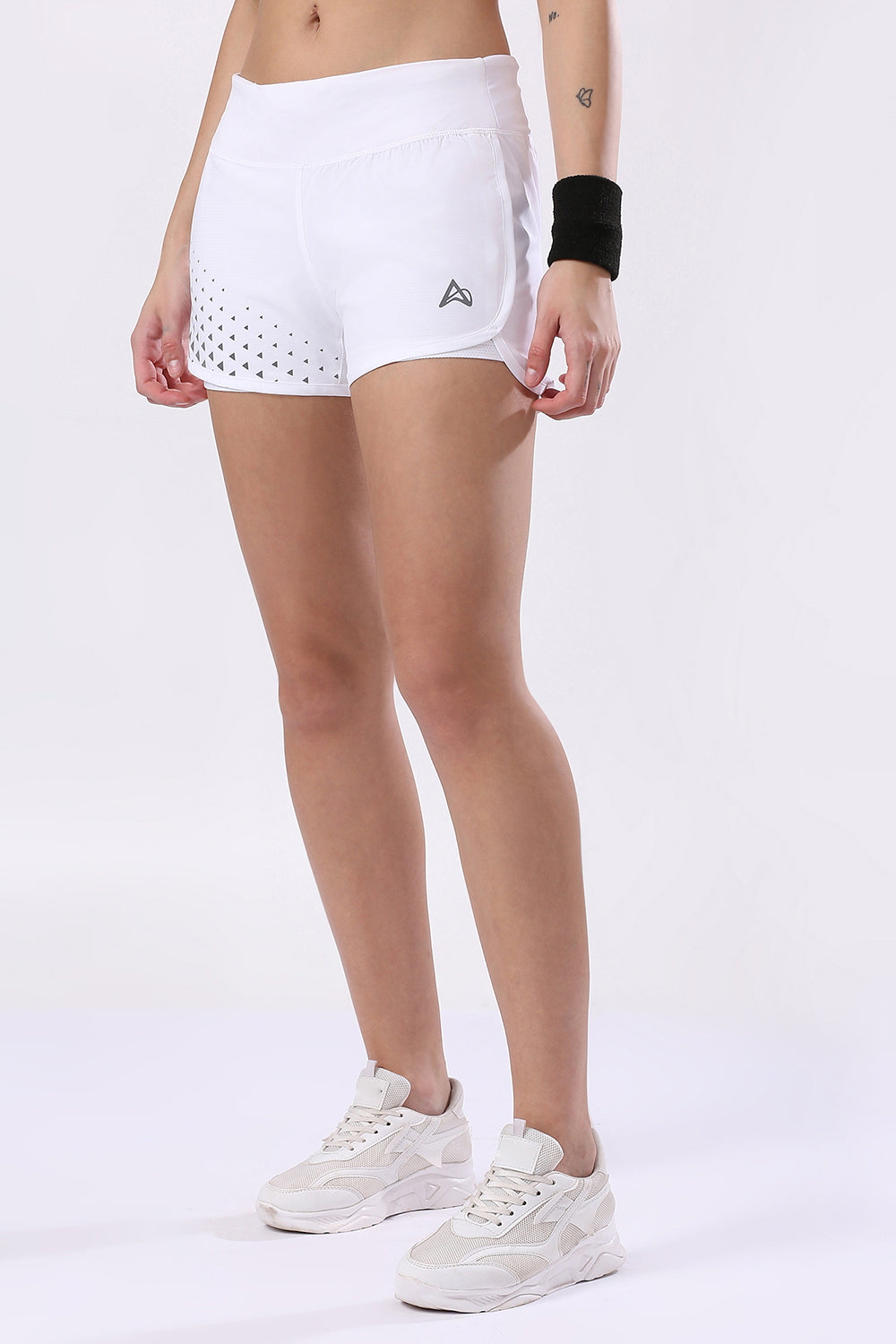
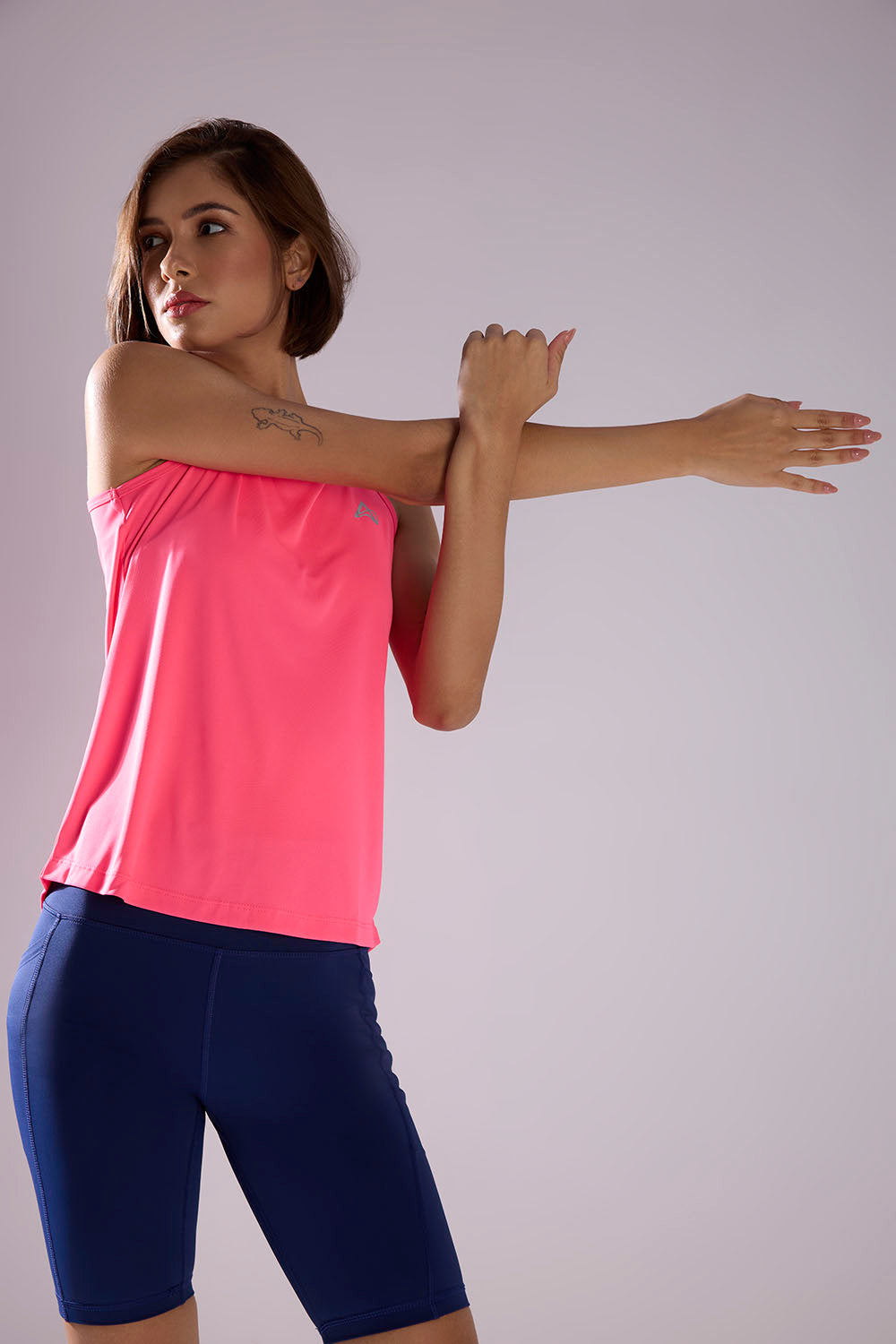
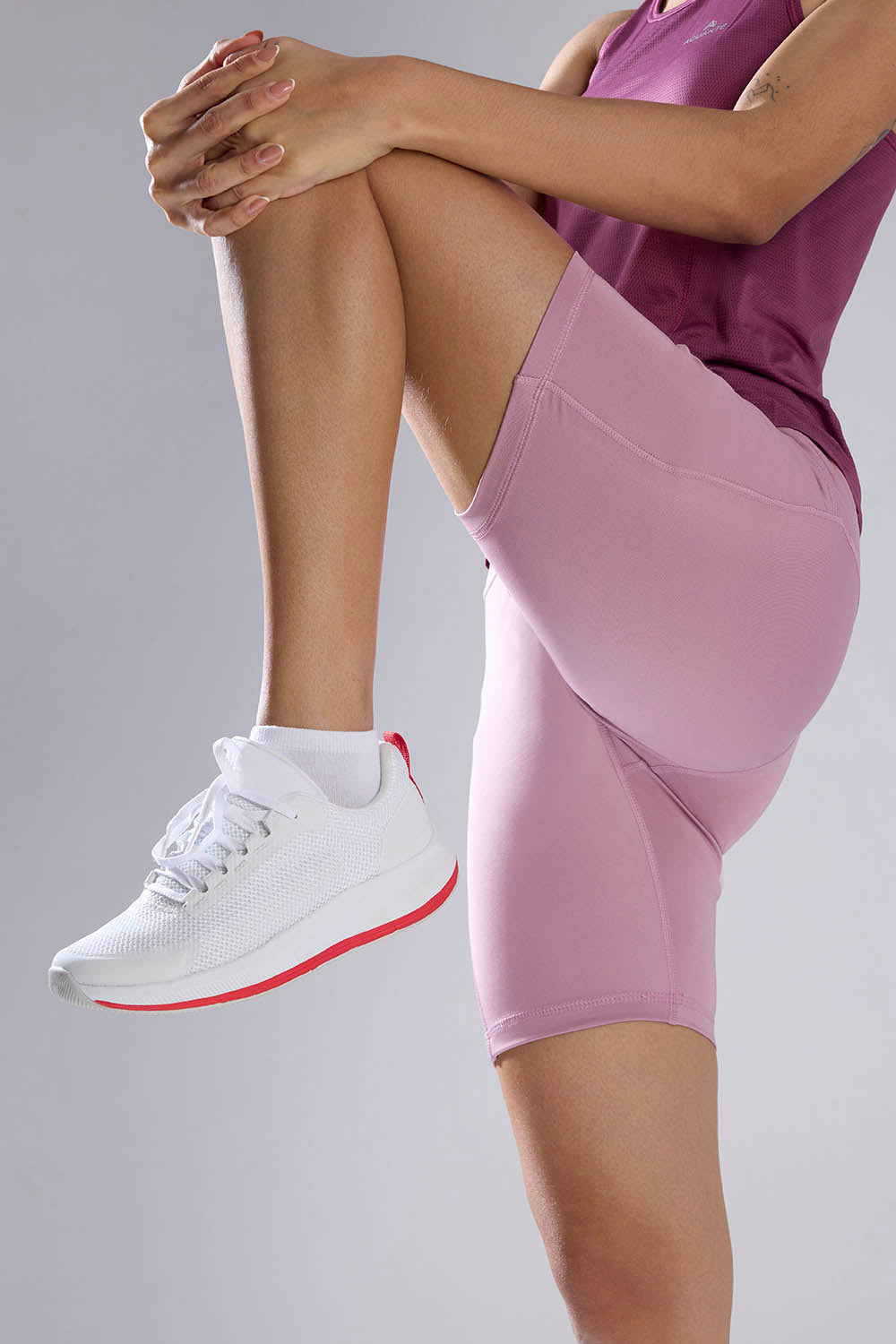
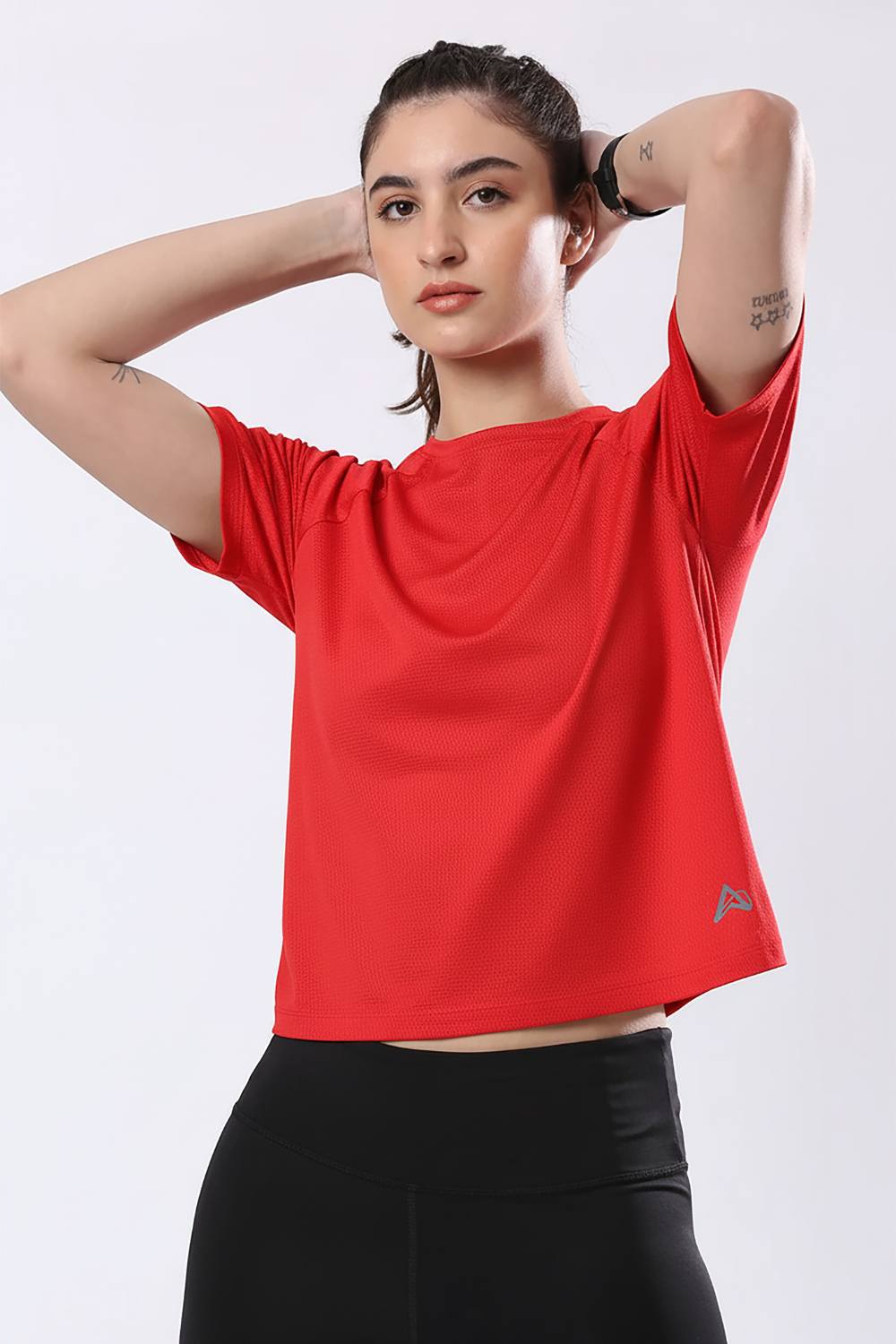
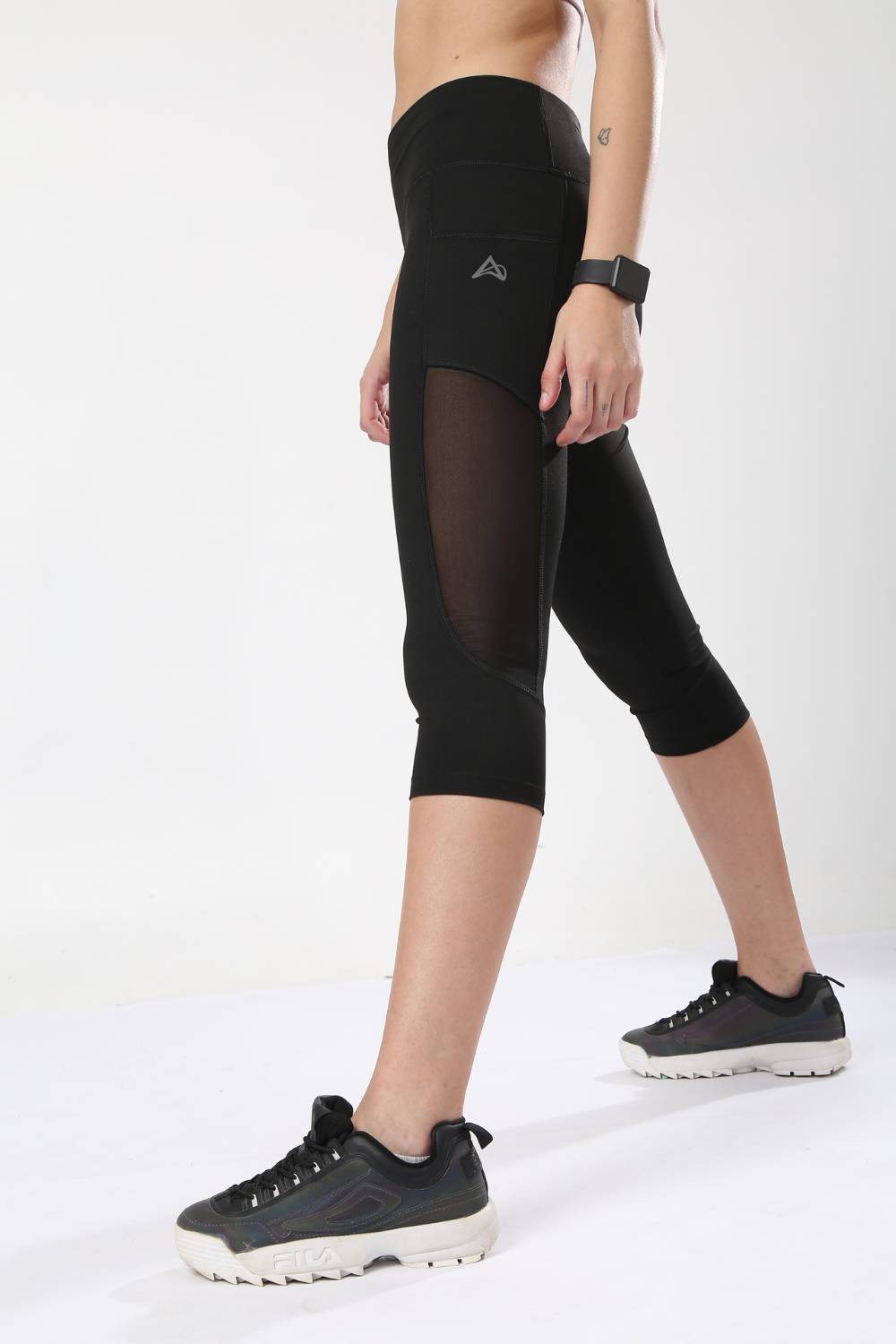
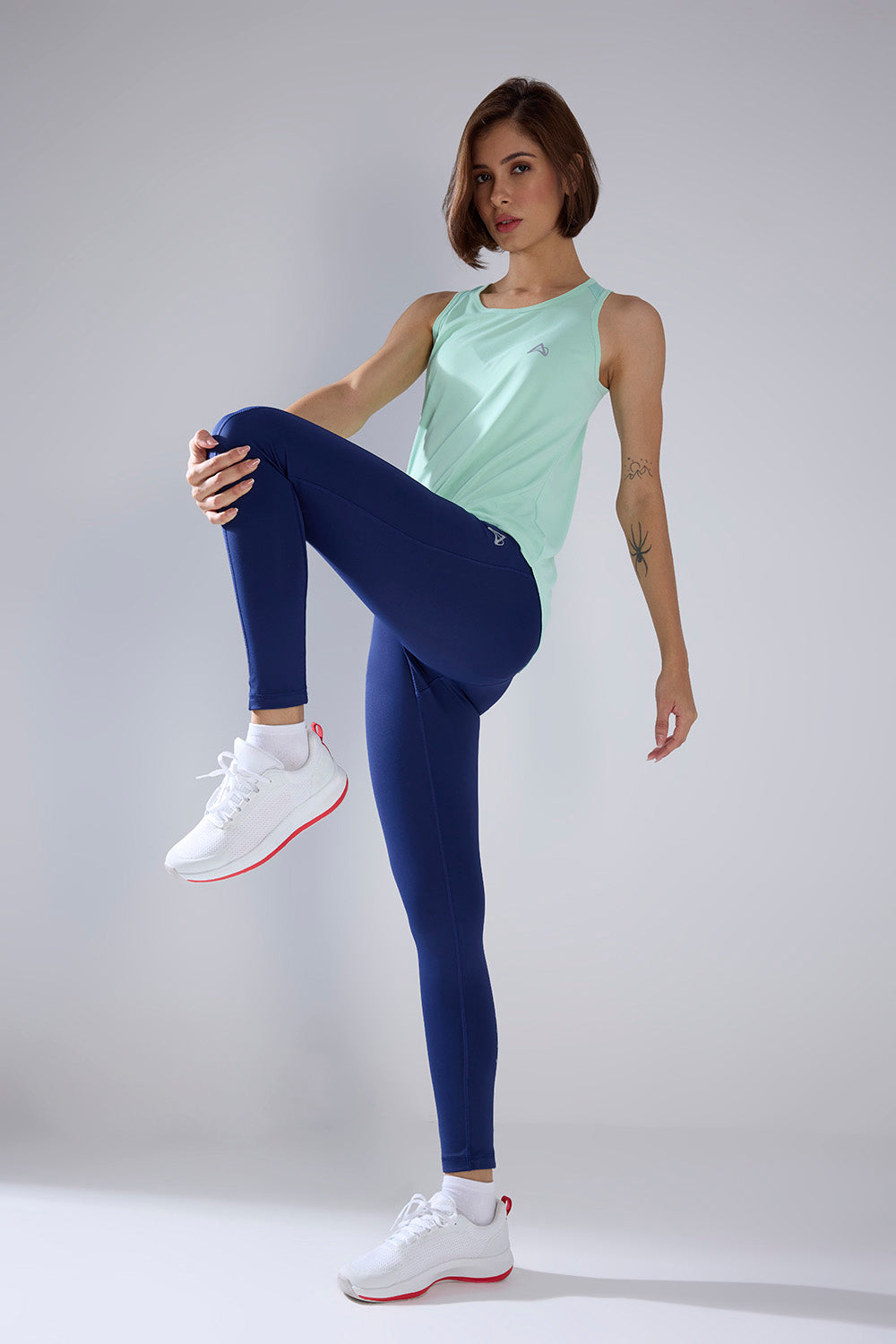
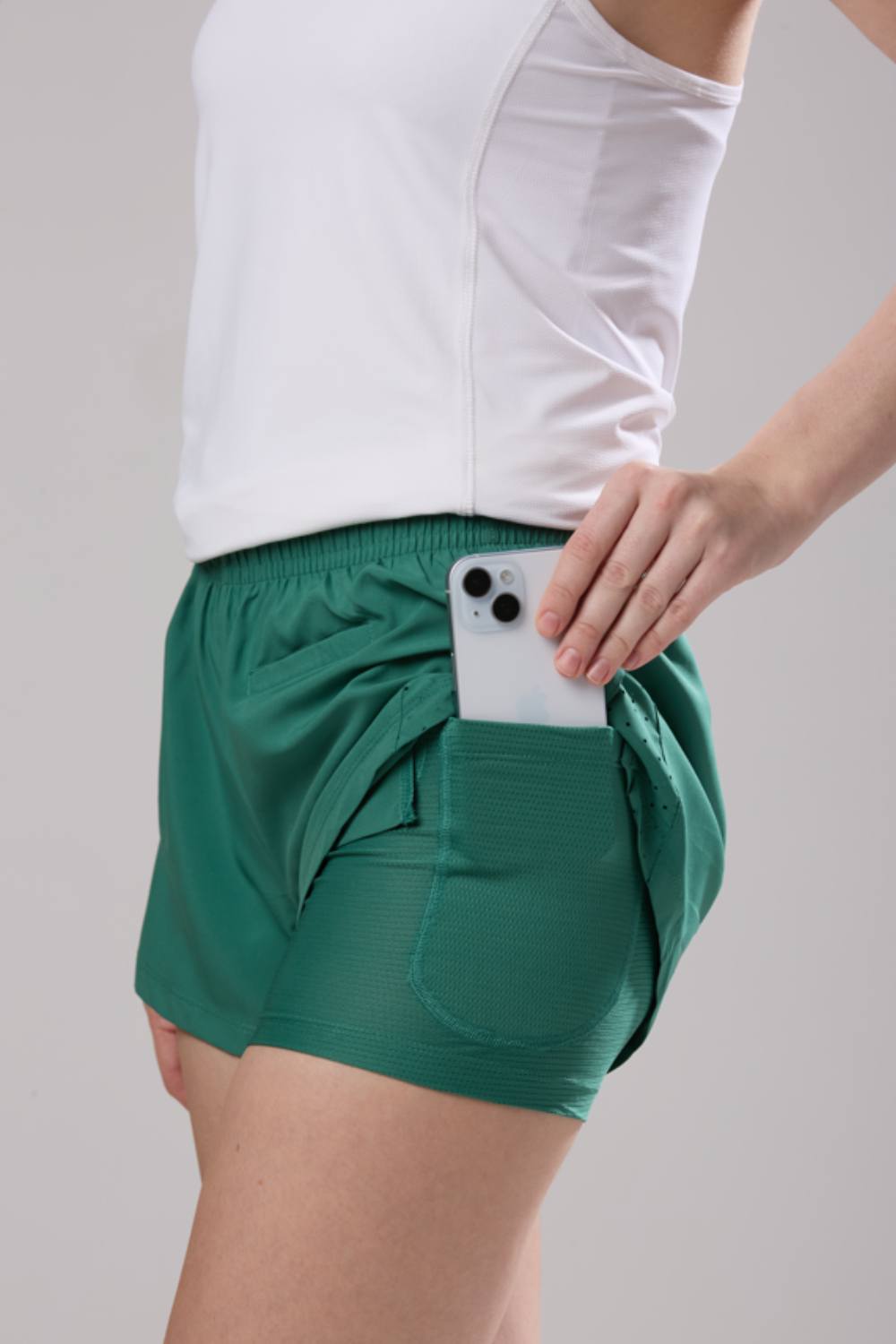
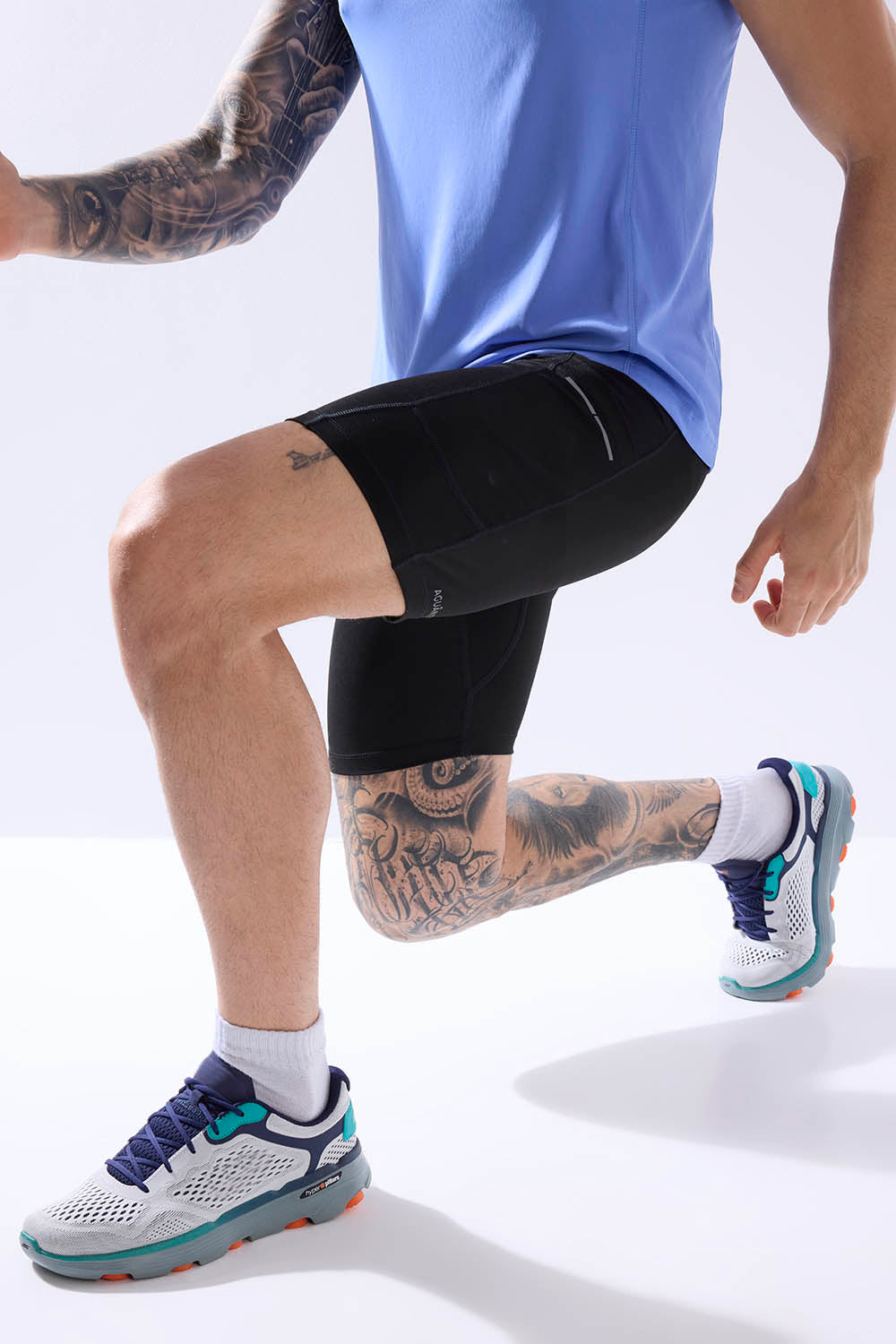
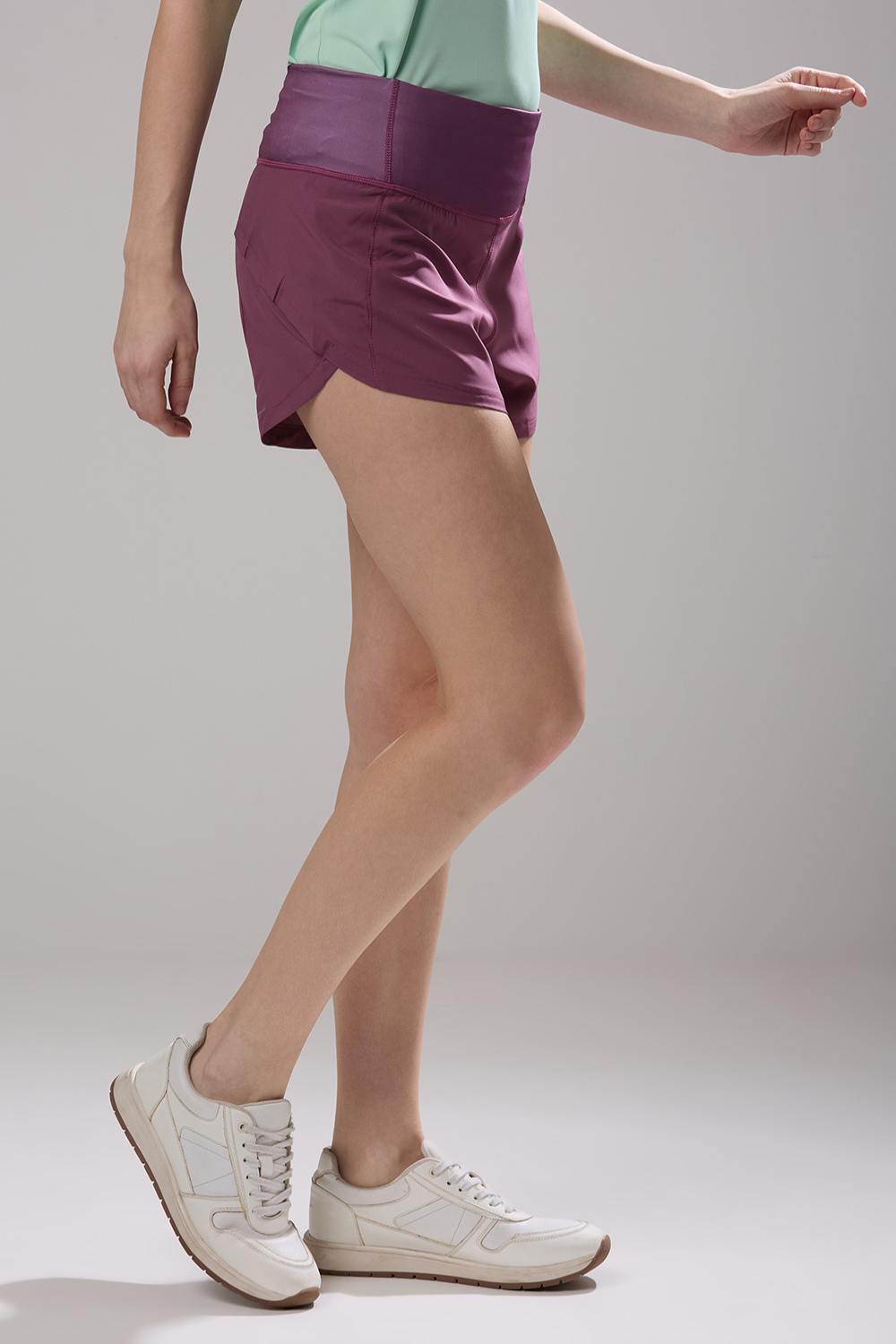
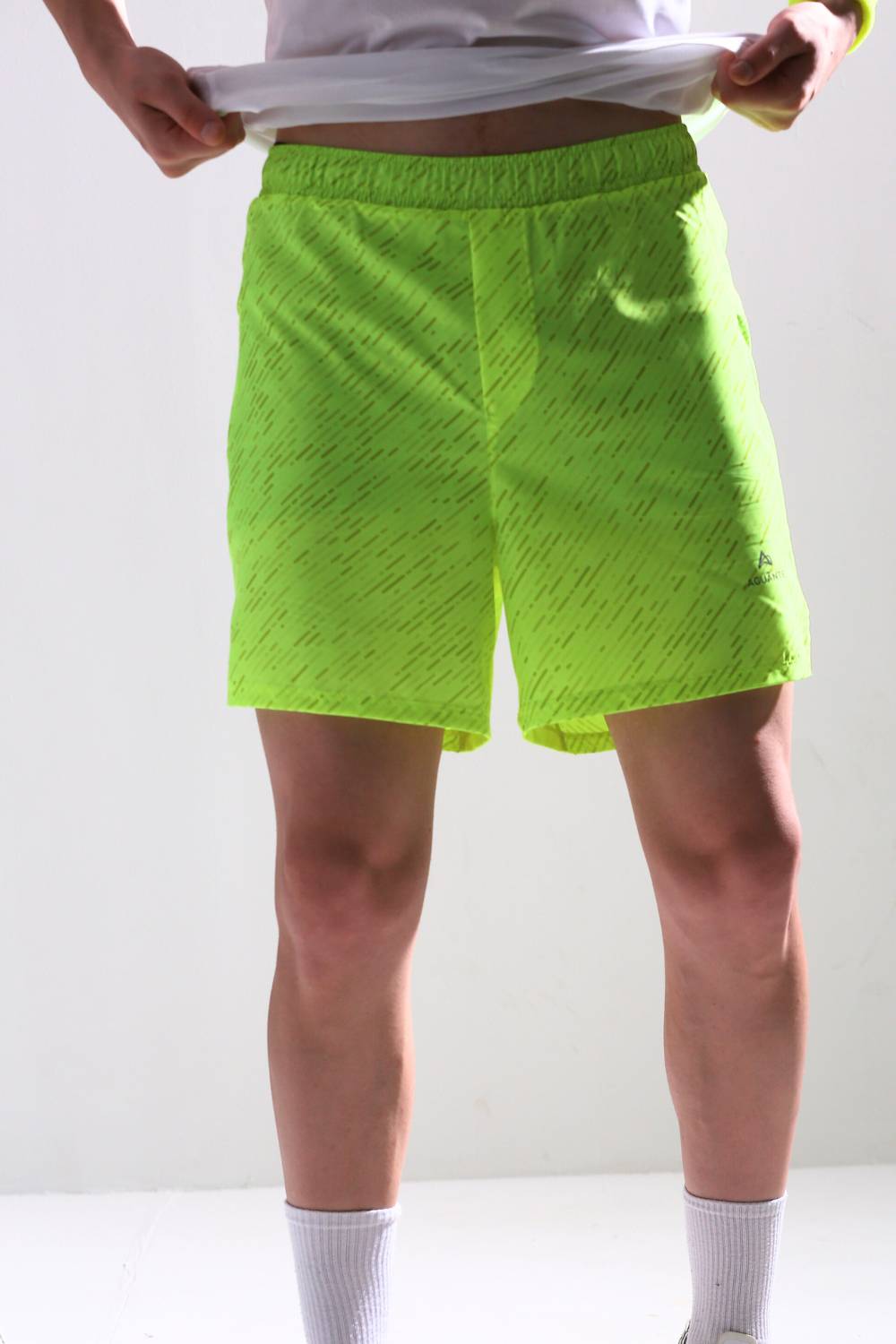
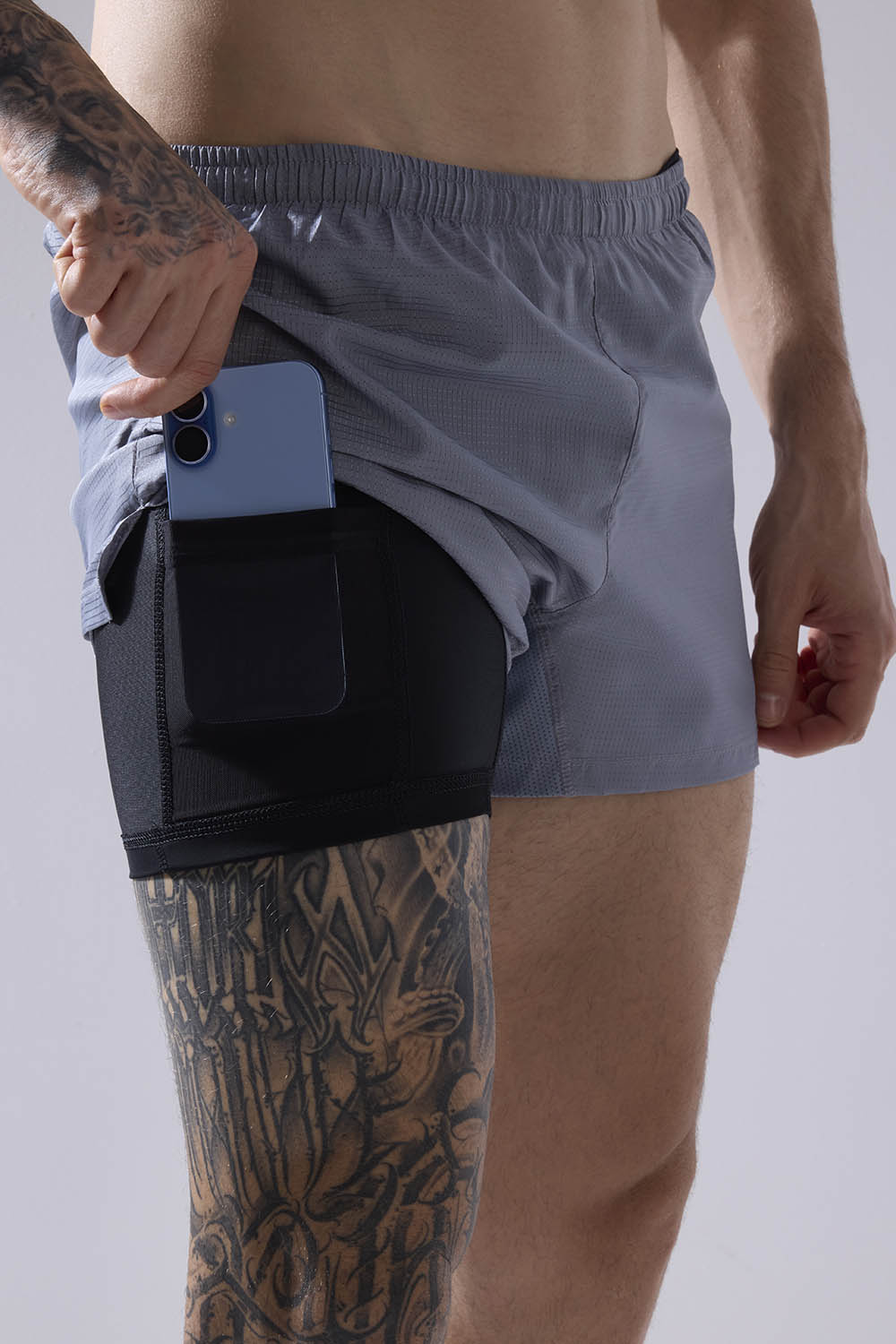
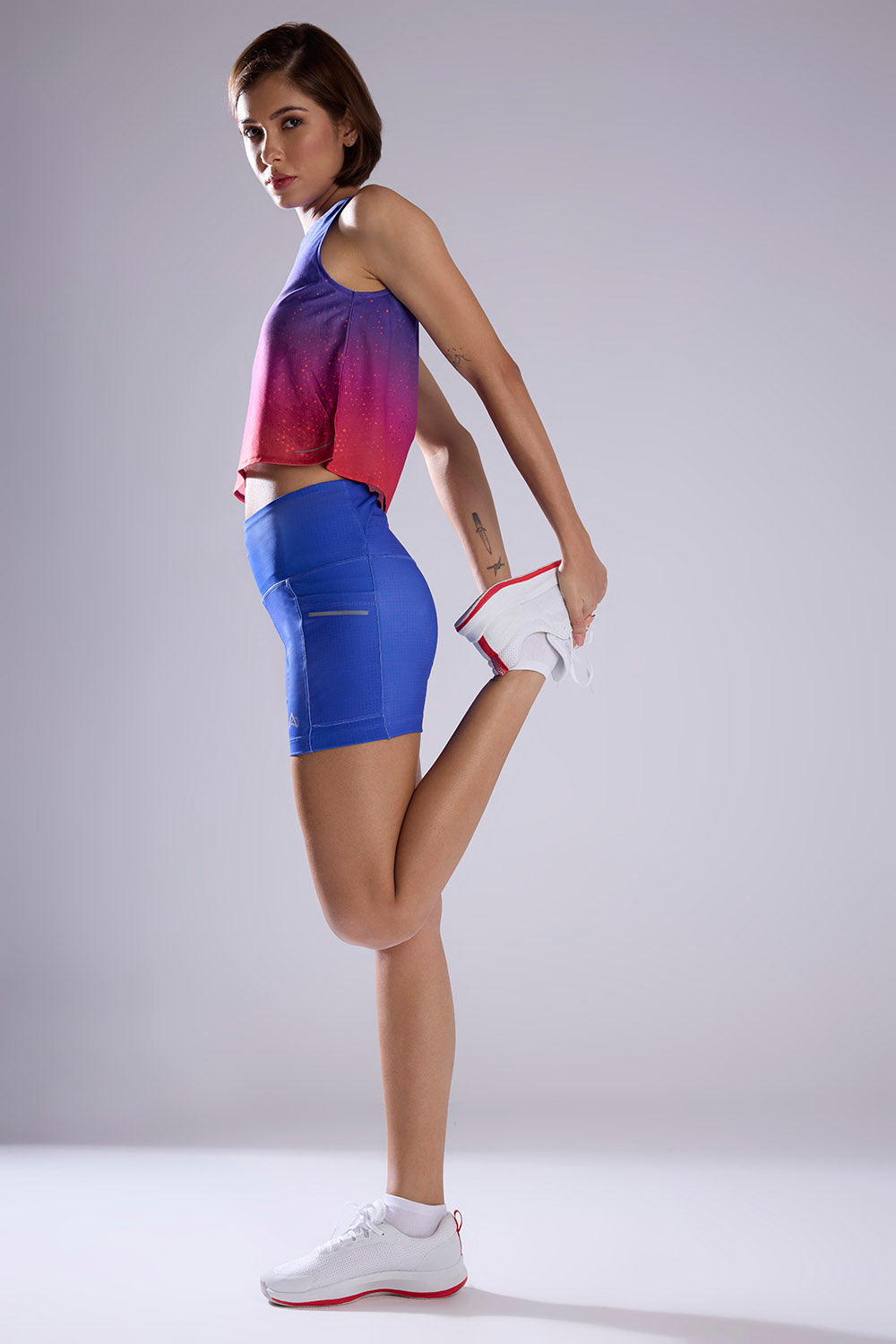
Aguante exemplifies this by crafting gear attuned to India's unique demands scorching heat, drenching humidity, and erratic surfaces. Their focus on breathable, sweat-evaporating fabrics, chafe-resistant linings, stable pockets, reflective accents, and runner-vetted fits ensures seamless motion and security for essentials.
Built for Indian physiques and paths, these offerings deliver premium functionality at fair costs, bridging local ingenuity with international standards. Engagement thrives on platforms like Instagram, Facebook, and YouTube, where voices such as @barefoot_coach_shanth_koushik and @fit_kaur23 inspire tribes to prioritize protection.
Shifting from cotton to tech-savvy materials aligns with evolving preferences for apparel that combats UV while adapting to climate rigors.
City-Tailored Strategies for Optimal Gear
Mumbai's muggy shores warrant airy UPF tops with vents to combat moisture buildup. Delhi's parched blaze favors long-sleeve guards against arm exposure. In Hyderabad, fabrics that activate cooling via sweat prove invaluable amid soaring indices.
Pune and Navi Mumbai's diverse grounds call for adaptable items balancing coverage and flexibility. Surat and Ahmedabad emphasize reflective, airy options for dusty, radiant expanses. Gurugram's city circuits thrive on fast-dry tech, while Bangalore benefits from mesh blends countering steady sun.
Proven Tactics for Sun-Smart Running
Strategize layers: Pair UPF foundations with caps and shades for full-spectrum defense.
Schedule outings for dawn or dusk when rays wane. Refresh sunscreen on bare spots, monitor indices via apps. Tap Instagram networks for insights track experts like @coach_amitkumar for tailored recommendations.
Crucially, safeguarding boosts output: Maintained skin coolness sustains vigor, sidestepping performance drags from unchecked exposure.
Visioning Tomorrow's Protected Runs
As India's running surge accelerates, anticipate breakthroughs in UV defenses intelligent textiles, embedded cooling. Pioneers like Aguante champion utility, cultivating informed, resilient collectives.
Ultimately, each Indian sunlit step presents a decision. Arm yourself astutely, letting runs energize rather than erode. Your future self will applaud the foresight, stride after stride.
Frequently Asked Questions
Why is UV protection especially important in running apparel for Indian summers?
India's summer UV indices range from 8–10 in cities like Delhi, Mumbai, and Bangalore to an extreme 12+ in Hyderabad — levels the WHO classifies as very high to extreme risk. Runners are particularly vulnerable because they log extended hours outdoors at peak intensity, and sweat lowers the skin's resistance to burns. Without UV-protective gear, cumulative exposure can lead to skin cancer, accelerated aging, eye damage, and even reduced endurance from elevated skin temperatures.
What should I look for in UV-protective running apparel?
The key metric is the Ultraviolet Protection Factor (UPF) — look for UPF 50+ rated fabrics, which block up to 98% of UV rays compared to a regular shirt's 5–10. Synthetic fabrics like polyester naturally resist UV better than cotton, and moisture-wicking properties can further boost UPF by 20%+ when the fabric is damp. Features like thumbholes, collars, long sleeves, ventilated mesh panels, and vibrant or dark colors all add meaningful protection without sacrificing mobility or comfort in India's humid heat.
What are the best times and strategies for sun-safe running in Indian cities?
Schedule runs at dawn or dusk when UV radiation is significantly lower, avoiding the dangerous midday window when indices peak. Pair UPF-rated clothing with a cap, UV-blocking sunglasses, and sunscreen on any exposed skin, refreshing the sunscreen throughout longer sessions. Tracking UV index apps before heading out and following fitness communities on platforms like Instagram can also help you make informed, city-specific decisions about when and how to run safely.
Disclaimer: The above helpful resources content contains personal opinions and experiences. The information provided is for general knowledge and does not constitute professional advice.
You may also be interested in: Running Apparel for Beginners: What to Look for in Your First Kit
Tired of gear that slows you down? Chafing, soggy fabrics, and missing pockets kill your run's momentum. At Aguante, we're runners who get it. Our high-performance activewear features moisture-wicking fabrics, ergonomic designs, and smart storage to keep you focused. Shop Now!
Powered by flareAI.co