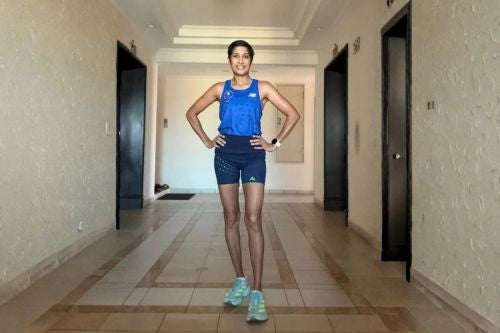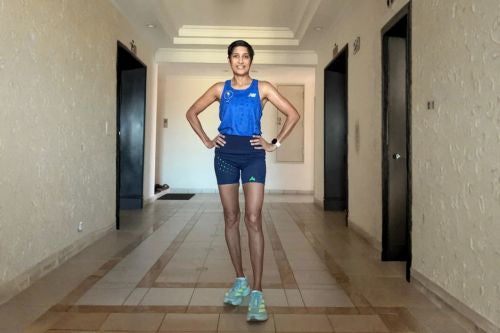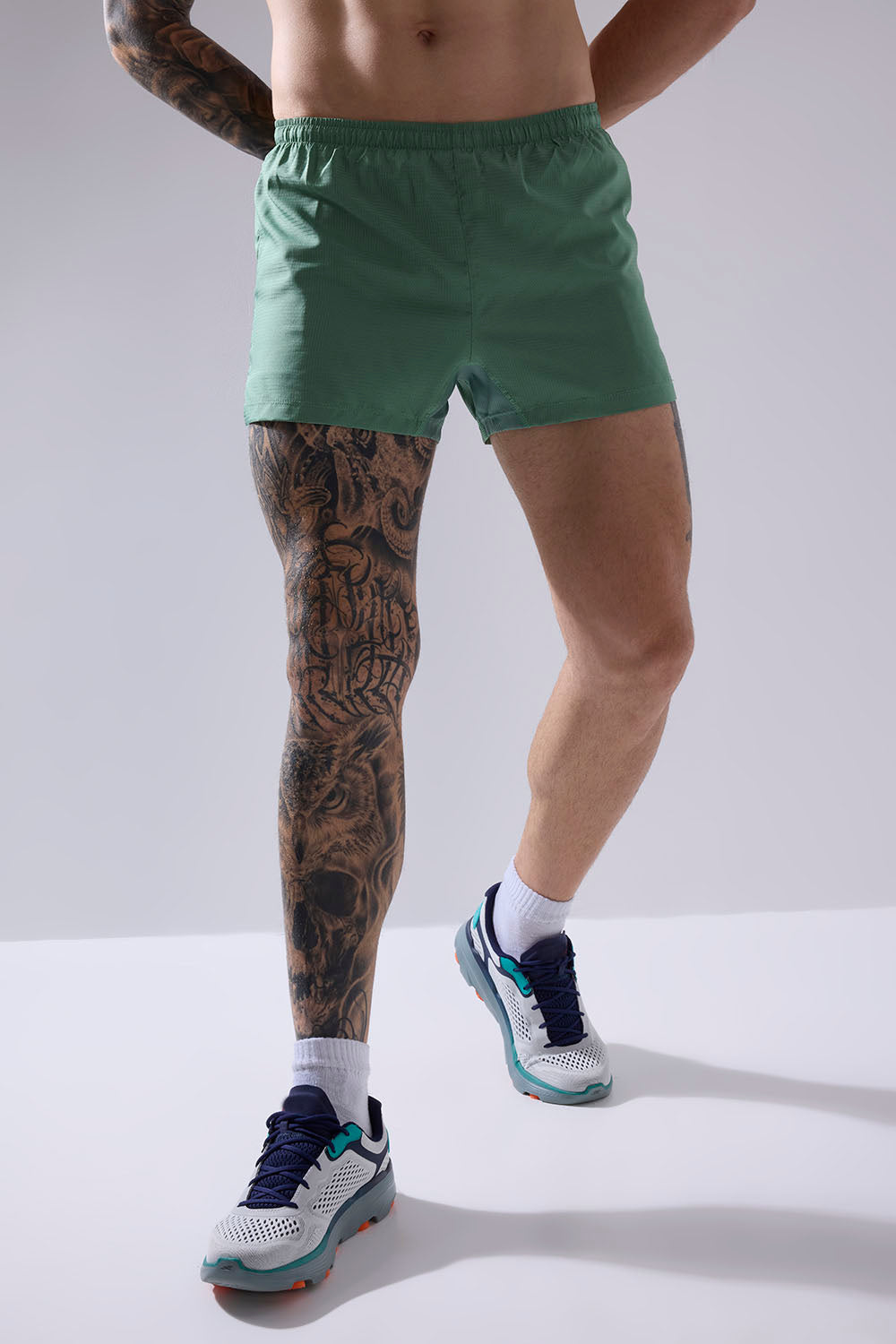
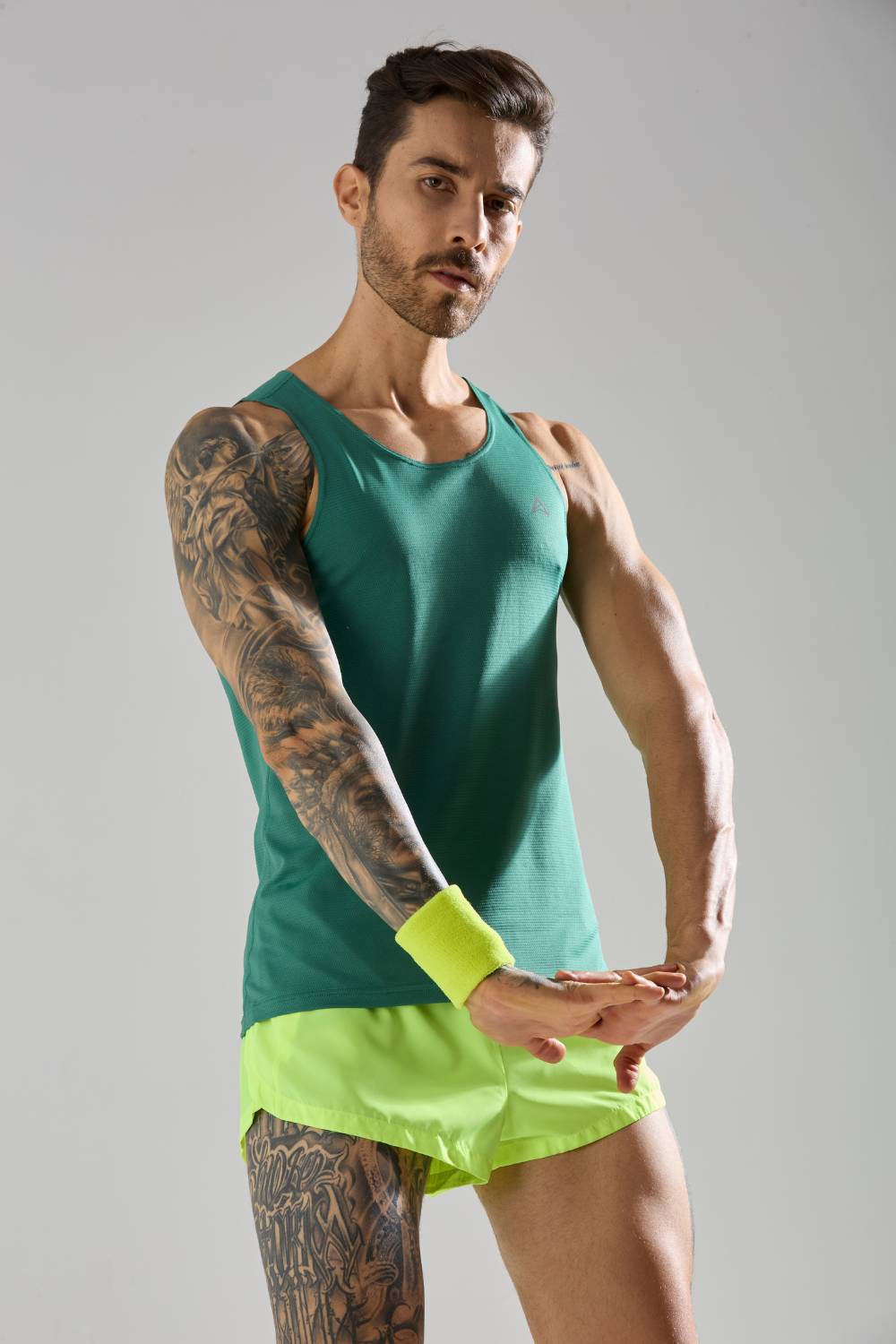
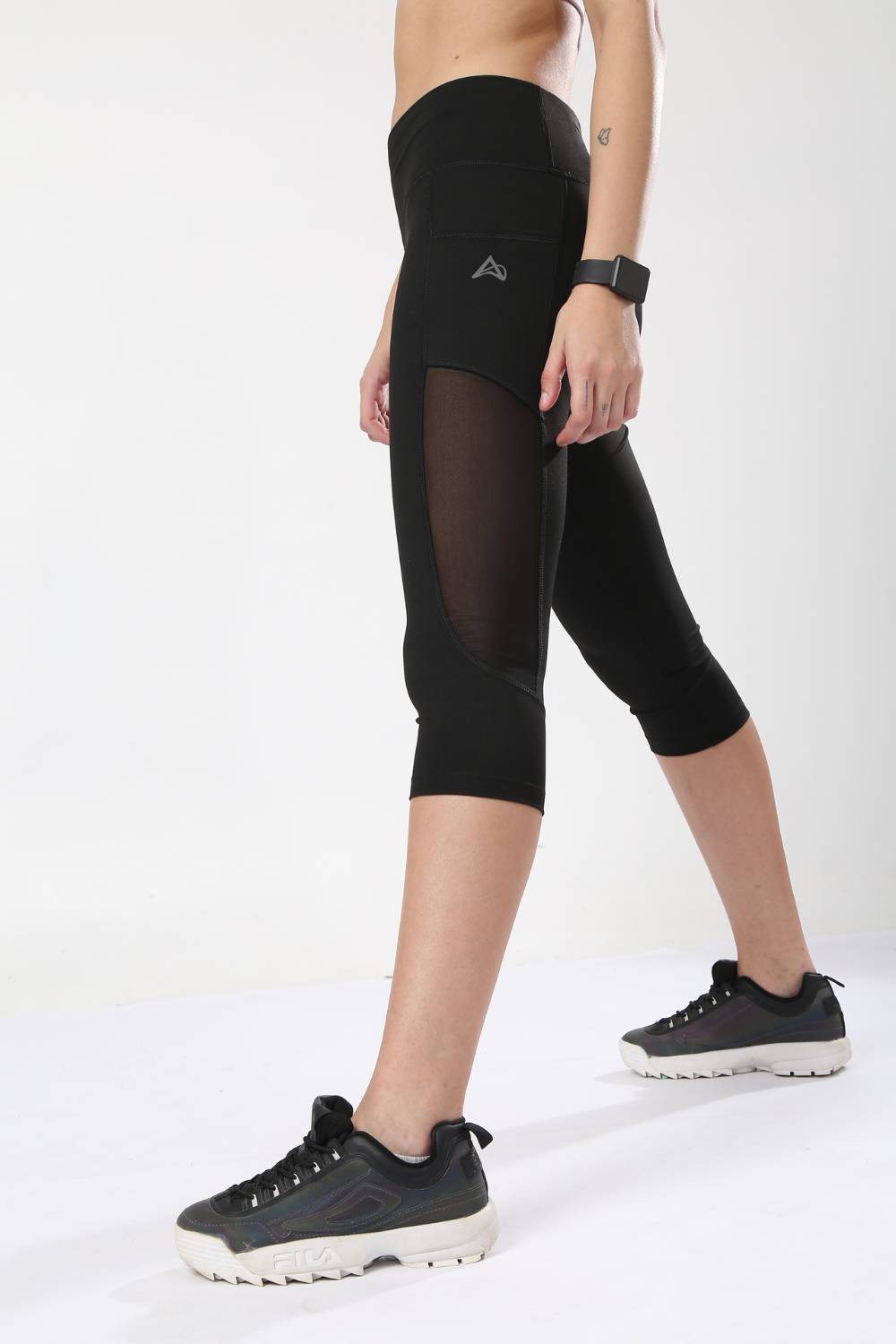
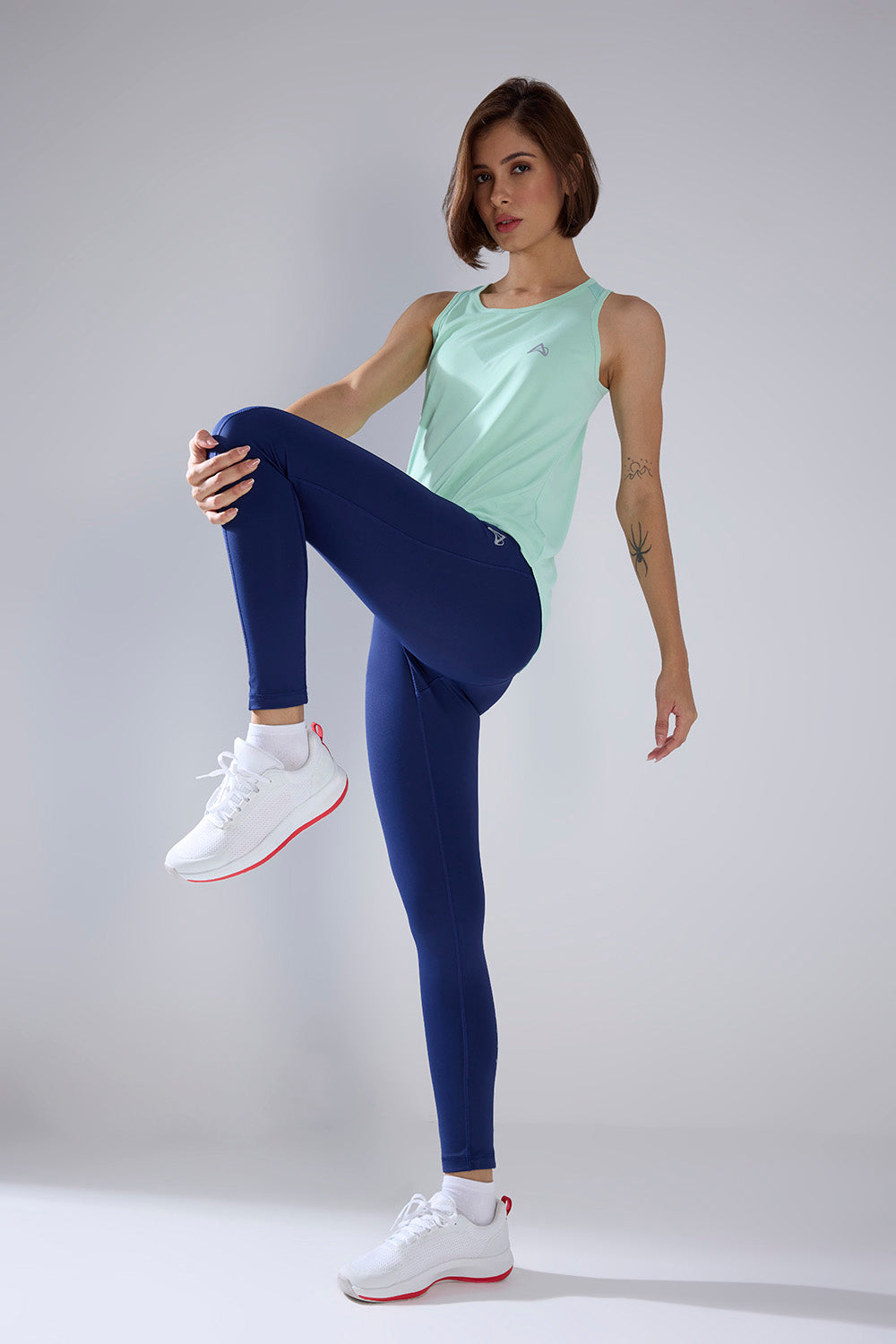

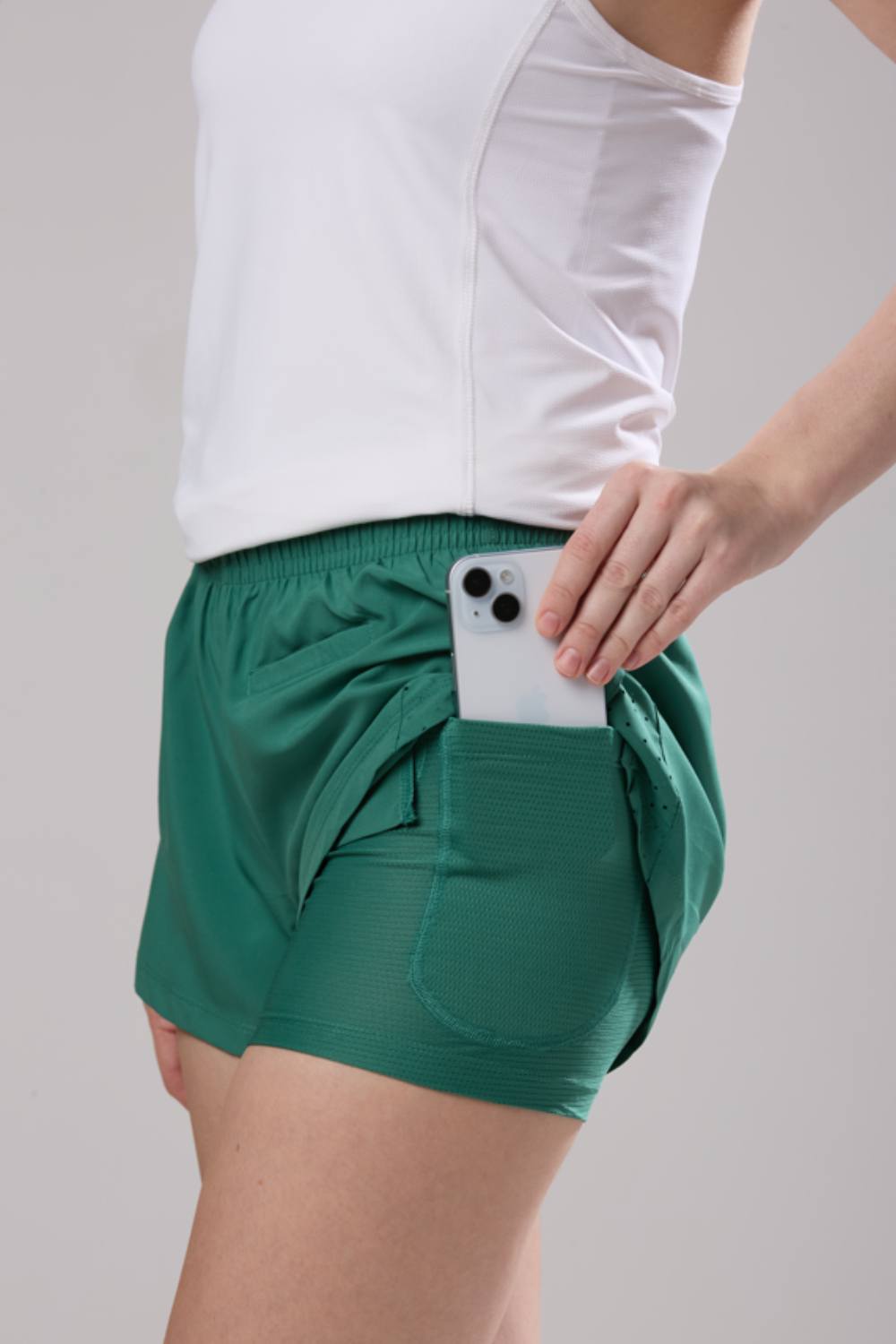
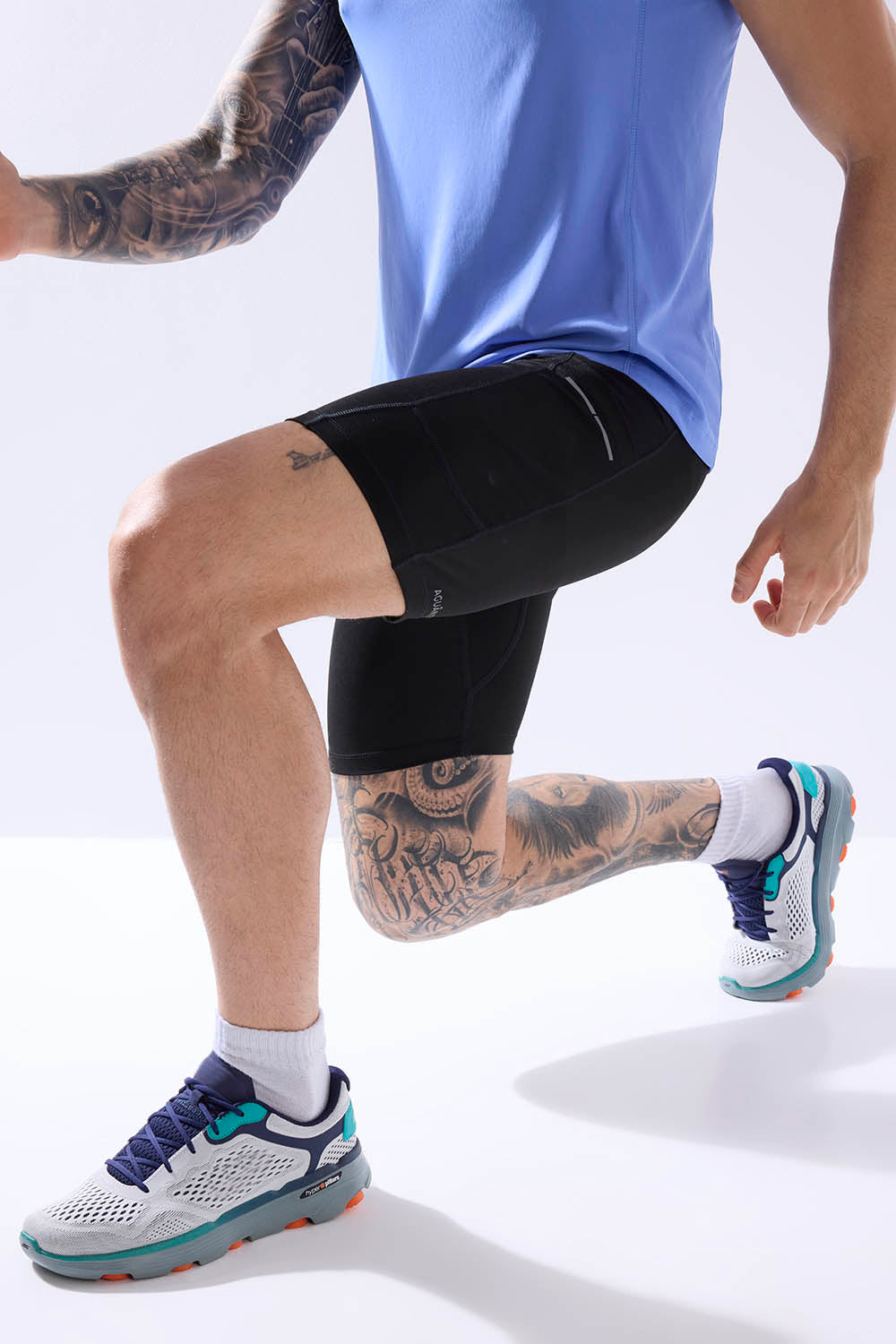
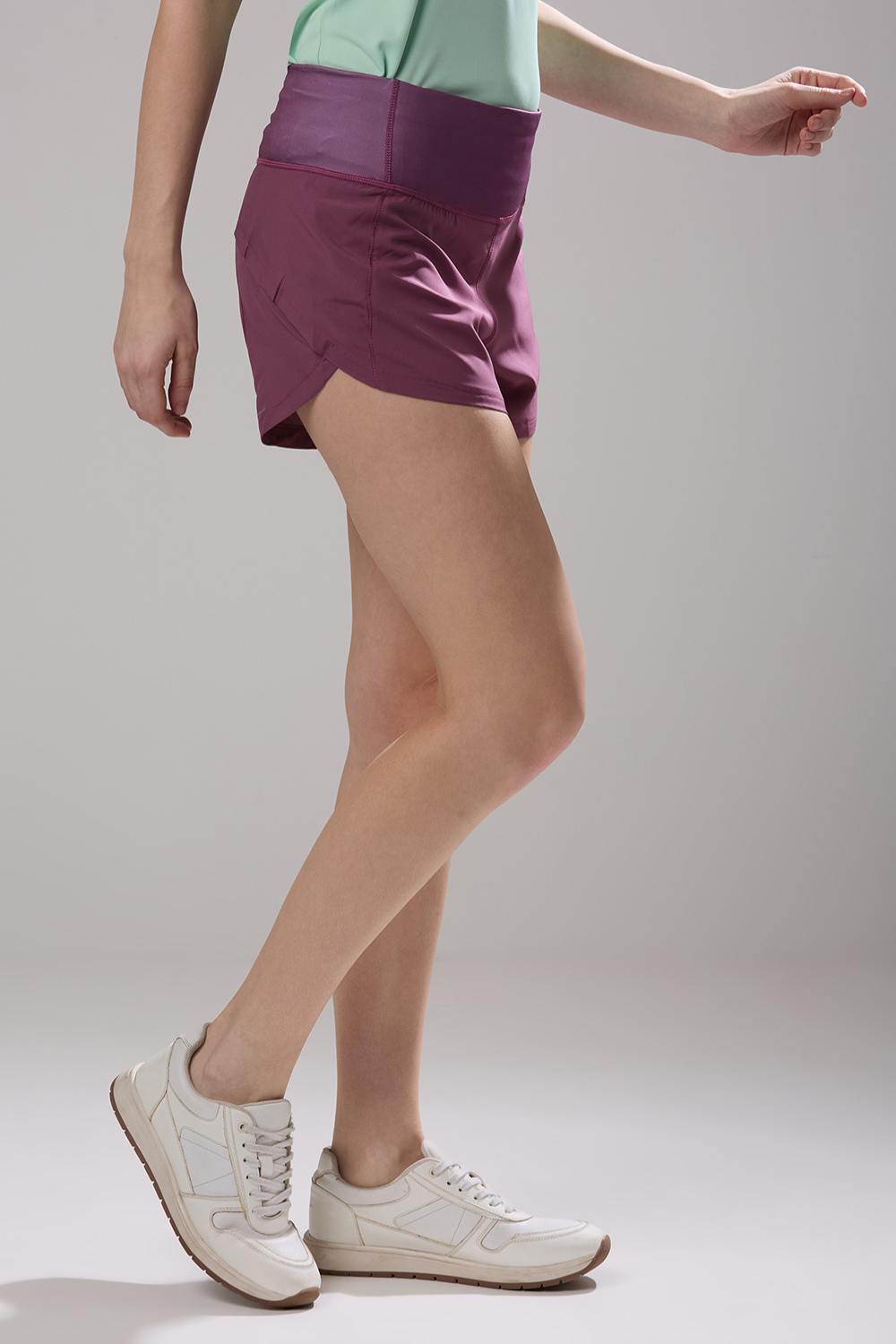
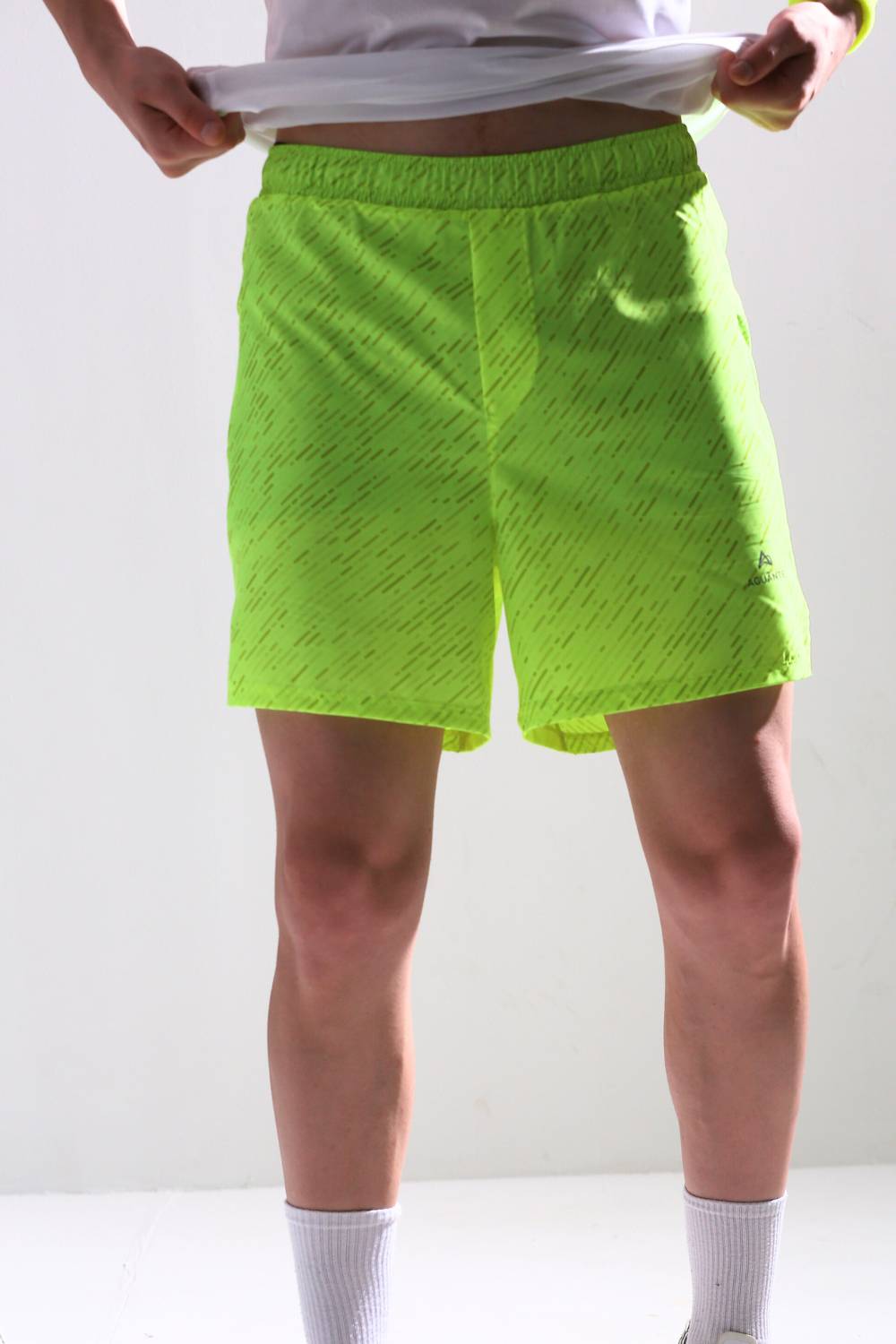
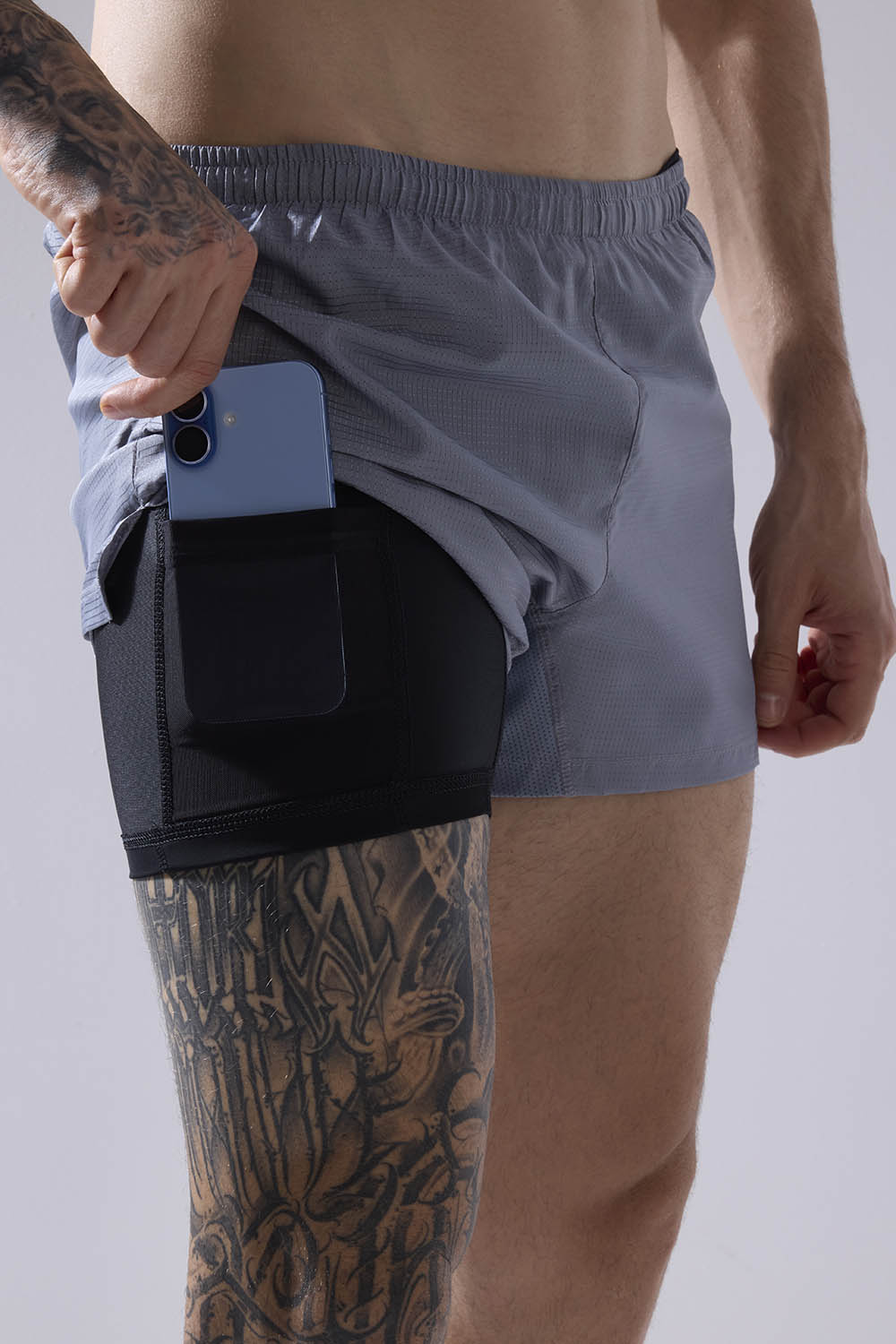

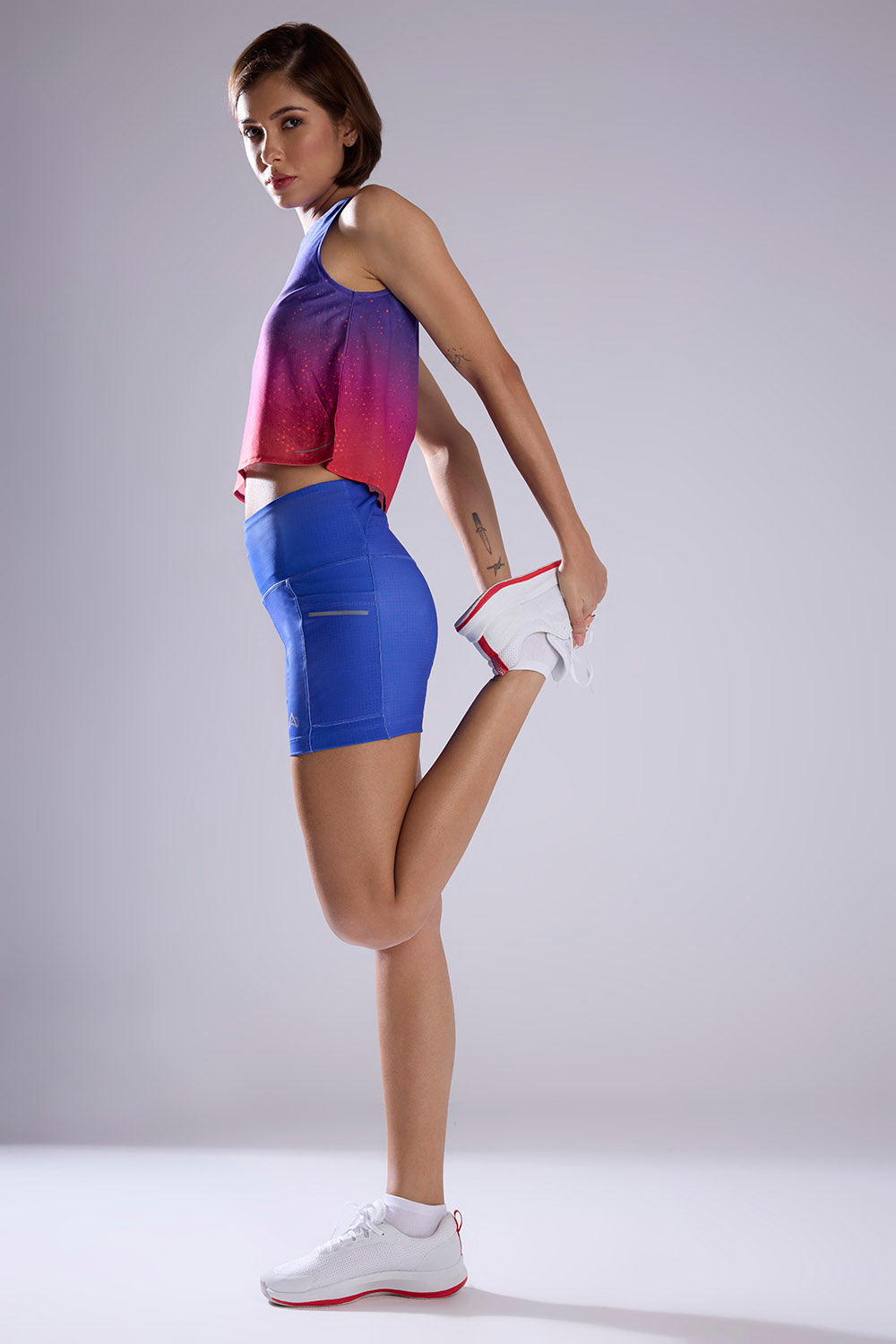
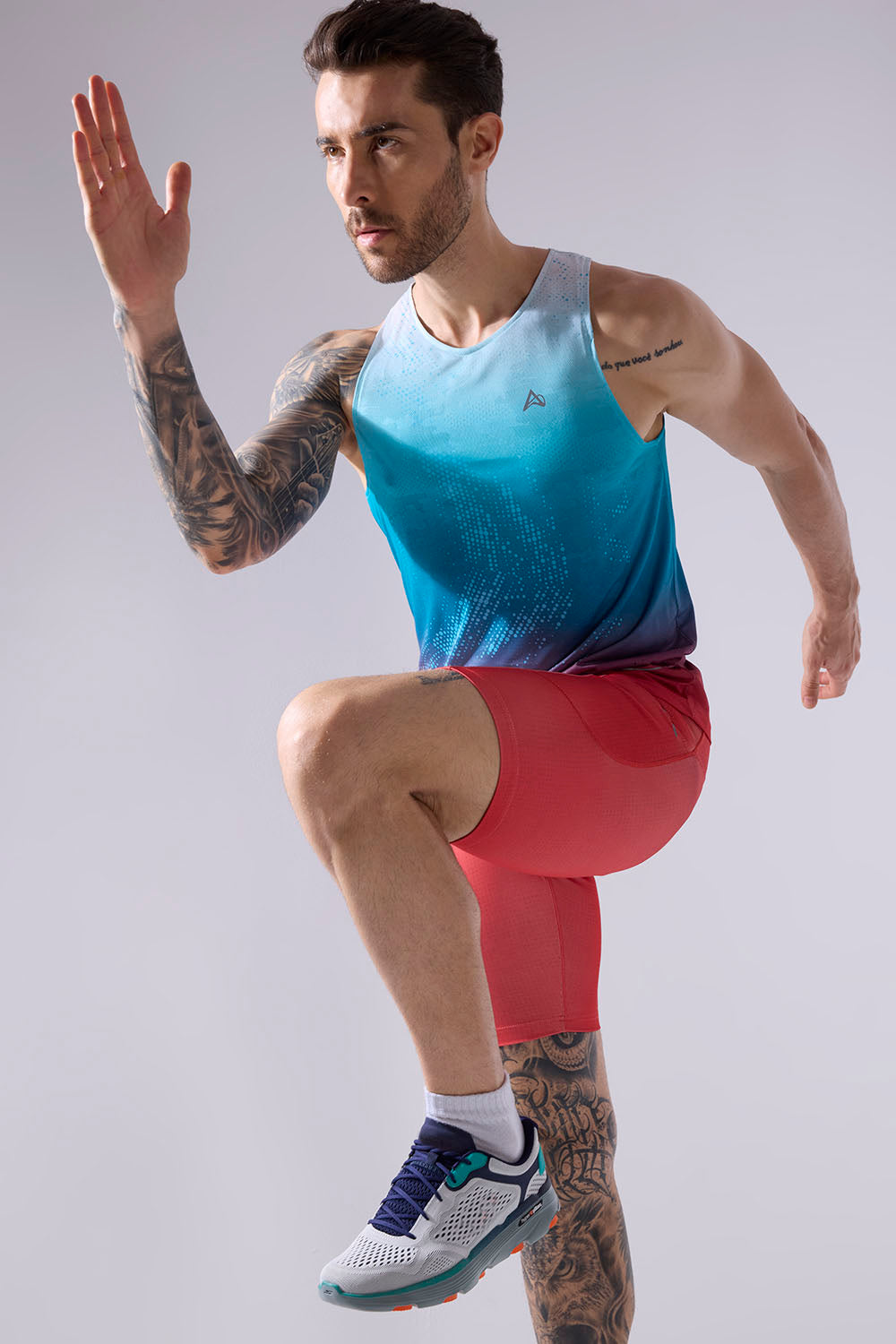

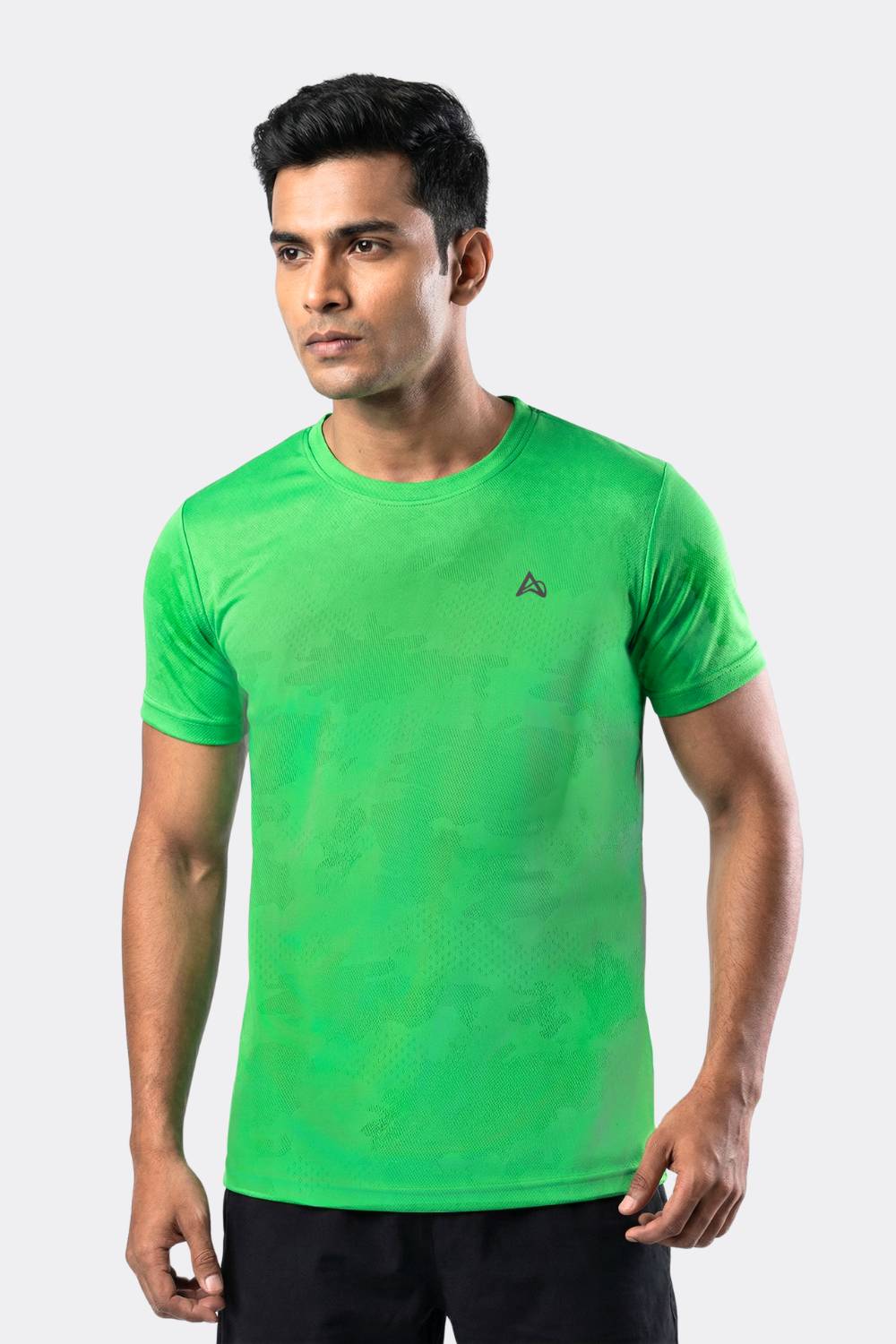
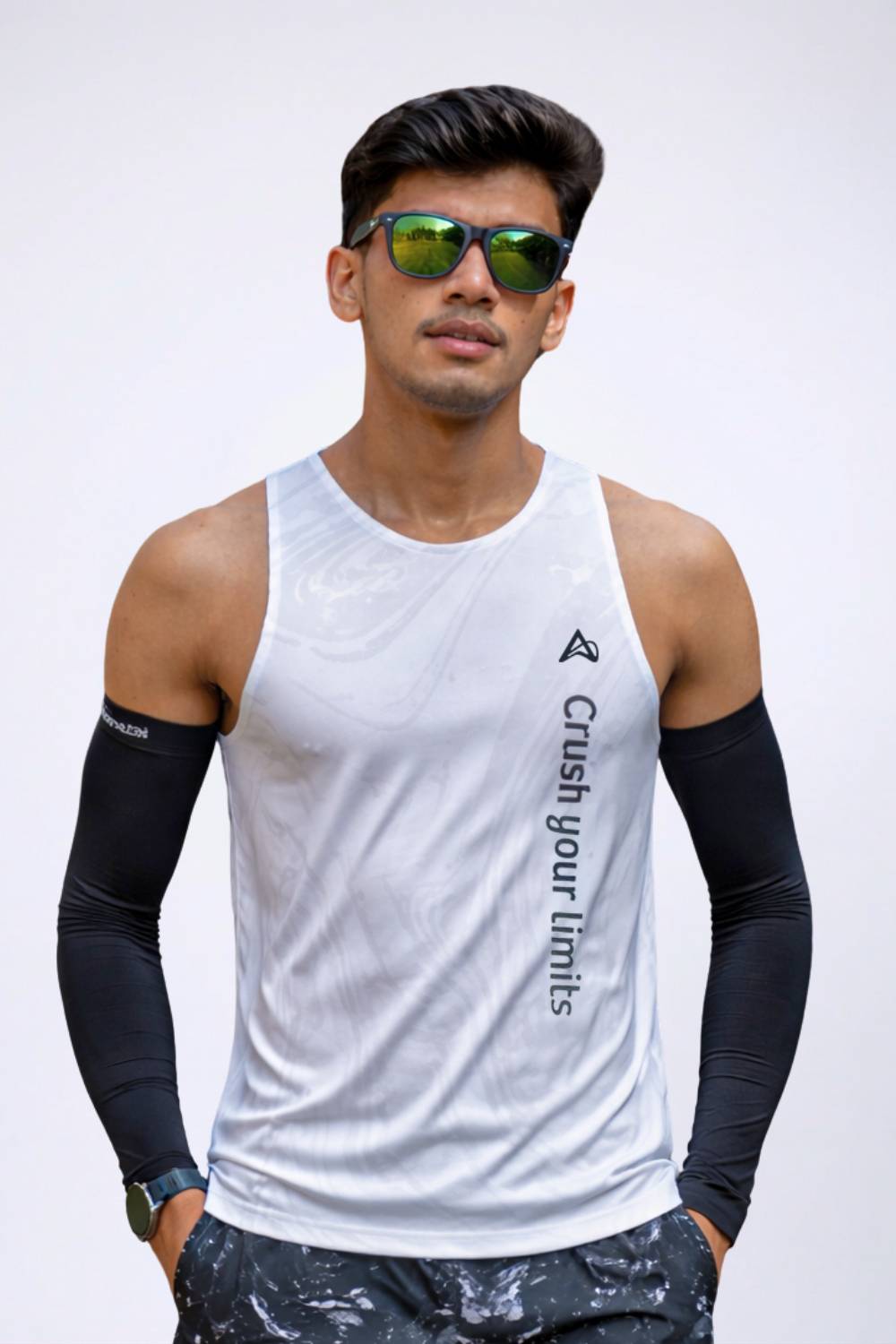

Why Lightweight Apparel Reduces Running Discomfort is a question many runners explore after dealing with common training challenges such as excess heat, sweat buildup, restricted movement, or irritation during longer sessions. Clothing may seem like a small part of a running routine, but the materials, construction, and fit of a garment influence how comfortable the body feels while moving. Lightweight running apparel is designed around the practical demands of exercise: managing moisture, supporting freedom of movement, and reducing the distracting sensation of heavy or restrictive clothing. Understanding how fabric weight affects running comfort can help runners choose gear that supports their training experience in different conditions.
Tired of gear that slows you down? Chafing, soggy fabrics, and missing pockets kill your run's momentum. At Aguante, we're runners who get it. Our high-performance activewear features moisture-wicking fabrics, ergonomic designs, and smart storage to keep you focused. Shop Now!
How Fabric Weight Affects Running Comfort
During a run, the body produces heat and moisture as muscles work. Clothing sits between the skin and the environment, so its ability to manage sweat and allow movement can influence how comfortable a runner feels. Heavier garments can become more noticeable as a workout continues, especially when fabric absorbs moisture and begins to feel bulky.
Lightweight running clothes reduce this feeling by using less material around the body while maintaining the functional features runners need. The goal is not simply to make a garment lighter. Effective performance apparel balances weight with breathability, durability, stretch, and comfort so that runners can move naturally without feeling restricted.
For runners training in warm or humid conditions, clothing choice becomes even more important. Breathable fabrics and moisture-managing designs help support evaporation, which is one of the body's natural ways of regulating temperature. Research and expert discussion on cooling gear highlights how breathable, moisture-wicking apparel can help runners manage perspiration and maintain comfort during challenging conditions.
This is why lightweight apparel reduces running discomfort: it addresses several small sources of distraction at the same time. Less fabric weight, improved moisture movement, and a better range of motion can make a noticeable difference during everyday runs, speed sessions, and longer distances.
Why Lightweight Running Clothes Prevent Chafing and Irritation
Chafing is one of the most common sources of discomfort for runners. It usually develops when repeated movement, moisture, and friction combine in areas where fabric and skin interact. While clothing alone cannot eliminate every cause of irritation, apparel design can play an important role in reducing conditions that contribute to discomfort.
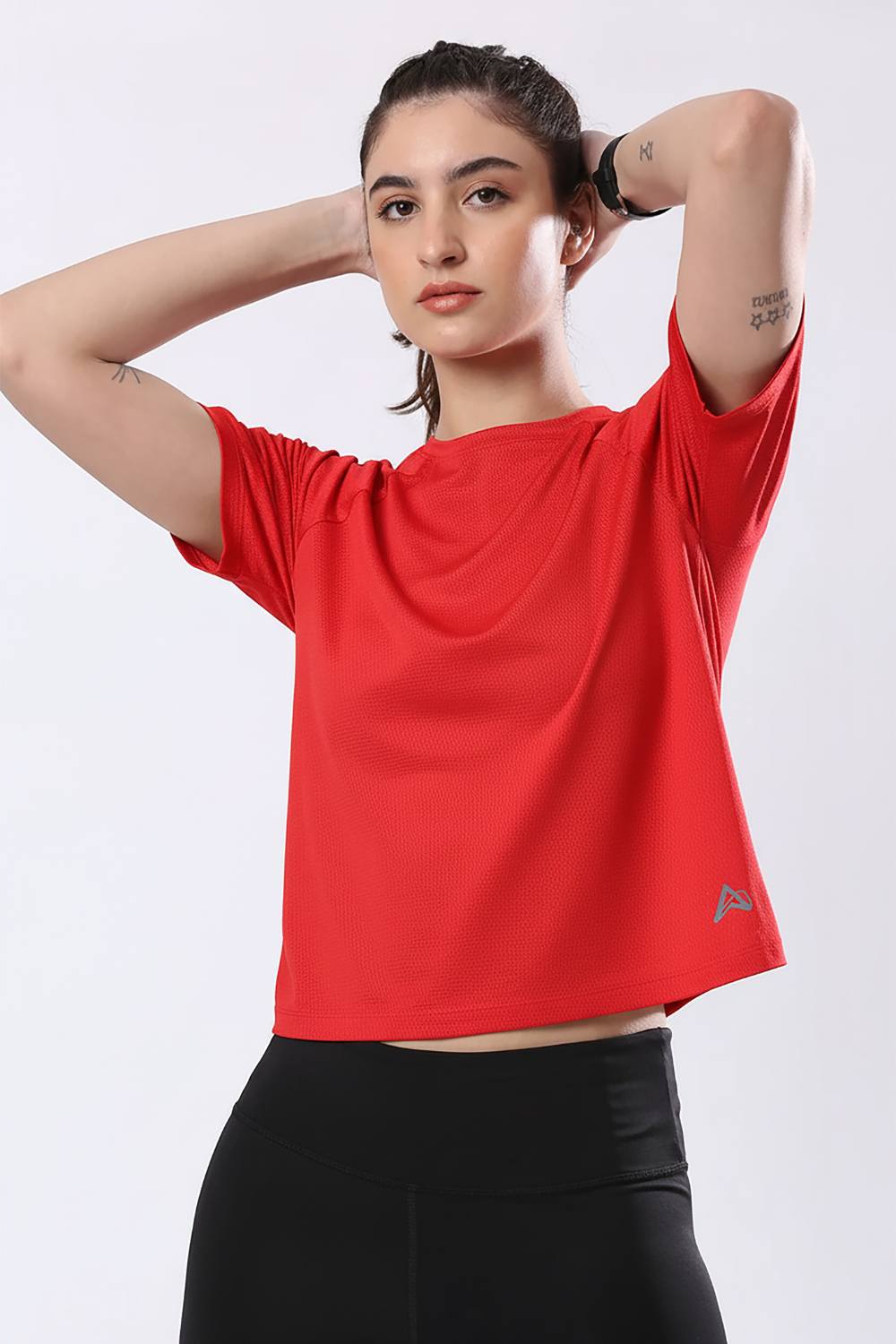
Lightweight running clothes are often preferred because they create less bulk and reduce the sensation of fabric dragging against the body. When a garment fits correctly and manages sweat effectively, runners may experience fewer distractions caused by damp, heavy material moving repeatedly against the skin.
The relationship between fabric performance and comfort goes beyond weight alone. Material construction, airflow, fit, and moisture handling all influence how a garment feels during exercise. Information on fabric and heat management explains that factors such as air permeability, fit, and sweat evaporation contribute to comfort during physical activity.
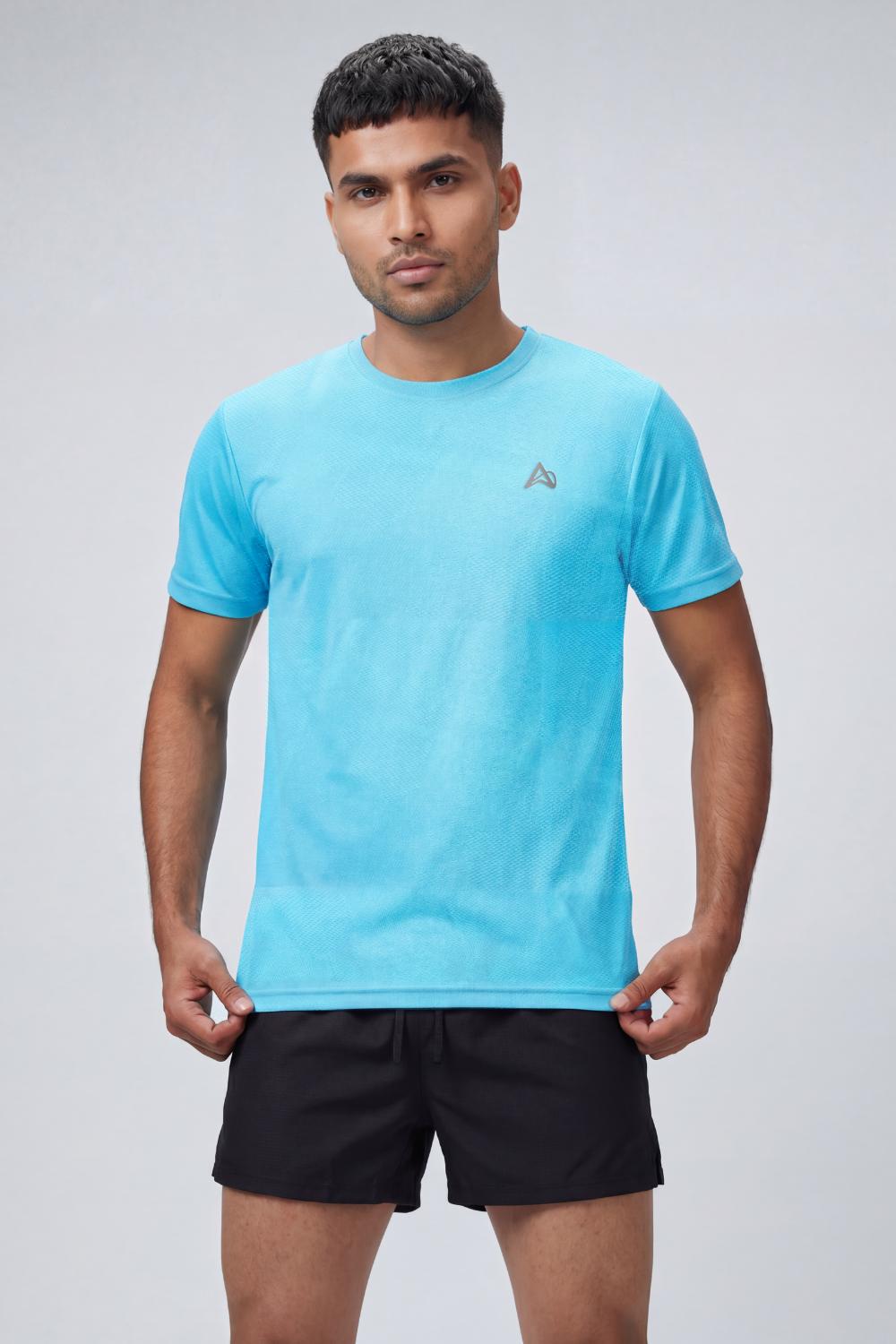
For runners looking for anti chafe lightweight running wear, the most important consideration is how the entire garment system works together. A lightweight top or pair of shorts should allow movement without unnecessary friction, manage moisture as the workout progresses, and remain comfortable when conditions become demanding.
The Role of Breathability in Lightweight Running Apparel
Breathability is one of the defining characteristics of comfortable running clothing. A breathable garment allows air movement and helps prevent the trapped, overheated feeling that can occur when sweat remains close to the skin.
For runners, this matters because discomfort often builds gradually. A shirt that feels comfortable at the beginning of a run may feel heavier after sustained effort if it absorbs sweat without effectively managing moisture. Lightweight apparel is designed to reduce this effect by supporting airflow and helping the fabric work with the body rather than against it.
Breathable lightweight gear for runners can be especially useful for outdoor training where conditions change throughout a session. Temperature, humidity, intensity, and distance all influence how clothing feels over time. A well-designed garment helps maintain a consistent experience by staying light, flexible, and comfortable as activity continues.
However, breathability should be considered alongside other design elements. A garment that is extremely light but poorly fitted may still create discomfort. Similarly, a highly breathable material that restricts movement may not support a runner's needs. The best apparel choices combine multiple features into a balanced design.
How Lightweight Apparel Supports Freedom of Movement
Running is a repetitive movement activity where small restrictions can become increasingly noticeable. Every stride, arm movement, and change in pace depends on the body being able to move naturally. Clothing that feels heavy or limiting can become a source of distraction during training.
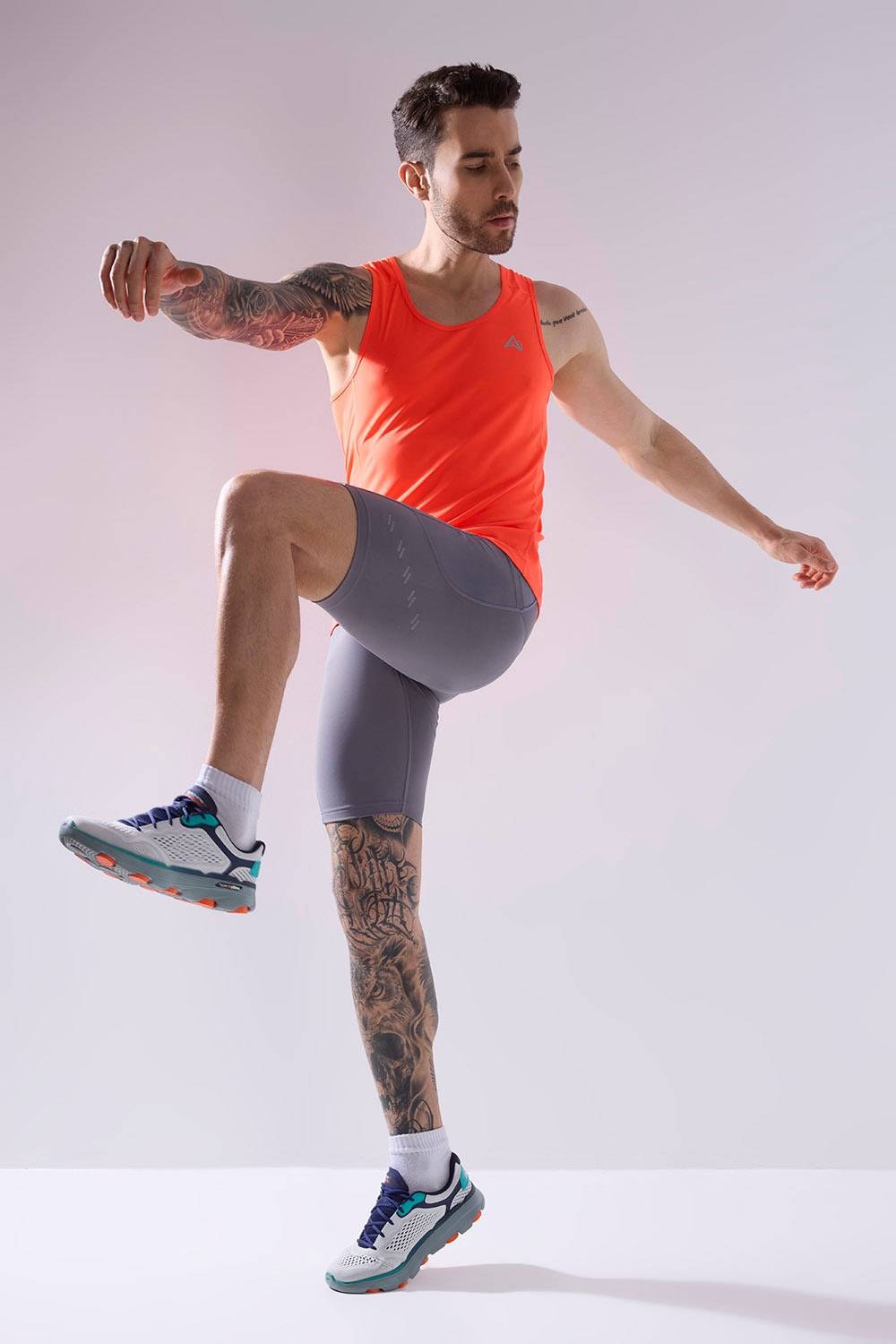
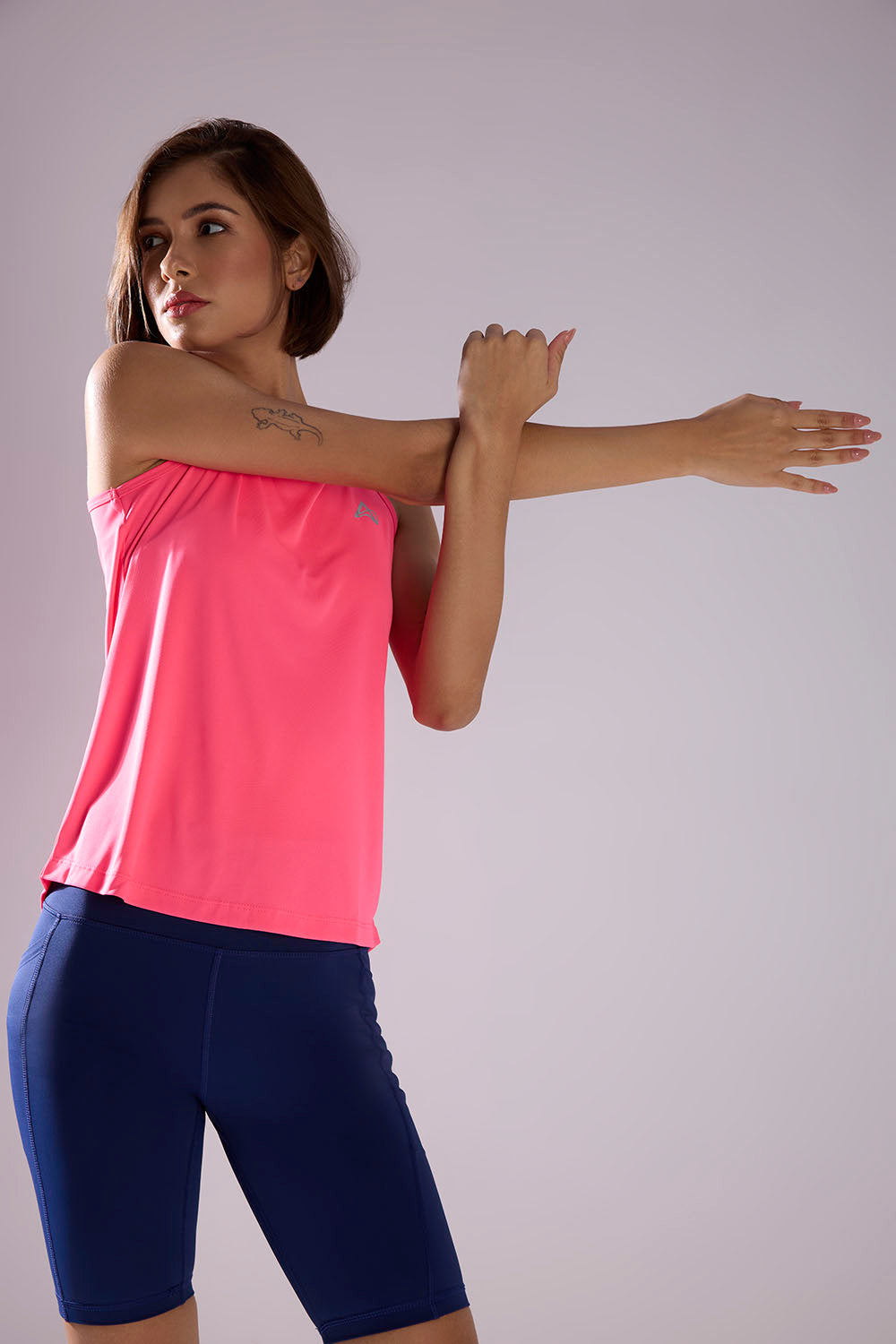
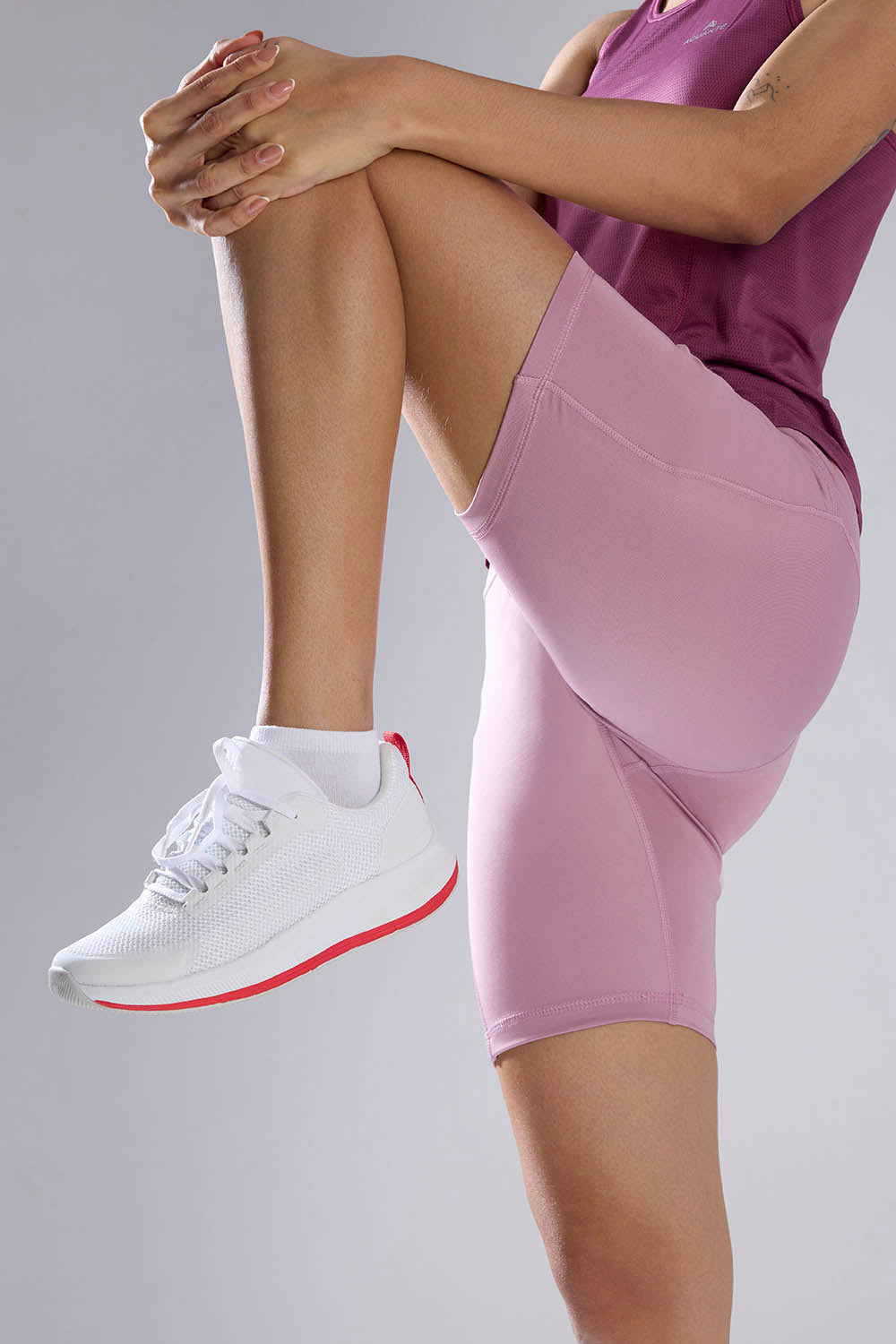
Lightweight singlets and shorts for long runs are popular because they provide coverage while keeping unnecessary material to a minimum. This approach allows runners to focus more on their rhythm, pacing, and technique rather than adjusting clothing throughout a workout.
Movement comfort is particularly important during longer sessions. As fatigue increases, runners become more aware of anything that affects their experience, including fabric weight, moisture buildup, or tight areas that limit mobility. Apparel designed with movement in mind helps reduce these interruptions.
The benefits of lightweight running apparel come from the combination of design choices rather than a single feature. Fabric selection, seam placement, garment shape, and overall construction all contribute to whether clothing feels natural during motion.
Choosing Lightweight Running Clothes for Hot Weather
Hot weather running creates additional challenges because the body must manage both exercise-related heat and environmental conditions. In these situations, clothing should support cooling rather than create another barrier.
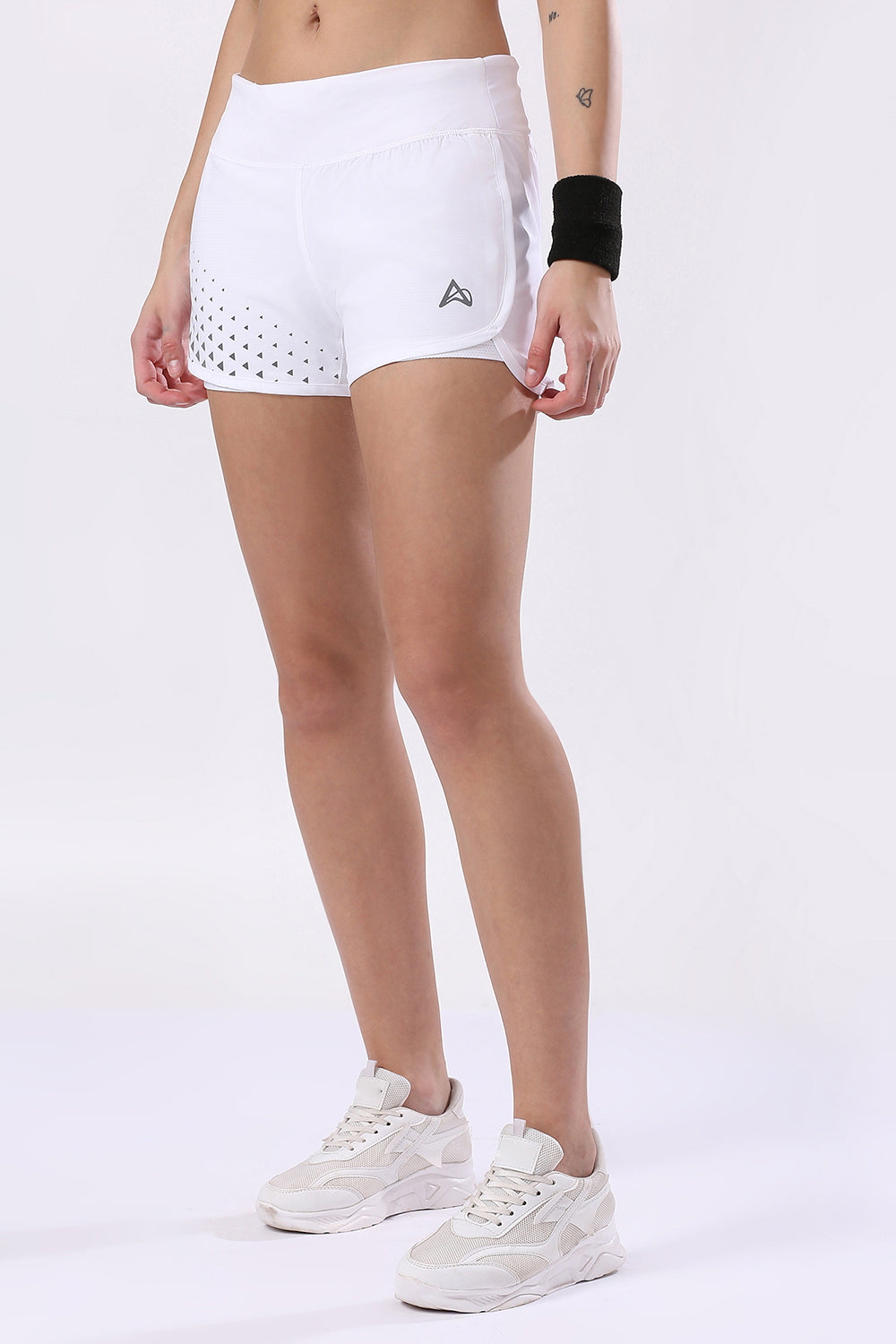
Lightweight running clothes for hot weather are typically chosen because they reduce the feeling of heaviness and allow better interaction between sweat, fabric, and airflow. A comfortable running outfit should help moisture move away from the skin while allowing the runner to maintain a natural range of motion.
- Does the fabric feel light and comfortable during movement?
- Does the garment allow enough airflow for the intended activity?
- Does the fit support unrestricted movement?
- Does the material remain comfortable after sweating?
- Is the design suitable for the distance and intensity of the workout?
These considerations help runners move beyond choosing clothing based only on appearance. Performance apparel works best when it supports the physical demands of running and matches the conditions in which it will be used.
Why Runners Should Consider Apparel as Part of Training Preparation
Training preparation is often associated with workout plans, footwear, hydration, and recovery. Apparel deserves similar attention because it influences the daily experience of running. A comfortable outfit can help runners stay focused on their goals instead of dealing with avoidable distractions.
For beginners, choosing the right clothing can make regular running feel more approachable. For experienced runners, thoughtful apparel choices can support consistency by .
Lightweight apparel is not about removing every challenge from running. Weather, distance, fitness level, and training intensity will always affect performance and comfort. Instead, the purpose of lightweight design is to remove unnecessary barriers created by clothing itself.
As runners evaluate different options, they should look for apparel that fits their personal needs and running environment. A garment that feels comfortable, handles moisture effectively, and allows natural movement can become a reliable part of a training routine.
The Practical Benefits of Lightweight Running Apparel
The benefits of lightweight running apparel are easiest to understand through everyday running experiences. A comfortable shirt can help reduce the sensation of sweat buildup. A lighter pair of shorts can feel less distracting during repeated strides. A breathable layer can help runners feel more prepared when temperatures rise.
These advantages are not based on one feature alone. They come from thoughtful design that considers how runners move, sweat, and adapt to different conditions. Lightweight apparel reduces running discomfort by supporting the body's natural processes while allowing runners to focus on the activity itself.
For anyone exploring how to reduce running discomfort with light apparel, the key is to consider the complete experience. Weight, breathability, fit, and moisture management all work together to create clothing that feels comfortable from the first step to the final stretch.
Choosing the right running apparel is ultimately about improving the relationship between the runner, the clothing, and the environment. Lightweight designs help create a smoother, more comfortable experience by reducing unnecessary bulk and supporting the movements that make running enjoyable.
Frequently Asked Questions
Why do lightweight running clothes reduce running discomfort?
Lightweight running clothes reduce discomfort by using less fabric weight while supporting breathability, moisture management, and freedom of movement. They can help runners avoid the heavy, restrictive feeling that often develops when clothing absorbs sweat during longer workouts.
How do lightweight running clothes prevent chafing during long runs?
Lightweight running clothes can help reduce chafing by limiting excess fabric bulk and supporting better moisture control. A well-fitted garment with breathable material helps reduce friction and keeps runners more comfortable during extended activity.
What are the benefits of lightweight running apparel for hot weather?
The benefits of lightweight running apparel for hot weather include improved airflow, reduced fabric heaviness, and better comfort during sweaty training sessions. Breathable lightweight gear helps runners manage moisture and maintain natural movement when conditions become challenging.
Disclaimer: The above helpful resources content contains personal opinions and experiences. The information provided is for general knowledge and does not constitute professional advice.
You may also be interested in: Running Apparel for Men: Style, Comfort, and Performance
Tired of gear that slows you down? Chafing, soggy fabrics, and missing pockets kill your run's momentum. At Aguante, we're runners who get it. Our high-performance activewear features moisture-wicking fabrics, ergonomic designs, and smart storage to keep you focused. Shop Now!
Powered by flareAI.co