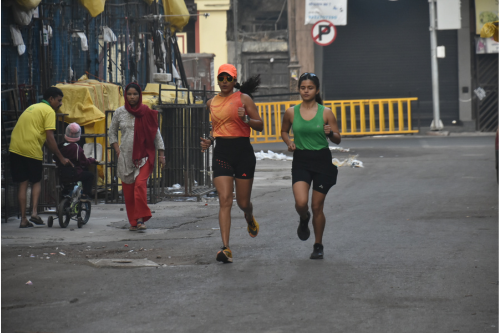
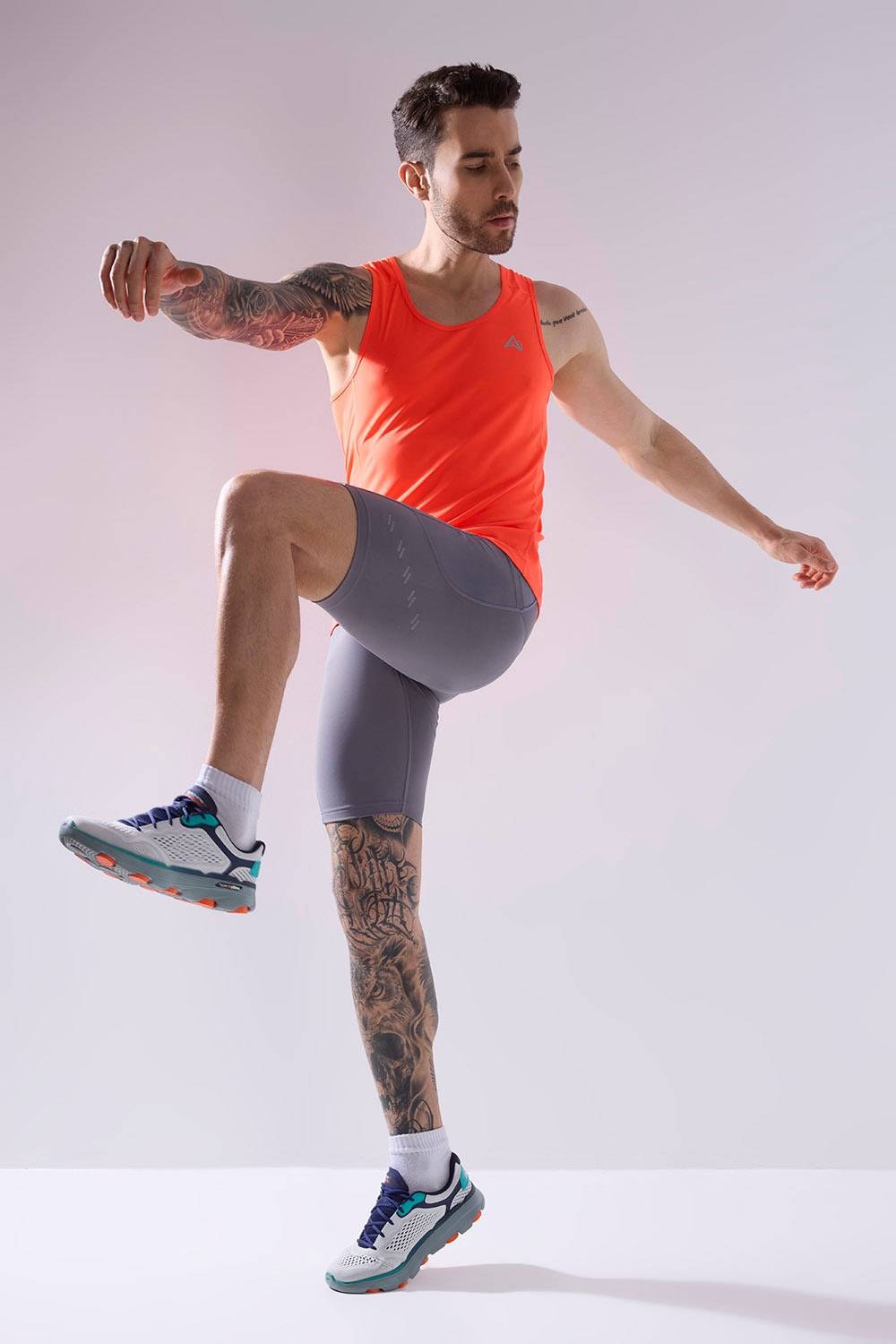
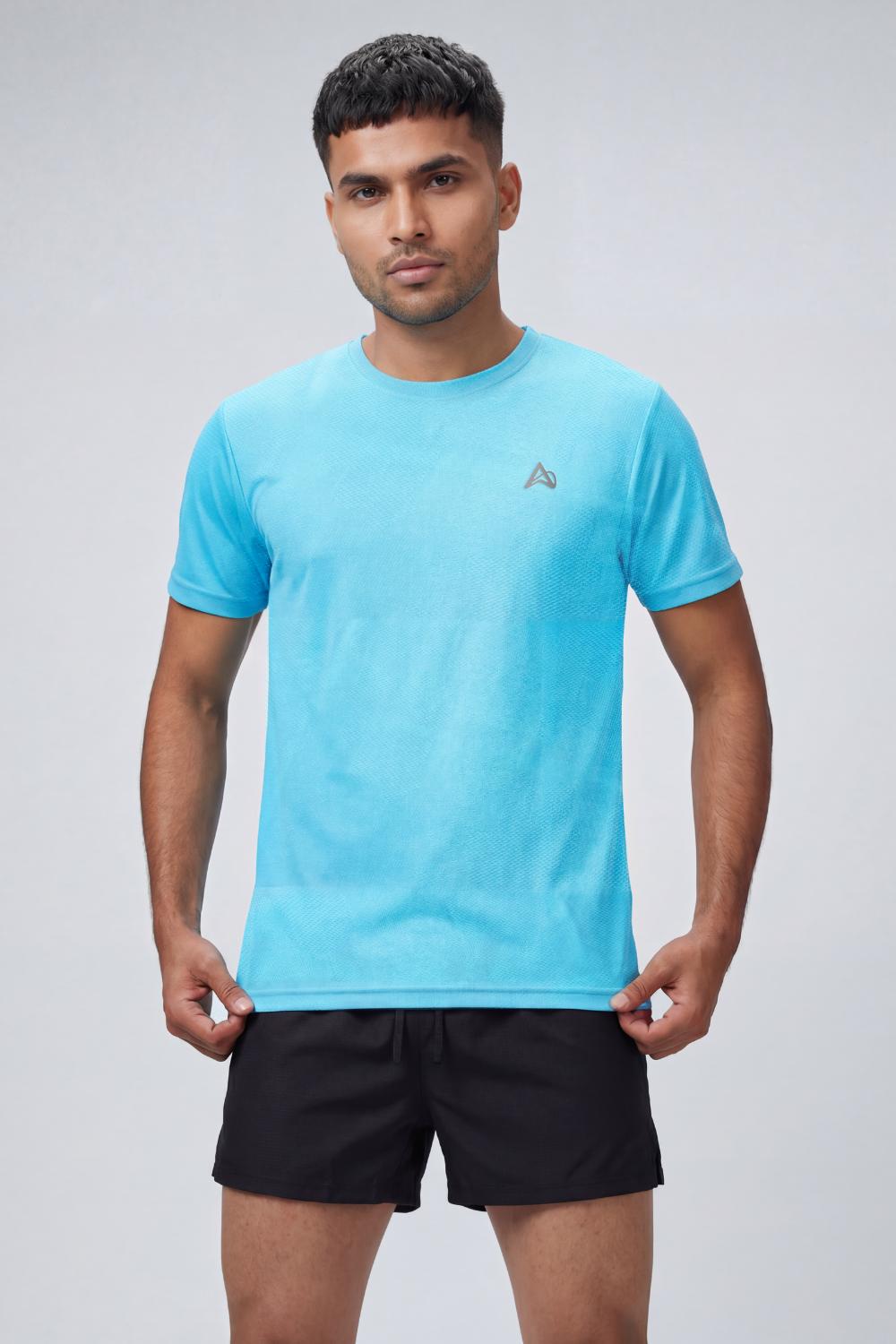
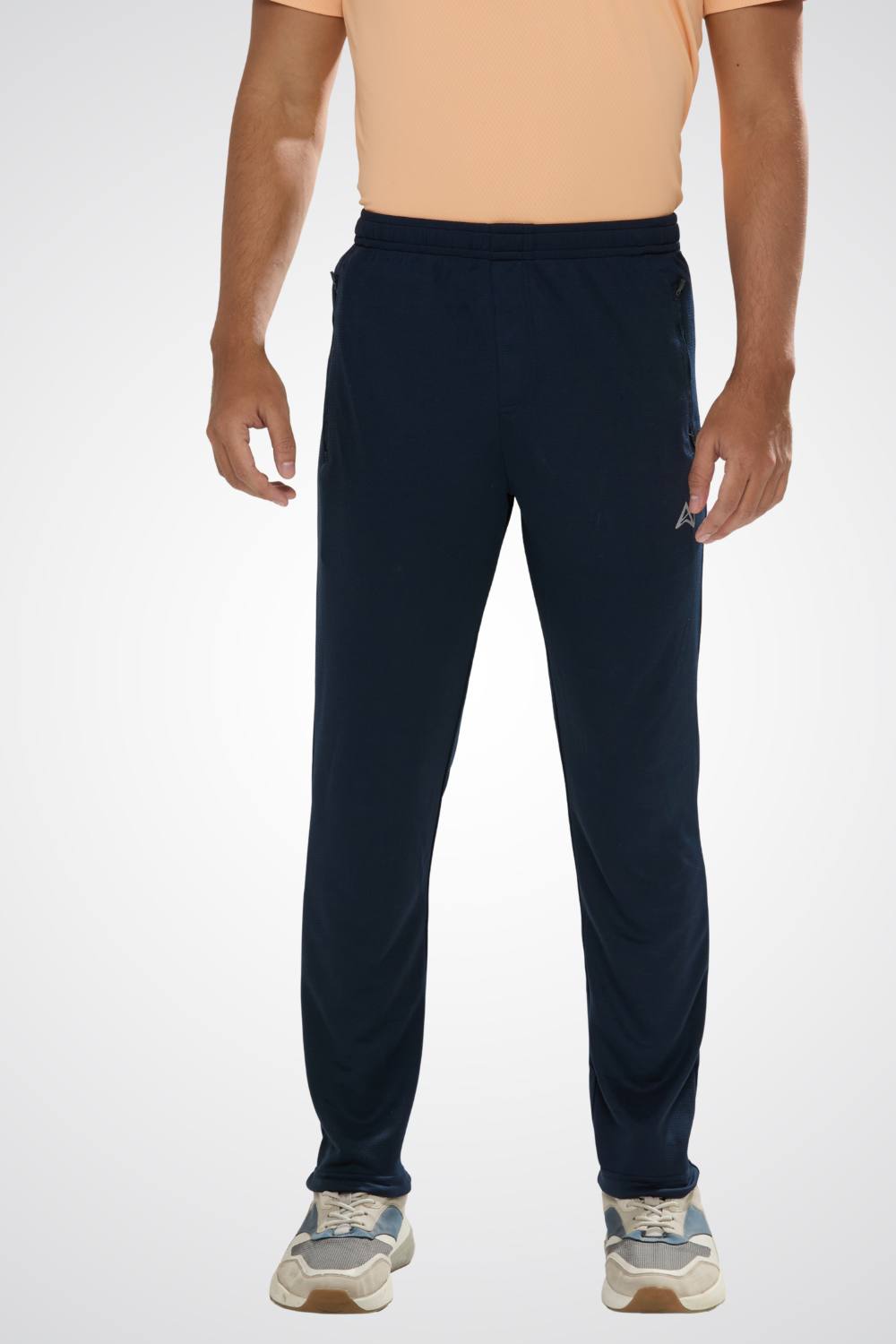
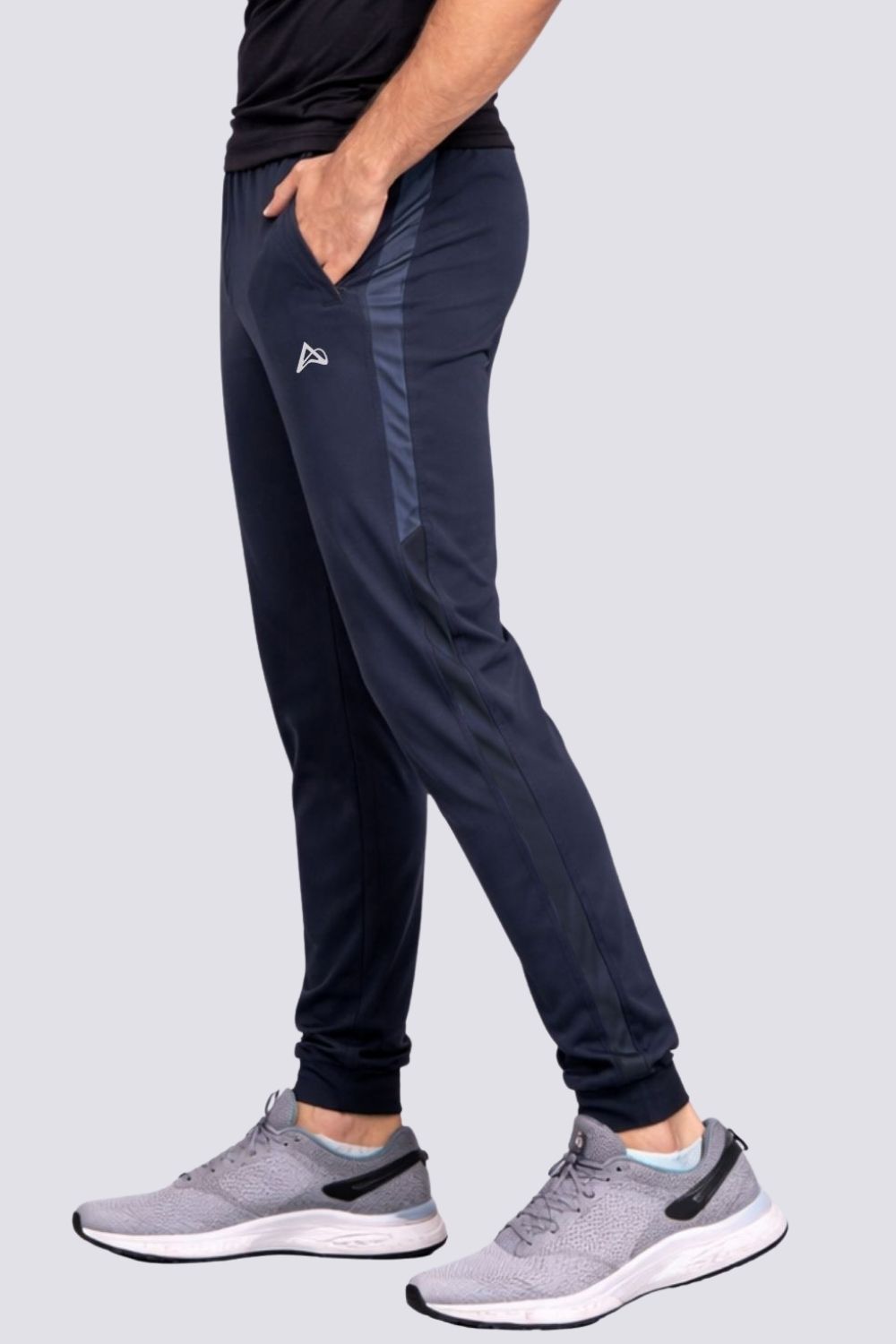
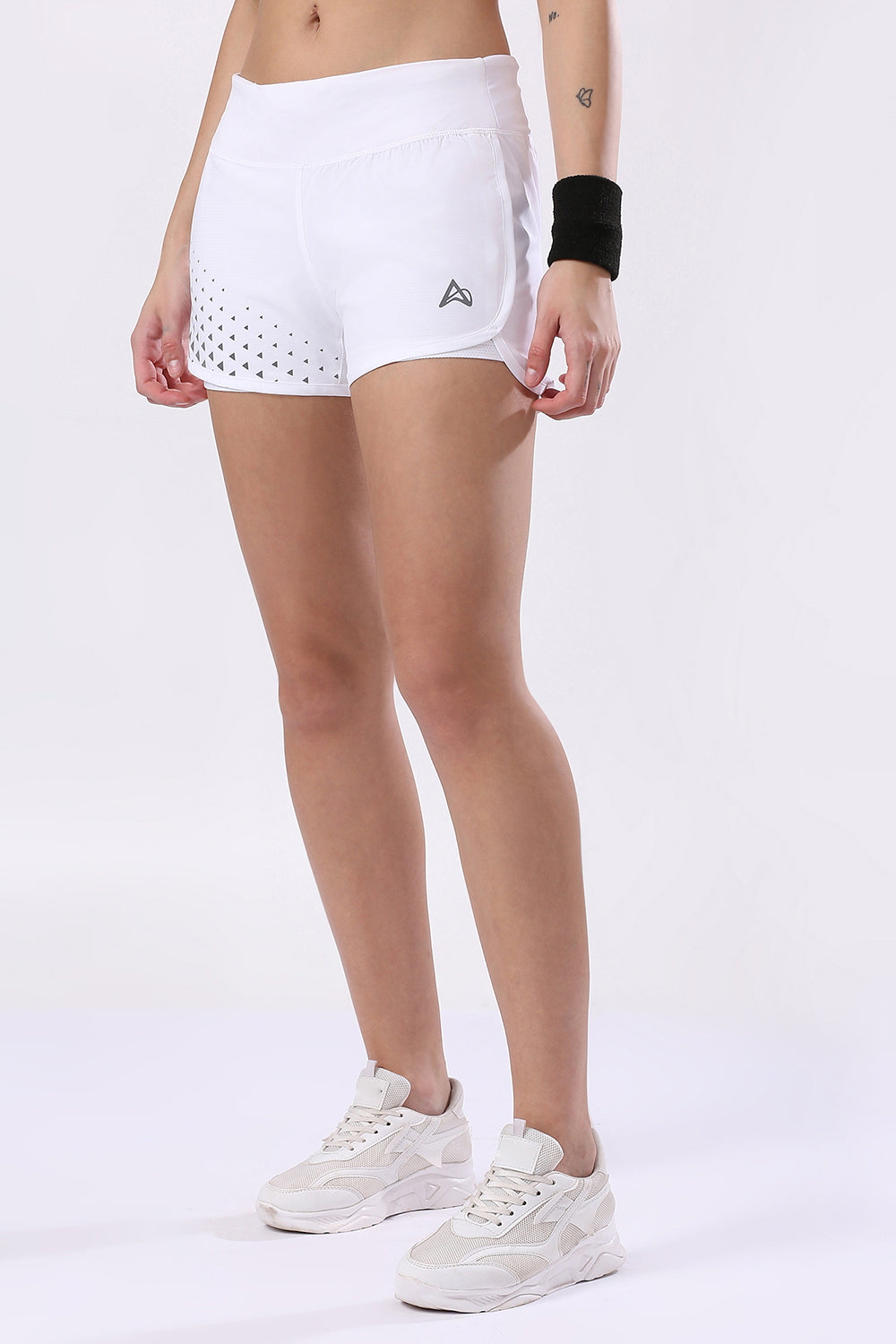
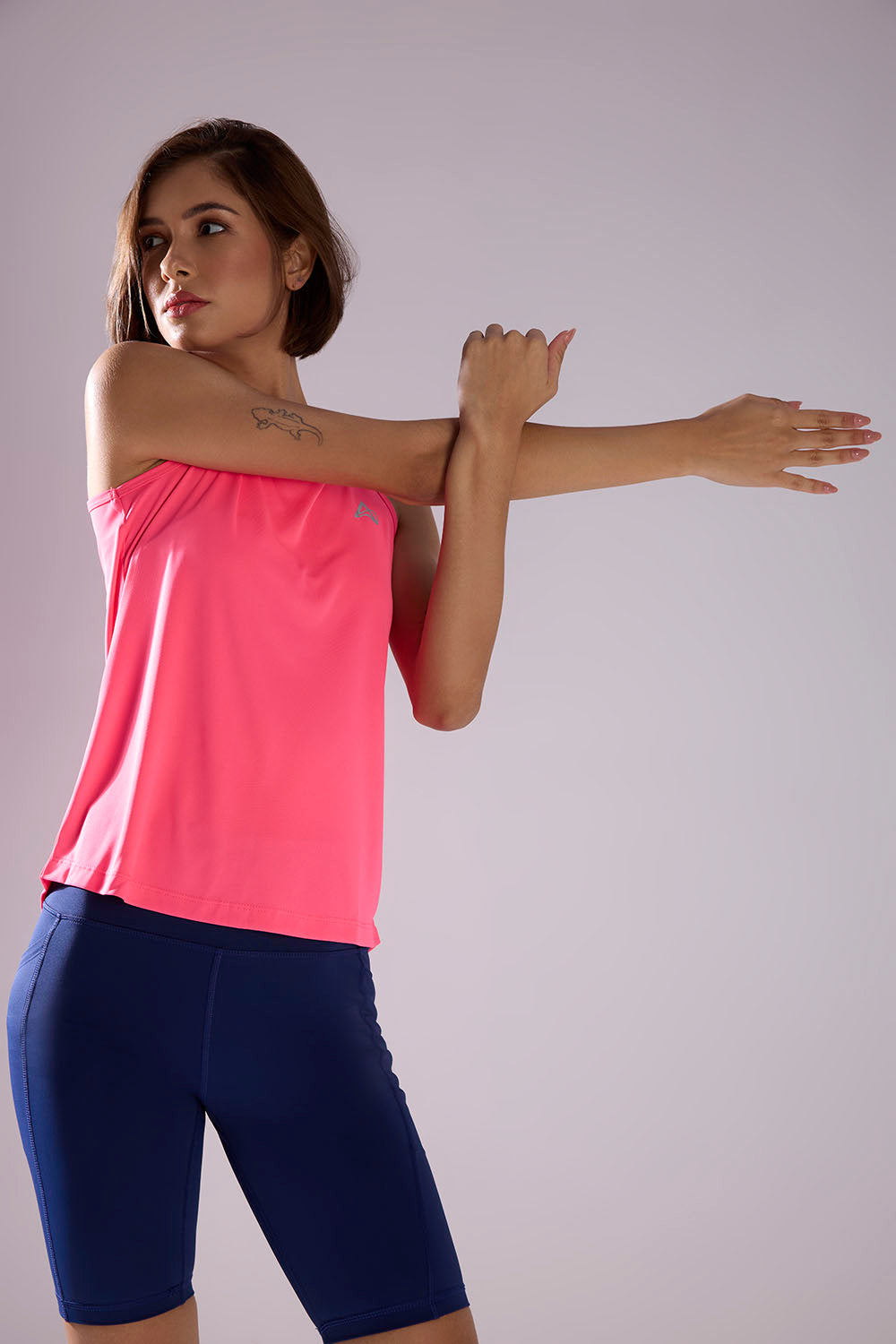
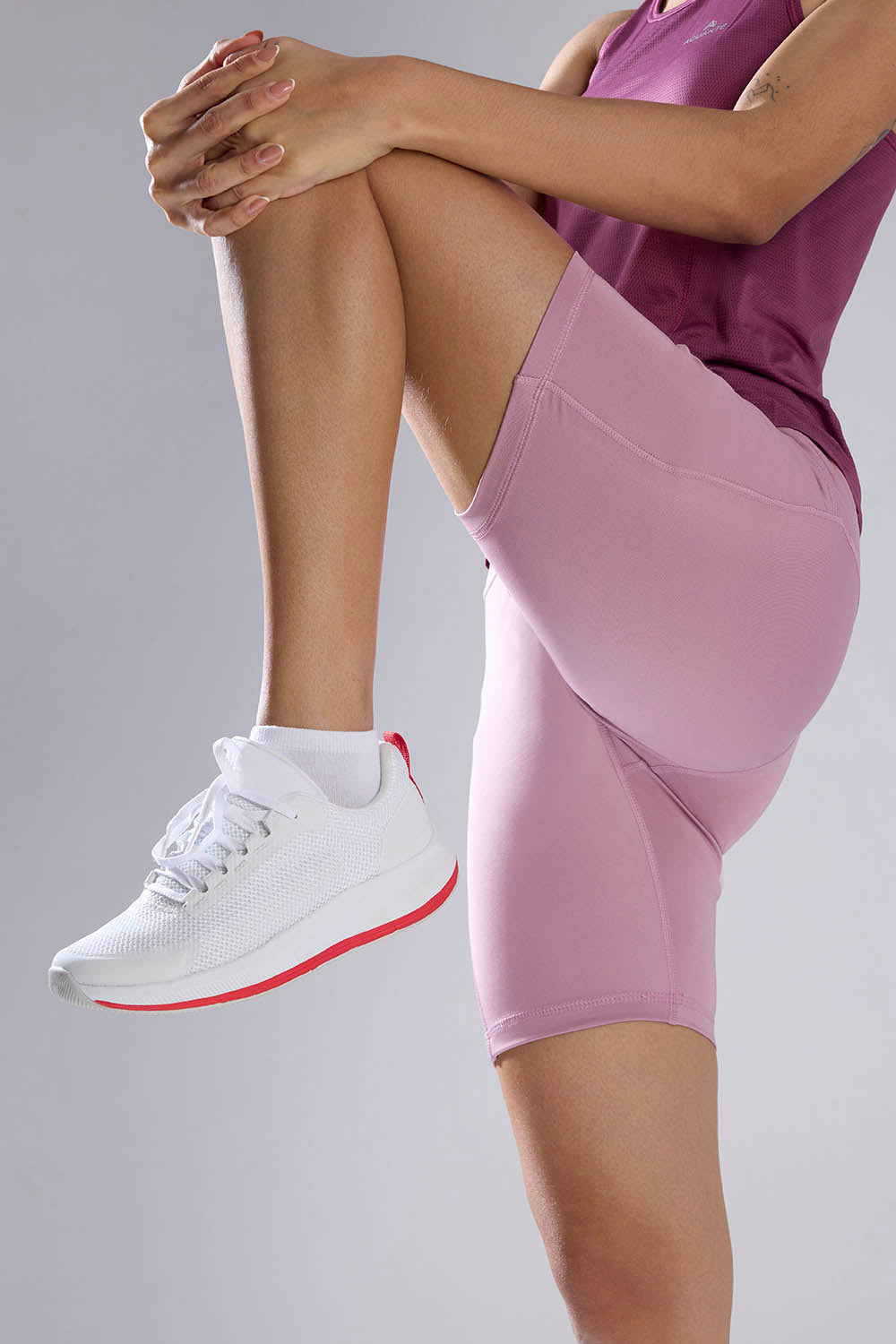
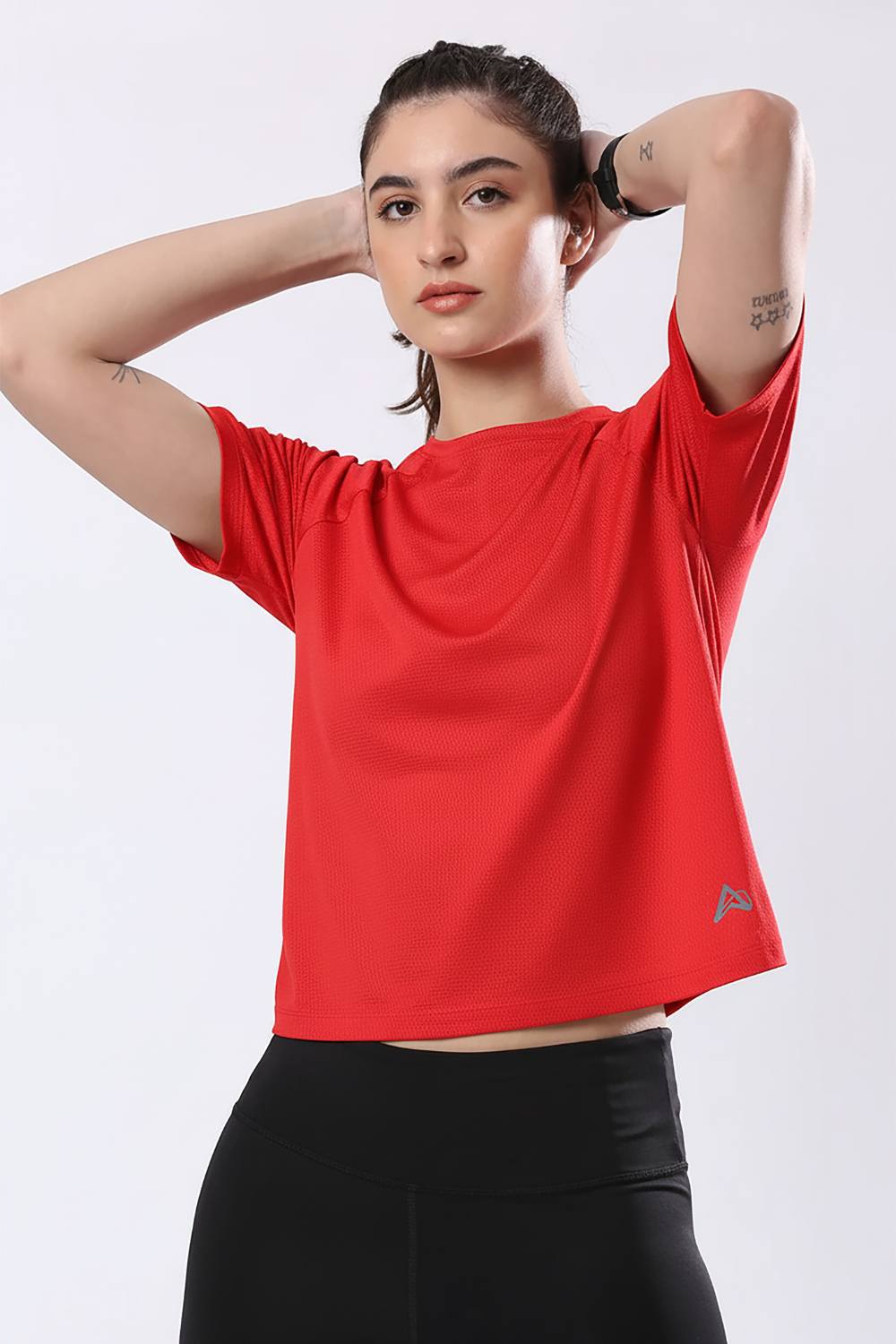

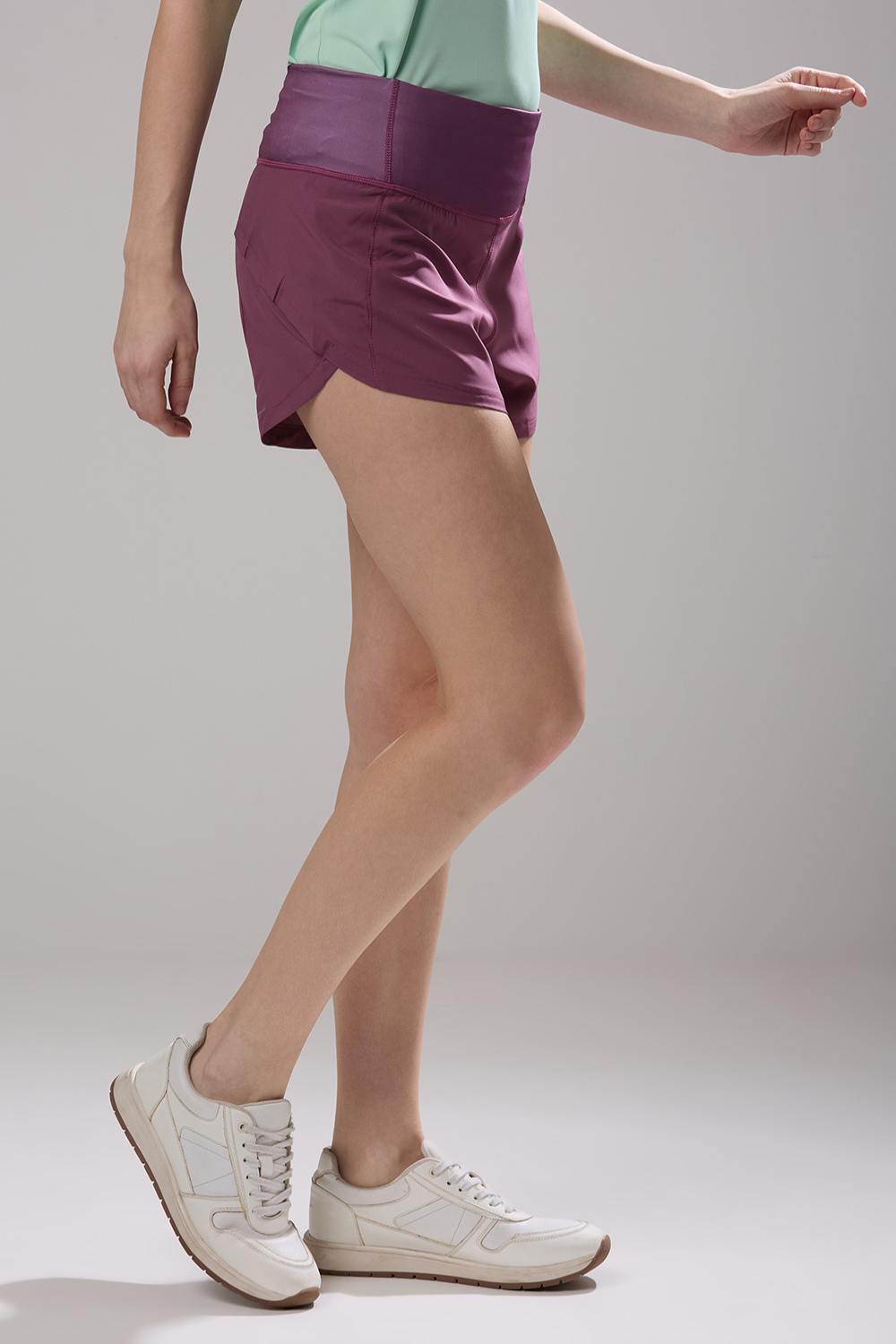
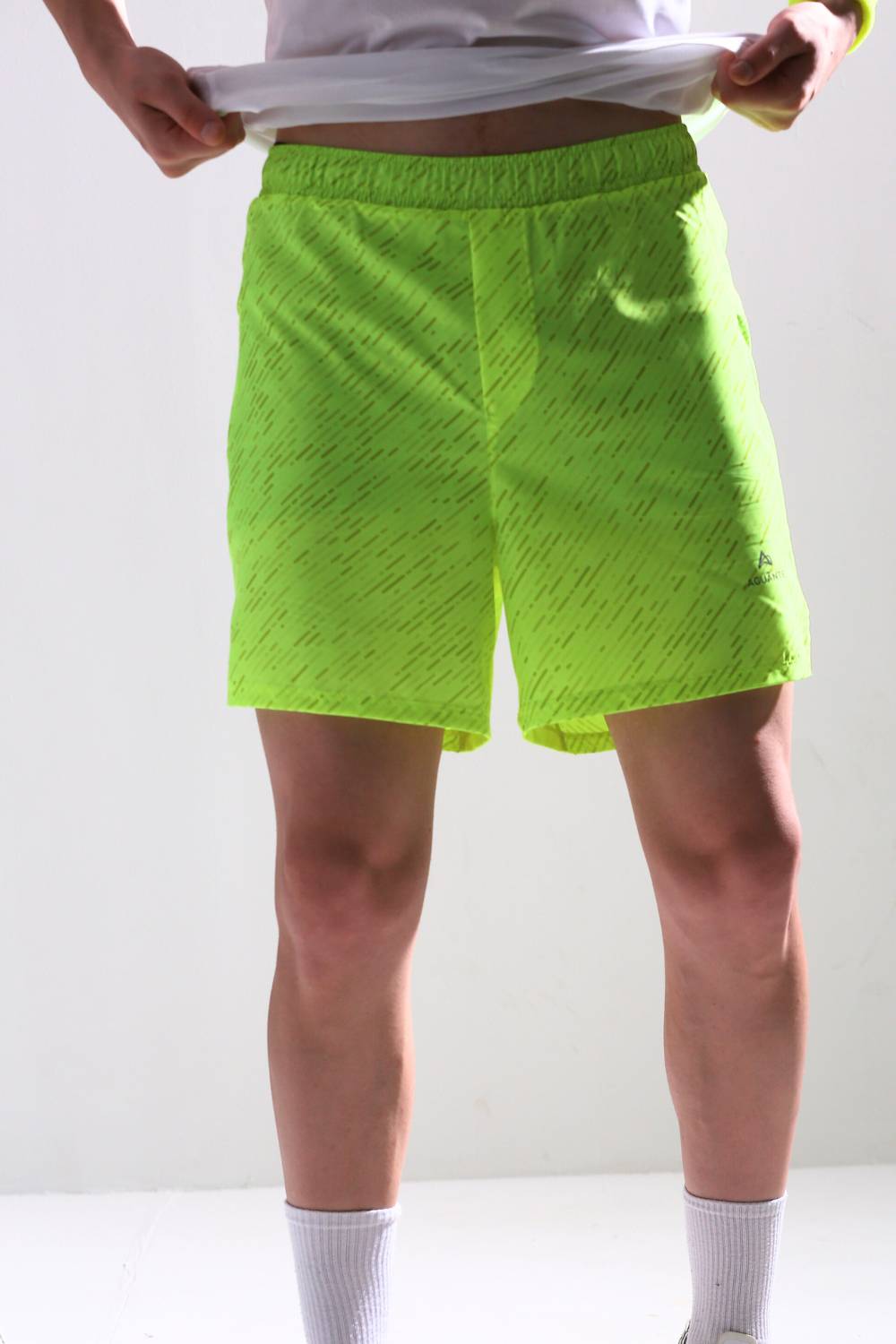

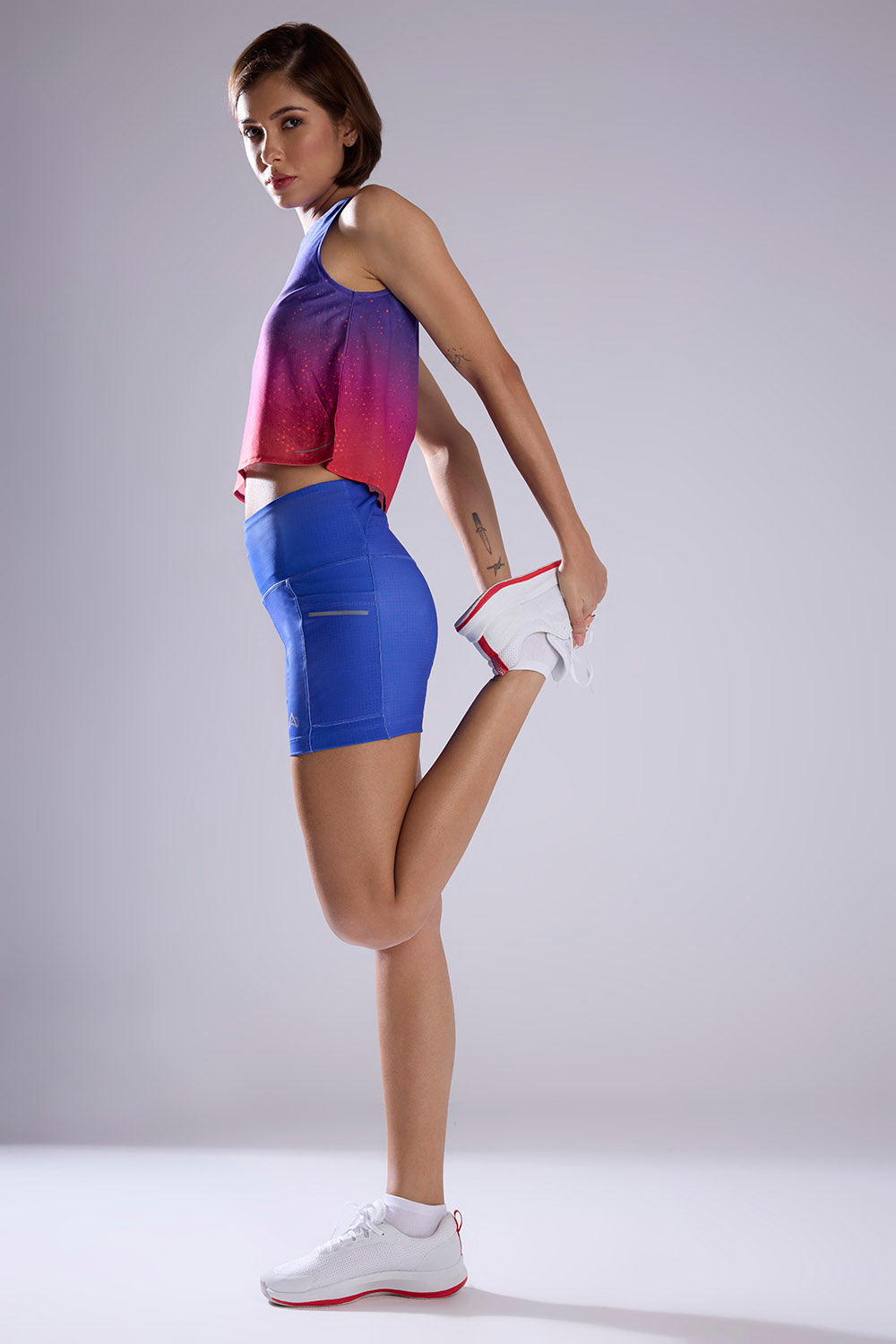
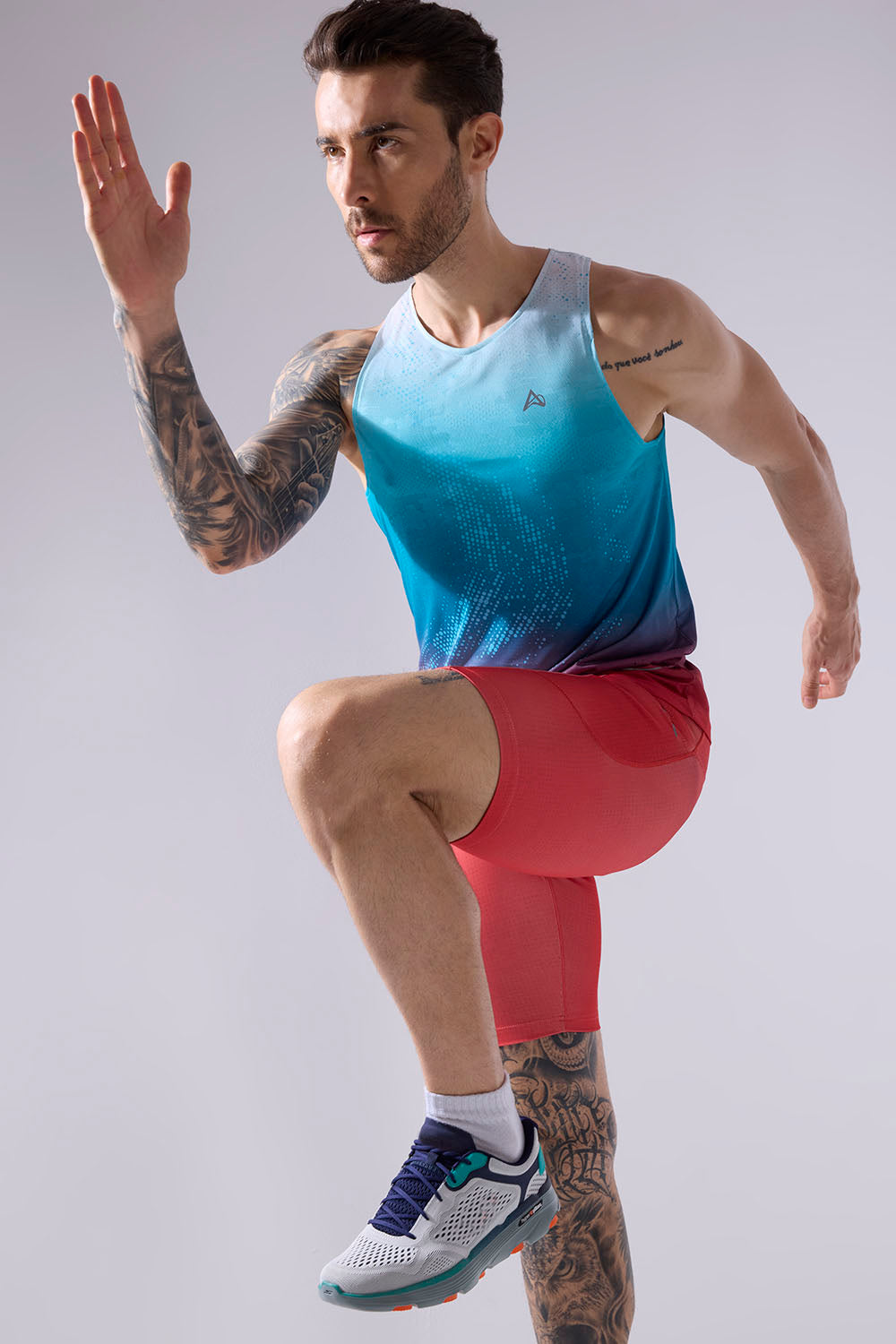

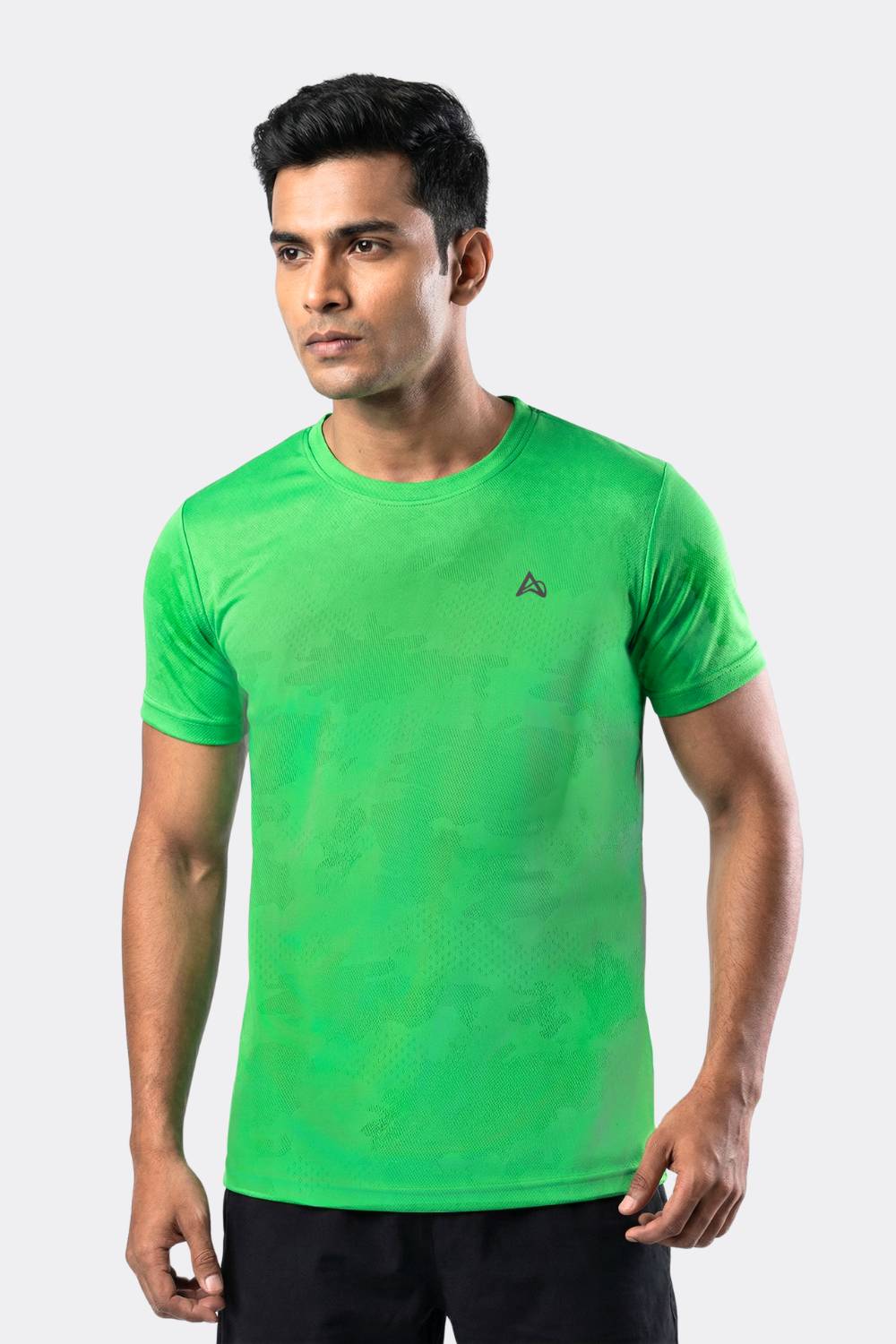
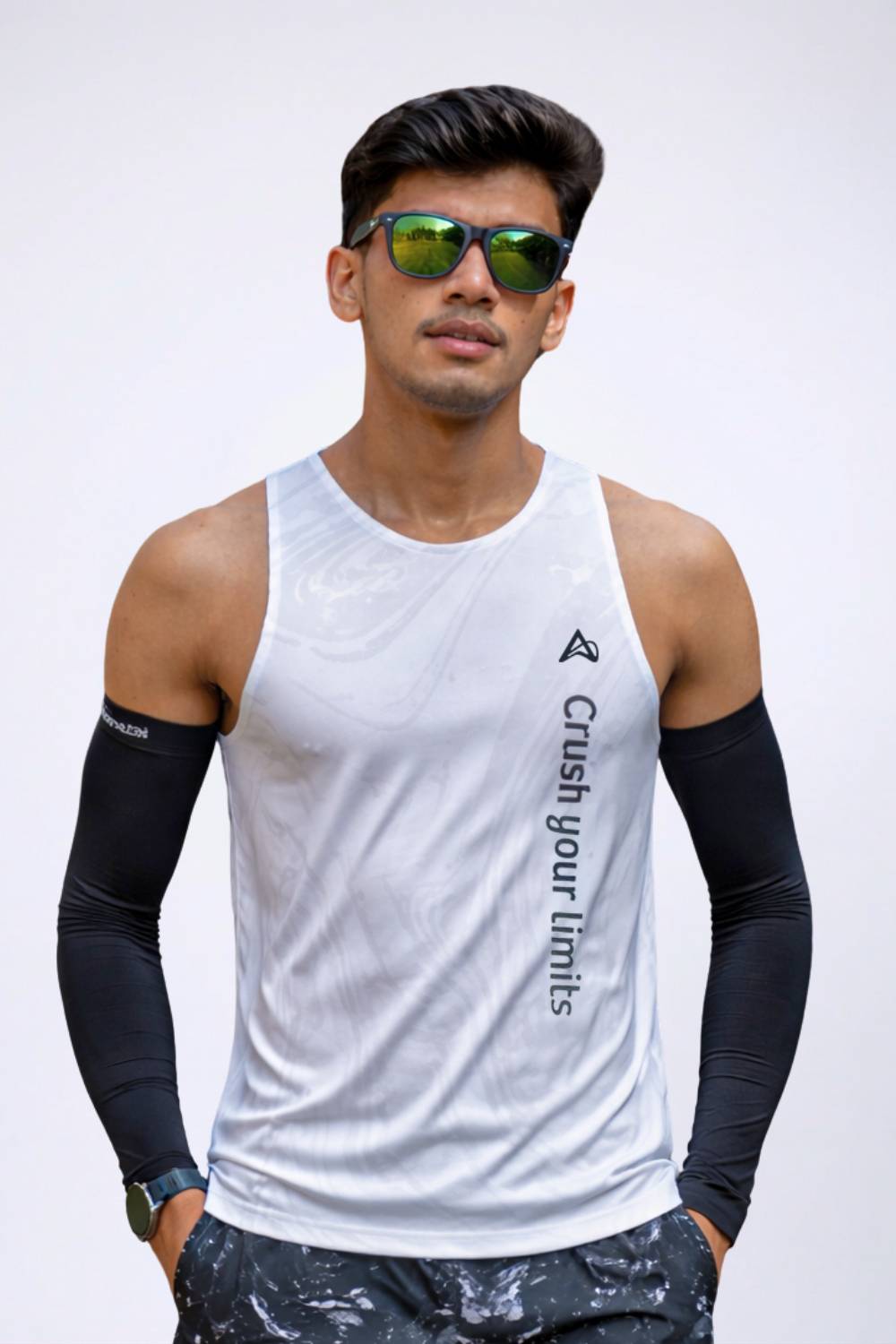

When temperatures climb in cities like Bangalore, Hyderabad, or Mumbai, the right running apparel can transform a challenging session into a productive one. Smart choices in fabrics, fit, and design help you stay cooler, move with less friction, and push harder without sacrificing recovery.
Performance running gear has evolved far beyond basic tees and shorts. Today's options draw from moisture-management science and climate-aware construction to deliver measurable improvements in endurance and comfort. The difference often comes down to understanding how each garment interacts with your body during specific training rhythms and environmental conditions.
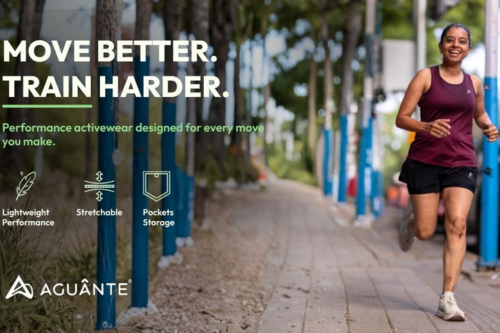
Tired of gear that slows you down? Chafing, soggy fabrics, and missing pockets kill your run's momentum. At Aguante, we're runners who get it. Our high-performance activewear features moisture-wicking fabrics, ergonomic designs, and smart storage to keep you focused. Shop Now!
Understanding the Science Behind Moisture-wicking Performance Fabrics
Conventional wisdom once held that cotton offered the most breathable option for activewear. Yet modern analysis shows synthetic blends and engineered textiles deliver superior results for runners. These materials pull perspiration away from the skin to the garment's outer surface, where it evaporates more efficiently.
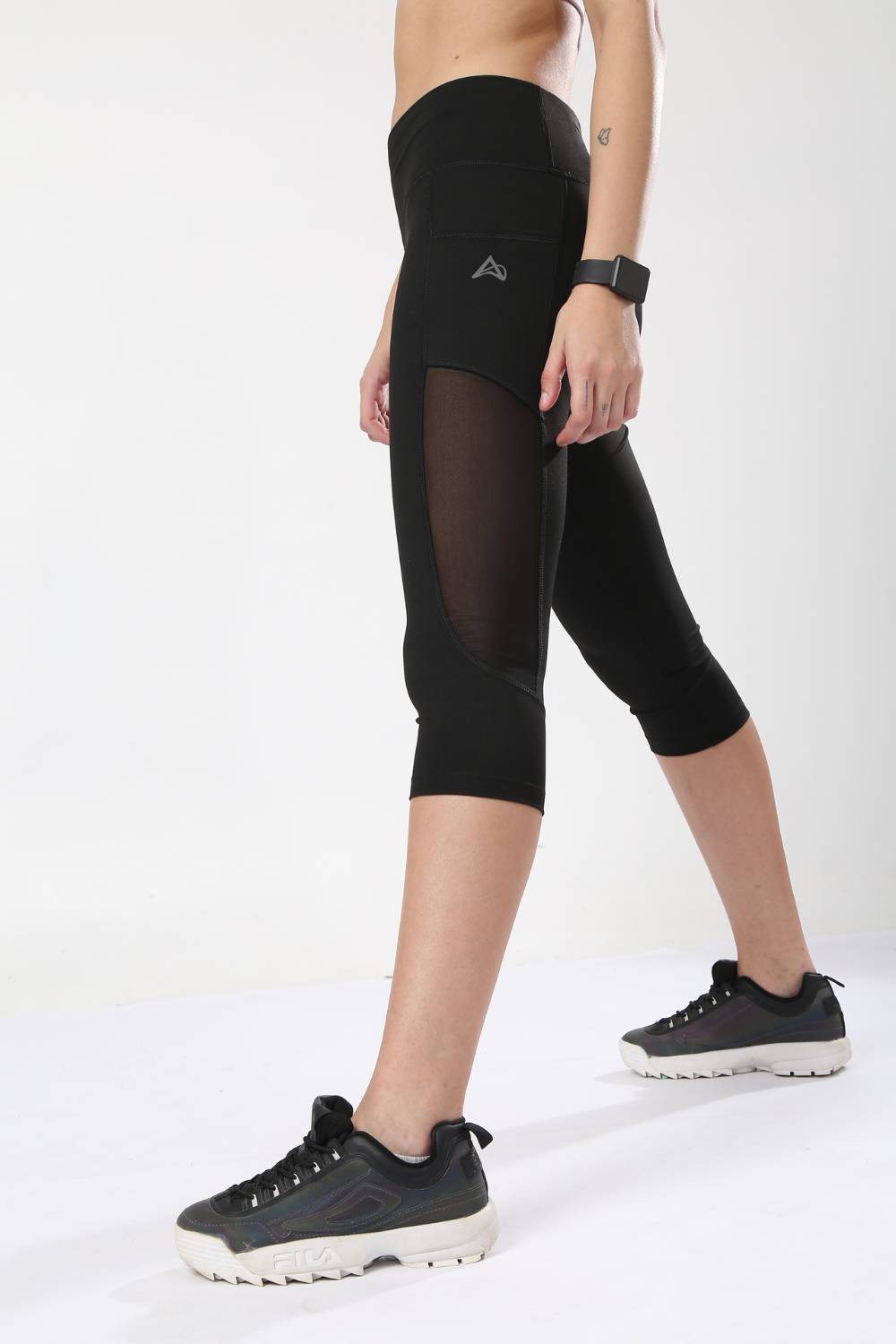
This process keeps the body drier and more comfortable, allowing you to maintain pace without the chafing or overheating that limits long-distance efforts. Mesh panels and lightweight synthetics further enhance airflow, shortening drying times and reducing perceived effort during high-intensity runs. The result is clothing that feels like an extension of your body rather than a barrier to performance.
Research into these systems confirms they support longer, more effective training sessions by minimizing discomfort that can otherwise slow you down. For runners in humid climates, this functional advantage becomes especially pronounced during morning or evening sessions when environmental factors shift rapidly.
Performance sportswear is built around fabrics engineered to manage sweat and regulate body temperature during physical activity. Moisture-wicking textiles are designed to pull perspiration away from the skin and move it to the outer surface of the garment, where it can evaporate more efficiently. This process helps athletes stay drier, reduces the discomfort of clingy clothing, and supports more stable body temperature control during exercise. The effectiveness of these materials becomes especially important in high-intensity workouts such as running, where overheating can directly impact endurance and perceived effort.
Breathable mesh panels and lightweight synthetic fibers further enhance airflow, contributing to faster drying times and improved comfort. While these garments do not prevent sweating itself, they significantly improve how sweat is managed, which can influence how long and how effectively an athlete can maintain performance. For training-oriented apparel planning, this science supports the idea that fabric selection is not just a comfort choice but a functional training decision. Choosing the right moisture-management system helps runners reduce chafing, maintain consistent pacing, and adapt more effectively to different environmental conditions such as humidity, heat, or long-distance endurance demands.
Tailoring Apparel to Your Training Style and Intensity
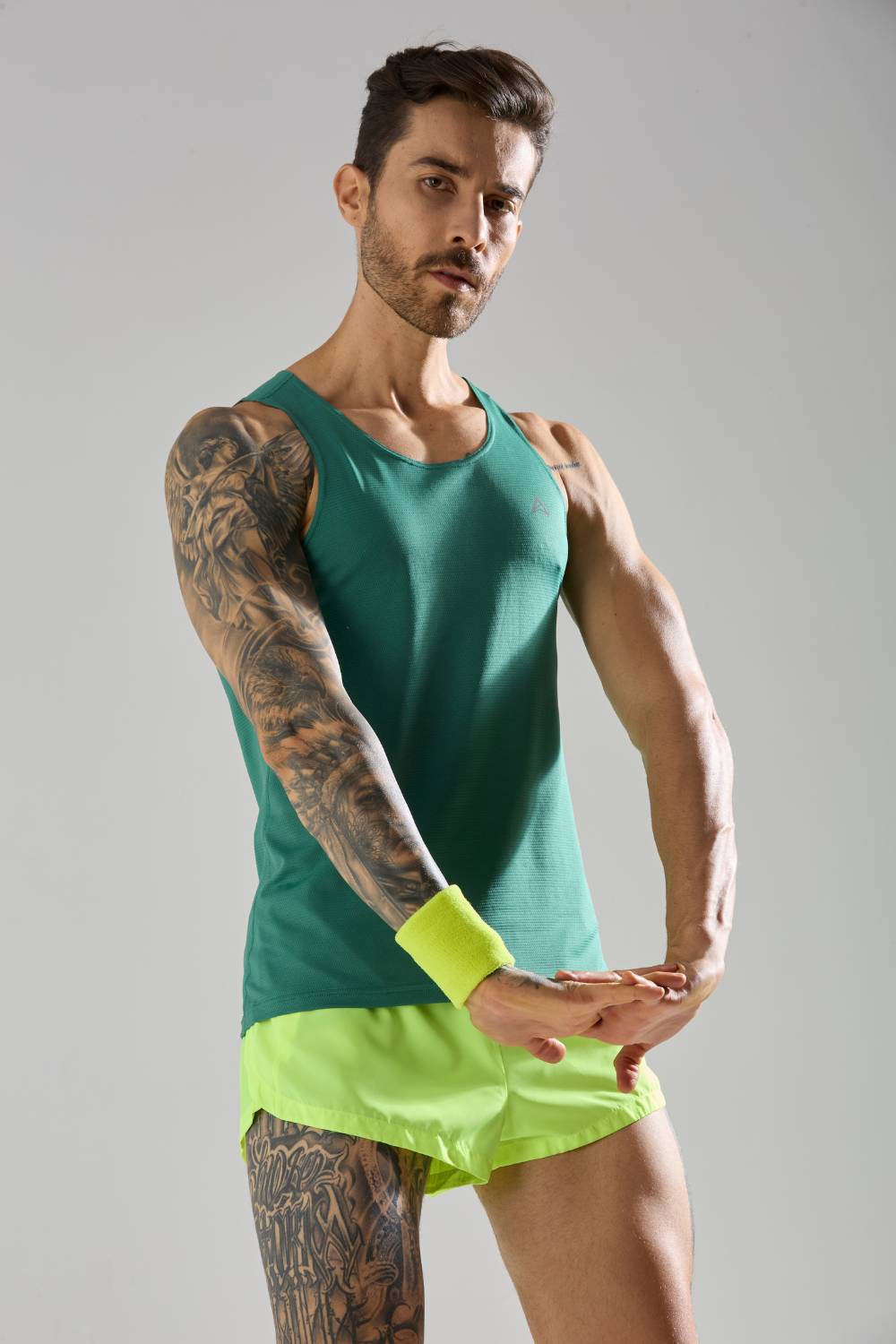
Not every run calls for the same gear. High-intensity sessions think tempo runs, intervals, or HIIT demand temperature regulation and moisture evaporation to keep you cool when every second counts. Look for wicking fabrics paired with mesh at the chest and back for maximum ventilation.
Low-intensity or recovery-focused workouts benefit from freedom of movement and gentle support. Yoga-inspired or easy runs require pants with room at the waist and tops that never pinch, especially if you need extra coverage. Medium-intensity efforts like steady-state training or weight sessions paired with runs need targeted cooling in high-friction zones such as the crotch area for cycling or hilly terrain.
Layering strategies add another layer of flexibility. A quick-dry base layer handles sweat, while a breathable outer shell blocks wind or sun. Many runners discover that adjusting for race-day versus long-run conditions leads to better energy management and fewer surprises mid-session.
Selecting Fabrics That Adapt to Local Conditions
Running apparel must perform consistently across varied weather patterns common in India. Lightweight synthetics and natural fibers engineered for heat management help runners maintain thermal balance whether the air feels thick or the sun beats down at its peak.
Experts note that rising temperatures and more frequent heatwaves continue to reshape how performance apparel is built. Brands increasingly prioritize ventilation, sweat evaporation, and thermal regulation over traditional durability alone. This shift supports athletes who train outdoors or in gyms without air conditioning, keeping discomfort from becoming a limiting factor.
Practical considerations include UV protection during longer exposures and quick-drying properties after rain showers common in the monsoon season. The goal remains simple: gear that adapts as your body and the environment do.
Rising global temperatures and more frequent heatwaves are reshaping how apparel brands and consumers approach clothing selection, including in performance and athletic contexts. There is a growing shift toward lightweight, breathable garments made from natural fibers like linen and Tencel, alongside technical textiles engineered for moisture management, UV protection, and temperature regulation. This evolution is driven not only by comfort but also by the need for clothing that supports human performance in increasingly extreme environments. For training-focused athletes, these developments are especially important because overheating can significantly reduce endurance, increase fatigue, and elevate injury risk.
As a result, brands are rethinking traditional garment construction to prioritize ventilation, sweat evaporation, and thermal balance rather than just style or durability. The broader fashion industry is also exploring sustainable production methods and lower-impact materials, recognizing that performance and environmental responsibility are becoming interconnected goals. For running apparel strategy, this trend reinforces the importance of selecting clothing based on training conditions such as hot-weather breathable kits for summer runs, layered systems for transitional weather, and UV-protective gear for long outdoor sessions ensuring that apparel supports both physiological performance and environmental adaptability.
Choosing the Right Fit for Peak Comfort and Support
Fit matters more than most runners realize. Ill-fitting shorts ride up, shirts cling, and sleeves chafe during longer efforts. Look for compression that holds without cutting off circulation, especially around the torso for stability on climbs.
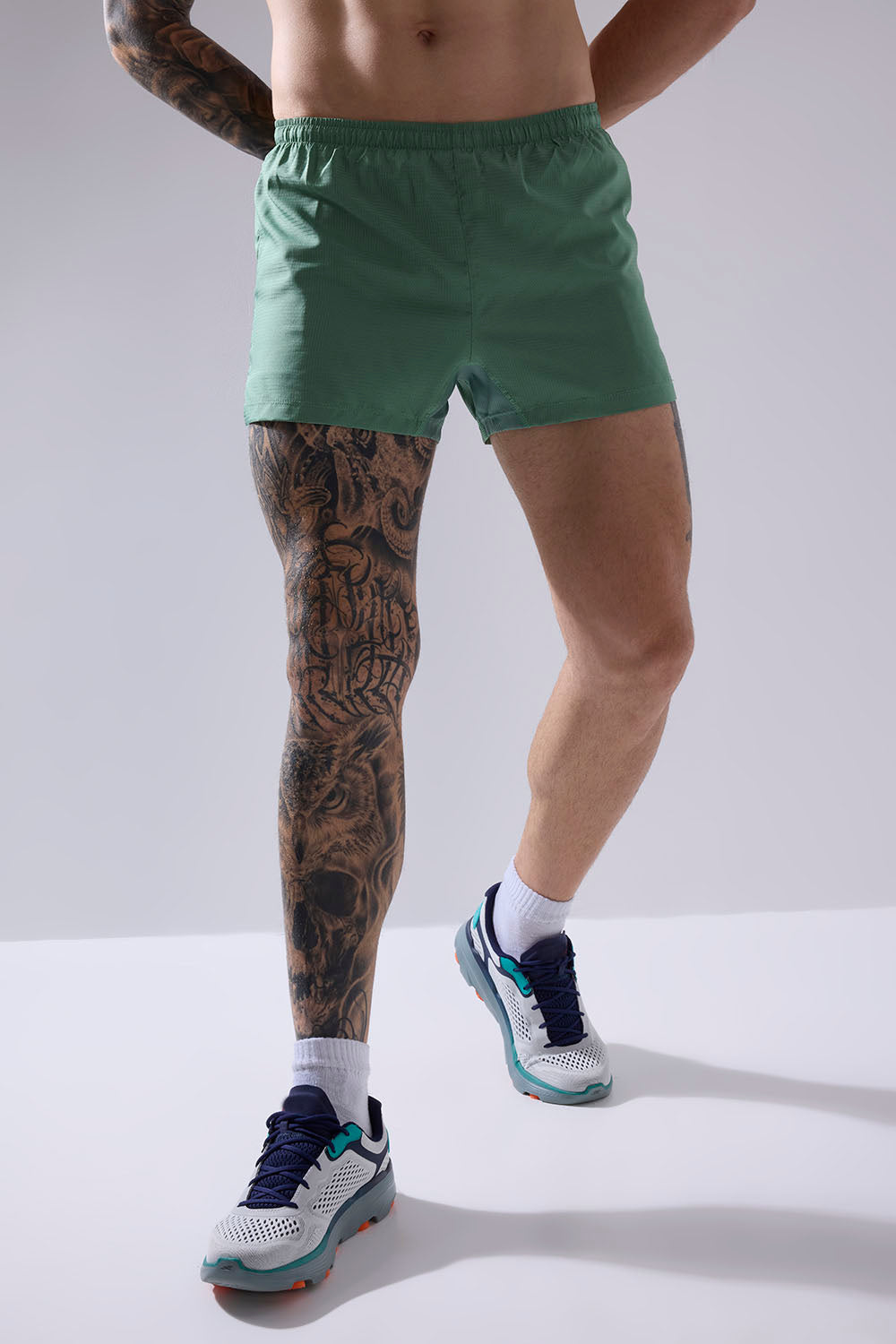
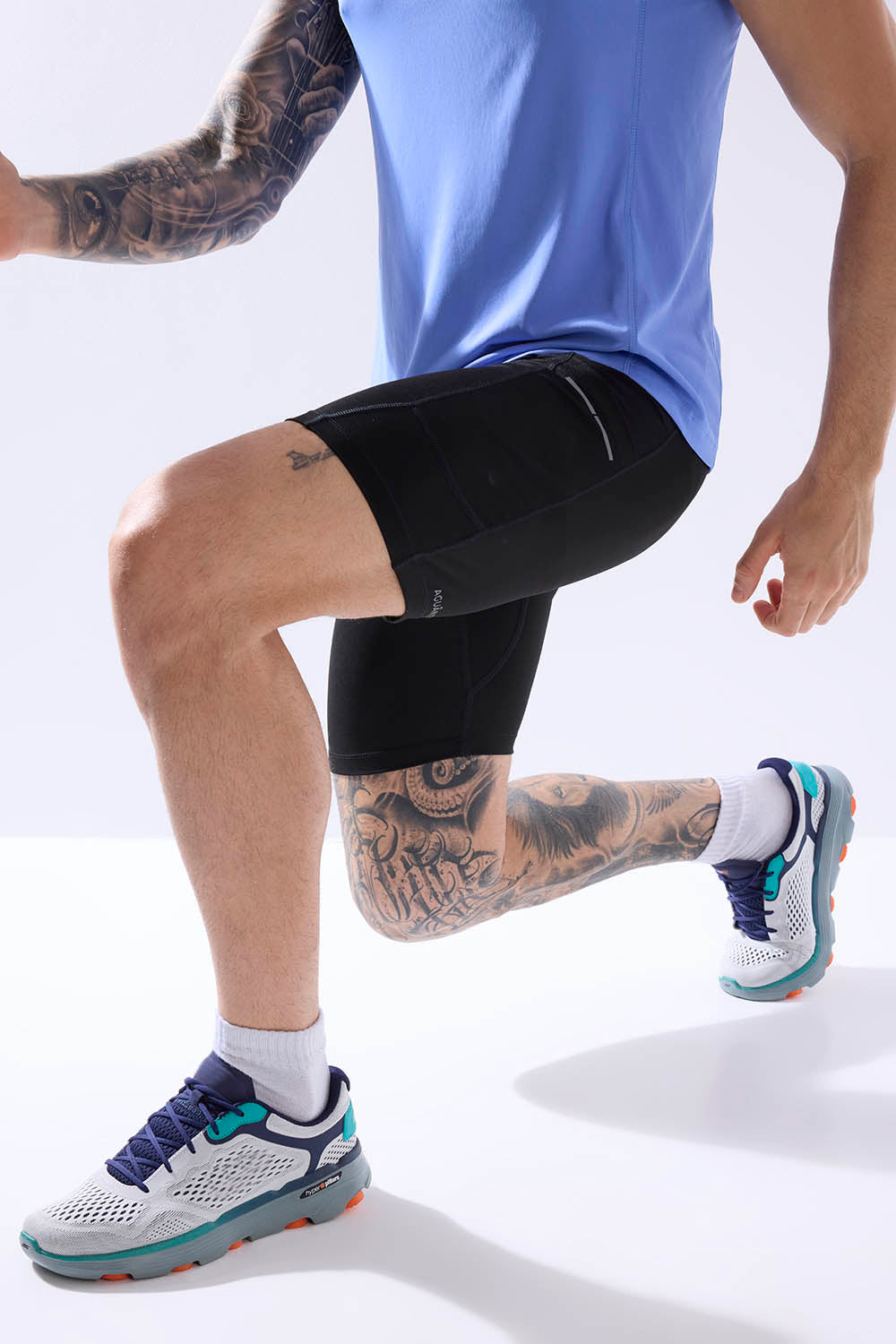
Women-specific designs often include built-in support layers or adjustable straps for various body types. Men's options should prioritize room at the waist and thighs to prevent chafing. Test the garment by performing your typical movements running, lunges, stretches to confirm it moves with you rather than against.
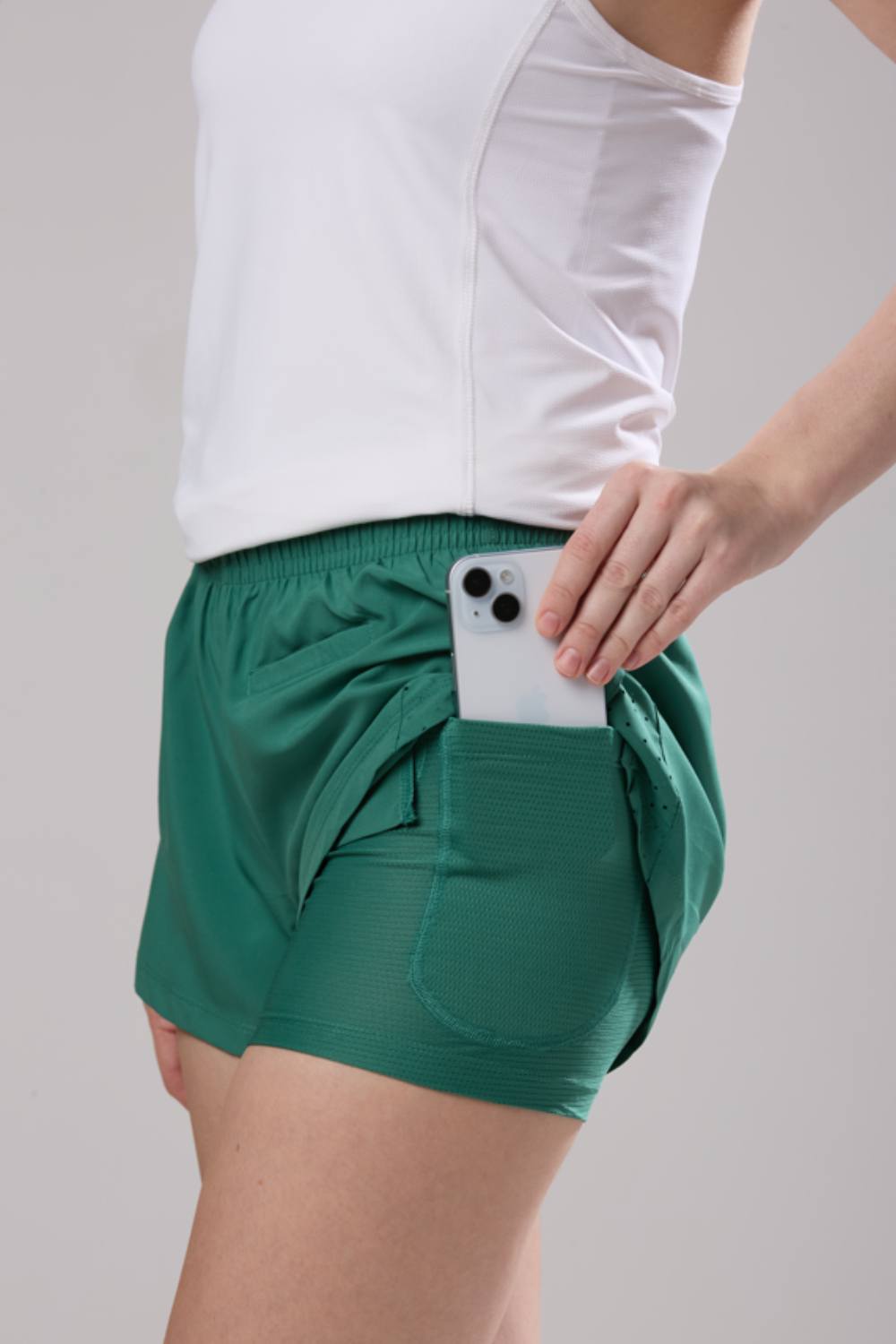
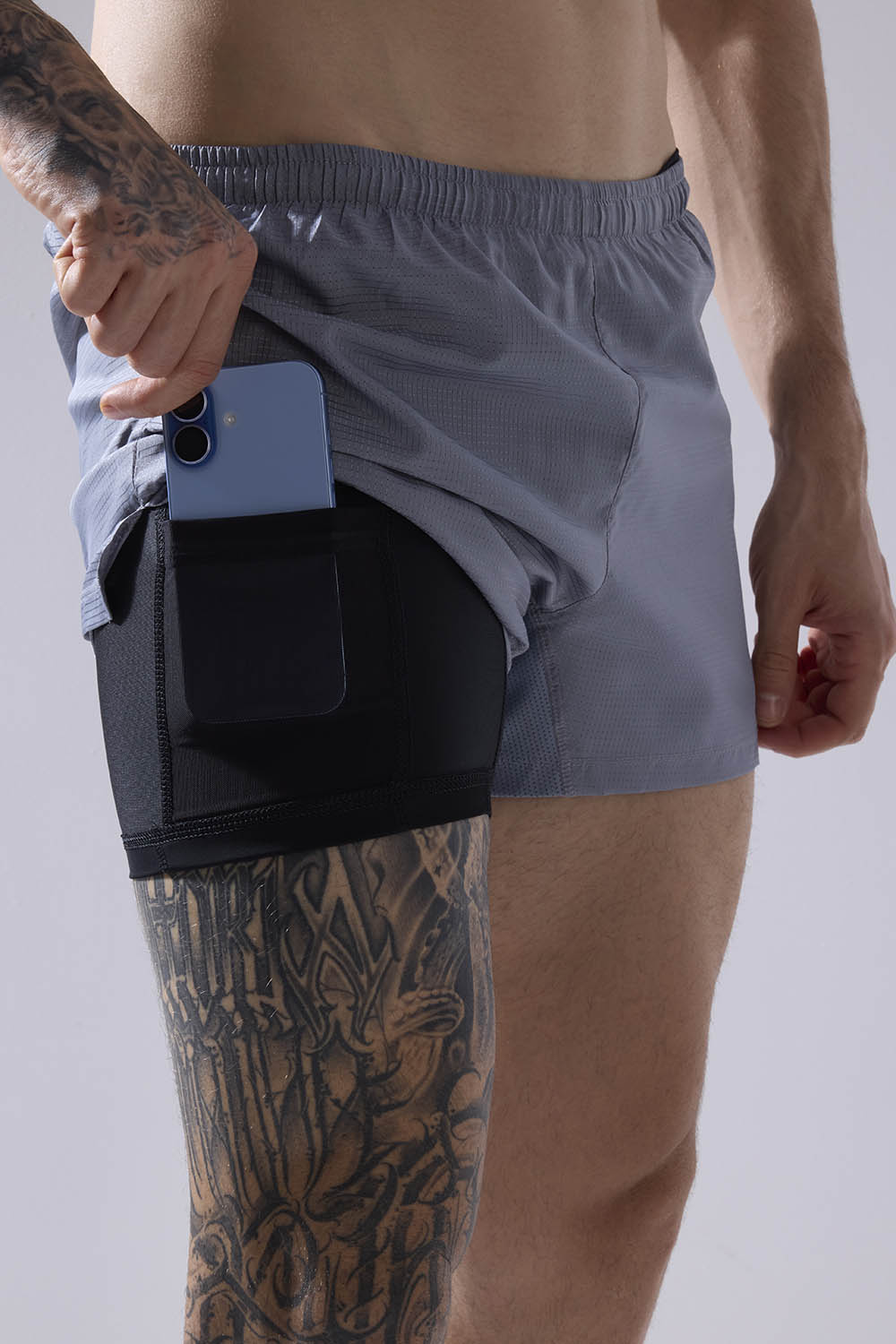
Many runners also benefit from thoughtful details such as hidden pockets for gels or keys, or reflective elements for low-light training. A well-fitted set reduces cognitive load so you can focus on form and pace instead of constantly adjusting uncomfortable fabric.
Best Practices for Layering and Daily Training Integration
Layering turns one versatile kit into gear for any scenario. Start with a moisture-wicking base layer that handles sweat, add a lightweight shell for wind or sun, and finish with a lightweight jacket for cooler morning starts or post-run cooldowns.
Integration into daily routines means rethinking what you pack. Pack only what you'll actually wear, and rotate pieces to ensure each garment stays in optimal condition. Pre-wash new items to remove any manufacturing residues that could irritate skin during your first runs.
Consider your training calendar. Longer runs or races may require warmer layers for start and finish, while short sessions around the city need lighter, more breathable options. Consistent layering habits help prevent overheating mid-session and reduce post-run fatigue.
Evaluating Sustainability and Performance Together
Modern running apparel increasingly balances high performance with environmental responsibility. Look for fabrics made from responsibly sourced materials and construction methods that minimize waste. Brands experimenting with lighter weights and regenerative fibers demonstrate how comfort and care can coexist.
Reviewing product descriptions for temperature-regulation features and quick-dry properties ensures your gear supports both physiological needs and sustainability goals. This balanced approach lets runners train confidently knowing their equipment aligns with both performance demands and wider industry shifts toward cooler, more adaptive solutions.
Putting It All Together for Your Next Training Cycle
Matching running apparel with your goals begins with self-awareness. Track your favorite training distances, intensity levels, and typical weather patterns. Then select pieces that address each element: moisture management for sweaty sessions, supportive fit for distance, and breathable construction for urban heat.
Experimentation pays off. What works during a 10K may need adjustment for a 21.1K race, and vice versa. Keep notes on how each outfit feels across different paces and conditions. Over time, you'll build a mental library of ideal combinations that enhance every run.
The payoff extends beyond performance. Better comfort often means longer sessions, stronger motivation, and fewer barriers to consistent training. In the end, the right running apparel doesn't just support your goals; it helps you reach them with greater ease and enjoyment.
Frequently Asked Questions
Why is moisture-wicking fabric important in running apparel?
Moisture-wicking fabric is important because it pulls sweat away from the skin and spreads it across the fabric surface for faster evaporation. This helps runners stay dry, reduce chafing, and maintain a stable body temperature. Improved comfort directly supports better endurance and more consistent training performance.
What is the best running apparel for hot and humid weather conditions?
Lightweight, moisture-wicking running apparel made from synthetic blends like polyester or nylon is best for hot and humid conditions. These fabrics pull sweat away from the skin to improve evaporation and keep the body cooler. Features like mesh panels and breathable construction further enhance airflow and reduce overheating during runs.
How should I choose running apparel based on training intensity and workout type?
Your training intensity should guide your running apparel choice. High-intensity workouts like intervals or tempo runs benefit from moisture-wicking fabrics and ventilated designs that help regulate temperature. For recovery or low-intensity runs, prioritize comfort, flexibility, and a relaxed fit to support ease of movement.
Disclaimer: The above helpful resources content contains personal opinions and experiences. The information provided is for general knowledge and does not constitute professional advice.
You may also be interested in: The rise of cross-training routines among Indian endurance athletes
Tired of gear that slows you down? Chafing, soggy fabrics, and missing pockets kill your run's momentum. At Aguante, we're runners who get it. Our high-performance activewear features moisture-wicking fabrics, ergonomic designs, and smart storage to keep you focused. Shop Now!
Powered by flareAI.co