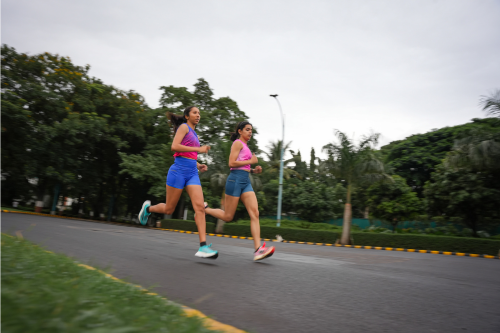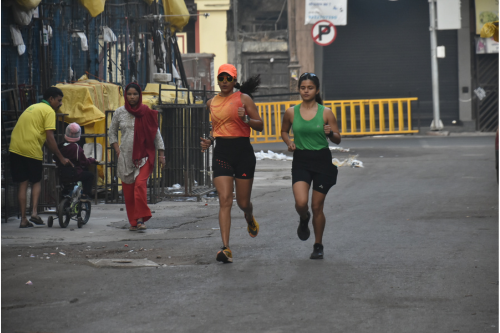
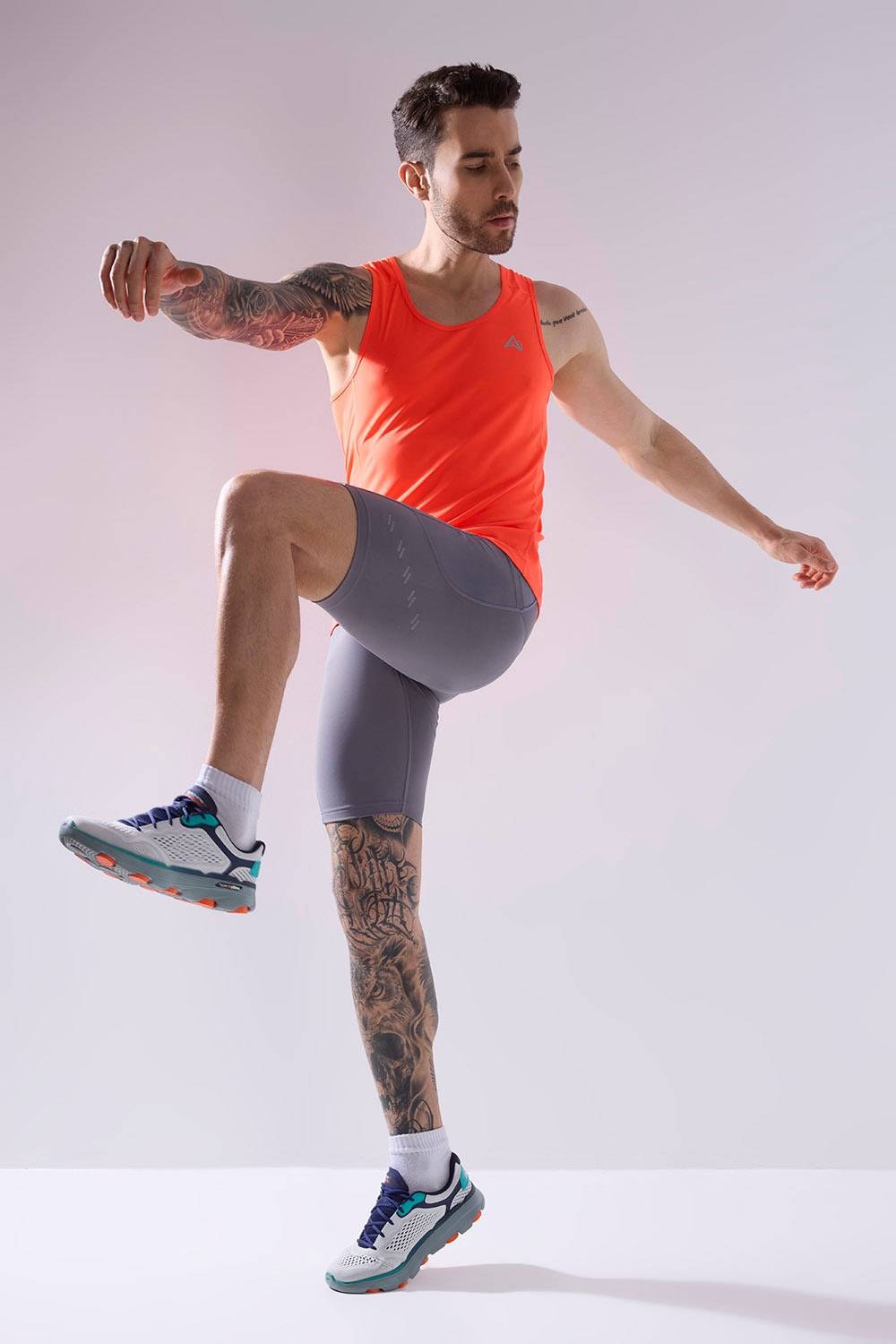
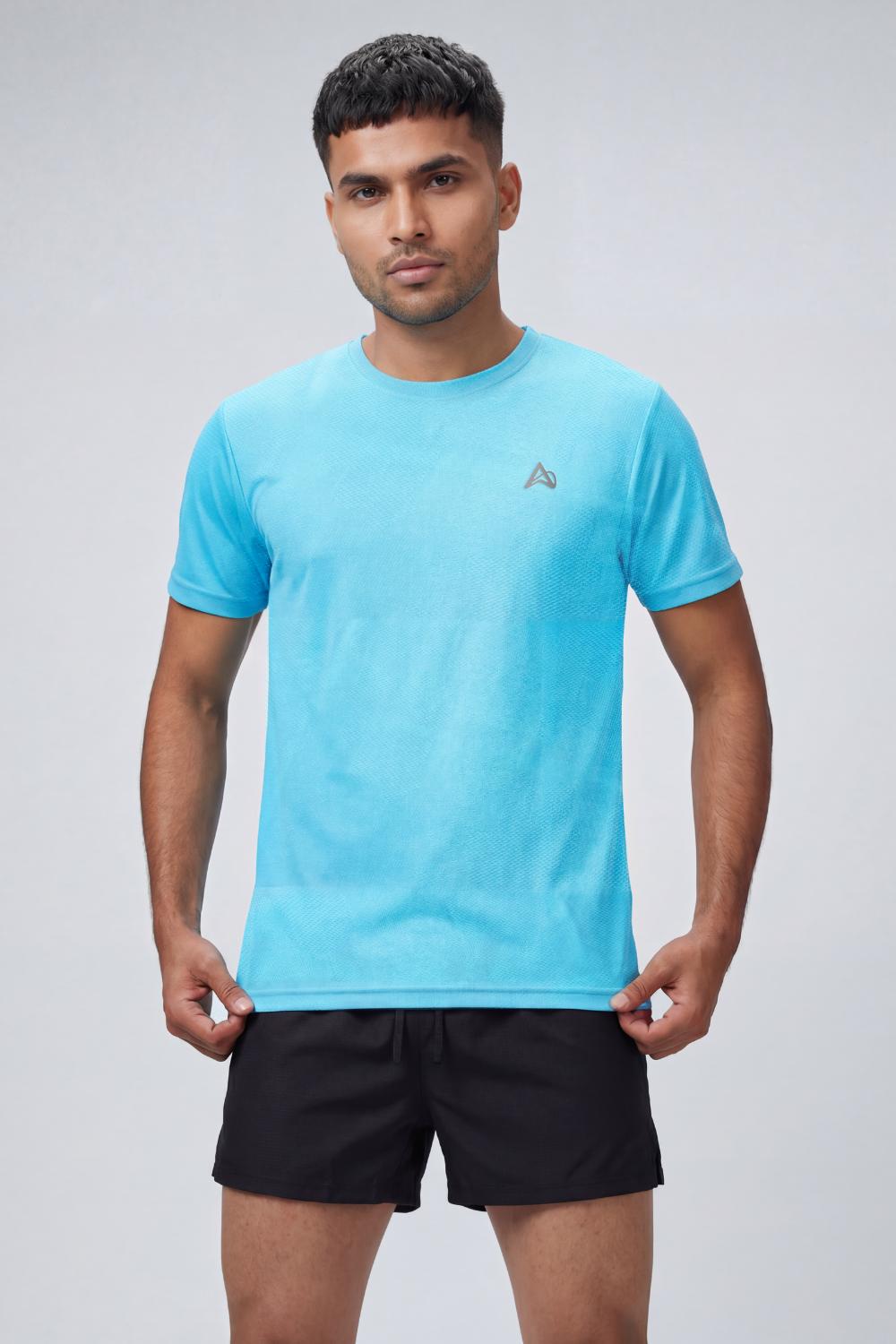
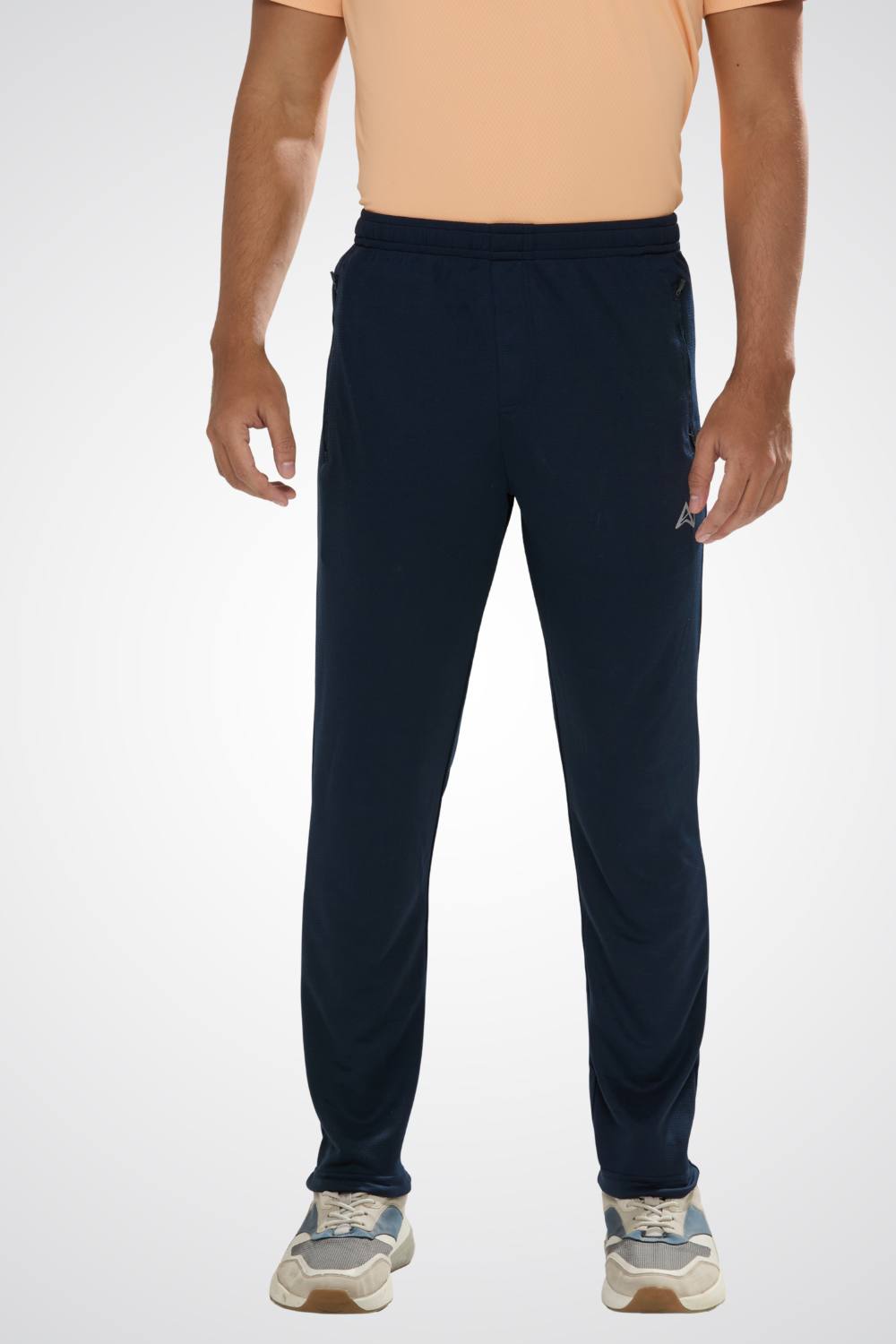
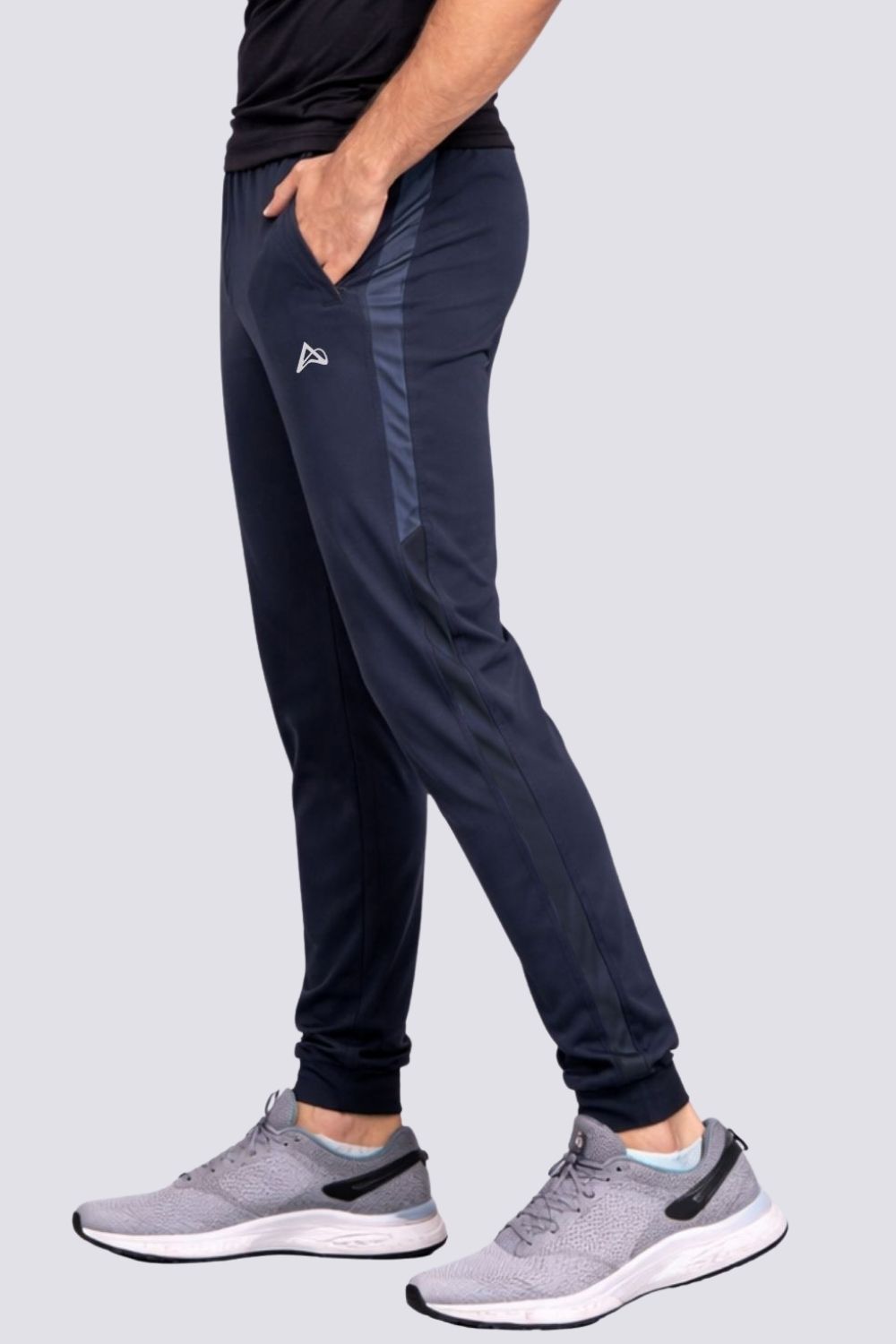




Daily running builds more than fitness it builds rhythm, discipline, and resilience. But the consistency that runners aim for is often disrupted by something surprisingly simple: inappropriate gear. From overheating shirts to ill-fitting shorts or poorly chosen footwear, the wrong setup can quickly turn a promising routine into an uncomfortable experience. Understanding how to choose running gear for daily training is therefore less about fashion and more about performance, comfort, and long-term sustainability.
Tired of gear that slows you down? Chafing, soggy fabrics, and missing pockets kill your run's momentum. At Aguante, we're runners who get it. Our high-performance activewear features moisture-wicking fabrics, ergonomic designs, and smart storage to keep you focused. Shop Now!
Building a Foundation for Daily Running Comfort
Running gear for daily training is not a single item but a system. Each layer from shoes to shirts plays a role in managing heat, reducing friction, and supporting movement. For beginners and intermediate runners, the goal is to reduce variables that interfere with consistency.
Comfort is the primary indicator of quality gear. If clothing distracts you during the first few minutes of a run, it will likely become a recurring issue over time. The most effective running apparel prioritizes breathability, moisture control, and unrestricted movement without requiring a break-in period.
Footwear is often the most influential component of this system. Selecting the right pair can significantly improve comfort and reduce strain. Expert guidance highlights that runners benefit from evaluating fit, cushioning, and gait support before committing to a shoe. A detailed breakdown of these factors is available in this running shoe selection guide, which emphasizes comfort testing and proper fit as the foundation of daily training footwear.
Choosing the right running shoes for daily training involves understanding the differences between neutral and stability models, heel-to-toe drop, and proper fit to ensure comfort and prevent common issues like blisters or overuse injuries. Wirecutter's expert guide emphasizes trying on multiple pairs at a specialty running store or using retailers with generous return policies, as individual foot shapes and gait patterns demand personal testing. Neutral shoes suit most runners without overpronation, offering balanced cushioning and support, while stability options with medial posts help control inward rolling for those who need extra guidance. Low-drop models promote natural foot positioning and can feel springy yet flexible, ideal for runners seeking minimal disruption to their stride.
The article breaks down shoe anatomy and fit criteria in detail: the toe box must provide ample space to prevent cramping, the heel should lock securely without slipping, and the midfoot should feel supportive without digging in. Runners should shop later in the day when feet are naturally swollen and consider wearing the socks they normally use for running. For daily mileage, look for breathable uppers, responsive cushioning that returns energy without feeling mushy, and outsoles that grip well on pavement while remaining lightweight for speedwork. Experts recommend starting with proven neutral trainers like those from Asics or New Balance, which balance cushioning and durability for everyday runs, or stability shoes like Saucony Guides for those with specific needs.
The Ultimate Guide to Choosing Better Running Shoes
Testing several options ensures the shoe feels like an extension of your foot from the first wear. If a pair feels off right away, it usually won't improve with use, so prioritize immediate comfort over aggressive features like heavy carbon plates that excel in racing but can feel alien during routine training. Gender-specific designs exist but vary widely by brand, so try both if needed. With thousands of miles of testing behind the recommendations, the guide highlights how the right shoes can transform daily runs reducing fatigue, enhancing efficiency, and keeping you injury-free as you build consistency and progress toward longer distances or personal goals.
This selection process supports ongoing training by aligning footwear with your body's natural mechanics, allowing smoother strides, better shock absorption, and sustained performance without the frustration of ill-fitting gear. Proper choice also encourages longer wear cycles, stretching your investment and maintaining motivation for daily runs. Whether you're a beginner stocking up or an experienced athlete refreshing your rotation, investing in expert-guided choices pays off in comfort, injury prevention, and the freedom to enjoy every step of your training journey.
Choosing Breathable Running Shirts for Consistent Performance
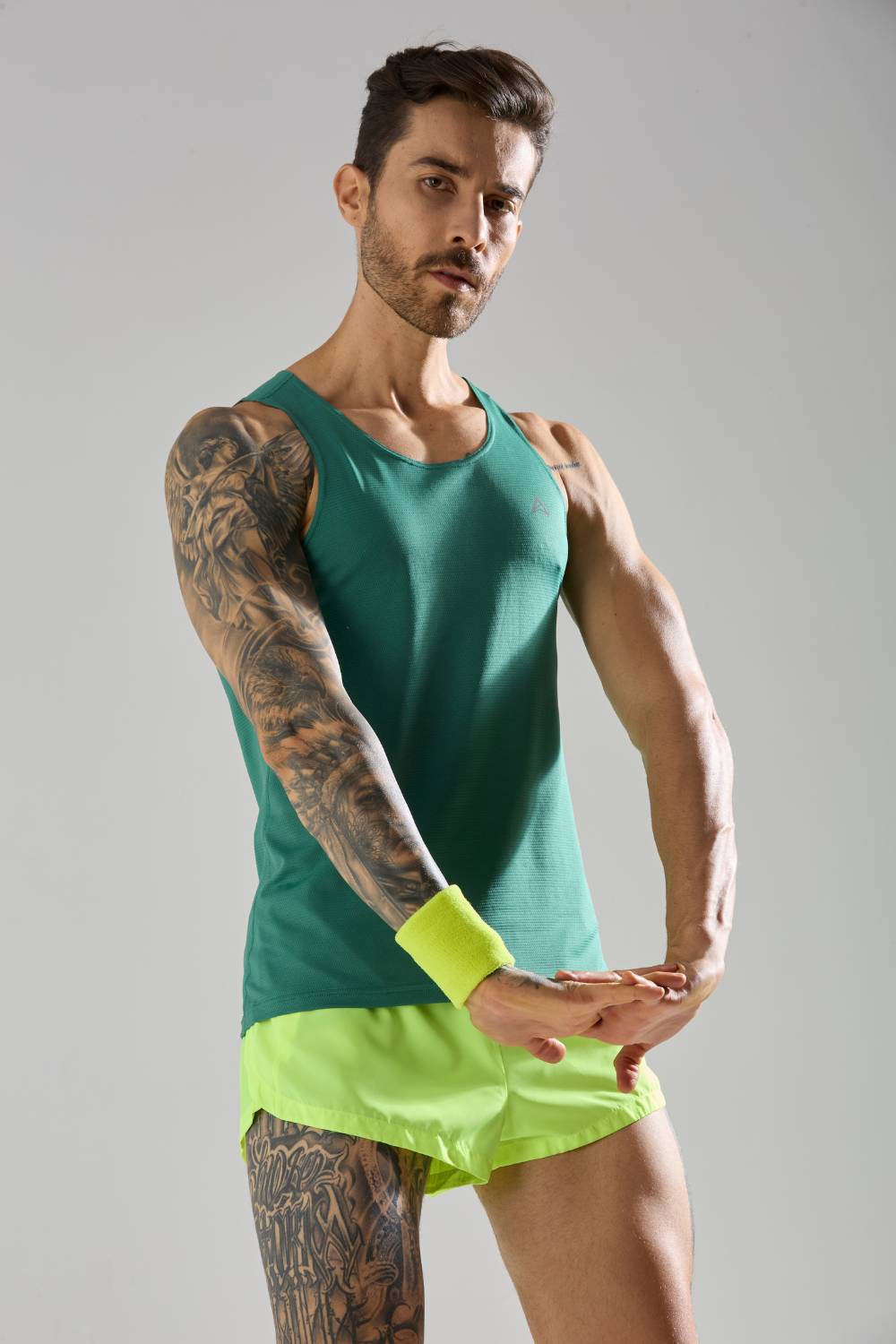
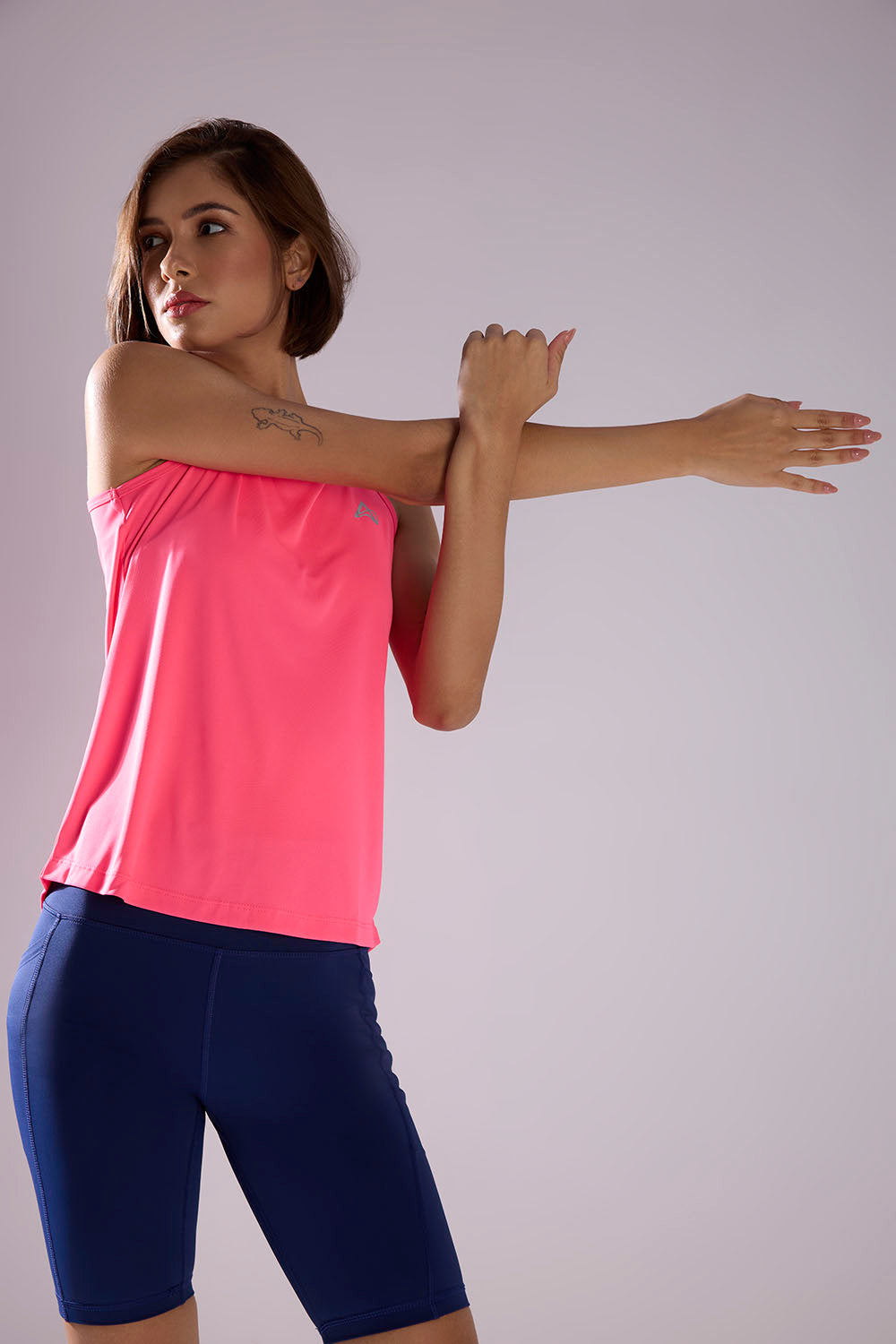
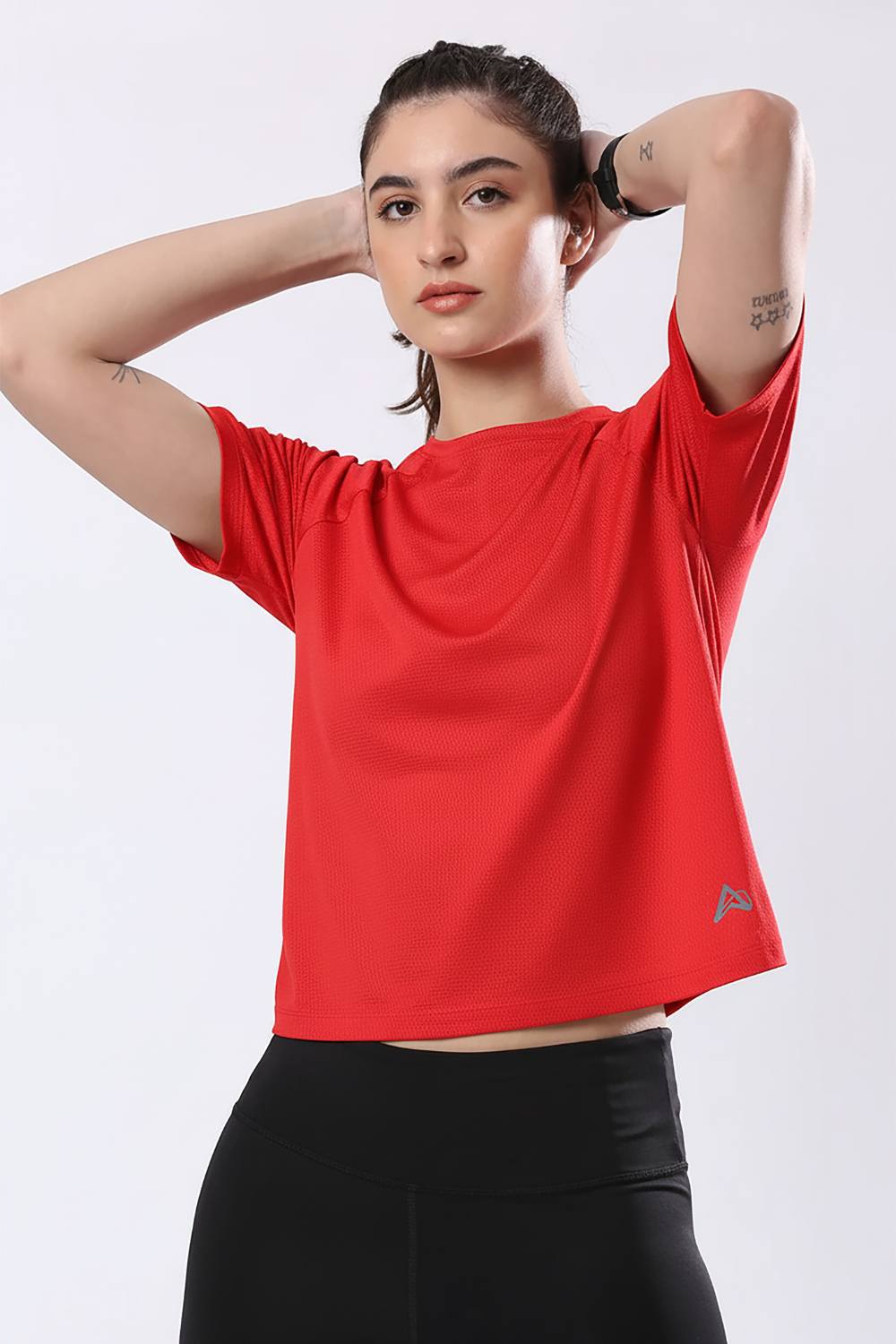
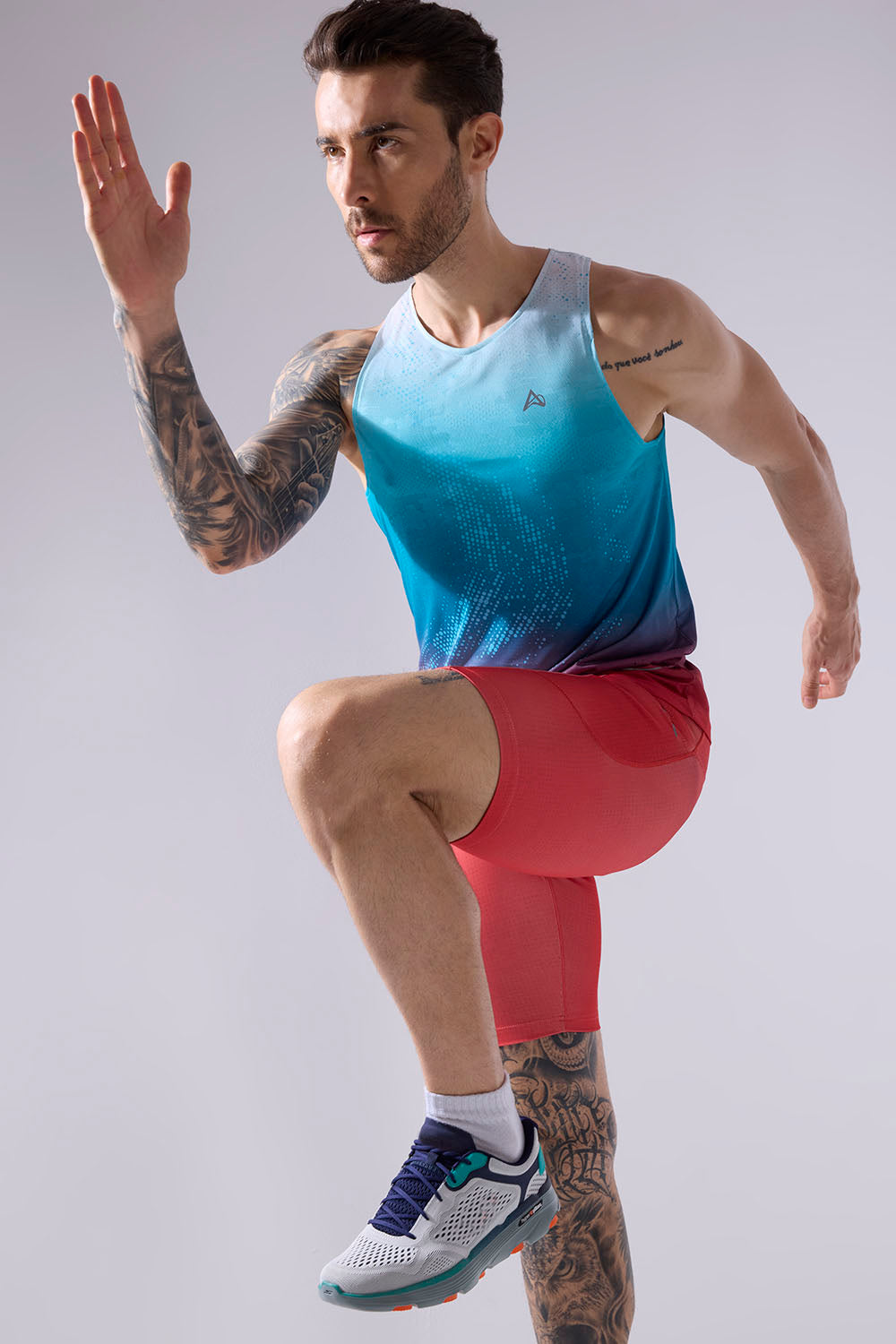
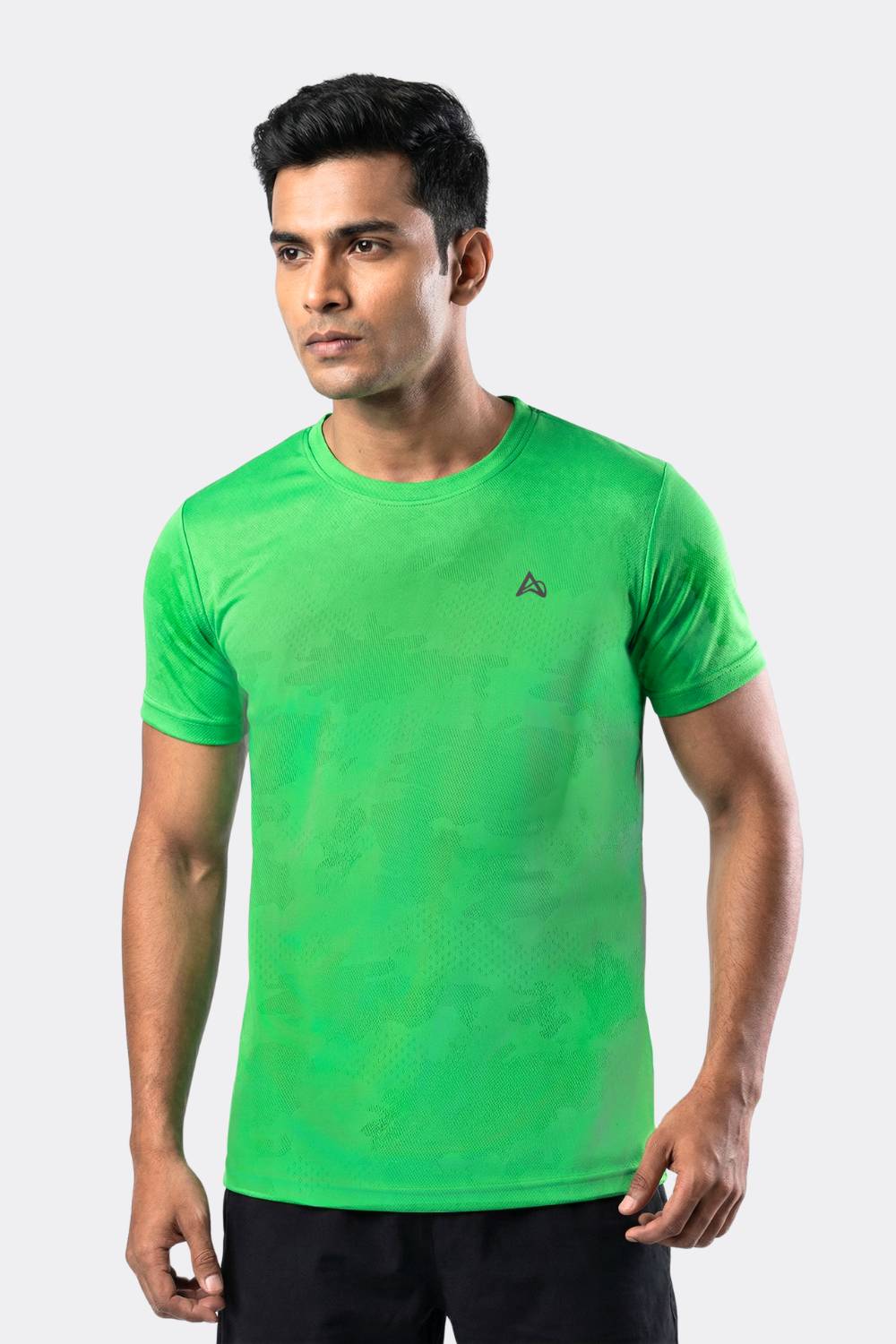
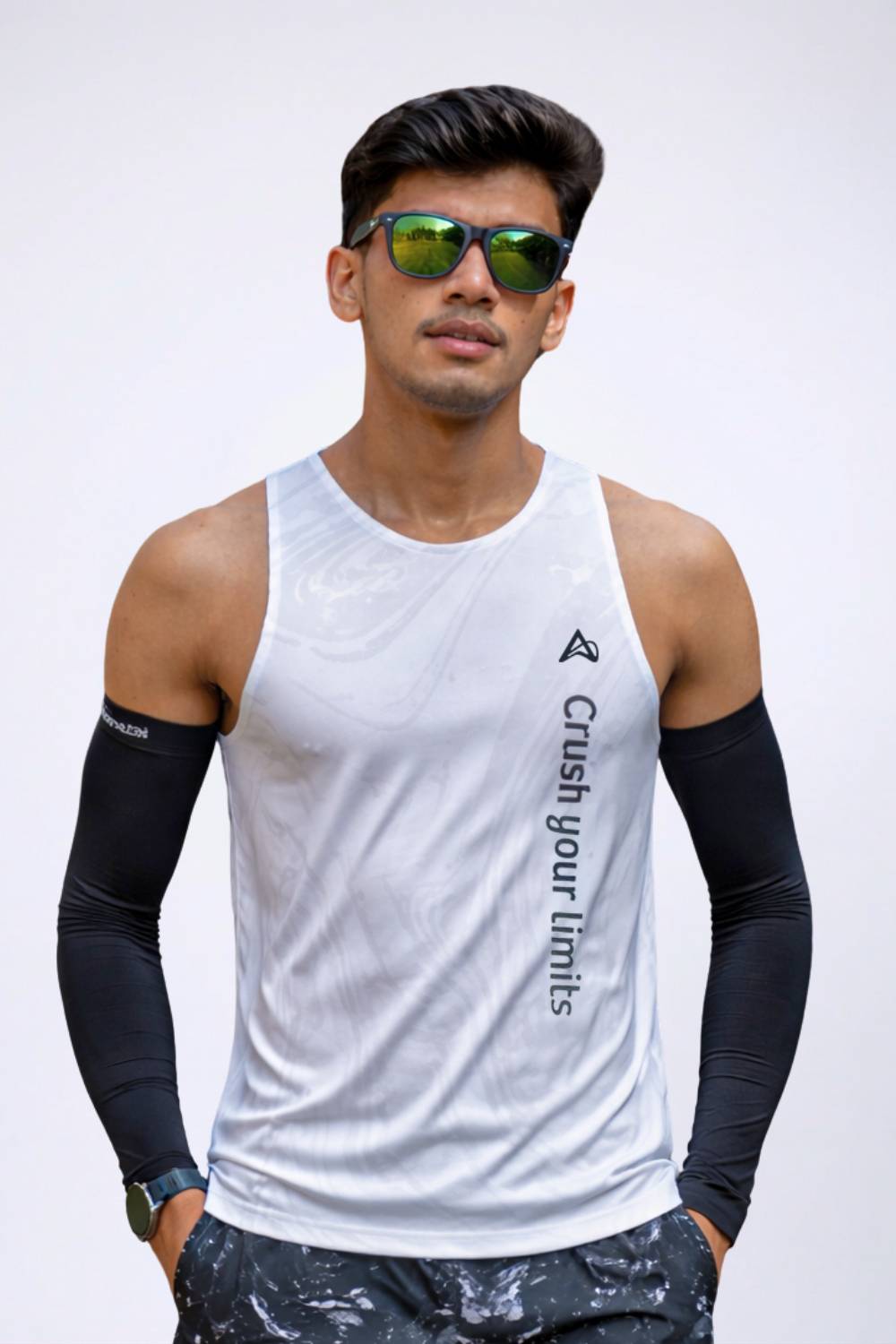
The upper body plays a major role in heat regulation during running. Breathable running shirts are designed to manage sweat and airflow, helping runners maintain a stable body temperature across different conditions.
Moisture management is not just about staying dry it directly affects comfort and skin health. Fabrics that cling to the body when wet can increase friction, which often leads to chafing over longer runs. Lightweight synthetic blends and technical fabrics are typically preferred for daily training because they dry quickly and reduce discomfort during repetitive movement.
Fit also matters. A shirt that is too tight restricts airflow and movement, while an overly loose shirt can create unnecessary drag and irritation. The ideal balance allows the fabric to sit comfortably on the skin without sticking or flapping during motion.
For runners building consistency, investing in a few high-quality breathable shirts is more effective than rotating through low-performance cotton alternatives, which tend to retain moisture and become heavy during activity.
Running Shorts vs Tights: Selecting the Right Lower Body Gear
Choosing between running shorts and tights often depends on comfort preference, weather conditions, and training intensity. Both options serve specific purposes in a runner's daily routine.
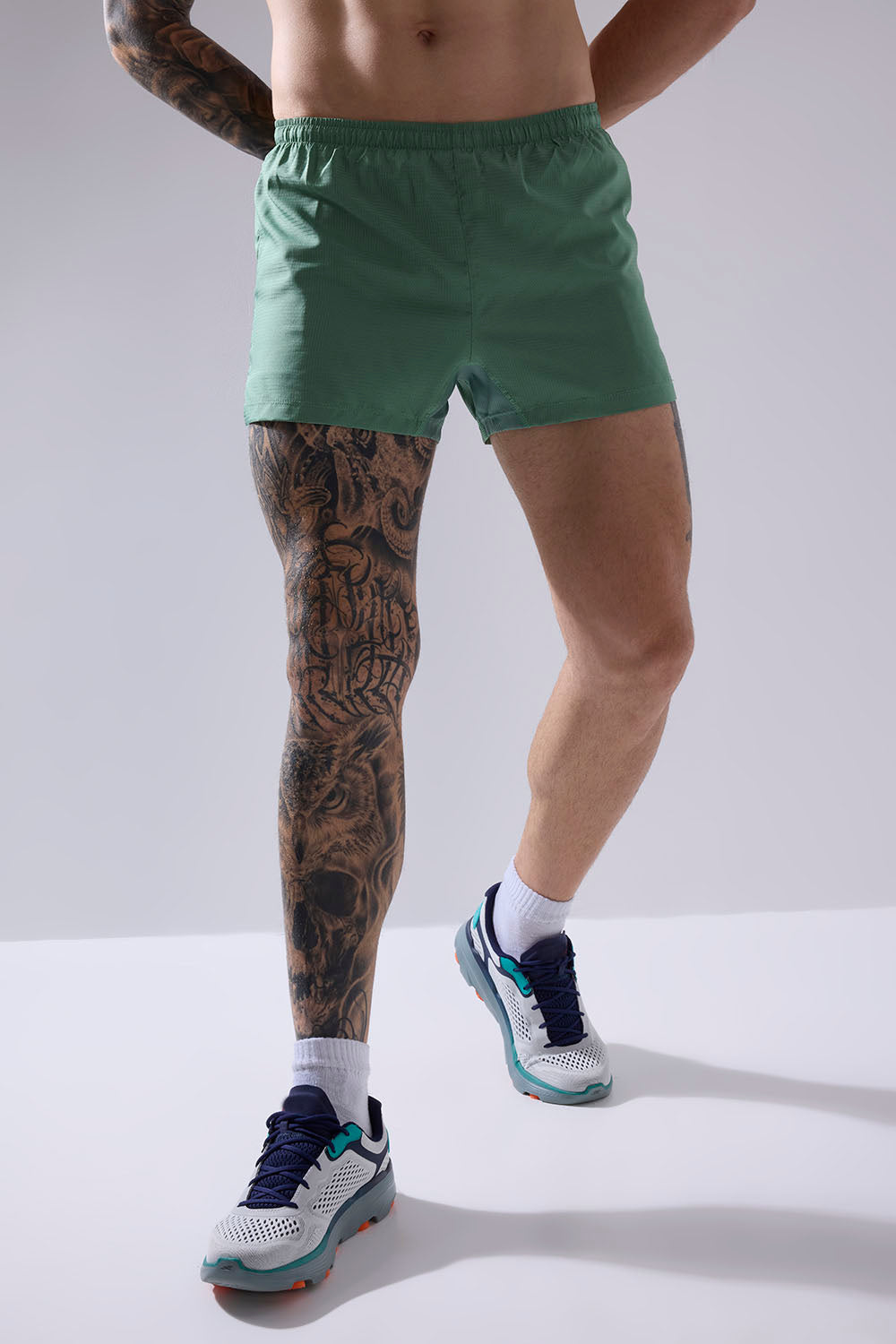
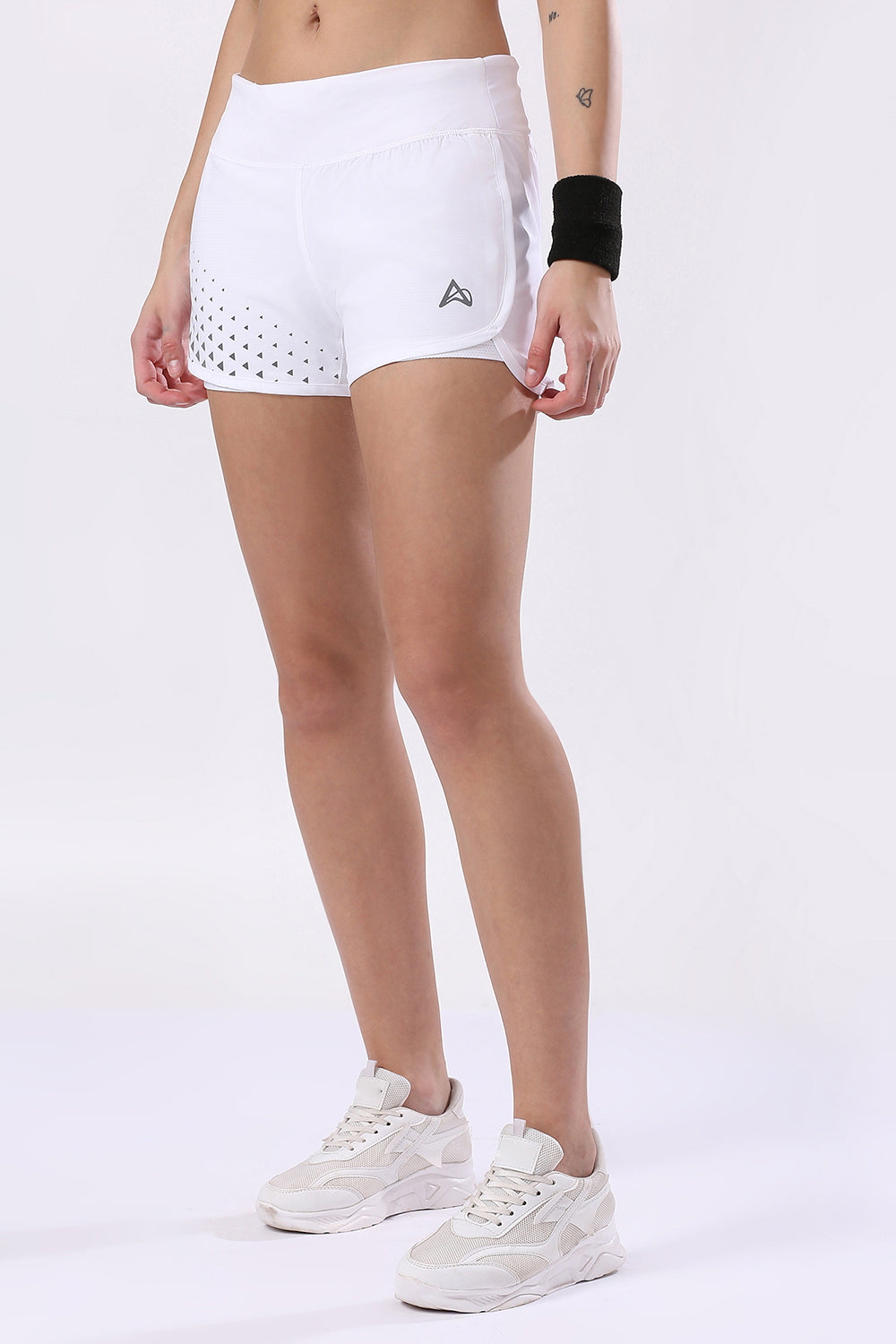
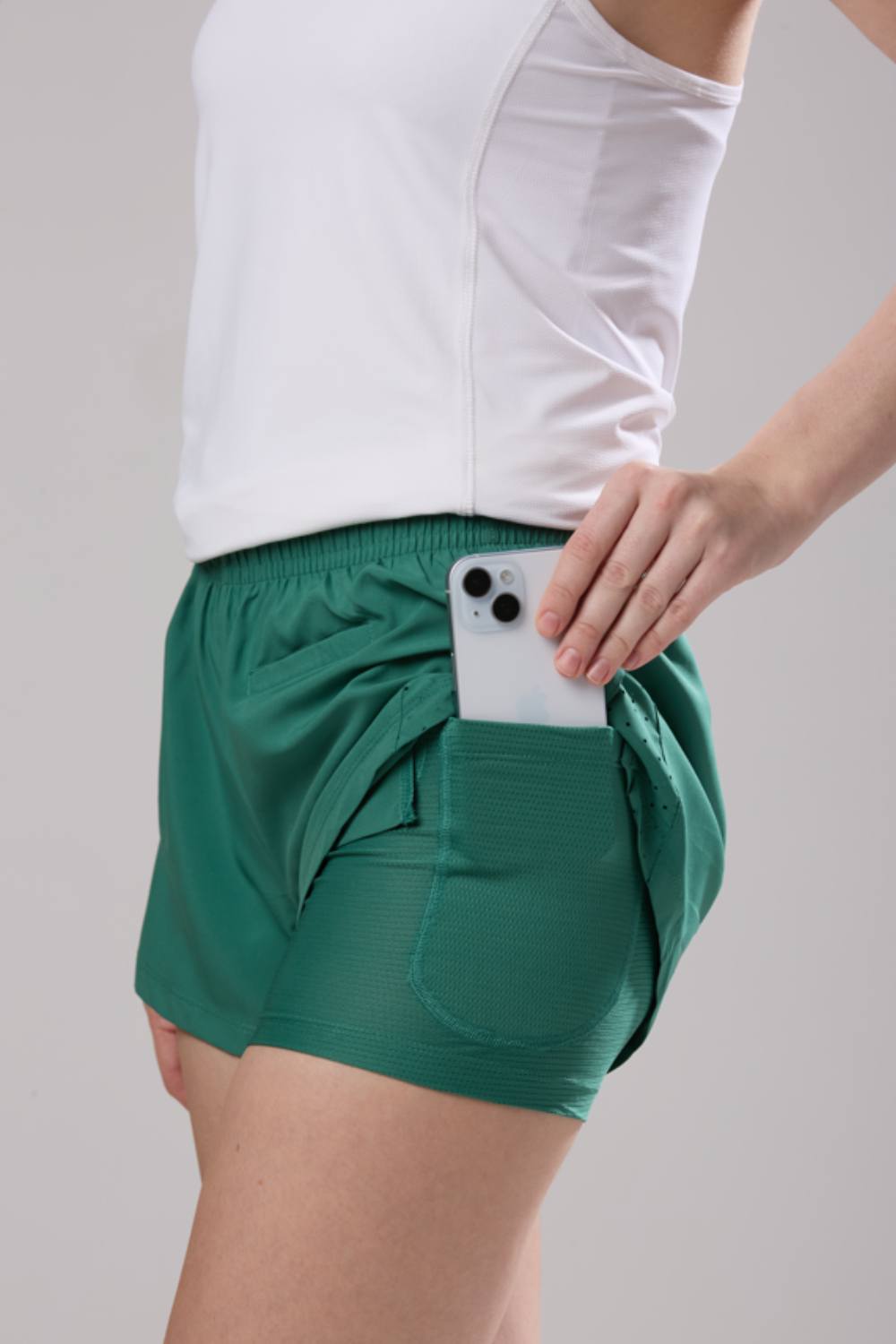
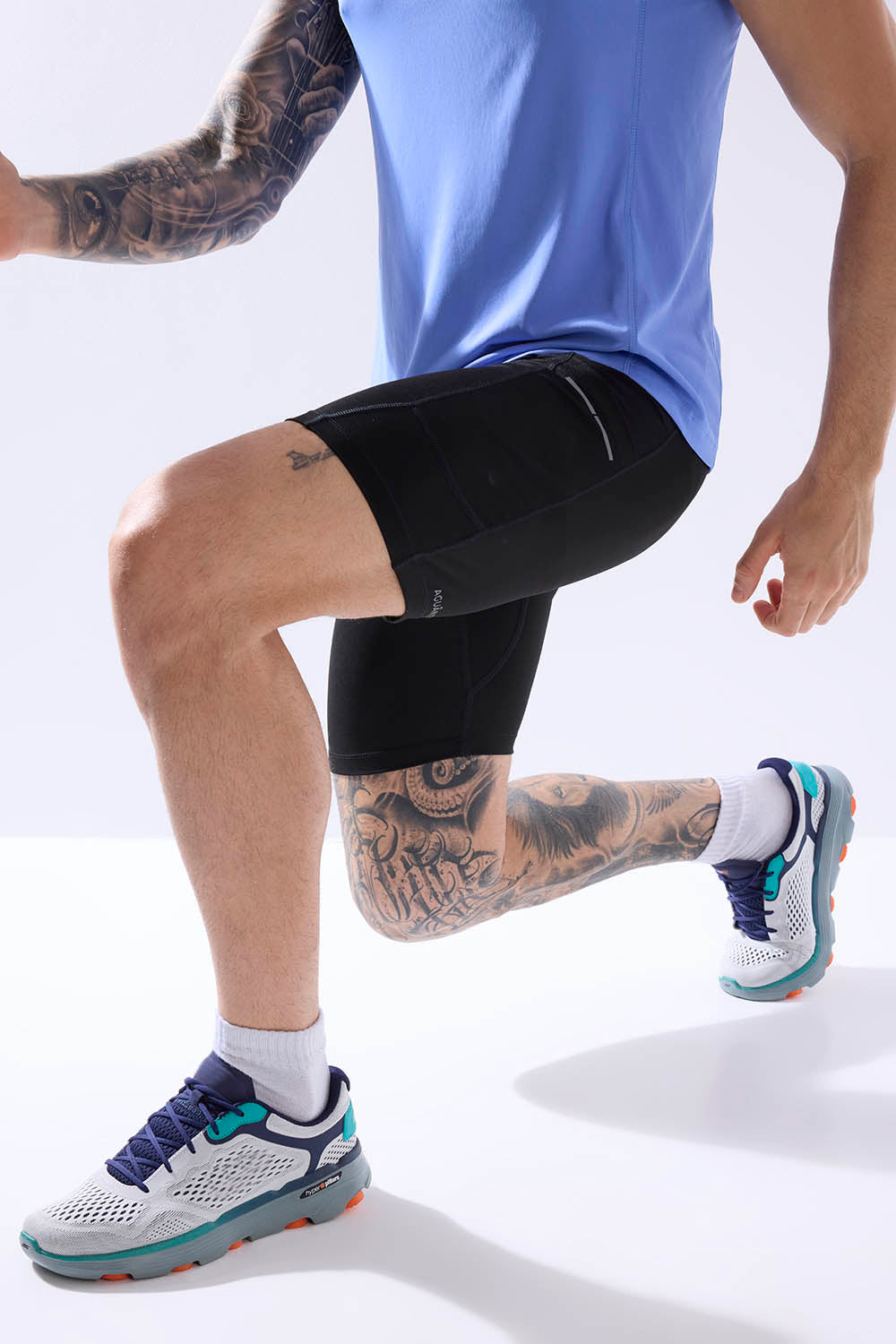
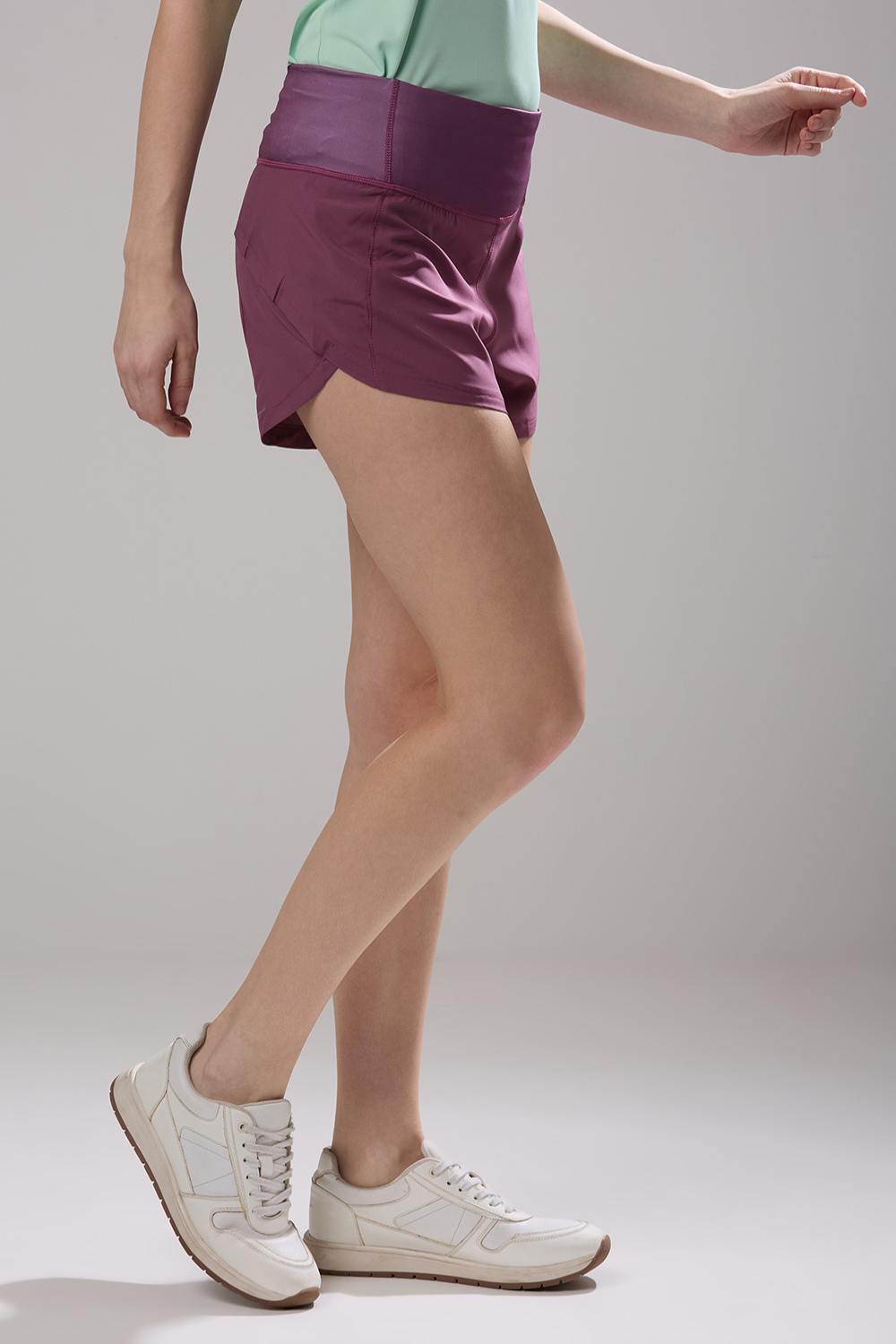
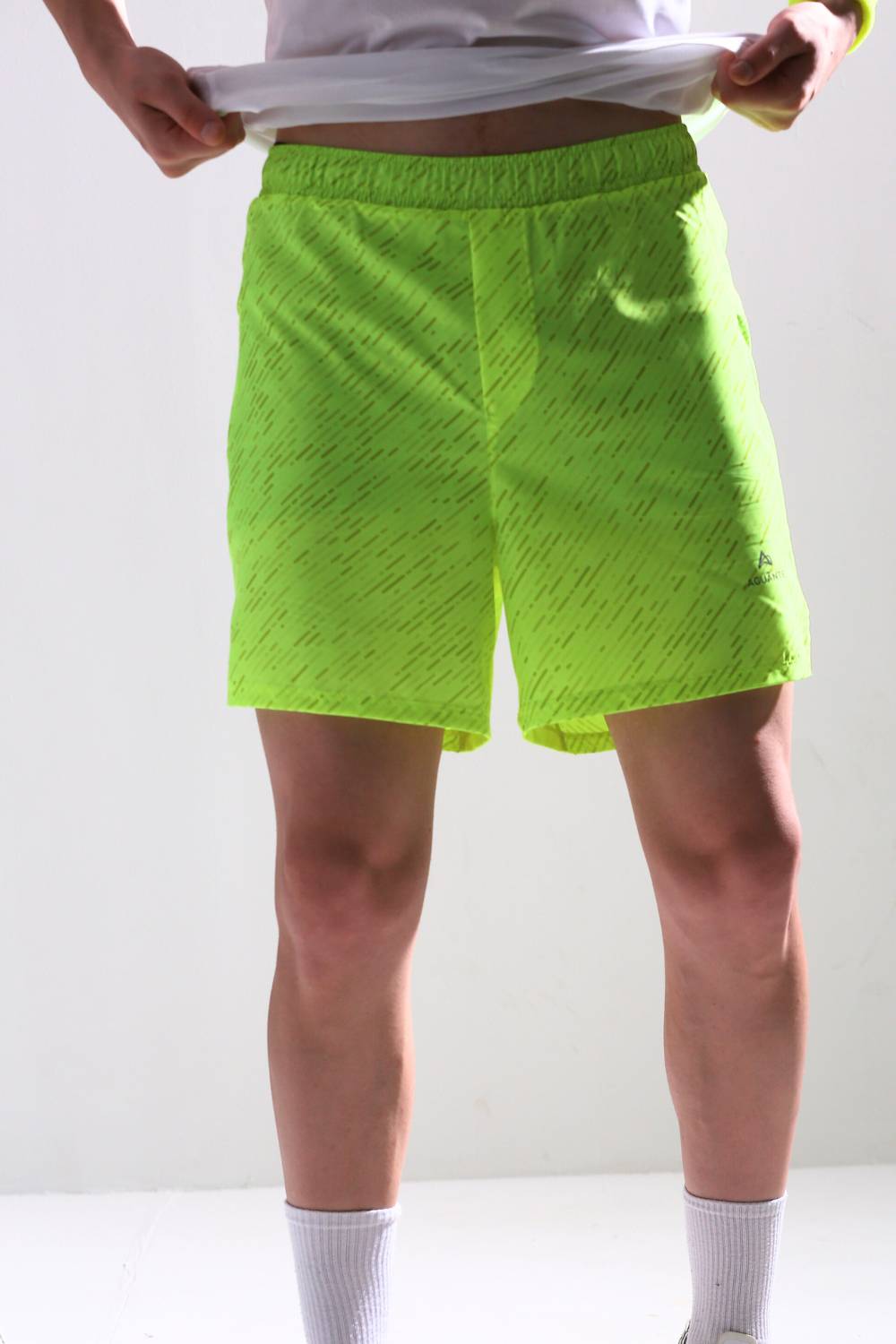
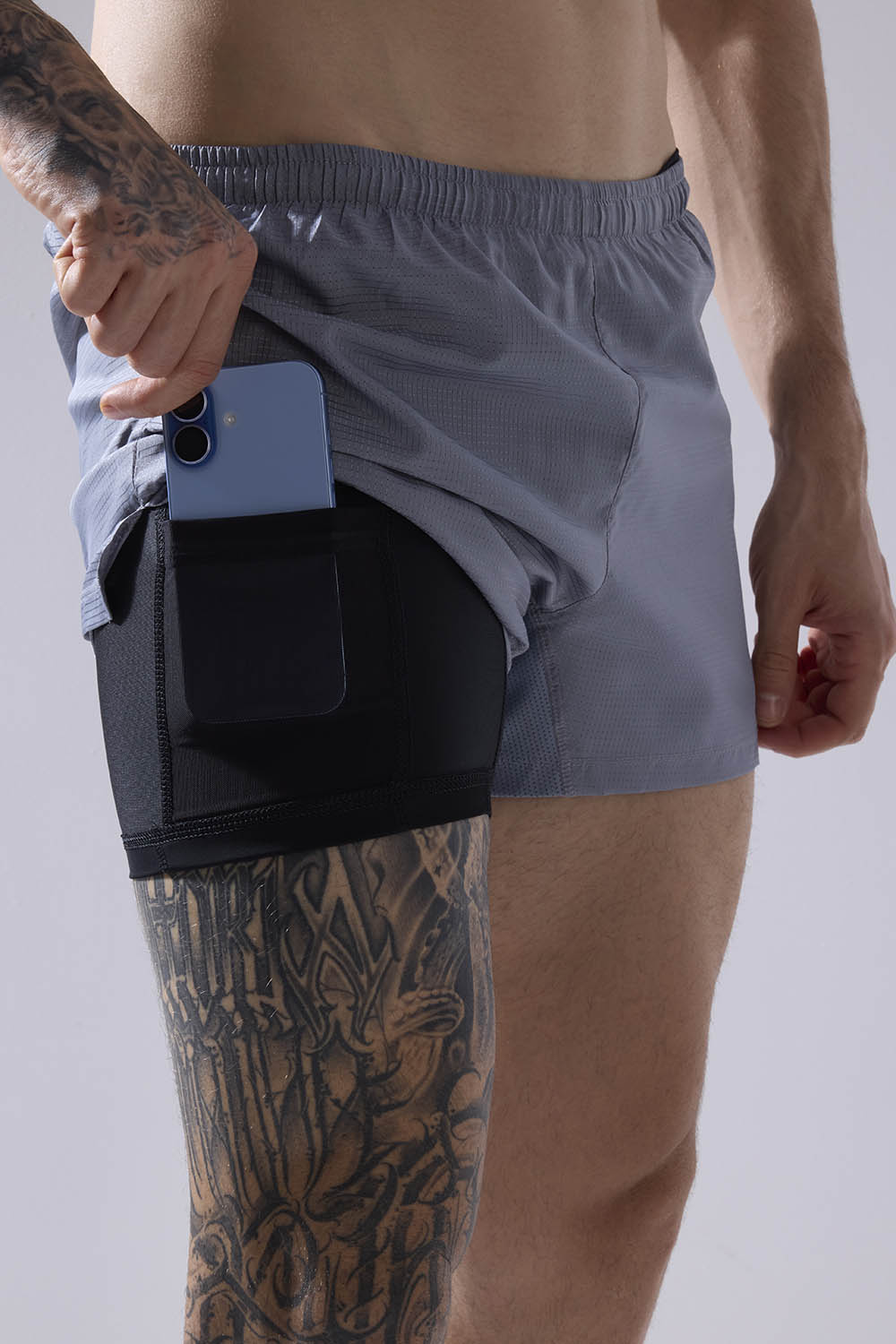
Running shorts offer maximum ventilation and freedom of movement, making them suitable for warm conditions or high-intensity sessions. They allow heat to escape quickly and reduce the sensation of heaviness during longer runs. However, proper lining and fit are essential to prevent irritation and ensure support.
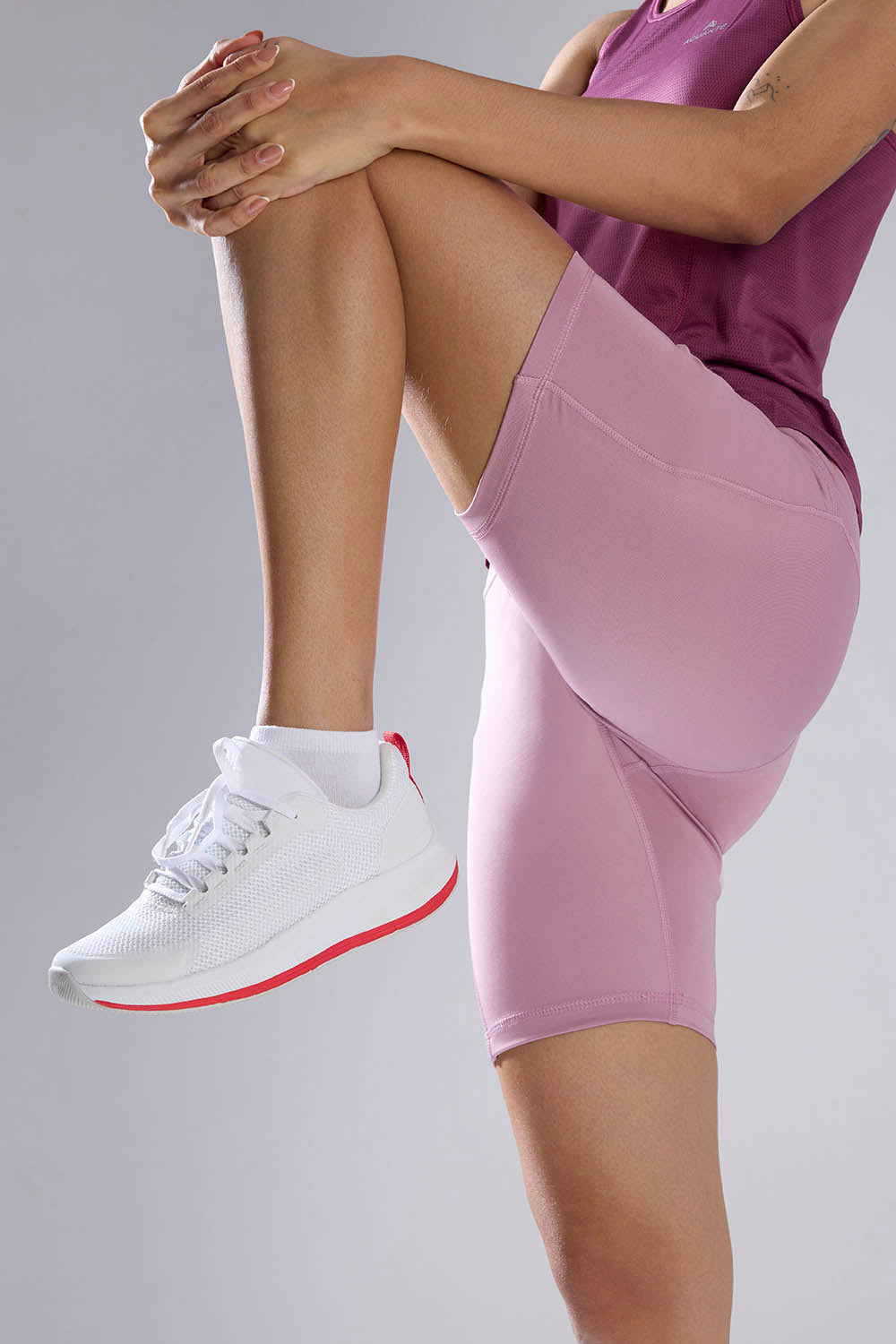
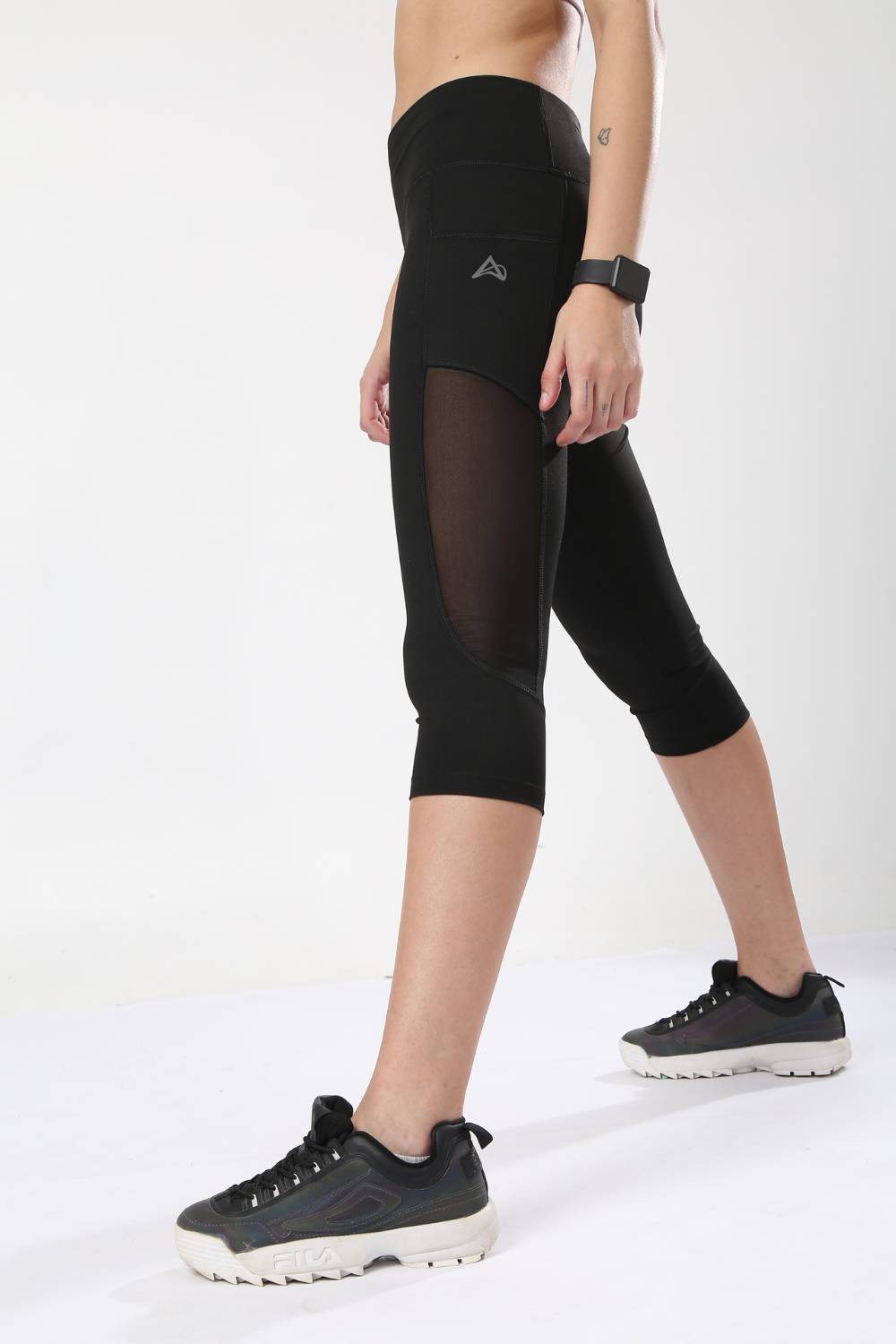
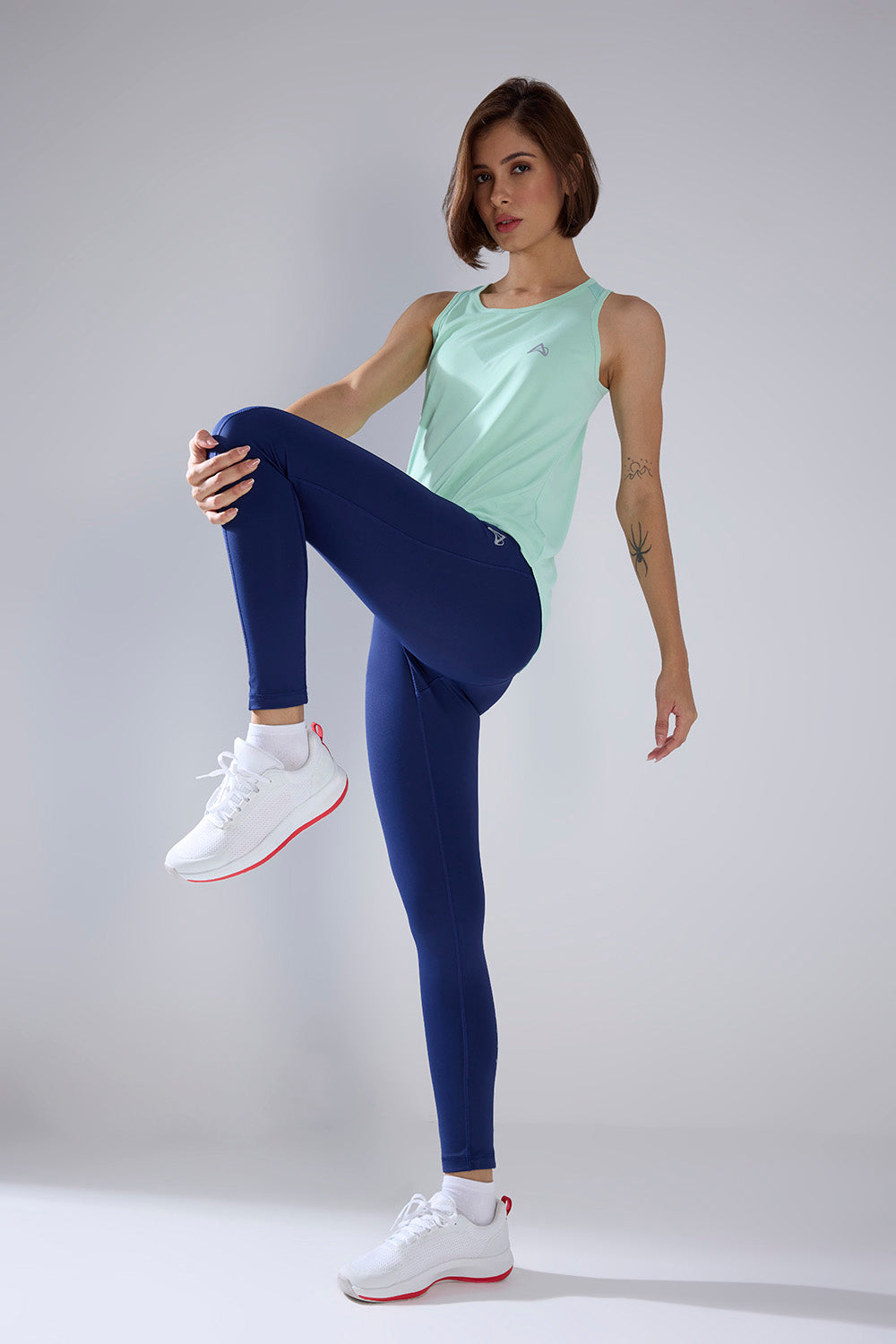
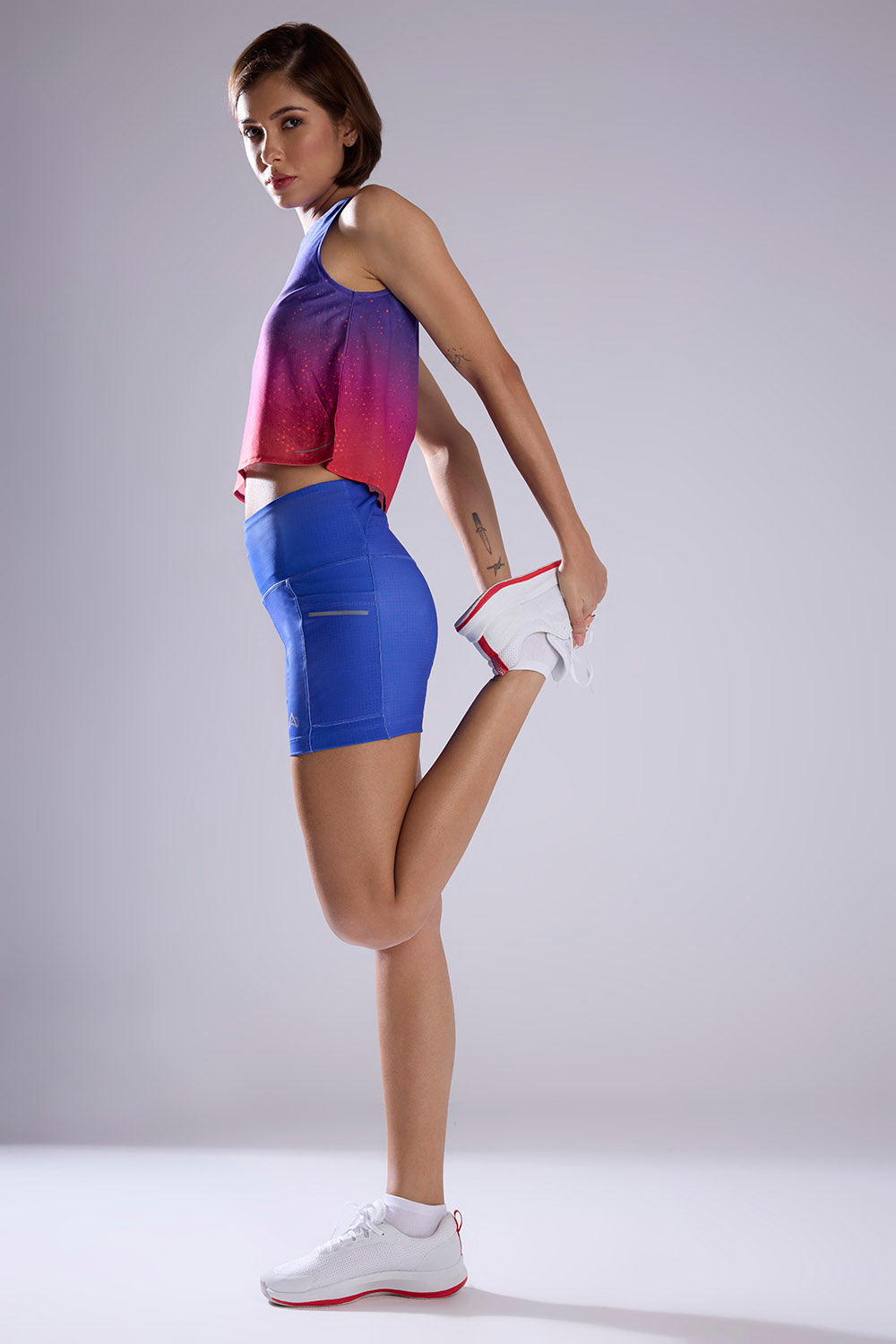
Running tights, on the other hand, provide compression and muscle support, which many runners find beneficial during recovery-focused runs or cooler conditions. They also reduce friction between the thighs, which can be a common issue during longer distances.
The decision is less about which option is superior and more about matching the gear to the training objective and environmental conditions. Many experienced runners maintain both in their rotation to adapt to changing routines and weather.
Moisture Control and Fabric Technology in Running Apparel
One of the most important aspects of running gear for daily training is how effectively it manages moisture. Sweat is unavoidable during running, but discomfort often comes from poor fabric choices rather than sweat itself.
Technical fabrics designed for running focus on two key functions: drawing moisture away from the skin and allowing it to evaporate quickly. This process helps maintain a consistent body temperature and prevents clothing from becoming heavy or restrictive.
When moisture is trapped, friction increases, leading to skin irritation over time. This is especially relevant for runners increasing their weekly mileage or building consistency after a break. Proper moisture-wicking clothing significantly reduces these risks and contributes to a smoother training experience.
Breathability is equally important. Ventilated panels and lightweight construction allow air to circulate, which helps regulate temperature during intense or prolonged activity. Together, these features create a more stable and comfortable running experience across varied conditions.
Footwear Fundamentals: Fit, Cushioning, and Injury Prevention
Running shoes remain the most critical piece of daily training gear because they directly influence biomechanics, impact absorption, and injury risk. Selecting the right shoe is not about brand preference but about understanding how it interacts with your stride.
Neutral and stability shoes serve different needs. Neutral shoes typically suit runners with balanced gait patterns, while stability shoes offer additional support for those who require guidance in foot alignment. Proper fit is essential runners are advised to ensure enough space in the toe box and a secure heel lock to avoid discomfort during longer sessions.
Expert recommendations emphasize testing multiple options in real conditions before committing to a pair. A detailed running shoe fit guide highlights the importance of gait analysis, comfort testing, and avoiding shoes that require a painful break-in period.
Cushioning also plays a role in training comfort. Some runners prefer softer cushioning for reduced impact stress, while others choose firmer shoes for better ground feedback and responsiveness. There is no universal best option only what aligns with individual biomechanics and training goals.
Replacing shoes after extended mileage is another important consideration. Over time, cushioning materials degrade, reducing support and increasing strain on joints. Paying attention to wear patterns helps maintain consistent performance and reduces the risk of overuse injuries during daily training.
Selecting the right running shoes for daily training demands more than just trying on a pair in the store it requires aligning your footwear with your unique foot type, running gait, and the physical demands of consistent mileage. The Cleveland Clinic outlines a straightforward yet effective process that begins with assessing your natural movement on a treadmill at a specialty running shop. A brief gait analysis reveals whether you overpronate, supinate, or maintain a neutral stride, helping determine if you need a stability shoe with medial support or a neutral model that avoids unnecessary restrictions. This initial evaluation prevents common issues like shin splints, plantar fasciitis, or stress fractures that often arise when shoes fail to match how your body absorbs impact during everyday runs.
Choosing the Right Running Shoes for Comfort and Endurance
Fit is the foundation of comfort and performance, and the guide stresses that shoes should feel supportive right away rather than requiring painful break-in. Aim for at least a thumb's width of space between your longest toe and the front of the shoe to accommodate swelling during activity, ensure the heel stays snug without sliding, and avoid pressure across the midfoot. The heel-to-toe drop typically 8 to 12 millimeters for most road runners should support your strike pattern: higher drops suit heel strikers for smoother transitions, while lower drops encourage more natural midfoot or forefoot landings. Upper materials matter too; breathable mesh, structured overlays, and a roomy toe box promote airflow and prevent hot spots or blisters that can derail your daily consistency.
Cushioning levels vary by runner experience and goals, yet the key is balanced shock absorption rather than excessive softness. Experienced runners often prefer firmer profiles that let them feel the ground for better ground feedback and quicker turnover, whereas beginners or walkers benefit from plush, high-rebound foams that reduce fatigue over long sessions. Outsole design follows terrain: smooth, lightweight options excel on roads, while aggressive treads with rock plates handle trails. Switching drop heights or cushioning abruptly can strain the Achilles or calves, so gradual changes and a two-week rotation period with your old shoes promote adaptation without injury risk.
For daily training specifically, prioritizing versatility and durability keeps you running without constant gear swaps. A well-fitted pair that supports your gait can enhance efficiency, lower injury rates, and allow longer, more enjoyable sessions that build endurance and consistency. Many runners report that proper footwear changes everything reducing soreness, improving recovery, and encouraging them to stay consistent with their routine. If pain persists or your shoes show uneven wear after 300 to 500 miles, it's time for reassessment. Ultimately, investing time in this selection process pays dividends by turning your daily training into a sustainable, pain-free habit that supports long-term health and performance goals.
Layering Strategies for Urban Weather Conditions
Urban runners often deal with shifting temperatures, humidity, and air quality variations throughout the day. Effective layering helps manage these conditions without overcomplicating the gear setup.
A lightweight base layer remains the foundation, followed by optional outer layers depending on weather. The key is adaptability gear should be easy to add or remove without disrupting the run. Early morning sessions may require light coverage, while later runs demand maximum breathability.
Reflective elements also become important for runners training during low-light hours. Visibility improves safety in traffic-heavy environments and is especially relevant for early or evening routines in busy city settings.
Rather than relying on heavy or overly technical layers, most runners benefit from simple combinations that prioritize airflow and ease of movement.
Common Mistakes Runners Make with Training Gear
One of the most frequent mistakes is prioritizing appearance over functionality. While style plays a role in motivation, it should never come at the cost of comfort or performance. Cotton-based clothing, for example, often retains moisture and becomes uncomfortable during sustained activity.
Another common issue is ignoring fit in favor of size assumptions. Running gear should be tested in motion, not just in static fitting rooms. Small issues such as sleeve tightness or waistband friction become amplified during longer runs.
Runners also tend to underestimate the importance of rotating gear. Using the same set repeatedly without allowing materials to recover can reduce performance and comfort over time. Having a small rotation of reliable pieces ensures consistency in training conditions.
Finally, neglecting footwear evaluation is one of the most impactful mistakes. Shoes that feel acceptable in short sessions may not perform well under sustained daily mileage, which is why structured selection and periodic reassessment are essential for long-term progress.
Building a Reliable Running Gear System
Choosing running gear for daily training is ultimately about creating a system that supports consistency. When apparel and footwear work together effectively, runners can focus on performance, endurance, and enjoyment rather than discomfort or distraction.
By prioritizing breathability, fit, moisture management, and proper footwear selection, runners build a foundation that supports long-term habits. Over time, the right gear becomes less noticeable which is exactly the point. It allows the runner to focus entirely on the run itself.
Frequently Asked Questions
How do I choose the best running shoes for daily training?
Choosing running shoes for daily training depends on fit, comfort, and your natural gait. Look for proper toe box space, a secure heel lock, and the right balance of cushioning based on your running style. Neutral shoes suit most runners, while stability shoes help with overpronation. It is also important to replace shoes after roughly 300–500 miles to maintain support and reduce injury risk.
Should I wear running shorts or tights for daily training?
The choice between running shorts and tights depends on weather conditions and personal comfort. Running shorts offer maximum ventilation and are ideal for warm-weather or high-intensity runs. Tights provide compression, muscle support, and help reduce friction during longer or colder sessions. Many runners use both options in rotation to match different training needs.
What should I look for in breathable running clothes for daily training?
Breathable running clothes should prioritize moisture-wicking fabrics that keep sweat away from the skin. Lightweight synthetic blends are preferred over cotton because they dry quickly and reduce chafing. A proper fit is also essential clothing should not be too tight or too loose to avoid restricting movement or causing irritation. Good ventilation helps regulate body temperature during daily training.
Disclaimer: The above helpful resources content contains personal opinions and experiences. The information provided is for general knowledge and does not constitute professional advice.
You may also be interested in: What Sets Aguante Apart from Other Activewear Brands?
Tired of gear that slows you down? Chafing, soggy fabrics, and missing pockets kill your run's momentum. At Aguante, we're runners who get it. Our high-performance activewear features moisture-wicking fabrics, ergonomic designs, and smart storage to keep you focused. Shop Now!
Powered by flareAI.co