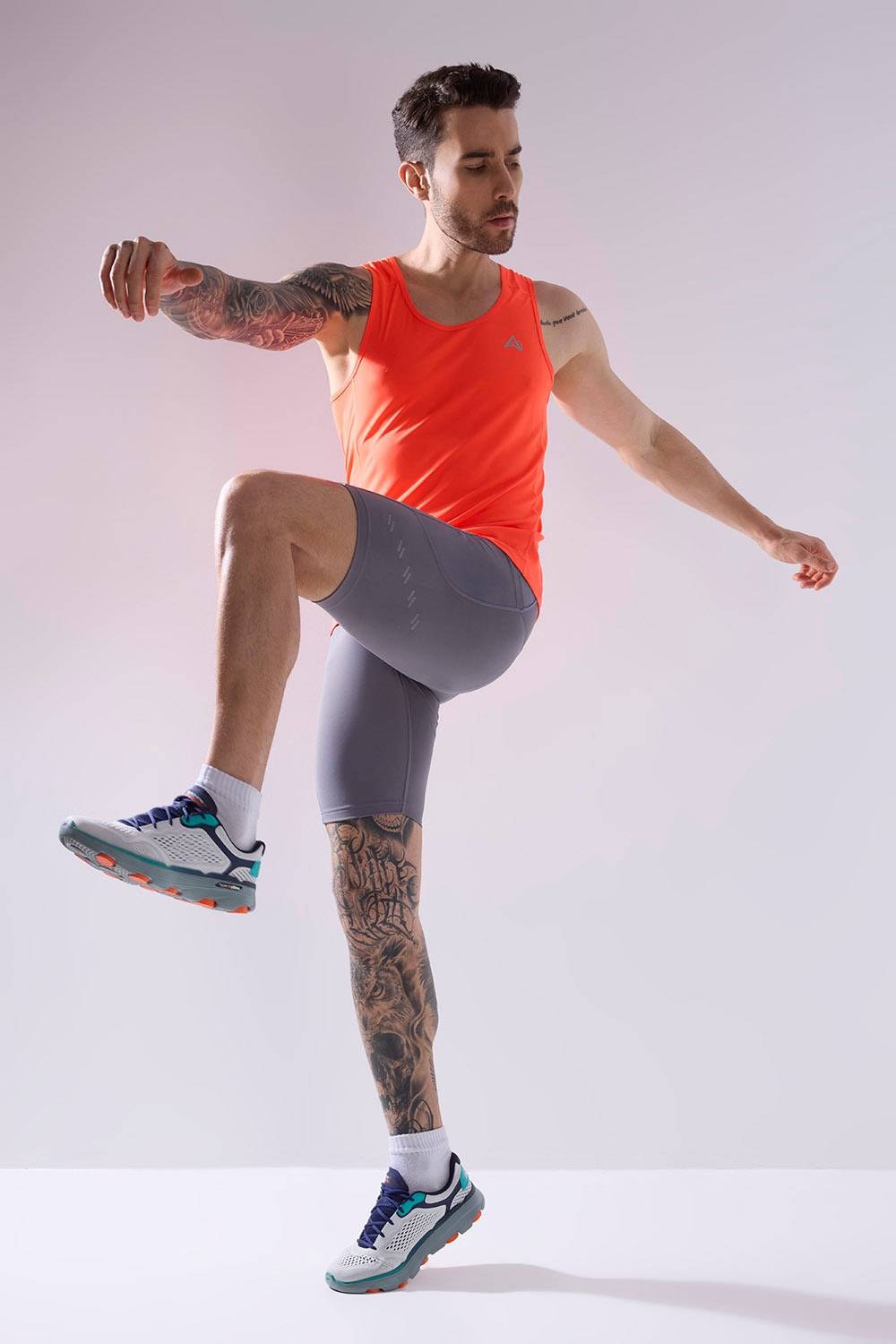
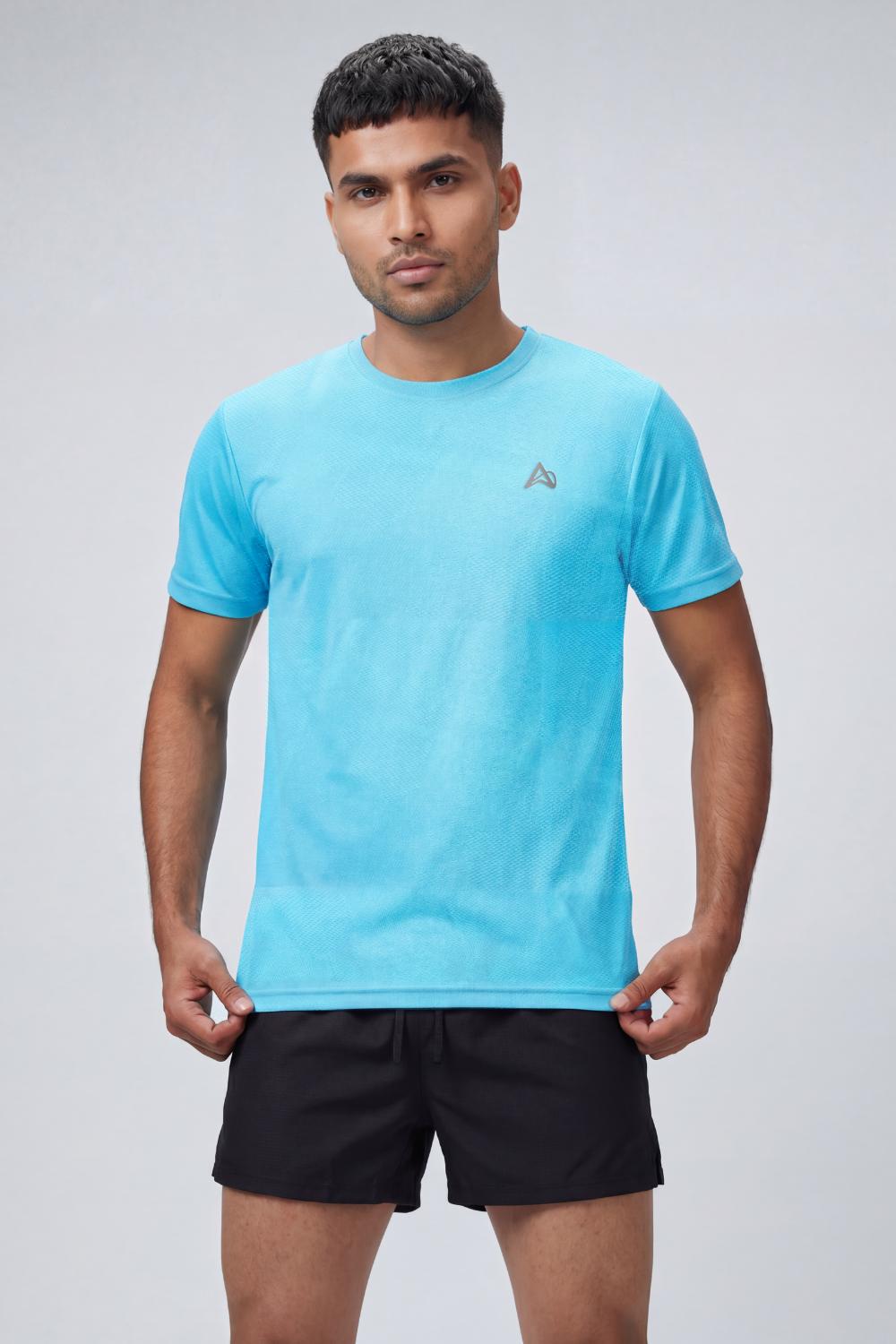
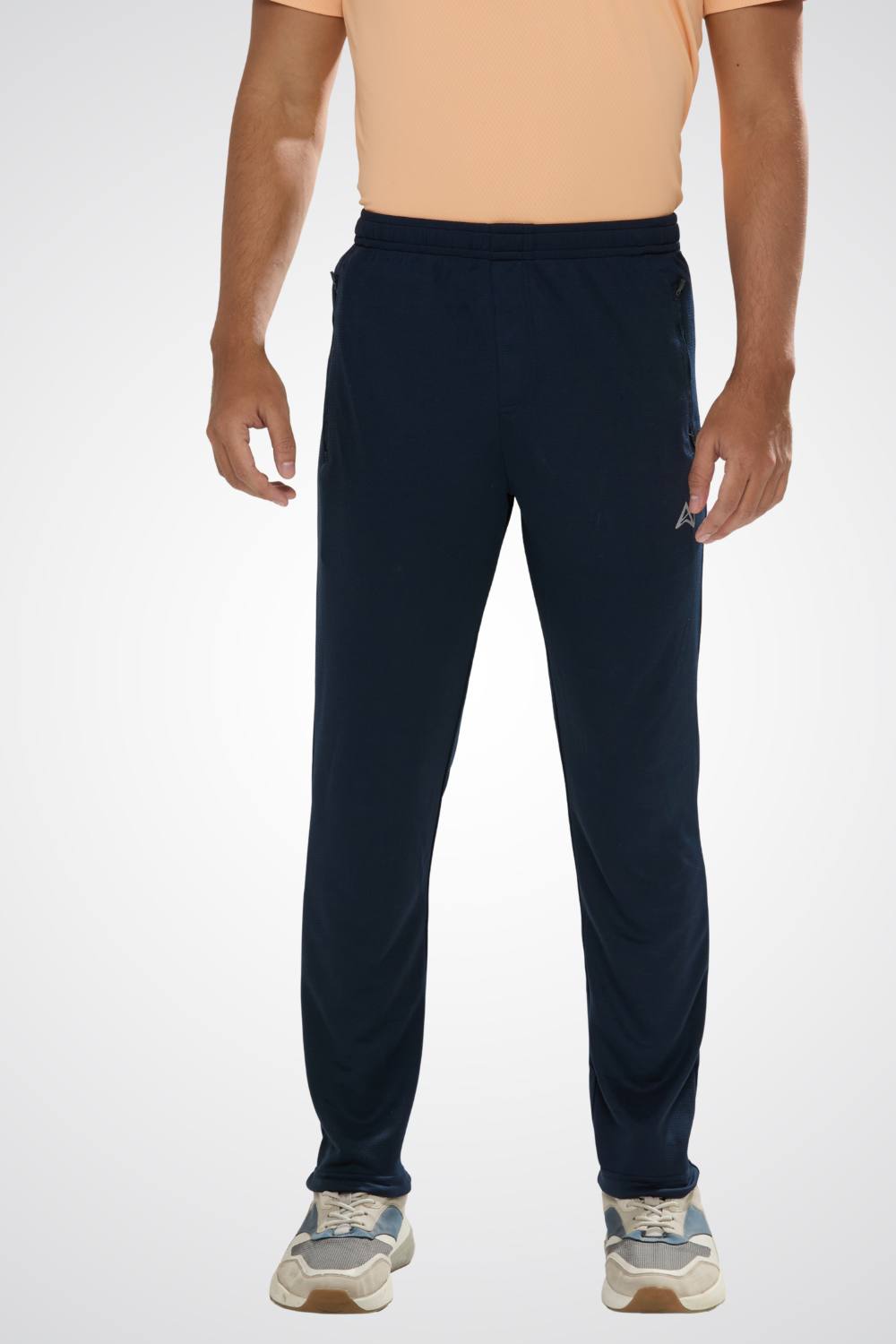
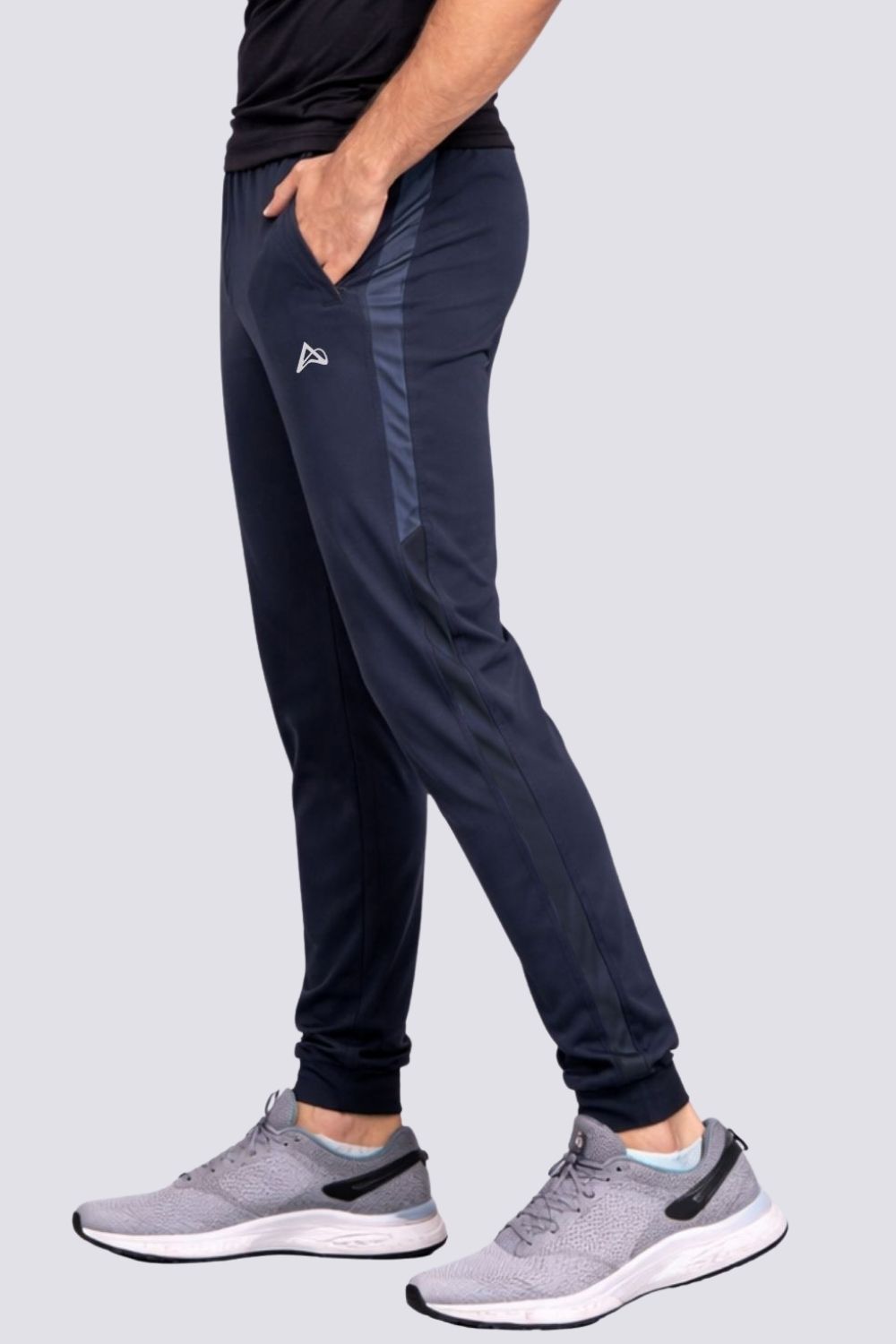
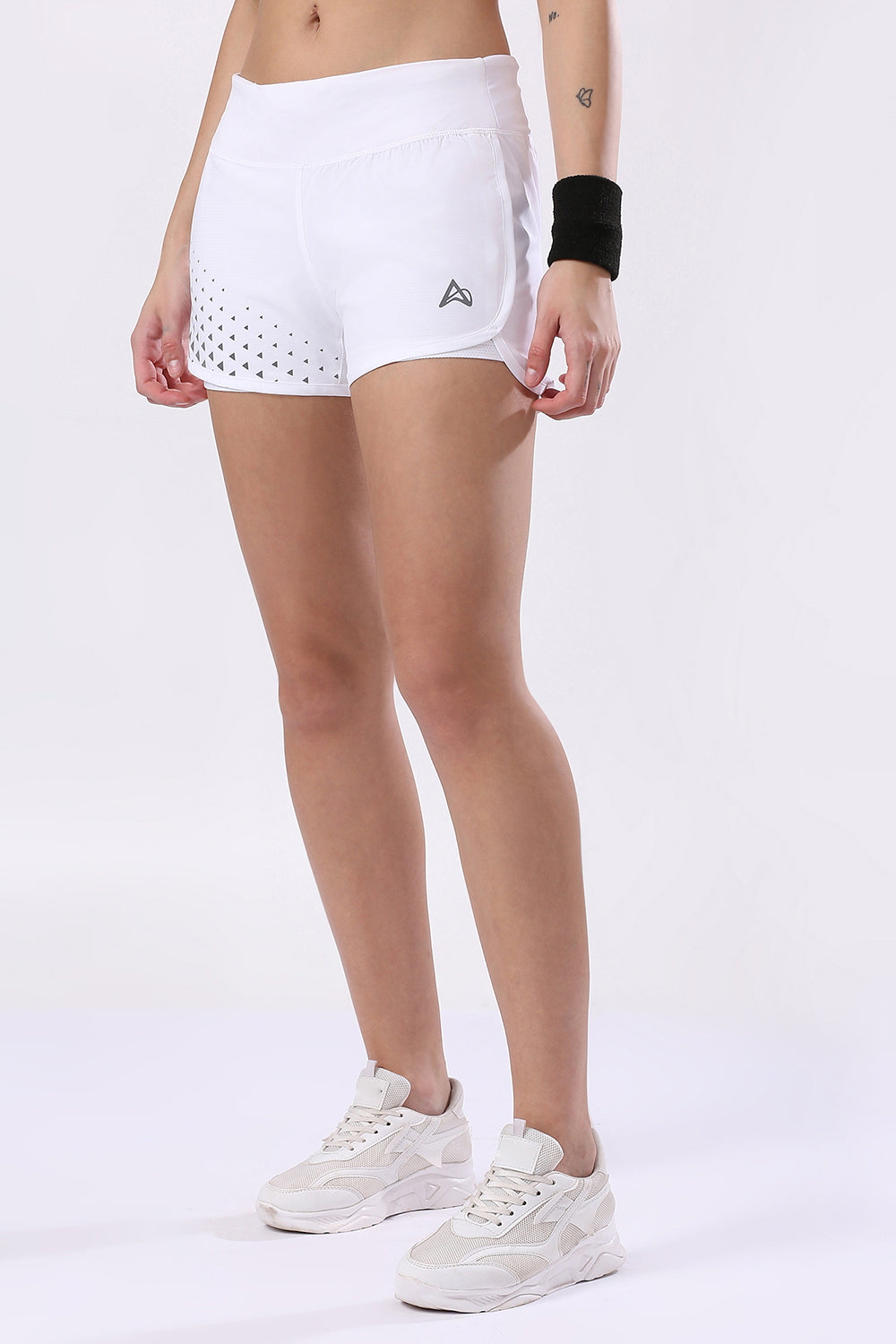
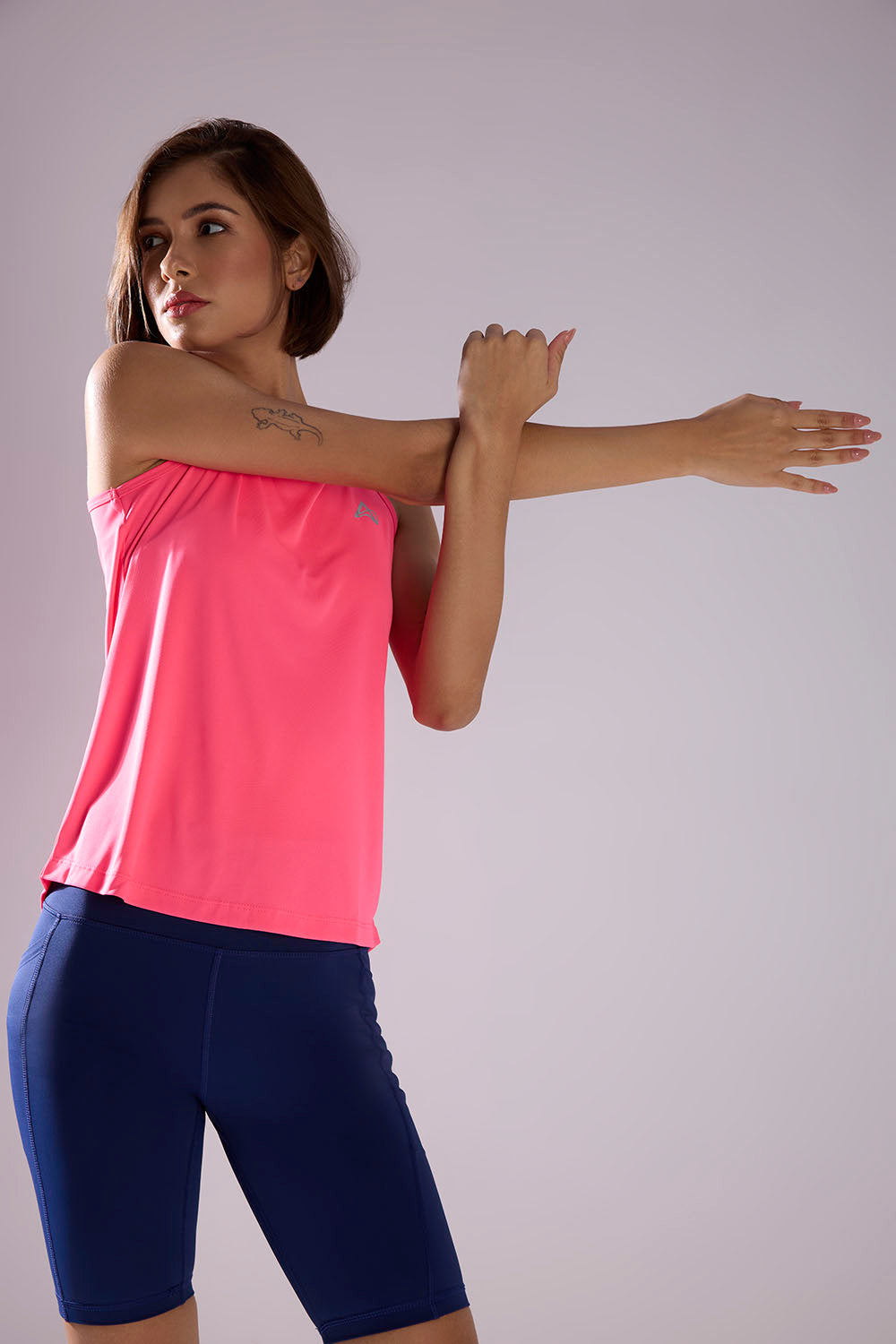
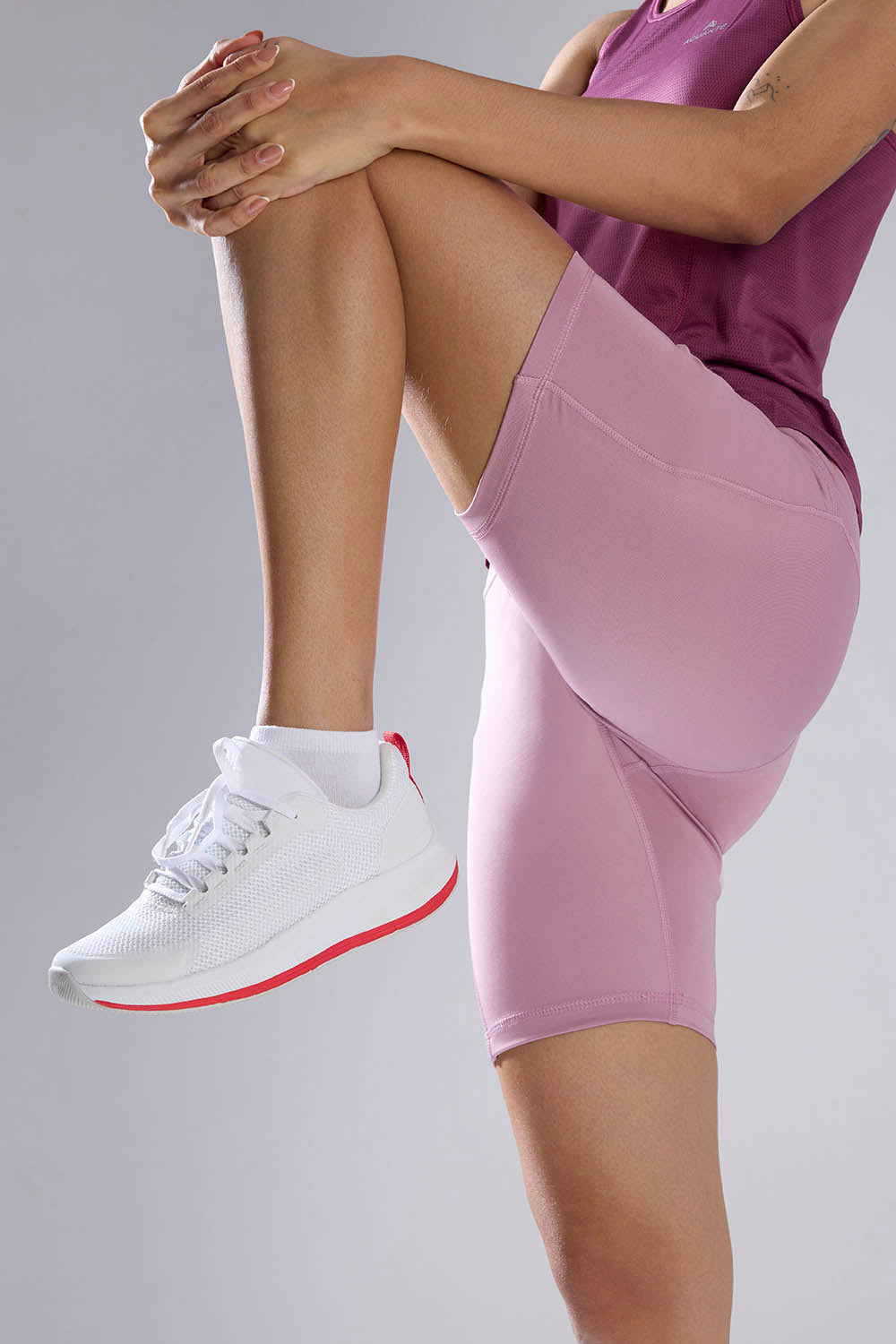
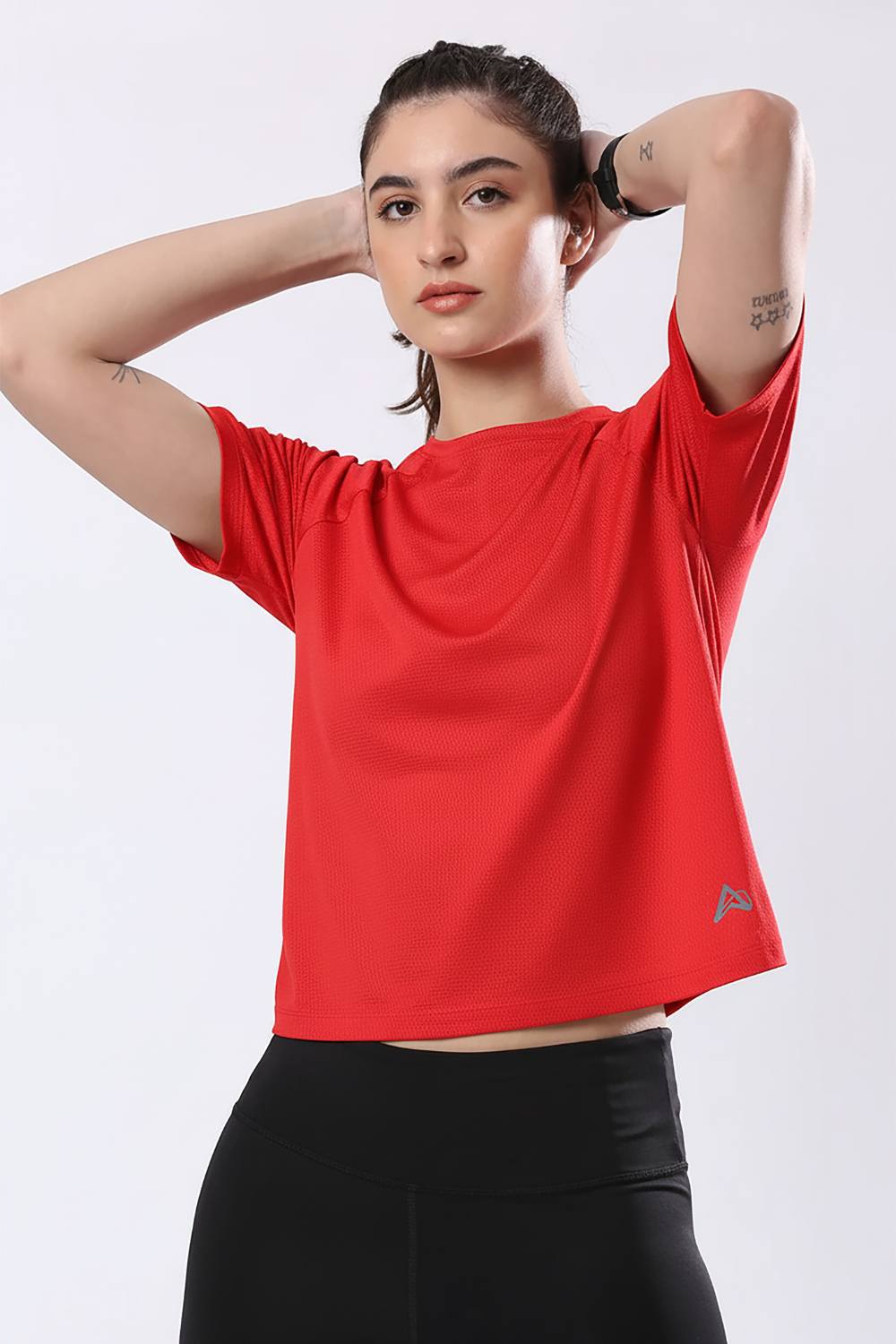
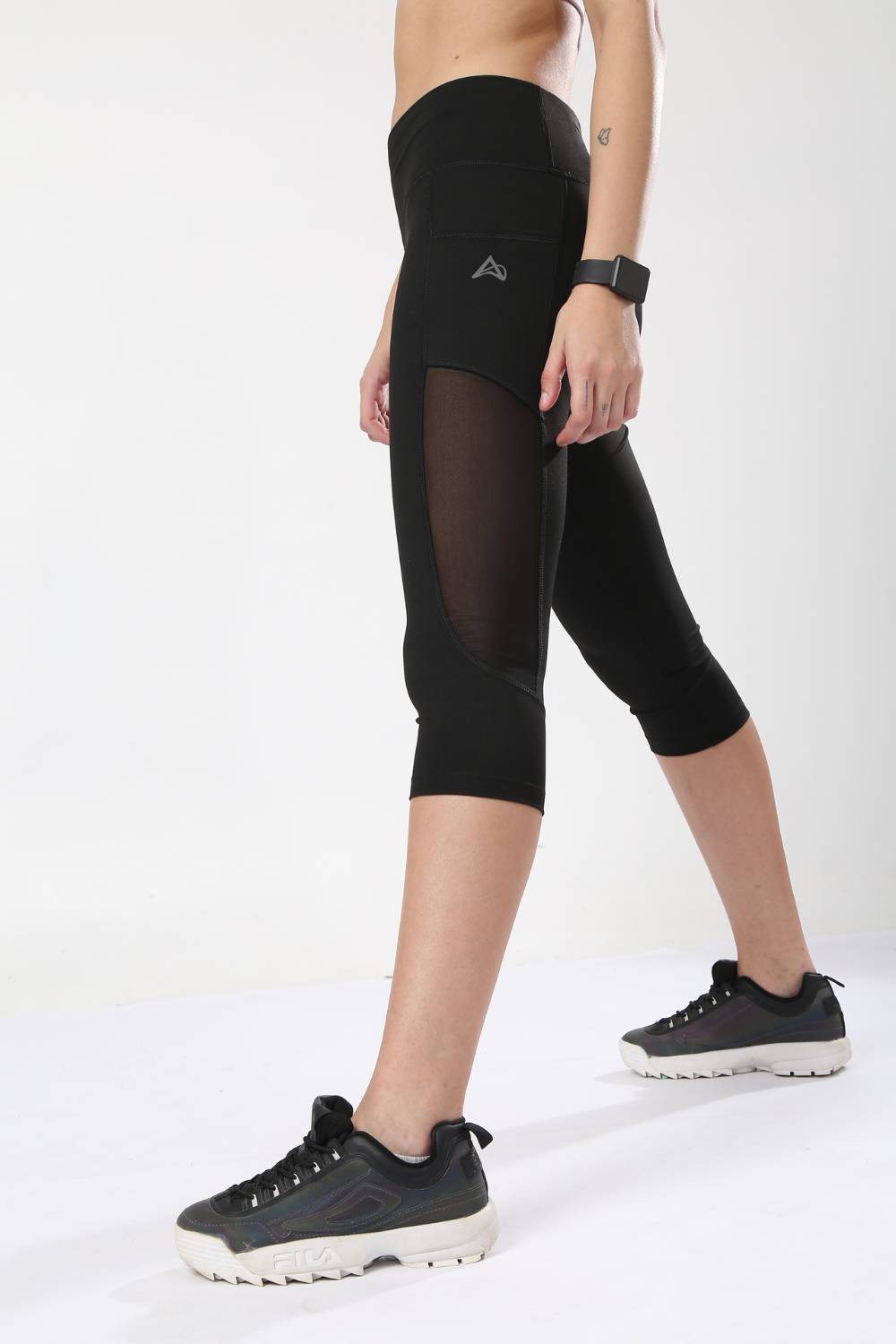
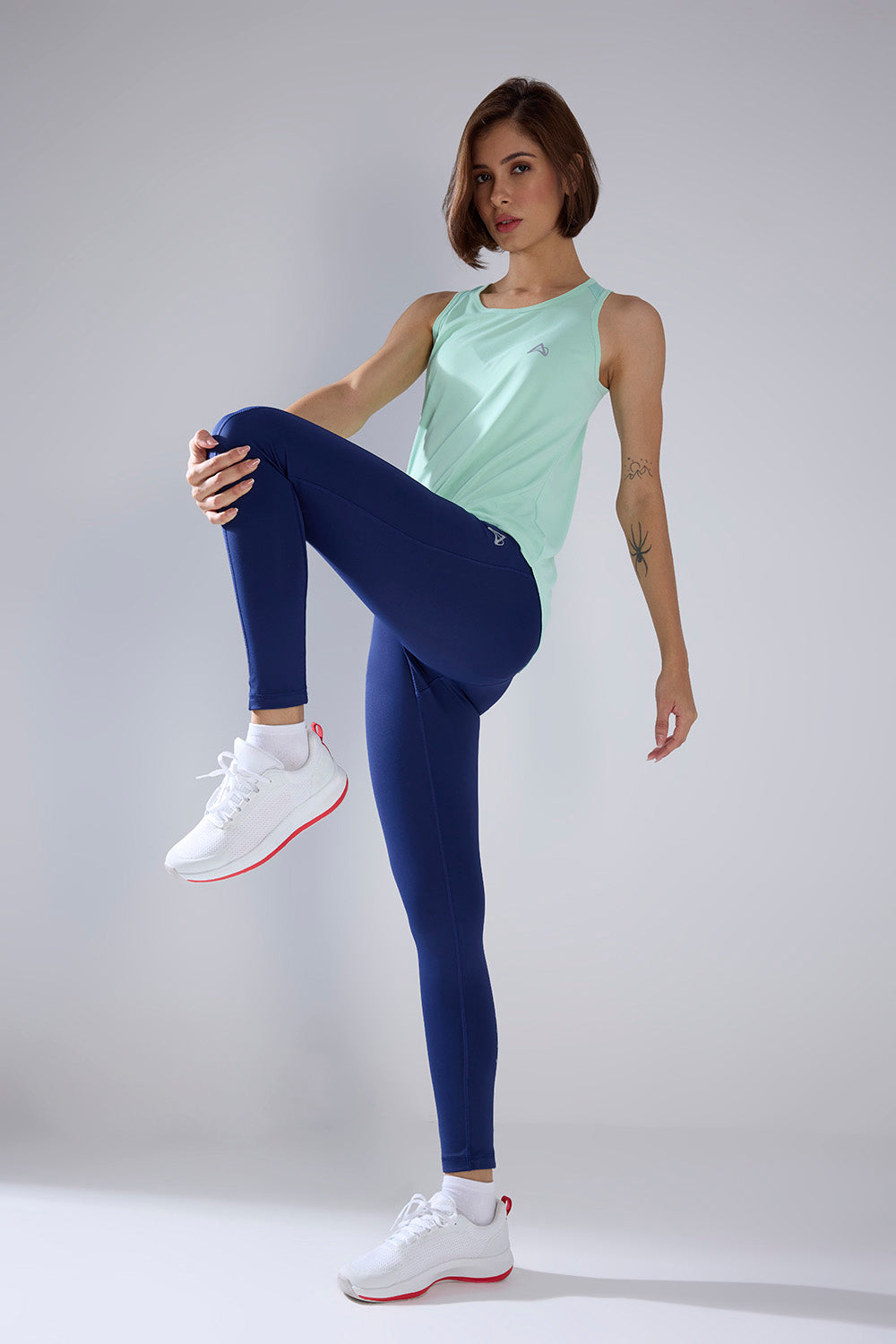

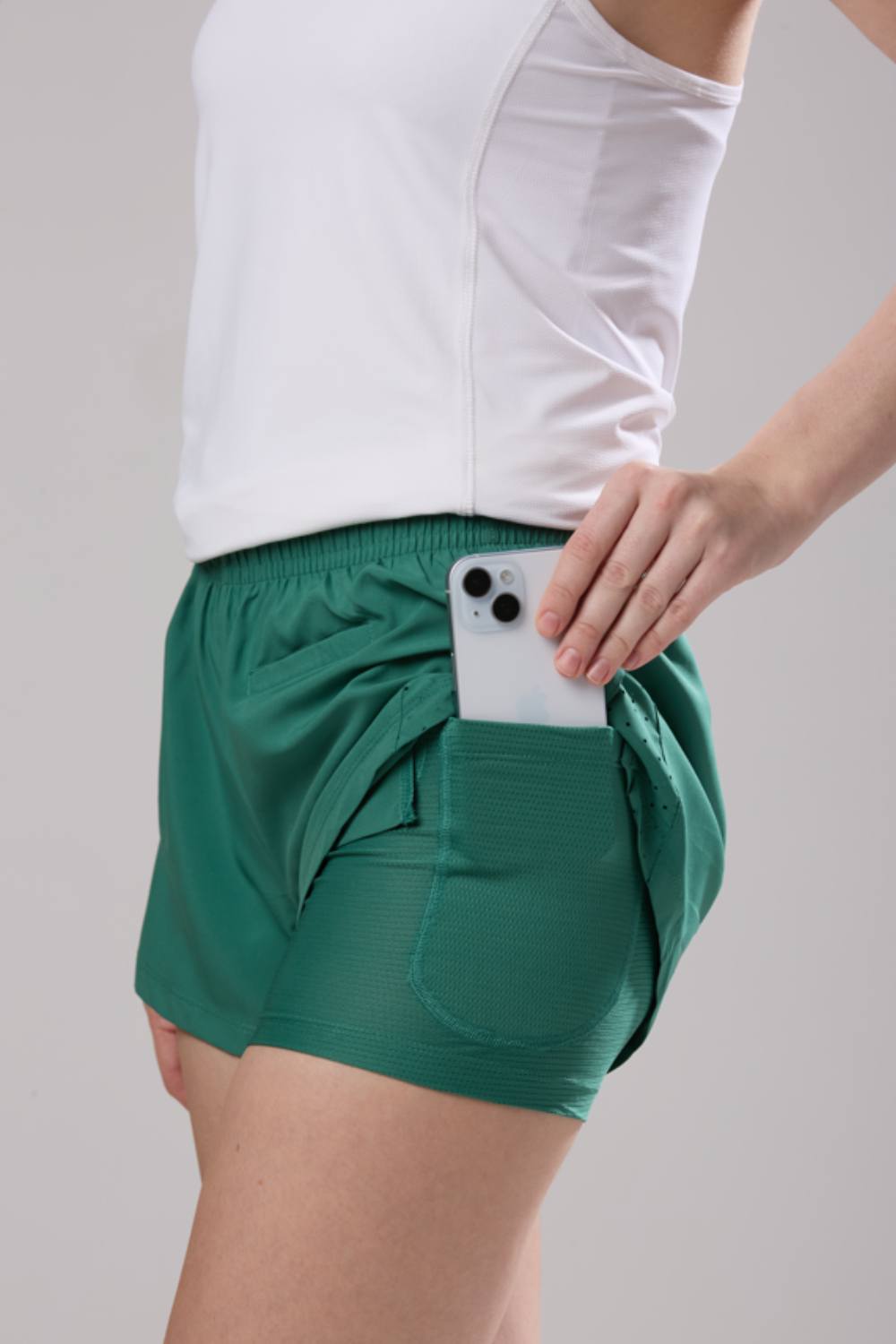
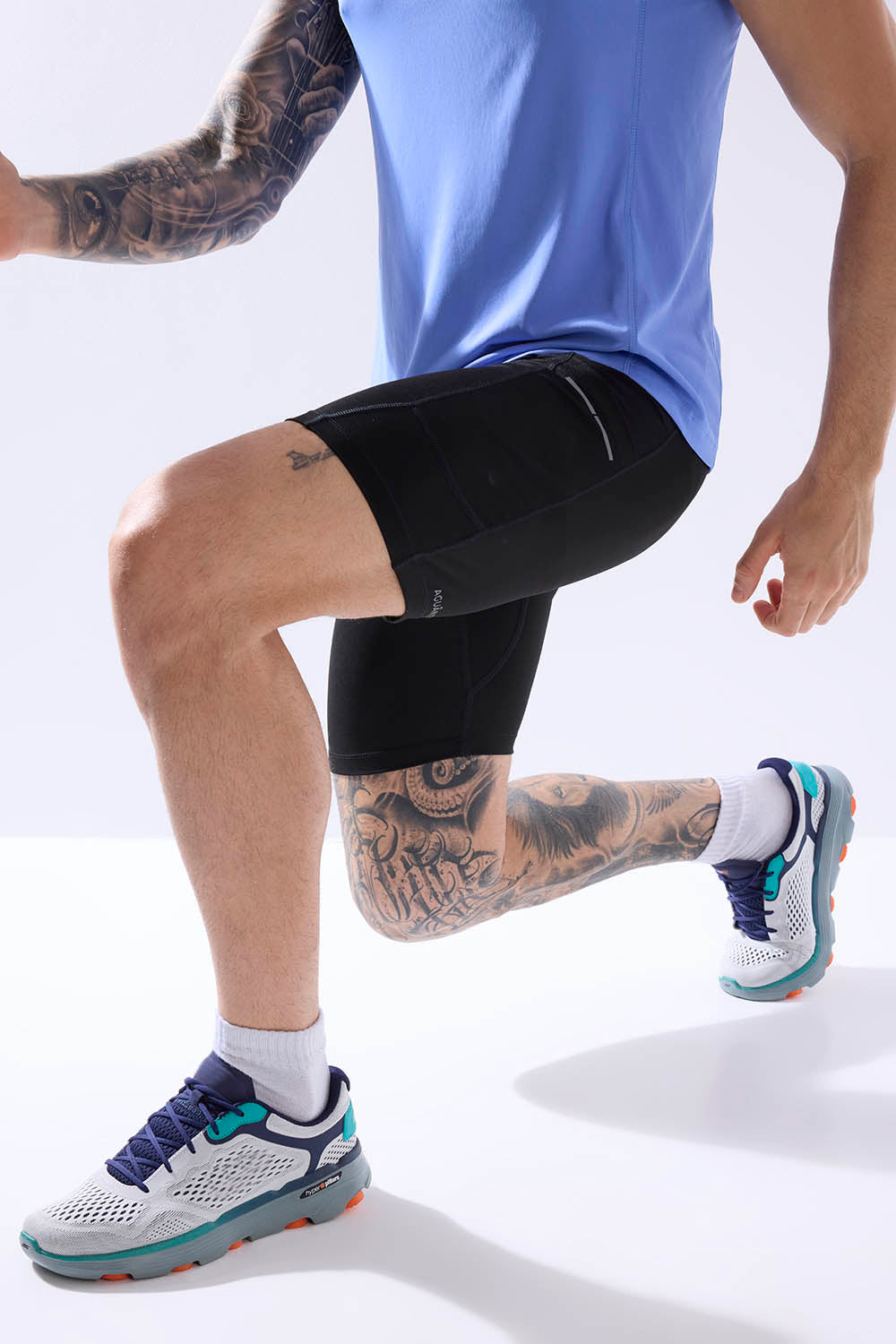
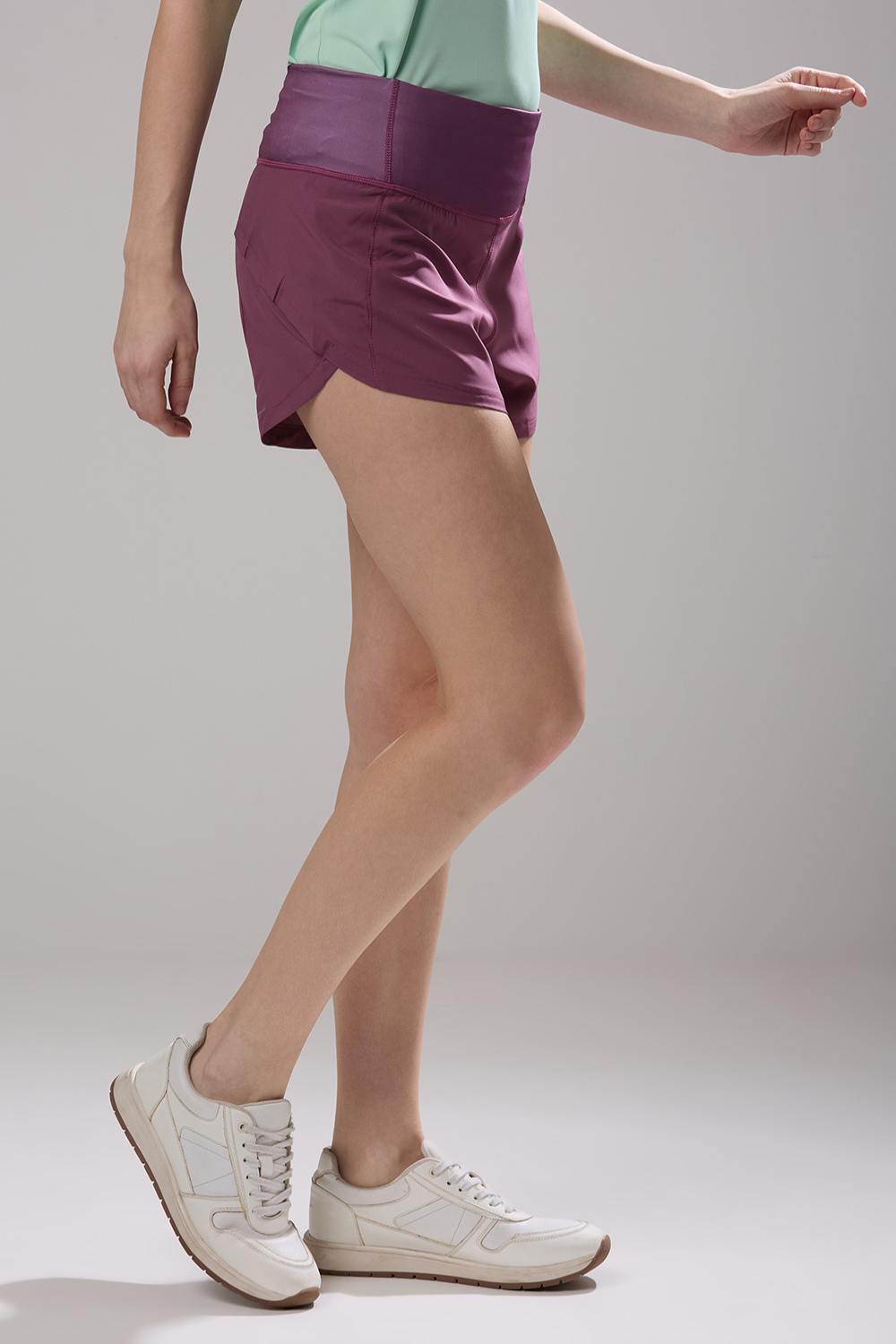
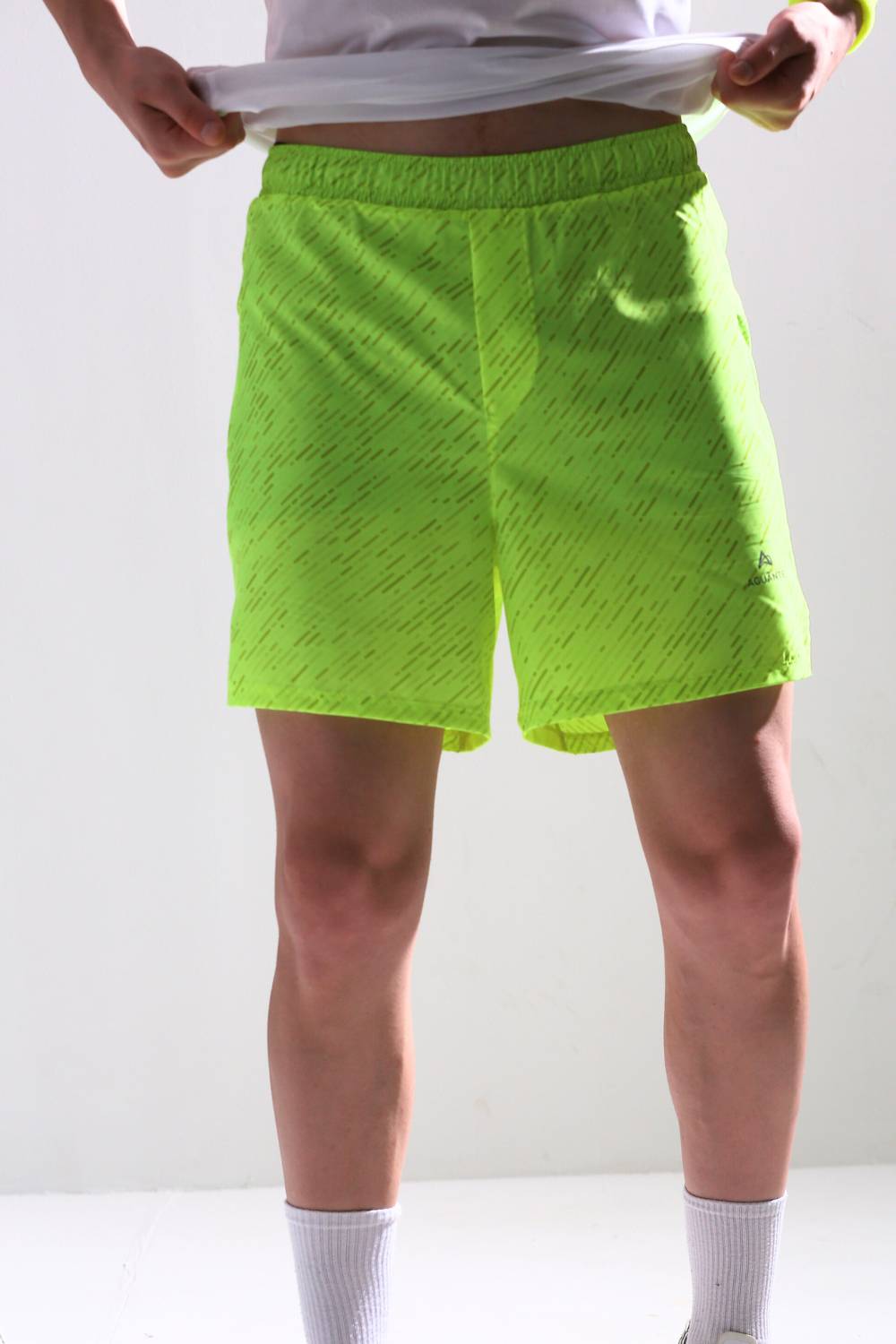
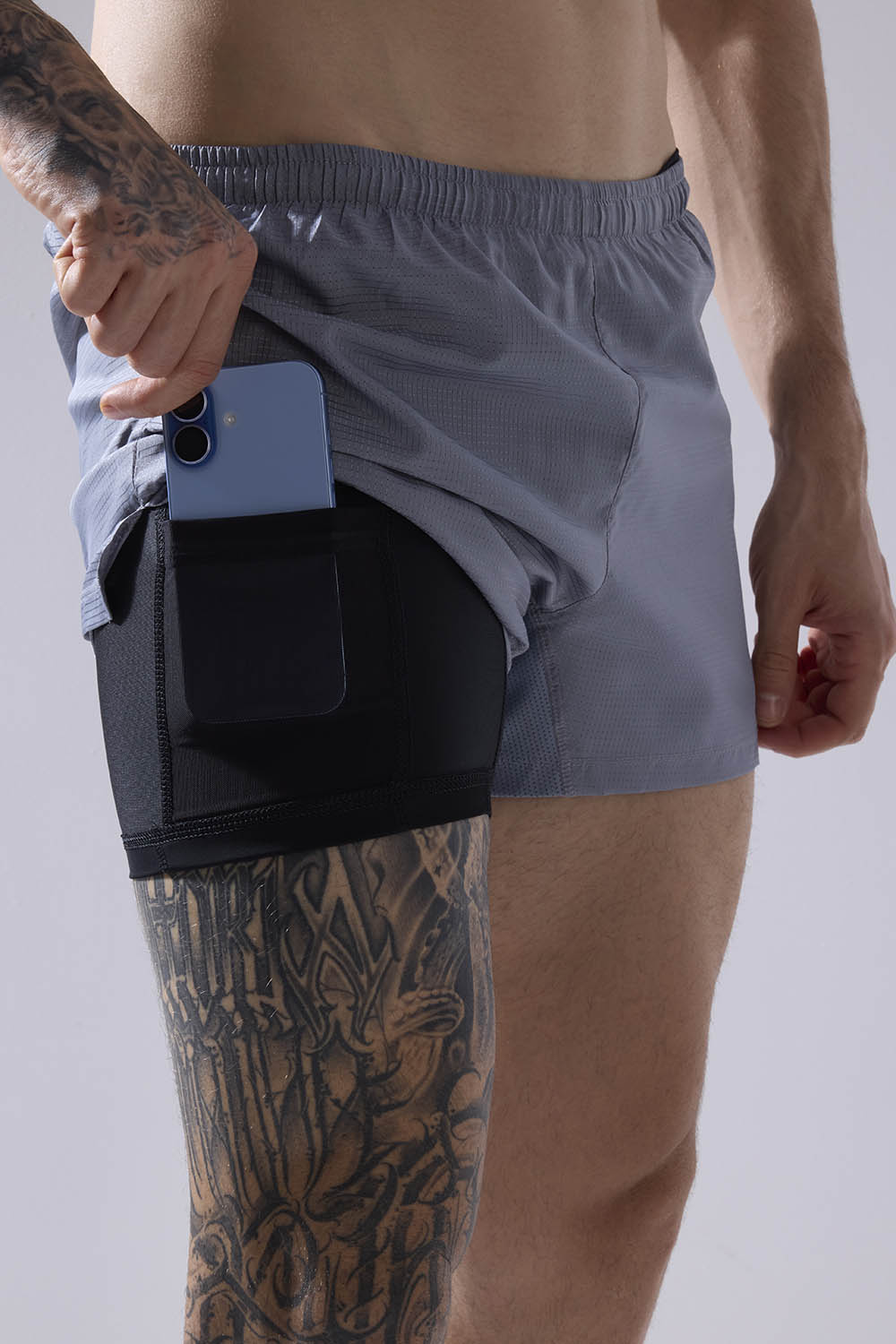

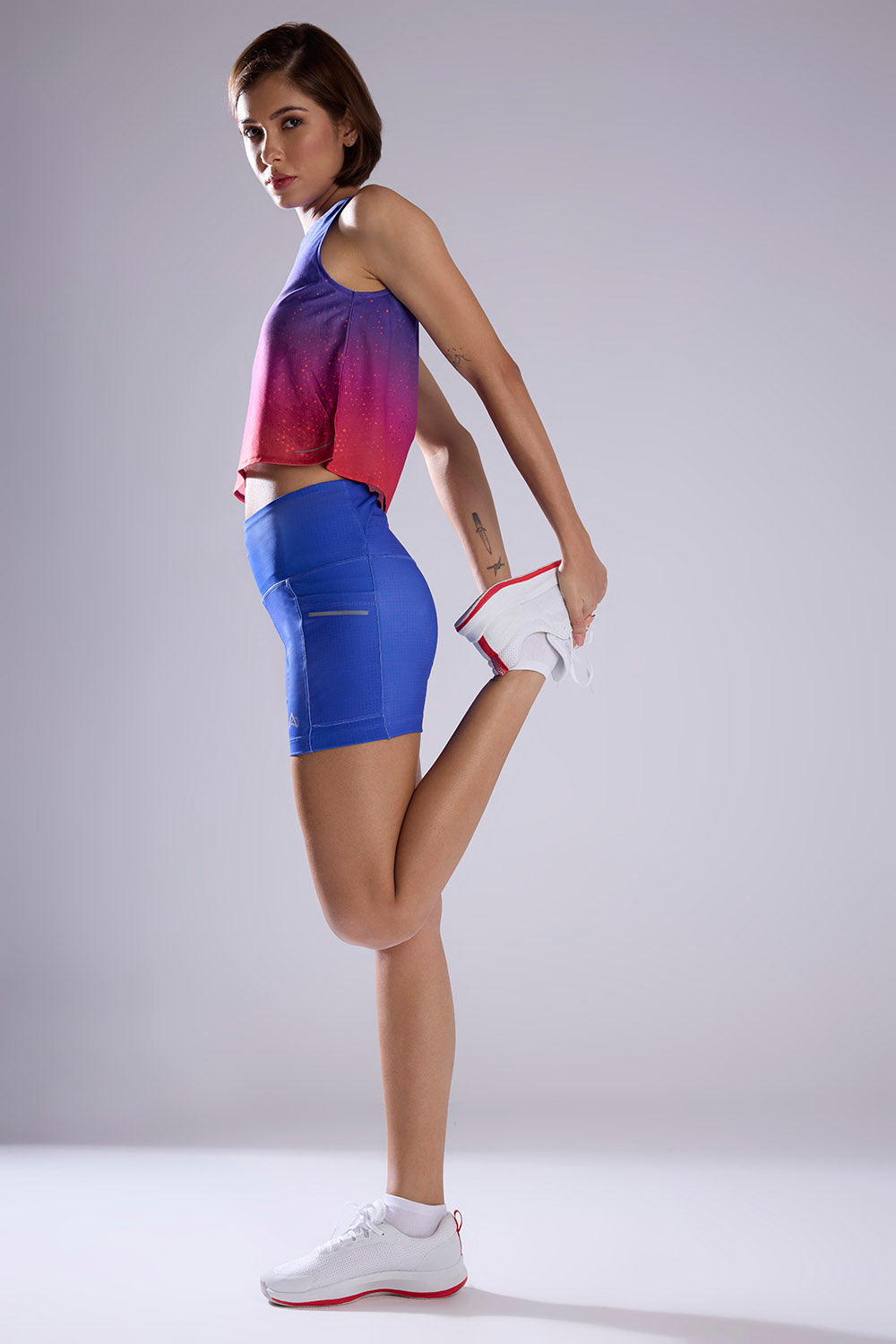
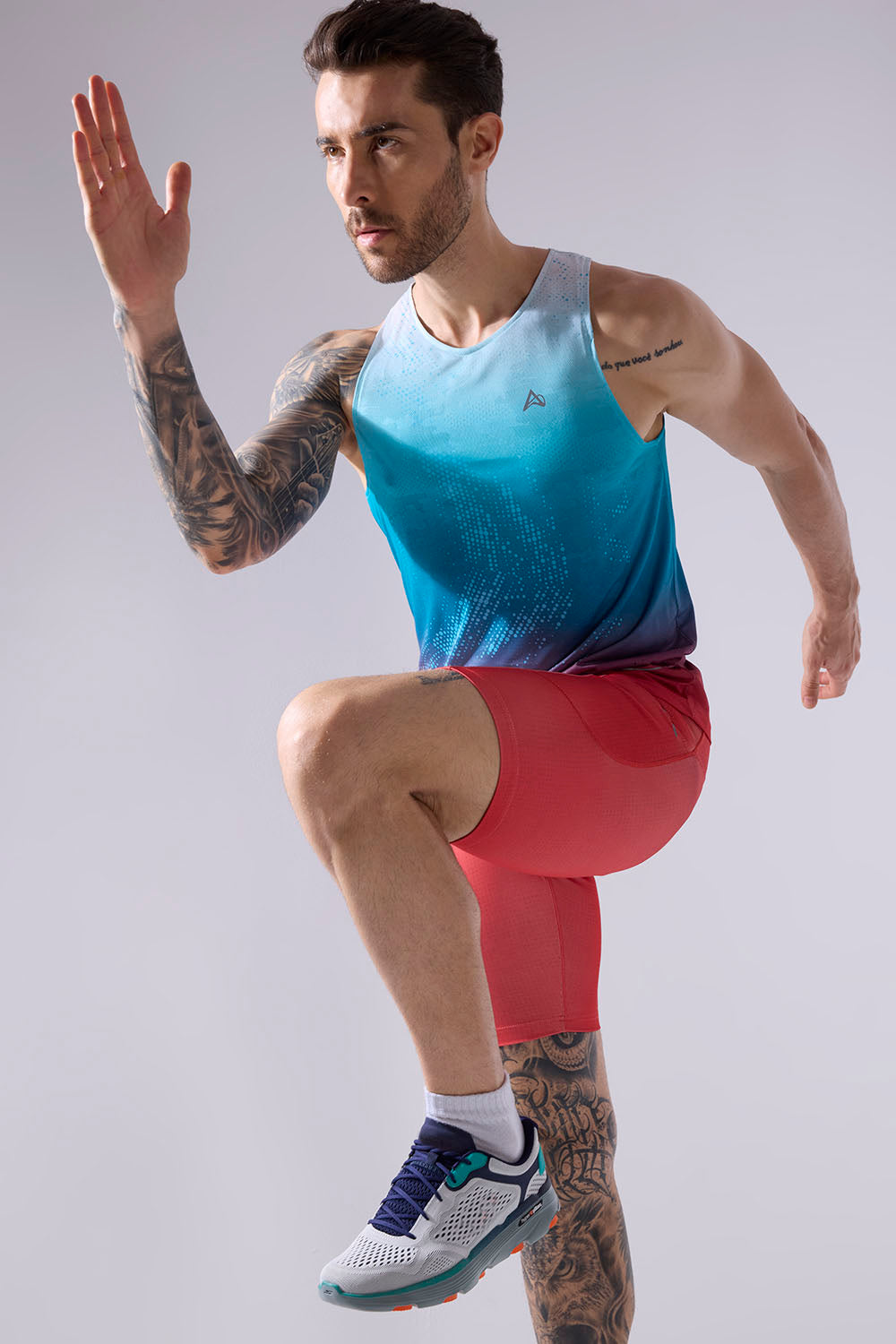

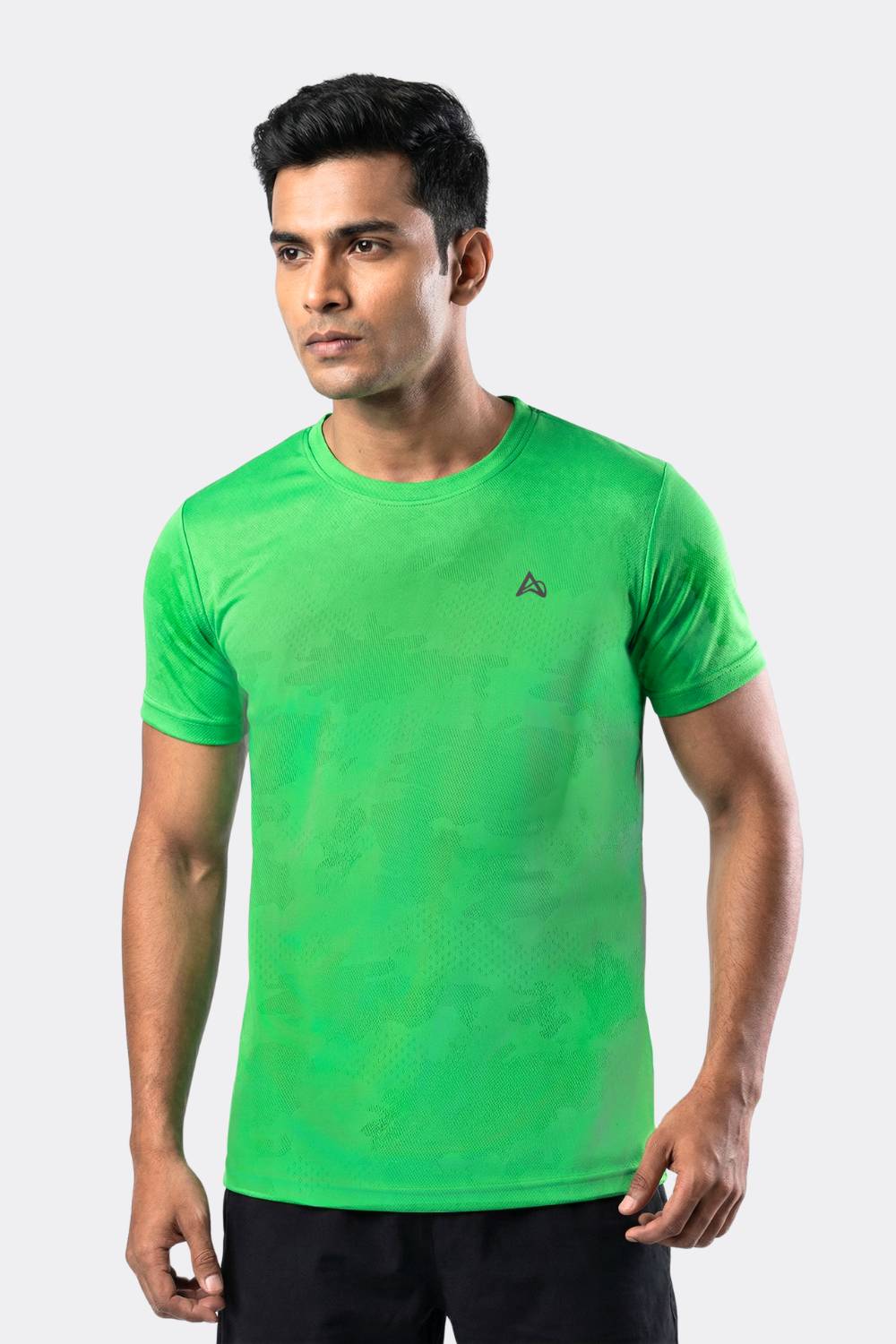
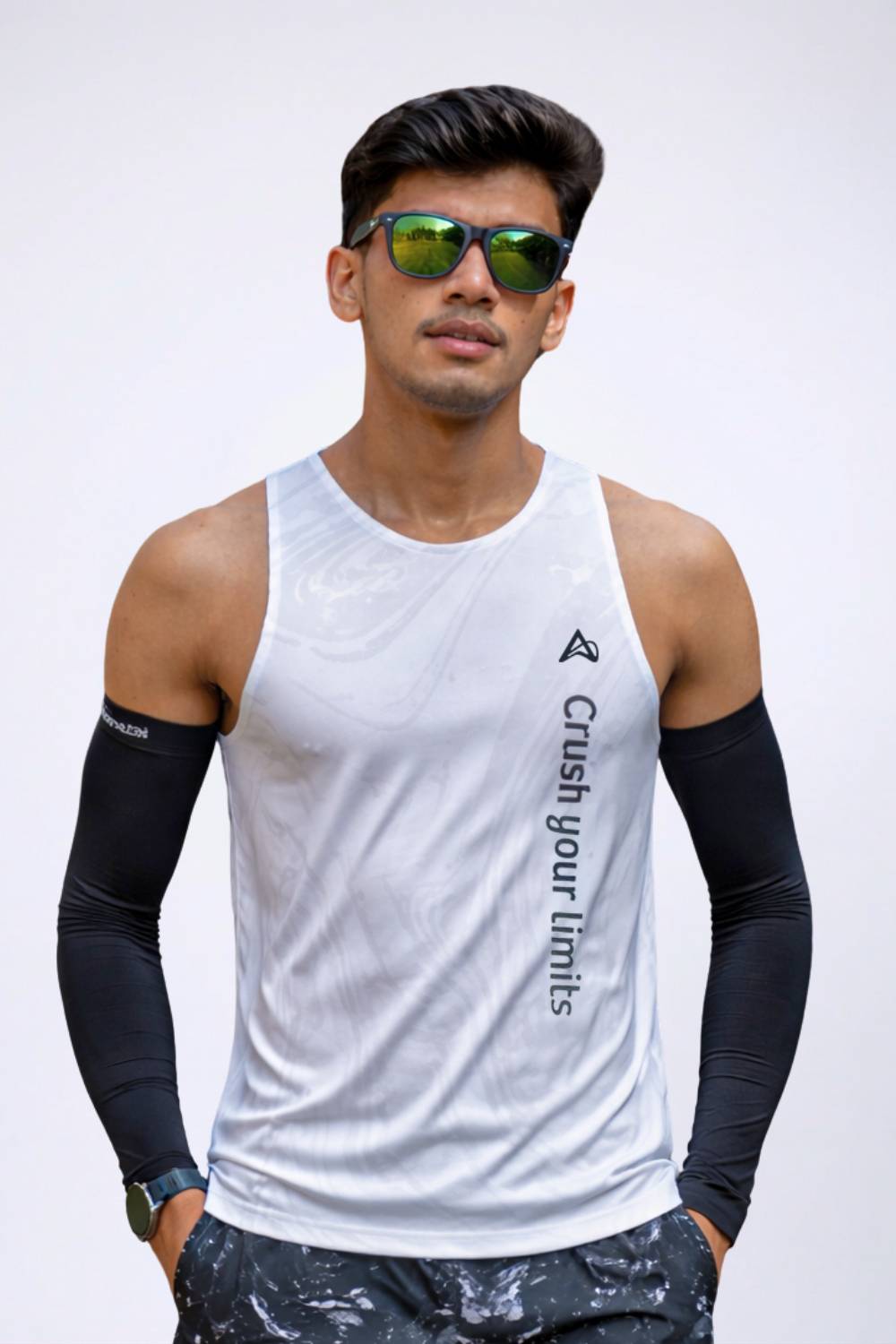

Endurance running is as much about how the body manages stress over time as it is about pace or training volume. While nutrition plans, coaching strategies, and structured mileage play a clear role, the clothing athletes wear has quietly become a performance factor in its own right. Technical running apparel is no longer just about comfort; it is engineered to influence muscle efficiency, thermoregulation, and recovery in ways that directly affect long-distance performance.
Tired of gear that slows you down? Chafing, soggy fabrics, and missing pockets kill your run's momentum. At Aguante, we're runners who get it. Our high-performance activewear features moisture-wicking fabrics, ergonomic designs, and smart storage to keep you focused. Shop Now!
The Evolving Role of Technical Apparel in Endurance Running
As endurance training has become more data-driven, athletes and coaches have started paying closer attention to variables that were once considered secondary. Apparel is one of those variables. Modern running gear is designed not only to reduce friction and discomfort but also to support physiological stability during prolonged exertion.
For endurance athletes, small improvements in perceived exertion, temperature regulation, and muscle support can accumulate over hours of running. This is where technical fabrics and engineered compression systems begin to matter. They are designed to work with the body under stress, rather than simply covering it.
Compression Garments and Muscle Efficiency Under Load
Compression apparel has been widely studied for its influence on performance metrics such as endurance capacity, strength output, and movement efficiency. A large synthesis of controlled research, including compression sportswear study, reviewed evidence from multiple randomized trials involving hundreds of trained participants.
The findings highlight consistent patterns: compression garments can support endurance performance, particularly in running-based activities. Lower-body compression appears especially relevant for endurance athletes, helping reduce muscle oscillation during repeated ground contact and supporting more stable movement patterns over long durations.
In endurance contexts, this matters because fatigue is not only muscular but also neuromuscular. When stabilizing forces are reduced, athletes often experience earlier onset of perceived fatigue. Compression systems help mitigate some of these effects by providing external support to working muscle groups, which can improve running consistency during longer efforts.
Another key insight from the research is that benefits are not uniform across all athletes. Moderately trained individuals tend to experience more noticeable improvements compared to elite performers, suggesting that technical apparel can play a particularly meaningful role in bridging performance gaps for developing endurance runners.
When endurance athletes look for evidence-backed ways to train harder and recover faster, the volume of research on compression garments offers clear direction. A comprehensive meta-analysis pooling data from 42 randomized controlled trials and 769 participants examined how compression sportswear affects speed, endurance capacity, strength, power, and functional movement patterns. The analysis found statistically significant positive effects across speed and endurance measures, with especially strong benefits for moderately trained adults and lower-body garments during running efforts. Whole-body suits improved sprint and overall speed, while lower-body compression specifically advanced endurance metrics such as time to exhaustion and race pacing.
These gains link back to reduced muscle oscillation during ground contact, improved oxygen delivery through better venous return, and lowered perceived exertion that lets athletes push harder without early fatigue. For ultra-endurance runners logging hundreds of miles each week, the findings translate into tangible advantages: sustained running economy, quicker clearance of metabolic byproducts, and faster return of peak power after long sessions. The meta-analysis also separated effects by garment type and participant level, showing that lower-leg compression tights delivered the biggest endurance lifts while full suits shone for speed work.
This evidence base explains the rapid adoption of technical compression layers in professional running gear brands are now engineering fabrics that combine graduated pressure with superior wicking and breathability to support both immediate performance and long-term training consistency. Endurance athletes who incorporate these garments report not only better race-day pacing but also fewer nagging aches, more reliable recovery between back-to-back runs, and the ability to maintain quality mileage when the body is pushed to its limits.
Fabric Technology and Thermoregulation During Long Runs
Beyond compression, fabric composition plays a critical role in endurance performance. Heat buildup and moisture retention are two of the most common factors that degrade performance over time. Technical fabrics are engineered to address both by improving evaporation and reducing thermal strain on the body.
A controlled crossover trial comparing synthetic and cotton sportswear provides useful insight into this relationship. The study documented in synthetic fabric trial found that athletes wearing synthetic apparel completed a 20-kilometer effort slightly faster than when wearing cotton-based clothing.
The performance difference was linked not to cardiovascular changes, but to thermal comfort and perceived exertion. Athletes wearing synthetic fabrics maintained lower skin temperatures and reported more stable effort perception, particularly in the later stages of the run where fatigue typically accumulates.
This highlights an important principle in endurance sports: even small improvements in thermoregulation can influence pacing decisions and fatigue resistance. When the body is better able to regulate heat, athletes can maintain output more consistently, especially in warm or humid training conditions.
Endurance athletes chasing every tenth of a second in training or races understand that clothing choices can quietly influence how efficiently the body maintains speed and power over time. A controlled crossover trial tested this idea by having trained cyclists and triathletes complete 20-kilometer time trials while wearing two identical ensembles one made entirely from synthetic fabrics with low insulation and high evaporative properties, the other 100 percent cotton. The synthetic version delivered a statistically meaningful 0.8 percent faster overall time, achieved through sustained higher speed and power output in the final six kilometers where fatigue typically sets in hardest.
Skin temperature stayed roughly one degree Celsius lower throughout the effort, perceived exertion remained more favorable, and thermal sensation stayed cooler, all without measurable differences in heart rate, oxygen uptake, or sweat rate. The advantage came purely from fabric design: synthetics pull moisture away from the skin faster, allowing sweat to evaporate efficiently and reducing the insulating effect of trapped heat. For runners who often layer clothing during long efforts or race in variable conditions, these findings highlight why modern technical running apparel prioritizes advanced synthetics, mesh panels, and moisture-management treatments.
The result is a body that stays cooler, feels less heavy, and performs more consistently mile after mile exactly the kind of edge that separates sub-four-hour marathons from solid but slower finishes. Athletes who invest in such gear report not only better immediate performance but also less discomfort during prolonged training, reinforcing that the right technical apparel is a genuine performance multiplier rather than just a comfort upgrade.
Layering Systems and Environmental Adaptability
Endurance athletes rarely train in perfectly controlled environments. Temperature shifts, humidity changes, and varying terrain conditions all influence performance outcomes. This is where layering systems in technical apparel become important.
Modern running gear is designed to be modular, allowing athletes to adapt without disrupting movement efficiency. Lightweight base layers manage moisture close to the skin, while outer layers provide protection against wind or rain without trapping excessive heat.
The effectiveness of layering lies in balance. Too much insulation leads to overheating, while insufficient protection can cause early fatigue due to environmental stress. Technical apparel aims to maintain a stable microclimate around the body, allowing athletes to focus on pacing and effort rather than external discomfort.
For long-distance runners, especially those training for marathons or ultra-endurance events, this adaptability can influence consistency across training cycles. Being able to maintain similar effort levels across different conditions supports better progression and reduces the likelihood of disrupted training plans.
Recovery, Muscle Stress, and Post-run Adaptation
Endurance performance is not only defined by what happens during a run but also by how effectively the body recovers afterward. Technical apparel plays a role here as well, particularly through compression-based recovery wear designed to support circulation and reduce muscle fatigue signals.
By applying graduated pressure, compression garments may help improve venous return, supporting the body's natural recovery processes after prolonged exertion. This can be particularly relevant after high-mileage training blocks where muscle soreness and fatigue accumulation can affect subsequent sessions.
While recovery outcomes vary across individuals, many athletes report improved comfort and reduced perceived stiffness when using recovery-focused apparel. Over time, this can contribute to more consistent training quality by reducing downtime between hard sessions.
Recovery-focused apparel does not replace foundational recovery practices such as sleep and nutrition, but it can complement them as part of a broader performance system. In endurance sports, where training continuity is critical, even marginal recovery improvements can have meaningful long-term effects.
Choosing Technical Running Apparel for Endurance Goals
For athletes evaluating technical running apparel, the decision goes beyond brand preference or aesthetics. The key is understanding how different garment features align with training needs and environmental demands.
Compression fit, fabric breathability, moisture management, and layering compatibility are all important considerations. Runners focusing on long-distance performance may benefit from prioritizing garments that support thermal regulation and reduce muscular fatigue over time, rather than those designed purely for short-duration speed work.
Fit consistency is equally important. Apparel that shifts or causes friction during movement can negate many of the benefits offered by advanced materials. Endurance training requires gear that remains stable across long durations, repeated motion cycles, and varying environmental conditions.
Technical apparel should be viewed as part of a broader endurance system that includes training structure, nutrition, hydration, and recovery. When these elements work together, athletes are better positioned to maintain performance quality across demanding training cycles.
Practical Implications for Endurance Athletes
The integration of technical apparel into endurance training reflects a broader shift in how performance is understood. Instead of focusing solely on physiological training adaptations, athletes are increasingly considering how external factors influence internal efficiency.
Compression systems, moisture-managing fabrics, and adaptive layering all contribute to a more stable performance environment. These technologies do not replace training but support it by reducing unnecessary physiological strain and improving comfort under load.
For endurance athletes, the practical takeaway is clear: apparel choices can influence how efficiently the body performs and recovers over time. When selected thoughtfully, technical running gear becomes part of the performance infrastructure that supports consistent training and long-term progression.
As the demands of endurance sports continue to evolve, the role of engineered apparel is likely to expand further. What was once considered supplementary gear is now increasingly recognized as a functional component of athletic performance strategy.
Frequently Asked Questions
How does compression clothing improve endurance running performance?
Compression clothing supports endurance running performance by reducing muscle oscillation and improving movement stability during long-distance efforts. Research suggests it may also enhance venous return and lower perceived exertion, helping athletes maintain consistent pacing. These effects can delay fatigue and improve overall running efficiency, especially during prolonged training sessions or races.
What role do moisture-wicking fabrics play in endurance running apparel?
Moisture-wicking fabrics help regulate body temperature by drawing sweat away from the skin and promoting faster evaporation. This reduces heat buildup and helps maintain a cooler skin temperature during sustained effort. Studies show that synthetic materials can improve thermal comfort and lower perceived exertion, contributing to more consistent endurance performance.
Should endurance athletes use layering systems in technical running gear?
Layering systems allow endurance athletes to adapt to changing weather conditions while maintaining a stable body temperature. Lightweight base layers manage moisture, while outer layers protect against wind and rain without causing overheating. This balance helps preserve performance consistency and reduces environmental stress during long runs.
Disclaimer: The above helpful resources content contains personal opinions and experiences. The information provided is for general knowledge and does not constitute professional advice.
You may also be interested in: The rise of cross-training routines among Indian endurance athletes
Tired of gear that slows you down? Chafing, soggy fabrics, and missing pockets kill your run's momentum. At Aguante, we're runners who get it. Our high-performance activewear features moisture-wicking fabrics, ergonomic designs, and smart storage to keep you focused. Shop Now!
Powered by flareAI.co