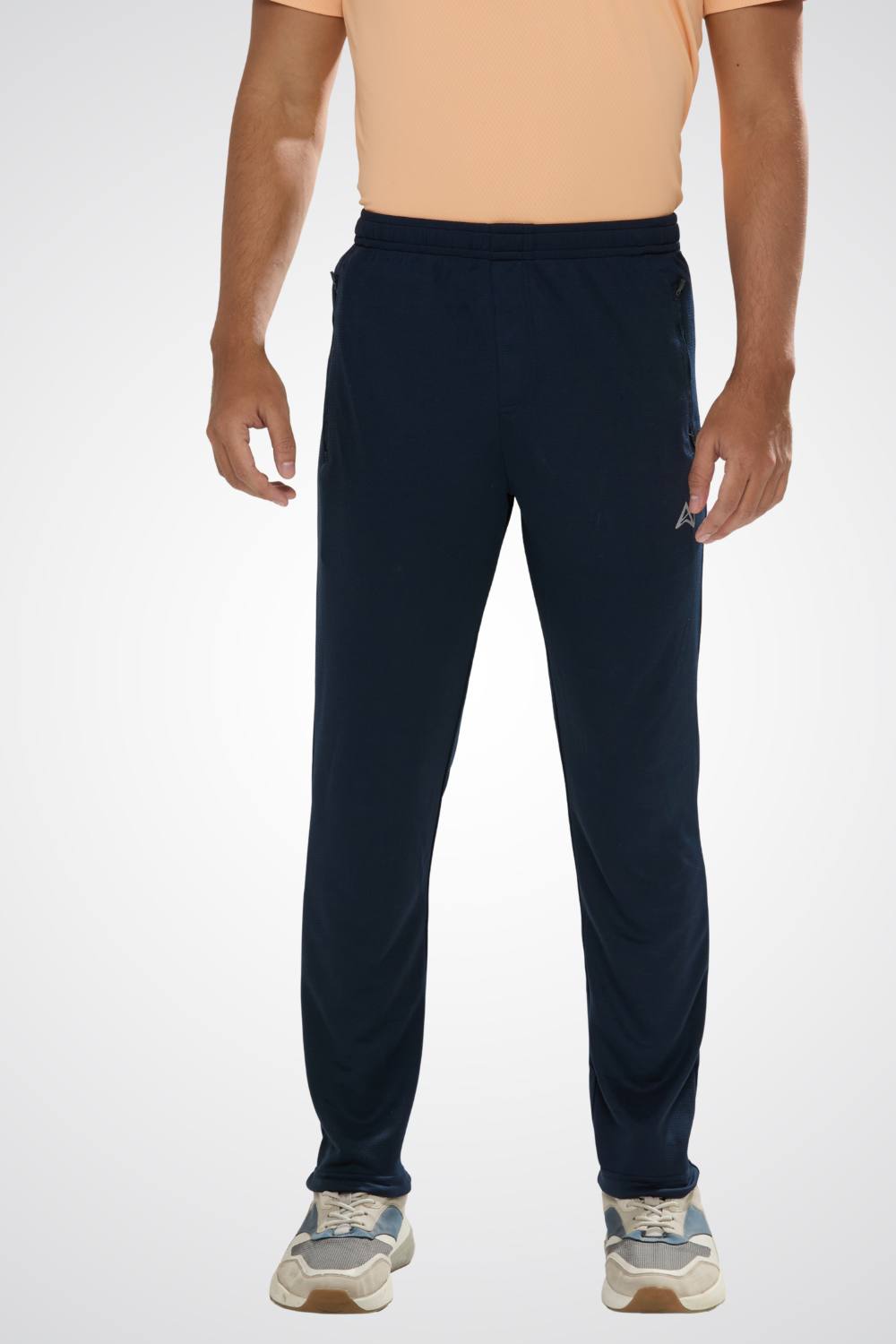
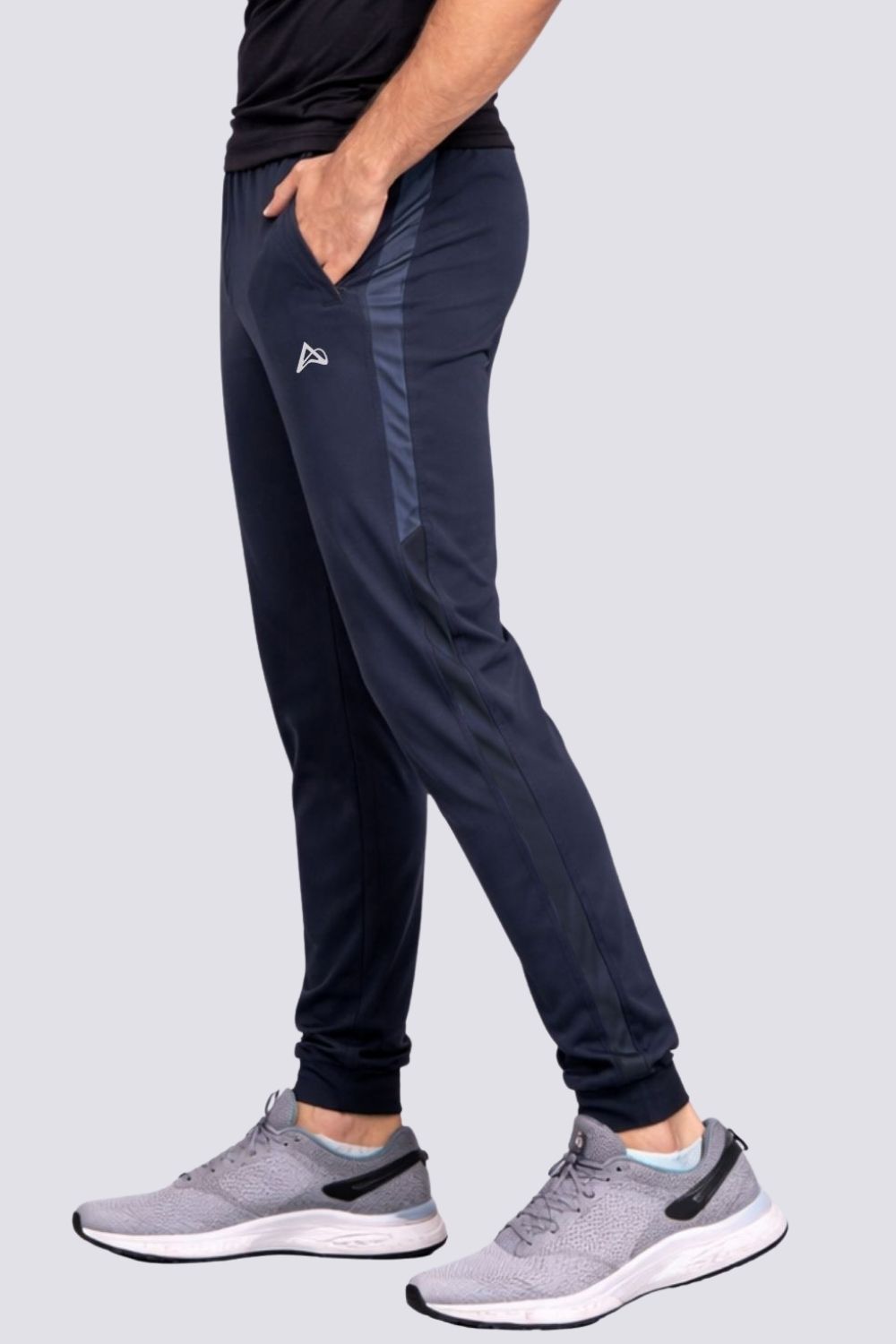
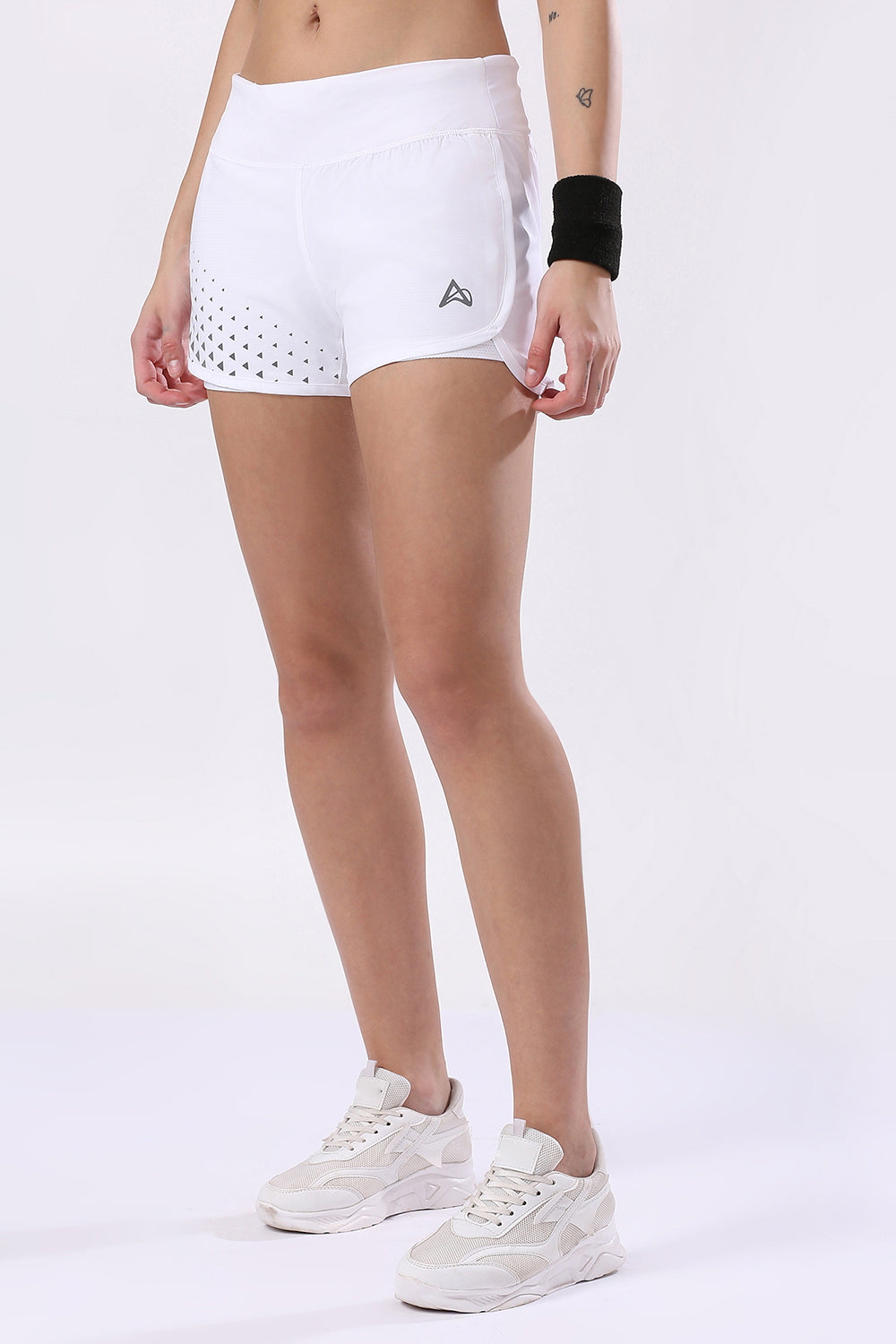
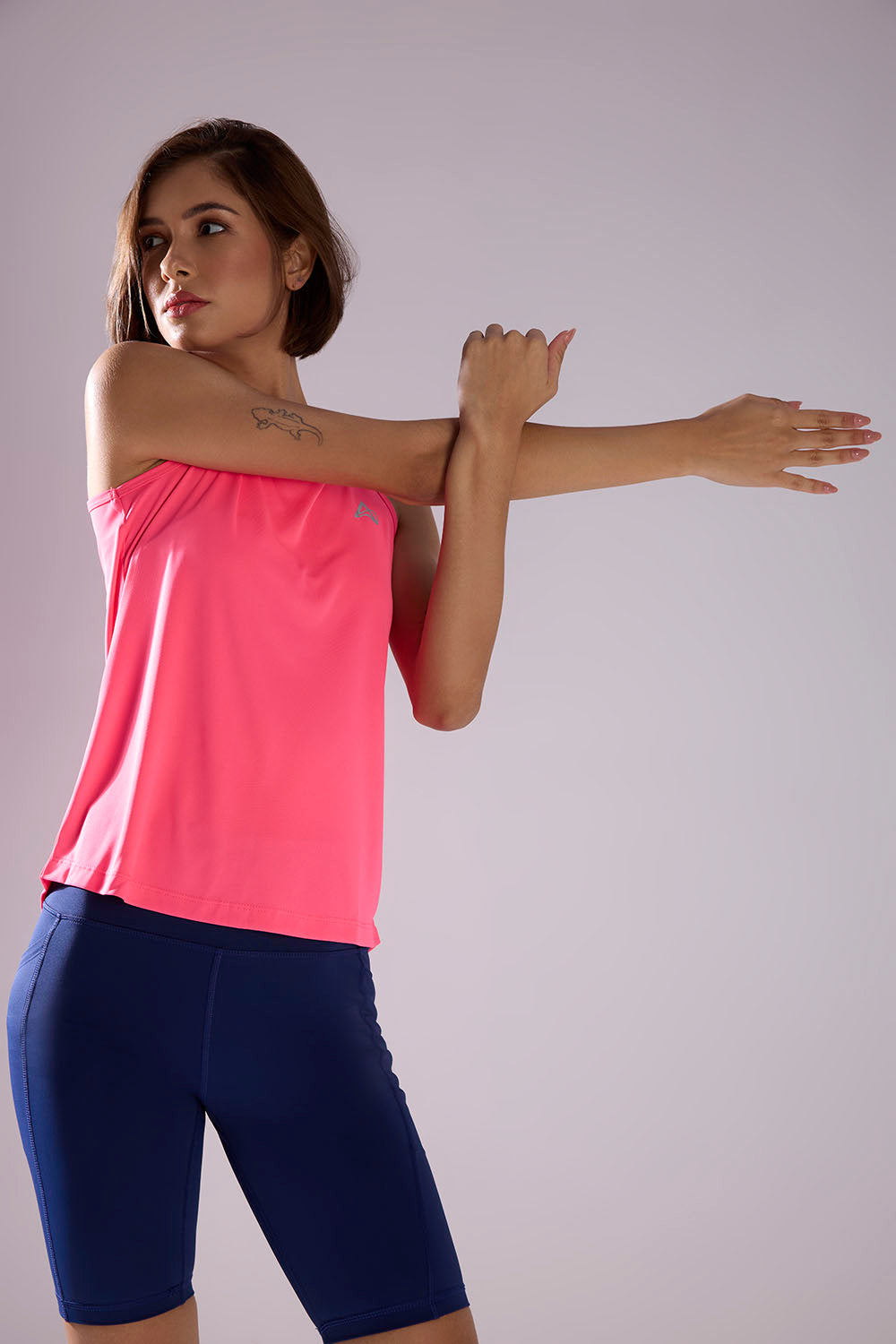
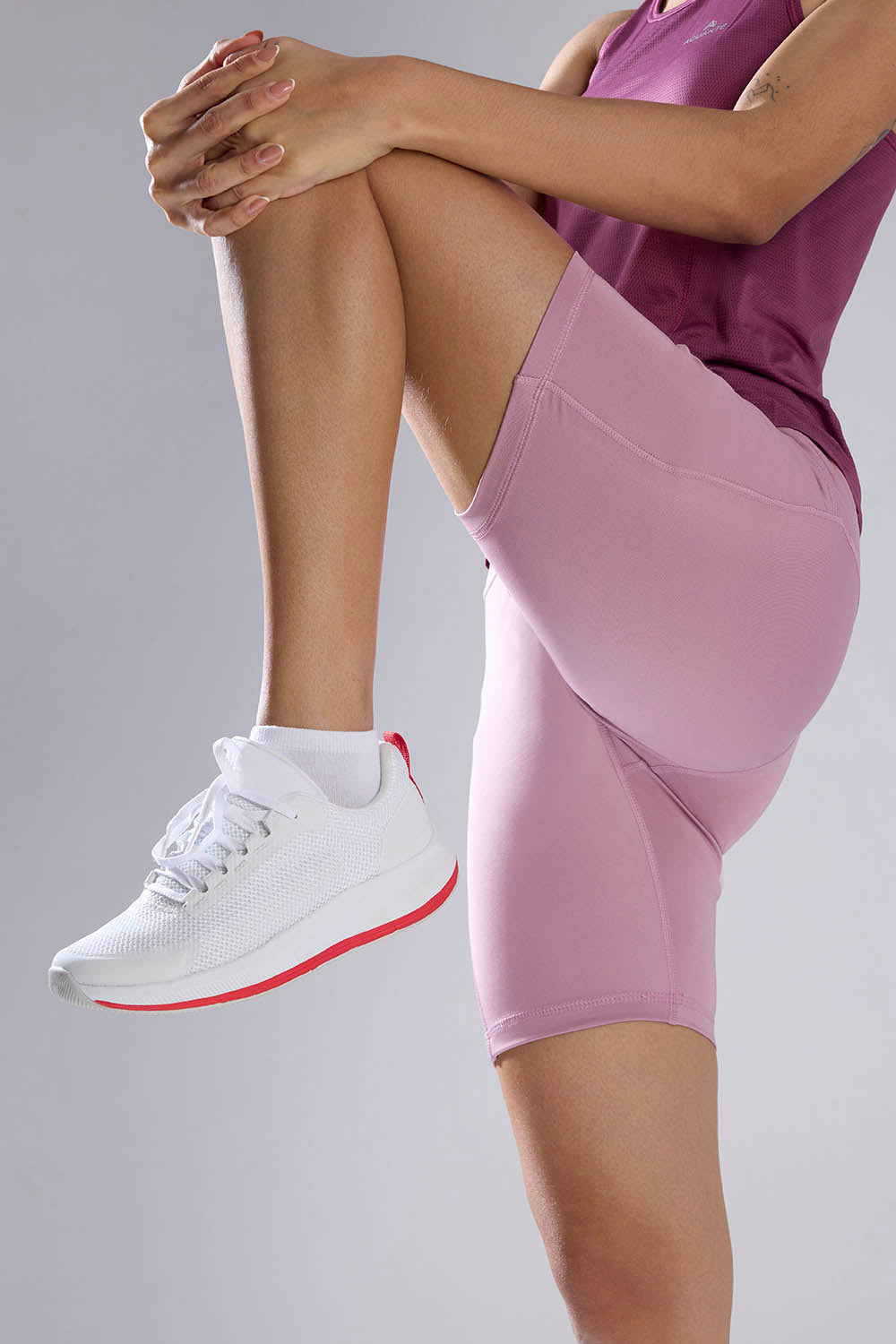
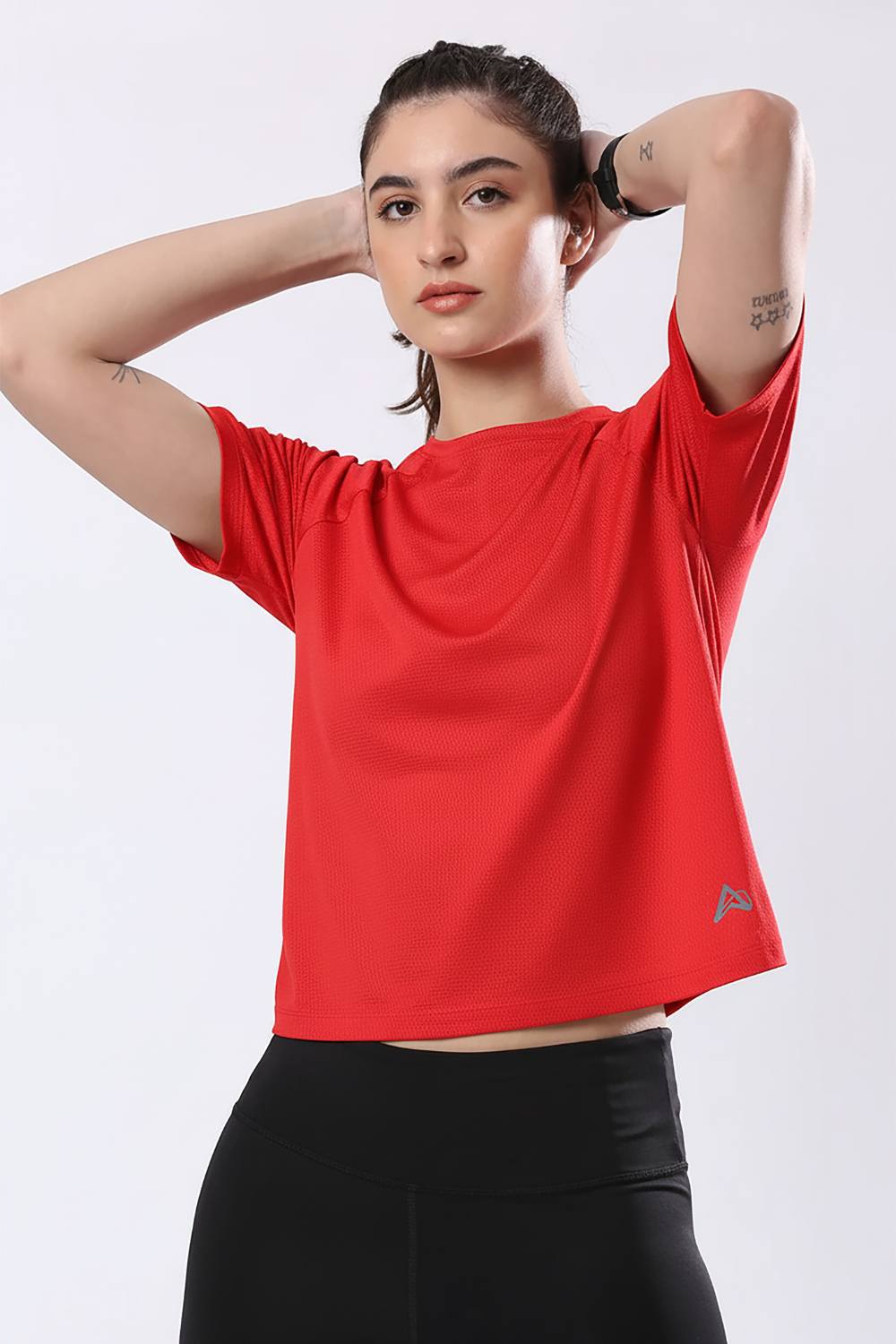
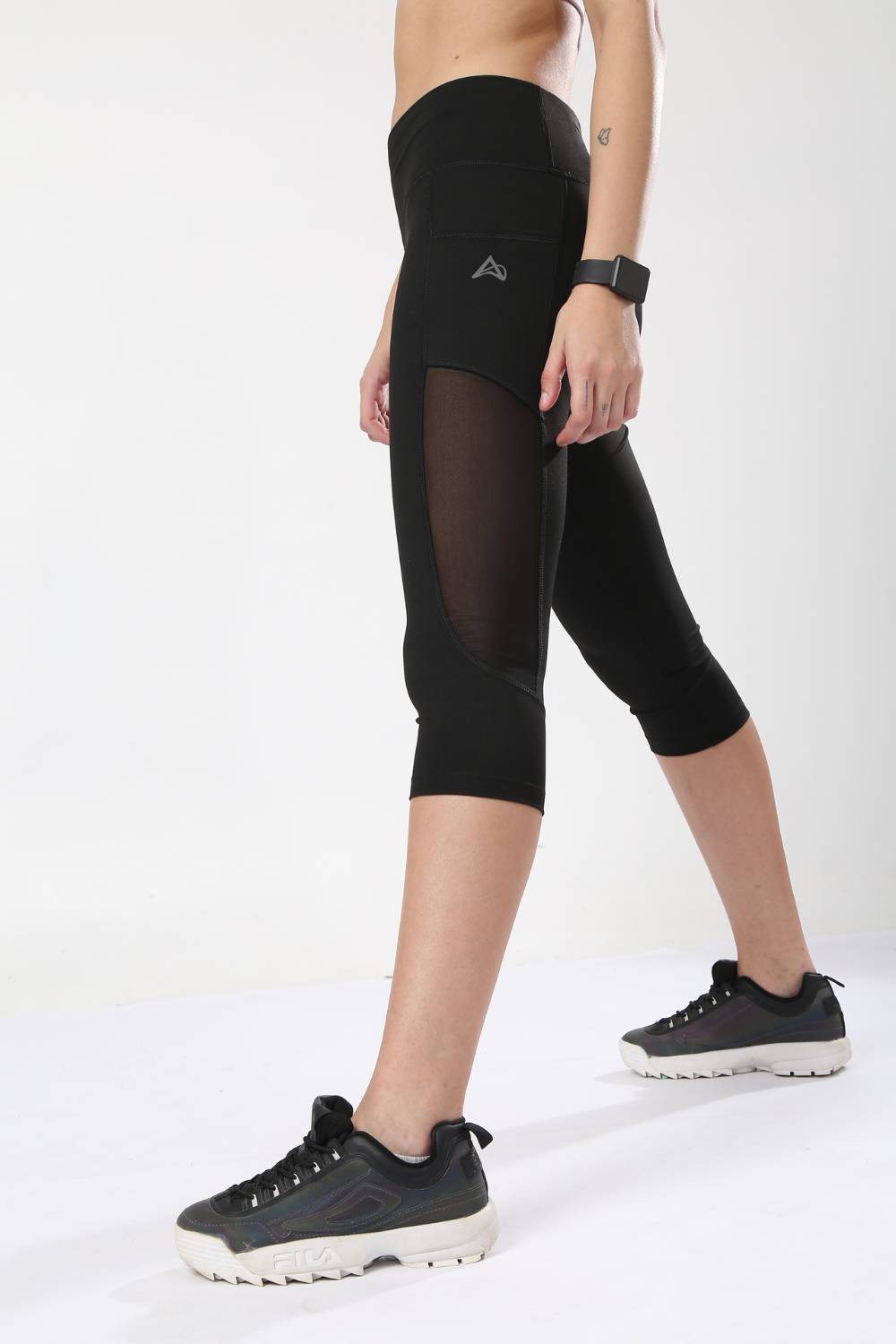
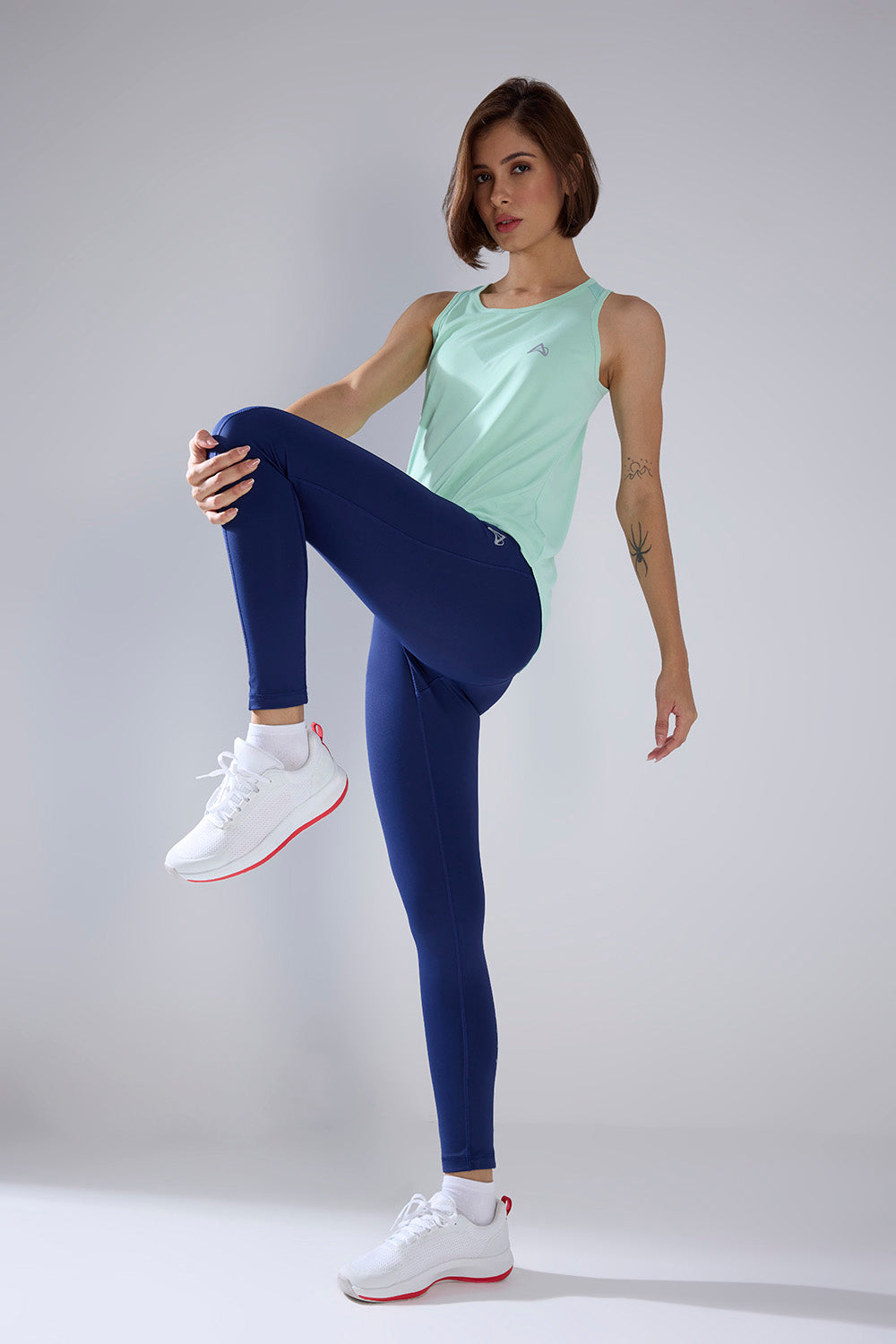

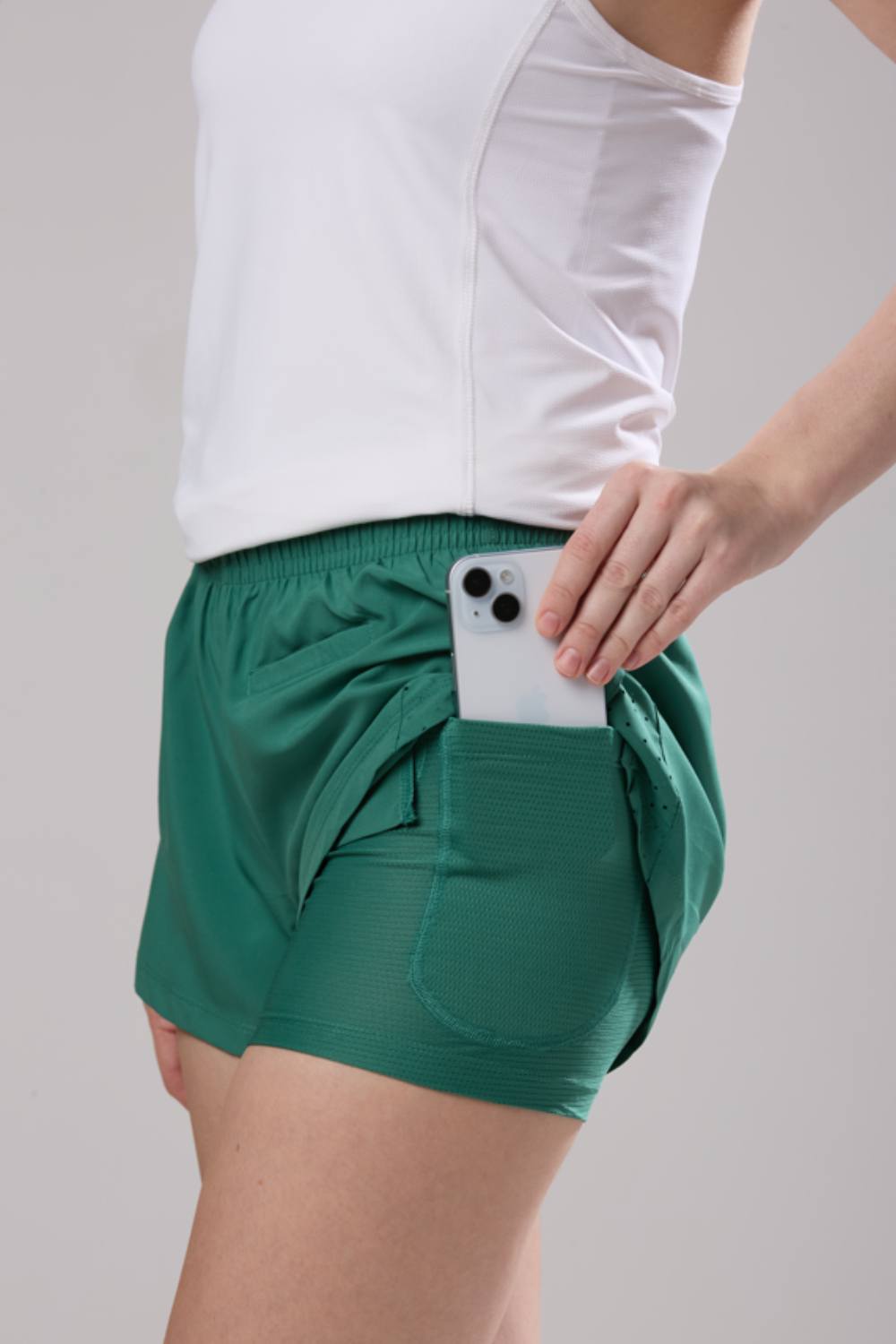
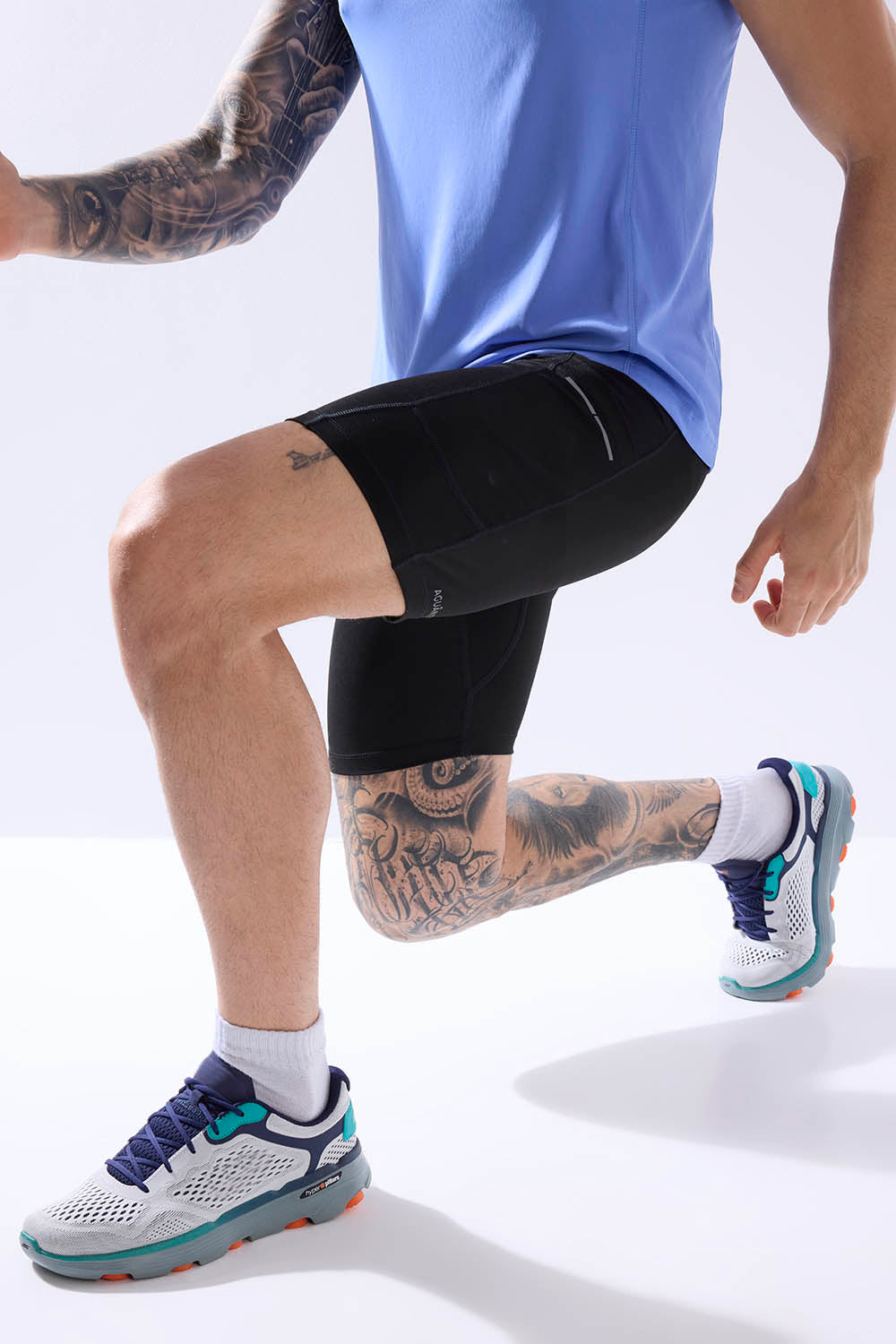
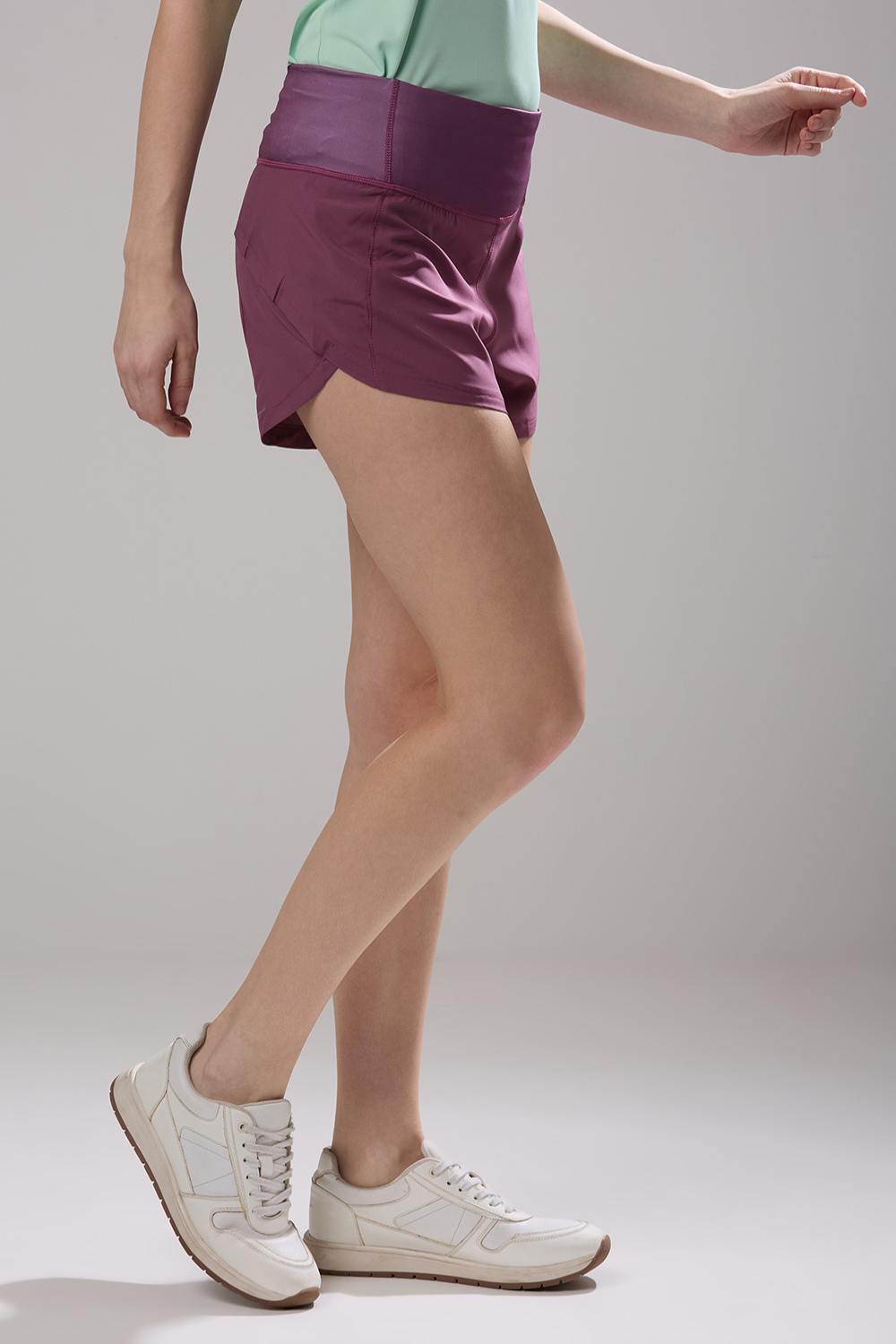
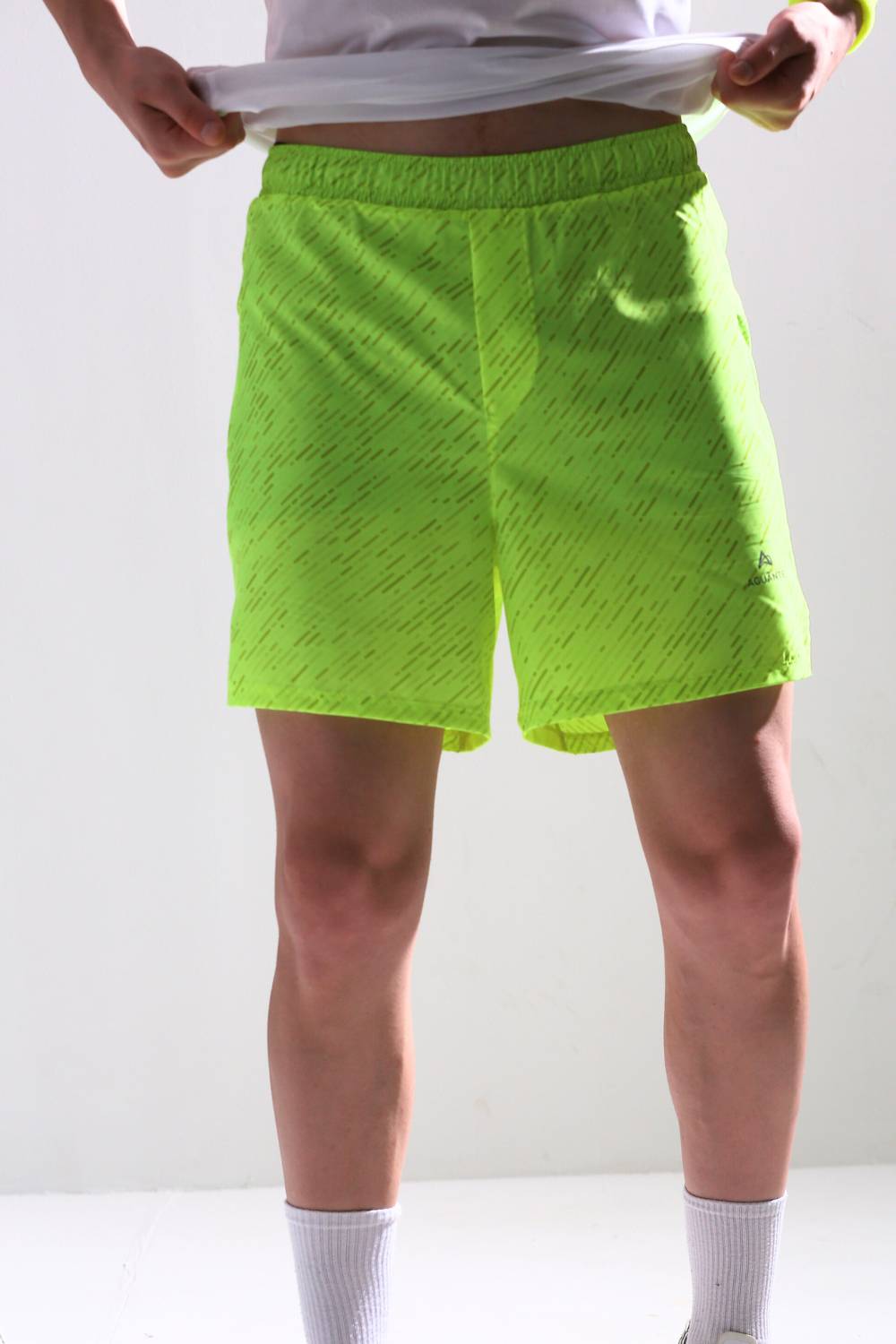
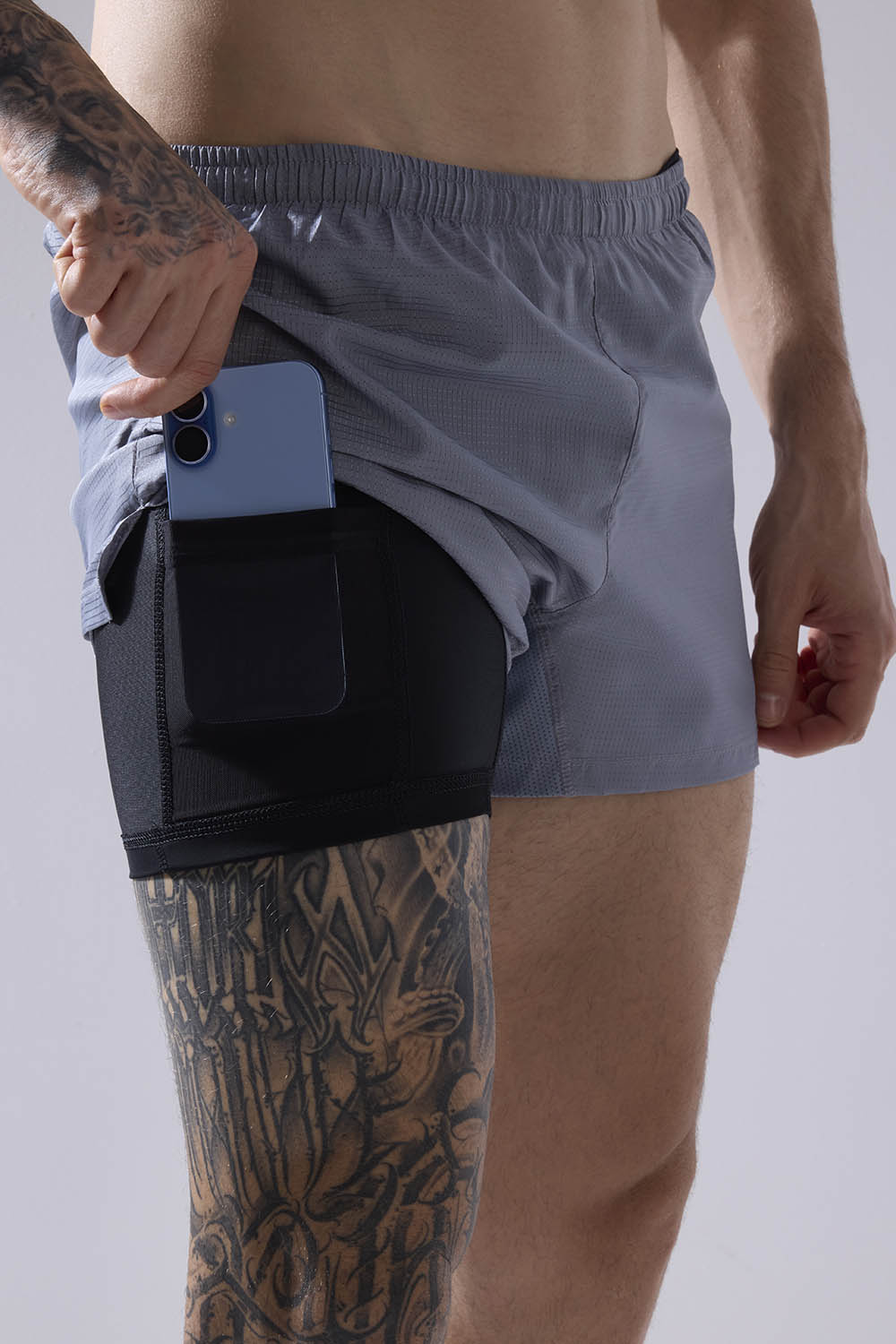

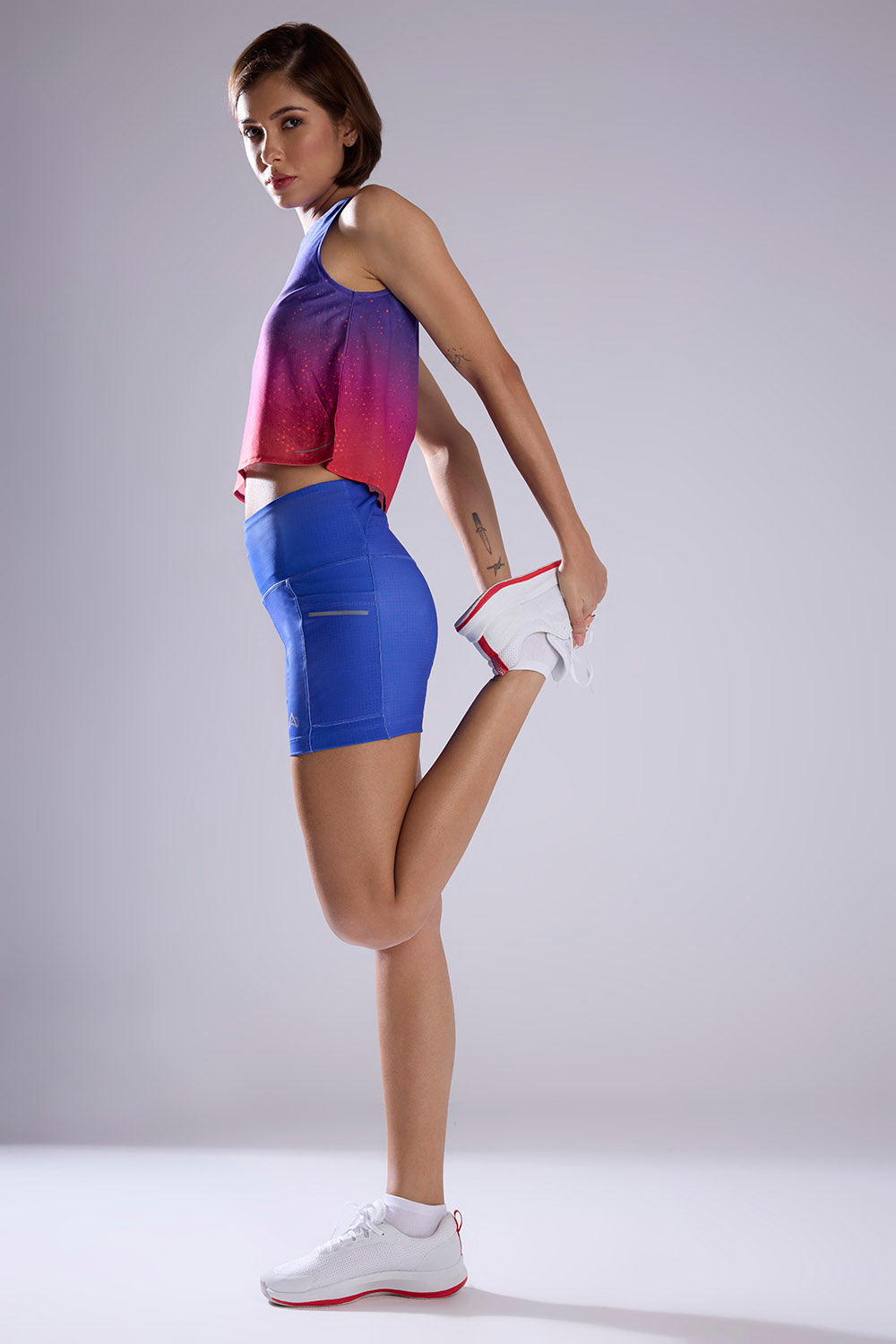
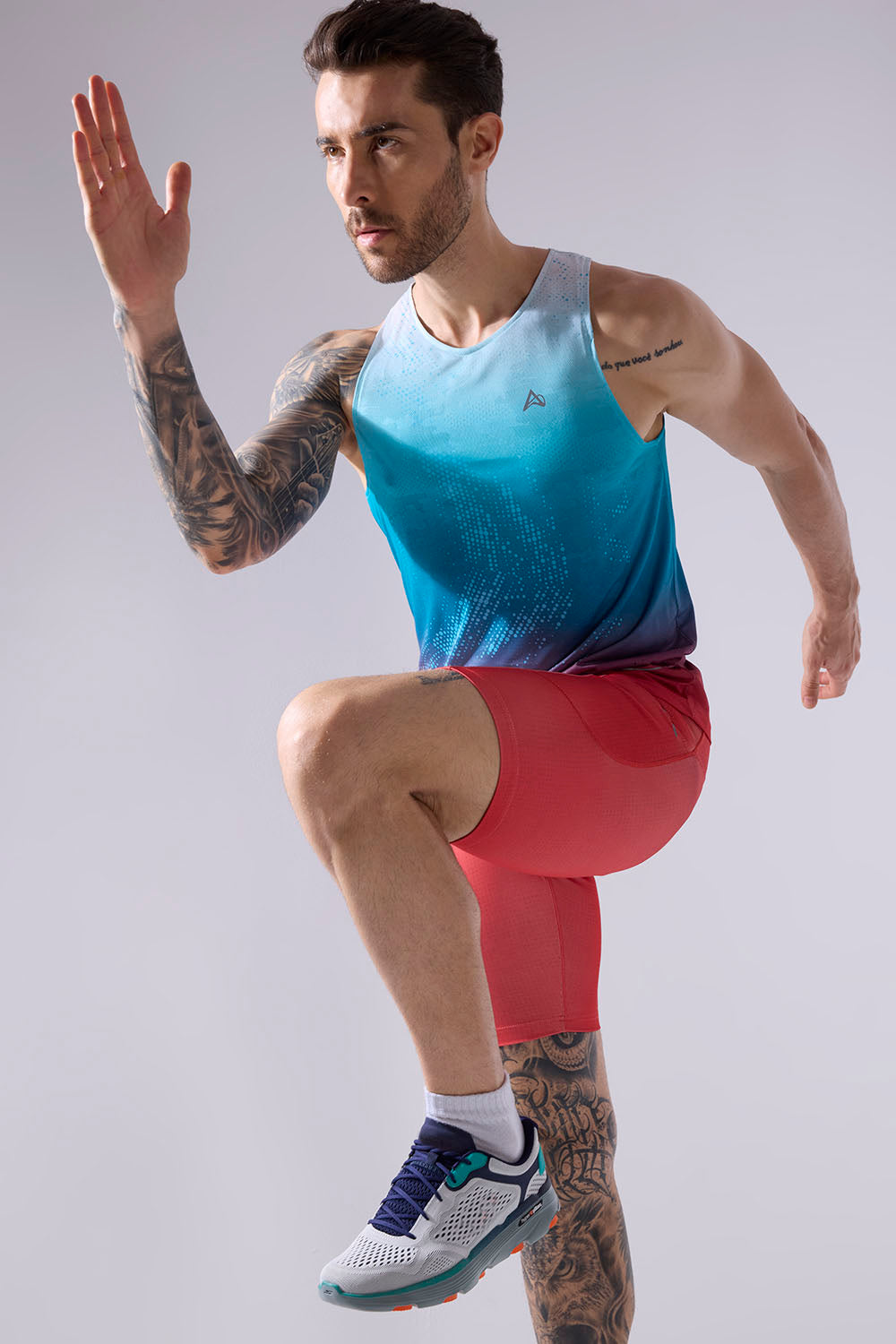

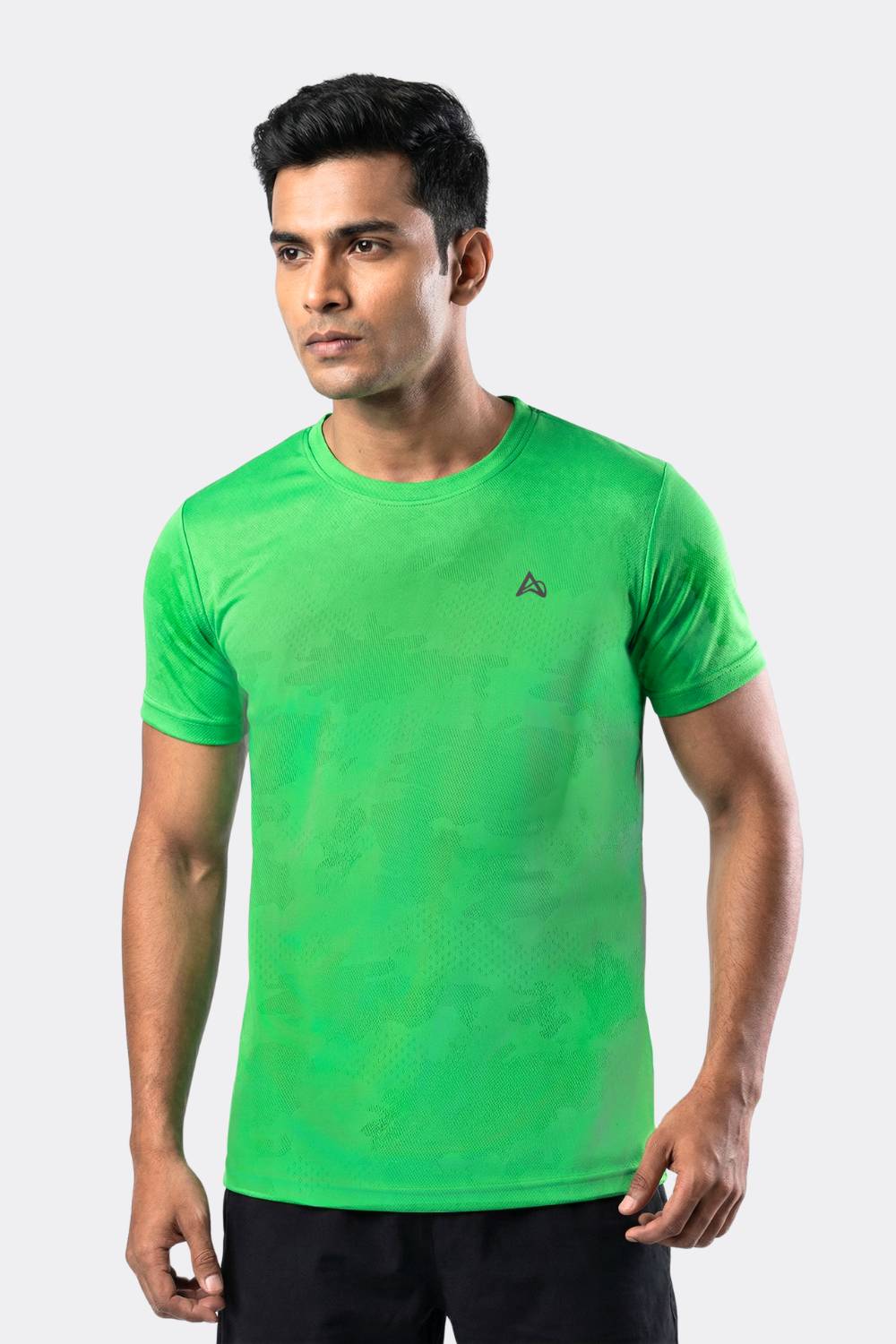
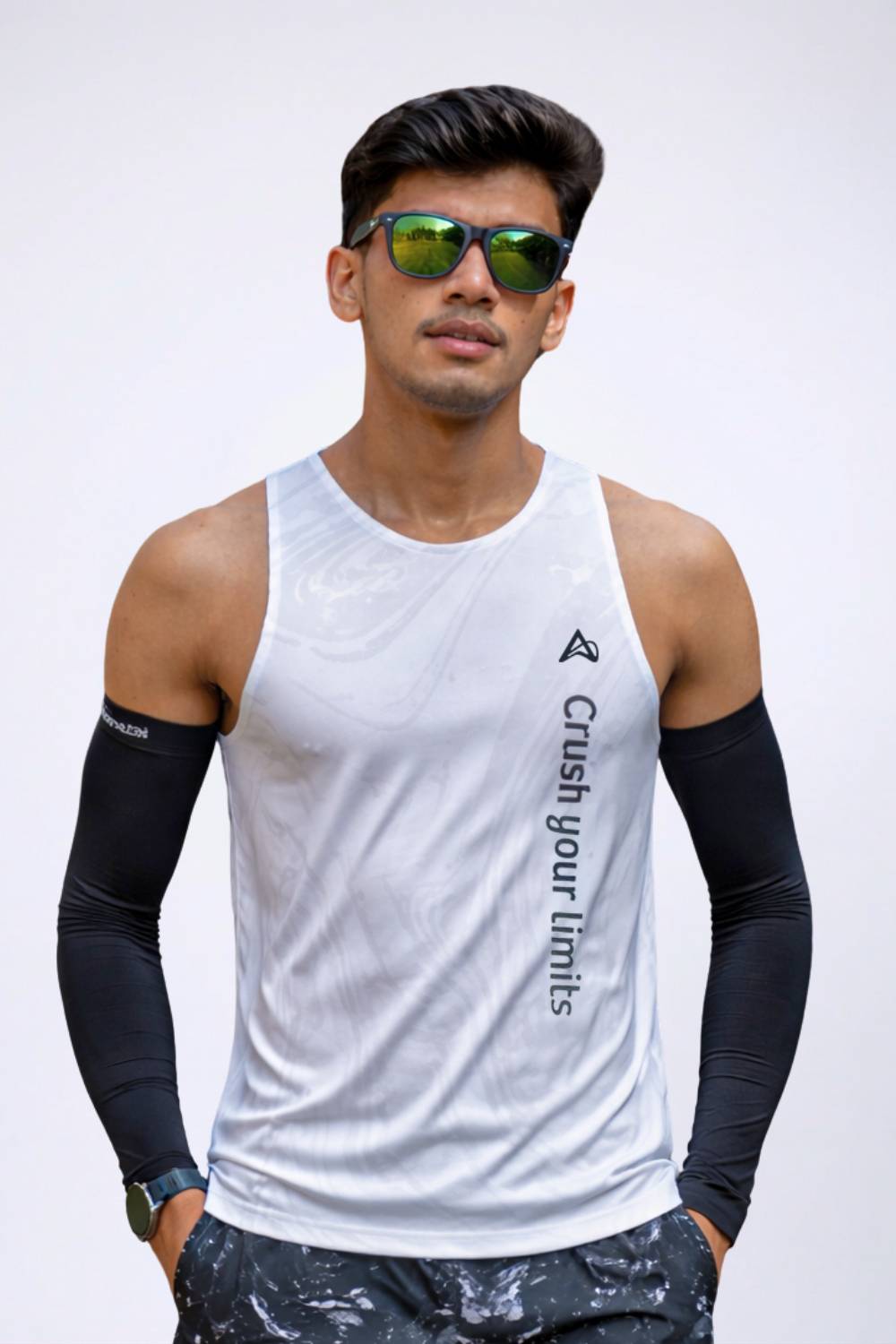

Endurance sports demand clothing that performs under extreme conditions long runs in warm, humid weather, high-intensity sessions, and rapid weather shifts. Technical fabrics have transformed how athletes approach these demands by delivering targeted performance benefits that keep them focused and injury-free. These advanced materials prioritize moisture management, breathability, and stretch in ways that basic fabrics simply cannot match, allowing runners to maintain pace and comfort mile after mile.
Tired of gear that slows you down? Chafing, soggy fabrics, and missing pockets kill your run's momentum. At Aguante, we're runners who get it. Our high-performance activewear features moisture-wicking fabrics, ergonomic designs, and smart storage to keep you focused. Shop Now!
The Rise of Technical Fabrics in Running Apparel
Technical fabrics originated in high-performance sports settings and have since become standard in running clothing for men and women. They address the unique challenges of repeated stride cycles over many kilometers by focusing on moisture transport and ventilation that maintain stable body temperature throughout extended efforts. Unlike conventional materials, these fabrics actively wick perspiration away from the skin and move it across a larger surface area where it evaporates quickly, eliminating the heavy, clinging sensation that often reduces energy after the first 10 or 15 kilometers.
Advanced yarns power these fabrics with multi-directional stretch that conforms naturally to dynamic movements without restricting range of motion. This engineered flexibility supports unrestricted arm swing and shoulder mobility even during long trail runs or hilly training. The result is a garment that feels supportive yet lightweight, reducing overall fatigue so athletes can concentrate on pacing and technique rather than constant adjustments.
Why Traditional Fabrics Fall Short
Cotton, once a go-to choice, absorbs moisture but holds it against the skin, leaving runners feeling damp, cold, and at risk of chafing. It dries slowly, adds weight, and offers no UV protection or odor resistance. Synthetic alternatives like basic polyester provide better quick-drying properties yet often lack the stretch and multi-directional flexibility needed for natural movement. Technical fabrics overcome these limitations by combining strength, breathability, and durability in a single construction, making them essential for anyone serious about consistent performance.
Key Properties That Deliver Real Performance Gains
Technical fabrics excel through several engineered characteristics that directly influence running outcomes. Moisture-wicking technology pulls sweat from the skin into the fabric interior, where it spreads and evaporates, preventing the insulating layer of dampness that saps energy. Breathable mesh inserts along the sides and underarms increase airflow, helping excess heat escape and reducing the core temperature rise that commonly triggers early glycogen depletion or muscle cramps during long runs or trail efforts.
These materials also incorporate a subtle stretch component that recovers quickly after each footstrike, maintaining a consistent fit around the torso and arms. The smooth hand feel and low-friction surface minimize skin irritation along the torso and under the arms, especially valuable when sweat accumulates in shaded sections or during hill training sessions in humid conditions. Durability comes from high-tenacity yarns that resist pilling and fabric breakdown even after repeated high-intensity intervals or rough terrain contact.
Technical Fabrics for Endurance Sports: Benefits in Warm and Humid Conditions
In warm, humid environments where sweat evaporates slowly, technical fabrics shine by keeping the wearer cooler and drier. The fabric interior spreads moisture across a larger surface area for faster evaporation, avoiding the heavy clinging sensation that can sap energy after the first 10 or 15 kilometers. Breathable mesh inserts along the sides and underarms increase airflow, allowing excess heat to escape and reducing the core temperature rise that often triggers early glycogen depletion or muscle cramps on long runs or trail efforts in varying weather.
These fabrics also incorporate a subtle stretch component that recovers quickly after each footstrike, maintaining a consistent fit around the torso and arms so that arm swing remains unrestricted and shoulder discomfort stays minimal over distances that can exceed half-marathons. The smooth hand feel and low-friction surface reduce skin irritation along the torso and under the arms, which is particularly beneficial when sweat accumulates in shaded sections or during hill training sessions. Durability is built into the fiber choice because high-tenacity yarns resist pilling and fabric breakdown even after repeated high-intensity intervals or rough terrain contact, ensuring the garment retains its performance characteristics session after session.
For athletes training or racing in hot and humid conditions, this technology means fewer opportunities for heat stress and more reliable delivery of oxygen to working muscles, directly contributing to improved race times and fewer breakdowns during multi-hour events. The broader industry adoption of such materials has shifted runner expectations away from basic cotton blends that absorb and retain moisture toward engineered options that deliver measurable gains in comfort and speed maintenance.
Technical Fabrics for Endurance Sports: Moisture Wicking and Breathability Explained
Moisture wicking remains one of the most critical advantages of technical fabrics. High-performance synthetics actively transport perspiration away from the skin, preventing the insulating effect of trapped sweat. This process keeps the body temperature stable, reduces the risk of heat-related fatigue, and allows runners to focus on pacing rather than managing a damp shirt or shorts. In humid running conditions common during urban training, this technology prevents the rapid onset of discomfort that traditional fabrics often produce.
Breathability complements moisture management through microscopic channels engineered into the yarn structure. These channels allow air and vapor to pass through while blocking larger water droplets, creating a barrier that keeps the wearer cooler without sacrificing protection. The combination of wicking and ventilation creates a seamless system that supports consistent performance whether runners train in the early morning humidity or push through midday heat.
Layering these technical pieces with matching technical cycling apparel creates a complete aerobic pathway support system. From transition to finish line, the fabric choices align to move moisture efficiently at every stage of the event.
Polyester and Nylon: Comparing Performance in Endurance Running
Polyester and nylon represent the two most widely used technical fabrics in endurance running apparel. Nylon offers excellent sweat-wicking, breathability, and multi-directional stretch, making it ideal for running tops and legwear. Its super stretchy nature allows garments to move with the body while maintaining shape. Polyester, a plastic-based material, delivers superior durability, lightweight construction, and quick-drying performance. It also repels UV rays and maintains warmth even when wet, making it perfect for running jackets and base layers.
Polyester performs particularly well in jackets and outer layers where weather resistance matters. Both fabrics provide the performance edge that has shifted athlete preferences away from cotton toward these engineered options. When combined in hybrid constructions, they deliver the complete comfort and functionality needed for long-distance efforts.
Why Technical Fabrics Matter for Long-distance Runners
Long-distance running places extreme demands on clothing. The constant rubbing and pulling experienced during high-motion activities requires fabrics that withstand thousands of kilometers without losing wicking efficiency or shape. Technical yarns achieve this balance by providing exceptional tensile strength and abrasion resistance while maintaining breathability over extended use.
The shift toward these materials represents a significant advancement in athlete-centric design. Performance is no longer sacrificed for durability or comfort in the pursuit of personal bests. Runners who prioritize fabric technology report greater consistency in training and racing, fewer energy dips from discomfort, and the ability to focus entirely on the run itself.
Practical Tips for Choosing and Maintaining Technical Fabrics
When selecting technical fabrics for running, look for constructions that combine wicking, breathability, and stretch in a single garment. Read care labels carefully to preserve performance wash in cold water with mild detergent and avoid fabric softeners that can block moisture-wicking properties. Air dry or tumble dry on low to maintain fabric integrity.
Regular washing soon after use prevents odor buildup. Layering base layers with mid and outer technical pieces ensures maximum comfort across changing weather. By understanding these practical details, runners can get the full benefit from technical fabrics in every session.
Investing in the right technical fabrics transforms the running experience. These materials deliver the comfort, durability, and performance that endurance athletes rely on to push further and achieve more. Whether training for a half-marathon or preparing for a full distance event, the right technical apparel makes every kilometer more enjoyable and every goal more attainable.
The development of advanced technical yarns has transformed endurance sports apparel by delivering a rare combination of strength, flexibility, and functional performance that standard fibers simply cannot match. Polyamide 6.6 and similar high-performance synthetics are engineered with multi-directional stretch characteristics that allow garments to conform naturally to the dynamic movements of running, cycling, or triathlon transitions without restricting range of motion, even under repeated stretching forces during long efforts. These yarns provide exceptional tensile strength and abrasion resistance, meaning the fabric withstands the constant rubbing and pulling experienced in high-motion activities while maintaining its shape and wicking efficiency over thousands of kilometers or hours of racing.
Breathability is optimized through a yarn structure that creates microscopic channels for air and vapor to pass through, reducing the fabric's resistance to moisture vapor transmission and keeping the wearer cooler than conventional options during sustained aerobic work. The result is a garment that feels supportive yet lightweight, reducing overall fatigue and allowing athletes to focus on technique and pacing rather than adjusting clothing repeatedly.
Running apparel constructed from technical fabrics addresses the unique demands of repeated stride cycles over many kilometers by prioritizing moisture transport and ventilation that keep the body temperature stable throughout extended efforts. The most common construction uses a lightweight polyester or nylon jersey fabric that actively wicks perspiration from the skin into the fabric interior where it spreads across a larger surface area and evaporates quickly, preventing the heavy, clinging sensation that can sap energy after the first 10 or 15 kilometers.
Breathable mesh inserts along the sides and underarms increase airflow, allowing excess heat to escape and reducing the core temperature rise that often triggers early glycogen depletion or muscle cramps on long runs or trail efforts in varying weather. These fabrics also incorporate a subtle stretch component that recovers quickly after each footstrike, maintaining a consistent fit around the torso and arms so that arm swing remains unrestricted and shoulder discomfort stays minimal over distances that can exceed half-marathons. The smooth hand feel and low-friction surface reduce skin irritation along the torso and under the arms, which is particularly beneficial when sweat accumulates in shaded sections or during hill training sessions.
Running Tops with Technical Cycling
Durability is built into the fiber choice because high-tenacity yarns resist pilling and fabric breakdown even after repeated high-intensity intervals or rough terrain contact, ensuring the garment retains its performance characteristics session after session. For athletes training or racing in hot and humid conditions, this technology means fewer opportunities for heat stress and more reliable delivery of oxygen to working muscles, directly contributing to improved race times and fewer breakdowns during multi-hour events. The broader industry adoption of such materials has shifted runner expectations away from basic cotton blends that absorb and retain moisture toward engineered options that deliver measurable gains in comfort and speed maintenance. In triathlon preparation, layering these technical running tops with technical cycling pieces creates a seamless system that supports the entire aerobic pathway from transition to finish line.
Frequently Asked Questions
What are technical fabrics and why are they ideal for endurance sports?
Technical fabrics are engineered materials such as polyester, nylon, and polyamide blends designed to enhance athletic performance. They are ideal for endurance sports because they manage moisture, improve breathability, and provide multi-directional stretch. These properties help reduce chafing, regulate body temperature, and maintain comfort over long distances.
How do moisture-wicking and breathability in technical fabrics improve endurance running performance?
Moisture-wicking fabrics pull sweat away from the skin and spread it across the surface for faster evaporation. This keeps the body cooler, reduces the risk of overheating, and helps maintain stable energy levels during long runs. Breathability further enhances airflow, allowing excess heat to escape and improving overall endurance performance.
Polyester vs nylon: which technical fabric is better for endurance running clothing?
Both polyester and nylon are widely used in endurance running apparel, but they offer different advantages. Nylon is typically softer, more flexible, and provides excellent stretch for freedom of movement. Polyester is more durable, quick-drying, and resistant to UV exposure, making both fabrics valuable depending on the garment and running conditions.
Disclaimer: The above helpful resources content contains personal opinions and experiences. The information provided is for general knowledge and does not constitute professional advice.
You may also be interested in: Best Running Shorts for Marathoners: Designed for Long-distance
Tired of gear that slows you down? Chafing, soggy fabrics, and missing pockets kill your run's momentum. At Aguante, we're runners who get it. Our high-performance activewear features moisture-wicking fabrics, ergonomic designs, and smart storage to keep you focused. Shop Now!
Powered by flareAI.co