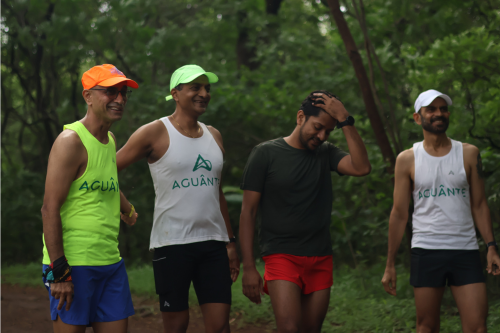
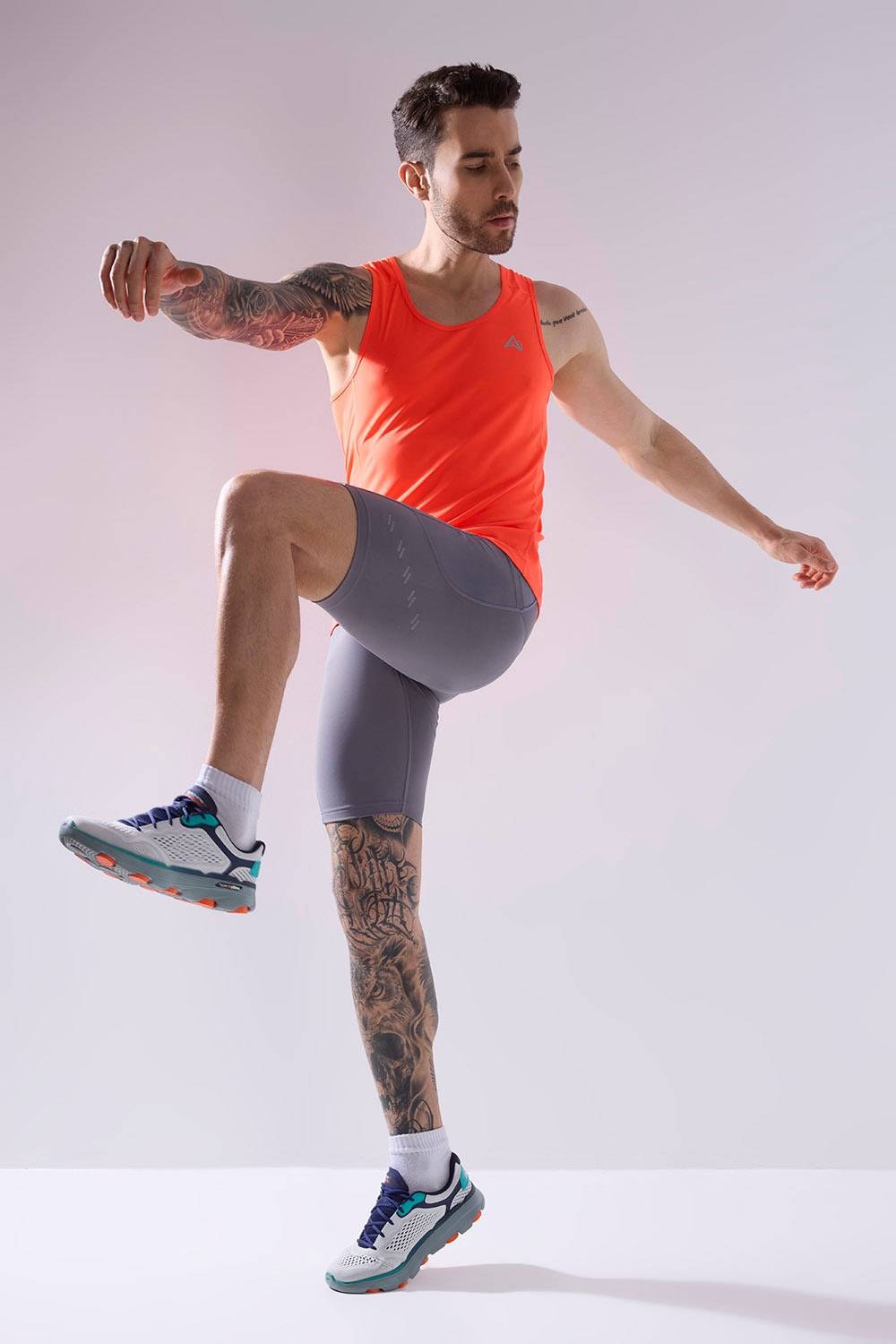
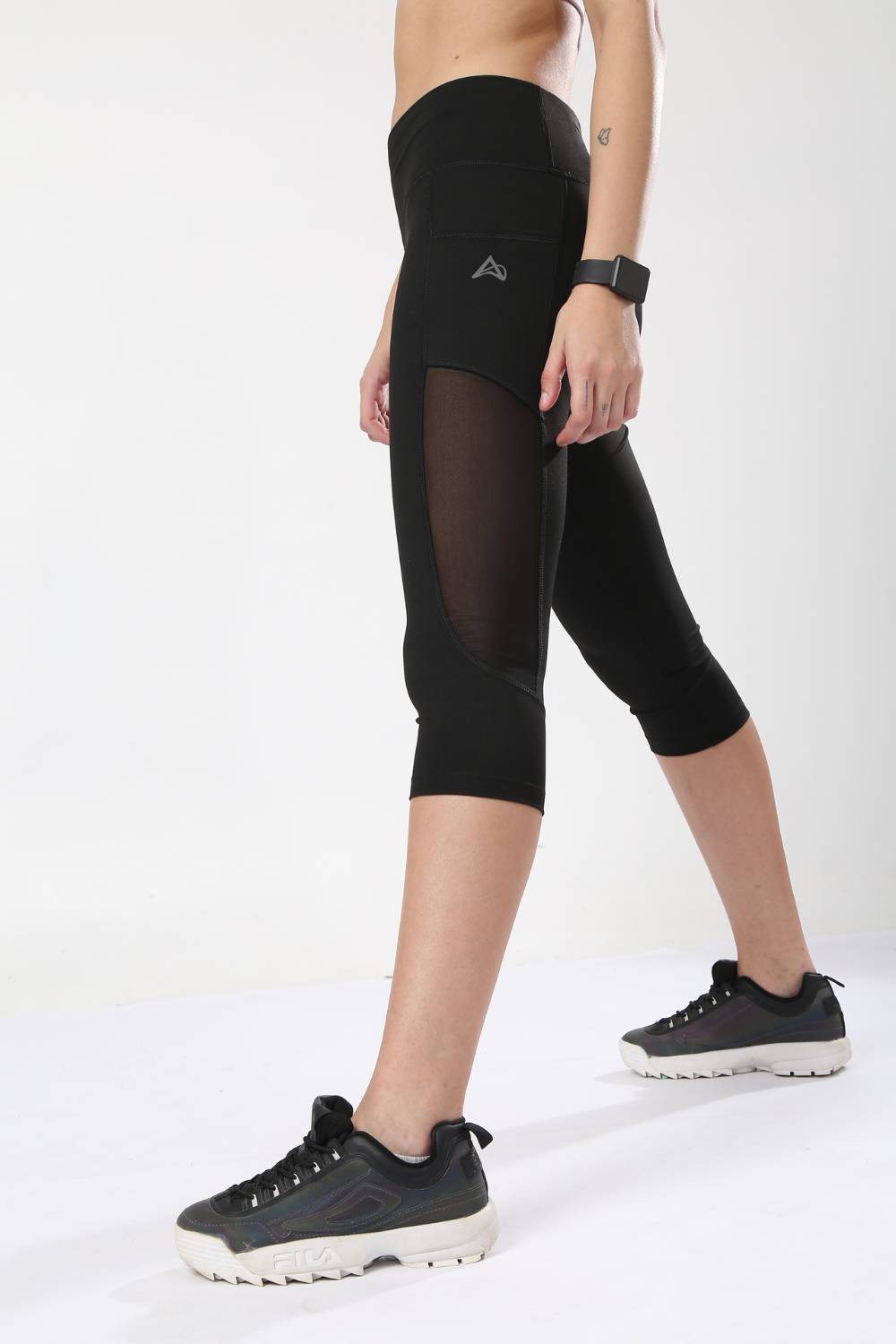
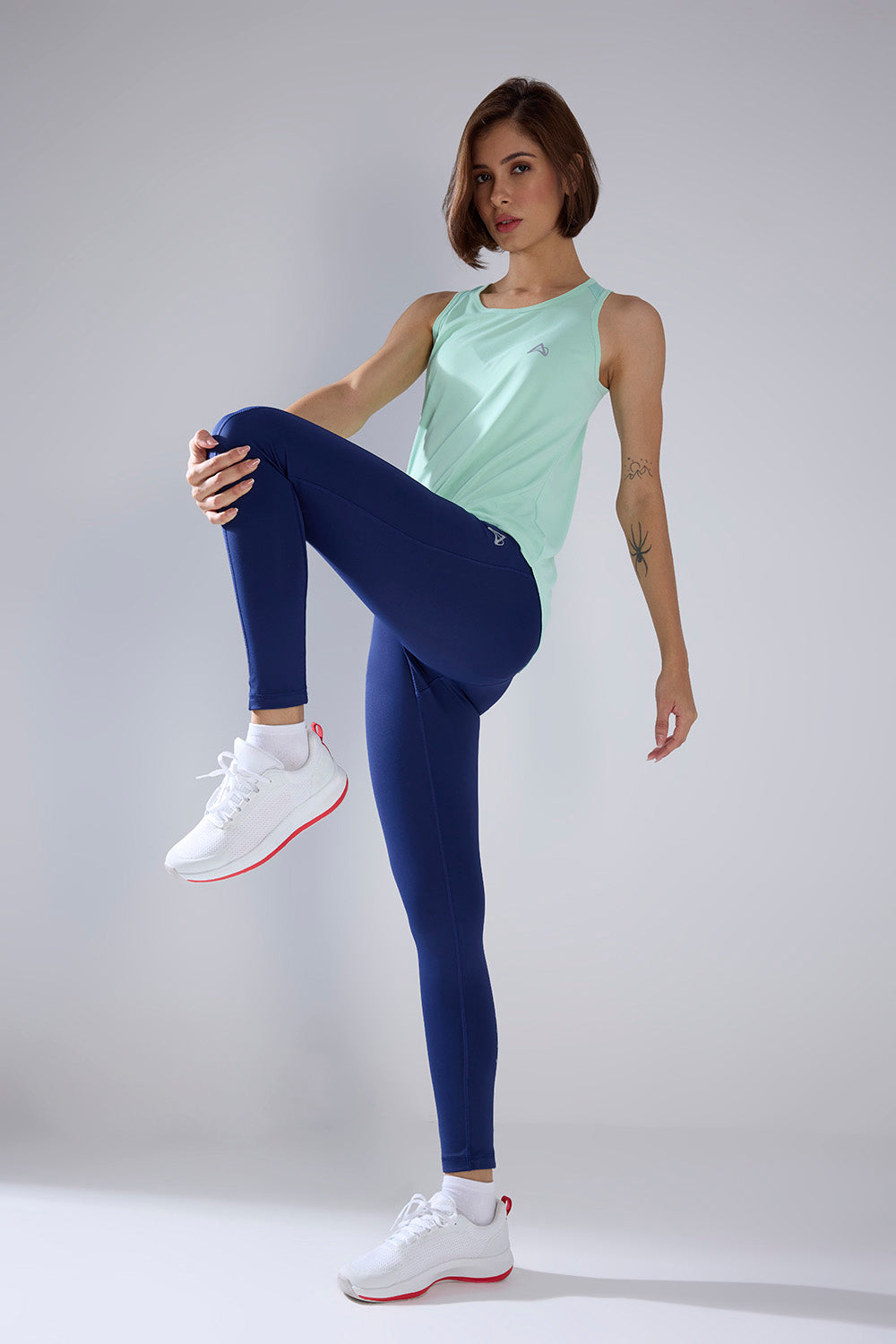


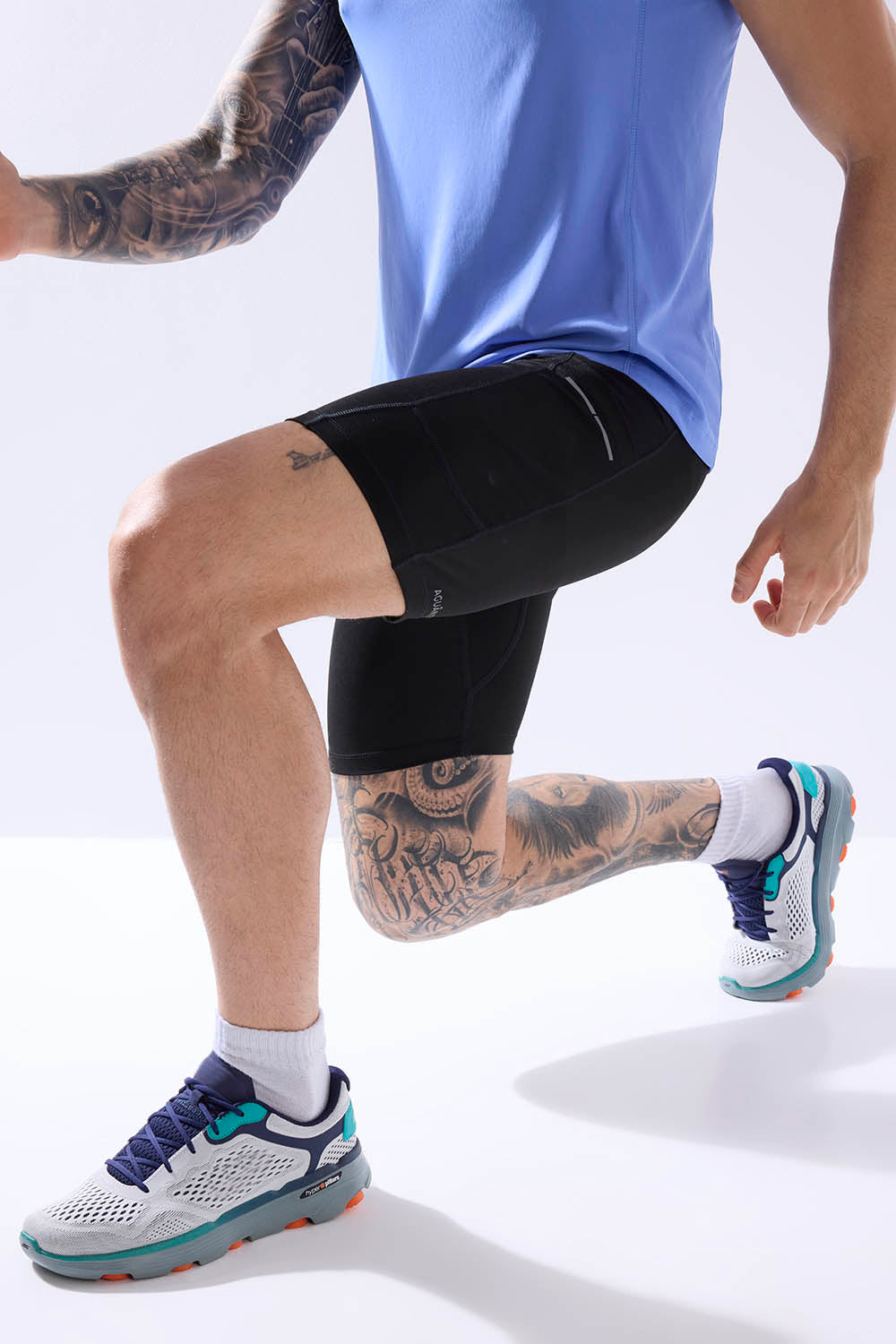
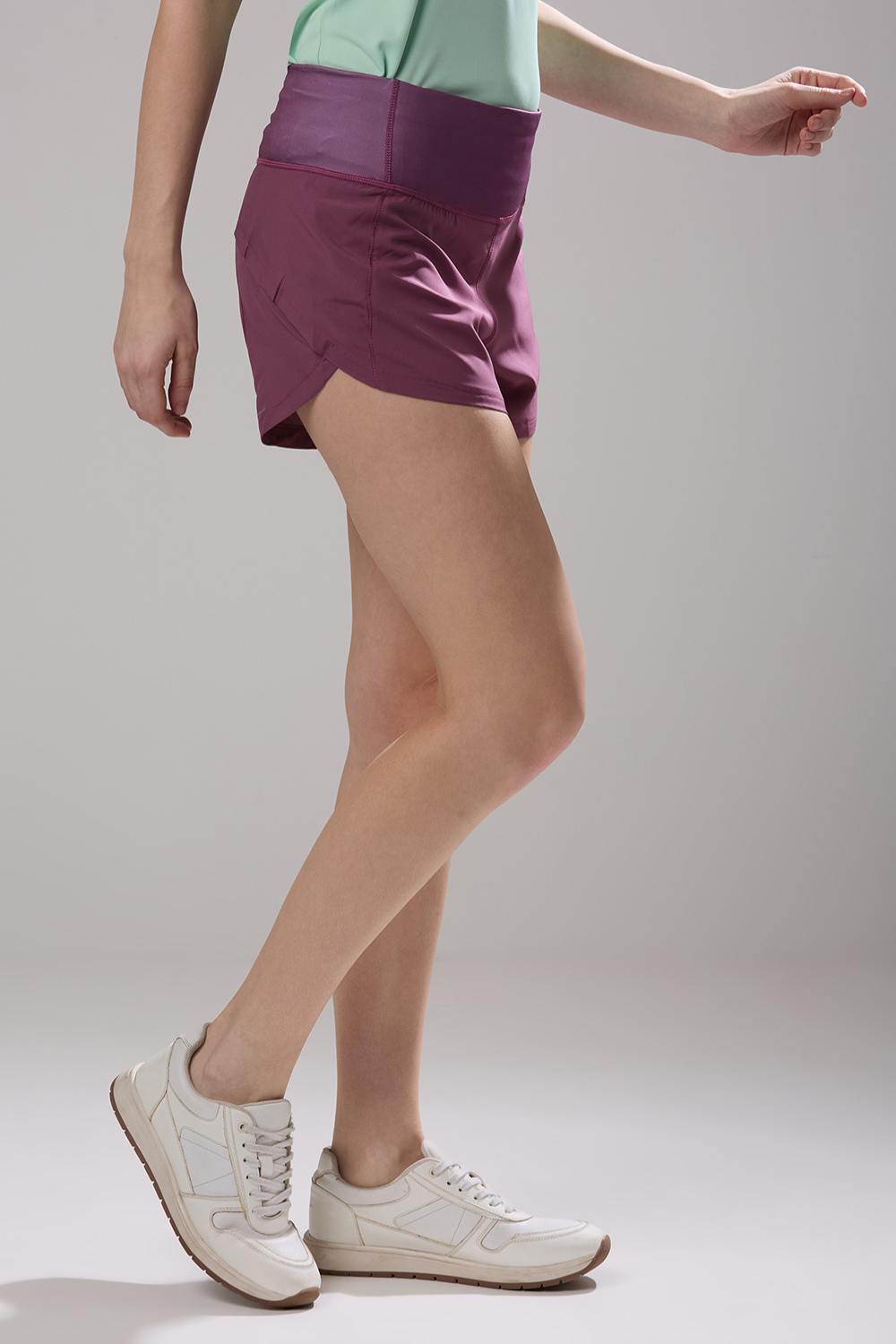



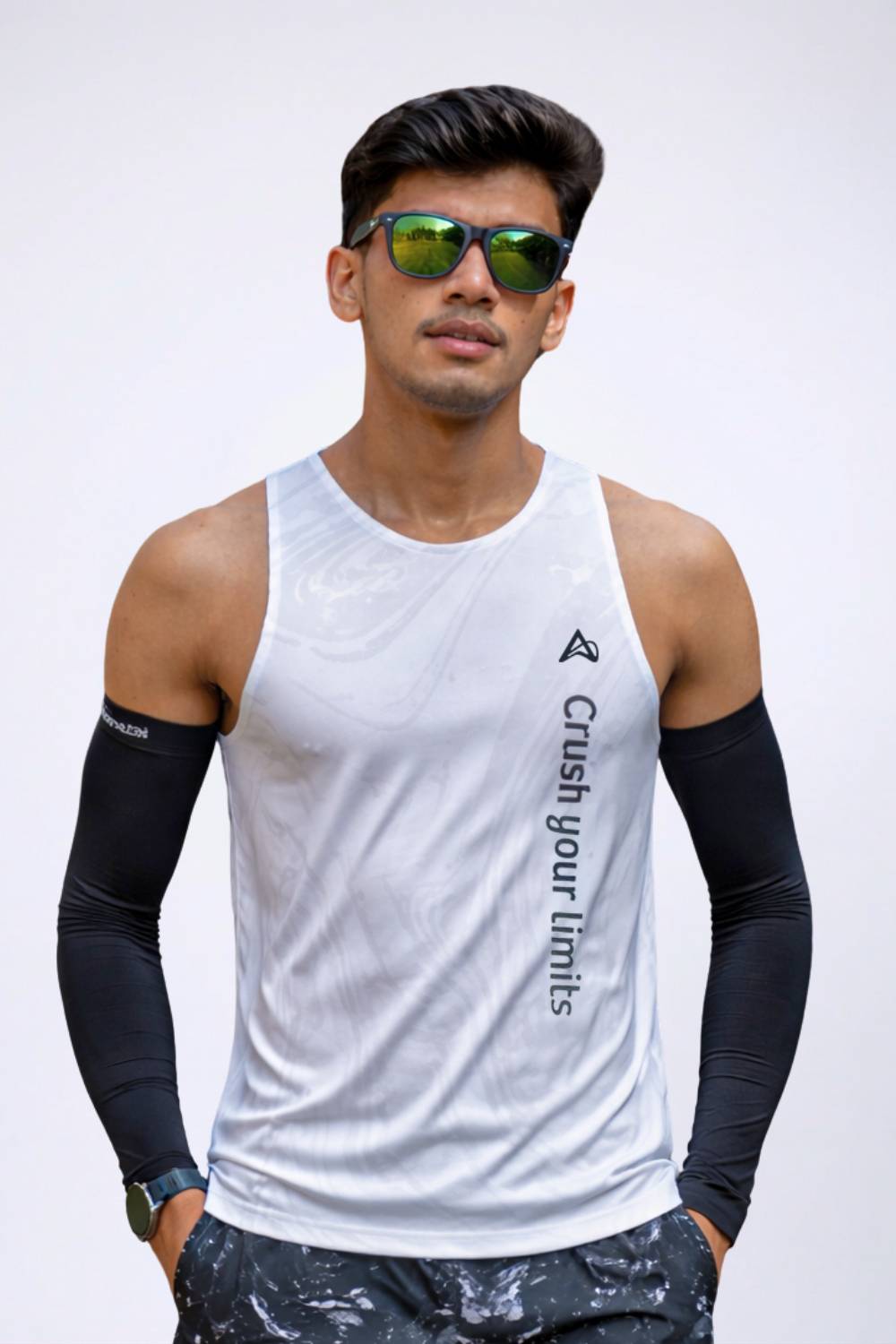

Picture the early morning chaos in Mumbai's Marine Drive, where dedicated runners weave through the humid air, their breaths syncing with the crashing waves. This vivid scene illustrates how global running trends are being ingeniously molded to fit India's unique environmental hurdles, from scorching heat to pervasive pollution. As fitness enthusiasm sweeps the nation, local brands like Aguante are innovating with specialized gear think ultra-breathable fabrics and anti-chafing designs to help runners thrive in these demanding conditions.
Tired of gear that slows you down? Chafing, soggy fabrics, and missing pockets kill your run's momentum. At Aguante, we're runners who get it. Our high-performance activewear features moisture-wicking fabrics, ergonomic designs, and smart storage to keep you focused. Shop Now!
The Surge in India's Running Culture
Across India's urban landscapes, running has transformed from a solitary pursuit into a vibrant cultural phenomenon, propelled by heightened health awareness and supportive government programs. The India running gears market, estimated at 2.52 billion USD in 2024, is poised for substantial expansion, reflecting a growing embrace of active lifestyles amid rising lifestyle diseases. This momentum is evident in cities like Delhi and Gurugram, where community events draw massive crowds, fostering a sense of collective well-being.
In Bangalore, the TCS World 10K in April 2026 continues to blend international appeal with local flair, attracting tech professionals seeking camaraderie in fitness. Hyderabad's NMDC Marathon, scheduled for August 2026, highlights endurance against the backdrop of historic sites, while Mumbai's Tata Mumbai Marathon in January remains a cornerstone, inspiring participants nationwide. Pune's International Marathon and Ahmedabad's Adani Marathon further underscore this evolution, turning running into an inclusive activity that bridges diverse communities in Surat, Navi Mumbai, and beyond.tcsworld10k.procam.in
Emerging Global Trends Adapted Locally
Global running innovations, such as advanced wearables and sustainable apparel, are being customized to tackle India's climatic extremes. In humid Hyderabad, runners prioritize moisture-wicking gear to combat sweat evaporation challenges, while Delhi's pollution prompts the use of air quality apps for safer training windows. Trail running, a worldwide favorite, adapts to urban green spaces in Bangalore, where Cubbon Park offers respite from concrete jungles.aguante.in
Group Runs and Community Building
Run clubs have become essential social anchors in cities like Mumbai and Pune, where groups like Striders Miles and Mumbai Road Runners organize weekly sessions that mix exercise with networking. In Delhi, clubs such as Bhag Club and Reebok Running Squad foster inclusivity, drawing young professionals to Lodhi Gardens for dawn workouts. Bangalore's Indiranagar Run Club and Hyderabad's Hyderabad Runners Society emphasize community, adapting global trends like group challenges to local terrains and fostering bonds that extend beyond the track.fitterindia.com
Eco-friendly practices are gaining ground too; Ahmedabad runners opt for recycled materials in apparel, aligning with international sustainability pushes but tailored for India's heat, focusing on lightweight, breathable options over heavy insulation.
Navigating Heat, Humidity, and Pollution
India's runners confront a trifecta of environmental obstacles that demand strategic adaptations. In Delhi, where heat waves affected over 70% of residents last year, predawn sessions help mitigate risks, as high humidity hampers sweat cooling and elevates core temperatures. Mumbai's coastal moisture turns runs into endurance tests, with ozone pollution exacerbating respiratory strain during high-AQI days.aguante.in
Pollution's toll is stark in megacities like Bangalore and Pune, where PM2.5 levels can slash lung capacity and VO2 max, prompting shifts to indoor alternatives or N95 masks for outdoor persistence. Yet, these challenges build resilience, as seen in Hyderabad, where runners monitor wet-bulb globe temperatures to avoid heat stress.youtube.com
Amid rising urban heat, runners exemplify adaptability, turning potential setbacks into opportunities for smarter training.
Real-World Examples and Case Studies
The Vedanta Delhi Half Marathon exemplifies adaptation, with organizers emphasizing early starts and hydration stations to counter pollution spikes, drawing parallels to global events but grounded in local realities. In Mumbai, the Ageas Federal Life Insurance Half Marathon incorporates anti-chafing gear recommendations for humid conditions, enhancing participant comfort.tcsworld10k.procam.inahotu.com
- Bengaluru Marathon: This September event navigates urban heat with shaded routes through green areas, adapting trail trends to city parks.ahotu.com
- Swachh Hyderabad Run: Promoting cleanliness alongside fitness, it uses community-driven strategies to handle monsoon disruptions.citywoofer.com
- Pune Nitrrothon: Focusing on ergonomic apparel, this event highlights how local runners combat chafing in variable weather.mynextbib.com
Gurugram's Ironwings Marathon and Surat's Nimaaaya GR8 Run integrate tech for pollution alerts, blending global innovations with vigilant local practices.runnersduniya.com
Key Challenges and Risks
Urban infrastructure deficiencies amplify risks; monsoon flooding in Surat and Navi Mumbai often halts training, while Delhi's AQI exceeding 400 equates outdoor runs to heavy smoking. In Ahmedabad, escalating heat stress projections threaten long-term health, with humidity spiking muscle cramps and dehydration.facebook.com
Safety concerns, especially for women in Pune, and limited green spaces persist, though initiatives like Heat Action Plans provide frameworks, their execution varies across regions.
Opportunities and Business Impacts
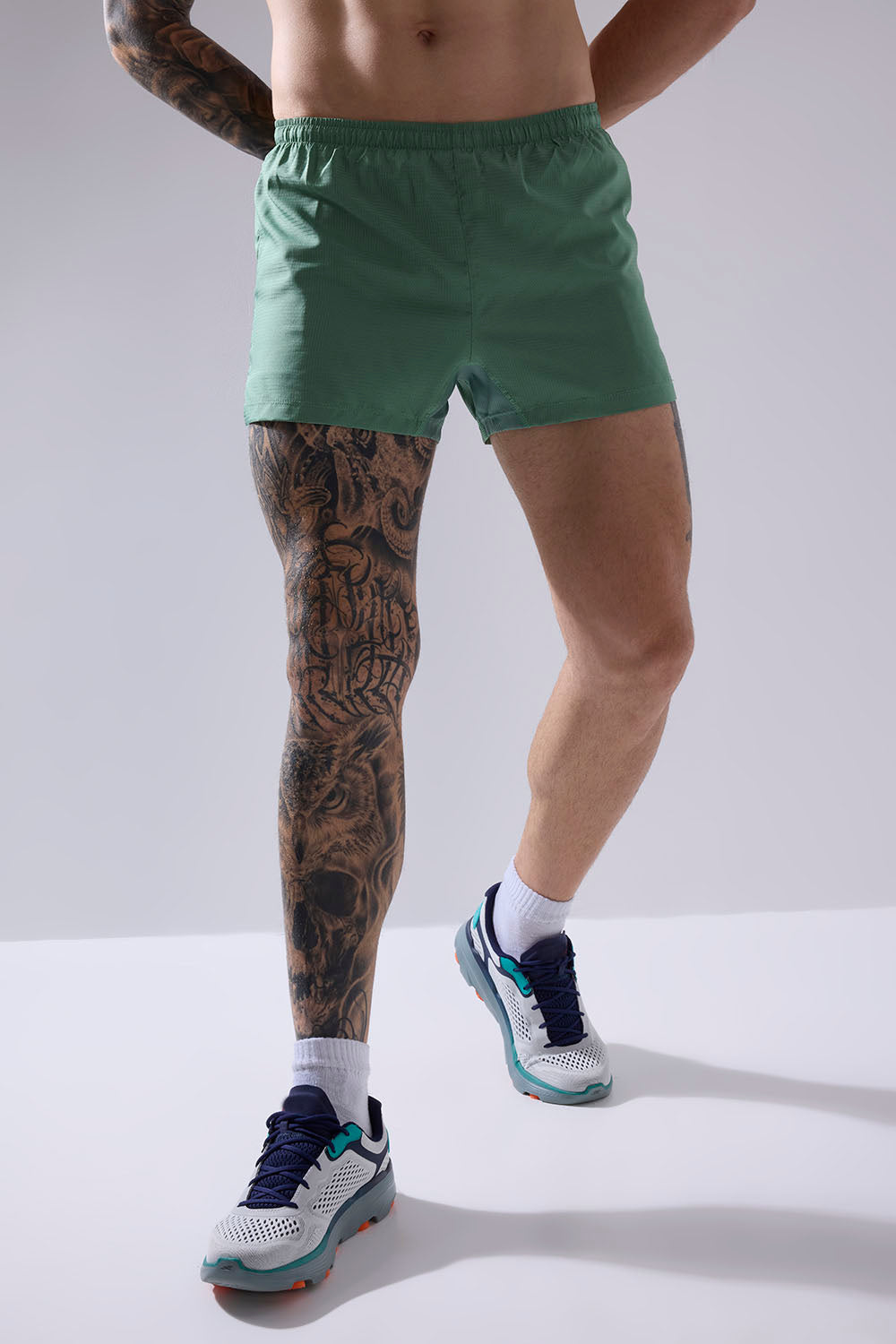
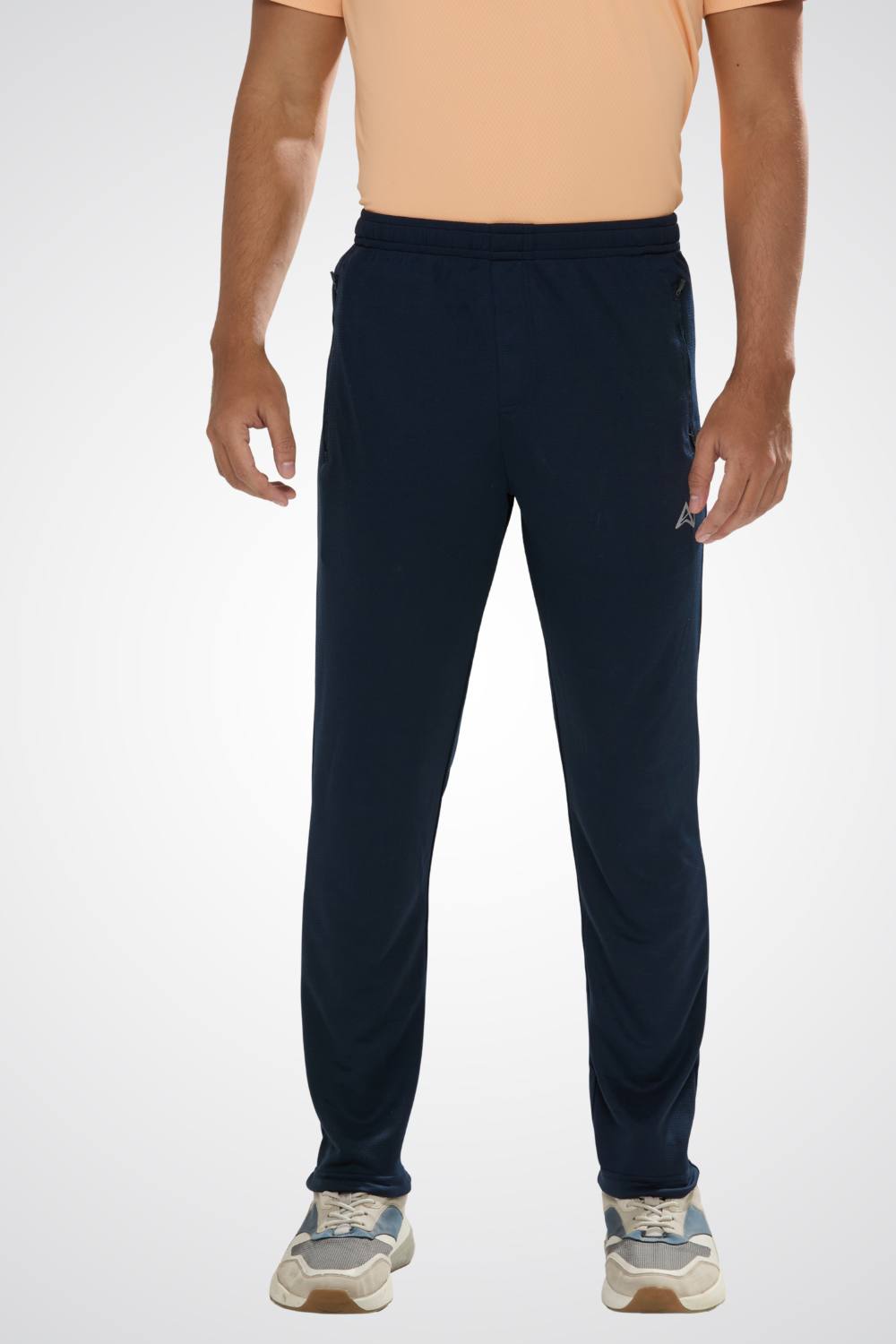
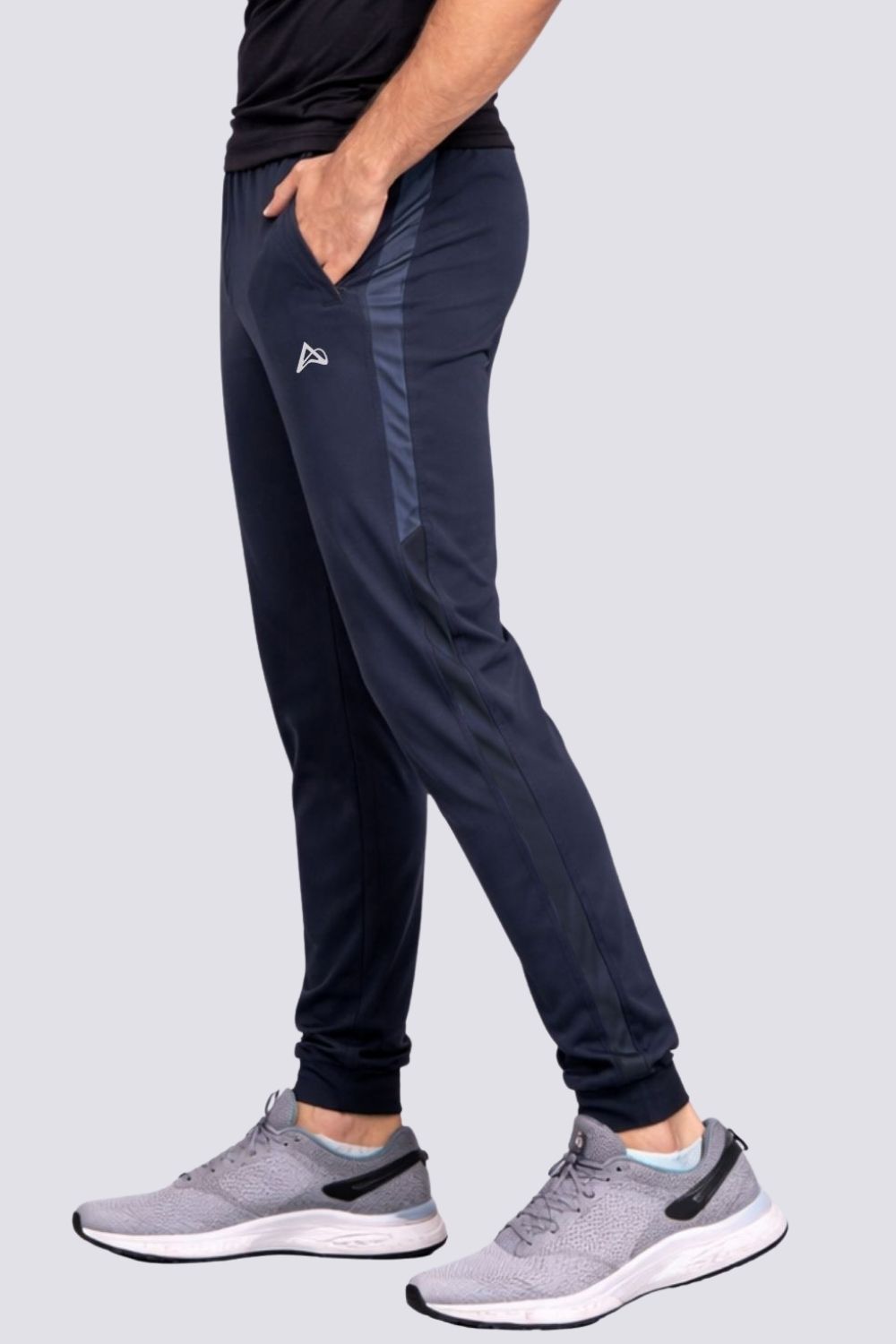
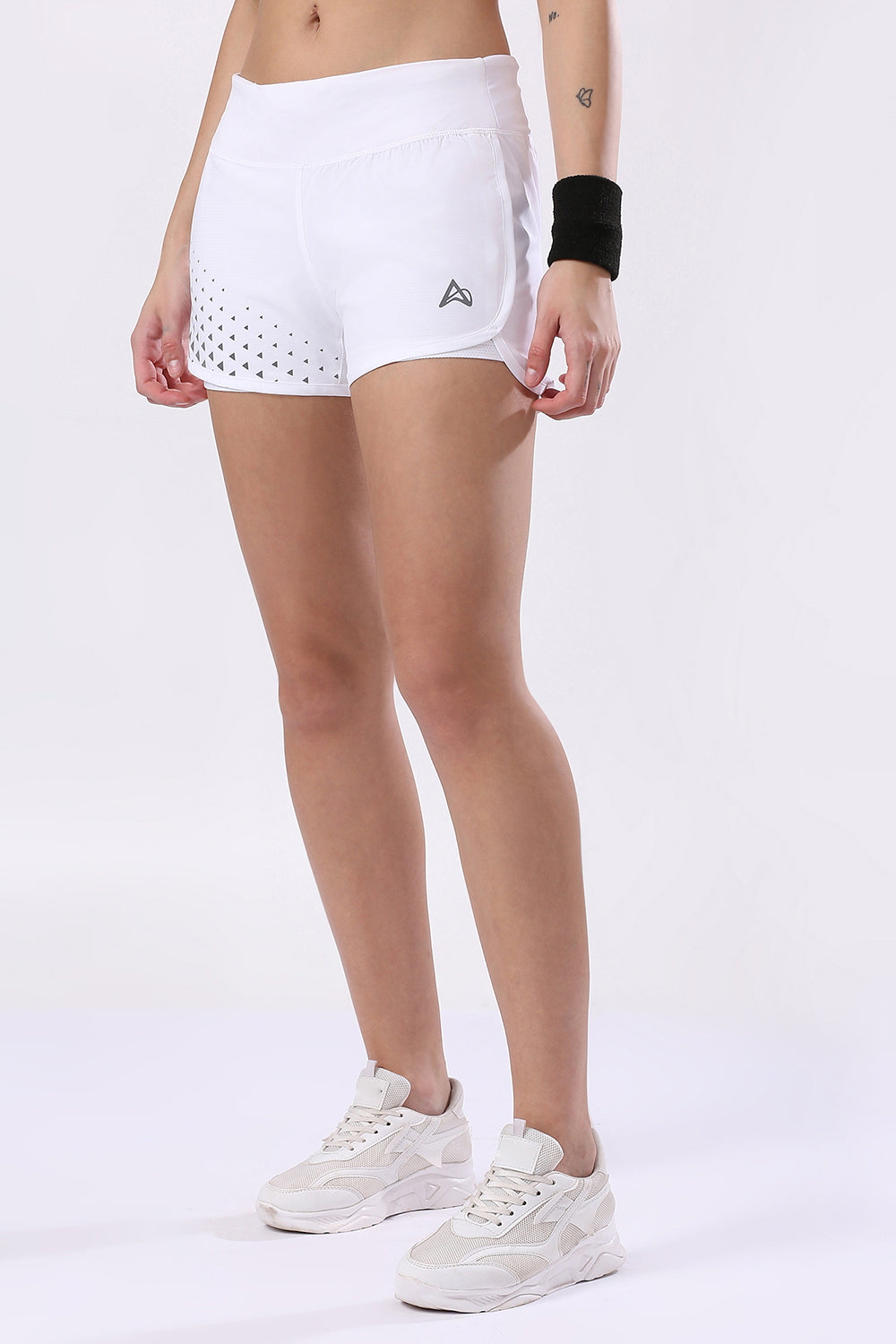
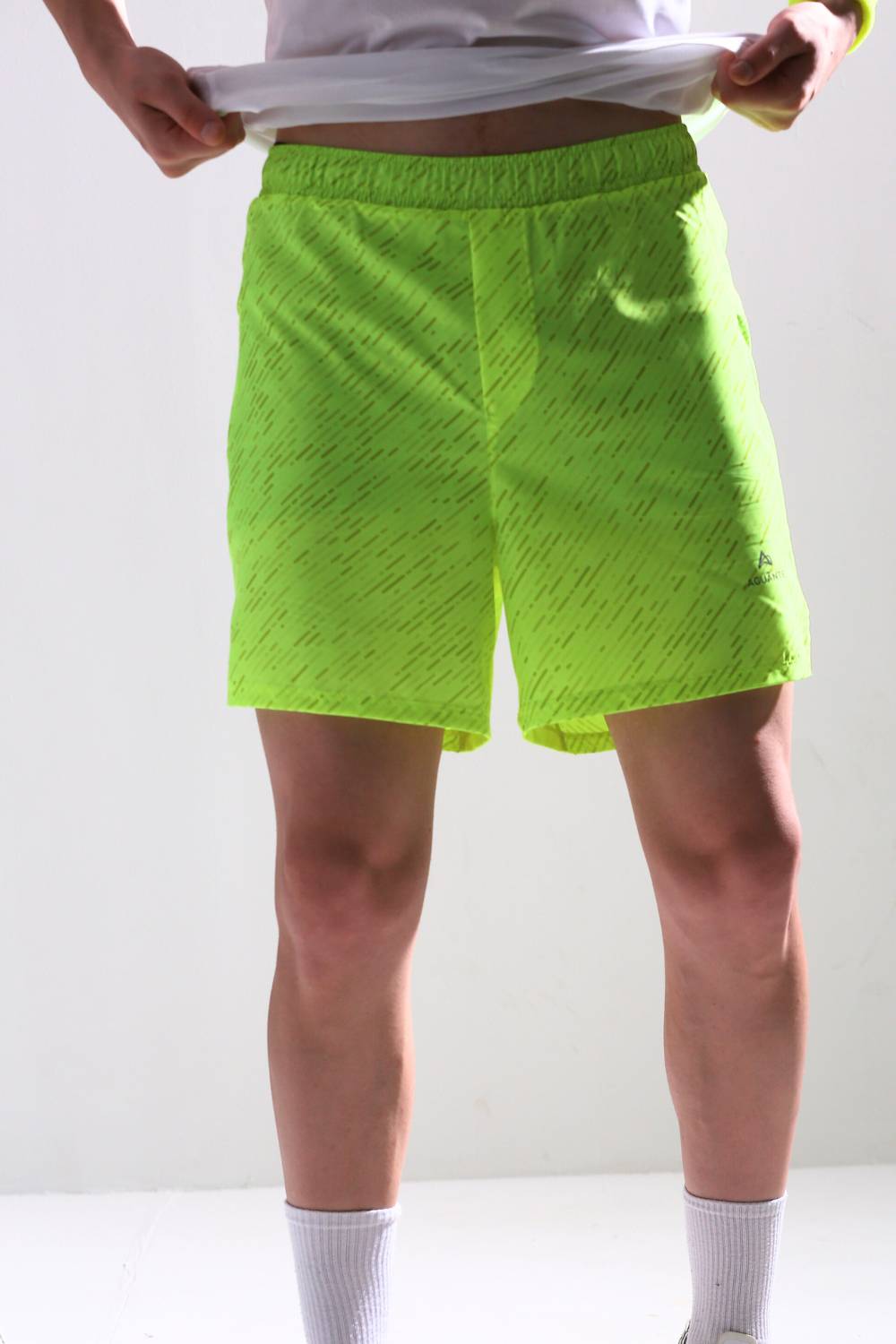
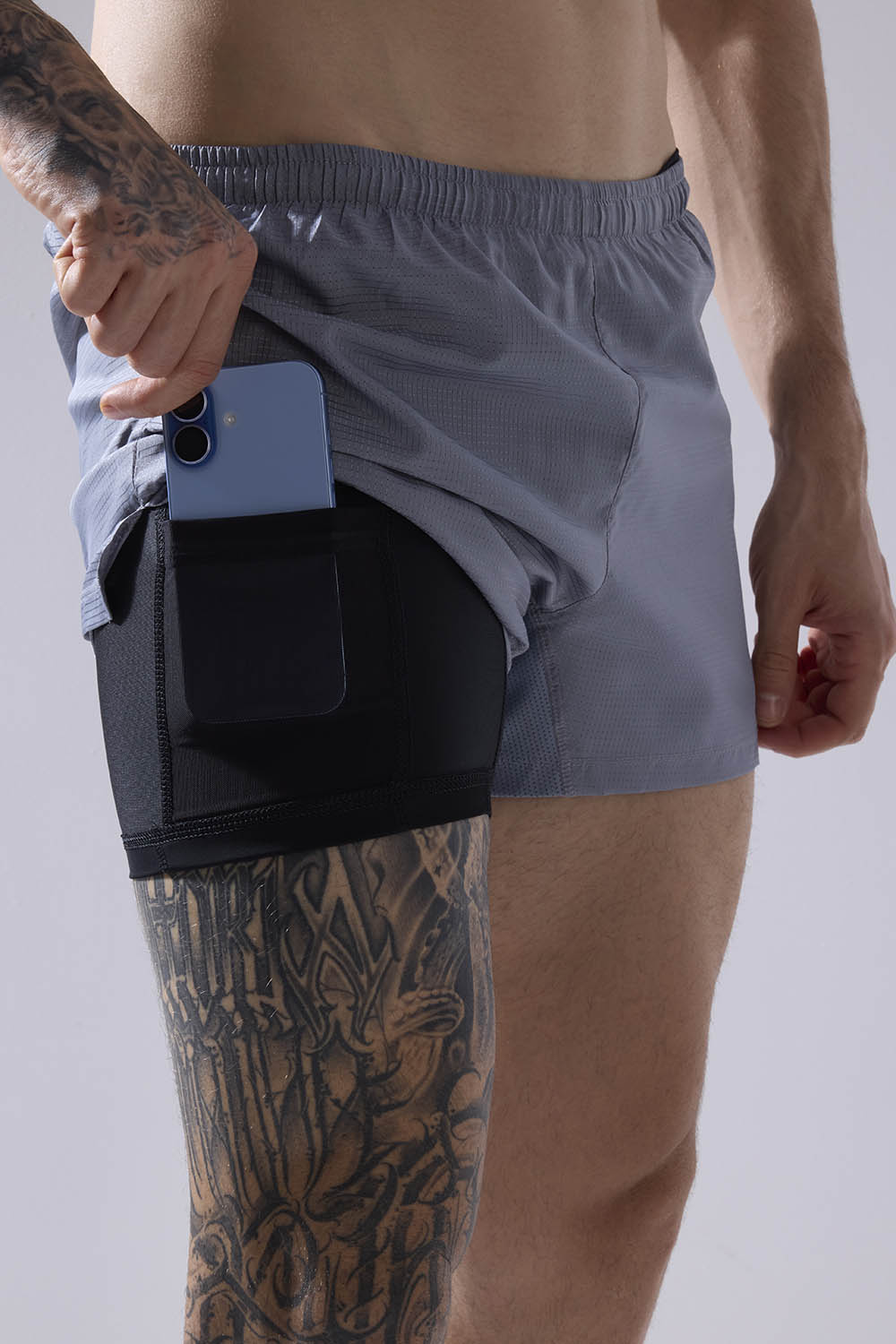
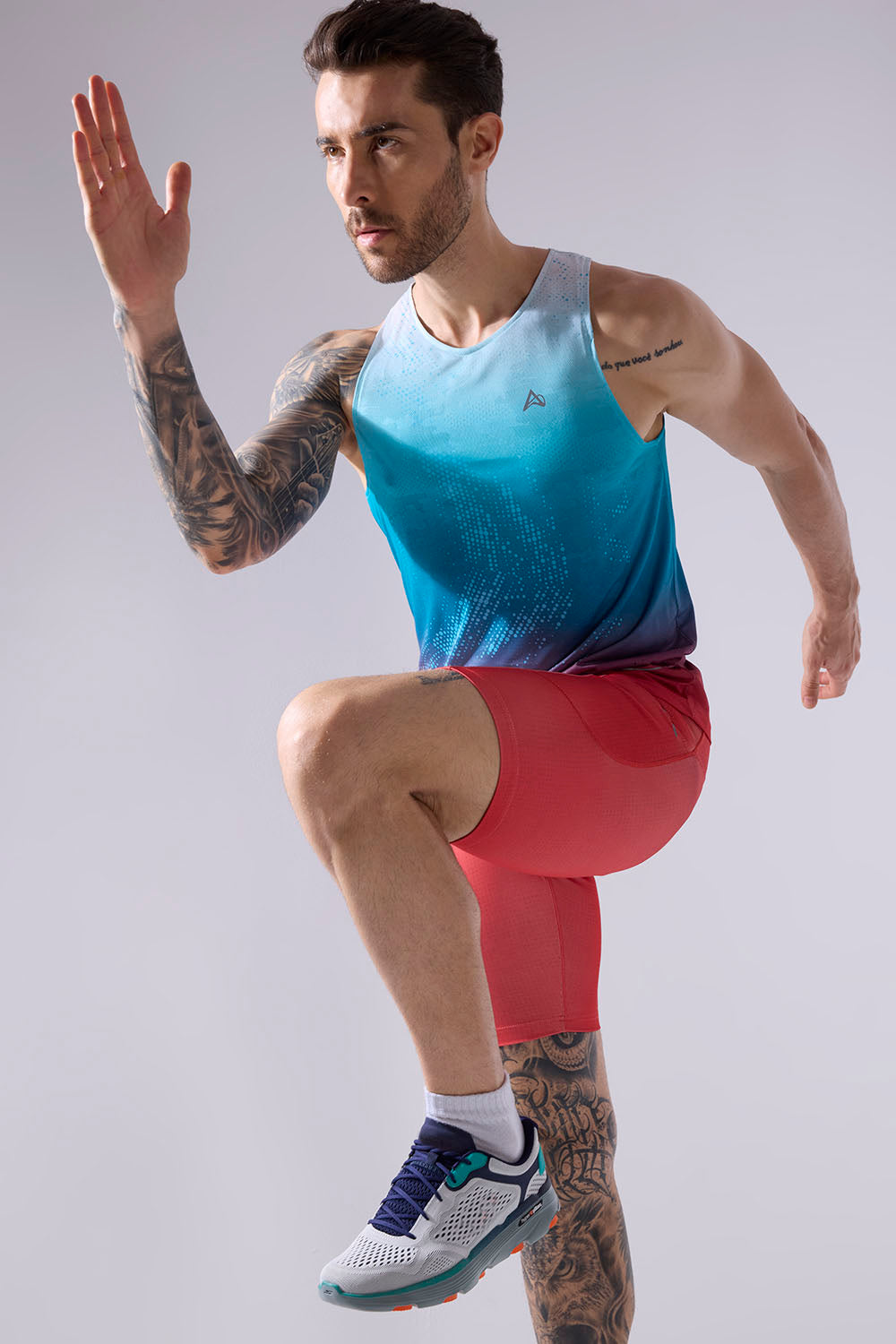
This burgeoning scene unlocks innovation avenues. The India sports apparel market is set for dynamic growth, fueled by urbanization and e-commerce, creating demand for performance wear suited to local needs. Aguante exemplifies this, offering runner-centric products like secure-pocket shorts and reflective singlets at accessible prices, empowering athletes in polluted Delhi or humid Pune.
Government efforts, including the Fit India Movement, amplify participation, boosting health outcomes and economic ripple effects events in Mumbai and Bangalore spur tourism and job creation.facebook.com
Future Outlook and Recommendations
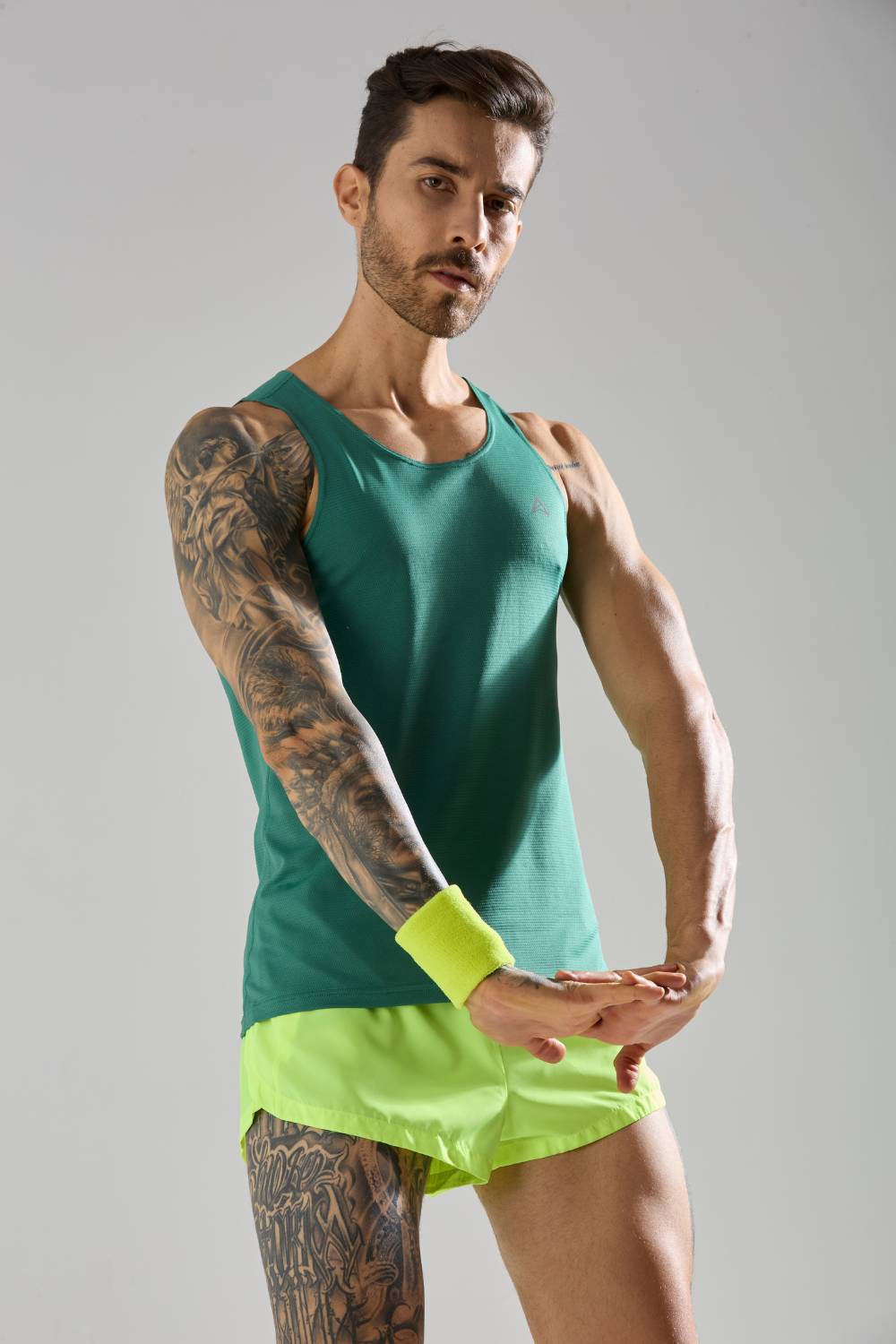
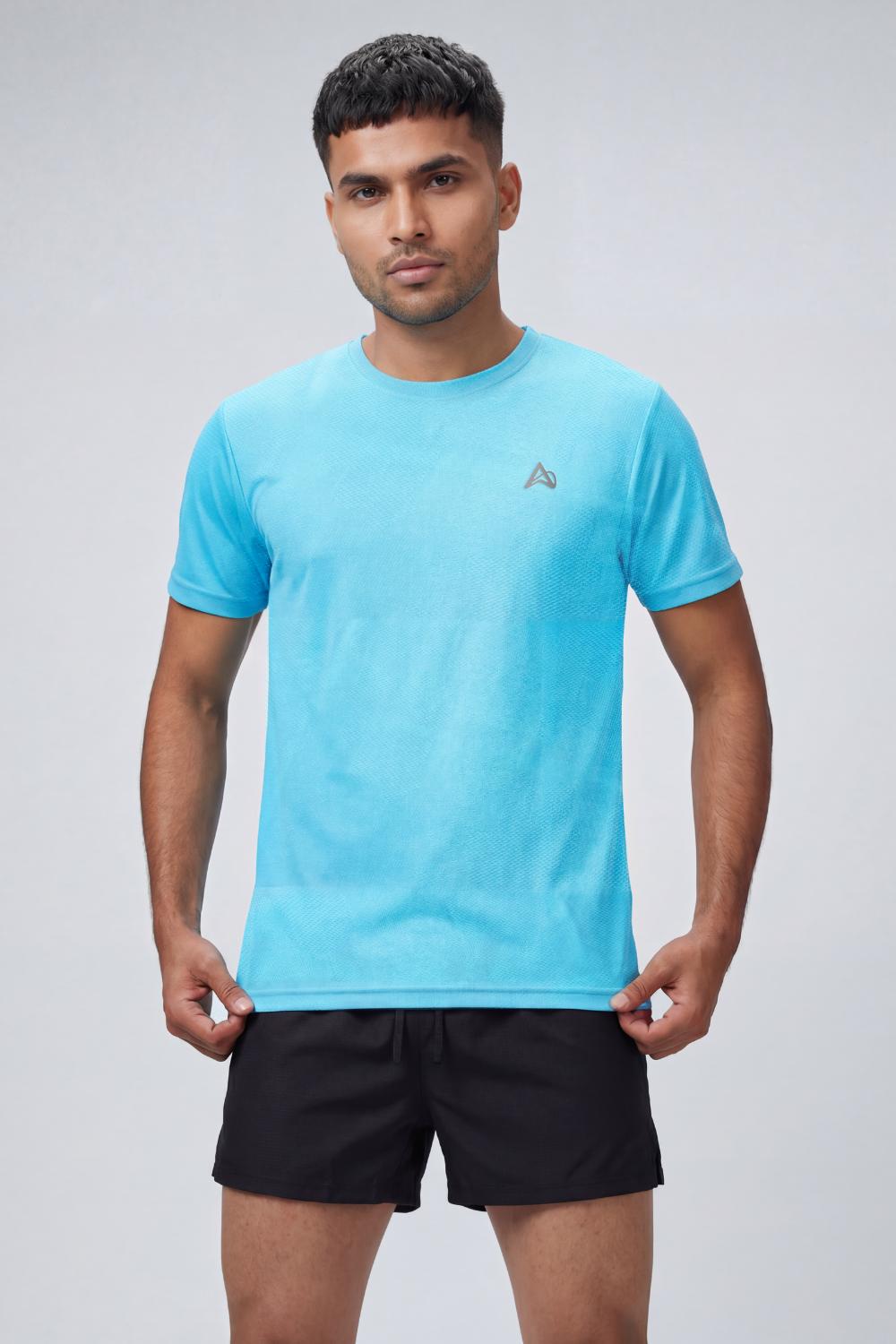
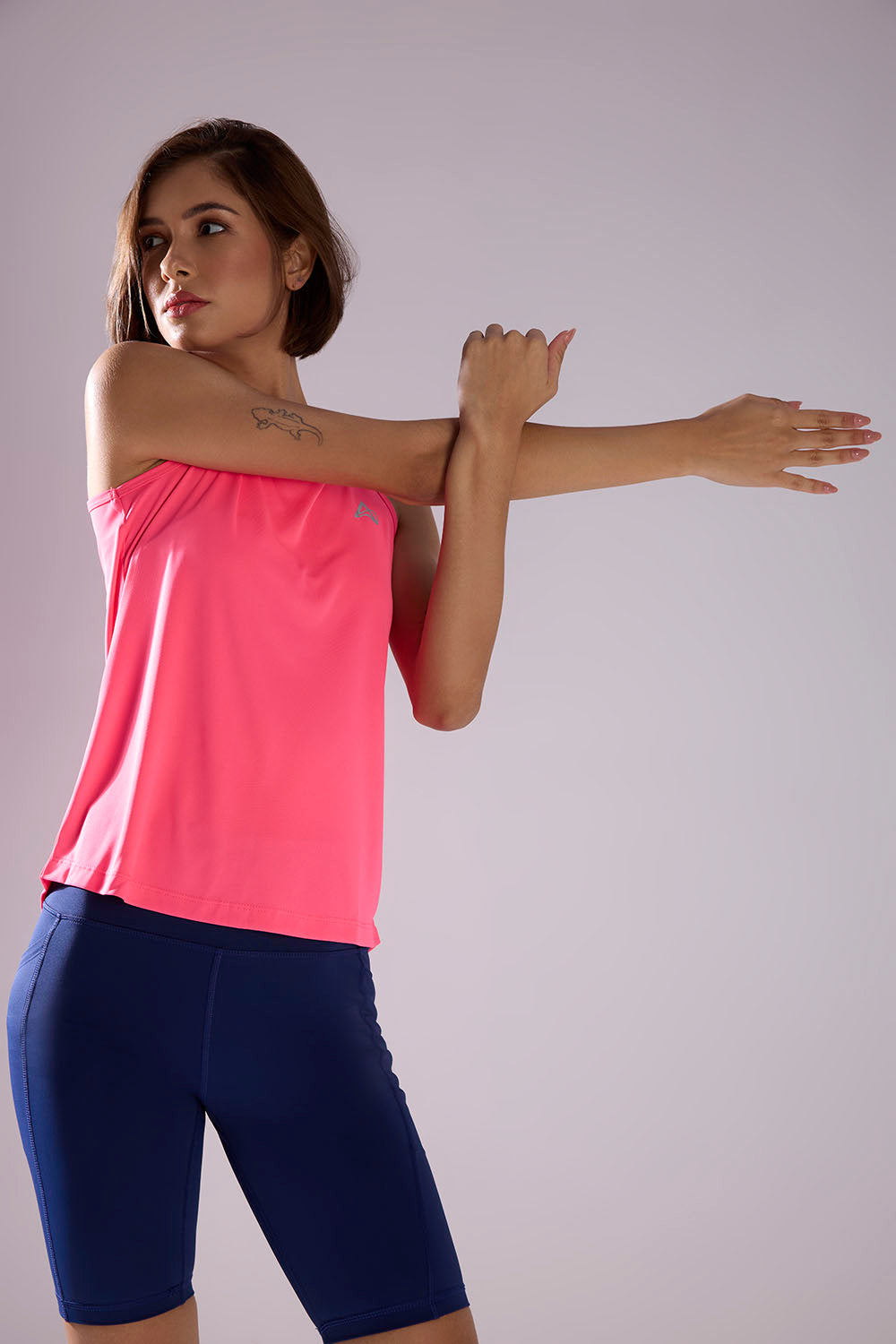
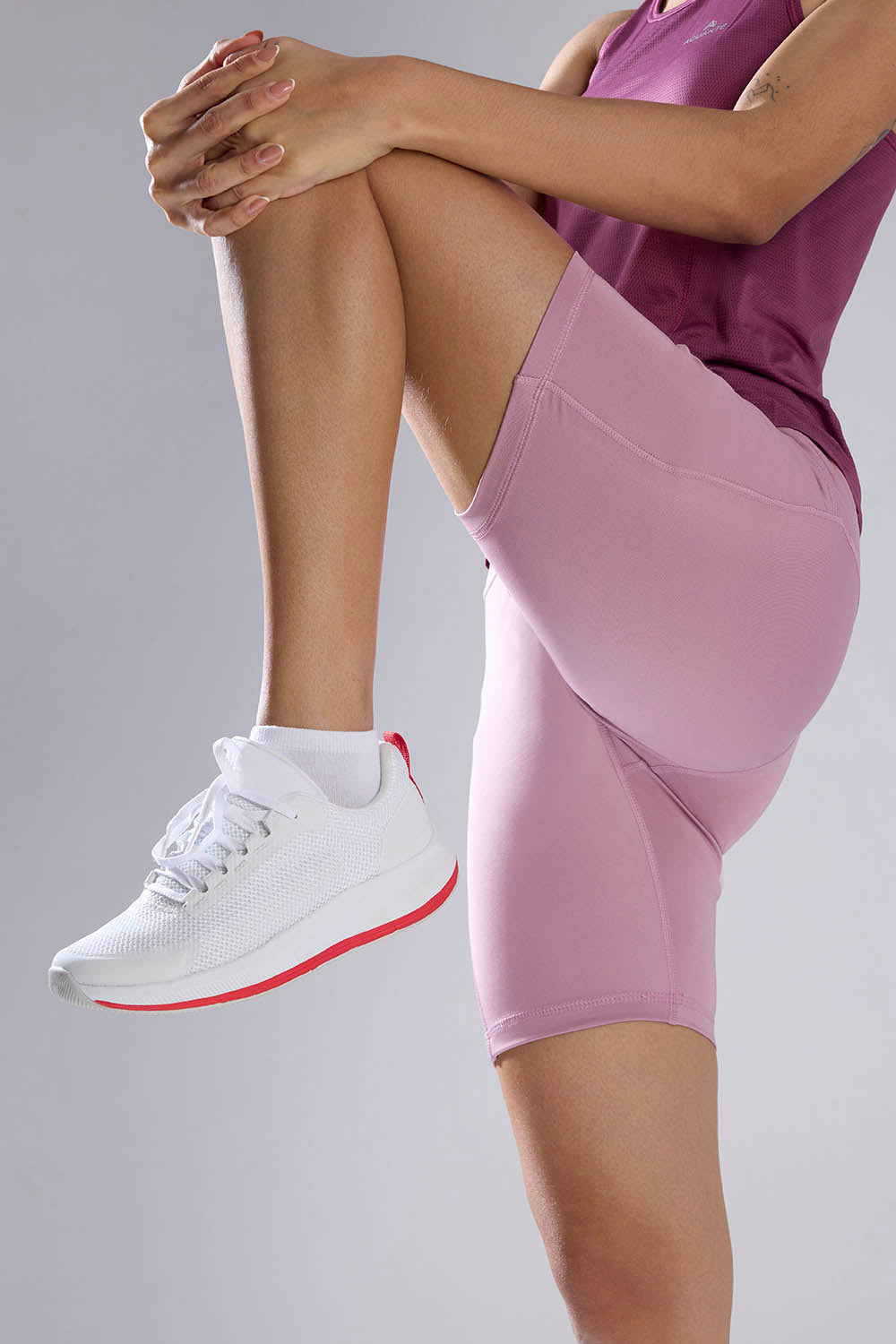
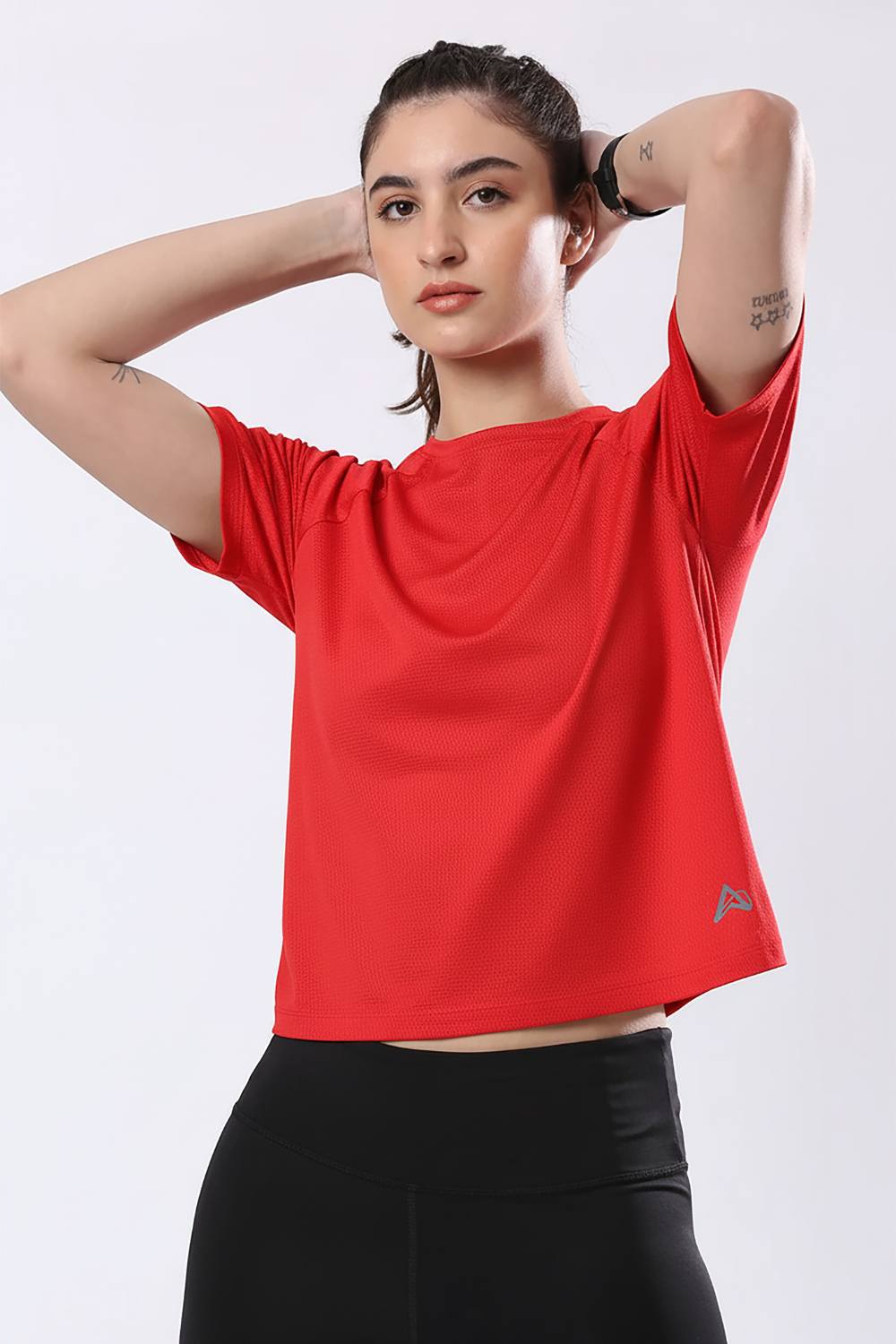
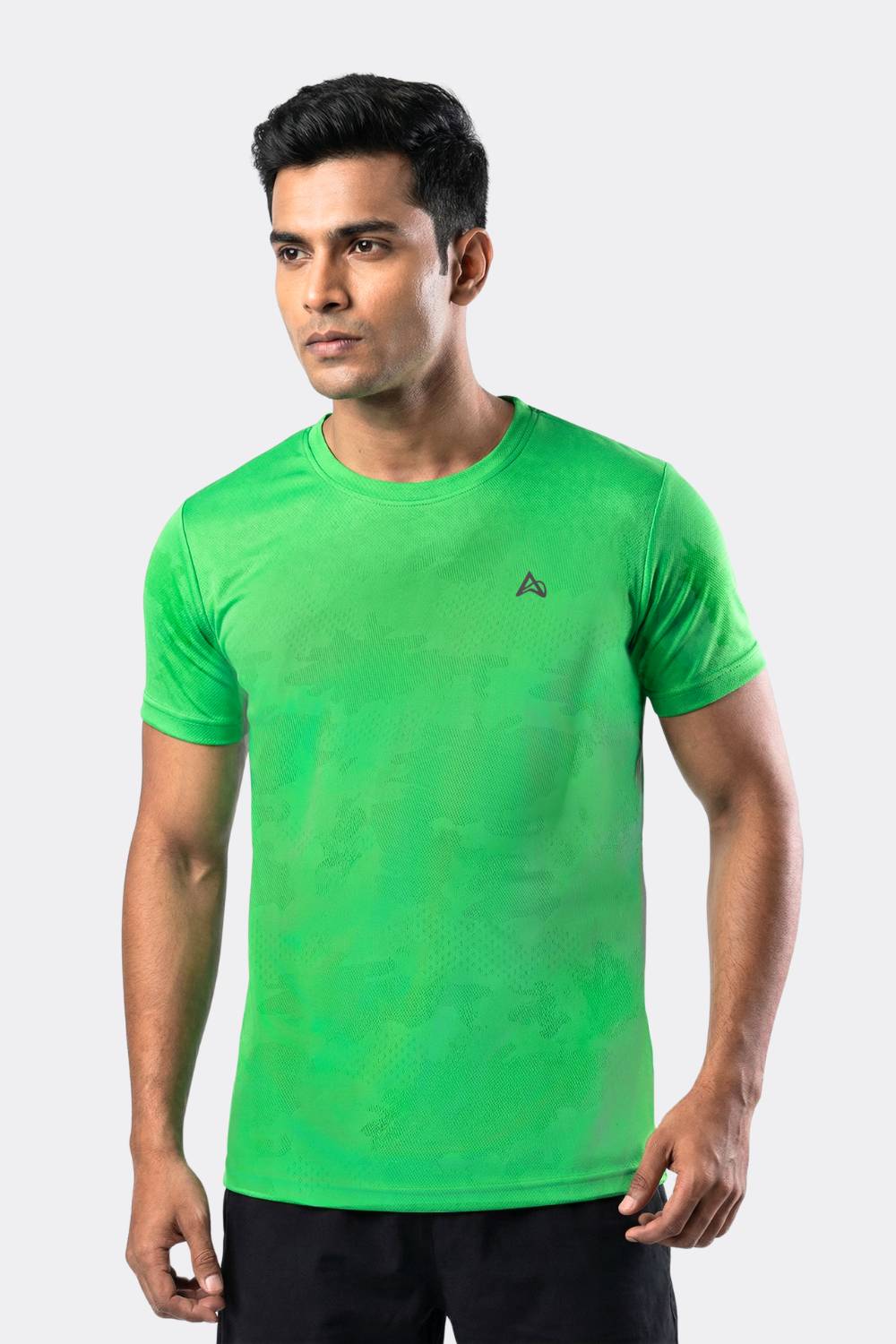
Looking ahead, experts foresee continued expansion, with urban greening and advanced forecasting pivotal for safer running. Runners should begin with brief, cooler-hour sessions, investing in breathable t-shirts and half-tights optimized for India's diverse terrains.
Embracing these tailored strategies will democratize running. Dive deeper into this evolution with our in-depth exploration of Adapting Global Running Trends to Indian Running Conditions, where perseverance meets ingenuity.
Frequently Asked Questions
What are the biggest challenges for runners in Indian cities like Delhi, Mumbai, and Bangalore?
Indian runners face a demanding trio of environmental obstacles extreme heat, high humidity, and air pollution. In Delhi, AQI levels can exceed 400, making outdoor runs equivalent to heavy smoking, while Mumbai's coastal moisture intensifies physical strain during runs. Runners are adapting by scheduling predawn sessions, using air quality apps to identify safer training windows, and wearing moisture-wicking, breathable gear designed for India's climate.
What running gear is best suited for hot and humid Indian weather conditions?
For running in India's heat and humidity, experts recommend ultra-breathable, moisture-wicking fabrics that help manage sweat and prevent chafing. Lightweight, anti-chafing designs and reflective singlets for low-light early morning runs are particularly well-suited to conditions in cities like Mumbai, Hyderabad, and Pune. Local brands are increasingly developing India-specific performance wear such as secure-pocket shorts and breathable t-shirts that addresses these needs at accessible price points.
How is India's running culture growing, and what major running events should you know about?
India's running scene has evolved from a niche hobby into a nationwide fitness movement, supported by rising health awareness, government initiatives like the Fit India Movement, and a running gear market valued at approximately $2.52 billion USD in 2024. Major events like the Tata Mumbai Marathon, TCS World 10K Bangalore, and the NMDC Hyderabad Marathon attract tens of thousands of participants each year. Run clubs in cities like Mumbai, Delhi, and Bangalore such as Mumbai Road Runners and Bhag Club have further fueled this growth by building inclusive communities around the sport.
Disclaimer: The above helpful resources content contains personal opinions and experiences. The information provided is for general knowledge and does not constitute professional advice.
You may also be interested in: Urban Running Culture Shapes Activewear Trends in India - Aguante
Tired of gear that slows you down? Chafing, soggy fabrics, and missing pockets kill your run's momentum. At Aguante, we're runners who get it. Our high-performance activewear features moisture-wicking fabrics, ergonomic designs, and smart storage to keep you focused. Shop Now!
Powered by flareAI.co