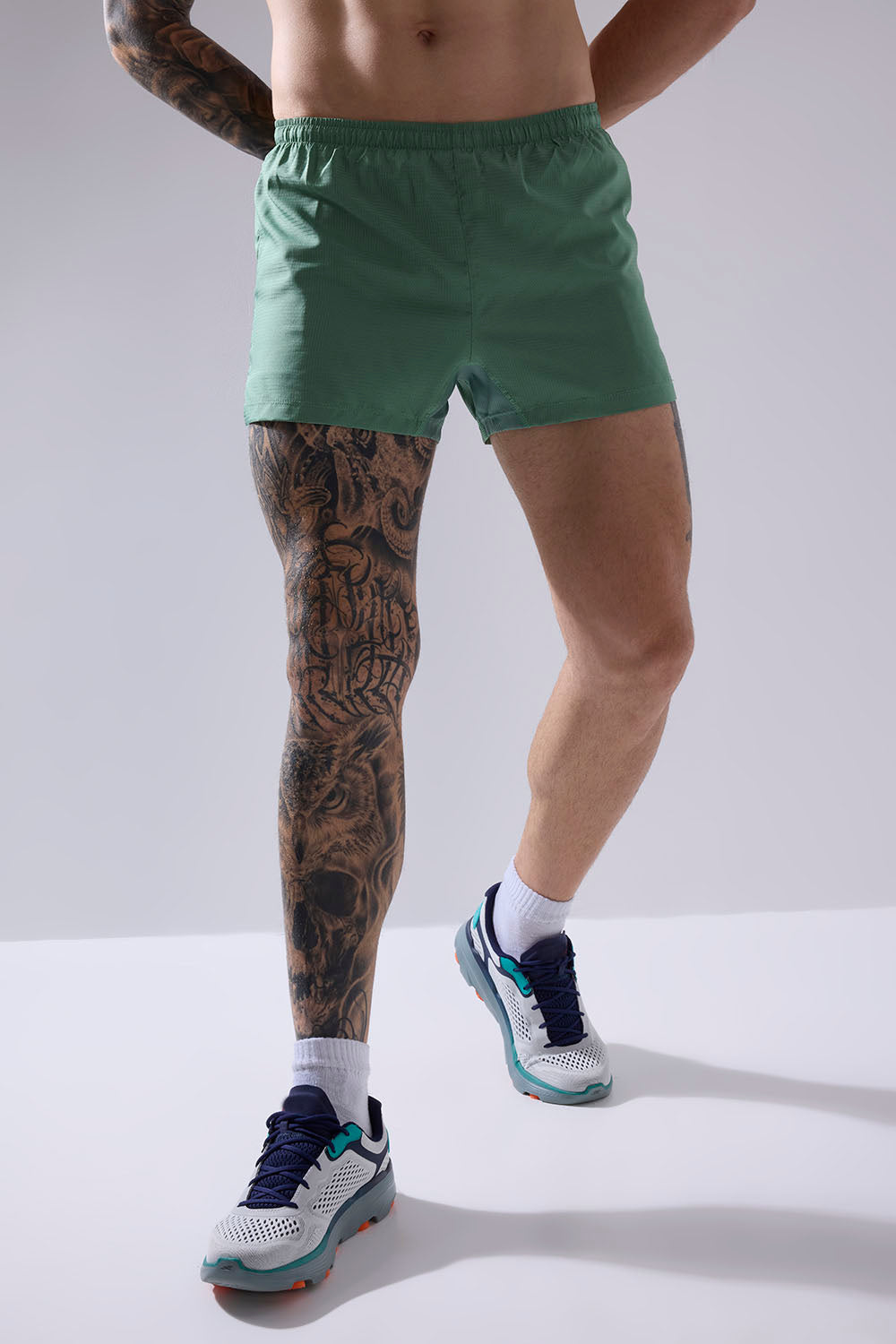
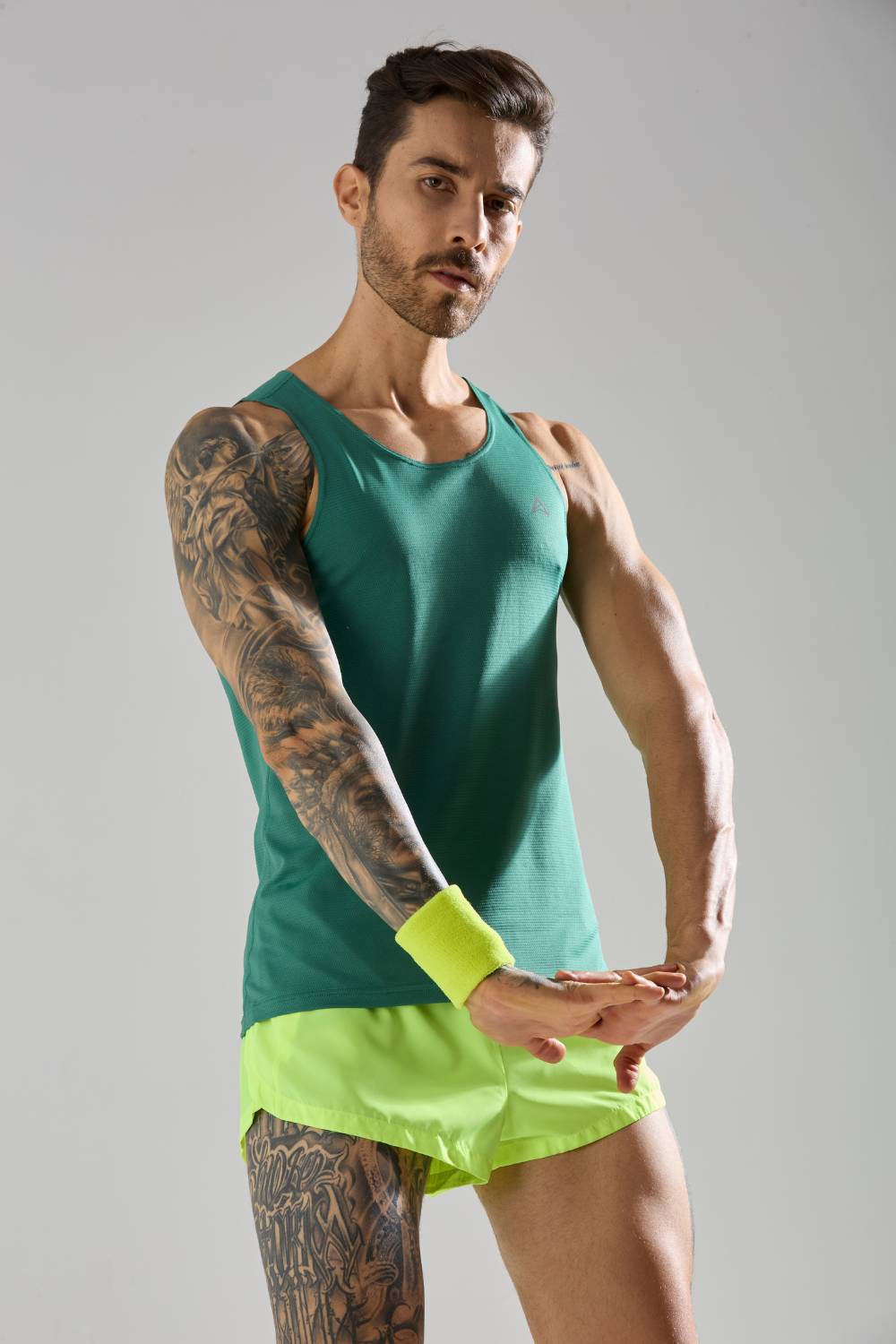
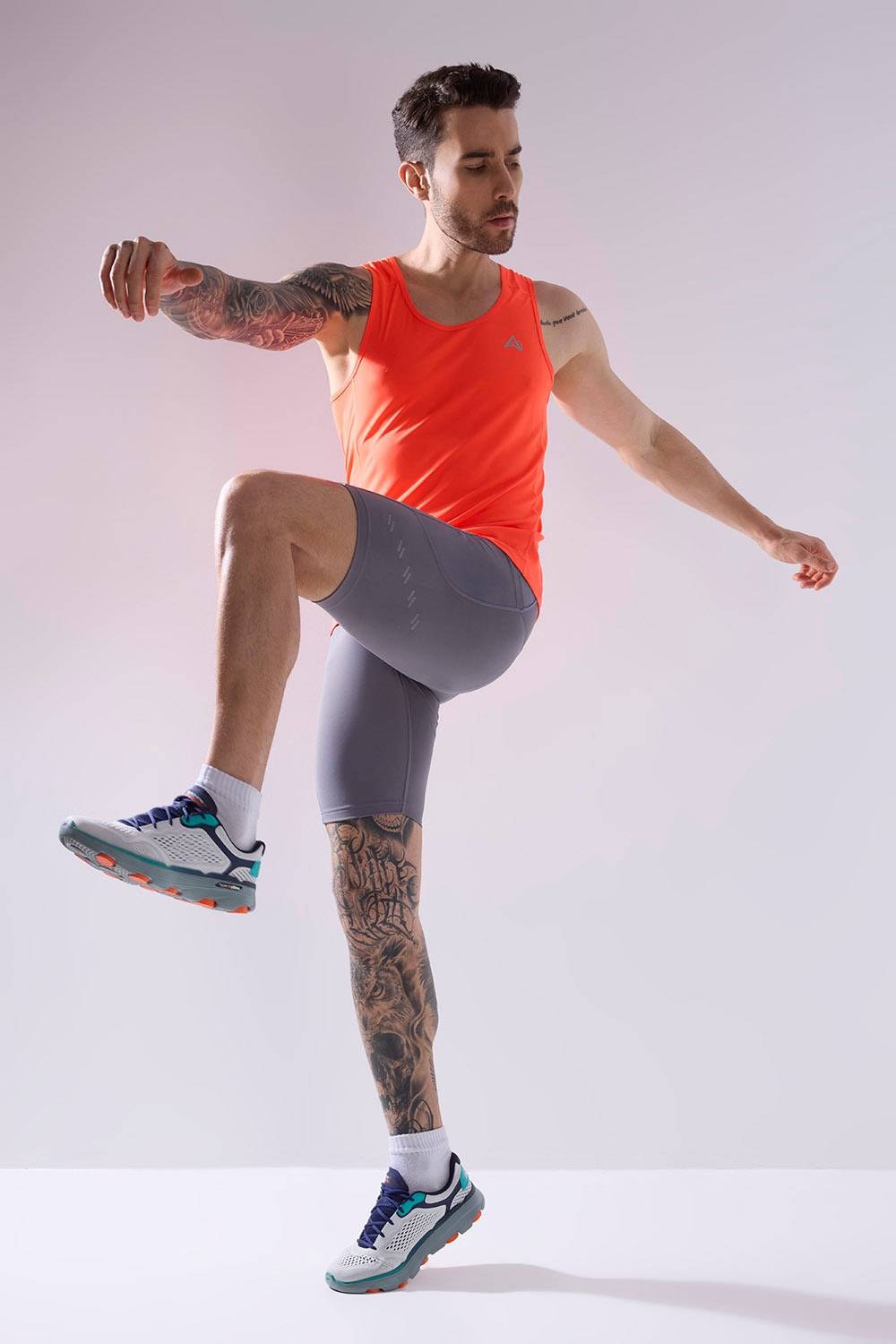
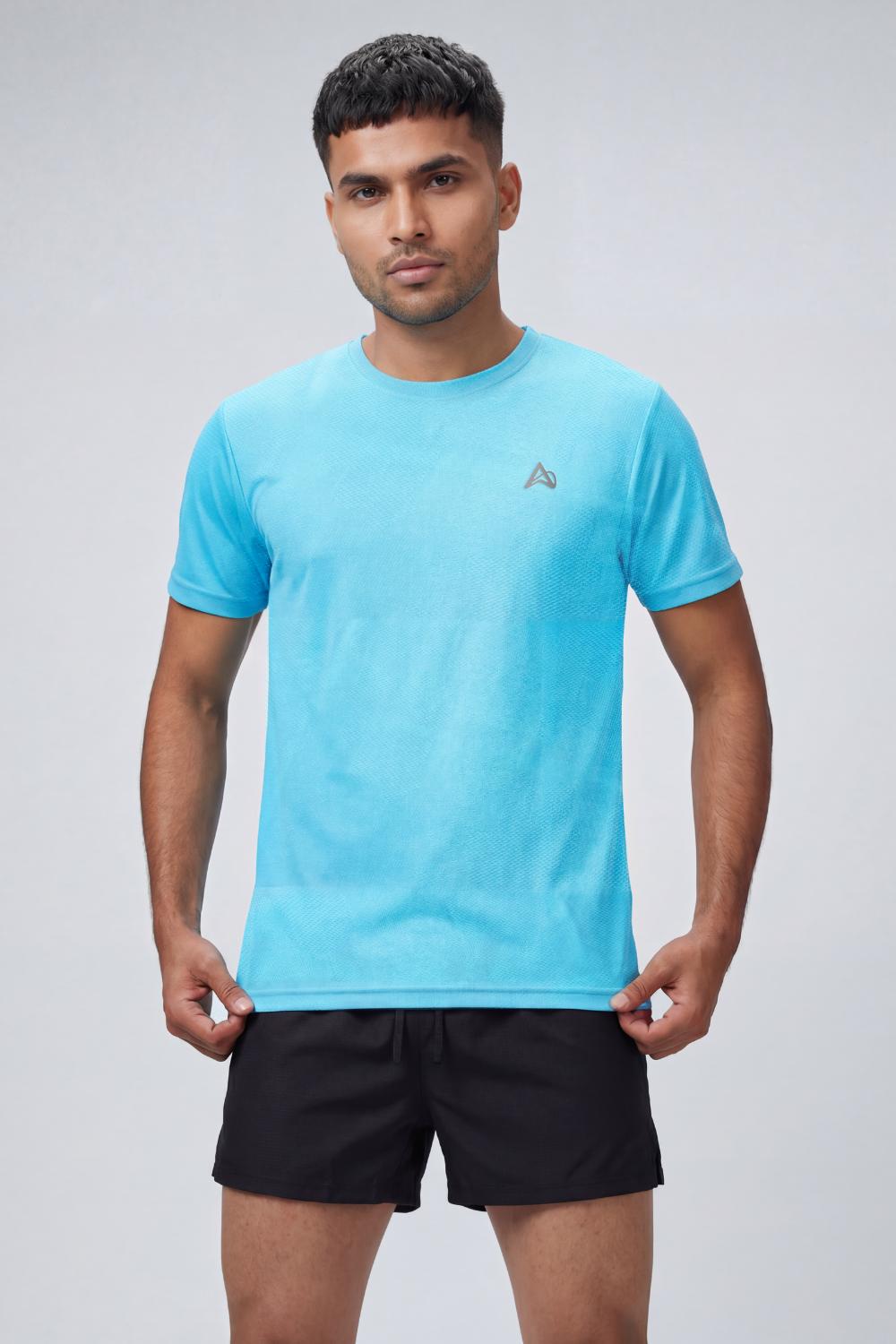
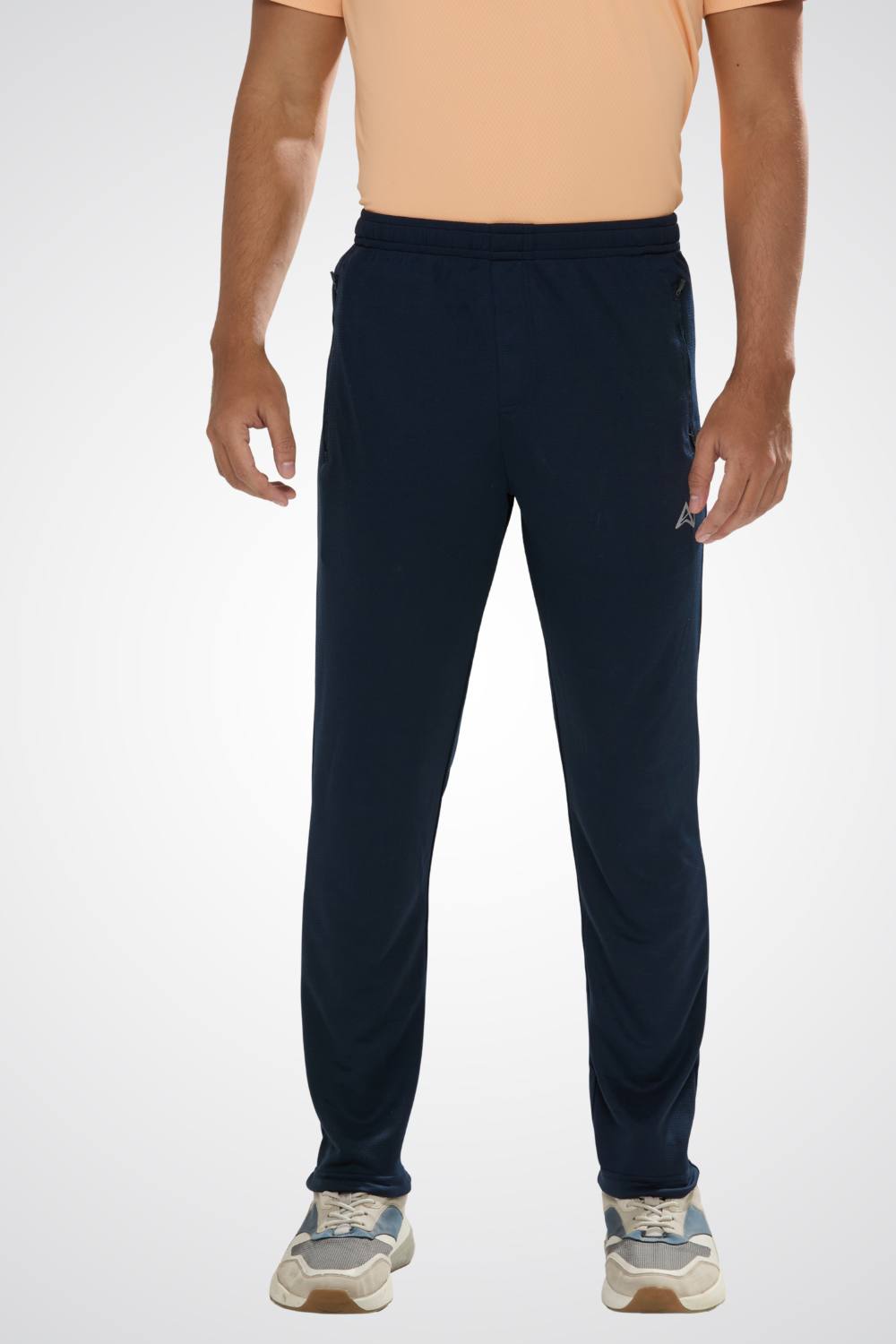
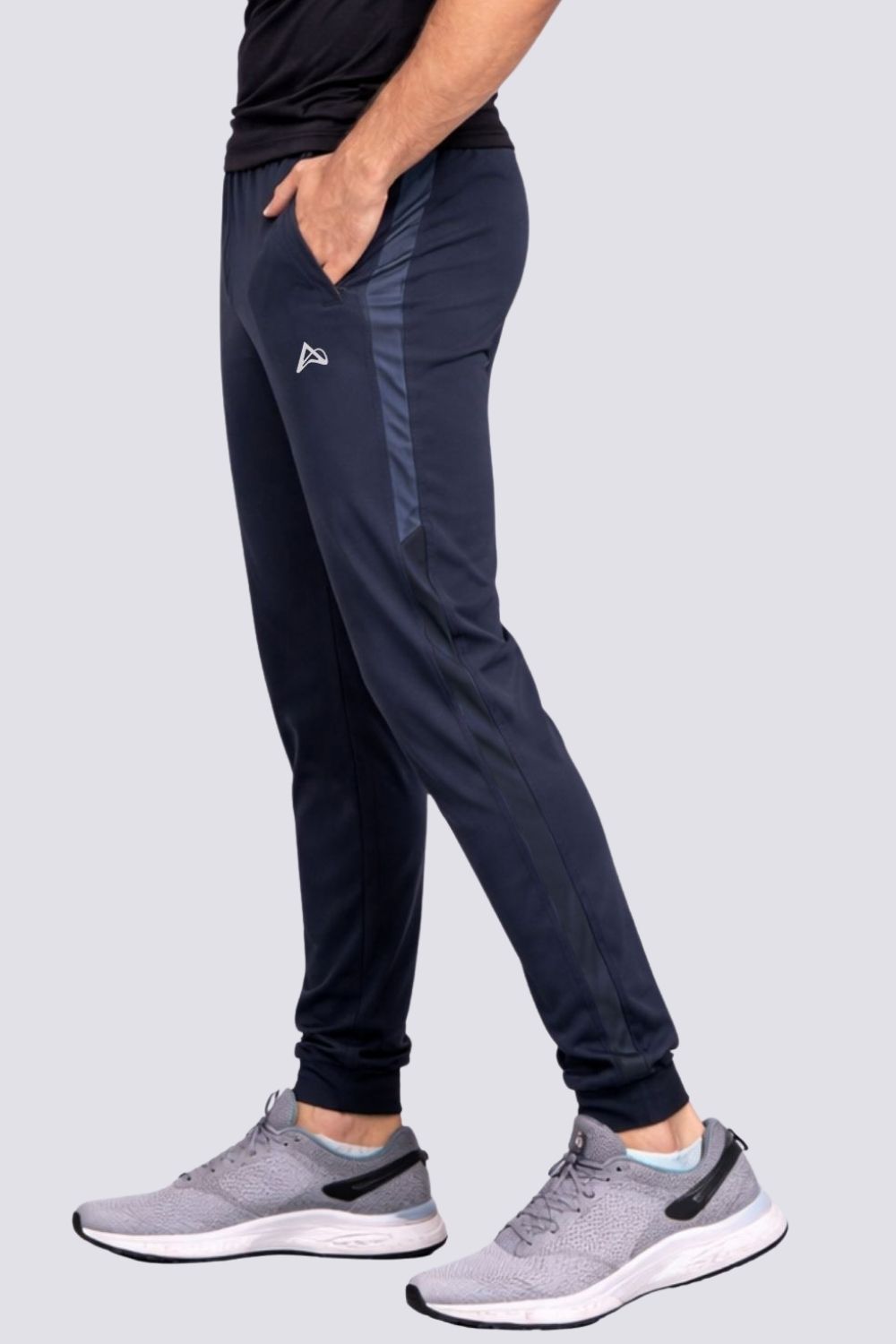
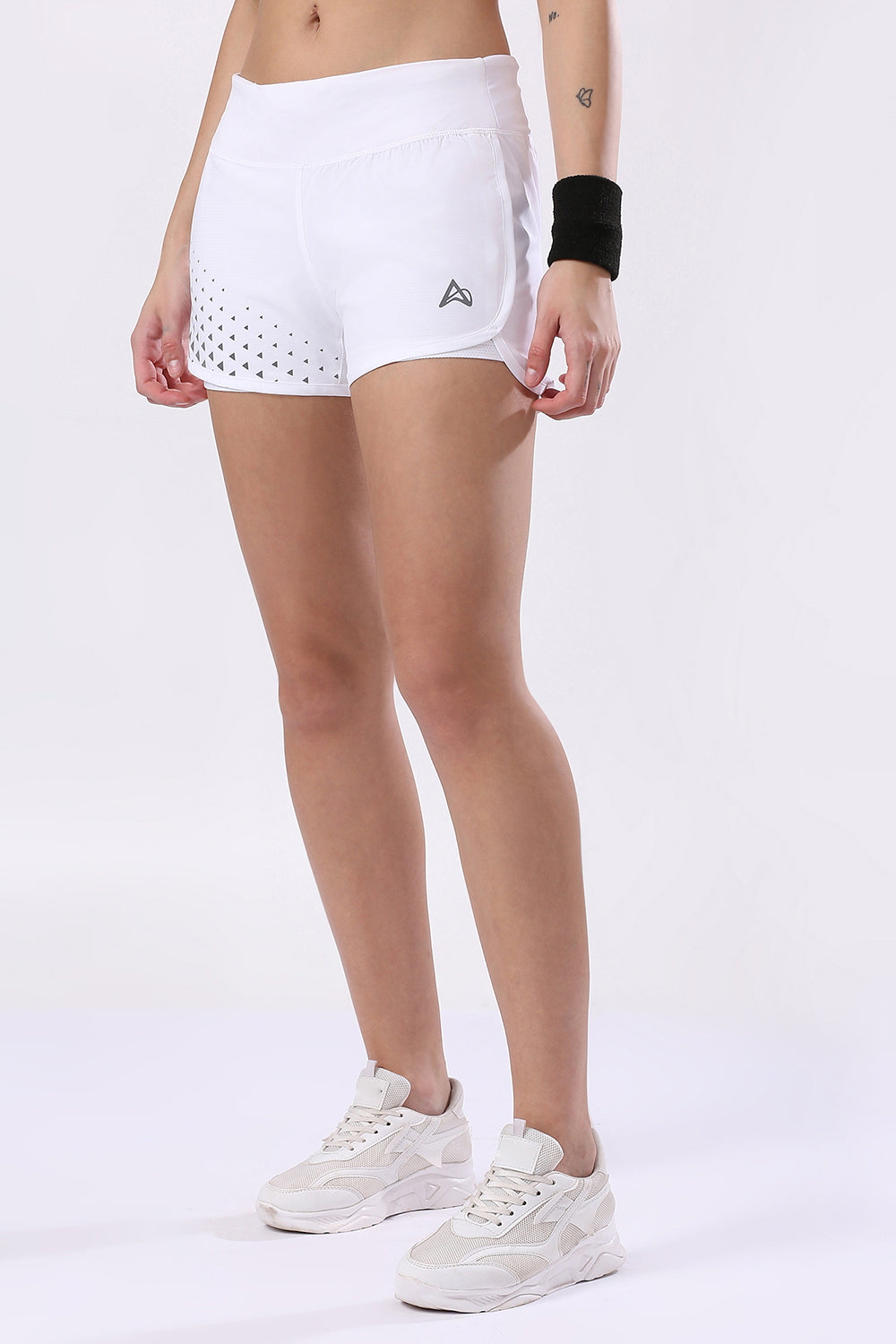
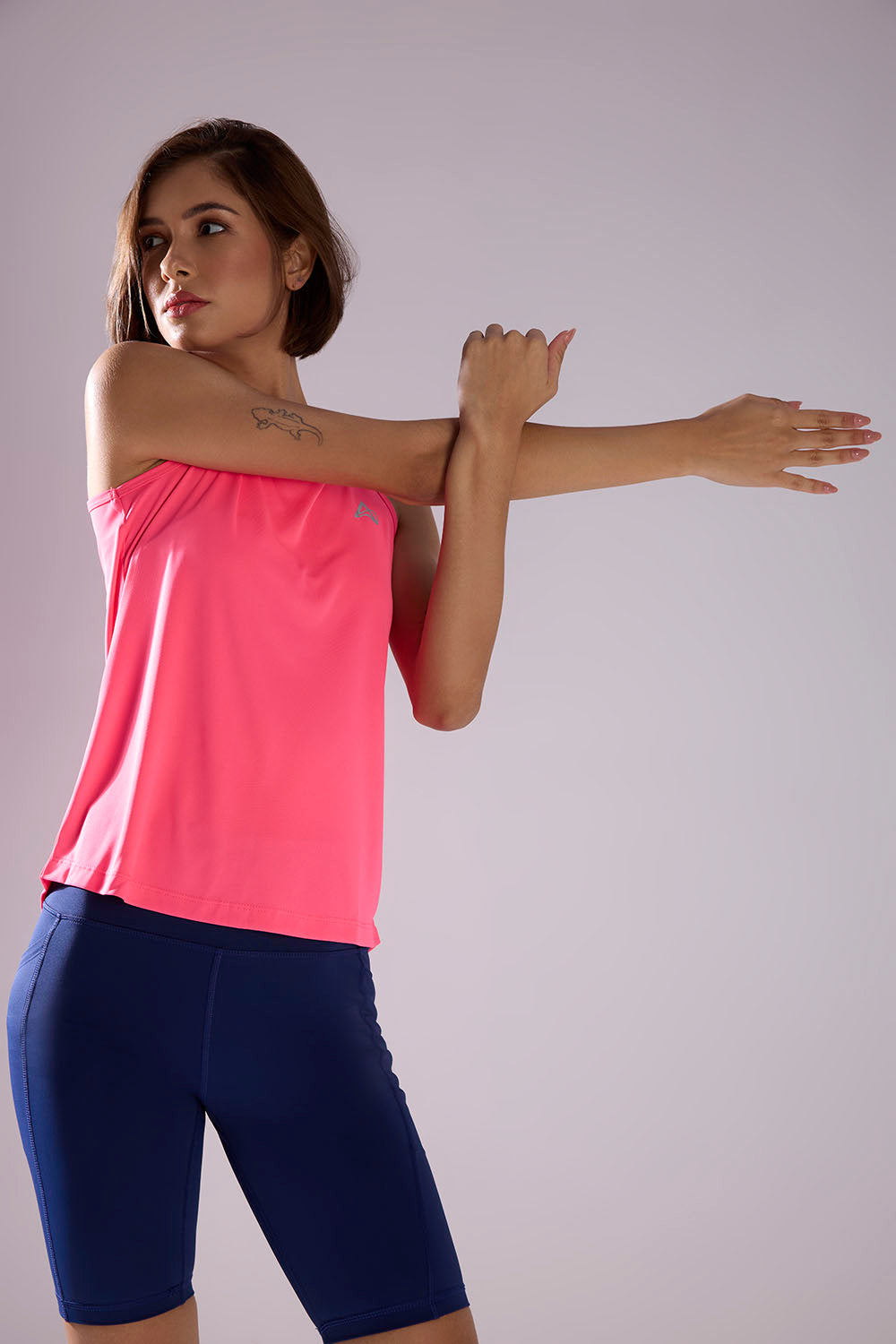



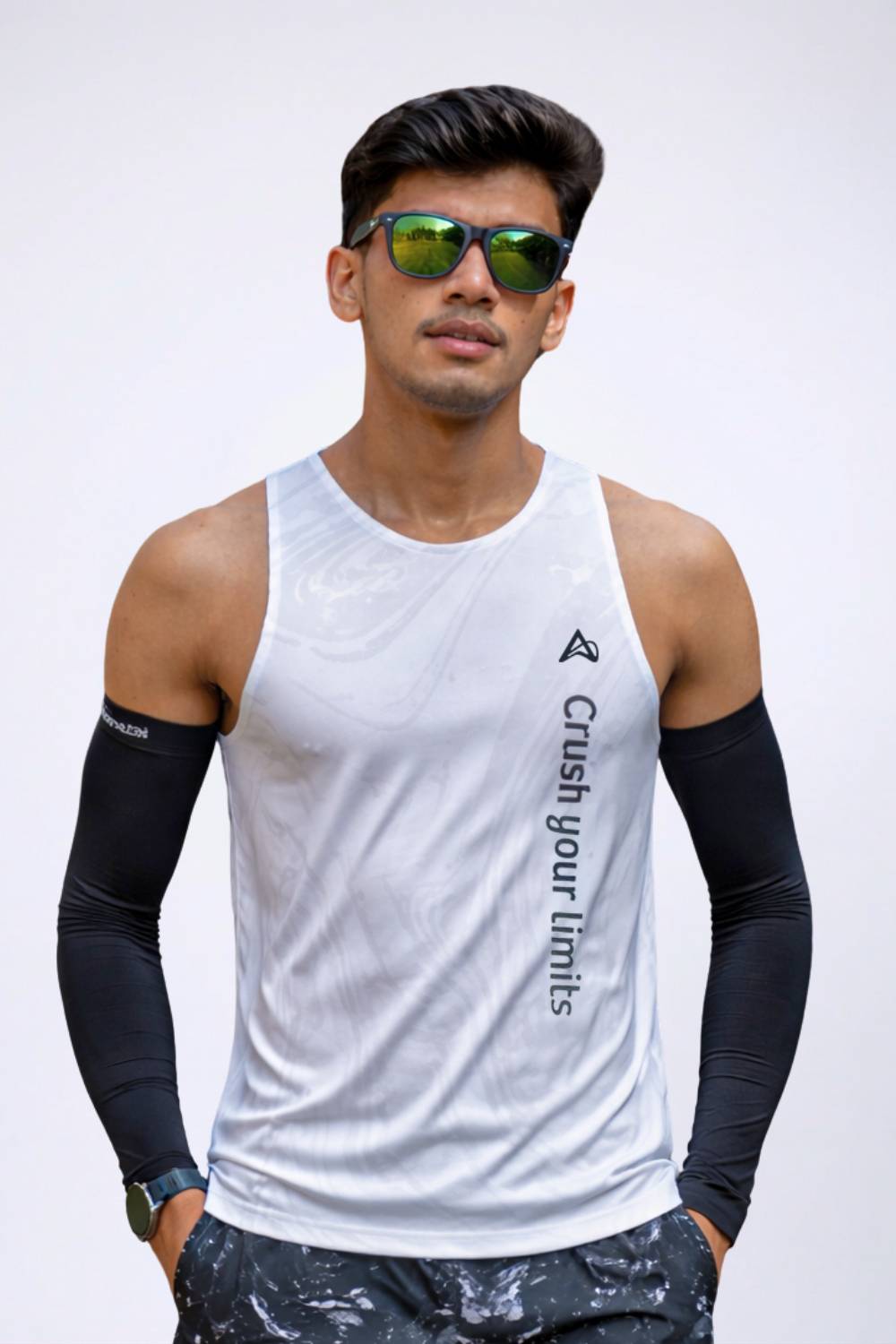

Race preparation demands more than speed it requires gear that keeps you comfortable, supported, and ready through every mile. For runners in cities like Mumbai, Pune, Delhi, Bangalore, Hyderabad, and beyond, where the heat can rise sharply in the early morning hours, the right choice of performance apparel can mean the difference between a strong finish and a disappointing DNF. Whether you are training for your first half-marathon or chasing a personal best in a marathon, understanding how to select clothing that matches the demands of your race day helps you train smarter and perform better.
Tired of gear that slows you down? Chafing, soggy fabrics, and missing pockets kill your run's momentum. At Aguante, we're runners who get it. Our high-performance activewear features moisture-wicking fabrics, ergonomic designs, and smart storage to keep you focused. Shop Now!
Why Performance Apparel Matters in Race Preparation
Performance apparel is designed to move with you, wick away moisture, and protect you from the elements. In the humid conditions common during summer training runs, a poorly chosen singlet or short can lead to chafing, overheating, or even injury. The best pieces act as an extension of your body, allowing you to focus on your pace rather than battling fabric that clings or restricts.
High-quality performance apparel also builds confidence. When every layer feels supportive and breathable, you can push harder in long runs and trust the gear on race day. This is especially true for competitive runners who need to stay dry and light throughout a 2- to 3-hour effort.
Understanding Your Race Type and Environment
Start by identifying the type of race you are targeting. A half-marathon in Pune's spring heat calls for lighter, more breathable options than a full marathon in Mumbai's humid evenings. Consider the climate where you live and train Delhi's dry summers versus Hyderabad's monsoon-influenced conditions. This awareness shapes your entire wardrobe.
Race day often brings unexpected variables: sun, wind, or sudden rain. Choosing apparel that adapts to these changes, whether through modular layers or quick-drying fabrics, gives you flexibility when the course changes.
Key Features to Prioritize
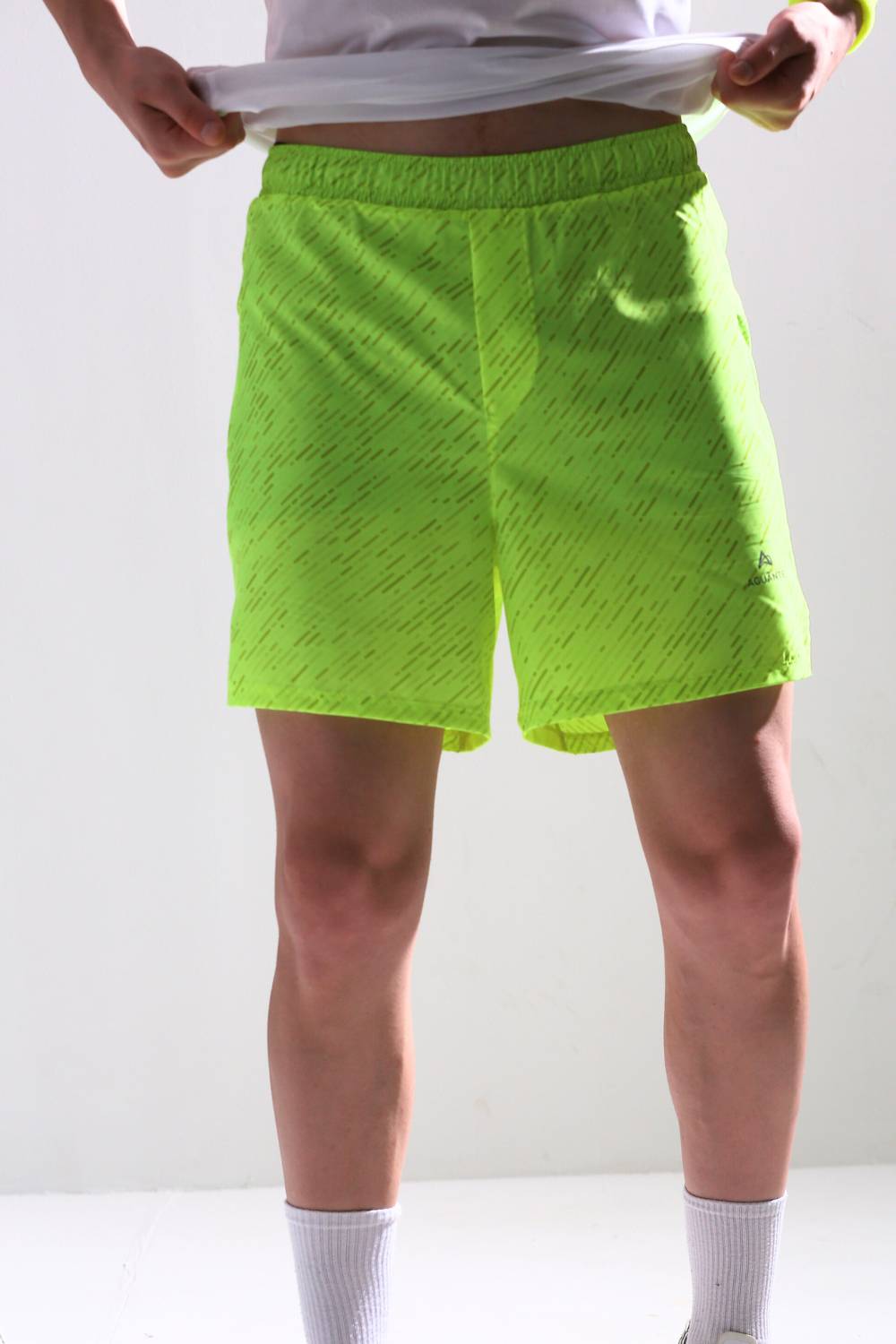
Several features elevate a piece from good to exceptional for race preparation. Look for seamless construction to eliminate chafing, especially in sensitive areas like the inner thighs. Compression elements can help with muscle support during hilly terrain, while reflective details improve visibility in low light.
Antimicrobial treatments keep garments fresh longer between washes, reducing the need to carry extra clothes. Moisture management is non-negotiable fabric that dries in minutes prevents that heavy, clammy feeling that slows you down mid-race.
Choosing the Right Fabrics and Materials
Fabrics play a central role in how your gear performs. Natural fibers such as organic cotton, merino wool, and bamboo viscose regulate temperature effectively, keeping you comfortable in varying conditions while resisting odour so garments last longer between washes. These options also reduce the environmental footprint compared to traditional synthetics, which shed microplastics and have higher carbon costs during production.
Brands incorporating recycled polyester or bio-based elastane maintain the mechanical stability needed for high-intensity runs and compression benefits that support muscles during training. When selecting apparel, look for certifications like Global Organic Textile Standard or cradle-to-cradle to ensure traceability and end-of-life options such as take-back schemes.
Runners who prioritize these materials often report less chafing, faster drying times, and greater confidence in their gear because the fabrics feel premium yet perform reliably in real-world conditions. For race preparation, this means fewer replacements after each event, better value over time, and alignment with modern preferences for ethically sourced activewear. In hot climates or during multi-week training blocks, sustainable choices prevent overheating and maintain support levels that help prevent injury, making them a smart investment for consistent performance gains.
Sustainable materials in performance apparel have transformed the way runners approach race preparation by delivering superior comfort and durability without sacrificing breathability or stretch. Natural fibres such as organic cotton, merino wool, and bamboo viscose regulate temperature effectively, keeping you comfortable in varying conditions while resisting odour so garments last longer between washes. These options also reduce the environmental footprint compared to traditional synthetics, which shed microplastics and have higher carbon costs during production. Brands incorporating recycled polyester or bio-based elastane maintain the mechanical stability needed for high-intensity runs and compression benefits that support muscles during training.
When selecting apparel, look for certifications like Global Organic Textile Standard or cradle-to-cradle to ensure traceability and end-of-life options such as take-back schemes. Sustainable materials in performance apparel Runners who prioritize these materials often report less chafing, faster drying times, and greater confidence in their gear because the fabrics feel premium yet perform reliably in real-world conditions. For race preparation, this means fewer replacements after each event, better value over time, and alignment with modern preferences for ethically sourced activewear. In hot climates or during multi-week training blocks, sustainable choices prevent overheating and maintain support levels that help prevent injury, making them a smart investment for consistent performance gains. Testing pieces in your typical training environment further confirms they hold up without pilling or losing elasticity, ensuring they serve as reliable tools for race-day success.
Essential Pieces for Summer Race Preparation
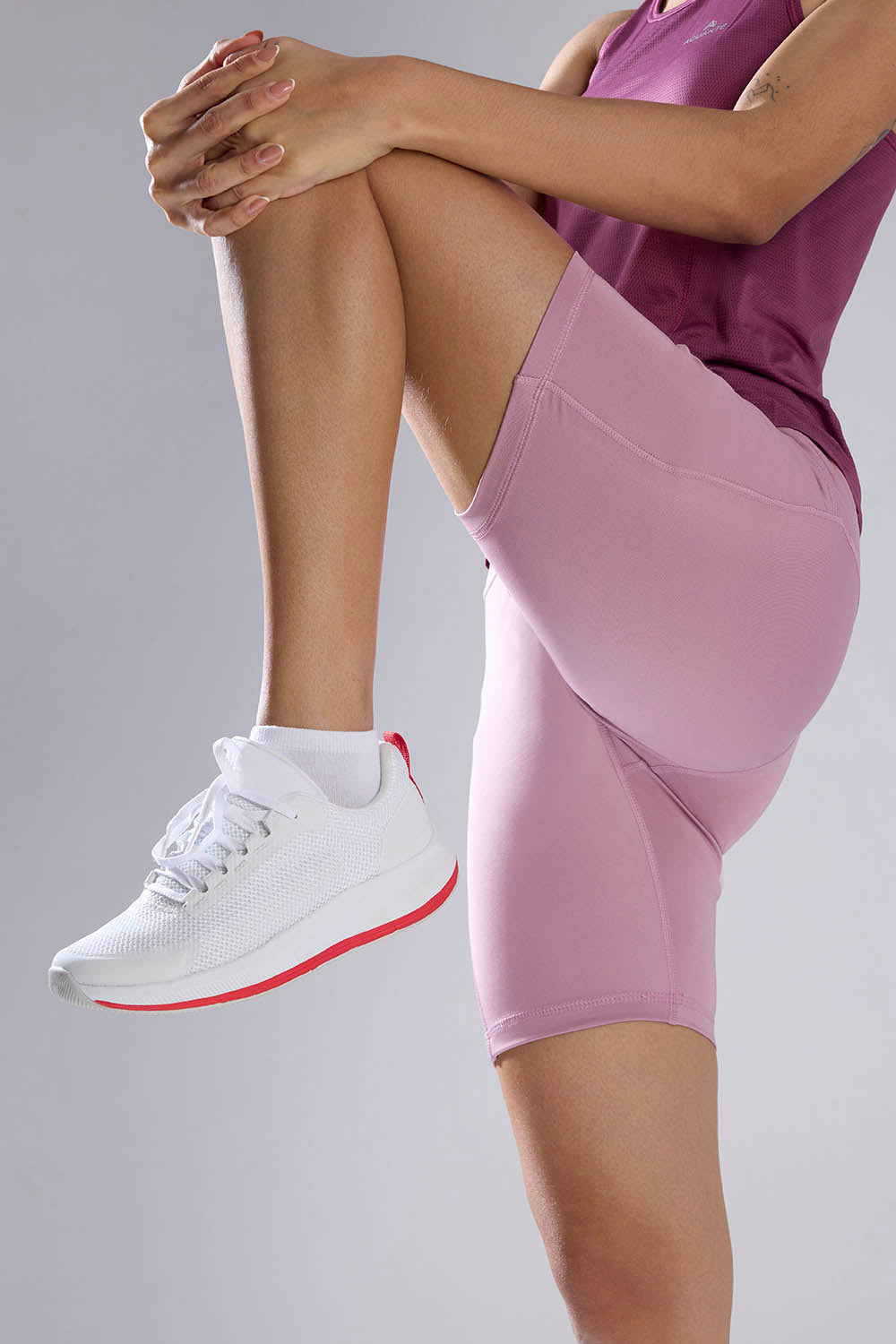
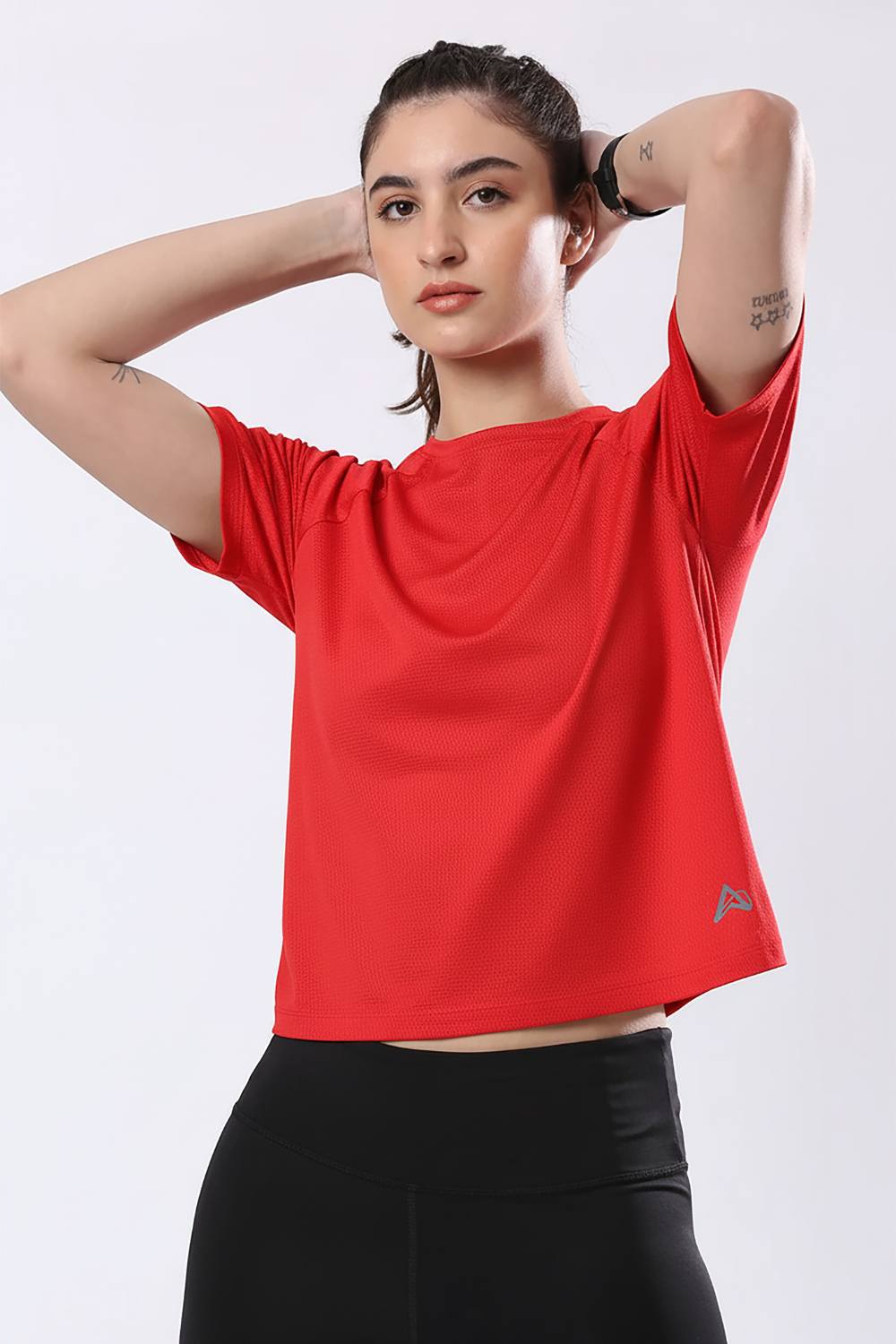
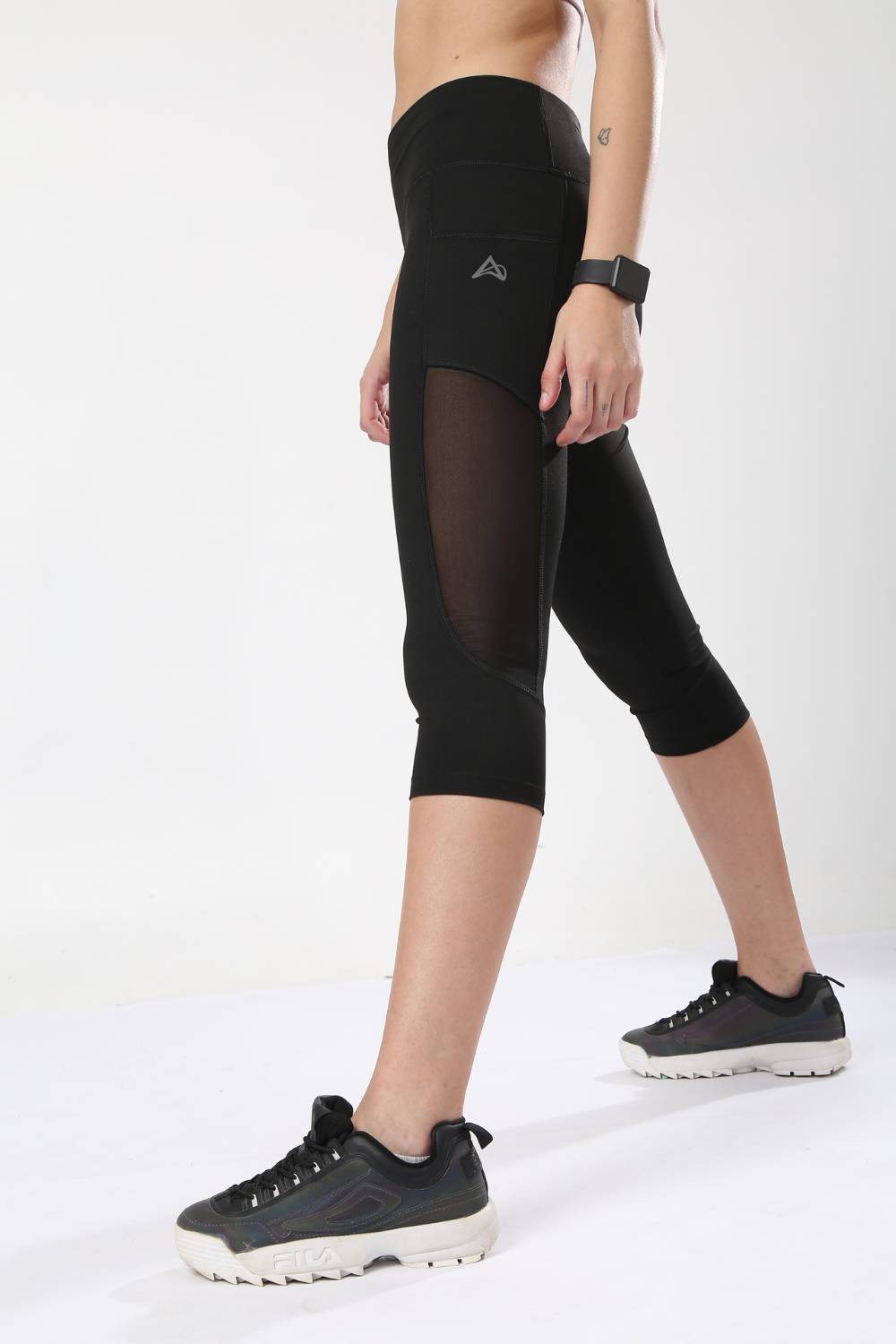
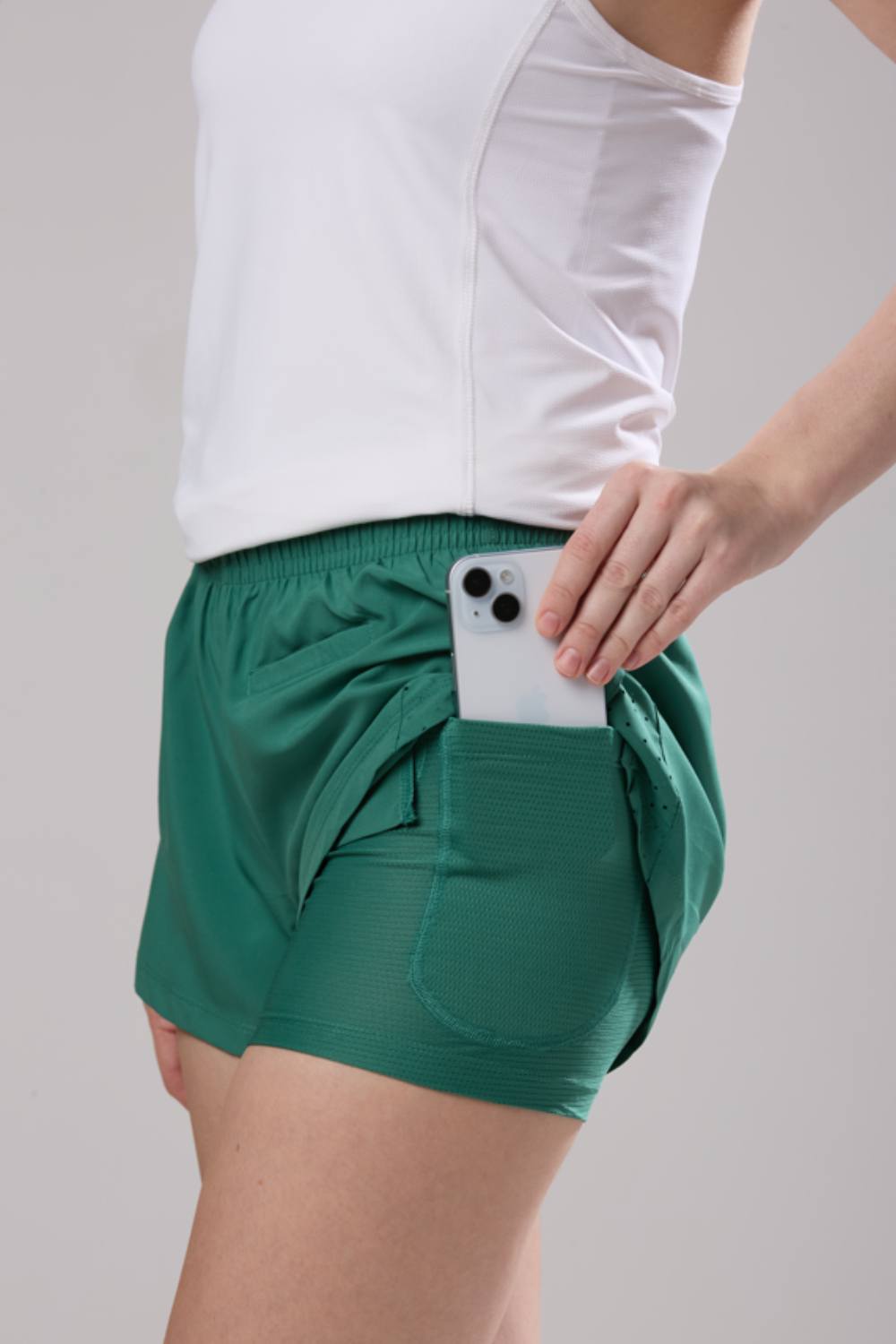
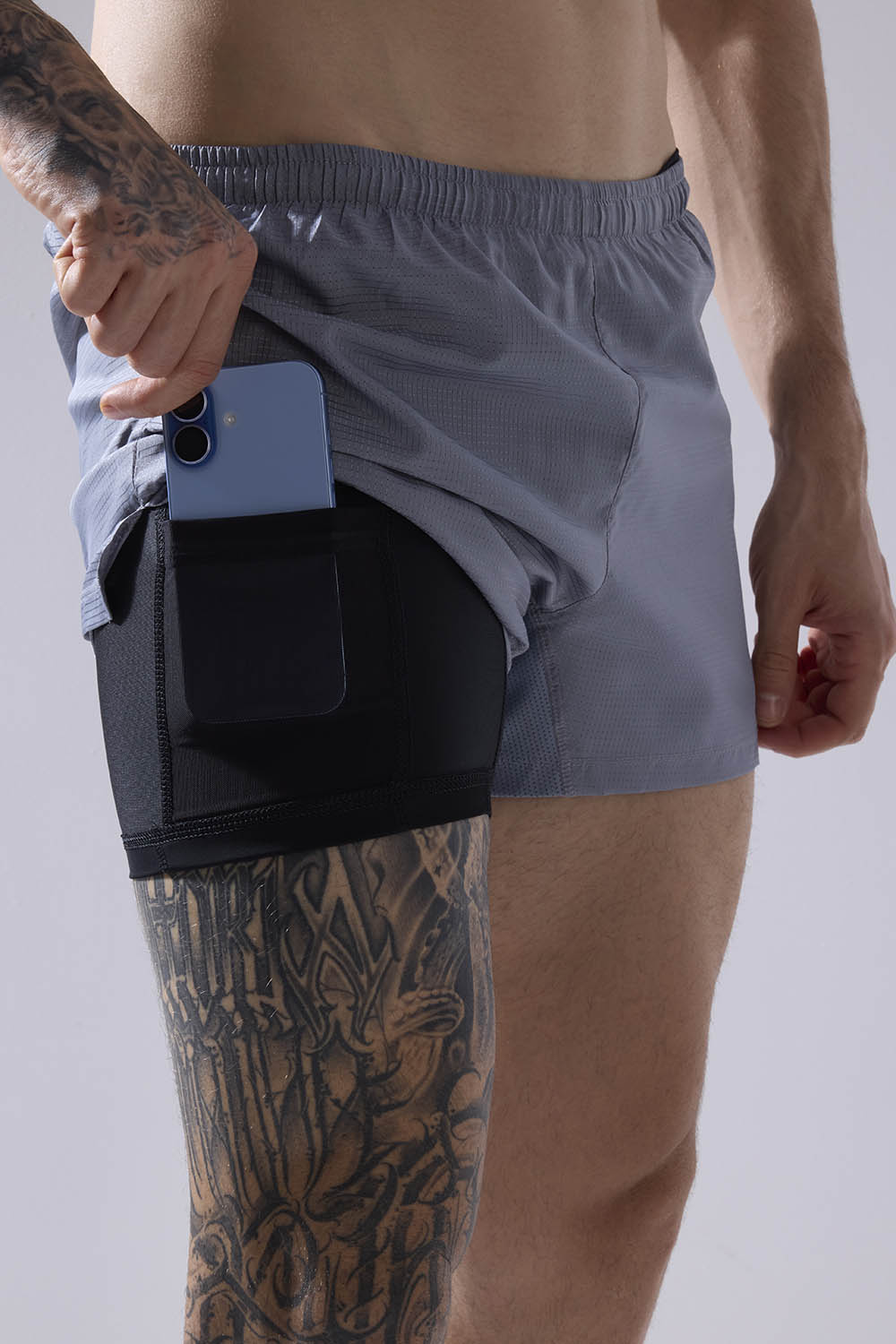
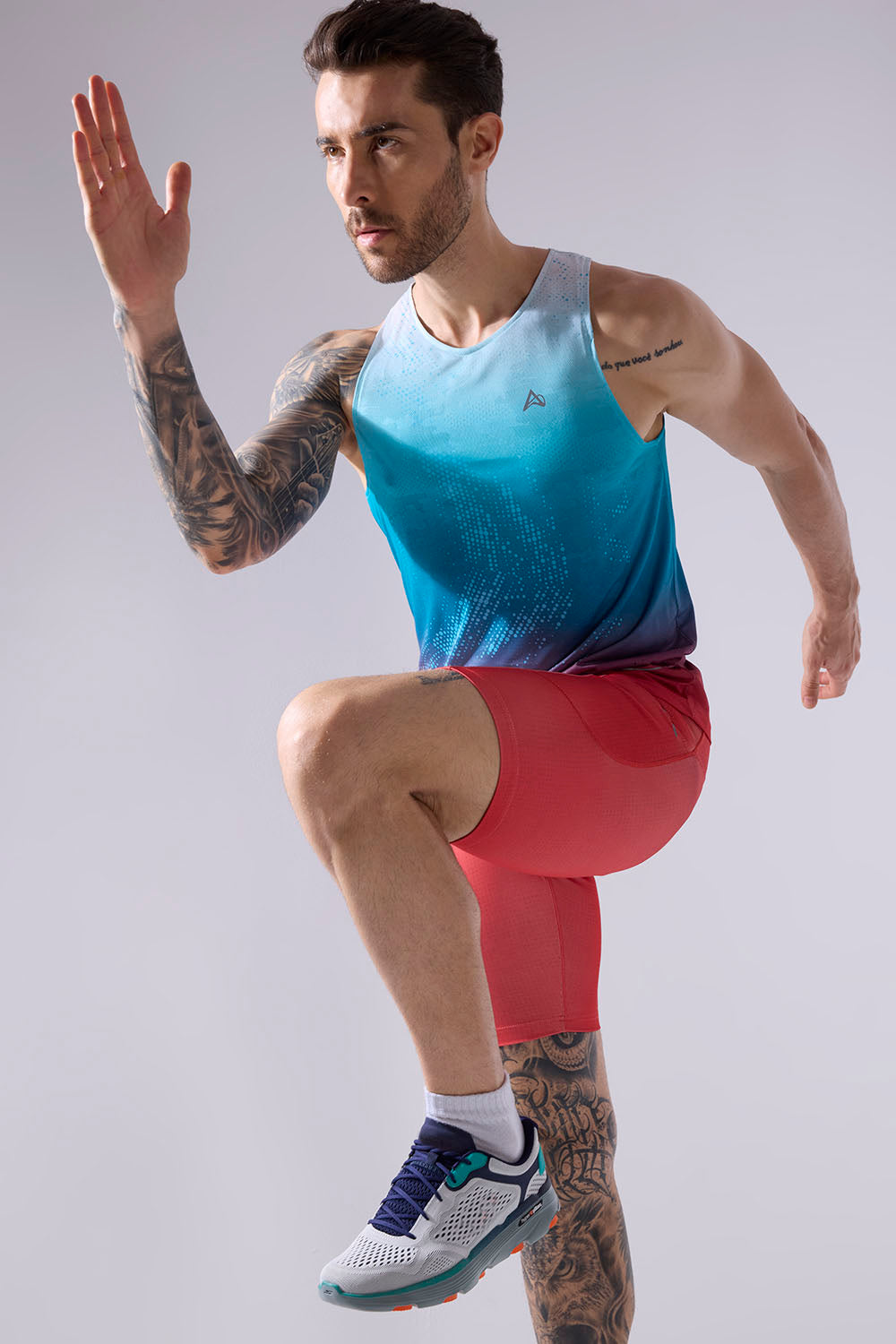
Summer training requires specific focus on heat management. Sweat-wicking tank tops and shorts with added mesh panels promote airflow and quick drying, keeping fabric light even after prolonged exertion in high temperatures. Lightweight socks with anti-microbial properties prevent blisters and odour, while high-rise shorts feature zip pockets for essentials like gels or keys without bulk.
Electrolyte powders mixed into water bottles replace lost minerals through sweat, supporting hydration and muscle function during long runs. Running watches track pace, heart rate, and recovery metrics, allowing runners to adjust training plans based on real data for optimal race performance. Sunscreen and lightweight jackets provide protection and temperature control when mornings start cooler but quickly warm up.
Runners who compile these must-haves report feeling more prepared and less fatigued because the gear addresses common summer challenges like dehydration and overheating. For race preparation, testing these pieces in actual conditions builds familiarity with how they perform under race-like effort, reducing surprises on race day. Brands offering modular options let you layer effectively for changing weather, ensuring versatility across training sessions and competitions.
Summer running essentials for race preparation focus on items that manage heat, sweat, and comfort to help you maintain steady pacing through training and events. Sweat-wicking tank tops and shorts with added mesh panels promote airflow and quick drying, keeping fabric light even after prolonged exertion in high temperatures. Lightweight socks with anti-microbial properties prevent blisters and odour, while high-rise shorts feature zip pockets for essentials like gels or keys without bulk. Electrolyte powders mixed into water bottles replace lost minerals lost through sweat, supporting hydration and muscle function during long runs. Running watches track pace, heart rate, and recovery metrics, allowing runners to adjust training plans based on real data for optimal race performance.
Sunscreen and lightweight jackets provide protection and temperature control when mornings start cooler but quickly warm up. Summer running essentials for race prep Runners who compile these must-haves report feeling more prepared and less fatigued because the gear addresses common summer challenges like dehydration and overheating. For race preparation, testing these pieces in actual conditions builds familiarity with how they perform under race-like effort, reducing surprises on race day. Brands offering modular options let you layer effectively for changing weather, ensuring versatility across training sessions and competitions. Overall, these essentials support better endurance, injury prevention, and race outcomes by keeping the body cool, dry, and energized throughout preparation and the event itself.
Fit, Support, and Personalization
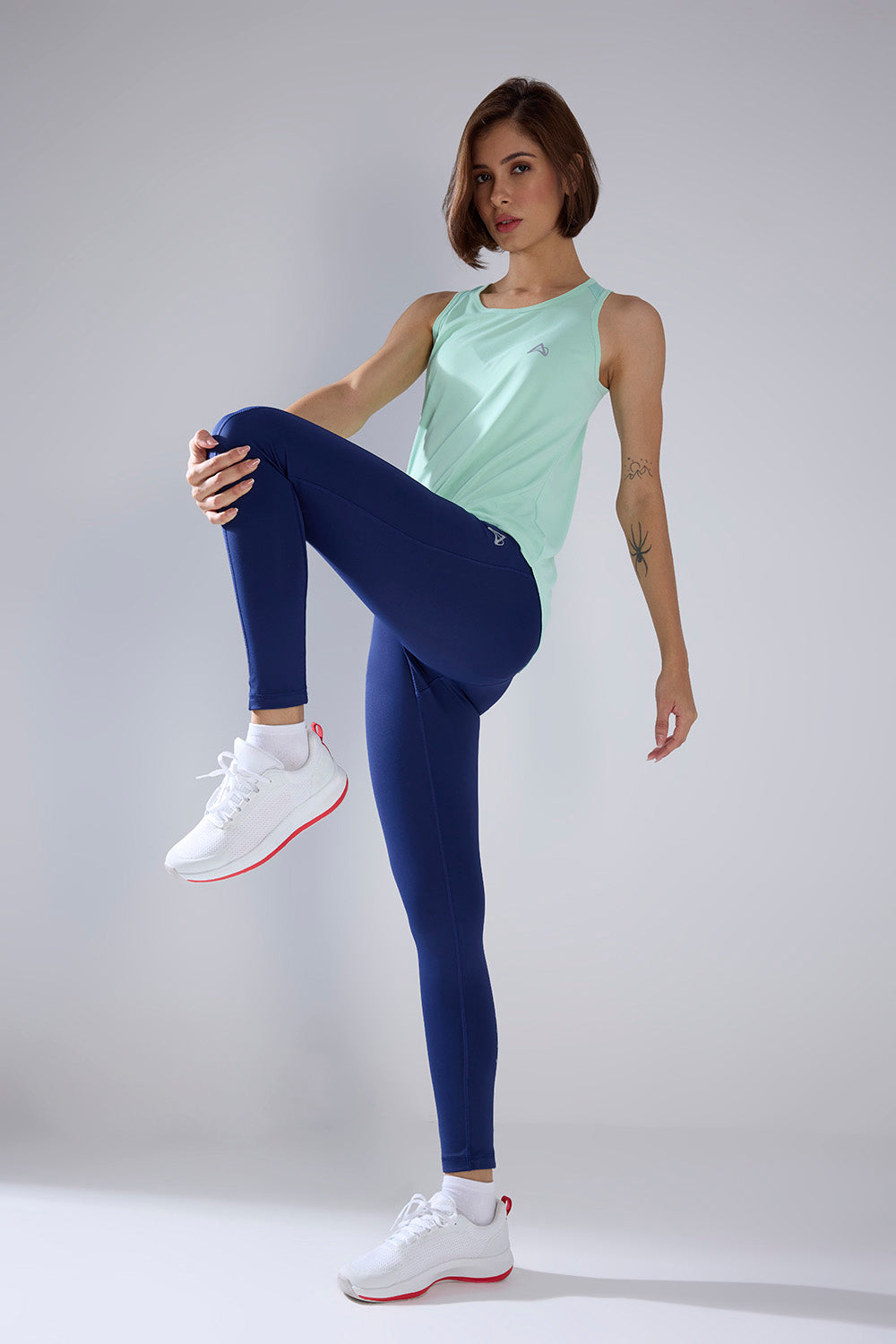
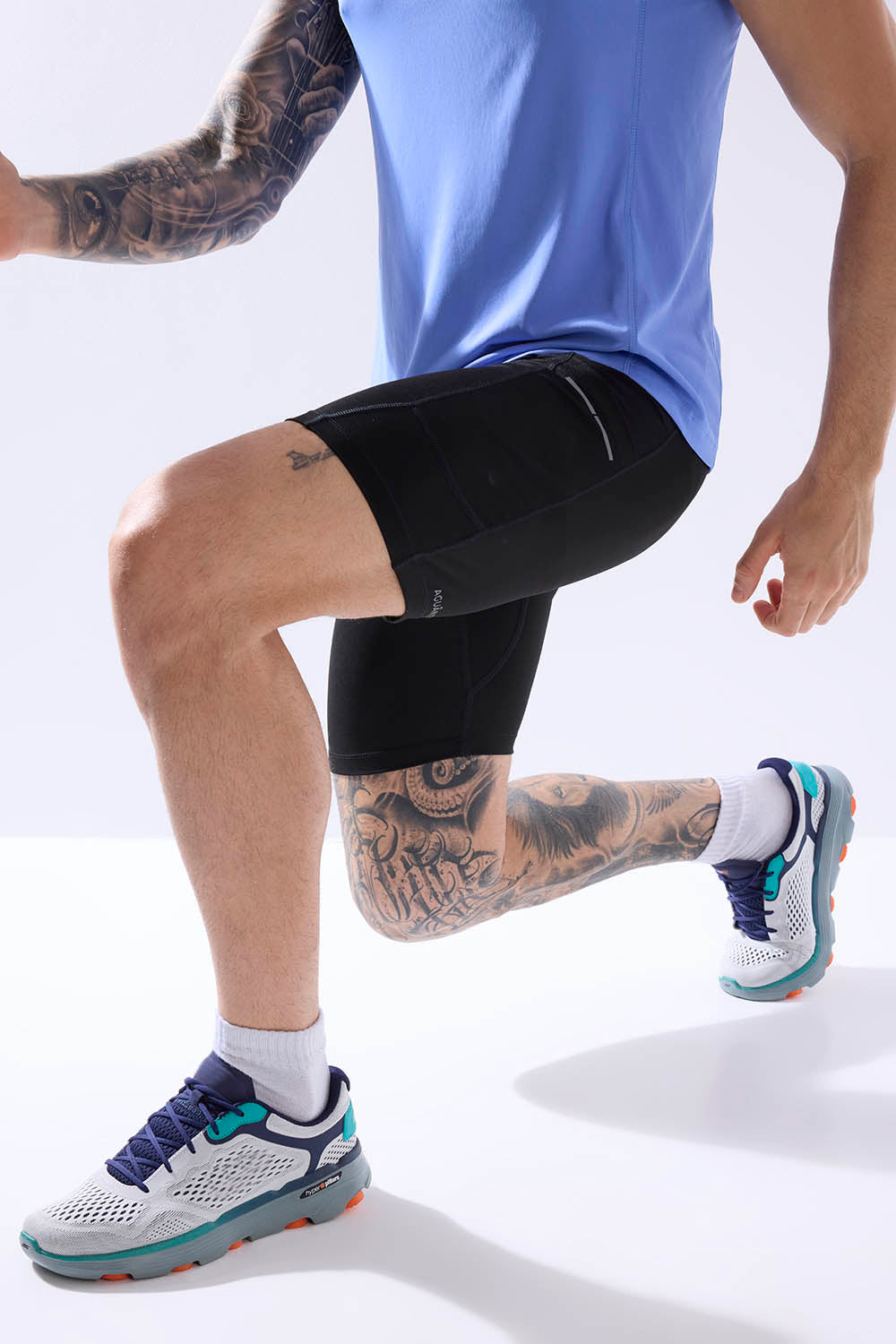
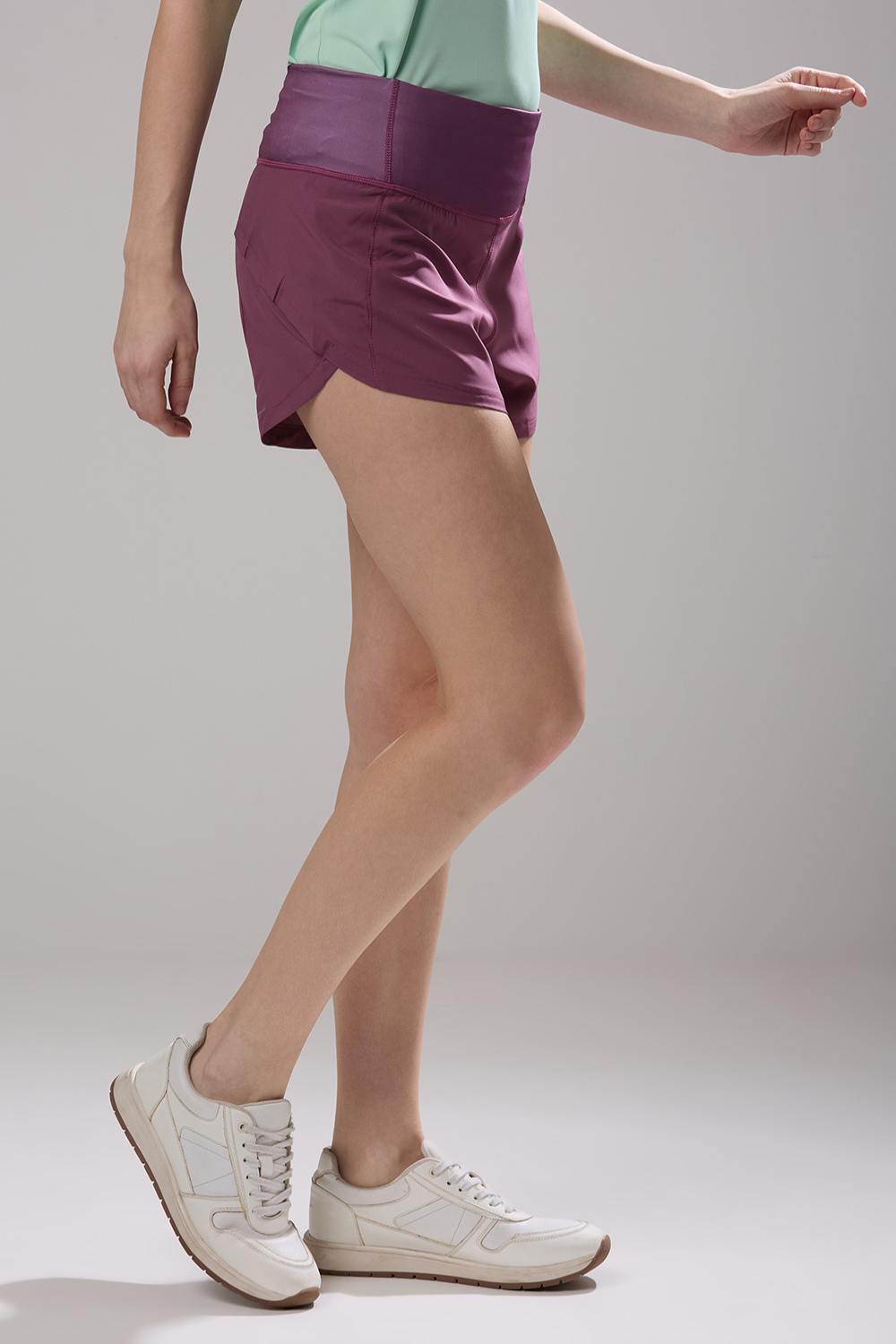
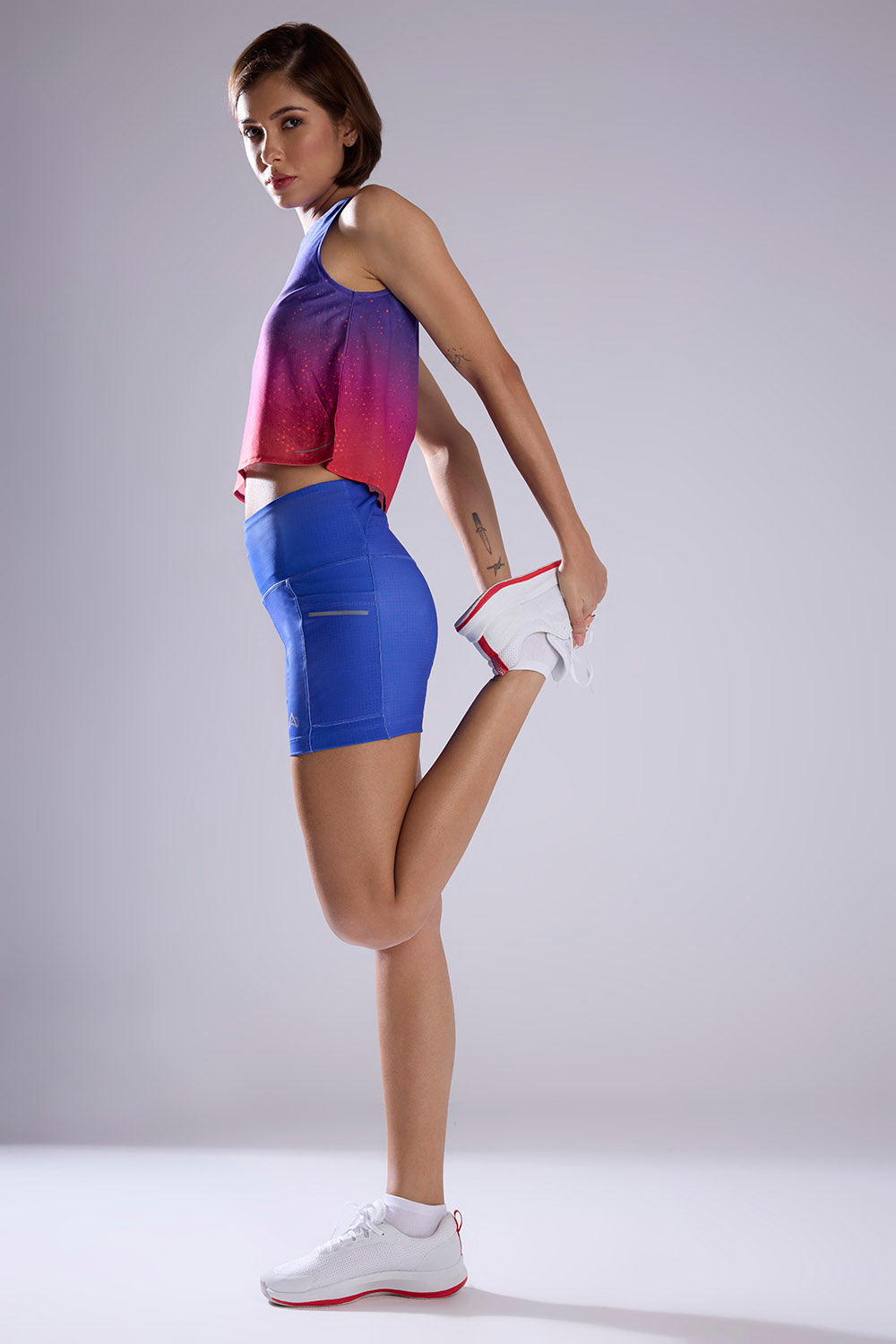
Fit is everything. Apparel should move with you without sagging or riding up during long efforts. High-rise shorts offer better coverage in humid conditions, while compression shorts provide targeted support for longer races. Women often benefit from bottoms with extra room for comfort, and men may prefer tanks that avoid excess bulk.
Pockets matter too. A reliable zip pocket or hidden stash keeps your race essentials secure without adding weight. This thoughtful design keeps you focused on the course rather than fiddling with gear.
Sustainable and Ethical Considerations
Many runners today seek clothing that aligns with their values. Sustainable performance apparel delivers superior comfort and durability without sacrificing breathability or stretch. Natural fibres such as organic cotton, merino wool, and bamboo viscose regulate temperature effectively, keeping you comfortable in varying conditions while resisting odour so garments last longer between washes.
These options also reduce the environmental footprint compared to traditional synthetics, which shed microplastics and have higher carbon costs during production. Brands incorporating recycled polyester or bio-based elastane maintain the mechanical stability needed for high-intensity runs and compression benefits that support muscles during training.
When selecting apparel, look for certifications like Global Organic Textile Standard or cradle-to-cradle to ensure traceability and end-of-life options such as take-back schemes. Runners who prioritize these materials often report less chafing, faster drying times, and greater confidence in their gear because the fabrics feel premium yet perform reliably in real-world conditions.
Putting It All Together for Race Day
Choosing performance apparel for race preparation is a thoughtful process that combines technical features with personal testing. By focusing on breathability, fit, and reliable support, you set yourself up for success whether you are chasing a half-marathon PR or completing a full marathon. The gear should feel invisible, letting you channel every bit of energy into the race itself.
Invest in quality pieces that match your training environment and race goals. As you refine your collection, you will notice how the right apparel transforms ordinary runs into something more manageable and ultimately more rewarding on race day.
Frequently Asked Questions
How do I choose the best performance apparel for race preparation and marathon training?
Choosing the best performance apparel for race preparation starts with prioritizing breathability, moisture-wicking capability, and a fit that moves with your body. Look for gear that matches your race environment, especially if you are training in hot or humid conditions. It is also important to test your apparel during long training runs to ensure it prevents discomfort like chafing or overheating. Well-fitted, supportive clothing helps you stay focused on pacing and endurance rather than distractions from your gear.
Which fabrics are best for performance running apparel in hot and humid race conditions?
For hot and humid race conditions, the best fabrics are those that regulate temperature and manage sweat effectively. Materials like merino wool, bamboo viscose, and organic cotton offer natural breathability and odor resistance, while recycled polyester provides durability and quick-drying performance. These fabrics help reduce overheating and keep the body dry during long efforts. Choosing sustainable, high-performance materials can also improve long-term comfort and durability.
What features should I look for in running apparel to avoid chafing and improve race performance?
To avoid chafing and improve race performance, look for seamless construction and smooth fabric placement in high-friction areas. Compression elements can provide muscle support, while moisture-wicking and quick-dry technologies keep skin dry and comfortable. Additional features like reflective details, secure pockets, and antimicrobial treatments further enhance performance and convenience. The right combination of fit and technical design ensures your apparel feels almost invisible during race day efforts.
Disclaimer: The above helpful resources content contains personal opinions and experiences. The information provided is for general knowledge and does not constitute professional advice.
You may also be interested in: How Runners Are Preparing for India's Expanding Marathon Calendar
Tired of gear that slows you down? Chafing, soggy fabrics, and missing pockets kill your run's momentum. At Aguante, we're runners who get it. Our high-performance activewear features moisture-wicking fabrics, ergonomic designs, and smart storage to keep you focused. Shop Now!
Powered by flareAI.co