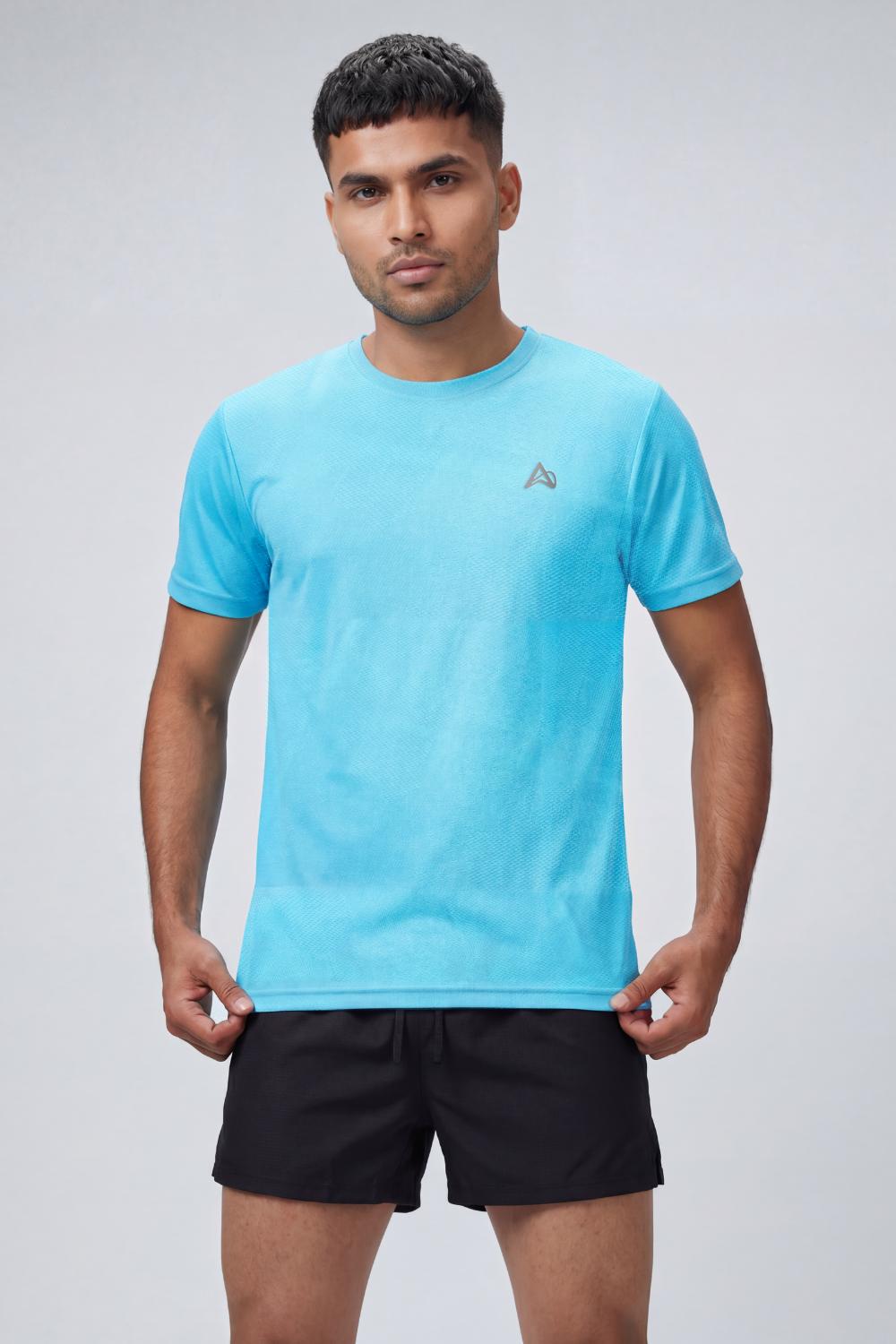
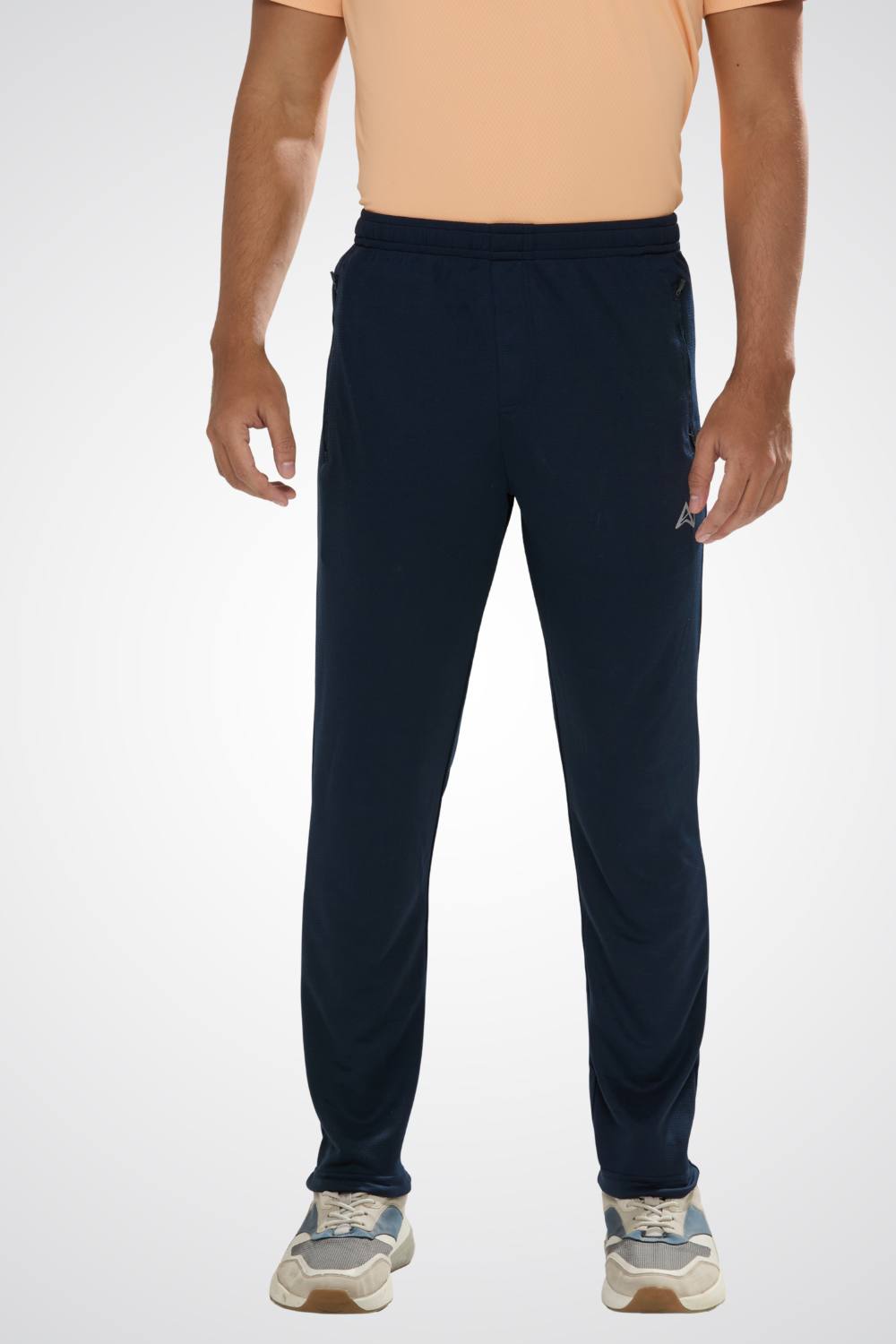
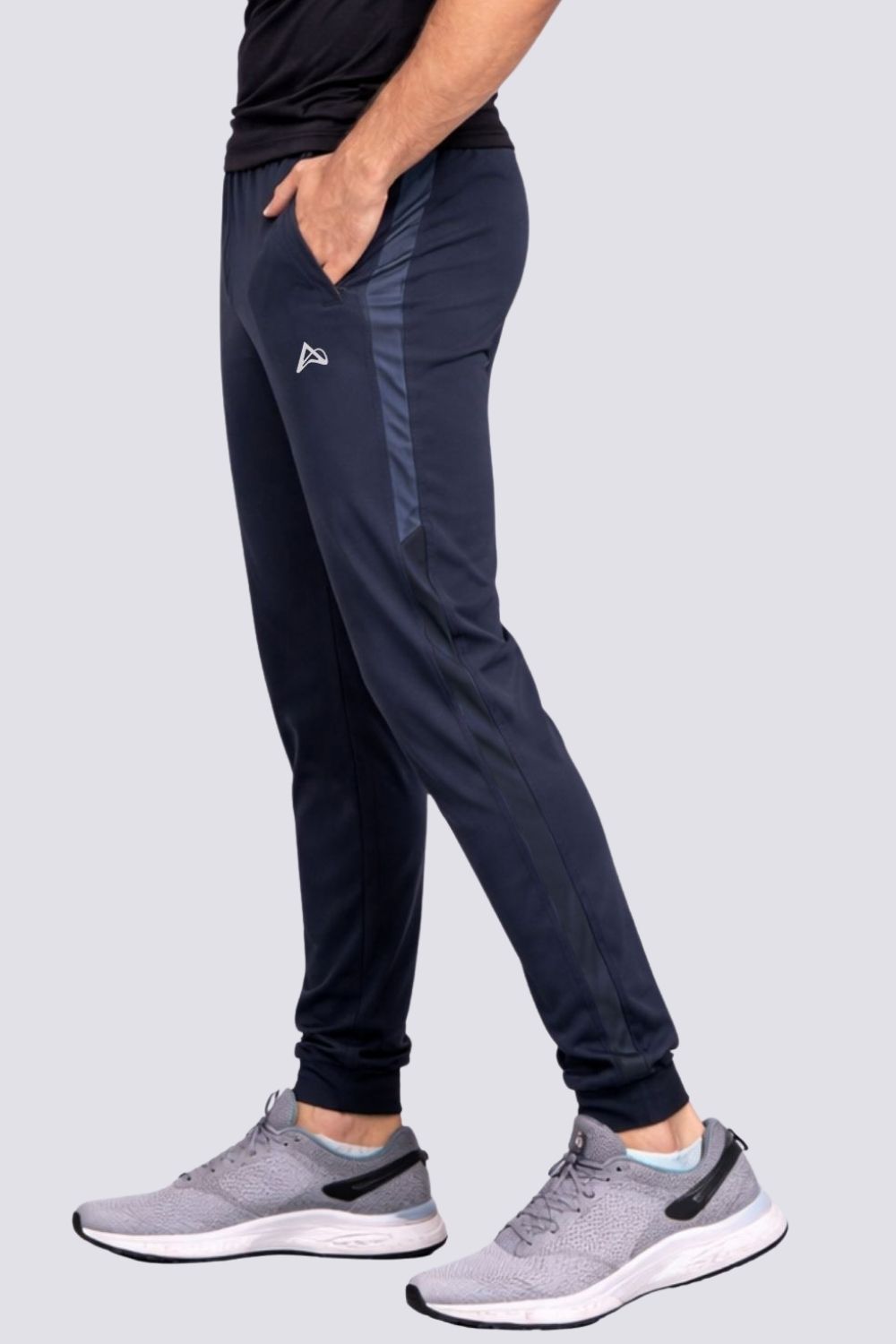
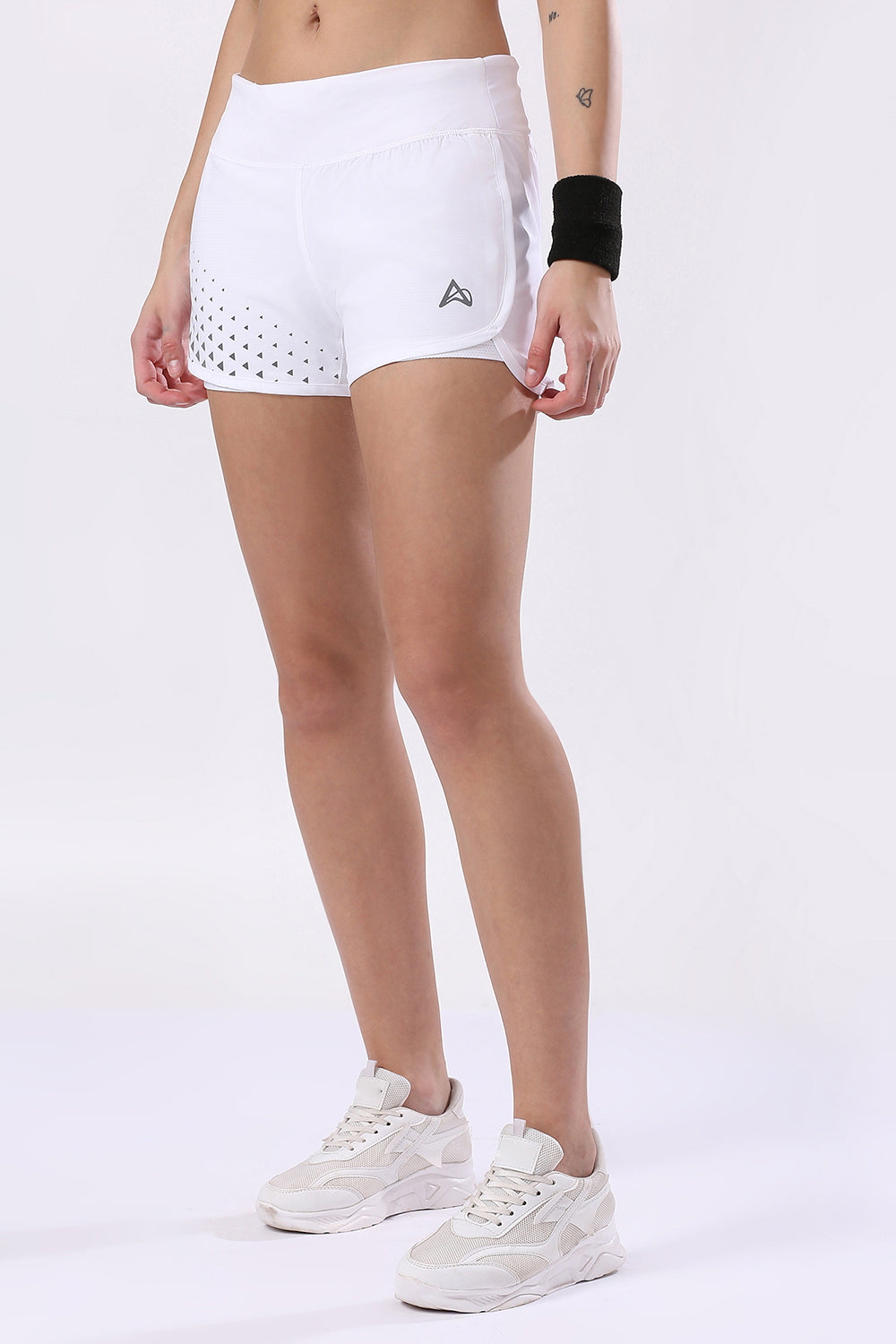




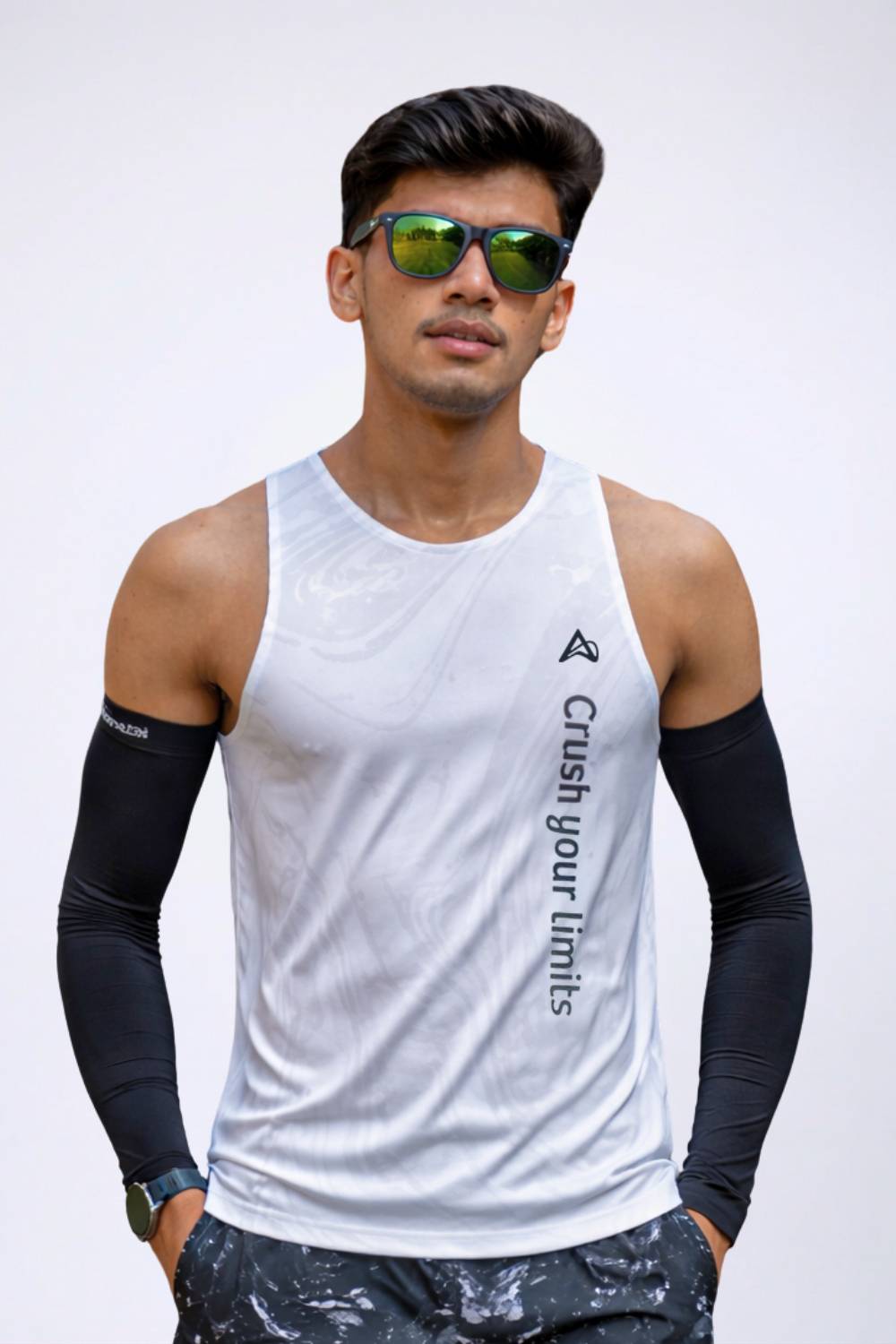

Runners who push their limits during marathon training or daily workouts often hit a wall with their current gear. Chafing during long runs, overheating in humid mornings, or discomfort from garments that no longer perform can derail progress. Upgrading to better running apparel is not just about style it is about optimizing every stride to reduce injury risk, improve comfort, and sustain motivation over seasons of intense training.
In the high-performance activewear sector, runners are increasingly evaluating fit, materials, and features that support consistent training without compromise. This guide walks through the practical considerations that help serious runners make smarter choices before committing to a new wardrobe.
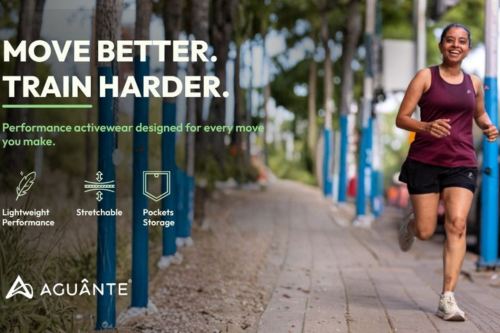
Tired of gear that slows you down? Chafing, soggy fabrics, and missing pockets kill your run's momentum. At Aguante, we're runners who get it. Our high-performance activewear features moisture-wicking fabrics, ergonomic designs, and smart storage to keep you focused. Shop Now!
Evaluating Fit for Comfort and Injury Prevention
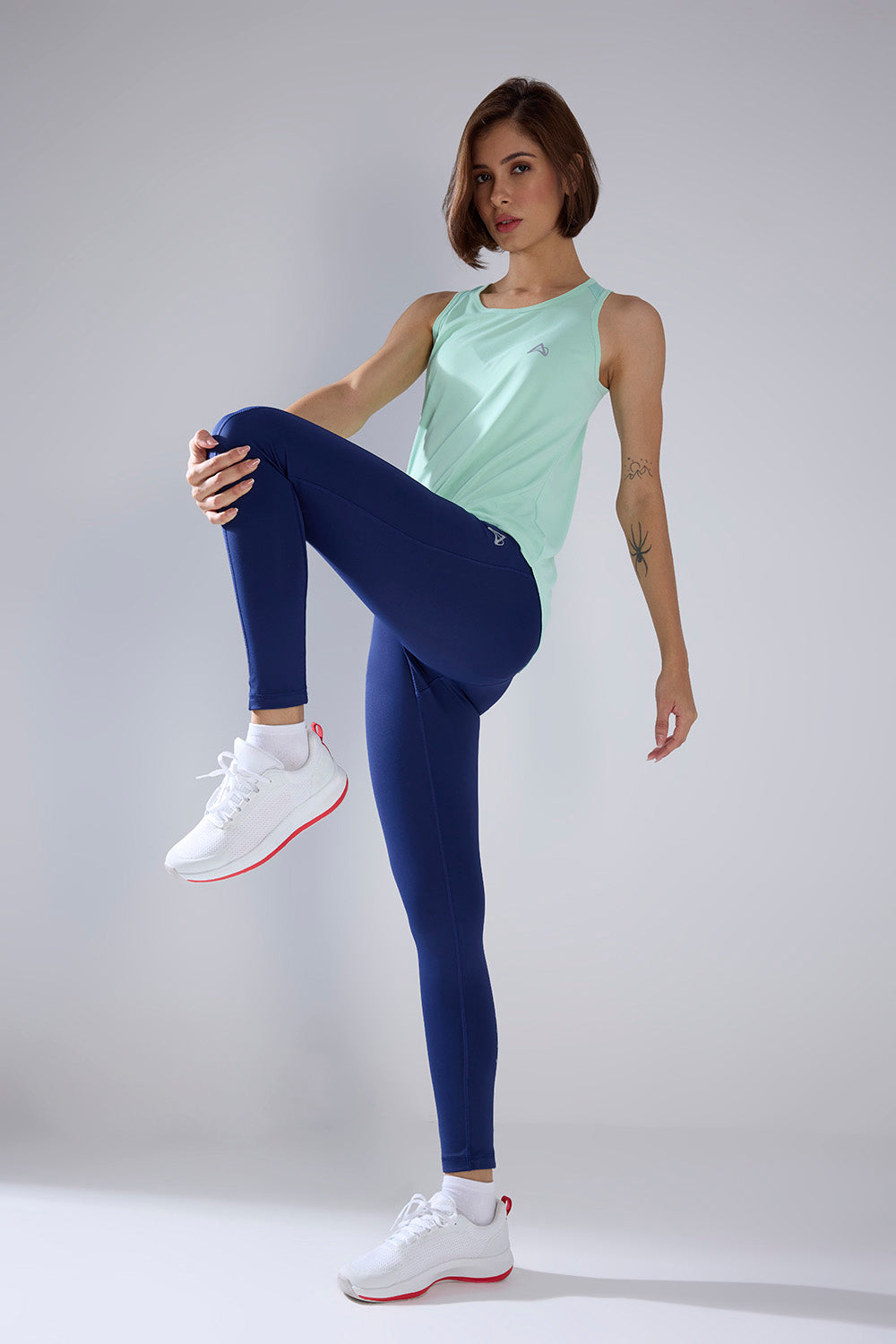
Fit is the foundation of any successful running apparel upgrade. Ill-fitting pieces can cause blisters, chafing, and even reduce performance by disrupting form. Runners benefit from testing garments in the exact conditions they train whether that is an early morning jog in humid Bangalore or a long run in cooler Delhi mornings.
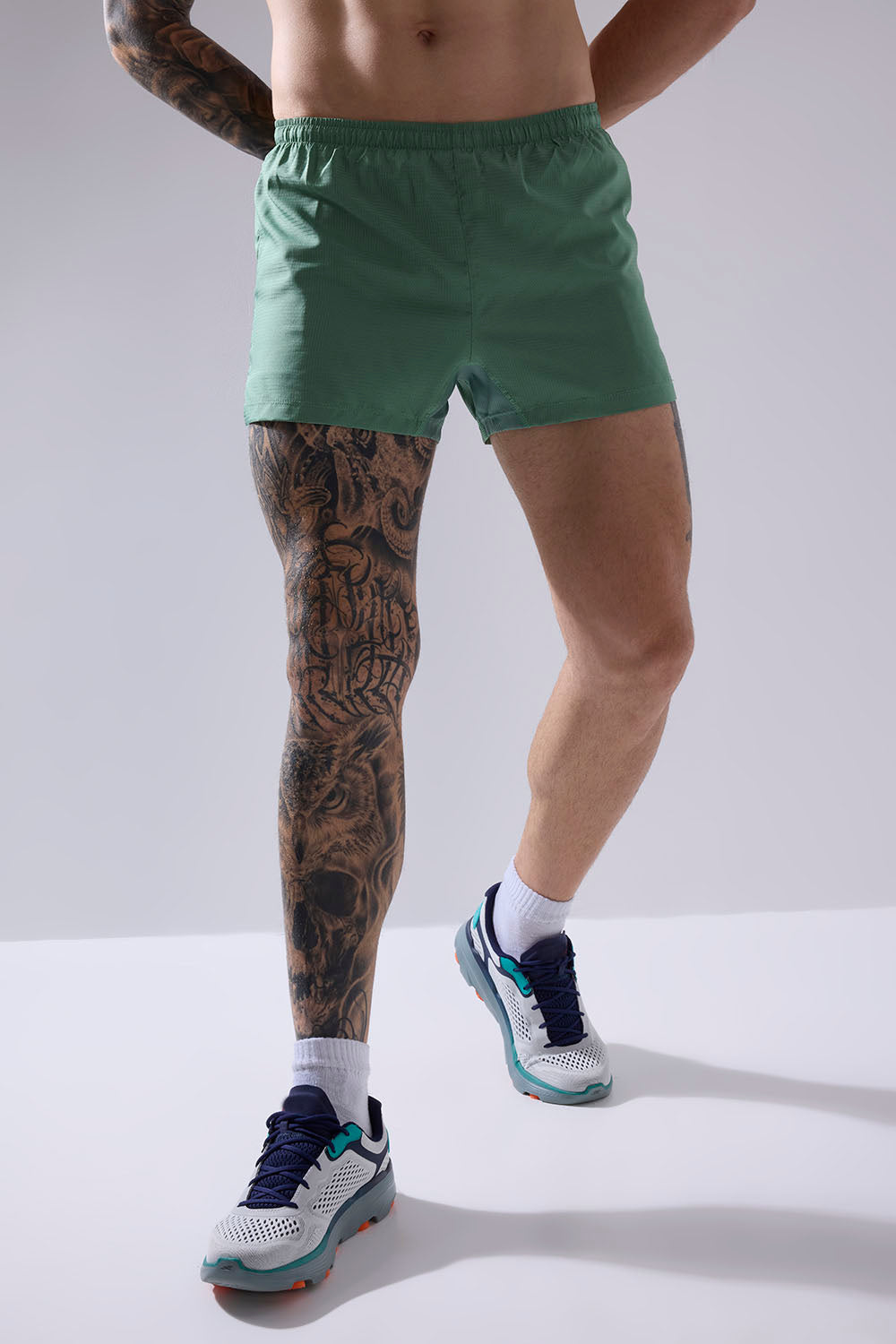
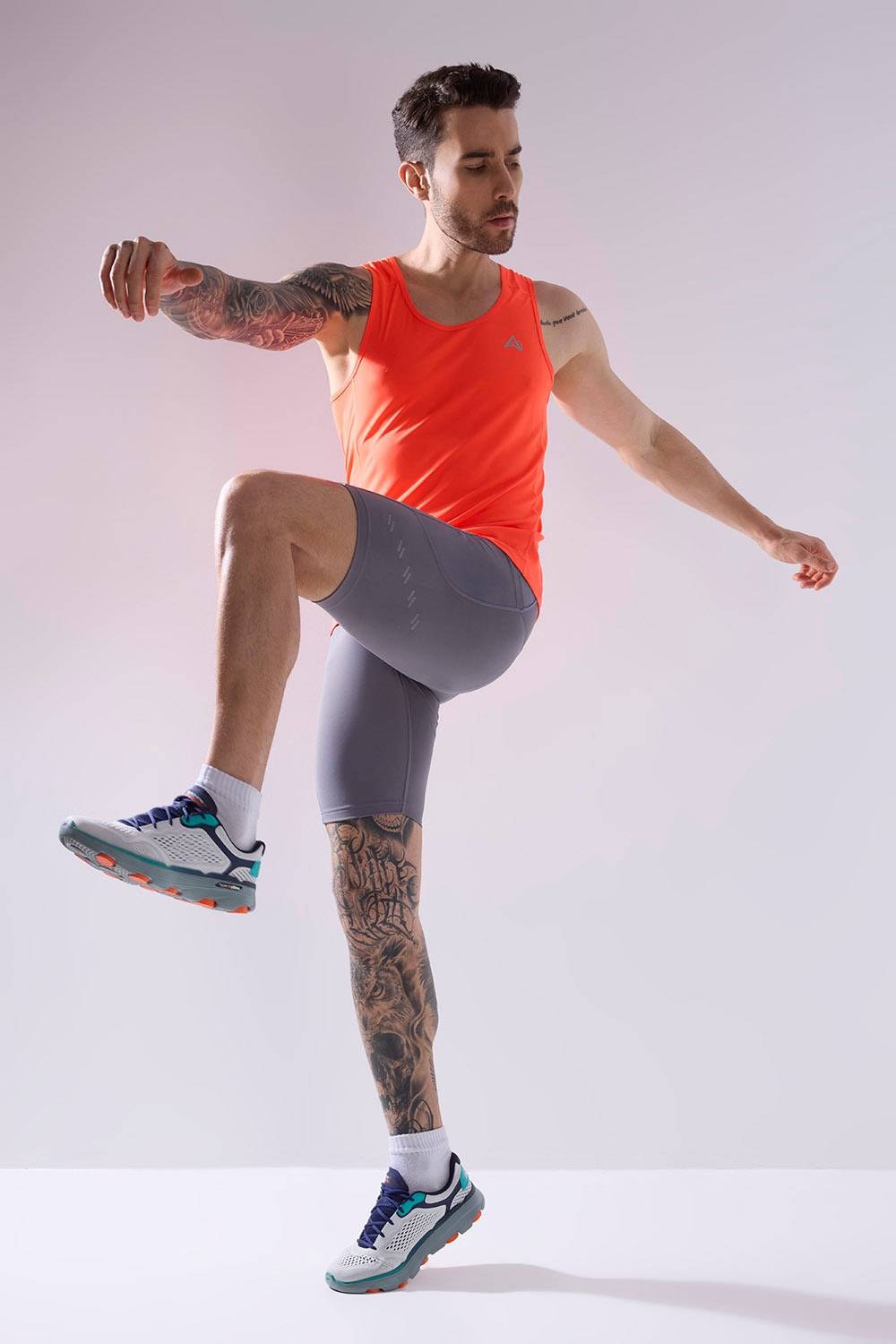
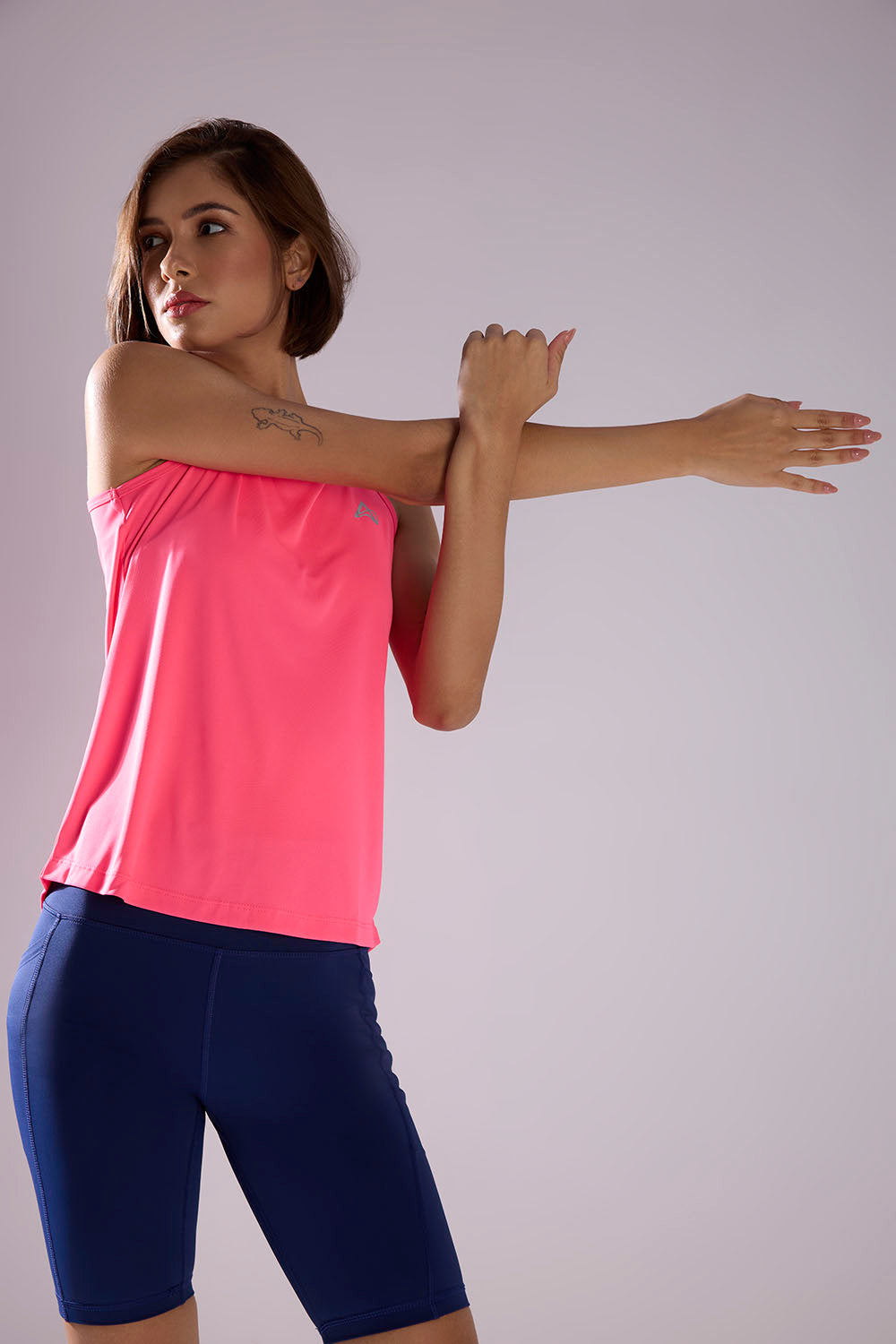
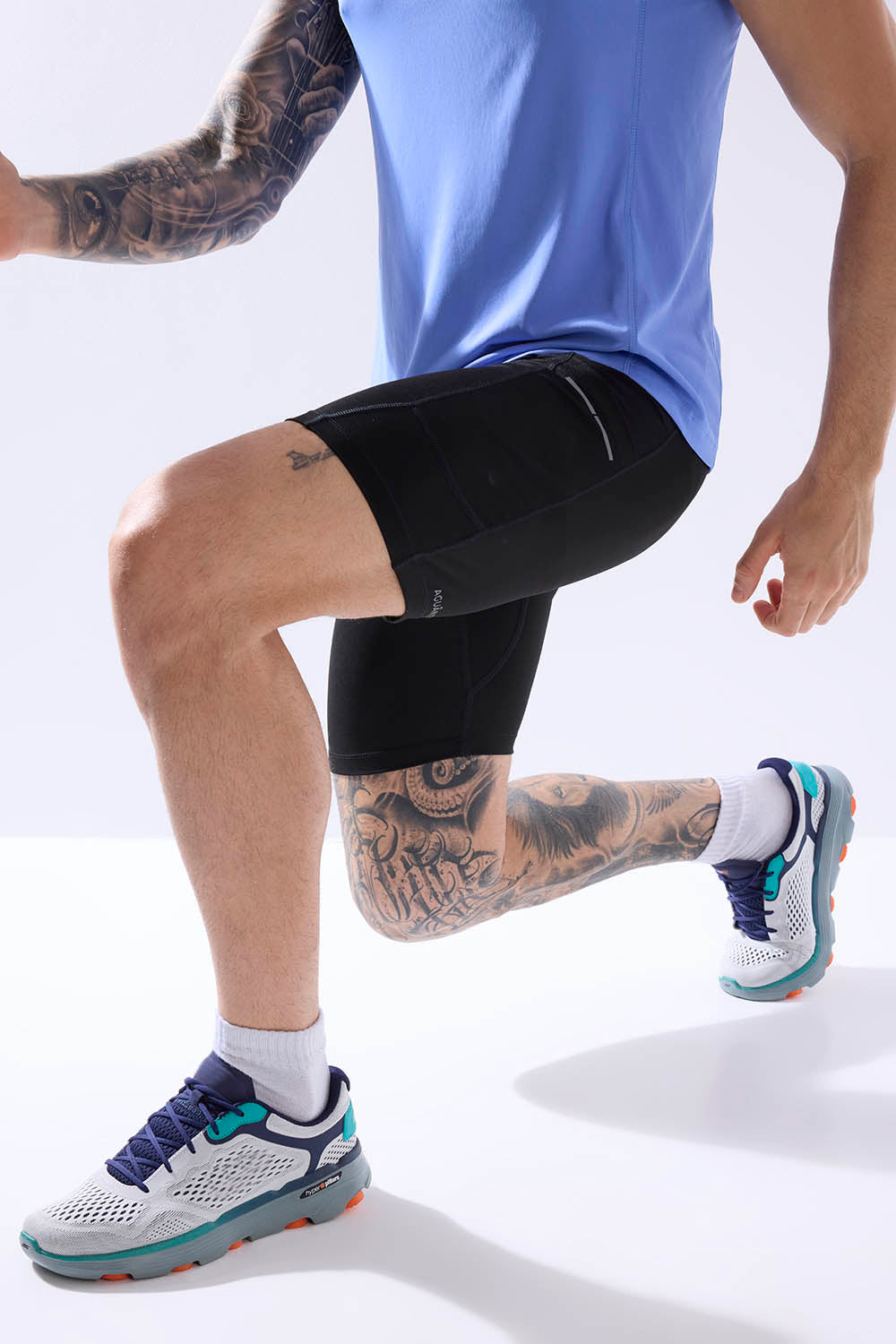
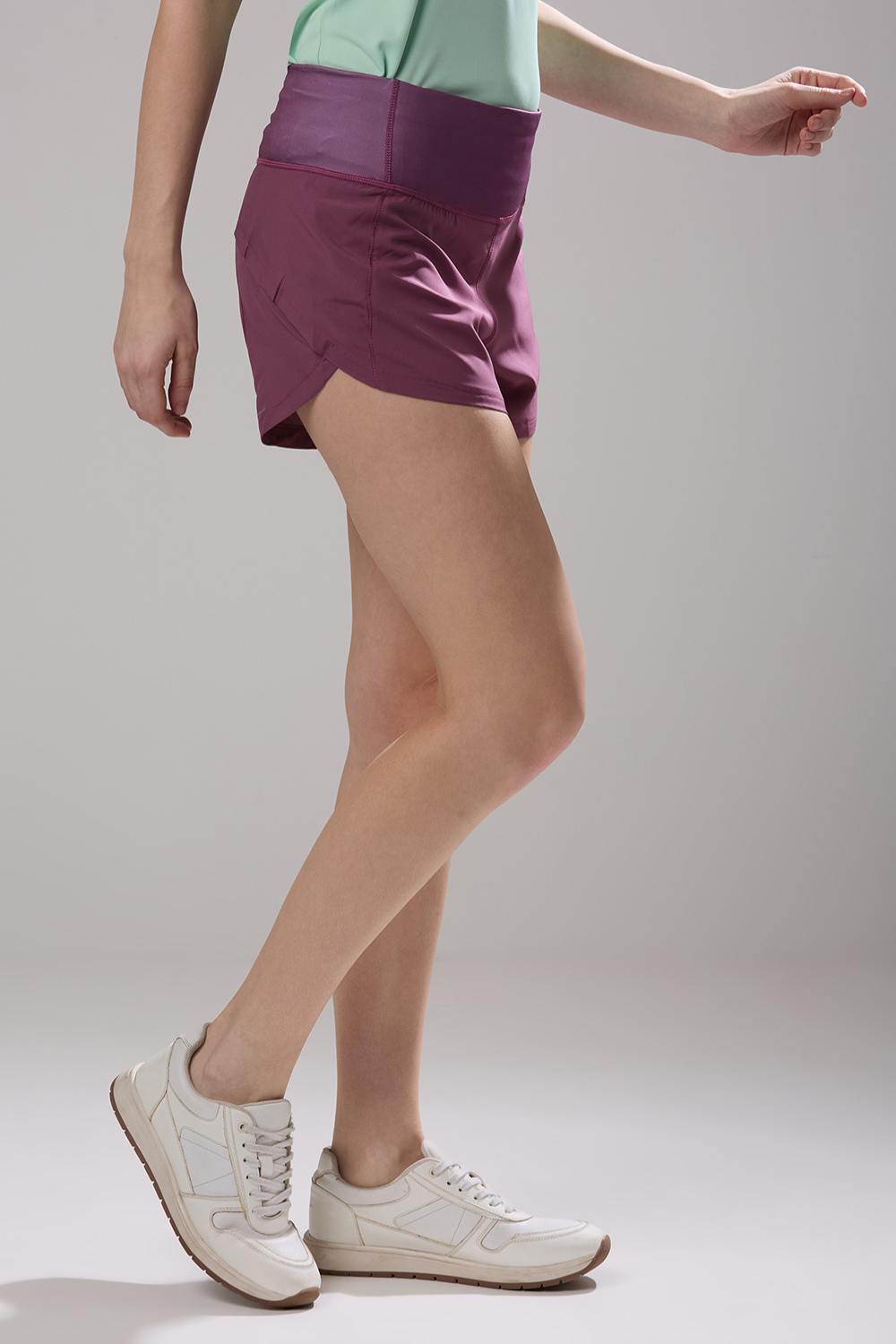
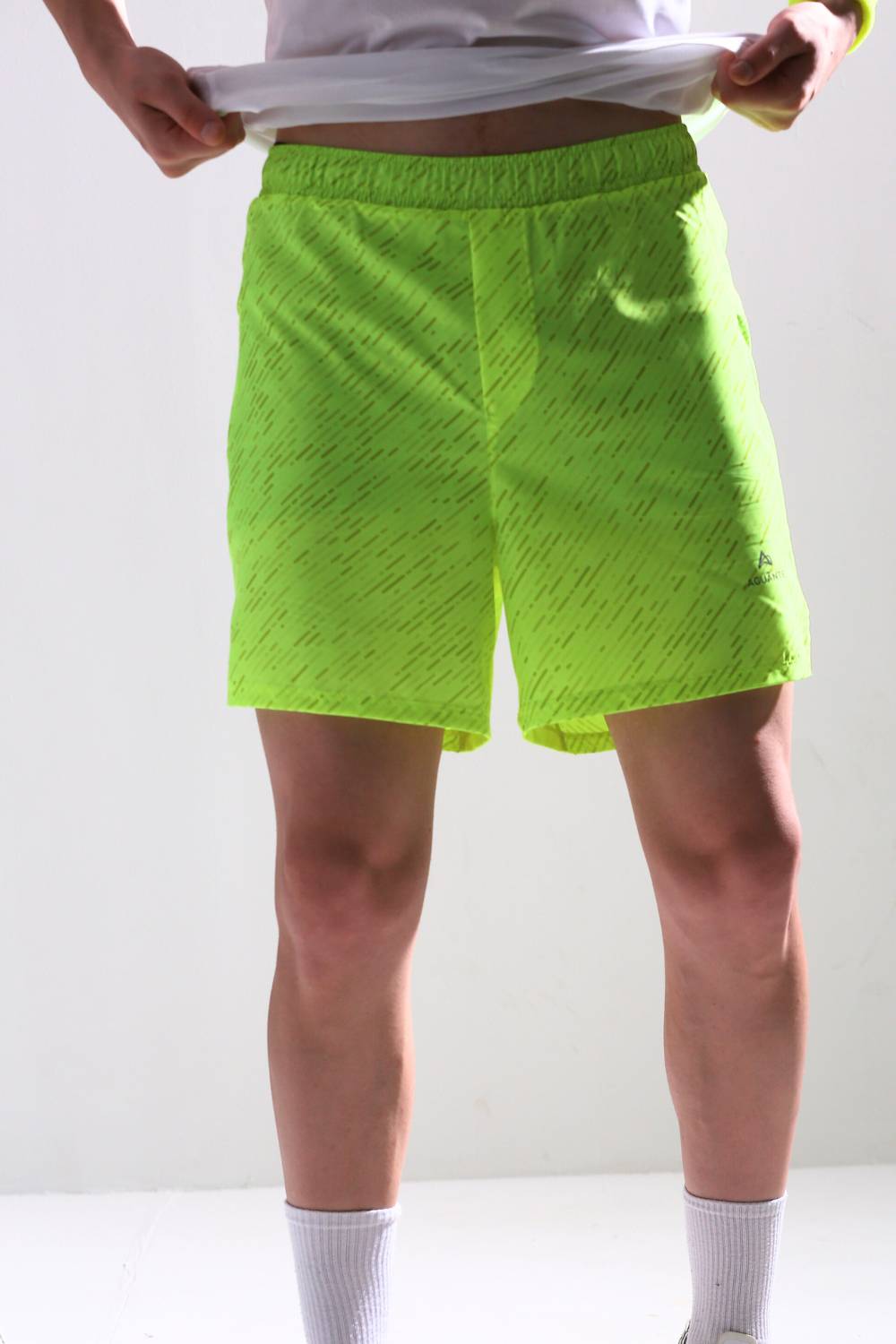
Look for running clothing with a running apparel fit guide that emphasizes a second-skin feel. Movement should feel seamless, with no dragging or bunching. Reflective details and strategic seams help reduce visible wear while maintaining a clean look during runs.
- Try on styles that move with the body during strides and turns
- Check for flatlock seams that eliminate irritation at high-friction areas
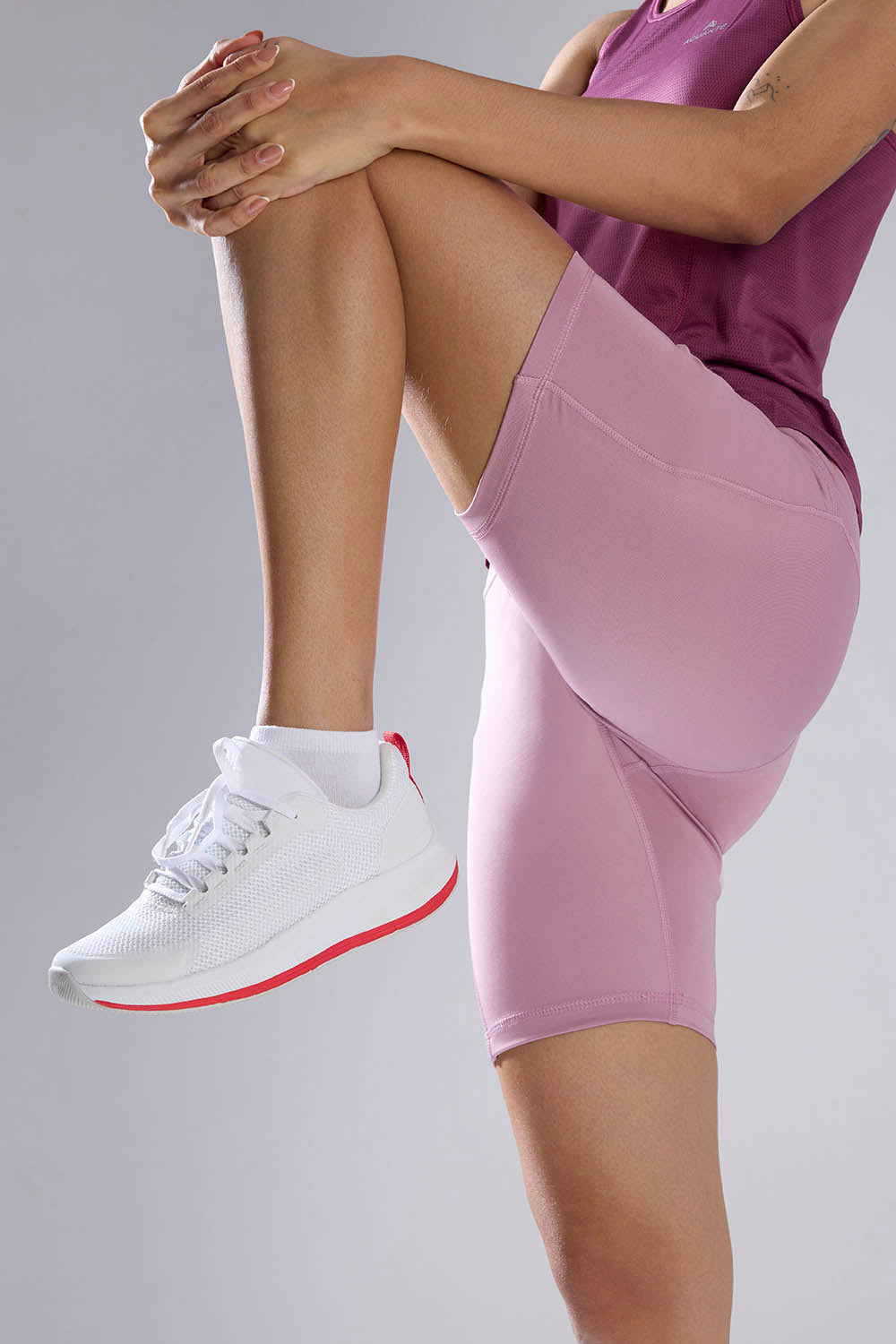
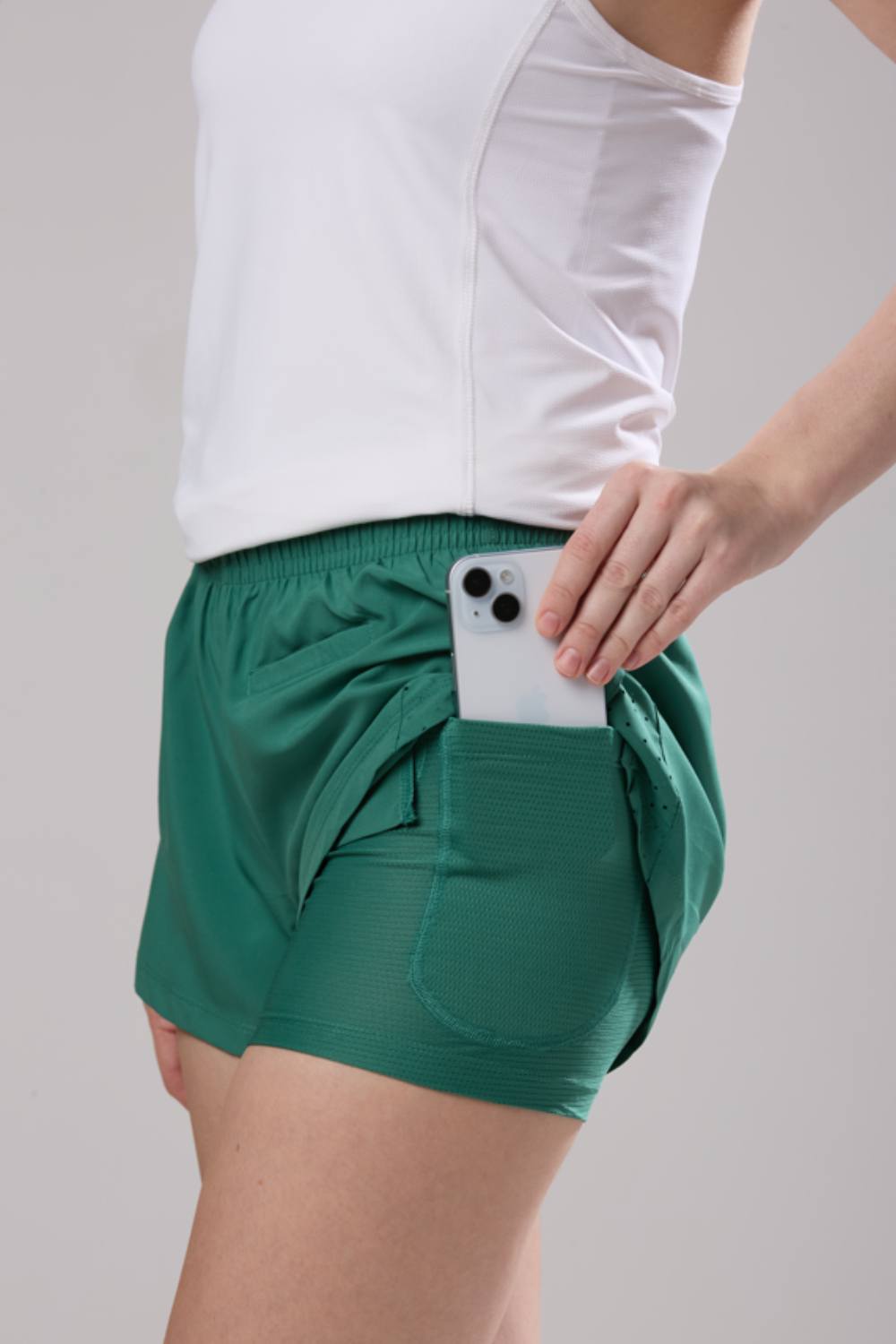
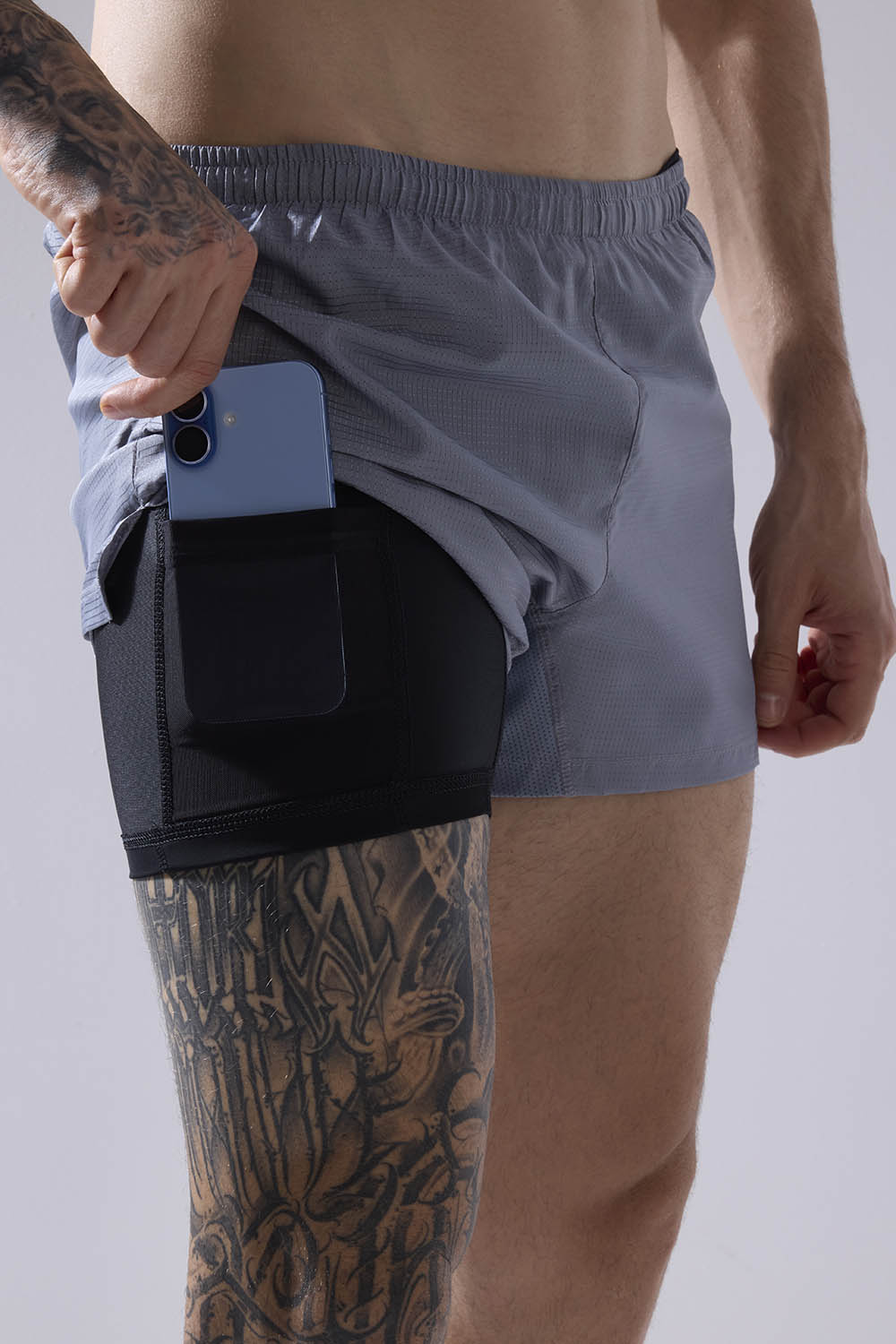
- Ensure pockets offer secure storage without bouncing during runs
Proper fit also minimizes injury risk. A garment that sits correctly on the hips or stays put on the torso prevents the constant readjustment that tires runners out. Many athletes report fewer post-run aches when switching to optimized running gear.
Choosing Breathable Fabrics for Every Weather Condition
Weather in Indian cities varies dramatically think the sticky humidity of Mumbai or the dry heat of Ahmedabad. Breathable running clothes help manage moisture and temperature so runners can focus on performance rather than discomfort.
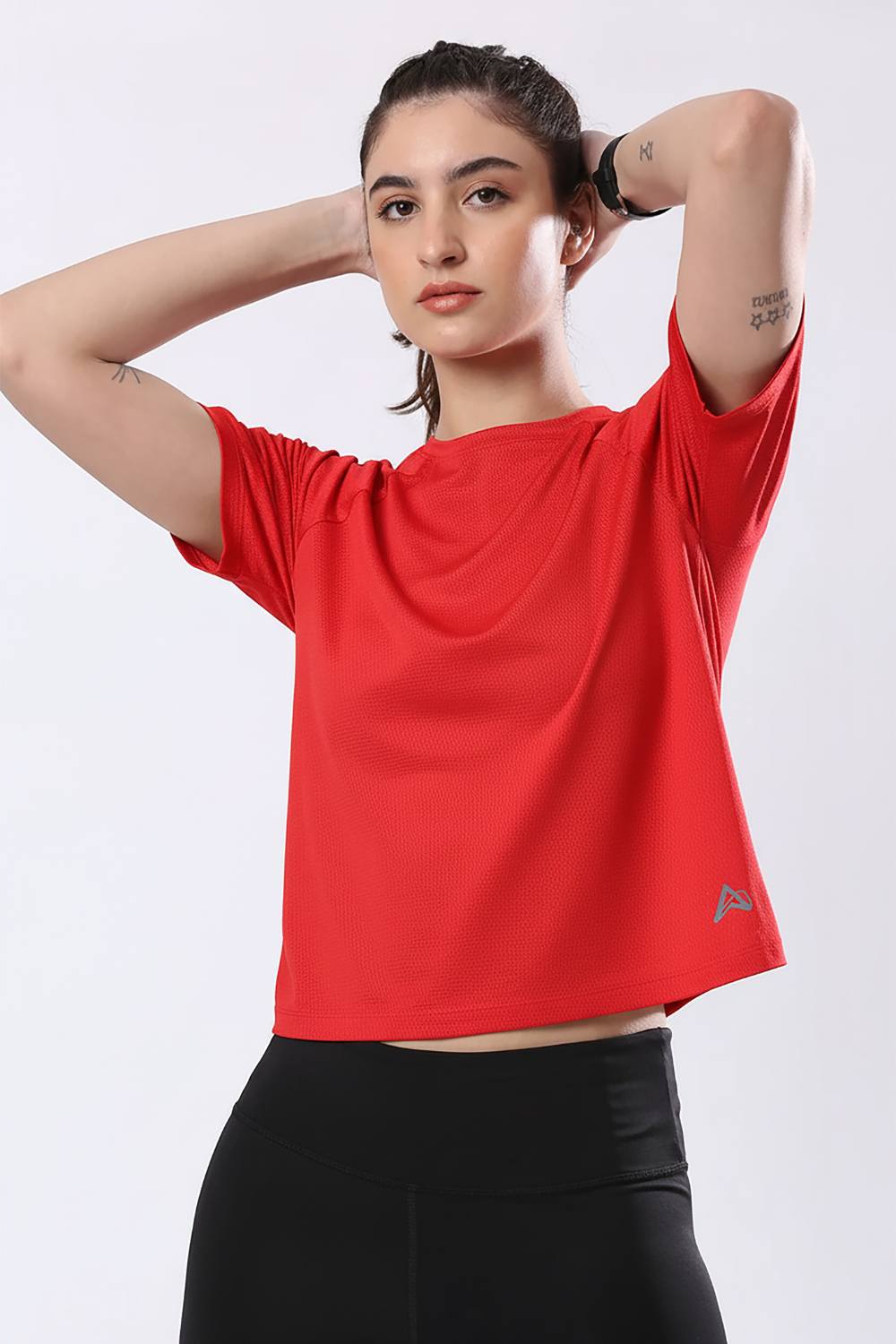
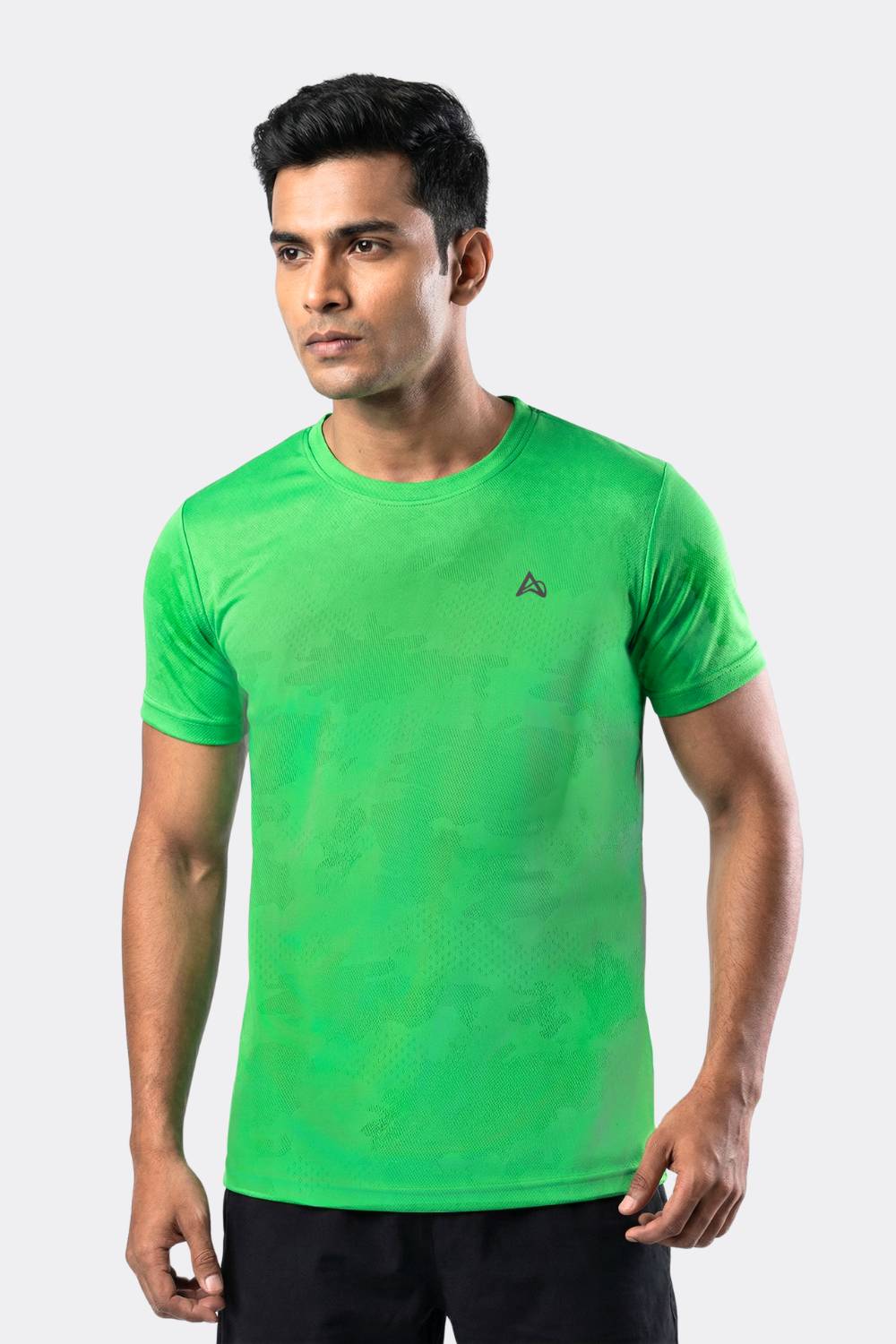
Moisture-wicking fabric for running is essential. High-quality synthetics draw sweat away from the skin, keeping the body cooler and drier. This reduces the risk of heat-related fatigue and chafing, both common in longer runs during warm months.
When selecting breathable running clothes, prioritize lightweight constructions that dry quickly. Look for fabrics labeled for active performance, as they maintain shape and function even after repeated washing. Runners training in varying conditions often notice improved endurance and recovery with better breathability.
Understanding the Environmental Impact of Materials
Runners increasingly recognize how material choices affect the planet. Cheap polyester production drives significant emissions through fossil-fuel processing, creating a growing environmental toll that influences many athlete's decisions about upgrading apparel.
Industry reports highlight how virgin polyester from fossil fuels generates substantial greenhouse gas emissions during manufacturing. As consumers shift toward performance-focused running gear, many now prioritize materials that avoid this heavy environmental toll.
This trend supports informed purchases because runners can avoid quick-degrading pieces that contribute to waste. Instead, investing in durable, sustainable fabrics extends garment life and reduces long-term environmental strain while preserving technical performance.
Exploring Sustainable Recycled Fibers in Performance Gear
Sustainable recycled fibers in performance gear offer a compelling alternative without sacrificing technical attributes. Collaborations between outdoor leaders and sustainable material innovators demonstrate how recycled content in apparel fibers can deliver both environmental benefits and performance critical for runners evaluating upgrades.
These innovations incorporate up to 60 percent recycled elements from waste sources including plastics and textiles, using molecular recycling processes that minimize emissions while maintaining comfort, stretch, and durability essential for long-distance runs. Runners upgrading their apparel benefit from this trend by selecting garments built with low-impact fibers that offer excellent moisture wicking and breathability.
The focus on responsible sourcing and reduced carbon footprints encourages a shift toward gear that performs reliably over seasons. By prioritizing such upgrades, athletes extend the lifespan of their running clothes, minimize waste, and contribute to circular practices that divert materials from landfills.
Optimizing Features for Better Training Results
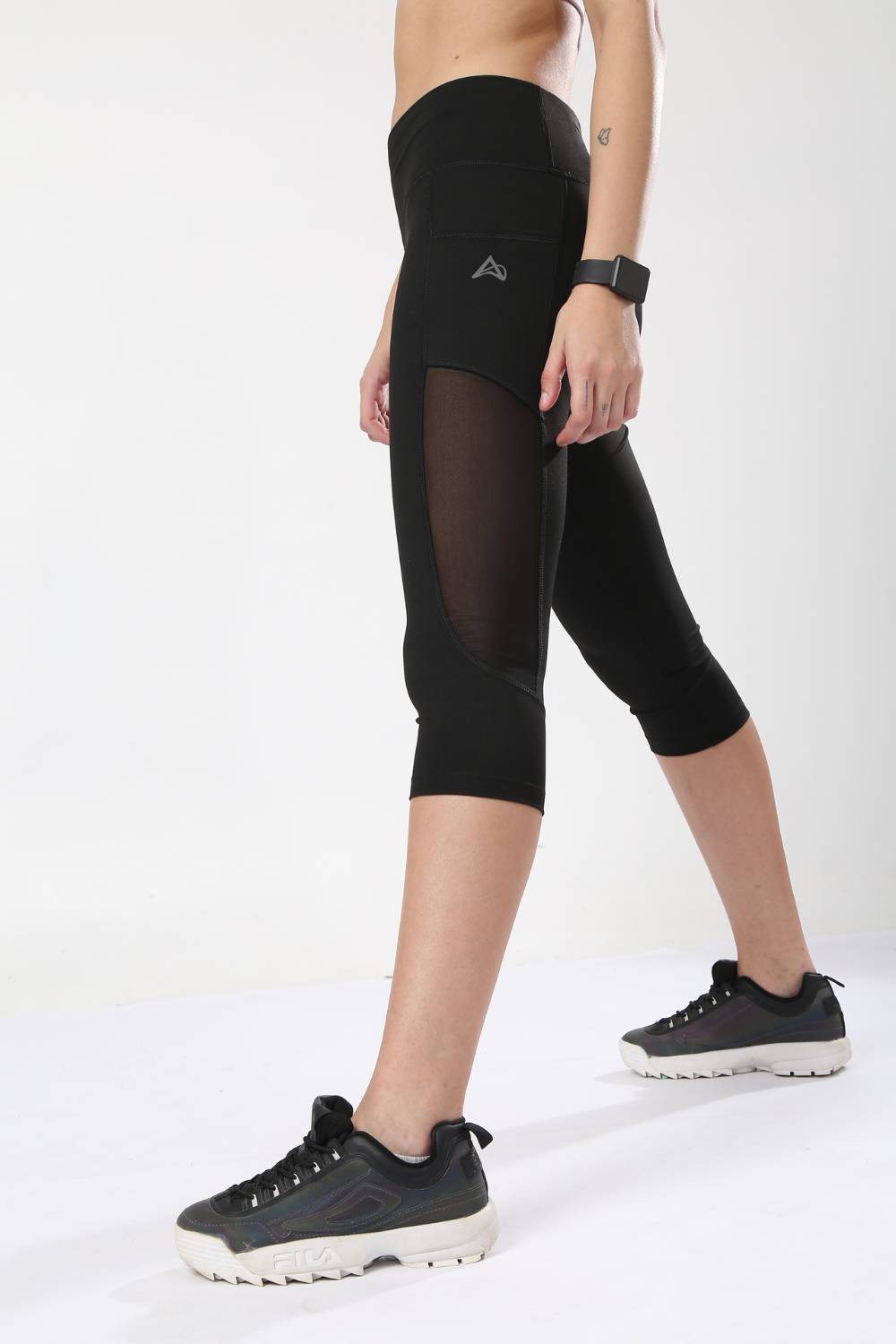
Smart features turn basic running apparel into performance tools. Consider pockets designed for secure storage during runs, reflective elements that enhance visibility in low-light conditions, and anti-chafing running wear that protects high-friction areas.
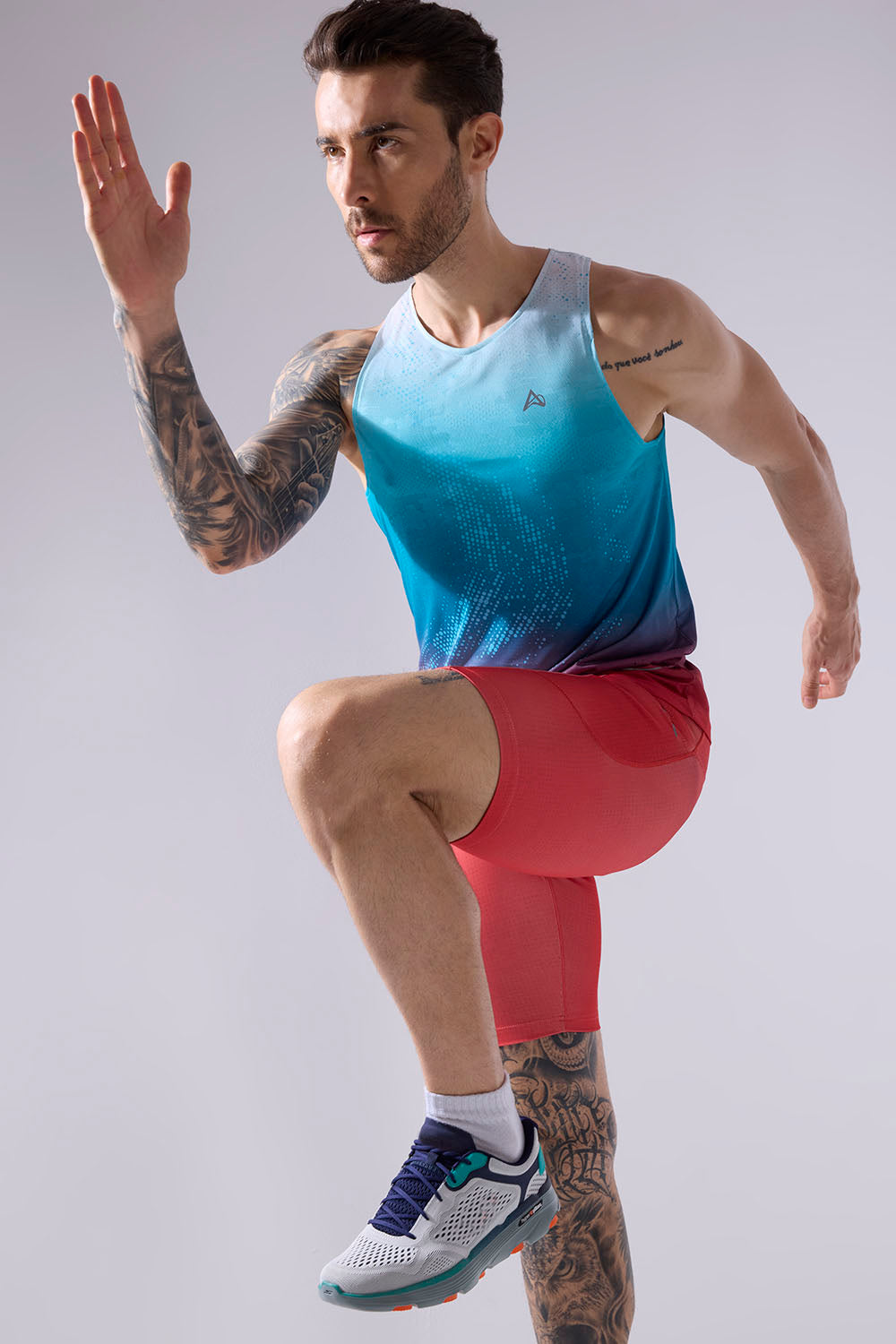
Moisture-wicking fabric for running combined with breathable running clothes creates a versatile wardrobe that supports everything from short tempo sessions to full marathon training. Running gear features that prioritize these elements help maintain comfort through intense efforts and varied weather.
Runners who upgrade with thoughtful features often see measurable gains in comfort and consistency. These details reduce distractions, allowing focus on training goals rather than equipment limitations.
Practical Steps to Evaluate and Upgrade Your Running Apparel
Start by assessing your current wardrobe. Note which pieces cause discomfort during runs or show signs of wear. Compare them against key criteria: fit, breathability, and performance retention after washing.
- Research running clothing fit guides from reputable brands for specific body types
- Test fabrics in real training conditions to confirm moisture management
- Look for sustainable options that maintain technical performance without rapid degradation
- Consider how new features like reflective details or anti-chafing zones will support your training
Transitioning gradually perhaps by replacing one pair at a time helps runners integrate better gear without disrupting routines. Many discover that the right running apparel upgrade leads to better recovery, fewer injuries, and renewed motivation for consistent training.
By focusing on these practical factors, runners in cities across India can build a wardrobe that supports long-term success and sustainability in their athletic journey.
Upgrading running apparel is a strategic investment in performance and well-being. The right choices in fit, fabrics, and features create a foundation for stronger, more enjoyable runs. Runners who take time to evaluate these elements before making purchases often notice lasting improvements in comfort, endurance, and overall training results.
Cheap polyester production is rapidly accelerating the fashion industry's carbon footprint, a reality that directly influences runner's decisions about upgrading their apparel. Industry reports highlight how virgin polyester from fossil fuels generates substantial greenhouse gas emissions during manufacturing, often rivaling the output of hundreds of coal plants per major brand's output. As consumers shift toward performance-focused running gear, many now prioritize materials that avoid this heavy environmental toll, leading to a market where durability and sustainability become non-negotiable criteria.
Upgrading to high-quality synthetics or alternatives not only extends the lifespan of garments through better construction but also aligns with growing demands for lower-impact options that reduce the need for frequent replacements. This trend supports informed purchases because runners can avoid quick-degrading pieces that contribute to waste, instead investing in fabrics that maintain technical performance like moisture wicking and stretch over multiple seasons. By considering these factors, athletes reduce long-term consumption and environmental strain while gaining reliable gear that performs without compromise, fostering a more responsible approach to training essentials in an era where material choices carry measurable planetary consequences.
Collaborations between outdoor leaders like Patagonia and sustainable material innovators such as Eastman demonstrate how recycled content in apparel fibers can deliver both environmental benefits and technical performance critical for runners evaluating upgrades. These innovations incorporate up to 60% recycled elements from waste sources including plastics and textiles, using molecular recycling processes that minimize emissions while maintaining comfort, stretch, and durability essential for long-distance runs. Runners upgrading their apparel benefit from this trend by selecting garments built with low-impact fibers that offer excellent moisture wicking and breathability without the heavy environmental cost of traditional virgin materials.
The focus on responsible sourcing and reduced carbon footprints encourages a shift toward gear that performs reliably over seasons, resisting degradation from sweat, friction, and frequent washing. By prioritizing such upgrades, athletes extend the lifespan of their running clothes, minimize waste, and contribute to circular practices that divert materials from landfills. This approach is particularly relevant for serious runners who demand consistent support during training, as high-quality recycled synthetics preserve elasticity and technical attributes far better than conventional options. Overall, embracing these sustainable advancements equips runners with apparel that not only meets performance standards but also reflects a commitment to mindful consumption, resulting in gear that feels like an investment rather than a disposable expense.
Frequently Asked Questions
What should I consider when choosing the right fit for running apparel?
Fit is one of the most important factors when upgrading running apparel because it directly impacts comfort and performance. Poorly fitted gear can cause chafing, blisters, and unnecessary distractions during long runs. Look for a second-skin feel with flatlock seams and designs that move naturally with your body. Proper running apparel fit also helps prevent injuries and improves overall running efficiency.
Are sustainable or recycled fabrics better for running apparel performance?
Yes, sustainable and recycled fibers in performance gear can offer both environmental and performance benefits. Many modern recycled fabrics maintain excellent durability, stretch, and moisture-wicking capabilities comparable to traditional synthetics. They also help reduce environmental impact by lowering reliance on virgin polyester and reducing waste. For runners, this means choosing sustainable running gear without compromising comfort or technical performance.
Why is moisture-wicking and breathable fabric important in running apparel?
Moisture-wicking fabric for running helps draw sweat away from the skin, keeping you dry and comfortable during workouts. Breathable running clothes regulate body temperature and reduce the risk of overheating, especially in humid or hot conditions. Together, these features improve endurance and help prevent chafing during long-distance runs. They are essential for maintaining consistent performance in different weather conditions.
Disclaimer: The above helpful resources content contains personal opinions and experiences. The information provided is for general knowledge and does not constitute professional advice.
You may also be interested in: The Economic Shift Behind India's Homegrown Running Brands
Tired of gear that slows you down? Chafing, soggy fabrics, and missing pockets kill your run's momentum. At Aguante, we're runners who get it. Our high-performance activewear features moisture-wicking fabrics, ergonomic designs, and smart storage to keep you focused. Shop Now!
Powered by flareAI.co