



Starting a running journey in the city often means navigating unpredictable weather, humid mornings, and the need for gear that actually performs mile after mile. Whether you are training for your first 5K or pushing toward a marathon, a thoughtfully assembled running apparel kit removes guesswork and keeps you focused on what matters most: hitting your stride comfortably and safely.
Tired of gear that slows you down? Chafing, soggy fabrics, and missing pockets kill your run's momentum. At Aguante, we're runners who get it. Our high-performance activewear features moisture-wicking fabrics, ergonomic designs, and smart storage to keep you focused. Shop Now!
Why a Structured Running Apparel Kit Matters for Long-term Success
A complete kit is more than a shopping list. It is a system that scales with your training. When pieces fit and function together, every run becomes more efficient, and the risk of injury drops. Beginners in urban settings especially benefit because daily commutes, apartment balconies, or small park paths mean you cannot rely on a single outfit for everything. The right combination of tops, bottoms, layers, and accessories creates a wardrobe that grows alongside your mileage without feeling overwhelming.
Think of it as building a foundation. One well-chosen top, a pair of shorts that stay put, and a few reliable socks can carry you through many training sessions. Adding a running vest or hydration solution later extends that foundation without replacing anything. The goal is performance and comfort, not a closet full of unused items.
Step-by-step Guide to Assembling Your First Running Apparel Kit
Start where most runners do: with what you need right now and what will get you through your earliest runs. Focus on three categories first base layer, supporting layers, and essential accessories then expand as mileage increases. Test each piece on actual run days so you know exactly how it performs when your body is working hard.
Core Clothing Pieces
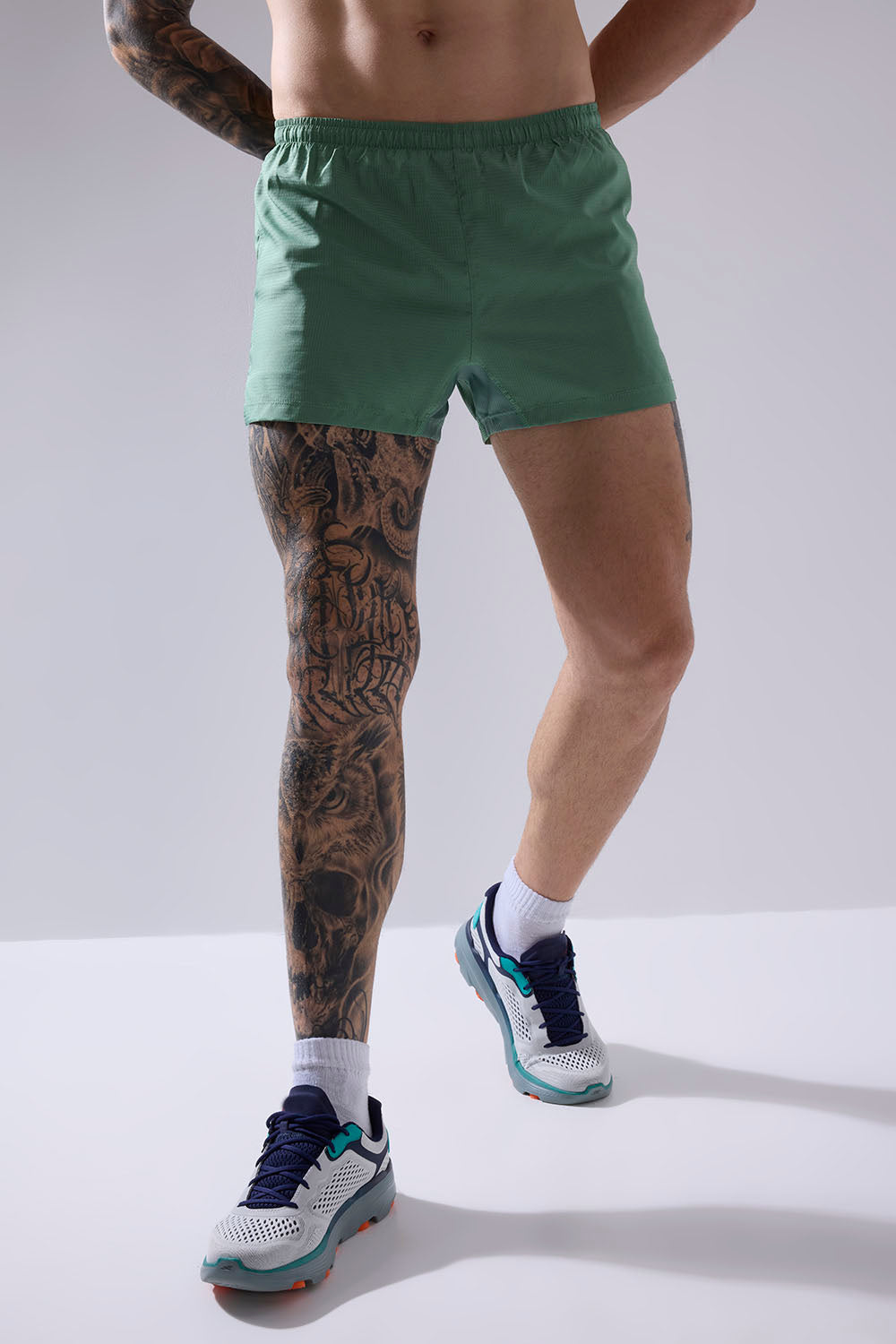
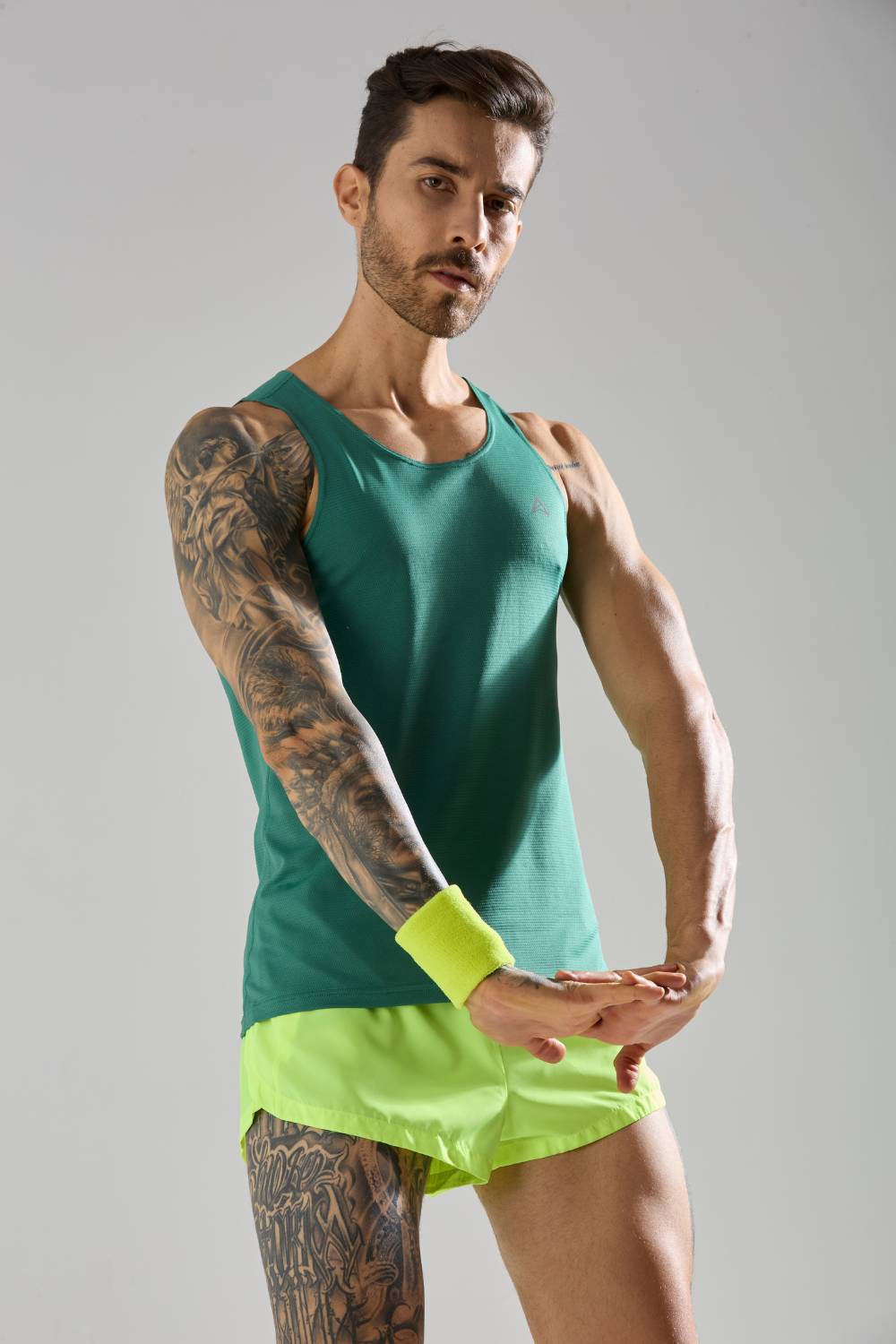
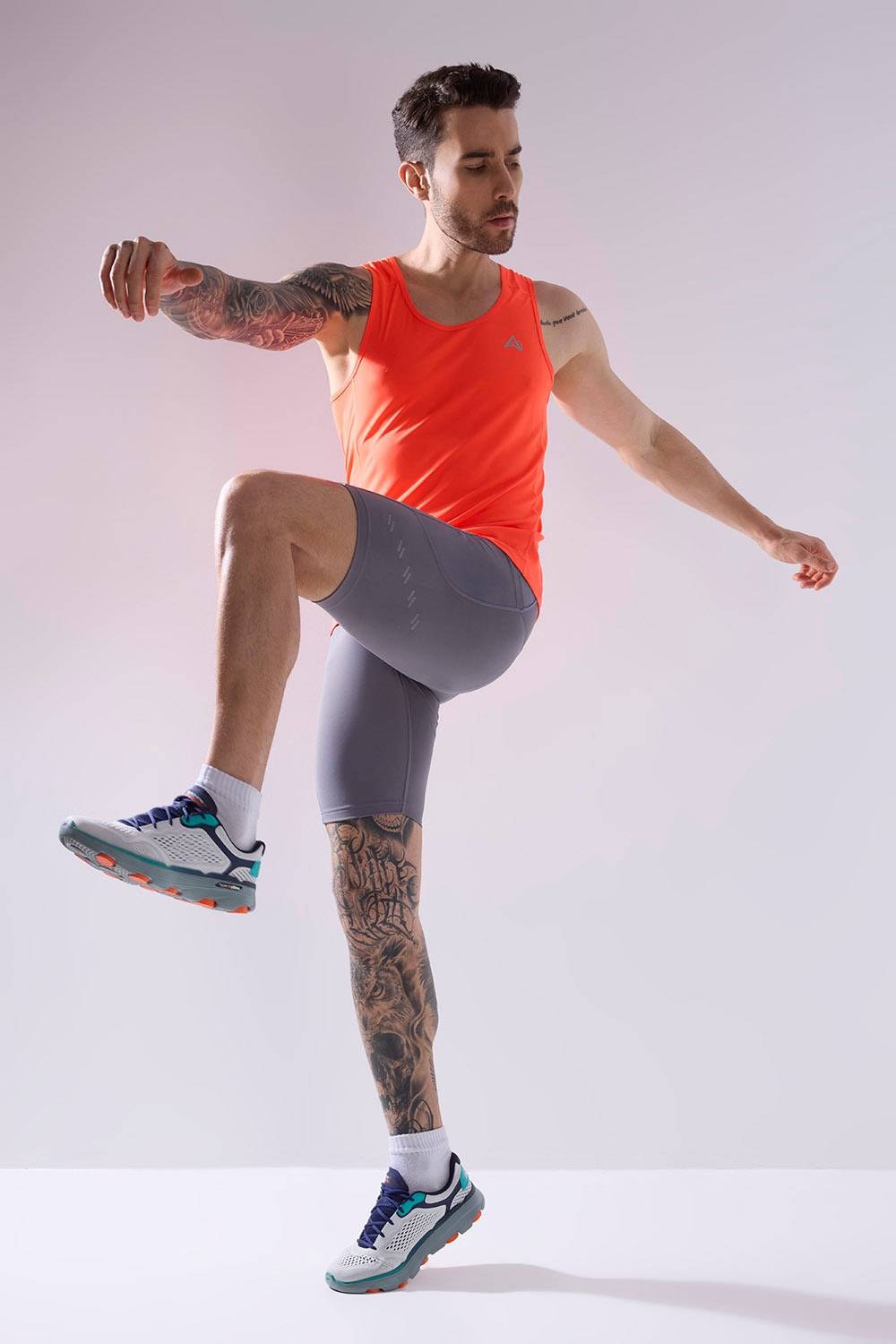
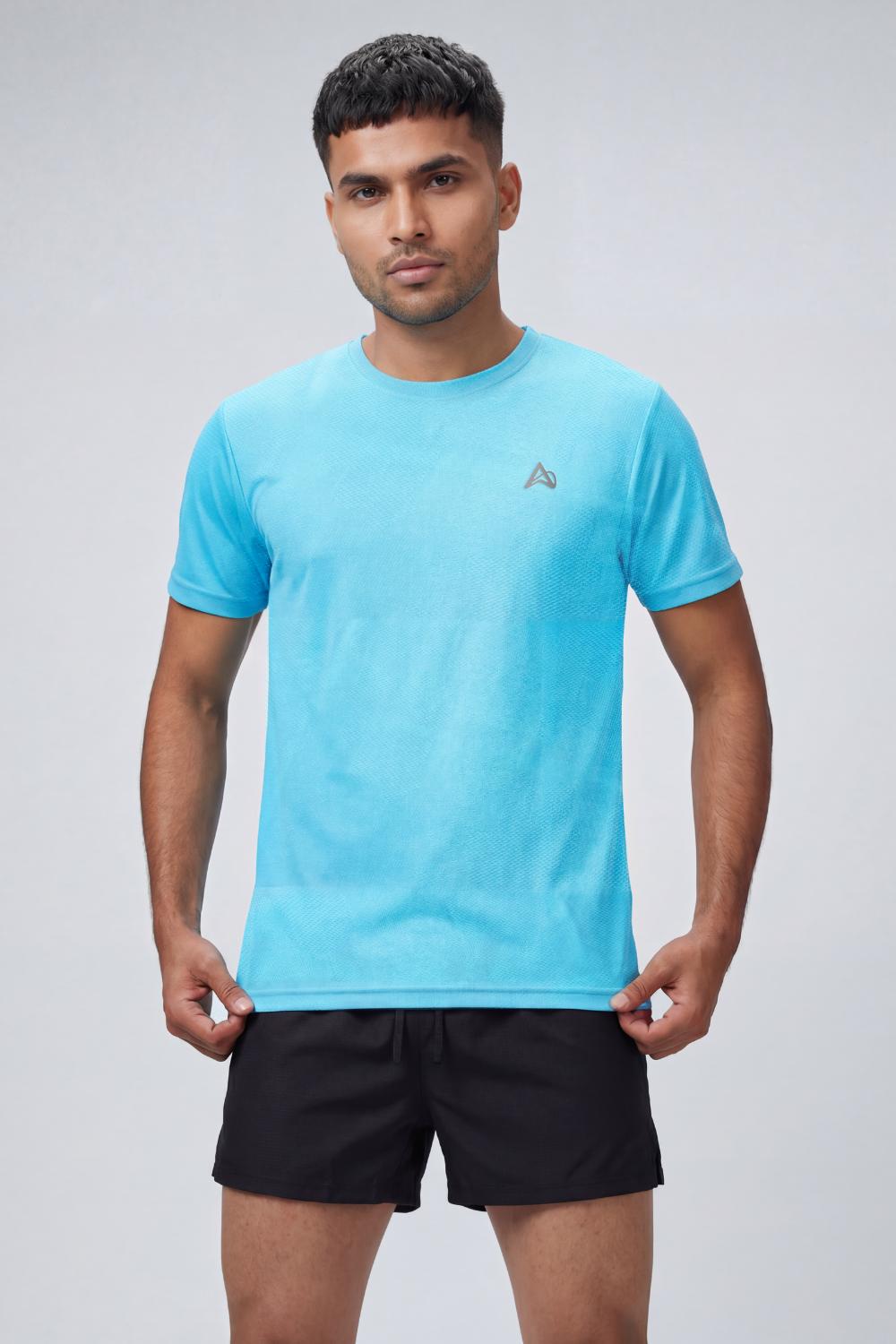
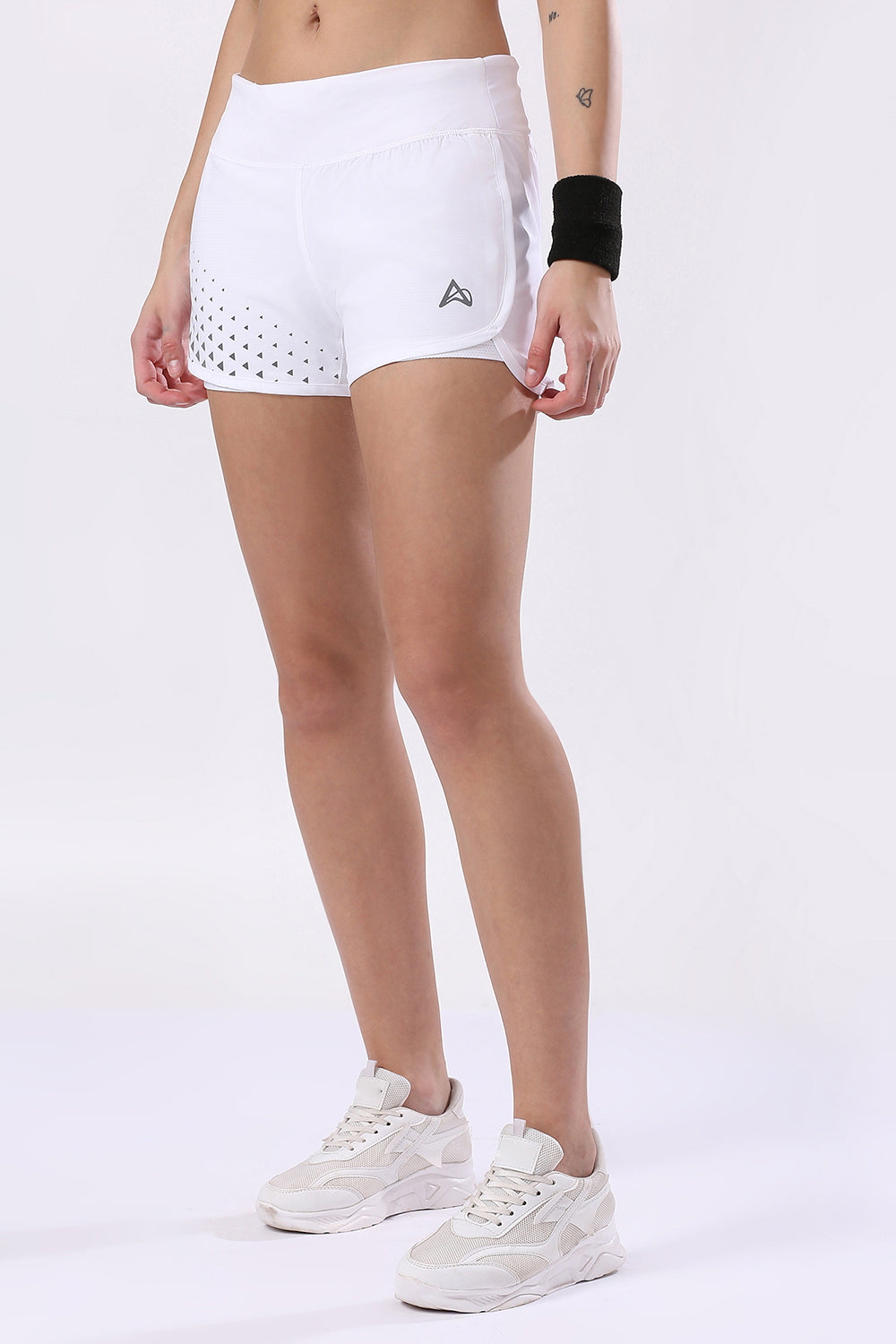
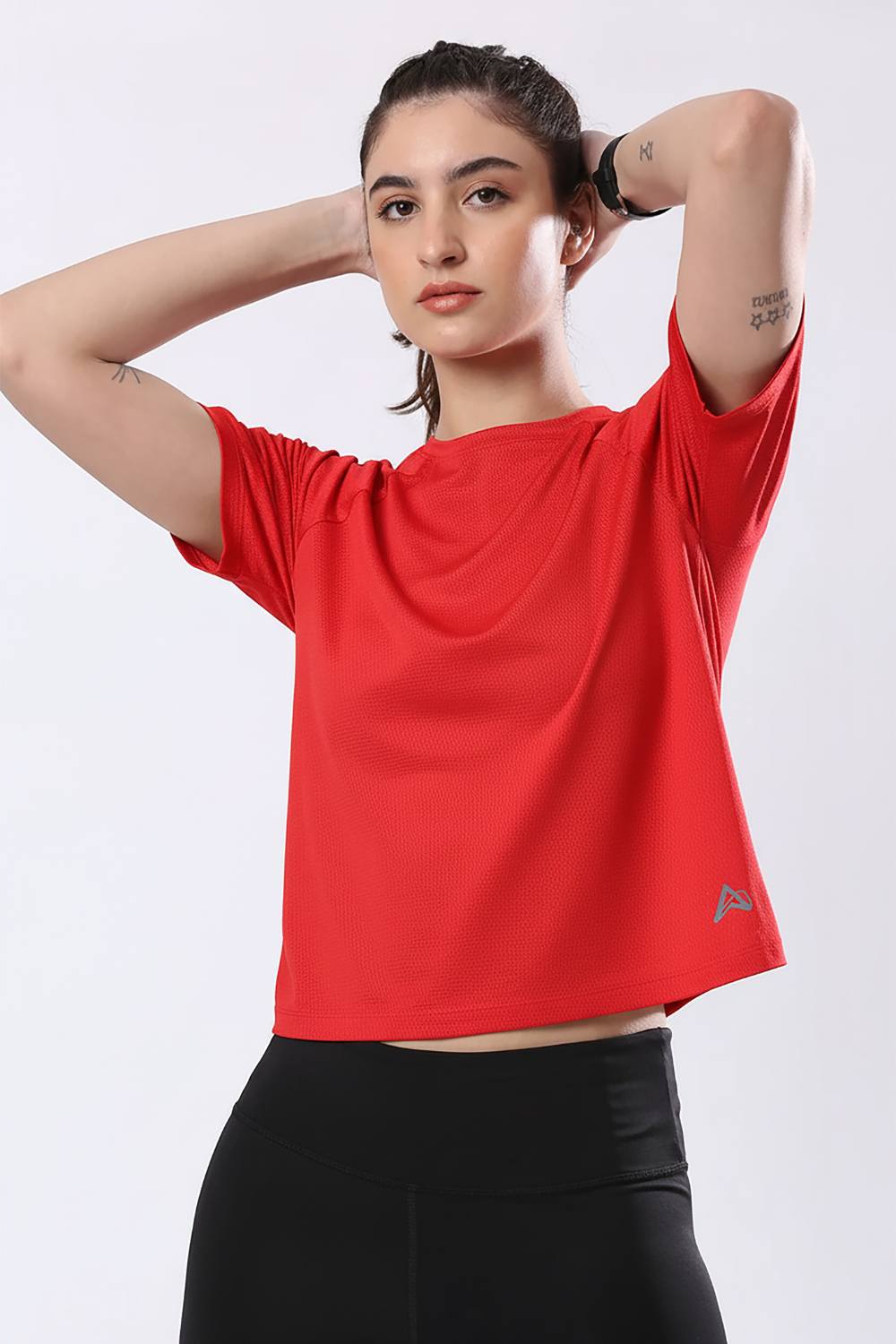
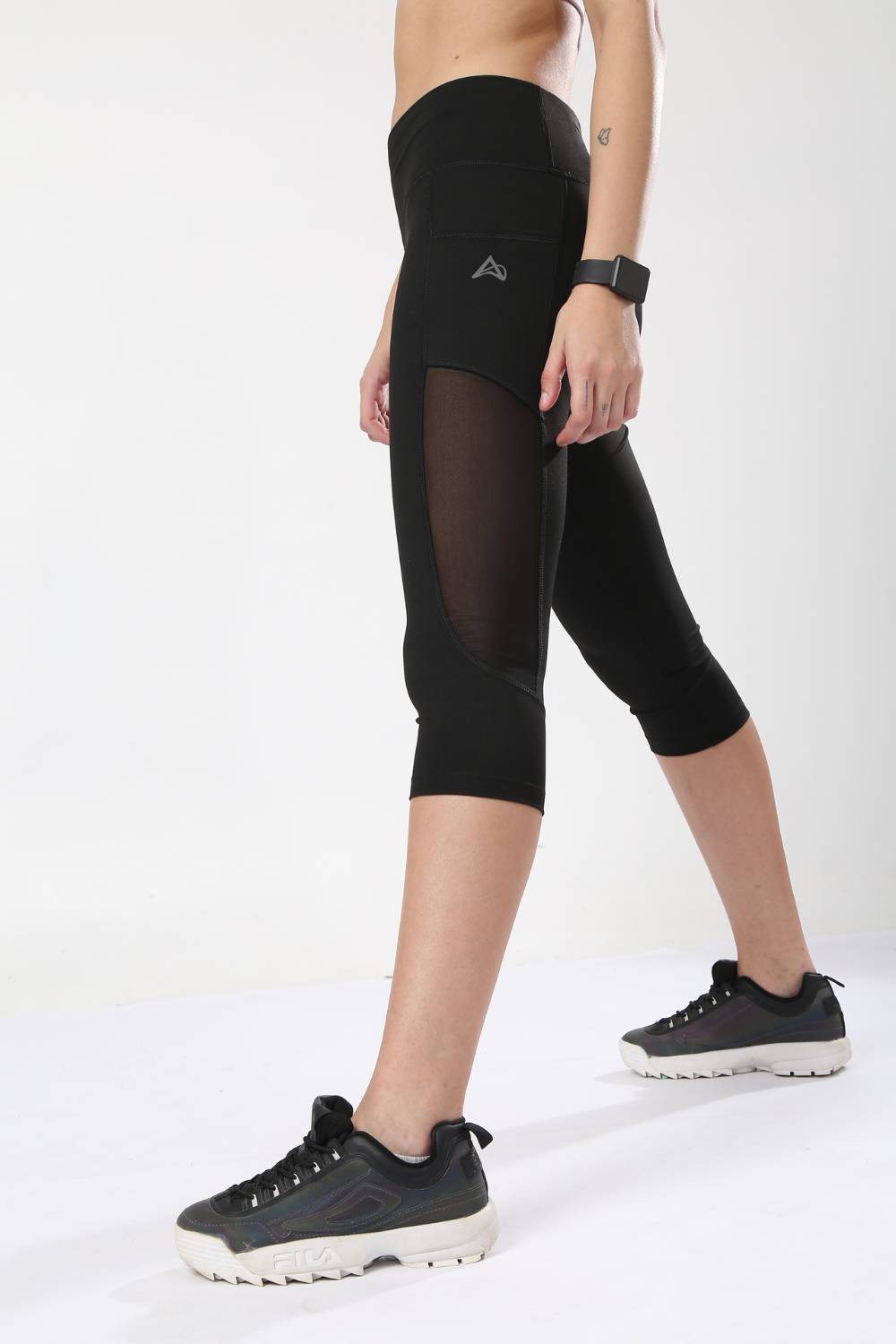
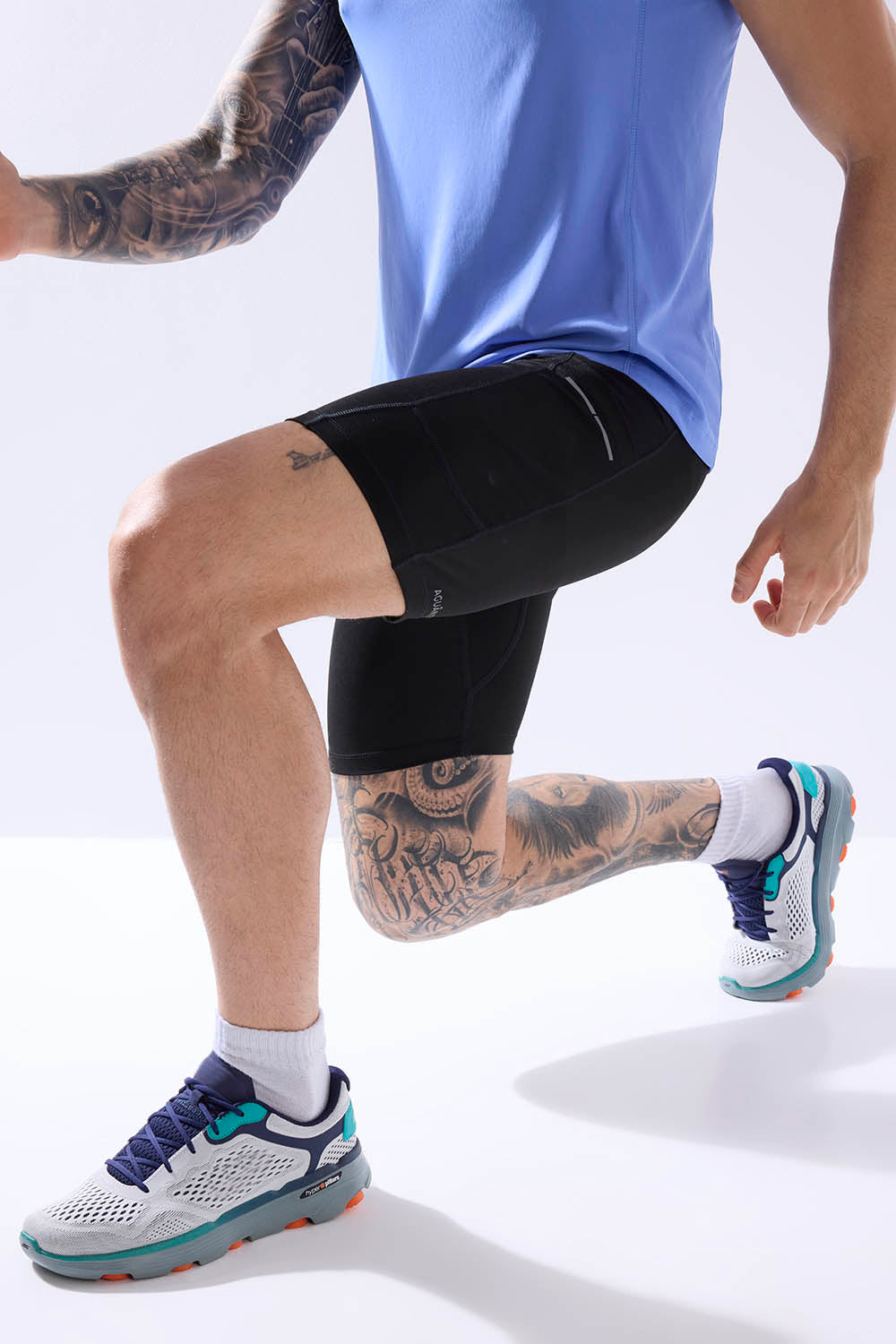
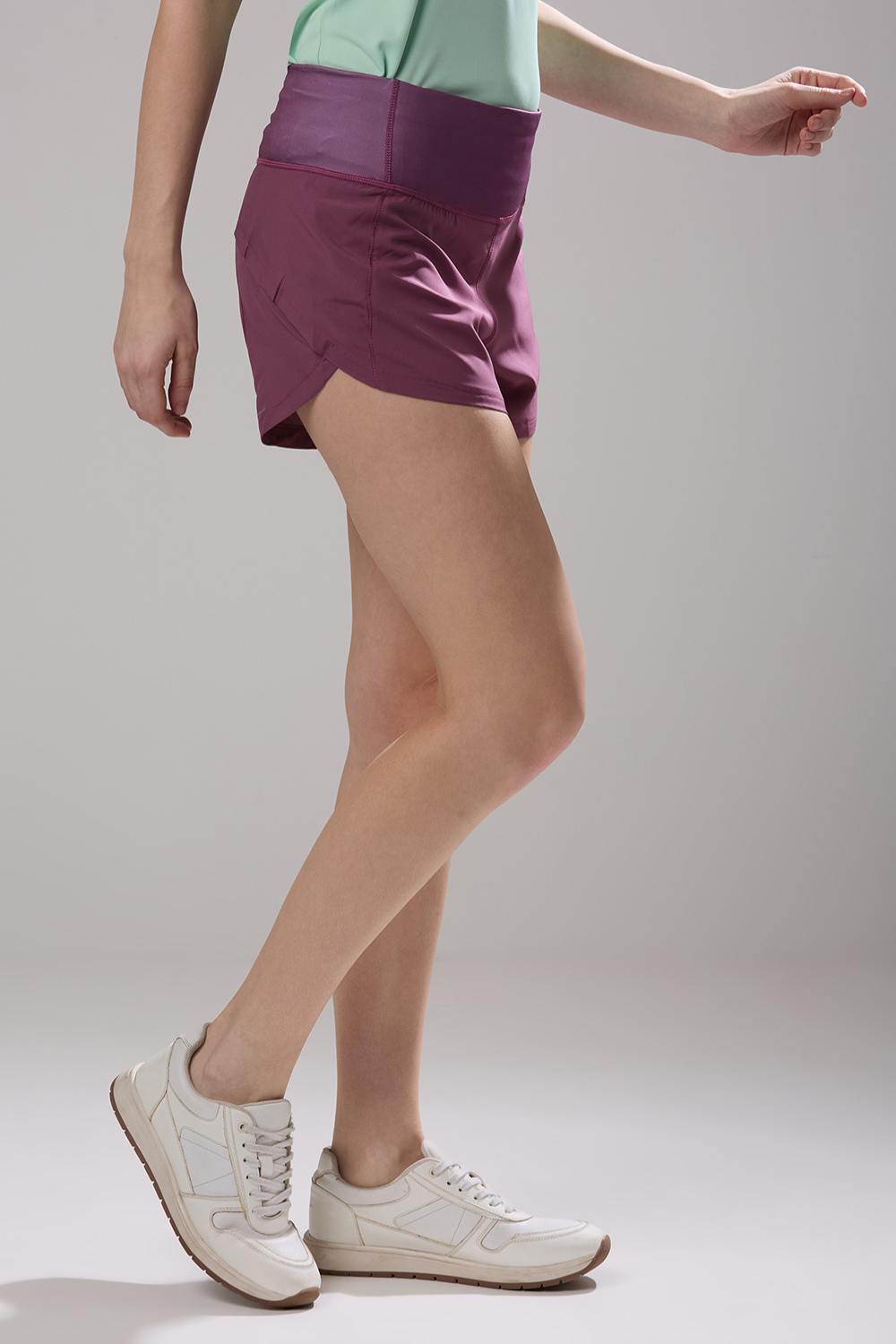
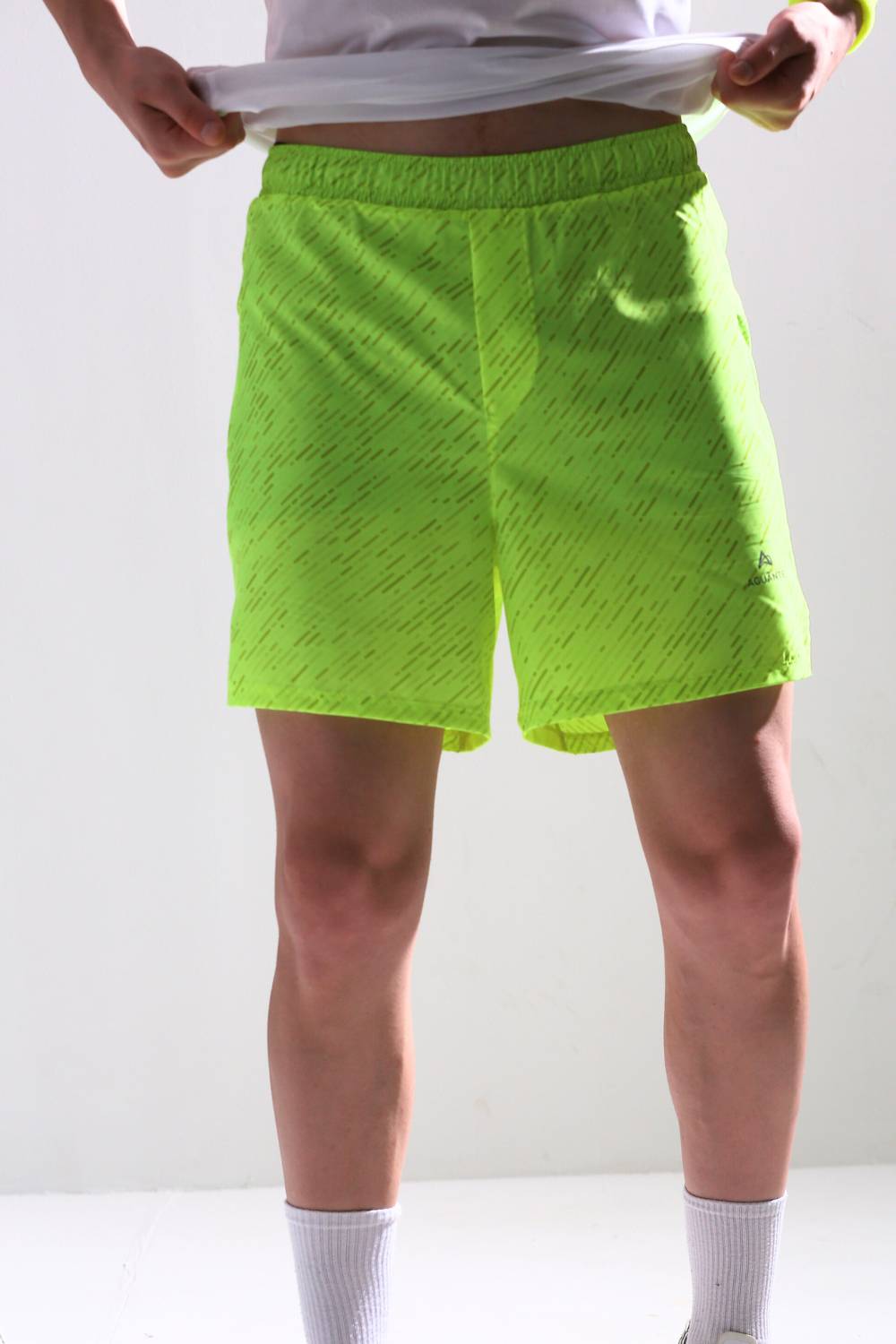
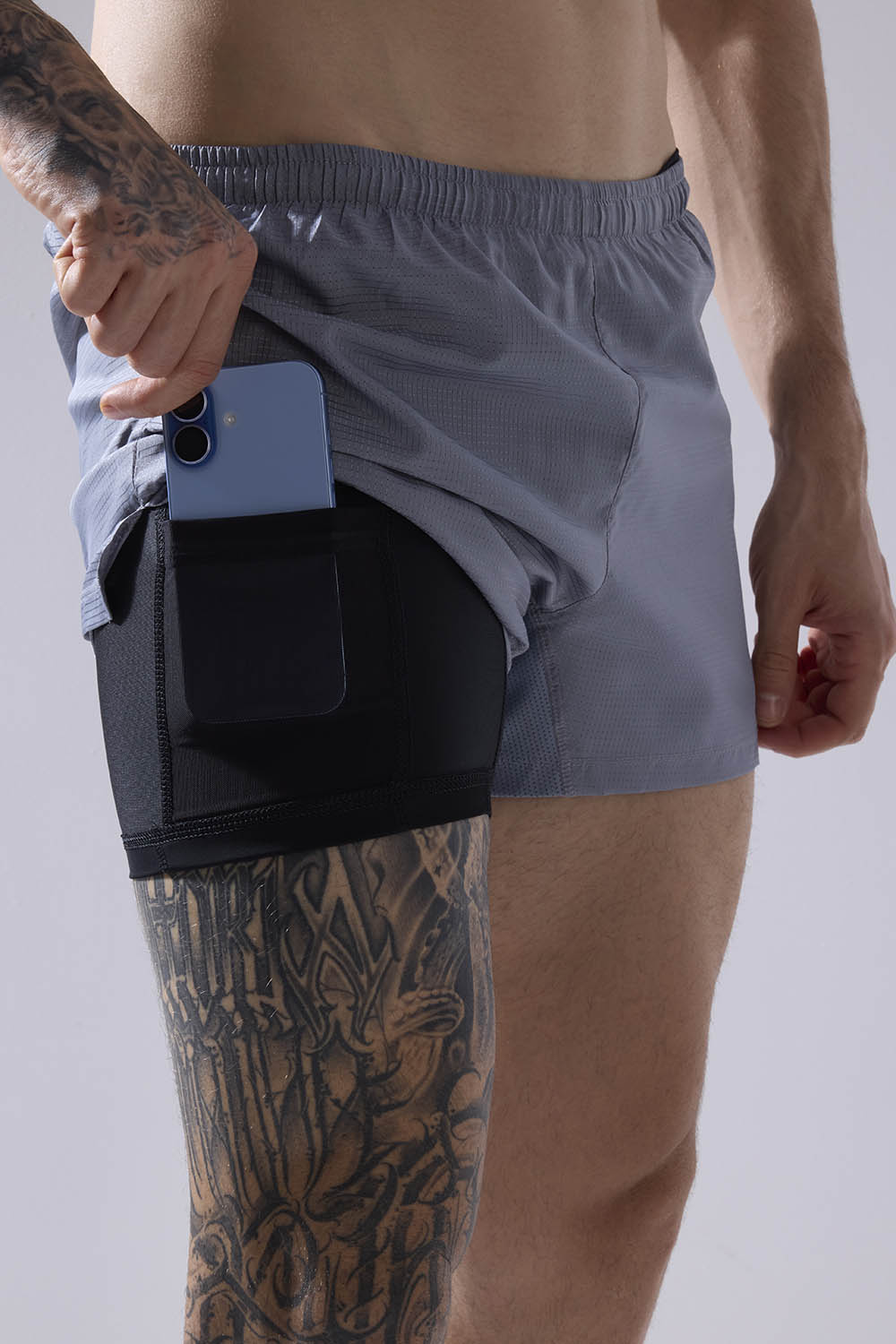
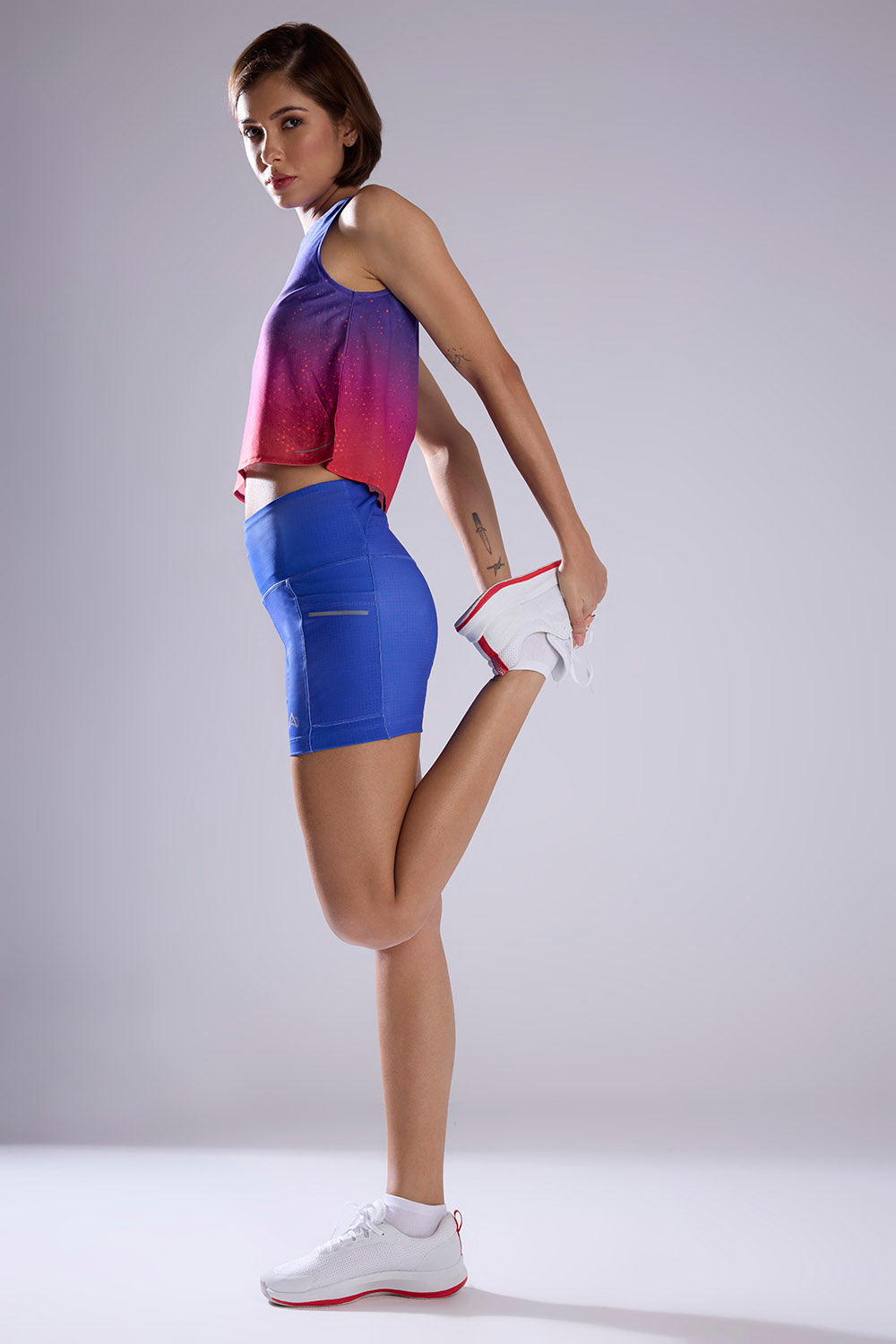
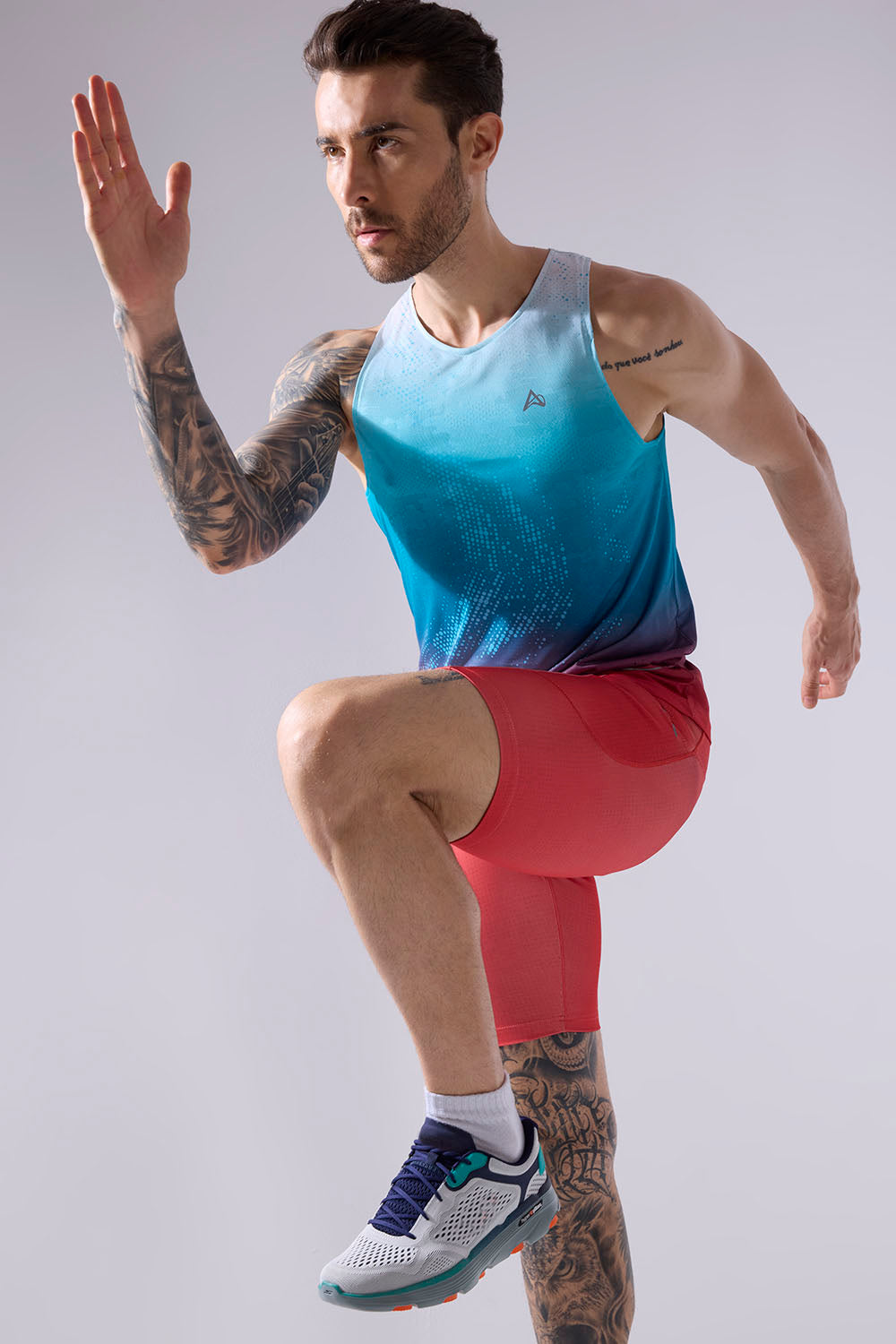
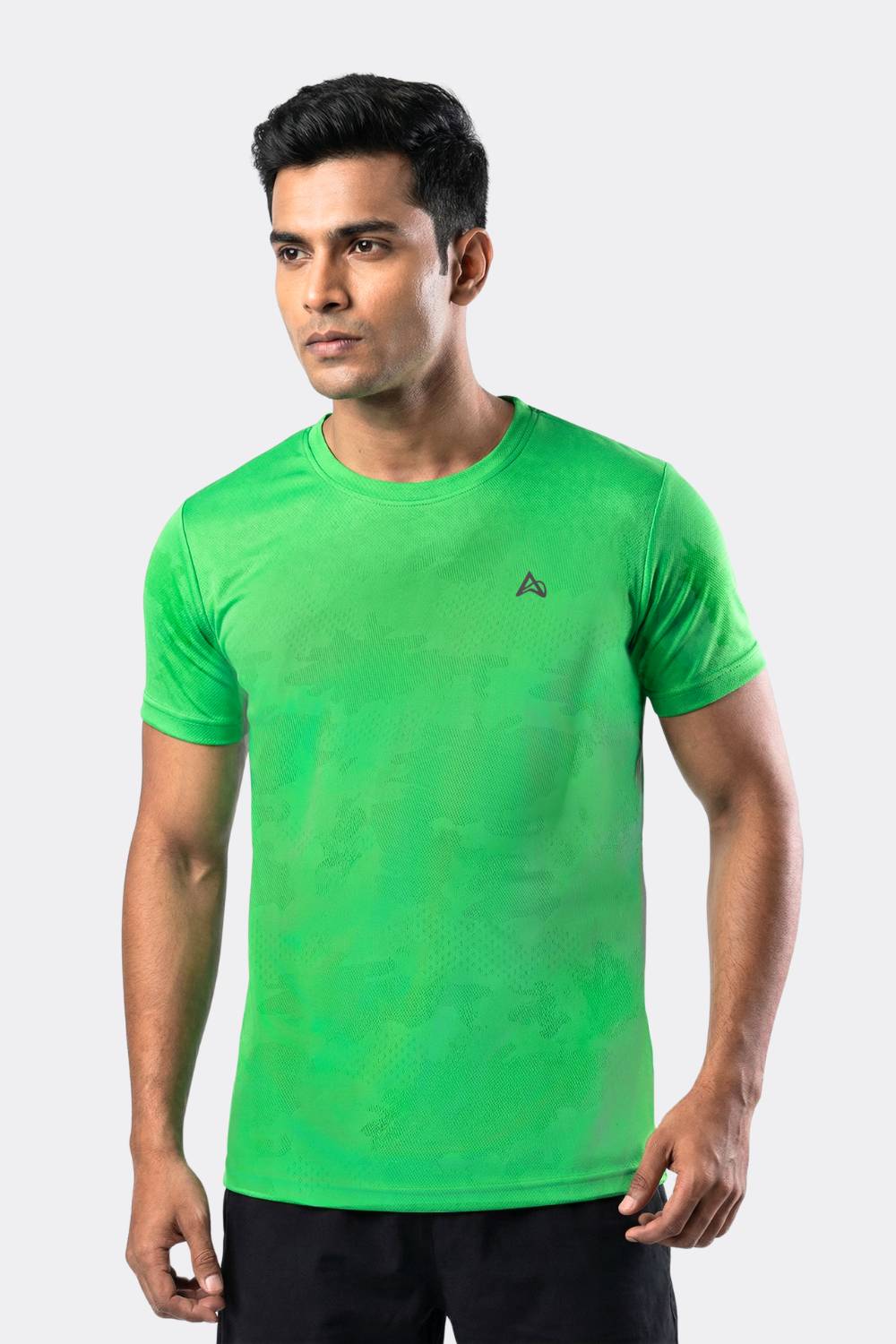
Begin with a moisture-wicking short-sleeve tee or tank top. Fabrics with jersey mesh panels allow air to circulate while blocking harmful UV rays. Choose lightweight technical blends that pull sweat away from the skin instead of letting it sit cold and damp. For bottoms, consider running shorts with quick-drying liners and high-rise cuts that stay in place during hills or long efforts. These shorts prevent skin-on-skin friction and keep everything secure without bouncing around.
For women building a first kit, a well-fitted high-impact sports bra becomes essential once mileage climbs. It supports without adding bulk, and the right fit means you can concentrate on pace instead of adjusting straps mid-run.
Layering Options
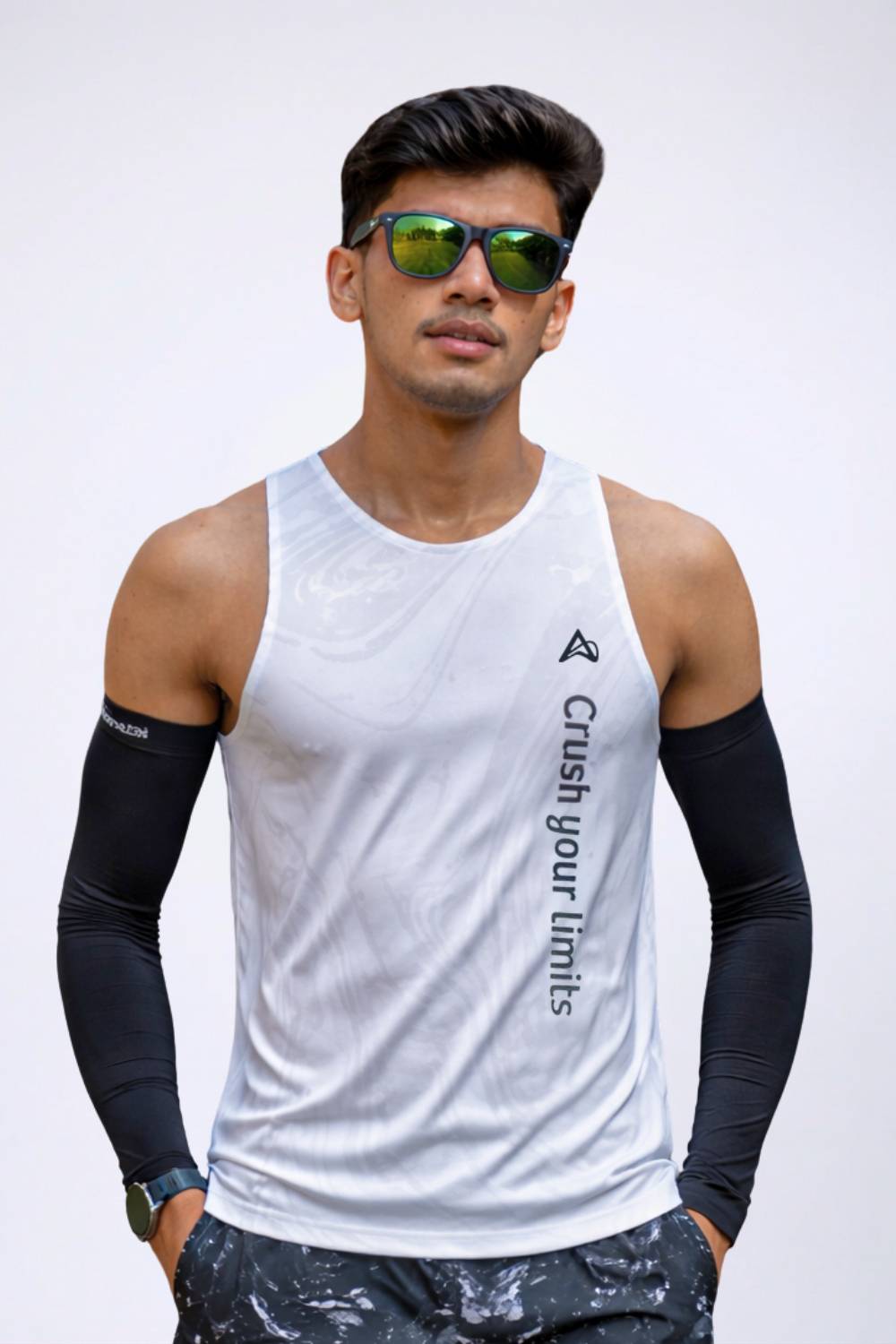
Humidity and temperature swings make layering more important than in cooler climates. A lightweight windbreaker or arm sleeves handles sudden weather changes. Pair a base layer with a short-sleeve top for warmer starts and add the windbreaker when you start to cool down. A buff or cap protects eyes and ears from sweat and sun while adding minimal bulk. Always test combinations on the same route you will run regularly so you can adjust before race day.
Footwear and Socks
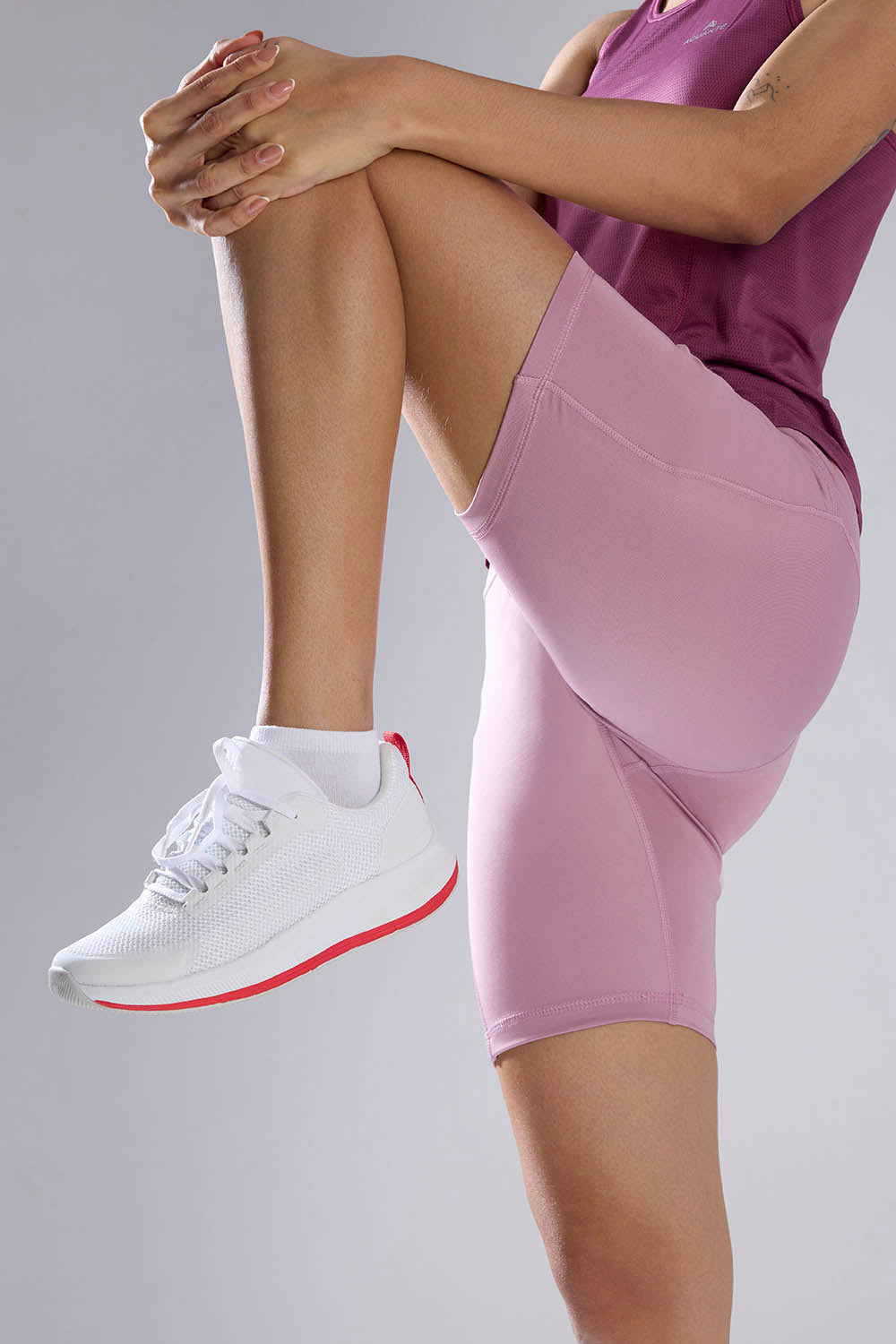
Shoes are the foundation of the kit. Invest in a pair of properly fitted running shoes chosen for your foot shape and gait. Pair them with moisture-wicking socks that never let feet turn into little ovens. Thinner, more open weaves work better than bulky winter pairs once temperatures rise. Road socks with road shoes and trail socks with trail shoes keep blisters at bay.
Essential Running Gear Checklist for Hot Weather
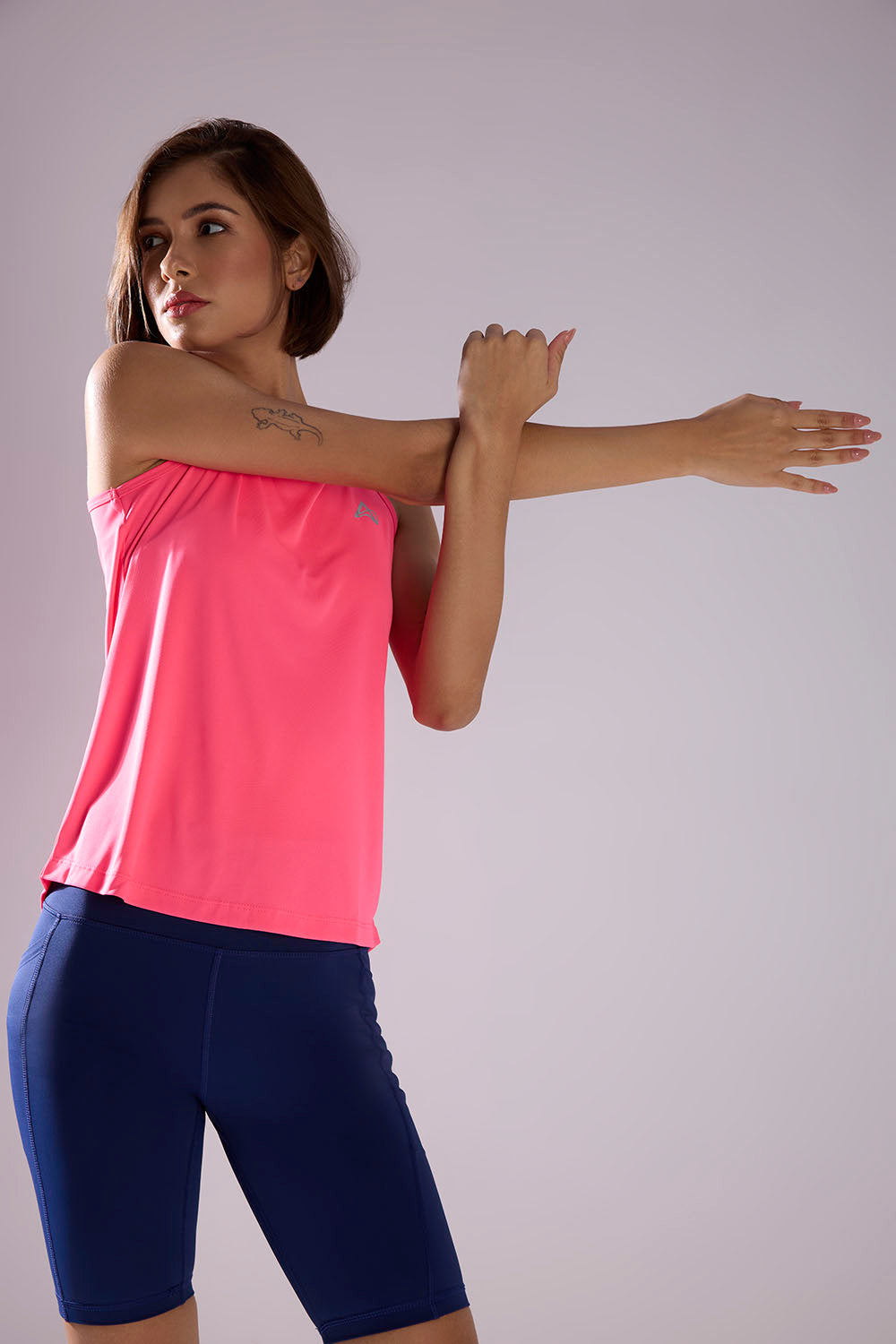
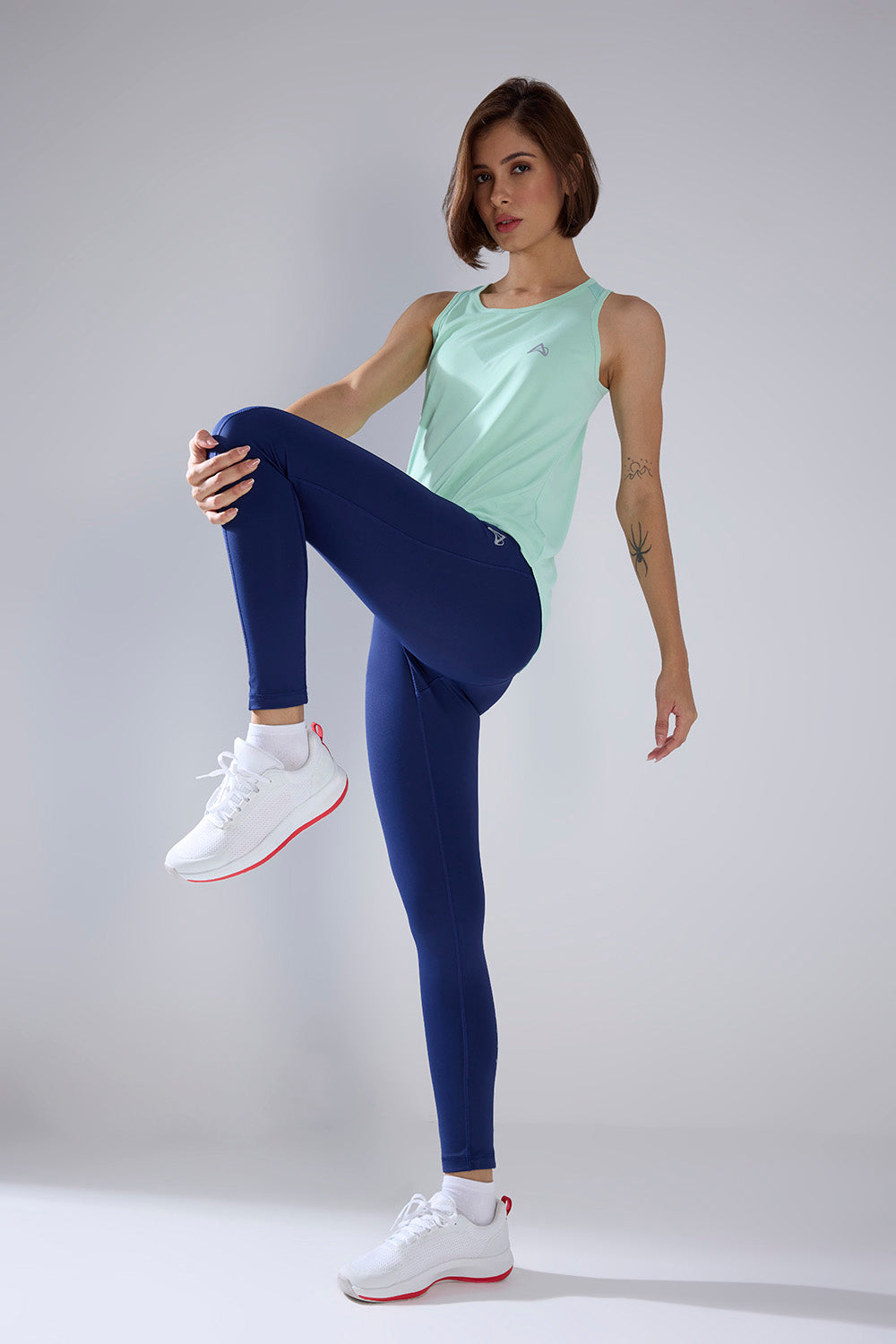
Urban running in warmer months puts a premium on staying cool and dry. A summer kit centers on pieces engineered to move sweat away from the body. Start with breathable tank tops or short-sleeve tees made from mesh or lightweight technical fabrics. Look for fabrics with added jersey mesh panels that increase airflow across the back and sides without sacrificing support.
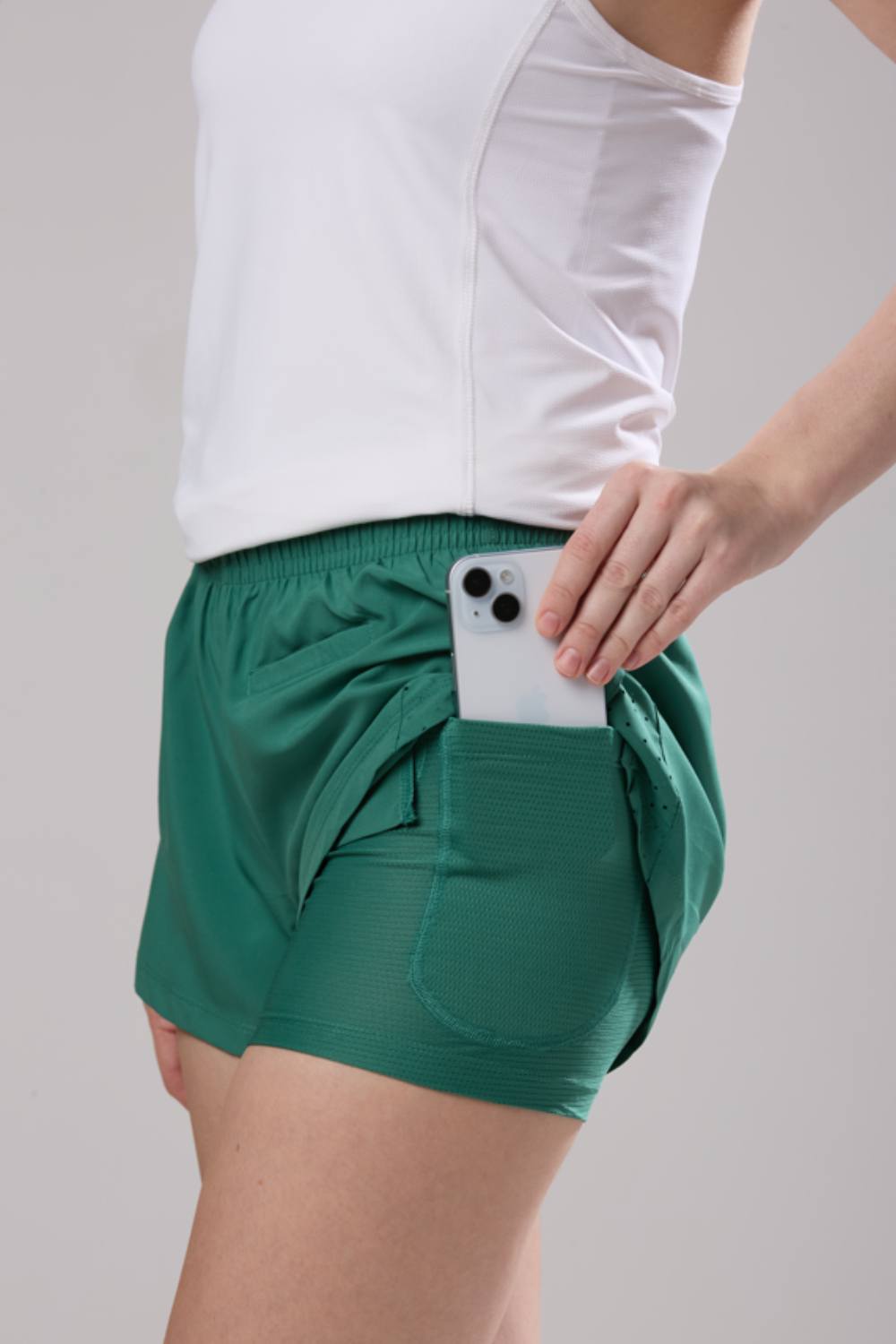
Shorts designed for heat should feature quick-drying liners, high-rise cuts that stay in place during hills, and back zip pockets that let you stash keys or cards without losing momentum. Lightweight moisture-wicking socks complete the base layer by keeping feet dry and blister-free. A running watch that tracks heart rate, pace, and vertical oscillation helps you stay in the zones where effort feels manageable.
Hydration is non-negotiable. A leakproof water bottle with a straw makes drinking effortless and encourages you to take in more fluid. Electrolyte powders mixed into water help replace what you lose through sweat so you avoid that heavy, sluggish feeling later in the run.
Sunscreen, sunglasses, and a buff or cap handle sun exposure and sweat in the eyes without adding bulk. The real power of a summer kit lies in its simplicity and adaptability. One versatile tank, one pair of heat-friendly shorts, and a few reliable socks are enough to build a foundation that grows as you increase mileage.
The latest experiential marketing trends emphasize interactive and immersive experiences. Brands are now focusing on summer running gear must-haves to engage audiences, providing detailed strategies for creating memorable activations and boosting brand loyalty. The approach includes leveraging technology, interactivity, and multi-sensory engagement to elevate attendee experiences beyond traditional events.
Top Running Accessories to Include in Your Kit
Accessories turn good gear into a reliable system. A hydration vest or belt distributes weight across your upper body and reduces bounce compared with a handheld bottle alone. Reflective details and a whistle keep you visible and safe on early-morning runs or evening sessions. A small running belt or vest takes the load off your hands by letting you carry phone, gels, keys, and a buff without bouncing around.
Neckwear and arm sleeves add extra versatility for wind or sun protection. A lightweight windbreaker handles sudden weather changes. The biggest insight is that a complete kit is not about owning every technical piece at once. Start with what feels right on your body and scales with your longest run. Investing time in one solid top, one pair of shorts that actually stay put, and a few reliable socks creates a foundation that serves for years instead of a closet full of items that sit unused.
Testing and Customizing Your Running Apparel Kit
Buy only what you can test on actual run days. A piece that works for a 5K may need adjusting by the time you hit 20 miles. Try every item in real conditions because fit and performance change with body temperature and pace. If something feels off whether it is chafing or bouncing swap it for a better option before adding more gear. This approach keeps the focus on performance and comfort rather than chasing trends.
Many runners build their first kit gradually. Begin with one top, one pair of shorts, and a few socks. Once those pieces feel right, add a hydration solution and watch. The wardrobe that grows with your running journey instead of overwhelming you from day one is the one you actually use.
Common Mistakes to Avoid When Building a Running Apparel Kit
Beginners often buy too many items too soon and end up with duplicates or pieces that never get used. Another frequent error is choosing cotton-based socks or non-quick-drying fabrics that turn feet into little ovens. Skimping on a good sports bra or shorts with built-in liners leads to chafing and discomfort that ruins runs. Always prioritize moisture-wicking, quick-drying, and breathable materials that perform mile after mile.
Finally, do not forget to update your kit as you progress. What works for a 5K may not suit your longest effort. The smartest strategy is to start simple, test everything on real run days, and let your wardrobe evolve alongside your training.
Comfort Starts with the Right Gear
A complete running apparel kit is not about having the most expensive items on the market. It is about having the right pieces in the right quantities that work together to keep you cool, dry, and motivated mile after mile. Whether you are a beginner logging your first urban runs or an intermediate athlete training for longer distances, this system supports consistent progress without turning every run into a chore. Start with the essentials that fit your body and scale, test them in real conditions, and you will discover a wardrobe that grows with you exactly what any runner needs to stay comfortable and focused on the finish line.
Frequently Asked Questions
How do I choose the best running clothes for hot weather?
For hot weather running, prioritize lightweight, moisture-wicking fabrics that keep sweat away from your skin and allow maximum airflow. Breathable tank tops or mesh-panel shirts paired with quick-drying running shorts help regulate body temperature during intense efforts. Accessories like sunglasses, sunscreen, and a cap further protect you from sun exposure while maintaining comfort.
What should be included in a complete running apparel kit?
A complete running apparel kit typically includes a moisture-wicking base layer such as a technical T-shirt or tank, supportive running shorts with liners, and breathable socks designed to prevent blisters. Layering options like a lightweight windbreaker or arm sleeves help you adapt to changing weather conditions. Essential accessories such as a hydration solution, running belt, and cap also improve comfort and performance during runs.
What are common mistakes when building a running apparel kit?
One common mistake is buying too many items too quickly, which often leads to unused gear and poor outfit selection. Runners also frequently choose cotton socks or non-breathable fabrics that trap moisture and increase the risk of blisters. Another issue is skipping proper fit testing, which can result in chafing or discomfort during longer runs.
Disclaimer: The above helpful resources content contains personal opinions and experiences. The information provided is for general knowledge and does not constitute professional advice.
You may also be interested in: Running Apparel for Beginners: What to Look for in Your First Kit
Tired of gear that slows you down? Chafing, soggy fabrics, and missing pockets kill your run's momentum. At Aguante, we're runners who get it. Our high-performance activewear features moisture-wicking fabrics, ergonomic designs, and smart storage to keep you focused. Shop Now!
Powered by flareAI.co