
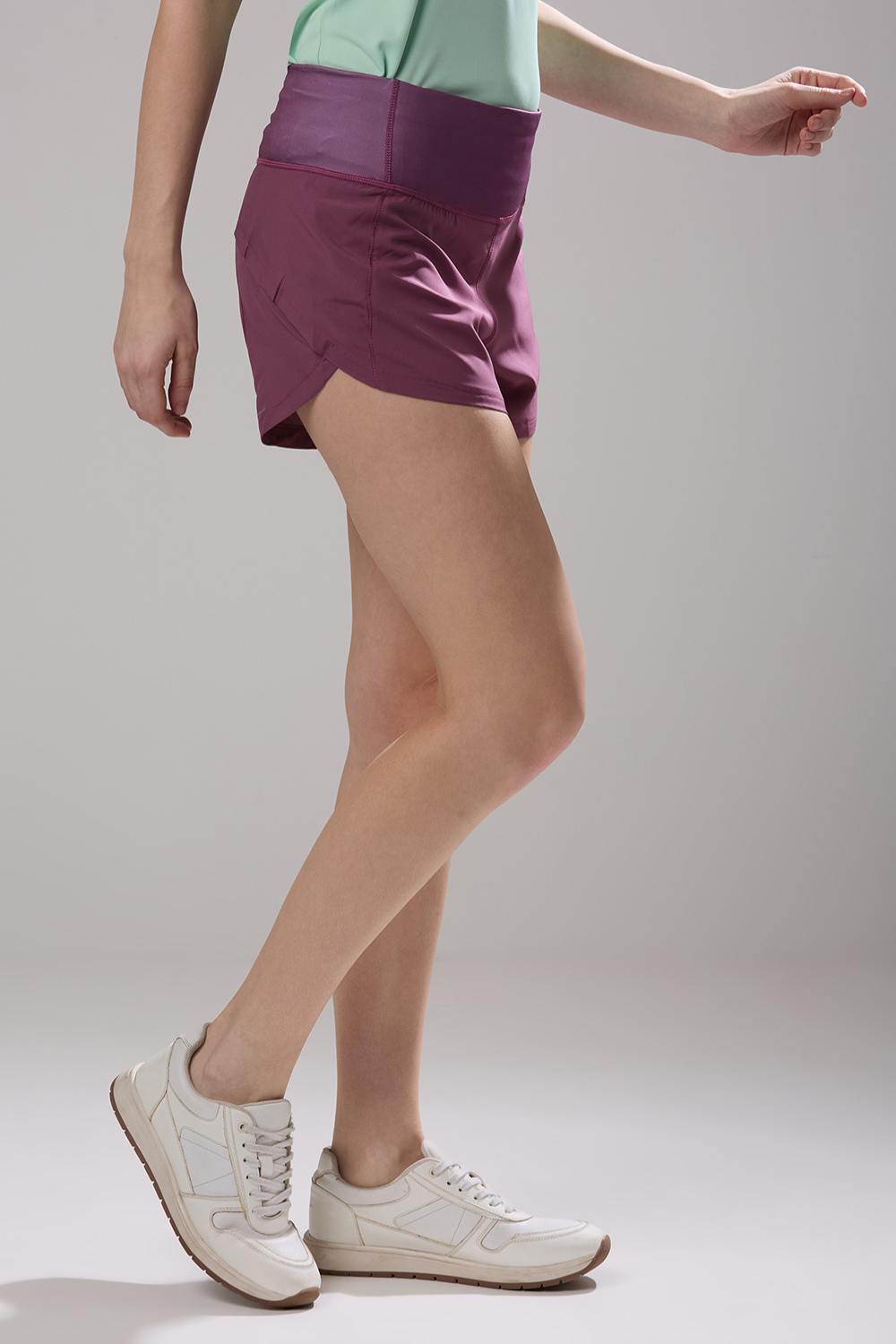
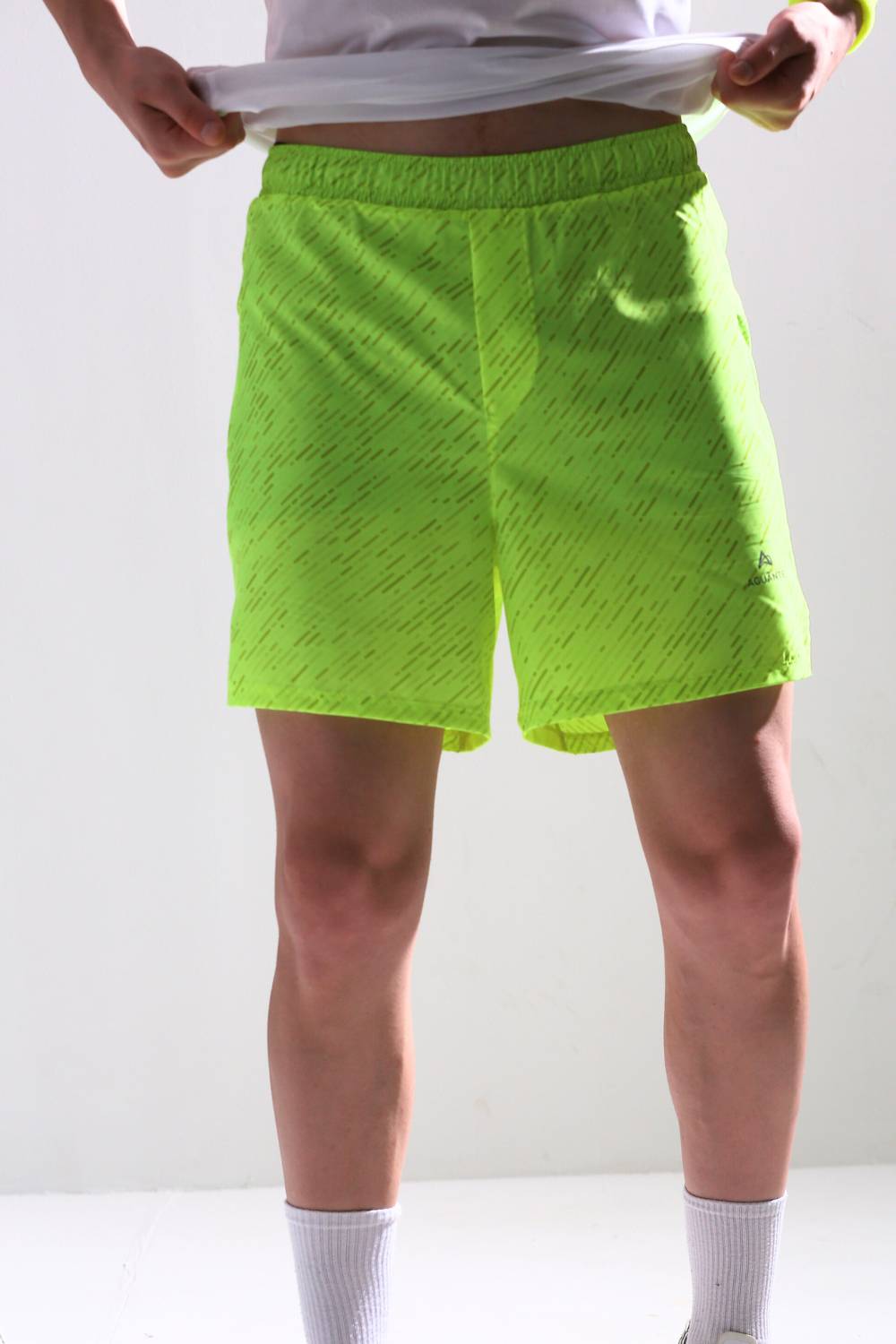

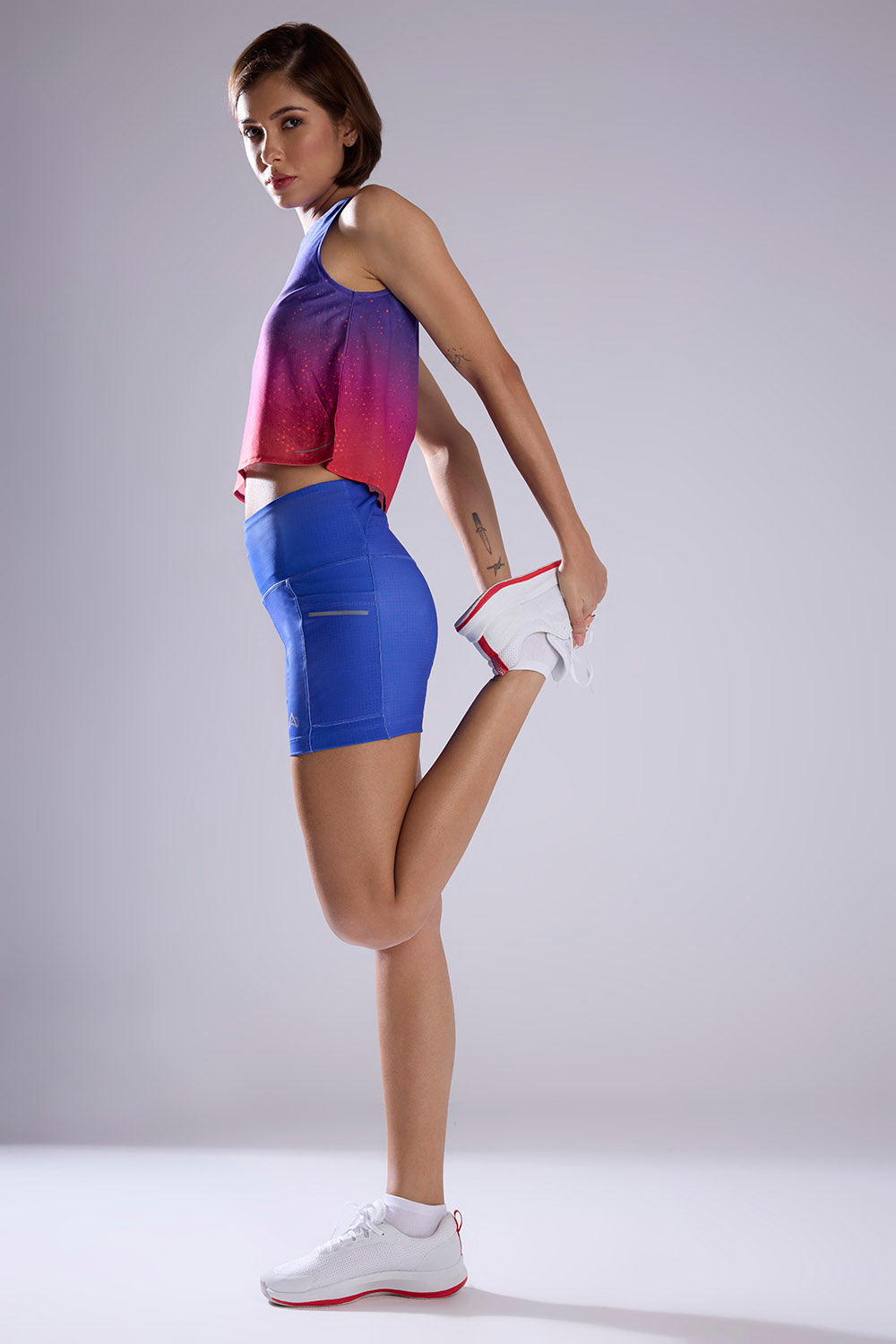
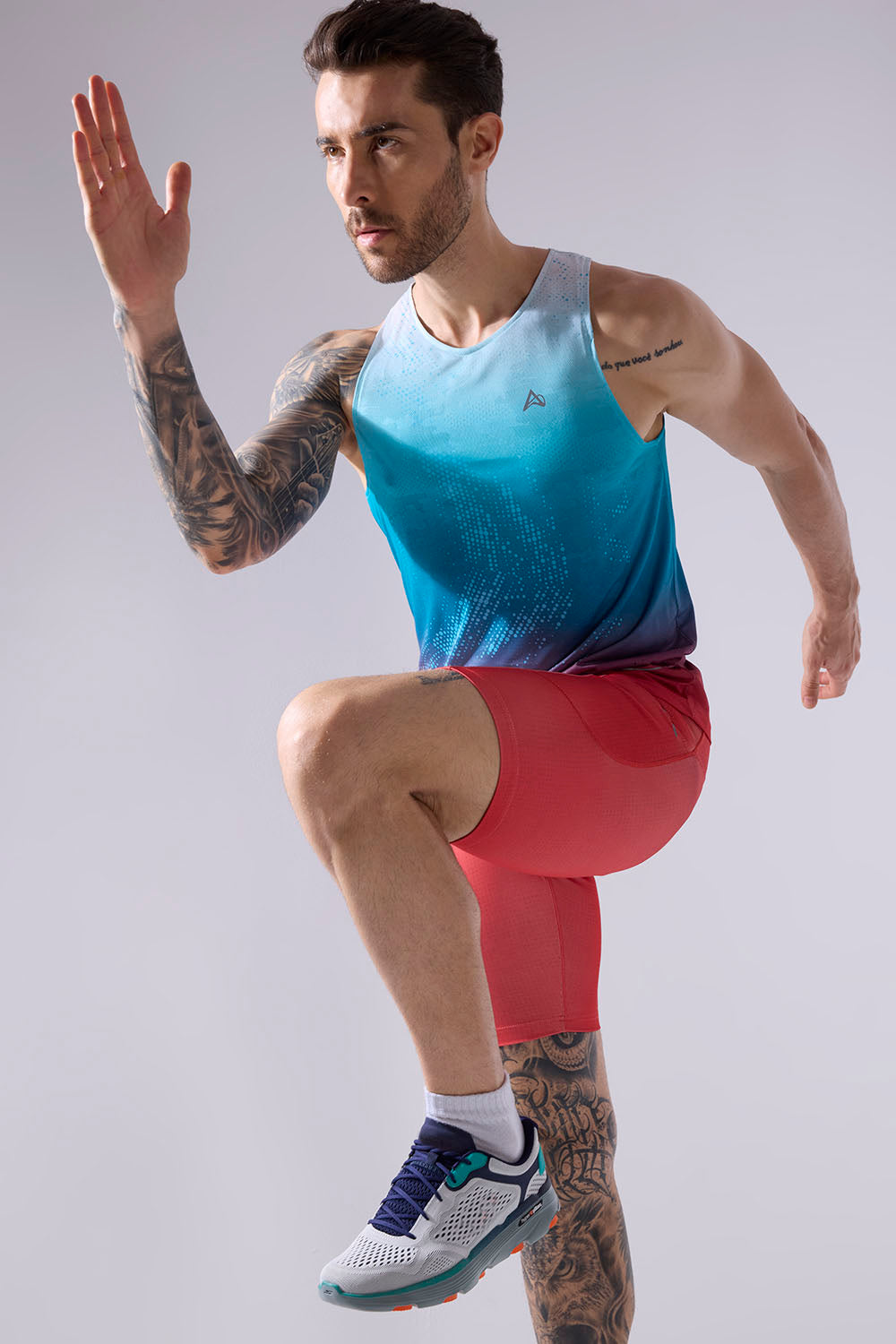

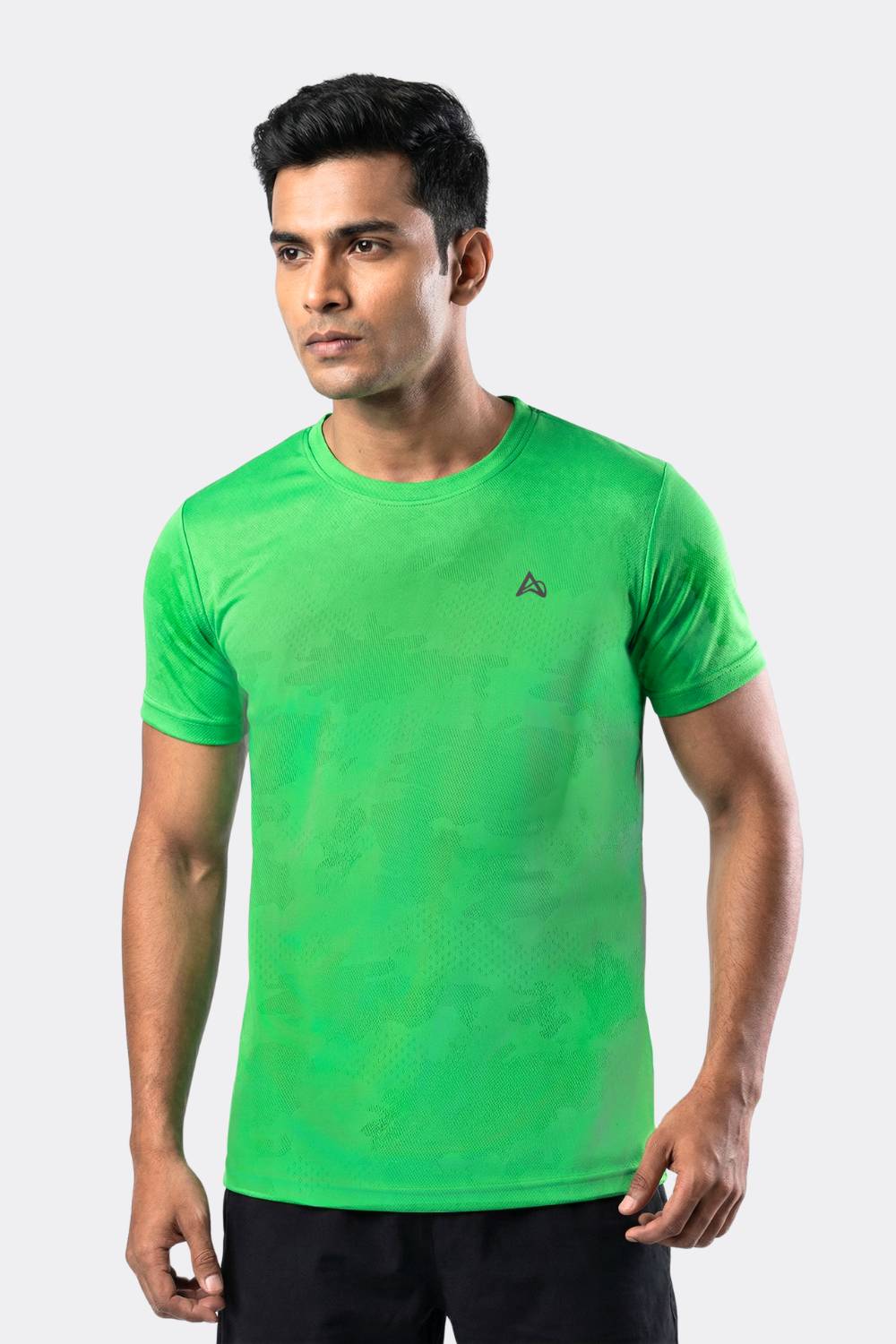
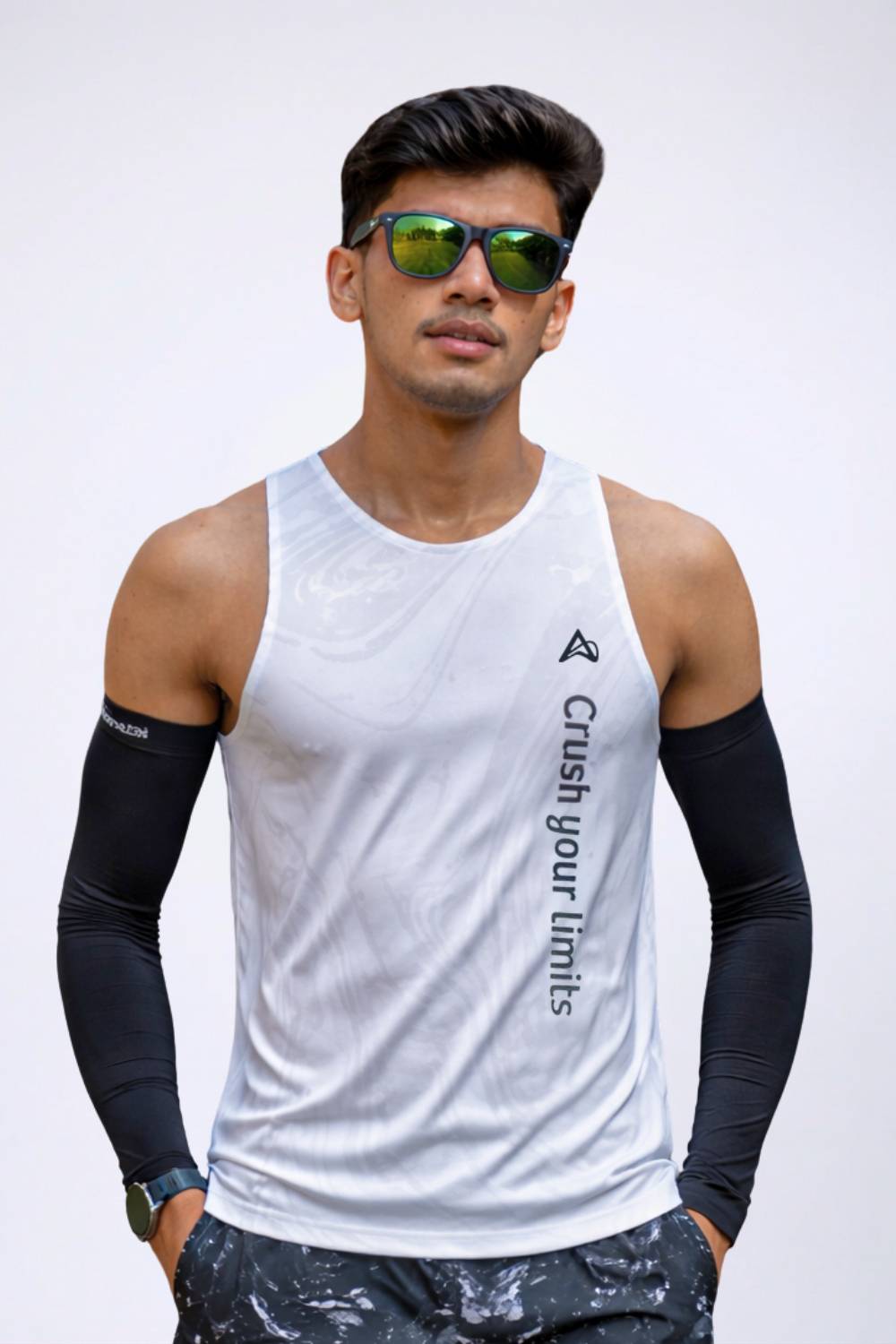

From Bangalore's tech-park running loops to Mumbai and Delhi's marathon circuits, evidence from Indian cities shows that how running apparel fits the body can influence performance, comfort, and finish times.
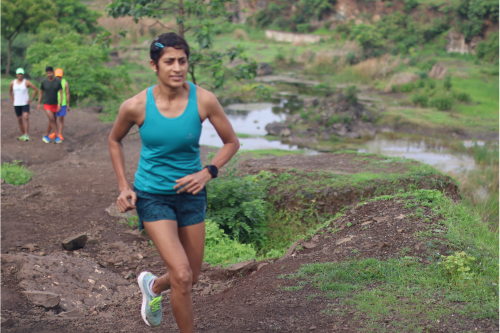
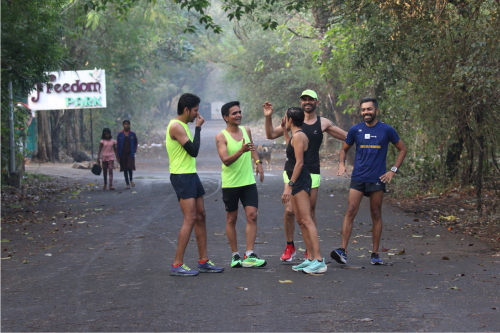
The streets of Bangalore come alive before dawn, with packs of runners weaving through tech parks and quiet lanes, chasing personal bests under the first hints of humidity. Similar scenes unfold in Mumbai, where the salty air clings to skin during early-morning loops along the seaface; in Delhi and Gurugram, where cold winter fog gives way to spring marathons; and in growing hubs like Pune, Hyderabad, Surat, Ahmedabad, and Navi Mumbai. India's urban running boom is undeniable events like the Mumbai Marathon draw tens of thousands, while marathons in Bengaluru, Hyderabad, and Pune continue to swell with participants year after year. This surge is driven by increasing health awareness, rising participation in fitness activities, growing urbanization, and expanding disposable incomes, all contributing to a vibrant culture of recreational running and local races.
Yet amid this surge in participation, a quieter conversation is gaining ground among serious runners and coaches: the role of ergonomic fit in running apparel. What was once dismissed as mere comfort is now emerging as a subtle performance edge, especially in India's demanding conditions of heat, humidity, and uneven roads. The right fit doesn't just feel good it can reduce distractions, improve stride efficiency, and help runners stay focused over long distances. As explored in discussions around why ergonomic fit in running apparel can lead to better race results, this factor is reshaping how athletes approach their gear choices in a market that's rapidly evolving.
Tired of gear that slows you down? Chafing, soggy fabrics, and missing pockets kill your run's momentum. At Aguante, we're runners who get it. Our high-performance activewear features moisture-wicking fabrics, ergonomic designs, and smart storage to keep you focused. Shop Now!
India's Urban Running Boom Is Forcing a Rethink of Apparel Design
India's cities are fueling a running revolution. From corporate 5K groups to full marathons, participation has exploded in recent years, with major events in Mumbai, Bengaluru, Hyderabad, Pune, and Delhi consistently attracting record crowds. This growth reflects broader trends, where the India running gear market reached USD 2.4 billion in 2024 and is projected to expand to USD 4.8 billion by 2033, growing at a compound annual growth rate of 7.71% from 2025 to 2033. Key factors propelling this expansion include heightened health consciousness, increased engagement in physical activities, urban development, higher disposable incomes, the appeal of casual running, the spread of organized races, endorsements from sports figures, and the boom in online shopping.
Regionally, the market breaks down into North India, West and Central India, South India, and East India, with West and Central India holding the dominant share. By product, it's categorized into running footwear, which commands the largest portion, followed by running apparel, accessories, and fitness trackers. Gender-wise, the market segments into male, female, and unisex, with males currently leading. Distribution occurs through specialty sports shops which account for the biggest slice supermarkets, hypermarkets, department stores, discount outlets, online platforms, and others.
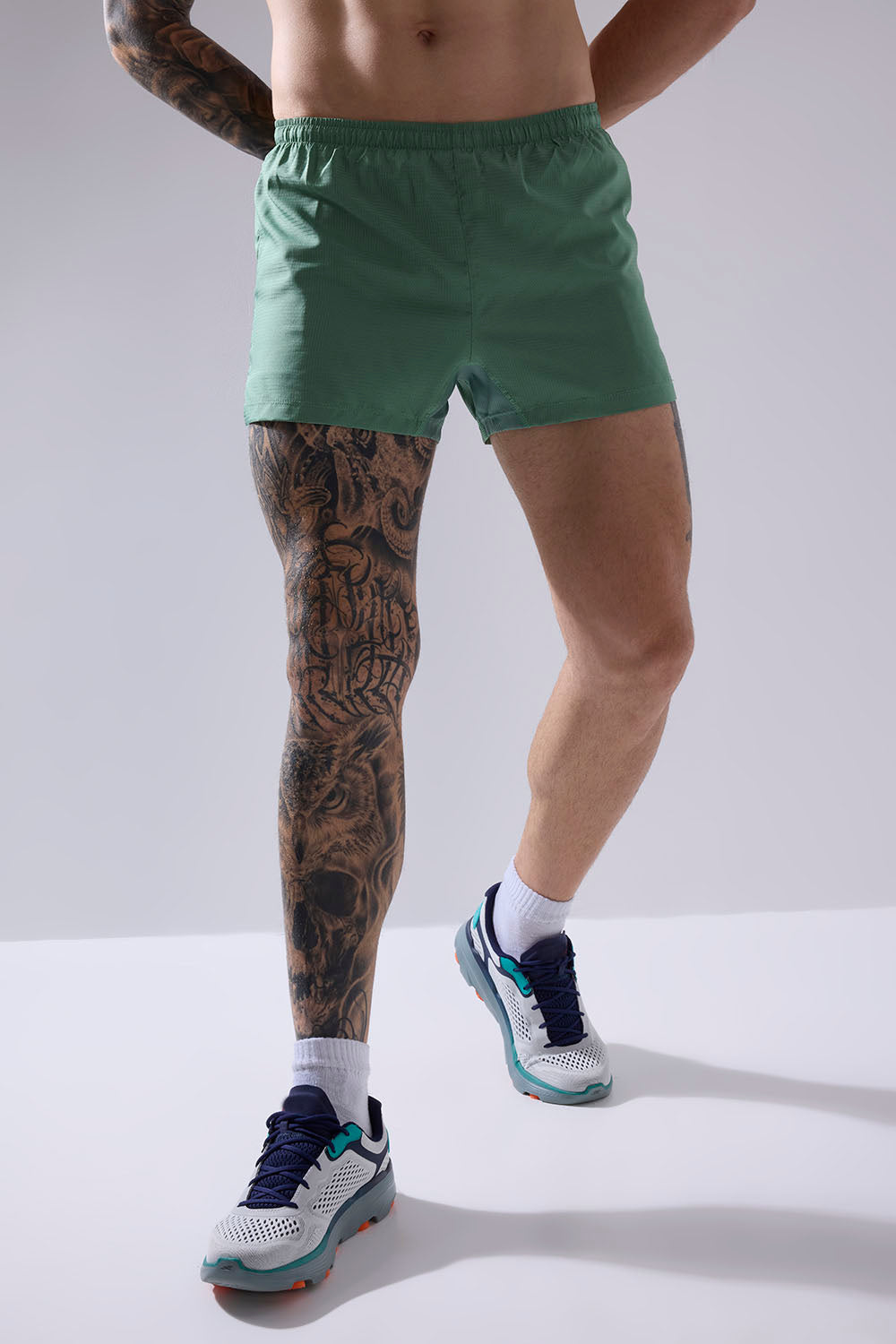
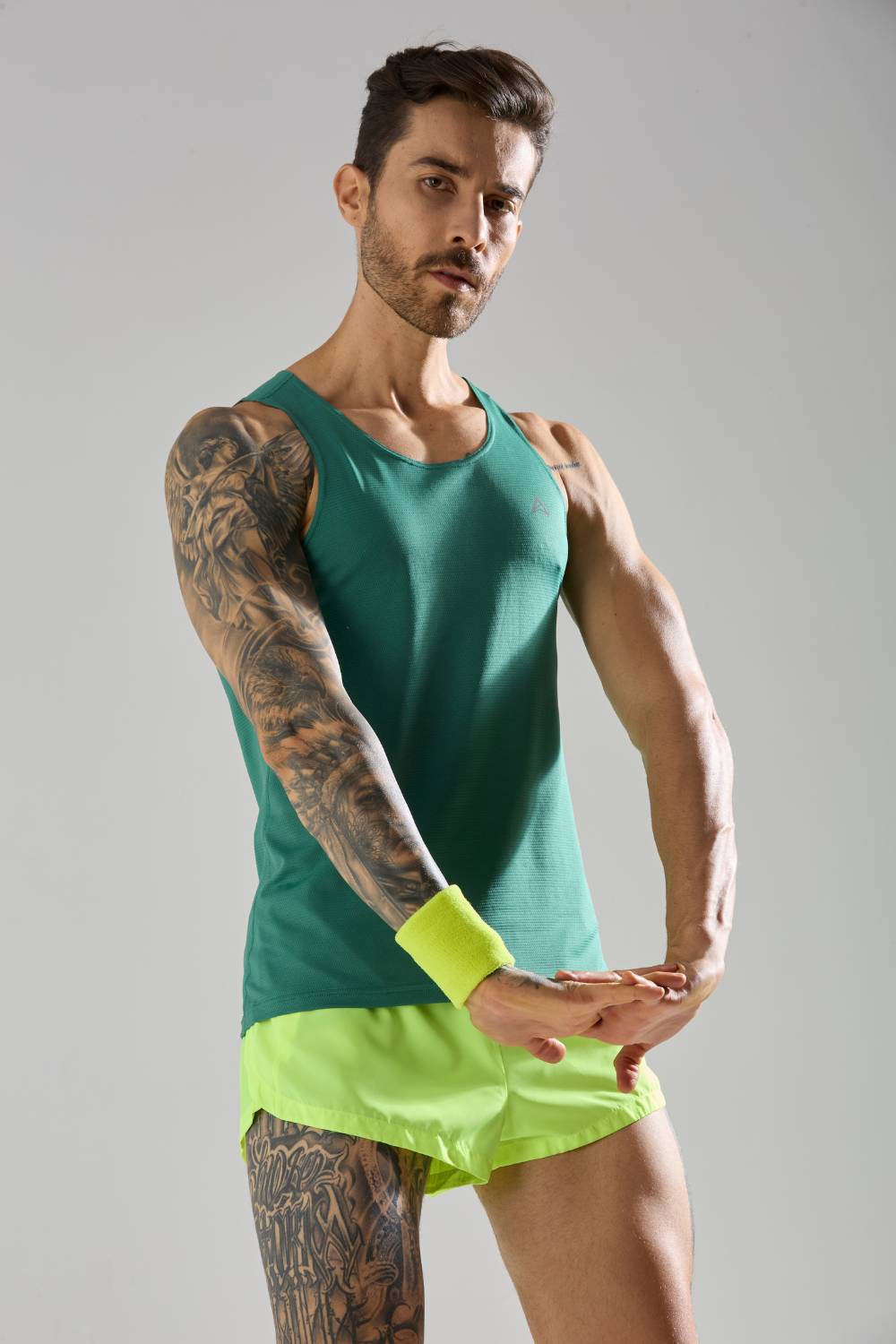
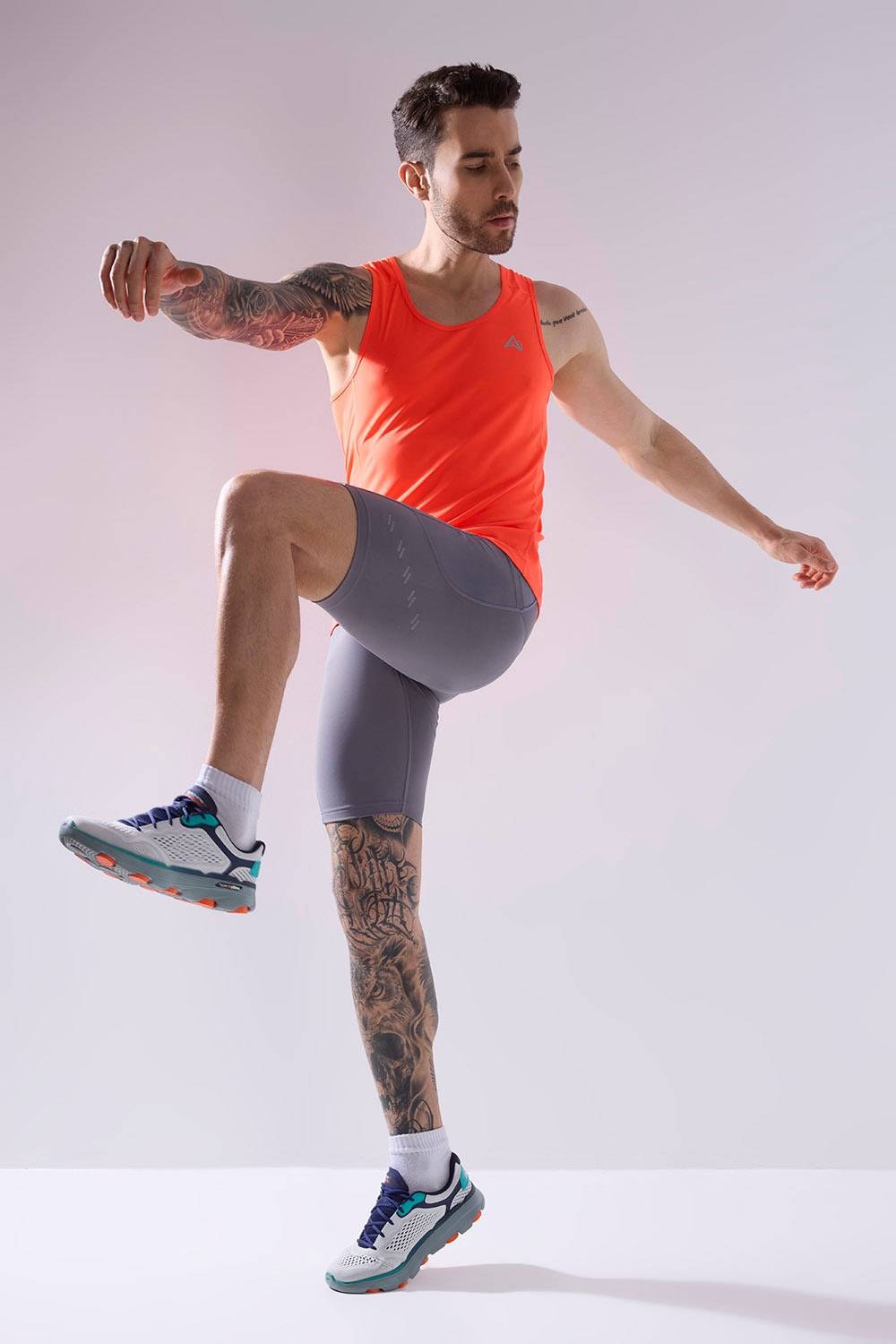
In this dynamic landscape, apparel choices are evolving. Runners once relied heavily on imported gear, but many now seek pieces that address local realities: relentless humidity in Mumbai and Navi Mumbai that causes fabric to cling uncomfortably, intense dry heat in Ahmedabad and Surat that heightens friction risks, or the mixed terrain and extended training sessions typical in Bangalore and Pune. High-performance items such as running shorts, half-tights, singlets, and technical t-shirts are no longer just about aesthetics; they're essential for performing optimally in India's unique environmental challenges. This shift underscores a growing recognition that apparel design must align with the specific demands of Indian runners, blending local innovation with quality standards to enhance overall experience and results.
How Local Research and Coaching Practices Are Shaping Apparel Choices
Coaches and sports science communities in key cities are at the forefront of this transformation. In Bangalore, biomechanics discussions at private performance clinics and labs affiliated with institutions like the Indian Institute of Science emphasize how apparel influences movement patterns. Pune's endurance coaching hubs and university-linked sports science departments focus on muscle-aligned patterning and minimizing drag during runs. In Delhi NCR including Delhi and Gurugram sports medicine centers collaborating with amateur marathoners highlight the importance of anti-chafing construction and reduced bounce in prolonged efforts.
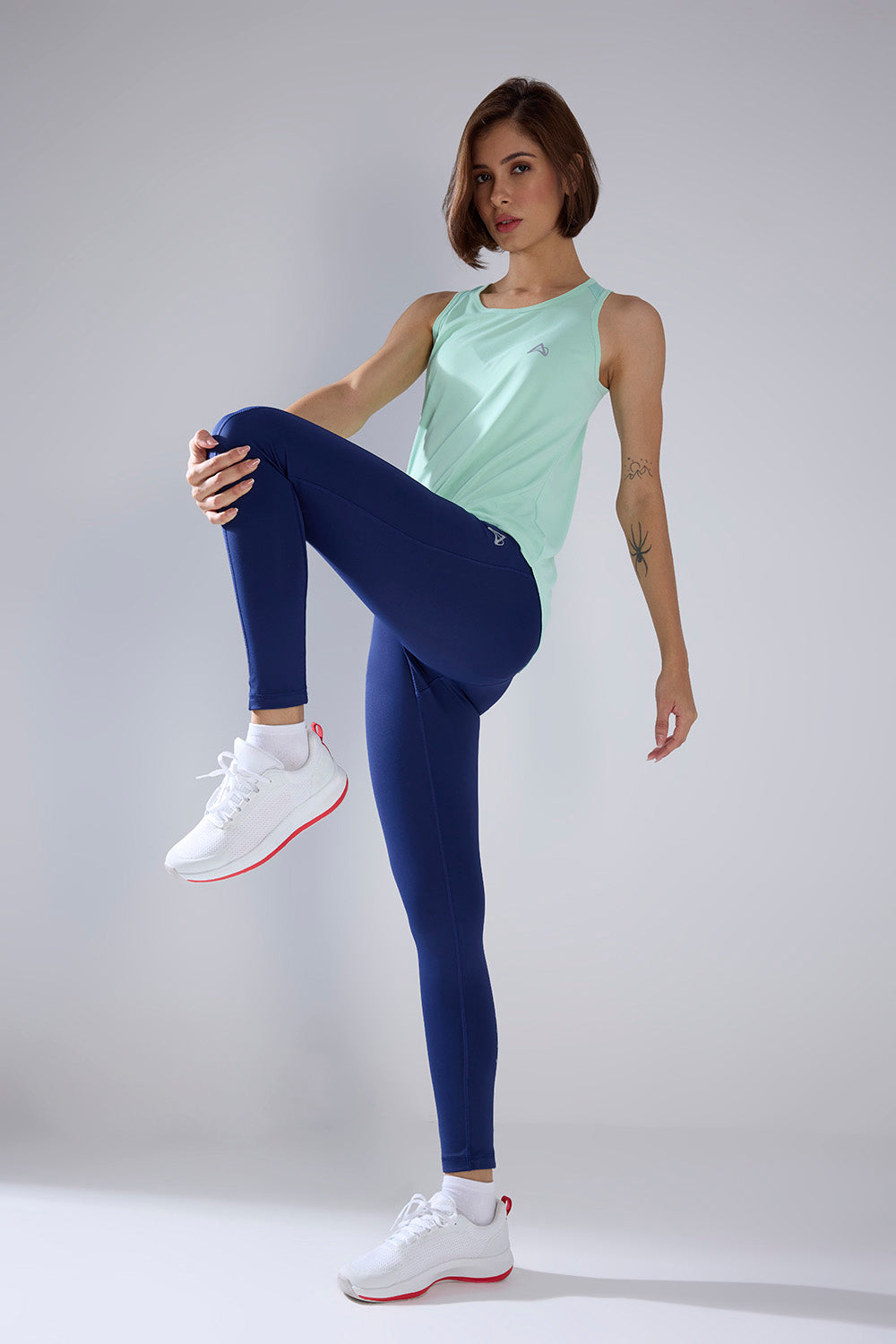
These insights arise from practical, on-the-ground experiences rather than solely from international trends. Local runners and coaches observe how ill-fitted gear can disrupt rhythm fabrics shifting, pockets jostling, seams irritating over distances. The emphasis has shifted toward designs that bolster natural stride mechanics: ergonomic contours that mirror body shapes, stable storage options that remain secure, and breathable materials that effectively manage perspiration without adding bulk. This runner-centric approach is fostering apparel that prioritizes functionality, ensuring that every element supports peak performance in diverse Indian settings.
Heat, Humidity, and Road Conditions in Cities Like Mumbai and Ahmedabad
India's varied urban climates fundamentally alter the apparel performance equation. In humid coastal areas like Mumbai and Navi Mumbai, sweat accumulation and fabric adhesion can drain energy and elevate perceived effort. In hotter inland regions such as Ahmedabad and Surat, heat-induced friction poses ongoing challenges. Meanwhile, runners in Bangalore and Pune accumulate high mileage on uneven surfaces, where even slight fit flaws can accumulate into significant issues over time.
Research supports these concerns. Studies on compression garments, a key aspect of ergonomic fit, reveal no statistically significant average impacts on running performance metrics like marathon or sprint times, maximal or submaximal oxygen consumption, blood lactate levels, blood gas dynamics, cardiac metrics including heart rate and stroke volume, body or perceived temperatures, or post-run strength tasks. However, small beneficial effect sizes emerge for time to exhaustion in progressive tests, running economy encompassing biomechanical factors, blood lactate removal, perceived effort, immediate post-run maximal voluntary isometric contractions and peak leg power, as well as indicators of muscle damage and inflammation. Compression moderately influences core body temperature, while large positive effects are noted for alleviating post-exercise leg soreness and delaying muscle fatigue onset.
These findings suggest that ergonomically fitted apparel, including compression elements, can slightly enhance endurance-related variables through better running economy, biomechanics, sensory feedback, and muscle temperature regulation. In hot, humid Indian contexts, lightweight, breathable designs that facilitate sweat evaporation and lessen insulation are particularly prized for supporting thermoregulation, helping runners maintain composure and efficiency amid challenging conditions.
Lessons from Training Groups and Amateur Race Circuits
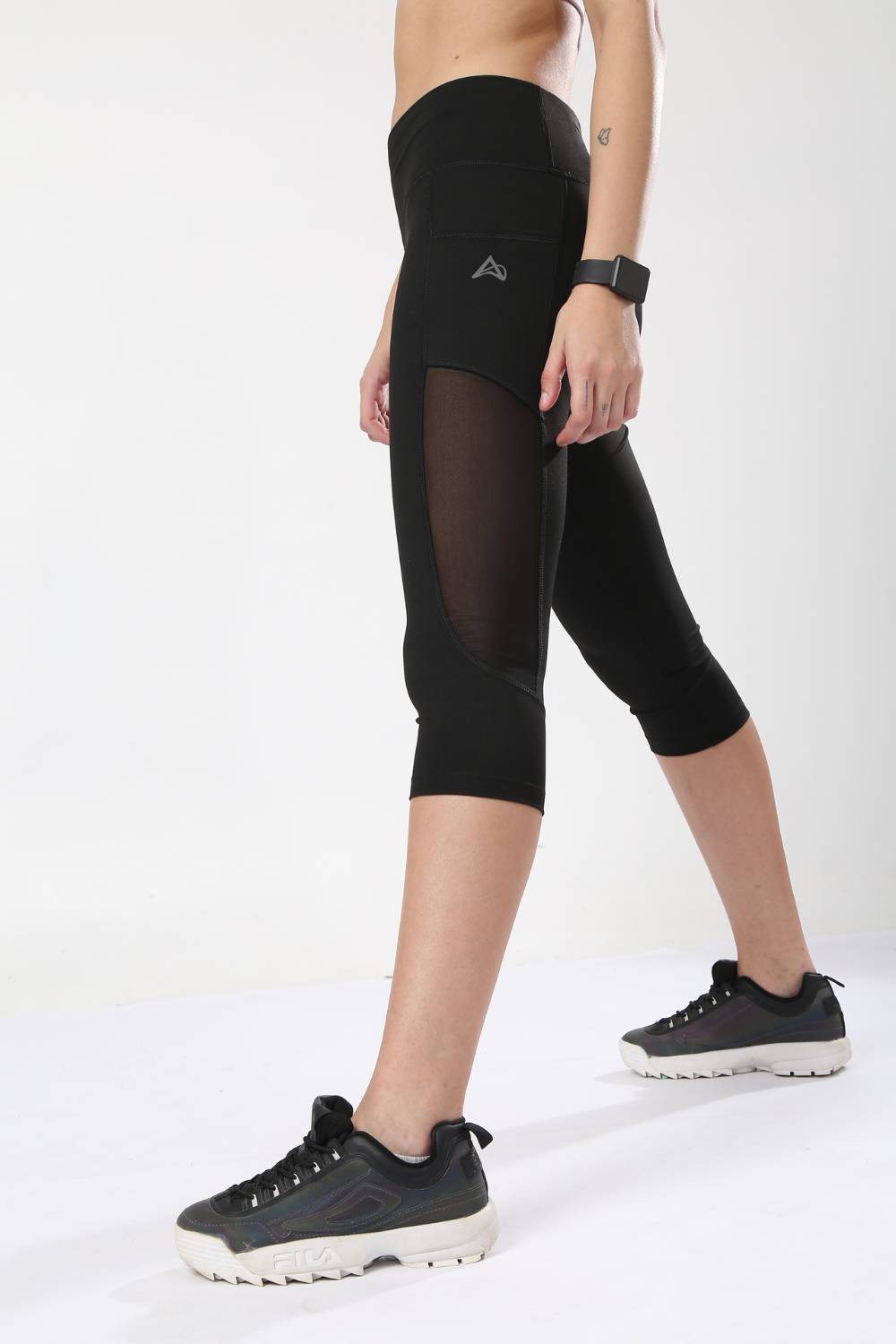
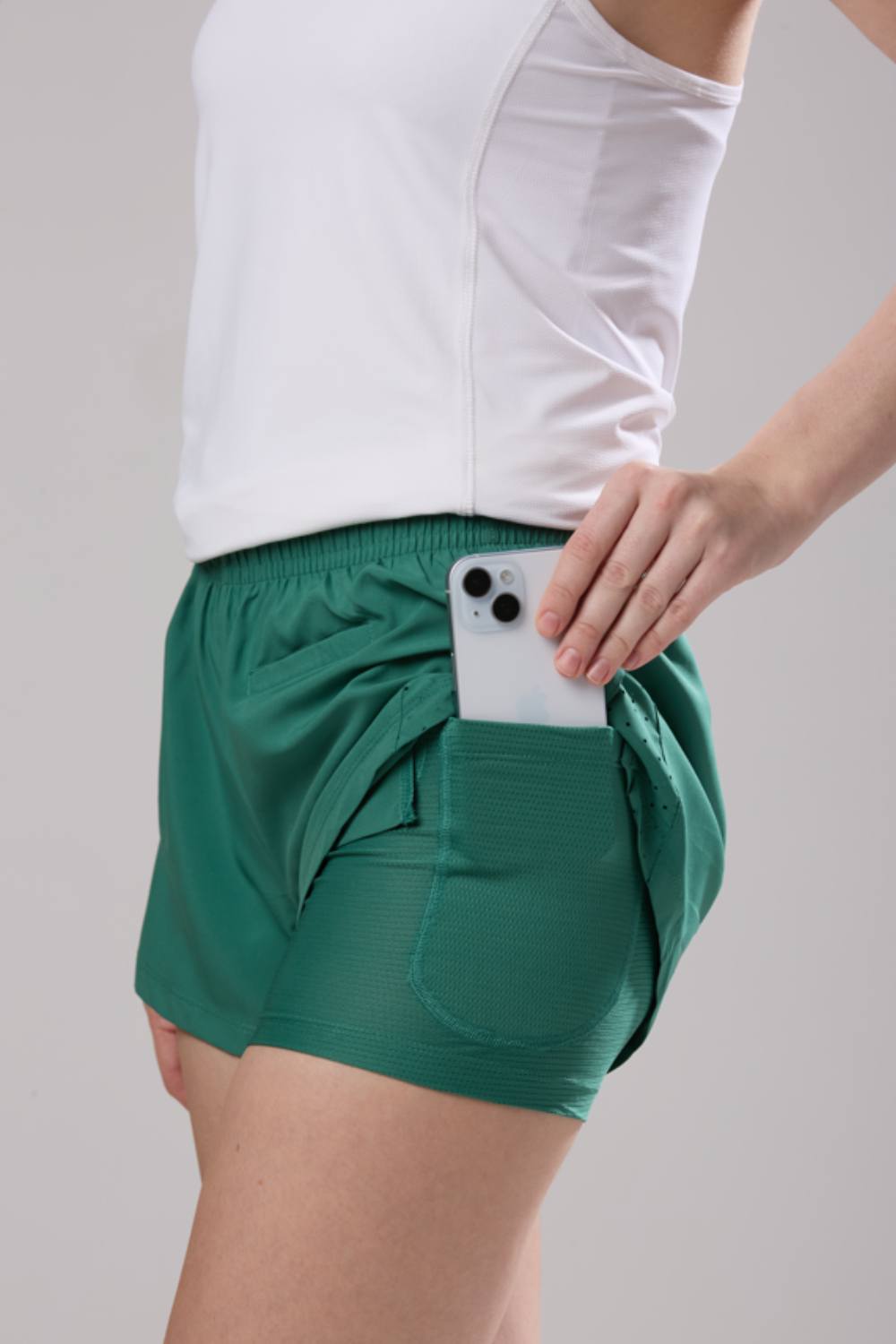
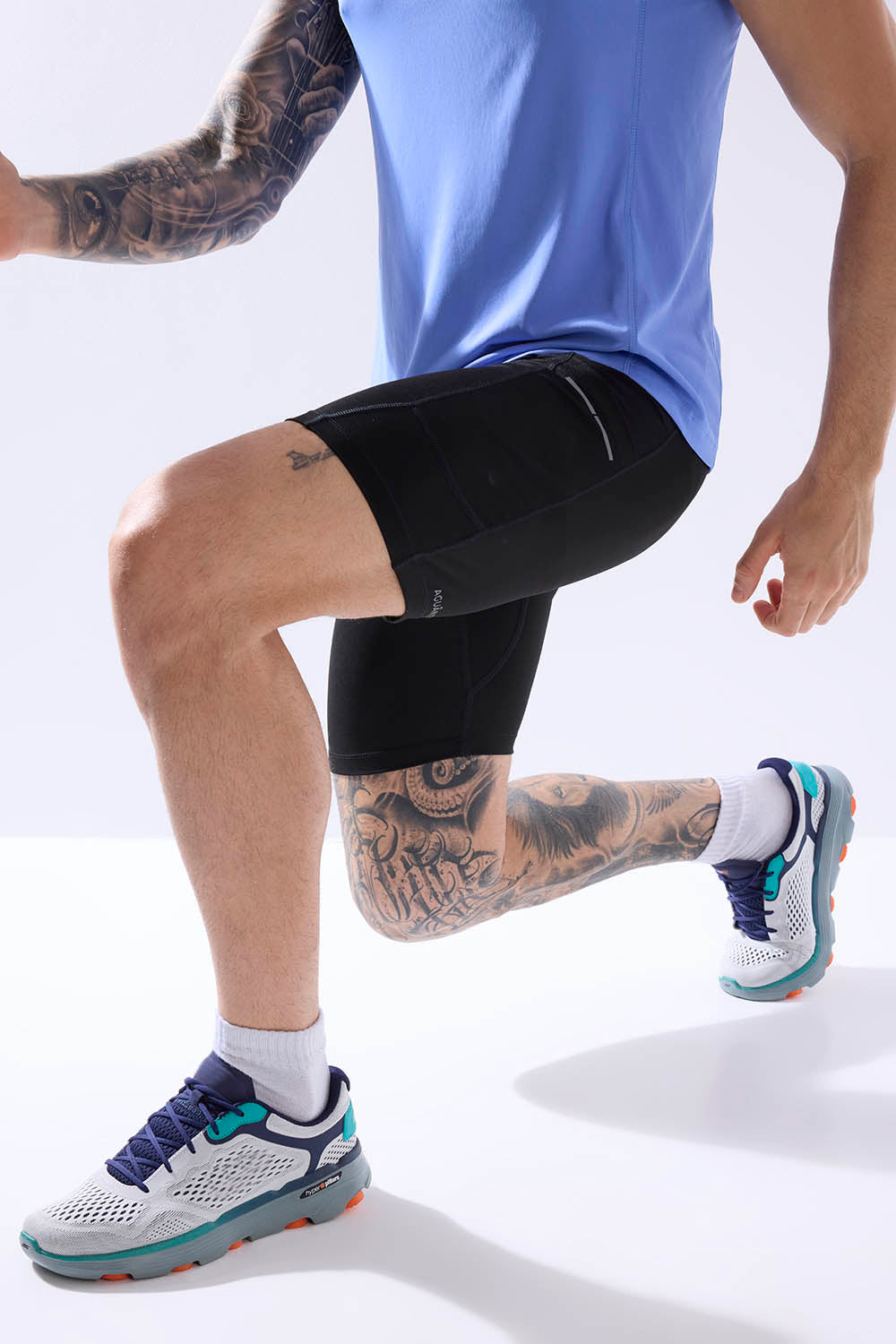
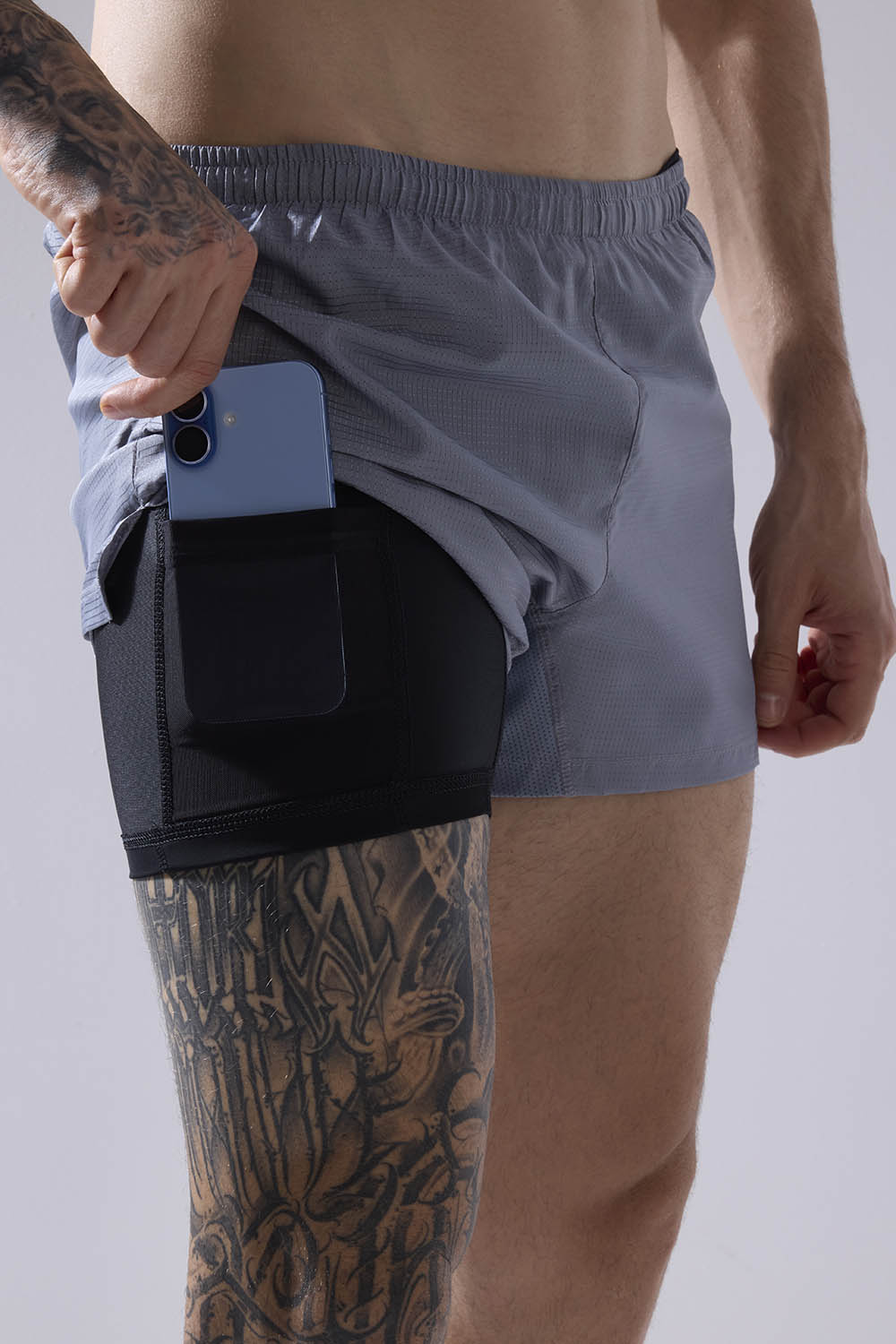
Talk to runners in Bangalore's collectives or Mumbai's half-marathon training groups, and consistent patterns surface. Many note fewer interruptions during runs thanks to half-tights providing ergonomic mobility and pockets that stay bounce-free. In Delhi NCR's corporate fitness circles, responses underscore diminished distractions and heightened stride assurance from gear tailored to Indian physiques and environments.
These observations go beyond anecdotes. Runners report sustaining rhythm for extended periods, conserving mental resources otherwise lost to equipment adjustments. Apparel honed by actual runners for native roads featuring moisture-wicking textiles, anti-chafing liners, and reflective accents yields a seamless experience, allowing athletes to concentrate solely on their efforts. This real-world input reinforces how thoughtful design translates to tangible benefits, from smoother movements to sustained focus, ultimately contributing to improved outcomes in training and competitions.
Price Sensitivity, Generic Sizing, and Imported Design Bias
Despite progress, hurdles persist in the Indian market. Numerous international brands depend on universal sizing that overlooks Indian body types, resulting in suboptimal fits and hindered performance. Elevated costs pose obstacles, particularly for shoppers on platforms like Myntra and Amazon, where price often trumps tailored features. The absence of standardized India-centric ergonomic guidelines in mainstream running apparel leaves options lacking, compelling runners to experiment through trial and error.
These issues are compounded by market dynamics. While global markets flourish, local adaptations lag, forcing reliance on designs not optimized for regional needs. Addressing this requires greater emphasis on accessible, body-specific innovations that balance quality with affordability, ensuring broader access to performance-enhancing gear.
How Indian-First Design Is Reshaping the Running Apparel Market
This void is catalyzing evolution. Brands emphasizing domestic ingenuity crafting designs for Indian climates, validated by runners, and priced fairly secure a distinct advantage. Ergonomic fit enhances runner loyalty, diminishes discomfort feedback, and boosts value perception. In a sector where the global activewear market stood at USD 406.83 billion in 2024 and is forecasted to hit USD 677.26 billion by 2030 with a 9.0% CAGR from 2025 to 2030, Indian-oriented strategies shine by fulfilling core demands: comfort, efficacy, and cost-effectiveness.
Growth stems from inclinations toward contemporary gym and daily wear, with North America claiming 38.46% revenue in 2024 and Asia Pacific accelerating fastest. Women held 47.62% share in 2024, while in-store sales dominated at 71.14%, though online grows at 9.9% CAGR. Similarly, the global functional apparel market valued at USD 430 billion in 2024 is set to reach USD 611.34 billion by 2030 at a 6.3% CAGR, driven by fitness uptake, textile advancements, athleisure adoption, and smart, sustainable options. Sportswear and athleisure comprise about 40% of revenues, with Asia Pacific leading growth via middle-class expansion, urbanization, and sports involvement in nations like India.
Paralleling this, the global sports apparel market is valued at USD 266.74 billion for 2025, projected to grow from USD 283.66 billion in 2026 to USD 400.83 billion by 2031 at a 7.16% CAGR. Drivers include women's sports participation, brand marketing, social media influence, government sports initiatives, fabric tech, and athleisure trends. North America leads with 48.65% of 2025 revenue, while Middle East and Africa grow fastest at 9.15% CAGR. Topwear holds 36.55% share, running apparel 37.45% in 2025 with 7.83% CAGR to 2031, men 58.47%, and offline retail 65.33% with online at 8.65% CAGR.
Indian-first designs leverage these trends, integrating performance fabrics and sustainable practices to build loyalty and market share in a competitive arena.
From City-Specific Design to Data-Backed Fit Systems
Looking forward, specialists foresee advanced tailoring apparel customized to urban climates, bolstered by collaborations among coaches, runners, and creators in centers like Bangalore, Pune, and Delhi NCR. Ergonomic fit could soon equate to footwear in importance for Indian racing, with data-driven systems refining options for precision.
Predictions align with market trajectories, anticipating deeper integration of tech like smart textiles and eco-materials, enhancing personalization and sustainability.
Why Ergonomic Fit May Be the Marginal Gain That Matters
evidence from Bangalore, Hyderabad, Mumbai, Pune, Navi Mumbai, Delhi, Gurugram, Surat, and Ahmedabad underscores ergonomic fit's escalating role in race performance. As India's running hubs thrum with predawn vigor, the takeaway is clear: the most impactful gains are deeply individual. When apparel aligns with the physique, weather, and terrain, runners advance more fluidly, endure comfortably, and pursue ambitions unhindered. In these locales, this understated edge might distinguish a powerful finish from a routine one, empowering athletes to thrive in a burgeoning movement.
Frequently Asked Questions
How does ergonomic fit in running apparel improve race performance?
Ergonomic fit helps runners maintain natural stride mechanics and reduces distractions caused by shifting fabrics, bouncing pockets, or irritating seams during long distances. Research shows that properly fitted apparel, including compression elements, can enhance running economy, improve biomechanics, and reduce perceived effort. In India's challenging climate conditions from Mumbai's humidity to Ahmedabad's dry heat ergonomically designed gear also supports better thermoregulation and moisture management, allowing runners to stay focused and conserve mental energy throughout their race.
Why is Indian-specific running apparel design important for better results?
International brands often use universal sizing that doesn't account for Indian body types, leading to suboptimal fits that hinder performance. Indian-first designs address local realities like relentless coastal humidity, intense inland heat, and mixed terrain conditions found in cities like Bangalore, Pune, and Delhi. Apparel designed specifically for Indian runners incorporates features like enhanced moisture-wicking, anti-chafing construction, and breathable materials that facilitate sweat evaporation, directly addressing the unique environmental challenges faced during training and racing in India's urban running hubs.
What role does compression clothing play in running performance and recovery?
While compression garments show no significant impact on average metrics like sprint times or VO2 max, research reveals meaningful benefits for endurance runners in specific areas. Compression apparel provides small beneficial effects for time to exhaustion, running economy, and perceived effort during runs, plus moderate improvements in core body temperature regulation. Post-race, compression clothing offers large positive effects by alleviating muscle soreness, reducing inflammation markers, and delaying muscle fatigue onset making it particularly valuable for runners training in hot, humid Indian cities where muscle temperature regulation is crucial.
Disclaimer: The above helpful resources content contains personal opinions and experiences. The information provided is for general knowledge and does not constitute professional advice.
You may also be interested in: How Ergonomic Fit Improves Running Performance: A Deep Dive
Tired of gear that slows you down? Chafing, soggy fabrics, and missing pockets kill your run's momentum. At Aguante, we're runners who get it. Our high-performance activewear features moisture-wicking fabrics, ergonomic designs, and smart storage to keep you focused. Shop Now!
Powered by flareAI.co