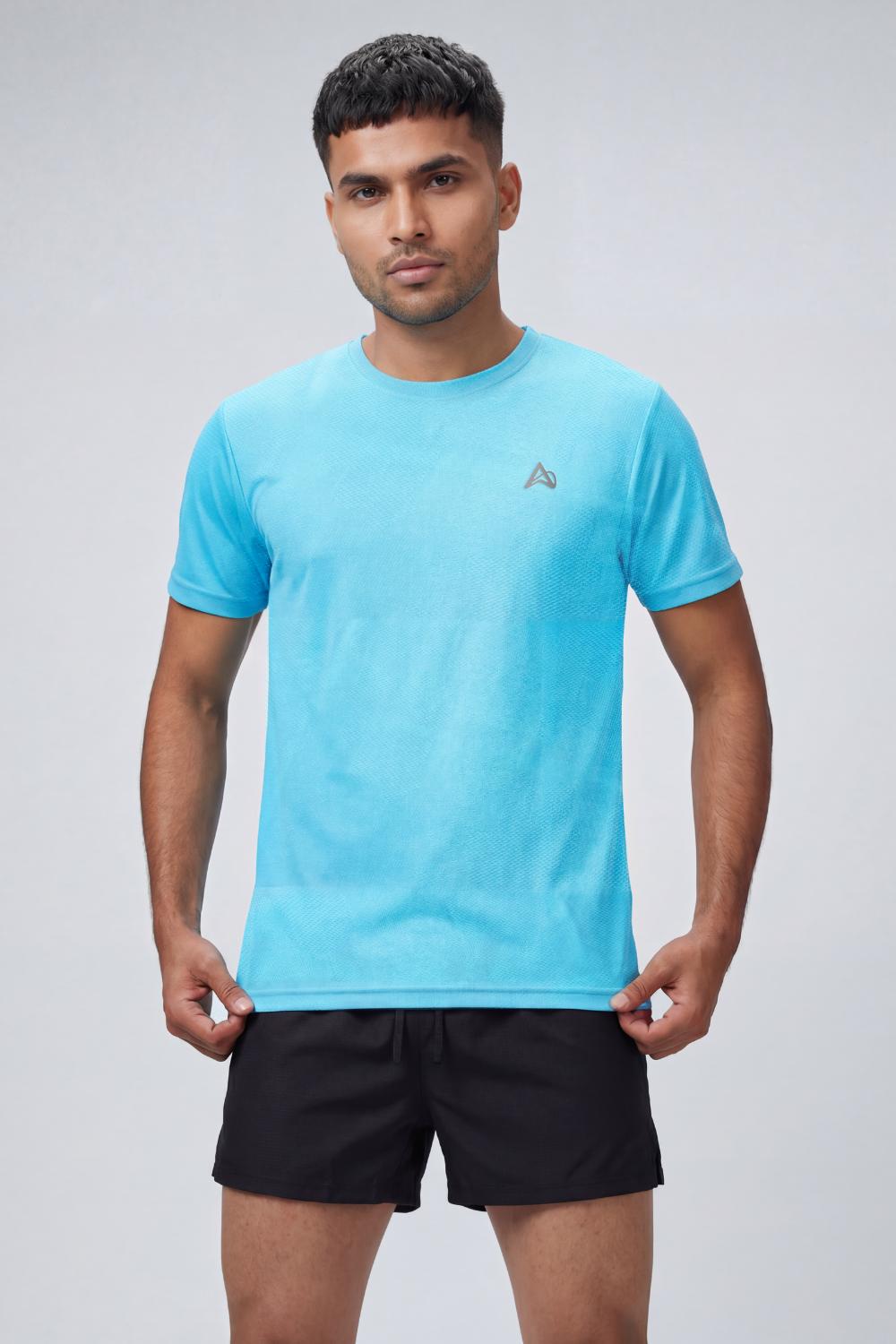
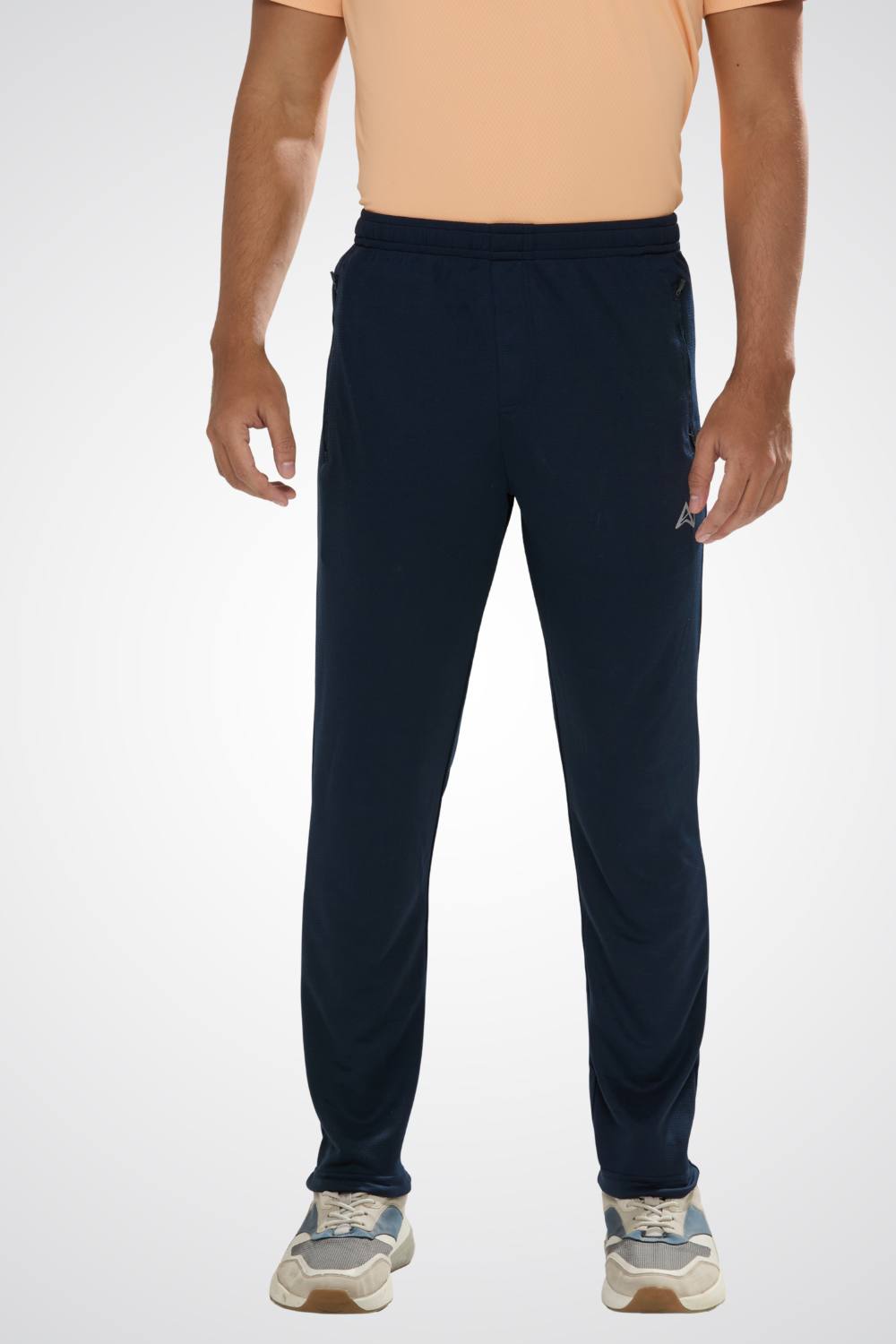
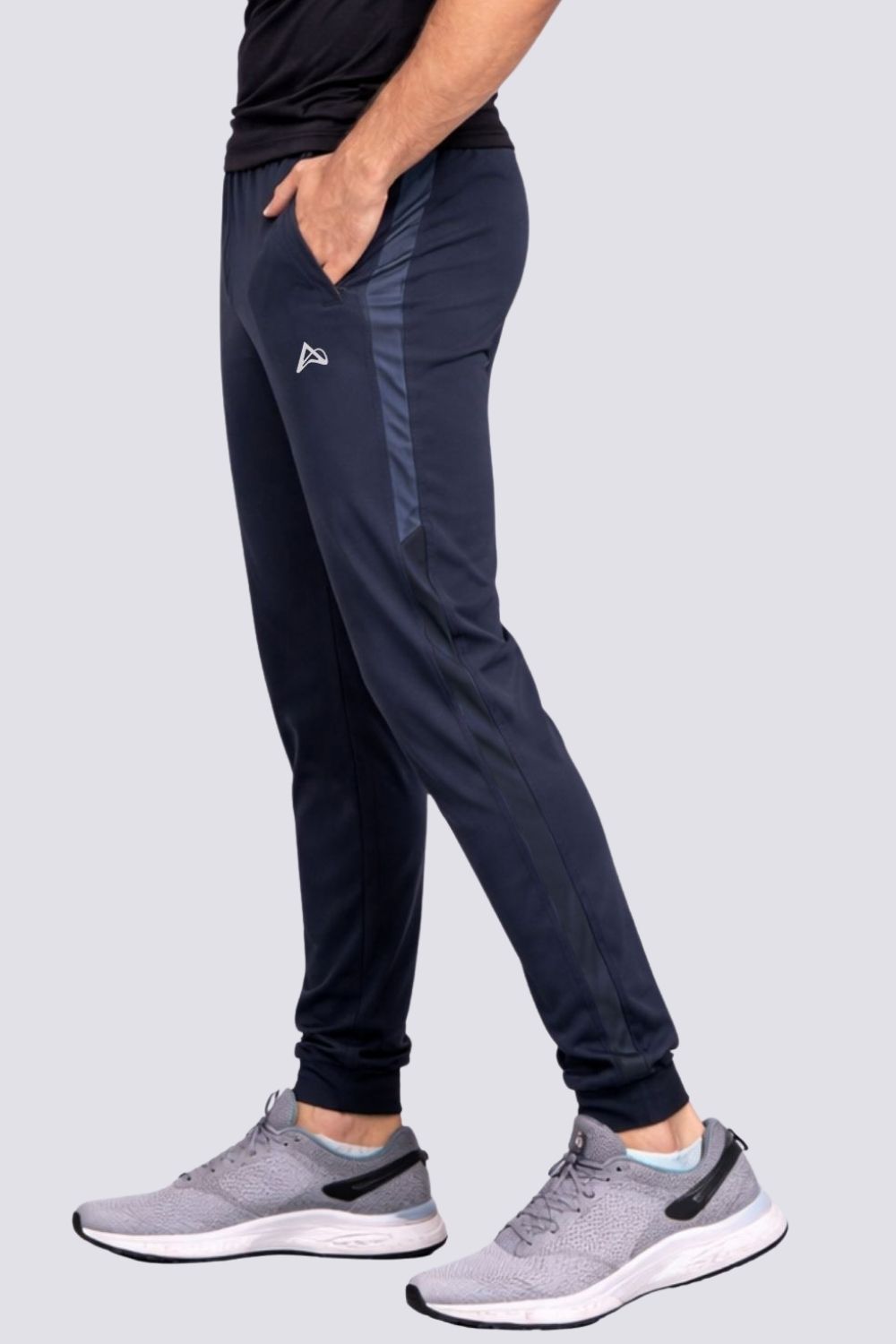
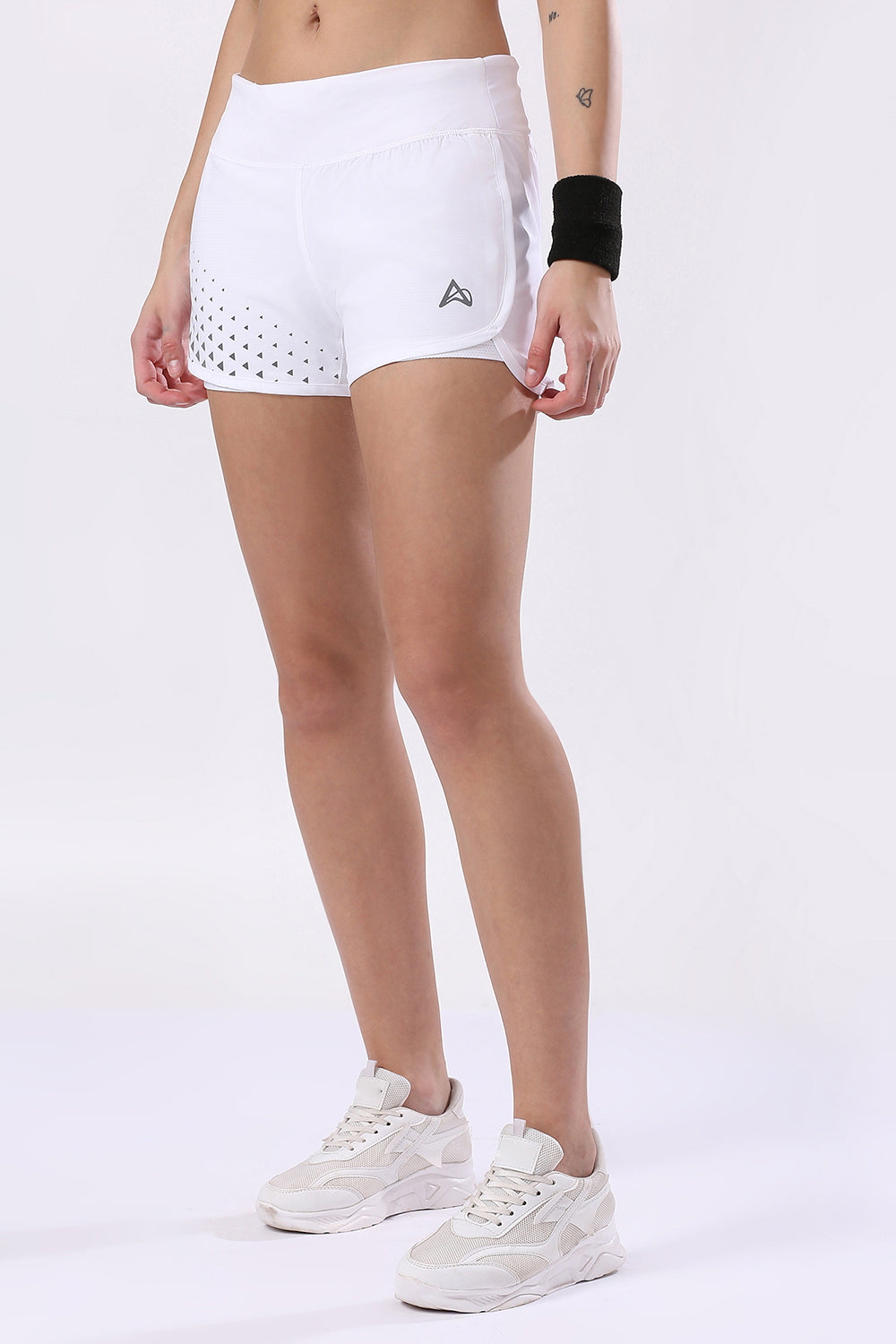
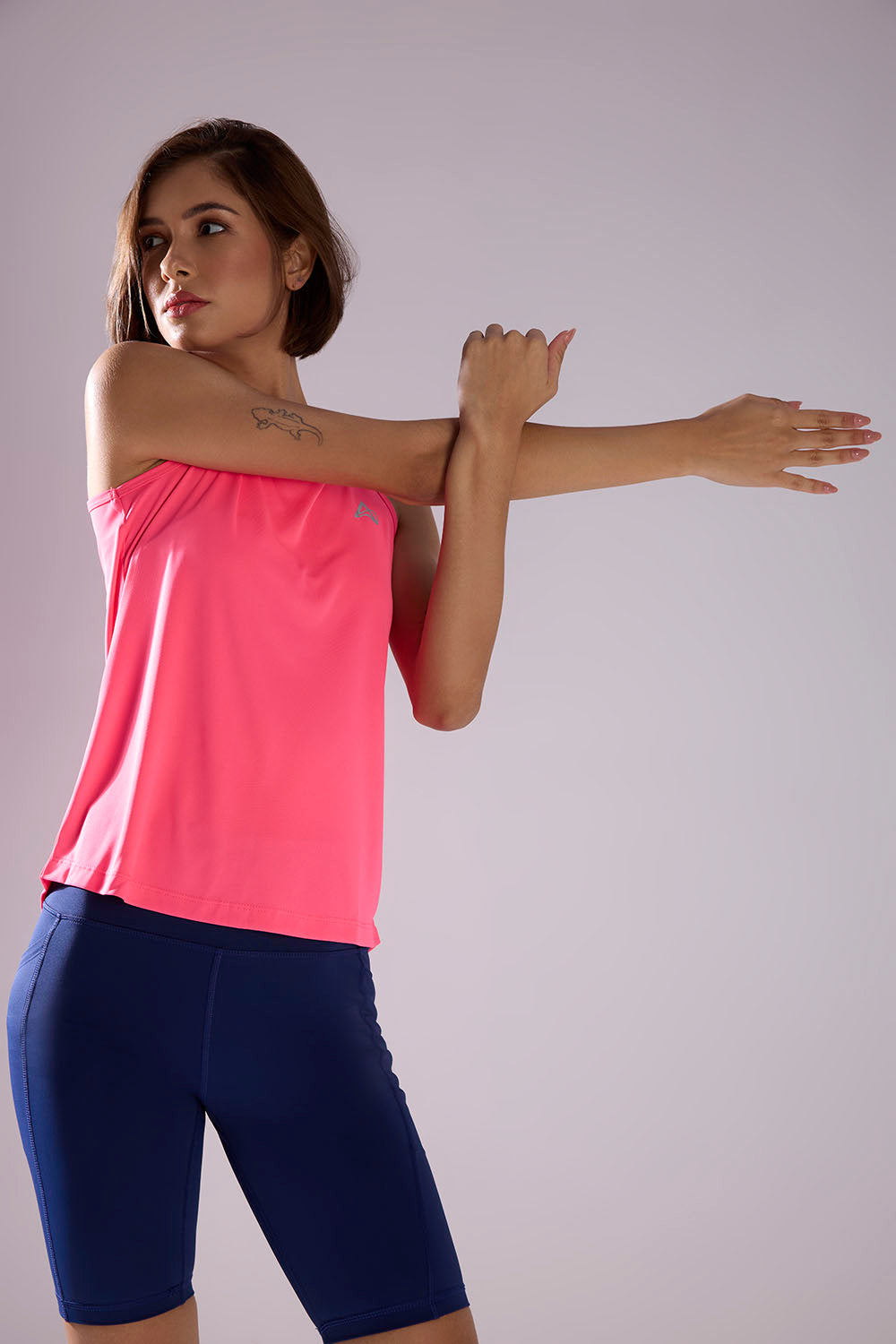
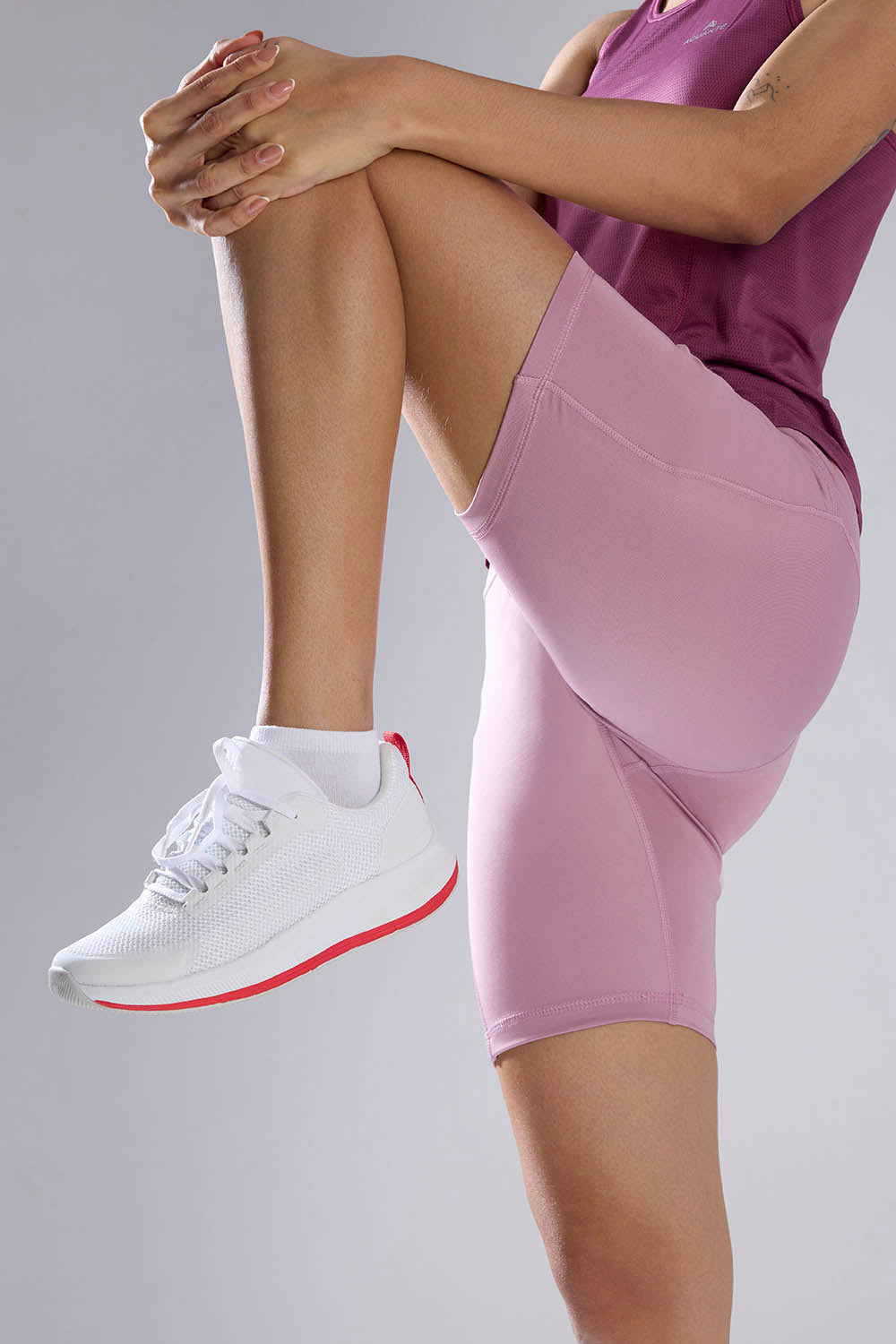
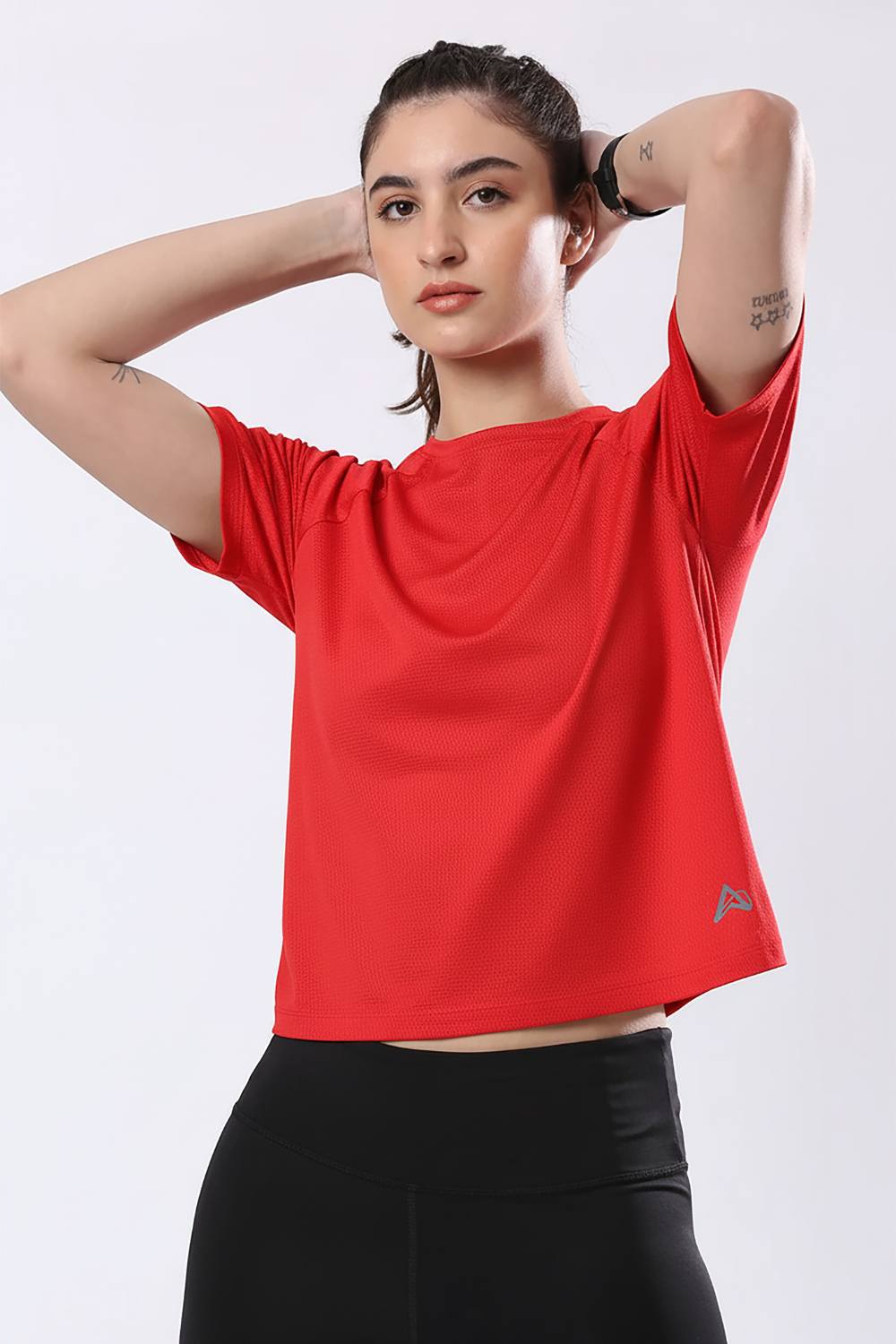
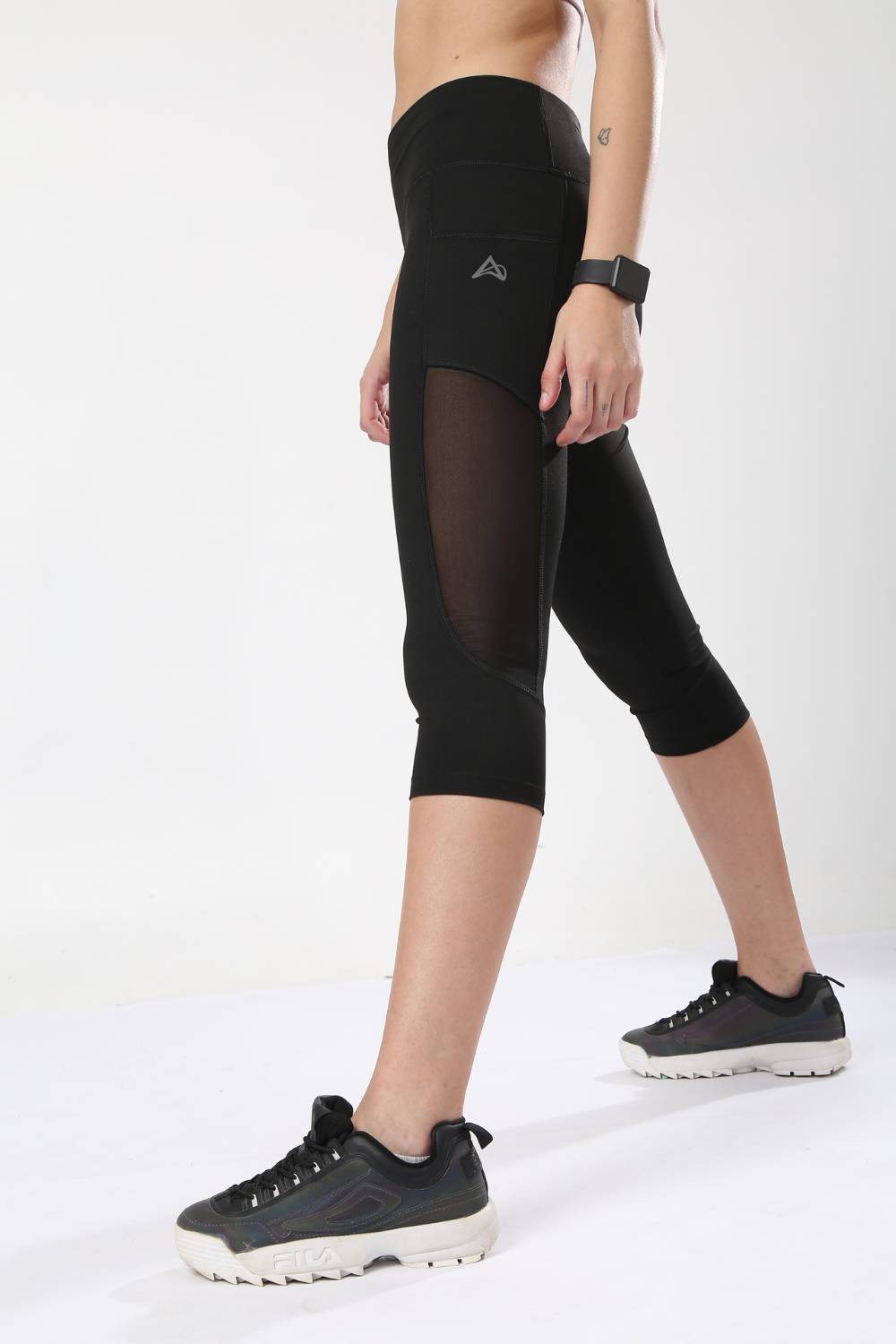





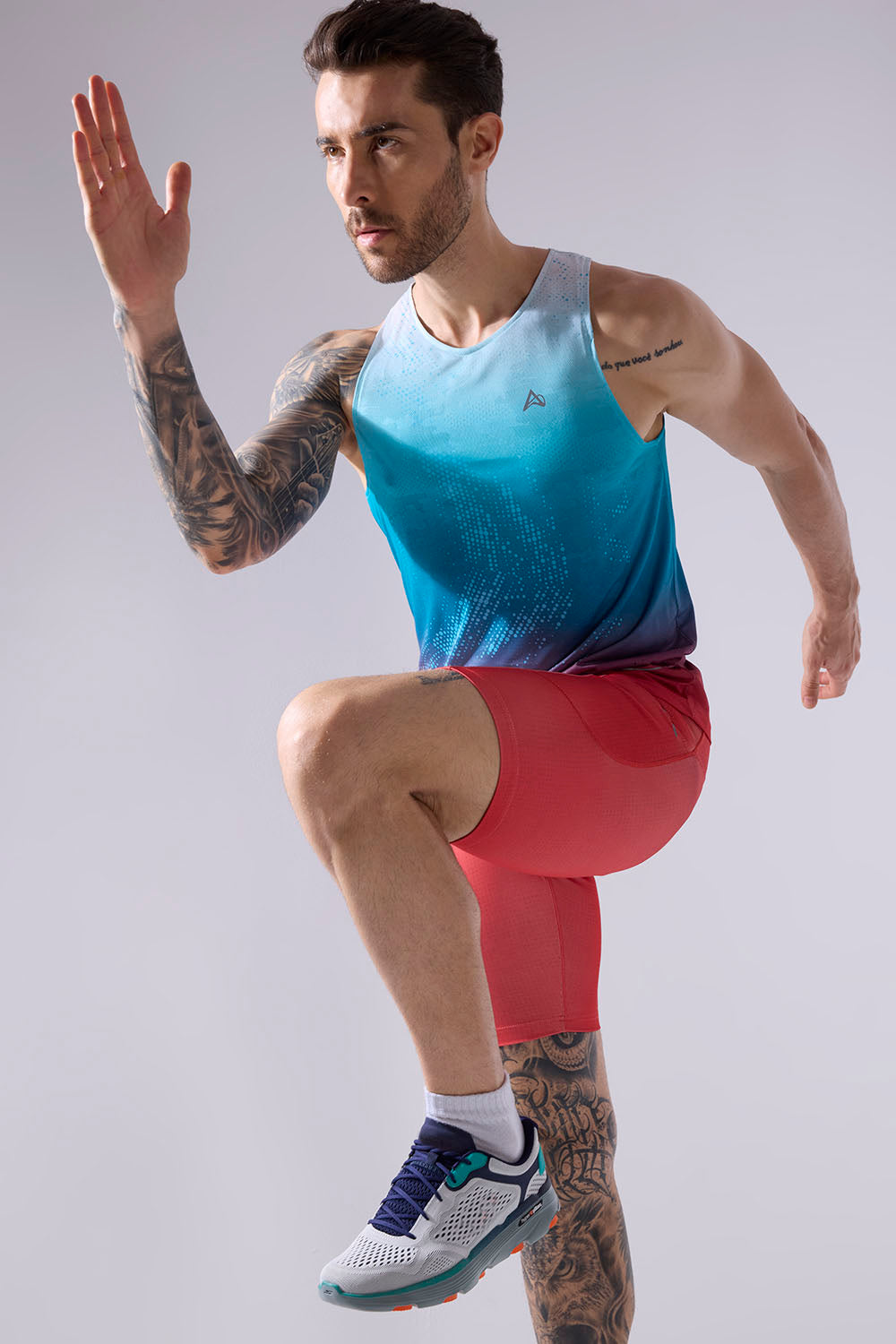


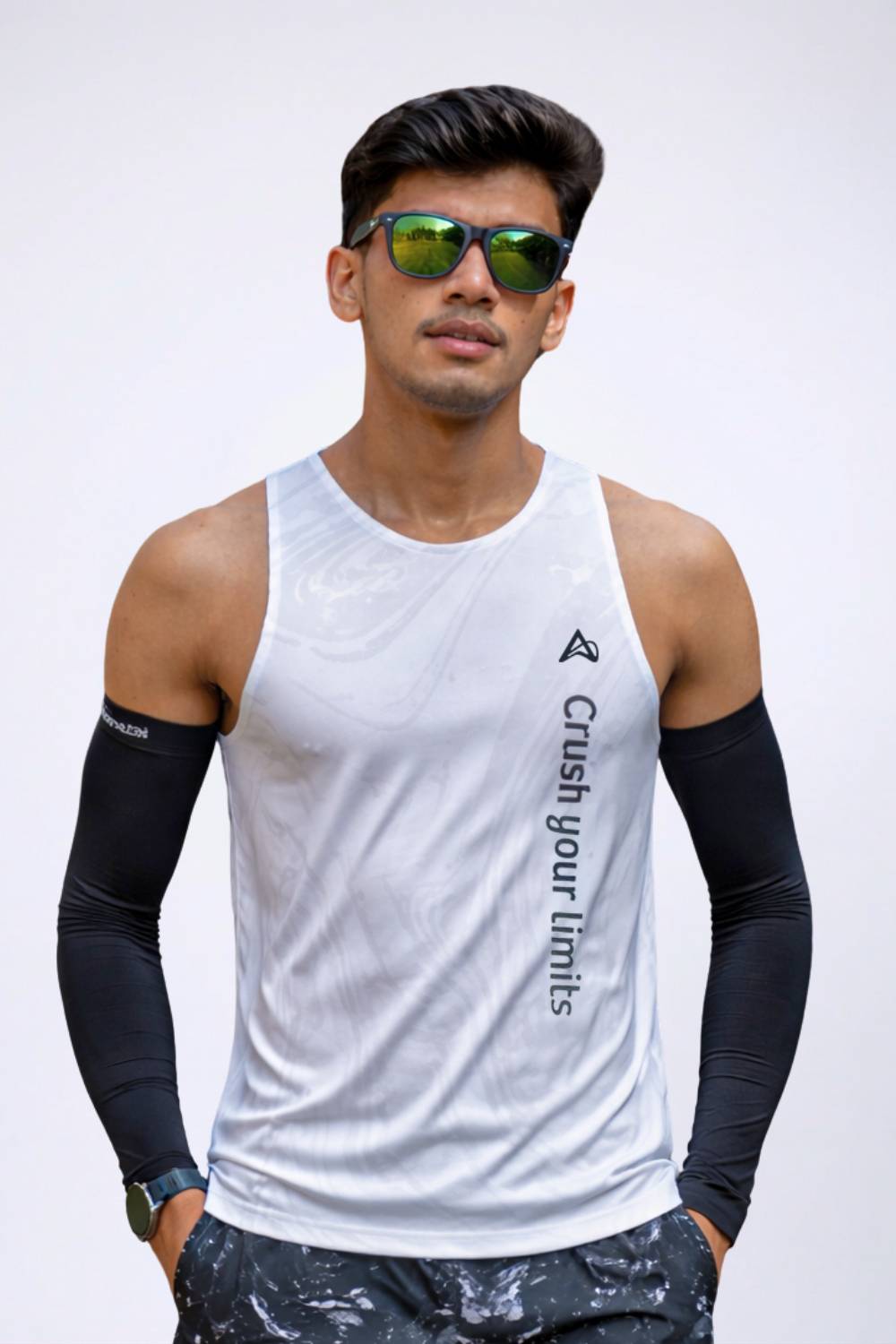

Technical running fabrics are designed to help athletes stay comfortable through demanding workouts, but their performance depends on more than the material itself. The way running apparel is washed, dried, and stored can influence how well it continues to manage moisture, maintain comfort, and support regular training. For runners who rely on technical clothing session after session, learning how to care for performance fabrics is an important part of protecting their gear.
Unlike everyday clothing, running apparel often combines engineered fibres, specialised construction, stretch elements, and design features created for movement. A thoughtful care routine helps preserve these qualities and allows runners to get more consistent use from their favourite pieces. Whether training outdoors, preparing for a race, or maintaining a regular fitness routine, understanding fabric care can make technical apparel last longer.
Tired of gear that slows you down? Chafing, soggy fabrics, and missing pockets kill your run's momentum. At Aguante, we're runners who get it. Our high-performance activewear features moisture-wicking fabrics, ergonomic designs, and smart storage to keep you focused. Shop Now!
Why Technical Running Fabrics Need Special Care
Technical fabrics are created to solve specific challenges that runners face during exercise. Materials used in performance clothing are designed around factors such as air movement, sweat management, evaporation, fabric construction, and fit. These elements work together to influence how comfortable a garment feels during physical activity.
Fabric properties play an important role in running comfort because moisture movement, breathability, and construction affect how apparel performs during activity. A moisture-wicking fabric, for example, is designed to move sweat away from the body and support evaporation. However, the label alone does not determine performance. The way fibres are arranged, how the fabric is treated, and how the garment fits all contribute to the final experience.
This is why technical running clothes should not always be treated like regular everyday garments. Harsh cleaning methods, unnecessary heat exposure, and rough handling can gradually affect the characteristics that make performance apparel useful. Proper maintenance is not simply about keeping clothing clean; it is about protecting the engineering behind the fabric.
How to Wash Technical Running Clothes Without Damaging Performance
Knowing the best way to wash running clothes starts with understanding the demands placed on the fabric. Running gear regularly comes into contact with sweat, body oils, outdoor dust, and repeated movement. At the same time, the materials need to maintain their structure so they can continue supporting comfort during workouts.
A gentle washing approach is usually more suitable for technical fabrics than aggressive cleaning routines. Sorting garments based on material type can help reduce unnecessary friction during washing. Technical apparel with fine fibres, stretch components, or performance finishes may be affected by rough cycles or contact with heavier fabrics.
When considering how to clean performance sportswear, runners should focus on reducing avoidable stress on the garment. Washing with similar lightweight activewear, selecting appropriate settings, and avoiding excessive heat can help protect fabric feel, stretch, and overall construction.
Small habits can also make a difference. Instead of automatically washing every item after minimal use, runners can consider the actual condition of the garment. A lightly used layer may require a different approach compared with clothing worn during a long, high-intensity session.
Best Practices for Maintaining Moisture-wicking Fabric
Moisture management is one of the most valued features in running apparel, but it depends on maintaining the fabric's original condition. When runners look at how to maintain moisture wicking fabric, the focus should be on preserving the fibres and construction that allow sweat to move effectively.
Heat is one factor that deserves attention. Excessive temperatures can place unnecessary stress on synthetic fibres and may affect the feel and structure of technical materials over time. Air drying is often a practical way to reduce heat exposure and support longer garment life.
It is also useful to avoid unnecessary abrasion. Technical running fabrics are designed for movement, but repeated friction from rough surfaces, harsh washing conditions, or unsuitable laundry combinations can contribute to wear. Treating performance apparel carefully helps maintain the balance between durability and comfort.
Runners who train frequently may find that a consistent care routine becomes part of their preparation. Just as athletes pay attention to shoes, nutrition, and recovery, looking after training apparel helps ensure that clothing continues to support their routine.
Drying Technical Sports Fabrics Correctly
Drying is an often overlooked part of running apparel maintenance. A garment can be washed carefully but still experience unnecessary stress if it is exposed to unsuitable drying conditions. Understanding drying technical sports fabrics is important because heat and handling can affect synthetic materials.
Allowing technical apparel to dry naturally can help reduce exposure to high temperatures. It is also helpful to avoid storing garments while they are damp, as trapped moisture can affect freshness and comfort between uses.
Runners should also pay attention to the shape and condition of their apparel while drying. Stretch fabrics and lightweight materials benefit from careful handling rather than being pulled, twisted, or placed under unnecessary pressure.
A simple drying routine supports the wider goal of extending the life of activewear. Performance clothing is designed for repeated movement, and thoughtful drying practices help maintain the characteristics that runners value during training.
Common Mistakes That Reduce Activewear Lifespan
Many activewear care problems come from treating technical garments like standard clothing. A few common mistakes can gradually affect fabric performance and comfort.
- Using excessive heat: High temperatures may place unnecessary stress on synthetic fibres and fabric finishes.
- Washing with abrasive items: Heavy fabrics, rough materials, or unsuitable laundry combinations can increase friction.
- Overwashing: Cleaning more frequently than necessary can expose garments to additional mechanical stress.
- Ignoring care instructions: Different fabrics and constructions may require different handling methods.
For runners, avoiding these habits does not require a complicated routine. The goal is simply to match the cleaning method with the material. Technical apparel performs best when the care process respects the way the garment was designed.
Building a Simple Running Clothes Maintenance Routine
Good care does not need to become a time-consuming task. A practical routine can help runners protect their apparel while keeping preparation simple.
A useful approach begins with checking the garment after each workout. Consider whether it needs a complete wash, a quick refresh, or additional drying time. This helps avoid unnecessary laundering while keeping frequently used items ready for the next session.
- Separate technical apparel: Keep lightweight performance fabrics away from rougher materials where possible.
- Use gentle cleaning methods: Choose washing practices that minimise friction and excessive heat.
- Dry carefully: Protect fabric structure by avoiding unnecessary heat exposure.
- Inspect regularly: Changes in stretch, comfort, odour retention, or moisture management can indicate that a garment needs additional care.
This approach treats running apparel as performance equipment rather than ordinary clothing. The same attention given to other parts of training can be applied to the gear that supports every run.
Why Fabric Care Matters for Everyday Runners
Technical running clothing represents a combination of material science, construction, and athlete-focused design. Preserving those qualities requires more than occasional cleaning; it requires .
For runners investing in performance apparel, learning proper care techniques creates a stronger connection with the equipment they use. A well-maintained garment can continue to provide comfort, support movement, and remain a reliable part of a training routine.
Understanding care tips for running apparel also helps runners make more informed choices about how they use and maintain their gear. The objective is not simply to keep clothing looking good, but to protect the functional benefits that technical fabrics are designed to provide.
Brands focused on performance running apparel share this responsibility by helping athletes understand how materials work and how they can be maintained. By combining thoughtful product design with better care habits, runners can create a more sustainable relationship with their training gear.
Technical fabrics are built for movement, but their performance depends on how they are treated after every run. A careful washing, drying, and maintenance routine allows runners to protect their apparel, preserve comfort, and continue getting value from the clothing that supports their active lifestyle.
Frequently Asked Questions
How should I wash technical running clothes to protect the fabric?
The best way to wash technical running clothes is to use gentle cleaning methods that reduce friction and avoid excessive heat. Washing lightweight performance apparel with similar fabrics can help protect stretch, structure, and moisture-wicking properties over time.
How can I maintain moisture-wicking fabric in running apparel?
To maintain moisture-wicking fabric, avoid harsh washing conditions, unnecessary heat exposure, and rough handling that can affect fabric performance. A careful routine helps preserve the fibres and construction that allow sweat to move away from the body effectively.
What is the best way to dry technical sports fabrics after running?
The best way to dry technical sports fabrics is to allow them to dry naturally and avoid high temperatures that may stress synthetic materials. Proper drying helps maintain comfort, fabric shape, and the performance qualities runners depend on during training.
Disclaimer: The above helpful resources content contains personal opinions and experiences. The information provided is for general knowledge and does not constitute professional advice.
You may also be interested in: Women's Race Day Apparel India: What to Wear for Your Next Running Race
Tired of gear that slows you down? Chafing, soggy fabrics, and missing pockets kill your run's momentum. At Aguante, we're runners who get it. Our high-performance activewear features moisture-wicking fabrics, ergonomic designs, and smart storage to keep you focused. Shop Now!
Powered by flareAI.co