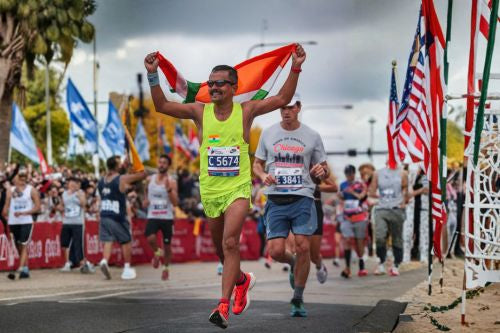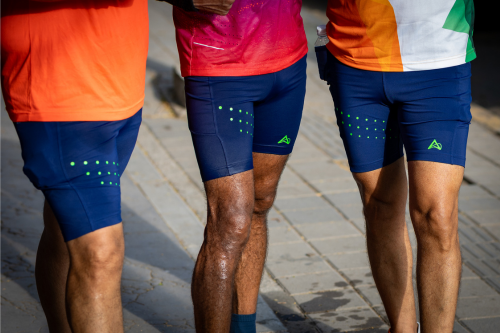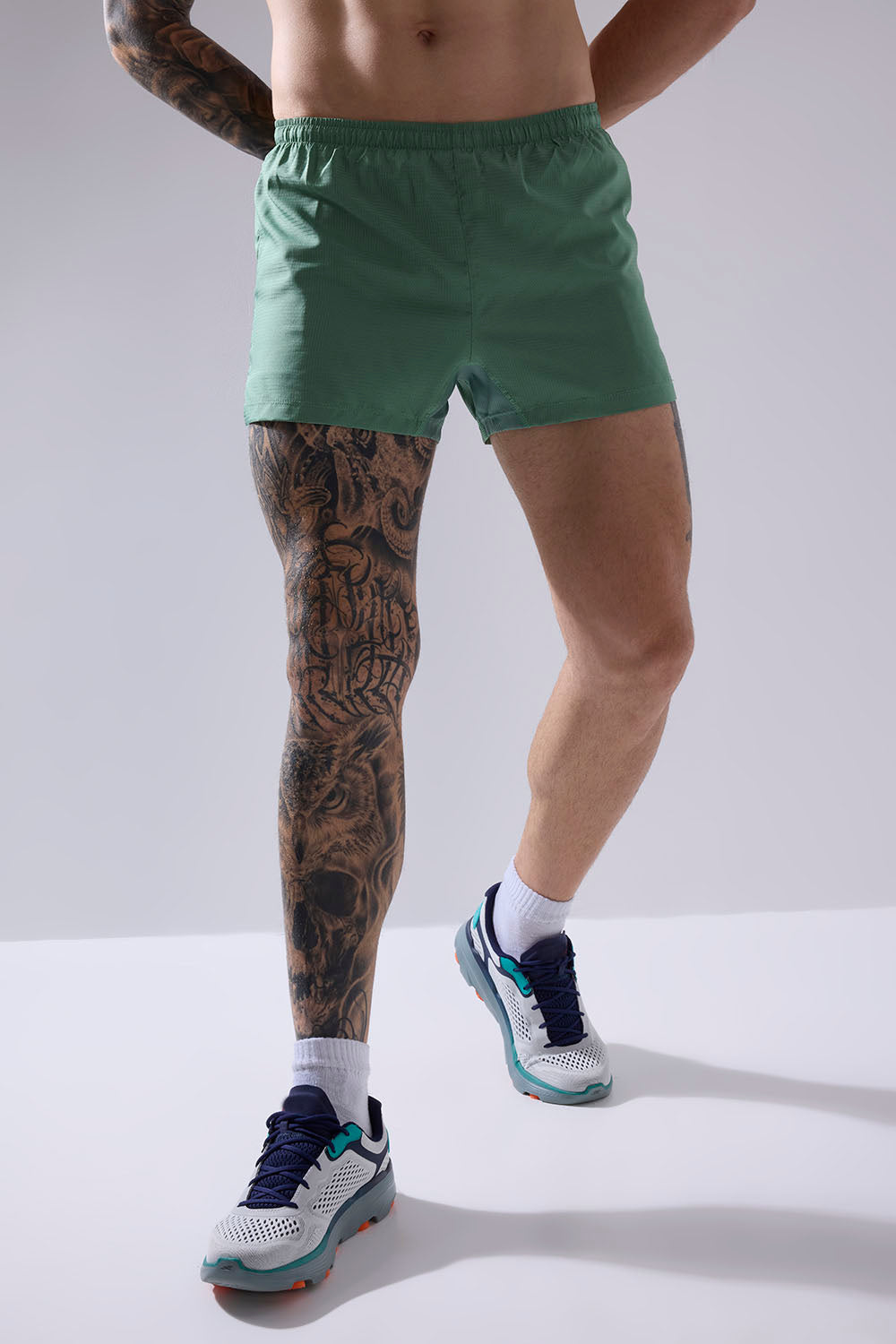
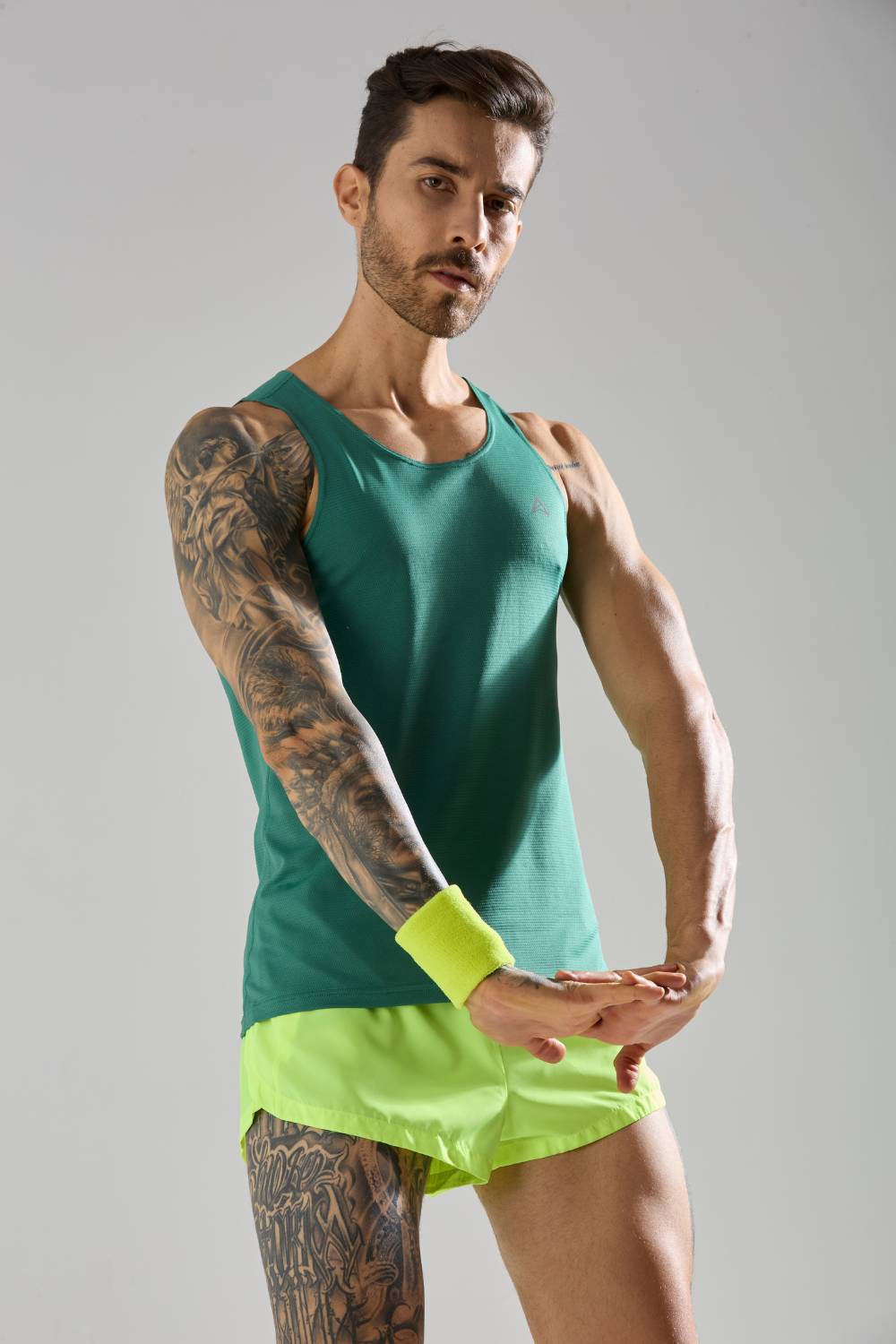
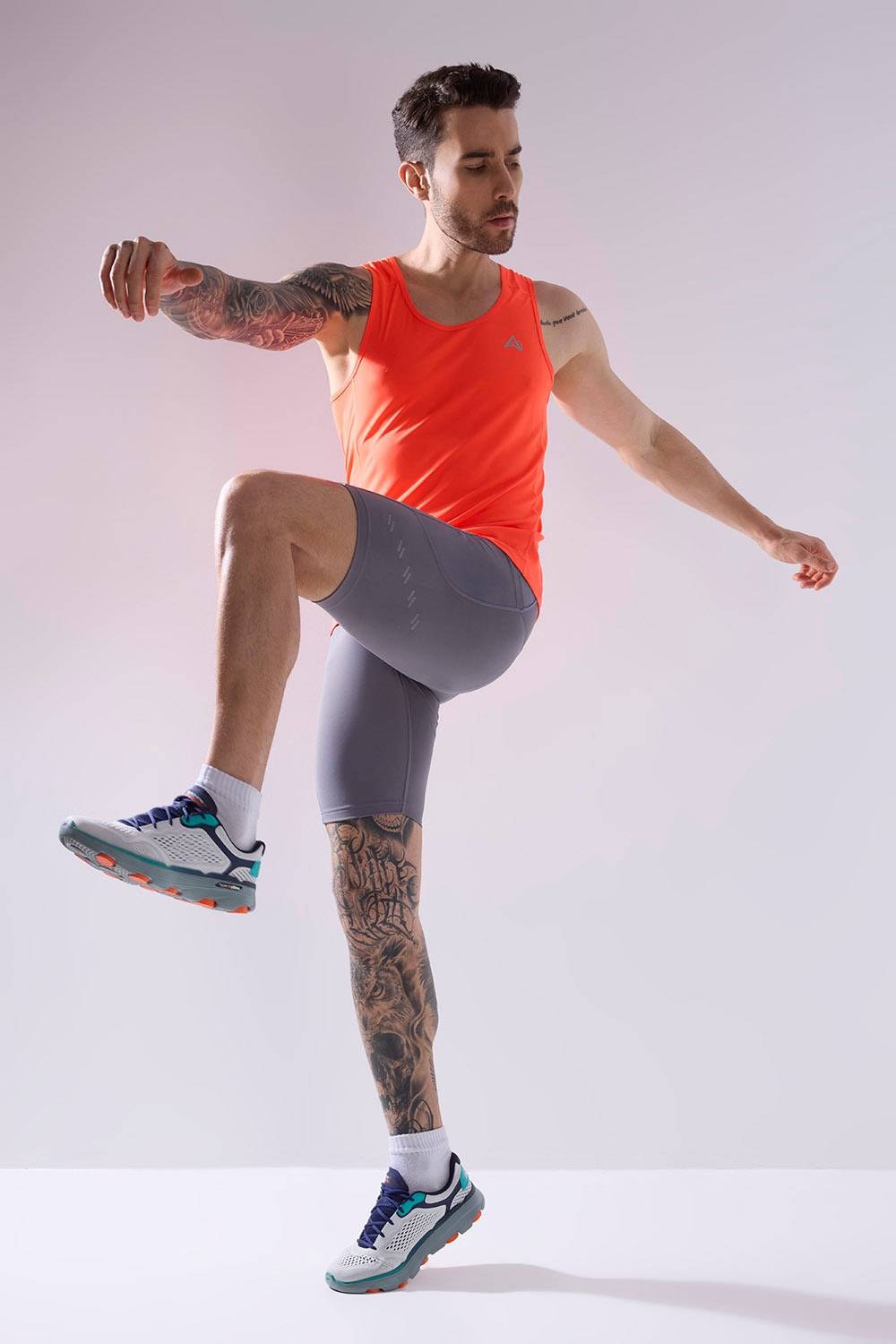
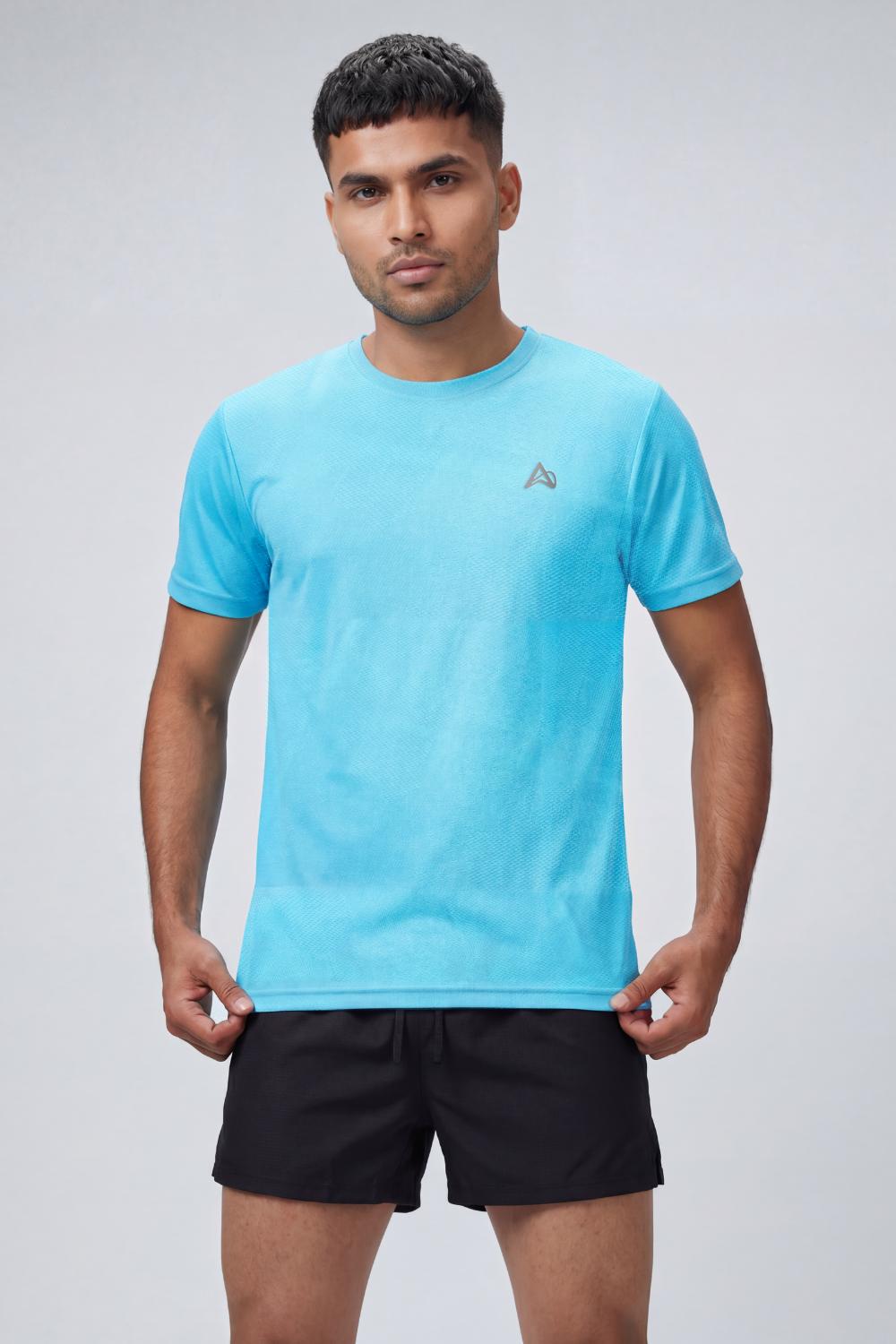
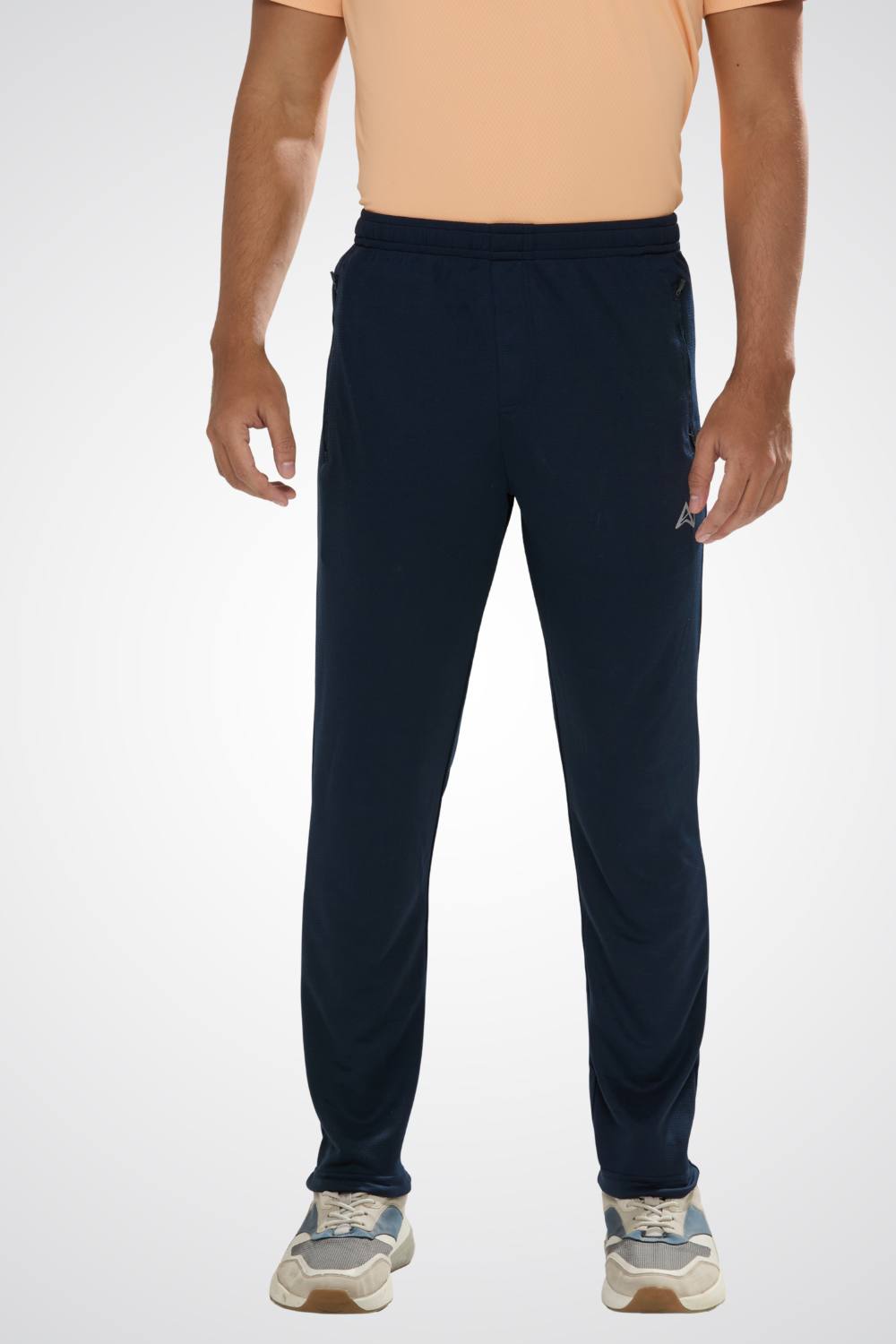
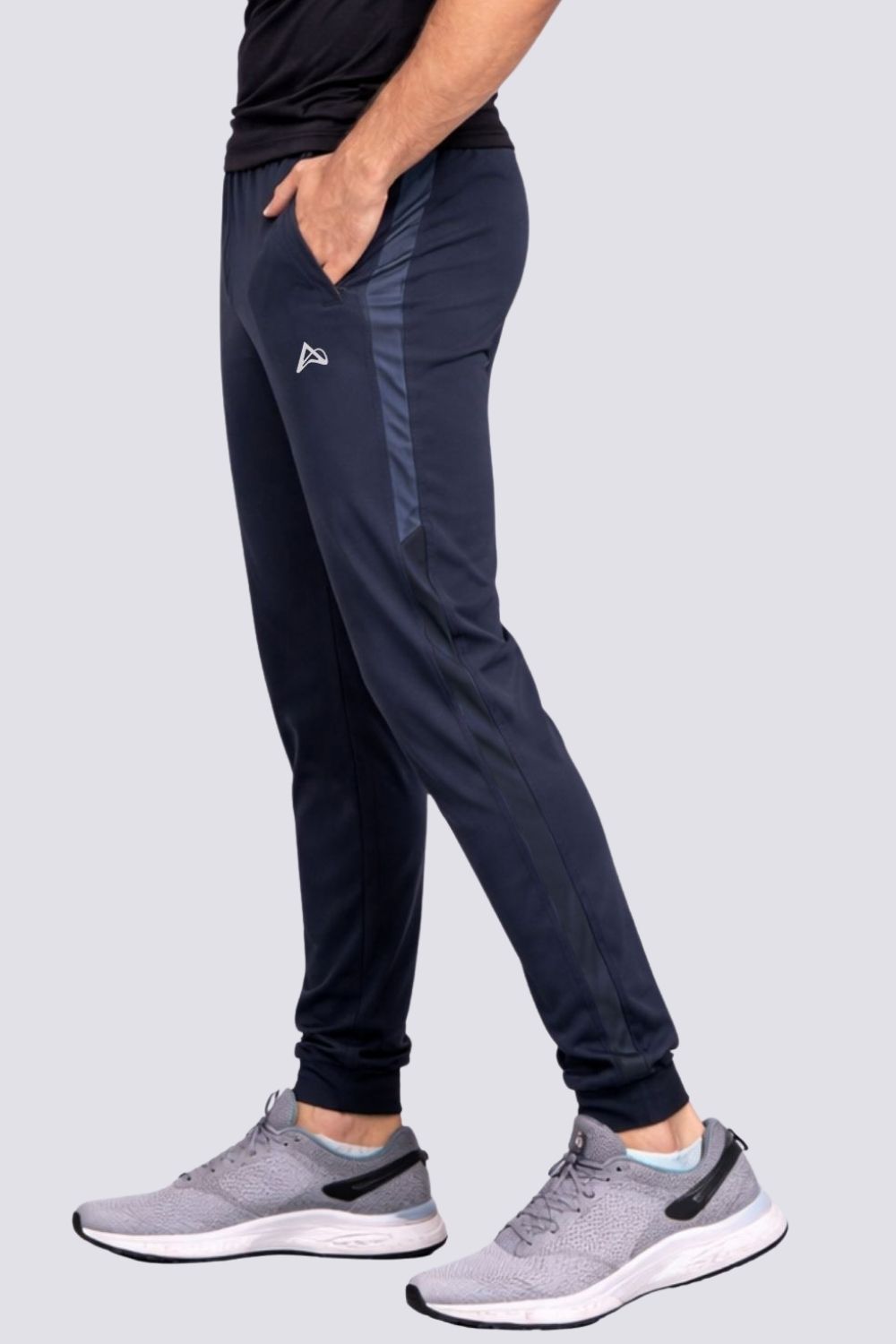
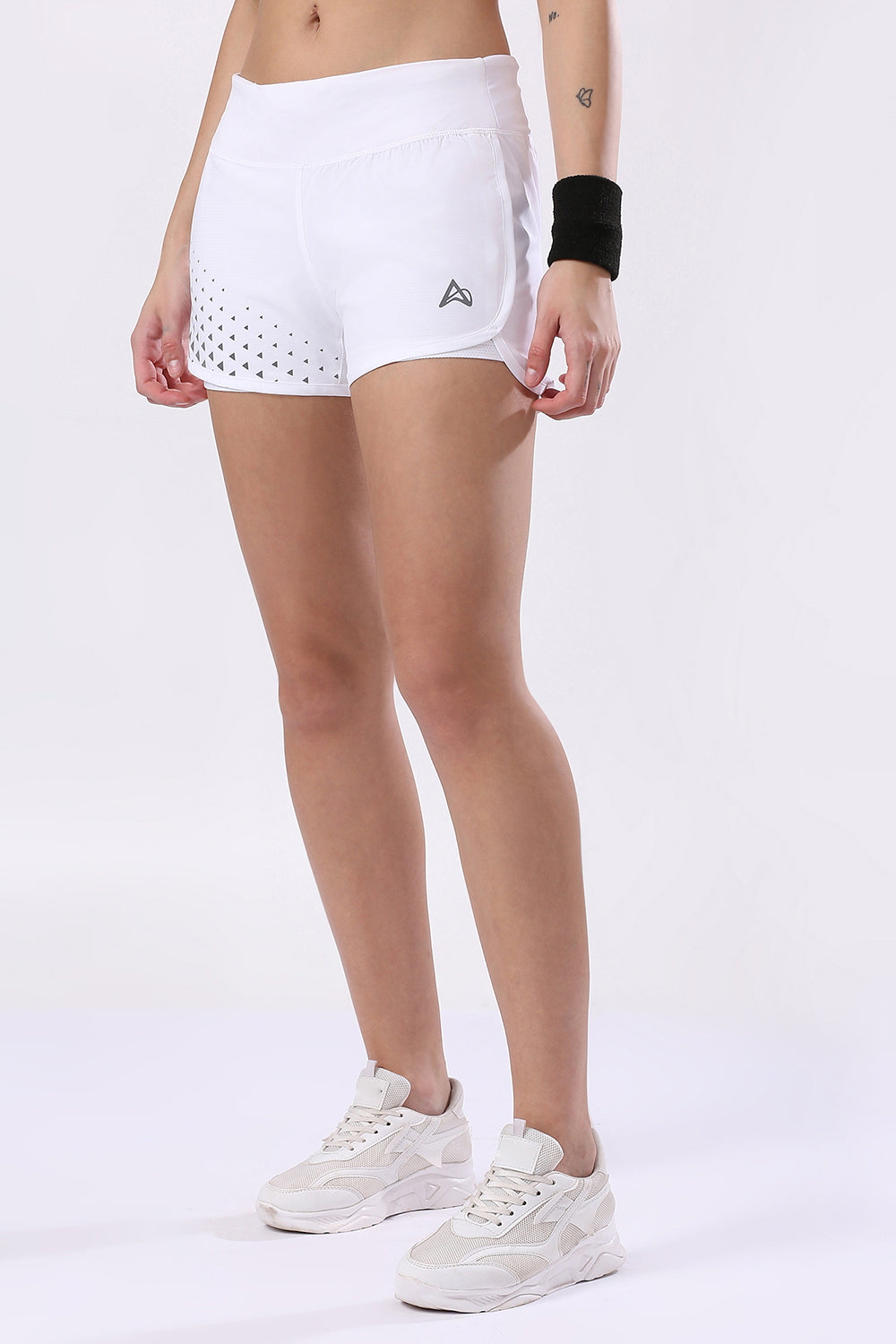
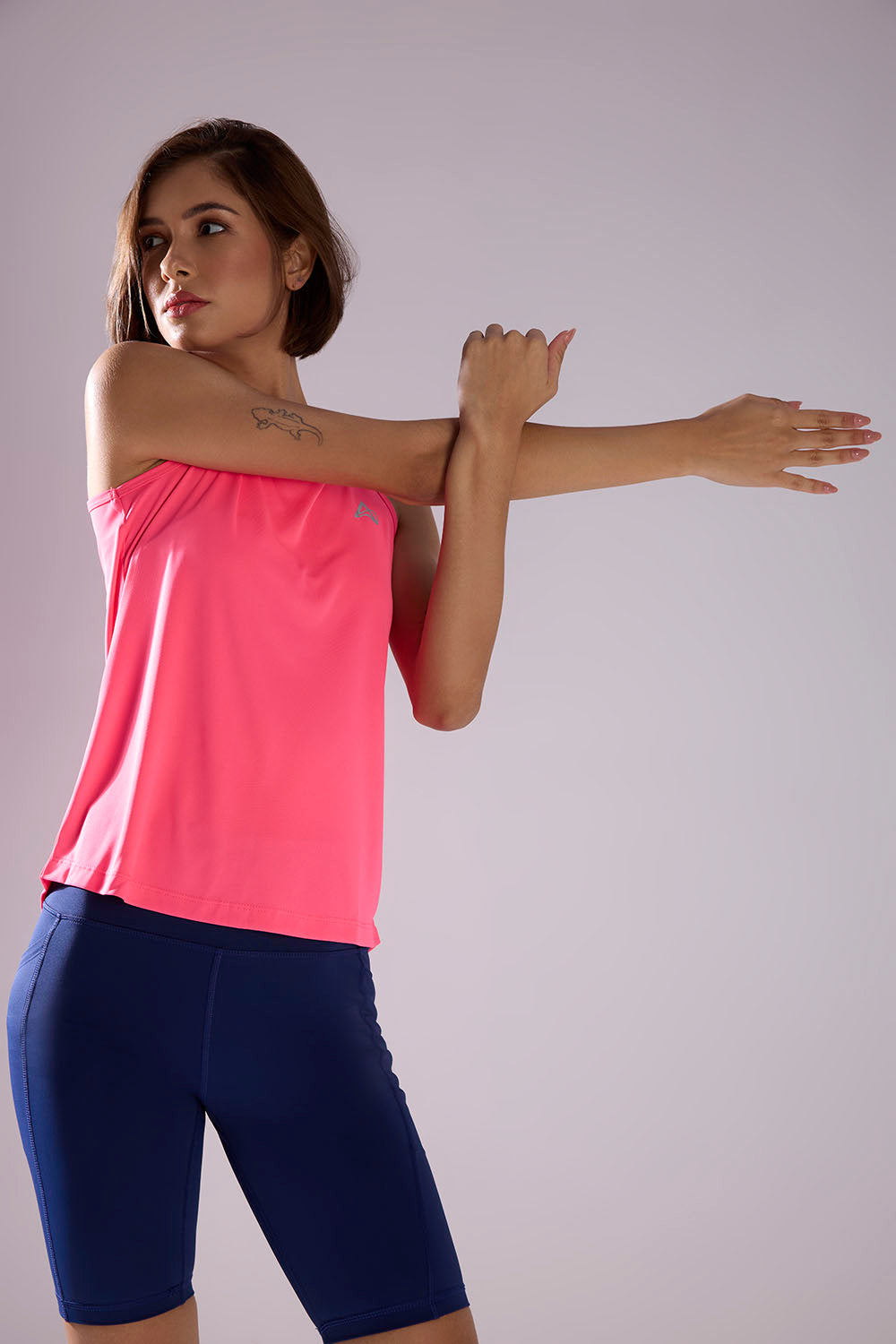
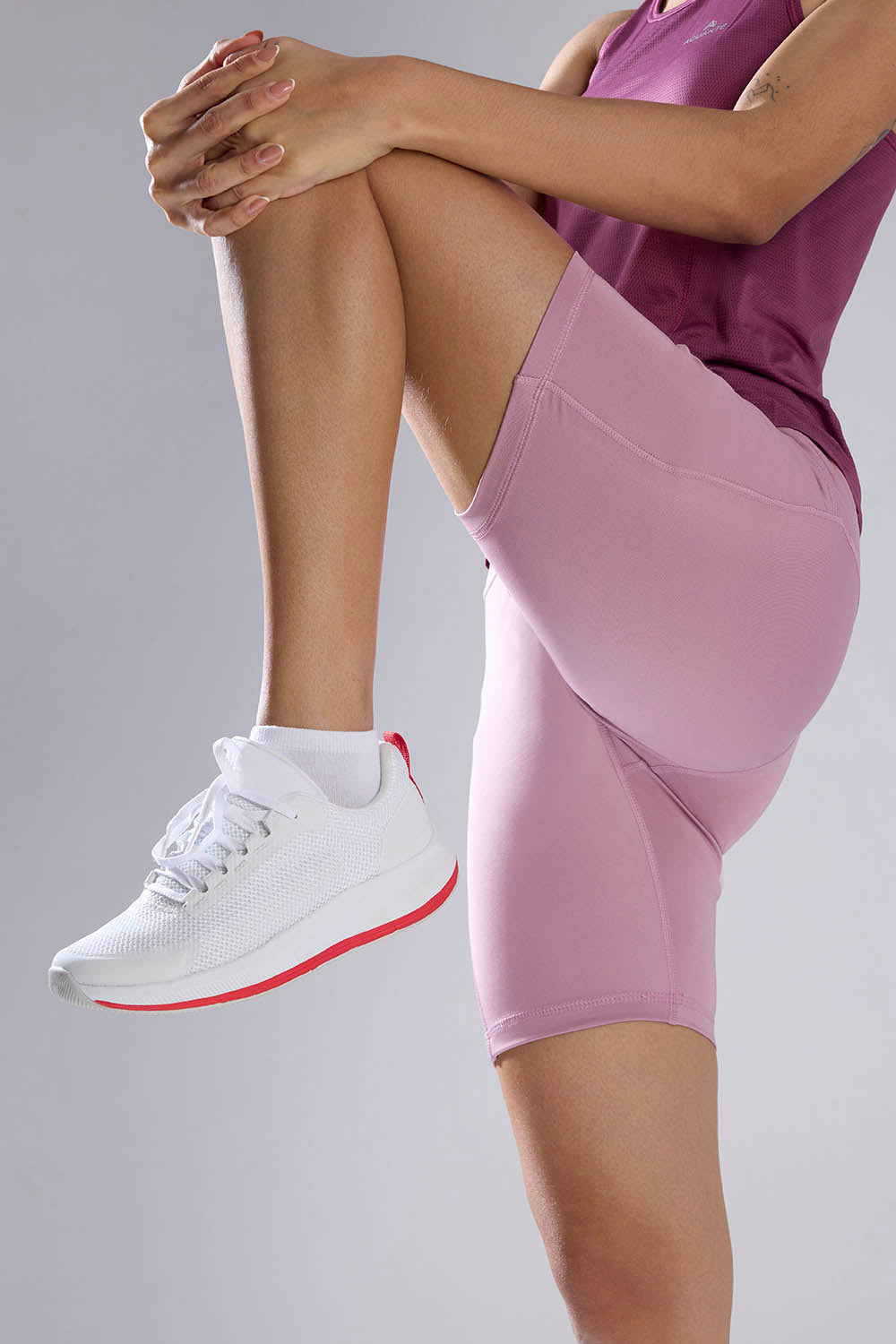
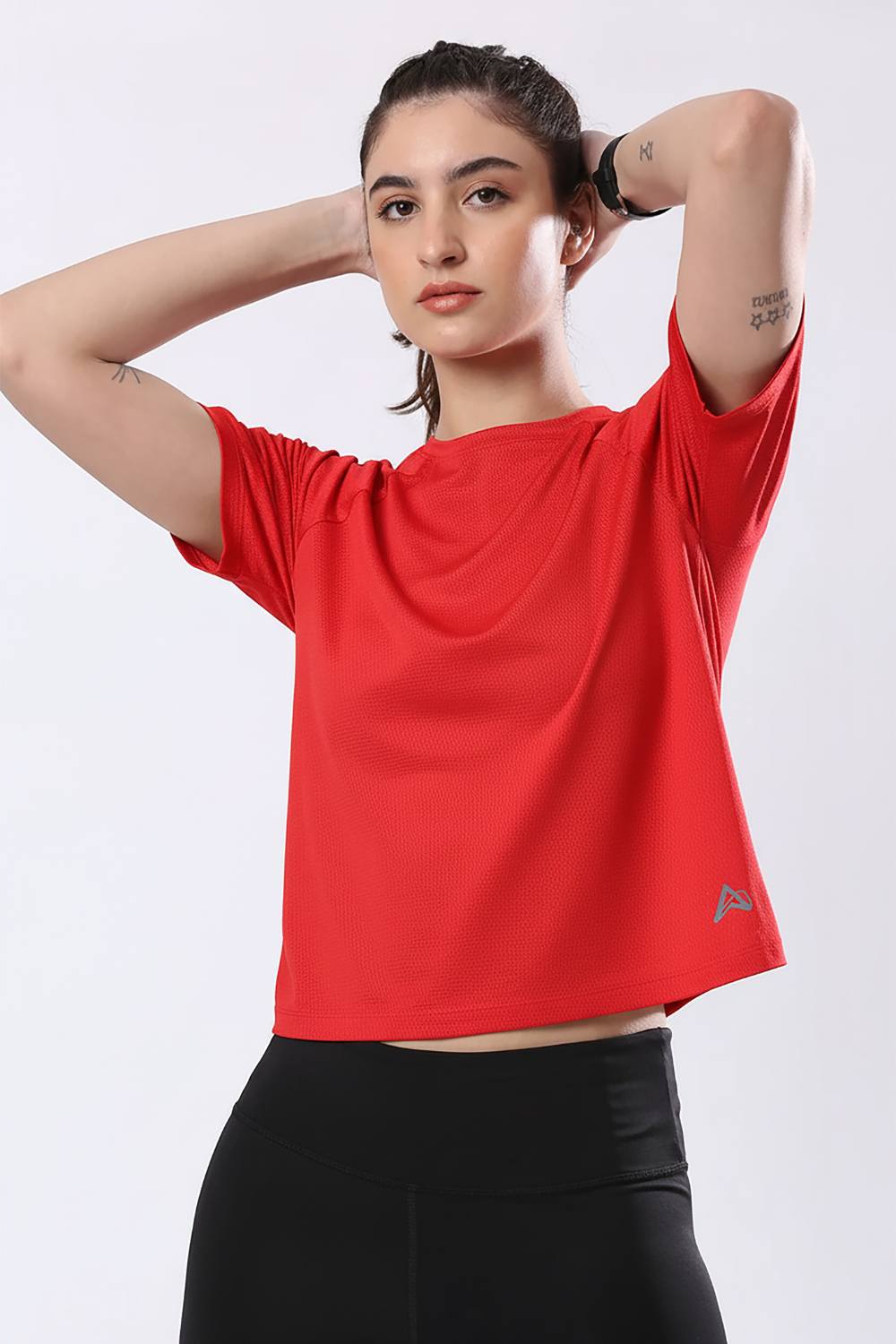
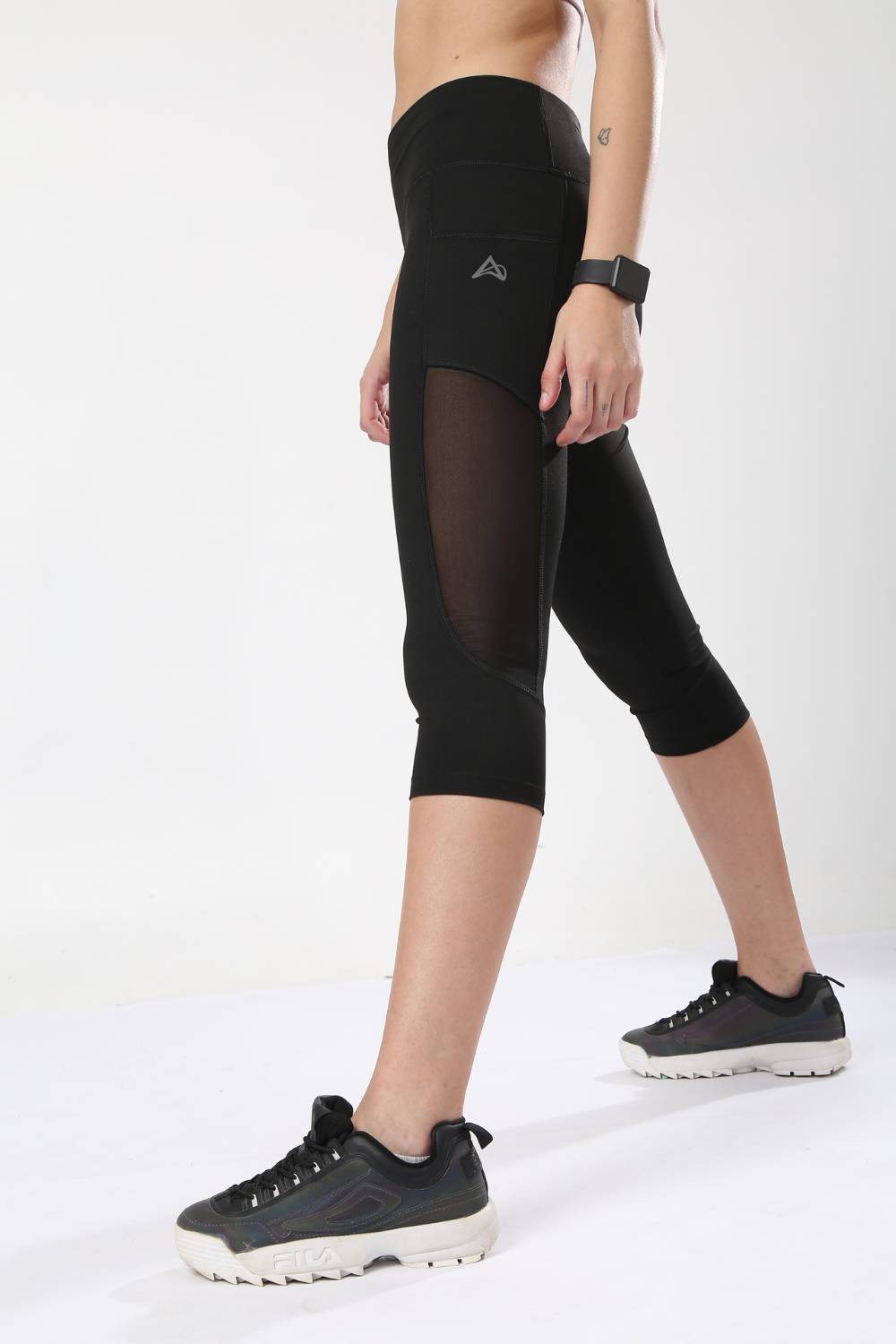
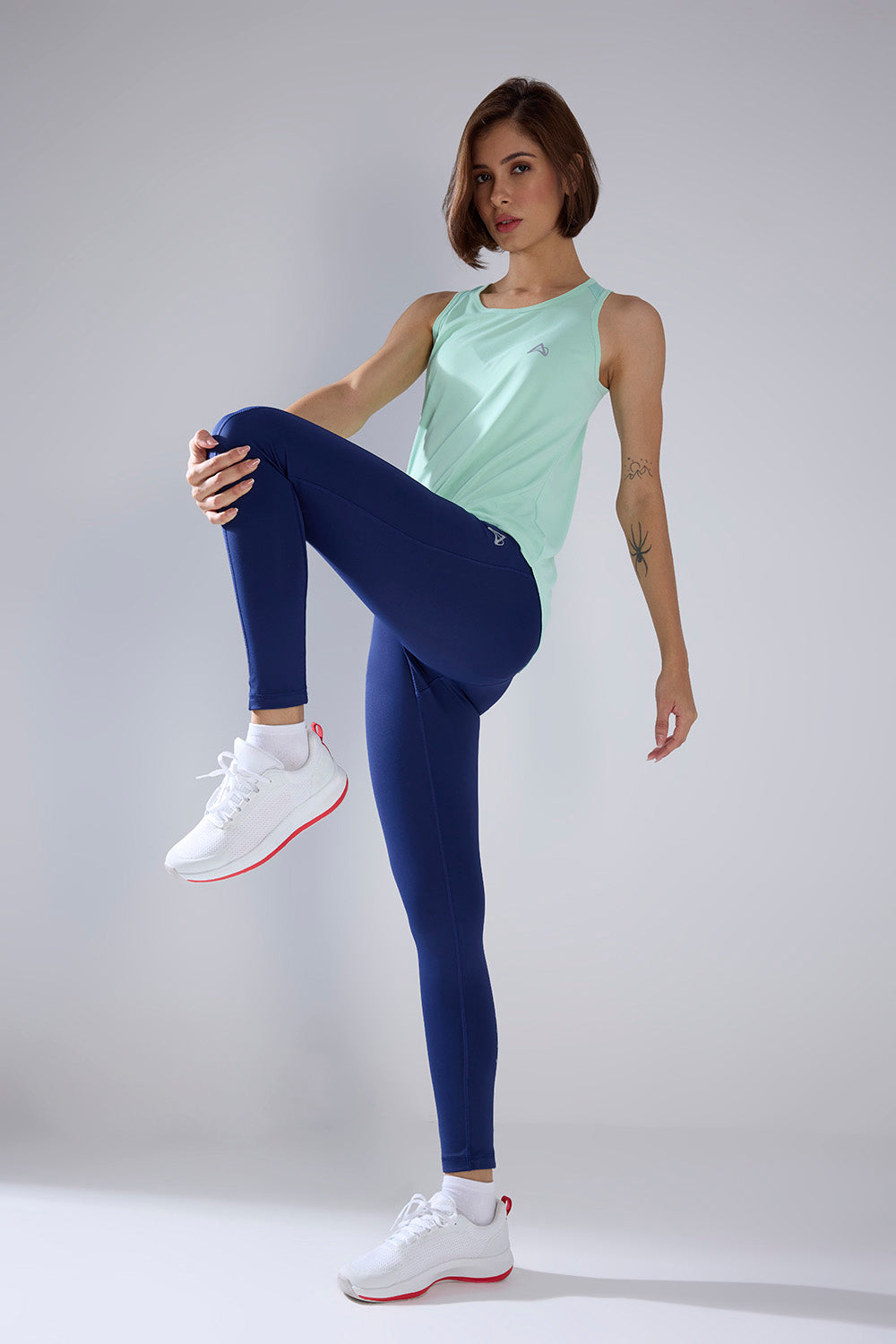

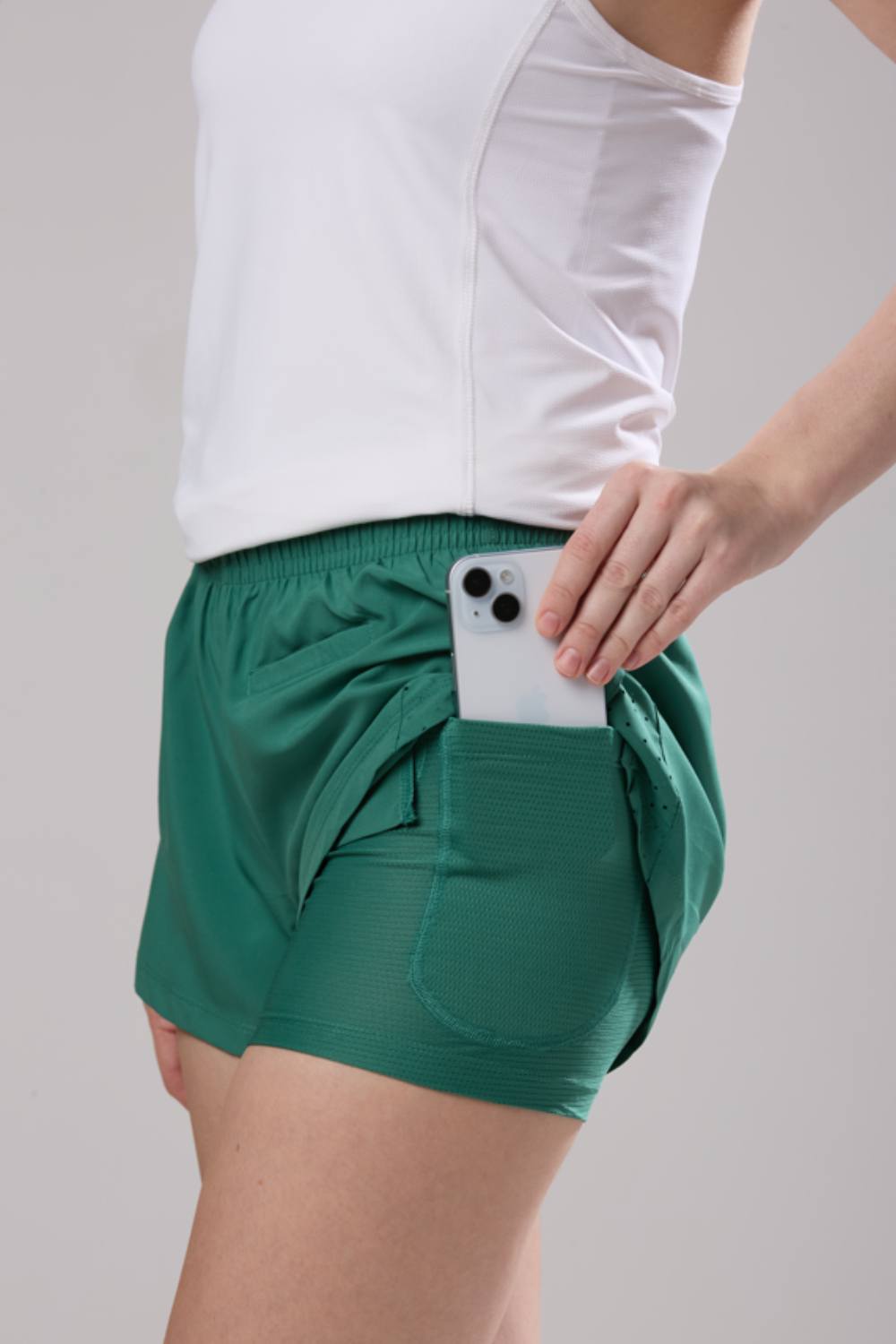
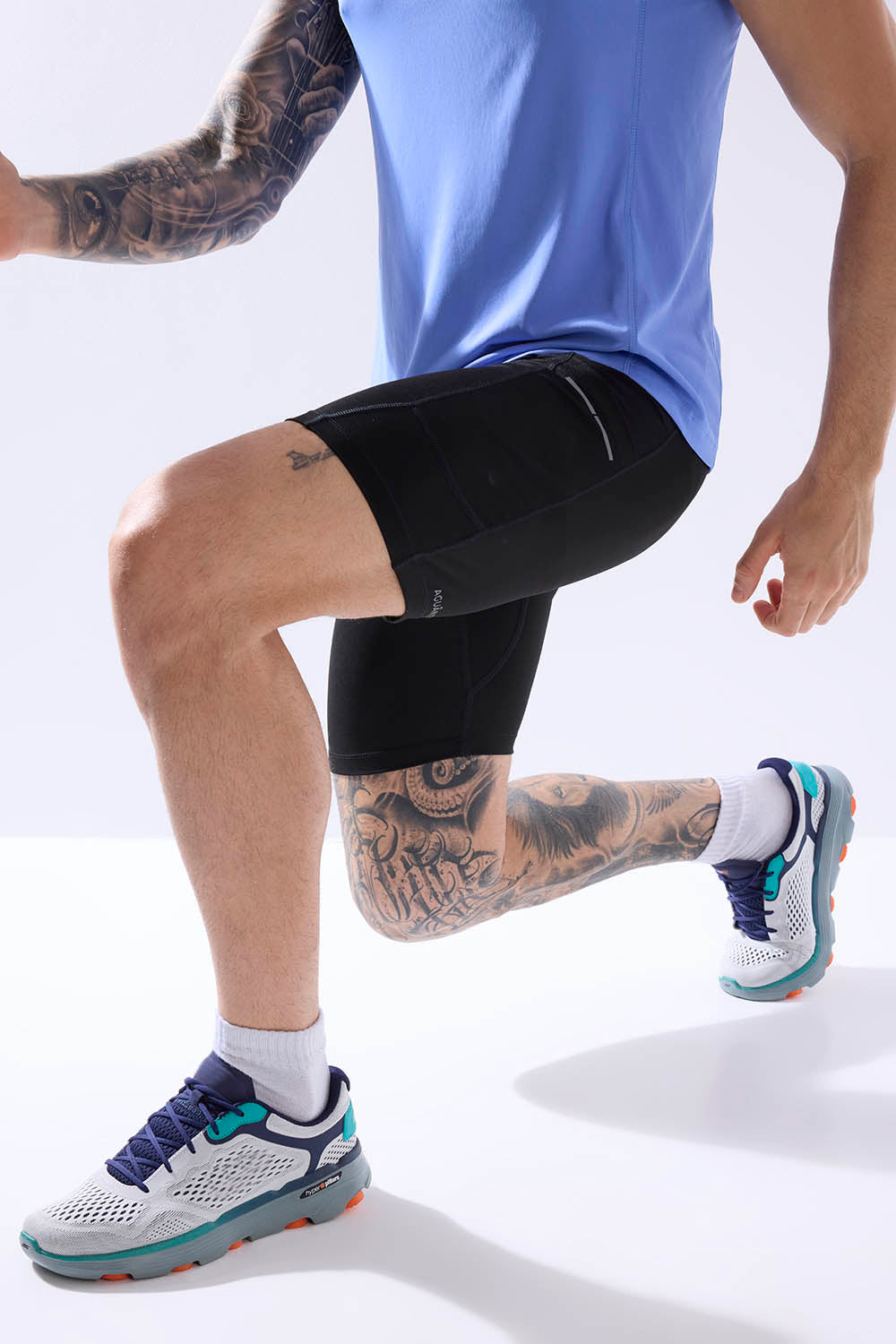
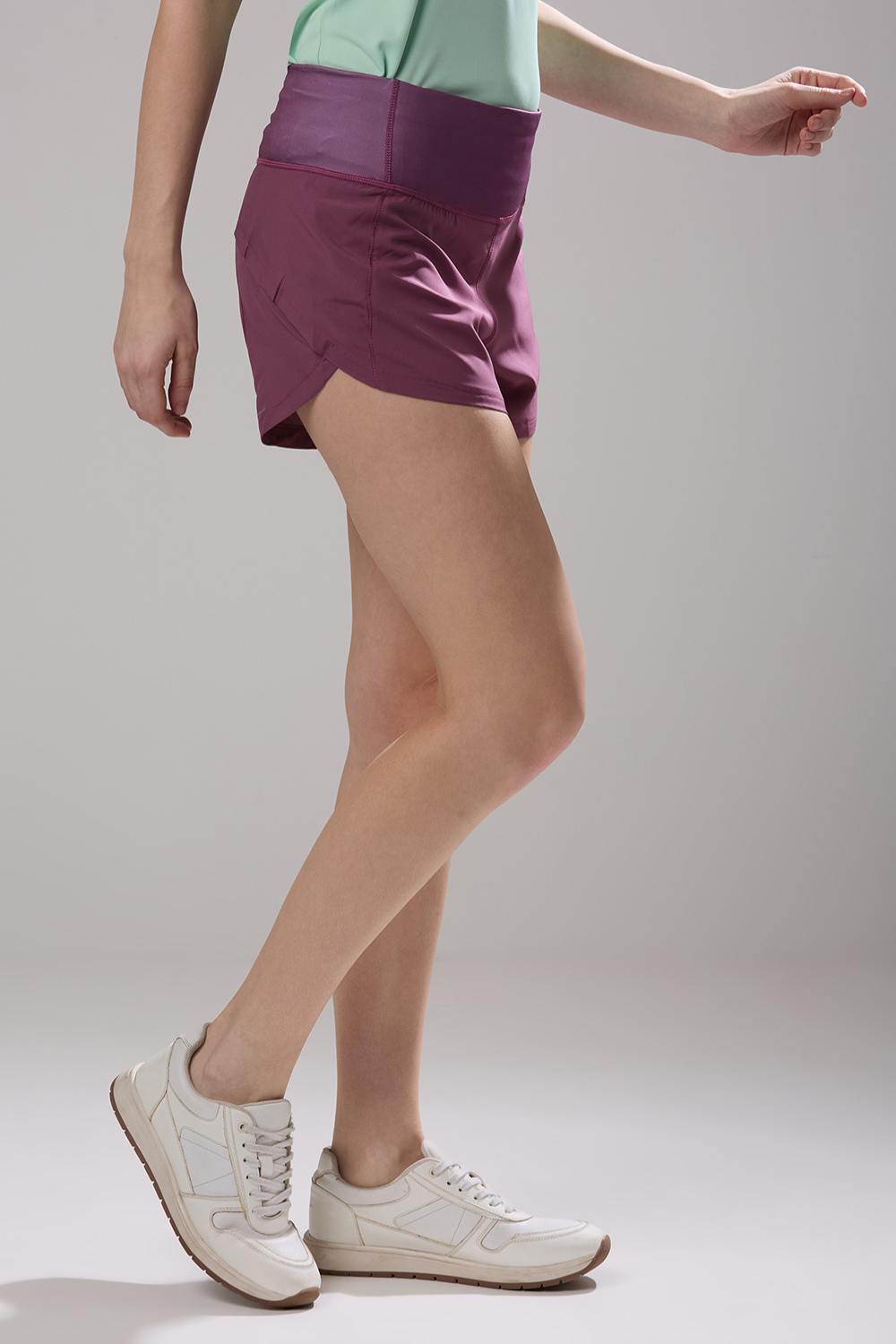
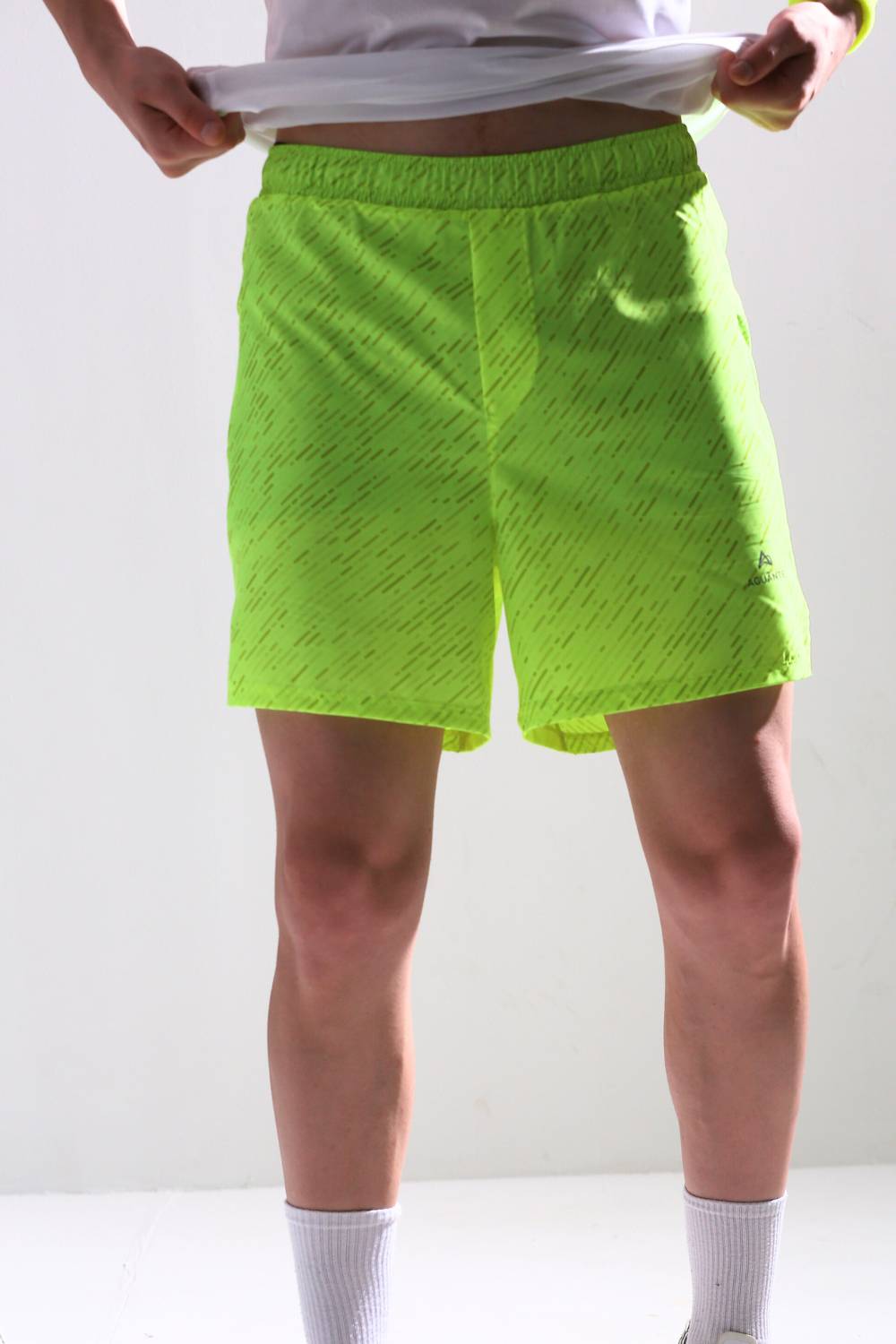
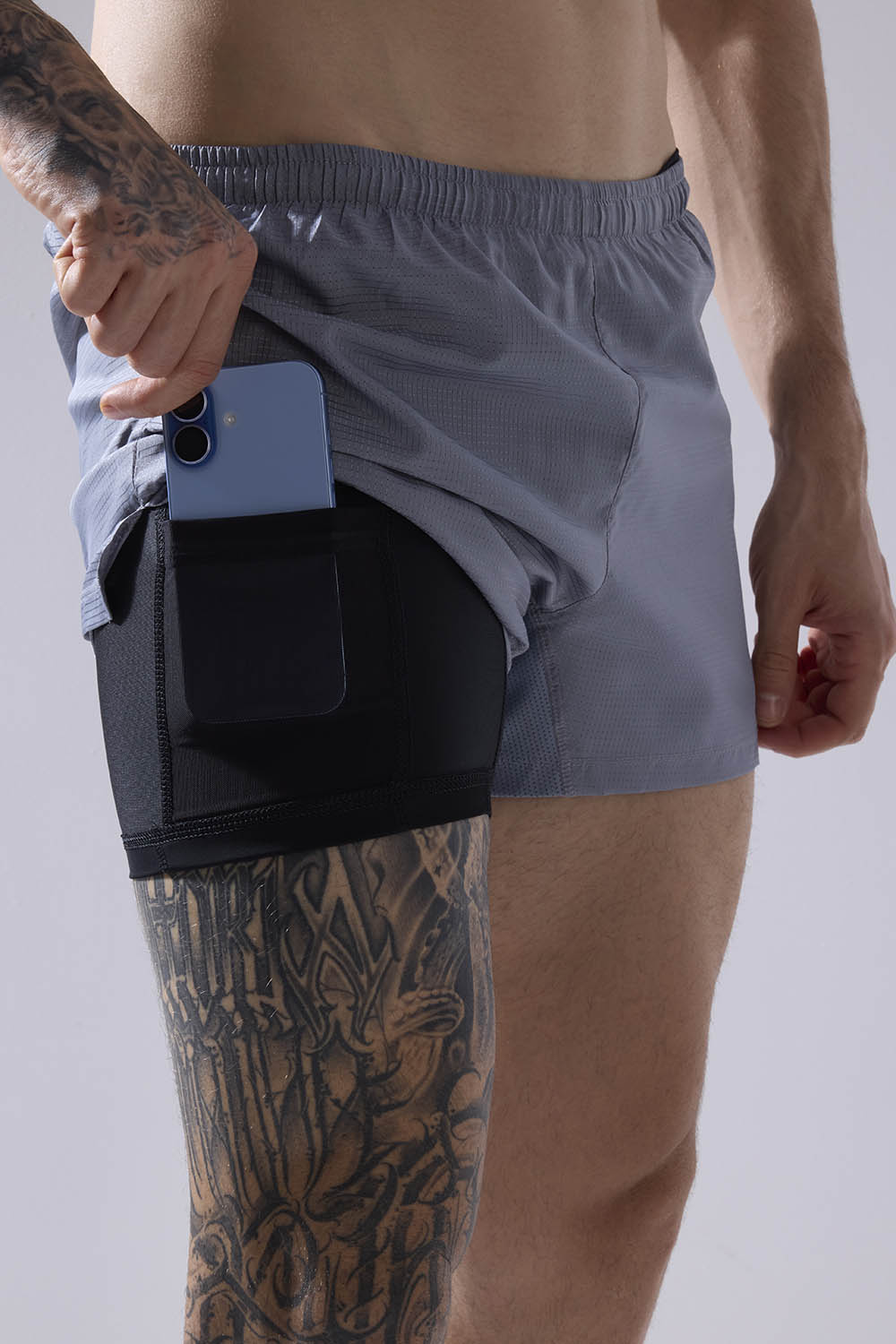

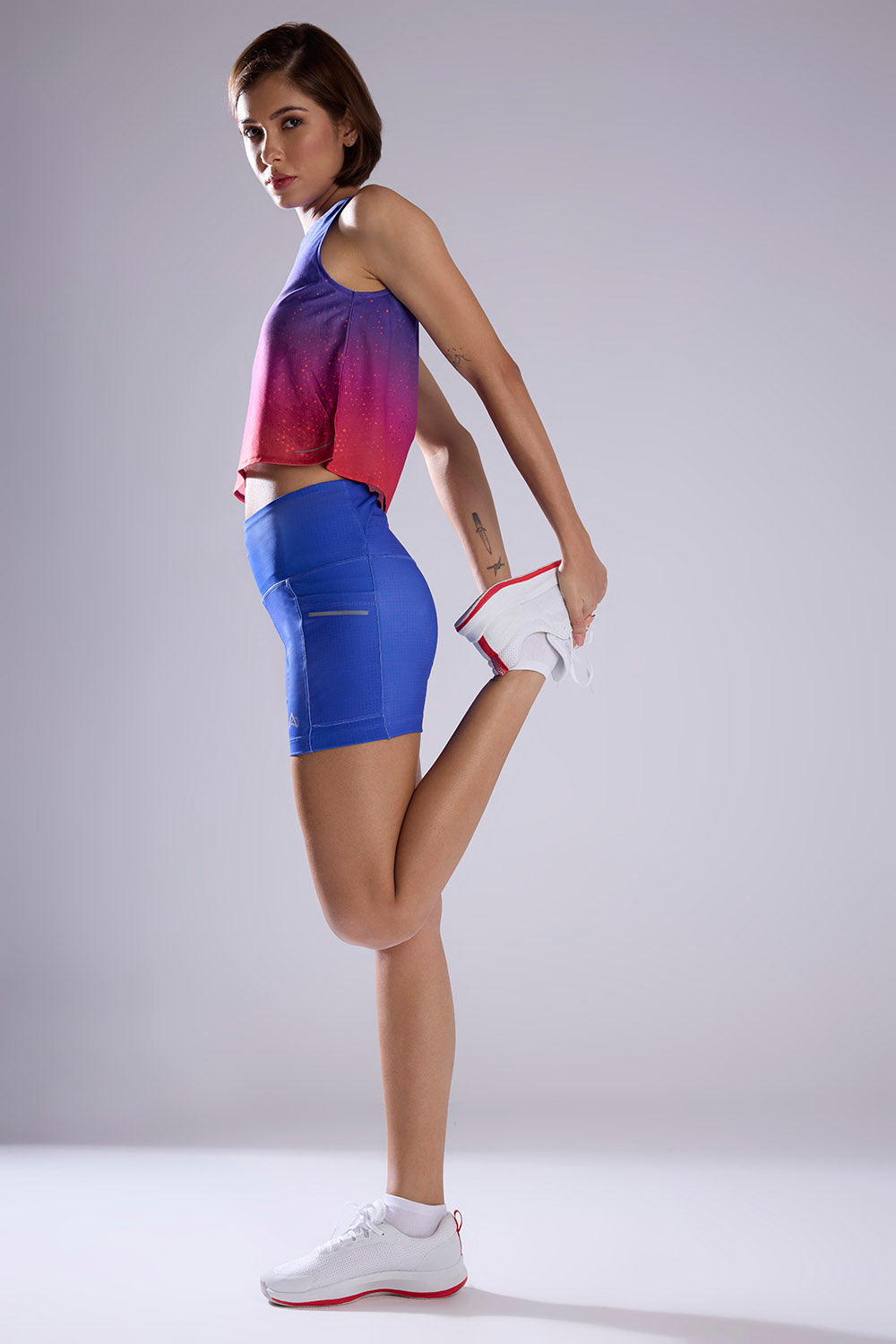
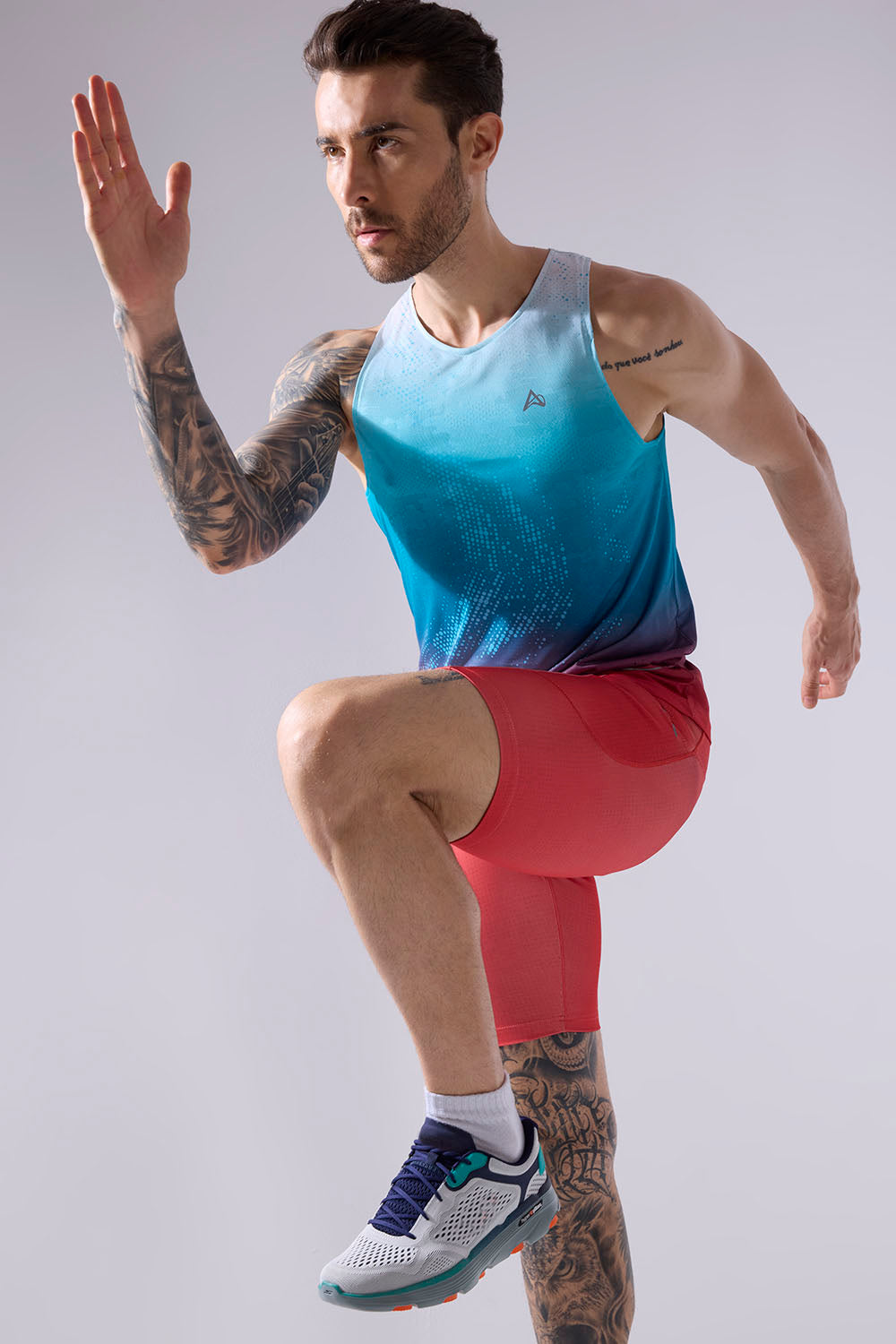

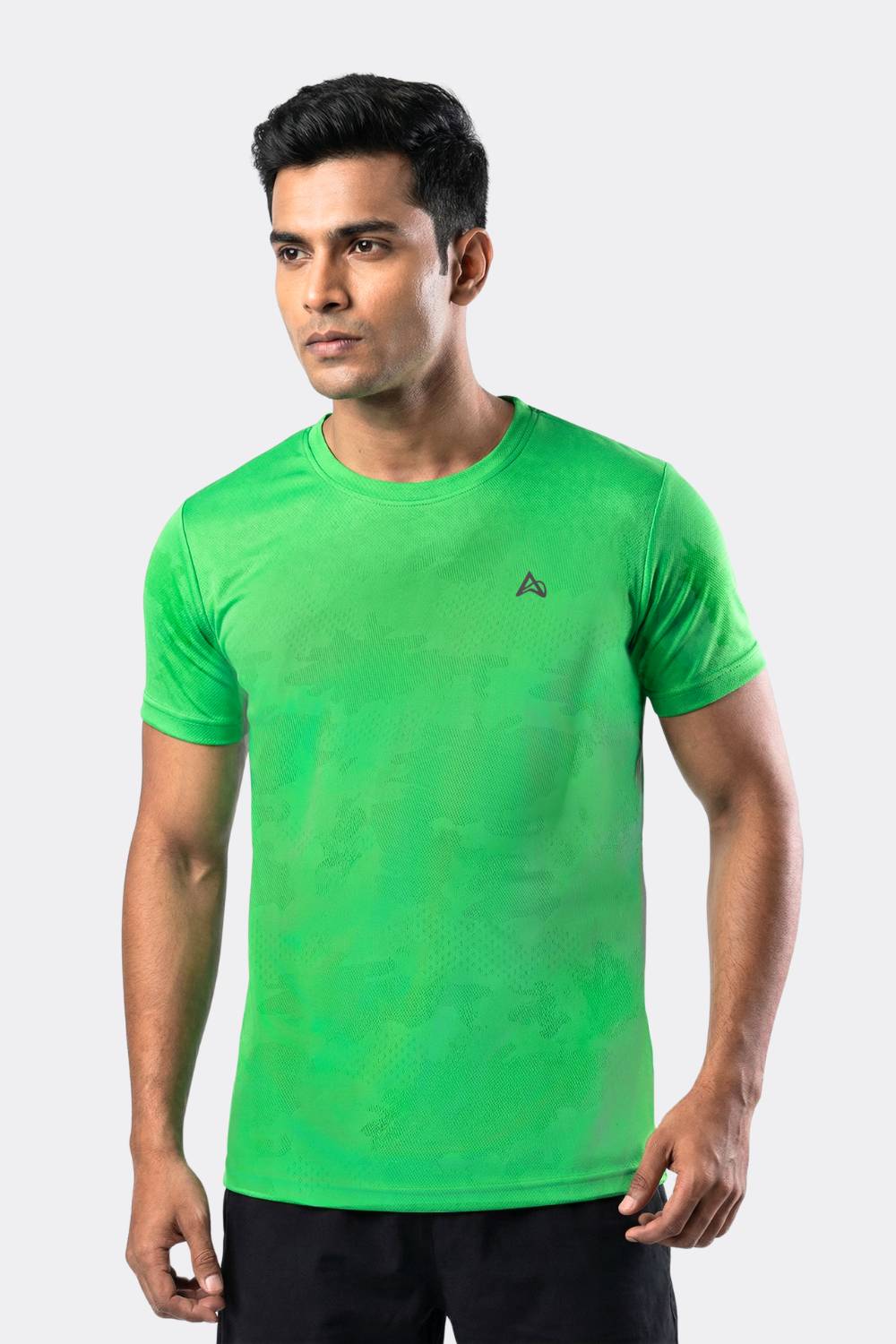
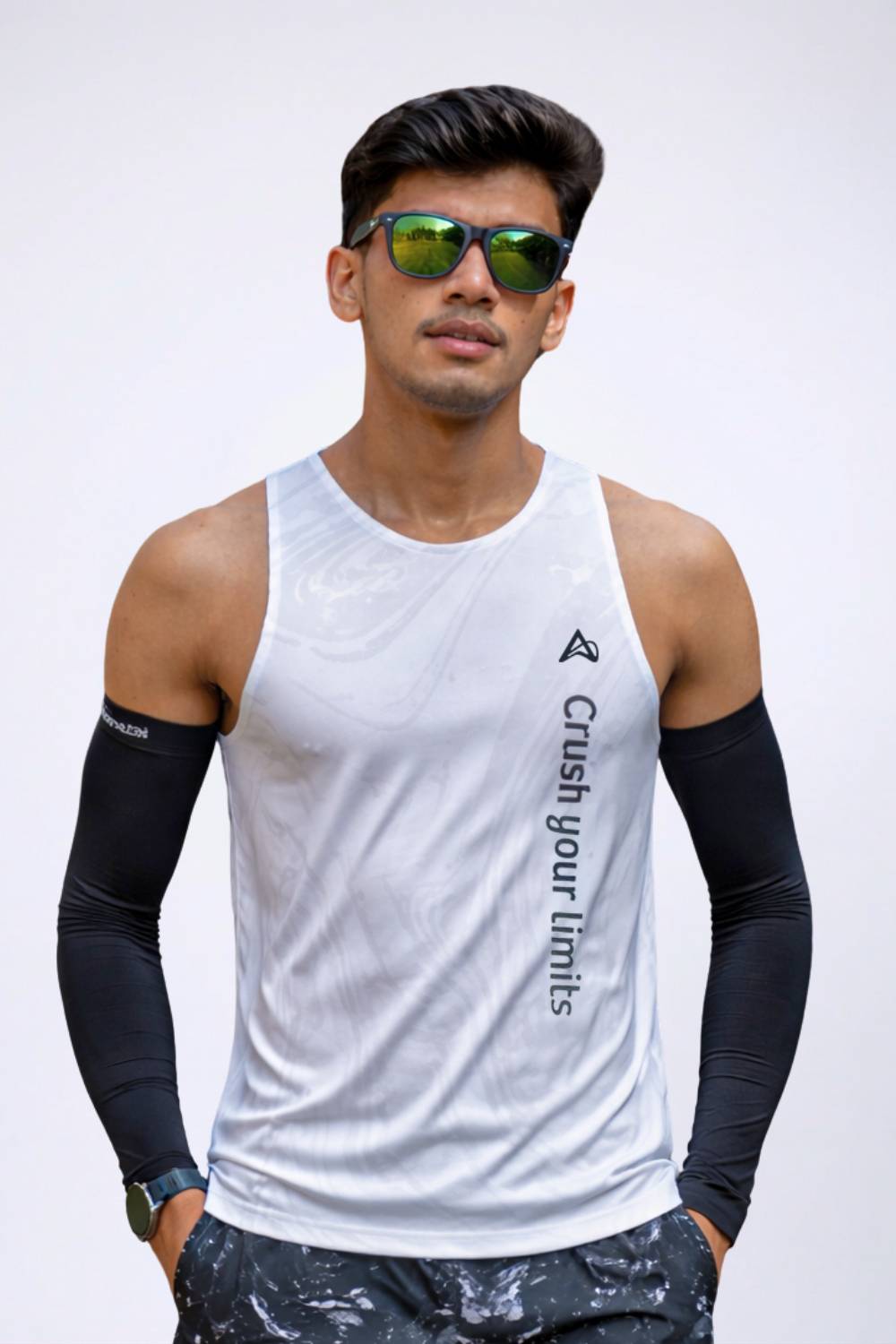

Running consistency is rarely built on motivation alone. The ability to return to a training routine week after week often depends on whether the experience feels manageable, sustainable, and enjoyable. Comfort plays a central role in that process because physical discomfort can turn a simple run into a challenge before the workout even begins. For runners trying to build a lasting habit, the right conditions, clothing, and equipment can reduce unnecessary barriers and make regular movement easier to maintain.
Tired of gear that slows you down? Chafing, soggy fabrics, and missing pockets kill your run's momentum. At Aguante, we're runners who get it. Our high-performance activewear features moisture-wicking fabrics, ergonomic designs, and smart storage to keep you focused. Shop Now!
Why Comfort Matters When Building a Running Habit
A running routine is created through repetition. One session rarely changes fitness, but dozens of consistent sessions can create meaningful progress. This is why comfort matters beyond a single workout. When runners feel physically supported, they are more likely to approach training with confidence and less hesitation.
Discomfort can affect consistency in subtle ways. A runner may shorten a planned session because something feels distracting, avoid a particular route because previous runs were unpleasant, or lose enthusiasm after repeated uncomfortable experiences. These small interruptions can make maintaining a routine more difficult.
Comfort does not mean removing every challenge from running. Training should still include effort, progression, and adaptation. Instead, comfort helps ensure that the challenge comes from the workout itself rather than from avoidable distractions such as poor fit, restricted movement, or clothing that does not support the activity.
This is why many experienced runners think about comfort as part of performance preparation. The equipment that supports regular training is not always the most noticeable part of a run. Often, its value comes from allowing the runner to focus on the session rather than the discomfort around it.
The Connection Between Physical Comfort and Running Consistency
Comfort influences the way runners experience effort. A difficult workout can feel more achievable when the body is not dealing with unnecessary irritation or restriction. Small improvements in everyday running comfort can help create a smoother transition from deciding to run to actually completing the session.
Research into women's running footwear highlights how individual comfort preferences can vary. A study examining women's footwear needs found that comfort and feel were among the important considerations when selecting running shoes, alongside factors such as injury prevention and performance. The research also showed that preferences can change depending on factors such as training demands, life stages, and personal circumstances. Women's footwear research demonstrates why equipment choices should consider the individual rather than assume every runner needs the same solution.
The broader lesson applies beyond footwear. Running apparel also needs to match the demands of movement. Clothing that allows natural motion, manages moisture, and supports different training situations can help runners feel prepared before they begin.
For someone building a regular running routine, comfort creates reliability. When clothing and equipment become dependable parts of the experience, runners can spend more energy focusing on their goals instead of managing distractions.
Comfortable Running Clothes Can Remove Everyday Barriers
The benefits of comfortable running clothes are closely connected to the practical realities of training. Most runners are not preparing for a single race every day. They are fitting runs around work, family responsibilities, weather changes, and other commitments. Equipment that feels comfortable across regular sessions can make it easier to protect the habit.
Performance apparel is designed to support movement, but its usefulness depends on how well it fits into a runner's routine. A lightweight feel, freedom of movement, and practical design features can influence whether a runner feels ready to continue training consistently.
This is particularly important for runners who are increasing distance or frequency. As training demands change, discomfort that may seem minor during a short run can become more noticeable over longer sessions. Paying attention to fit and comfort helps runners choose clothing that supports their current needs.
The goal is not to make equipment the focus of every run. Good running apparel should work quietly in the background. When clothing performs its role effectively, the runner can concentrate on pacing, breathing, endurance, and enjoyment.
How Comfort Affects Running Performance Over Time
Performance is often associated with speed, distance, and training intensity, but consistency is one of the strongest foundations of improvement. A runner who can maintain a routine has more opportunities to develop strength, endurance, and confidence.
Comfort contributes to this process by improving the overall experience. When a runner feels physically comfortable, the mental barrier to starting a session can become smaller. This does not eliminate the discipline required for training, but it can make the decision to run feel more natural.
Guidance on selecting running shoes also emphasizes the importance of matching equipment to the individual runner, including factors such as fit, comfort, running style, and intended use. Running shoe comfort can influence whether equipment supports a positive training experience or becomes a source of distraction.
The same principle applies when selecting apparel. A runner completing an easy recovery run may have different comfort requirements from someone preparing for a longer endurance session. Understanding personal needs allows runners to build a setup that supports different types of training.
Building Comfortable Running Habits Through Better Preparation
Choose Equipment Based on Your Running Needs
There is no single comfort standard that works for every runner. Body shape, training goals, distance, climate, and personal preference all influence what feels right. Instead of choosing equipment only because it is popular, runners benefit from considering how it performs during their own routine.
A practical approach is to evaluate whether clothing supports movement, stays comfortable throughout a session, and suits the type of running being performed. The best choice is often the one that can be used .
Pay Attention to Small Sources of Discomfort
Many consistency problems begin with small issues. A distraction that seems manageable during one run can become frustrating when repeated over weeks or months. Identifying these issues early can help runners create a more sustainable experience.
Common considerations include whether clothing allows unrestricted movement, whether materials feel comfortable during longer sessions, and whether the overall fit supports confidence while running. These details may seem simple, but they influence how easily a routine can continue.
Create a Routine That Feels Achievable
Consistency improves when running fits naturally into daily life. Comfortable gear is one part of that process, but preparation also includes choosing realistic training goals, planning sessions, and creating conditions that make running easier to repeat.
For many runners, motivation changes from day to day. A comfortable and familiar setup can help reduce the friction between intention and action. Over time, those small advantages can support stronger habits.
Why Runner-focused Design Supports Long-term Consistency
Runners often look for products that understand the realities of the activity. Features that support movement, storage, comfort, and practicality are valuable because they address common needs during training.
Runner-focused design begins with understanding how people actually use their equipment. A product created around real running situations can help bridge the gap between performance goals and everyday practicality.
This approach also reflects a wider shift in how people think about activewear. Clothing is no longer viewed only as something worn during exercise. It is part of the experience of preparing, performing, and recovering from activity.
For brands in the performance apparel space, education around comfort is an important way to support runners. Helping people understand why fit, function, and comfort matter creates a stronger connection between products and the real challenges runners face.
Making Comfort Part of a Sustainable Running Journey
Running consistency comes from many factors working together: commitment, planning, recovery, and the ability to enjoy the process. Comfort supports each of these areas by helping runners create a more positive relationship with training.
The most effective running setup is not necessarily the one with the most features. It is the one that helps a runner return for the next session with confidence. When clothing and equipment support natural movement and reduce avoidable discomfort, running can become easier to maintain as a regular part of life.
For anyone working toward consistent running habits, comfort is not a minor detail. It is a foundation that helps transform individual workouts into a sustainable routine.
Frequently Asked Questions
How does comfort improve running consistency?
Comfort improves running consistency by reducing physical distractions that can make workouts harder to complete. When runners feel supported by suitable clothing, equipment, and running conditions, they are more likely to maintain a regular training routine.
What are the benefits of comfortable running clothes for regular training?
The benefits of comfortable running clothes include better freedom of movement, improved focus during workouts, and fewer distractions caused by discomfort. Well-designed apparel can help runners feel prepared and confident while building consistent running habits.
How does comfort affect running performance over time?
Comfort affects running performance over time by helping runners create a more sustainable relationship with training. When avoidable discomfort is reduced, runners can focus more on endurance, progress, and maintaining their routine consistently.
Disclaimer: The above helpful resources content contains personal opinions and experiences. The information provided is for general knowledge and does not constitute professional advice.
You may also be interested in: High-waisted Running Shorts India: A Complete Guide for Women Runners
Tired of gear that slows you down? Chafing, soggy fabrics, and missing pockets kill your run's momentum. At Aguante, we're runners who get it. Our high-performance activewear features moisture-wicking fabrics, ergonomic designs, and smart storage to keep you focused. Shop Now!
Powered by flareAI.co