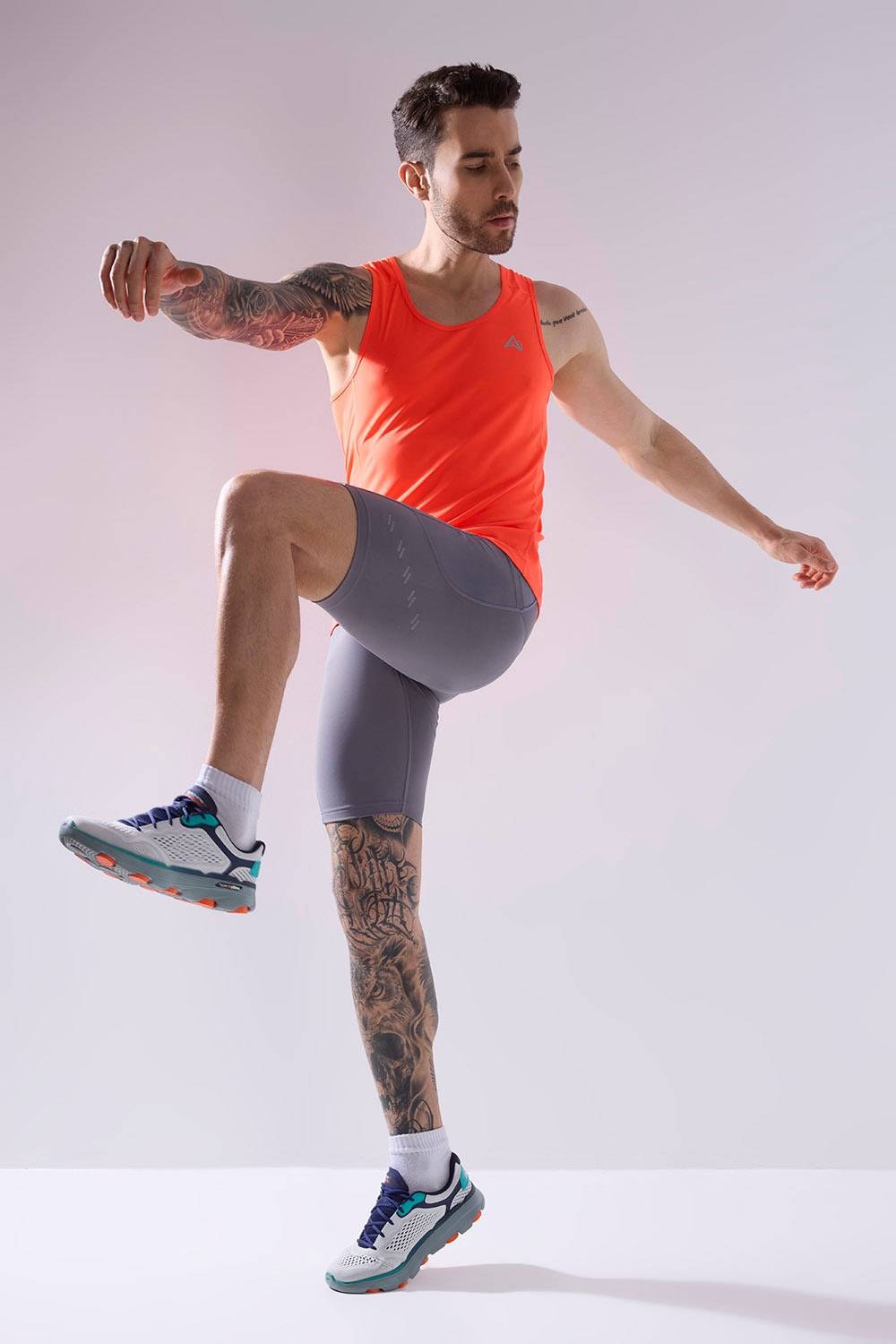
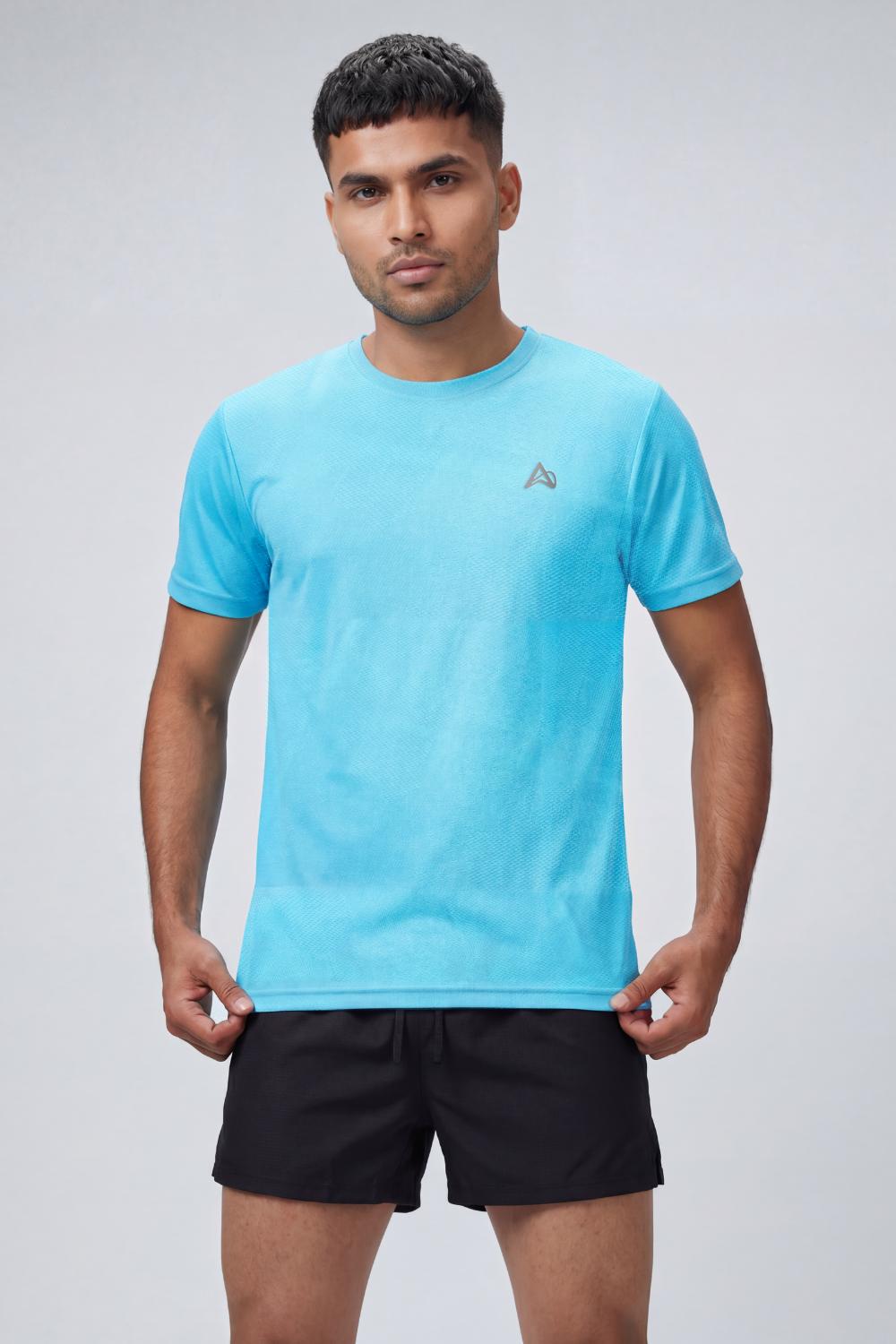
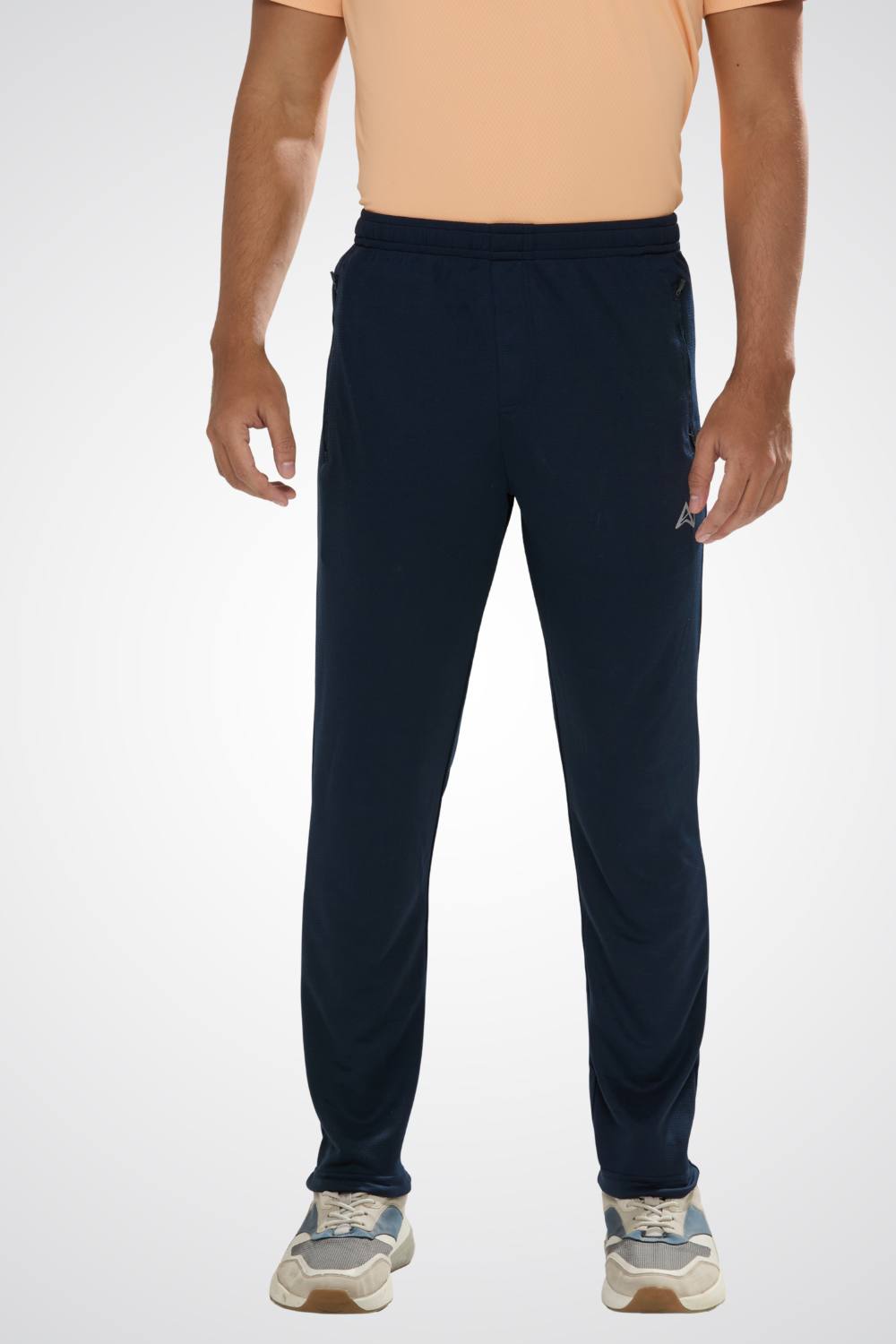
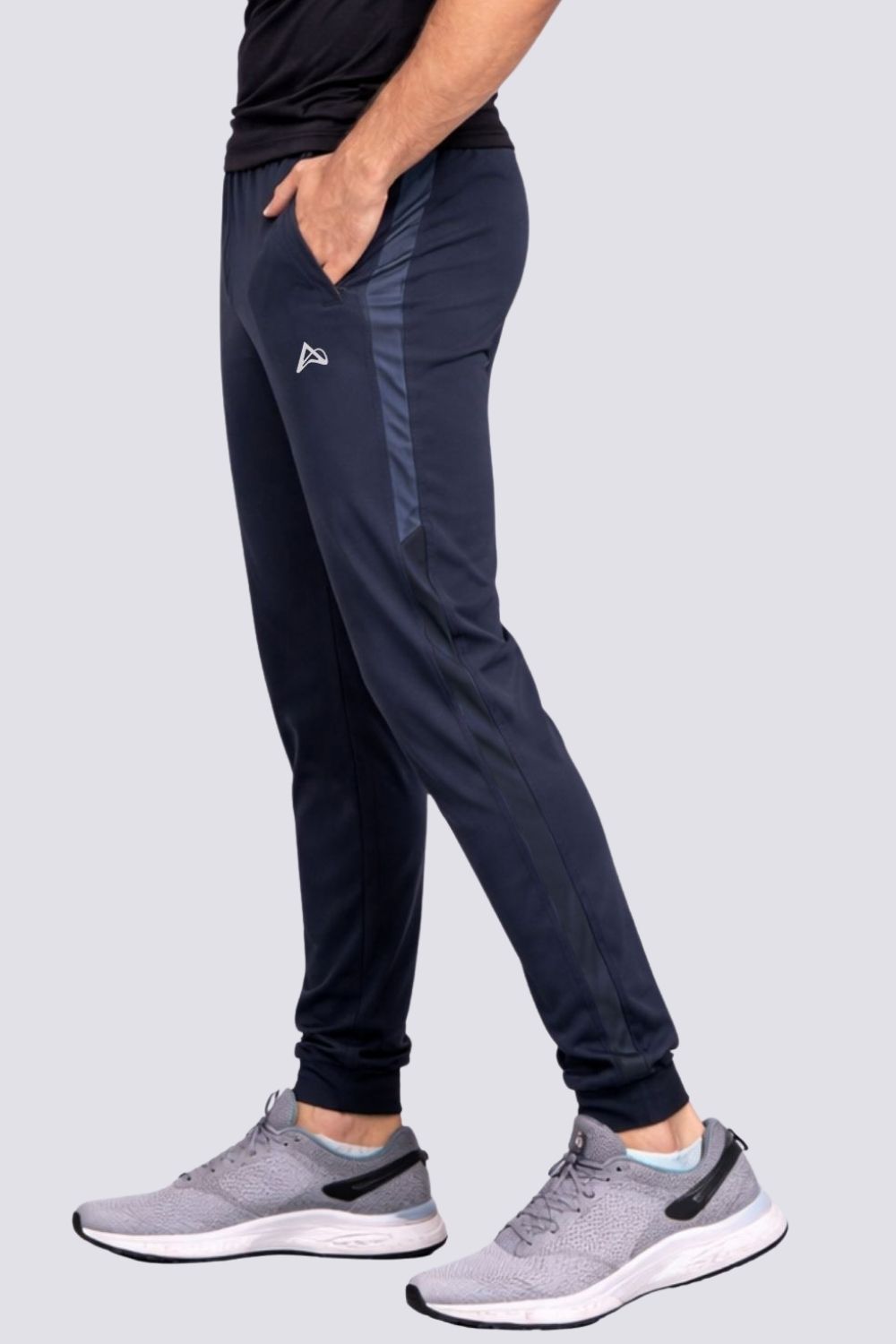
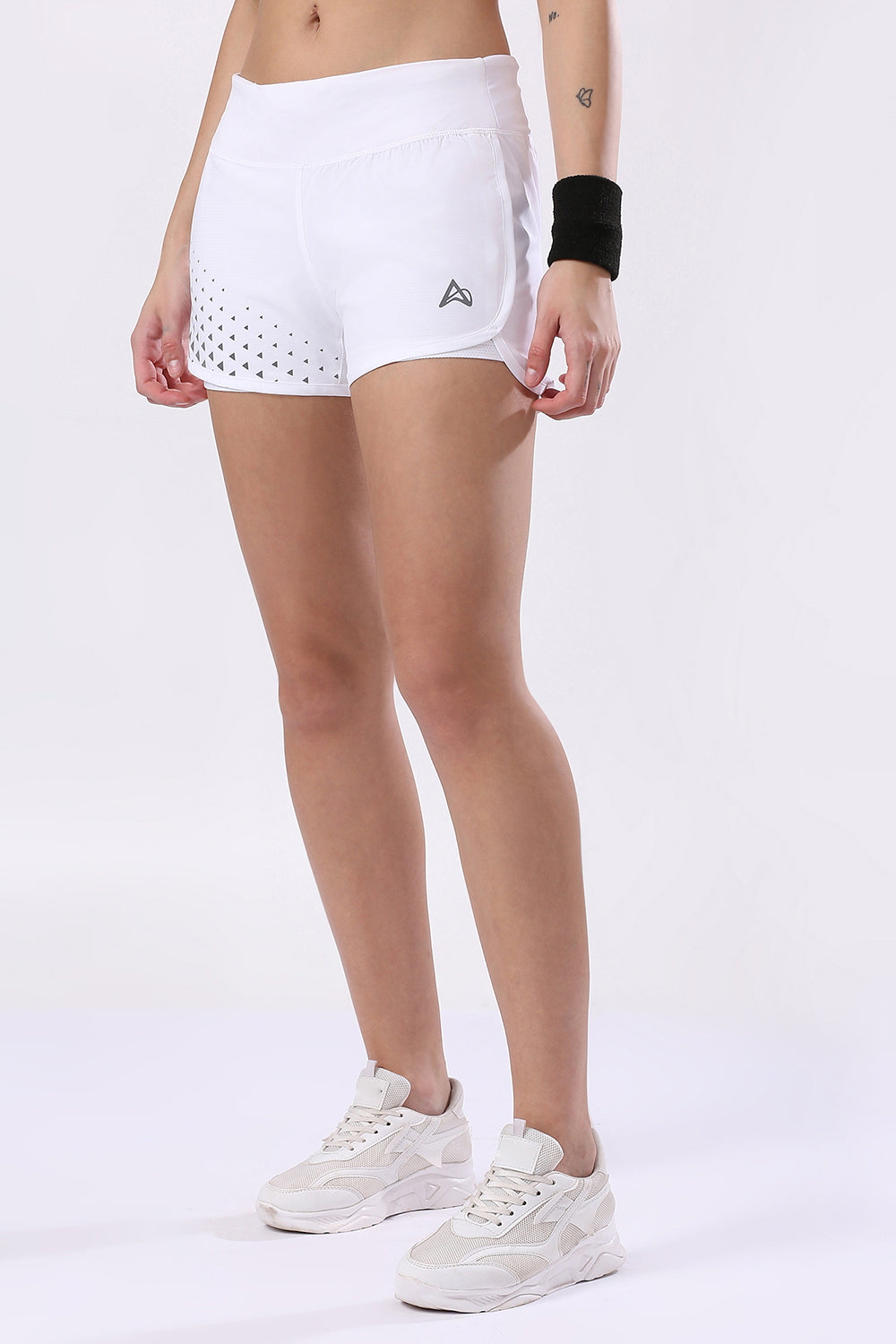
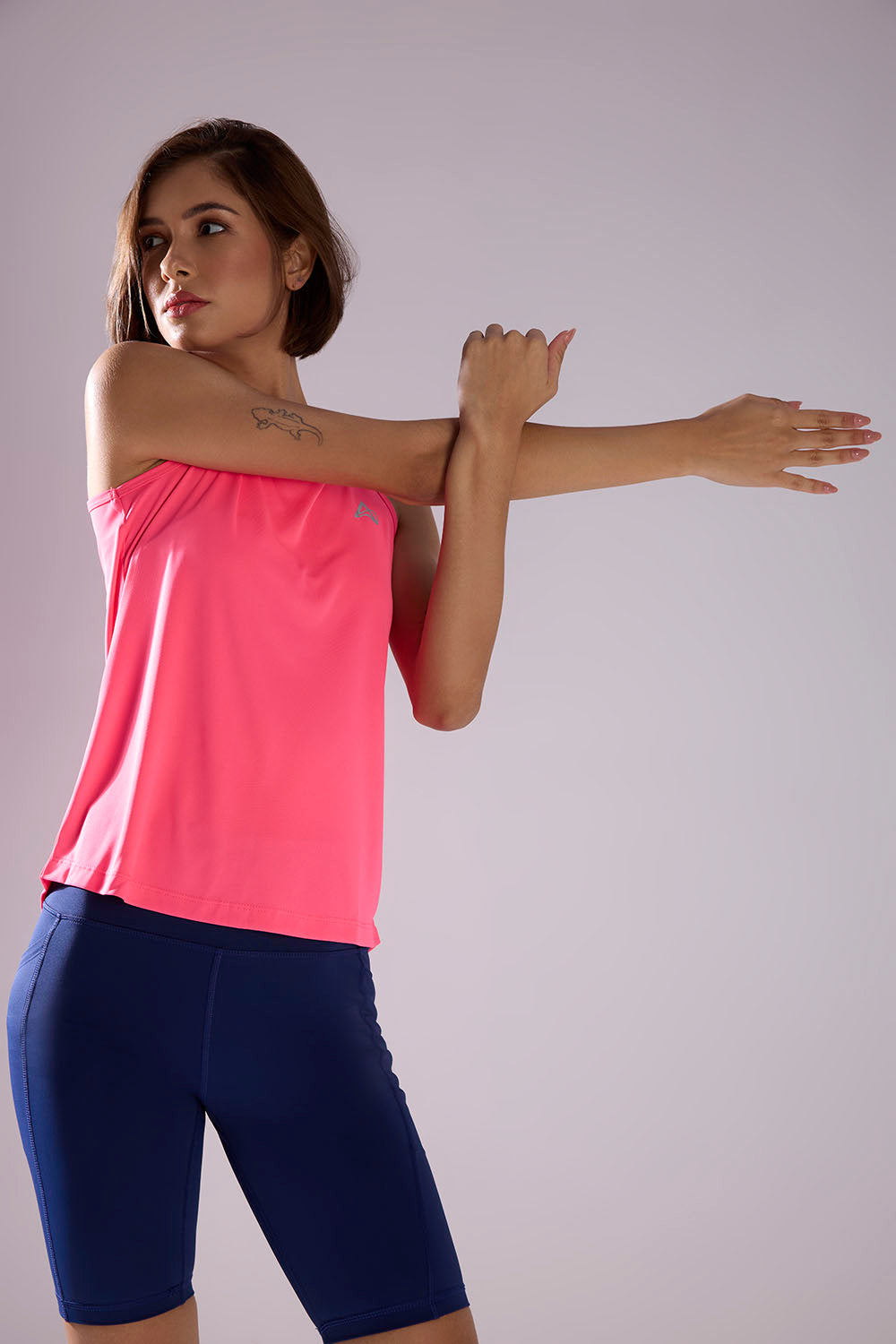
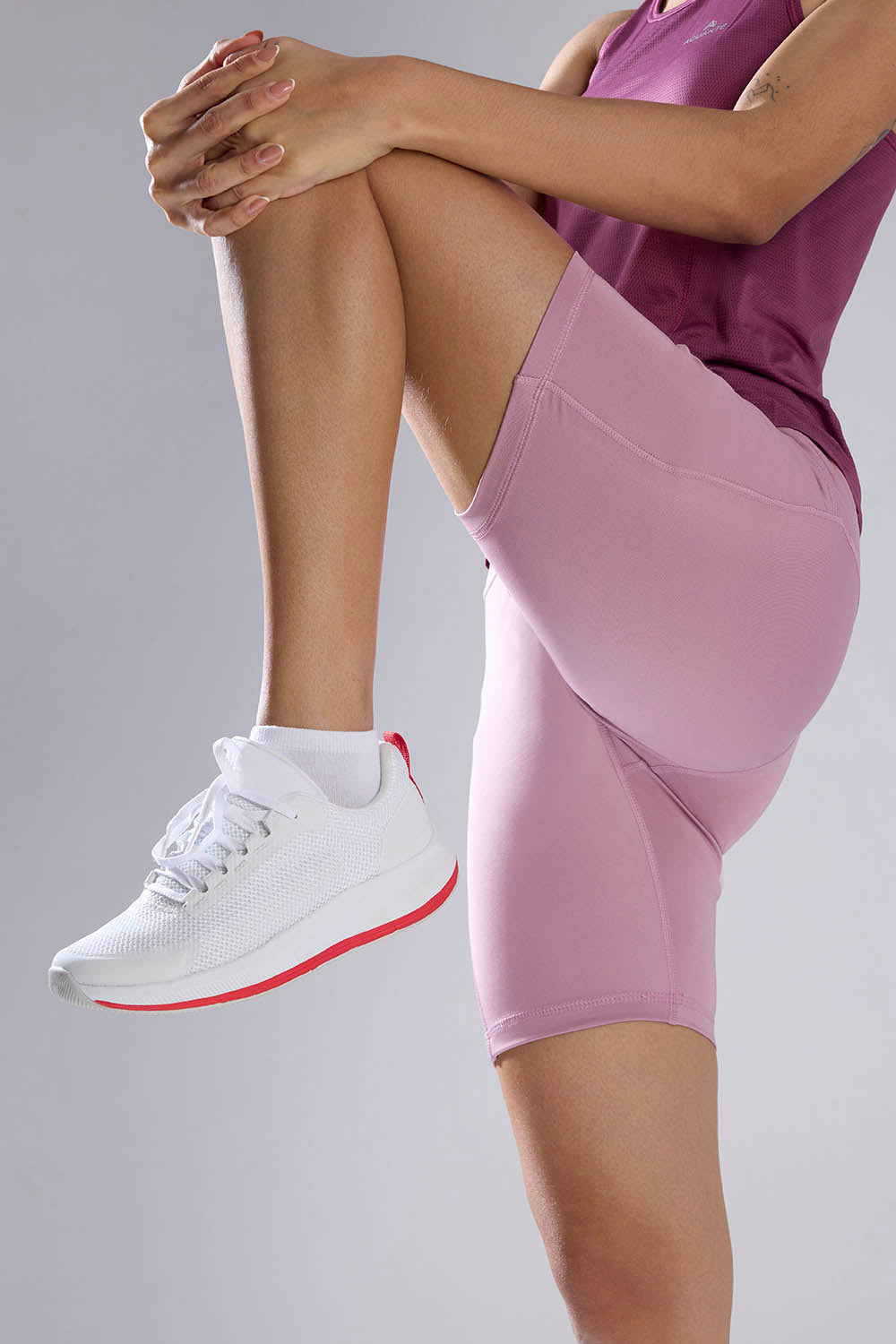
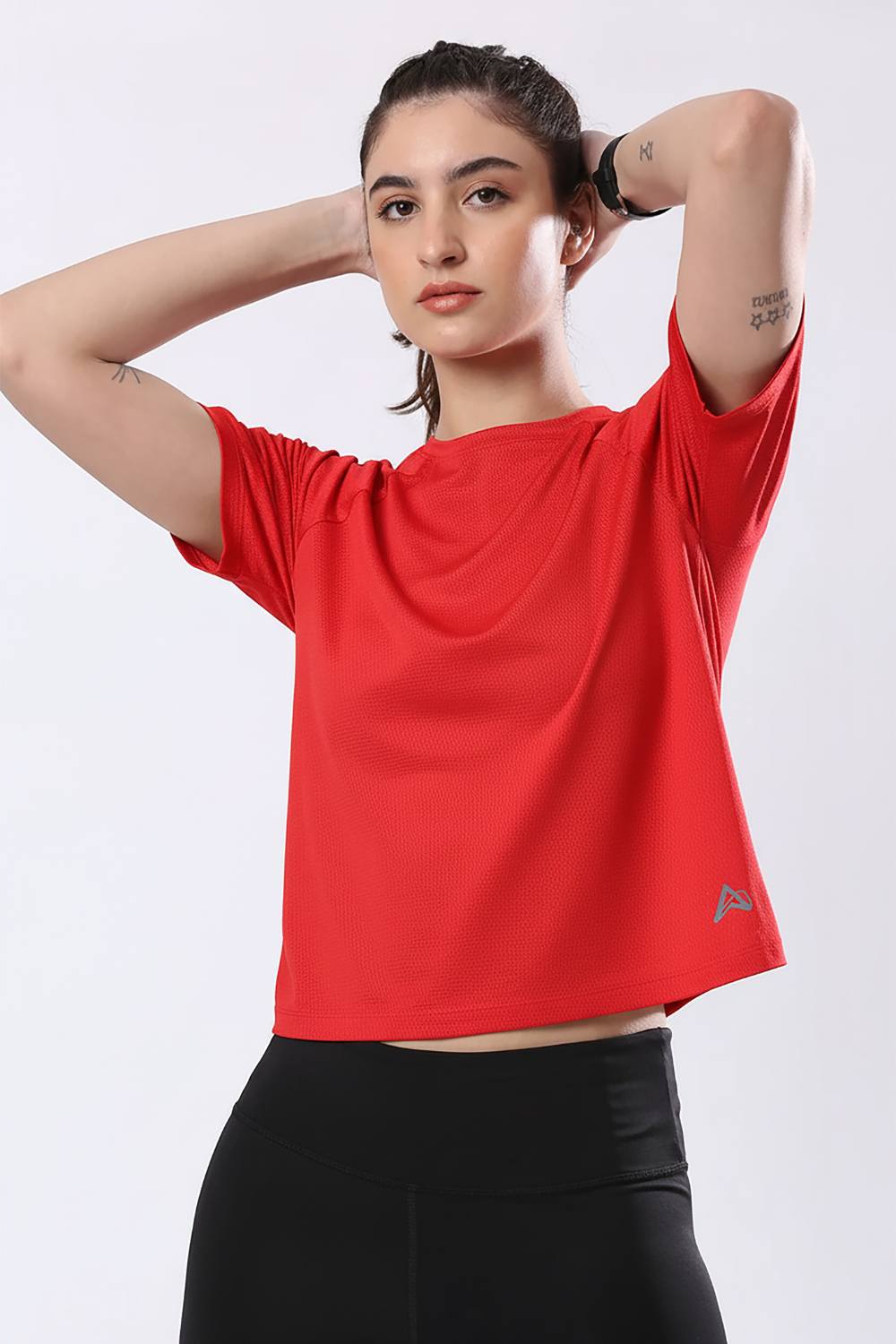
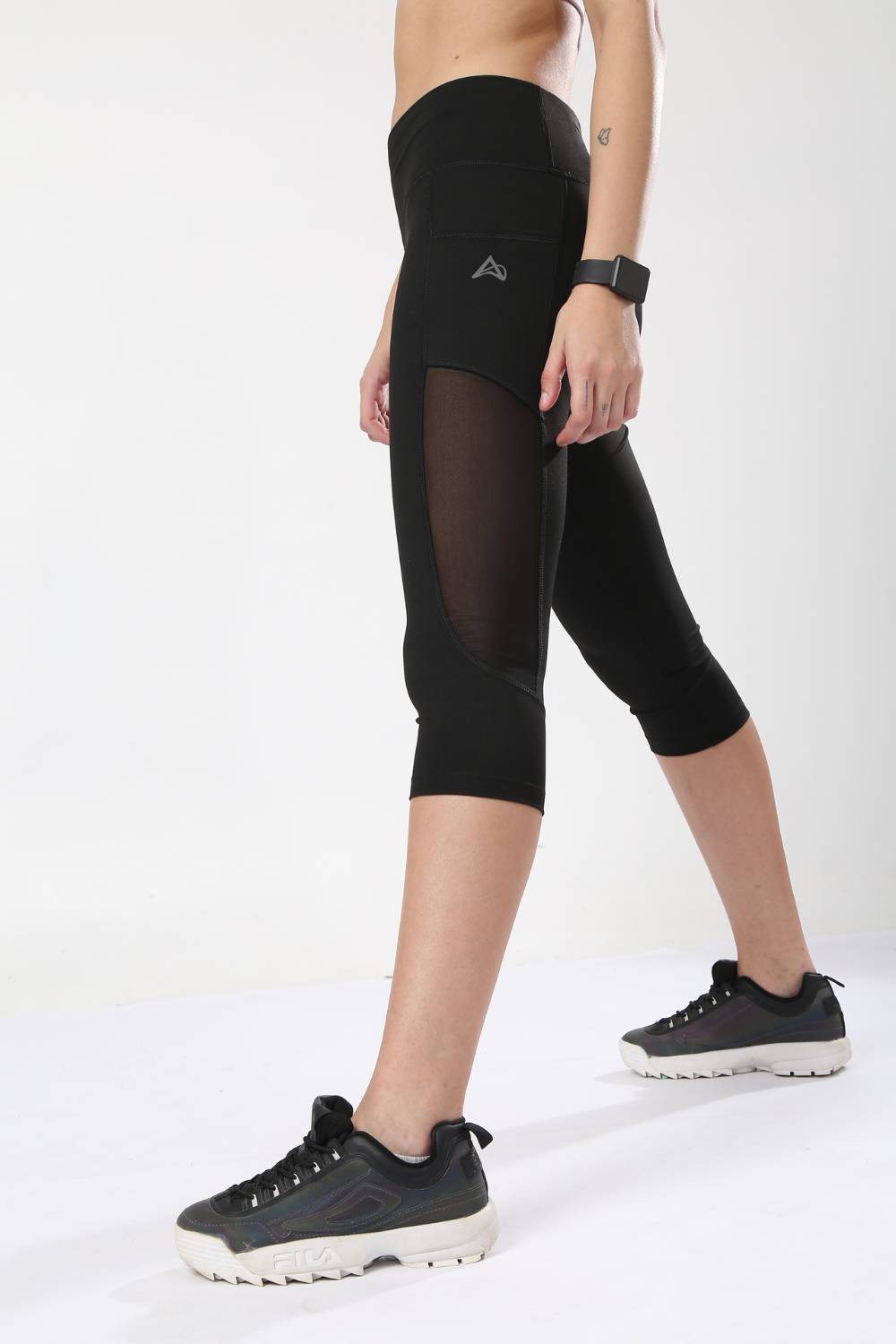
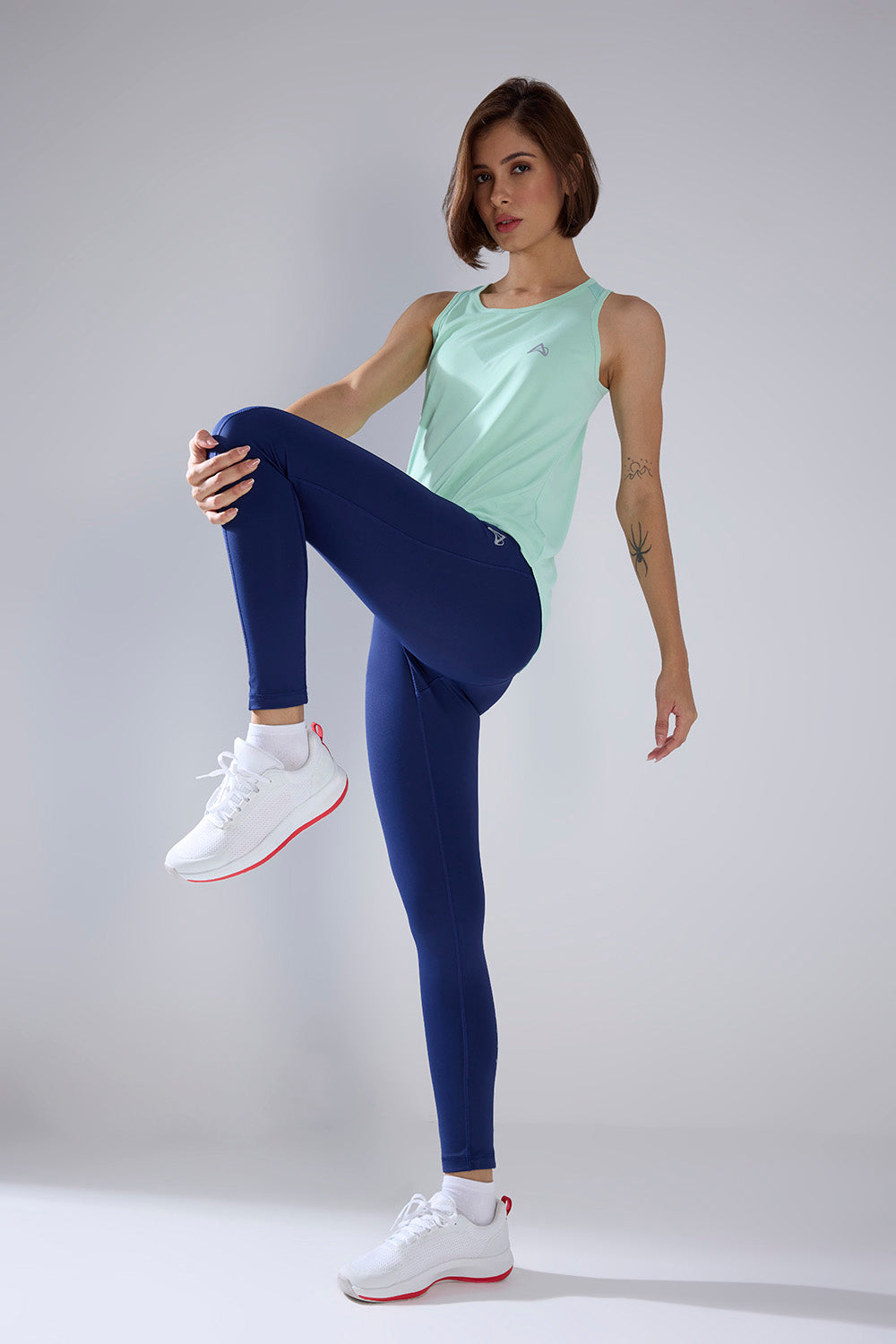

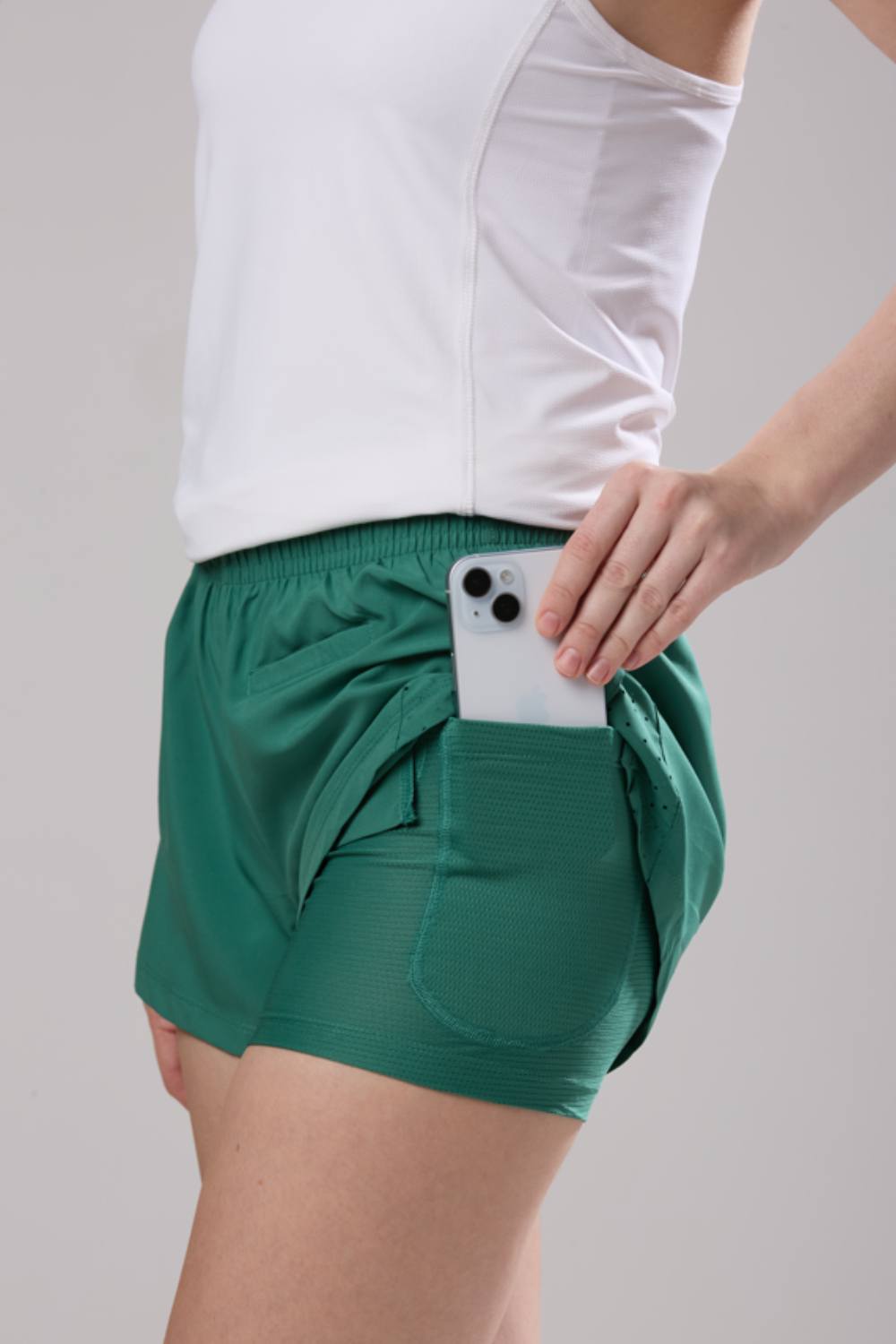
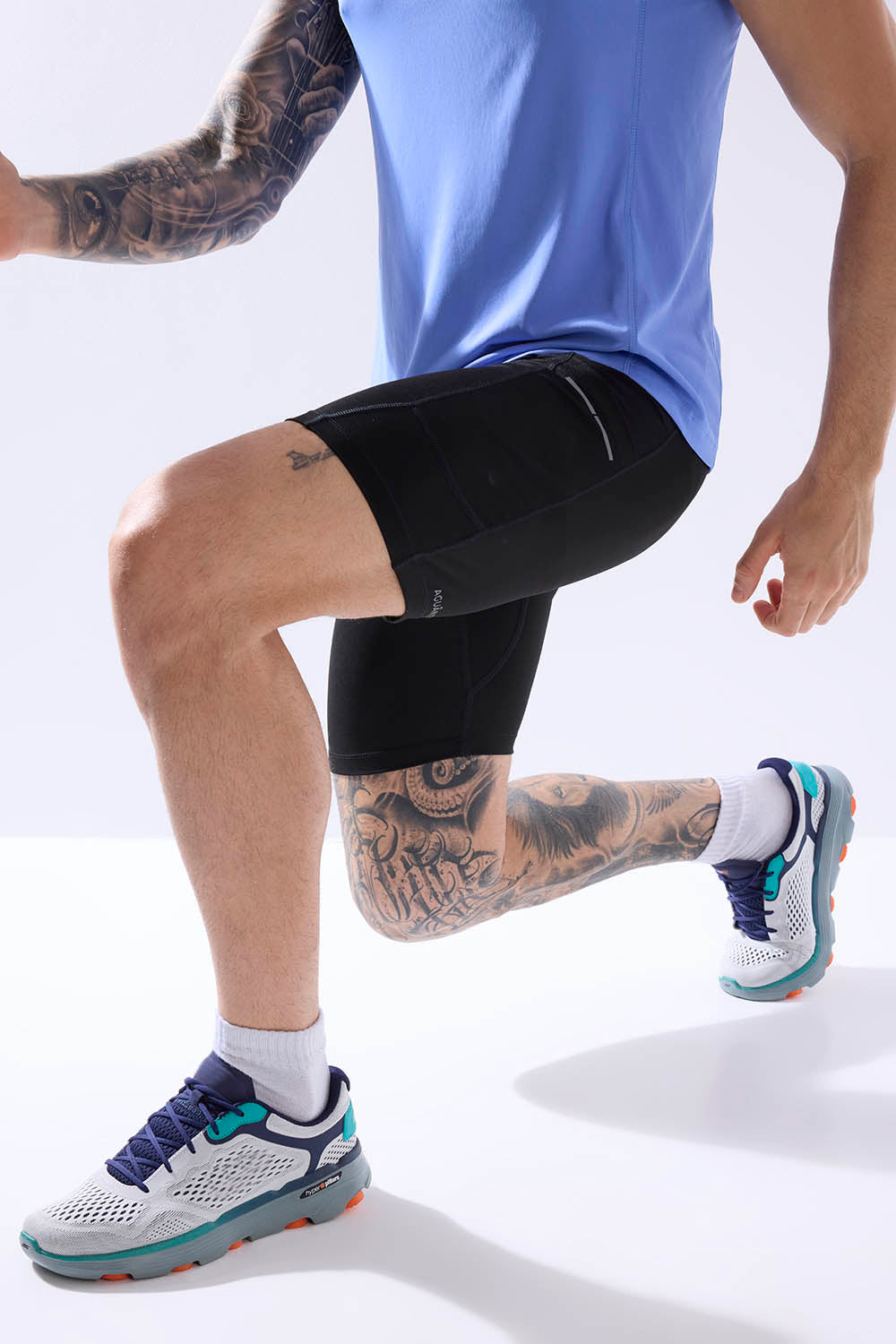
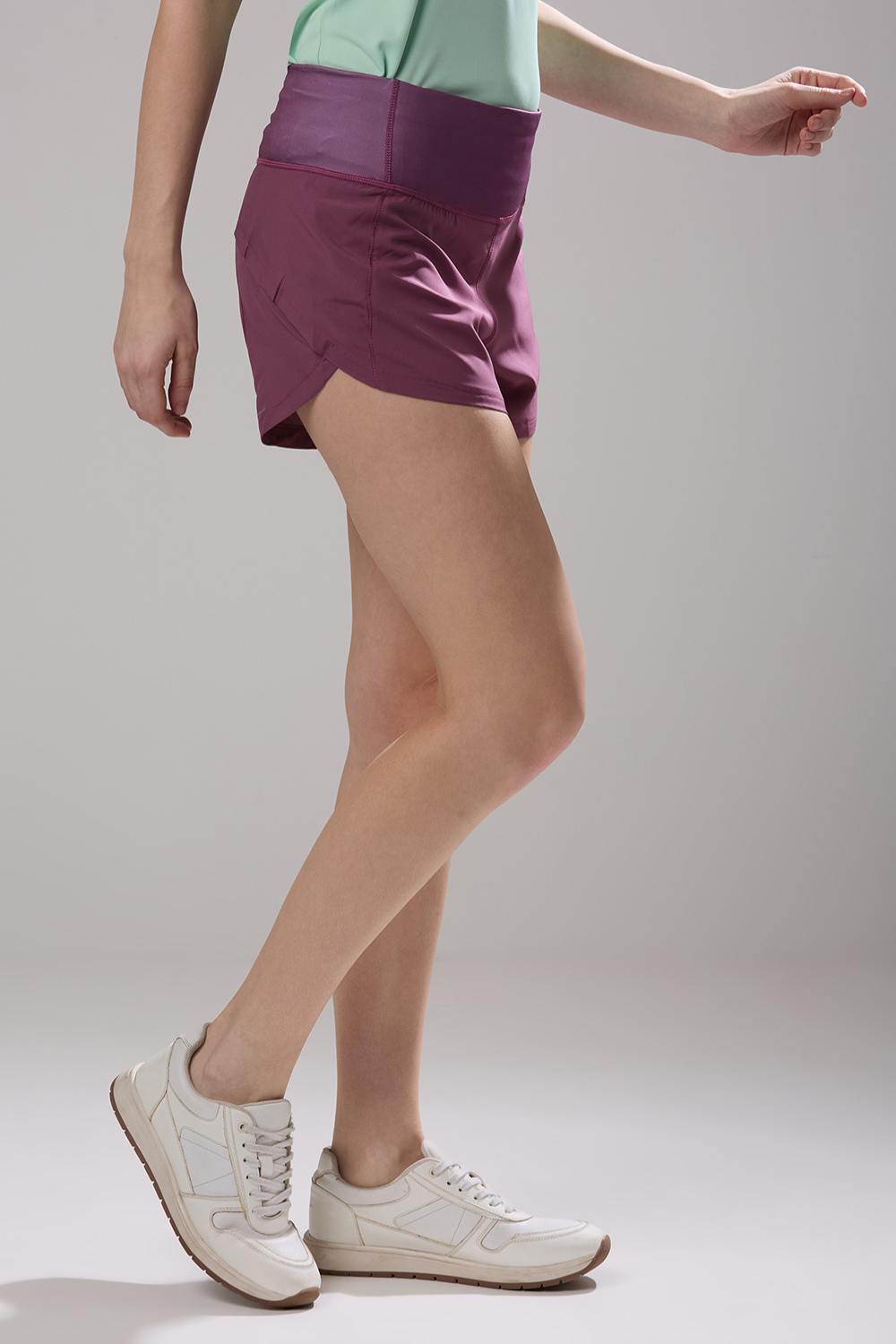
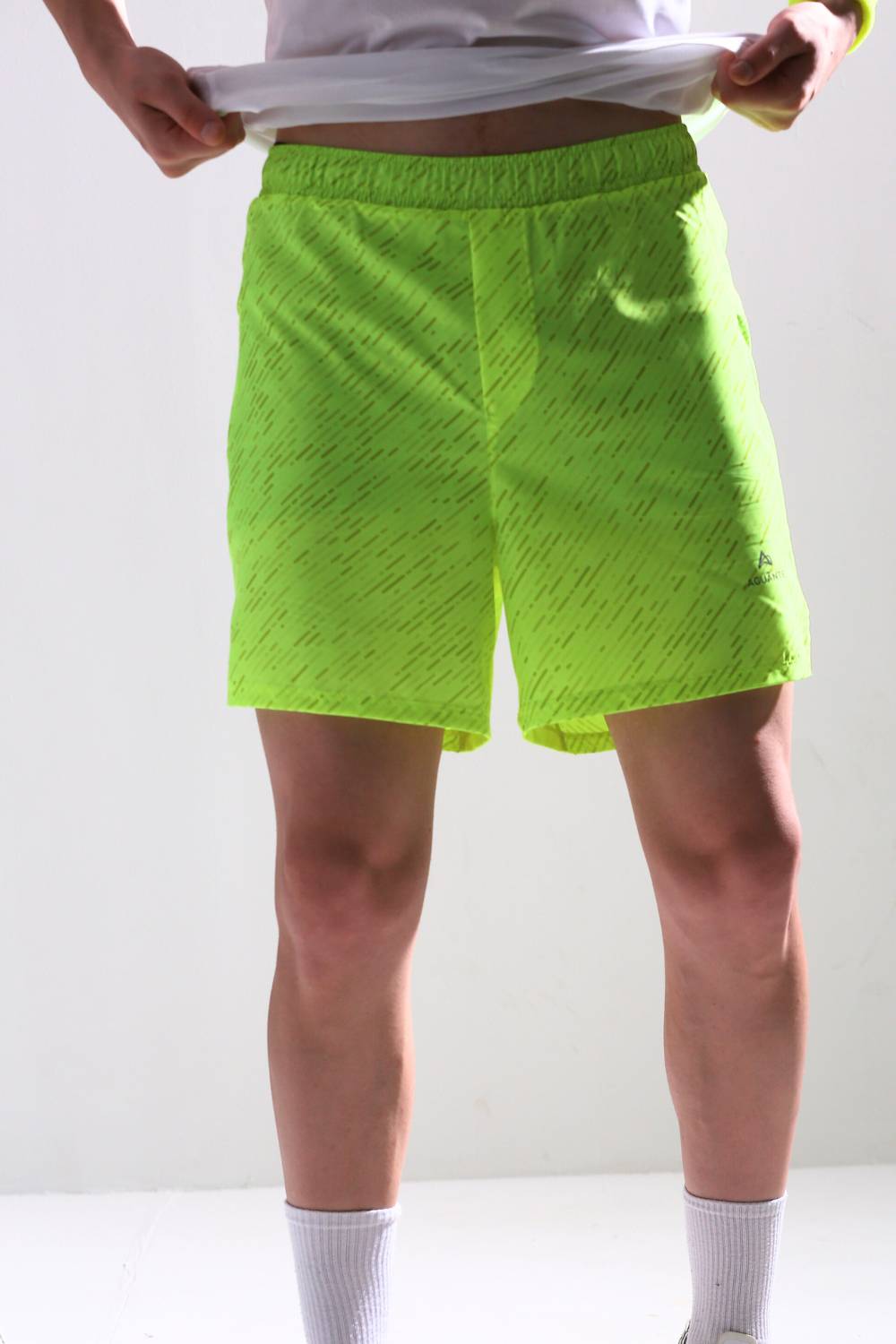
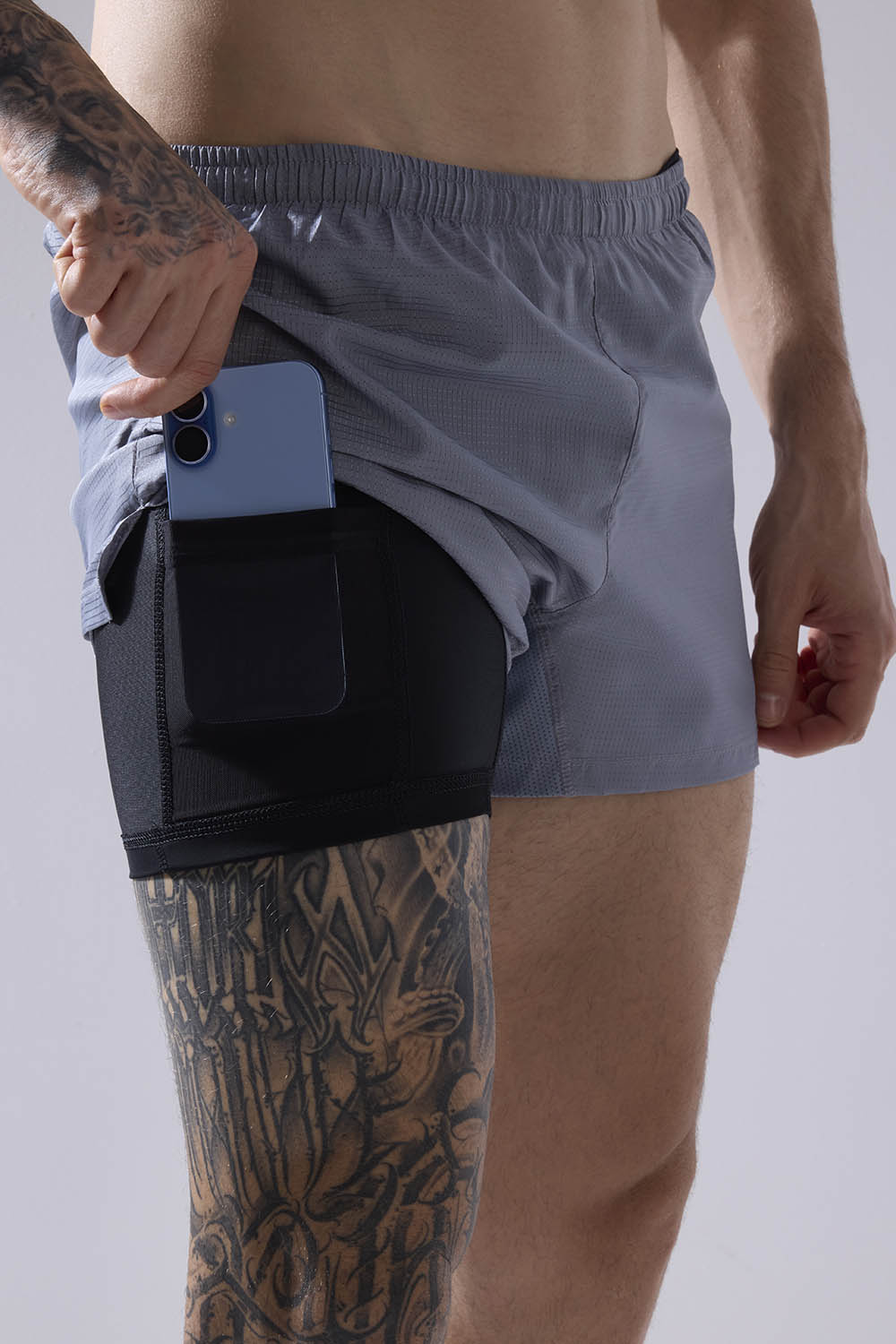

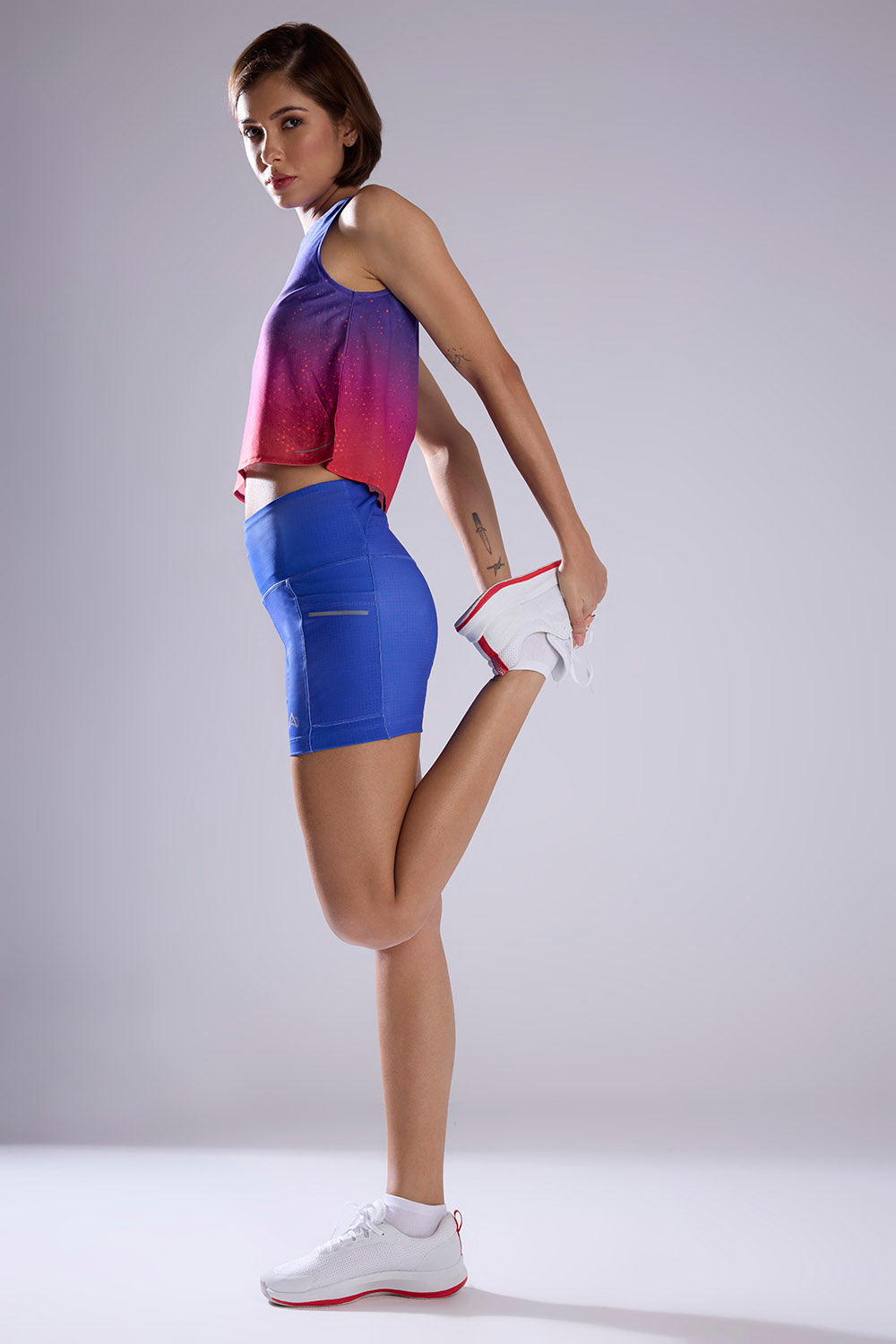
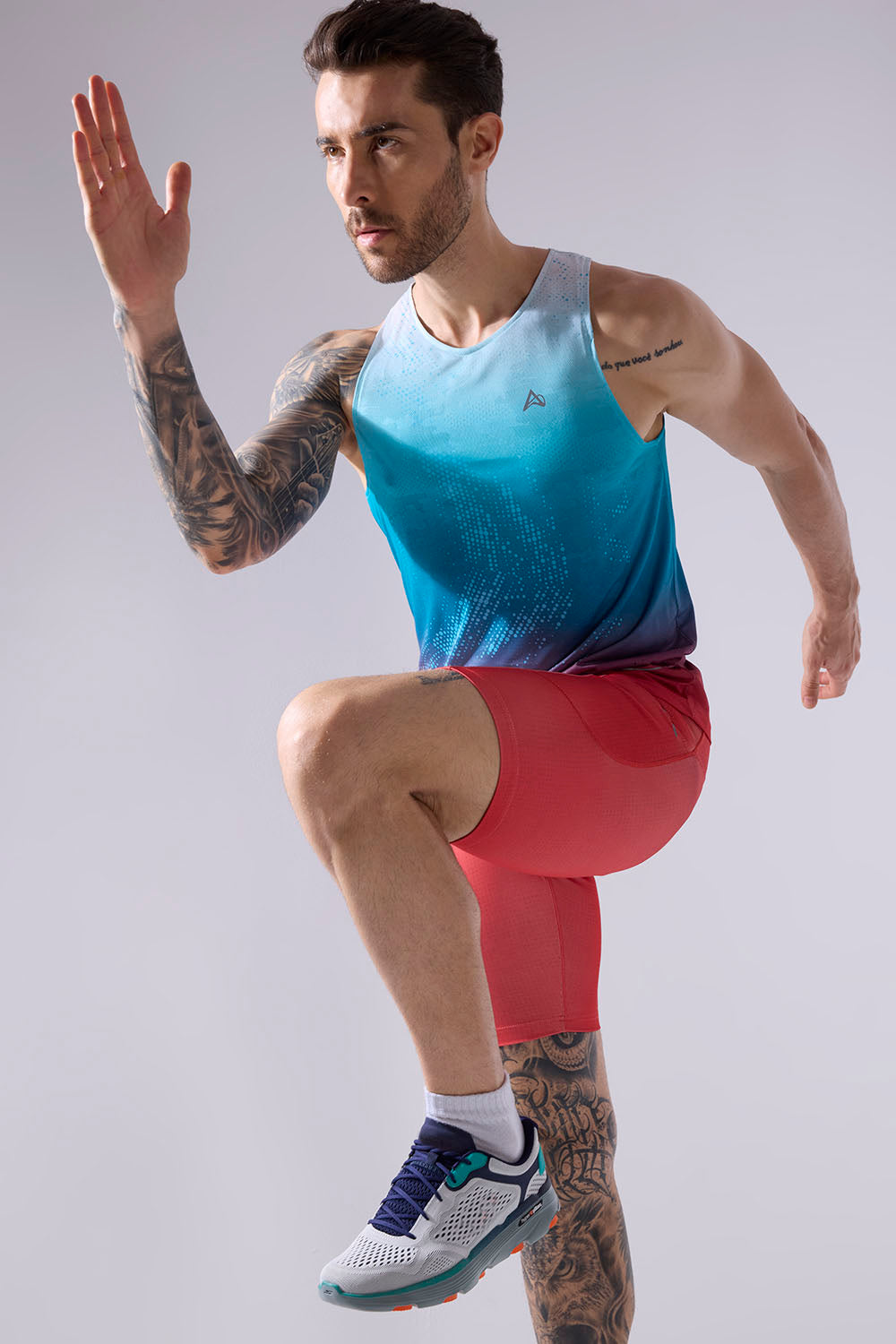

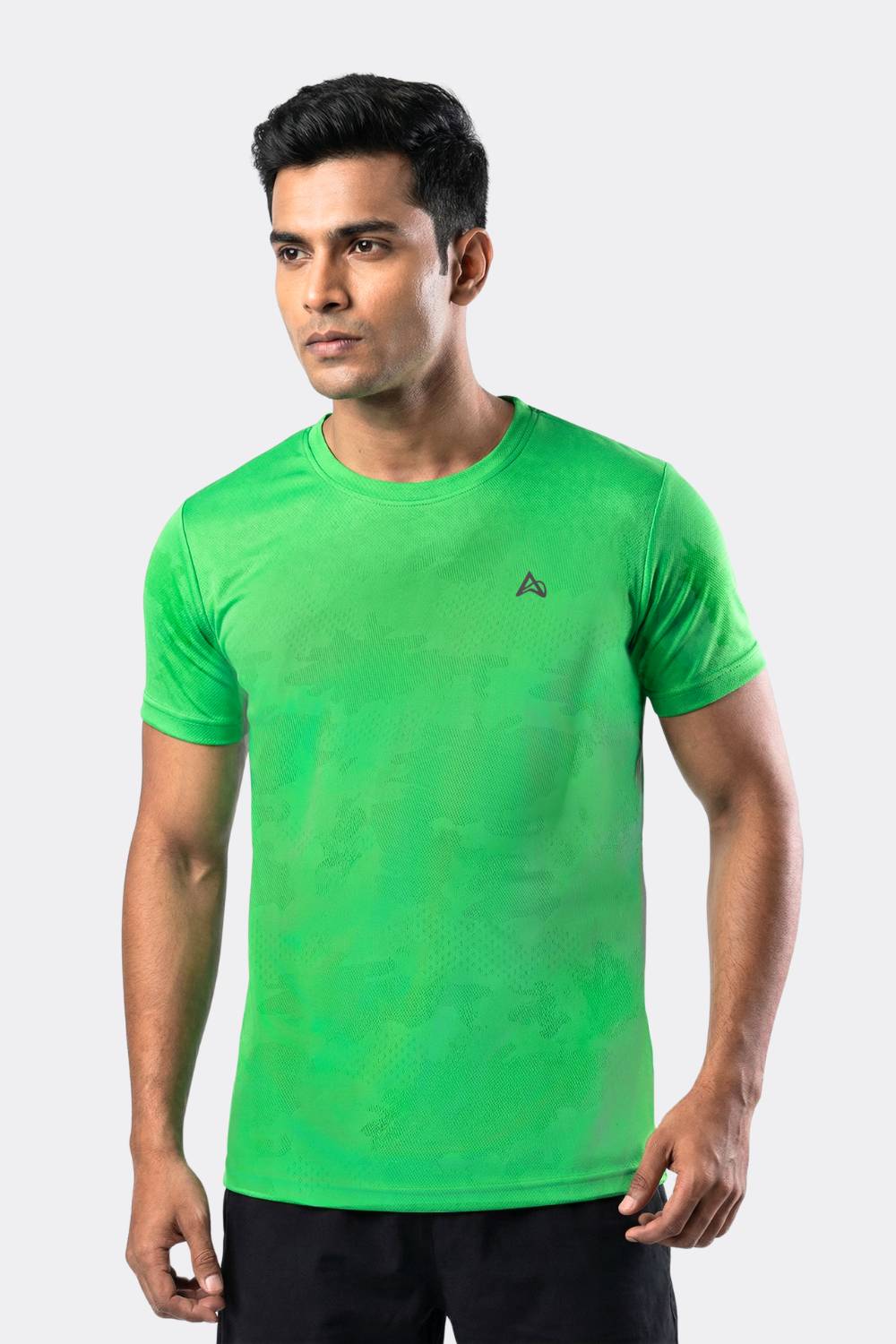
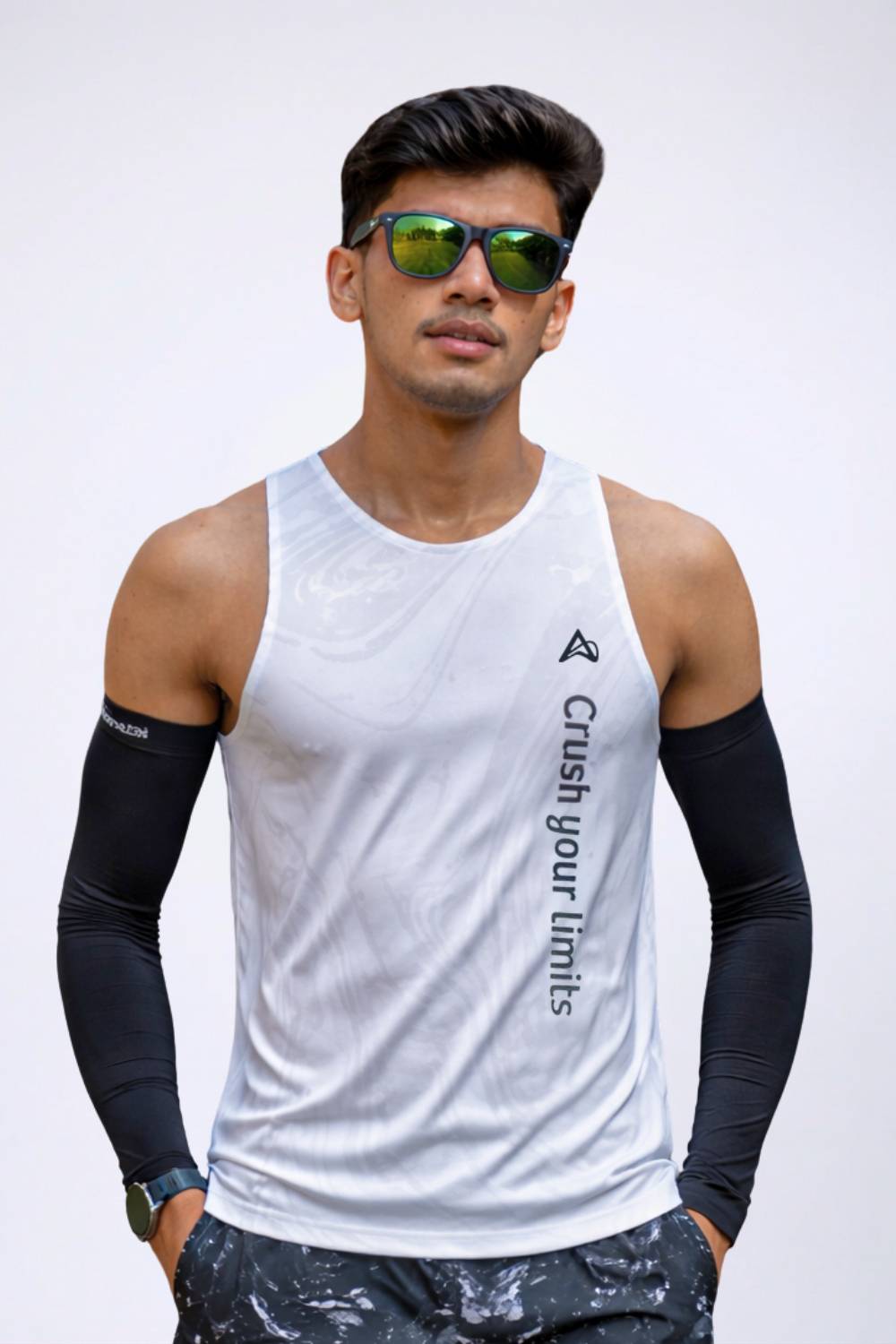

Premium running apparel is built to handle repeated movement, sweat, friction, washing, and everyday training demands. For runners, durability is not only about whether a garment looks new after several uses; it is about whether the fabric, fit, and performance features continue working as intended over time. Understanding what makes running apparel last longer helps athletes make better choices when selecting clothing for regular workouts, long-distance sessions, and changing training conditions.
Tired of gear that slows you down? Chafing, soggy fabrics, and missing pockets kill your run's momentum. At Aguante, we're runners who get it. Our high-performance activewear features moisture-wicking fabrics, ergonomic designs, and smart storage to keep you focused. Shop Now!
Why Durability Matters in Running Apparel
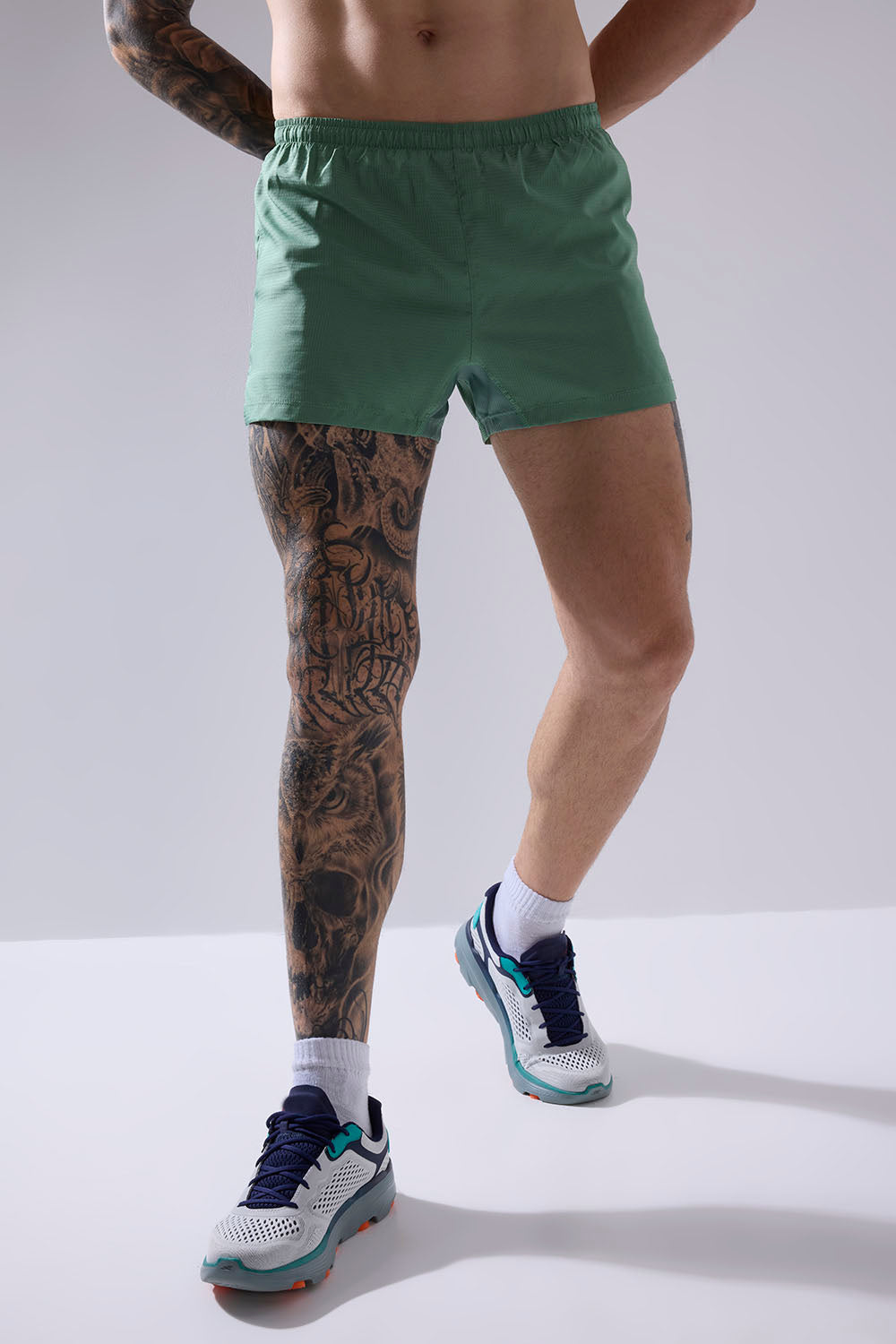
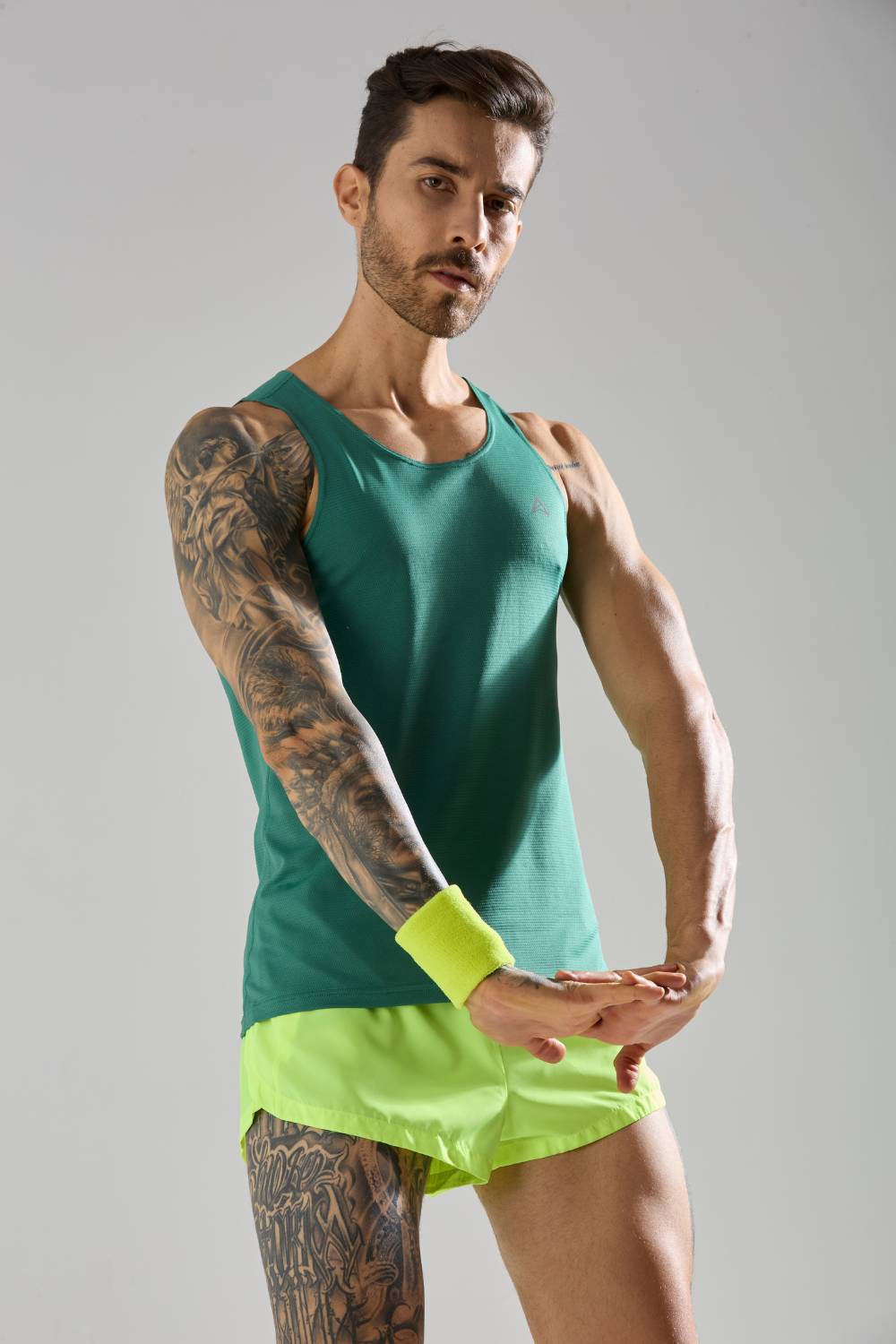
Running clothing experiences a unique combination of stress. A pair of shorts, a singlet, or a performance top may be stretched through constant movement, exposed to perspiration, rubbed against skin or equipment, and washed frequently. These repeated cycles can gradually affect fabric structure, shape retention, and overall comfort.
The difference between ordinary sportswear and premium running apparel often comes down to how well a garment maintains its intended function after repeated use. A high-quality piece of running wear should continue supporting movement, managing moisture, and providing comfort rather than simply performing well during its first few sessions.
For runners who train consistently, replacing clothing too often can become frustrating. Durable running clothes provide better long-term value because they are designed around repeated performance rather than occasional use. The focus shifts from how a garment feels on day one to how reliably it performs after months of training.
Fabric Quality Is the Foundation of Long-lasting Performance
The materials used in running apparel play a major role in durability. Performance fabrics are selected not only for lightweight comfort but also for their ability to handle stretching, drying, movement, and regular maintenance.
Technical sportswear has traditionally relied on synthetic materials because they can offer practical benefits such as low weight, flexibility, moisture management, and quick drying. However, premium fabric selection involves more than choosing a material with a single advantage. The fabric must also maintain its structure, comfort, and performance characteristics through repeated use.
Research and industry discussions around technical fabrics increasingly focus on how materials behave throughout their lifespan. Technical sportswear fabrics are being developed with greater attention to balancing performance, comfort, sustainability considerations, and long-term usability.
When evaluating the best materials for running clothes, runners should consider whether the fabric can maintain stretch, softness, breathability, and moisture management after regular training sessions. A material that performs well only when new may not provide the same value as one designed for consistent performance.
Construction Details Influence Apparel Lifespan
Fabric is only one part of performance apparel durability. The way a garment is constructed also affects how long it remains comfortable and functional. Stitching quality, seam placement, panel design, and overall garment engineering influence how well clothing handles repetitive movement.
Running involves thousands of repeated motions during every session. Poorly designed seams or unsuitable construction choices can create discomfort, reduce mobility, or contribute to faster wear in high-friction areas. Premium running apparel typically focuses on thoughtful construction so that the garment works with the runner's movement instead of restricting it.
Features such as ergonomic fits, carefully positioned seams, and flexible materials can help maintain comfort during longer training periods. The goal is not simply to create a lightweight garment but to create one that continues supporting the athlete's needs over time.
For runners, durability should therefore be viewed as a combination of material selection and design decisions. A strong fabric can lose effectiveness if the construction does not support real-world use.
Performance Retention Is More Important Than First Impressions
A common mistake when choosing running clothing is judging quality only by initial feel. A garment may feel soft, lightweight, or comfortable when first purchased, but premium quality is revealed through repeated wear.
Long-lasting sportswear should retain important performance characteristics such as fit, breathability, moisture management, and flexibility. These qualities matter because runners depend on their clothing during demanding activities where comfort and reliability affect the overall experience.
The relationship between fabric durability and garment care is especially important for performance apparel. Repeated wearing and laundering create mechanical stress on fibres, meaning that material engineering and maintenance habits both influence how long clothing continues to perform. Fabric quality and garment care are .
This perspective changes how runners evaluate purchases. Instead of asking only whether a garment feels good in the store, they can consider whether it is designed to remain useful through regular training, washing, and movement.
Care Practices Can Extend the Life of Running Clothes
Even well-designed apparel requires proper care. How running clothes are washed, dried, and stored can influence how quickly fabrics lose their original performance characteristics.
Simple maintenance habits can reduce unnecessary stress on technical fabrics. Gentle washing methods, appropriate water temperatures, avoiding excessive heat during drying, and following care instructions can help preserve fabric structure and comfort.
Responsible garment care does not mean treating running apparel as fragile. Instead, it means understanding that performance clothing is engineered with specific materials and finishes that benefit from thoughtful maintenance.
Small changes in routine can make a difference. Allowing clothing to fully dry between uses, avoiding unnecessary washing when a garment is only lightly used, and handling technical fabrics carefully can help maintain their performance for longer periods.
The lifespan of running apparel is shaped by both the product itself and the way it is used. A well-made garment supported by good care practices is more likely to remain comfortable and reliable throughout many training sessions.
How Runners Can Evaluate Durable Running Apparel
Choosing premium running apparel requires looking beyond appearance. Runners can assess durability by considering several practical factors before making a purchase.
- Fabric performance: Look for materials designed to manage moisture, support movement, and maintain comfort over repeated use.
- Construction quality: Examine stitching, seams, and design details that influence comfort during activity.
- Functional design: Consider whether features support actual running needs rather than simply adding visual appeal.
- Care requirements: Understand how the garment should be maintained to protect its performance qualities.
- Long-term usability: Think about how often the apparel will be used and whether it can support regular training demands.
These considerations help runners move from buying based on short-term impressions to selecting clothing based on performance value. High quality running wear is ultimately about reliability, comfort, and consistency over time.
The Future of Durable Performance Apparel
The conversation around performance apparel is becoming more focused on longevity. Runners increasingly expect clothing to deliver reliable performance while also making practical sense as part of their training routine.
For manufacturers, the challenge is creating garments that balance technical performance with responsible material choices and longer product lifespans. The evolution of sportswear materials shows a broader shift toward improving how clothing performs throughout its entire lifecycle.
For consumers, this means looking beyond short-term features and considering the complete experience of owning a garment. A durable running outfit should feel dependable during workouts, maintain its functionality after repeated use, and provide value through consistent performance.
Understanding what makes running apparel last longer allows runners to make more informed decisions. Premium quality is not defined by appearance alone; it is created through the combination of fabric technology, thoughtful construction, performance retention, and proper care.
For runners investing in their training gear, durable running clothes are more than a purchase. They are part of a practical approach to comfort, performance, and long-term training support. When apparel is designed to withstand the demands of regular running, it becomes a reliable partner through every session.
Frequently Asked Questions
What makes premium running apparel last longer than regular sportswear?
Premium running apparel lasts longer because it uses durable fabrics, thoughtful construction, and performance-focused designs that help maintain comfort and functionality through repeated use. Factors such as fabric quality, seam construction, fit, and moisture management all influence how well running clothes perform over time.
How does fabric quality affect the durability of running clothes?
Running apparel fabric quality affects how well clothing retains its stretch, softness, breathability, and moisture-wicking performance after regular training sessions. High-quality materials are designed to handle repeated movement, washing, and exposure to sweat while maintaining their intended performance.
How can I maintain running clothes to make them last longer?
You can extend the life of running clothes by following proper care practices such as using gentle washing methods, avoiding excessive heat during drying, and following garment care instructions. Regular maintenance helps reduce unnecessary stress on technical fabrics and preserves the comfort and performance of your apparel.
Disclaimer: The above helpful resources content contains personal opinions and experiences. The information provided is for general knowledge and does not constitute professional advice.
You may also be interested in: Sustainability Concerns Drive Changes in Material Choices for Performance Apparel
Tired of gear that slows you down? Chafing, soggy fabrics, and missing pockets kill your run's momentum. At Aguante, we're runners who get it. Our high-performance activewear features moisture-wicking fabrics, ergonomic designs, and smart storage to keep you focused. Shop Now!
Powered by flareAI.co