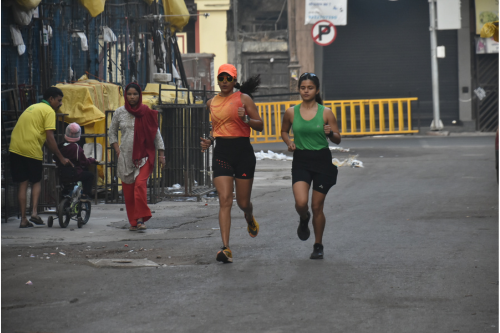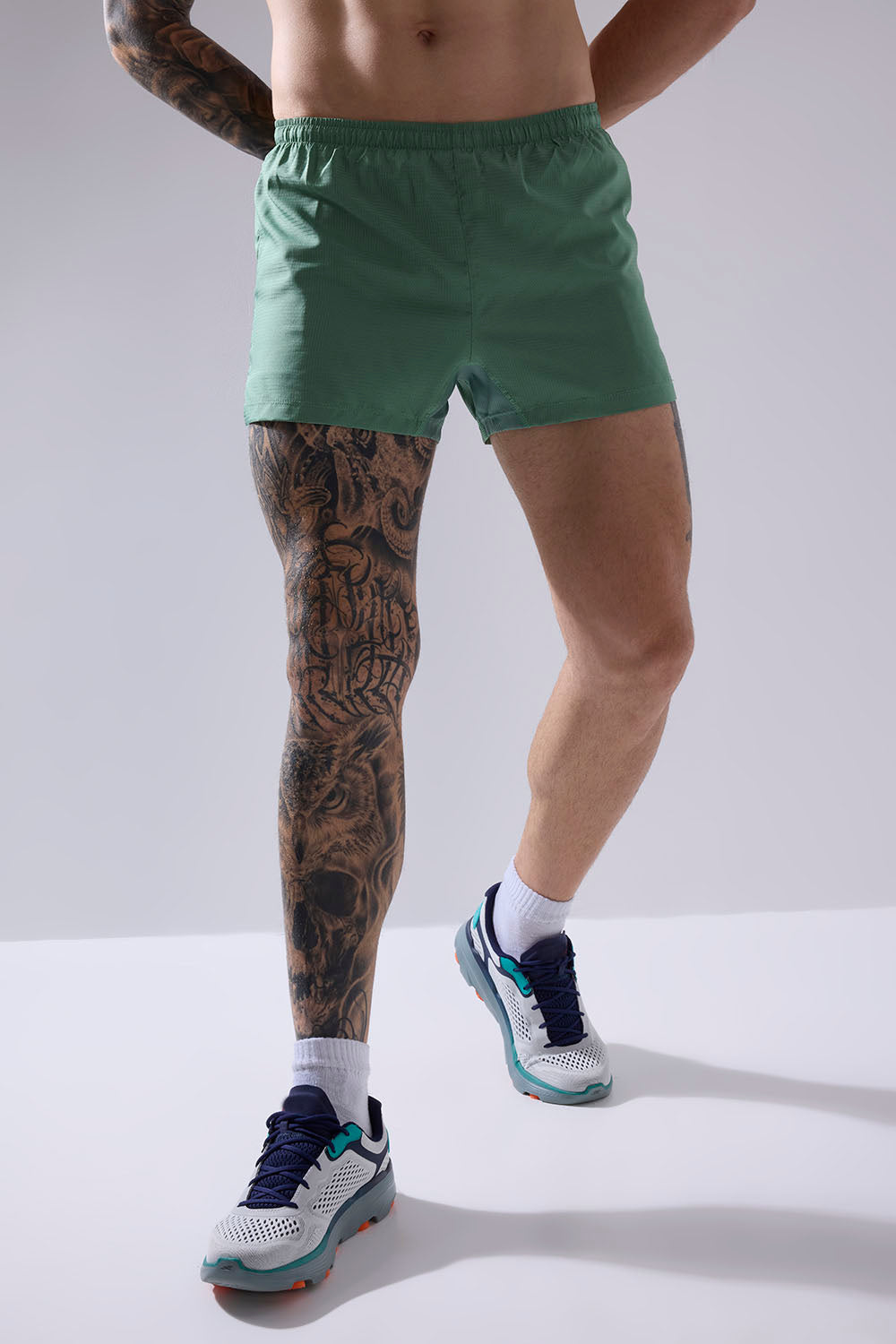
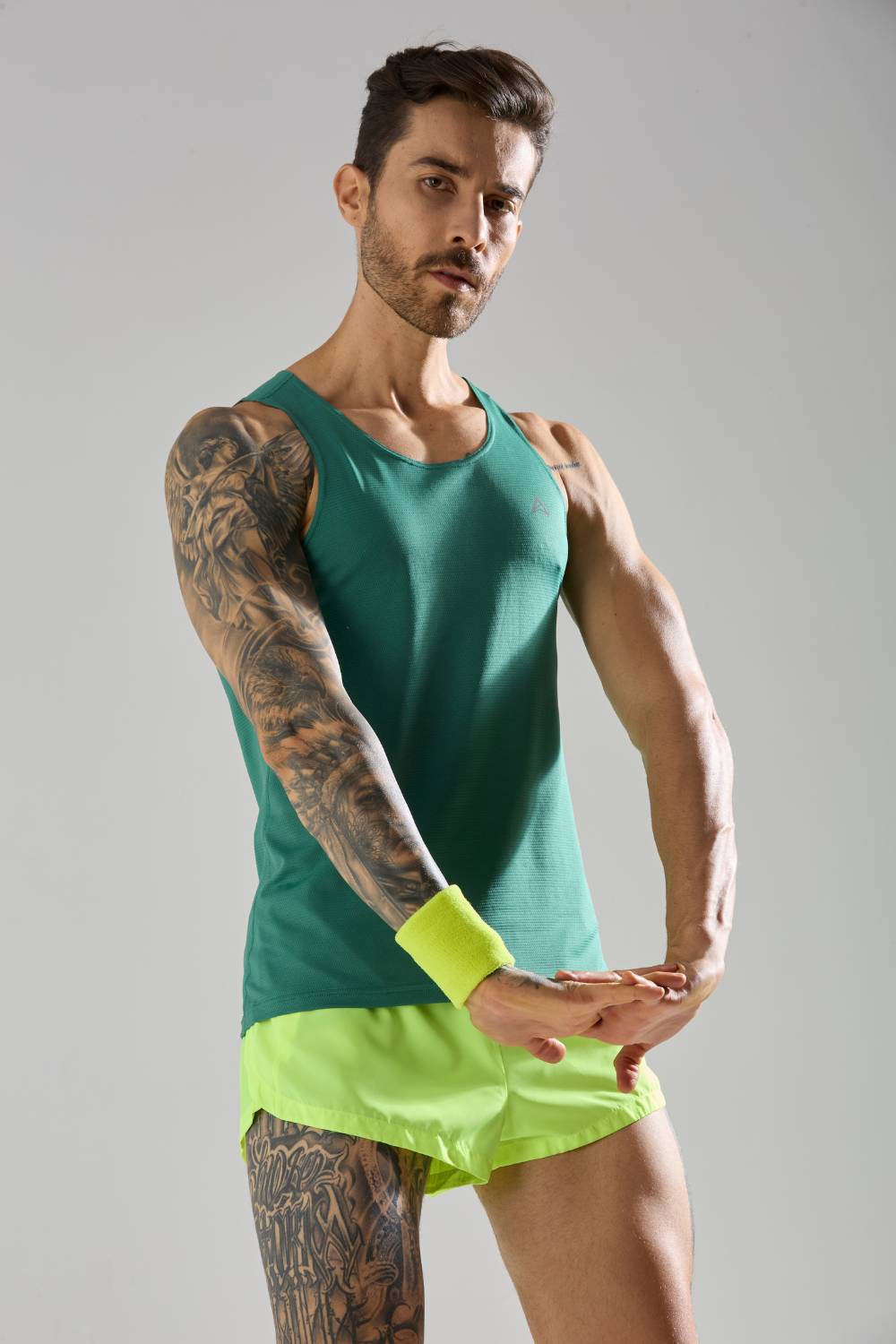
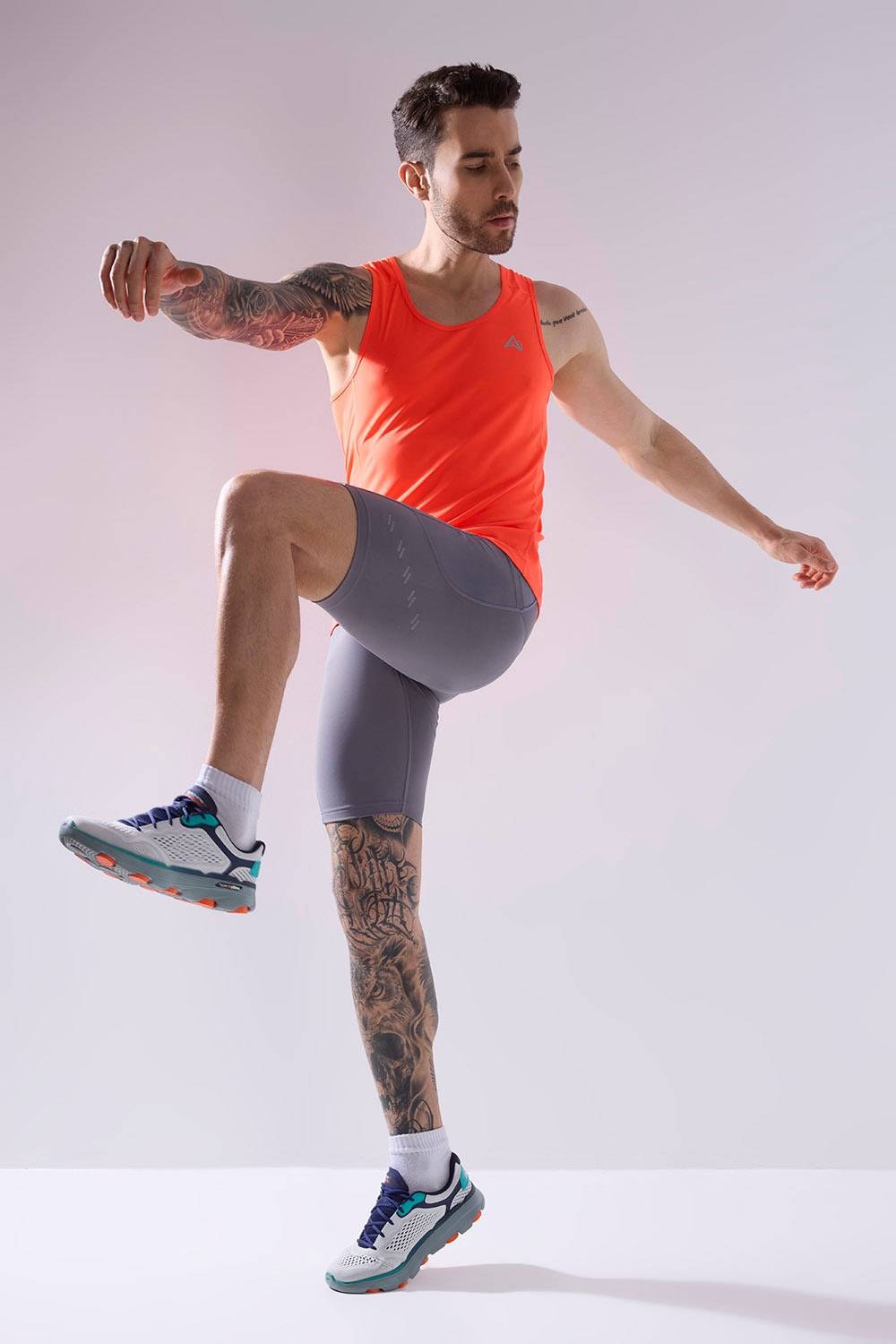
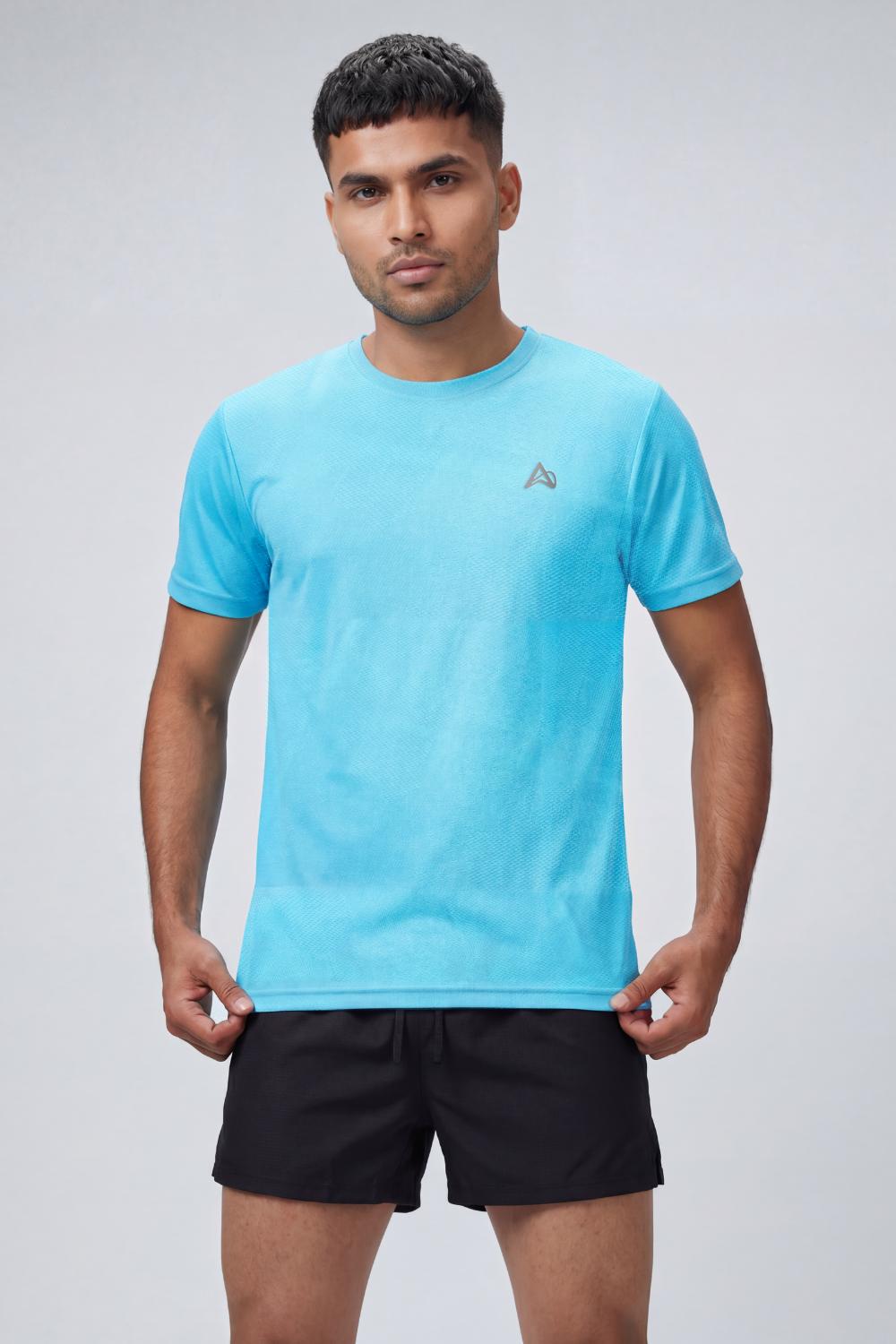
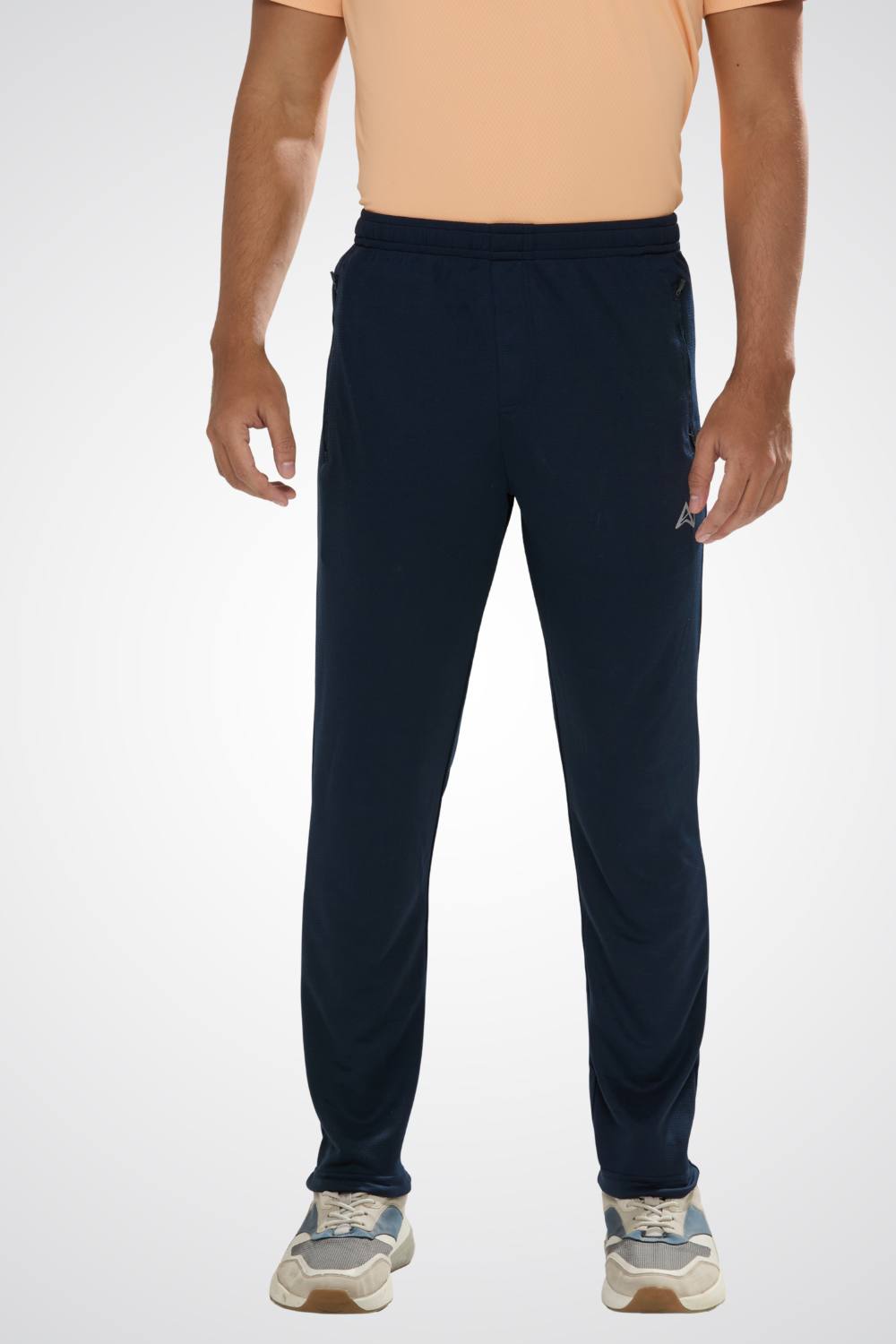
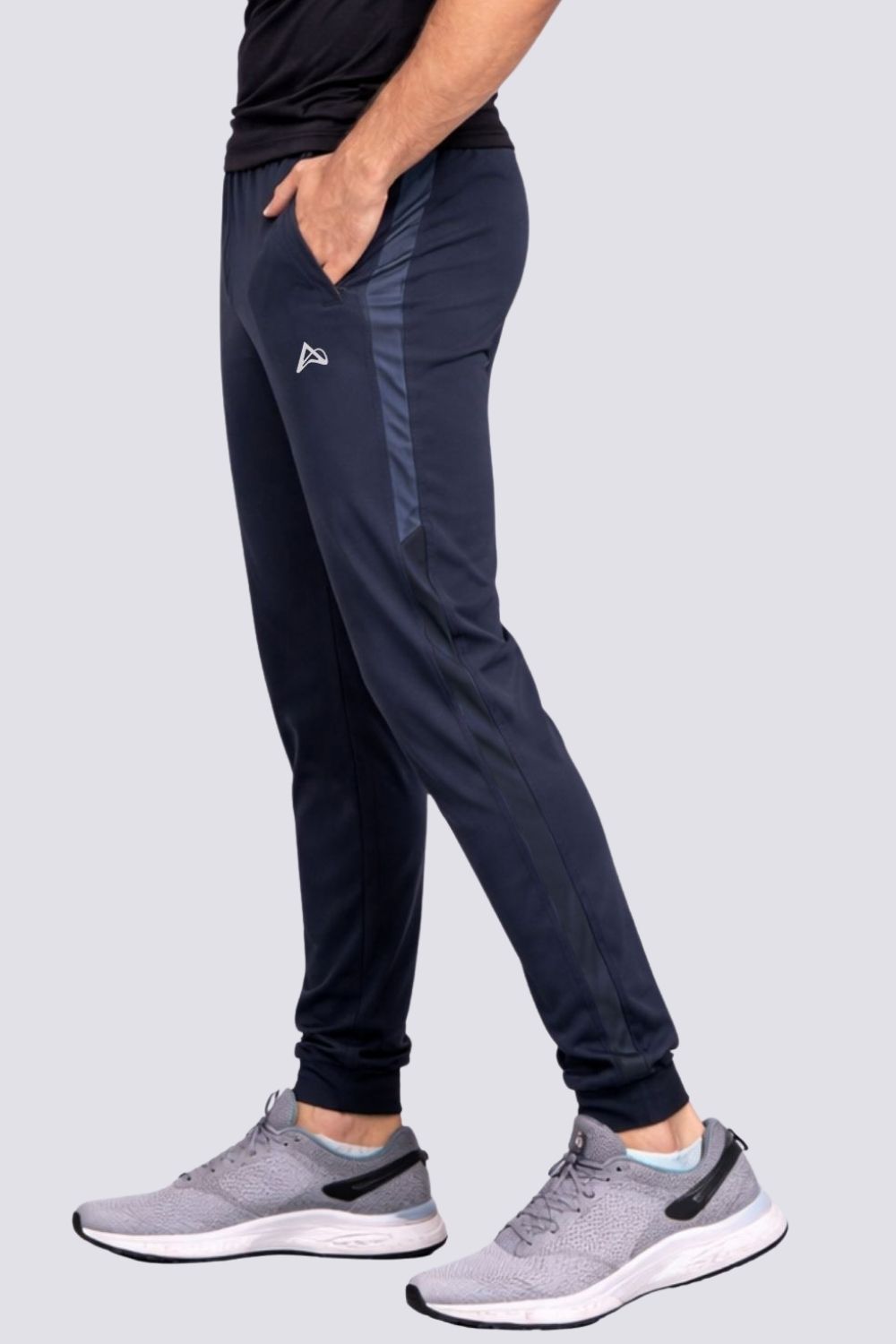
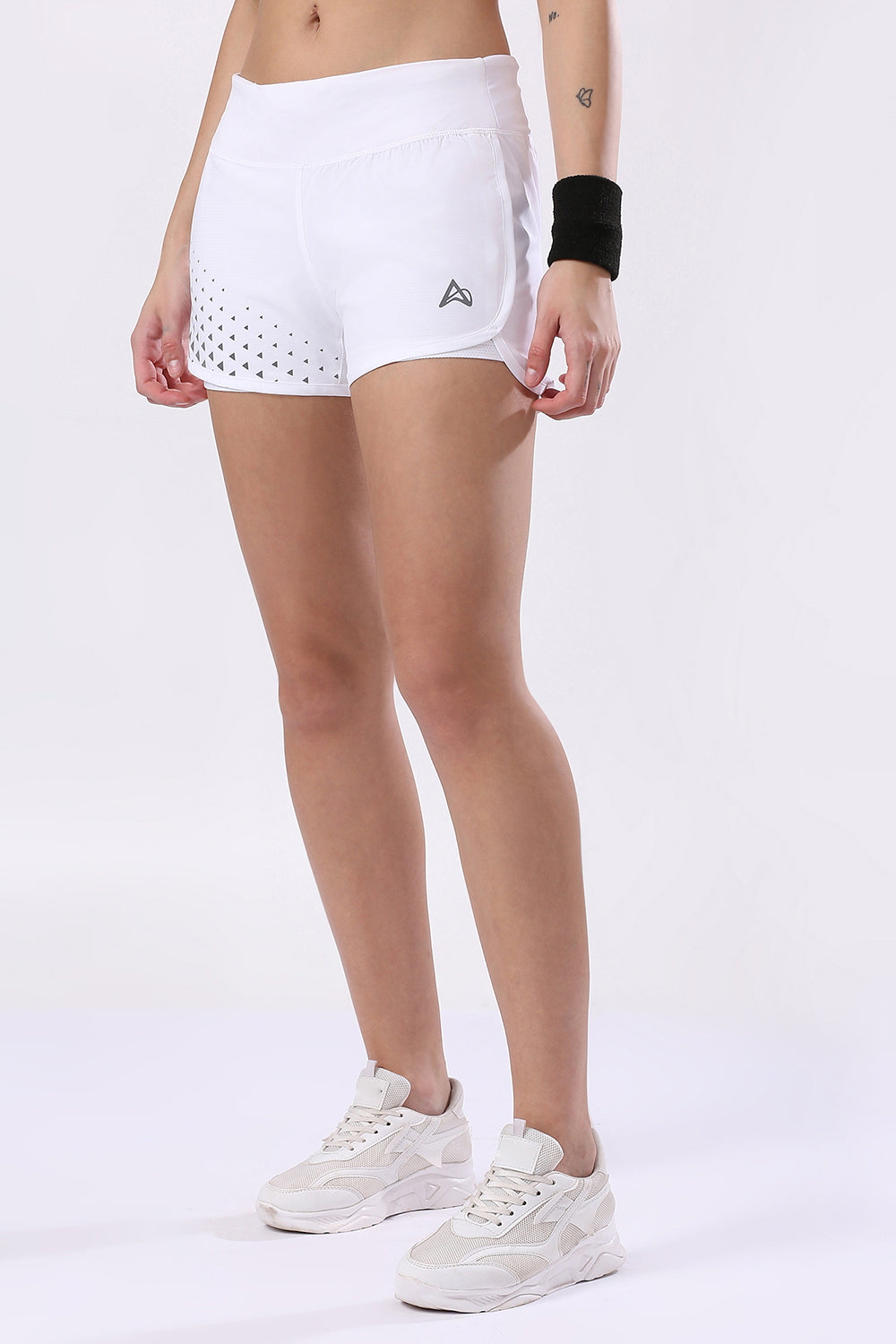
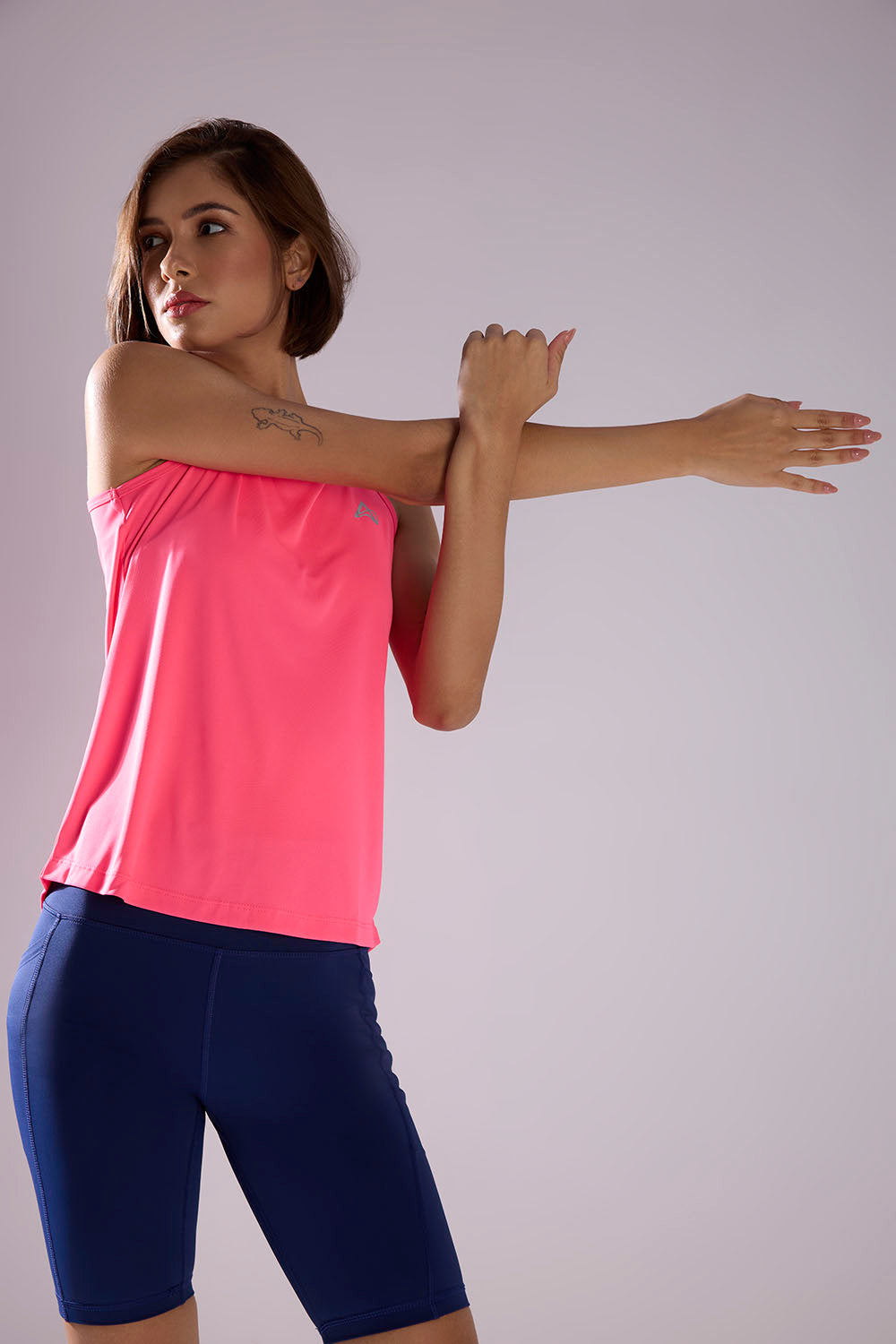
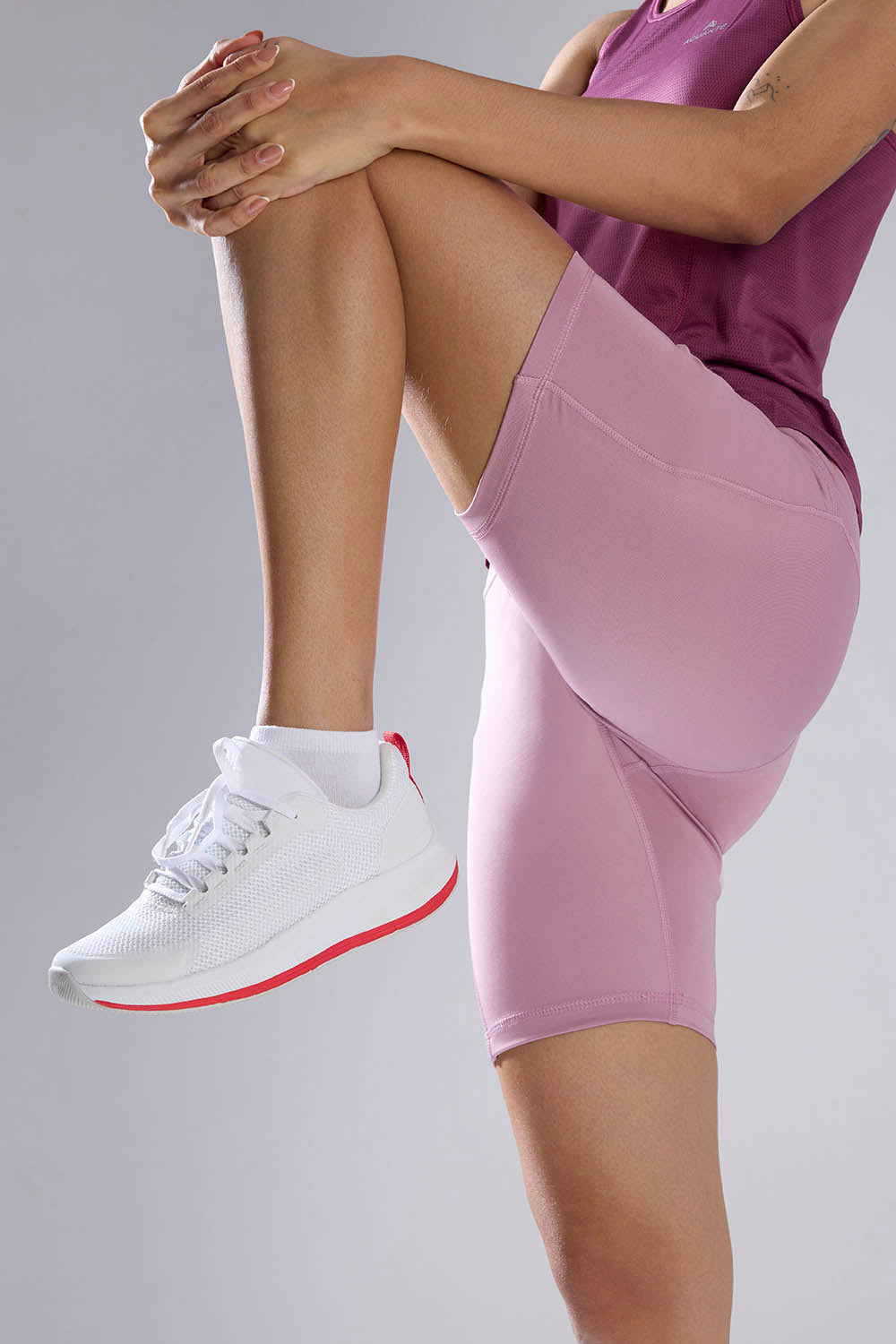
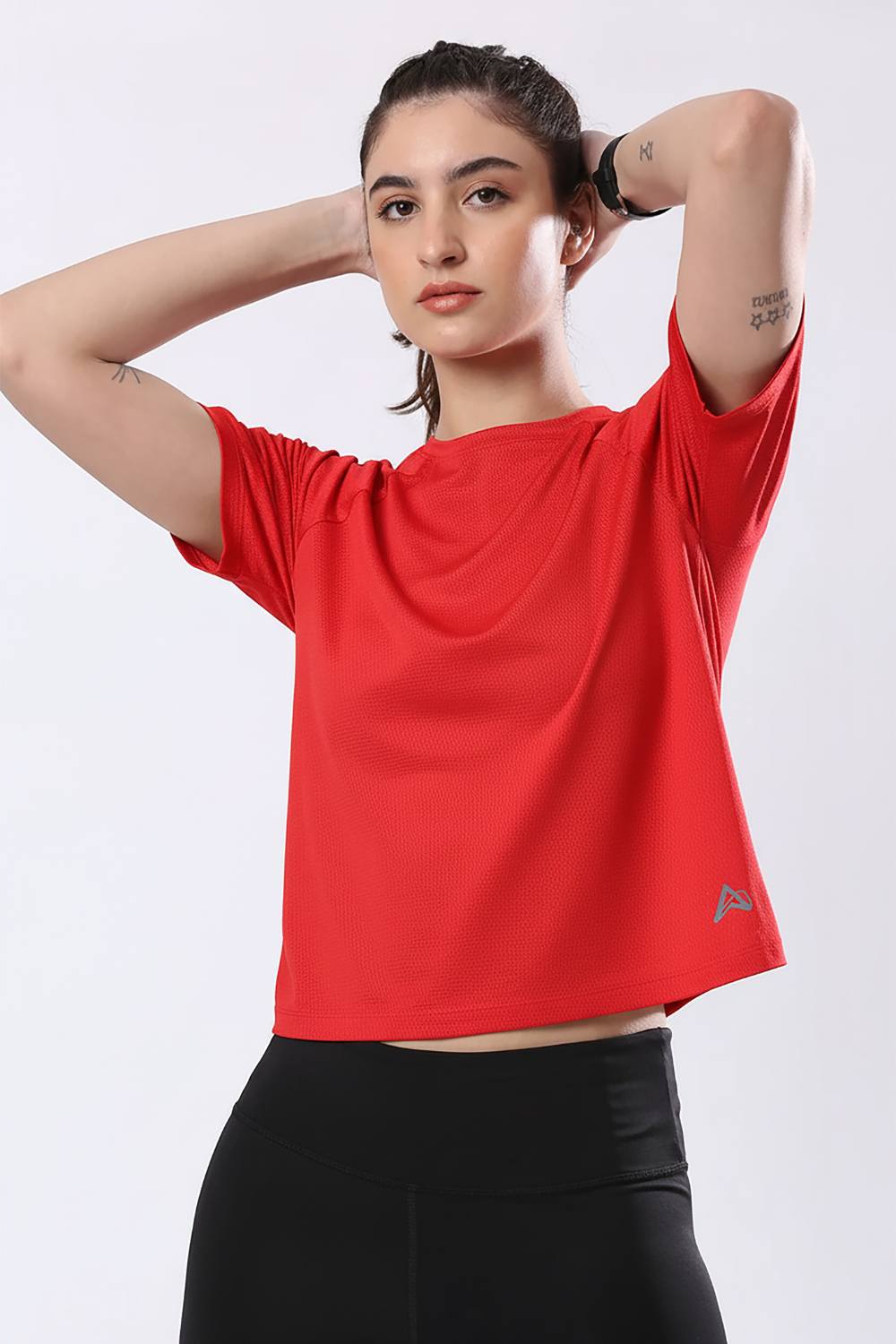
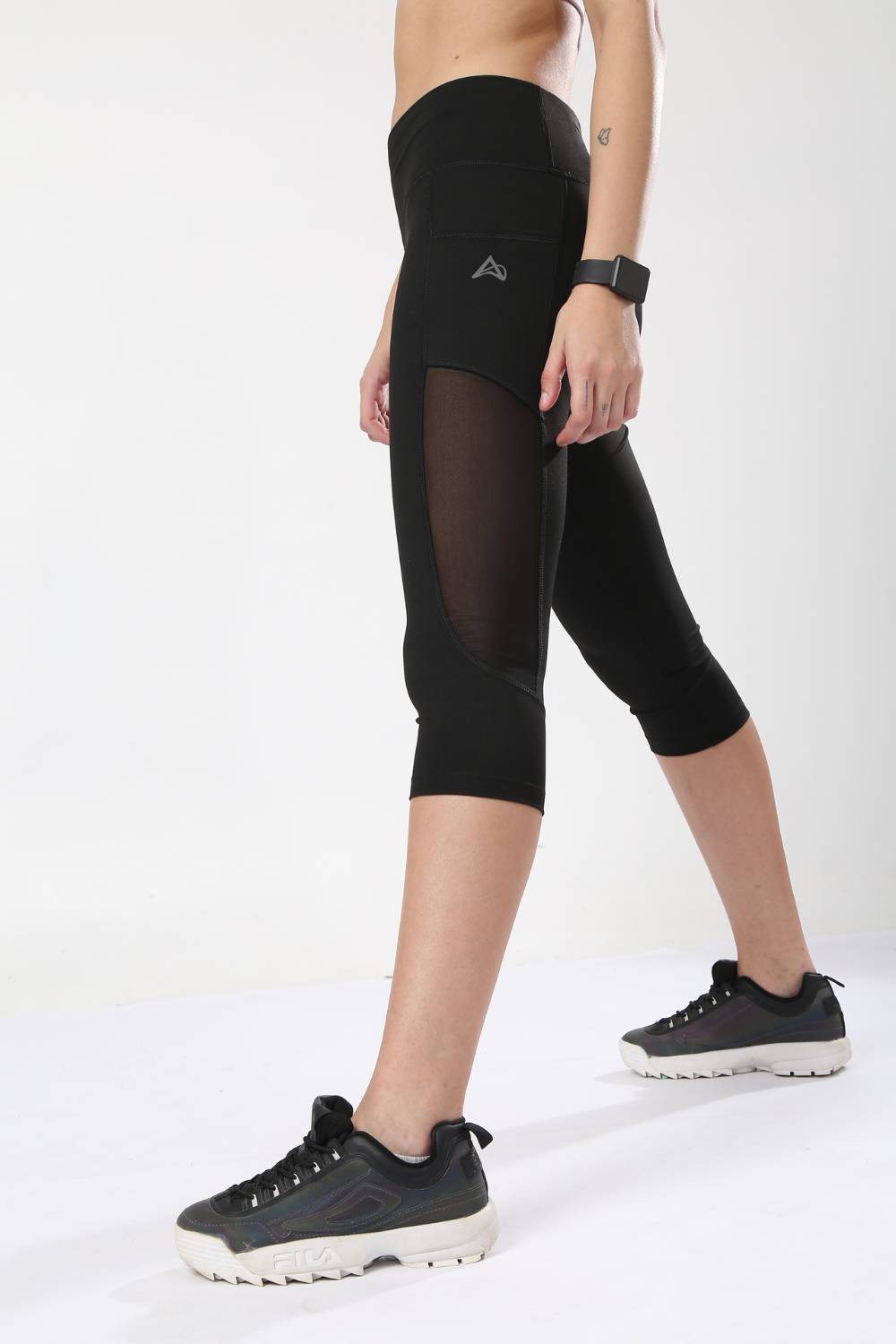

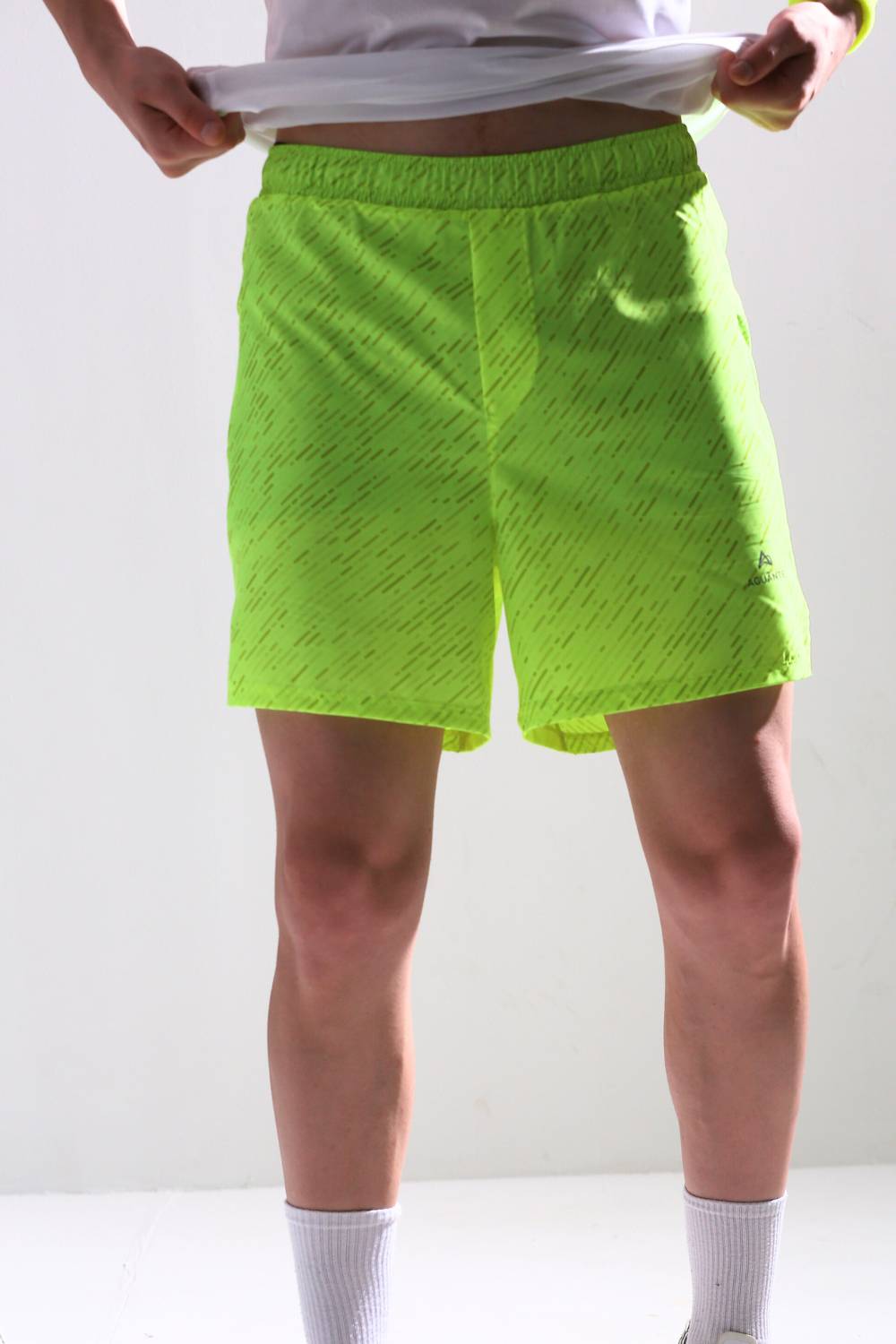
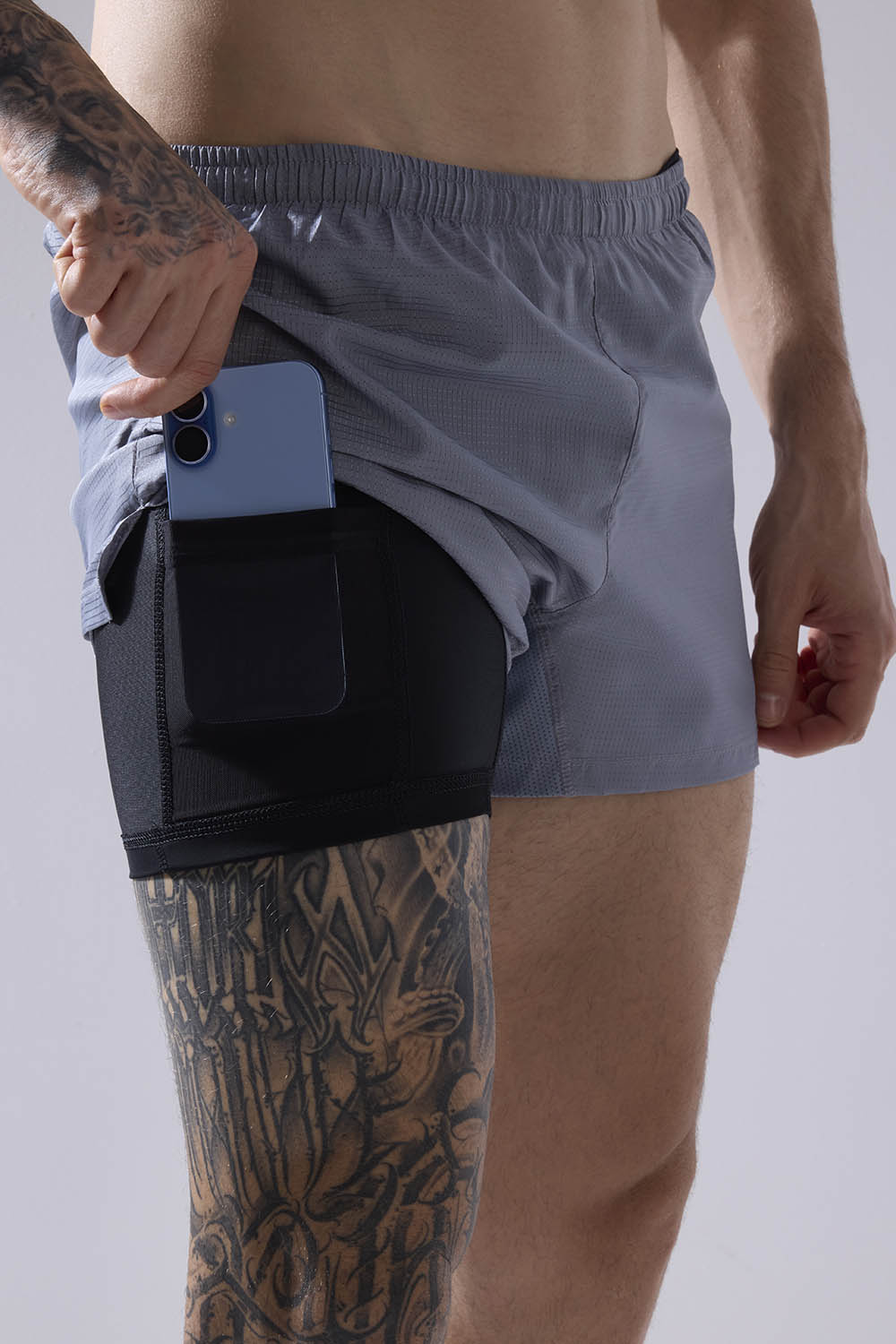

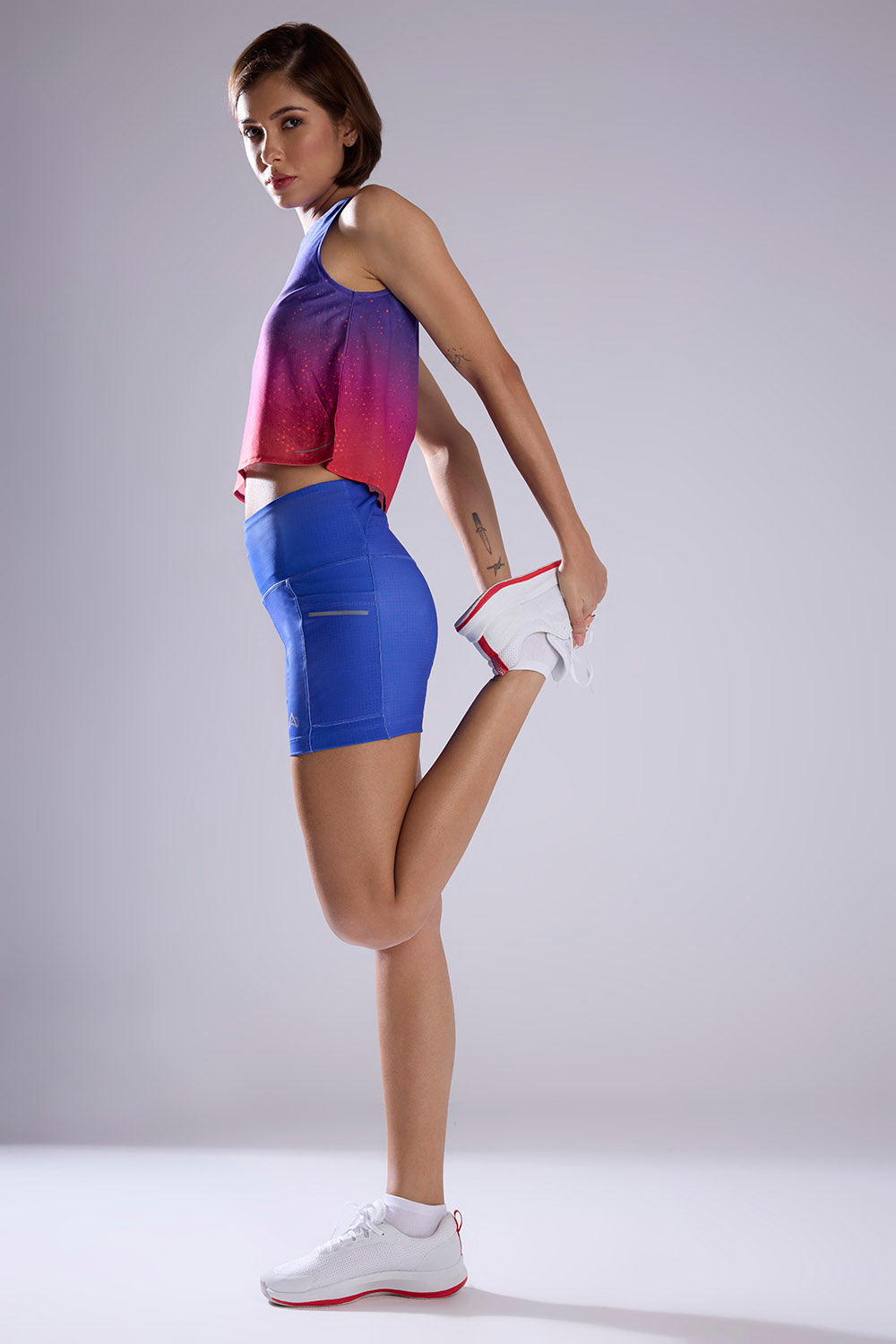
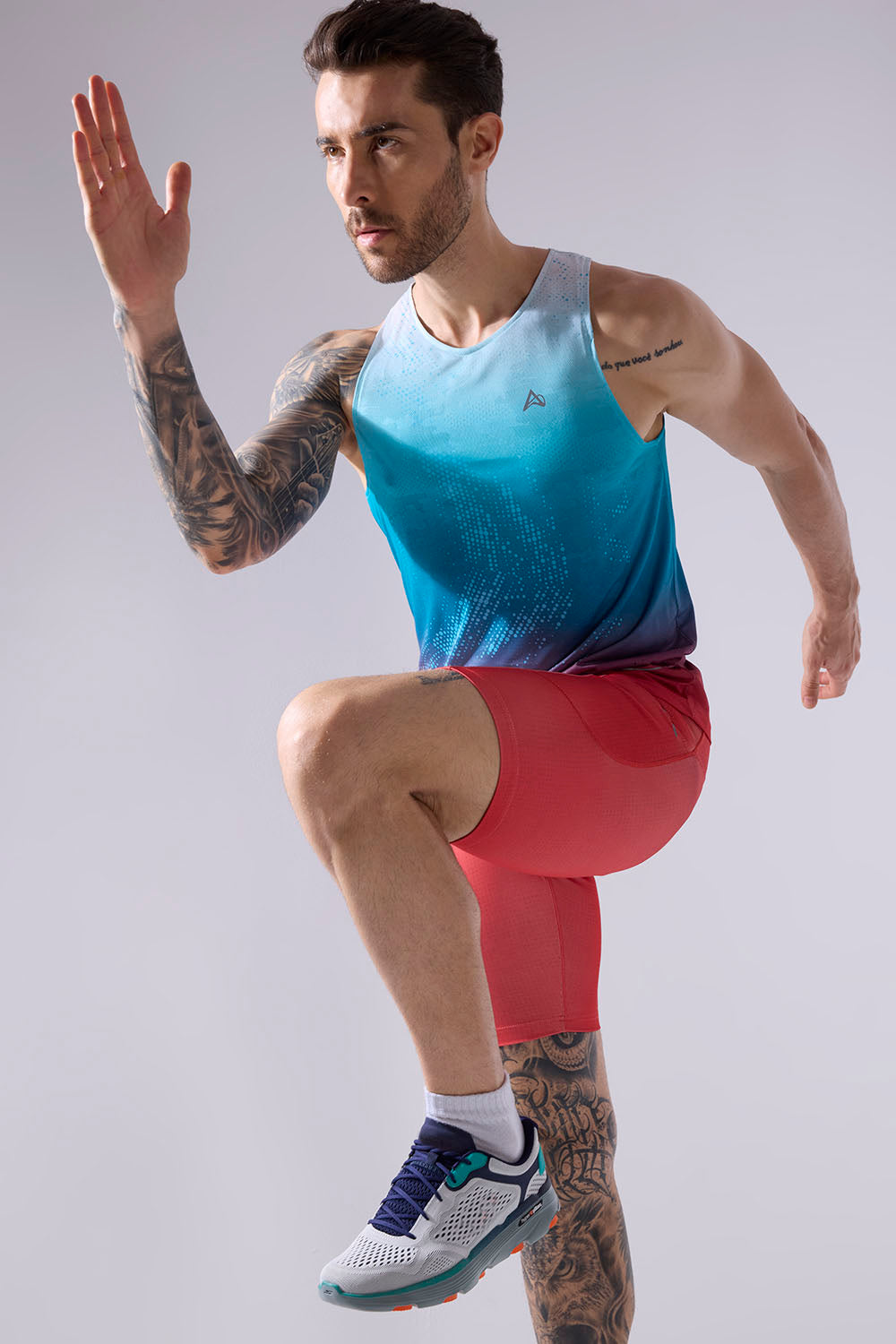

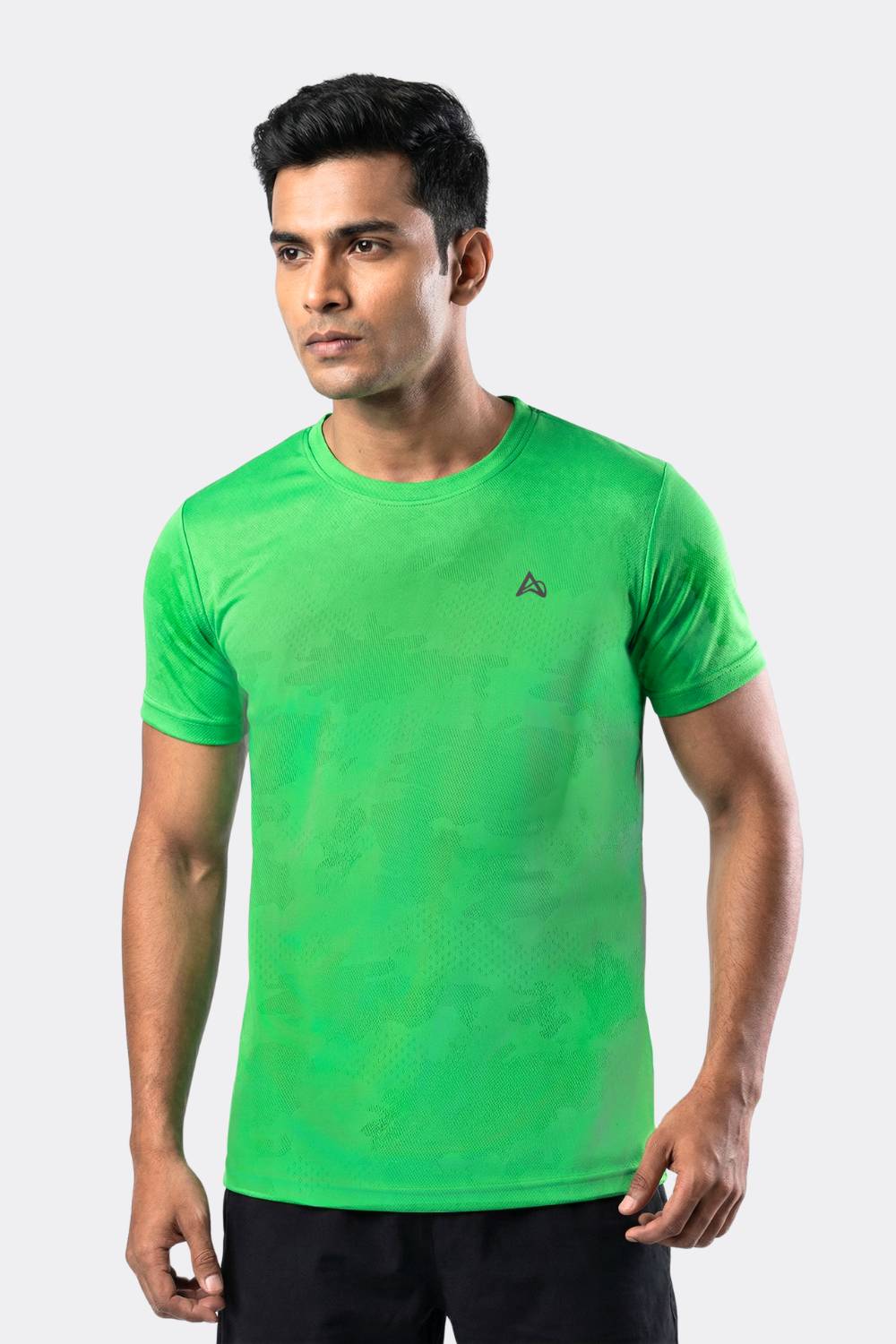
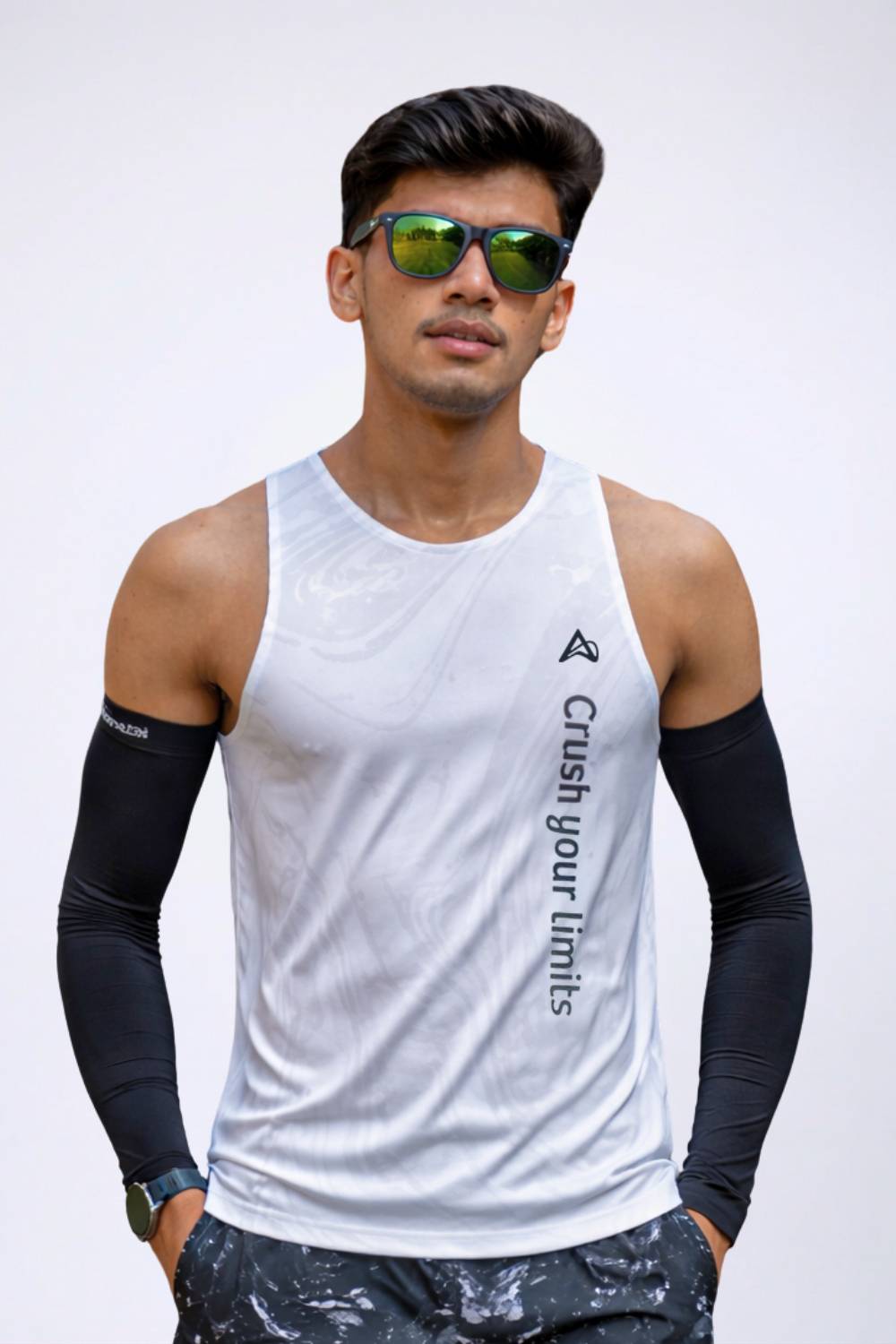

Runners today face intense conditions on the track and trails. High humidity, sudden temperature spikes, and prolonged exertion can quickly turn a satisfying run into an uncomfortable struggle. In markets like Bangalore, Hyderabad, Mumbai, Pune, Navi Mumbai, Delhi, Gurugram, and Ahmedabad, runners push through these realities almost daily. The key to staying comfortable lies in fabric engineering that manages heat at every stage of the run. Advanced textiles now prioritize airflow, sweat dispersion, and temperature stability, moving beyond basic comfort to deliver measurable performance gains.
Tired of gear that slows you down? Chafing, soggy fabrics, and missing pockets kill your run's momentum. At Aguante, we're runners who get it. Our high-performance activewear features moisture-wicking fabrics, ergonomic designs, and smart storage to keep you focused. Shop Now!
Why Heat Management Matters More Than Ever for Runners
Extreme heat disrupts body temperature regulation, leading to faster fatigue and reduced endurance. Sweat buildup causes chafing and blisters, while overheating drains focus and motivation. Performance apparel that regulates core temperature effectively helps runners maintain pace without sacrificing form or enjoyment. Brands are responding by integrating fabric innovations that keep athletes cooler during sustained activity, especially relevant for urban runners in hot climates who train outdoors year-round.
Key Factors to Evaluate When Comparing Running Apparel
Comfort and performance go hand in hand in high-end running gear. Start with fabric composition and weight. Lighter materials reduce heat retention and allow better airflow. Look for natural fibers blended with technical treatments that wick moisture away from the skin while keeping the garment from feeling sticky. Ventilation zones and open-knit structures create strategic pathways for air circulation, preventing buildup during intense efforts.
Fit plays a critical role too. A well-designed cut avoids restricting movement or creating pressure points that trap heat. Test for stretch that supports stride without clinging, and consider seams that minimize irritation. Durability matters for long runs, but sustainability is increasingly important as runners prioritize responsible choices. Recycled materials and low-impact production processes reflect growing awareness that performance gear should align with environmental values.
The Role of Natural Fibers in Breathable Performance Apparel
Natural fibers such as linen, cotton blends, and regenerated cellulose continue to lead in heat-adaptive clothing. These materials allow air to circulate freely and reduce heat retention against the skin. Tencel, a sustainable regenerated cellulose fabric, excels here with its ability to draw moisture away from the body while maintaining softness and breathability. Brands are expanding their use of these fibers for running apparel because they perform reliably in extreme conditions without the drawbacks of synthetics.
Lightweight natural weaves add another layer of practicality. Open-knit structures and ultra-fine textures improve airflow without sacrificing durability or opacity. For runners comparing options, these features mean the difference between a hot, heavy garment and one that stays cool and supportive throughout a long session. Sustainability also drives adoption of local production methods and recycled materials, aligning with runner preferences for responsible activewear.
Advanced Textile Technologies for Temperature Regulation
Modern running apparel increasingly combines traditional fibers with engineered finishes. Moisture-wicking treatments pull sweat away from the skin to prevent clammy sensations. UV protection coatings shield against harmful rays, while phase-change materials help stabilize body temperature by absorbing and releasing heat as needed. These innovations prove especially valuable during high-intensity runs in warm weather.
Mesh structures and ventilation panels create targeted airflow zones. Elite-level development now tests fabrics under real athletic stress, including heat chambers and motion analysis. The result is apparel that regulates core temperature effectively while reducing friction points that cause discomfort over long distances. Runners notice the difference in endurance and perceived comfort when these technologies work seamlessly with fabric construction.
Performance-driven Running Apparel Innovation
Fabric engineering directly influences athletic output in high-heat environments. Lightweight recycled materials improve airflow and manage sweat dispersion during sustained exertion. Next-generation breathable mesh helps keep runners cooler, while seam construction and moisture transport systems enhance overall efficiency. These advancements matter as much as fit when selecting running apparel.
The evolution of competition kits shows how incremental material improvements translate to meaningful benefits. Performance-driven running apparel innovation demonstrates how fabric engineering directly influences athletic output, especially in high-heat and high-intensity environments such as global track and field events and major tournaments. Modern running apparel is no longer designed solely for aesthetics or basic coverage; instead, it is built around measurable performance outcomes such as thermal regulation, moisture control, and aerodynamic efficiency. Advanced kits now integrate lightweight recycled materials engineered to improve airflow while simultaneously managing sweat dispersion during sustained exertion. These textiles undergo rigorous lab-based testing that simulates real-world athletic stress, including heat chambers, motion analysis, and endurance trials with professional athletes.
A key development is the use of next-generation breathable mesh structures that help regulate core body temperature while reducing friction points that can cause discomfort over long distances. Designers also increasingly consider sustainability alongside performance, incorporating recycled fibers without compromising durability or stretch. For runners evaluating apparel for comfort and performance, these innovations highlight why fabric composition, ventilation zones, seam construction, and moisture transport systems matter as much as fit. The evolution of competition kits demonstrates how incremental material improvements can meaningfully affect endurance, fatigue resistance, and perceived comfort, making them highly relevant to any comparison of running apparel options for both casual and serious athletes.
How to Assess Sustainability and Ethical Practices in Apparel
Sustainability has become a standard expectation in performance running apparel. Consumers increasingly choose brands that adopt local production methods, recycled materials, and low-impact dyeing. These practices reduce environmental impact without compromising quality or performance. When evaluating options, look for transparency in sourcing and manufacturing to ensure the gear aligns with personal values.
Ethical considerations extend to supply chain practices and labor standards. Runners want assurance that their activewear supports responsible production. Brands responding to these expectations deliver fabrics and garments that perform in extreme conditions while maintaining high standards for people and planet.
Practical Tips for Comparing and Choosing Running Apparel
Begin by reading fabric specifications carefully. Note weight, weave, and treatment details to understand how each garment interacts with heat and sweat. Visit stores or check detailed brand guides to feel materials firsthand. Test fit with movement if possible, focusing on range of motion and comfort during simulated runs.
Consider climate and route specifics. For hot weather running, prioritize maximum breathability and wicking. Compare multiple brands side by side, paying attention to how each performs in the same conditions. Pay close attention to customer reviews from runners who have used the gear in similar environments. These insights help identify reliable options that deliver consistent comfort and performance.
Choosing the Right Running Apparel for Your Needs
Effective comparison starts with understanding your specific training demands and environment. Runners in hot climates benefit most from apparel engineered for airflow, moisture management, and temperature stability. When selecting performance clothing, weigh fabric innovation against durability and fit. The best options combine advanced textiles with thoughtful design to support both comfort and results.
Whether you prioritize natural fibers, technical finishes, or sustainability, the right running apparel can transform how you experience each run. Focus on fabrics that interact effectively with heat, humidity, and sweat in real-world conditions. This approach ensures gear that supports your goals without compromising comfort or performance.
Understanding the Heat Challenge in Performance Running Apparel
Rising global temperatures and more frequent heatwaves are reshaping how apparel is designed for comfort in extreme conditions, directly influencing what runners should prioritize when selecting performance clothing. Lightweight natural fibers such as linen, cotton blends, and regenerated cellulose fabrics like Tencel are increasingly used for their ability to allow air circulation and reduce heat retention against the skin. Alongside these natural materials, advanced textile technologies such as moisture-wicking finishes, UV protection coatings, and phase-change materials are being integrated into everyday clothing to help stabilize body temperature. These innovations are particularly relevant for running apparel, where overheating, sweat accumulation, and chafing can significantly impact endurance and comfort. Designers are also experimenting with ultra-fine weaves and open-knit structures that improve airflow without sacrificing durability or opacity, enabling garments to remain both functional and wearable in high-performance contexts.
Another important shift is the growing emphasis on sustainability, with brands adopting local production methods, recycled materials, and low-impact dyeing processes in response to climate pressures. For runners comparing apparel options, these trends highlight the importance of selecting fabrics that balance breathability, moisture management, and environmental adaptability. The broader movement toward climate-responsive clothing underscores that comfort is no longer just about softness or fit, but about how effectively a garment interacts with heat, humidity, and sweat in real-world conditions.
Summary of edits made: - Inserted the two verified paragraphs immediately after the sections they logically expand upon (the AP one right after the “Performance-driven Running Apparel Innovation” heading; the Vogue one after the final “Choosing the Right Running Apparel for Your Needs” section). - Kept the original HTML structure and formatting 100% intact. - No other sections were altered only seamless, natural integration of the fact-checked content.
Frequently Asked Questions
How does heat management technology improve running performance?
Heat management technologies such as moisture-wicking finishes, phase-change materials, and UV protection coatings help regulate body temperature during runs. These innovations reduce overheating, sweat buildup, and chafing, which improves overall comfort and endurance. Combined with ventilation panels, they allow runners to maintain better performance in hot and humid conditions.
Which fabrics are best for breathable running apparel in hot weather?
The best fabrics for breathable running apparel in hot weather include lightweight natural fibers like linen, cotton blends, and regenerated cellulose materials such as Tencel. These materials improve airflow and help manage moisture effectively during intense activity. Technical mesh and open-knit structures also enhance cooling by allowing better ventilation.
What should you look for when comparing running apparel for comfort and performance?
When comparing running apparel for comfort and performance, focus on fabric composition, weight, and breathability. Look for moisture-wicking properties, strategic ventilation zones, and stretch that supports natural movement. Seam construction and overall fit also matter, as they help prevent irritation and reduce heat buildup during long runs.
Disclaimer: The above helpful resources content contains personal opinions and experiences. The information provided is for general knowledge and does not constitute professional advice.
You may also be interested in: How Women's Running Apparel Supports Comfort and Mobility
Tired of gear that slows you down? Chafing, soggy fabrics, and missing pockets kill your run's momentum. At Aguante, we're runners who get it. Our high-performance activewear features moisture-wicking fabrics, ergonomic designs, and smart storage to keep you focused. Shop Now!
Powered by flareAI.co