



Quick Listen:
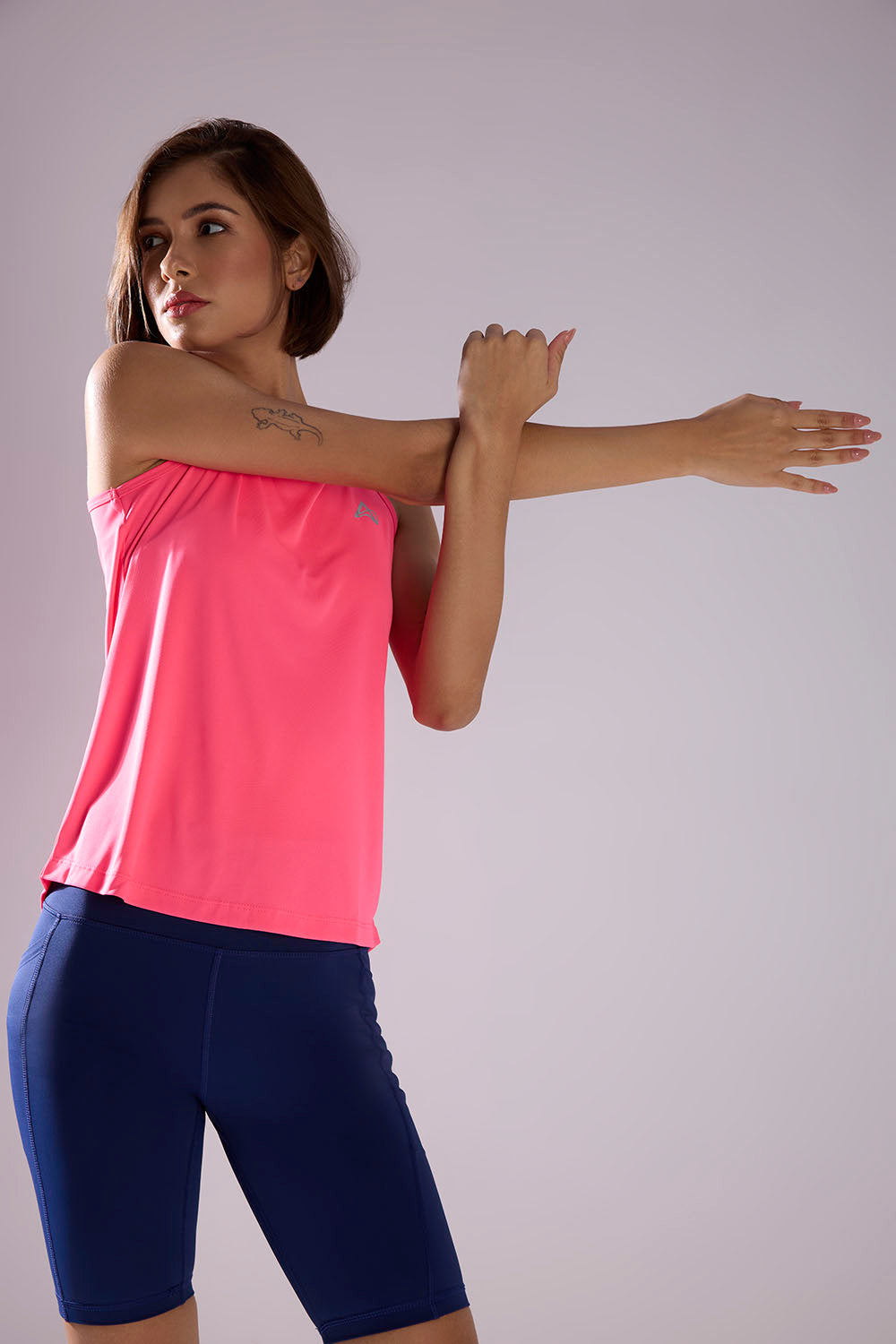
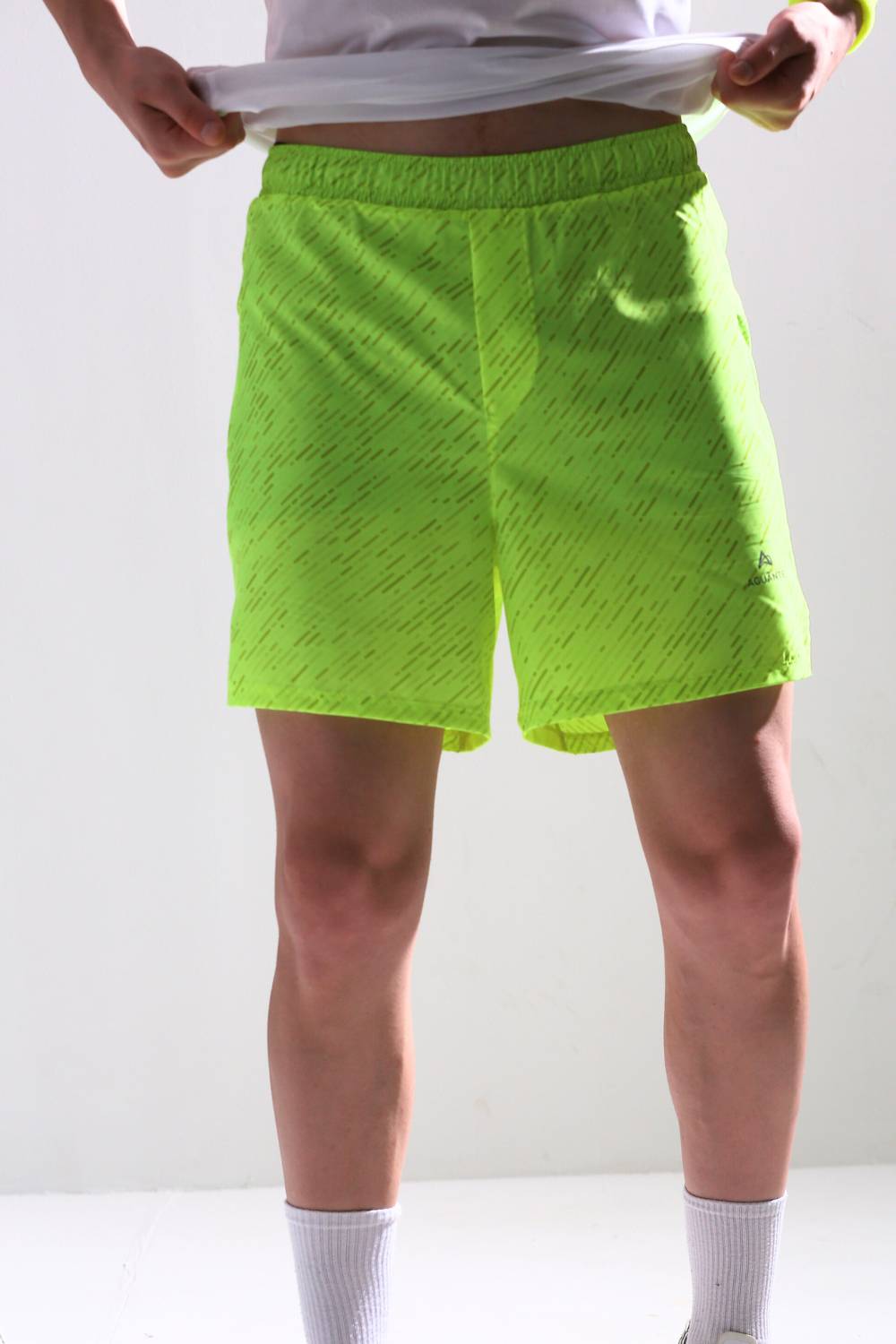
Running performance is shaped by more than training plans, motivation, and physical preparation. The clothing worn during a run can influence comfort, movement, and consistency, especially when runners train regularly in changing conditions. Technical sportswear for running has evolved from simple workout clothing into purpose-built apparel designed around practical needs such as airflow, moisture control, flexibility, and reduced restriction.
For recreational runners and endurance enthusiasts, choosing the right running apparel is not about replacing effort with equipment. Instead, well-designed clothing supports the work already being done by helping runners stay comfortable and focused throughout their training sessions. Understanding how sportswear improves running performance allows athletes to make better decisions when selecting apparel for daily use, long-distance sessions, and fitness routines.
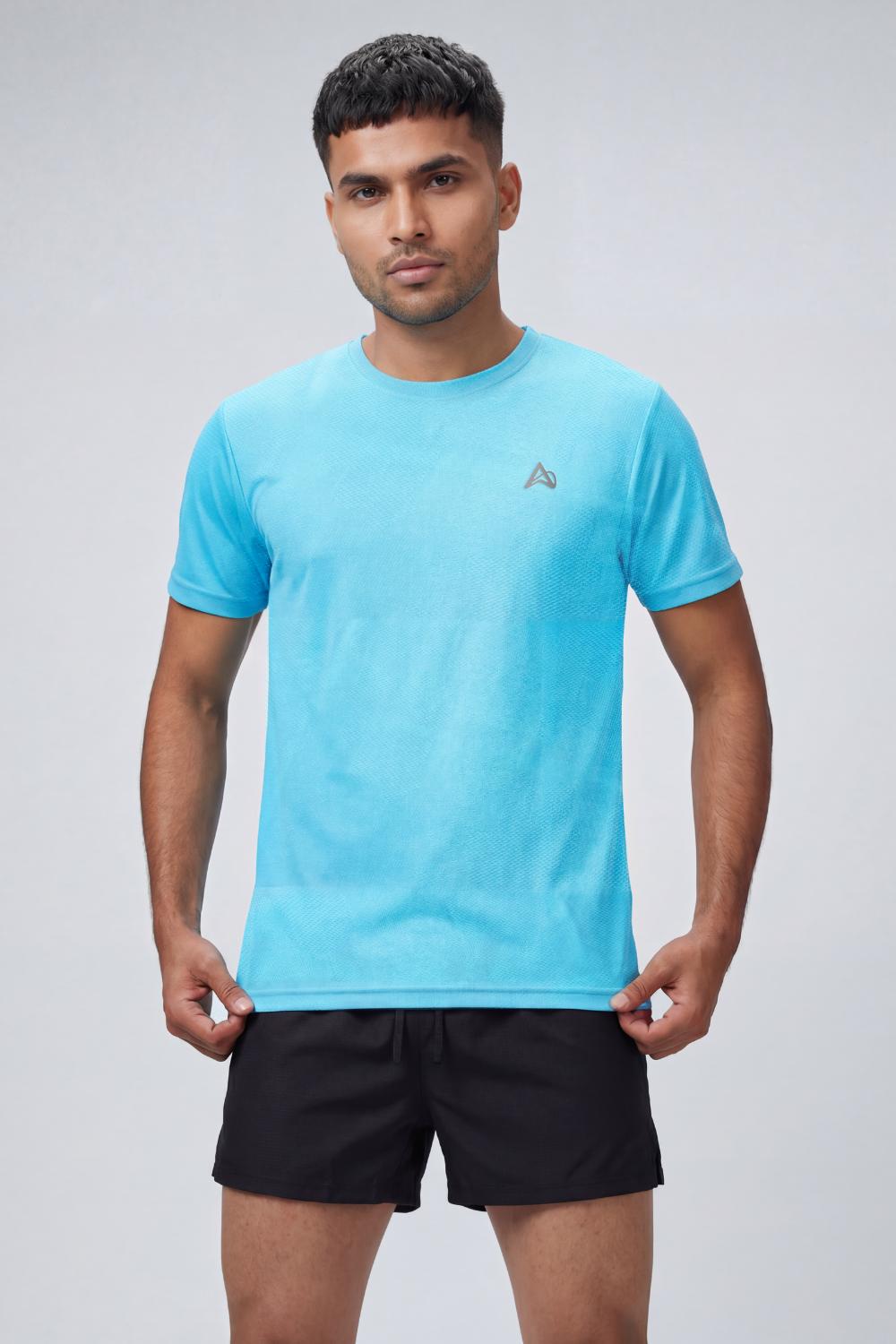
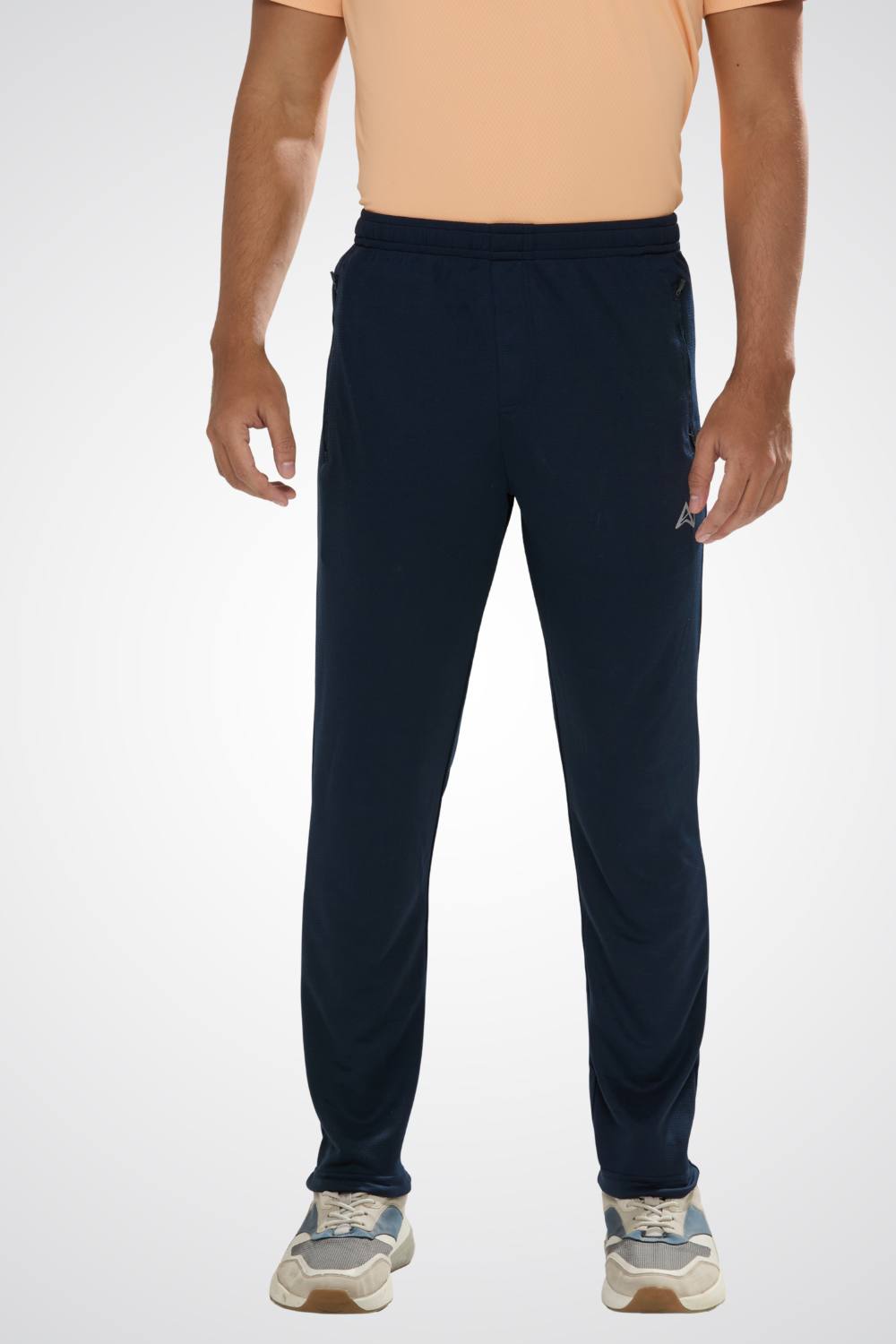
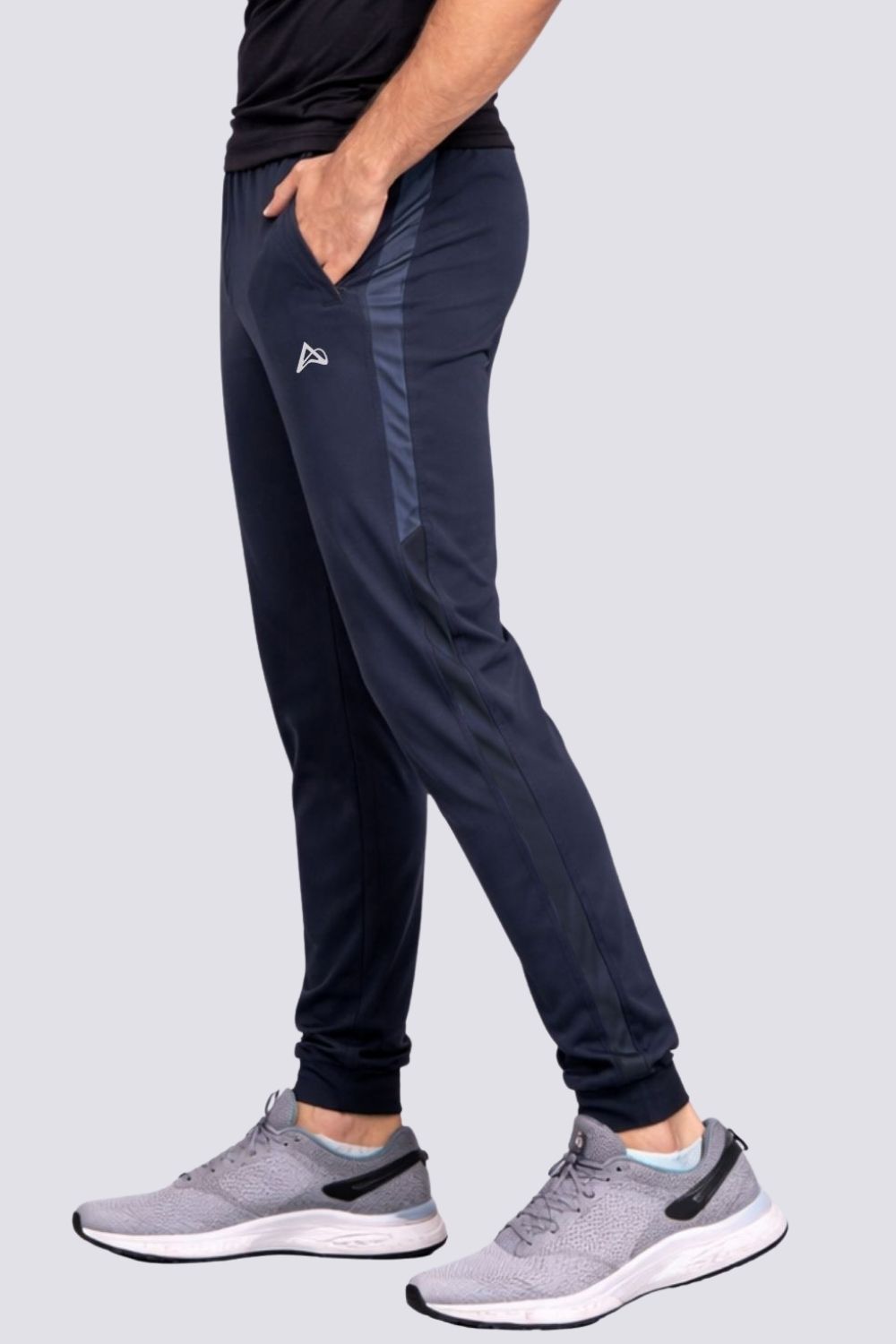
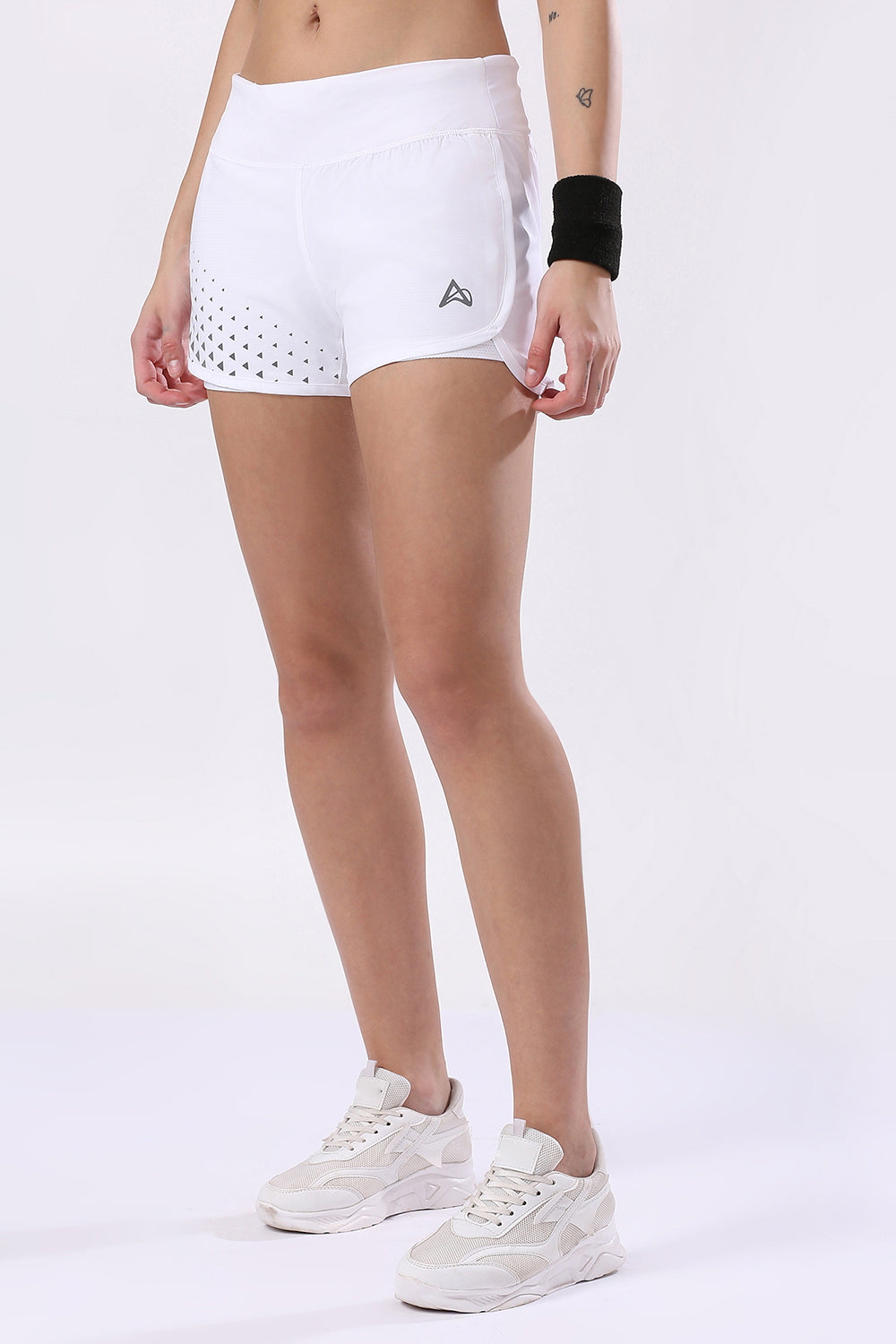
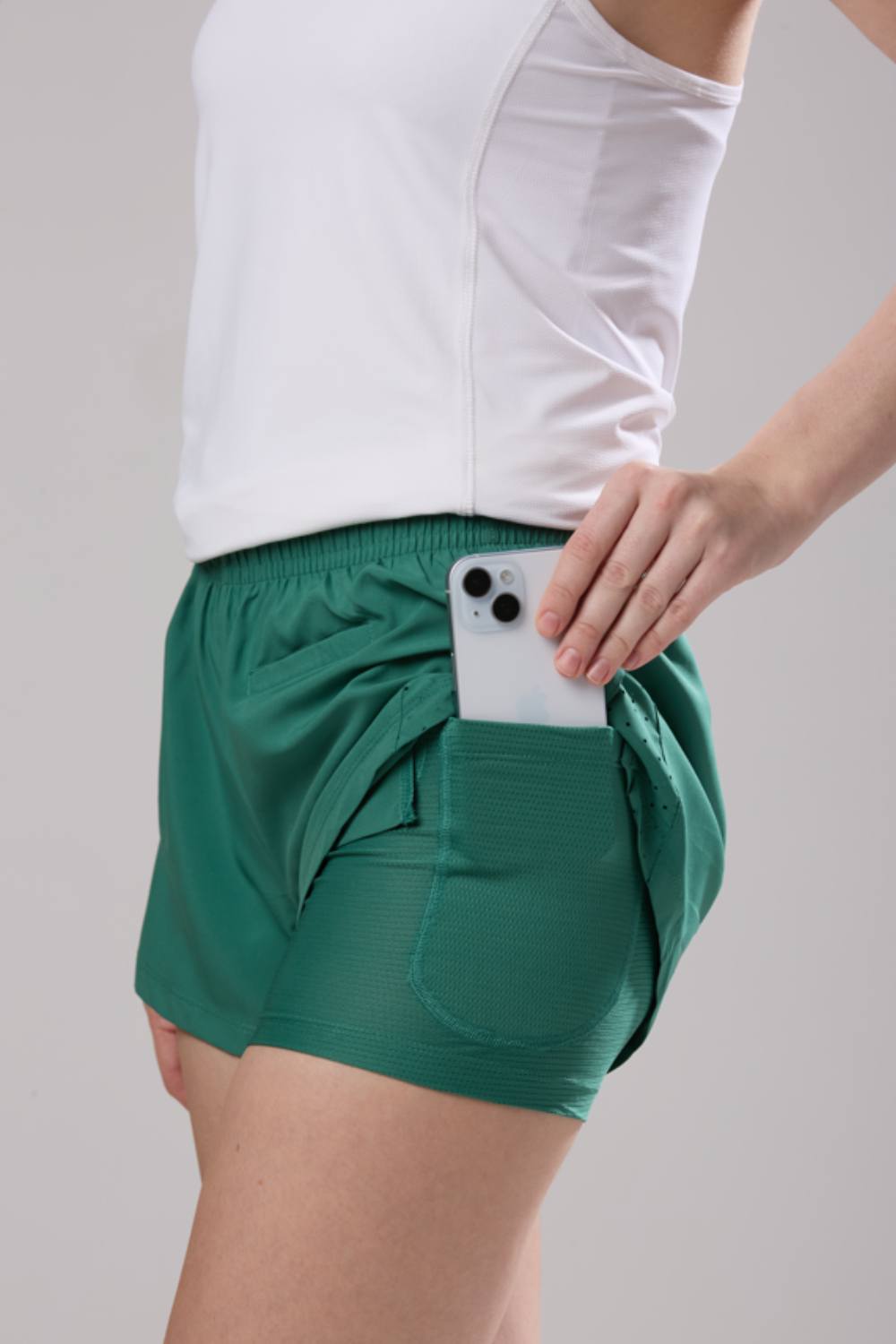
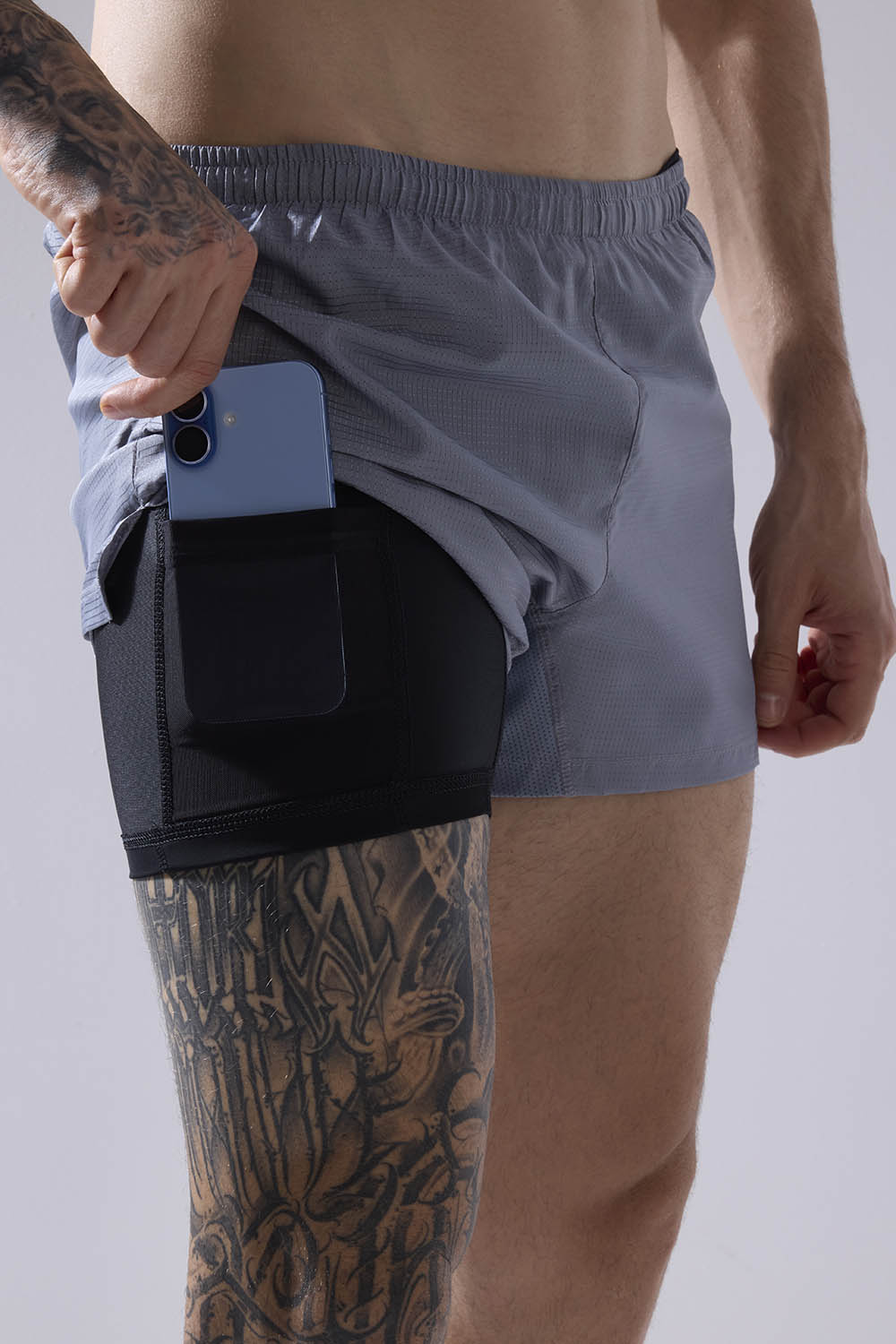
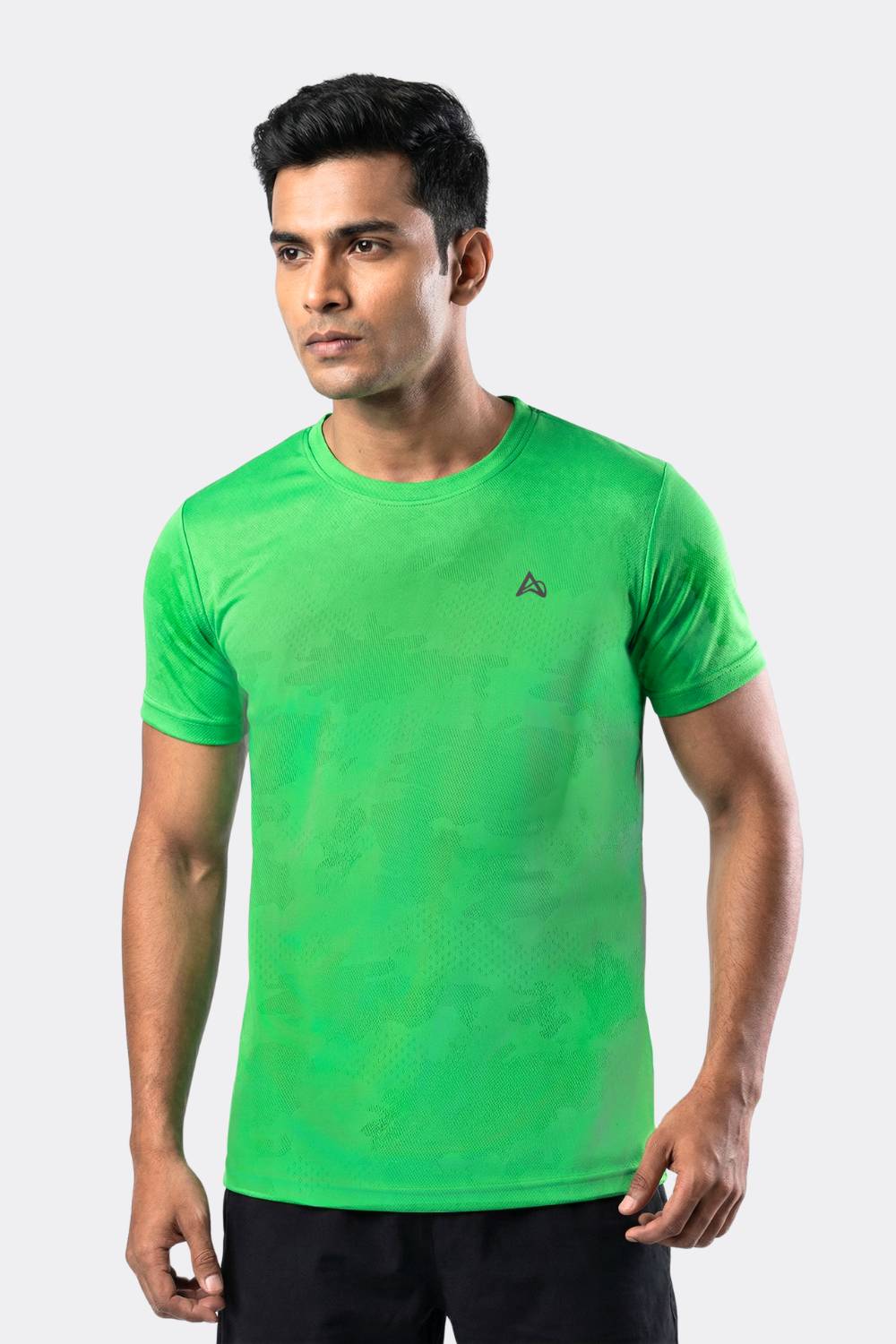
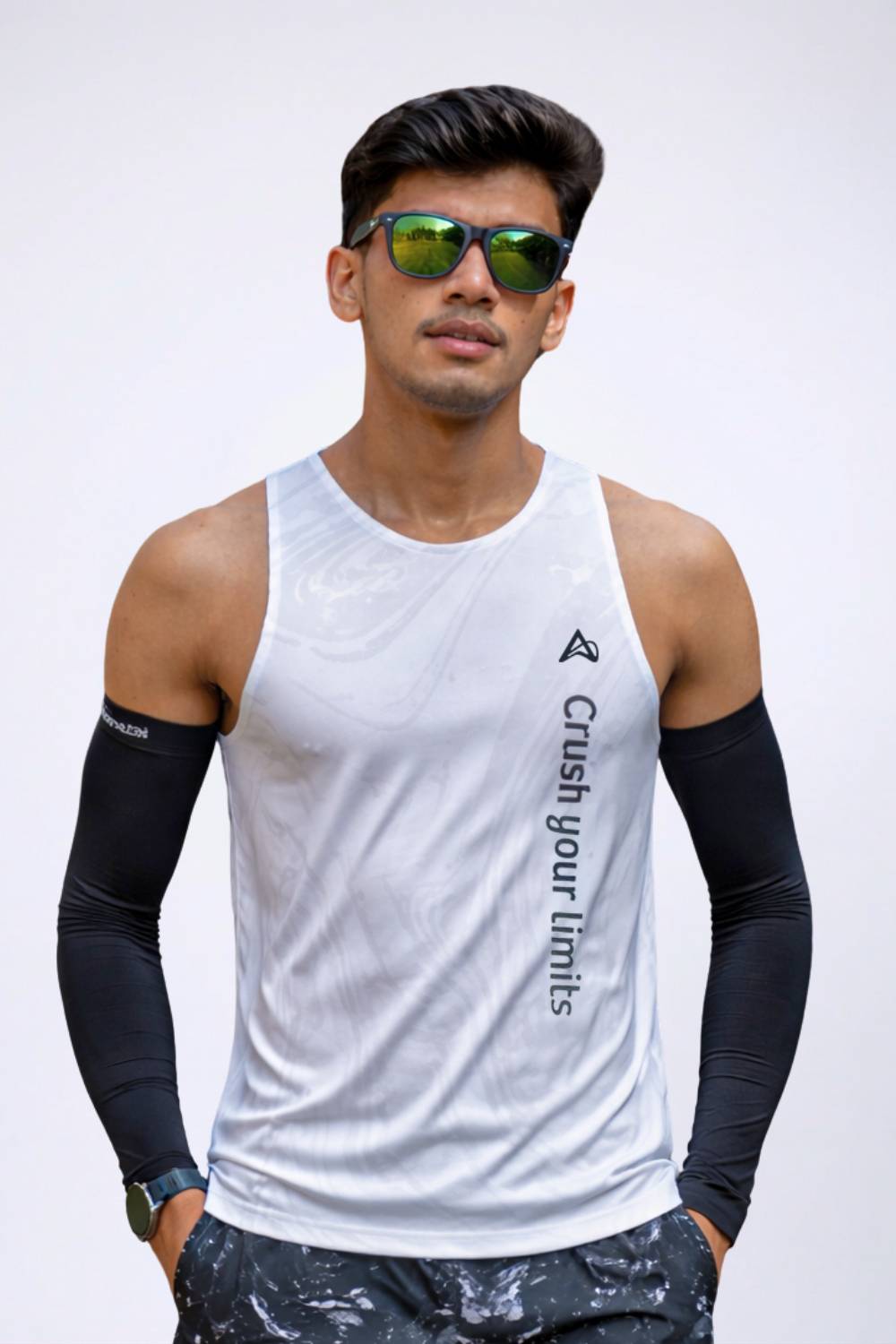
Tired of gear that slows you down? Chafing, soggy fabrics, and missing pockets kill your run's momentum. At Aguante, we're runners who get it. Our high-performance activewear features moisture-wicking fabrics, ergonomic designs, and smart storage to keep you focused. Shop Now!
The Role of Technical Design in Modern Running Apparel
Traditional athletic clothing focused primarily on durability and basic comfort. Modern performance wear takes a more detailed approach by considering how the body moves, heats up, and responds during physical activity. Designers now focus on creating garments that support runners throughout different stages of a workout, from warm-up to high-intensity effort.
Technical sportswear for running combines material selection, construction techniques, and functional design elements to address common challenges faced by runners. Clothing that feels lightweight, manages sweat effectively, and allows natural movement can help reduce distractions during training.
The development of advanced sportswear reflects a broader shift in how runners evaluate equipment. Apparel is no longer viewed only as something to wear while exercising. Instead, it has become part of a complete running system that includes training methods, footwear choices, recovery habits, and personal performance goals.
How Fabric Technology Improves Comfort During Daily Runs
Fabric choice plays a central role in the performance of running clothing. The best fabric for running apparel is not simply the softest material or the lightest option. It needs to support the specific demands of physical activity by helping runners remain comfortable during movement.
Moisture wicking clothes for runners are designed to help manage sweat by moving moisture away from the skin. This can help runners maintain a more comfortable experience during longer training sessions or warmer conditions. Breathable materials can also support airflow, reducing the heavy or restrictive feeling that some runners experience with unsuitable clothing.
Modern apparel development focuses on creating materials that respond better to athletic needs. The evolution of performance apparel shows how sportswear companies are applying science and engineering principles to improve ventilation, temperature regulation, sweat management, and movement efficiency. Research into apparel innovation has highlighted how technical fabrics are helping create garments that better support athletes during activity. Performance apparel technology demonstrates this movement toward functional clothing design.
For everyday runners, these improvements matter because comfort directly affects consistency. A runner who feels unrestricted and comfortable is more likely to maintain regular training habits and enjoy the experience of running.
Why Movement Efficiency Matters in Running Clothing
Running involves repeated movements over extended periods, which means small sources of discomfort can become more noticeable over time. Clothing that pulls, shifts, or limits mobility can affect focus and make training sessions feel more challenging.
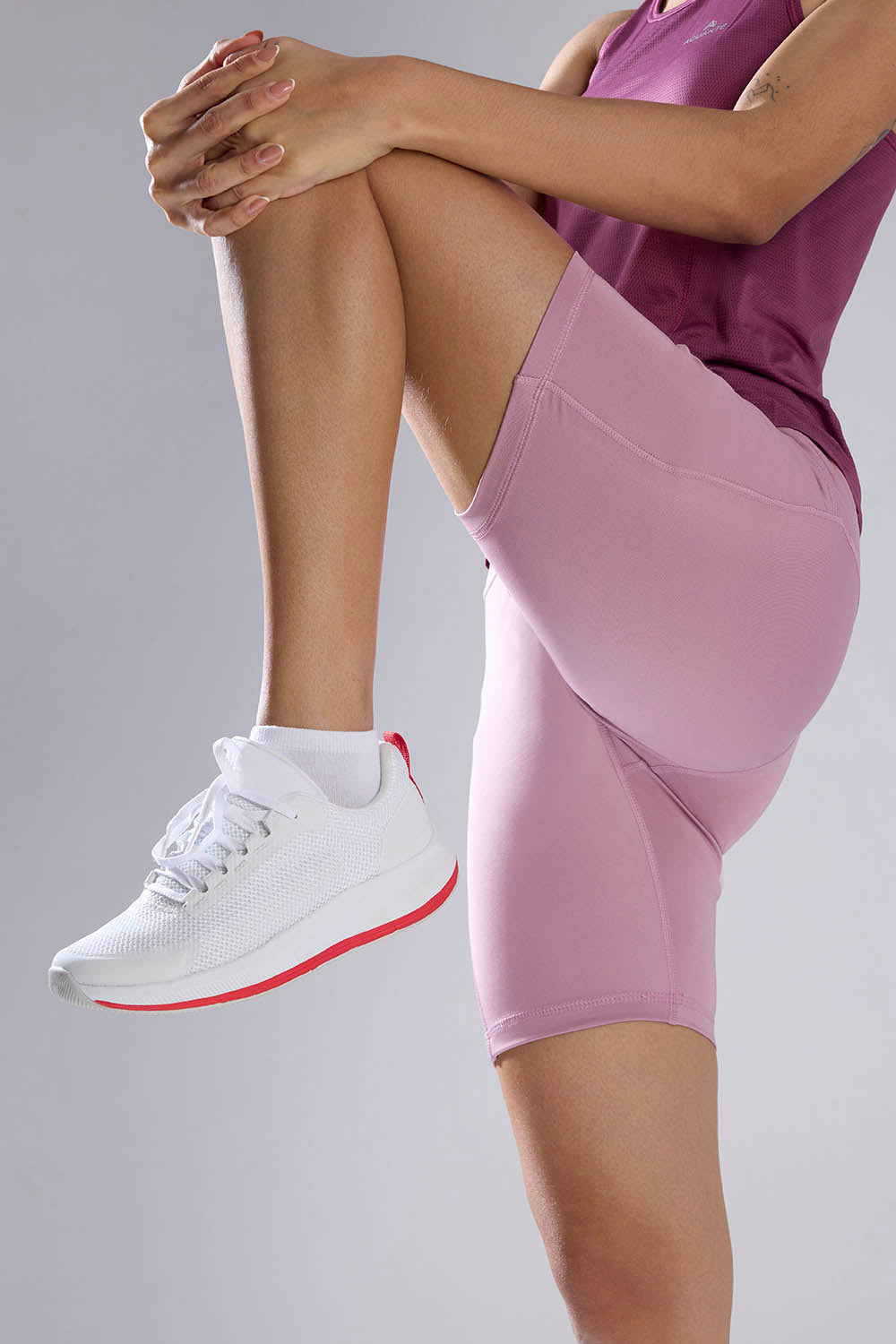
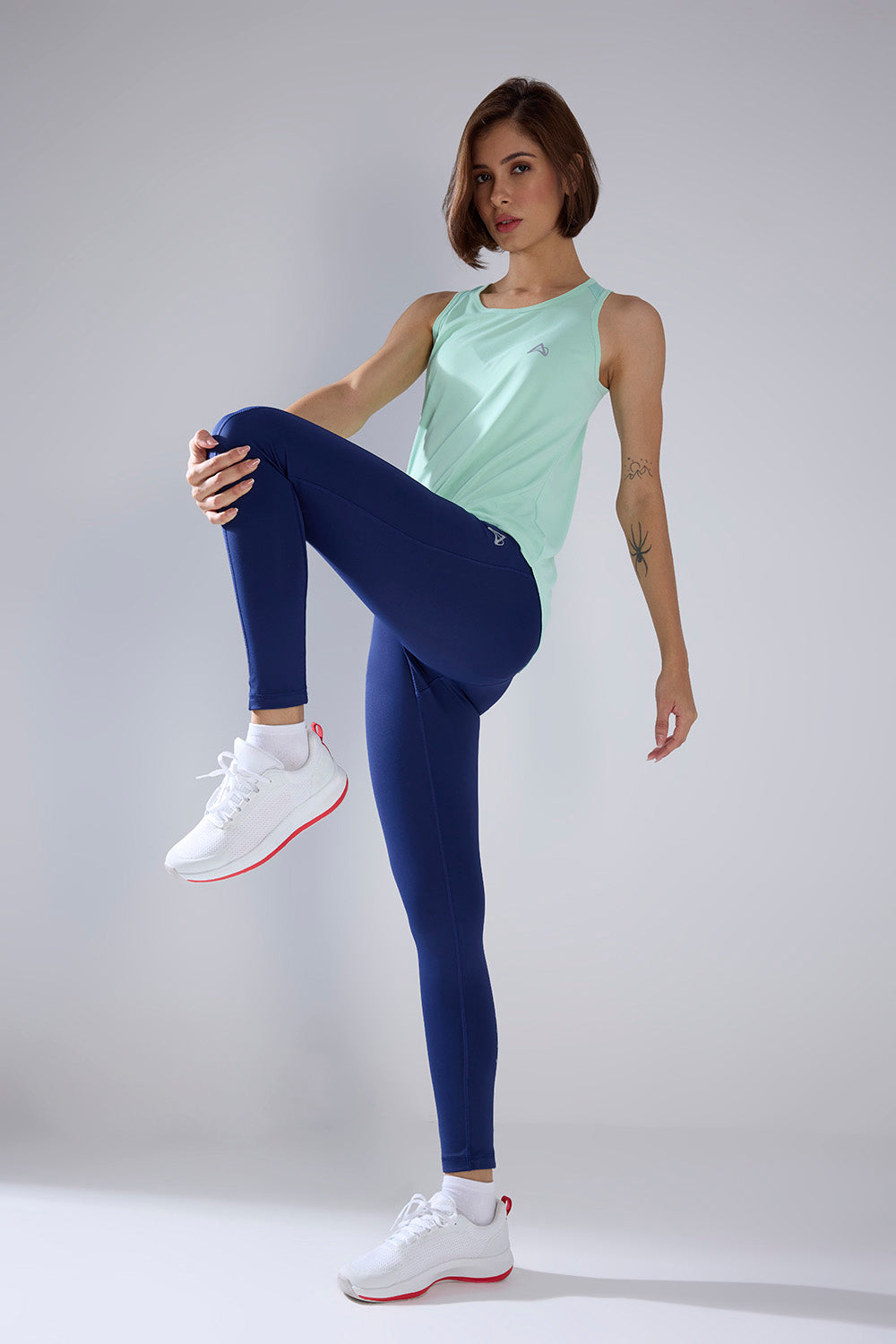
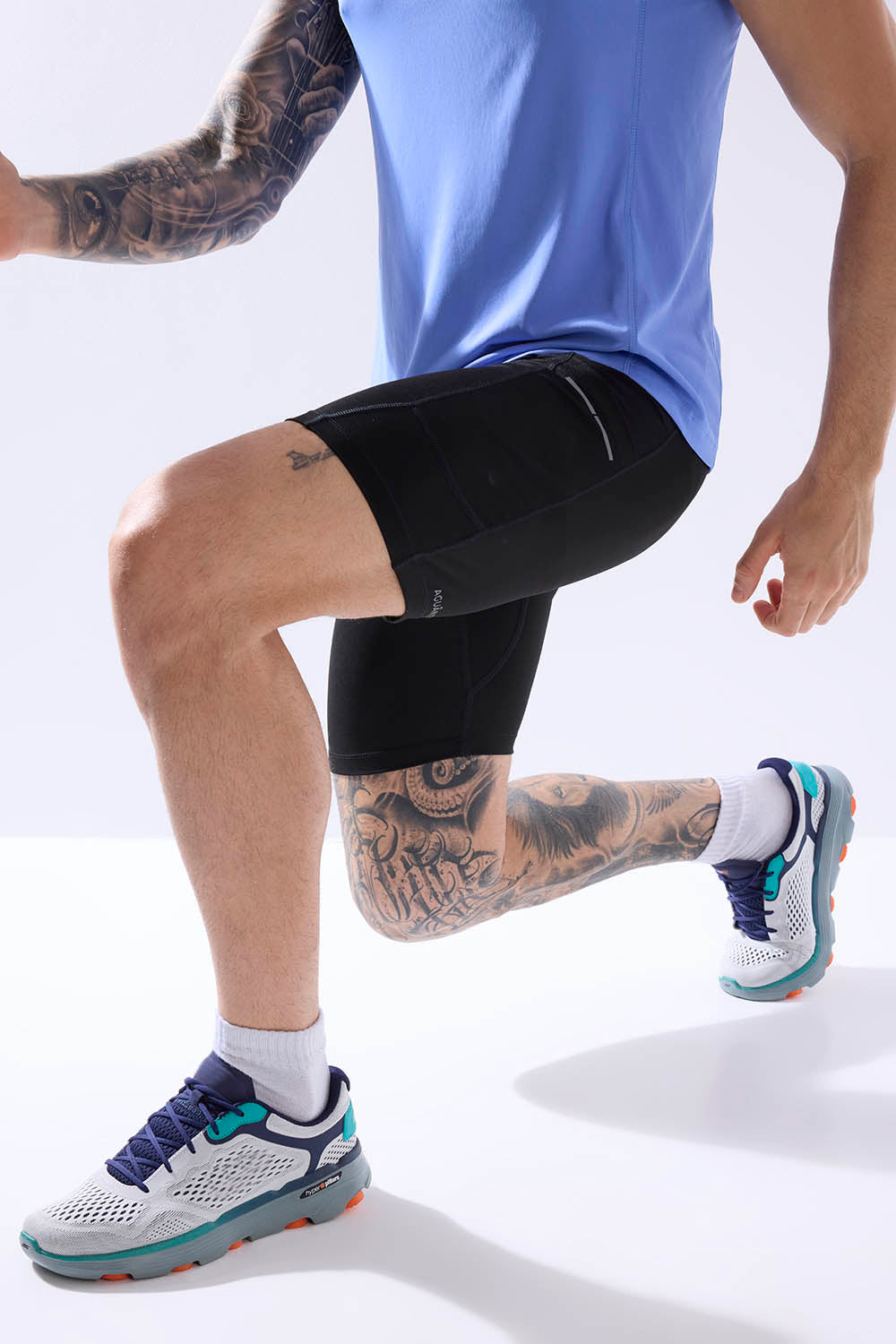
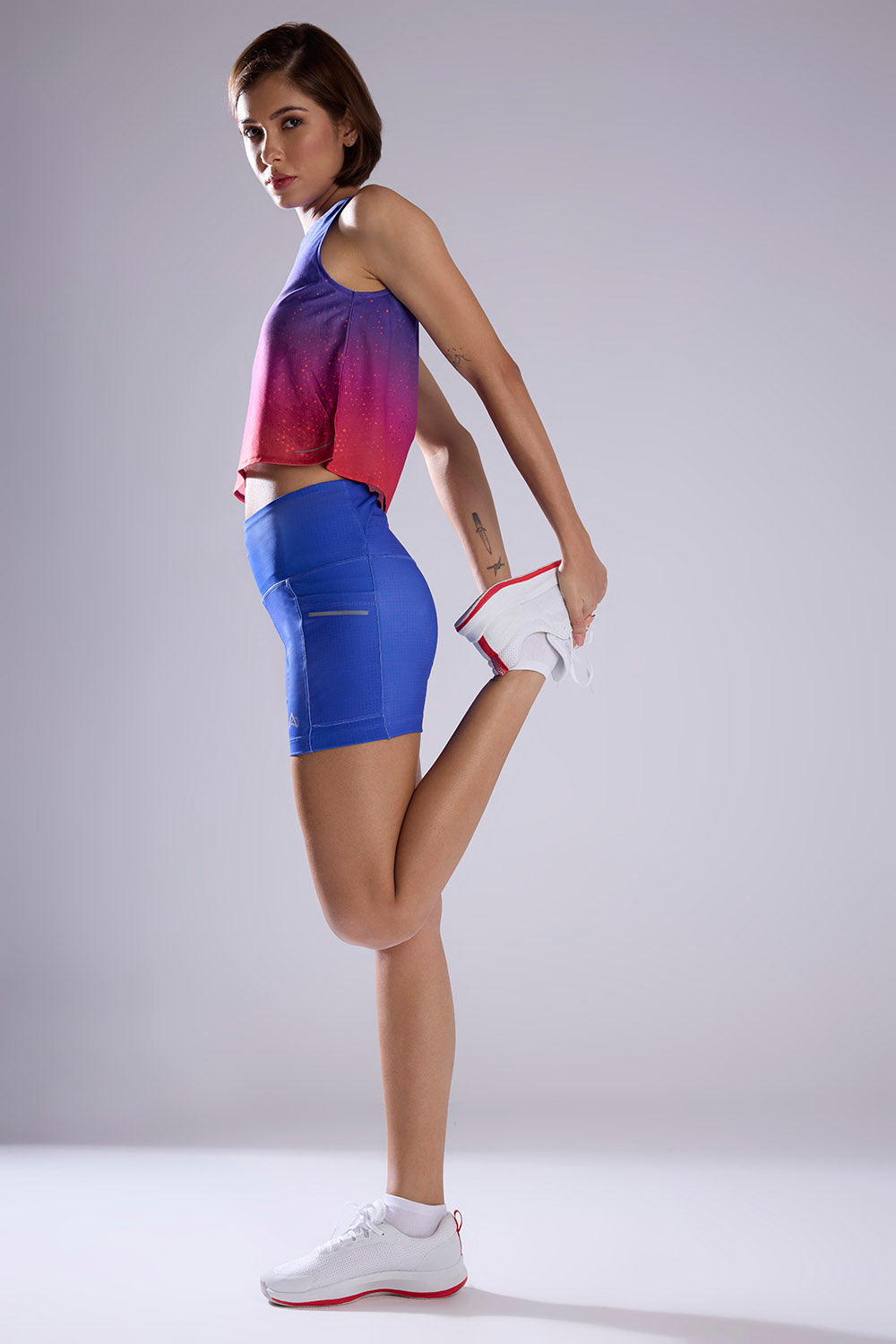
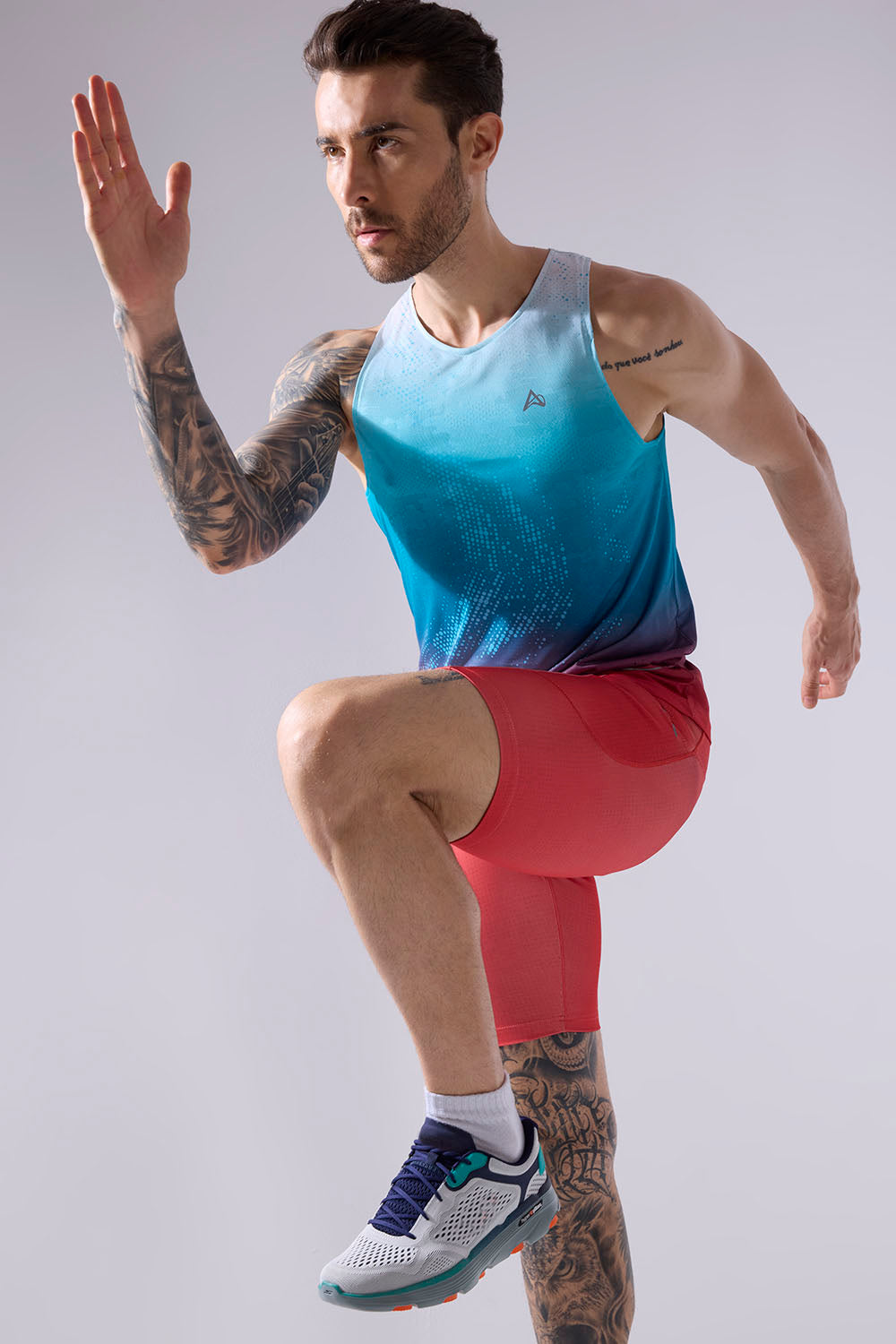
Performance wear for runners is designed around freedom of movement. Strategic construction, flexible materials, and lightweight designs help clothing move naturally with the body instead of working against it. This approach supports runners who want apparel that feels reliable during everyday training.
Advanced running equipment has also influenced expectations around performance clothing. Developments in sports science have shown how materials, design structures, and engineering can contribute to a better running experience. While elite athletes often attract attention for using highly engineered products, many of the same design principles benefit recreational runners seeking comfort and dependable performance. Running technology innovation illustrates how technical improvements are influencing the wider running community.
The goal of technical apparel is not to create unrealistic expectations that clothing alone improves ability. Instead, quality running clothing helps remove unnecessary barriers so runners can focus on training, progress, and personal goals.
Choosing Running Clothes for Different Training Needs
The right running outfit depends on how, when, and where a person trains. A short daily run, a longer endurance session, and a high-intensity workout may create different apparel requirements.
Daily Training and Regular Fitness Runs
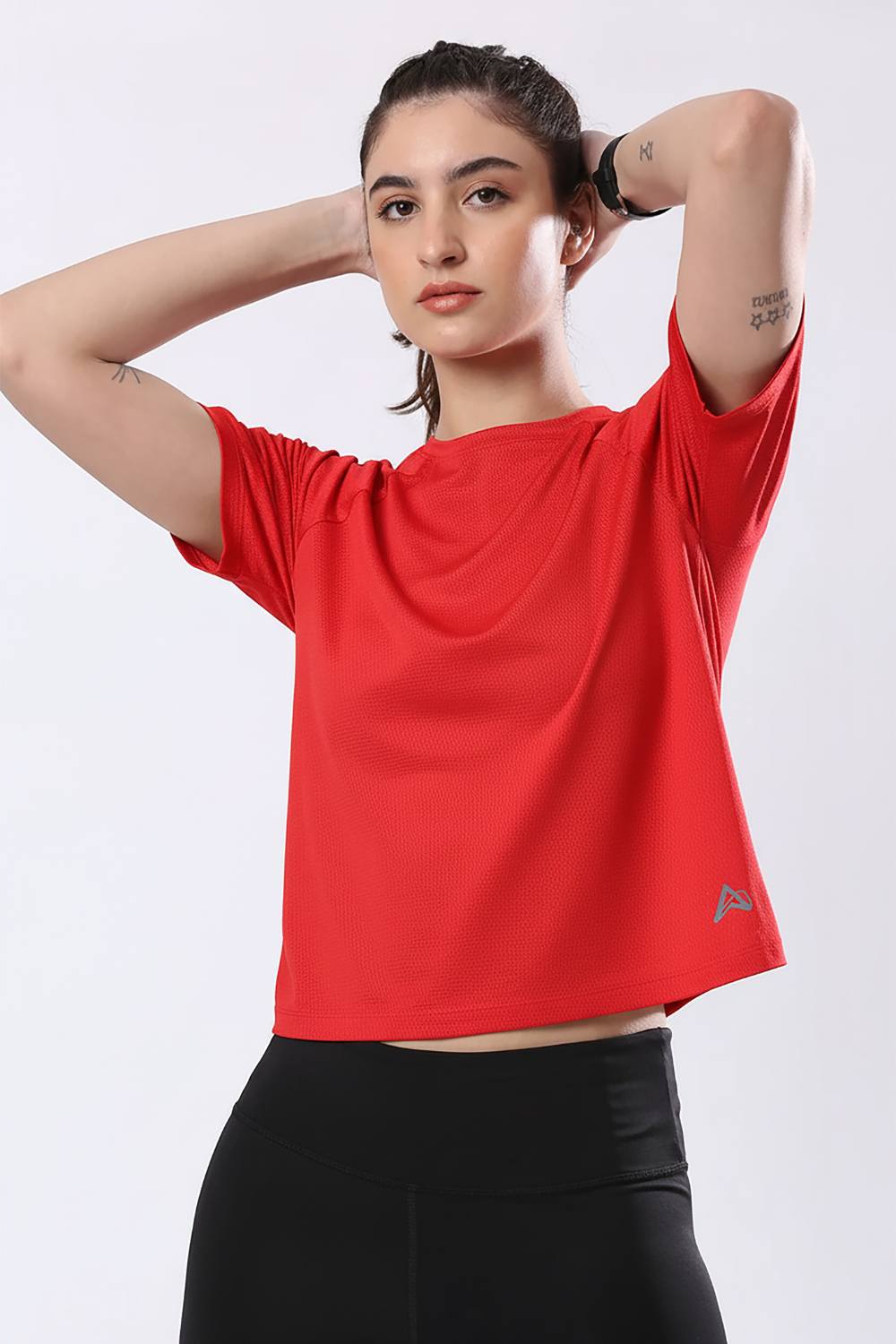
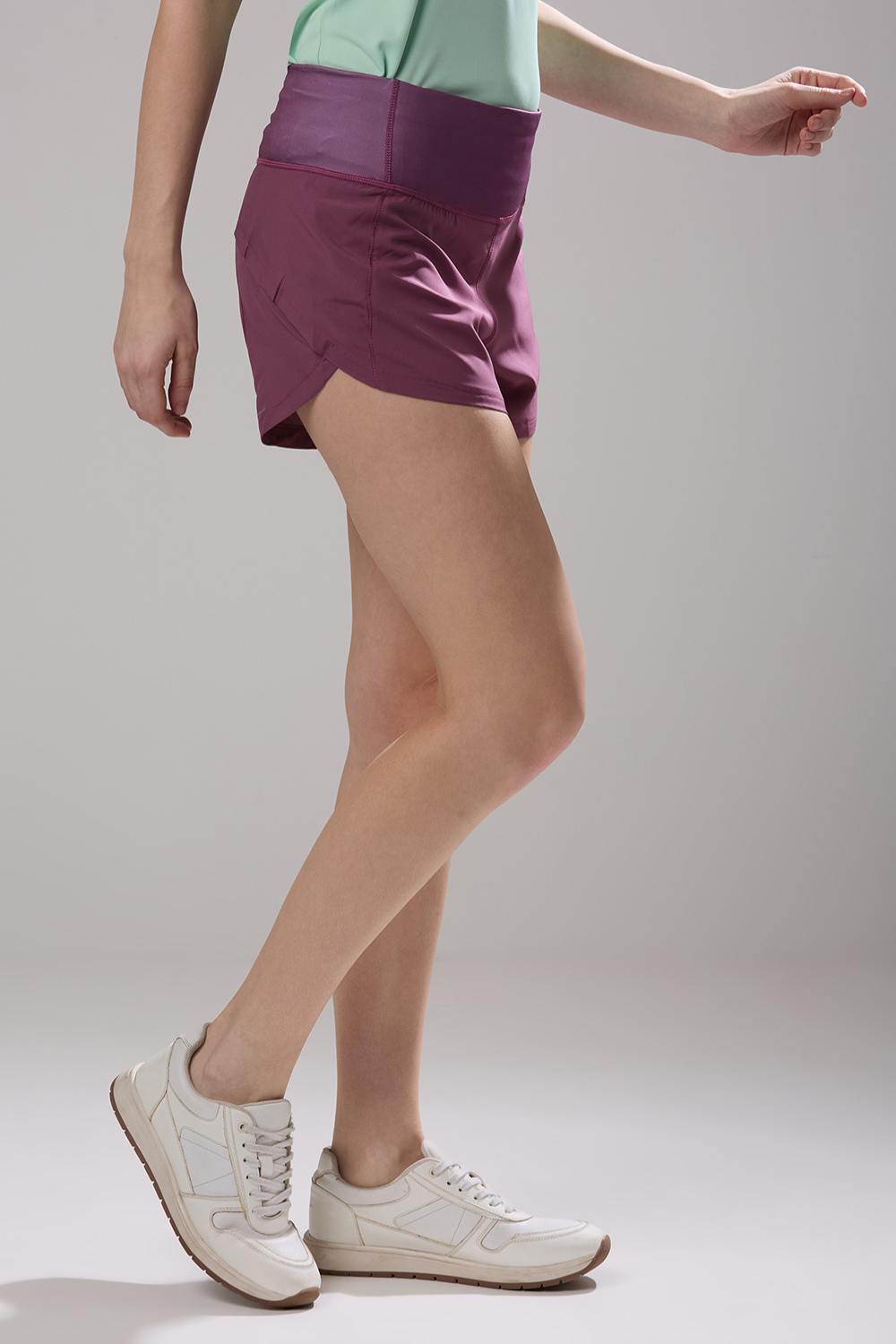
Comfortable running clothes for daily training should provide dependable support without creating distractions. Runners often benefit from lightweight layers, breathable tops, and bottoms that allow unrestricted movement.
For regular runners, versatility is an important consideration. Apparel that performs well across different workouts can simplify training decisions and create a more consistent experience. Instead of selecting clothing based only on appearance, runners can evaluate features such as fabric performance, fit, ventilation, and durability.
Longer Runs and Endurance Sessions
Longer distances increase the importance of comfort and material performance. During extended activity, small issues such as excessive moisture retention or restricted movement can become more noticeable.
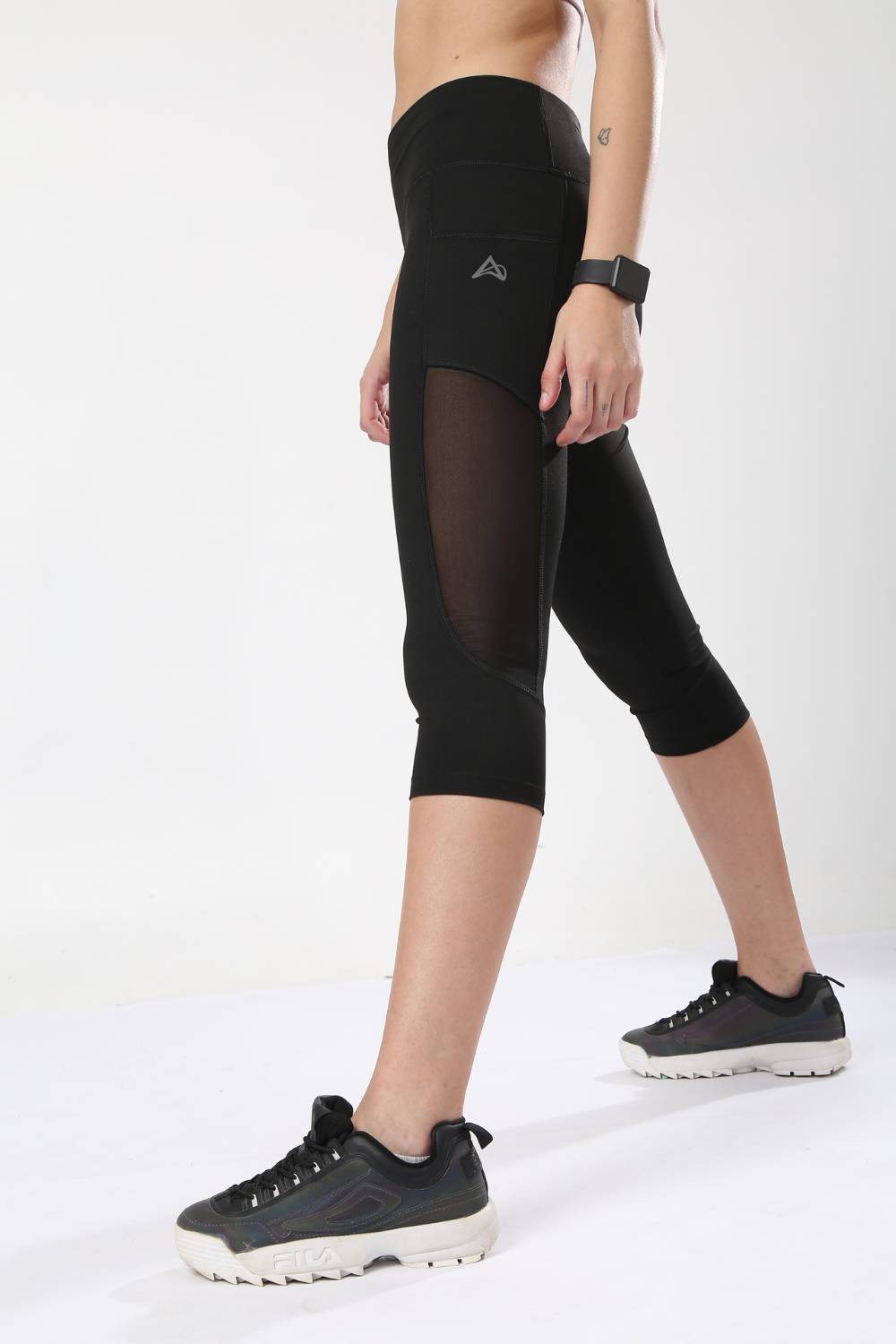
Running apparel technology continues to focus on solving these practical challenges. Lightweight construction, improved breathability, and performance-focused materials help create clothing that supports runners through longer periods of activity.
The Connection Between Sportswear Innovation and Runner Confidence
Performance clothing influences more than physical comfort. The right apparel can also affect how prepared and confident runners feel before starting a workout. When runners trust their equipment, they can approach training with fewer concerns about discomfort or clothing limitations.
This psychological benefit is an important part of the overall running experience. Clothing that fits well and performs consistently allows athletes to focus on pacing, technique, and personal improvement.
The continued development of technical sportswear reflects changing expectations among consumers. Runners increasingly look for products that combine scientific design with practical everyday usability. The connection between professional innovation and daily fitness needs has helped make advanced apparel more relevant for people at different experience levels.
What Runners Should Consider Before Investing in Technical Apparel
Selecting running clothing should begin with understanding personal requirements. The most expensive option is not always the most suitable choice. Runners should consider how often they train, the conditions they typically encounter, and the features that improve their individual experience.
- Fabric performance: Look for materials designed to support moisture management and comfort during movement.
- Fit and mobility: Choose clothing that allows natural movement without unnecessary restriction.
- Training environment: Consider whether apparel needs to support indoor workouts, outdoor runs, warm conditions, or changing weather.
- Long-term usability: Prioritize clothing that maintains comfort and performance through regular training.
Understanding these factors helps runners move beyond surface-level choices and select apparel that supports their actual training habits.
The Future of Everyday Running Performance Through Better Apparel
Technical sportswear continues to bring advanced design concepts closer to everyday runners. The same focus on comfort, efficiency, and functionality that influences professional athletic products is increasingly shaping clothing designed for regular fitness activities.
Future developments in running apparel will likely continue focusing on creating garments that feel more adaptable, comfortable, and responsive. As runners become more informed about clothing technology, they will increasingly evaluate apparel based on how effectively it supports their personal goals.
For brands developing high-performance sports and running clothing, the opportunity lies in connecting innovation with real runner needs. Successful apparel is not only about technical features; it is about creating practical solutions that help people run comfortably, train consistently, and enjoy the process of becoming better athletes.
Technical sportswear for running represents a balance between science and everyday practicality. By choosing clothing designed around movement, comfort, and performance, runners can create a stronger foundation for consistent training. The right apparel does not replace dedication, but it can help every run feel more comfortable, focused, and achievable.
Frequently Asked Questions
How does technical sportswear improve running performance?
Technical sportswear improves running performance by supporting comfort, movement, and consistency during training. Features such as breathable materials, moisture management, lightweight construction, and flexible designs help runners stay focused and reduce distractions during workouts.
What are the benefits of moisture wicking clothes for runners?
Moisture wicking clothes for runners help move sweat away from the skin, improving comfort during daily runs and longer training sessions. These fabrics can support better airflow and reduce the heavy feeling caused by moisture buildup.
What should runners look for when choosing performance wear for runners?
Runners should consider fabric performance, fit, mobility, breathability, and durability when selecting performance wear for runners. The right apparel should match their training routine and provide reliable comfort across different running conditions.
Disclaimer: The above helpful resources content contains personal opinions and experiences. The information provided is for general knowledge and does not constitute professional advice.
You may also be interested in: The Role of Fabric Technology in Activewear Performance - Aguante
Tired of gear that slows you down? Chafing, soggy fabrics, and missing pockets kill your run's momentum. At Aguante, we're runners who get it. Our high-performance activewear features moisture-wicking fabrics, ergonomic designs, and smart storage to keep you focused. Shop Now!
Powered by flareAI.co