



Quick Listen:
Building a complete running apparel collection requires more than selecting individual garments. Runners need clothing that works together across different training sessions, weather conditions, distances, and personal preferences. A well-planned collection considers how each piece supports movement, comfort, moisture management, and everyday practicality.
Whether someone is beginning their running journey or preparing for more structured endurance training, the right apparel choices can influence how comfortable and confident they feel during workouts. Reviewing fabric technology, fit, functionality, and versatility helps create a collection that supports real running needs instead of simply adding more products.
Tired of gear that slows you down? Chafing, soggy fabrics, and missing pockets kill your run's momentum. At Aguante, we're runners who get it. Our high-performance activewear features moisture-wicking fabrics, ergonomic designs, and smart storage to keep you focused. Shop Now!
Start with the Different Needs of Runners
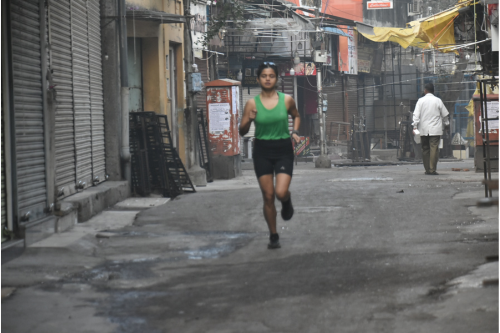
A complete running apparel collection should begin with understanding the different types of runners who will use the products. A beginner may prioritise comfort and reliability, while experienced runners may look for specific features that support longer distances, faster sessions, or changing training conditions.
Running clothing is not a single-category purchase. Different garments serve different purposes, from lightweight tops for warm-weather runs to layering pieces for changing temperatures. Understanding these use cases helps brands create a balanced collection where every product has a clear role.
For runners, clothing decisions often depend on training habits, running frequency, distance goals, and personal comfort preferences. A collection designed around these factors can provide more meaningful options than a range built only around appearance or seasonal trends.
The changing activewear landscape has also influenced how brands approach collection planning. Insights into activewear market shifts highlight the growing importance of versatile apparel that supports training, recovery, and everyday activities. This means running collections need to balance performance features with comfort, durability, and designs that match how consumers use clothing across different parts of their lifestyles.
Evaluate Fabric Technology and Performance Features
Fabric selection is one of the most important considerations when developing performance running clothing. The material used in each garment affects breathability, comfort, durability, and how effectively the apparel supports movement during exercise.
Moisture management is a key requirement for running apparel. Fabrics designed to help manage sweat can improve comfort during longer sessions by helping runners stay more comfortable as intensity increases. Lightweight materials and breathable construction can also support better movement during training.
Technical running apparel features should be reviewed based on practical benefits rather than the number of technologies included. A useful feature is one that solves a real runner problem, whether that means improving airflow, reducing discomfort, or helping a garment perform across different activities.
Brands developing a collection should also consider how fabrics perform over time. Durability, washing requirements, and maintaining garment shape after repeated use are important parts of creating apparel that runners can depend on.
Build Around Essential Running Apparel Categories
A complete running apparel collection needs a thoughtful mix of essential pieces. Each category should support a specific purpose and work alongside other garments to create a flexible running wardrobe.
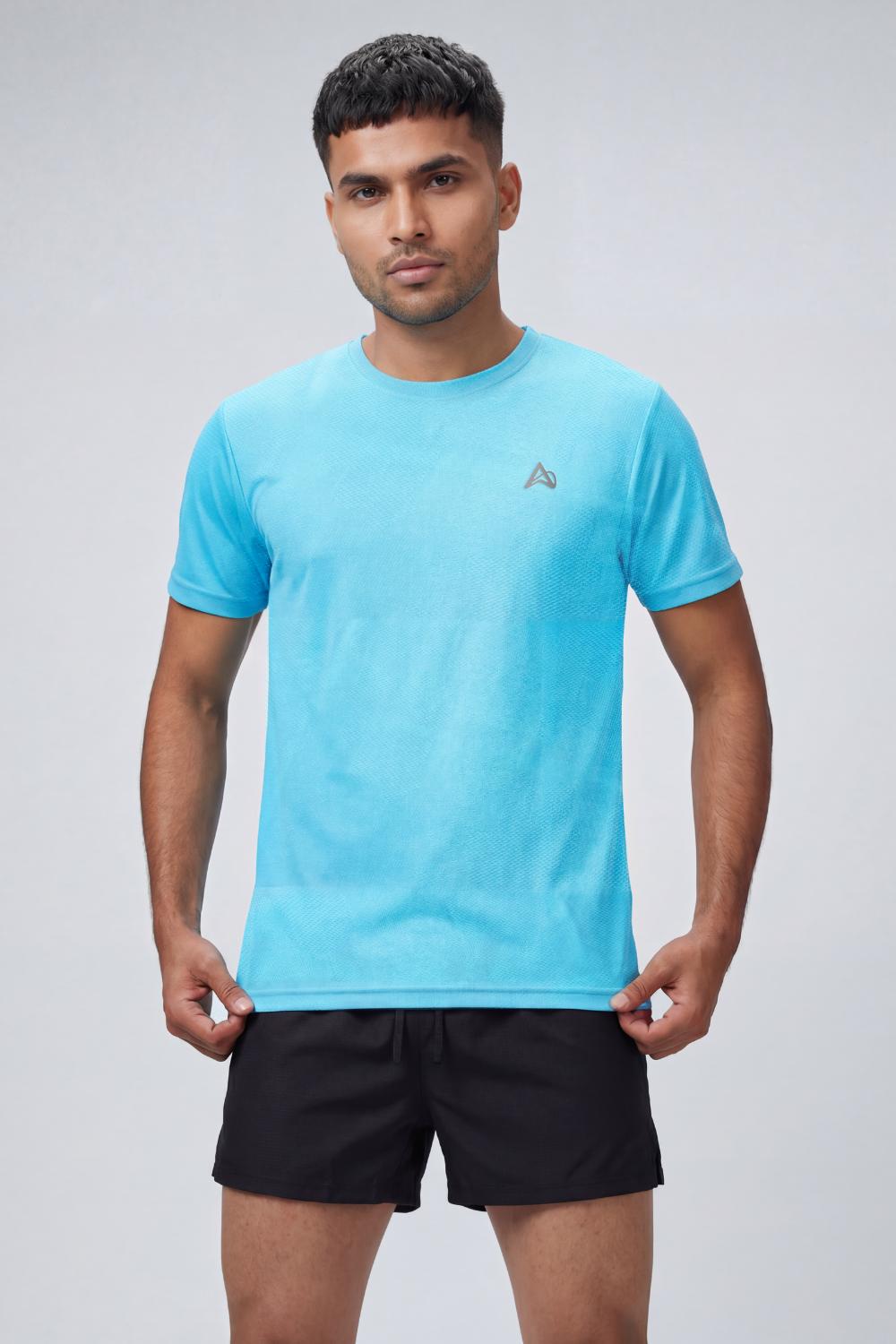
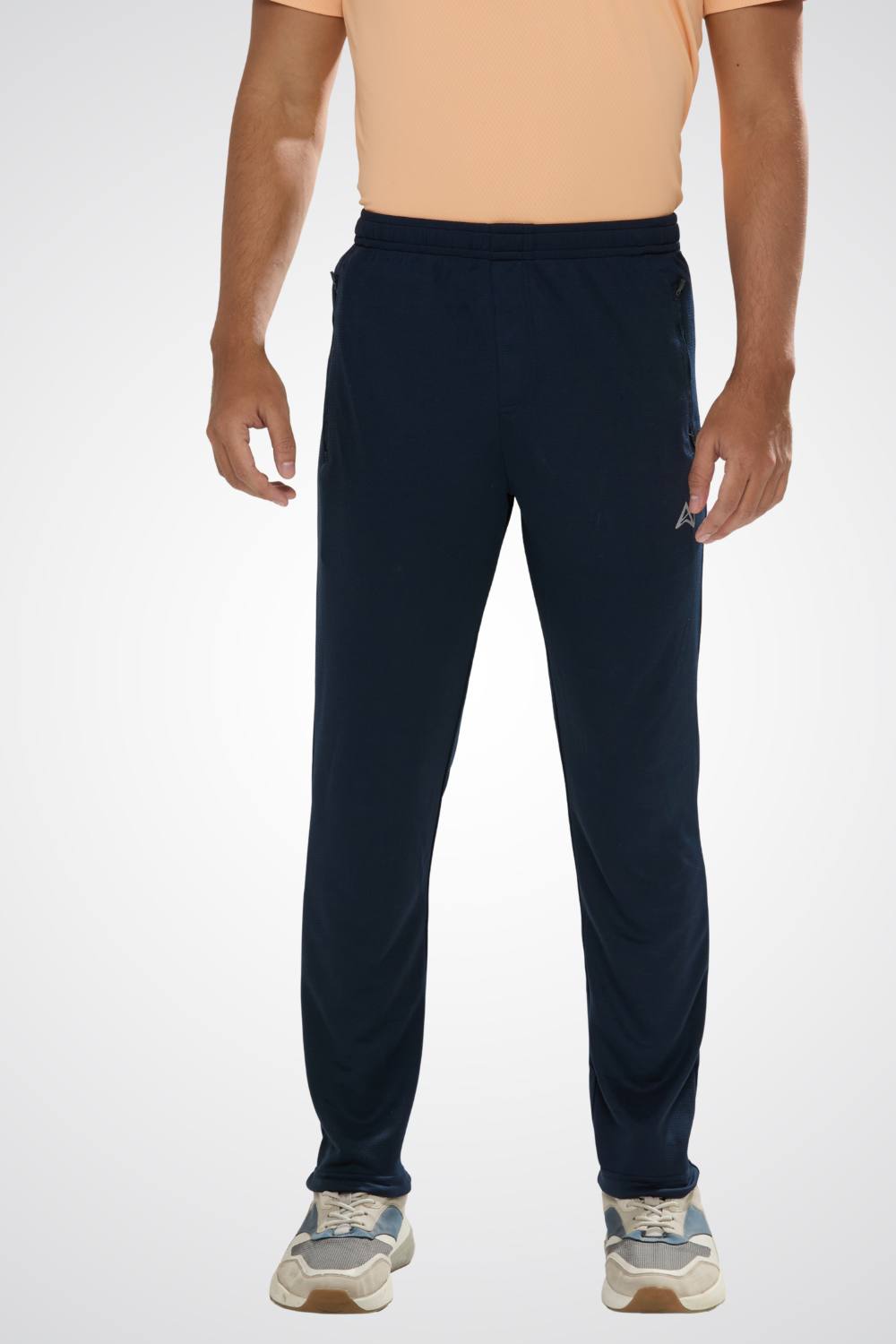
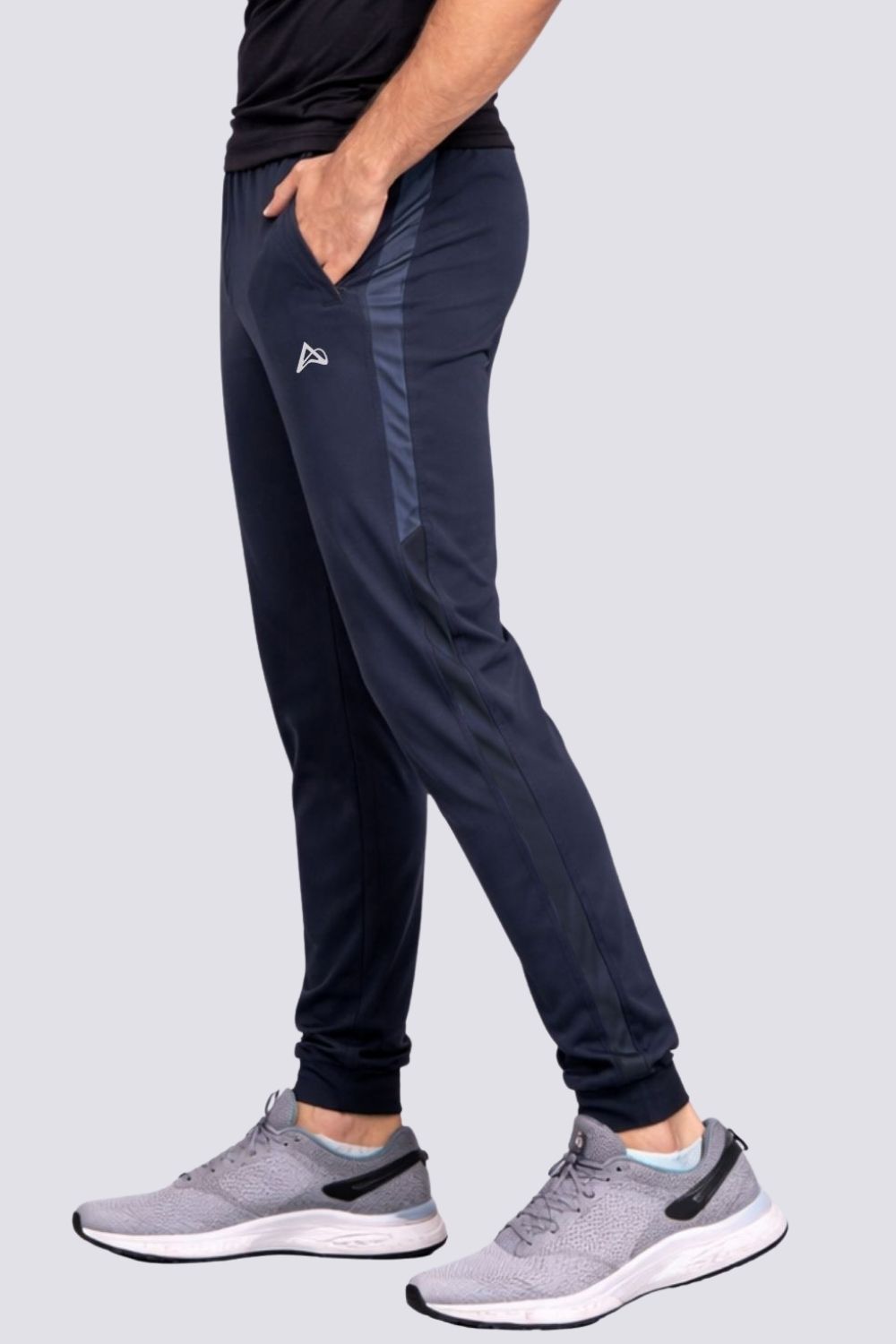
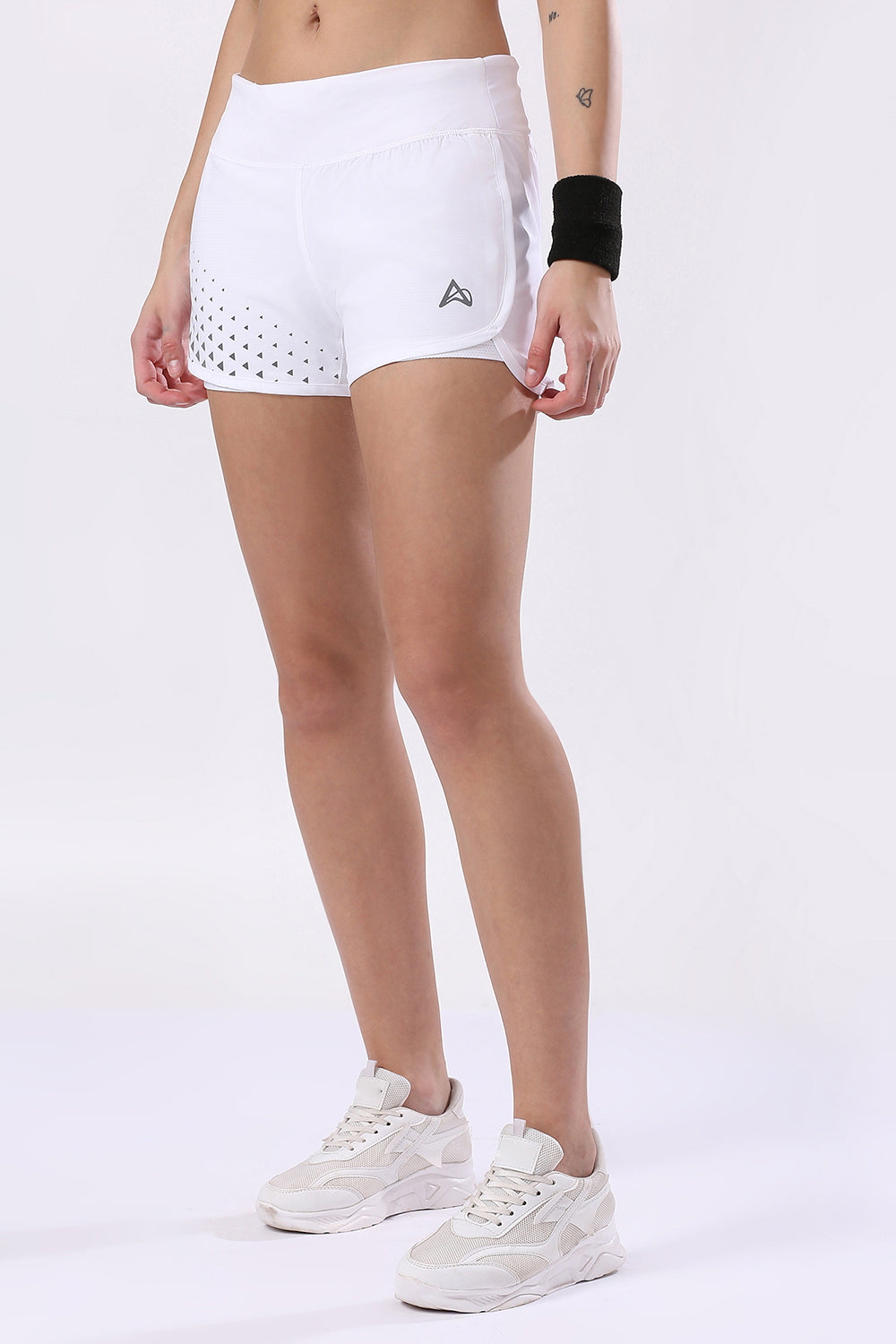
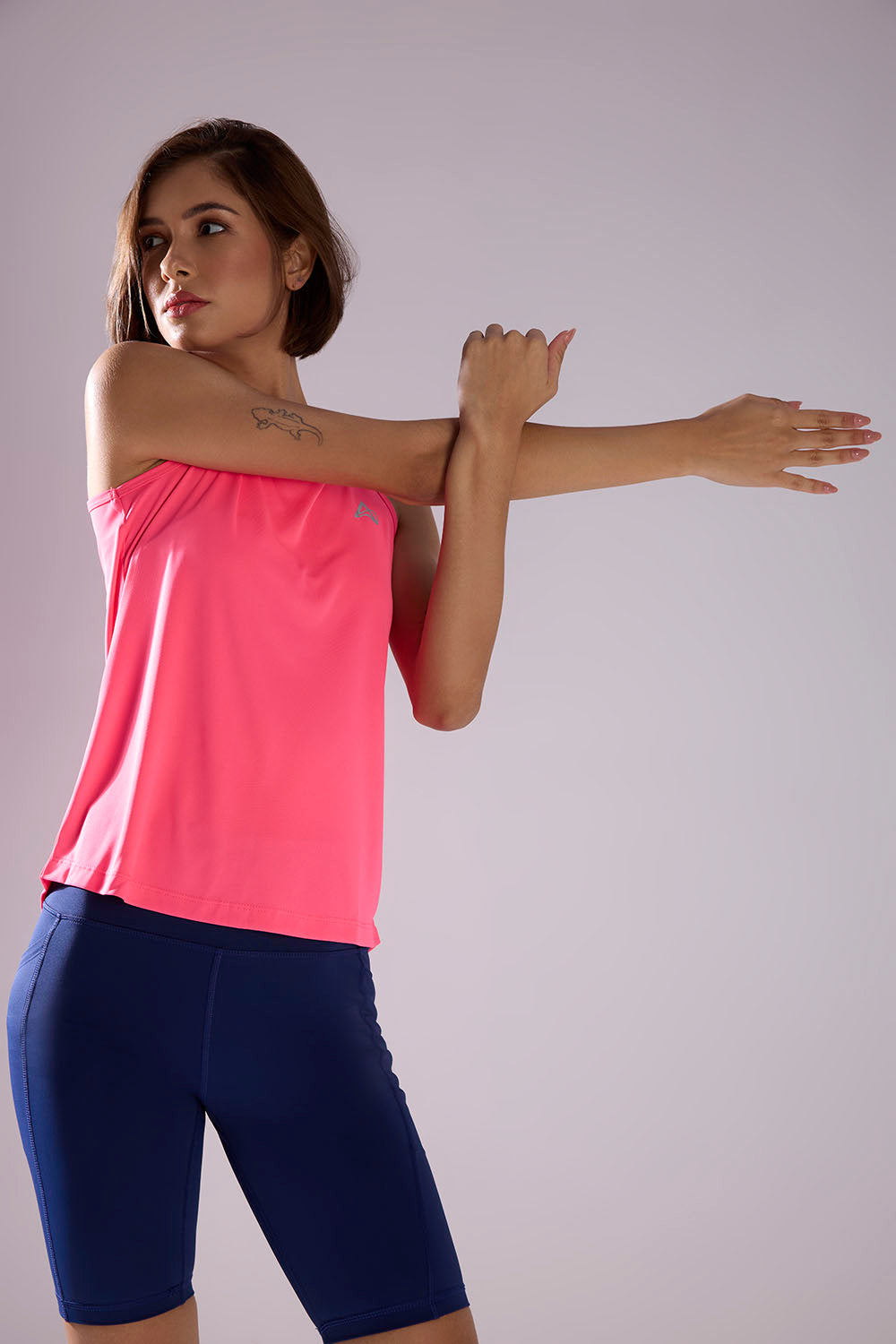
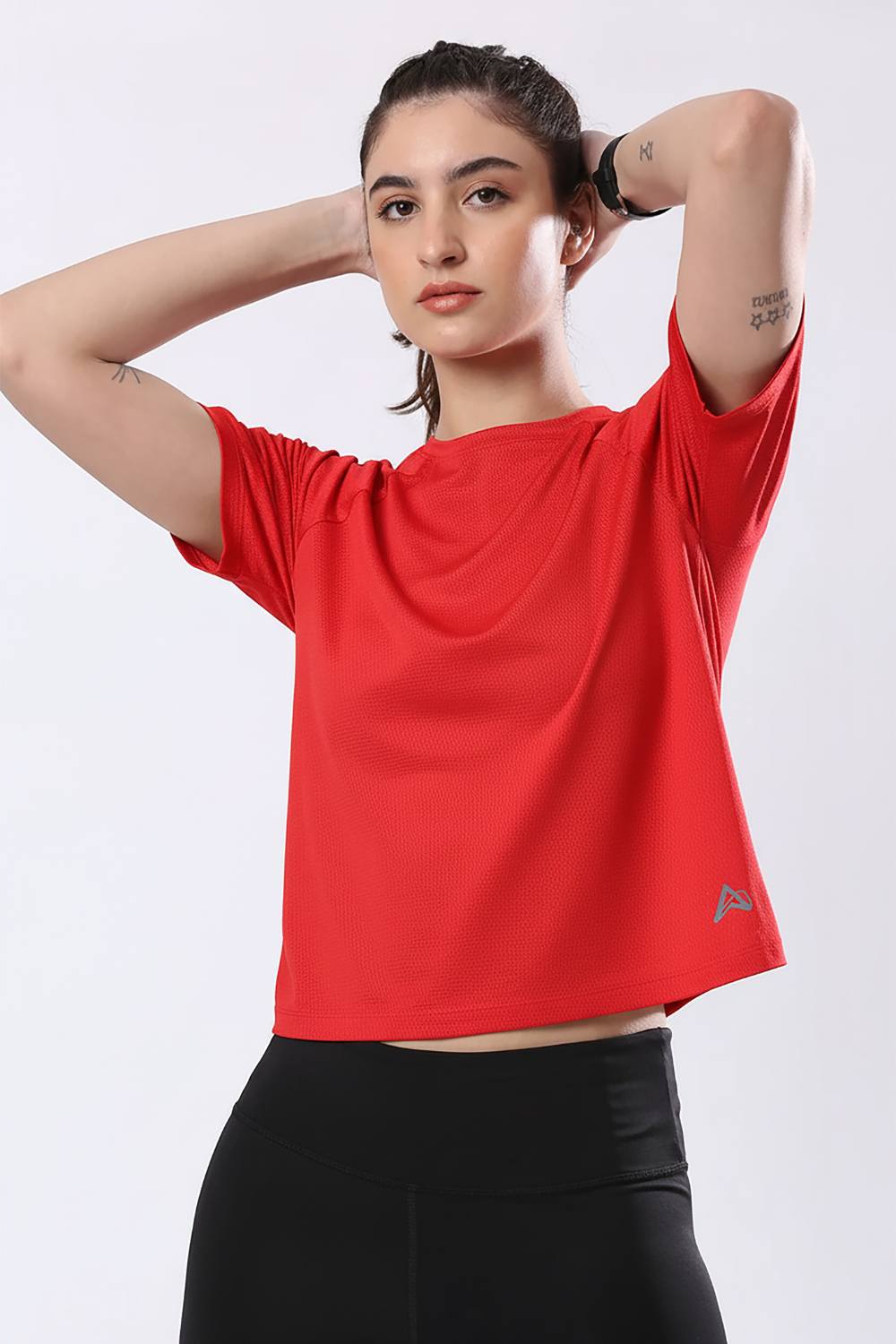
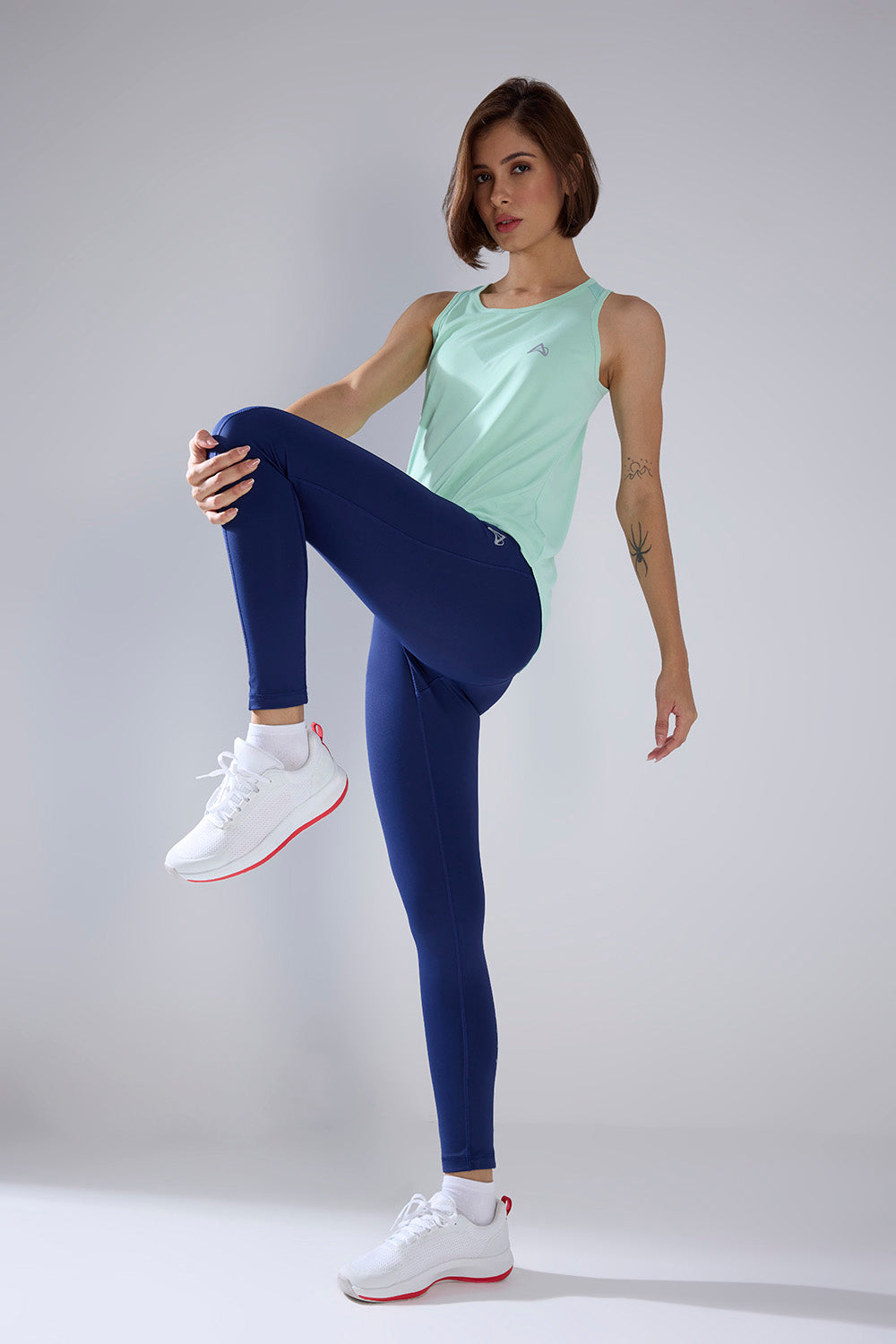
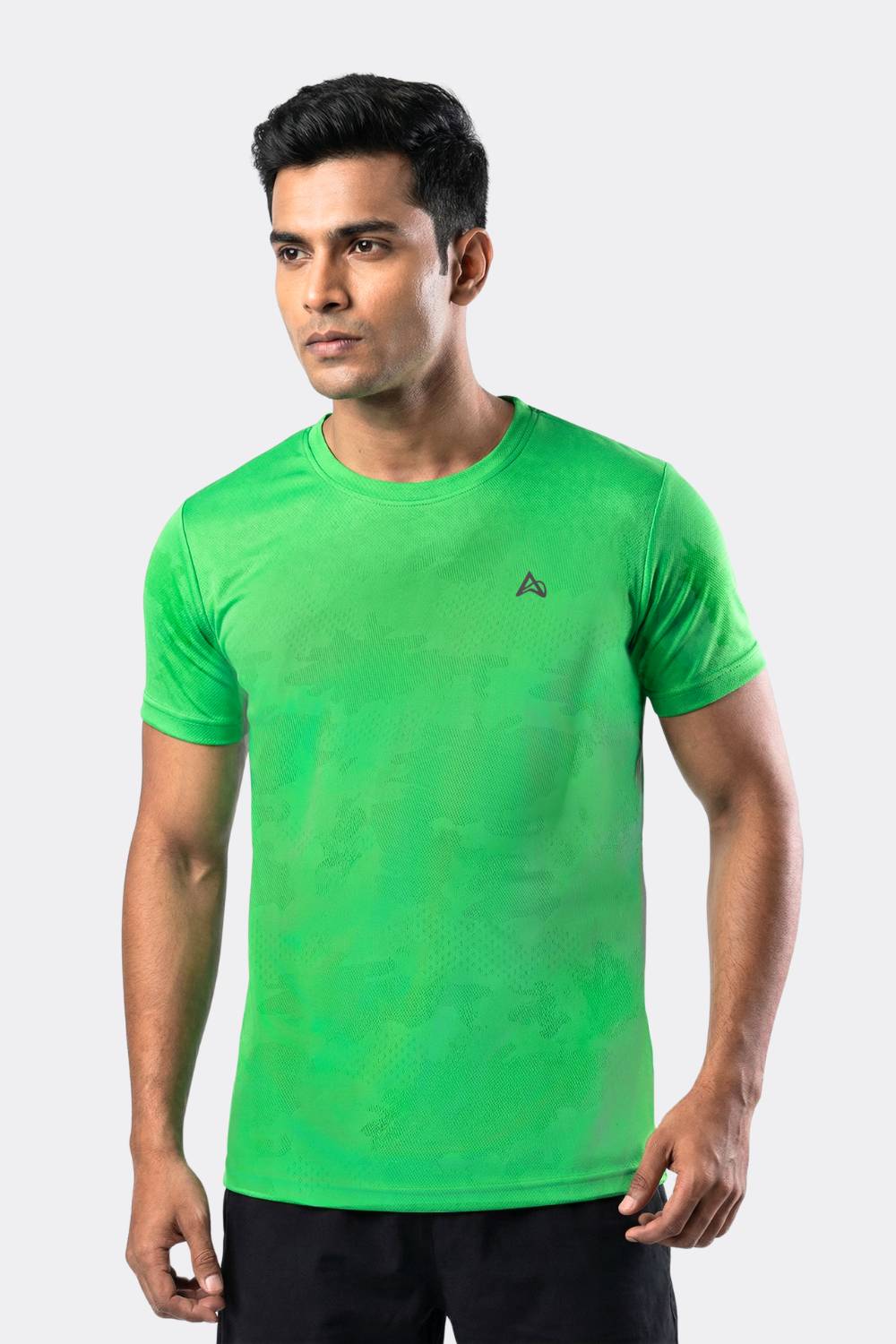
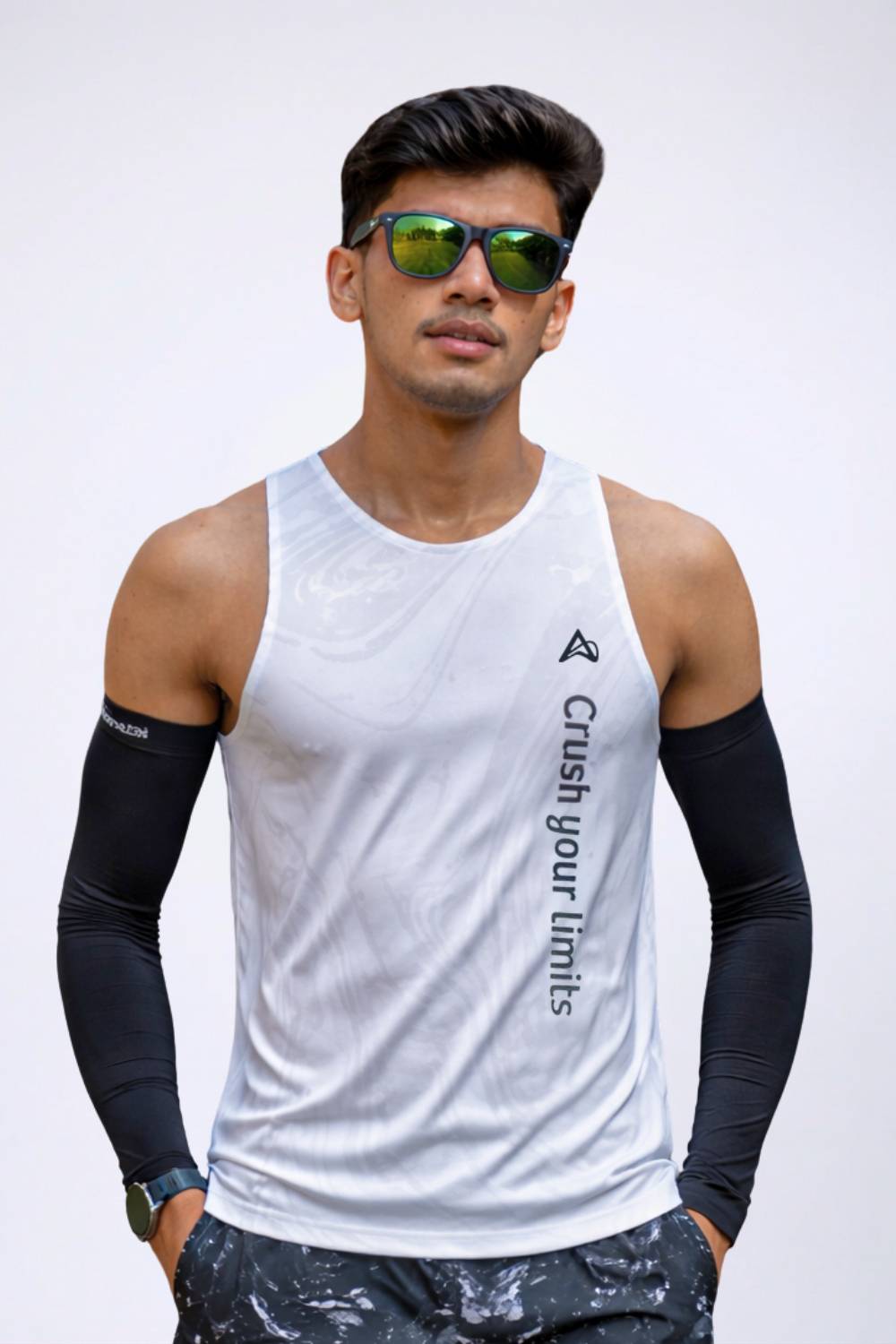
Running tops, singlets, shorts, tights, and track pants each offer different benefits depending on the runner's requirements. Lightweight tops may be suitable for regular training, while additional layers can help runners adapt to different conditions.
When planning running apparel essentials, brands should consider how individual products connect together. A runner should be able to combine different pieces based on the workout, season, and personal preference rather than needing separate solutions for every situation.
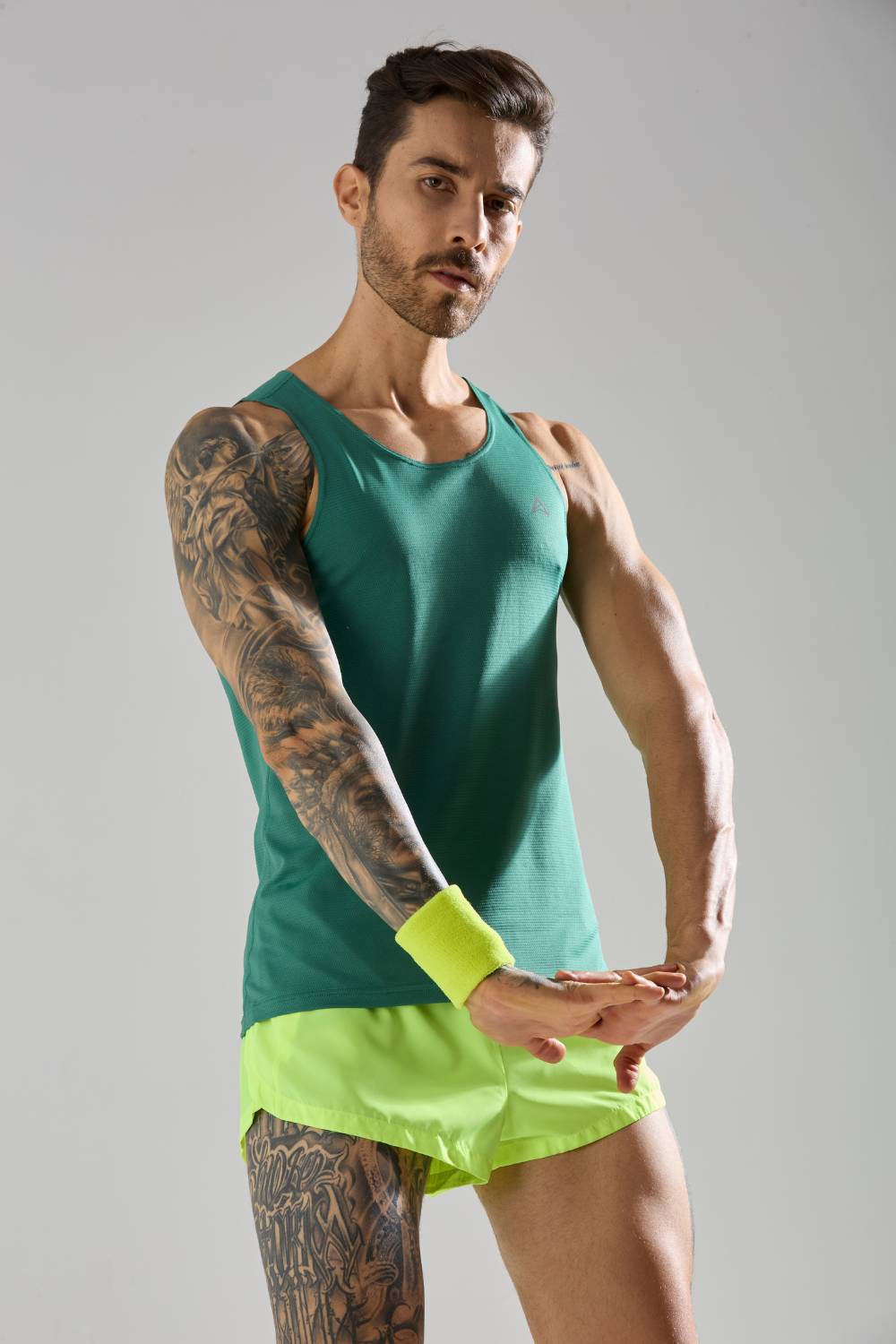
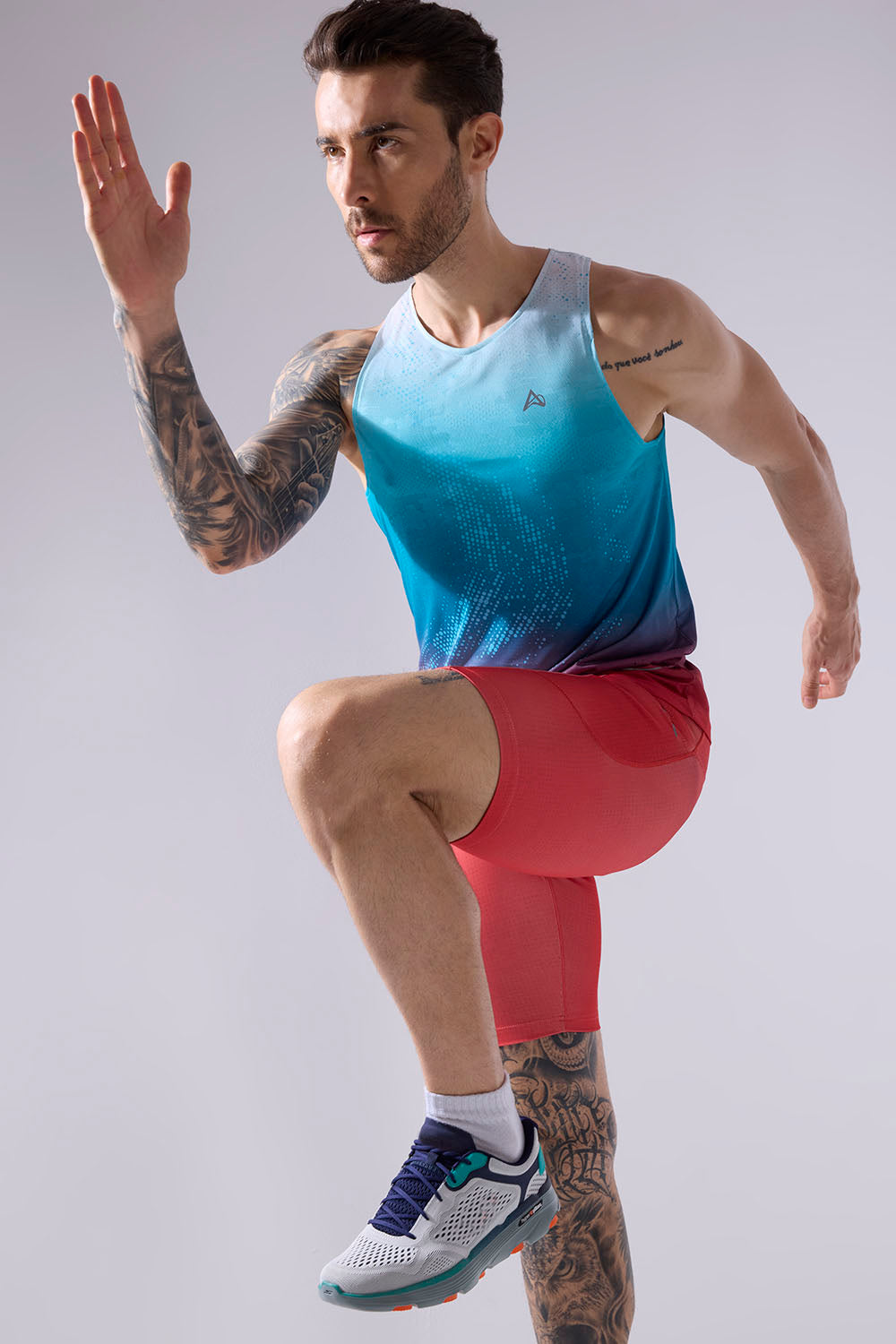
- Running tops and singlets: Designed for comfort, mobility, and airflow during training.
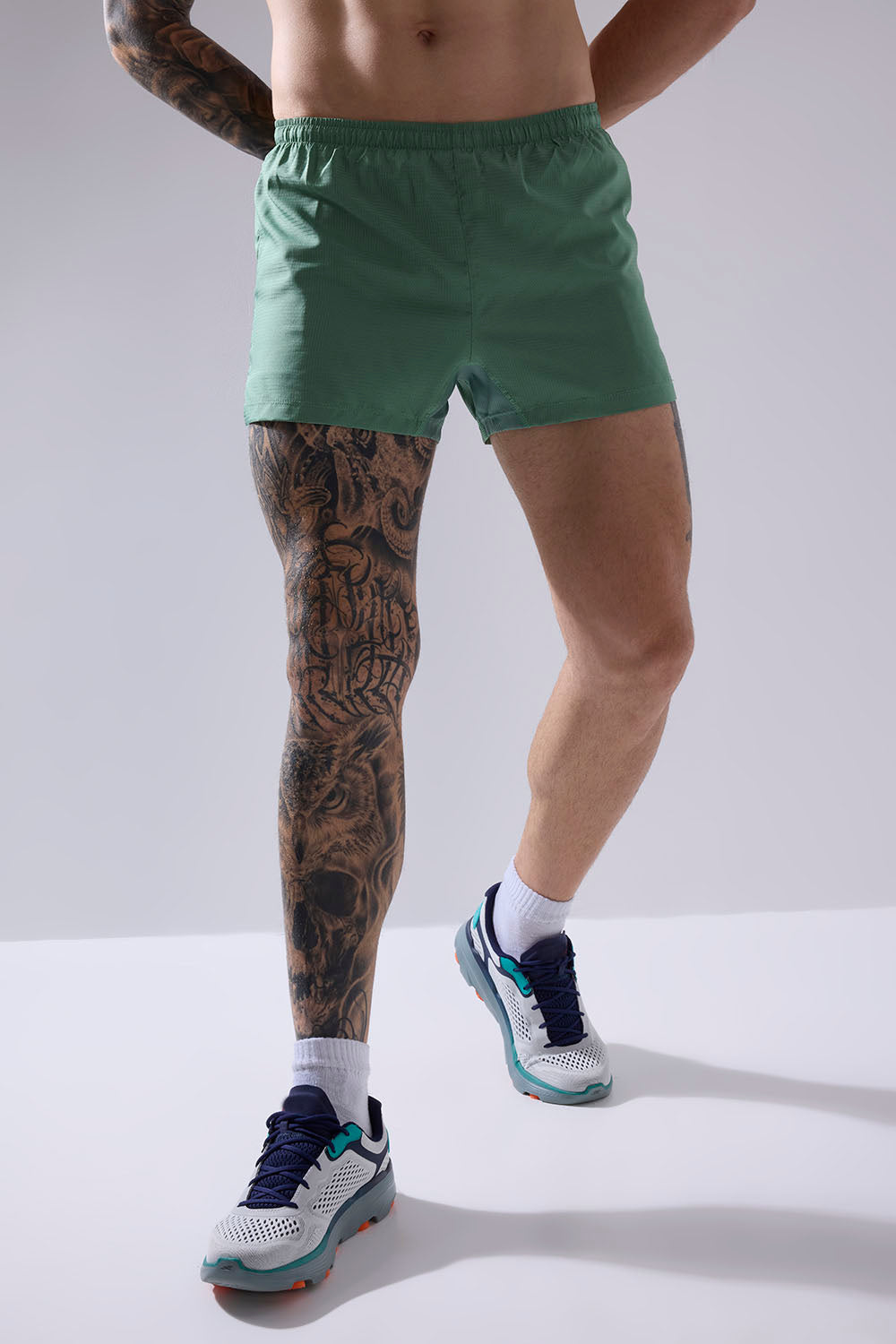
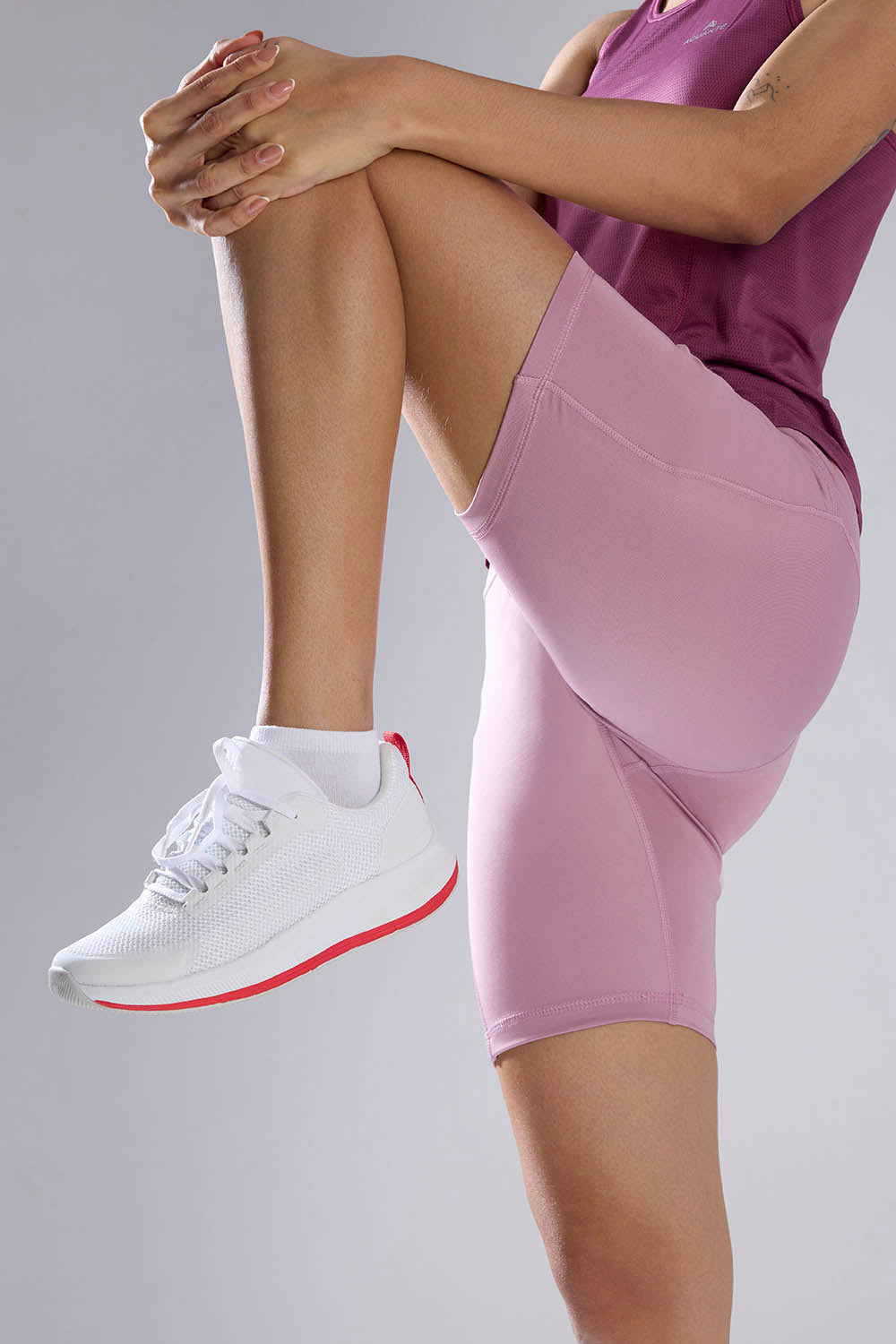
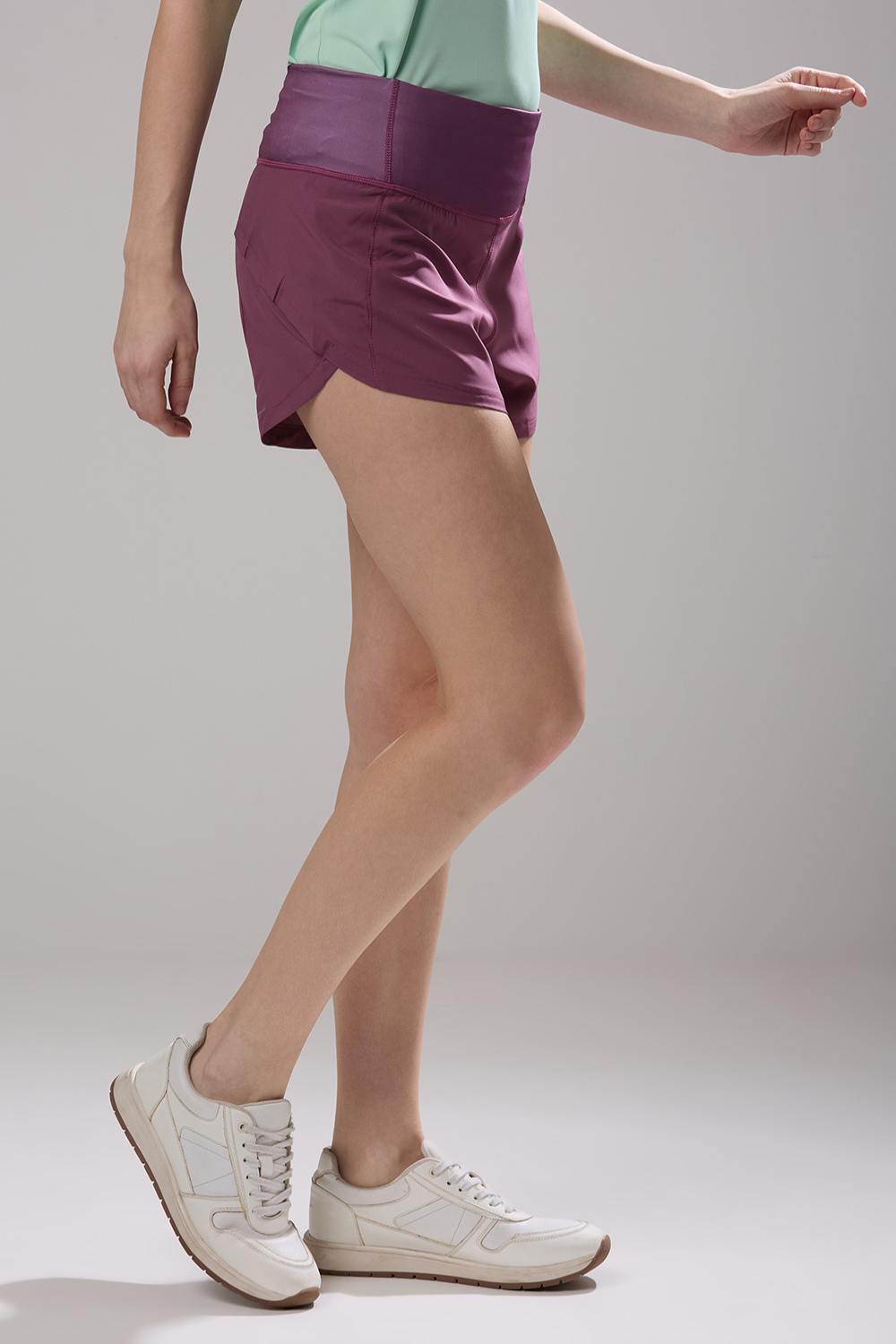
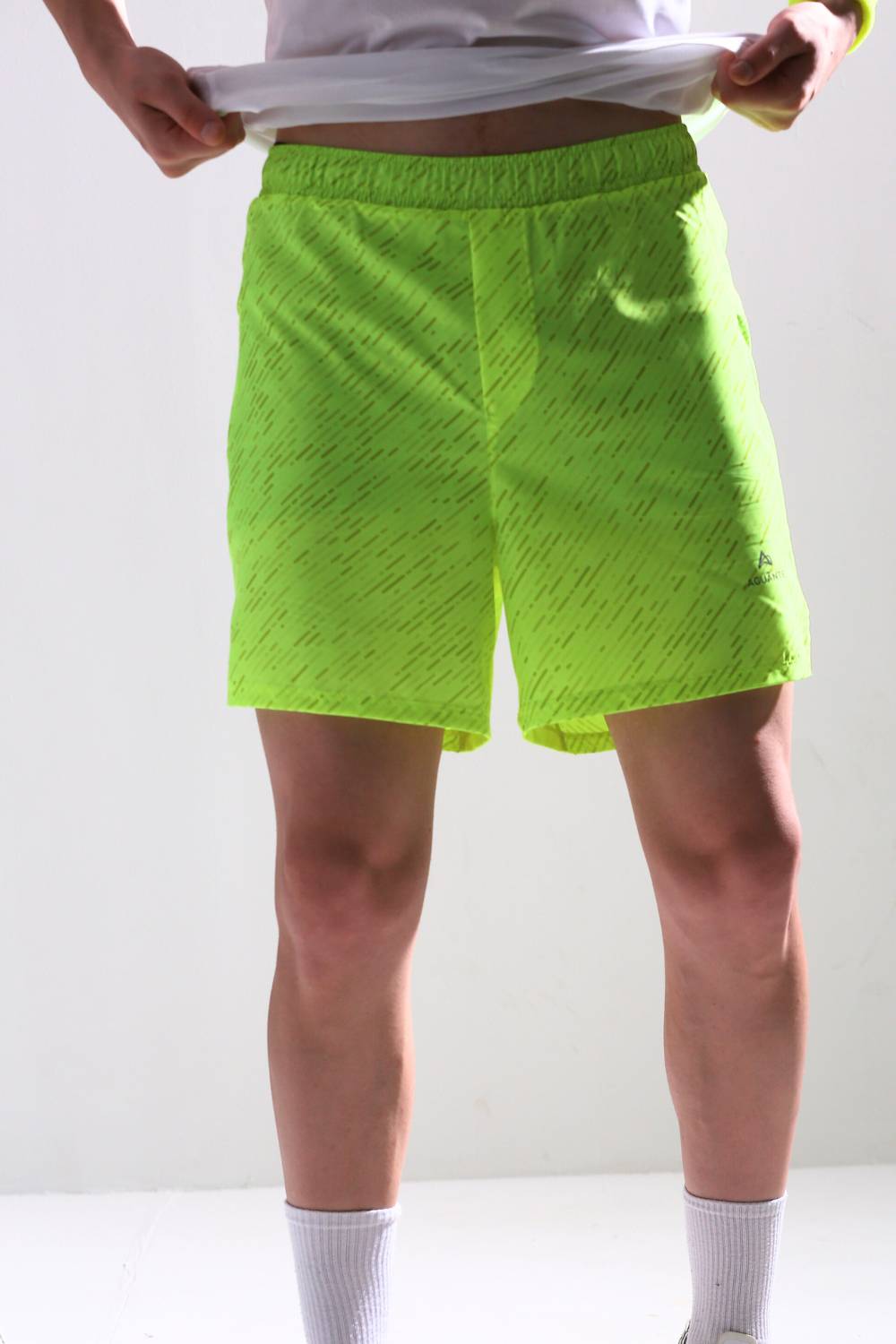
- Running shorts: Focused on freedom of movement and lightweight performance.
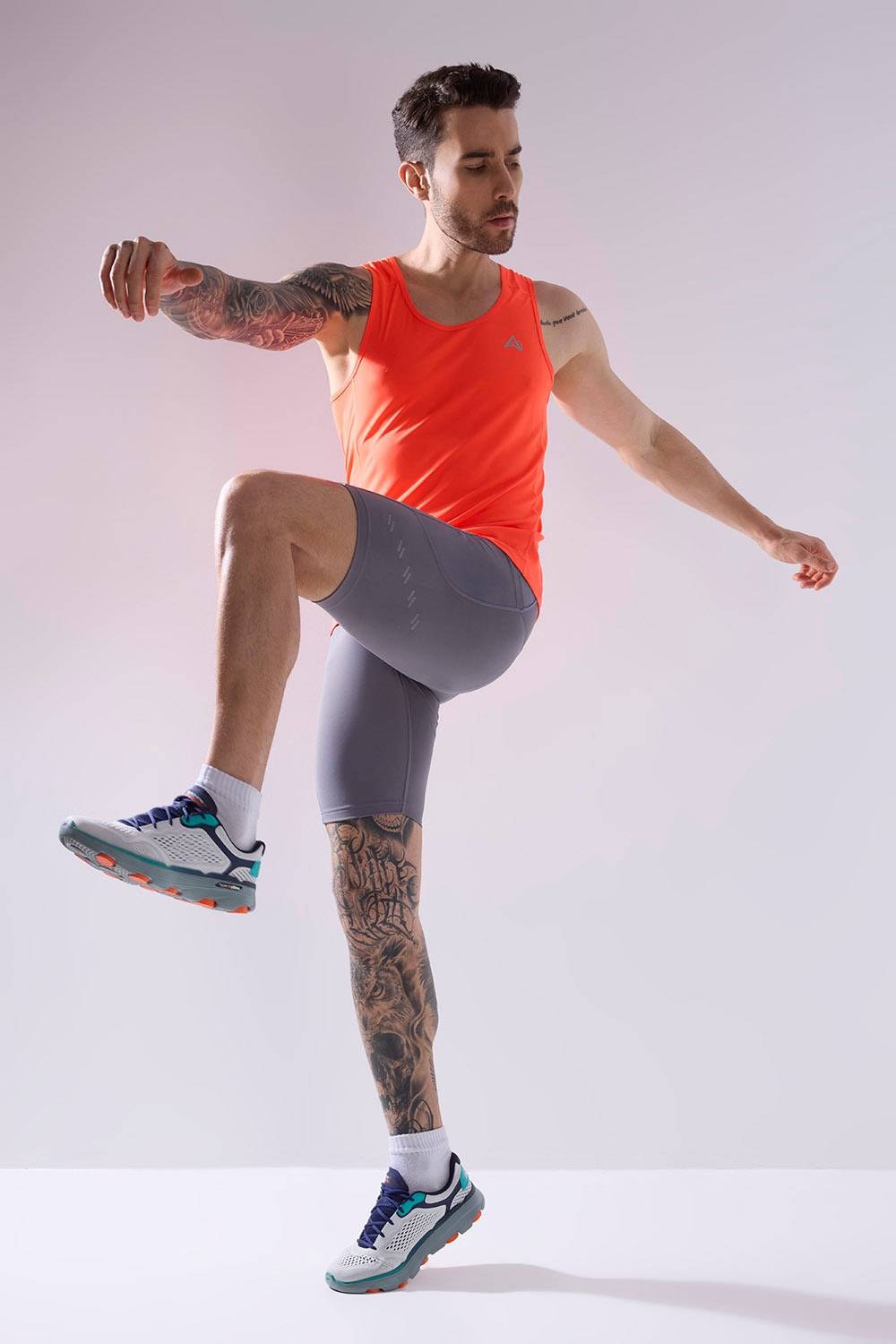
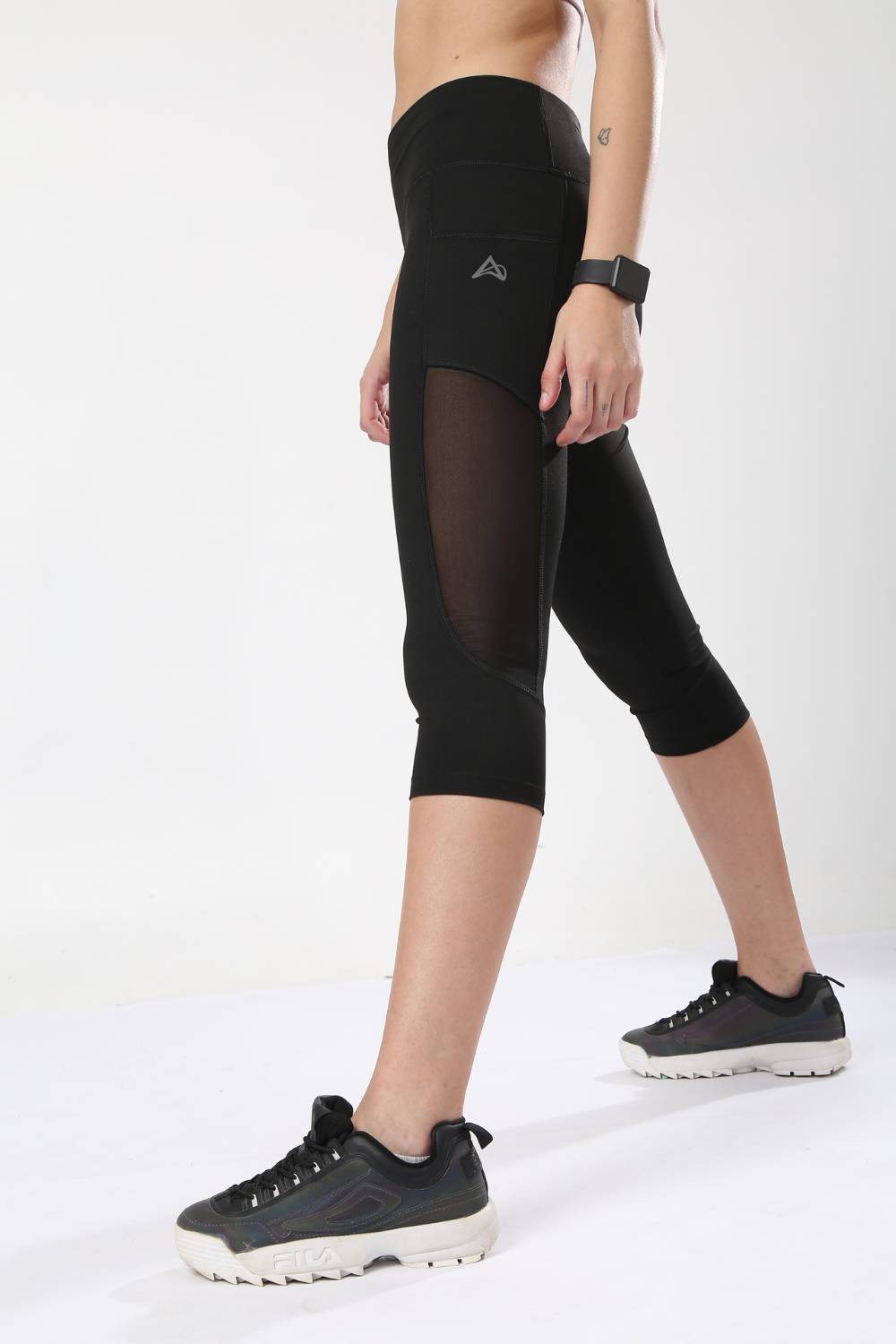
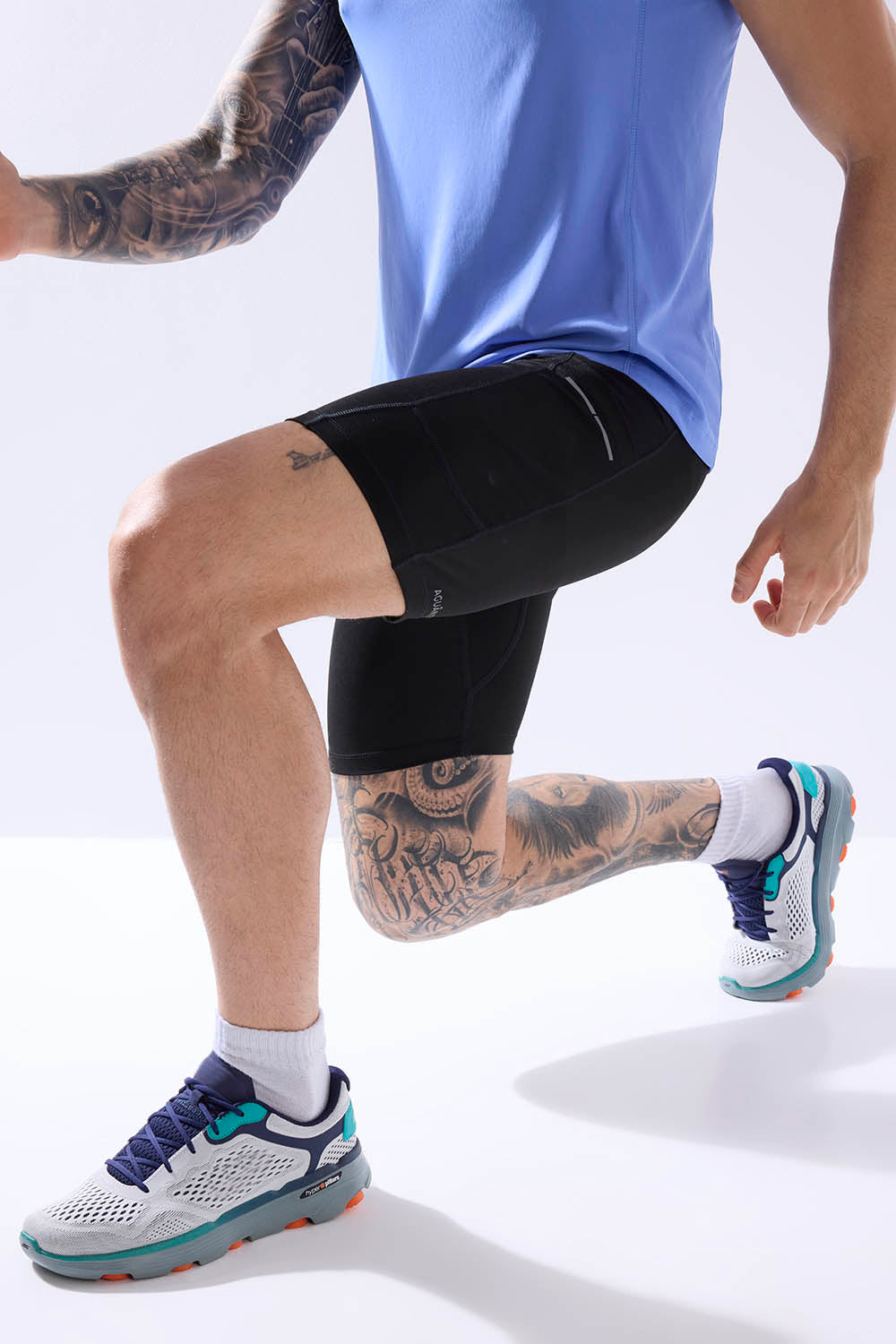
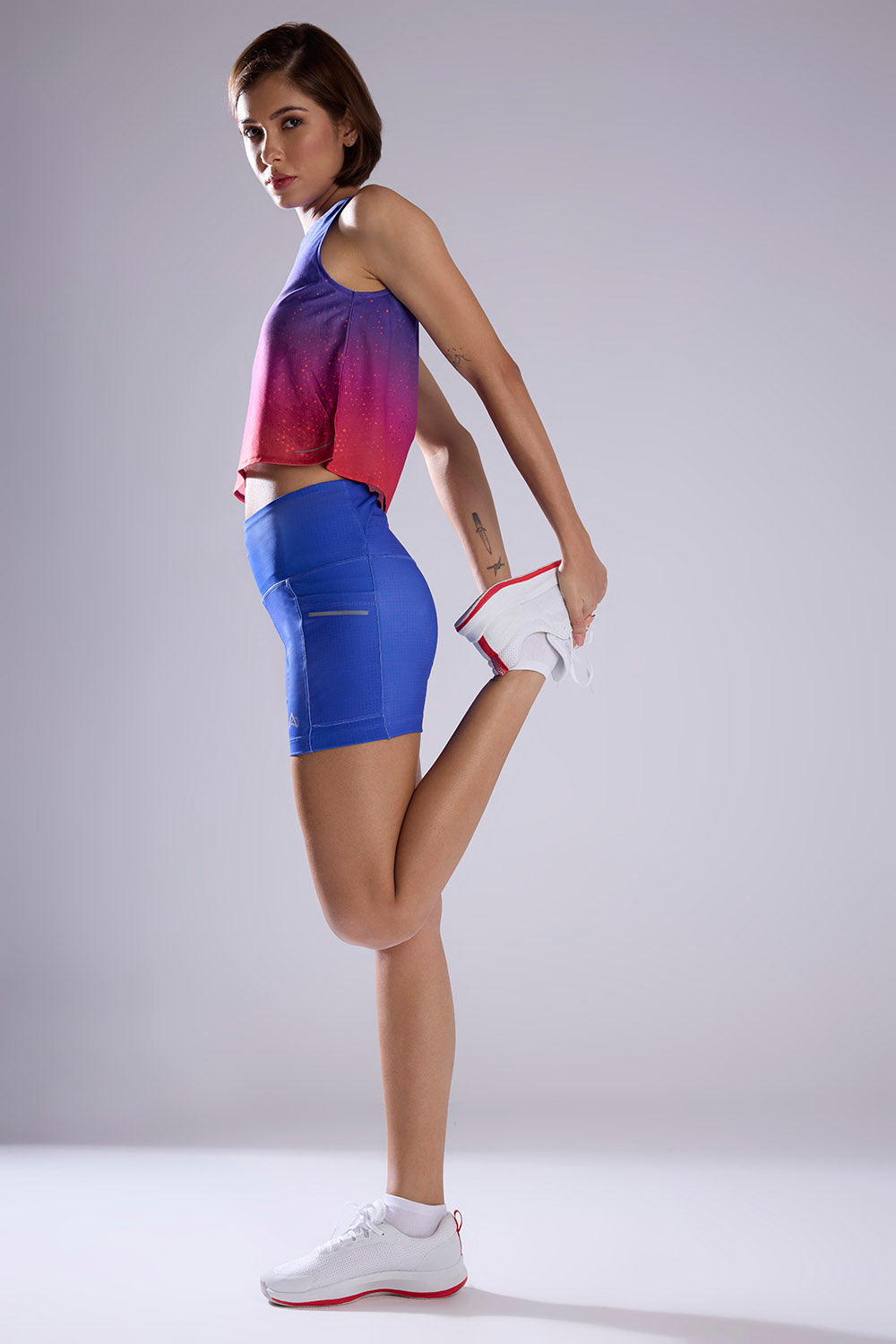
- Half-tights and tights: Useful for runners seeking additional coverage and support.
- Track pants and layers: Helpful for warm-ups, recovery periods, and changing conditions.
Consider Fit, Movement, and Comfort
Fit is a critical part of how running apparel performs. Clothing that restricts movement or creates discomfort can distract runners from their training and reduce confidence during activity.
Ergonomic design approaches help apparel follow natural body movement while maintaining comfort. The ideal fit depends on the garment category, intended use, and the runner's personal preference.
A collection should offer designs that allow runners to move freely without unnecessary bulk. Small construction decisions, such as placement of seams, stretch capability, and garment shape, can influence how clothing feels during repeated movement.comfort also extends beyond the run itself. Many runners choose versatile activewear that can transition between training, warm-ups, recovery, and everyday activities. This makes practical design an important consideration when reviewing a complete apparel range.
Review Functional Features That Solve Real Problems
Functional details can make running apparel more useful when they are designed around actual runner behaviour. Features should support convenience and performance rather than simply increase product complexity.
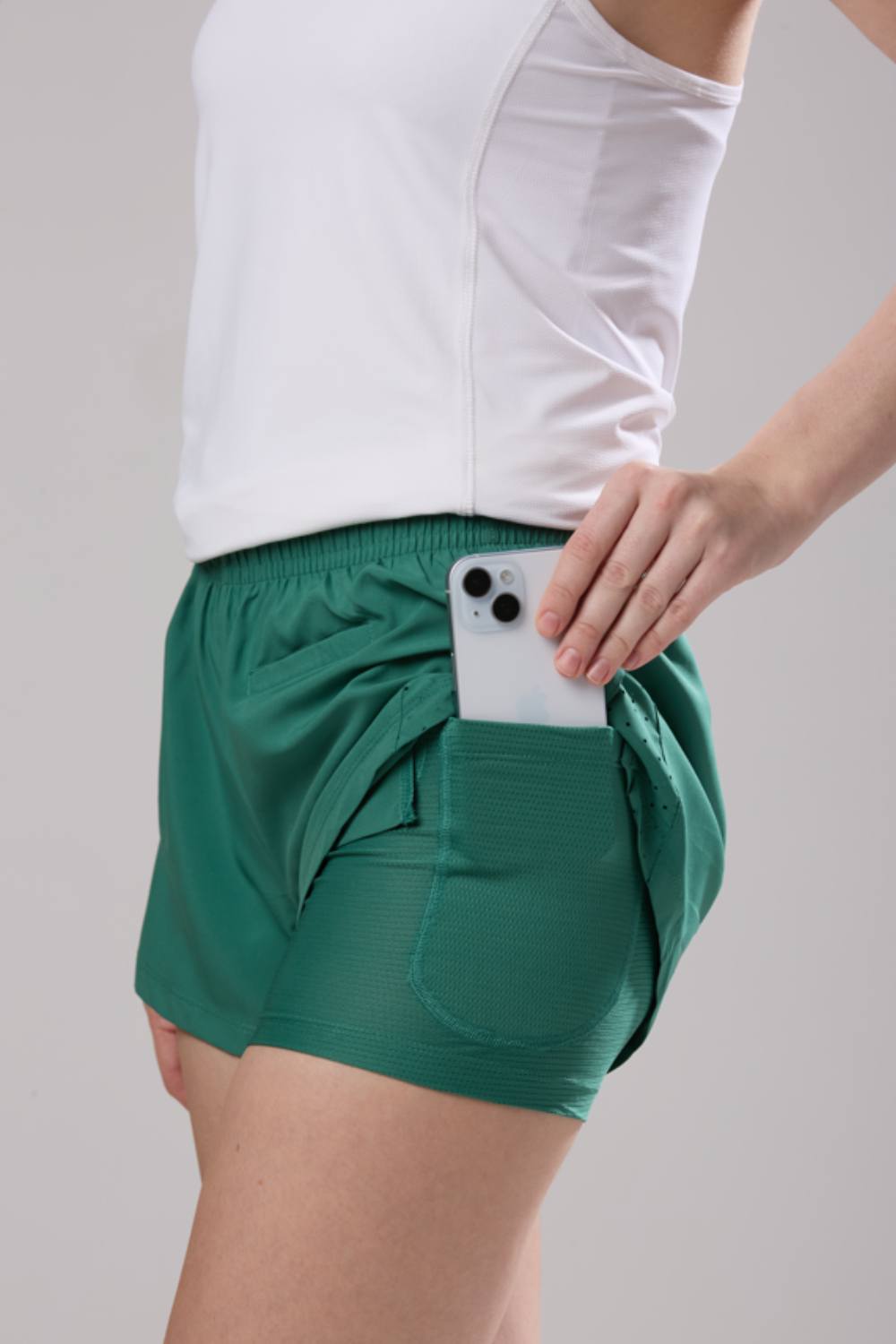
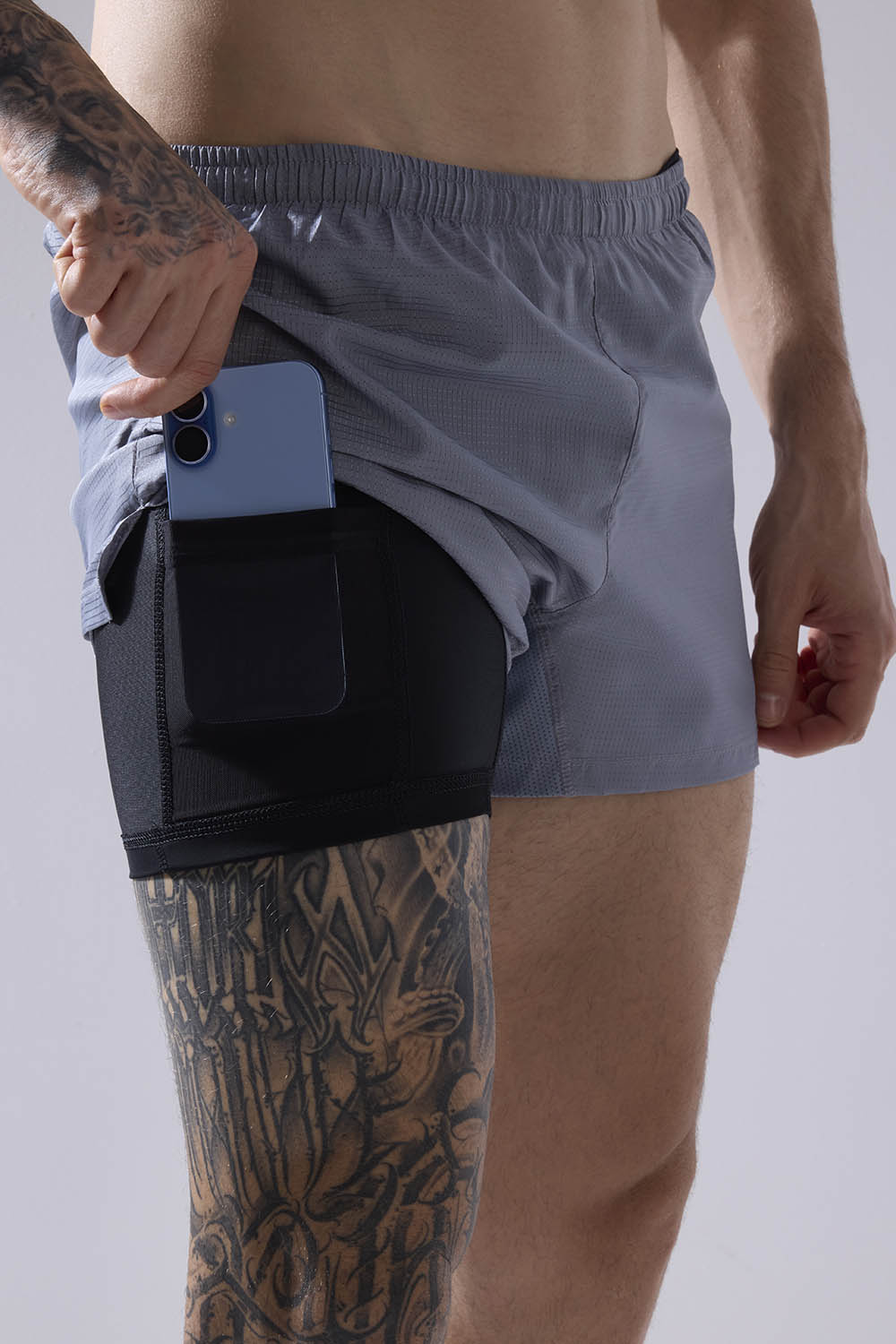
Storage is one example of a feature that can improve the running experience. Pockets designed for practical use can help runners carry essentials such as keys, cards, or small personal items during training.
Reflective elements can also support visibility when runners train in lower-light conditions. Ventilation zones, lightweight layering options, and flexible materials are other examples of features that can improve everyday usability.
When creating a running clothing checklist, brands should ask whether each feature provides a clear benefit. A focused collection with useful details can create stronger value than products containing unnecessary additions.
Balance Performance with Everyday Versatility
Modern runners often expect apparel to support multiple parts of their lifestyle. Running clothing is increasingly evaluated not only by technical performance but also by comfort, appearance, and adaptability outside dedicated training sessions.
This means brands need to consider how products fit into real routines. A runner may use the same apparel before a workout, during recovery, while travelling, or for casual activities. Versatile design choices can make garments more relevant to a wider range of users.
Performance should remain the foundation, but versatility can improve the overall value of a collection. Products that combine practical features with comfortable design are more likely to become trusted parts of a runner's regular routine.
Include Sustainability and Responsible Product Decisions
Collection planning increasingly involves decisions around materials, manufacturing processes, and product longevity. Responsible apparel development requires considering how choices made during design affect both product performance and long-term customer expectations.
Material selection plays an important role because running apparel must balance technical requirements with durability and responsible sourcing considerations. Brands need to evaluate how fabrics support comfort while also meeting broader expectations around product quality.
Sustainability considerations are becoming an important part of apparel development as brands review materials, supply chains, and product lifecycles. Sustainable apparel developments show the growing focus on responsible sourcing, durability, and creating products that meet performance expectations while aligning with evolving consumer values.
Long-lasting garments can create better experiences for runners because products that maintain performance over time provide greater practical value. Reviewing construction quality, manufacturing standards, and lifecycle considerations can help create stronger collections.
Use Customer Feedback to Guide Collection Development
Building a successful running apparel collection requires understanding what runners actually need. Customer feedback, training experiences, and common challenges can provide valuable direction when deciding which products and features deserve attention.
Runners often identify practical improvements that may not be obvious during the initial design process. Feedback about comfort, storage, fit, and performance can help brands refine future products and create apparel that better matches real-world use.
A collection should continue evolving as runner expectations change. Regularly reviewing customer preferences allows brands to maintain relevance while staying focused on meaningful improvements.
Creating a Complete Running Apparel Collection with Purpose
A complete running apparel collection is built through careful evaluation of performance, comfort, functionality, and customer needs. The goal is not simply to create more products, but to develop a connected range where each garment serves a clear purpose.
For runners, thoughtful apparel choices can make training more comfortable and practical. For brands, understanding the relationship between design decisions and runner expectations helps create products that support real activities and build stronger connections with customers.
By reviewing fabric technology, essential categories, functional details, fit, and versatility, brands can develop running clothing collections that reflect how people actually train, move, and live.
Frequently Asked Questions
What should brands consider when building a complete running apparel collection?
Brands should review runner needs, fabric technology, essential apparel categories, fit, functionality, and versatility when building a complete running apparel collection. A balanced collection should include products that support different training sessions, weather conditions, distances, and personal preferences.
What fabric features are important in performance running apparel?
Important fabric features in performance running apparel include breathability, moisture management, lightweight construction, and durability. Choosing materials that support comfort and movement helps create clothing that runners can rely on during regular training.
Which running apparel features improve comfort and everyday usability?
Useful running apparel features include practical storage, reflective elements, ventilation zones, flexible materials, and adaptable layering options. These details should solve real runner needs while helping clothing work across training, recovery, and everyday activities.
Disclaimer: The above helpful resources content contains personal opinions and experiences. The information provided is for general knowledge and does not constitute professional advice.
You may also be interested in: Anti-Chafing Designs Reduce Discomfort During Marathons
Tired of gear that slows you down? Chafing, soggy fabrics, and missing pockets kill your run's momentum. At Aguante, we're runners who get it. Our high-performance activewear features moisture-wicking fabrics, ergonomic designs, and smart storage to keep you focused. Shop Now!
Powered by flareAI.co