



Quick Listen:
Choosing performance apparel for outdoor running requires more than selecting clothing based on appearance. Runners need garments that support movement, manage moisture, and remain comfortable during different stages of training. The right apparel can help reduce distractions caused by sweat, friction, overheating, or restricted movement, allowing runners to focus on their performance and consistency.
For runners evaluating performance apparel for outdoor running, important factors include fabric technology, fit, breathability, durability, and practical design features. Whether training on city roads, outdoor tracks, or longer routes, clothing choices should match the demands of the activity and the conditions in which runners typically train.
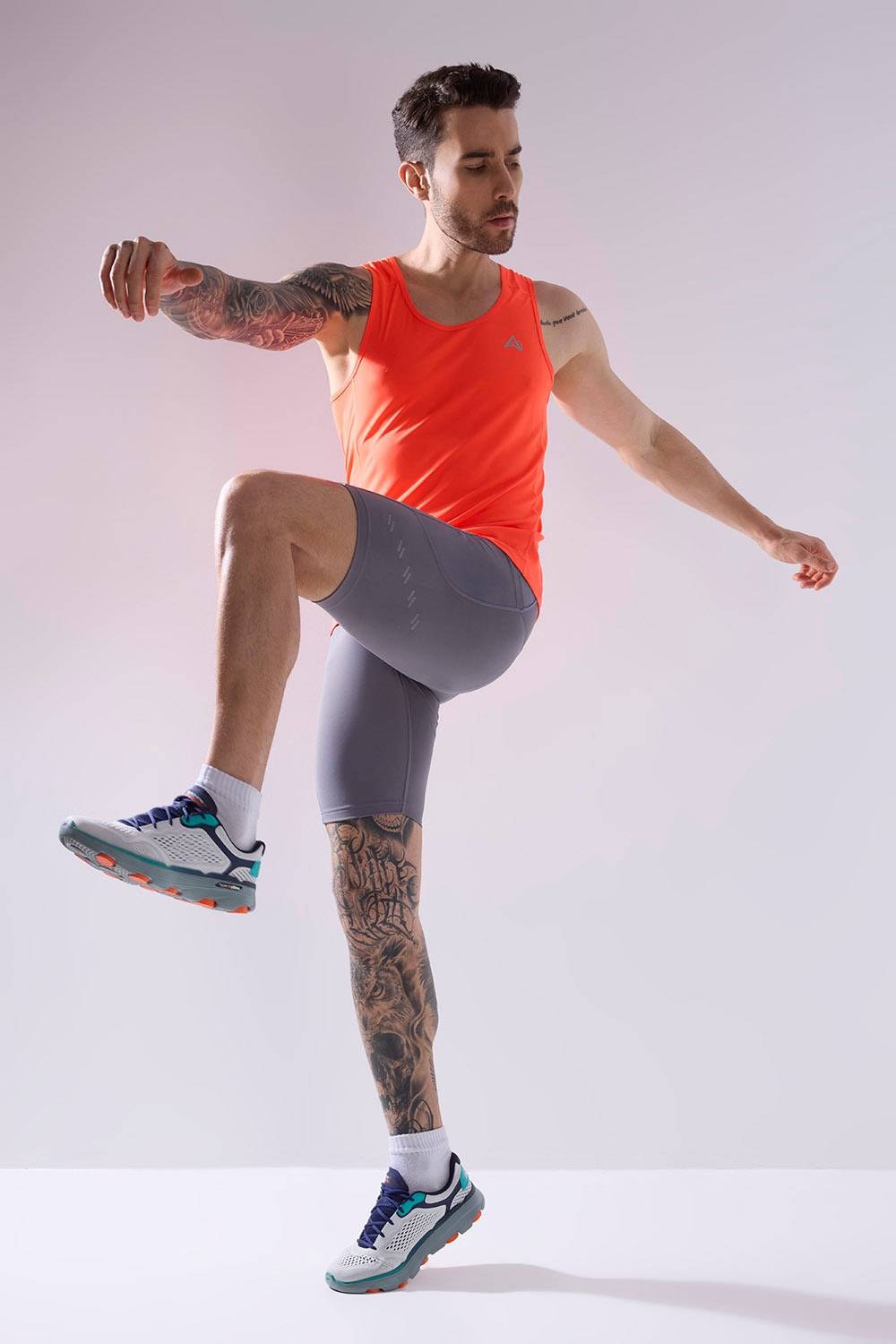
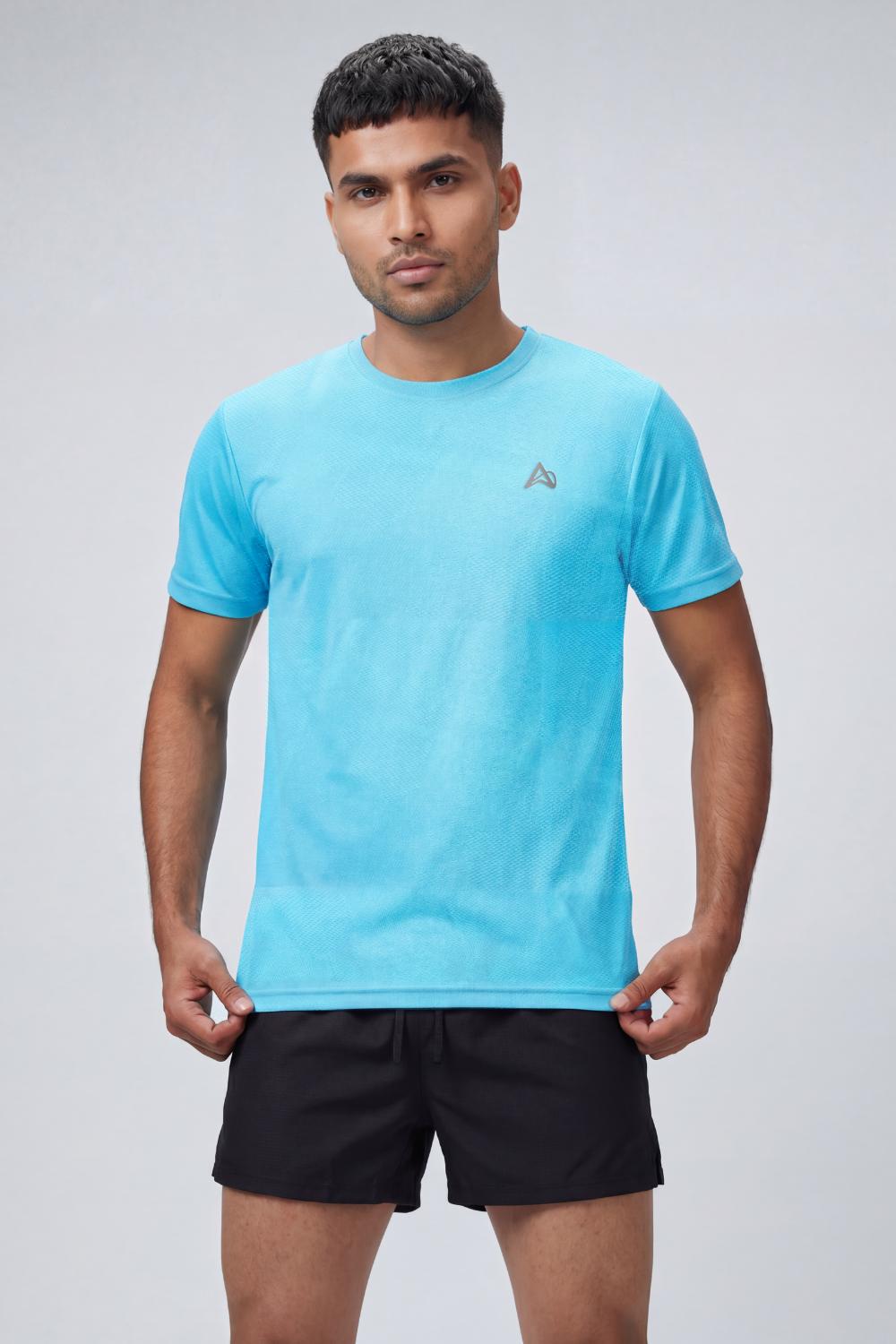
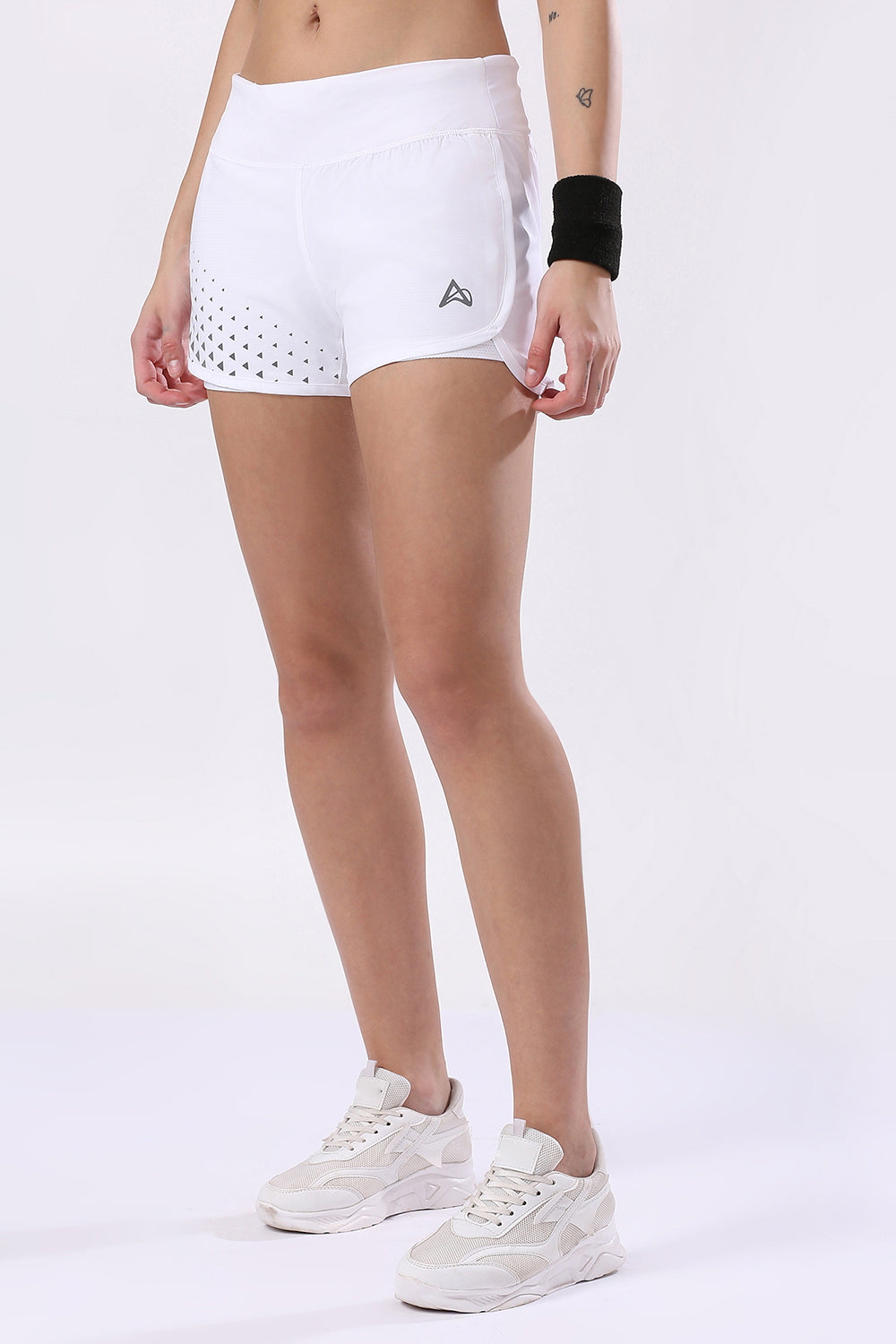
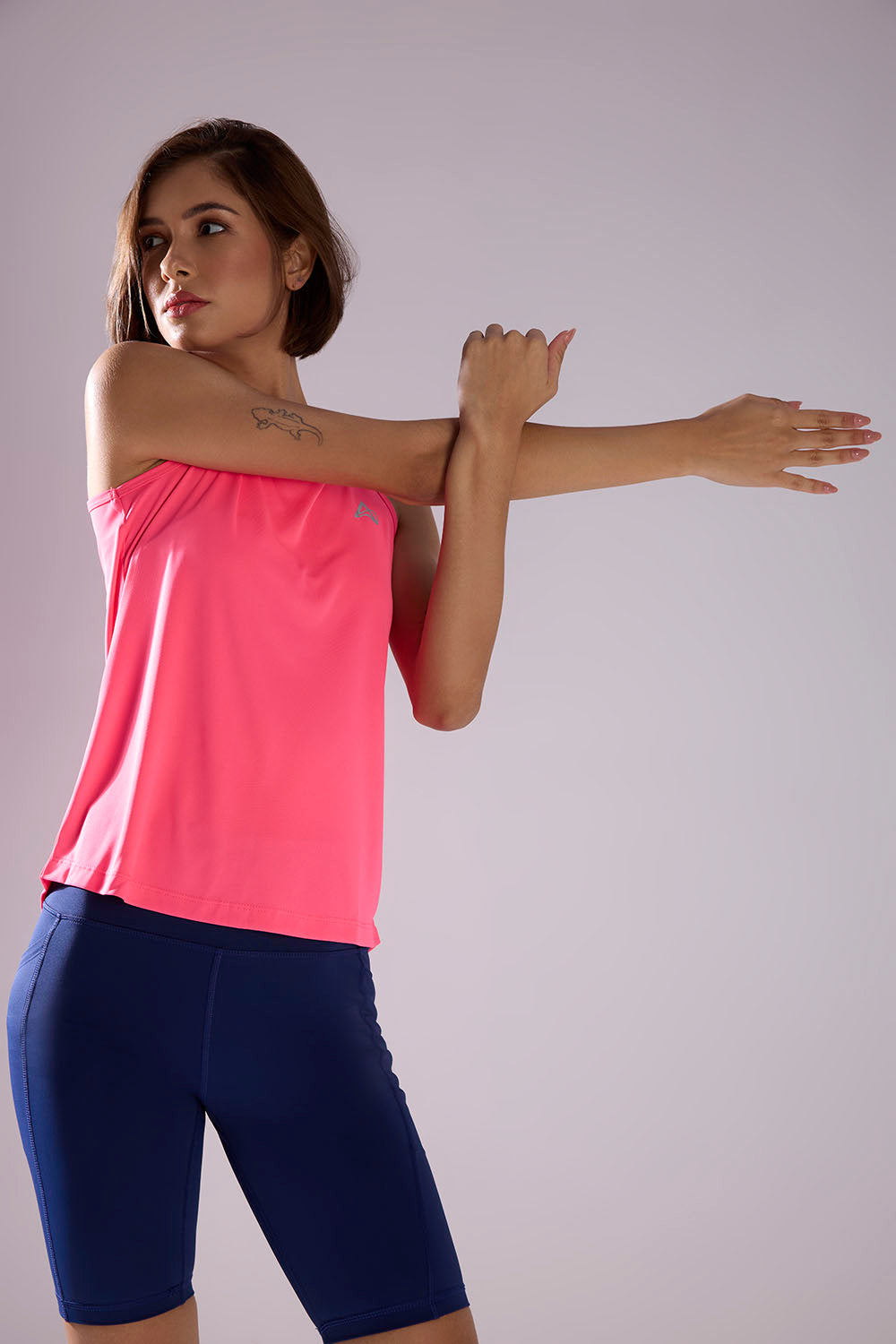
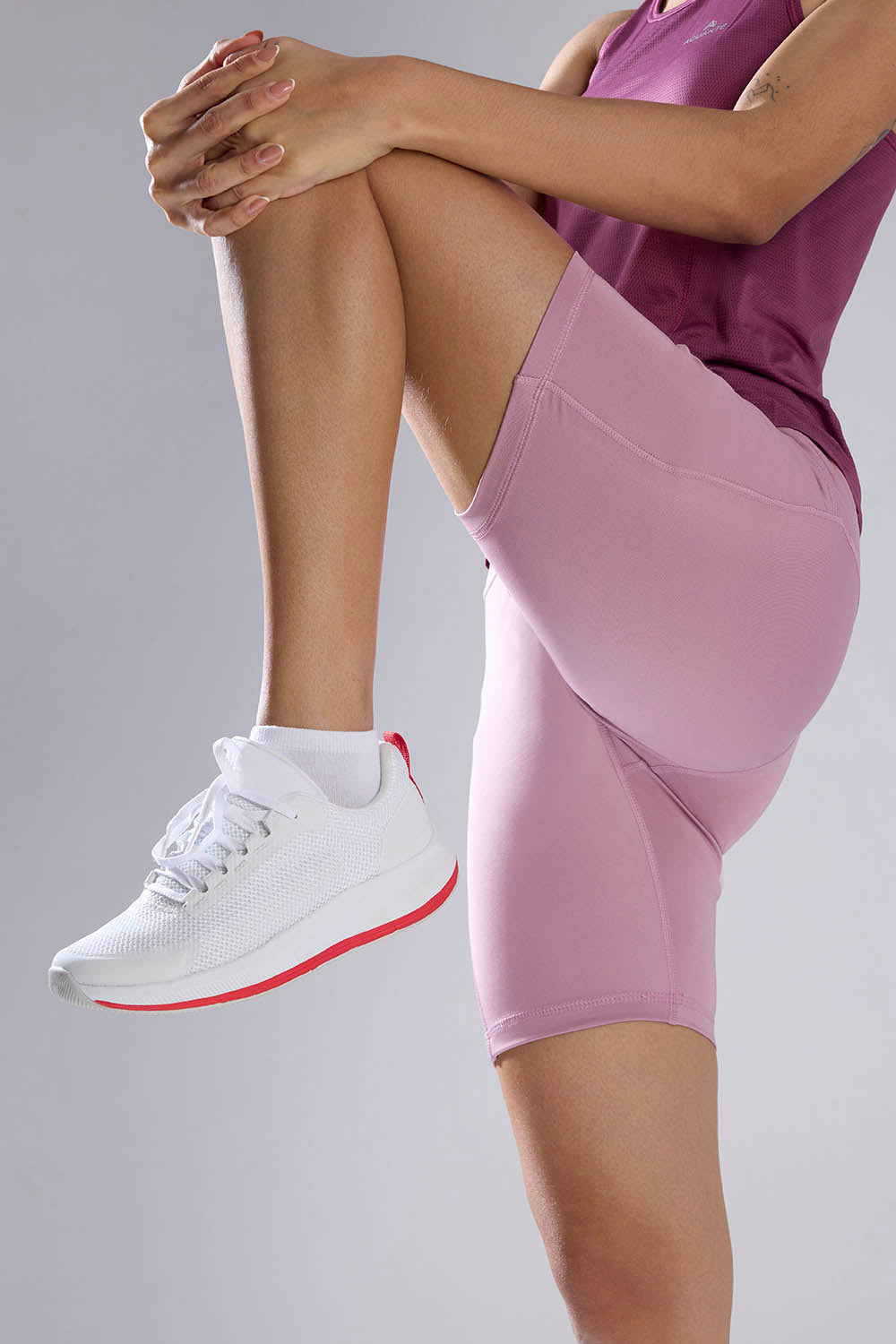
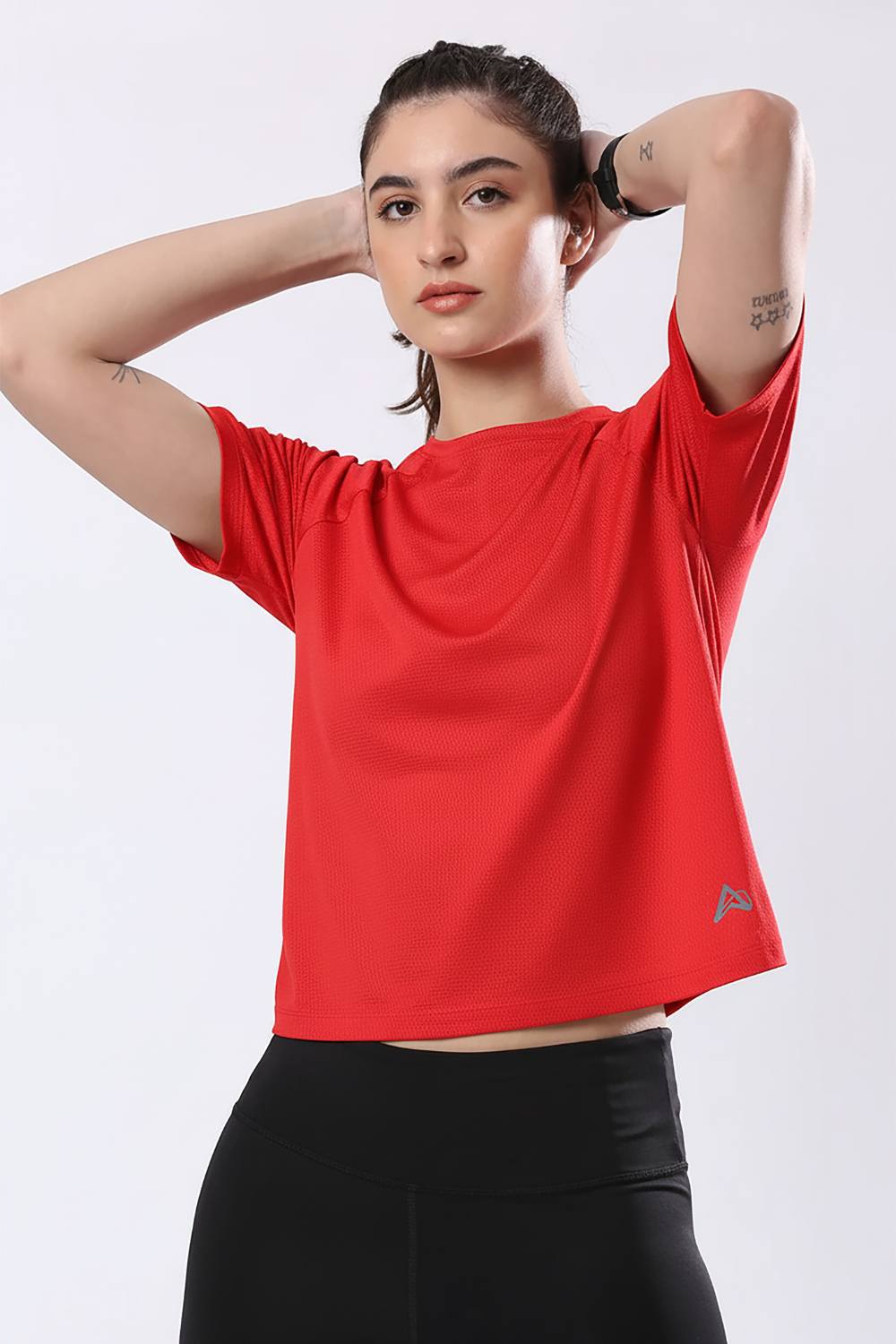
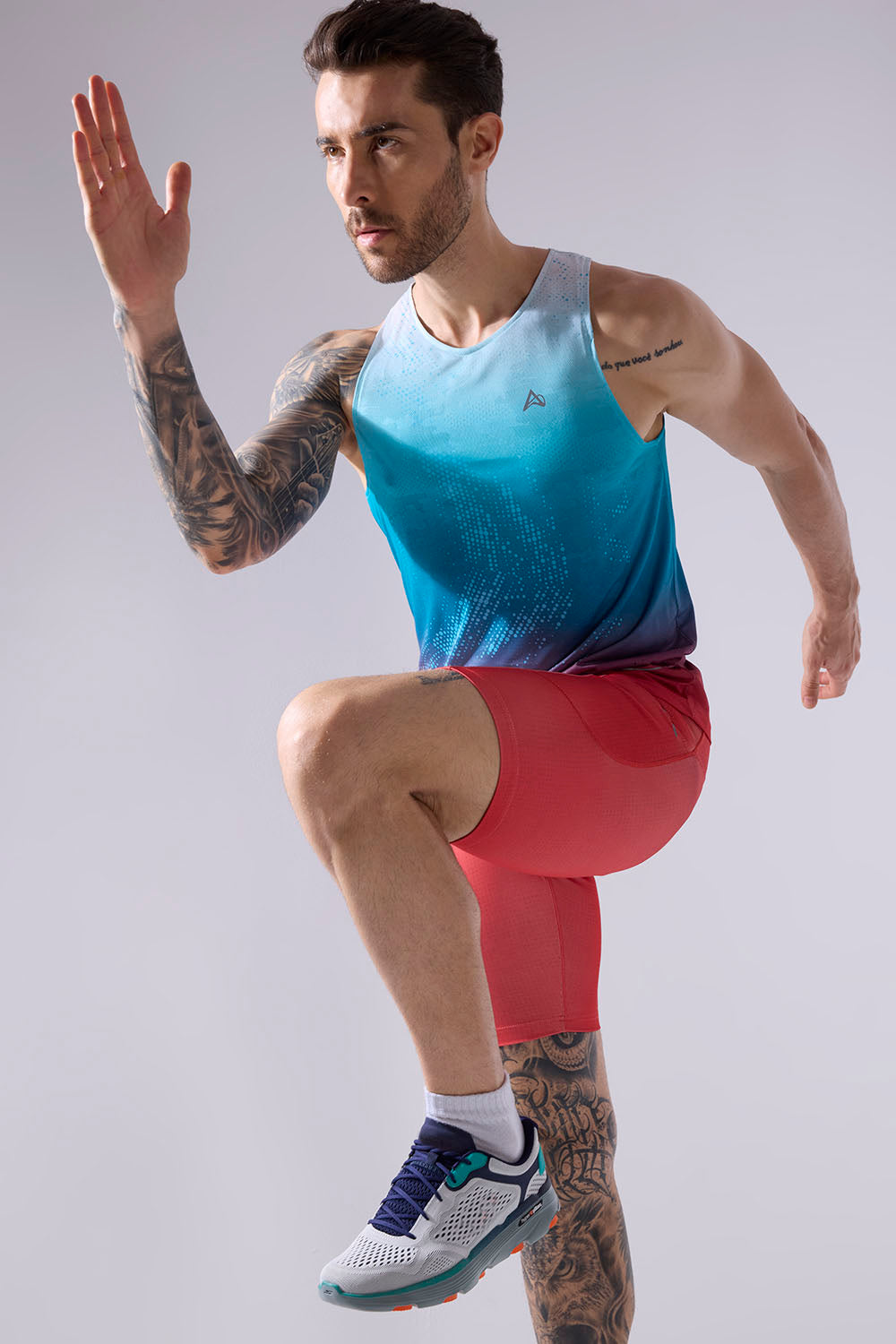
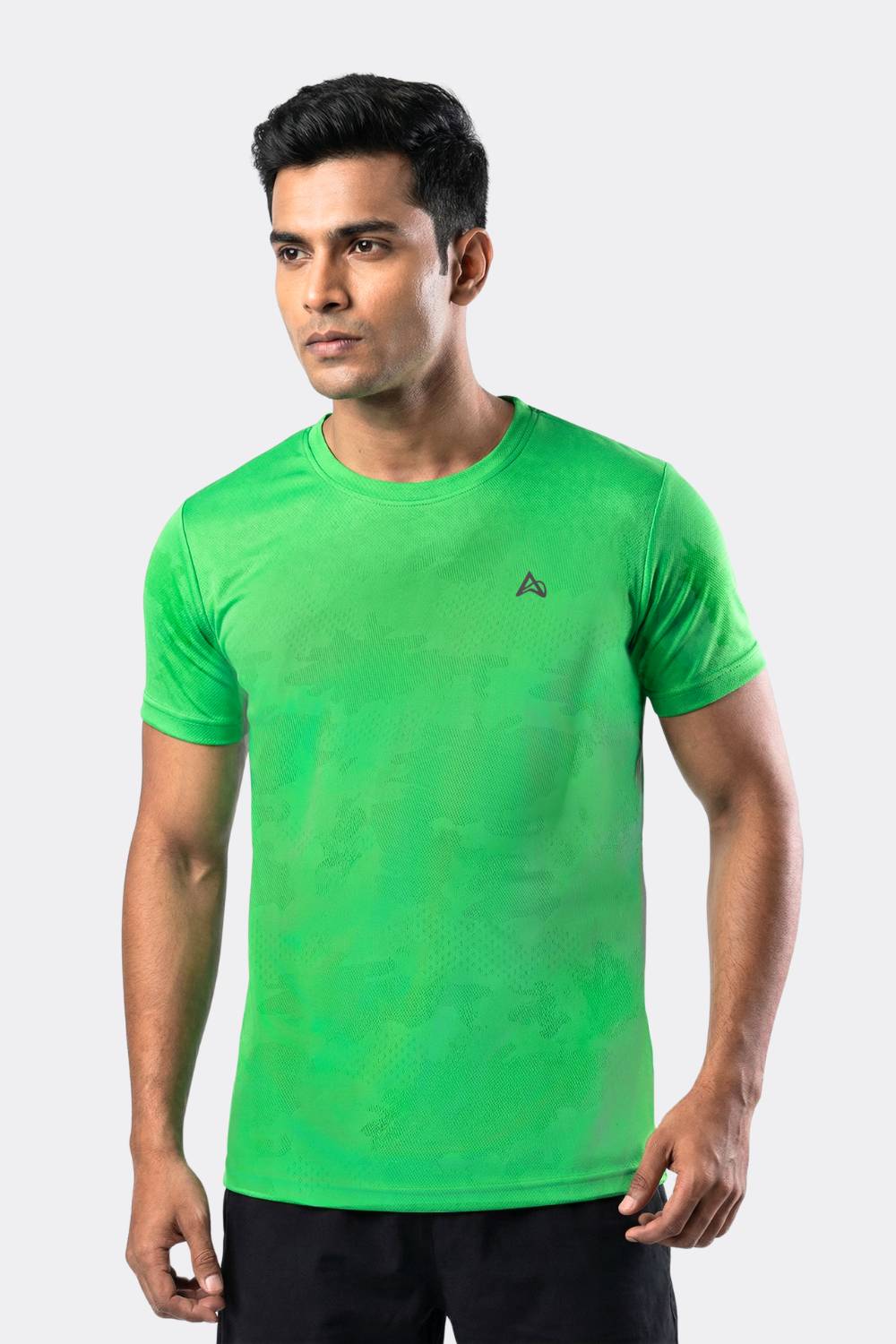
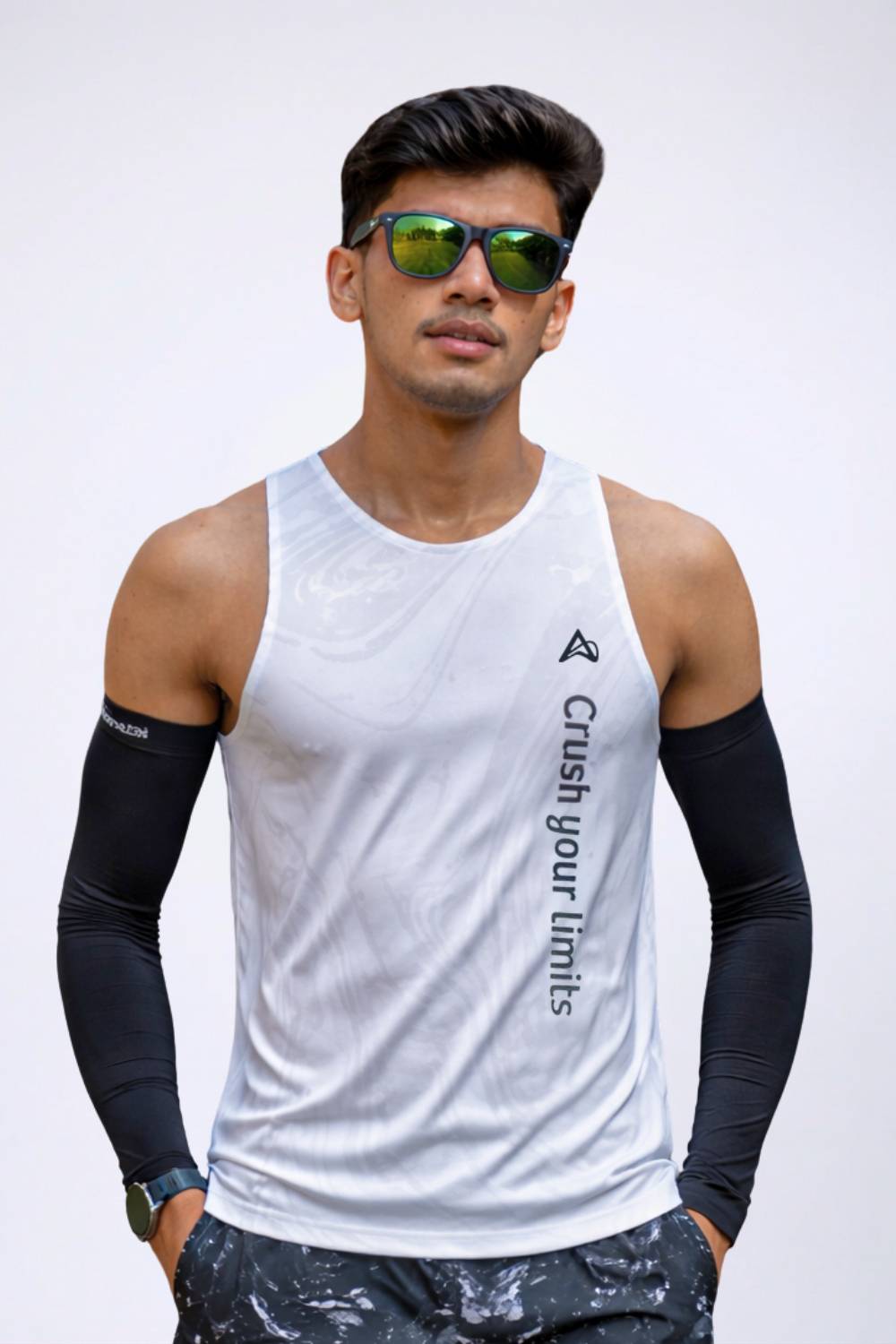
Tired of gear that slows you down? Chafing, soggy fabrics, and missing pockets kill your run's momentum. At Aguante, we're runners who get it. Our high-performance activewear features moisture-wicking fabrics, ergonomic designs, and smart storage to keep you focused. Shop Now!
Understand How Fabric Performance Affects Running Comfort
The fabric used in running apparel plays a major role in how comfortable a garment feels during activity. Outdoor running creates constant movement, heat buildup, and moisture exposure, which means materials need to support temperature control and comfort throughout a session.
Moisture management is one of the most important considerations when selecting running clothing. Moisture wicking running clothes are designed to move sweat away from the skin, helping runners stay more comfortable during longer or more intense workouts. Fabrics that dry quickly can also reduce the uncomfortable feeling of wearing damp clothing after extended activity.
Runners should also consider the weight and texture of a fabric. Lightweight materials can help reduce unnecessary bulk, while breathable construction allows better airflow during outdoor training. The best choices balance softness, durability, and performance rather than focusing on only one feature.
For runners training in warmer or humid conditions, fabric selection becomes even more important. Clothing that supports ventilation and moisture control can help maintain comfort when temperatures rise or when workouts become more demanding.
Choose a Fit That Supports Natural Movement
Fit is one of the most overlooked aspects of technical running apparel. A garment can have advanced fabric technology, but if it restricts movement or creates irritation, it may not support a positive running experience.
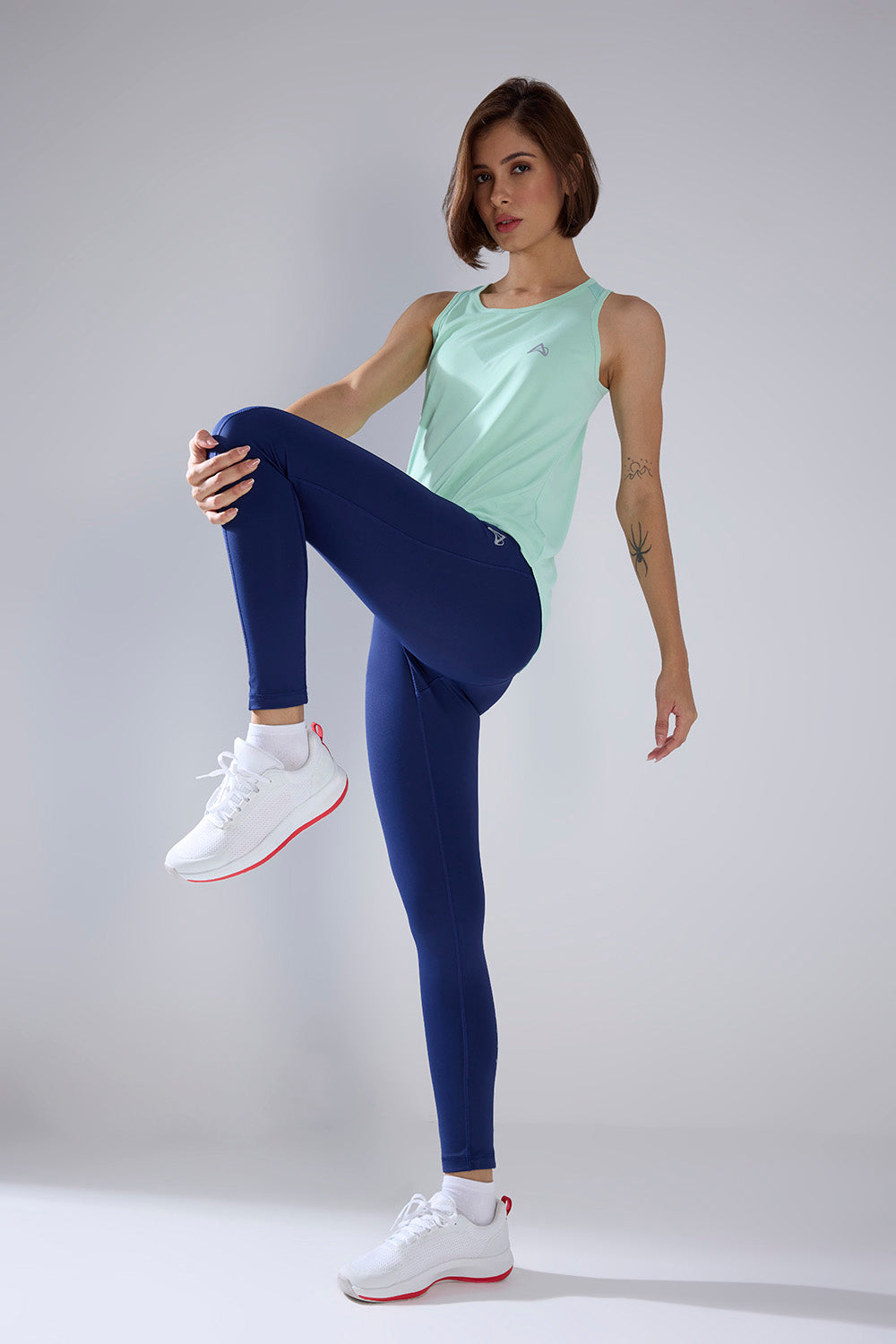
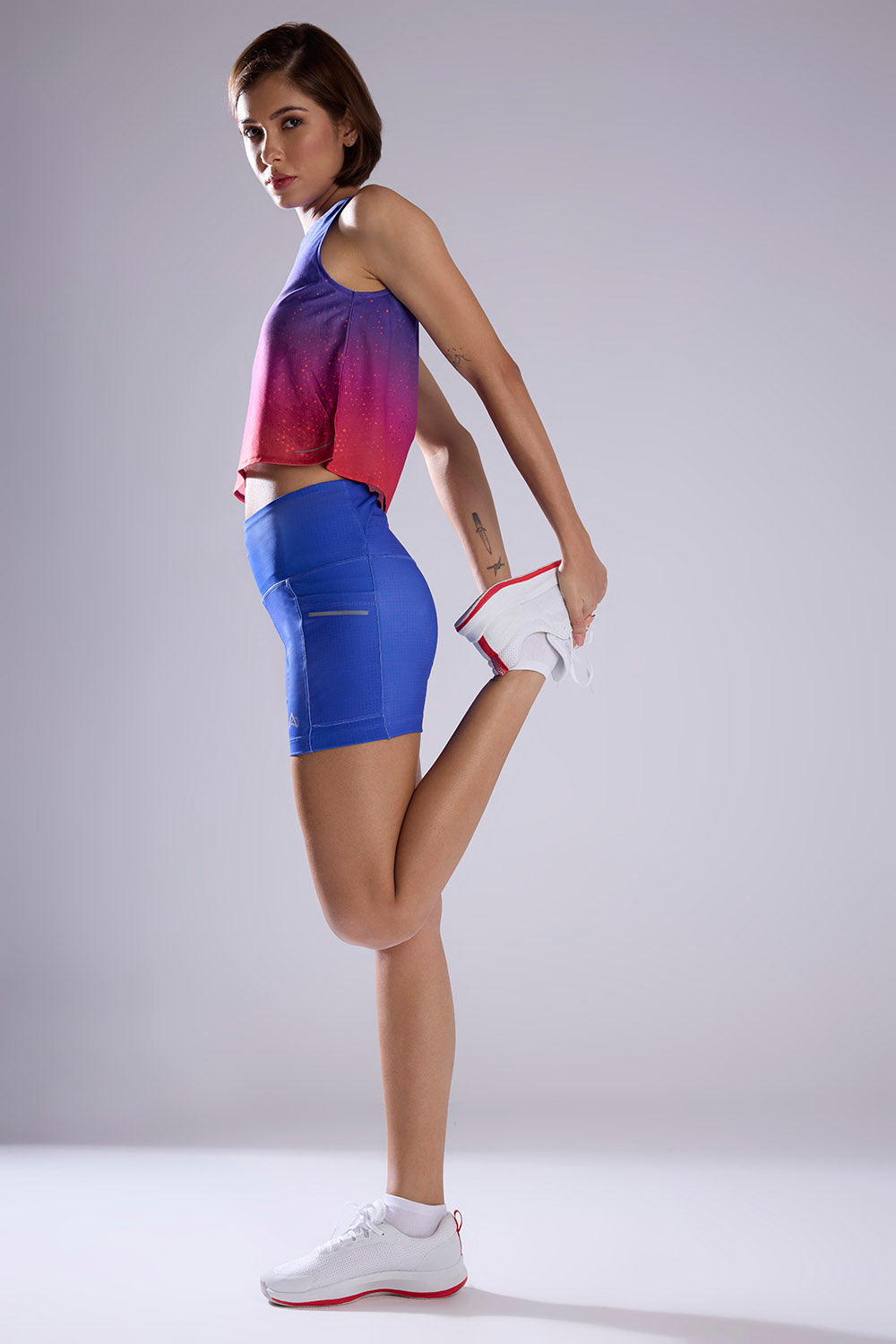
Good running apparel should allow a full range of motion while staying secure during movement. Runners should look for designs that follow the body's natural movement patterns without feeling too tight or too loose.
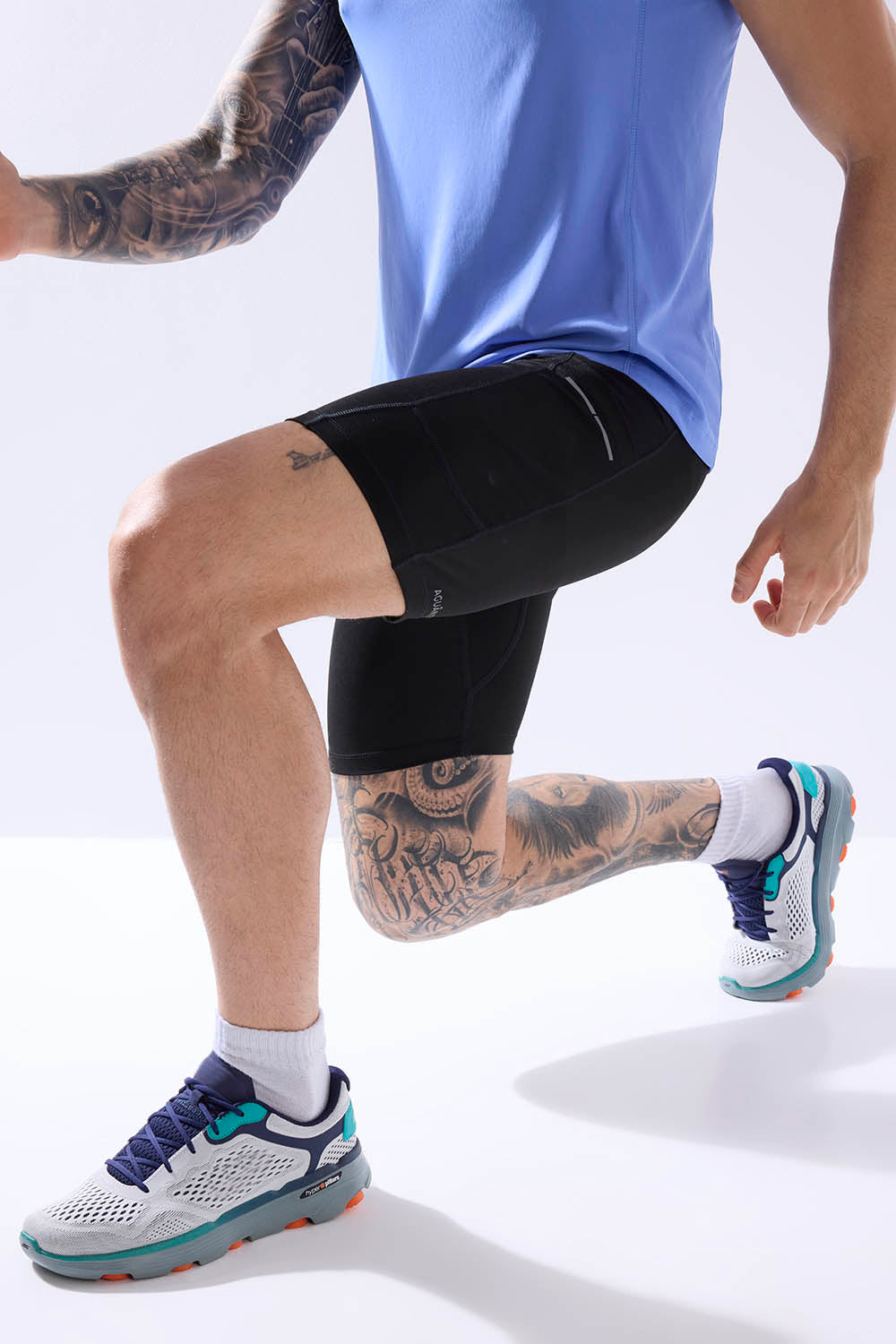
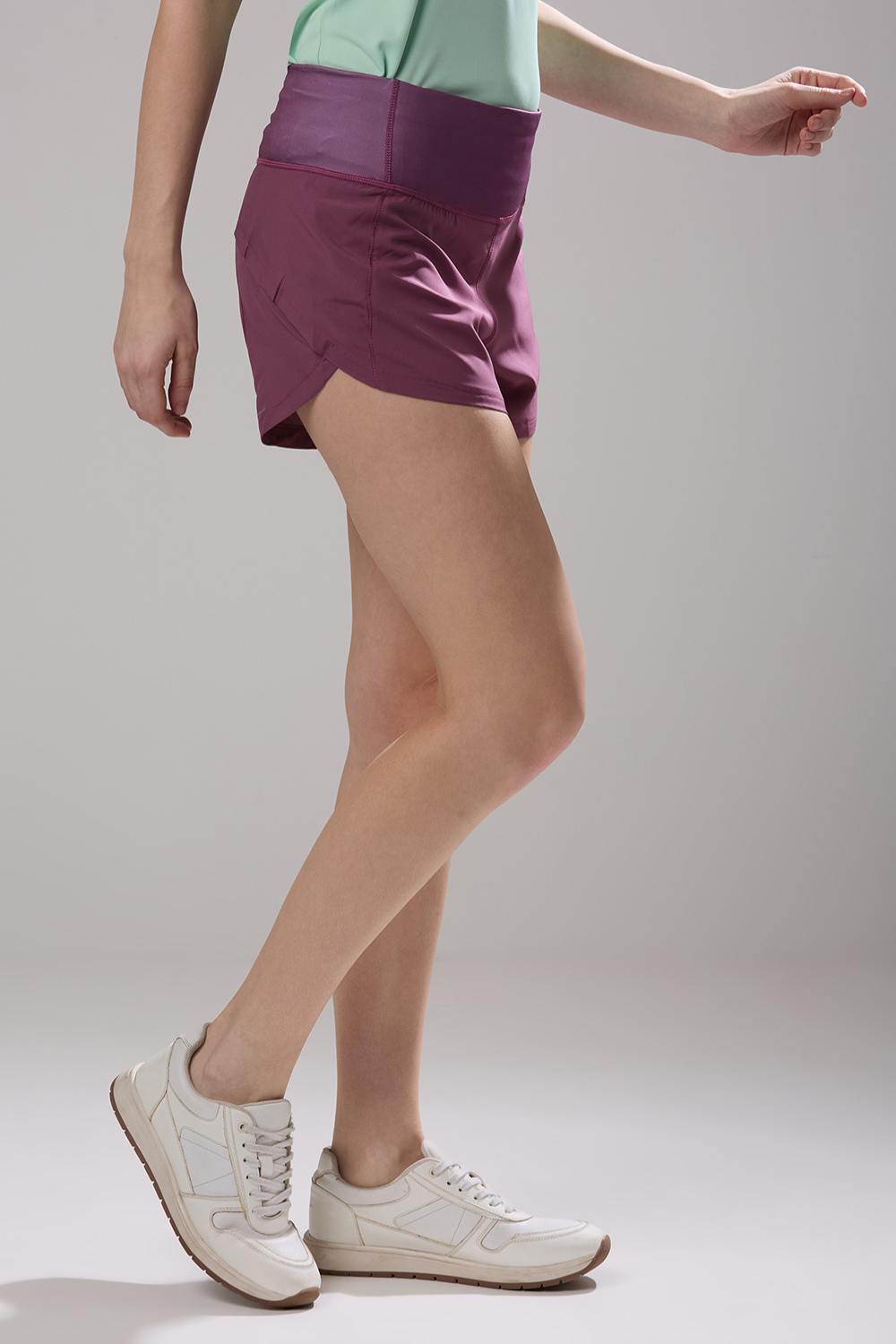
Features such as ergonomic construction, stretch materials, and carefully positioned seams can improve comfort by reducing friction and allowing smoother movement. A well-designed fit helps runners avoid constantly adjusting their clothing during training sessions.
The ideal fit also depends on the type of running activity. A runner completing shorter speed workouts may prefer a different feel compared with someone preparing for long-distance sessions. Understanding personal preferences and training requirements makes it easier to choose comfortable running clothes for long distance and everyday workouts.
Look for Features That Solve Real Running Challenges
Modern running apparel often includes additional features designed around practical problems runners face during outdoor training. However, more features do not always mean better performance. The most valuable features are those that provide a clear benefit during actual use.
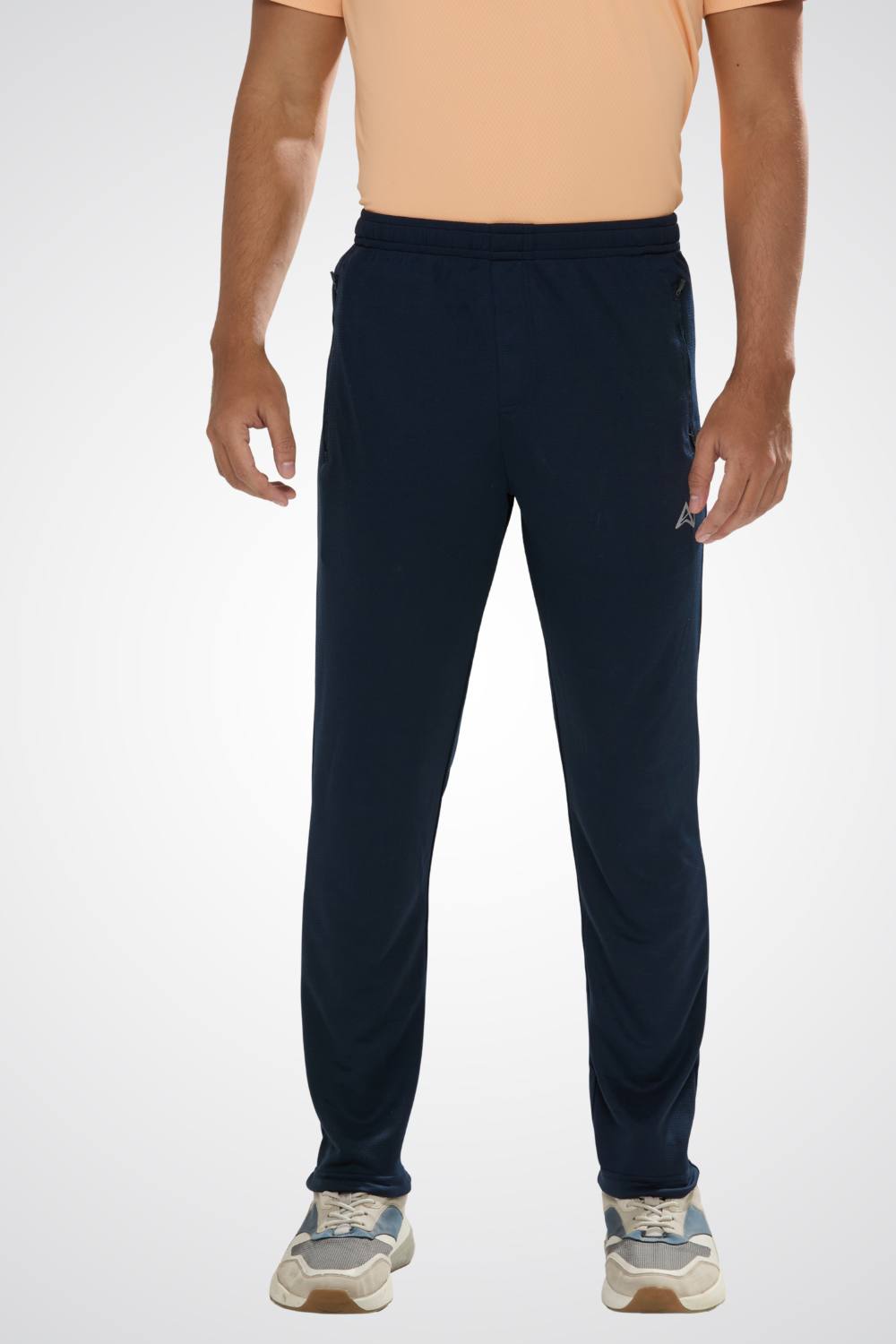
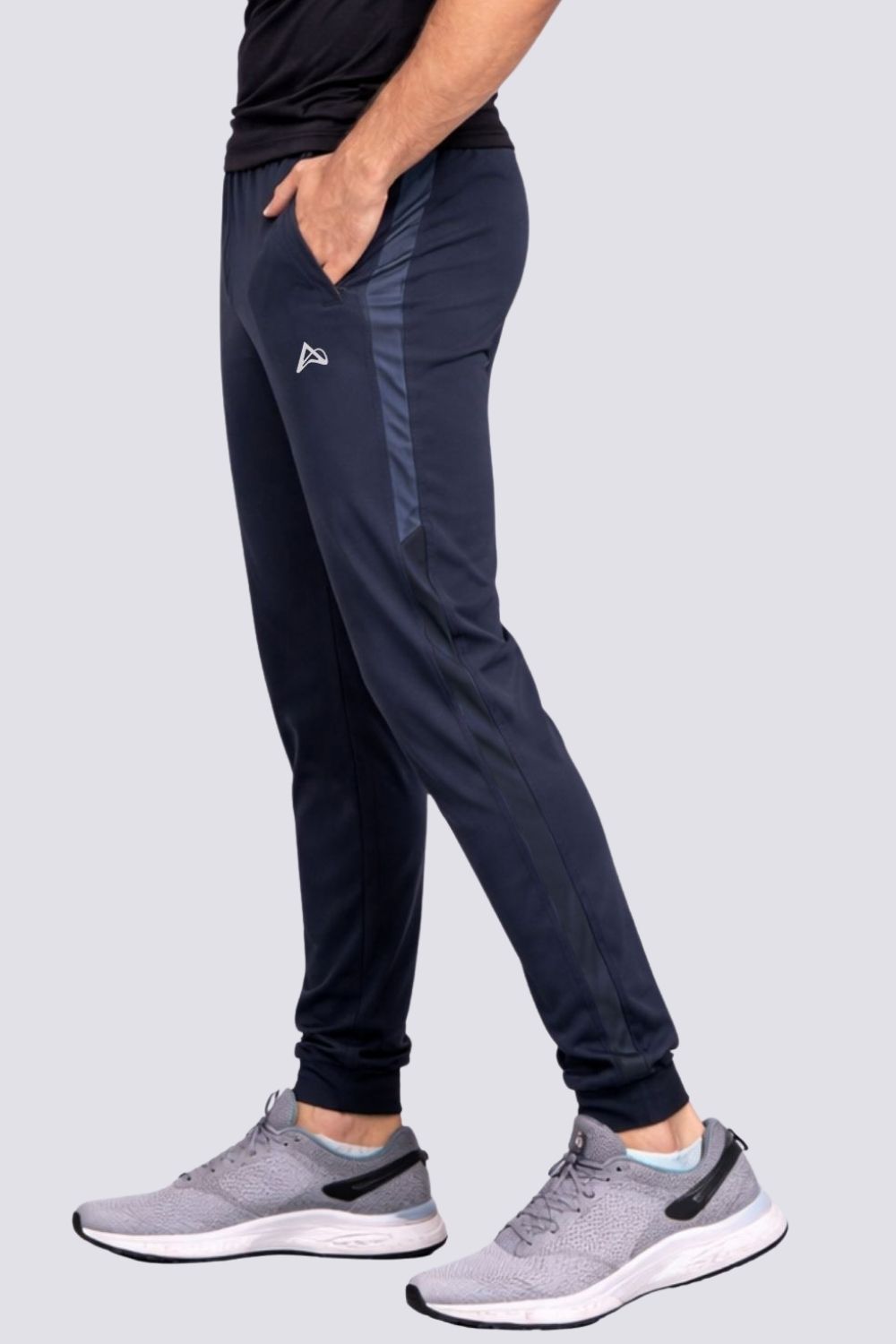
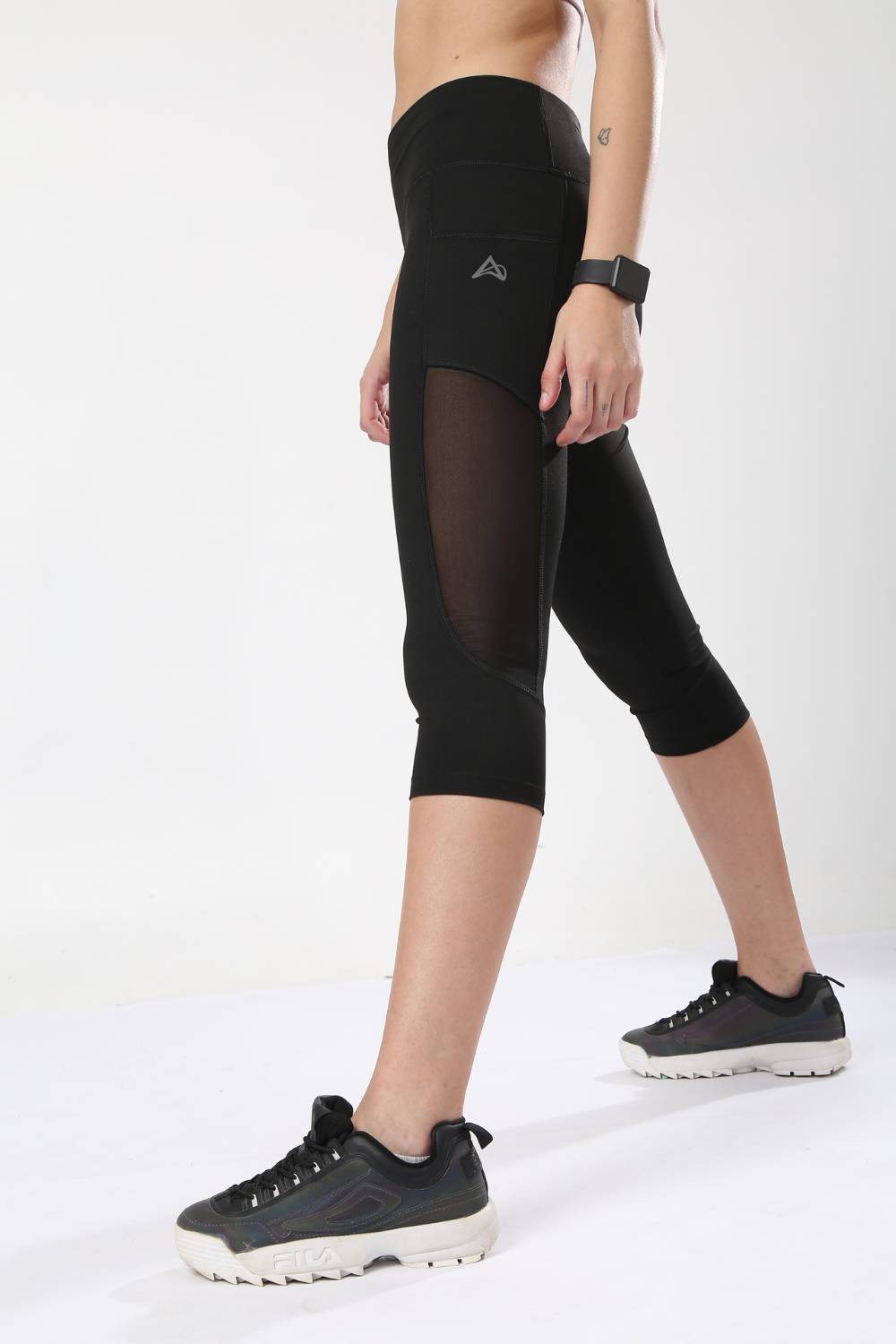
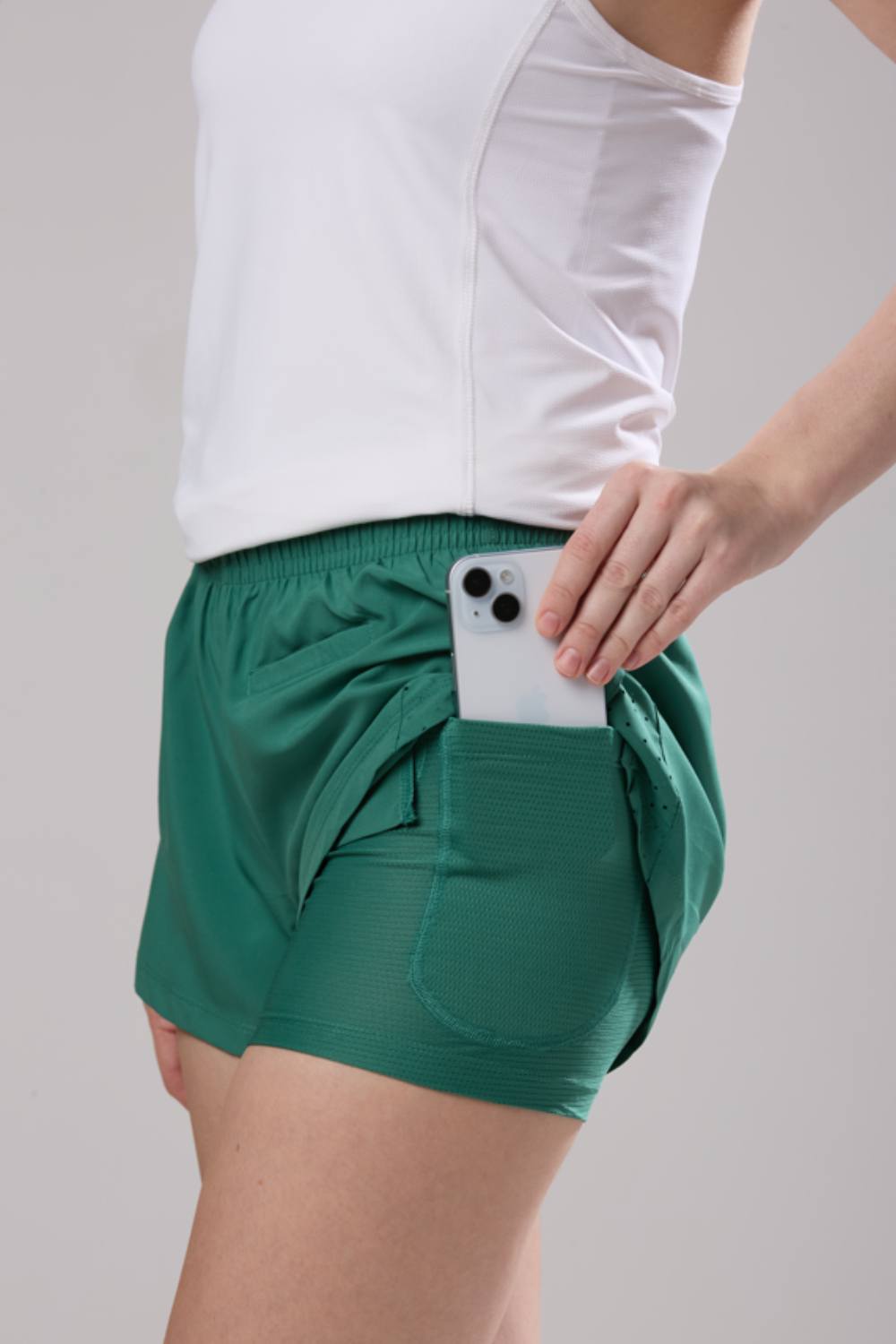
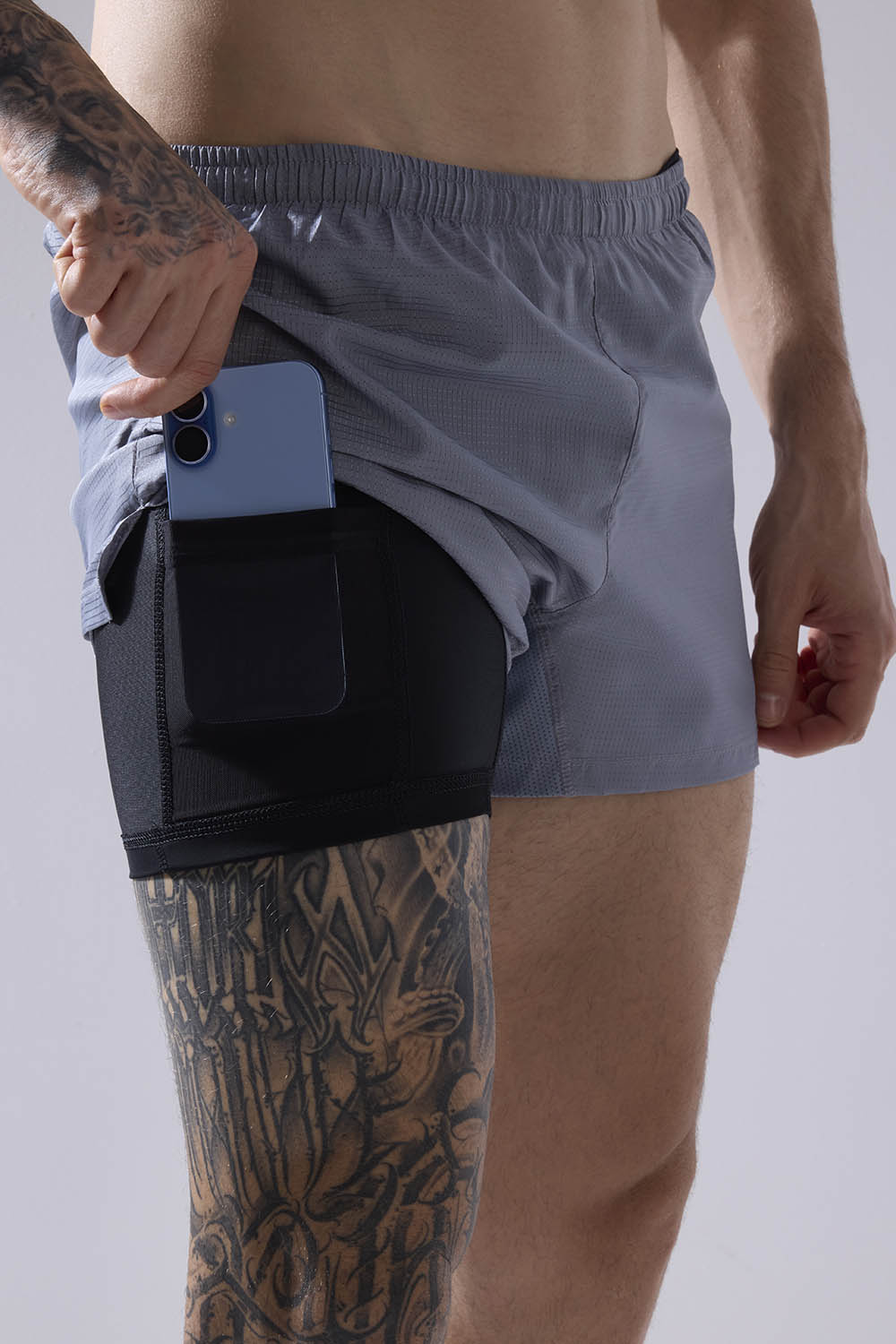
Storage is one example. Runners who train outdoors may need space for essentials such as keys, identification, or small personal items. Well-designed pockets can add convenience without affecting comfort or movement.
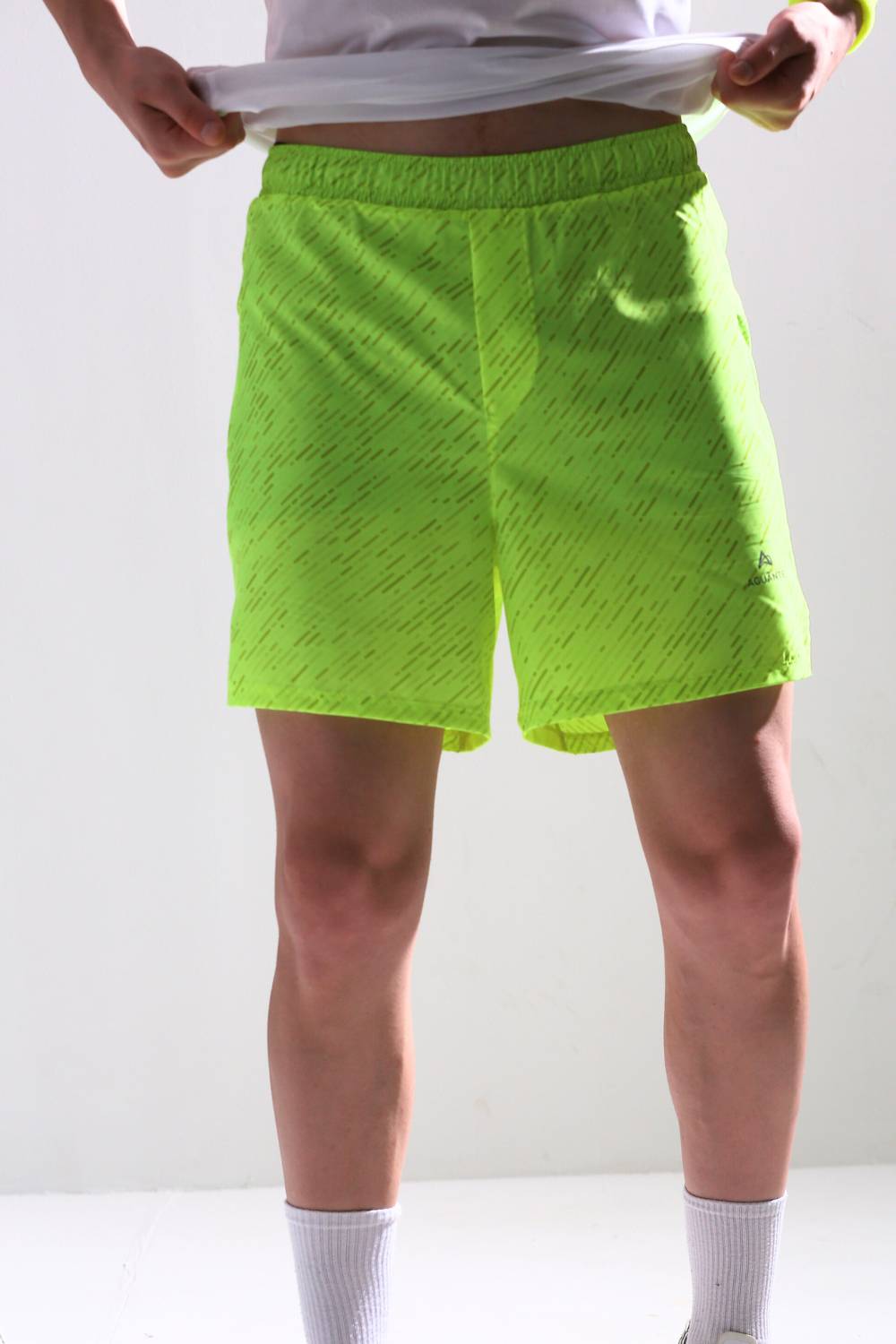
Reflective elements are another useful consideration, especially for runners who train during early mornings, evenings, or lower-light conditions. These details can support visibility as part of a broader approach to outdoor running safety.
Ventilation zones, lightweight layering options, and flexible construction can also improve the overall running experience. When choosing features to look for in running clothes, runners should focus on whether each feature supports their routine rather than selecting apparel based only on a list of specifications.
Consider Climate and Training Environment
Outdoor runners experience different challenges depending on where and when they train. Weather conditions, route surfaces, and workout intensity all influence which apparel choices work best.
Running in warm environments often requires clothing that helps manage heat and sweat. Breathable fabrics, lighter materials, and ventilation-focused designs can make outdoor sessions more comfortable when the body generates more heat.
In cooler conditions, layering becomes an important part of performance apparel selection. Runners may benefit from lightweight layers that can adapt as temperatures change during longer training sessions.
The same apparel may not perform equally well in every situation. A runner should consider their regular training environment and choose clothing that supports the conditions they experience most frequently.
Evaluate Construction Quality and Long-term Value
Performance apparel is an investment for runners who train regularly, making durability an important consideration. Clothing that maintains its shape, comfort, and functionality over repeated use can provide better long-term value.
Construction details often reveal how well a garment is designed. Flat seams, reinforced stitching, and quality finishes can improve comfort by reducing irritation and supporting repeated movement.
Technical running apparel is increasingly designed around the complete runner experience rather than a single performance feature. Fabric choice, construction methods, and garment design work together to create clothing that supports consistent training.
Runners should also consider how versatile a product is. Apparel that works across different workouts can become a more practical addition to a training wardrobe. A well-designed piece of running clothing should support regular use while maintaining comfort and performance.
Balance Performance Needs with Personal Preferences
Every runner has different priorities when selecting apparel. Some may focus on lightweight construction, while others may value additional storage, durability, or a specific fit.
The right choice depends on individual training habits, comfort preferences, and running goals. A beginner preparing for regular outdoor sessions may have different requirements from an experienced athlete completing high-volume training.
Understanding personal needs helps runners avoid choosing apparel based only on trends. Instead, they can evaluate whether a garment provides meaningful benefits for their own running routine.
Research into running apparel performance highlights the importance of evaluating clothing based on practical qualities rather than appearance alone. Technical testing and product evaluation often focus on factors such as breathability, moisture management, movement, and comfort because these characteristics directly influence the runner's experience. Running shirt performance insights show why construction and fabric choices matter when selecting outdoor gear.
Sustainable Choices Are Becoming Part of Apparel Decisions
Many runners are also paying closer attention to how their clothing choices align with broader environmental values. Sustainable materials and responsible production approaches are becoming part of the conversation around modern performance apparel.
However, sustainability should still be considered alongside performance requirements. A running garment needs to provide the comfort, durability, and functionality required for regular training.
Advances in textile development have created more options for runners who want apparel that combines responsible material choices with technical performance. Sustainable running apparel innovations demonstrate how manufacturers are exploring ways to balance environmental considerations with the features athletes expect.
For runners, the goal is not simply choosing the most environmentally focused option or the most technical option. The strongest choices are those that provide reliable performance while reflecting personal priorities.
Making a Better Decision When Choosing Running Apparel
Selecting the right running clothing requires understanding how different elements work together. Fabric performance, fit, construction quality, useful features, and personal comfort all contribute to a better training experience.
Before purchasing new apparel, runners should consider where they train, how often they run, the conditions they face, and the features that will provide genuine value. A thoughtful approach helps ensure that clothing supports performance instead of becoming a distraction.
For runners looking for technical running apparel, the most effective choices are those designed around real training needs. Performance clothing should help runners move comfortably, manage changing conditions, and stay focused on achieving their goals.
Frequently Asked Questions
What should I look for when choosing performance apparel for outdoor running?
When choosing performance apparel for outdoor running, consider factors such as fabric technology, fit, breathability, durability, and useful design features. The right running clothing should support movement, manage moisture, and provide comfort during different training conditions.
Why are moisture wicking running clothes important for outdoor training?
Moisture wicking running clothes help move sweat away from the skin, keeping runners more comfortable during longer or more intense workouts. These fabrics can also help reduce discomfort caused by damp clothing and support better temperature management during outdoor runs.
Which features should I consider when buying technical running apparel?
Important features to consider in technical running apparel include ergonomic fit, lightweight materials, ventilation zones, reflective elements, storage options, and flexible construction. Runners should choose features that match their training routine and provide practical benefits rather than selecting clothing based only on appearance.
Disclaimer: The above helpful resources content contains personal opinions and experiences. The information provided is for general knowledge and does not constitute professional advice.
You may also be interested in: Sustainable Activewear Gains Ground in India
Tired of gear that slows you down? Chafing, soggy fabrics, and missing pockets kill your run's momentum. At Aguante, we're runners who get it. Our high-performance activewear features moisture-wicking fabrics, ergonomic designs, and smart storage to keep you focused. Shop Now!
Powered by flareAI.co