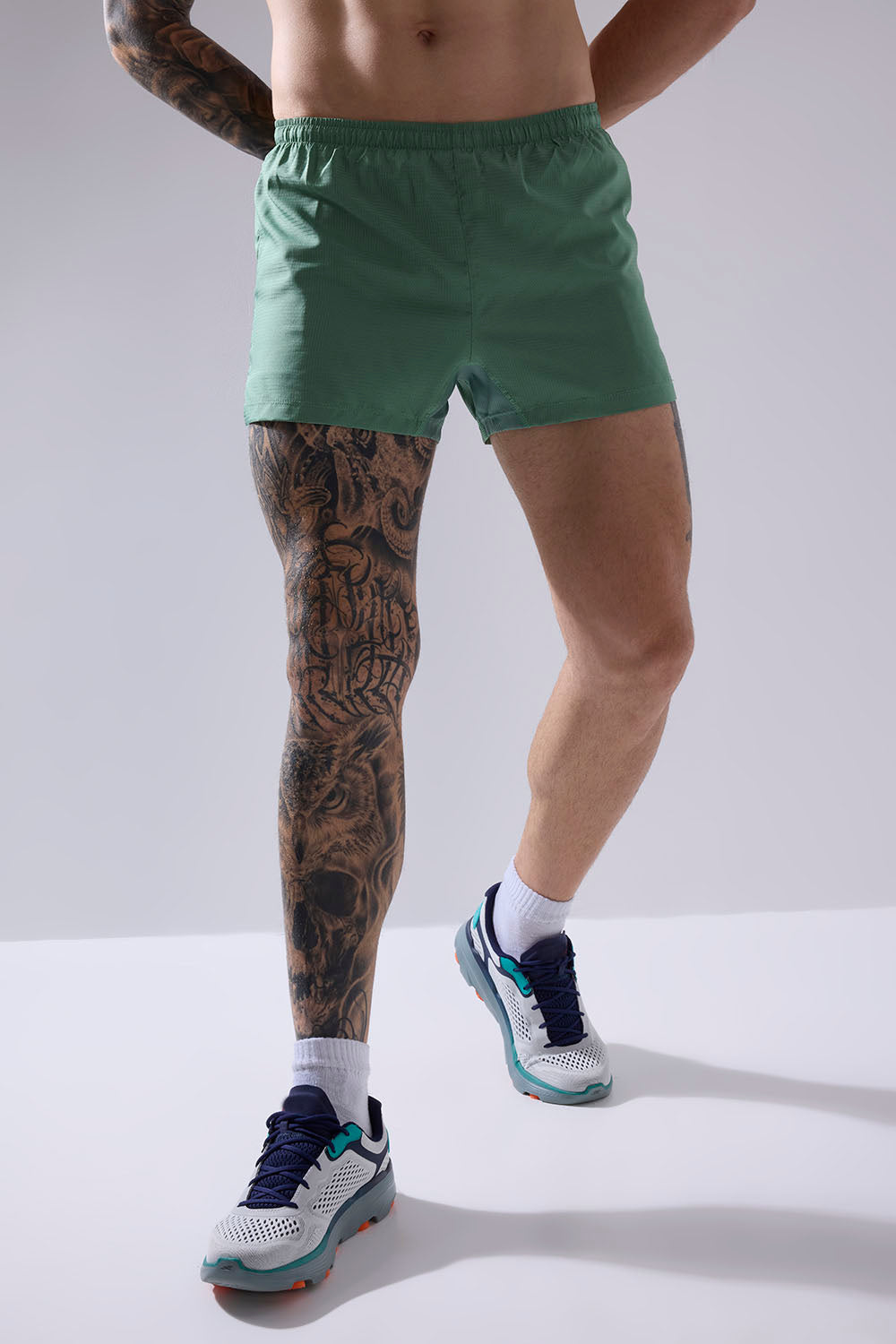



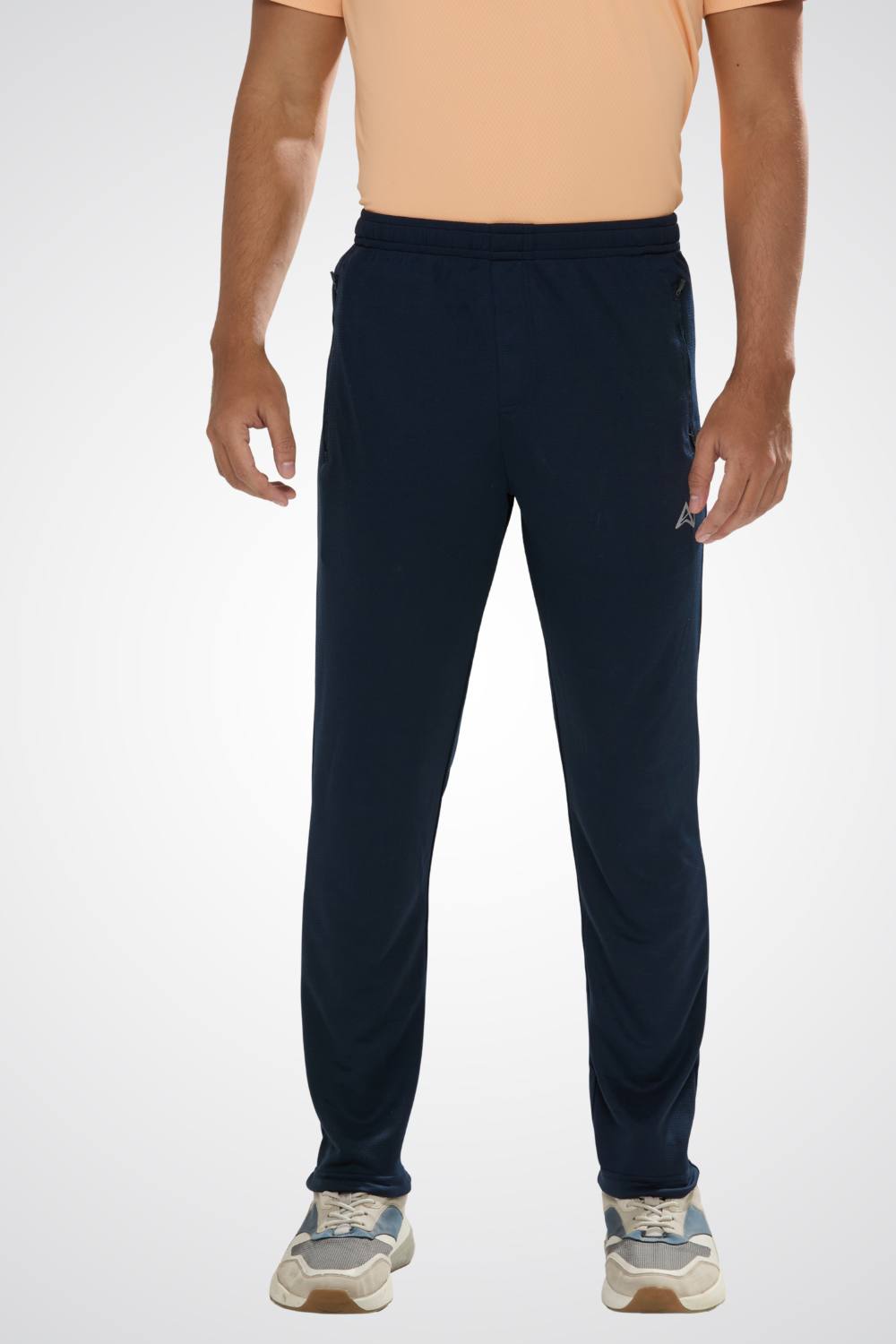
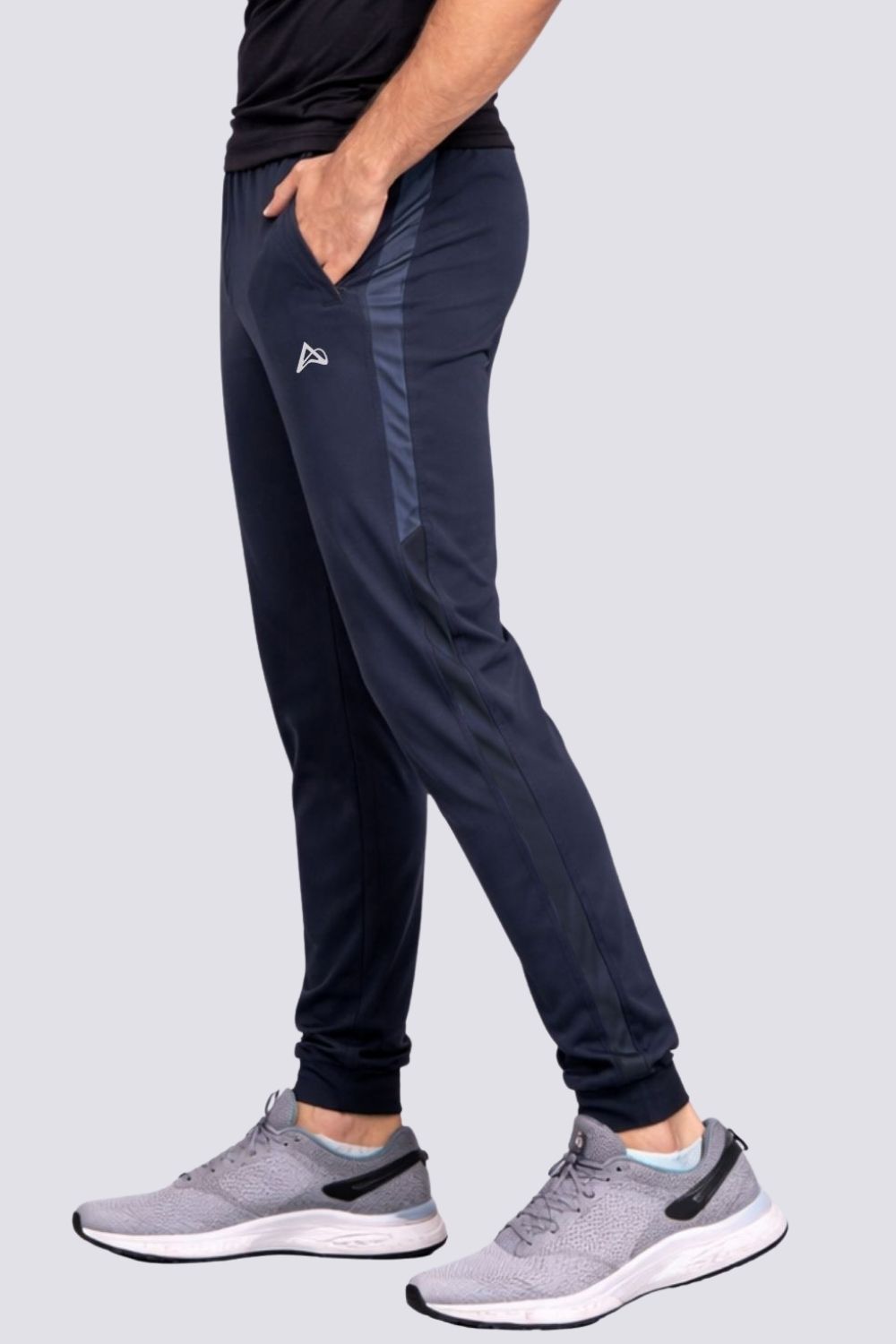
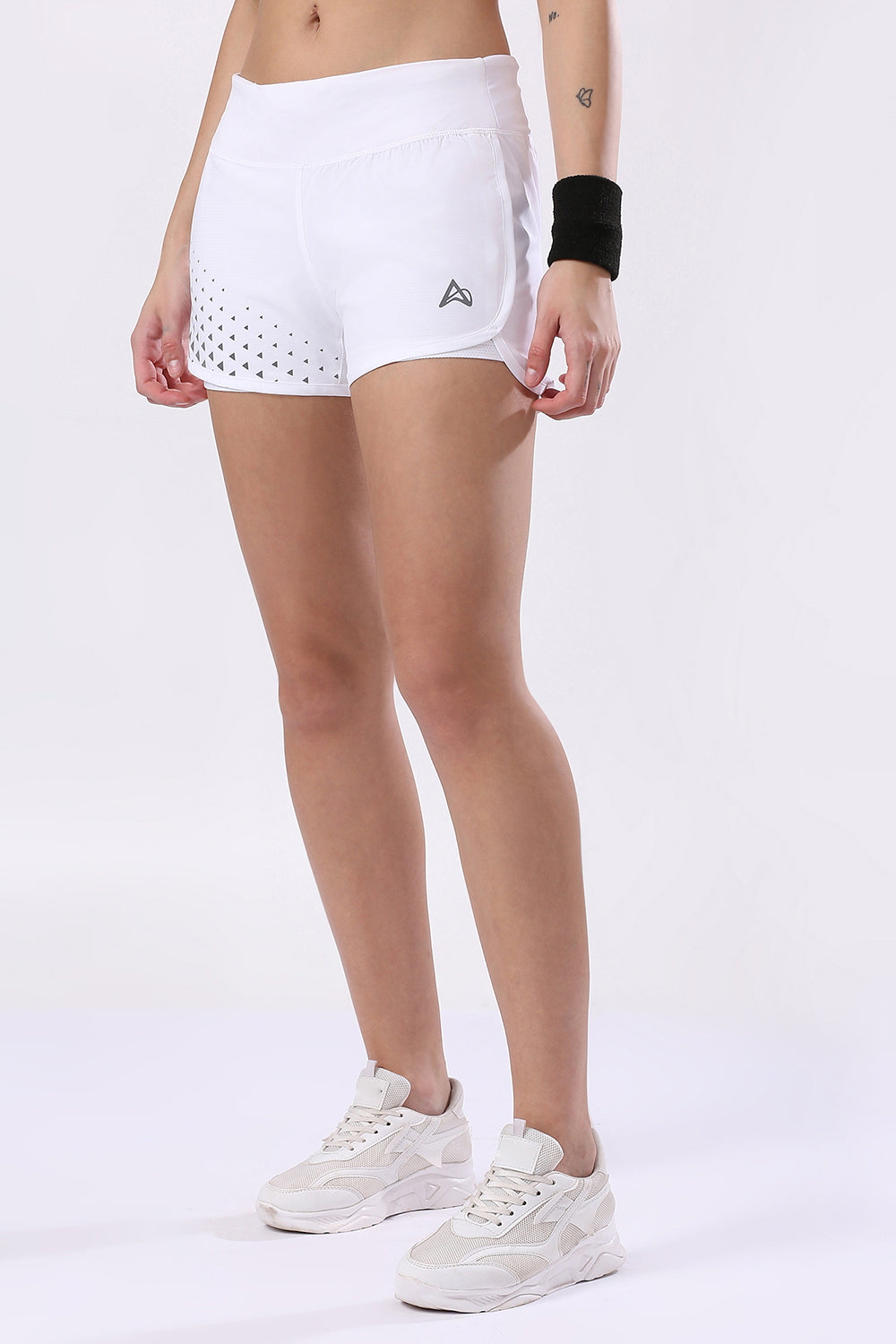


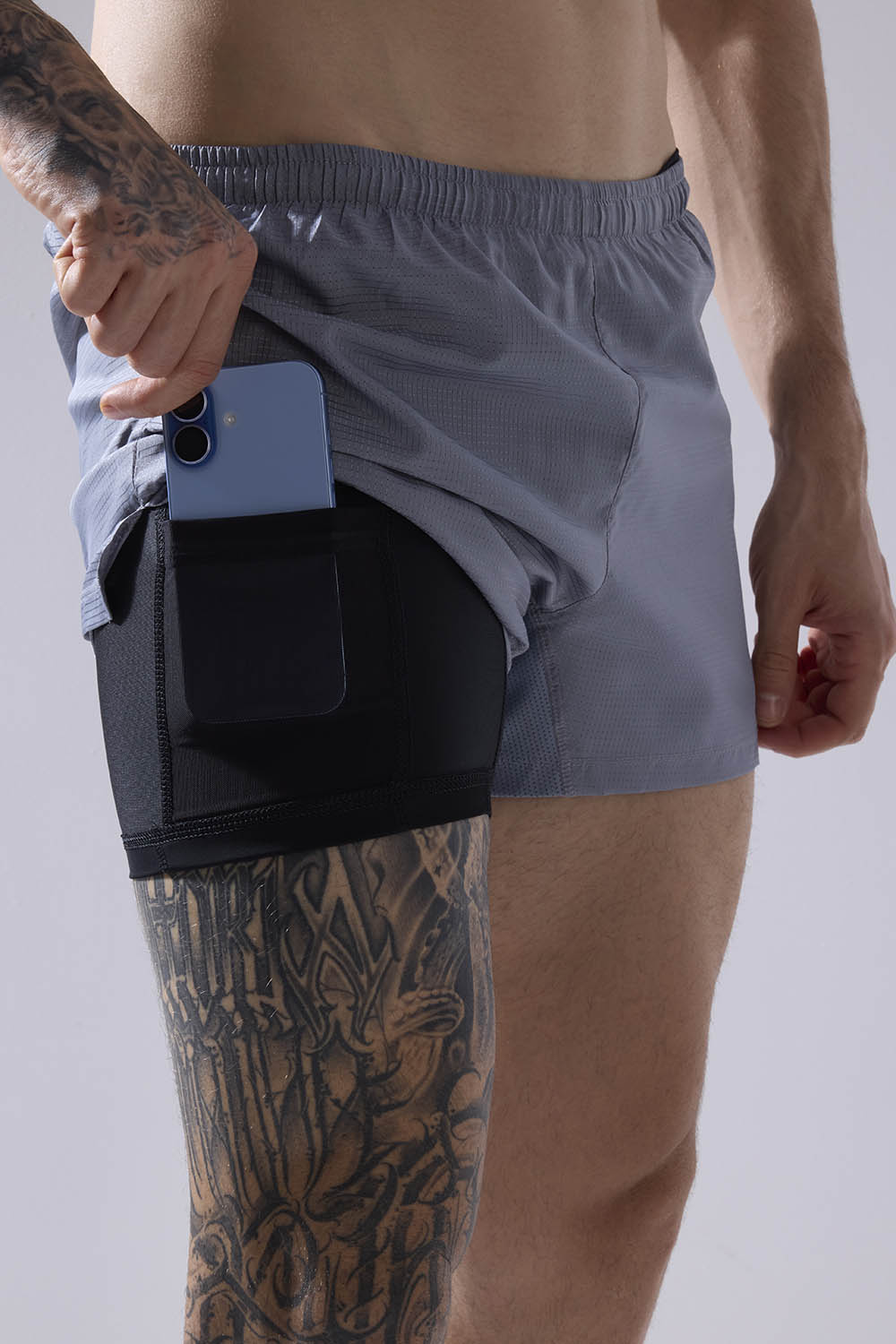







Running in the warm, humid conditions of Indian cities like Bangalore, Hyderabad, and Mumbai can turn a routine workout into a test of endurance. Sweat becomes your body's natural cooling system, but when it builds up too quickly, it leads to sticky discomfort, faster fatigue, and reduced performance mile after mile. Understanding sweat management for runners gives you the edge to stay comfortable, maintain your pace, and enjoy every kilometer without the drain of excess moisture.
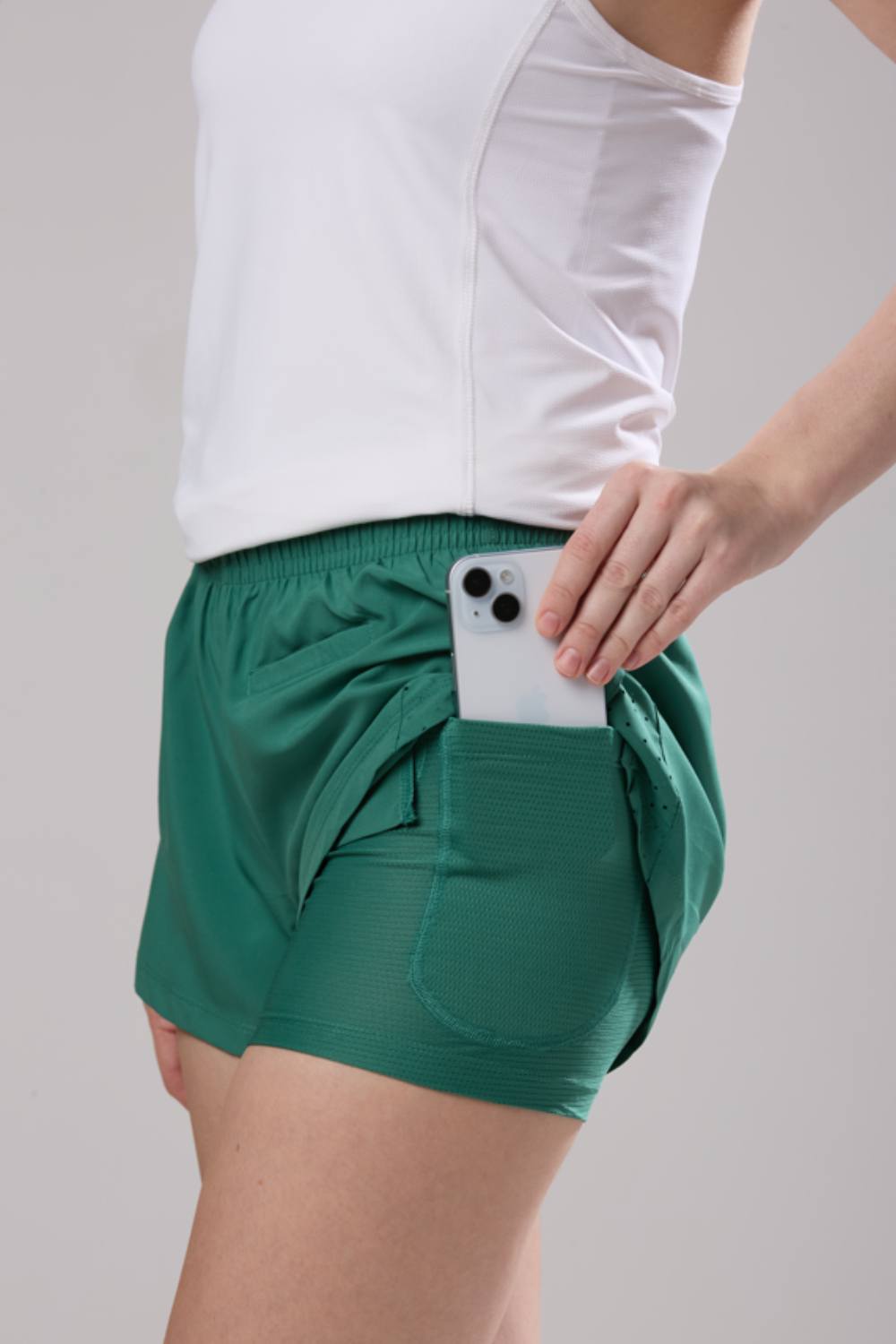
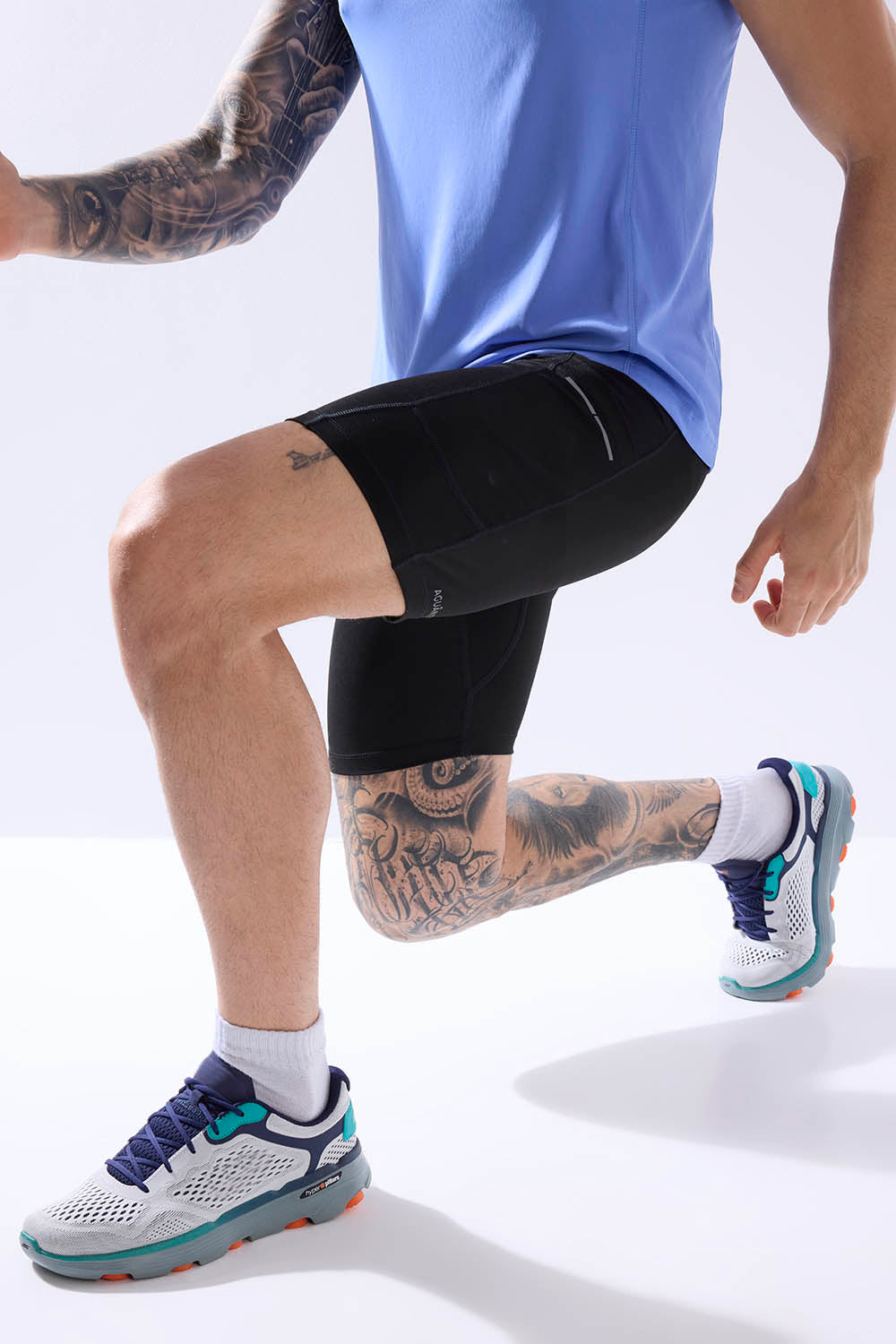
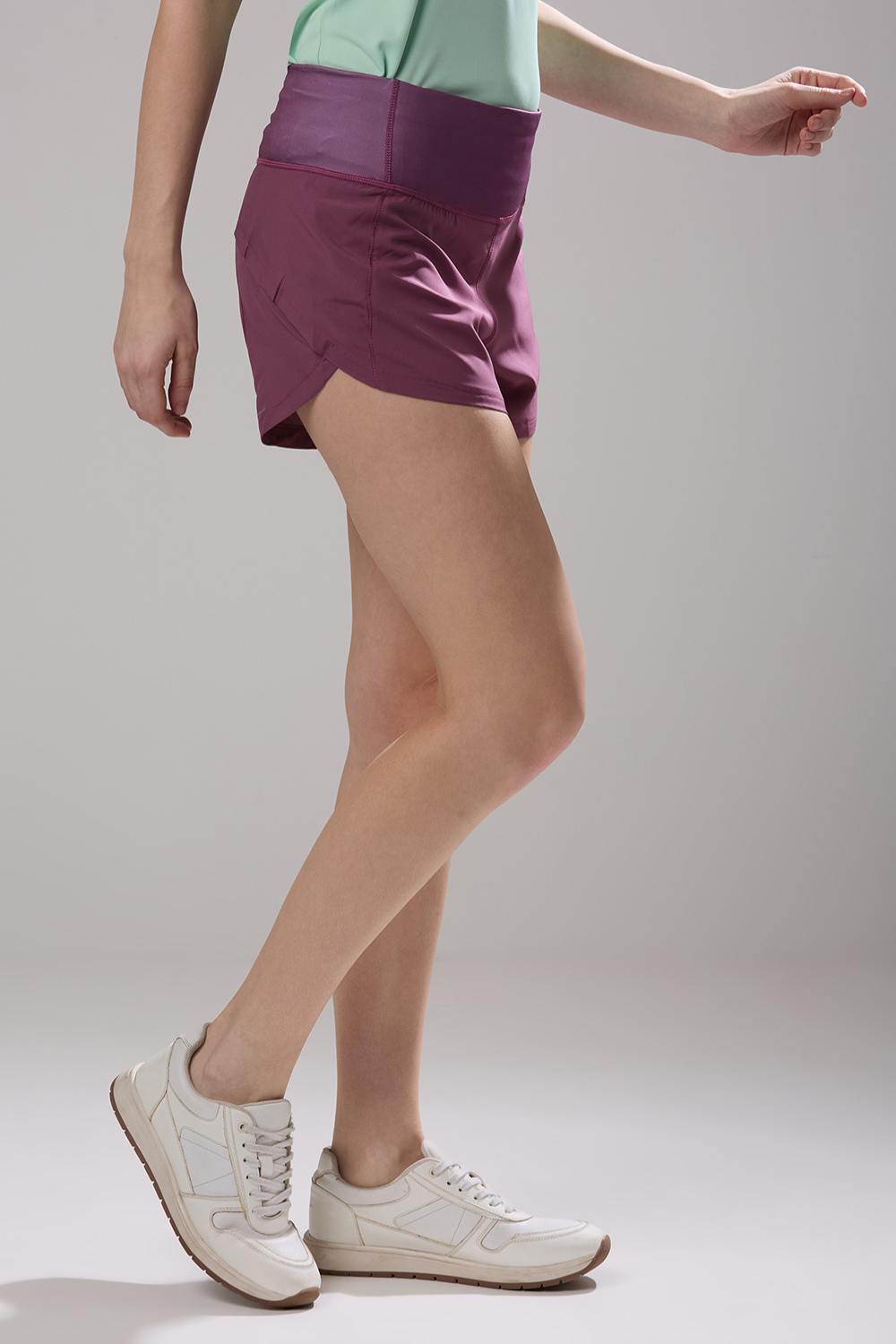
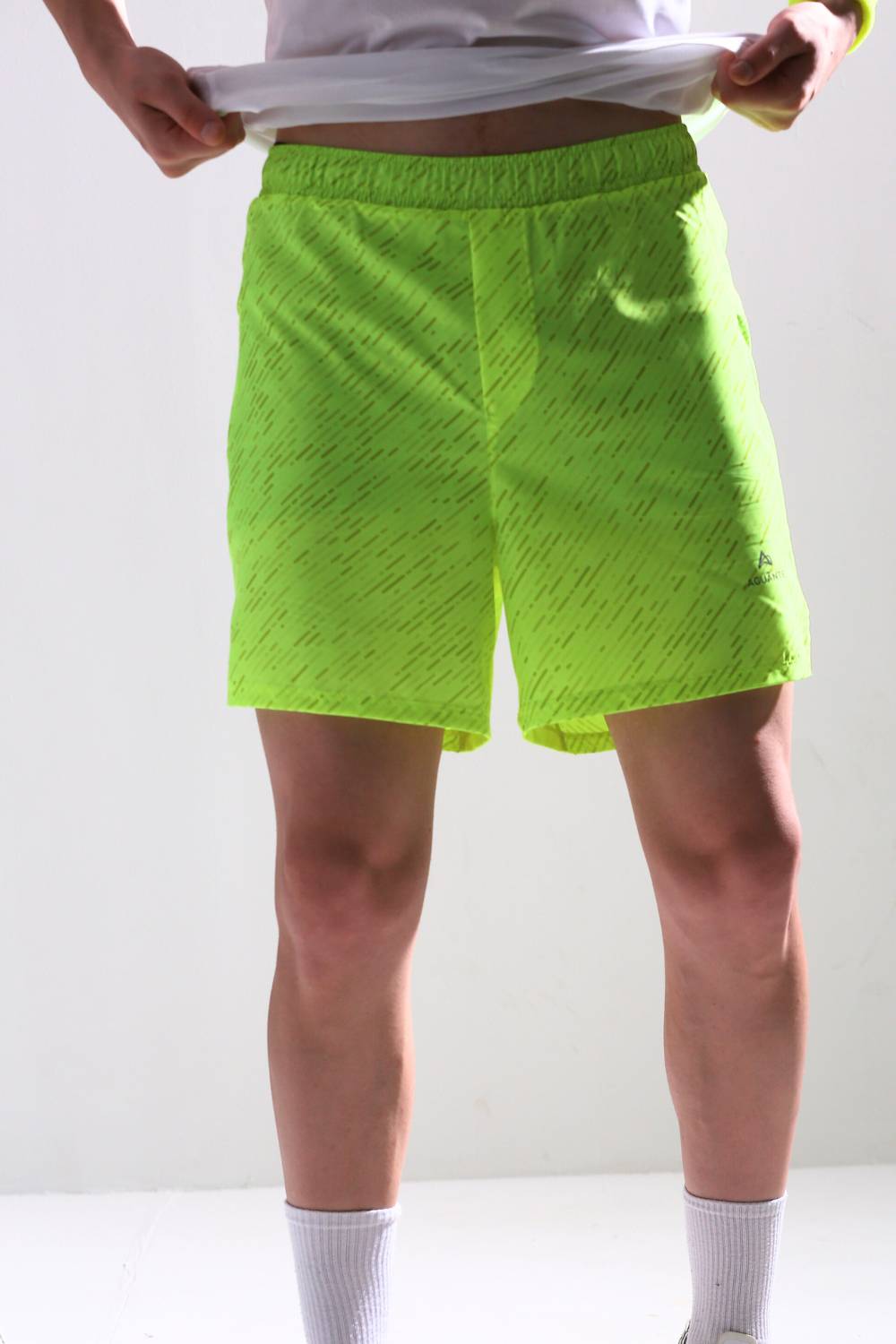
Tired of gear that slows you down? Chafing, soggy fabrics, and missing pockets kill your run's momentum. At Aguante, we're runners who get it. Our high-performance activewear features moisture-wicking fabrics, ergonomic designs, and smart storage to keep you focused. Shop Now!
The Science of Sweat: Your Body's Built-in Cooling System
When you push your pace on a hot day, sweat pours out to regulate your core temperature. This process is essential for preventing overheating during runs, but the amount you produce depends on factors like intensity, environment, and your personal sweat rate. Recognizing your own sweat response lets you plan smarter hydration breaks and gear choices that keep you feeling fresh rather than soaked.
Many runners notice that higher sweat output signals they are working hard, yet it also carries the risk of dehydration if fluid loss isn't matched. By paying attention to your sweat patterns, you gain a practical advantage in building endurance and avoiding the discomfort that comes from cramps or heavy breathing.
How Excessive Sweat Impacts Your Running Performance
In humid conditions, sweat that doesn't evaporate quickly turns into a burden. It clings to your skin, increases chafing, and weighs you down, making every stride feel heavier. This extra moisture can lead to faster fatigue, reduced power output, and a soggy finish that leaves you drained long before the finish line.
Studies show that consistent hydration based on sweat rate helps runners maintain a cooler core temperature and steadier breathing. Without this awareness, even well-trained athletes struggle to sustain effort in cities where temperatures often climb above 30 degrees Celsius during peak hours.
Why Sweat Management Is Essential for Running Comfort
Effective sweat management turns potential setbacks into reliable advantages. When you control moisture buildup, you experience less chafing, fewer distractions from wet clothing, and smoother runs that let you focus on your form and pace rather than discomfort.
Practical benefits include the ability to train longer without feeling drained and recovering faster between sessions. Runners who integrate sweat-aware strategies report smoother runs, less muscle fatigue, and greater enjoyment from their workouts, no matter how humid the air feels.
Choosing the Right Apparel for Sweat Management
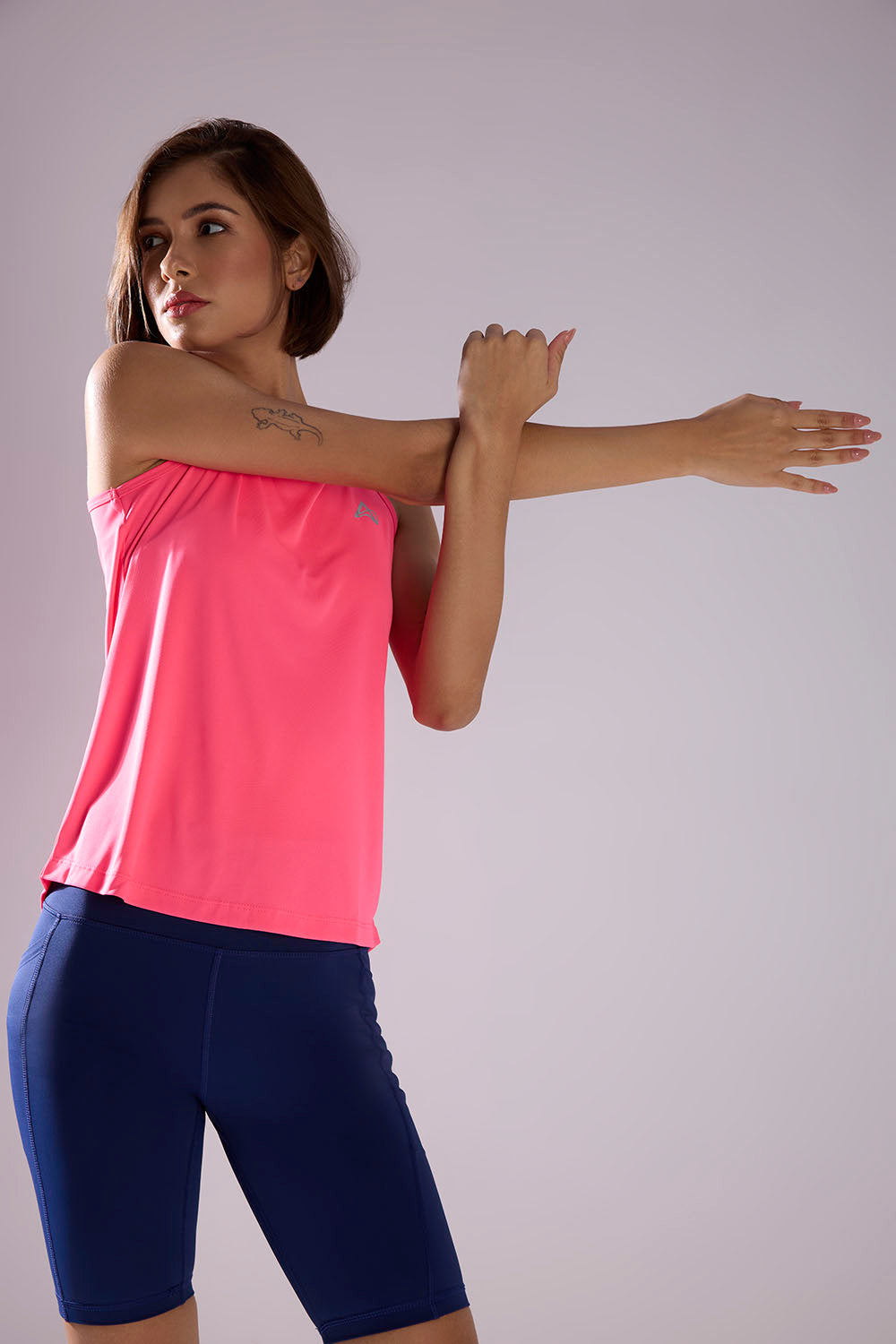
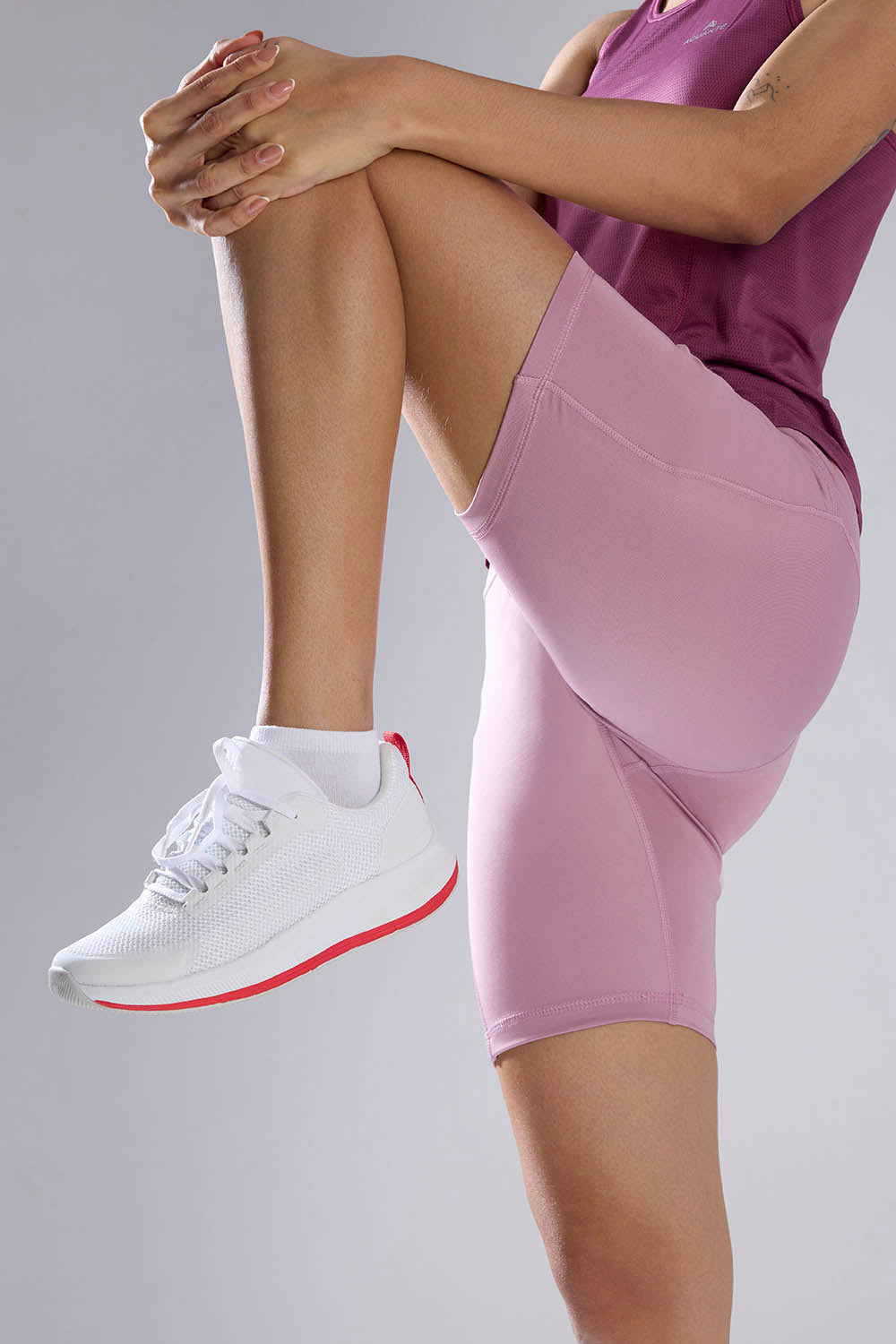
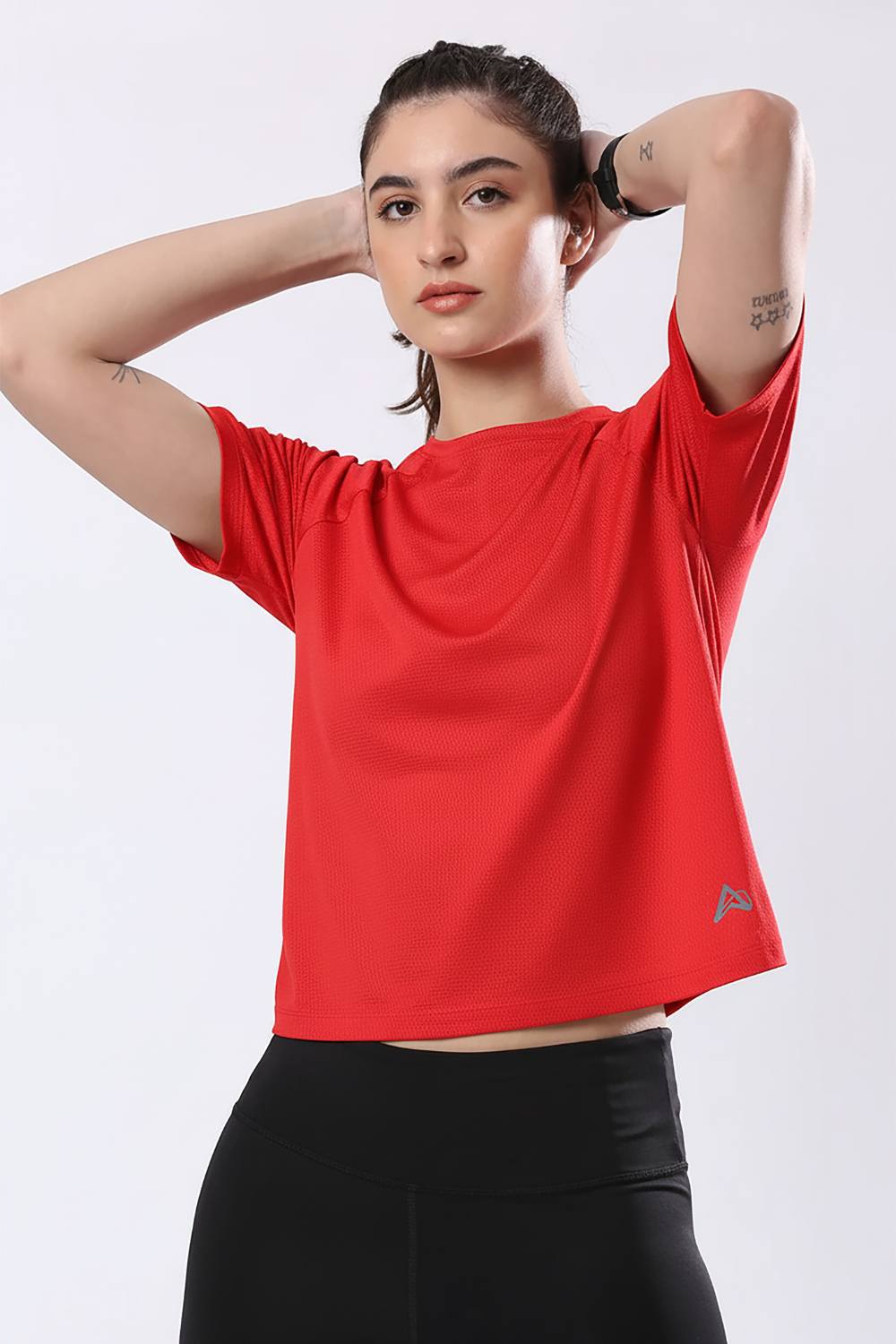
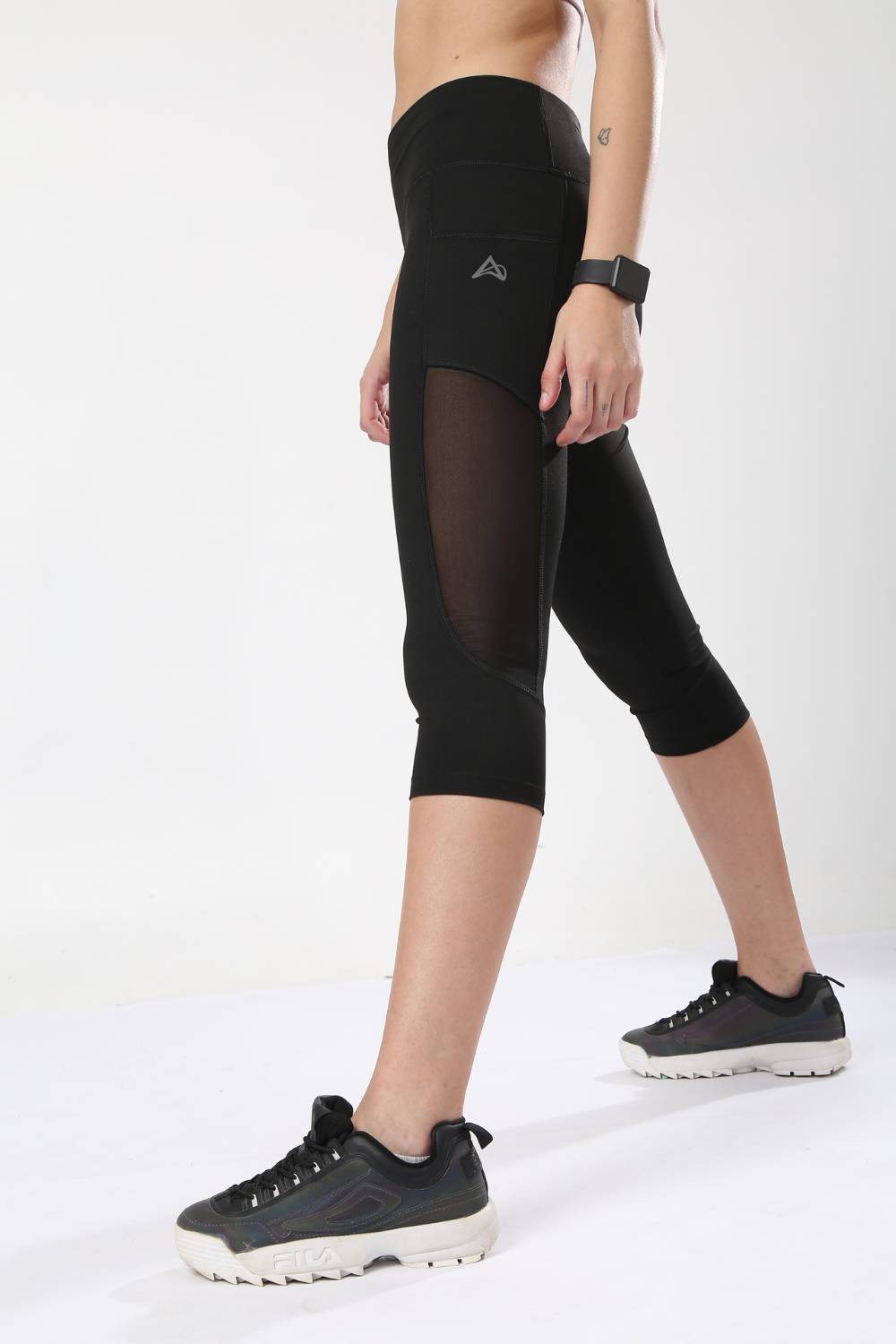
Moisture-wicking running apparel benefits are clear when you select fabrics designed to pull sweat away from your skin and allow it to evaporate. Quick-dry materials keep you dry in the short term while breathable designs prevent clammy sensations during long runs.
Anti-chafing running clothing adds another layer of protection by minimizing friction in high-sweat areas. For runners in hot and humid conditions, the right combination of technical fabric and thoughtful cut makes all the difference in staying comfortable mile after mile.
Practical Sweat Management Strategies You Can Start Today
Start by using an online sweat rate calculator before your next run. These tools predict your individual sweat loss based on body size, intensity, and environment, helping you plan hydration that matches your natural rate instead of guessing.
Other effective habits include pre-hydrating properly, taking strategic electrolyte breaks, and choosing apparel that wicks moisture quickly. Tracking your sweat patterns over several runs reveals exactly what works best for your body and training environment.
Common Mistakes That Make Sweat Management Harder
Many runners underestimate how much sweat they will produce on a warm day and arrive under-prepared. Others wait until dehydration signs appear before adjusting pace or gear, which can quickly lead to performance dips.
Avoiding these pitfalls requires awareness and planning. By treating sweat management as part of your pre-run routine, you shift from reacting to discomfort toward proactively managing it for consistent comfort and performance.
Final Thoughts: Turning Sweat Management Into Your Advantage
Sweat management for runners isn't about stopping the body's natural process it's about directing it. When you understand and control moisture effectively, you gain smoother runs, greater endurance, and the freedom to train longer and stronger without feeling drained. The combination of smart apparel choices and sweat-aware strategies turns a potential obstacle into a reliable edge for every runner who commits to feeling fresh, no matter the conditions.
Recent Advancements in Sweat Rate Prediction for Athletes
Athletes now have access to a reliable online tool designed specifically to predict how much they will sweat during running or cycling sessions. This advancement changes the game for anyone serious about consistent performance because it removes guesswork from hydration planning. The calculator draws from extensive research on whole-body sweat loss and delivers estimates tailored to individual factors such as body size, intensity, and environment. Using it before a run helps prevent excessive fluid loss that can quickly lead to heat illness, reduced power output, and a soggy, uncomfortable finish. Runners who apply these predictions can aim for optimal fluid intake levels that match their natural sweat rate, maintaining hydration status without overdoing it. The practical result is a cooler core temperature, steadier breathing, and the ability to maintain a consistent pace mile after mile.
This tool also highlights how sweat management ties directly into overall comfort, as lower risk of dehydration means less muscle fatigue and fewer distractions from sticky clothing or cramps. By integrating sweat rate awareness into training routines, runners achieve a more professional level of preparation that supports both safety and peak effort. The public availability of these models democratizes expert-level insights, allowing everyday runners to benefit from cutting-edge science. In essence, proactive sweat management through accurate prediction transforms potential setbacks into reliable advantages, letting you focus on the run rather than the discomfort of unmanaged perspiration.
Understanding Sweat as the Body's Primary Cooling Mechanism
Sweating during exercise serves as the body's primary cooling mechanism, helping to regulate core temperature when you push harder on a warm day. This process directly affects how comfortable and sustainable your runs feel over time. Athletes often notice that higher sweat output can signal increased effort, yet it also carries risks if fluid and electrolyte levels drop too low. Understanding your own sweat response allows for smarter hydration practices that prevent performance dips and keep you feeling fresh throughout the session. Many runners find themselves drenched after only a few miles in summer conditions, which can lead to heavier breathing and faster fatigue if not addressed properly.
Recognizing the connection between sweat production and overall comfort empowers you to adjust pace, take strategic breaks, or tweak gear choices for better results. The ability to manage sweat effectively turns a potential obstacle into an opportunity to train longer and stronger without feeling drained. Runners who focus on this balance report smoother runs, less cramping, and greater enjoyment from their workouts. By paying attention to sweat patterns, you gain a practical edge in building endurance and avoiding the discomfort that comes from dehydration or overheating. This approach not only supports immediate comfort but also contributes to long-term athletic growth and resilience against environmental challenges.
Frequently Asked Questions
What should I wear for long distance running in hot weather?
For long distance running in hot weather, choose lightweight, moisture-wicking clothing that helps regulate body temperature and prevents overheating. Fabrics like quick-dry polyester with mesh panels improve ventilation and reduce sweat buildup. It is also recommended to dress as if the temperature is 15–20 degrees warmer than it actually is and to use sun-protective gear like caps or UPF shirts for added protection.
How do moisture-wicking fabrics help prevent chafing and overheating during long runs?
Moisture-wicking fabrics are designed to pull sweat away from the skin, keeping you dry and reducing friction that causes chafing. Materials like recycled polyester blends improve breathability and allow air circulation, which helps regulate body heat during long runs. They also dry quickly, reducing discomfort and odor buildup over extended training sessions.
How should I layer clothing for long distance running in different weather conditions?
Layering for long distance running should start with a moisture-wicking base layer that keeps sweat off the skin. Depending on the weather, you can add lightweight outer layers like sun shirts, windbreakers, or insulating layers for colder conditions. This flexible approach helps maintain comfort and performance by allowing you to adjust to changing temperatures during your run.
Disclaimer: The above helpful resources content contains personal opinions and experiences. The information provided is for general knowledge and does not constitute professional advice.
You may also be interested in: Understanding the Ergonomics of Half-tights for Marathon Training
Tired of gear that slows you down? Chafing, soggy fabrics, and missing pockets kill your run's momentum. At Aguante, we're runners who get it. Our high-performance activewear features moisture-wicking fabrics, ergonomic designs, and smart storage to keep you focused. Shop Now!
Powered by flareAI.co