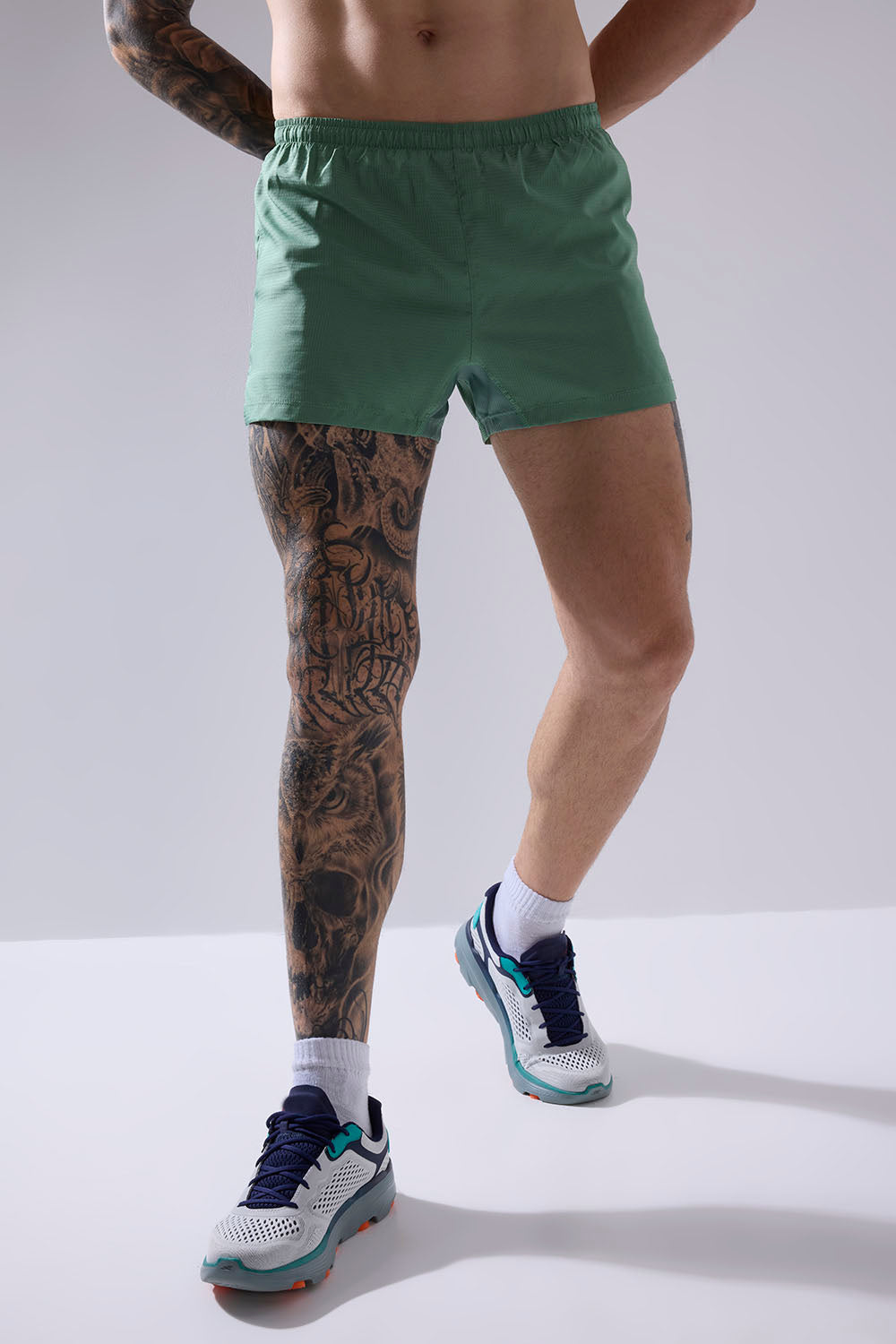
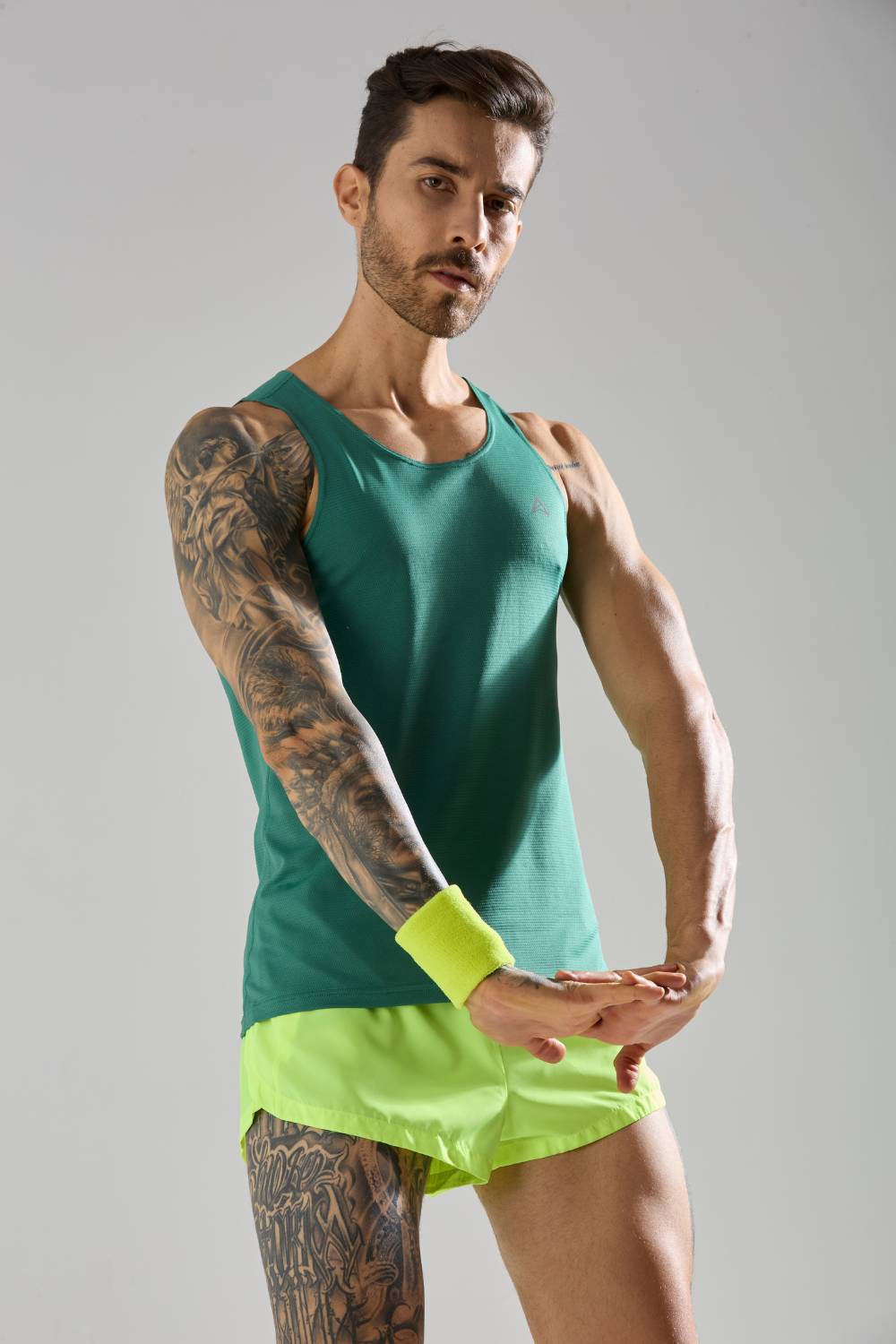
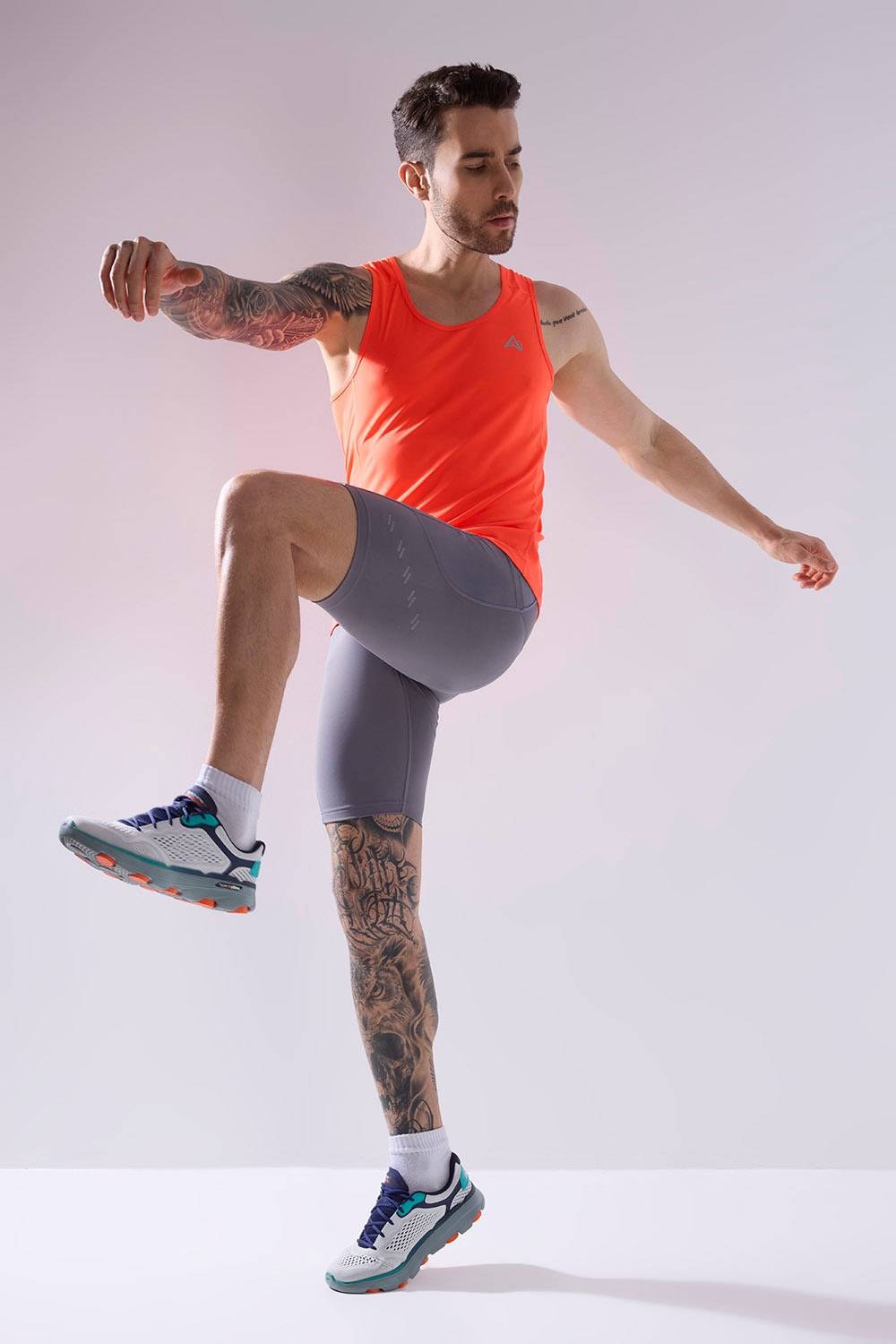
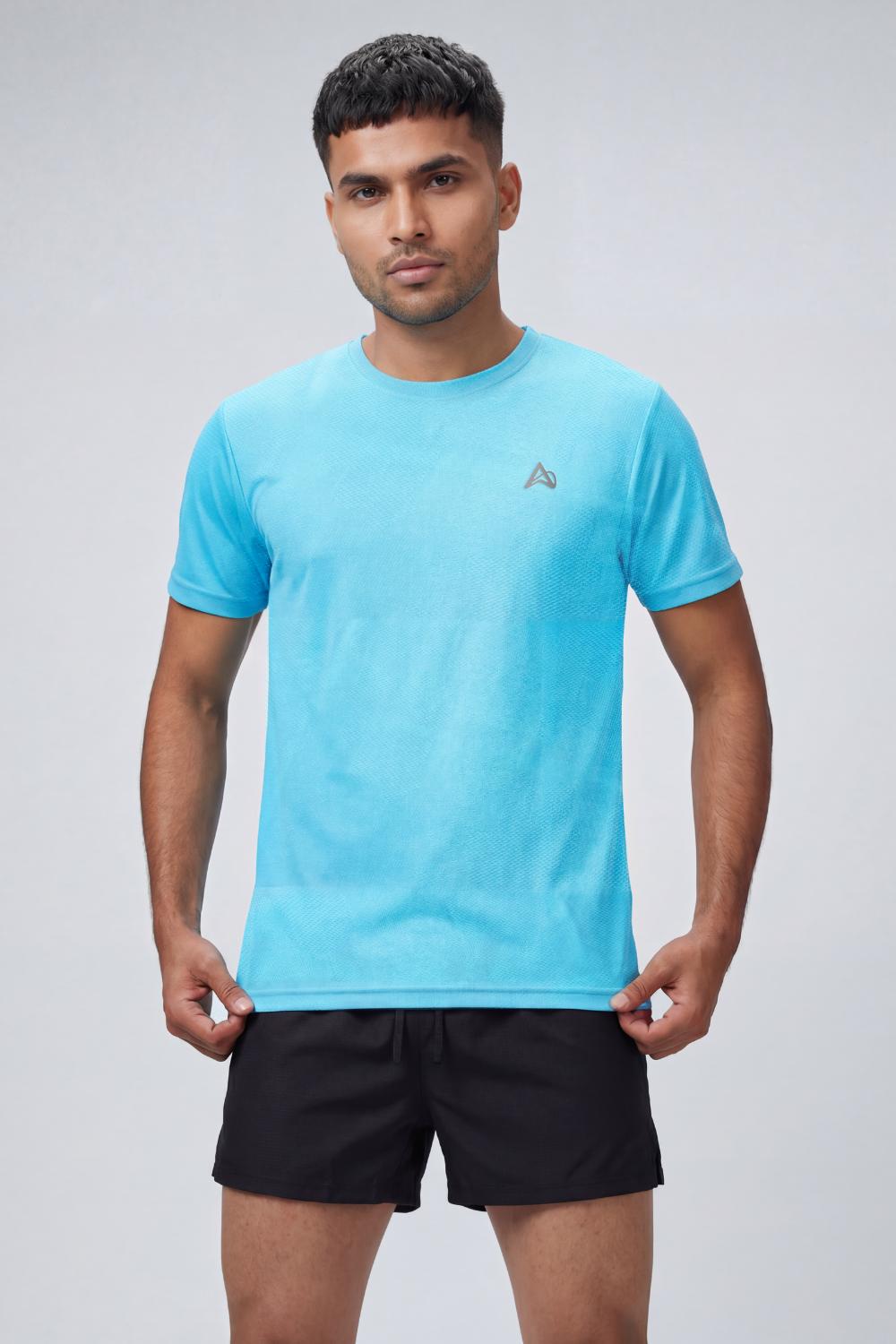
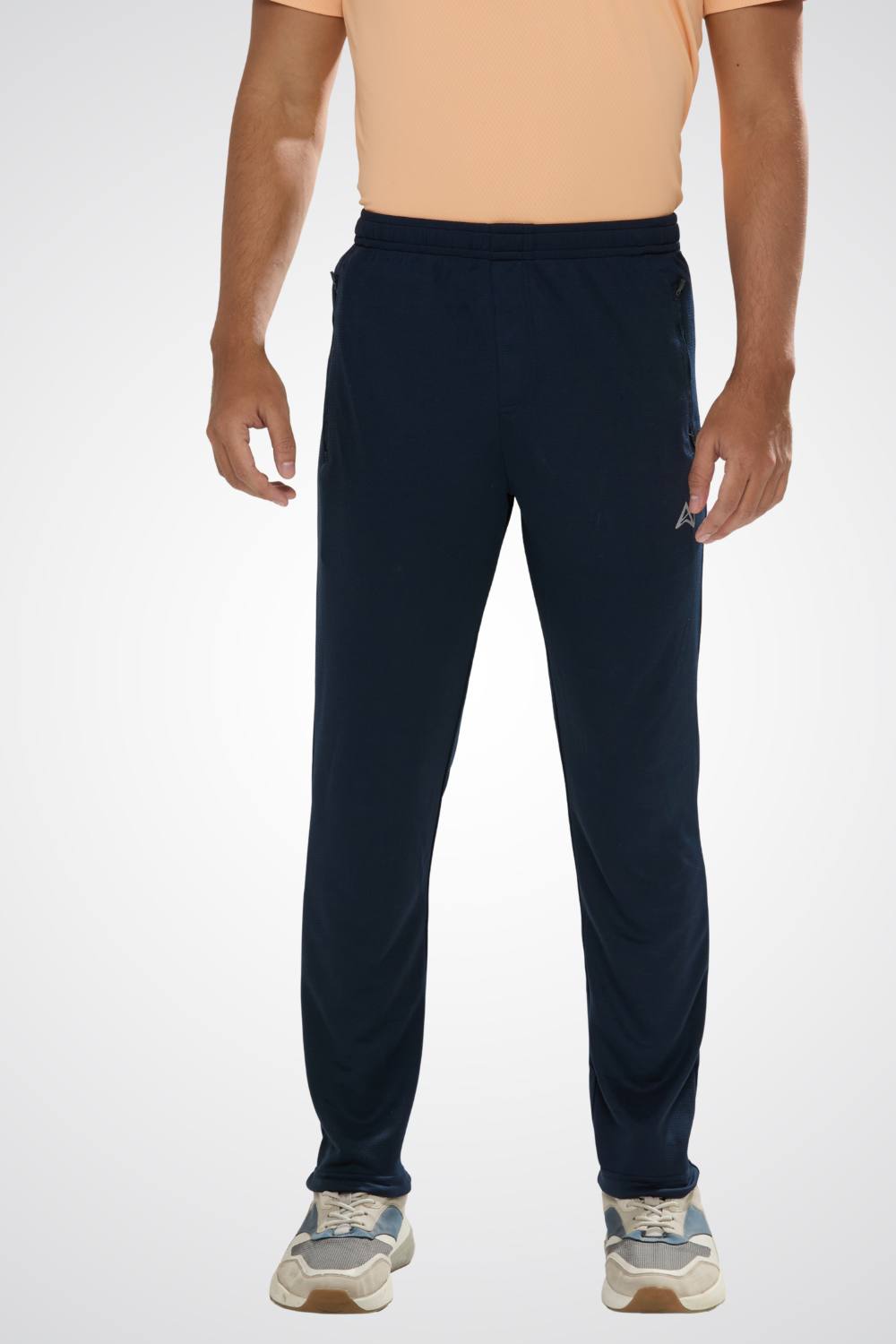
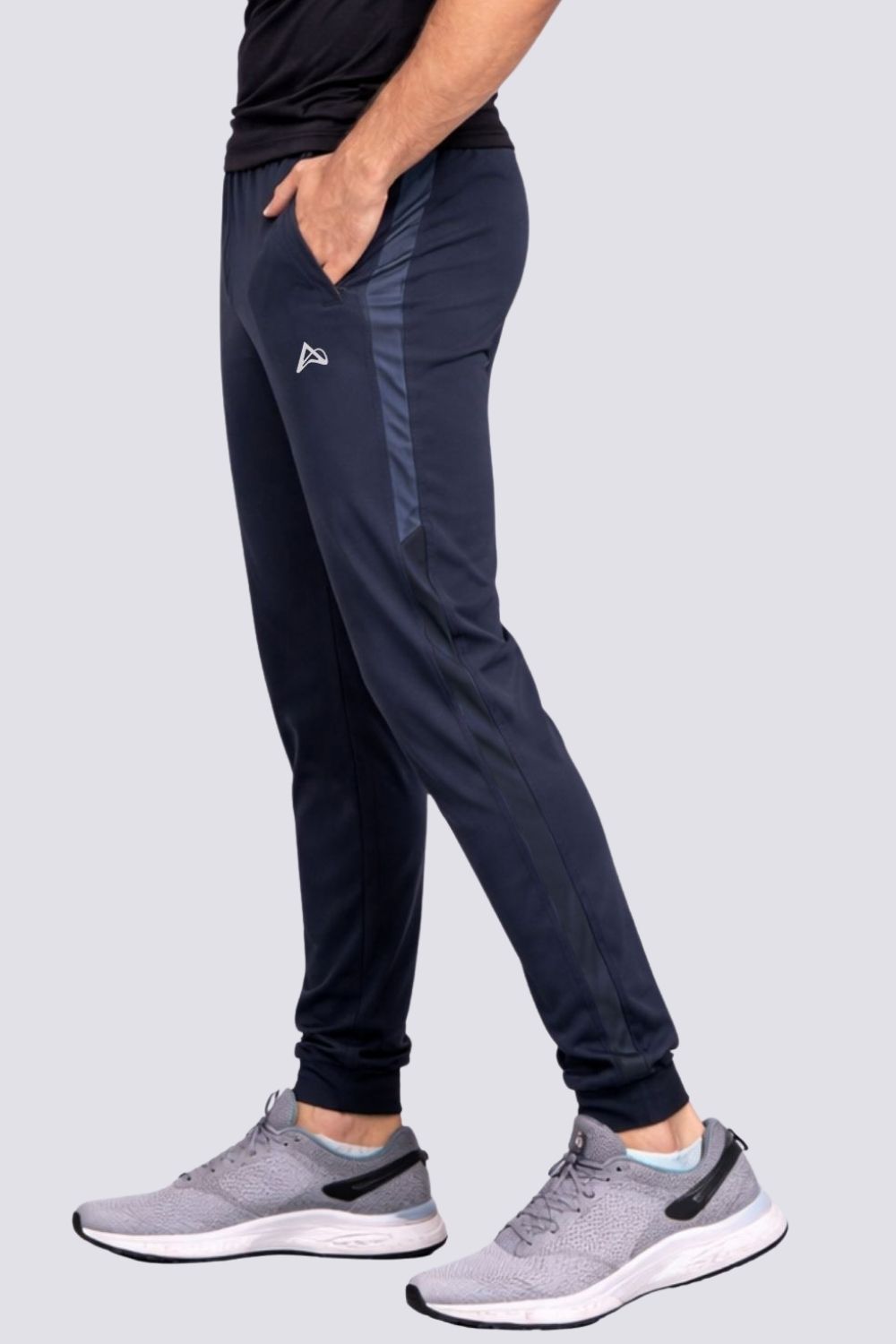
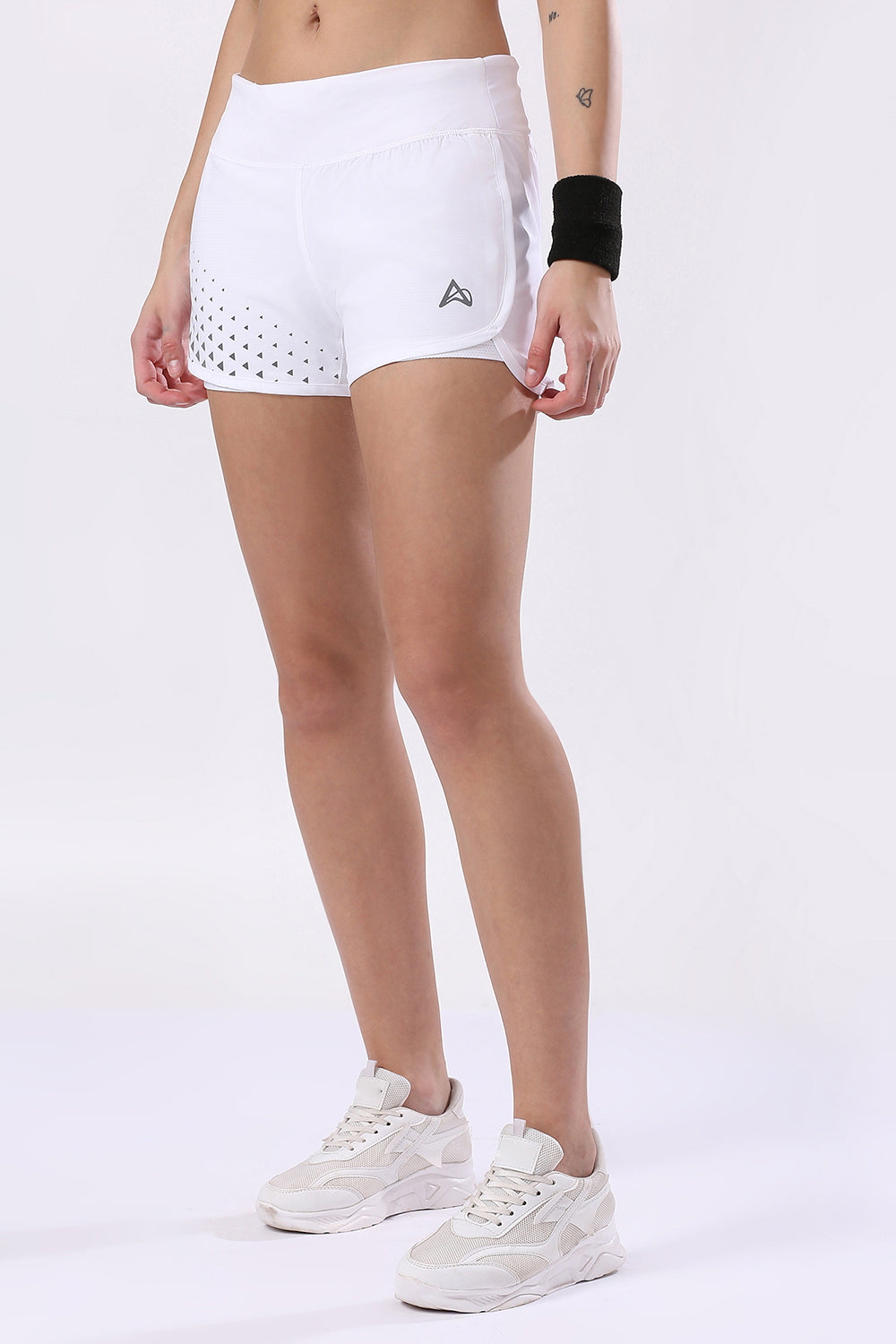
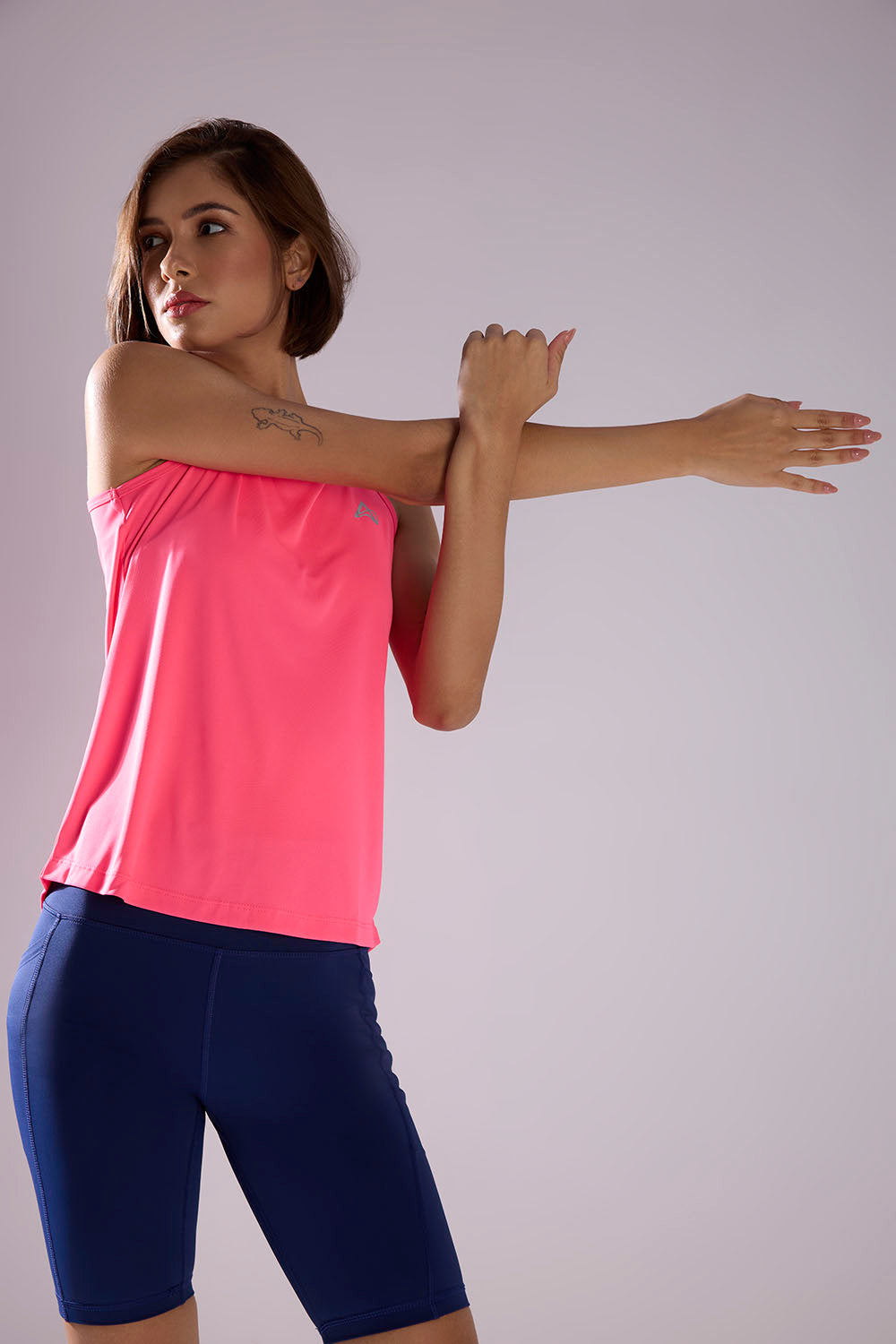
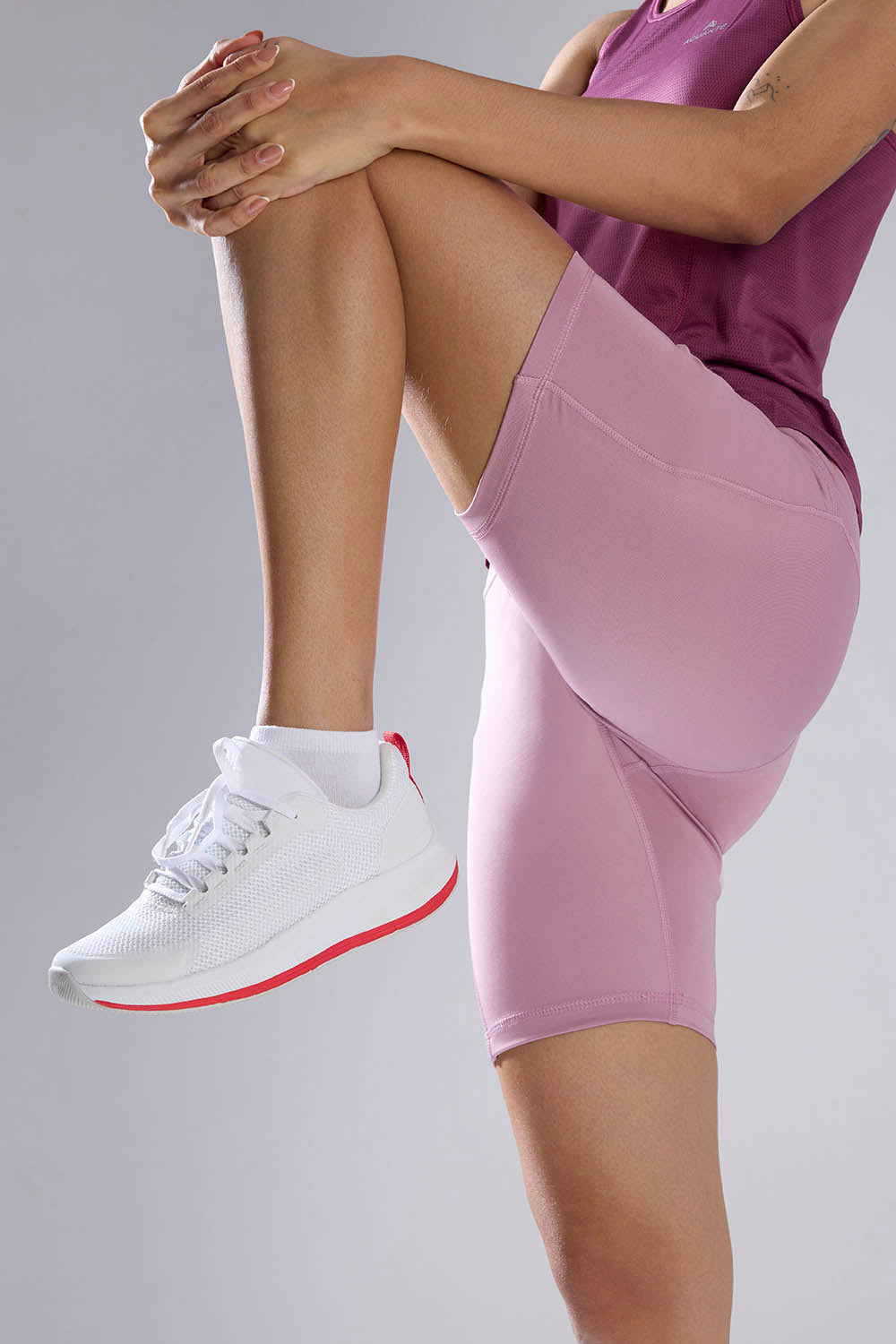
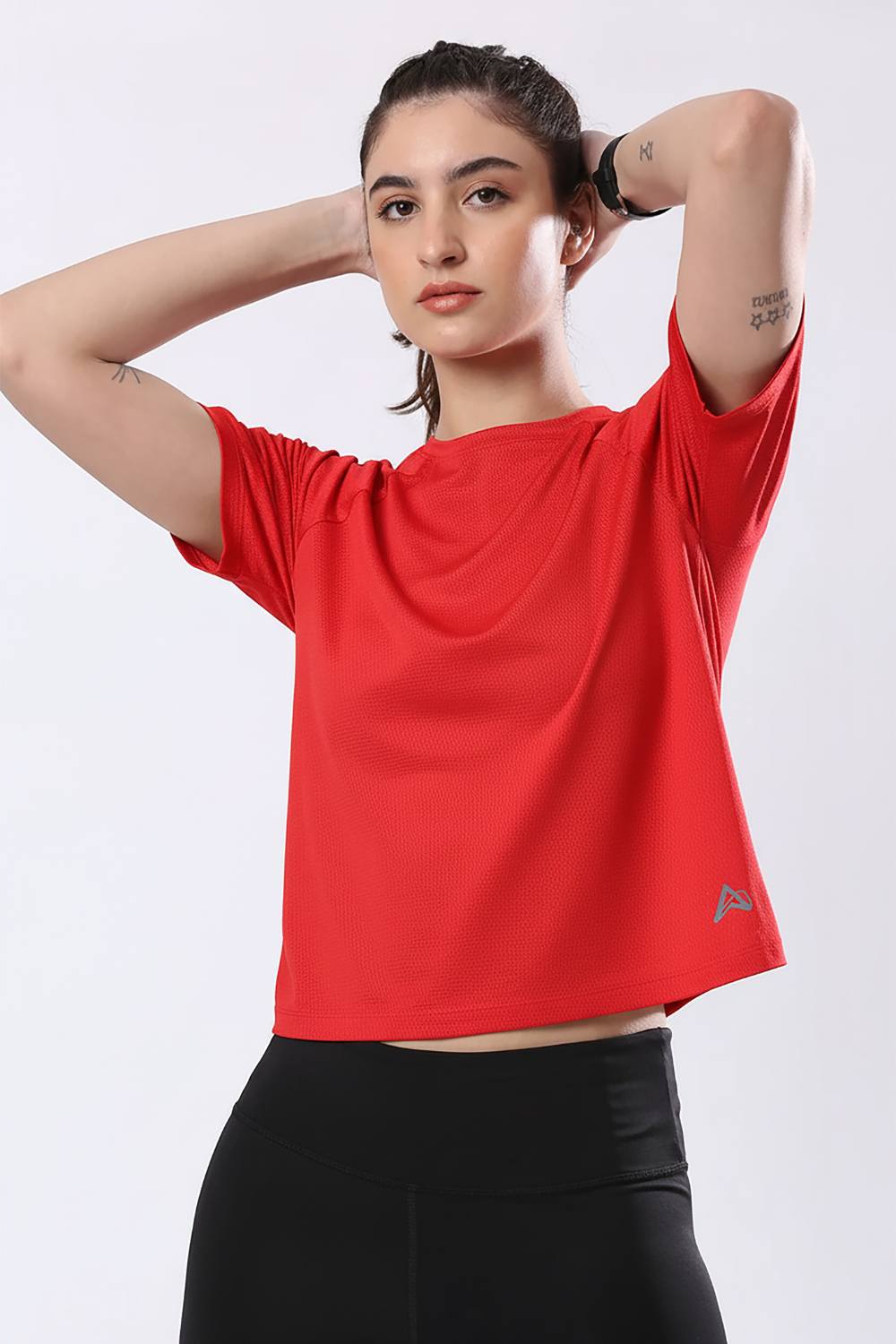
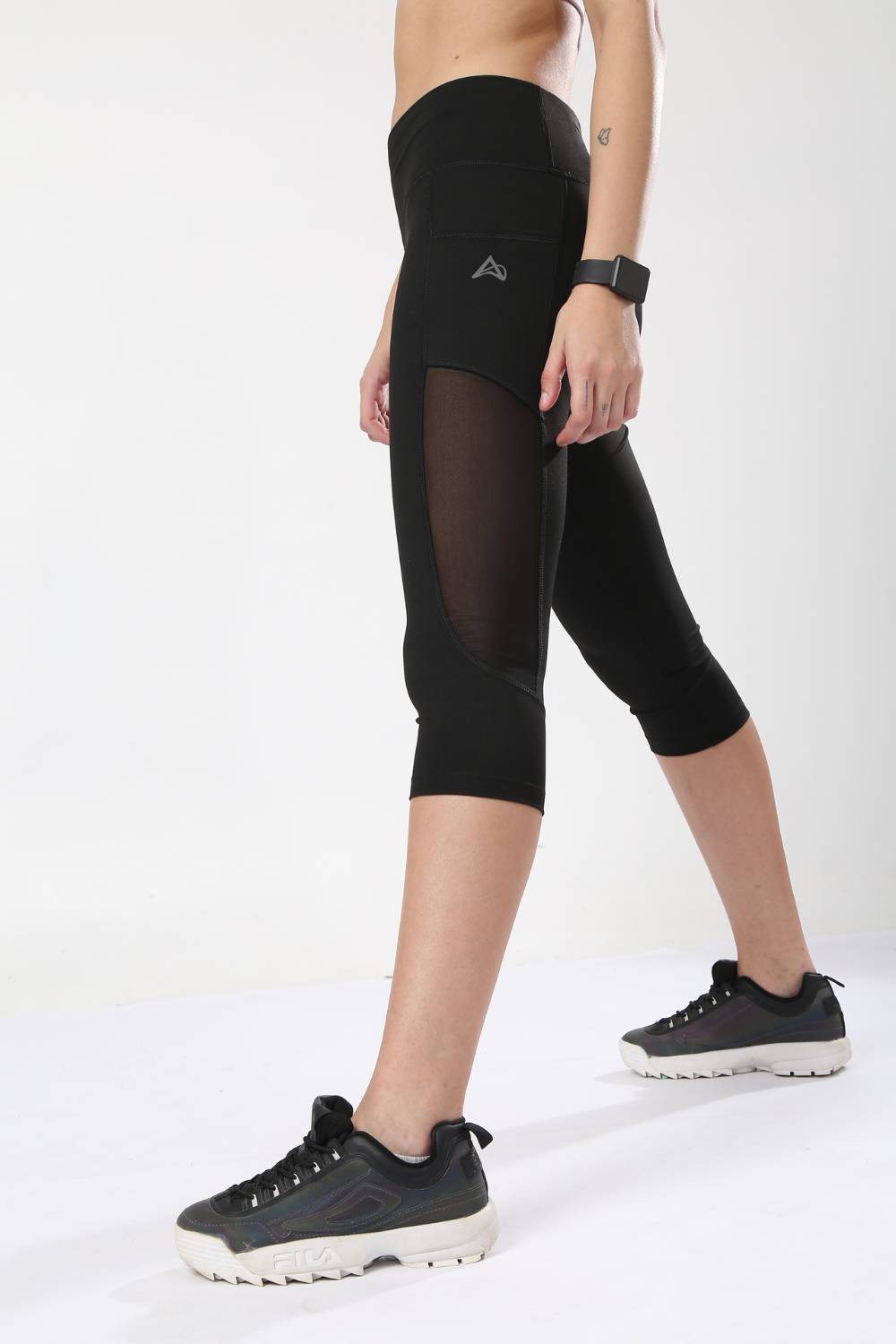
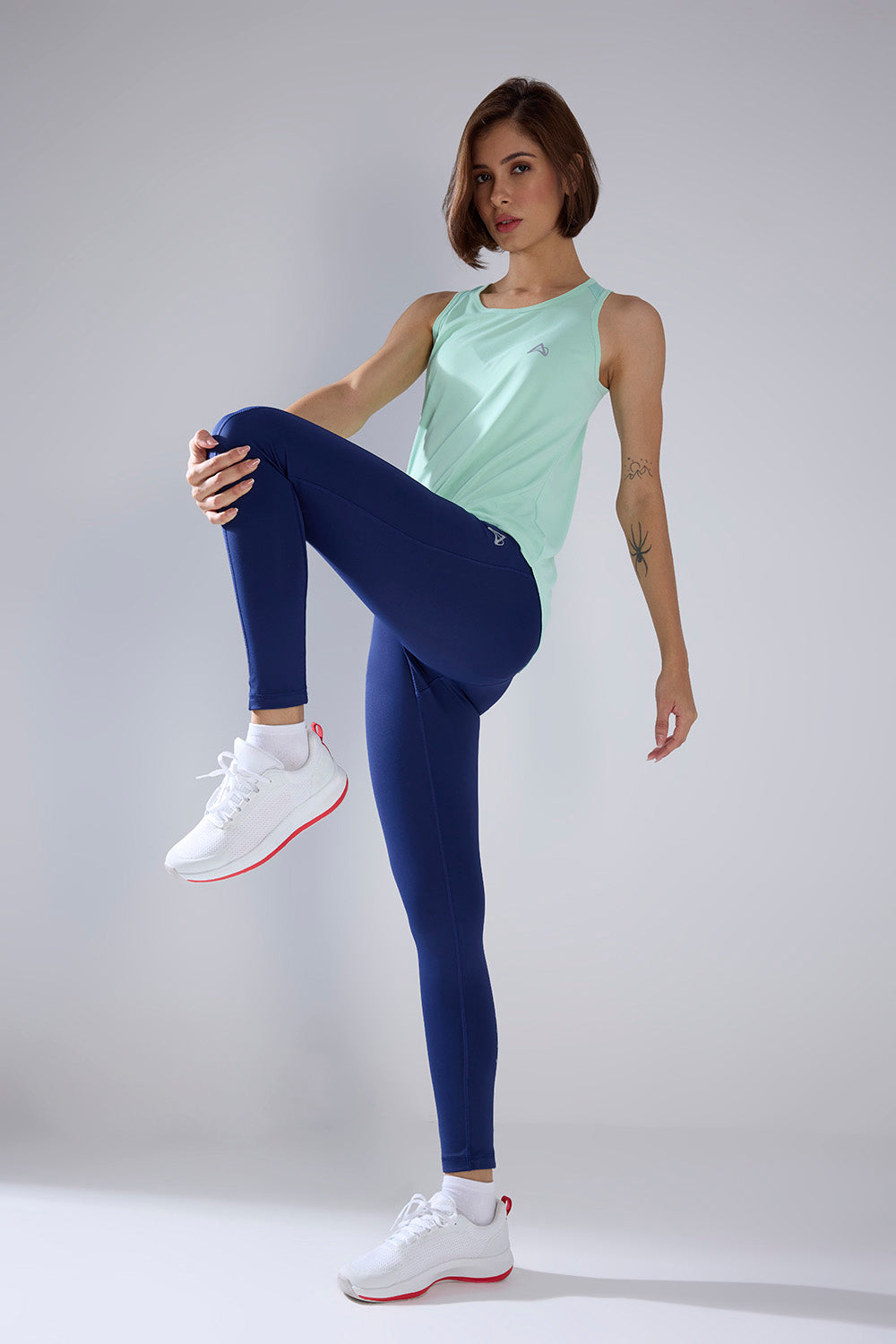

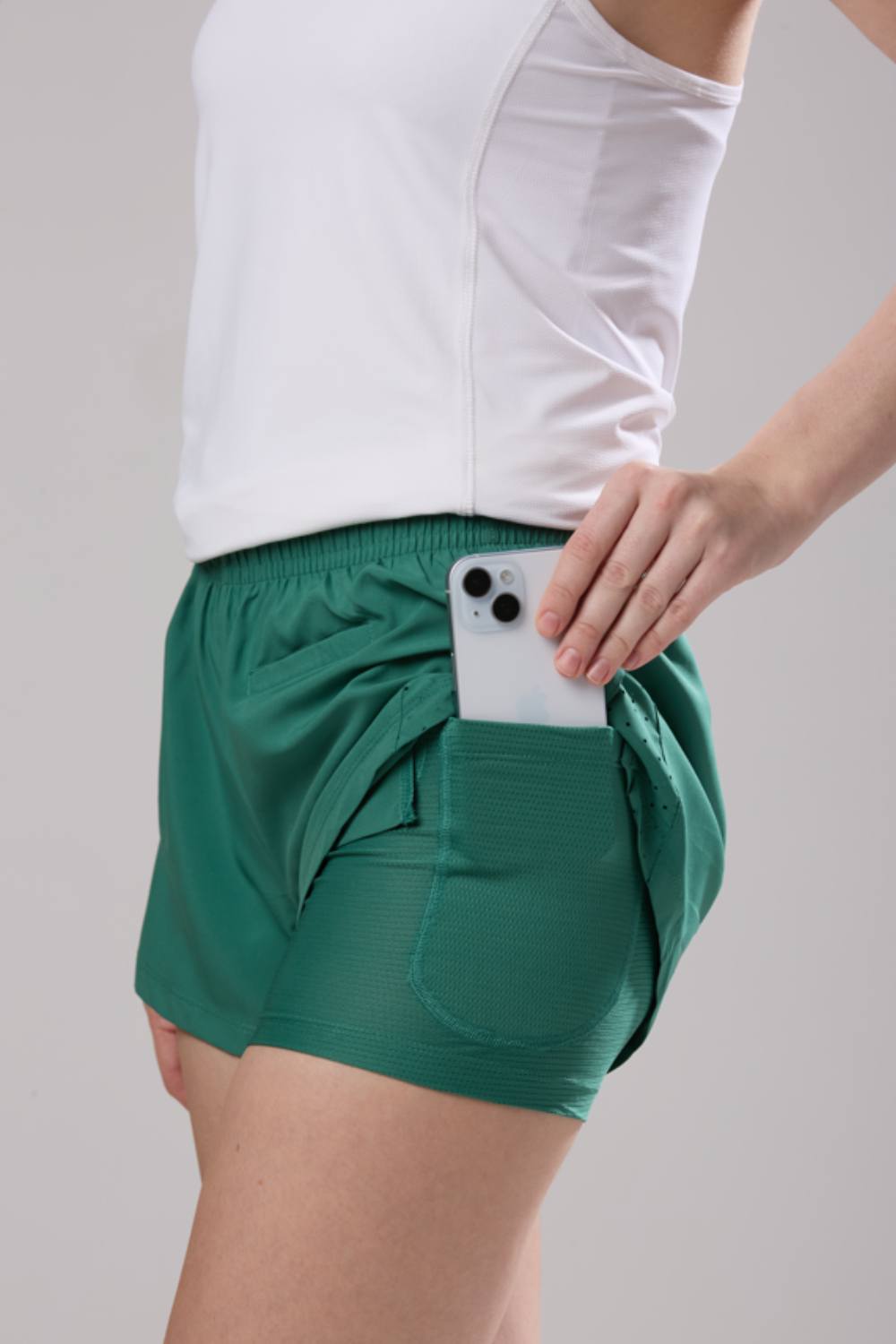
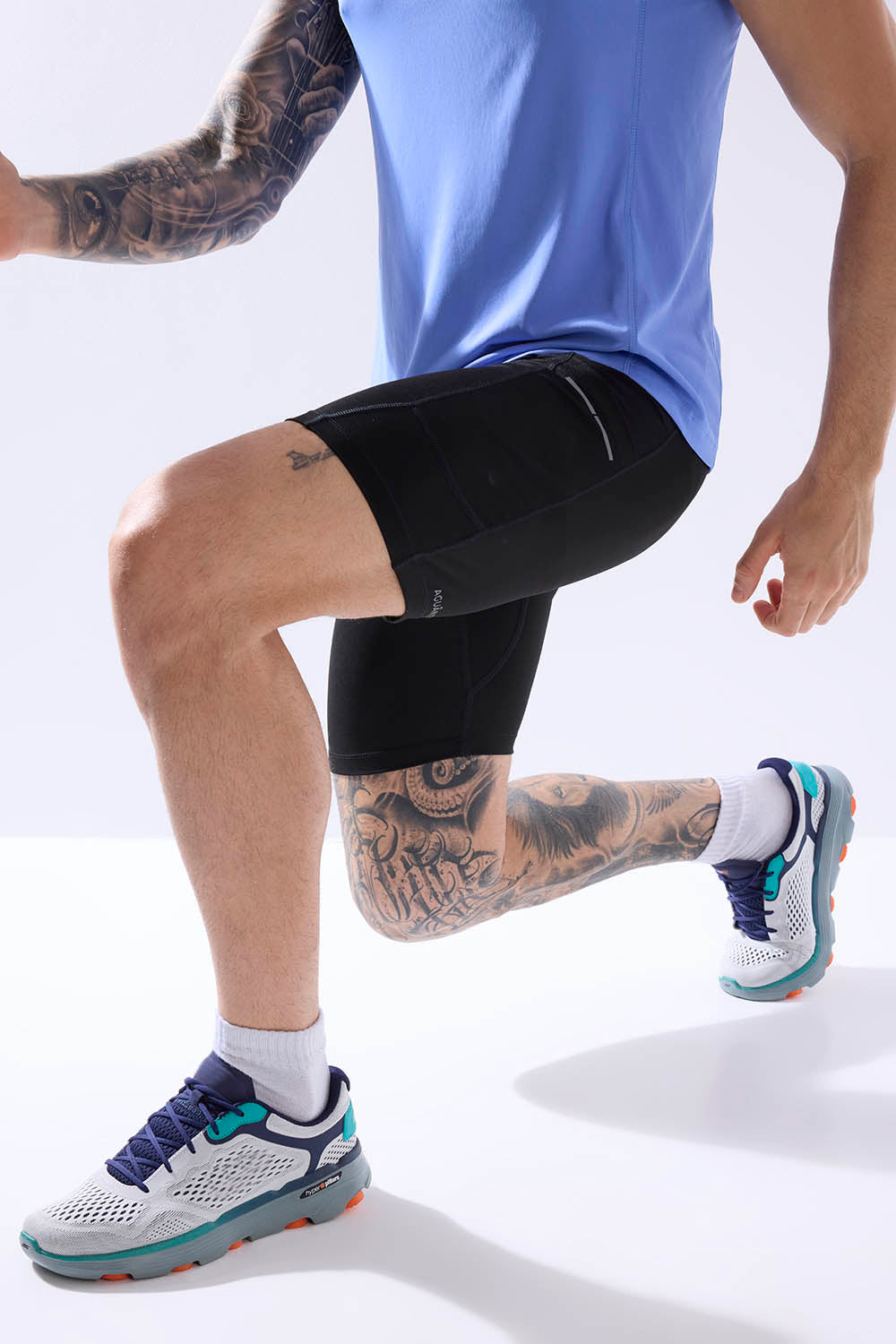
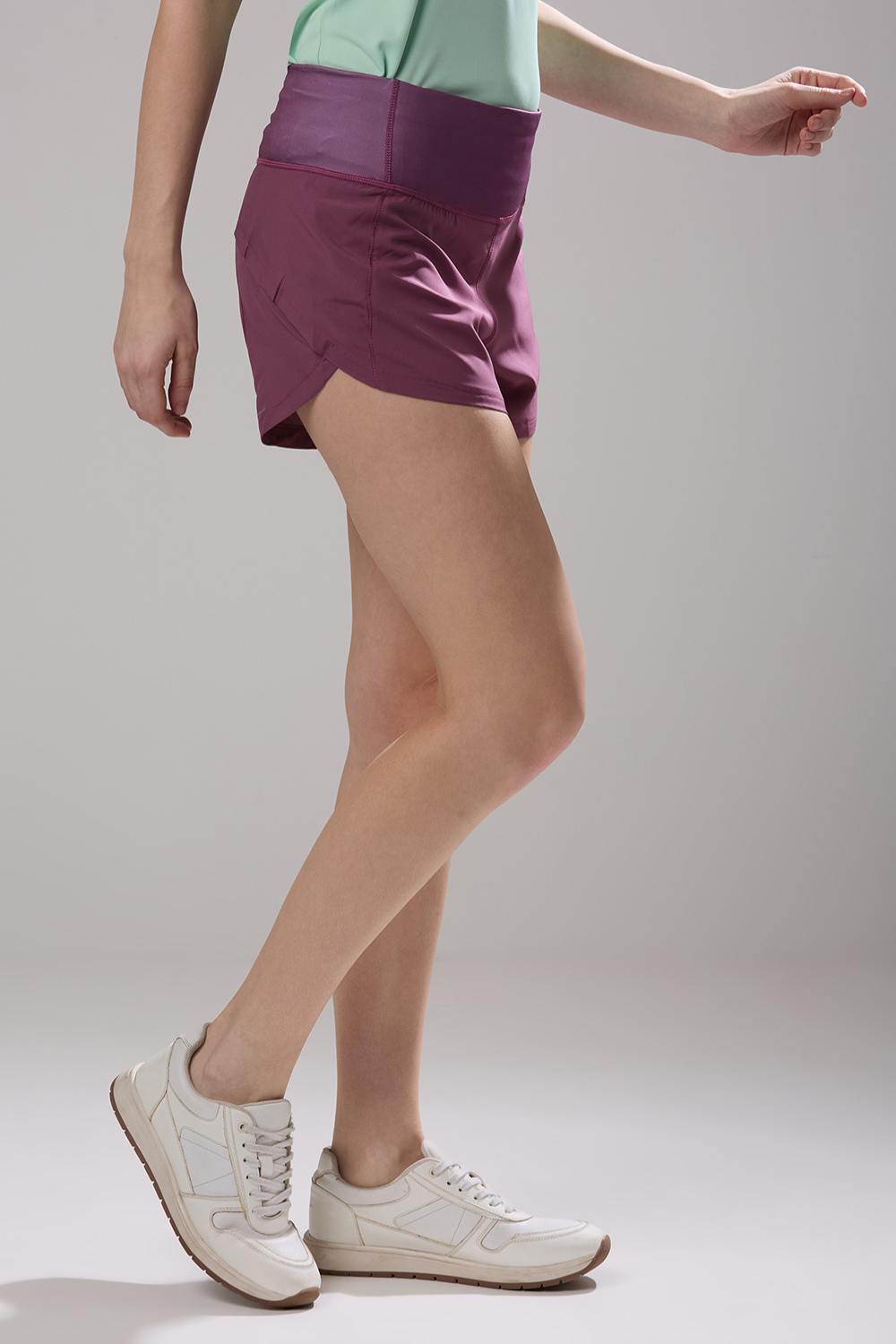
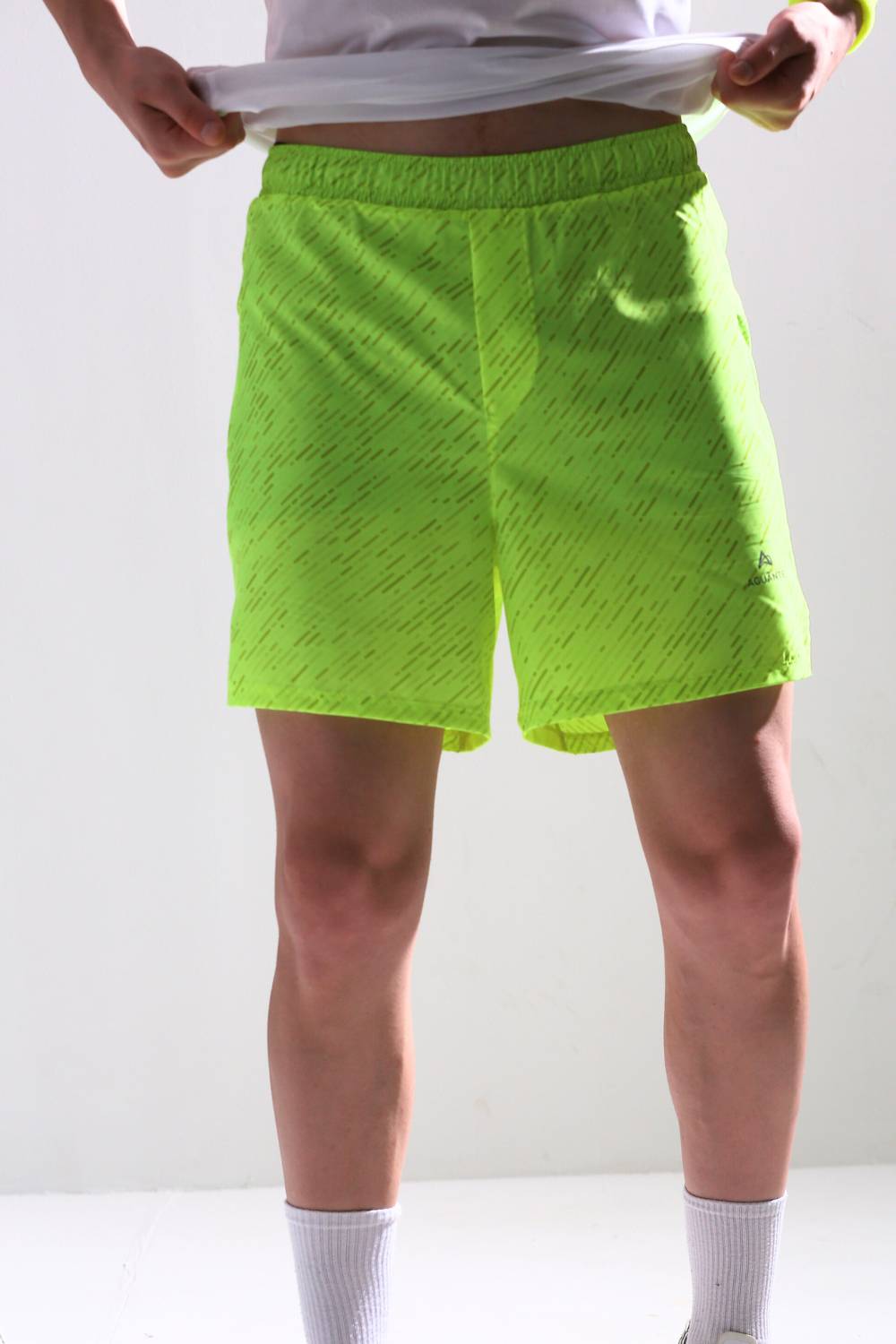
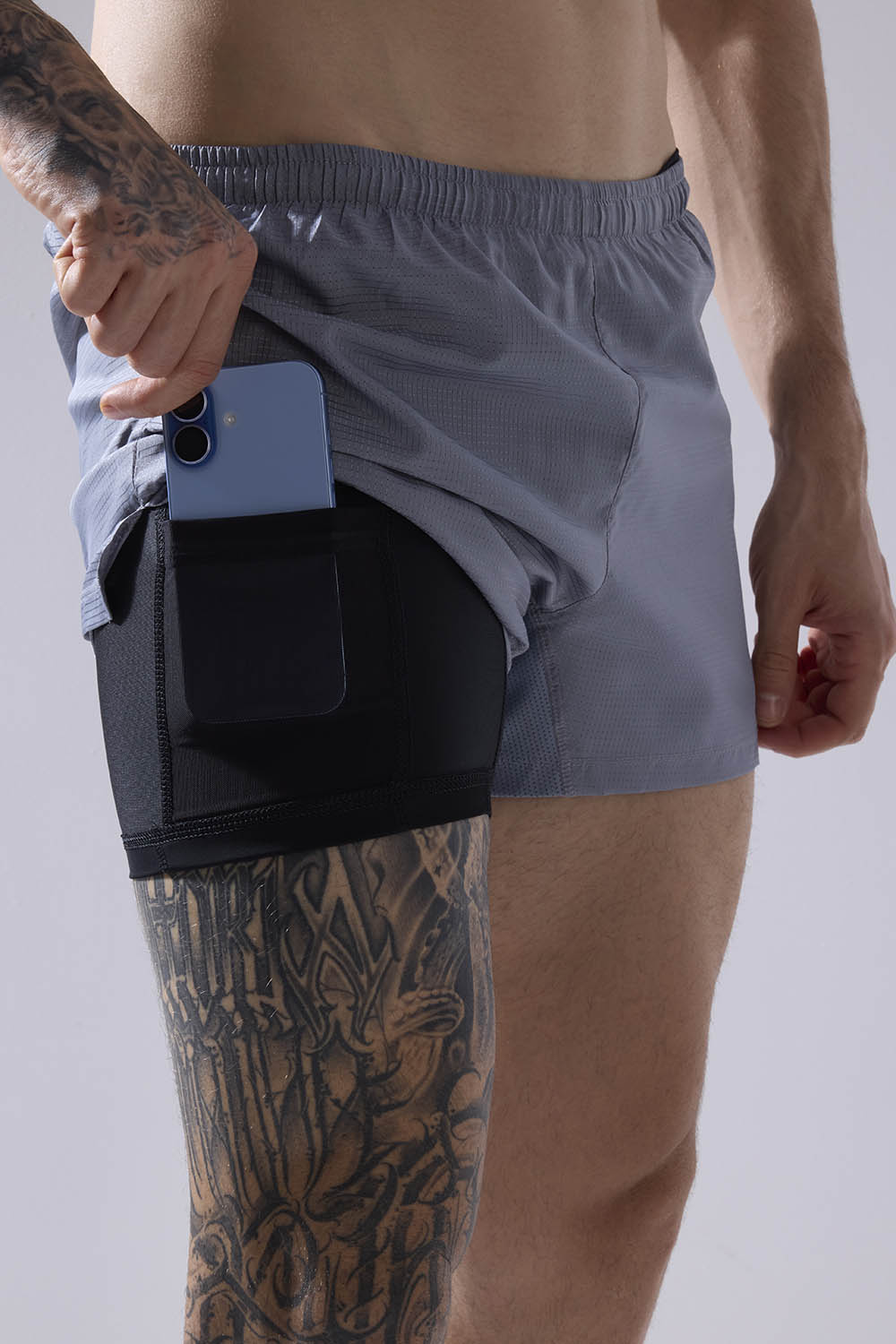


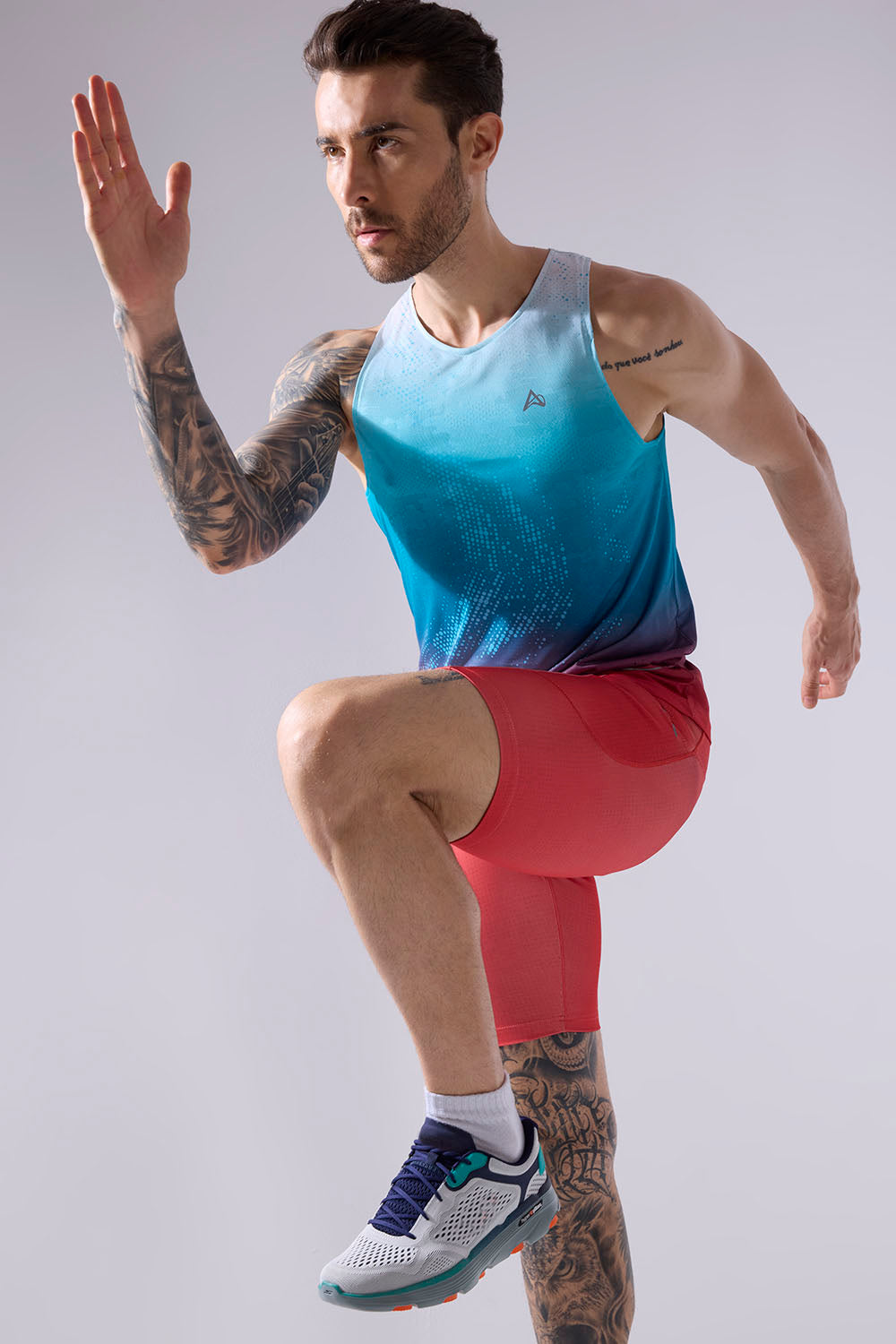

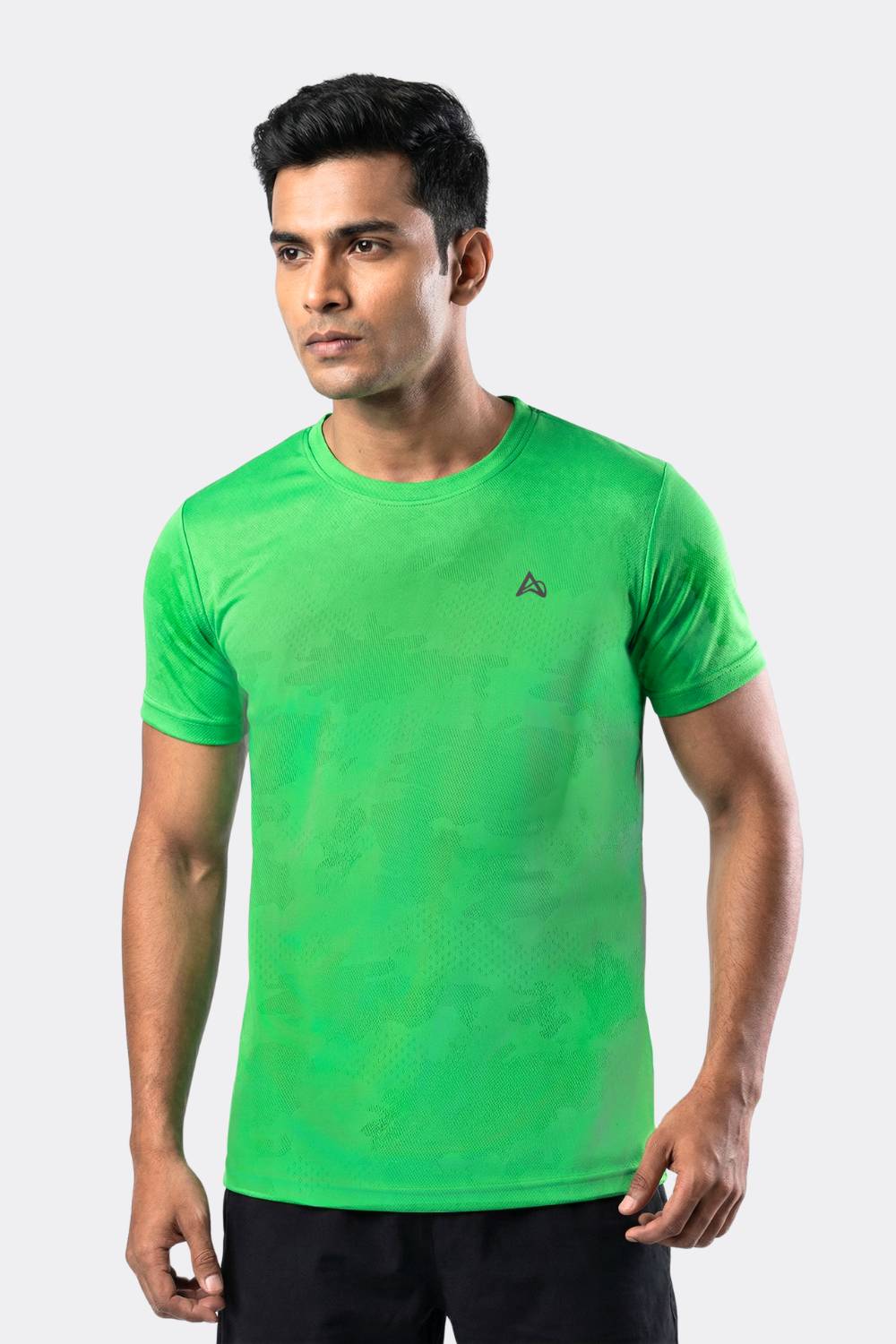
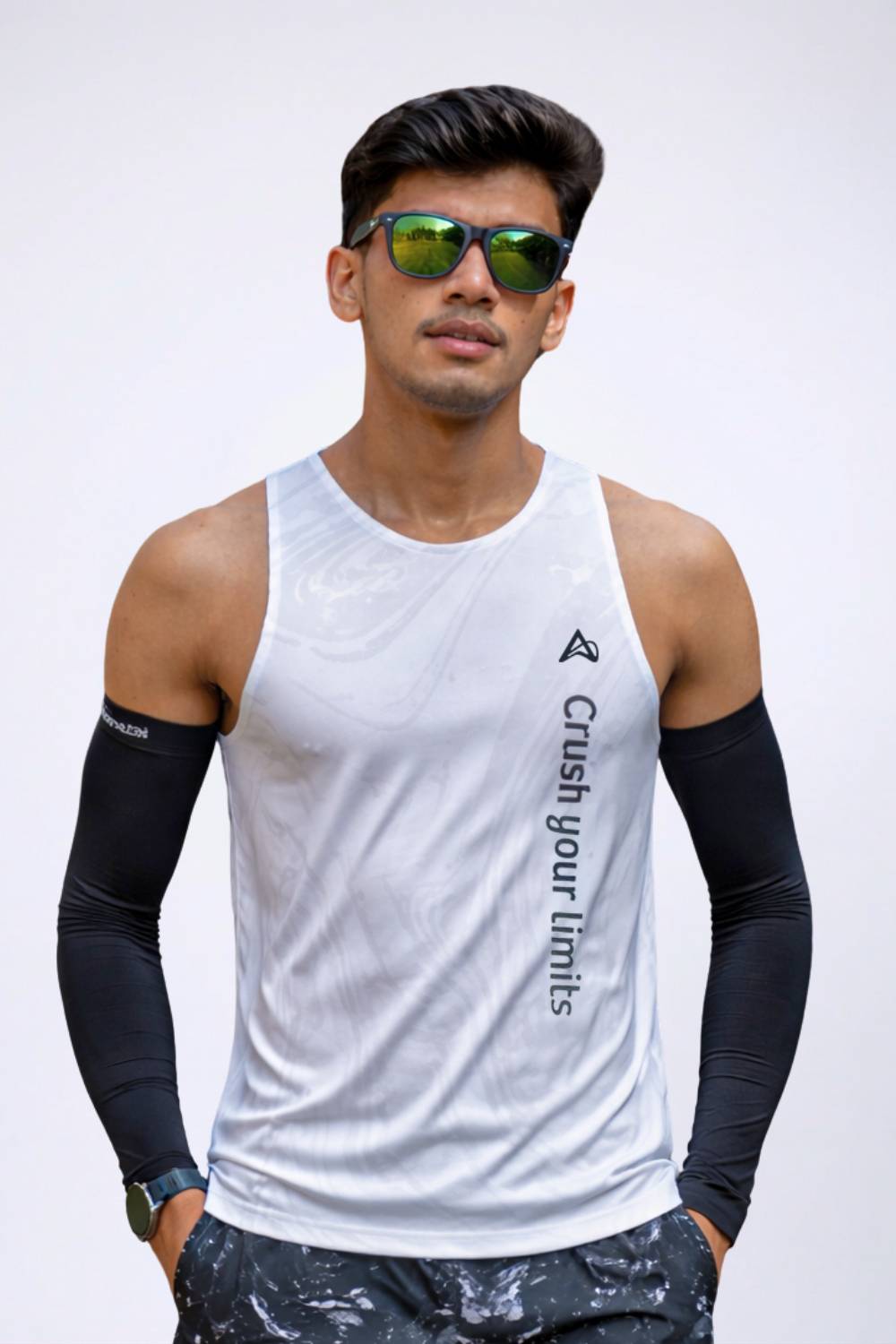

High-performance running clothes deliver the precision fit, moisture-wicking comfort, and odor control that keep serious runners coming back for more. When those garments retain their structure, stretch, and technical properties through repeated use, athletes spend less on replacements and more on the next race or training session. Proper care transforms a wardrobe into a reliable partner that lasts through seasons of city runs, weekend marathons, and early-morning workouts in humid conditions.
Tired of gear that slows you down? Chafing, soggy fabrics, and missing pockets kill your run's momentum. At Aguante, we're runners who get it. Our high-performance activewear features moisture-wicking fabrics, ergonomic designs, and smart storage to keep you focused. Shop Now!
The Growing Need for Running Clothing Care
Modern performance apparel relies on advanced synthetic fibers engineered for speed and breathability. Yet each wash and dry cycle can gradually wear down those fibers if not handled with care. Runners who invest time in mindful routines see their gear hold up longer, maintain better wicking, and resist the buildup of sweat that leads to discomfort mid-run. This approach not only extends the usable life of individual pieces but also supports a more thoughtful relationship with the activewear they depend on daily.
Choosing Fabrics That Stand the Test of Time
Smart fabric selection forms the foundation of long-lasting running clothes. Wool emerges as a standout choice for its natural performance and sustainability. It offers excellent moisture management while being biodegradable and gentle on the skin. Polyester and nylon provide durability and quick-drying qualities, but these synthetics work best when the overall garment composition avoids excessive stretch elements like high percentages of spandex or lycra. Overly stretchy constructions can lose shape and resilience faster than well-balanced designs.
Before purchasing, examine the care label and consider the primary fibers. Garments built primarily with wool or performance polyester tend to hold up better across repeated washes. This foundational step ensures the clothes you buy align with the demands of regular training rather than compromising durability from the start.
Mastering the Laundry Process
Effective washing habits make the difference between gear that performs for years and pieces that fade or pill after a few seasons. Start by sorting lights from darks to prevent color bleeding and maintain the vibrant finishes that attract runners. Examine each item carefully before loading: turn pockets inside out, zip up closures, and treat visible stains with targeted pretreaters rather than relying on the wash cycle alone.
Load the machine with smaller batches for best results. Overfilled drums block water flow and leave residue that traps odors and shortens fabric life. Use no more than two tablespoons of mild, liquid detergent per load granular products can abrade synthetic fibers during agitation. Cold water cycles work best for everyday running clothes, as enzymes clean effectively without heat damage that can weaken polyester and nylon.
Eliminating Odors Without Compromising Performance
Sweat-resistant fabrics are designed to wick moisture away, but residue can still create a stale smell that affects comfort and focus during runs. The most effective prevention comes from washing immediately after intense sessions. A quick rinse in the shower or a short machine cycle right after the workout keeps sweat from setting into the fibers.
For loads that build up, a thorough wash with the correct temperature and detergent removes trapped odors. Skipping fabric softener and dryer sheets is essential, as these products create residue that reduces wicking and breathability the very qualities that make performance apparel effective. Air drying on a rack or line keeps garments from losing their shape and stretch that tumble drying often destroys.
Drying Techniques That Preserve Performance
Heat remains the greatest enemy of moisture-wicking fabrics. High temperatures break down the microscopic structures in polyester and nylon, causing them to shrink, lose elasticity, and eventually fail to wick properly. Air drying on a sturdy rack allows full air circulation and prevents these issues while keeping the clothes ready for the next run.
When machine drying is unavoidable, select the lowest heat setting possible. This balances convenience with longevity, especially for performance items. Regular maintenance of your washer and dryer cleaning vents and drums ensures efficient operation and reduces the risk of secondary damage to your wardrobe.
Repair and Repurposing for Maximum Lifespan
Small tears or loose threads from frequent washing can be addressed with simple patches or glue-on repairs. Many outdoor brands offer free repair programs that extend a garment's life by years. DIY options using iron-on patches let you customize the fix while maintaining the technical appearance of your running clothes.
When a piece reaches the end of its functional life, consider repurposing rather than discarding. Old running shirts can become paint or sanding pants, cleaning rags, or even upcycled art pieces. Donating gently used gear to local shelters or community programs keeps quality apparel in circulation and supports runners who may not afford new purchases.
Building a Routine That Works for Busy Schedules
Consistency beats perfection. Even a few targeted habits sorting properly, treating stains immediately, and air drying when possible compound into significantly longer garment life. Start with one or two changes to your current routine and build from there. Many runners find that pre-treating stains and washing after tough sessions becomes second nature after a week or two.
Tracking wear and tear through occasional inspections helps identify patterns early. Garments that develop noticeable pilling or odor despite correct care may simply need replacement at the right time rather than being forced through additional cycles. This balanced approach keeps your wardrobe performing at its best while reducing unnecessary waste.
The Right Way to Wash Running Apparel for Better Durability&Nbsp;
Fabric softeners and bleaches should be avoided because they clog performance properties and shorten fiber life. When items show wear like pilling or holes, repair with patches or donate them to extend use elsewhere, turning them into rags or art pieces rather than discarding. This holistic approach not only saves money on replacements but also aligns with environmental goals by minimizing waste from the apparel industry, which contributes heavily to emissions. Runners who prioritize these practices see their gear last longer, perform consistently, and contribute to a more sustainable running community. Investing time in these care routines pays off in better value, fewer purchases, and garments that remain reliable companions through seasons of training and races.
According to optimized laundry techniques for performance fabrics, proper laundry practices extend the life of performance running garments by preventing shrinkage, fading, and fiber damage through careful sorting, loading, and drying habits. Separate lights and darks to avoid color bleeding, and examine each item for stains or loose threads before washing to allow for targeted pretreating with enzyme-based or oxygen bleach products when needed. Smaller loads ensure thorough cleaning because overfilling blocks water flow and reduces detergent effectiveness, which can leave residue that traps odors. Use no more than two tablespoons of detergent for most loads to prevent buildup on fabrics or machines that shortens garment life. Cold water cycles work best for everyday running clothes since enzymes clean effectively without heat damage, while hot water is reserved only for heavy soil situations.
Air drying workout clothes and similar performance items on a rack or line preserves stretch and shape better than tumble drying, as high heat destroys delicate fibers in synthetics and merino blends. Skipping fabric softener and dryer sheets avoids residue that reduces absorbency and wicking, which are essential for running comfort. Regular machine maintenance like cleaning the drum and vent every year keeps the process efficient and prevents secondary damage to your clothes. These techniques, drawn from appliance testing and fabric care experts, help running clothing maintain its performance characteristics, reduce the need for replacements, and support sustainable habits for active lifestyles by maximizing each piece's usable lifespan.
Care for Gear, Run Longer
Running clothing care is less about complicated products and more about understanding how to treat the technical fabrics that power your training. By selecting durable materials, following proven laundry and drying methods, and extending the life of each piece through repair and repurposing, athletes maintain peak performance without the constant cycle of replacement. The investment of time and attention pays off in gear that stays reliable through every run, every season, and every goal achieved.
According to sustainable care practices for running gear, caring for running gear through mindful laundry and repair extends its lifespan significantly, reducing the carbon footprint associated with new apparel production while keeping performance gear ready for the trails or roads. Wool, polyester, and nylon are durable choices that stand up better than high-lycra content, but proper washing maximizes their potential. Gentle lukewarm cycles with mild liquid detergent on like colors preserve fabric integrity and prevent degradation from harsh granules or chemicals. Washing immediately after sweaty sessions controls odors in petroleum-based fibers, and air drying on a rack avoids heat damage that compromises stretch or wicking.
Frequently Asked Questions
How do you wash running clothes to make them last longer?
To extend the life of running clothes, wash them in cold water using a mild liquid detergent and avoid overloading the machine. Sort lights and darks separately and treat stains before washing for better results. It's also important to skip fabric softeners and dryer sheets, as they can damage moisture-wicking properties and leave residue that traps odors.
Can you put running clothes in the dryer or should you air dry them?
Air drying is the best option for running clothes because heat can break down synthetic fibers like polyester and nylon. High temperatures in dryers can reduce elasticity, shrink fabrics, and weaken moisture-wicking performance over time. If you must use a dryer, choose the lowest heat setting to minimize damage.
What fabrics are best for durable running clothing and odor control?
Wool, polyester, and nylon are among the best fabrics for durable and high-performance running clothing. These materials offer moisture-wicking, quick-drying, and odor-resistant properties when properly cared for. Avoid garments with excessive spandex, as they tend to lose shape faster with repeated washing and wear.
Disclaimer: The above helpful resources content contains personal opinions and experiences. The information provided is for general knowledge and does not constitute professional advice.
You may also be interested in: Running Gear for 5K Races: Essential Picks for New Runners
Tired of gear that slows you down? Chafing, soggy fabrics, and missing pockets kill your run's momentum. At Aguante, we're runners who get it. Our high-performance activewear features moisture-wicking fabrics, ergonomic designs, and smart storage to keep you focused. Shop Now!
Powered by flareAI.co