



Quick Listen:
Imagine hitting mile 22 of a demanding training run, legs heavy and the trail unrelenting. Every stride becomes a conversation with your body, and the last distraction you want is gear that shifts or irritates. For runners committed to serious distance work, the debate between traditional running shorts and half tights has grown sharper. These two options represent more than fabric choices they influence comfort, efficiency, and how well you hold form when fatigue sets in. In exploring how running half tights compare to traditional shorts for distance training, the distinctions reveal practical advantages that can elevate long efforts without fanfare.
Tired of gear that slows you down? Chafing, soggy fabrics, and missing pockets kill your run's momentum. At Aguante, we're runners who get it. Our high-performance activewear features moisture-wicking fabrics, ergonomic designs, and smart storage to keep you focused. Shop Now!
Understanding the Basics: Traditional Shorts Versus Half Tights
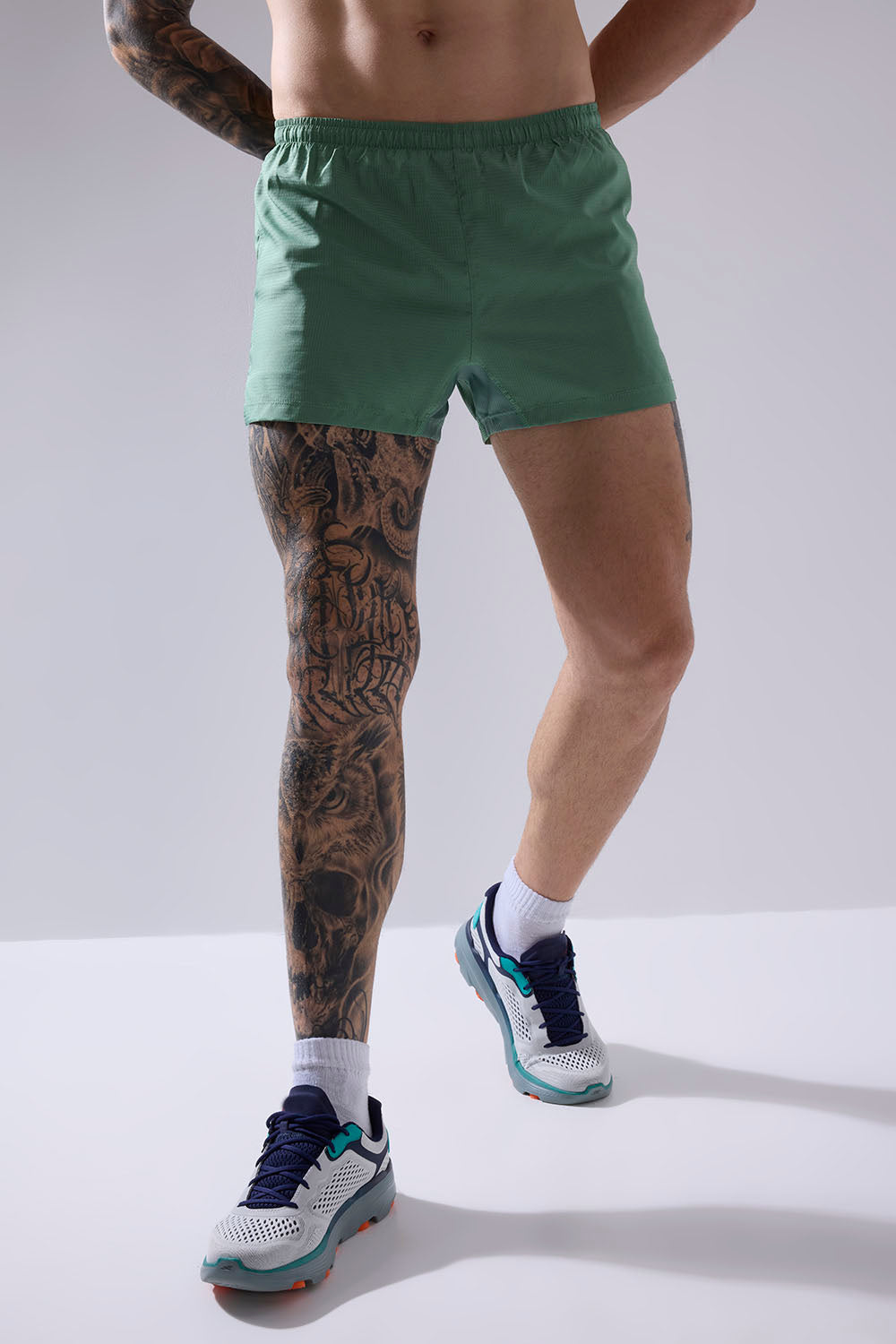
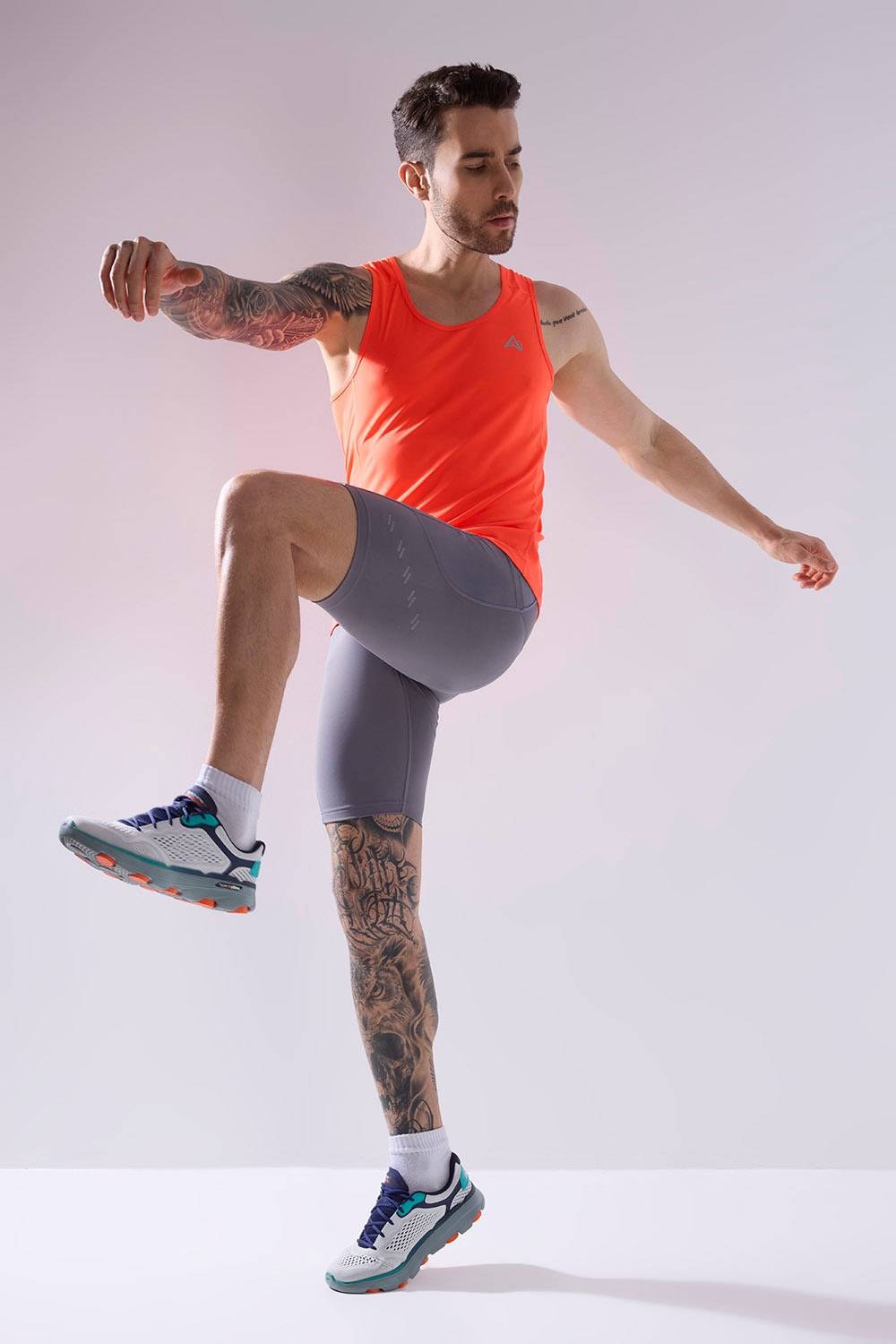
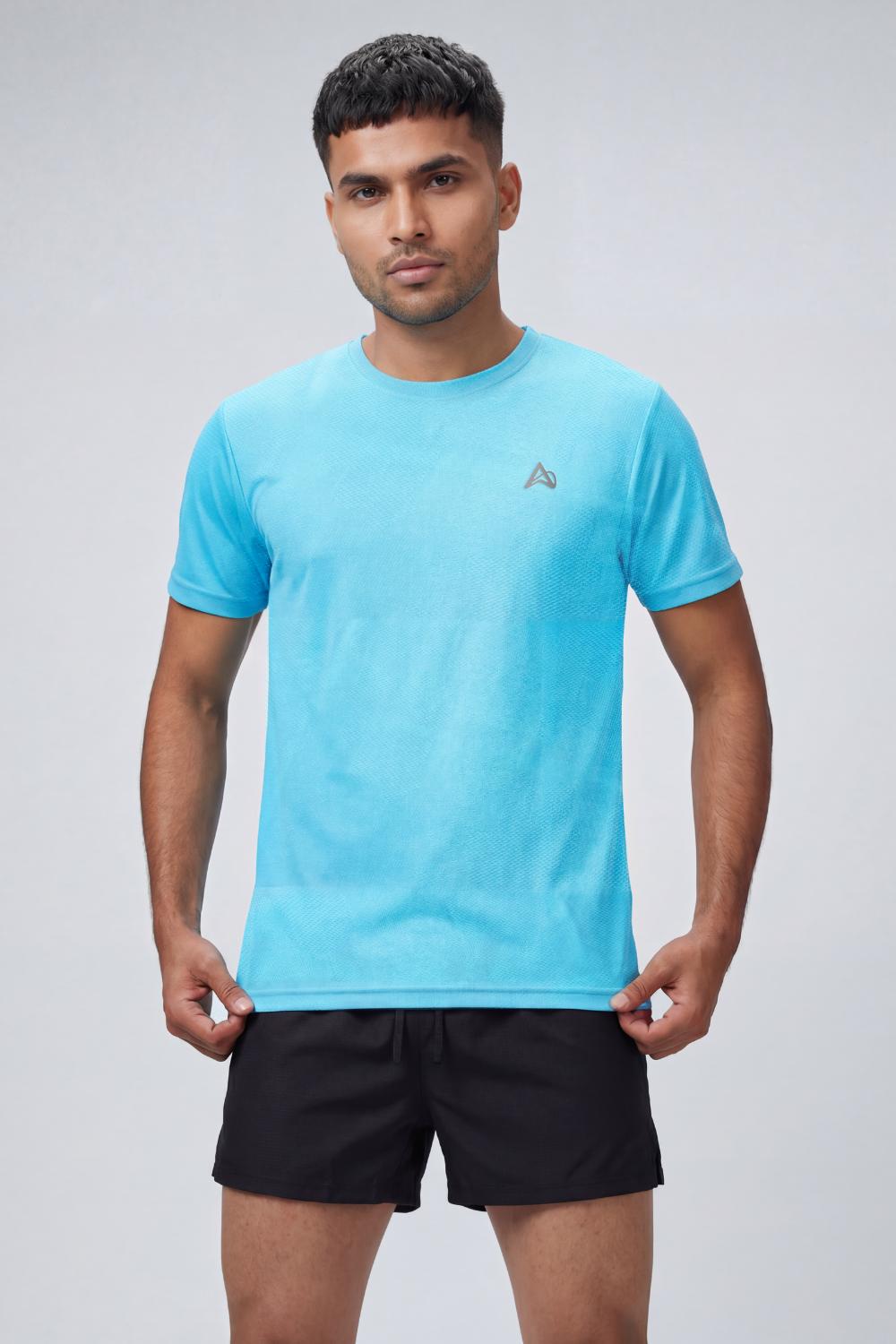
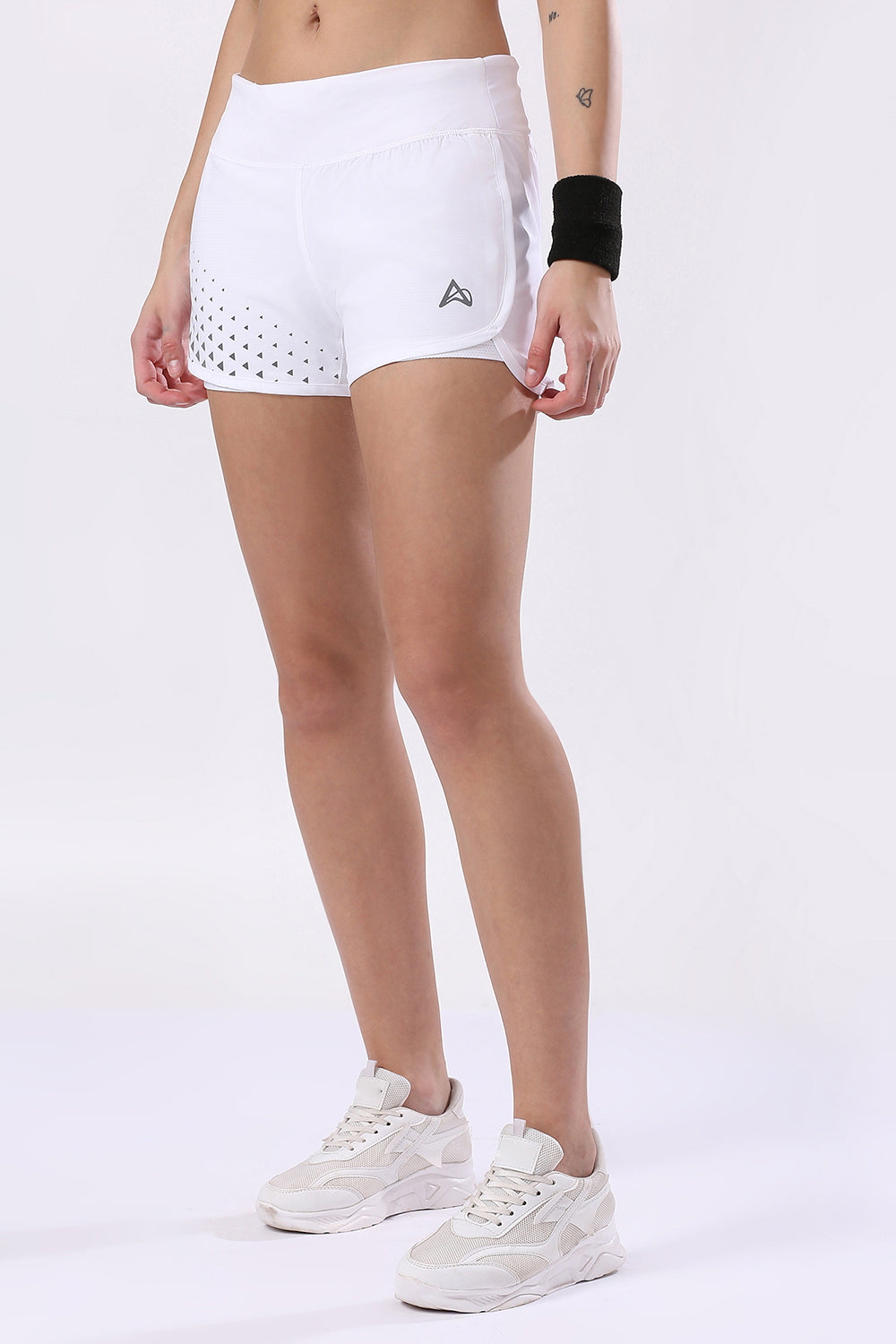
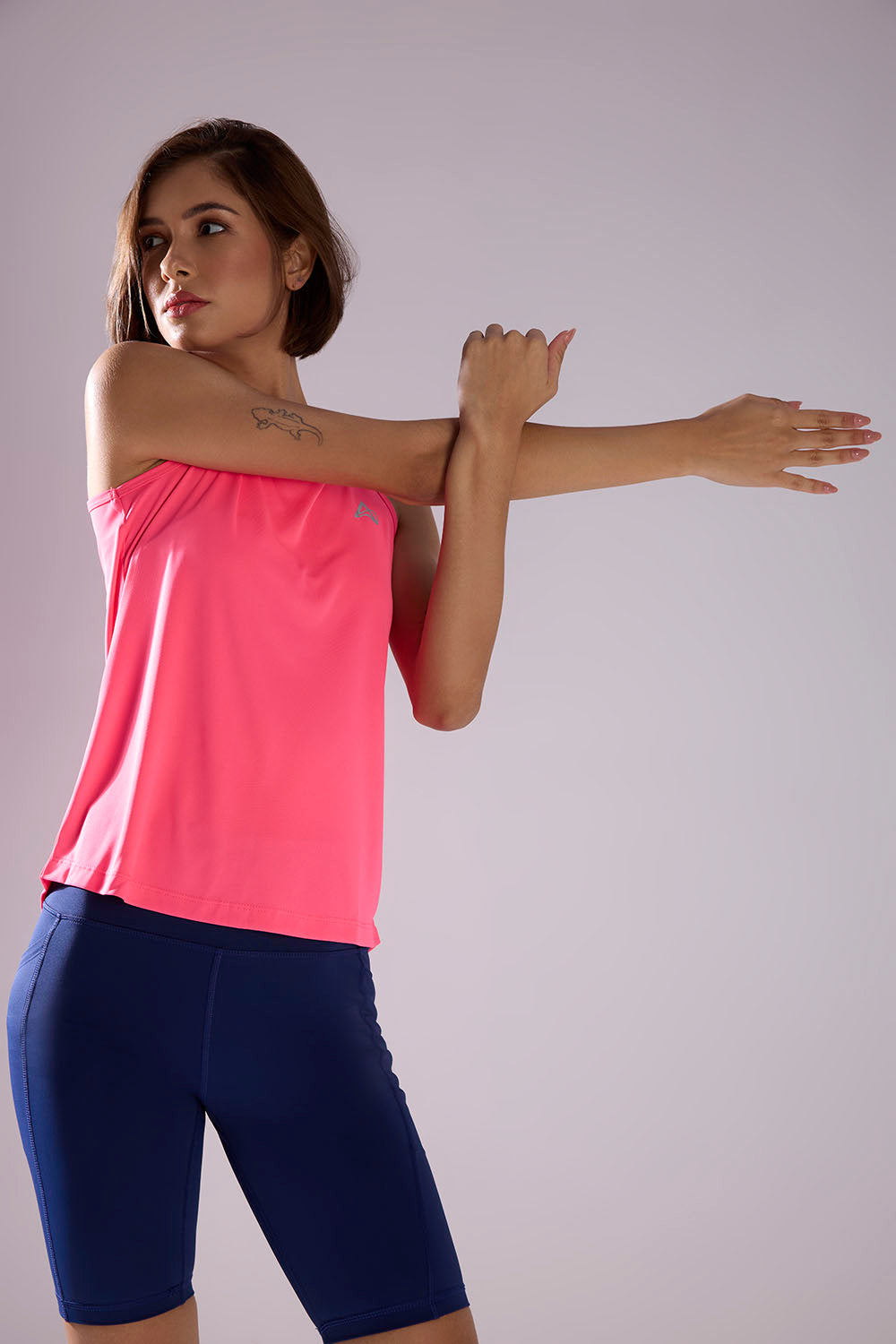
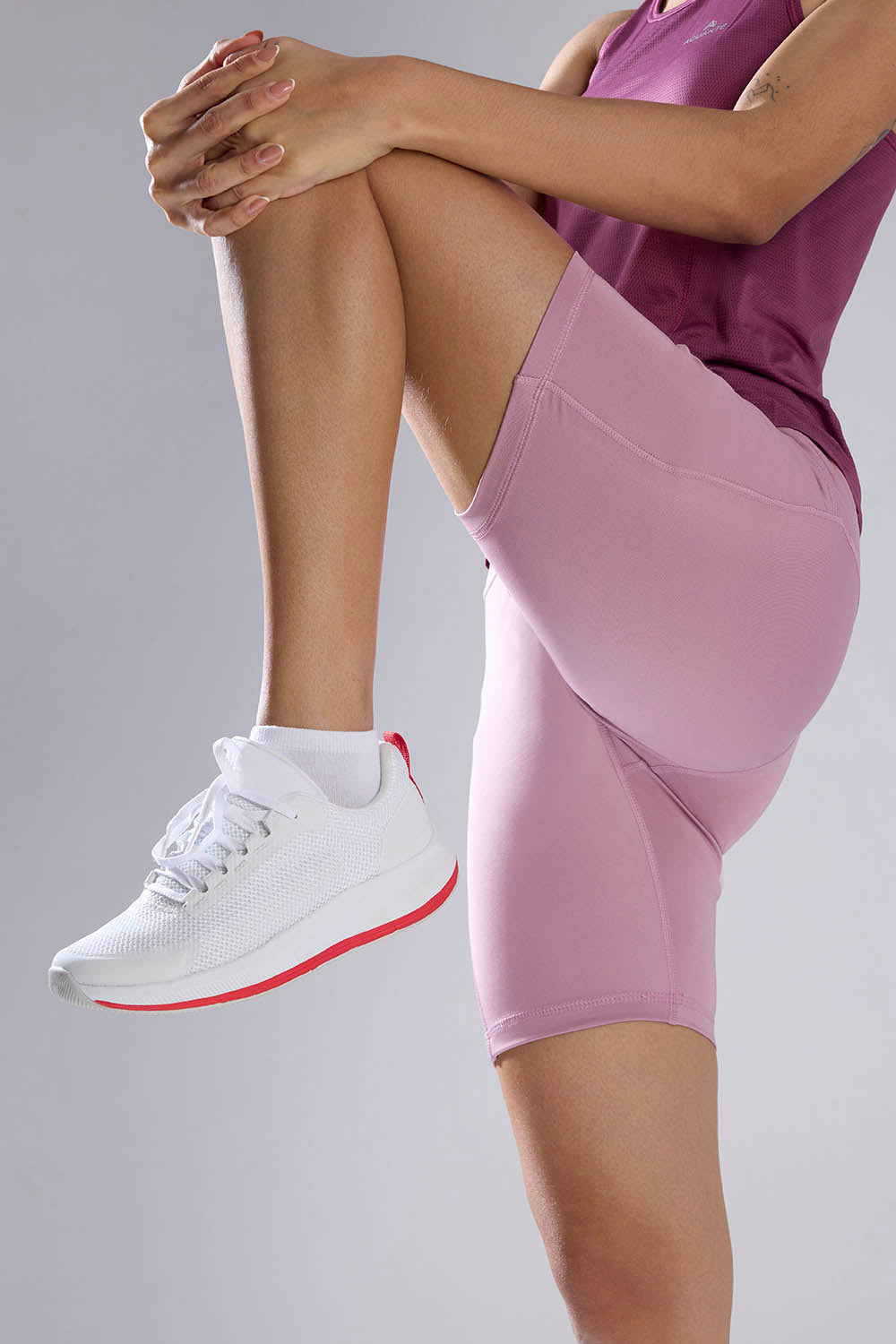
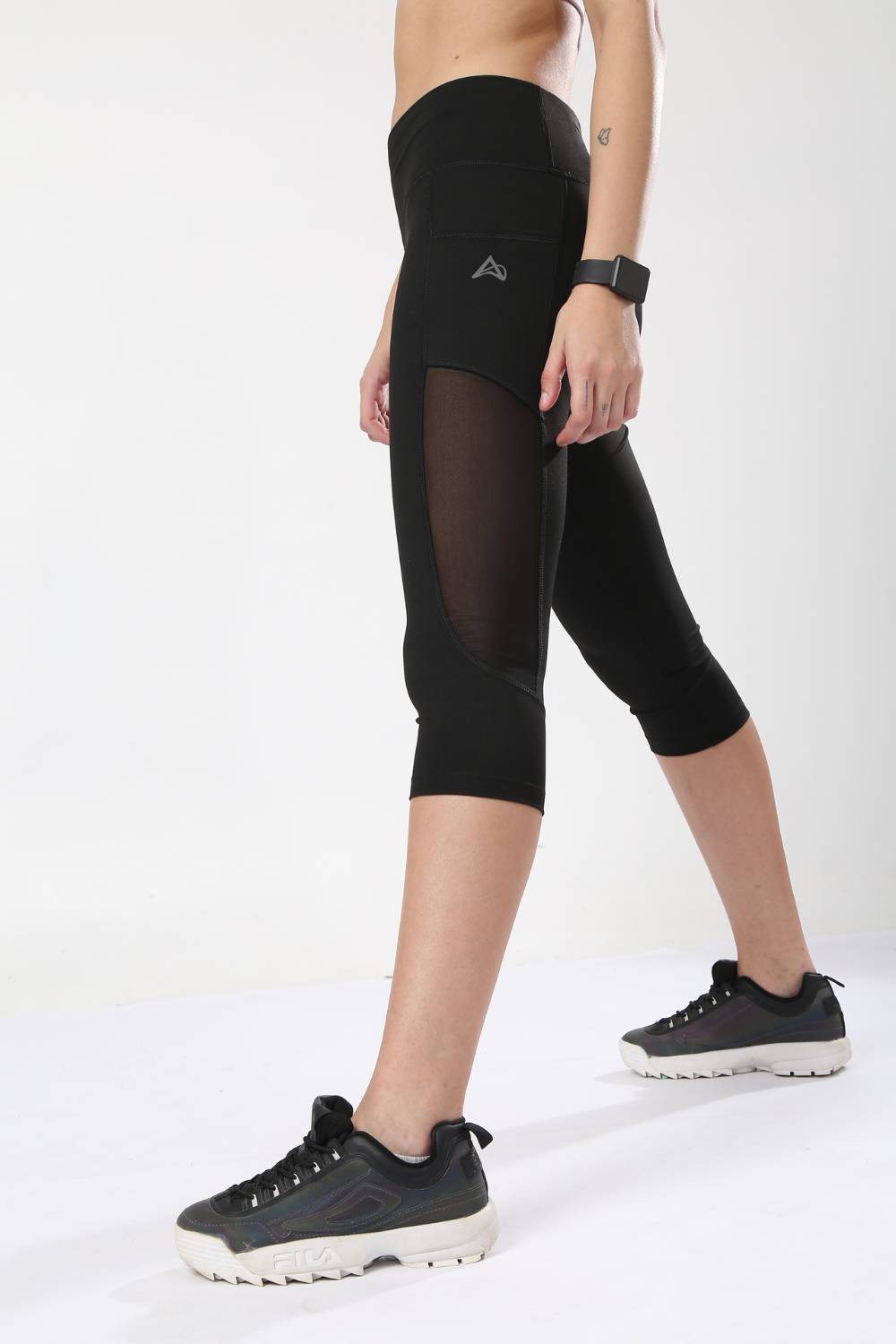
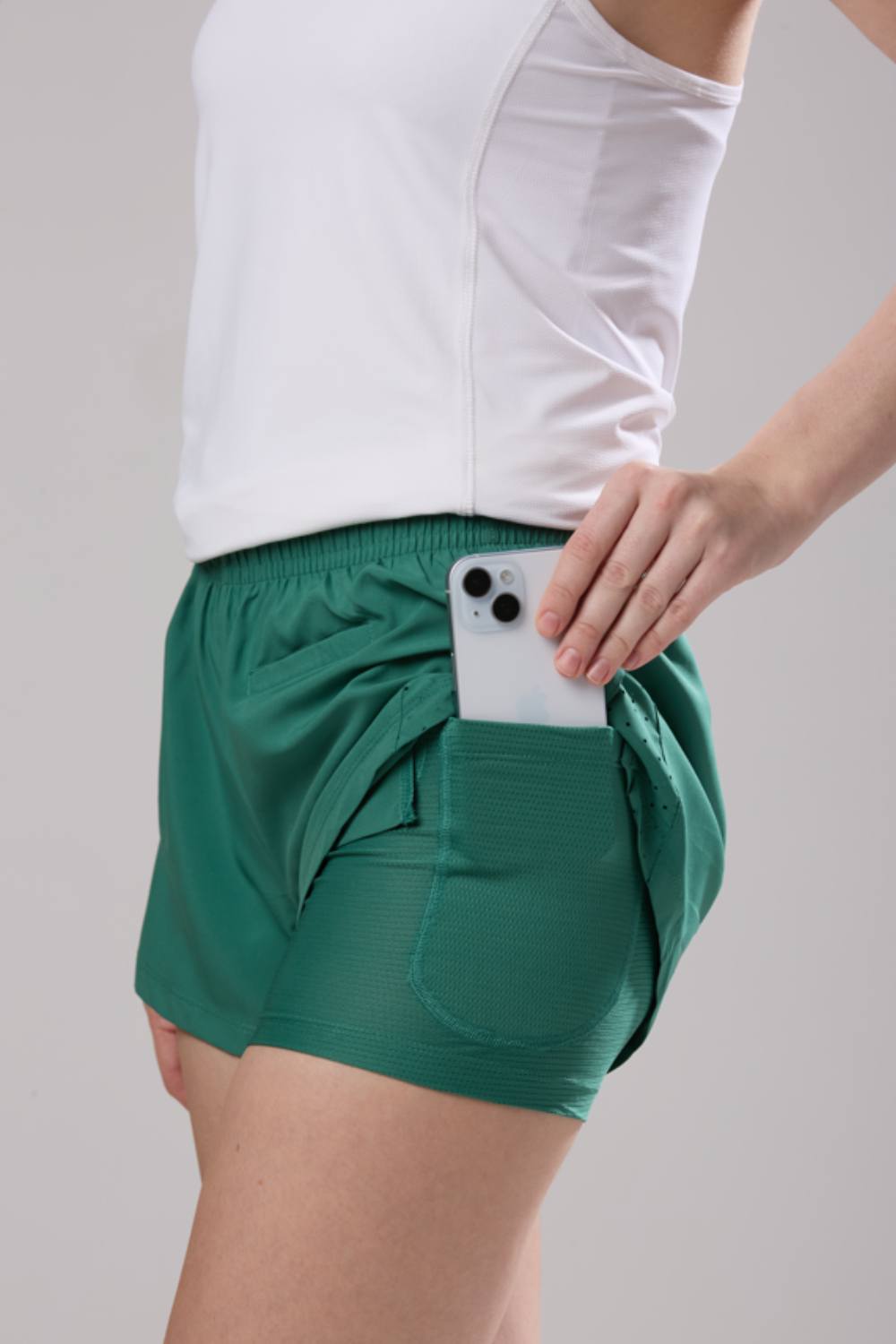
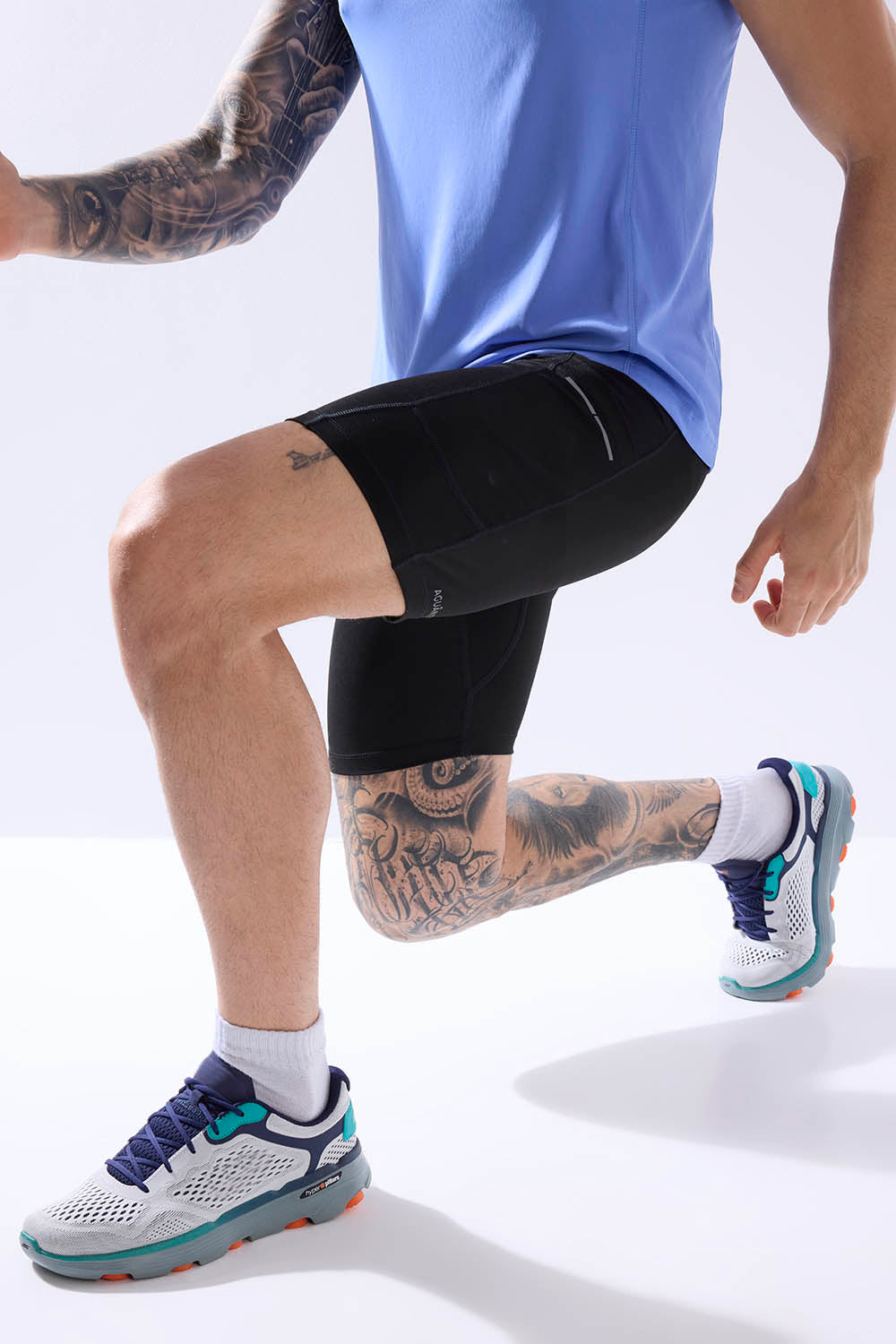
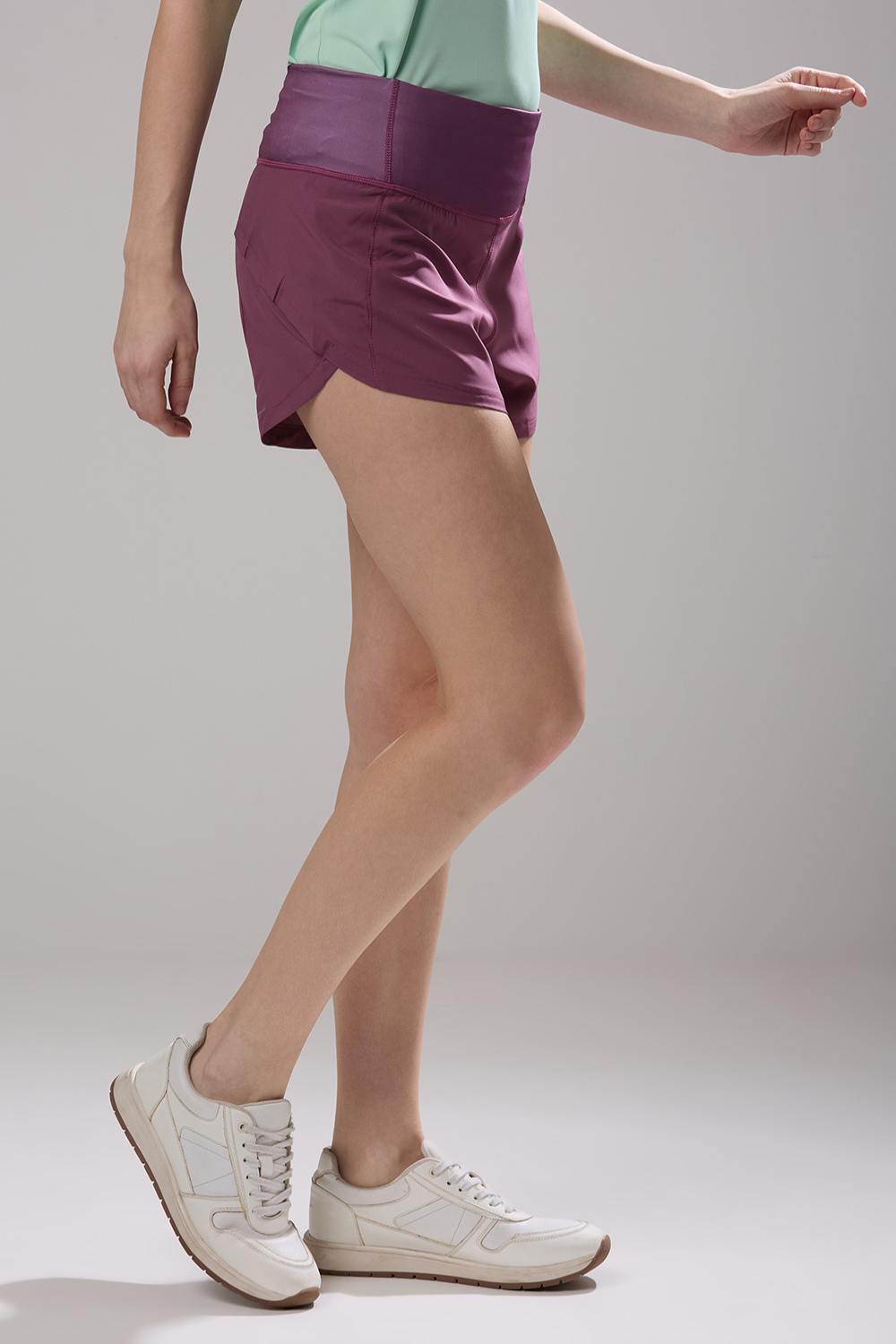
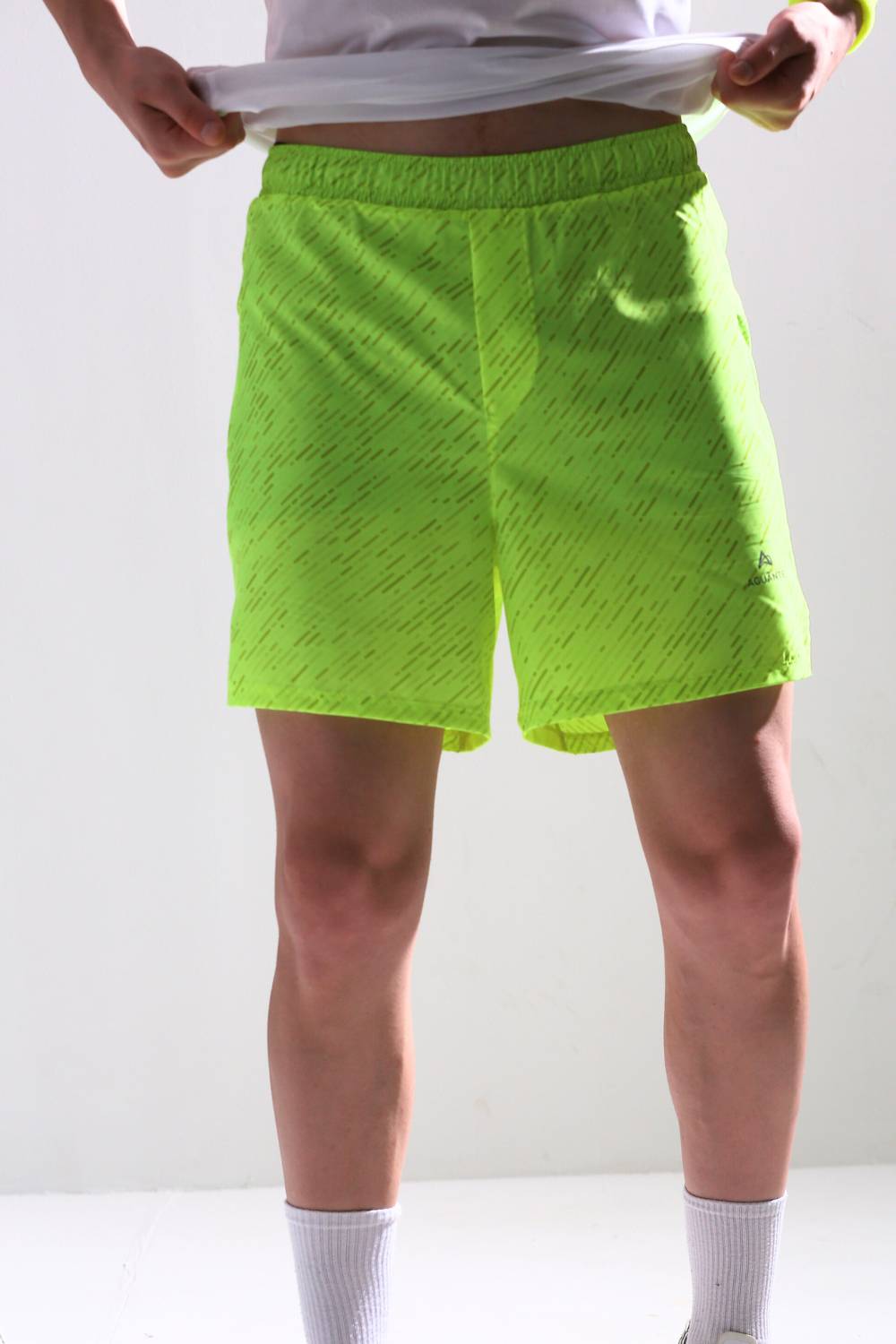
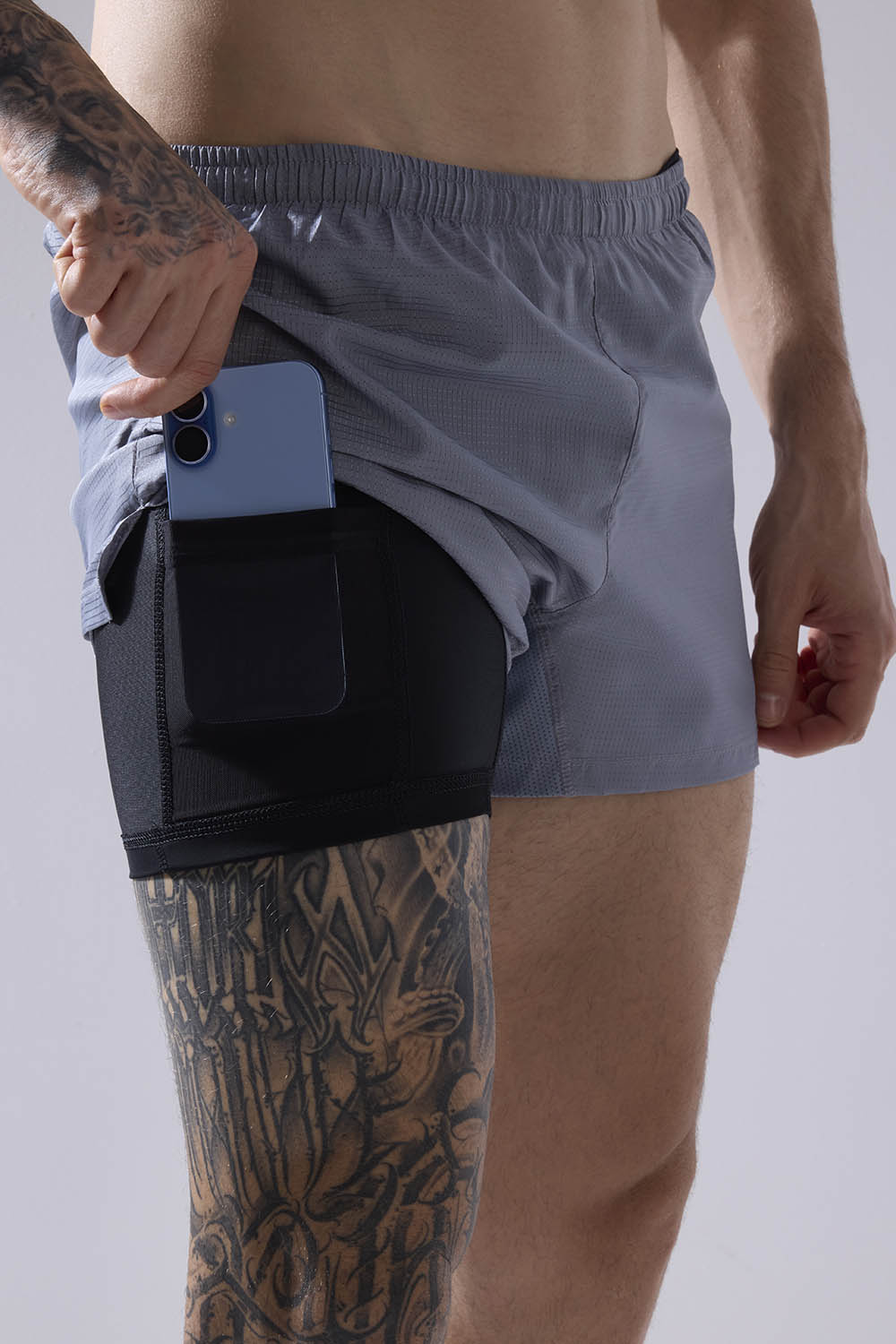
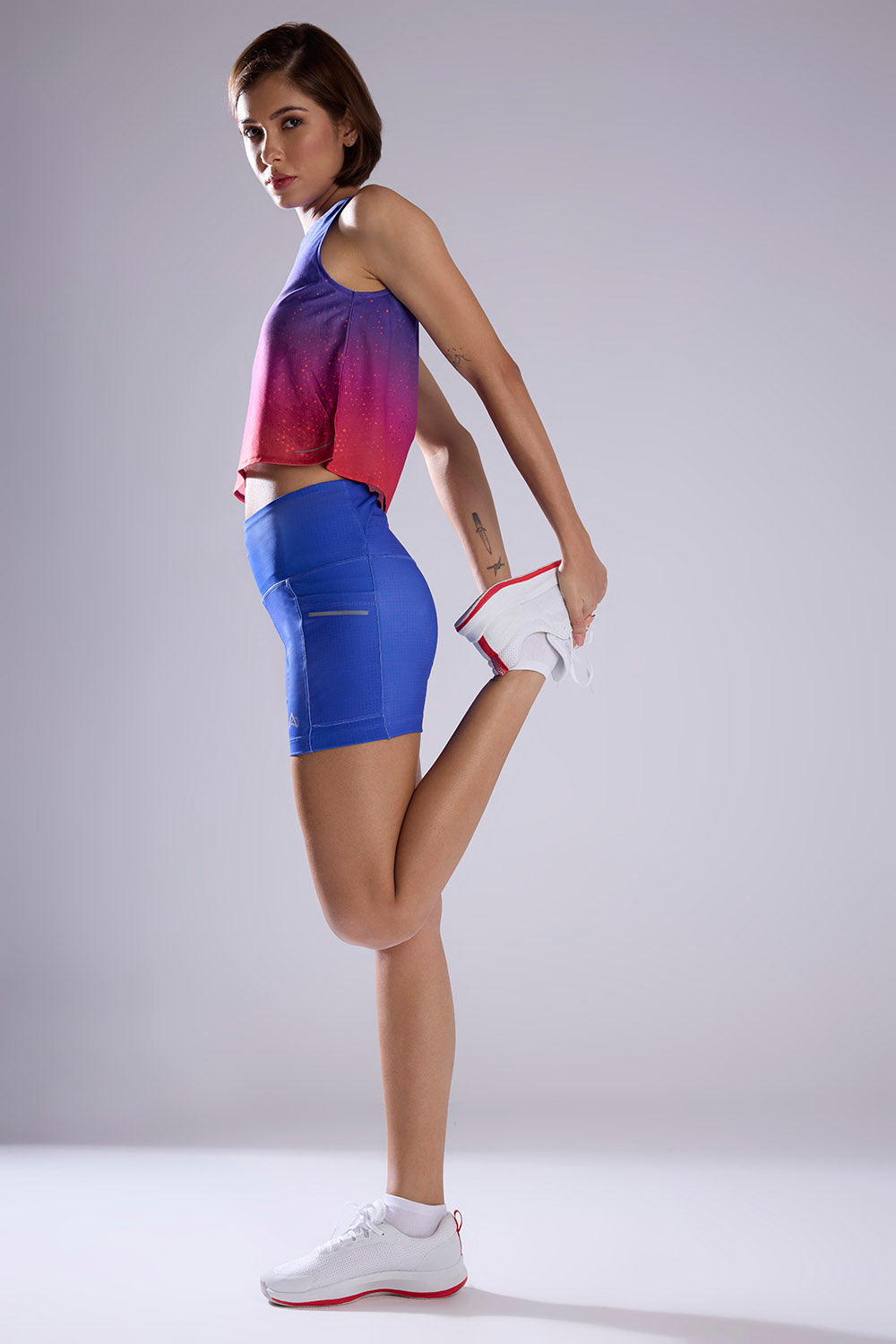
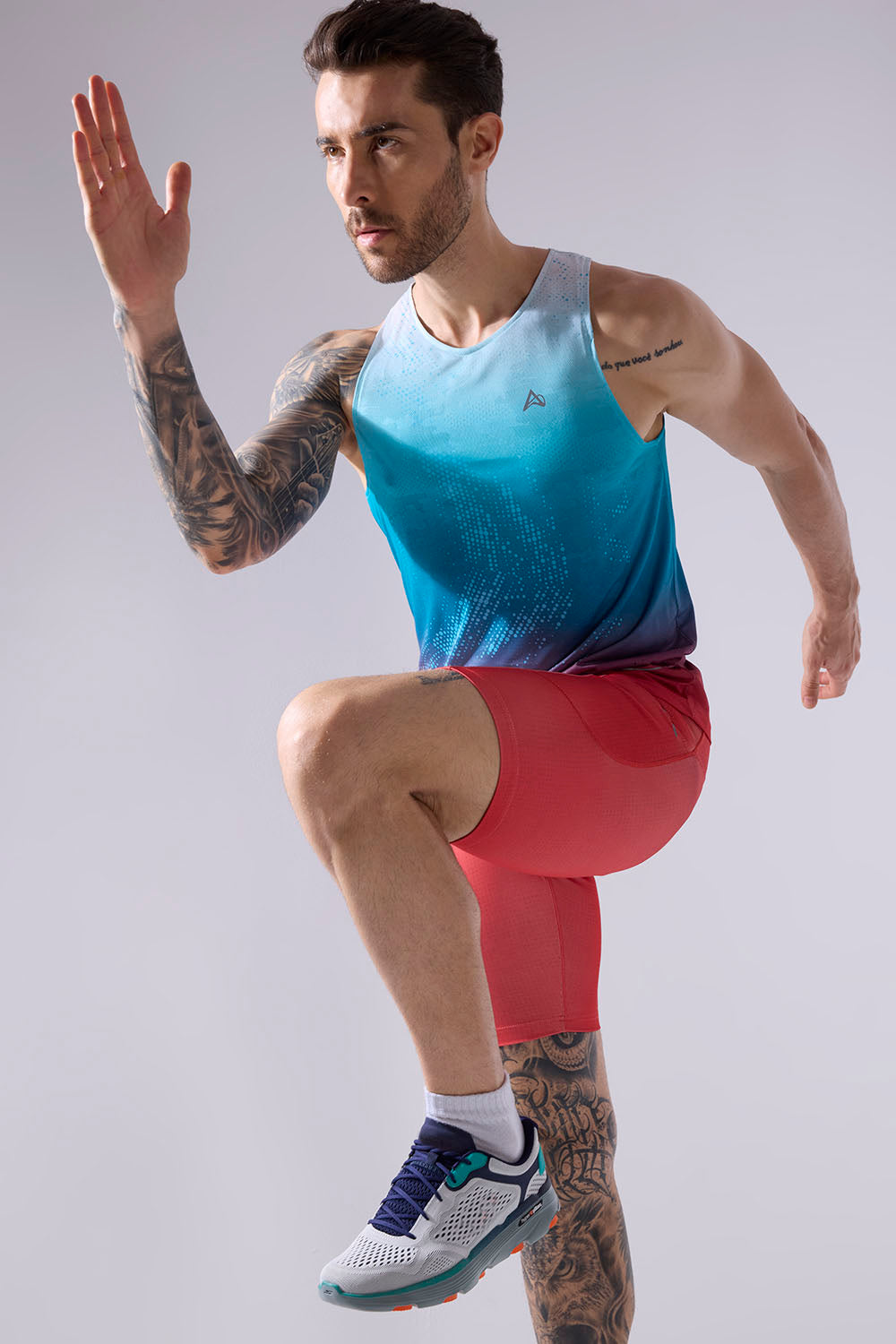
Traditional running shorts remain a staple for good reason. Lightweight and loose with a typical 3- to 5-inch inseam, they feature a built-in liner and allow unrestricted leg swing plus excellent airflow. Half tights, often labeled as compression or split shorts, extend longer usually 6 to 9 inches and fit snugly against the thighs and glutes, delivering a supportive, second-skin sensation rather than a baggy one.
Construction highlights the contrast. Traditional designs emphasize minimalism through breathable woven materials and mesh inserts. Half tights rely on stretchy knits with four-way give and targeted compression panels. Both belong in any serious distance runner's rotation, yet selecting the right one begins with recognizing how your body responds once easy paces give way to sustained mileage.
Chafing Prevention and In-Run Stability
Chafing can derail even the best-planned long run. Traditional shorts occasionally ride up or bunch when drenched in sweat, especially in humid conditions, creating the need for mid-stride fixes. The liner provides some protection, but after two or three hours fabric movement often returns. Half tights counter this effectively by staying locked in position thanks to their extended length and compressive hold, sharply cutting down on skin friction and fabric rub.
New users may notice an initial “hug” that feels different from the airy freedom of shorts. With repeated wear, however, that sensation shifts from unfamiliar to reliably secure. Many athletes who previously relied solely on traditional shorts observe fewer skin issues and reduced reliance on anti-chafe products when incorporating half tights into their weekend long runs.
Muscle Support, Fatigue Management, and Late-Run Efficiency
Long-distance training demands smart fatigue control alongside accumulated miles. Half tights offer gentle compression around the quads and hamstrings, helping dampen muscle vibration and minor tissue stress from repeated impact. This can contribute to noticeably less next-day soreness, particularly valuable during weeks featuring consecutive long efforts.
Traditional shorts deliver no inherent compression, depending entirely on natural muscle strength and running form. They feel exceptionally light and natural during faster sessions or tempo work, yet on steady efforts exceeding 90 minutes the absence of added support sometimes allows tiredness to arrive sooner. Ultrarunners and marathon trainees frequently adopt half tights for their highest-volume periods, reporting improved leg resilience and steadier stride mechanics deep into workouts. The benefit may seem subtle on short outings but accumulates meaningfully across months of consistent training.
Adapting to Weather: Breathability and Thermal Considerations
Temperature dramatically shapes gear performance. Traditional shorts shine in hot conditions by exposing more skin to moving air, promoting cooling and rapid drying after aid stations or rain. Their loose silhouette encourages ventilation when the heat rises.
Half tights may register warmer due to greater thigh coverage, but contemporary versions integrate advanced moisture-wicking fibers and breathable zones that minimize clamminess. In cooler weather the advantage reverses: half tights supply welcome extra protection from wind and light precipitation without requiring full-length tights. They layer comfortably with thin base pieces on crisp mornings, helping maintain muscle warmth from the outset. Experienced runners often rotate both styles favoring half tights in transitional spring and fall blocks while saving traditional shorts for the height of summer.
Durability, Maintenance, and Practical Value Over Time
Training apparel endures repeated abuse from washing, perspiration, sunscreen, and trail debris. Traditional shorts boast simpler builds with fewer potential failure points, though inner-thigh areas can show wear faster after heavy mileage. Half tights, constructed with denser fabrics and reinforced waistbands, frequently demonstrate stronger longevity. The compromise involves slightly more attentive care many prefer air-drying to safeguard compression properties rather than using high heat.
Both categories span budget-friendly and higher-end selections. True worth surfaces through sustained real-world performance. A quality pair of half tights can evolve into a dependable training companion for years, offsetting cost by reducing replacement frequency and minimizing disruptive moments during runs. Dedicated high-mileage athletes quickly appreciate that thoughtful gear investments translate into more consistent, enjoyable training.
Common Trade-Offs and Personal Preferences in Practice
The transition to half tights does not suit everyone immediately. Certain runners find them overly warm for their climate or simply enjoy the open feel and aesthetic of traditional shorts. Others appreciate how the snug fit heightens body awareness, supporting better form awareness even as tiredness builds. No single style claims universal superiority; optimal selection hinges on individual physique, local conditions, and candid testing over real distances.
Many serious distance athletes maintain a flexible collection: traditional shorts for lighter recovery days and quicker sessions, half tights saved for the most demanding long efforts. This practical approach allows adaptation without overcomplication. The key remains tuning into personal feedback after 15 miles or more instead of chasing external trends.
Testing and Deciding What Fits Your Training Reality
Approach the comparison methodically. Wear both options on identical routes under comparable conditions, noting sensations at the midpoint and near the finish. Focus on chafing levels, perceived leg weight, and recovery quality the following day. If thigh irritation or late-run pace fade appears regularly, half tights merit extended evaluation. In consistently warm environments where maximum ventilation matters most, traditional shorts may stay the primary choice.
Equipment represents merely one element among many. Structured training, sound nutrition, and adequate rest drive the majority of improvement. Still, when marginal gains matter especially approaching key races the appropriate shorts or tights can function as a quiet partner rather than an obstacle.
Final Perspective: Building a Versatile Running Wardrobe
Ultimately, running half tights and traditional shorts each contribute meaningfully to distance preparation. One emphasizes reliable support and stability; the other prioritizes lightness and airflow. The most effective runners view the decision as part of an adaptable toolkit rather than a fixed allegiance. Preferences may evolve with rising mileage or seasonal shifts.
Lace up, step outside, and allow the miles to guide your choice. Feedback from your own body carries more weight than any single review. Whether you lean toward the confident hold of half tights or the familiar freedom of traditional shorts, the genuine reward lies in arriving at each run equipped, comfortable, and focused on the long road ahead. Your legs and training progress will reflect the attention paid to these seemingly small but impactful details.
Frequently Asked Questions
Are running half tights better than traditional shorts for long-distance training?
Both have distinct advantages depending on your needs. Half tights provide compression, muscle support, and chafe reduction that become increasingly valuable on runs exceeding 90 minutes, while traditional shorts offer superior airflow and a lighter feel for shorter or faster sessions. Many serious distance runners keep both in rotation half tights for high-volume long runs and traditional shorts for recovery days and tempo work.
Do running half tights help prevent chafing on long runs?
Yes, half tights are significantly more effective at preventing chafing compared to traditional running shorts. Their extended length (typically 6–9 inches) and compressive, second-skin fit keep the fabric locked in place, reducing skin friction even after hours of sweating. Runners who switch often report fewer skin issues and less dependence on anti-chafe products during weekend long runs.
Are running half tights too hot to wear in warm weather?
While half tights cover more of the thigh, modern versions use advanced moisture-wicking fibers and breathable panels that minimize heat buildup. Traditional shorts still have the edge in peak summer heat due to greater skin exposure and ventilation. However, half tights are an excellent choice in transitional spring and fall conditions, offering light wind and temperature protection without the bulk of full-length tights.
Disclaimer: The above helpful resources content contains personal opinions and experiences. The information provided is for general knowledge and does not constitute professional advice.
You may also be interested in: The rise of cross-training routines among Indian endurance athletes
Tired of gear that slows you down? Chafing, soggy fabrics, and missing pockets kill your run's momentum. At Aguante, we're runners who get it. Our high-performance activewear features moisture-wicking fabrics, ergonomic designs, and smart storage to keep you focused. Shop Now!
Powered by flareAI.co