



Quick Listen:
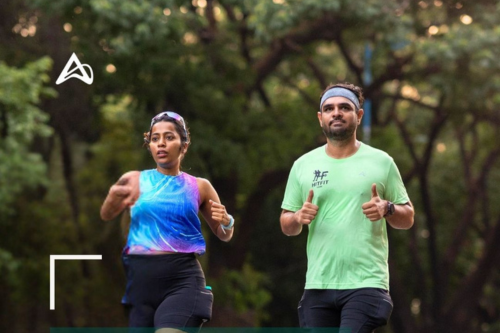
In the steamy heart of India's monsoon, when humidity clings like a second skin and sudden downpours ambush every run, dedicated runners have found a powerful ally. Quick-dry fabrics are quietly transforming running apparel, allowing enthusiasts to stay dry, light, and focused even as the skies open up without warning.
Tired of gear that slows you down? Chafing, soggy fabrics, and missing pockets kill your run's momentum. At Aguante, we're runners who get it. Our high-performance activewear features moisture-wicking fabrics, ergonomic designs, and smart storage to keep you focused. Shop Now!
The Monsoon Runner's Longstanding Challenge
Imagine lacing up before sunrise in Mumbai or Bengaluru during peak July rains. The air feels thick and warm, heavy with moisture. A brief shower mixes with sweat, turning standard running clothes into a sodden burden. Traditional cotton soaks through instantly and stays wet for hours. Even many older synthetic options trap dampness against the body, leading to that familiar post-rain chill and discomfort that can ruin motivation.
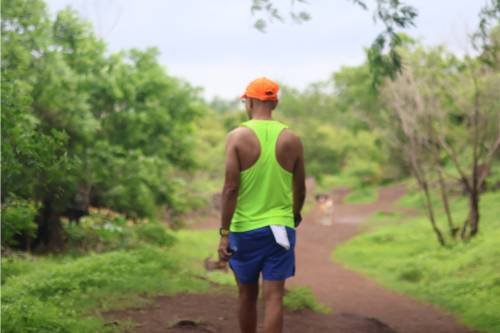
Yet Indian runners refuse to pause. Office-goers squeeze in early 5K loops, weekend groups navigate slippery park paths, and committed athletes maintain their mileage come what may. This determination has driven apparel makers to develop fabrics specifically suited to these humid, unpredictable conditions, making monsoon training far more manageable.
Understanding Quick-Dry Technology in Running Gear
Quick-dry fabrics work through advanced synthetic fibers, mainly polyester and nylon blends engineered for superior moisture management. These materials use capillary action tiny channels within the yarn that actively pull sweat and rainwater away from the skin to the fabric's outer surface, where it spreads thinly and evaporates rapidly. The outcome is clothing that feels dry to the touch in minutes rather than remaining heavy and clinging.
Modern versions go further with built-in features: antimicrobial treatments that fight odor in muggy weather, targeted mesh panels for ventilation, and four-way stretch that moves seamlessly with the body. On a real run, the practical impact is striking no more soggy shorts, reduced chafing over long distances, and no lingering cold sensation once the shower passes.
The Science Behind Effective Moisture Wicking
At the microscopic level, these fabrics feature textured fiber surfaces that create efficient pathways for liquid transport. The weave is deliberately open to promote airflow while directing moisture outward. Advanced constructions often pair a hydrophobic inner layer with a hydrophilic outer one, ensuring sweat moves in one direction only and does not return to the skin.
Runners in cities with extreme humidity notice the benefits most clearly. The fabric resists saturation, helping maintain a more stable body temperature during intense efforts. Energy previously wasted battling discomfort now supports better pace and endurance, turning challenging monsoon sessions into productive training.
Market Growth Reflecting Real Demand
The India activewear market has seen strong momentum, with women emerging as the largest and fastest-growing segment. This surge reflects millions of fitness-conscious consumers seeking apparel that genuinely performs in local climates and daily routines. Women, in particular, have fueled interest in versatile pieces that move effortlessly from a rainy morning run to the rest of the day.
Brands have answered by expanding dedicated quick-dry collections tailored for humid conditions. These innovations reach more people than ever through improved availability in stores and online, making high-performance running gear a practical choice rather than a luxury.
Real-World Benefits During Monsoon Runs
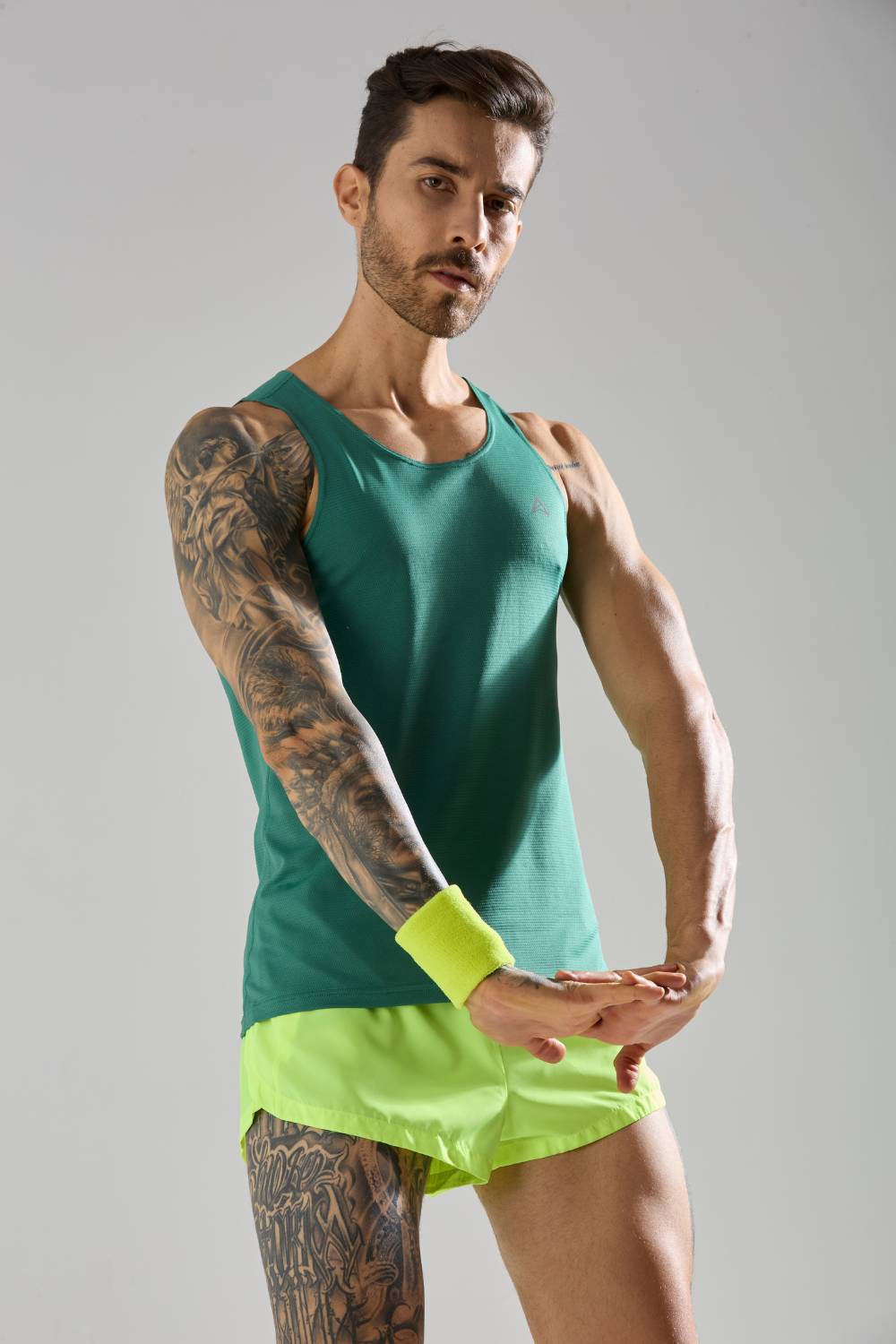
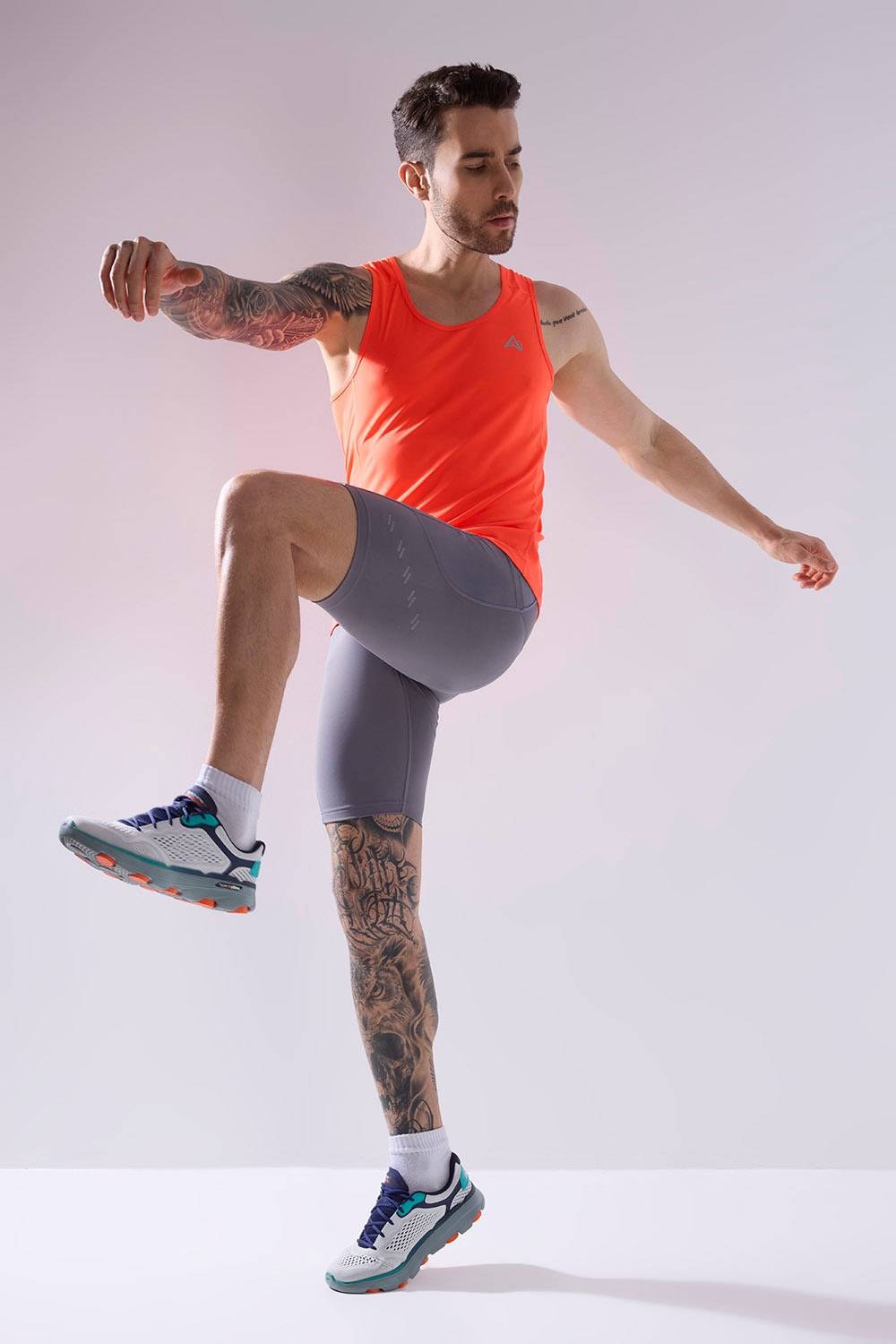
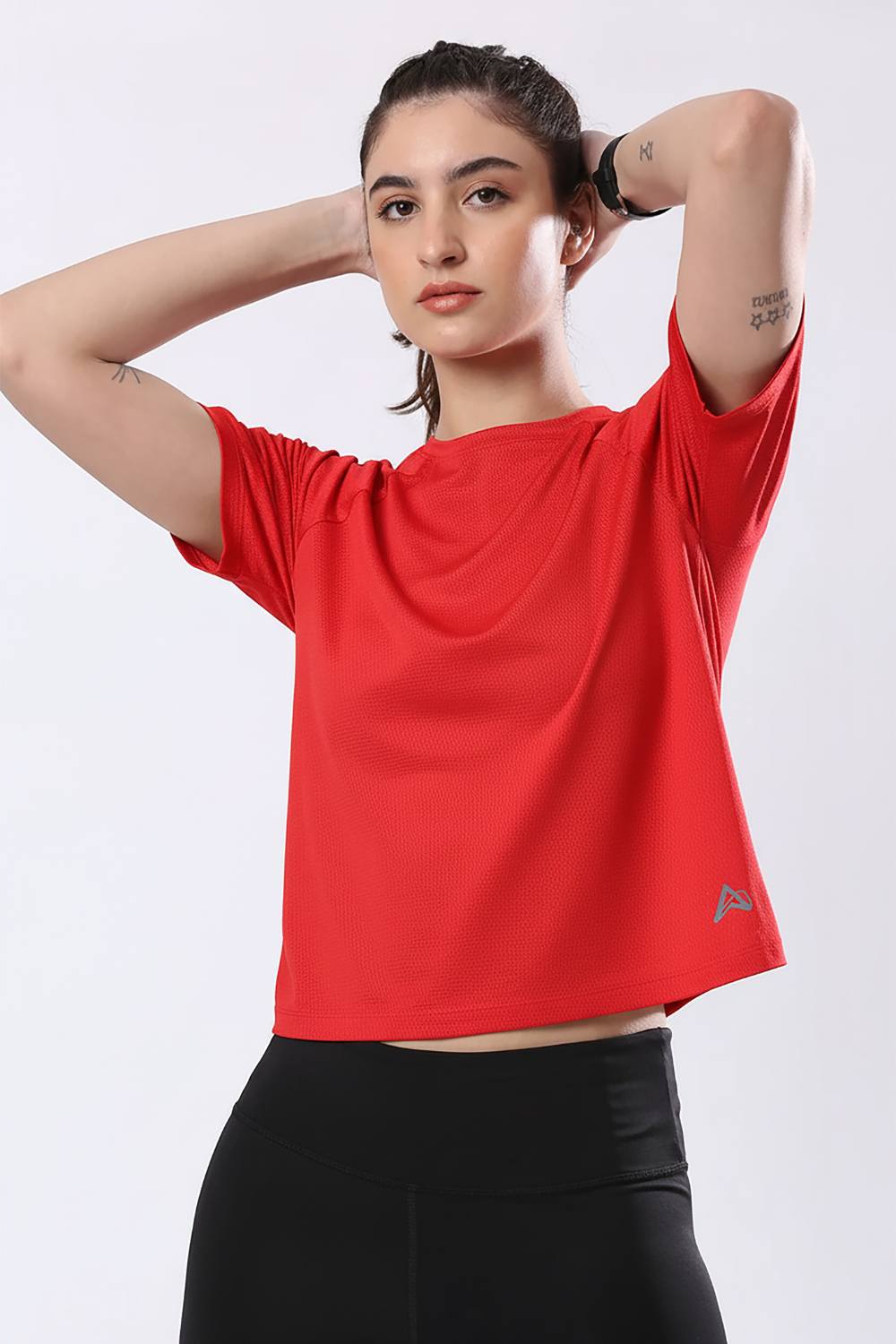
Consider a typical early run in Chennai, where temperatures sit near 30°C and humidity often exceeds 85 percent. A well-designed quick-dry vest efficiently draws perspiration away, helping the runner stay cooler for longer. When the rain arrives as it inevitably does the fabric sheds water instead of absorbing it, preserving lightness and natural movement.
By the time the runner returns home, the top is already nearly dry. This reliability encourages greater consistency. Those who once canceled sessions due to weather now train through the season with confidence. Reduced skin irritation, fewer blisters, and sharper focus contribute to stronger overall training blocks, even amid the wettest months. For many, running simply becomes more enjoyable again.
Selecting Effective Quick-Dry Running Apparel
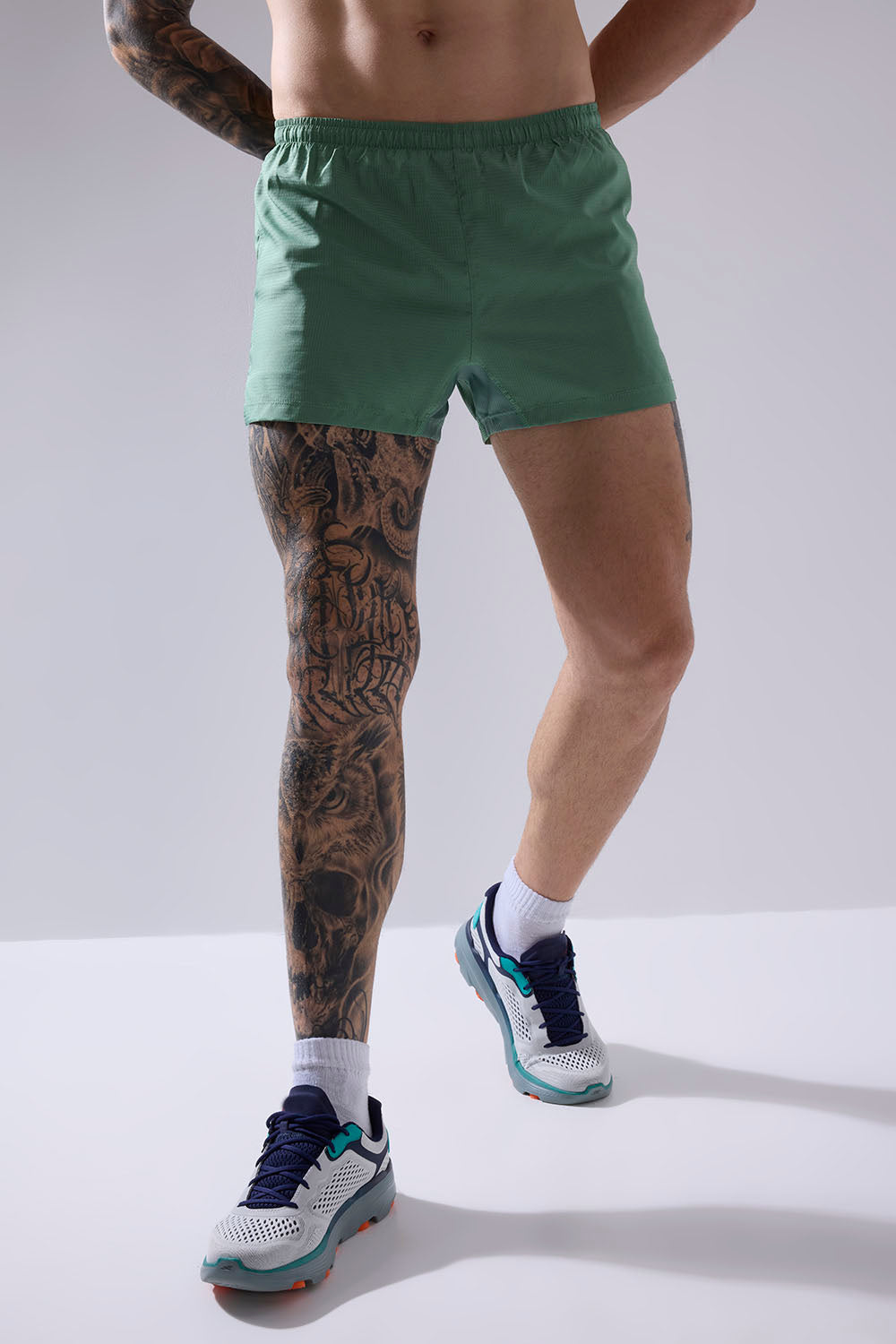
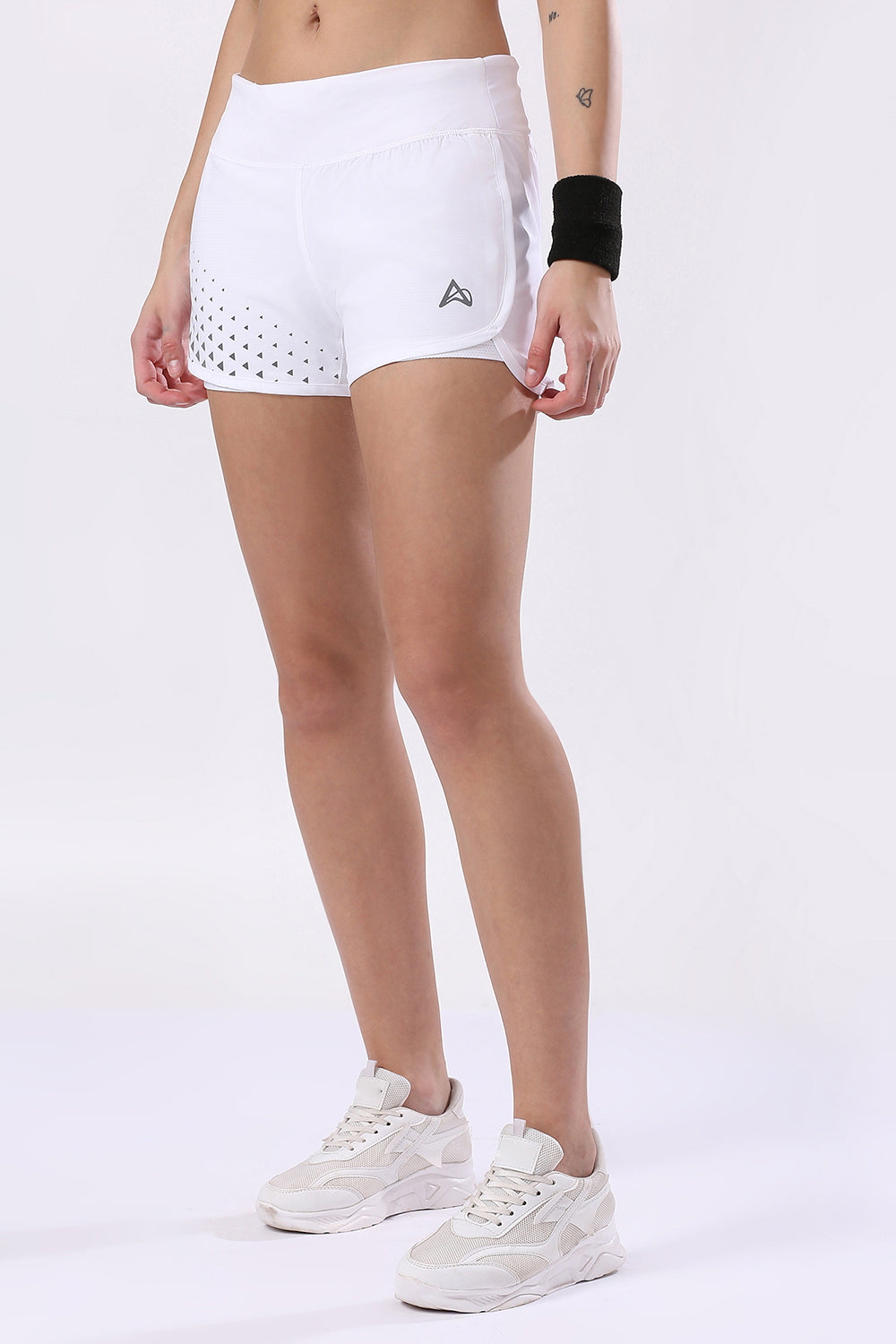
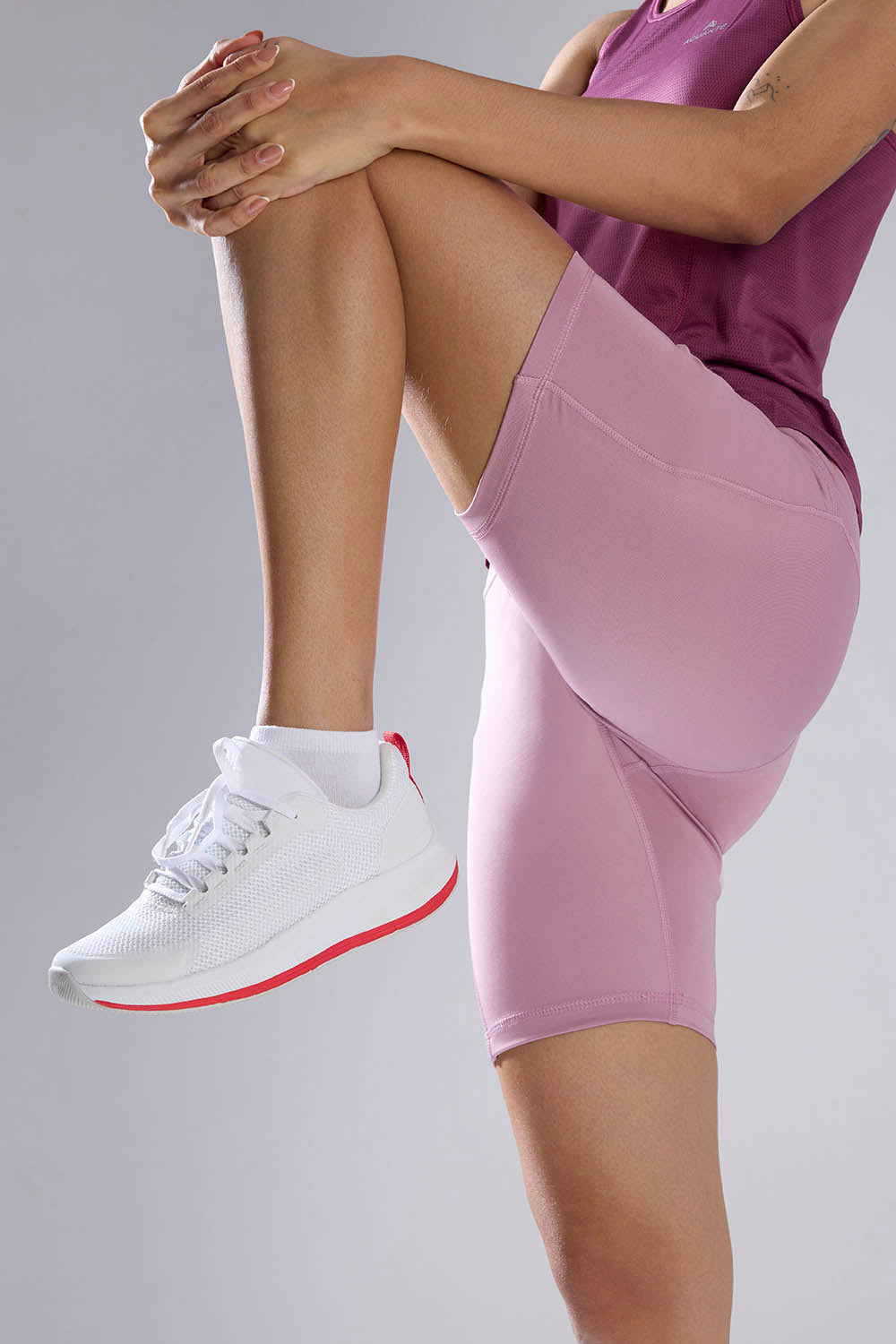
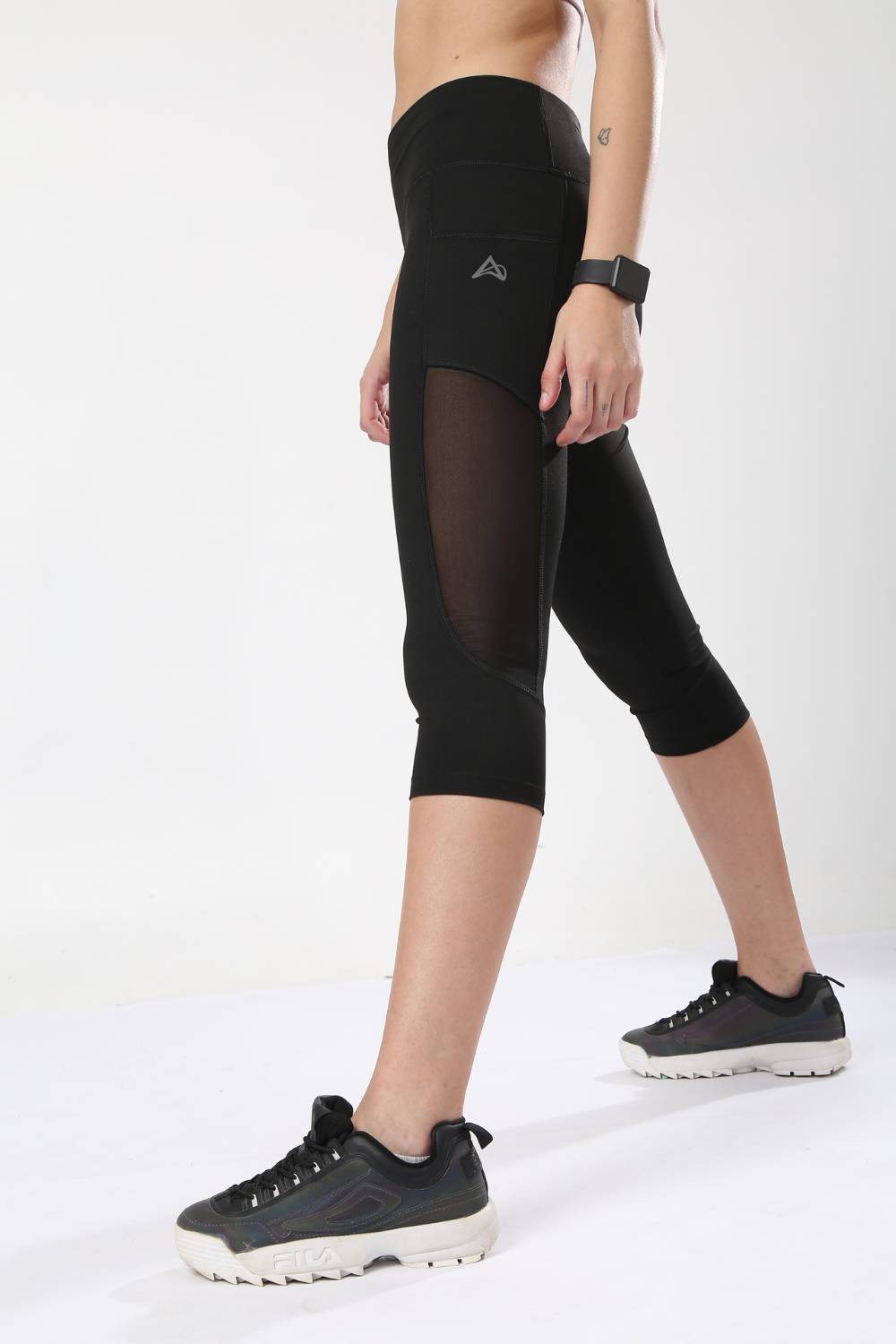
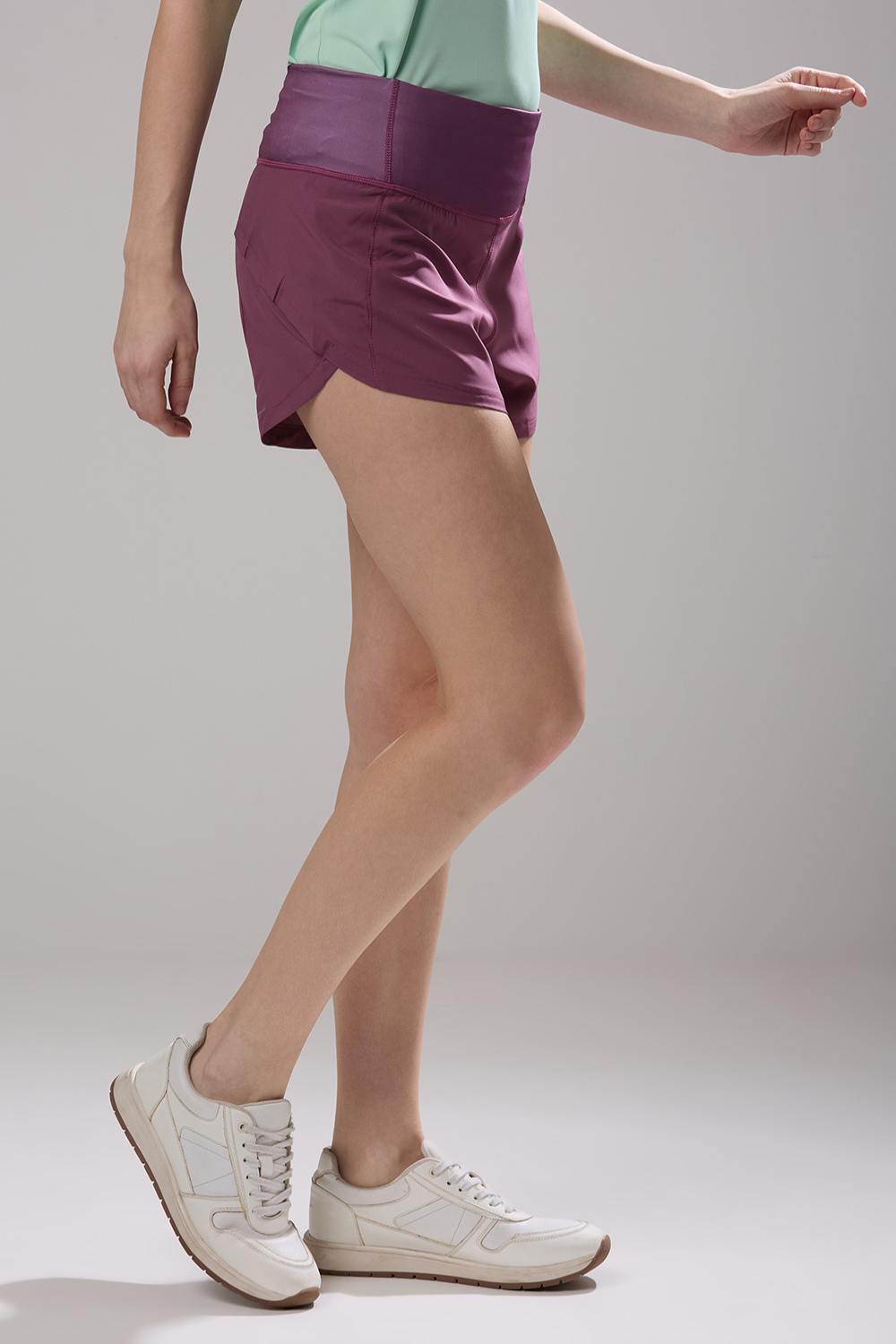
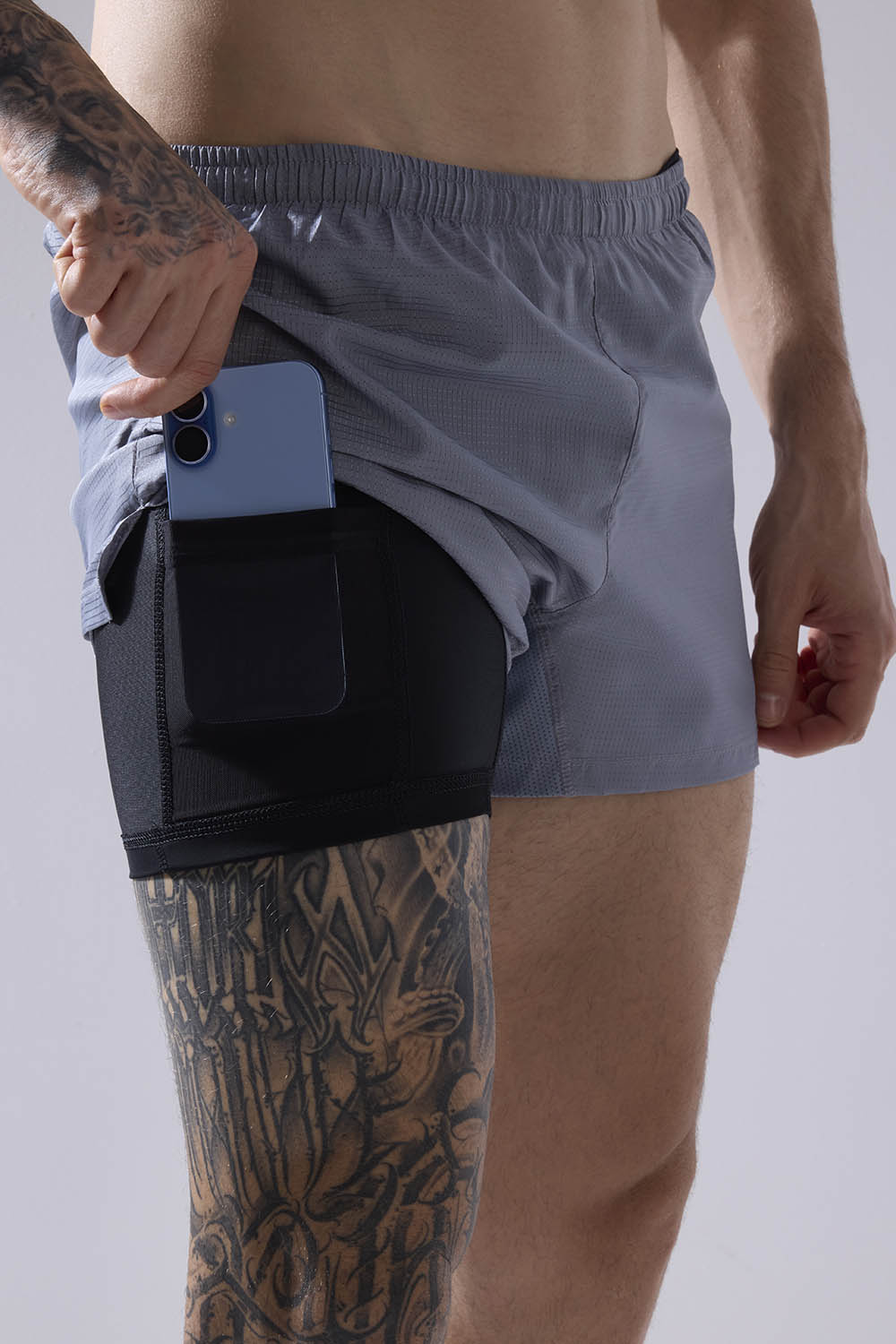
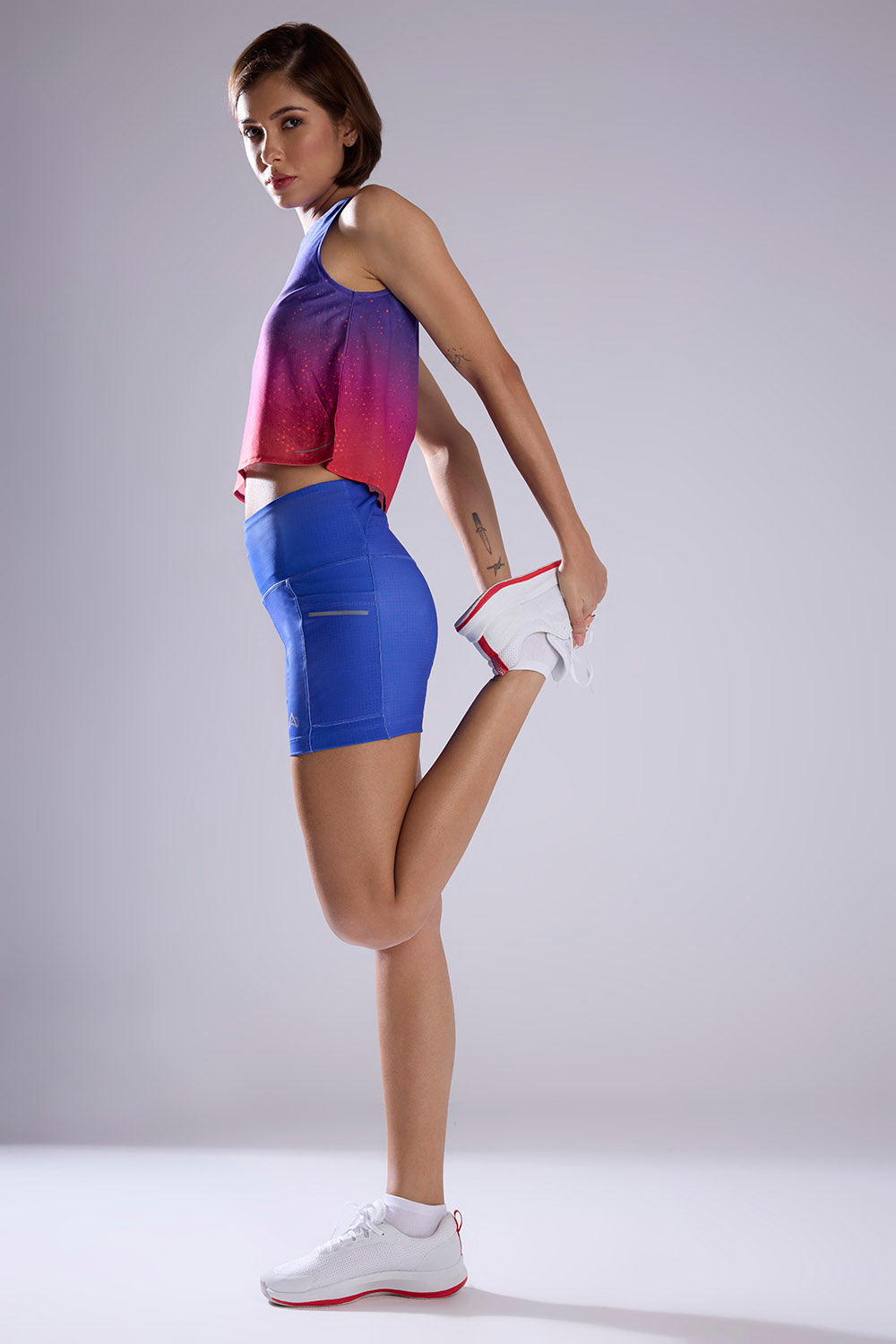
Not all garments labeled quick-dry deliver equal performance. Savvy buyers look for clear indicators: verified moisture-wicking claims supported by fabric composition details, lightweight constructions, and smooth flatlock seams that minimize friction. Shorts and tights benefit from mesh inserts in high-sweat areas, while a smart base layer combined with a breathable shell provides adaptability when rain intensity shifts mid-run.
- Opt for darker colors or subtle patterns that effectively conceal sweat and mud stains common in monsoon conditions.
- Test stretch and recovery in person, especially important when sudden sprints to shelter become necessary.
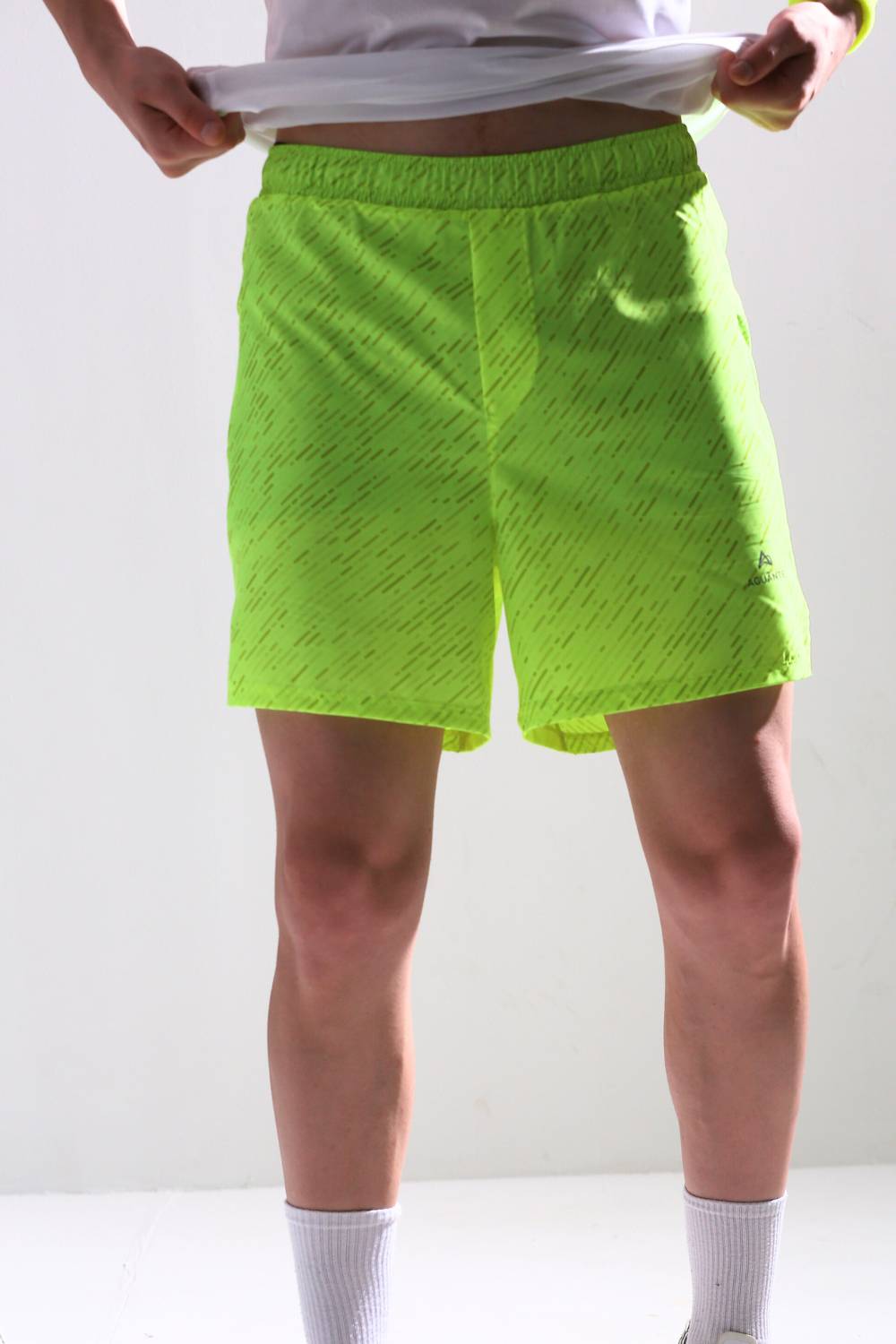
- Choose pieces with reflective elements for better visibility during low-light early morning or evening runs when showers can reduce sightlines.
A thoughtful investment in one quality set of quick-dry running apparel frequently rewards users with additional miles logged and far fewer disruptions throughout the season.
Beyond Comfort: A Shift in Fitness Culture
The adoption of quick-dry fabrics points to a larger evolution in how Indians pursue fitness. Monsoon months no longer force lengthy indoor confinement. Runners organize group sessions on covered tracks, parks remain lively with determined joggers, and online communities exchange tips on weather-friendly routes. These fabrics help remove one of the final practical obstacles, supporting consistent habits that benefit both physical health and mental resilience.
Running apparel has evolved to become lighter, more intelligent, and better adapted to real-world challenges essential qualities when the climate refuses to cooperate.
Looking Ahead to Future Innovations
Forward-looking developments promise even greater capabilities. Emerging fabrics integrate quick-dry performance with improved temperature regulation and long-lasting odor control that withstands repeated laundering. Eco-friendly options incorporating recycled materials are gaining traction among runners who value high function alongside environmental responsibility.
As the activewear sector expands to meet growing demand, continued innovation will address the specific realities of Indian weather patterns. The core takeaway remains encouraging: the monsoon need not derail training plans. Equipped with suitable quick-dry running apparel, runners can treat the rain as simply another condition to navigate comfortably, steadily, and without sacrificing a single stride.
Frequently Asked Questions
How do quick-dry fabrics work for running in monsoon conditions?
Quick-dry fabrics use advanced polyester and nylon blends engineered with capillary action tiny channels within the yarn that pull sweat and rainwater away from the skin to the fabric's outer surface, where it evaporates rapidly. Many modern versions also feature antimicrobial treatments, mesh ventilation panels, and four-way stretch for unrestricted movement. The result is clothing that feels dry within minutes, even during heavy monsoon downpours.
What should I look for when buying quick-dry running apparel for humid weather?
Look for verified moisture-wicking claims backed by fabric composition details, lightweight construction, and flatlock seams that minimize friction and chafing over long distances. Shorts and tights with mesh inserts in high-sweat areas offer extra breathability, while reflective elements improve visibility during low-light monsoon runs. Darker colors or subtle patterns are also a practical choice, as they better conceal sweat and mud stains common in wet conditions.
Is quick-dry running apparel worth it for Indian monsoon training?
Yes for runners in high-humidity cities like Mumbai, Chennai, or Bengaluru, quick-dry apparel can be a game-changer. These fabrics resist saturation, helping maintain a more stable body temperature during intense efforts, which reduces discomfort and supports better pace and endurance. Runners who switch to quality quick-dry gear report fewer canceled sessions, less skin irritation, and greater overall training consistency throughout the monsoon season.
Disclaimer: The above helpful resources content contains personal opinions and experiences. The information provided is for general knowledge and does not constitute professional advice.
You may also be interested in: The Impact of India's Weather Diversity on Apparel Design - Aguante
Tired of gear that slows you down? Chafing, soggy fabrics, and missing pockets kill your run's momentum. At Aguante, we're runners who get it. Our high-performance activewear features moisture-wicking fabrics, ergonomic designs, and smart storage to keep you focused. Shop Now!
Powered by flareAI.co