












Quick Listen:
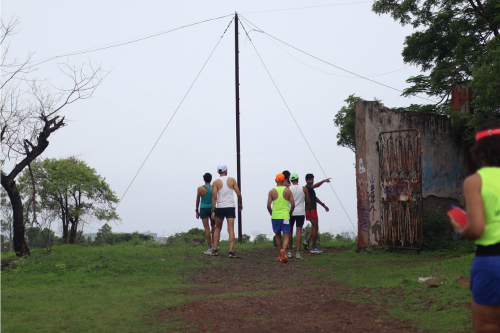
As runners lace up their shoes and step onto misty Himalayan trails or the energetic streets of Mumbai, a meaningful shift is taking shape in the equipment they trust. More athletes today seek gear that delivers strong performance while respecting the environment. This is the essence of sustainable materials in Indian-made running gear, where homegrown innovation aligns with the priorities of runners who care about both speed and the planet's future.
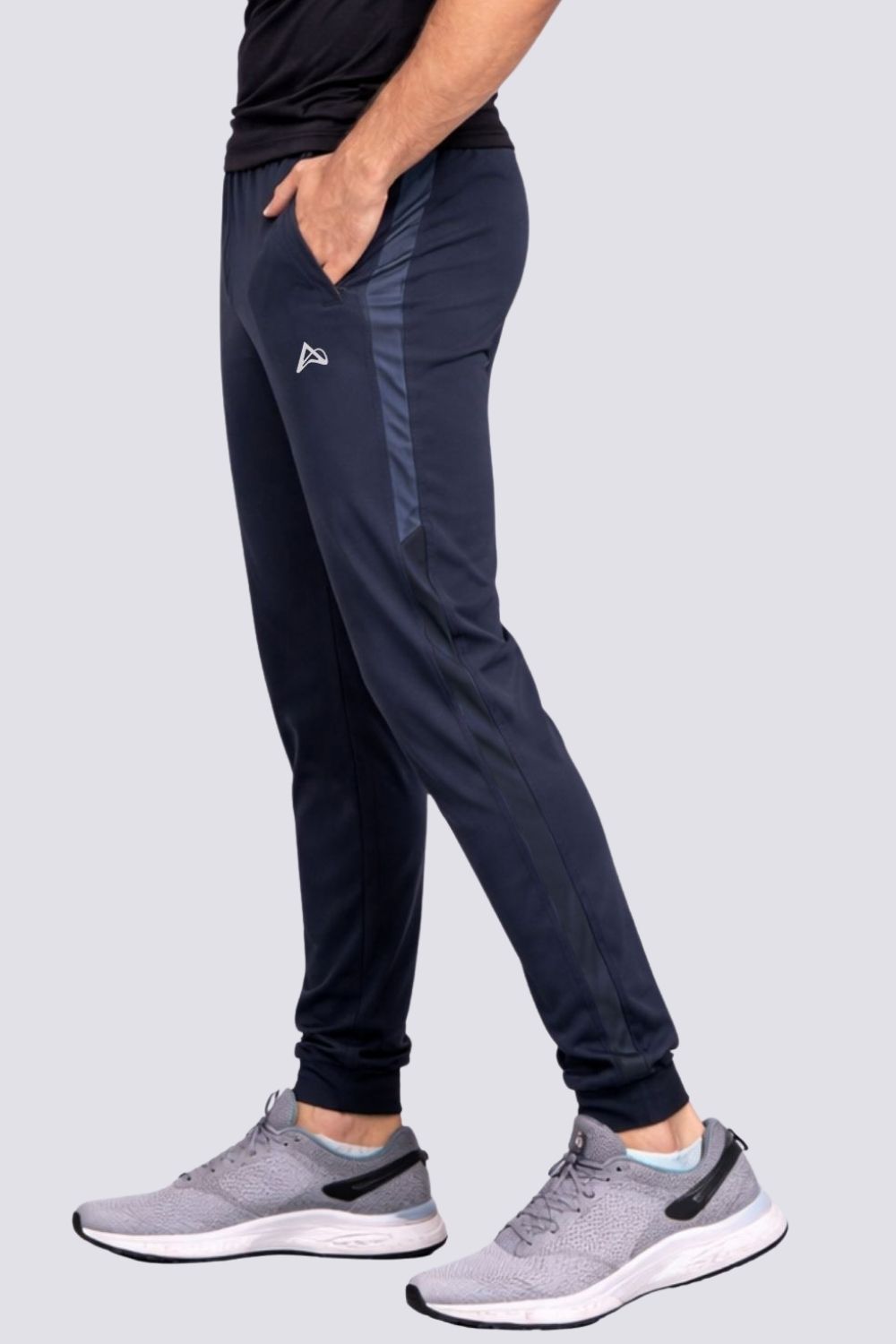
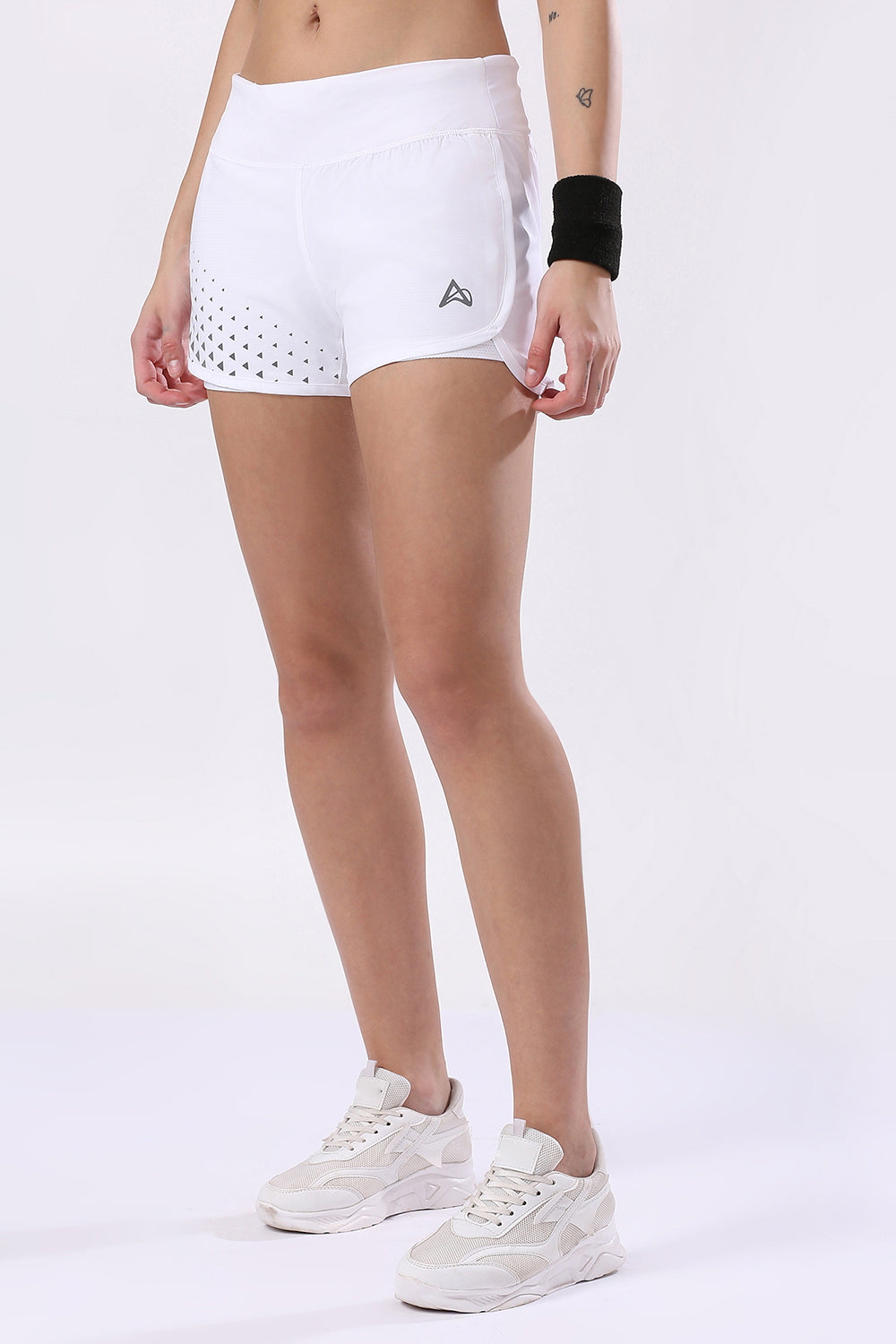
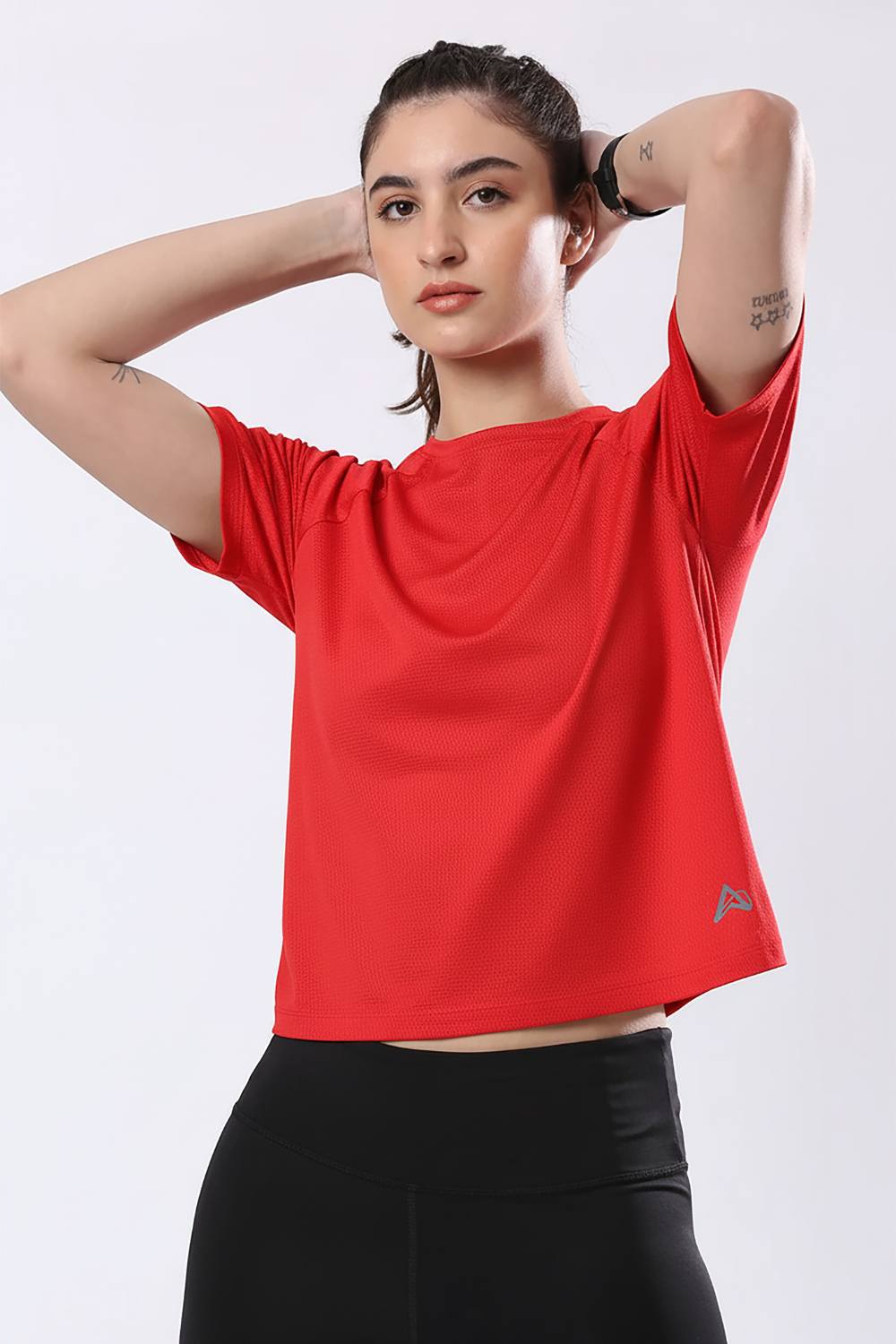
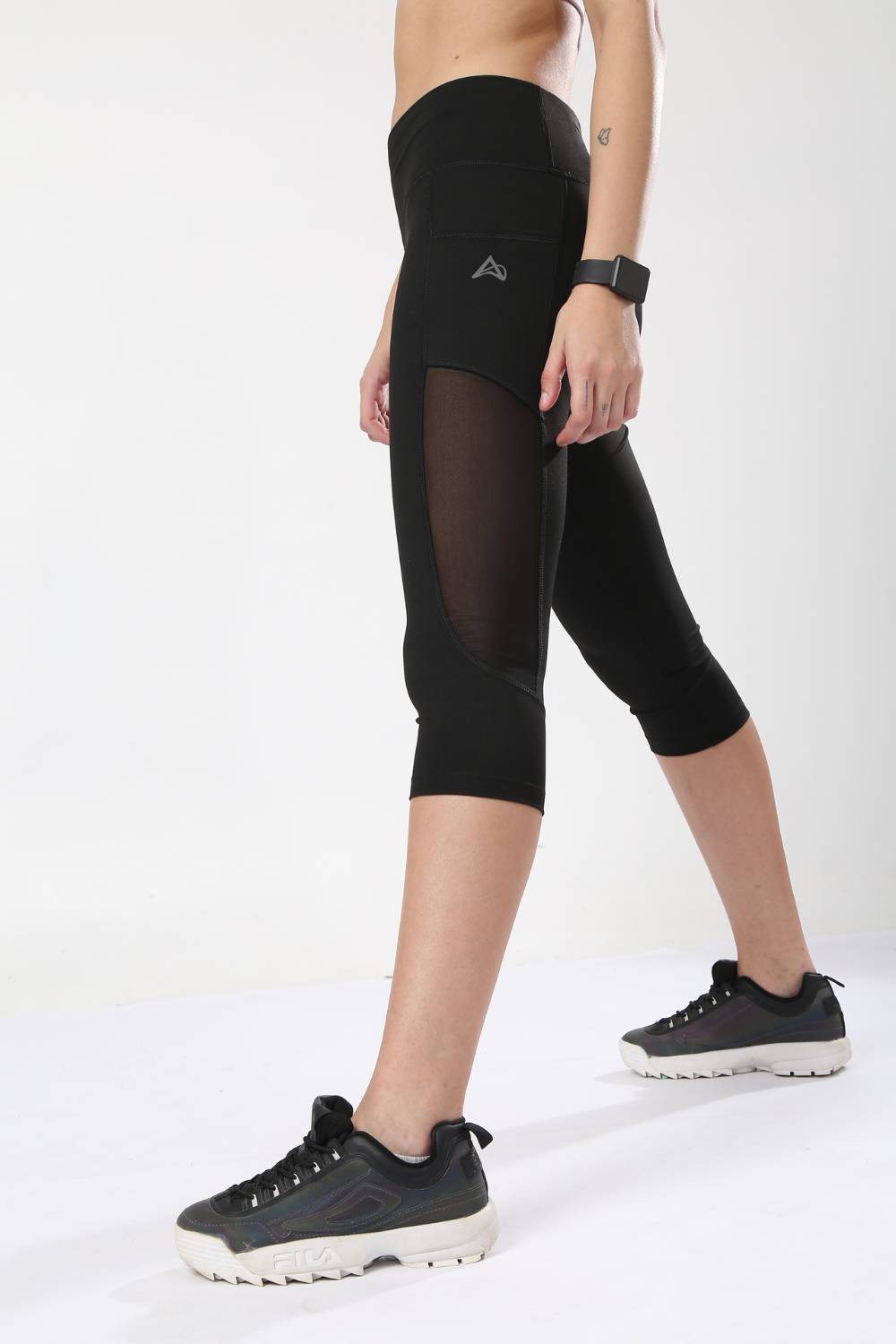
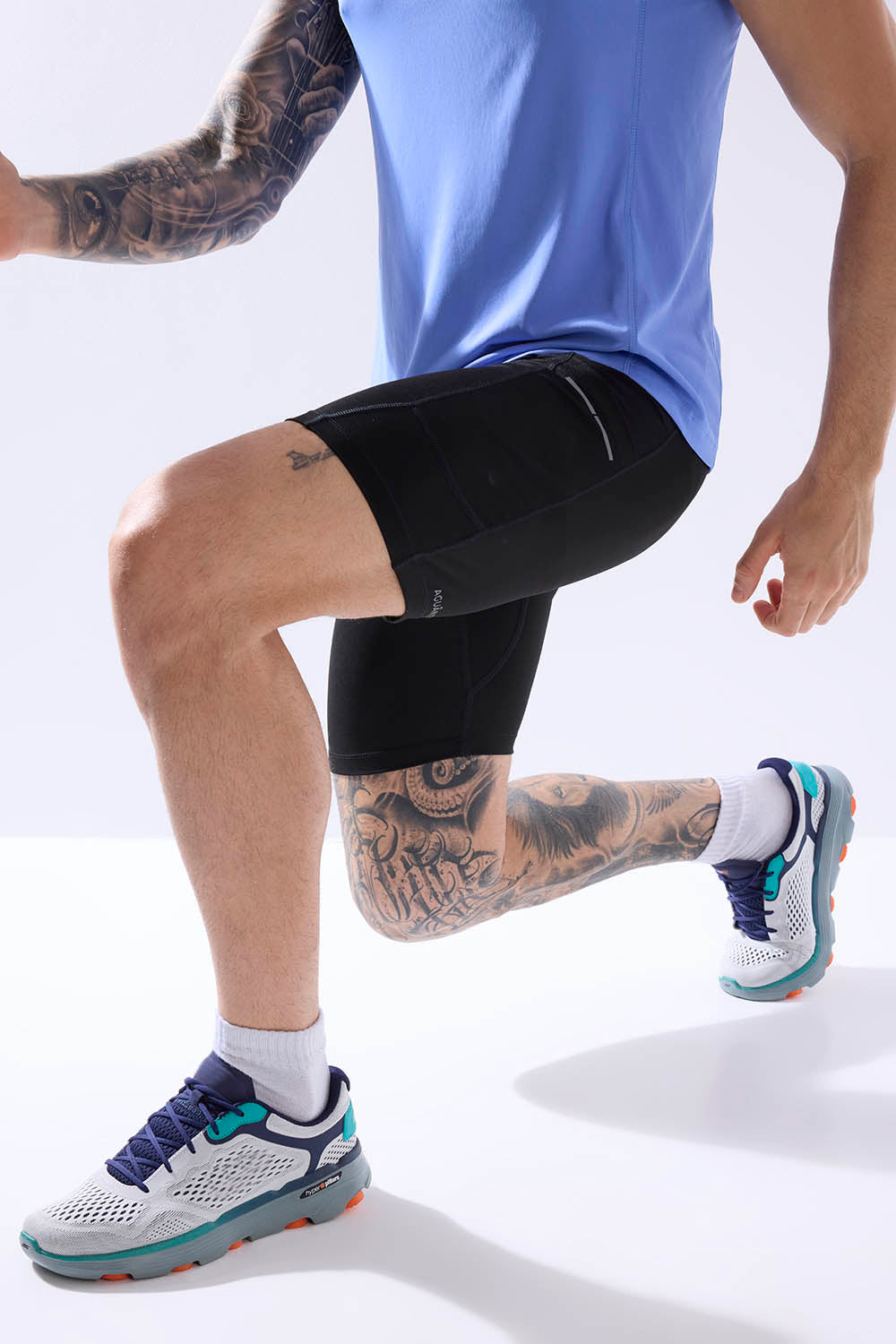
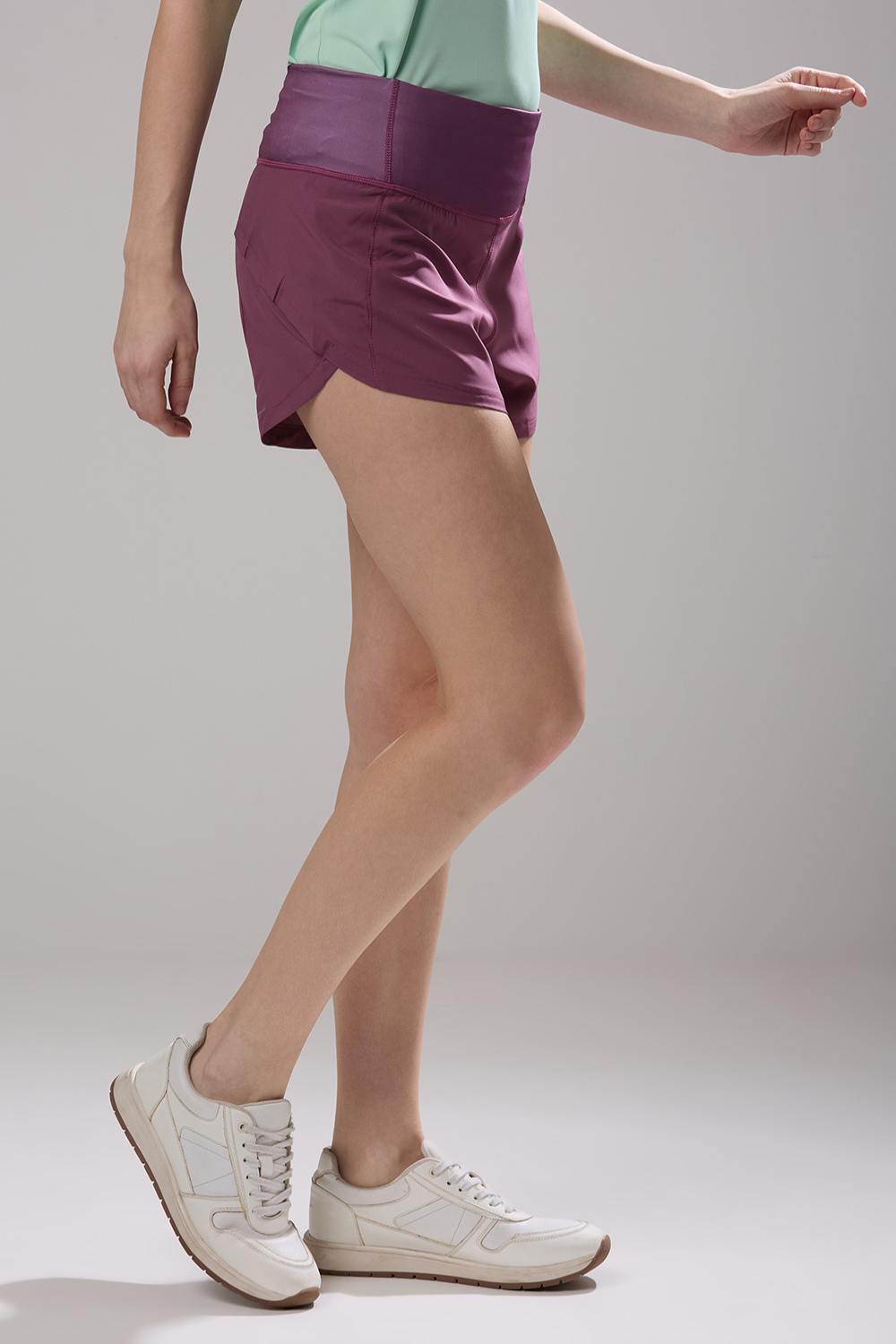
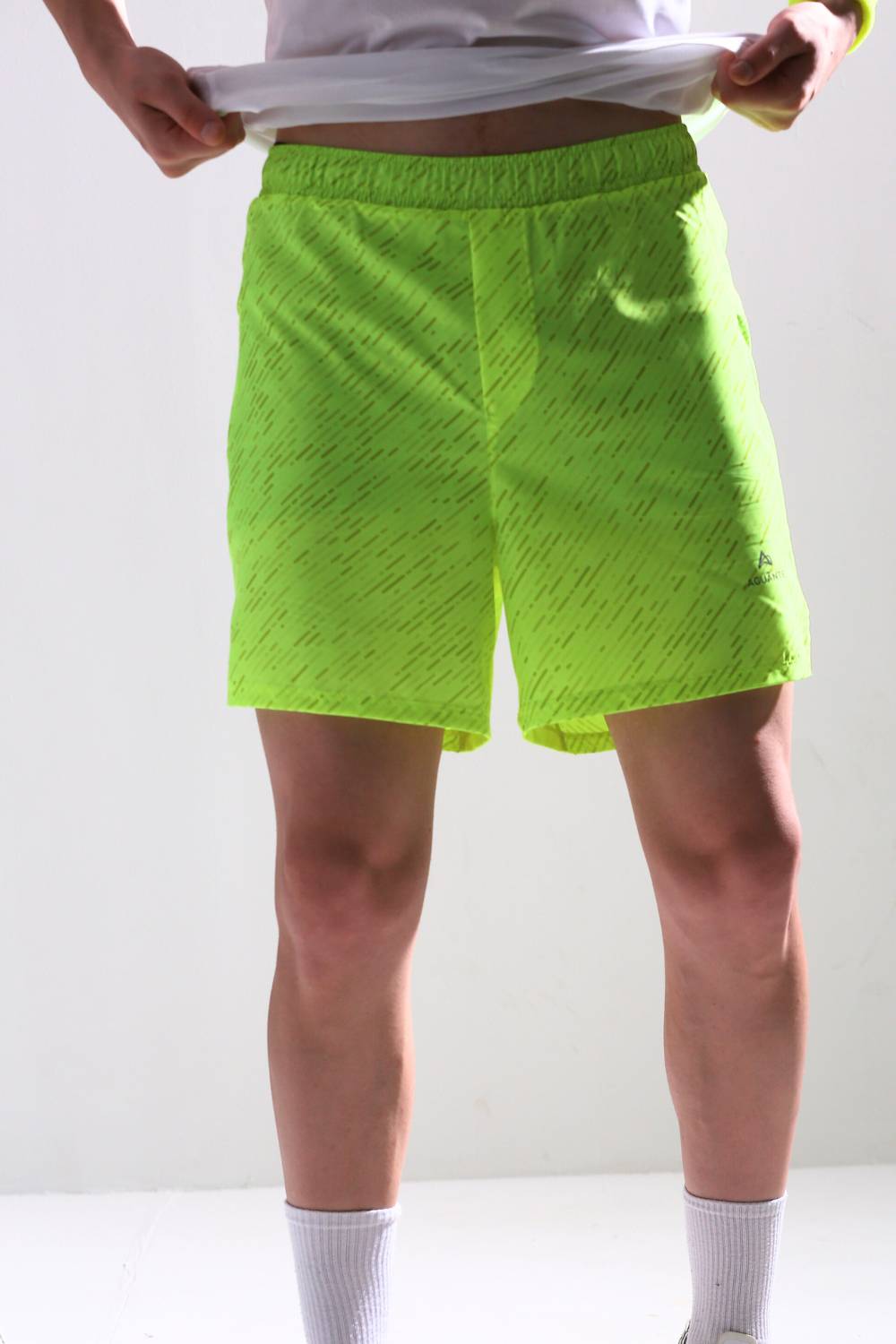
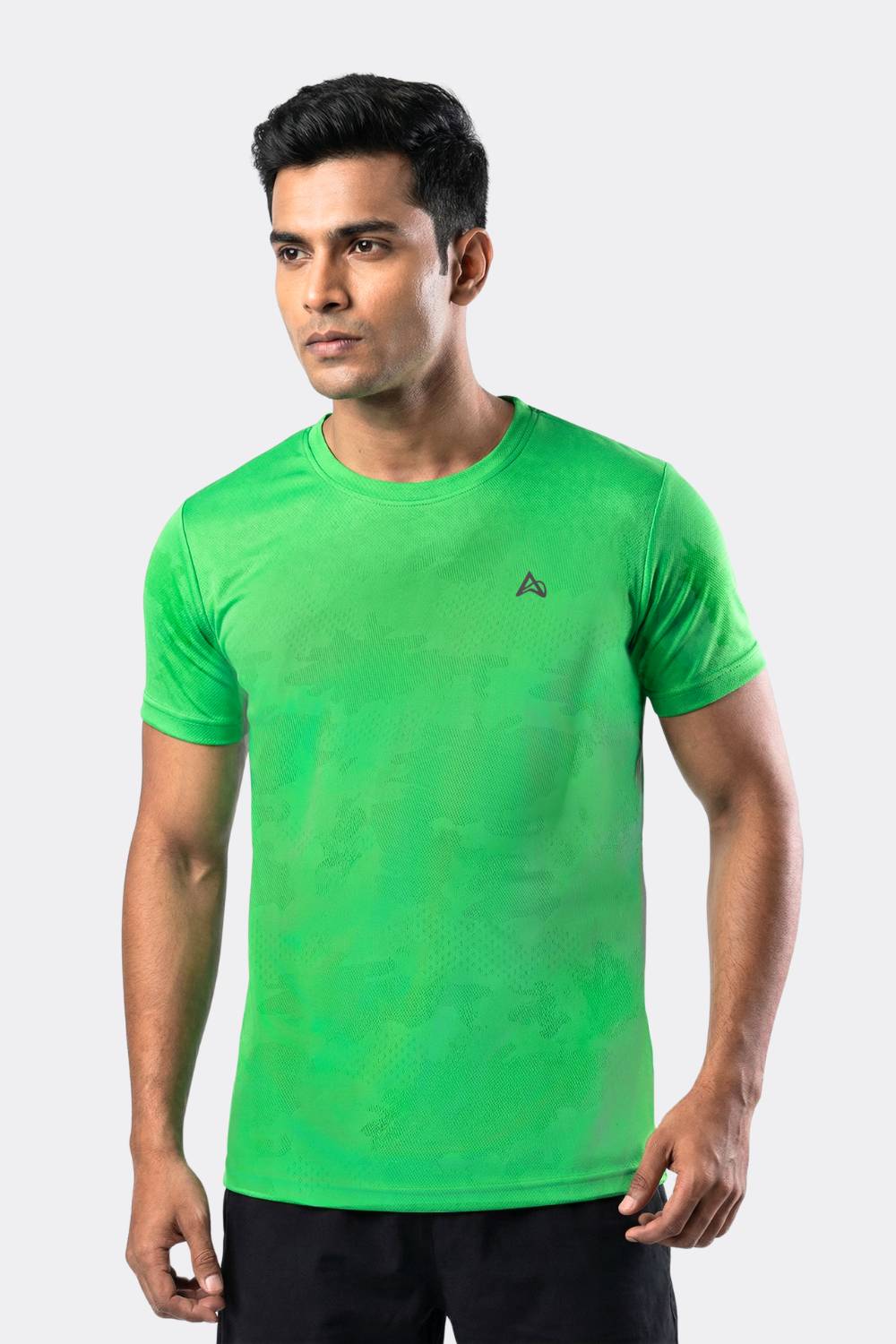
Tired of gear that slows you down? Chafing, soggy fabrics, and missing pockets kill your run's momentum. At Aguante, we're runners who get it. Our high-performance activewear features moisture-wicking fabrics, ergonomic designs, and smart storage to keep you focused. Shop Now!
The Rising Interest in Mindful Fitness Choices
Fitness has become part of daily life for millions across India. Urban professionals fitting in dawn runs, students training together, and families exploring outdoor activity are all contributing to this movement. People now look for equipment that fits their routines comfortably and supports broader values.
The sports equipment sector reflects this energy. Industry observations show fitness and strength equipment as one of the most dynamic areas, growing steadily as more individuals prioritize health and wellness. Beyond numbers, the deeper trend involves a generation that values community, personal well-being, and responsibility in the products they choose.
Running gear occupies a special place here. Lightweight and used regularly, it turns into a personal statement when crafted sustainably within India. It moves from simple apparel to an extension of the athlete's principles.
Advancements in Eco-Friendly Materials
Manufacturers in India are transforming common waste into reliable running essentials. Recycled plastic bottles find new life as moisture-wicking fabrics. Organic cotton and hemp produce breathable layers suited for extended efforts. Plant-based foams and natural rubber provide cushioning that avoids heavy reliance on petroleum-based alternatives.
These decisions reach beyond surface appeal. Manufacturing processes consume less water and reduce harsh chemicals, lowering environmental impact from the start. Plant-derived dyes replace synthetic versions, while closed-loop systems reuse production scraps. The outcome is running shoes and clothing that perform at a high level yet carry a smaller ecological burden.
Athletes sense the difference right away fabrics that adapt smoothly to movement, responsive shoes that aid each stride, and a deeper sense of satisfaction that their activity supports rather than strains natural resources.
What Makes Indian Production Distinctive
Producing gear locally offers clear benefits compared to distant global chains. Reduced shipping distances help limit emissions even before items reach users. Factories can adjust designs rapidly based on real feedback, tailoring them to India's diverse conditions from humid coastal routes to arid inland paths.
Many companies also incorporate generational knowledge of natural fibers, combining it with contemporary techniques. This fusion creates equipment that feels innovative yet connected to the land. Attention to ethical working conditions and community involvement further strengthens the appeal for runners who examine the origins of their purchases.
Such an approach transforms the purchase of running gear into active support for local employment, cleaner production methods, and greater economic resilience.
How Athletes Experience Performance and Purpose
Serious runners demand reliable results above all. Indian-made sustainable options are showing they can equal or surpass conventional choices in key areas. Thoughtful cushioning handles repeated impact during longer sessions, ventilated sections manage heat effectively in warm climates, and specialized grips perform well across wet or uneven surfaces.
The true attraction, however, lies in the overall experience. Many eco-aware runners describe a richer connection to their sport: every session and competition now matches their environmental commitments. The unease that sometimes followed acquiring new items diminishes when products are built for longevity and eventual recycling.
This creates a subtle yet powerful connection. Runners link their individual progress to wider efforts preserving the natural spaces they enjoy.
- Recycled fabrics offering efficient sweat management and quick drying
- Plant-based midsoles delivering responsive energy return step after step
- Organic-fiber apparel that stays fresher longer and needs less frequent washing
- Recycled packaging designed for reuse or responsible disposal
Broader Fitness Trends Creating Opportunity
The expansion of fitness activities in India provides strong support for sustainable running products. Growing numbers of people are establishing home exercise areas or participating in local running communities, raising demand for practical, well-considered gear. The momentum seen in fitness equipment overall now extends naturally toward environmentally responsible running solutions.
Rapid urbanization and evolving daily habits play supporting roles. As cities develop, accessible green areas gain importance, encouraging runners to engage with them thoughtfully. Younger consumers, especially, investigate brands with care, preferring those that openly communicate material sources and environmental practices.
This heightened awareness encourages ongoing innovation, forming a positive loop: improved gear promotes more conscious running, which drives further advancements.
Addressing Production Challenges Effectively
Expanding sustainable methods involves real obstacles. Securing steady supplies of recycled and organic inputs can prove demanding across a large nation. Affordability also matters for regular athletes seeking strong performance without excessive cost.
Indian creators are responding with practical strategies. Collaborations with regional recycling initiatives help maintain material availability. Focus on efficient processes cuts unnecessary waste and supports competitive pricing. Educational efforts inform runners about the lasting benefits of durable, well-designed products.
Policy encouragement for cleaner technologies and increasing demand for transparency are helping sustain this forward progress. What once appeared difficult now demonstrates consistent advancement.
Future Directions for Sustainable Running
Upcoming developments hold considerable promise. Continued technological refinement may lead to fully biodegradable running shoes and apparel with positive environmental contributions during creation. Indian brands appear ready to guide this progress through a blend of creativity, production capacity, and cultural understanding.
Athletes beyond India are taking notice as well. International runners who try sustainable Indian-made gear frequently become enthusiastic supporters, highlighting how high performance can coexist with environmental responsibility. The initiative has moved past national borders to influence global practices.
For regular participants in the sport, the direction is evident: the sport's advancement depends on decisions that balance personal achievement with care for shared natural limits.
Moving Forward with Intention
Ultimately, sustainable materials in Indian-made running gear stand for more than a single product line. They reflect an outlook in which each run can help maintain cleaner waterways, healthier ecosystems, and resilient communities. Eco-conscious athletes do not delay for ideal answers; they select strong current options while encouraging the industry to reach higher standards.
Whether pursuing new personal bests or simply appreciating the steady cadence of movement, the equipment chosen carries significance. Indian ingenuity presents a convincing route one that enables longer, more comfortable runs with the awareness of contributing to something larger. The paths ahead invite exploration. The decision rests with each runner.
Frequently Asked Questions
What sustainable materials are used in Indian-made running gear?
Indian manufacturers are using a range of eco-friendly materials including recycled plastic bottles converted into moisture-wicking fabrics, organic cotton, hemp, plant-based foams, and natural rubber for cushioning. Plant-derived dyes replace synthetic alternatives, and closed-loop production systems reuse manufacturing scraps. These choices reduce water consumption and chemical use without compromising athletic performance.
Does eco-friendly Indian running gear perform as well as conventional options?
Yes sustainable Indian-made running gear is designed to match or surpass conventional products in key performance areas. Features include responsive cushioning for long-distance impact, ventilated sections for heat management in warm climates, and specialized grips for wet or uneven terrain. Recycled fabrics also offer efficient moisture management and quick-drying properties suited to rigorous training.
Why should runners choose locally made sustainable running gear over imported brands?
Choosing Indian-made sustainable running gear reduces emissions from long-distance shipping and supports local employment and ethical working conditions. Local manufacturers can quickly adapt designs to India's diverse running environments from humid coastal routes to arid inland paths while drawing on generational knowledge of natural fibers. Buyers also directly contribute to cleaner production practices and greater economic resilience within their communities.
Disclaimer: The above helpful resources content contains personal opinions and experiences. The information provided is for general knowledge and does not constitute professional advice.
You may also be interested in: Local Activewear Brands Blend Sustainability With Functionality
Tired of gear that slows you down? Chafing, soggy fabrics, and missing pockets kill your run's momentum. At Aguante, we're runners who get it. Our high-performance activewear features moisture-wicking fabrics, ergonomic designs, and smart storage to keep you focused. Shop Now!
Powered by flareAI.co