























Rain does not have to bring outdoor running routines to a stop, but it does change how runners should prepare. Running in monsoon weather requires more attention to clothing, route conditions, visibility, and personal comfort because rain and humidity can affect everything from pace to recovery. For runners building consistency through the rainy season, the goal is not simply to continue training in wet conditions but to understand how weather changes the demands of each run.
Tired of gear that slows you down? Chafing, soggy fabrics, and missing pockets kill your run's momentum. At Aguante, we're runners who get it. Our high-performance activewear features moisture-wicking fabrics, ergonomic designs, and smart storage to keep you focused. Shop Now!
Why Monsoon Running Requires a Different Approach
A familiar running route can feel completely different after rainfall. Wet roads may reduce traction, puddles can hide uneven surfaces, and heavy humidity can make the same distance feel more demanding than it does in dry conditions. Adapting your routine starts with recognizing that monsoon running is not just a normal workout with rain added to the experience.
One of the most important monsoon running tips is to adjust expectations. Maintaining the same pace or distance as a clear-weather run may not always be practical. Slippery paths, reduced visibility, and uncomfortable conditions can require a more flexible approach. A successful rainy-season run is often one where the runner manages effort and stays safe rather than chasing a previous performance target.
Weather awareness also becomes part of training discipline. Checking conditions before leaving, choosing routes carefully, and being prepared to shorten a session when circumstances change can help runners maintain consistency without unnecessary risks.
Choosing the Right Clothing for Running in Rain and Humidity
The right clothing can make a significant difference when learning how to run in rainy weather. Rain, sweat, and humidity create a combination that can quickly make unsuitable clothing feel uncomfortable. Heavy fabrics may absorb water, become restrictive, and increase discomfort during longer sessions.
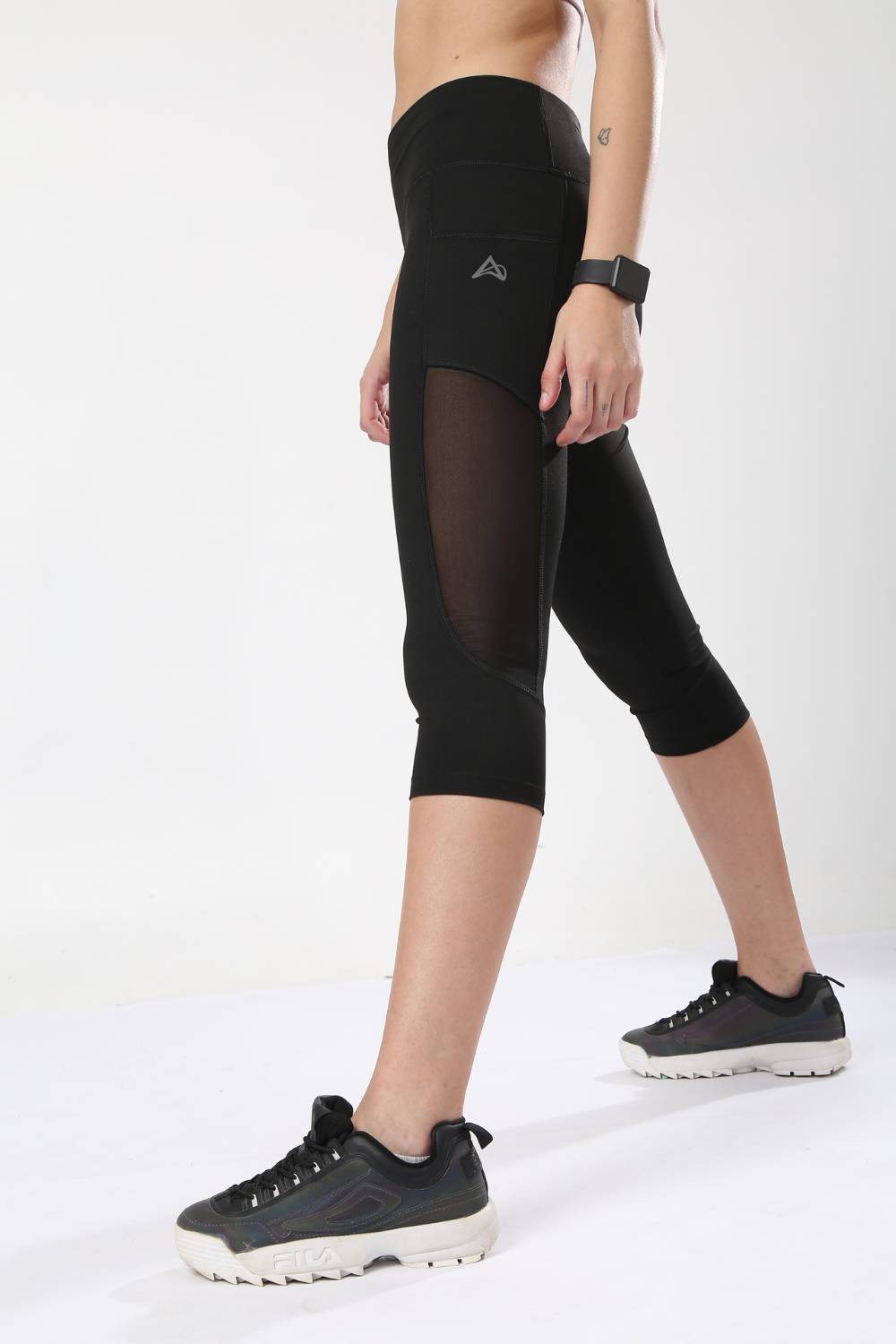
For monsoon runs, runners often benefit from apparel designed around moisture management, airflow, and freedom of movement. Lightweight materials that help manage sweat and dry more efficiently can support comfort when temperatures remain warm and humidity levels are high.
Choosing appropriate running clothing is not about wearing more layers. It is about selecting pieces that match the conditions. Breathable tops, comfortable bottoms, and designs that allow natural movement can help runners focus on their training instead of constantly adjusting uncomfortable gear.
Features That Support Wet-weather Comfort
Functional details become especially valuable during the rainy season. Runners may look for features such as:
- Moisture-managing fabrics that help reduce discomfort during sweaty runs
- Comfortable fits that support unrestricted movement
- Practical storage options for carrying essentials
- Reflective elements that improve visibility in darker or cloudy conditions
These considerations reflect a broader shift in running apparel: clothing is increasingly designed around the real experiences of athletes rather than just appearance. For regular runners, small design choices can make difficult weather conditions easier to manage.
Understanding Safety Risks During Monsoon Runs
Running safety during monsoon conditions depends heavily on awareness of the environment. Rain itself does not automatically make outdoor running unsafe, but certain conditions can quickly change the risk level of a route.
Wet surfaces require more attention because reduced grip can affect stability. Runners may need to slow down on slippery sections, avoid sudden changes in direction, and choose paths with better drainage and visibility.
Waterlogged areas require additional caution. Flooded roads and stagnant water can hide potholes, damaged surfaces, and other hazards. They can also create exposure concerns because the contents of standing water may not be visible. A monsoon water risk report highlighted concerns around illnesses associated with contaminated water exposure, including leptospirosis cases reported during Mumbai's 2024 monsoon season.
The practical lesson for runners is simple: avoid routes where water depth, surface conditions, or cleanliness cannot be judged confidently. A shorter alternative route or an indoor workout can be a better choice than pushing through unsafe conditions.
How to Adapt Your Running Routine During Rainy Weather
A consistent running habit depends on flexibility. During monsoon months, runners may need to adjust when they run, where they run, and how they measure progress.
- Whether the route has good drainage and visibility
- Whether rainfall intensity is likely to affect safety
- Whether the planned distance matches the current weather conditions
- Whether clothing and footwear are suitable for wet conditions
Experienced runners often treat weather adaptation as part of training. Learning how to handle different conditions can build confidence and improve preparation for events where weather cannot be controlled.
However, adapting does not mean ignoring warning signs. Severe storms, flooding, or unsafe roads should be treated differently from manageable rainfall. A strong running routine includes knowing when to continue and when to change plans.
Managing Comfort Before and After a Monsoon Run
Monsoon running challenges do not end when the workout finishes. Wet clothing, damp footwear, and increased exposure to humidity can affect post-run comfort if they are not handled properly.
Changing out of wet clothes soon after finishing a run can help maintain comfort and make recovery routines easier. Runners should also pay attention to footwear care because regularly running in wet conditions can leave shoes damp for extended periods.
Recovery habits remain important during rainy weather. Hydration, stretching, and proper rest continue to support performance even when outdoor conditions change. Humidity can make runs feel harder, which means runners should pay attention to how their body responds rather than relying only on usual training expectations.
Building a More Reliable Monsoon Running Mindset
The biggest adjustment for many runners is mental. Rain can be viewed as an obstacle, but it can also become an opportunity to develop adaptability. A runner who learns how to prepare for changing weather gains confidence across different training environments.
Running in rain is not about proving toughness. It is about making thoughtful decisions. Choosing suitable clothing, understanding route conditions, and adjusting goals based on the environment creates a more sustainable approach to outdoor training.
Practical preparation also makes the experience more enjoyable. When runners know how to handle humidity, wet surfaces, and changing conditions, a rainy forecast becomes less disruptive to their routine.
Key Considerations for Running in Monsoon Weather
For runners looking to continue training through the rainy season, a few principles can make each session more comfortable and manageable:
- Prepare for rain instead of treating it as an unexpected inconvenience.
- Select running apparel that supports comfort in wet and humid conditions.
- Choose routes carefully and avoid unsafe waterlogged areas.
- Adjust pace and distance according to weather conditions.
- Prioritize safety over maintaining a planned workout at all costs.
Running in monsoon weather becomes easier when preparation is built into the routine. The right approach combines awareness, suitable gear, and realistic expectations. For runners, the rainy season does not have to interrupt progress; it can become another .
Final Thoughts
Monsoon running requires a balance between commitment and adaptability. Rain, humidity, and changing surfaces create new challenges, but they can be managed with careful planning and the right approach. By understanding how weather affects comfort, safety, and performance, runners can continue enjoying outdoor training while making smarter decisions about every session.
For those exploring best clothes for running in monsoon, the focus should remain on functionality, comfort, and suitability for real running conditions. Well-considered preparation allows runners to stay active through the rainy season while keeping safety and consistency at the centre of their routine.
Frequently Asked Questions
What are the best tips for running in monsoon weather?
Running in monsoon weather requires preparation, including checking conditions, choosing safer routes, and adjusting pace based on wet surfaces and humidity. Runners should focus on staying comfortable and prioritizing safety rather than maintaining dry-weather performance levels.
What are the best clothes for running in monsoon conditions?
The best clothes for running in monsoon conditions are lightweight, breathable, and designed to manage moisture during rainy and humid weather. Features such as moisture-managing fabrics, comfortable fits, practical storage, and reflective elements can help improve the running experience.
How can runners stay safe during rainy season running?
Runners can improve safety during rainy season running by avoiding flooded areas, watching for slippery surfaces, and selecting routes with better visibility and drainage. Checking weather conditions before a run and being willing to modify or shorten workouts can help reduce risks.
Disclaimer: The above helpful resources content contains personal opinions and experiences. The information provided is for general knowledge and does not constitute professional advice.
You may also be interested in: Running Half Tights and Their Role in Distance Training Comfort
Tired of gear that slows you down? Chafing, soggy fabrics, and missing pockets kill your run's momentum. At Aguante, we're runners who get it. Our high-performance activewear features moisture-wicking fabrics, ergonomic designs, and smart storage to keep you focused. Shop Now!
Powered by flareAI.co