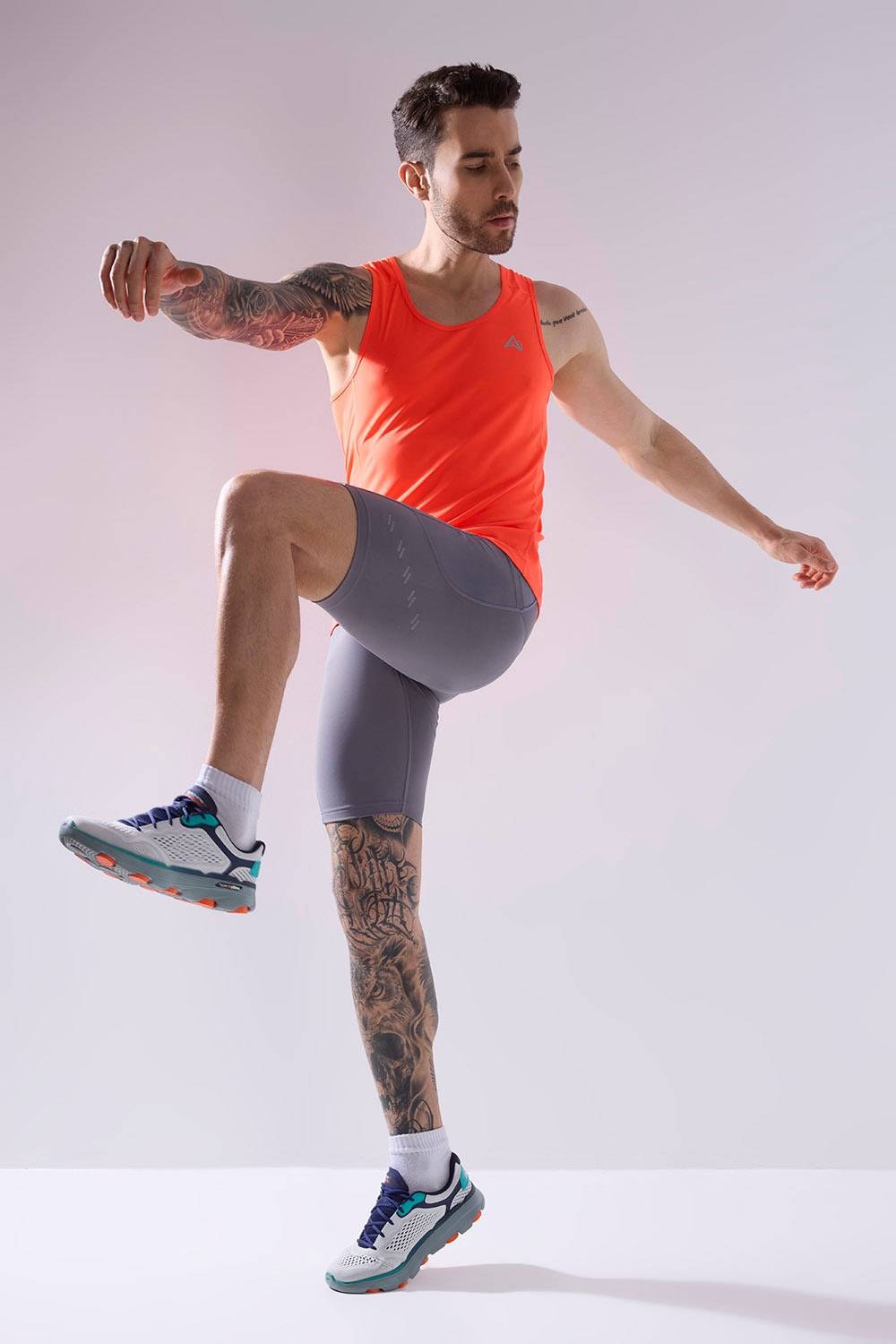
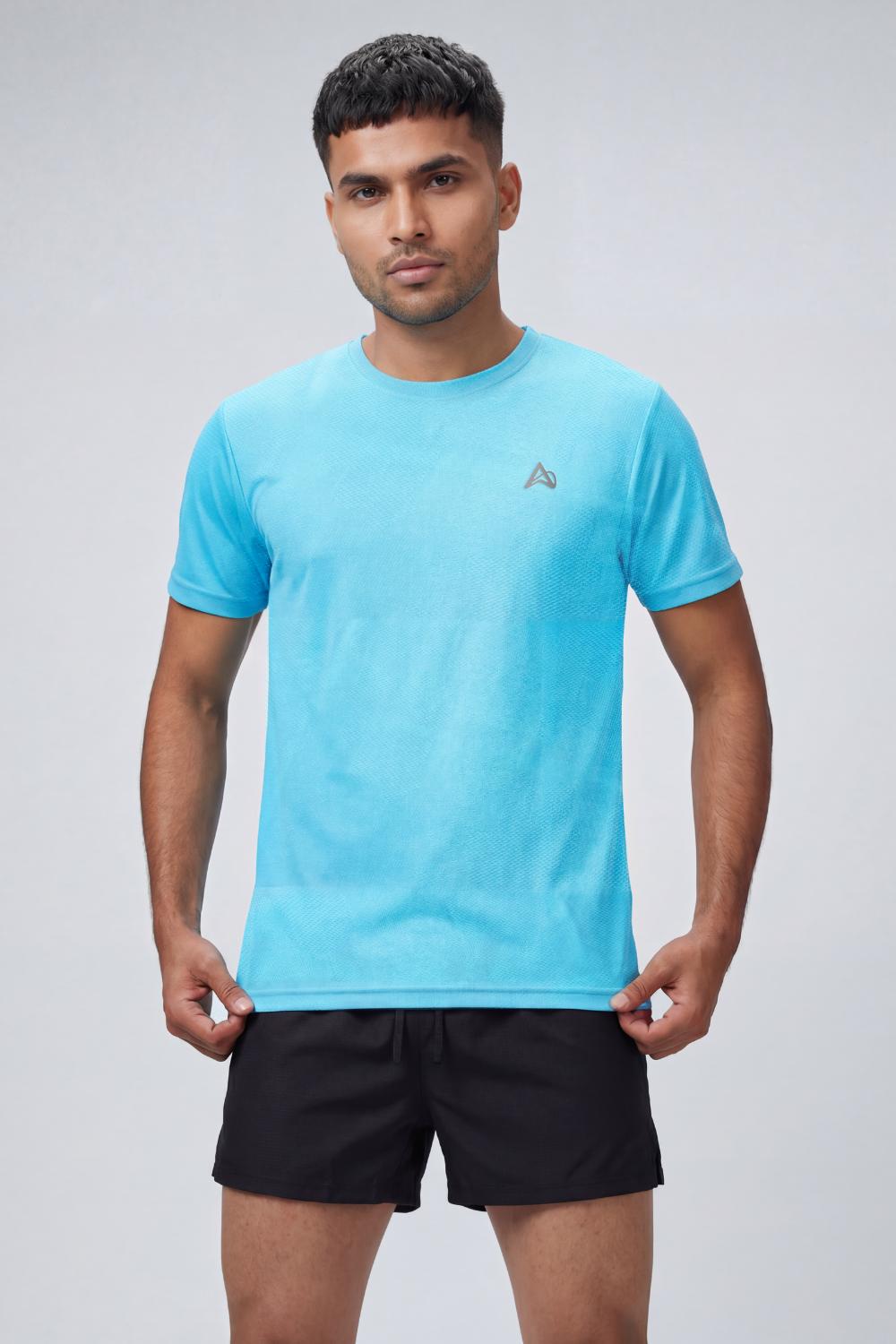
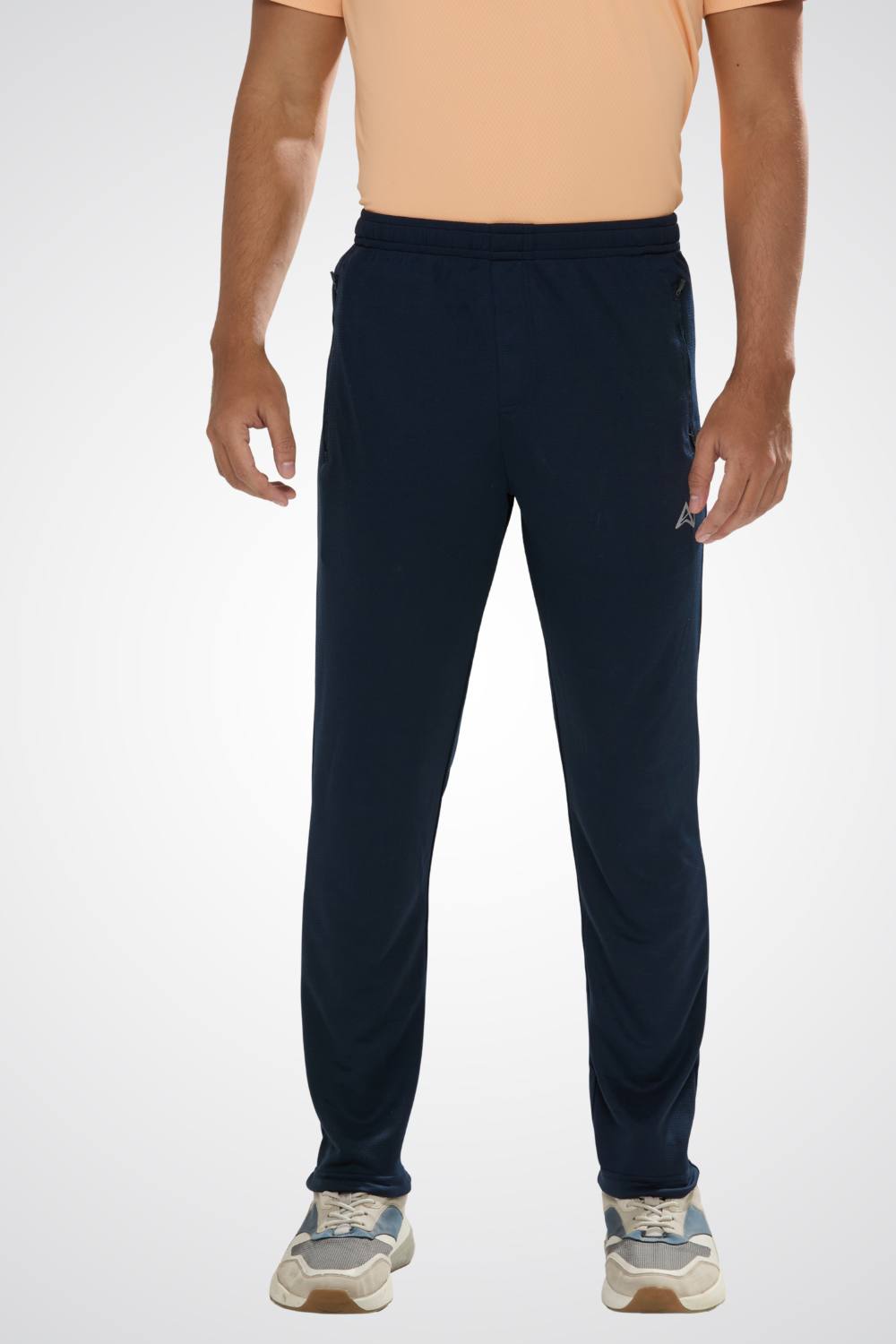
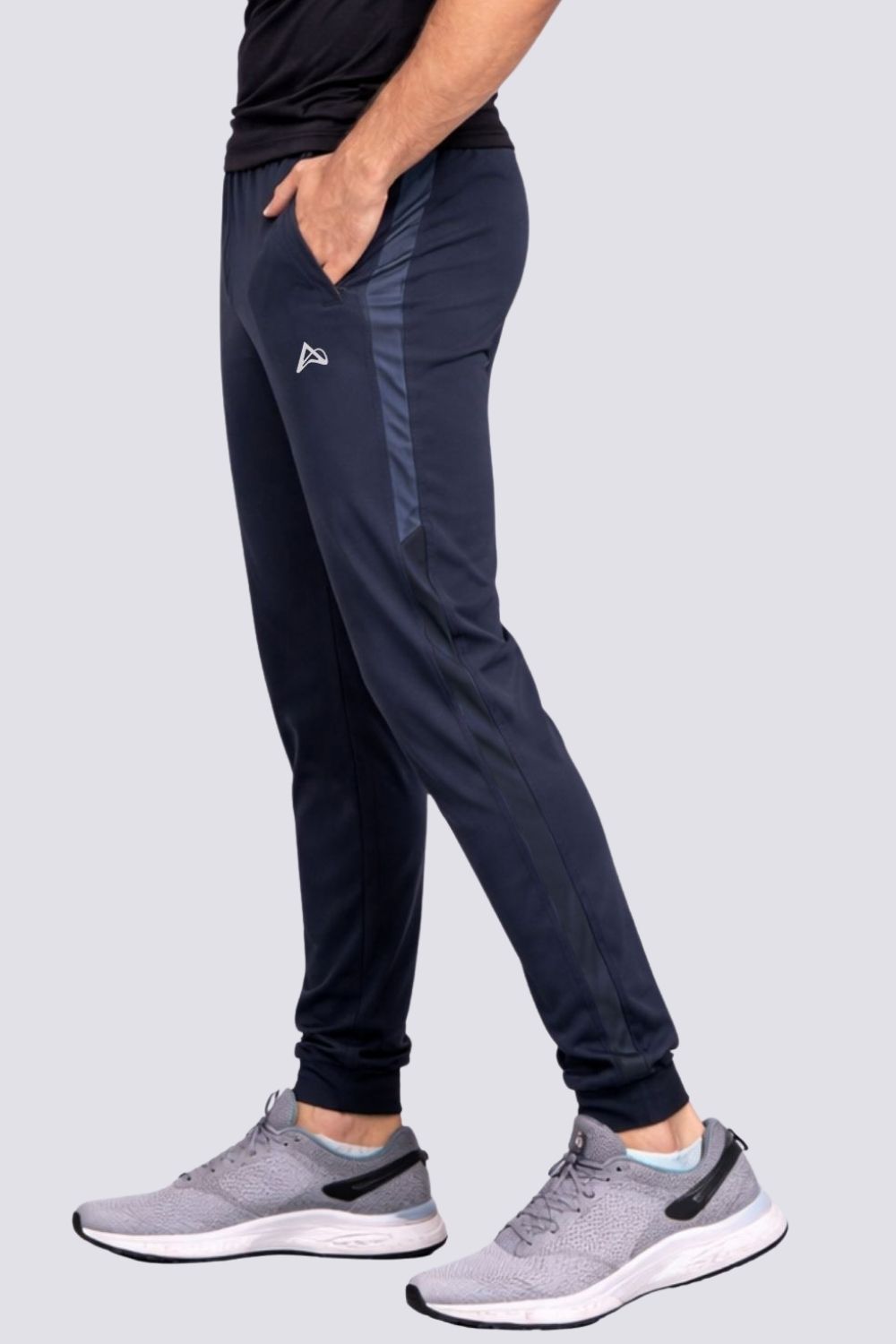




In today's fast-paced world of fitness, activewear has evolved from a simple layer of clothing into a critical safety tool. For runners, cyclists, and gym-goers across Bangalore, Hyderabad, Mumbai, Pune, Navi Mumbai, Delhi, Gurugram, Surat, and Ahmedabad, the right performance apparel can mean the difference between a great session and a sidelined day. High-quality activewear supports muscles, regulates temperature, and reduces friction all while meeting the demands of intense urban training.
Many of the most common injuries stem from poor gear choices or repetitive strain. By selecting apparel that prioritizes comfort, breathability, and targeted support, athletes can lower their risk and train with greater confidence. This guide explores practical ways activewear contributes to injury prevention, drawing on principles of proper fit, fabric technology, and real-world application.
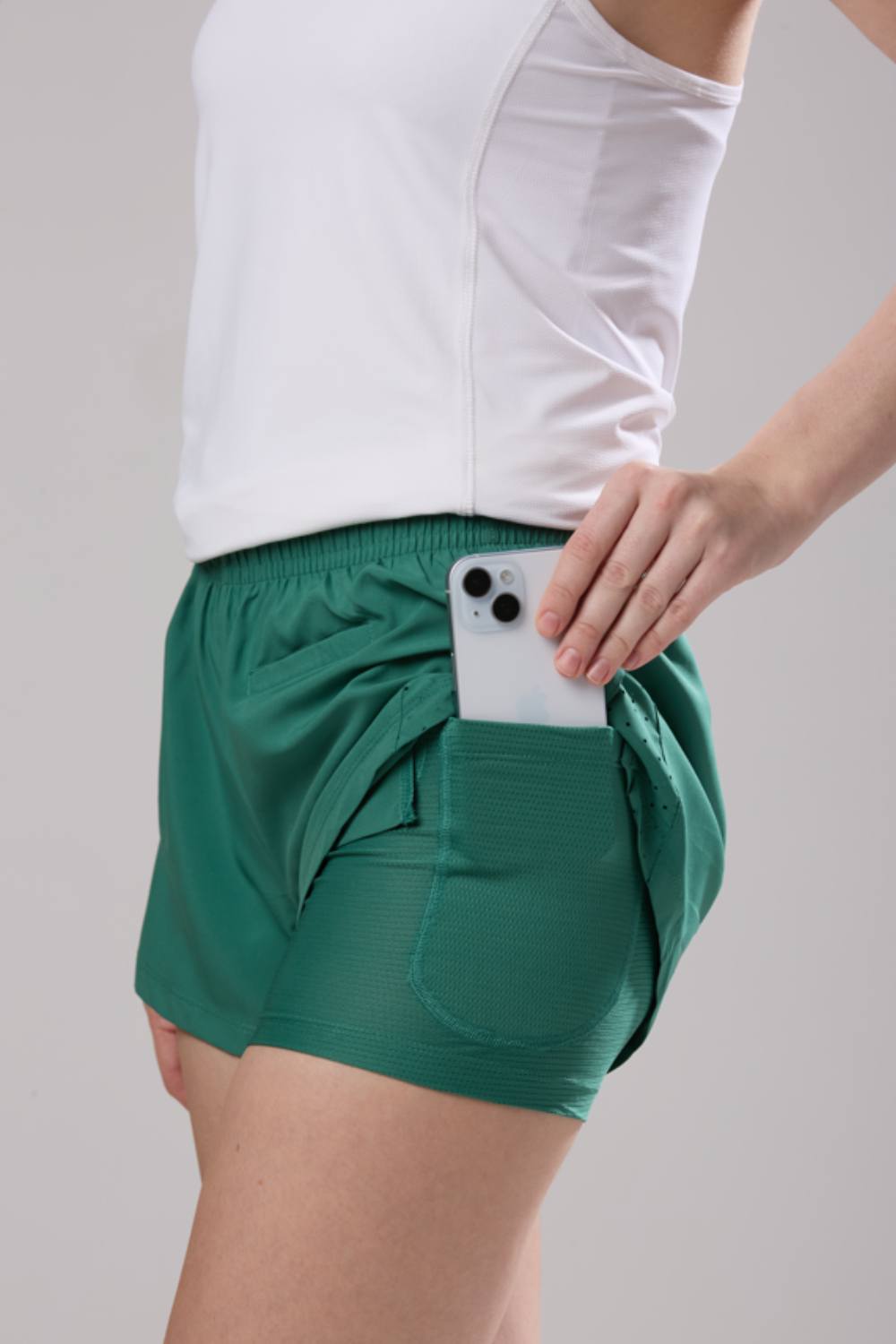
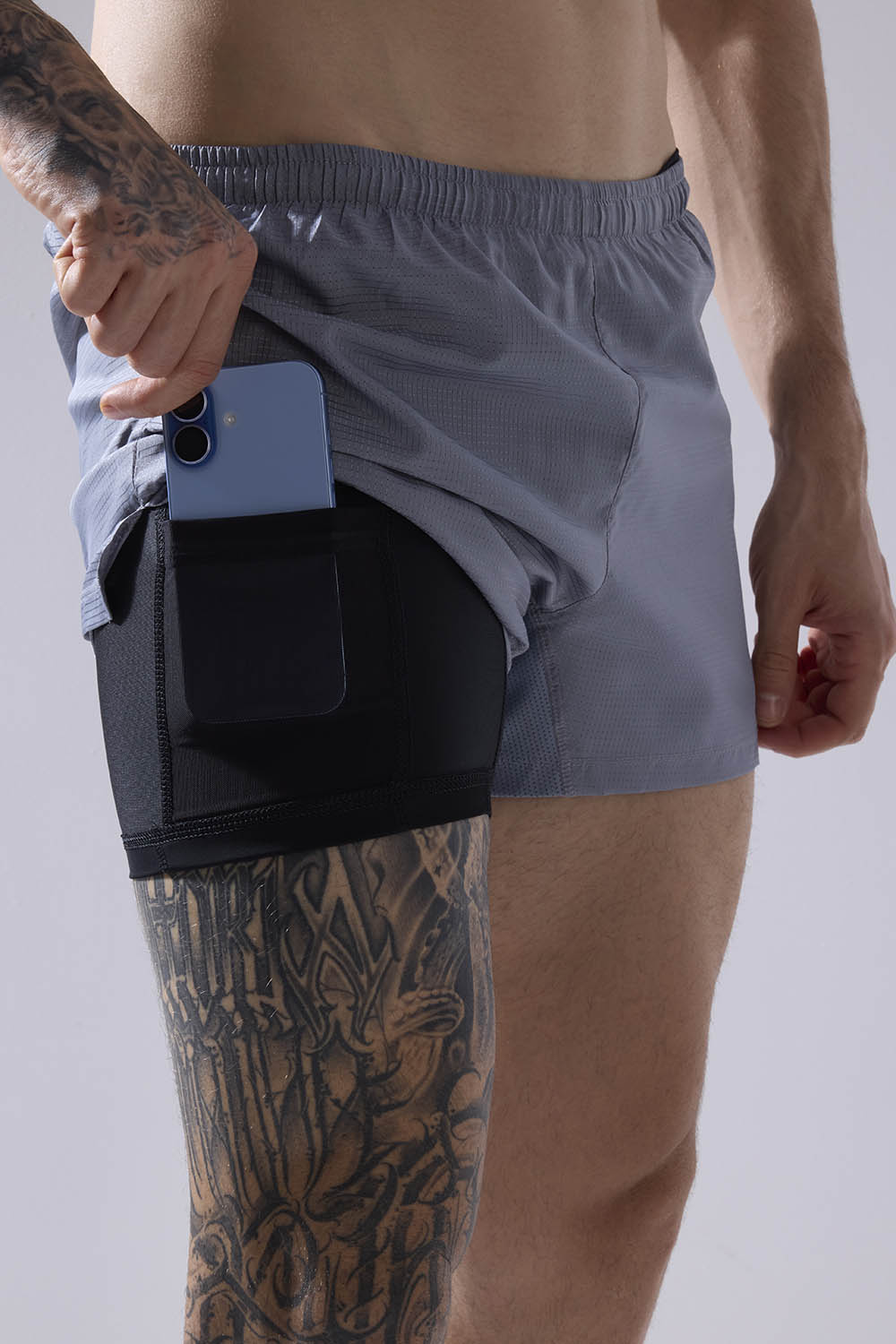
Tired of gear that slows you down? Chafing, soggy fabrics, and missing pockets kill your run's momentum. At Aguante, we're runners who get it. Our high-performance activewear features moisture-wicking fabrics, ergonomic designs, and smart storage to keep you focused. Shop Now!
Why Fit Matters More Than Ever for Activewear
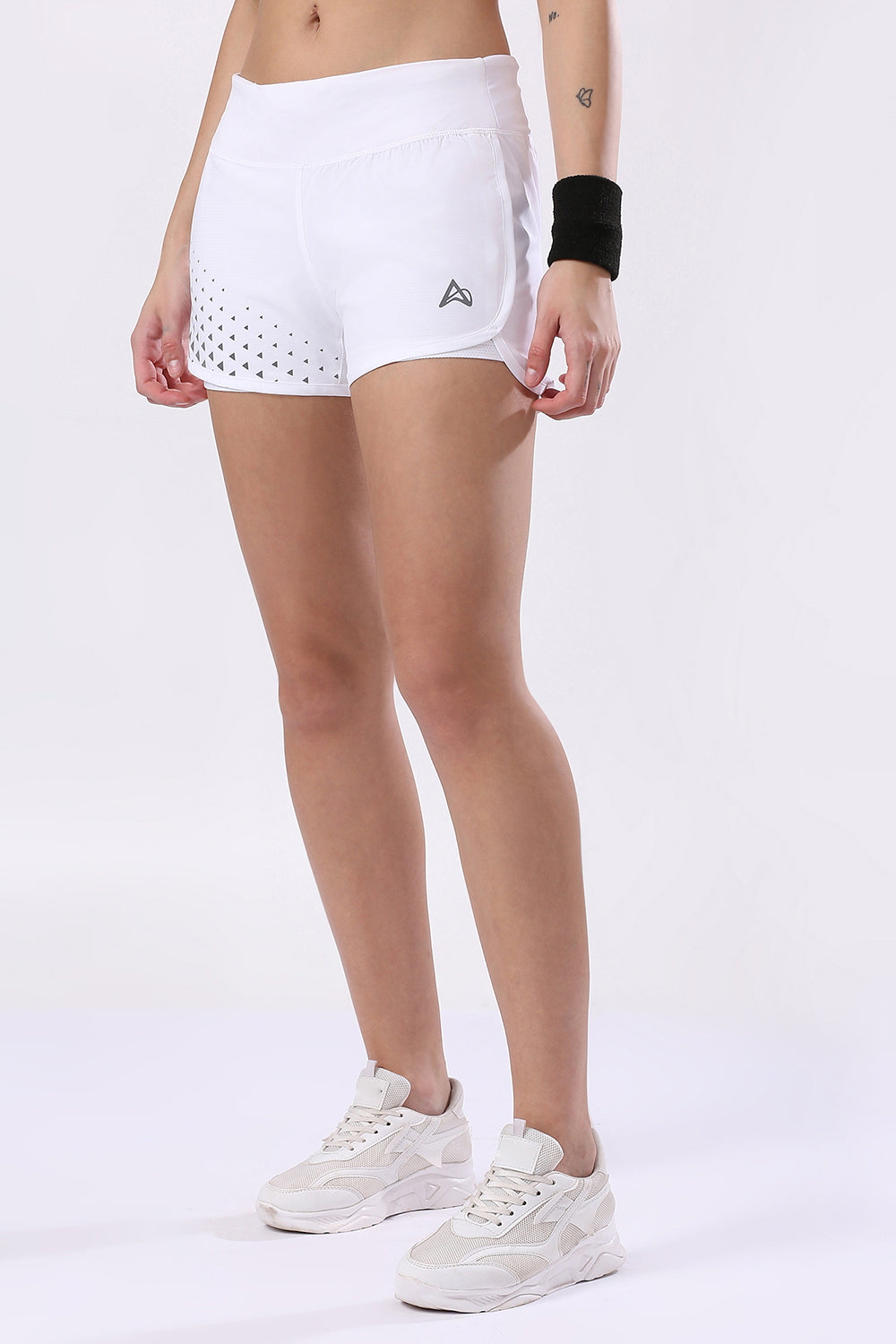
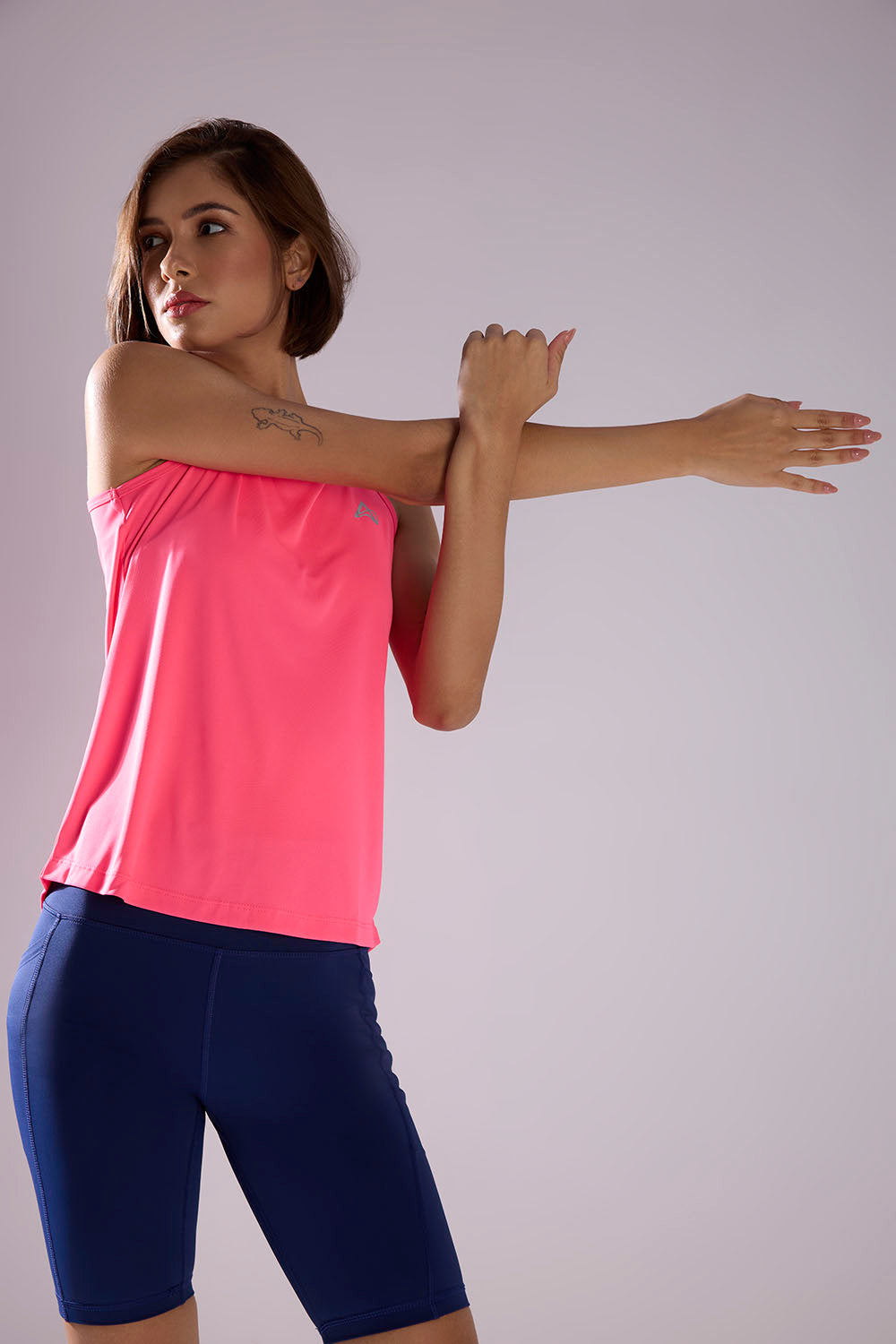
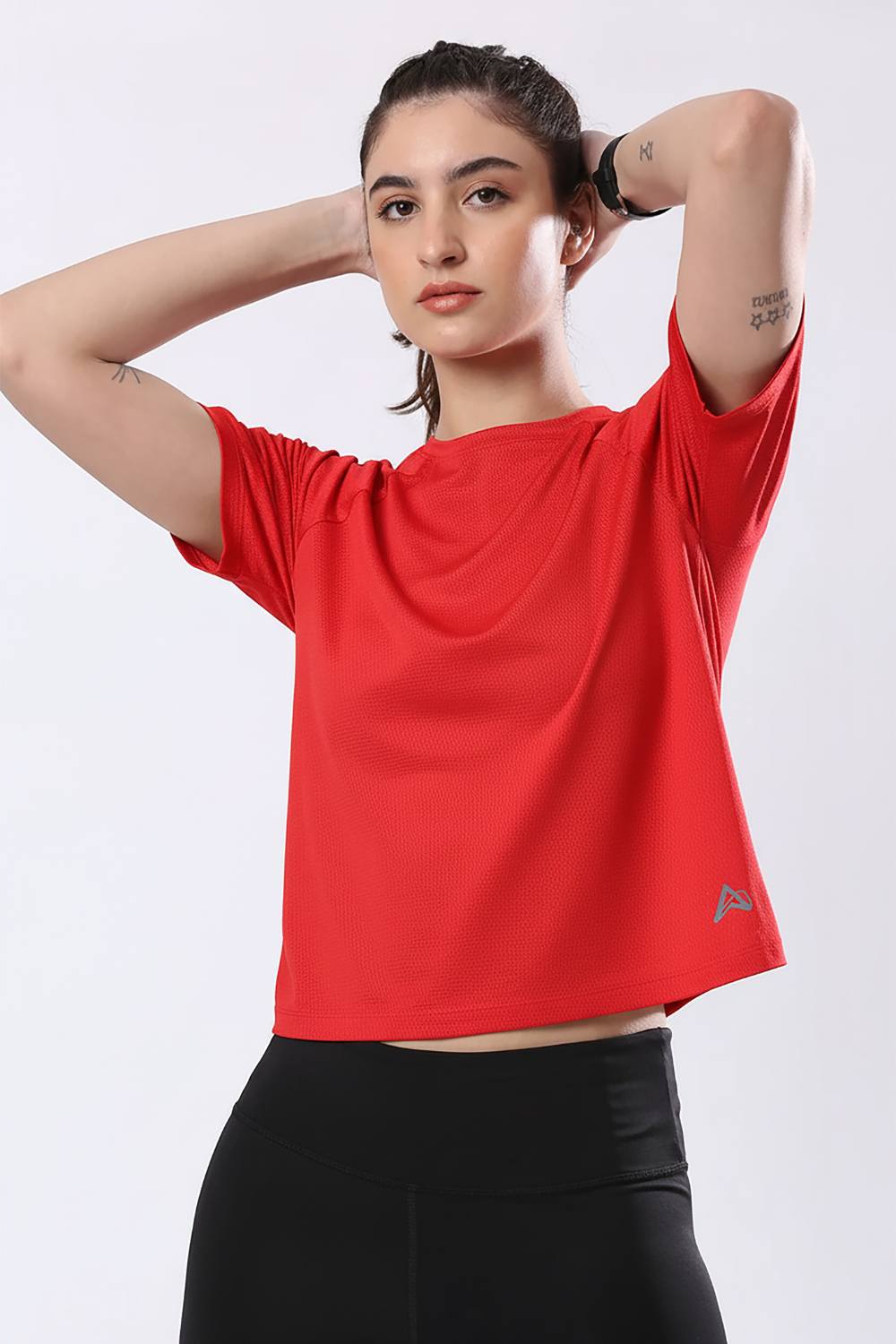
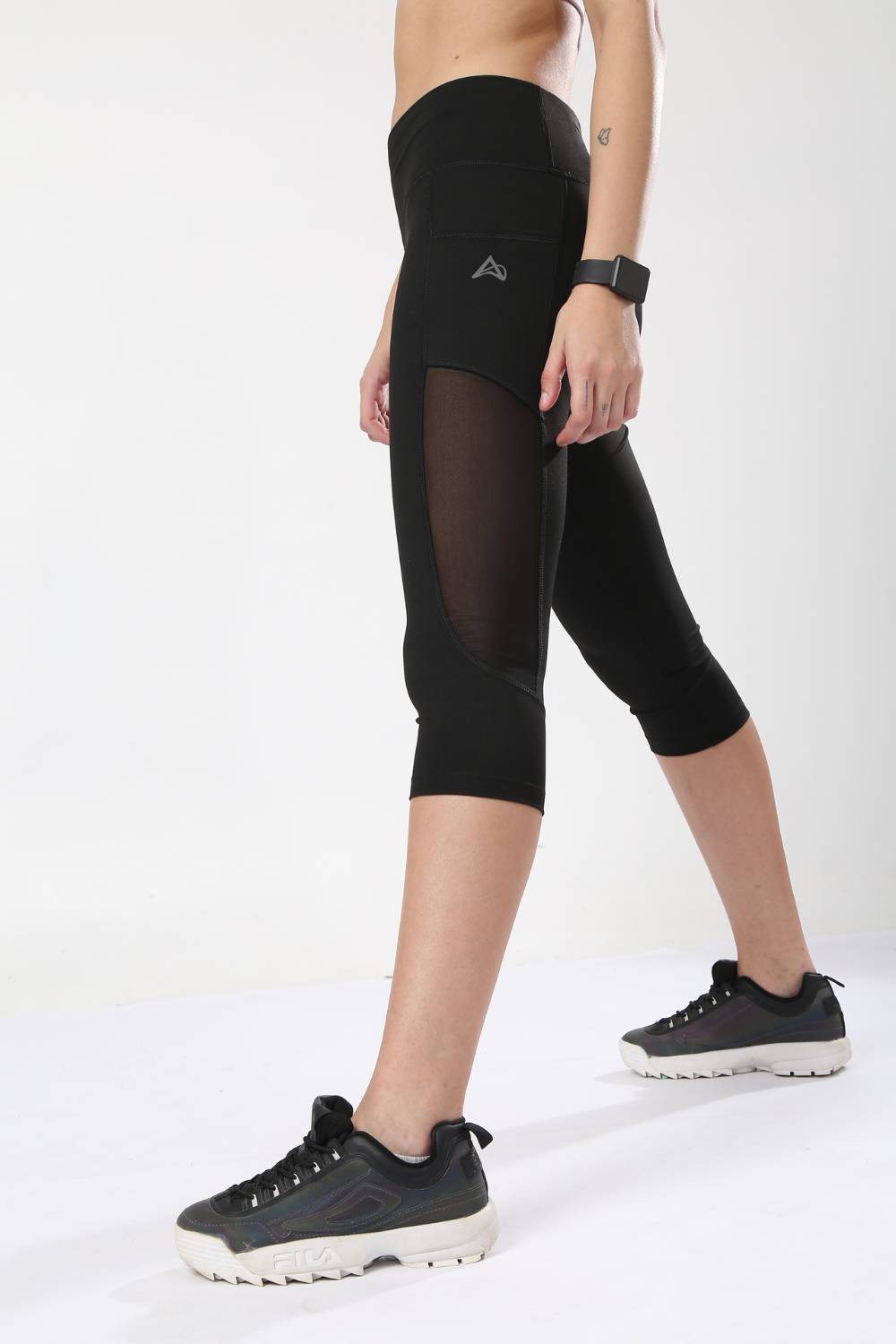
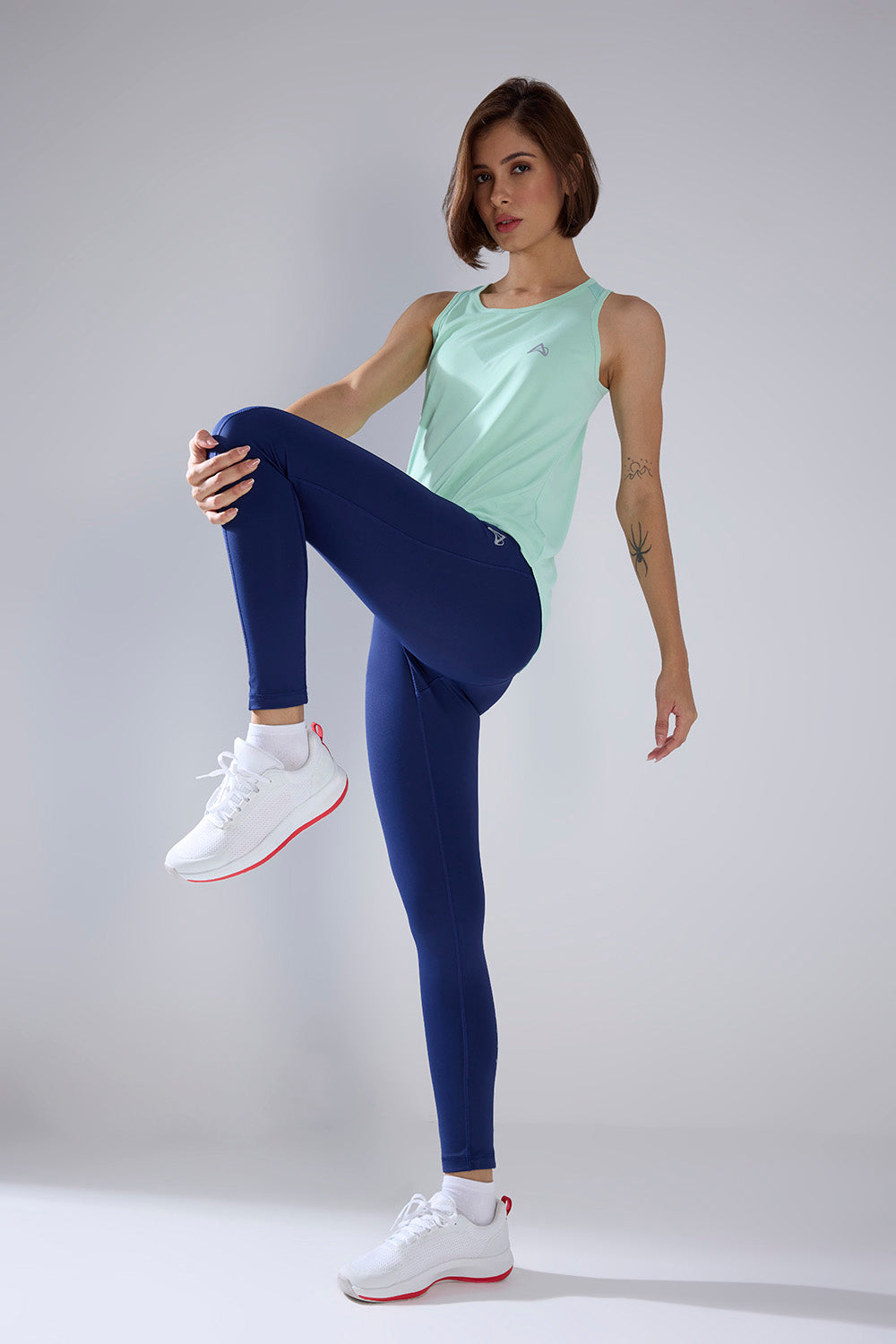
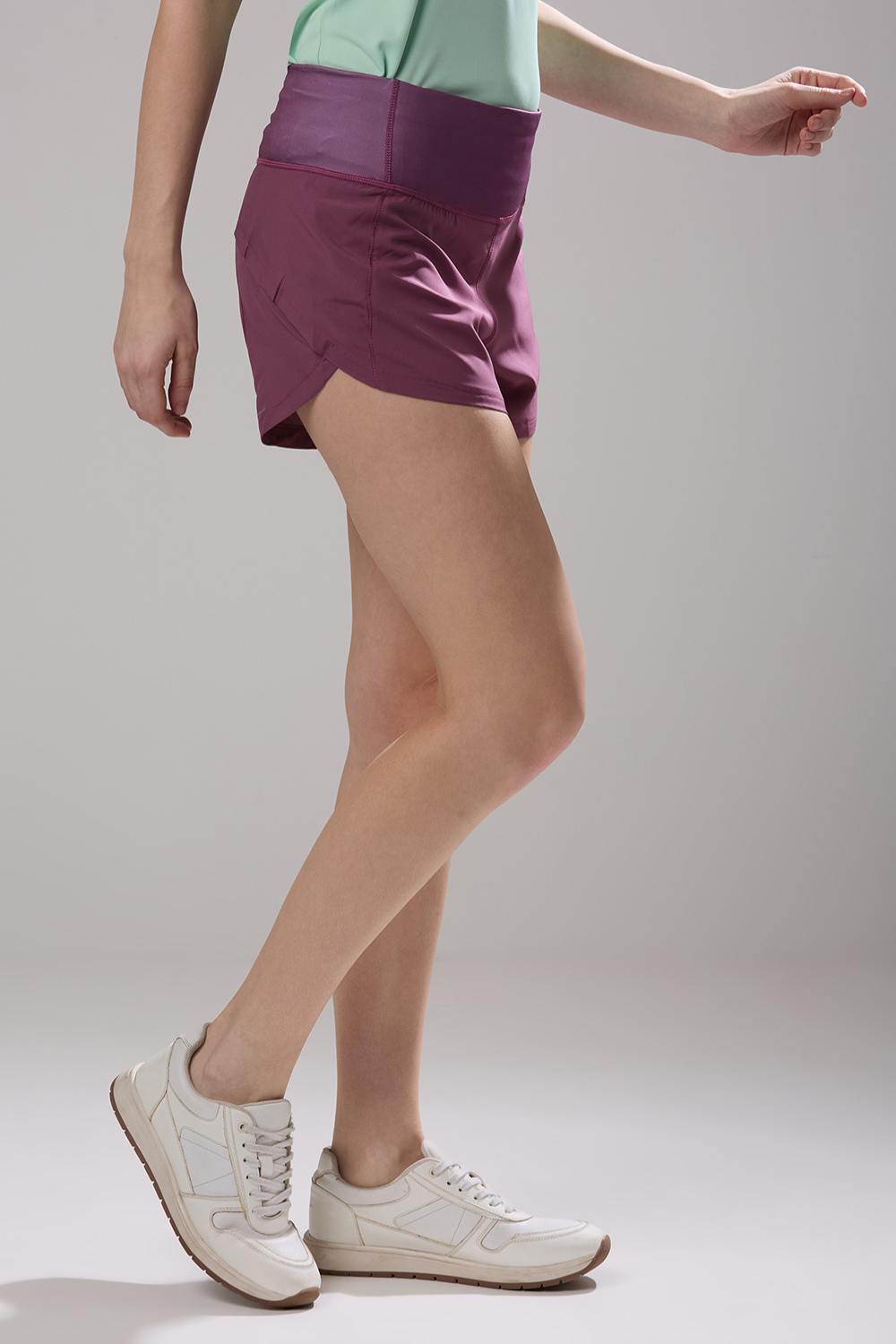
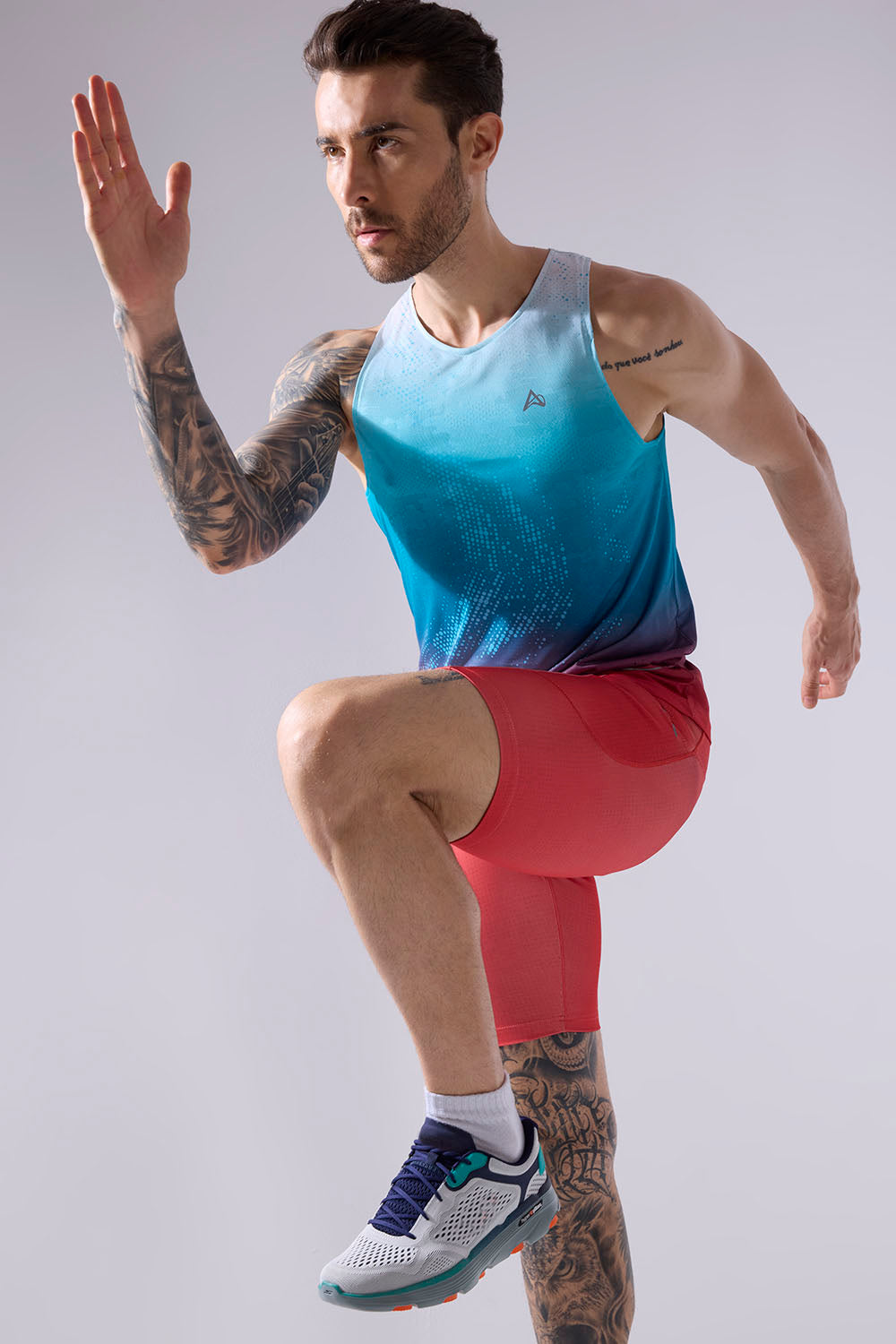
Moisture-wicking fabrics keep skin dry even in humid conditions common in many of these cities. Breathable mesh panels allow air to circulate, preventing overheating during peak workout hours. Compression styles with strategic padding stabilize joints, especially during directional changes or high-impact intervals. When garments sit correctly on the body, they move with the athlete instead of against them.
Investing time in a proper fit assessment is one of the simplest yet most effective steps anyone can take to lower the risk of sports-related injuries. Selecting the right activewear is one of the simplest yet most effective steps anyone can take to lower the risk of sports-related injuries, because ill-fitting or unsuitable clothing can create chafing, restrict natural movement, or fail to provide necessary support during high-intensity sessions. The guide outlines practical strategies such as choosing garments made from moisture-wicking and breathable fabrics that keep skin dry and comfortable, especially during prolonged workouts or hot conditions where sweat buildup can lead to irritation or reduced performance.compression styles or those with targeted padding offer muscle stabilization that prevents sudden shifts in alignment, which is crucial for activities involving repeated jumps, lifts, or directional changes.
Proper sizing ensures the fabric stays in place rather than bunching or sliding, avoiding friction points that commonly result in blisters, rashes, or acute strains. This educational focus on gear selection ties directly into broader injury prevention frameworks that emphasize the environment and equipment factors alongside behavior, showing how everyday choices in active clothing can influence outcomes over time.
For content marketers targeting fitness enthusiasts, this insight helps illustrate why education around product features matters more than ever in an era of abundant apparel options. Readers gain actionable knowledge that encourages them to assess their current wardrobe, prioritize supportive designs, and incorporate these choices into daily routines, ultimately contributing to fewer missed sessions and a more positive relationship with exercise. The information also supports conversations about brand responsibility in producing inclusive, durable, and performance-oriented pieces that align with real user needs and safety standards.
Smart Textiles: Detecting Issues Before They Become Problems
Modern sportswear now incorporates embedded sensors and advanced materials that track heart rate, muscle activity, stride, and fatigue in real time. These smart textiles go beyond basic comfort by providing coaches with actionable insights that let them modify sessions instantly.
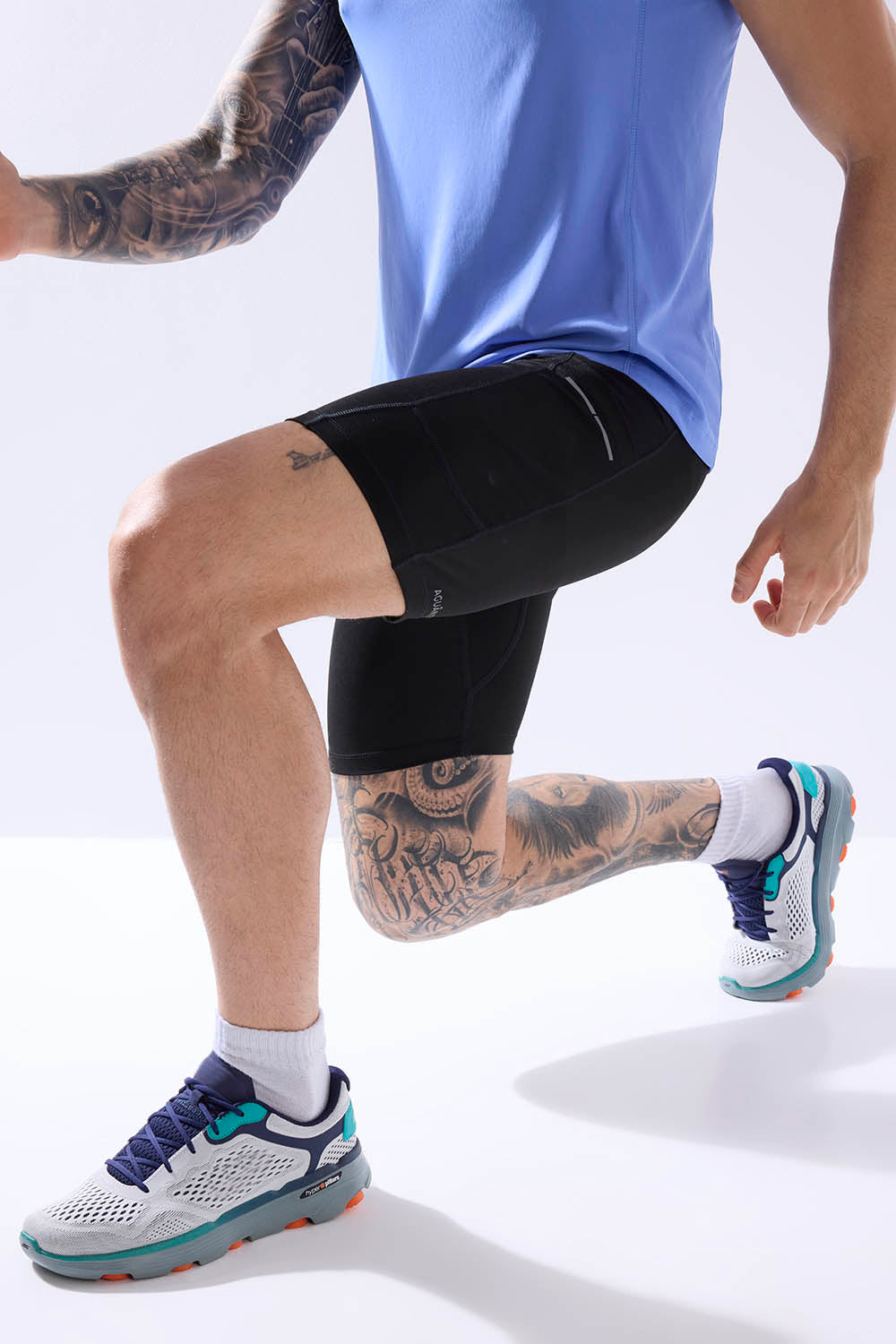
For runners in Delhi or cyclists in Pune, compression shorts with sensors monitor exertion to prevent overtraining. Running jerseys with GPS and biometric feedback help optimize technique and avoid repetitive motion injuries. The ability to detect early signs of strain shortens recovery times and supports consistent participation.
Brands that integrate similar features into activewear lines gain a clear advantage. Consumers increasingly choose products that do more than look good they choose gear that protects them.
Clothing equipped with embedded sensors can collect and transmit data about an athlete's movements, exertion levels and biomechanics. These smart sportswear for injury prevention.
Advanced Materials: Building Better Protection Into Every Seam
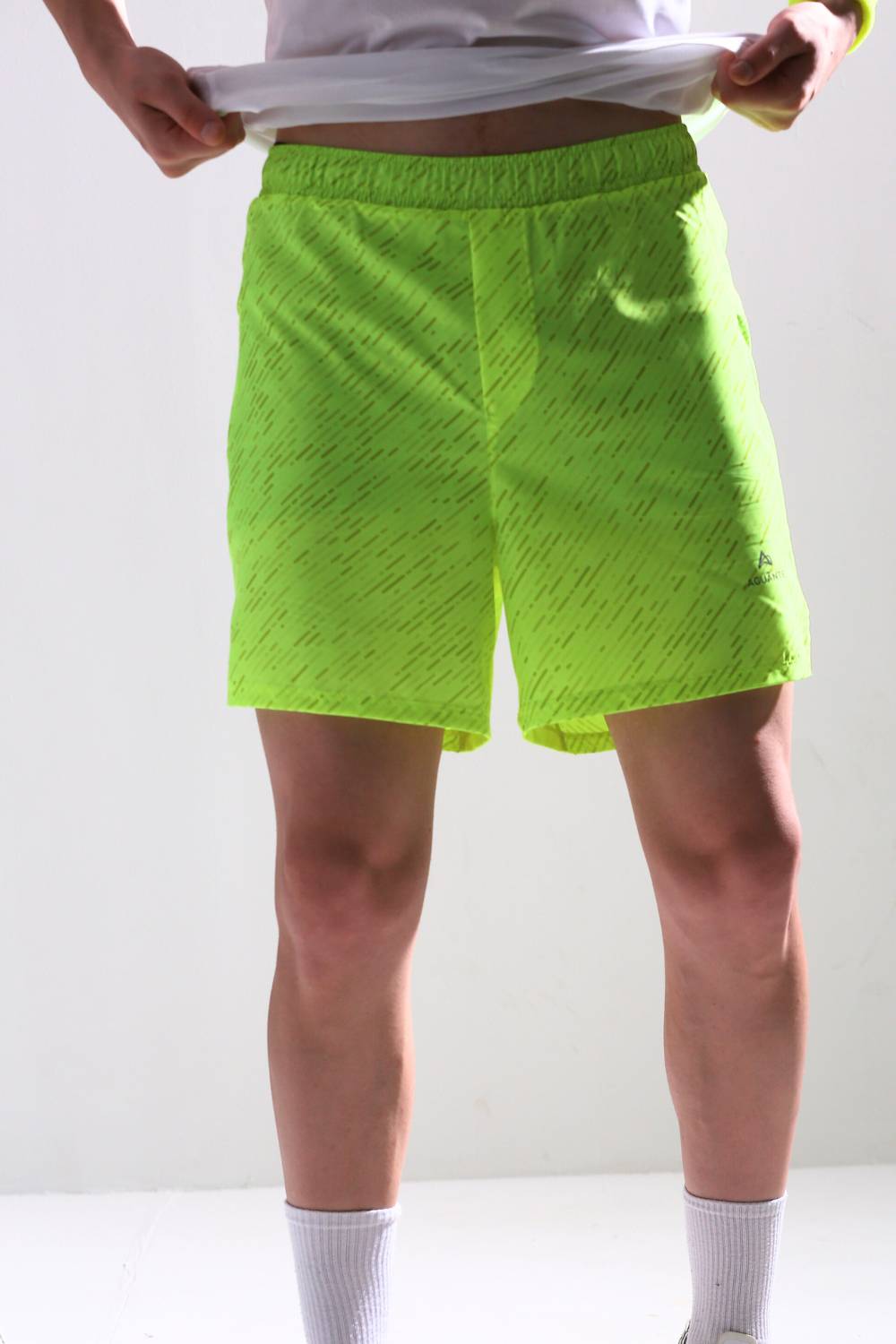
High-performance fabrics have transformed activewear. Moisture-wicking and temperature-regulating technologies keep athletes comfortable whether they're training at dawn in Gurugram or during evening runs in Mumbai. Antimicrobial treatments reduce odor, while durable laminates extend garment life through repeated washing and wear.
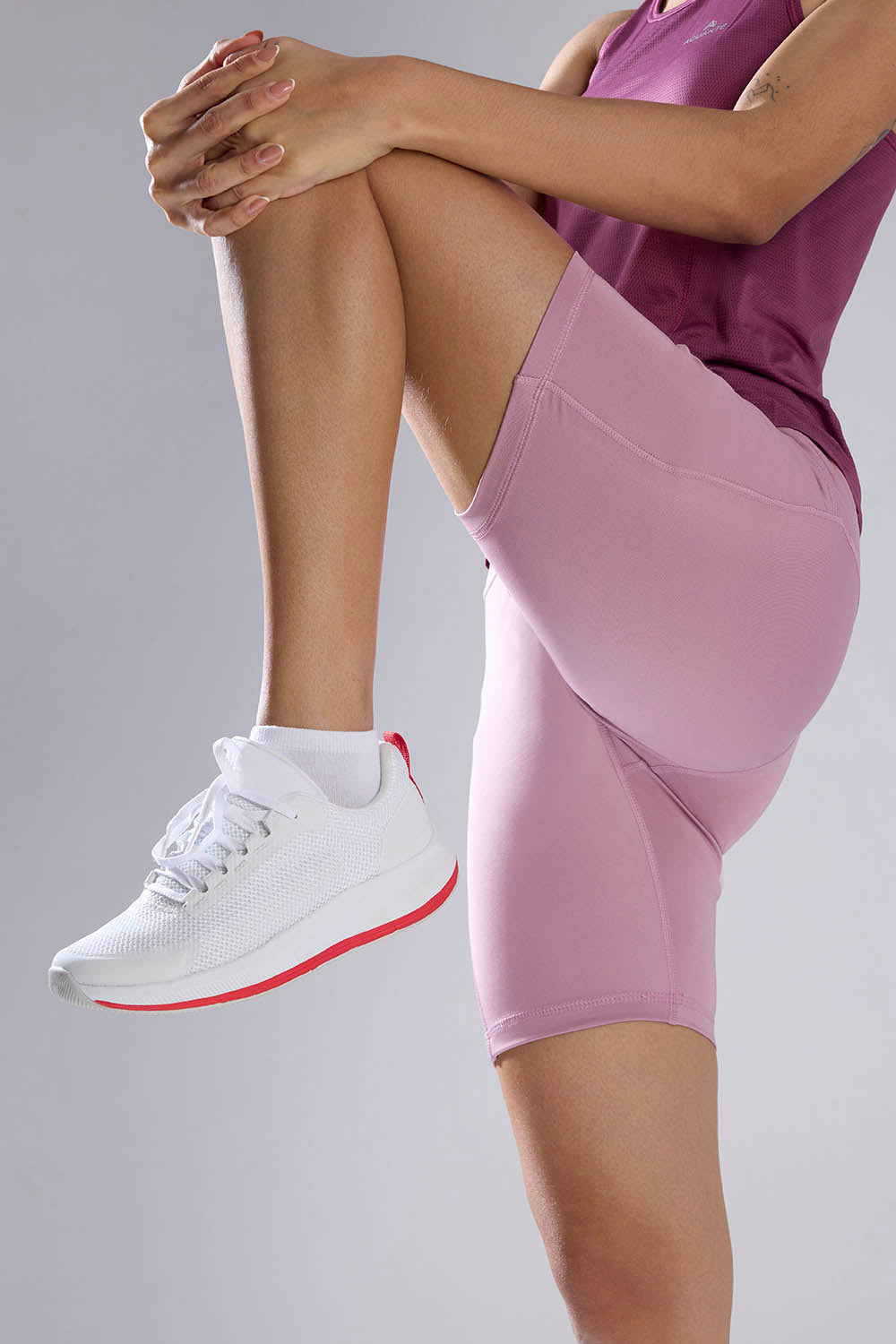
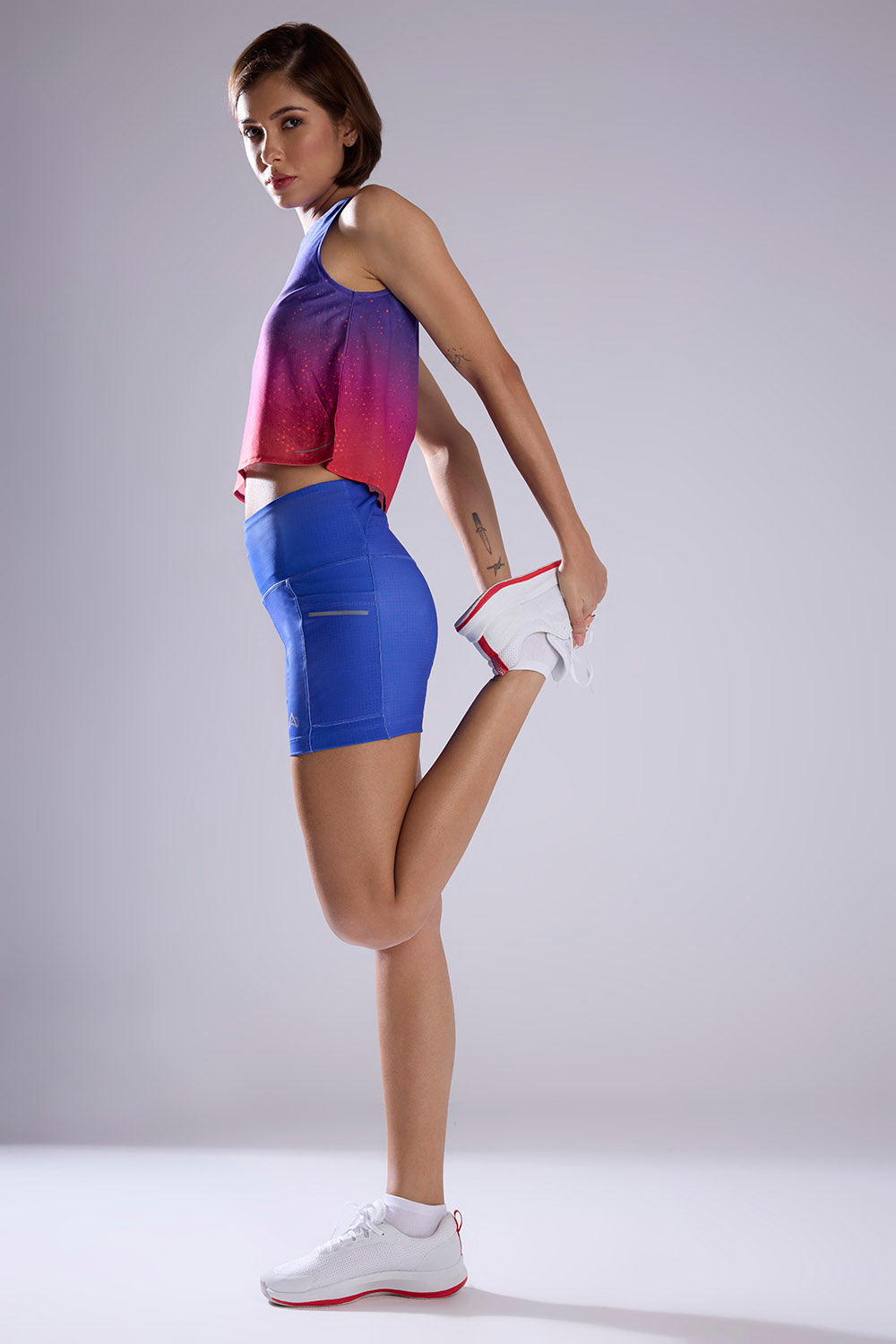
Targeted padding and compression zones offer muscle stabilization that prevents sudden shifts in alignment. This is especially valuable for activities involving repeated jumps, lifts, or changes of direction. The fabric stays in place rather than bunching, avoiding friction points that commonly lead to blisters, rashes, or acute strains. Everyday choices in active clothing can influence outcomes over time. Athletes who prioritize supportive designs report fewer missed sessions and a more positive relationship with exercise.
Selecting the right activewear is one of the simplest yet most effective steps anyone can take to lower the risk of sports-related injuries, because ill-fitting or unsuitable clothing can create chafing, restrict natural movement, or fail to provide necessary support during high-intensity sessions. The guide outlines practical strategies such as choosing garments made from moisture-wicking and breathable fabrics that keep skin dry and comfortable, especially during prolonged workouts or hot conditions where sweat buildup can lead to irritation or reduced performance. Compression styles or those with targeted padding offer muscle stabilization that prevents sudden shifts in alignment, which is crucial for activities involving repeated jumps, lifts, or directional changes.
Proper sizing ensures the fabric stays in place rather than bunching or sliding, avoiding friction points that commonly result in blisters, rashes, or acute strains. This educational focus on gear selection ties directly into broader injury prevention frameworks that emphasize the environment and equipment factors alongside behavior, showing how everyday choices in active clothing can influence outcomes over time. For content marketers targeting fitness enthusiasts, this insight helps illustrate why education around product features matters more than ever in an era of abundant apparel options. Readers gain actionable knowledge that encourages them to assess their current wardrobe, prioritize supportive designs, and incorporate these choices into daily routines, ultimately contributing to fewer missed sessions and a more positive relationship with exercise. The information also supports conversations about brand responsibility in producing inclusive, durable, and performance-oriented pieces that align with real user needs and safety standards.
Building a Culture of Prevention Through Proper Gear Selection
Injury prevention is not just about the product it is about creating awareness and accountability. Coaches, trainers, and athletes should regularly assess their current wardrobe and prioritize garments that align with real user needs and safety standards.
Simple habits make a big difference. Start with a warm-up routine that includes dynamic stretches. Learn correct techniques for every movement. Wear protective equipment where appropriate and choose equipment suited to both the sport and individual strength level.
Education around product features matters more than ever in an era of abundant apparel options. Readers gain actionable knowledge that encourages them to evaluate their own gear choices and see the value in informed, tech-enabled apparel.
Practical Steps for Everyday Athletes
Athletes at any level can take these actions to strengthen their injury-prevention routine:
- Assess your wardrobe regularly. Swap out worn or ill-fitting pieces for supportive alternatives that match current fitness goals.
- Choose fabrics with proven performance. Look for moisture-wicking, breathable materials and compression styles that provide targeted support.
- Integrate monitoring tools. Pair high-performance activewear with wearable trackers to catch early warning signs of fatigue or poor form.
- Train consistently with proper recovery. Balance intense sessions with rest days and focus on technique to reduce cumulative stress.
These steps create a protective ecosystem around every training session, helping users stay active longer and with fewer setbacks.
The Future of Protective Activewear
The trend toward intelligent clothing reflects a broader industry movement that treats every piece of activewear as part of a protective ecosystem. As technology continues to advance, expect even more personalized features that adapt to individual biomechanics in real time.
For teams, coaches, and everyday enthusiasts across India's major fitness hubs, this evolution means safer training, faster recovery, and greater enjoyment of movement. The right activewear is no longer optional it is an essential part of responsible fitness.
By investing in apparel that supports the body rather than against it, athletes build habits that last. Whether you are a seasoned runner in Bangalore or a weekend cyclist in Hyderabad, proper gear and smart choices remain the foundation of injury-free progress.
Frequently Asked Questions
How does activewear help prevent injuries during workouts?
Activewear helps prevent injuries by improving comfort, support, and movement efficiency during exercise. Moisture-wicking and breathable fabrics reduce skin irritation and overheating, while well-designed fits minimize chafing and restriction. Compression features can also support muscles and joints, lowering the risk of strains during high-impact activities.
What features should I look for in activewear to reduce injury risk?
To reduce injury risk, look for activewear made from moisture-wicking and breathable materials that keep the body dry and cool. A proper fit is essential to avoid friction, blisters, and movement restriction during workouts. Compression zones or targeted padding can also provide added muscle support and stability.
Can smart activewear or wearable technology help prevent sports injuries?
Yes, smart activewear equipped with sensors can help detect early signs of fatigue, strain, or improper movement patterns. These real-time insights allow athletes and coaches to adjust workouts before injuries occur. By monitoring performance data like heart rate and biomechanics, it supports safer and more efficient training.
Disclaimer: The above helpful resources content contains personal opinions and experiences. The information provided is for general knowledge and does not constitute professional advice.
You may also be interested in: The Role of Lightweight Activewear in Improving Running Times
Tired of gear that slows you down? Chafing, soggy fabrics, and missing pockets kill your run's momentum. At Aguante, we're runners who get it. Our high-performance activewear features moisture-wicking fabrics, ergonomic designs, and smart storage to keep you focused. Shop Now!
Powered by flareAI.co