



Quick Listen:
Running stands as one of the most accessible yet demanding forms of exercise, where the right apparel can make the difference between pushing personal limits and cutting a session short due to discomfort. For runners in bustling urban centers like Bangalore, Hyderabad, Mumbai, Pune, Navi Mumbai, Delhi, Gurugram, Surat, and Ahmedabad, where humid conditions and varying temperatures test endurance daily, performance apparel plays a critical role in managing body heat, moisture, and movement efficiency.
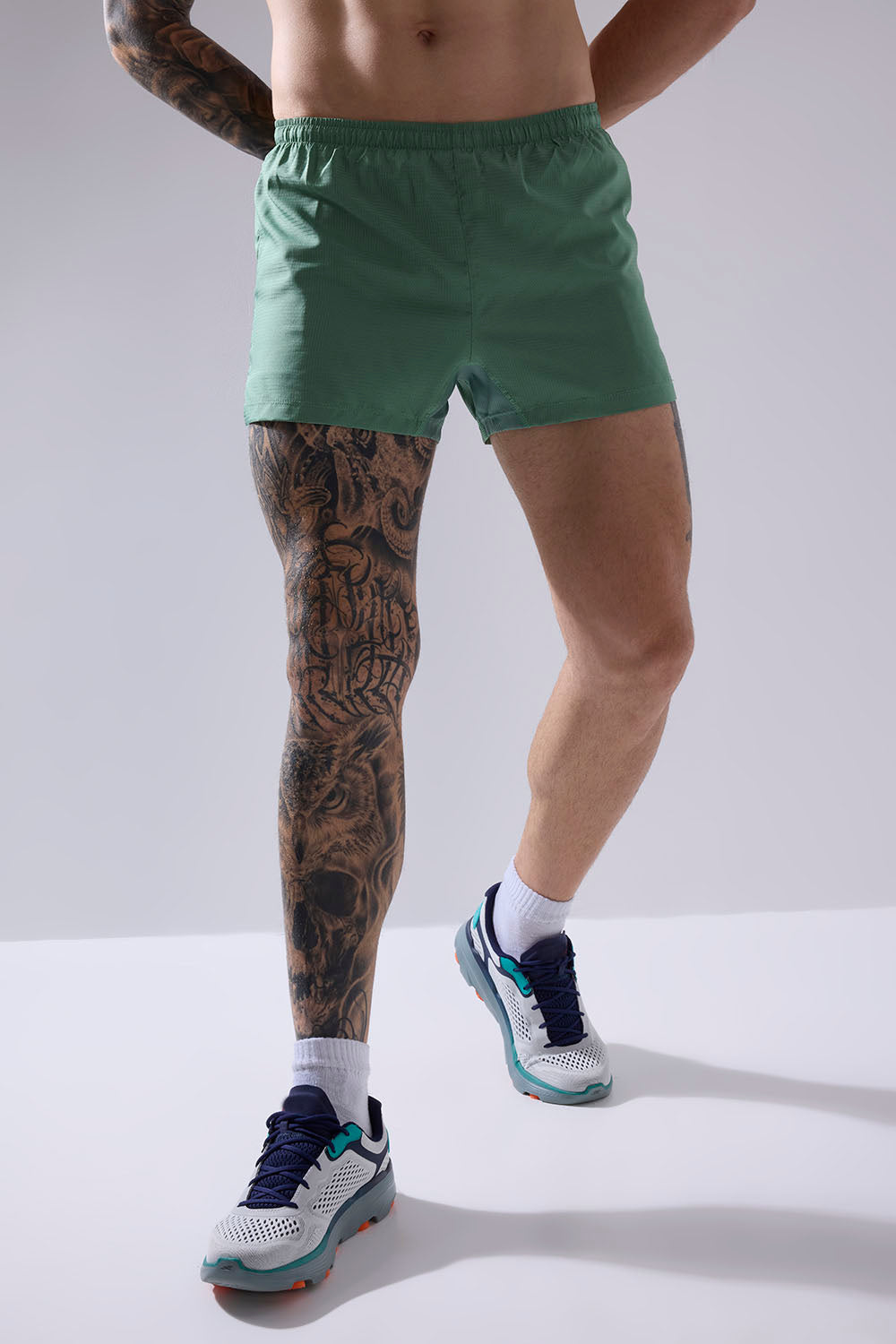
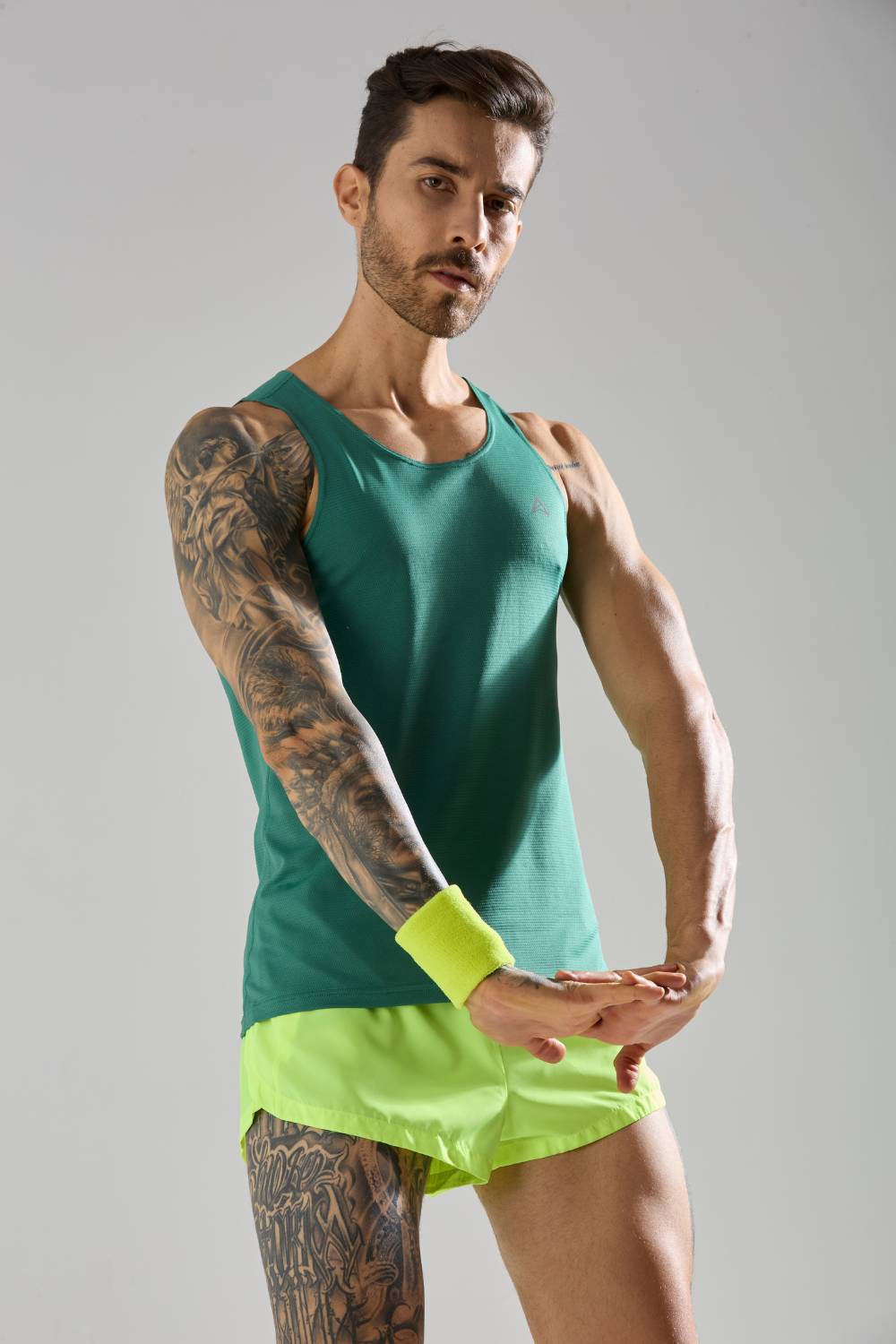
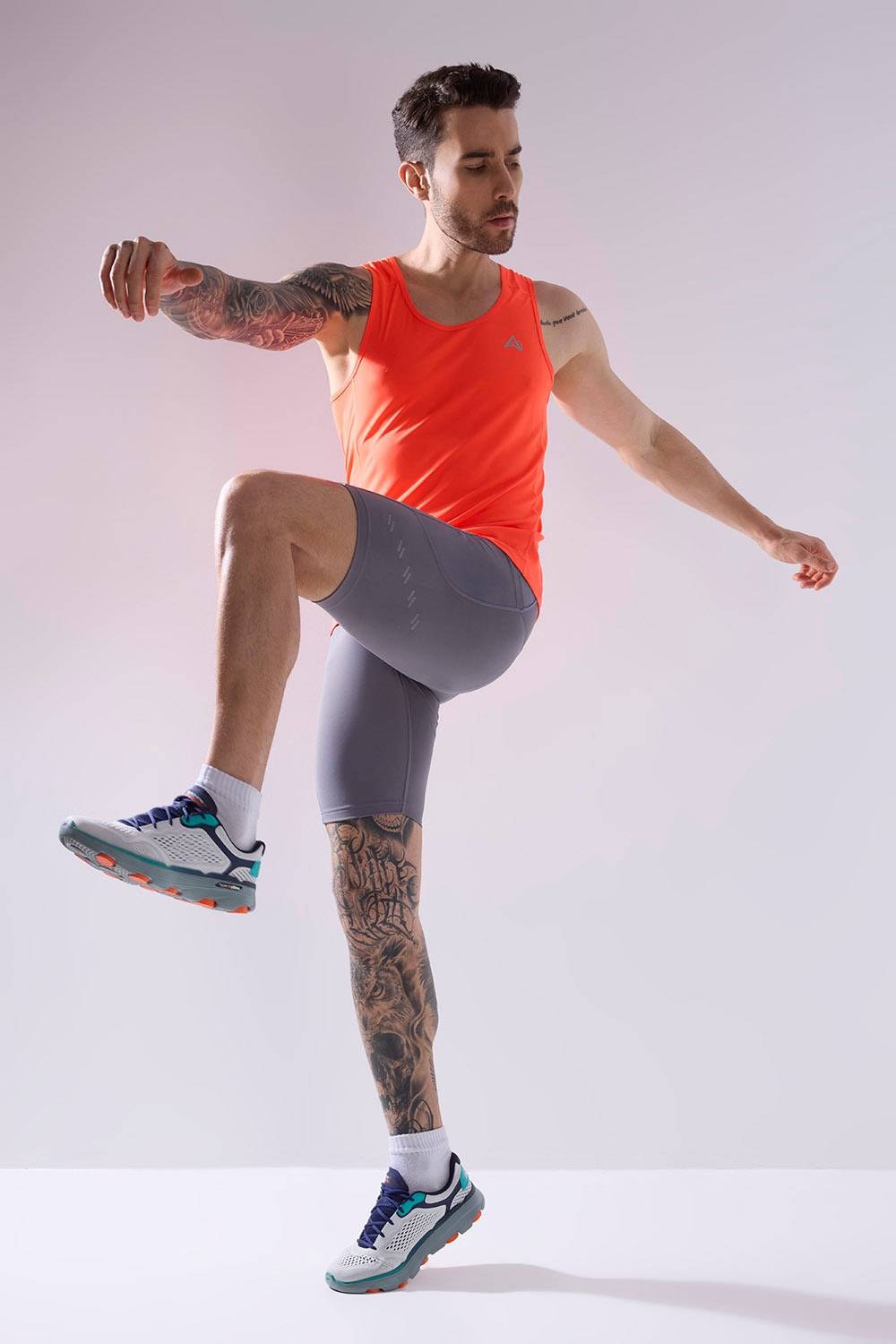
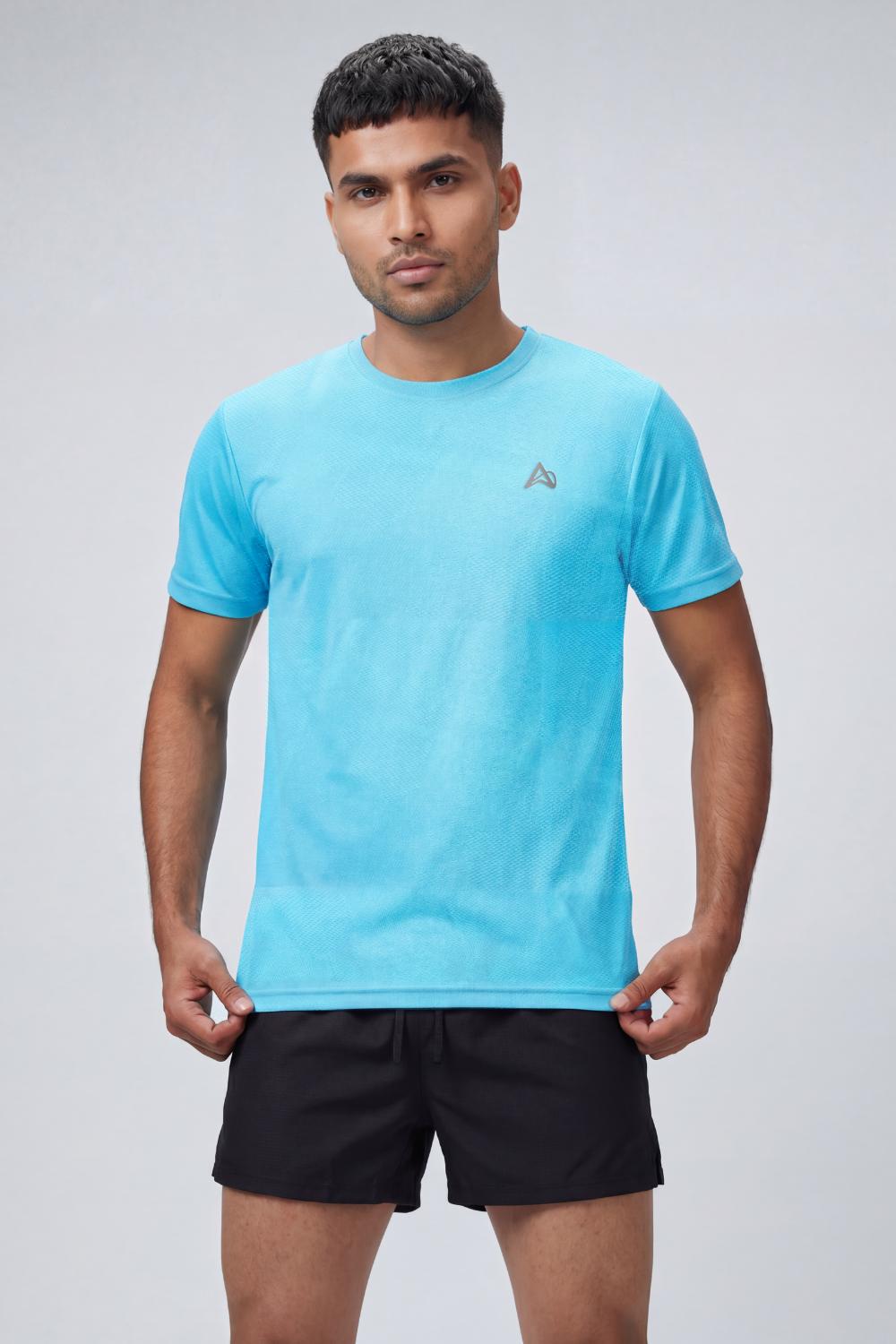
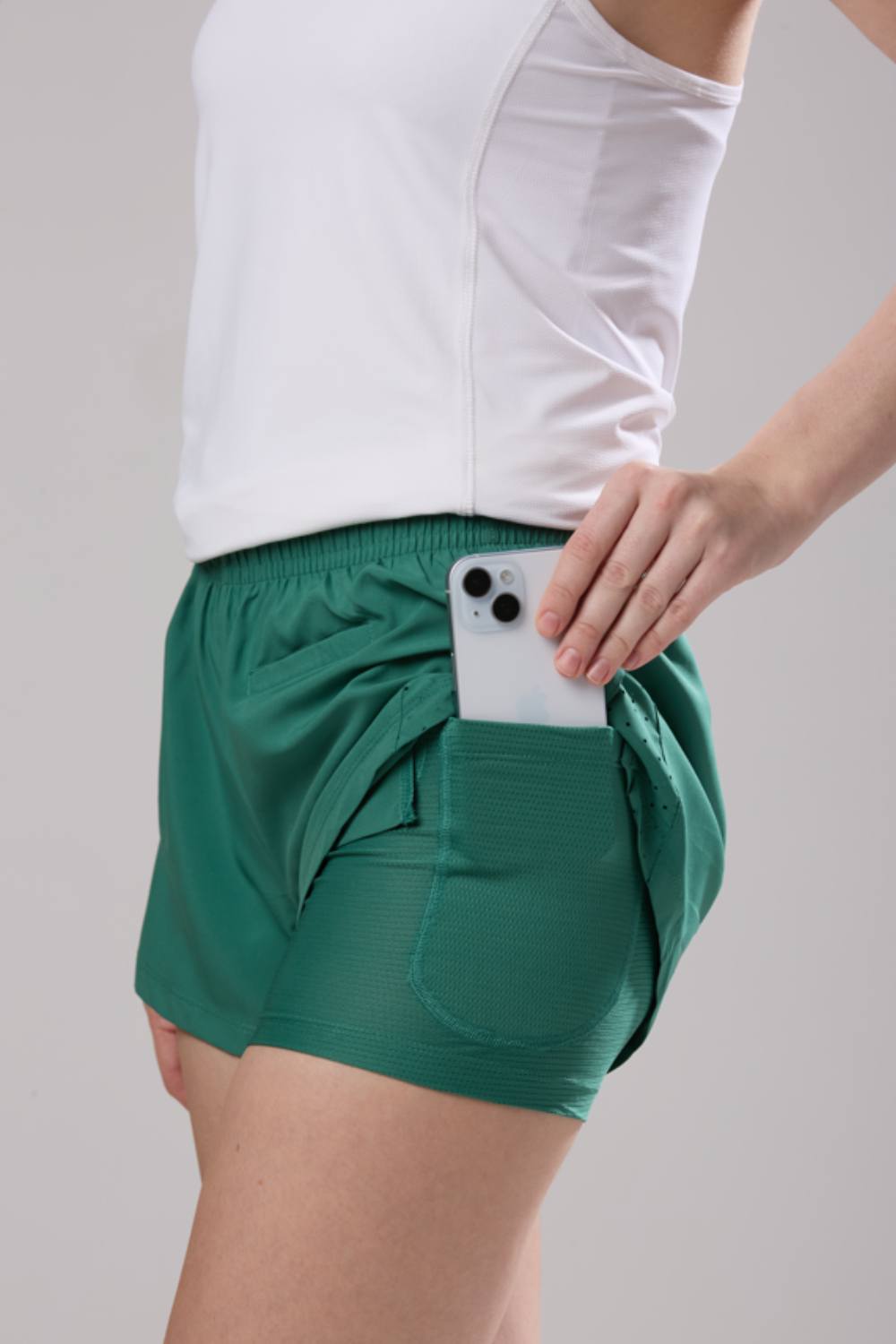
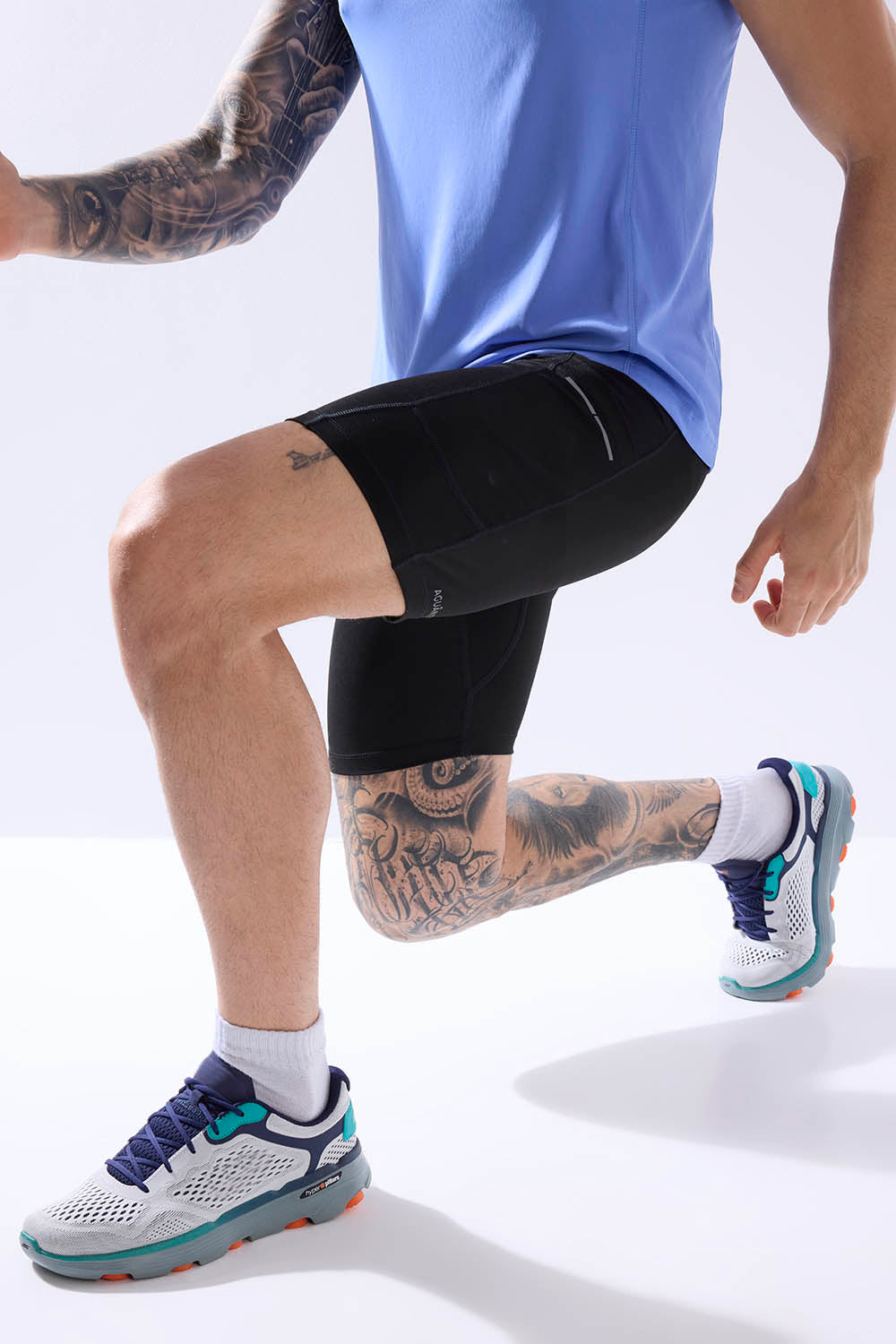
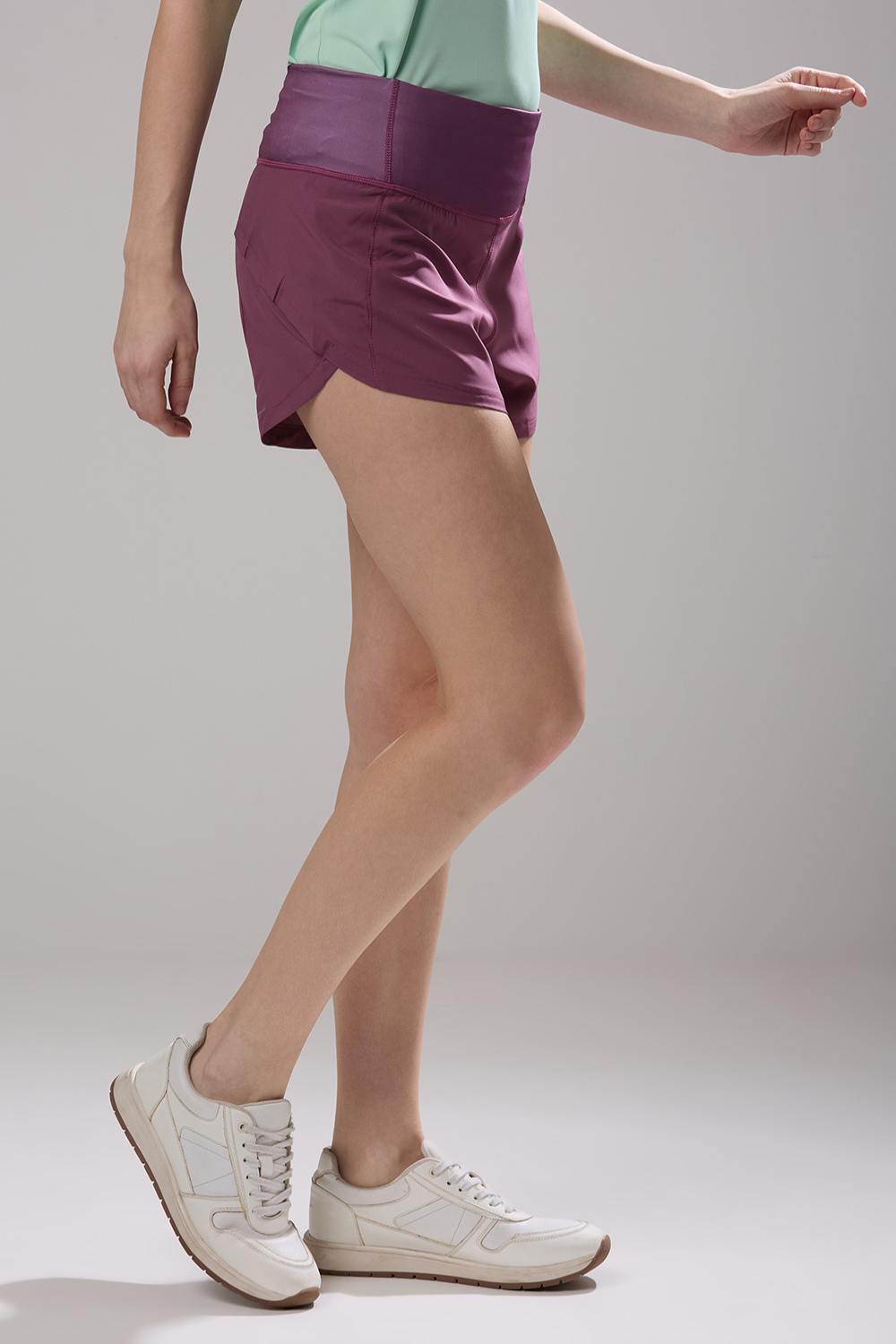
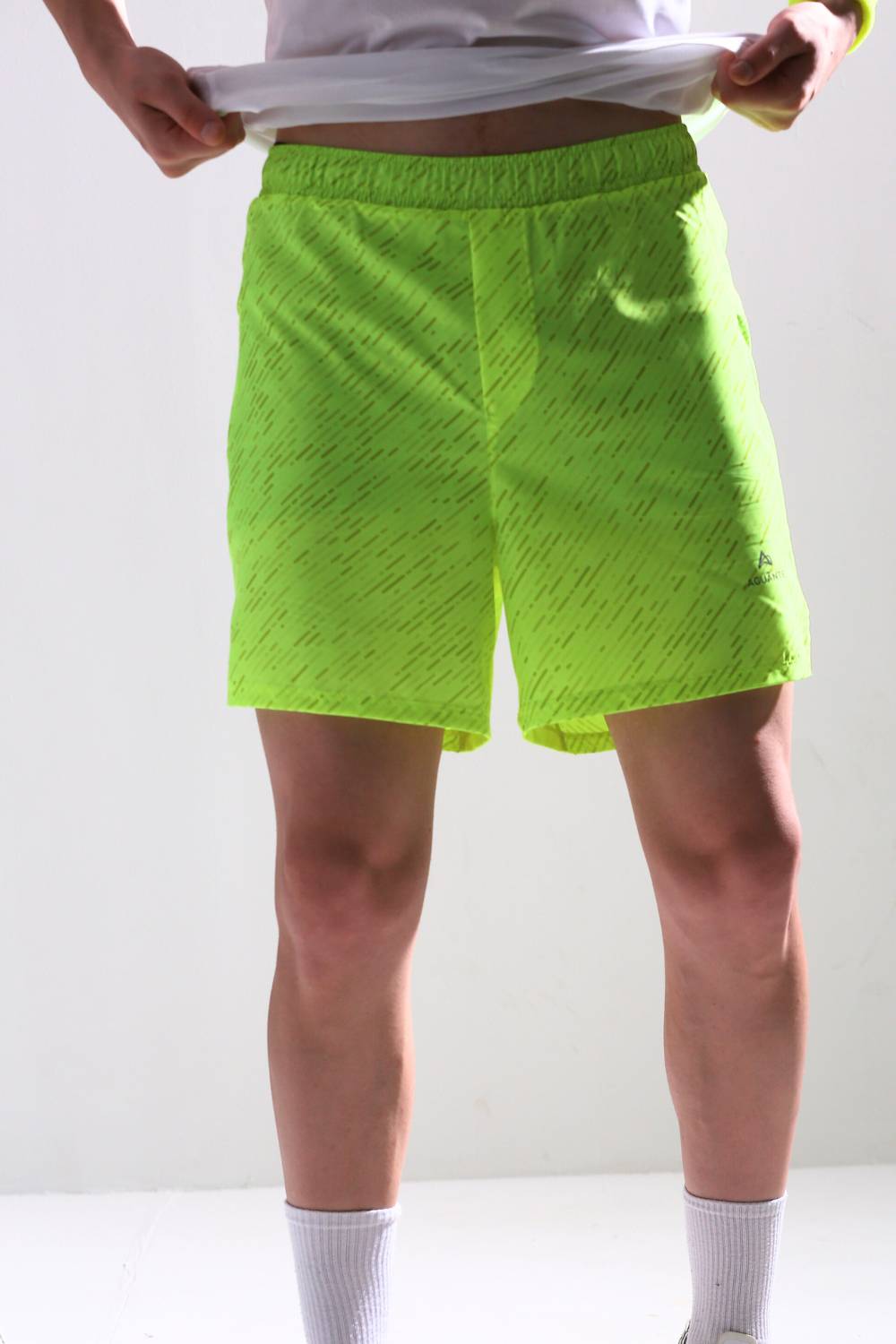
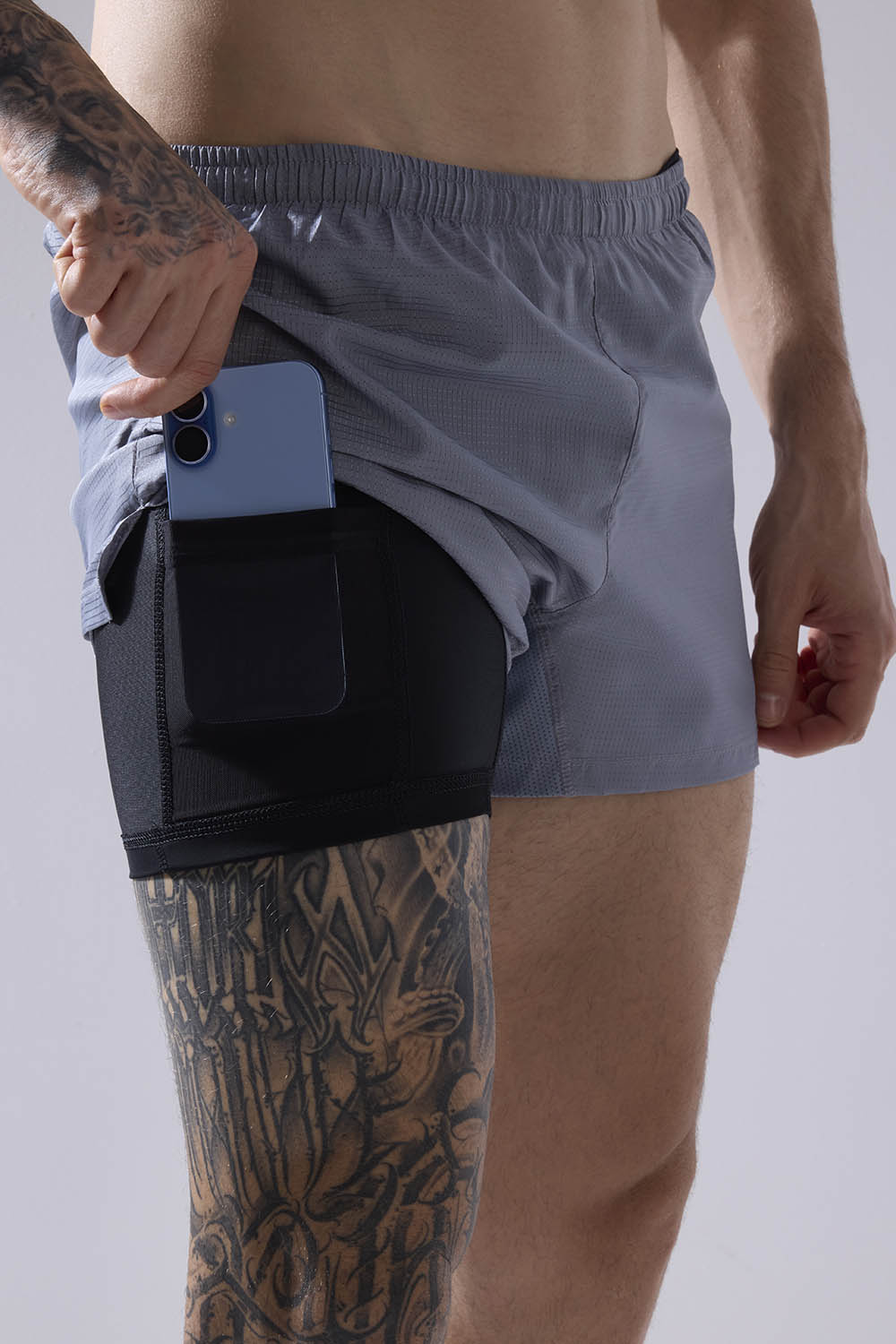
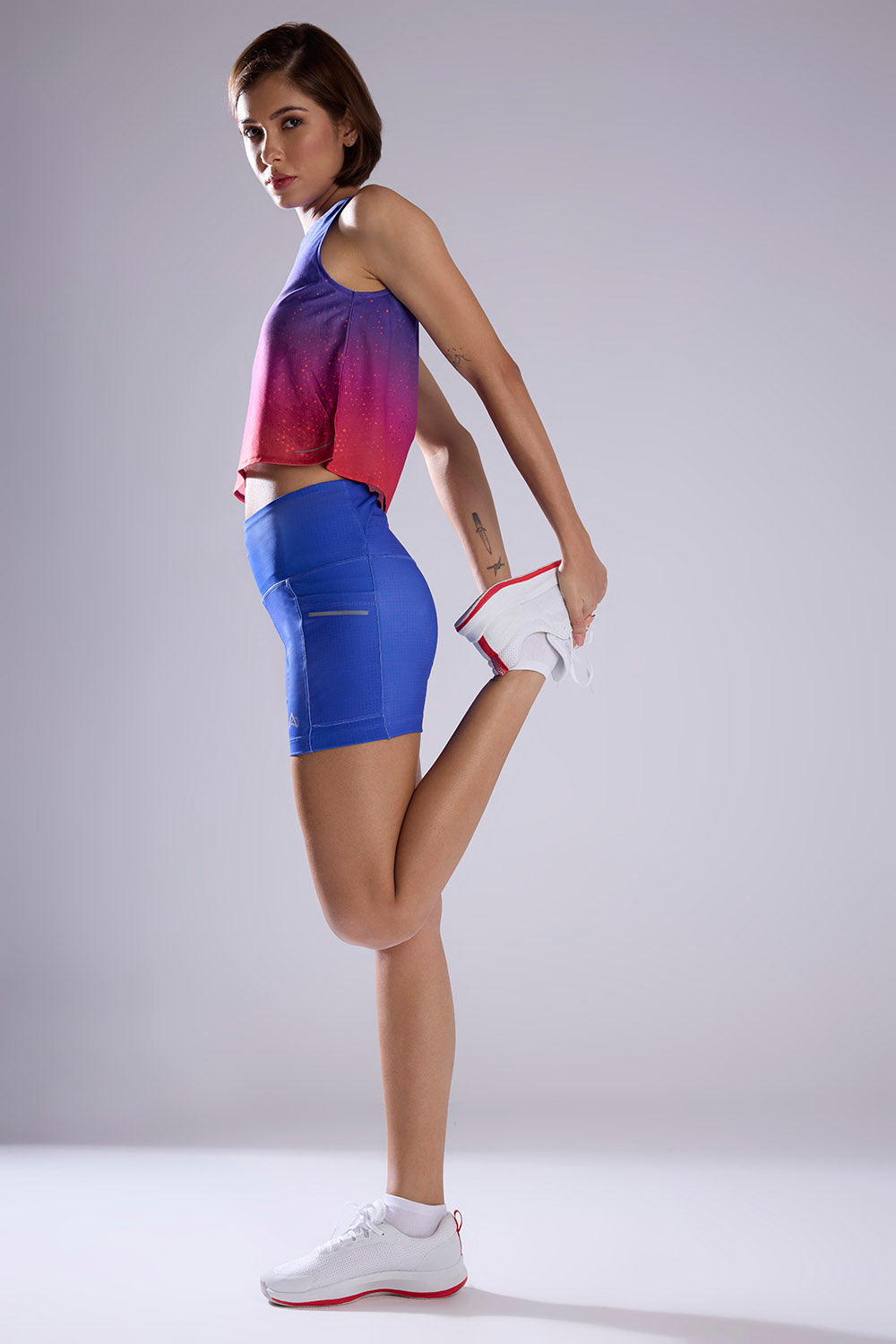
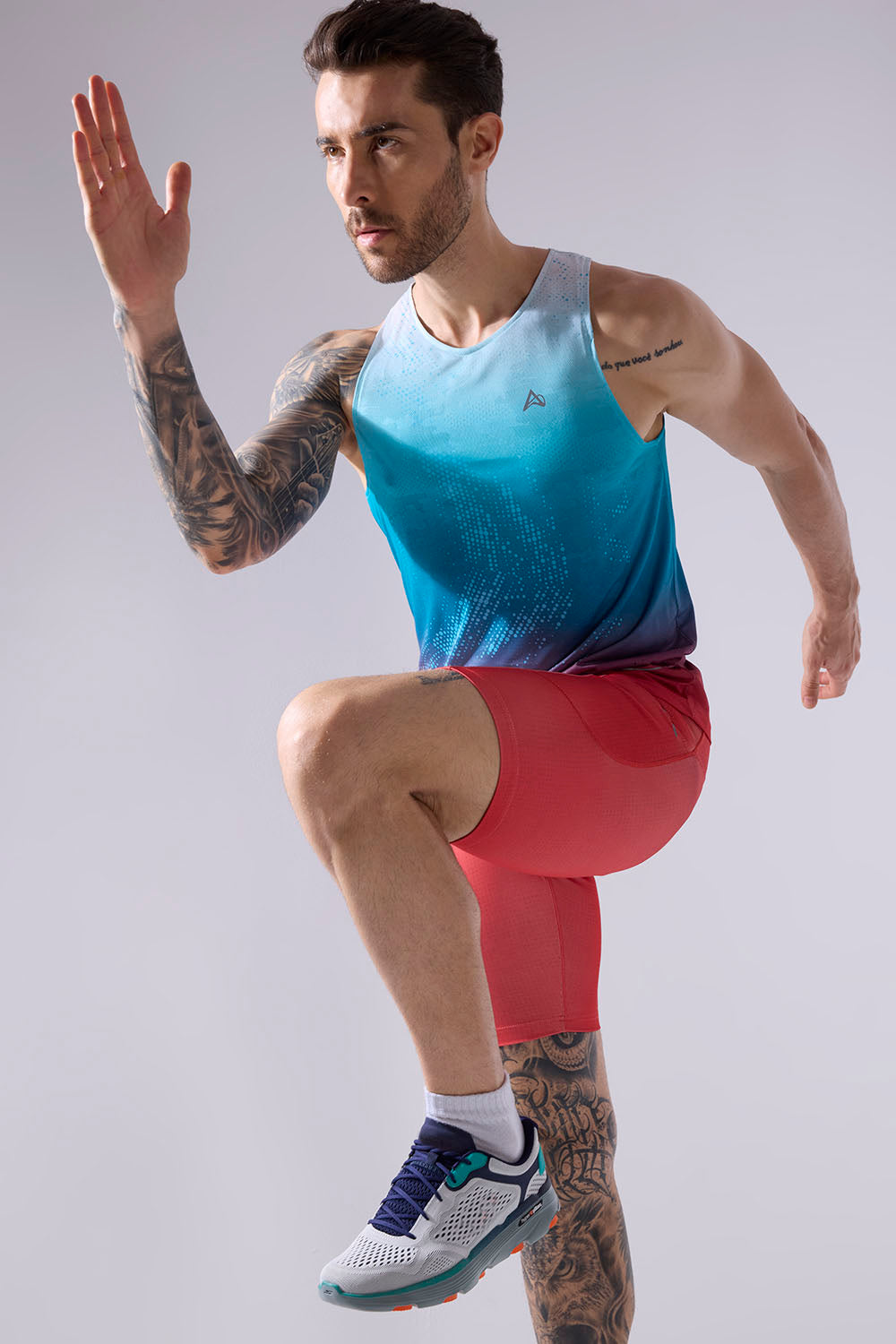
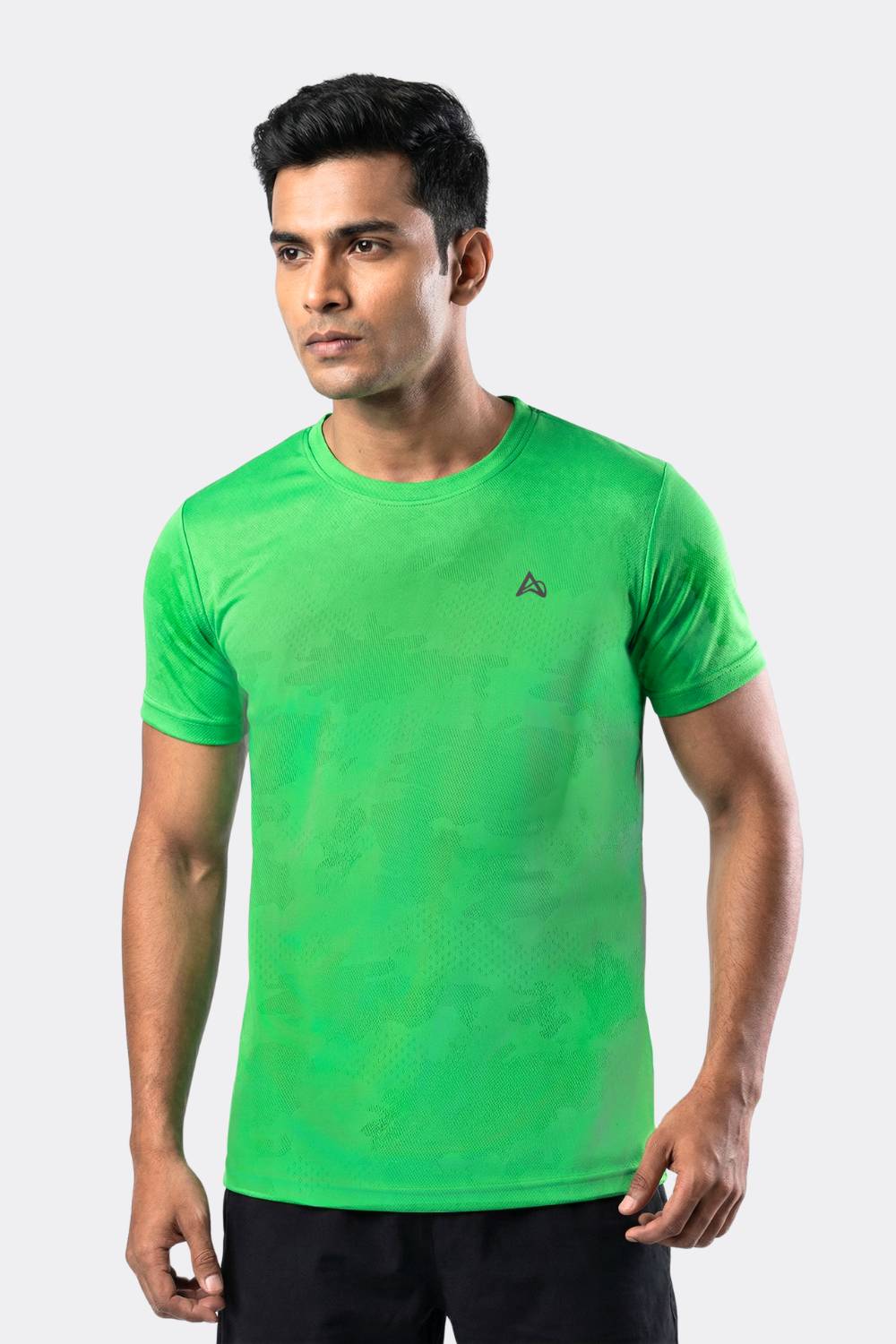
Tired of gear that slows you down? Chafing, soggy fabrics, and missing pockets kill your run's momentum. At Aguante, we're runners who get it. Our high-performance activewear features moisture-wicking fabrics, ergonomic designs, and smart storage to keep you focused. Shop Now!
The Science of Thermoregulation in Running Gear
During intense runs, the body generates significant metabolic heat that must be dissipated to maintain optimal core temperature. Specialized running apparel supports this process through lightweight, breathable fabrics designed to enhance sweat evaporation while minimizing insulation. Poorly performing garments can lead to increased skin and core temperatures, elevated sweat rates, and greater cardiovascular strain, ultimately limiting how long and how effectively one can sustain effort.
Research highlights how advanced materials prioritize air permeability and moisture-wicking properties. These features promote rapid vapor transmission, reducing the risk of heat stress during longer sessions such as morning runs through city parks or evening training in humid coastal areas. By keeping the body drier and cooler, high-performance apparel helps runners maintain form, focus, and safety, turning potential distractions from dampness or overheating into seamless support for consistent training.
Sports clothing plays a pivotal role in supporting thermoregulation during physical activity by prioritizing lightweight breathable fabrics and designs that enhance sweat evaporation while minimizing insulation barriers. In heat, the body relies on efficient moisture transport to dissipate metabolic heat and maintain core temperature stability, with poor-performing apparel leading to increased skin and core temperature rises, elevated sweat rates, and higher cardiovascular strain that ultimately limits endurance capacity.
According to sports clothing thermoregulation research, specialized materials ranging from synthetics with high air permeability to those incorporating moisture-wicking treatments can promote rapid vapor transmission, reducing the risk of heat stress during prolonged sessions. This directly impacts athlete safety and output, as unregulated heat buildup not only compromises performance but also heightens injury potential. For everyday runners seeking both comfort and results, understanding these mechanisms encourages selection of garments that keep the wearer dry and supported throughout the activity, fostering longer training sessions and more consistent race times without the distractions of dampness or overheating.
Fabric Choices and Their Impact on Comfort
Not all fabrics perform equally when it comes to running. Materials like polyester mesh and innovative blends such as Tencel single jersey demonstrate clear advantages in real-world wear trials. These options typically result in lower skin and core temperatures, reduced humidity buildup next to the skin, and improved subjective comfort ratings compared to standard alternatives.
Runners often report feeling less perceived effort and better recovery potential with garments that excel at moisture management. The fabric prevents the heavy, clinging sensation common with less efficient materials, allowing for smoother movement across varied terrains from the undulating routes around Mumbai's coastal paths to the busier streets of Delhi and Gurugram. This enhanced comfort encourages longer, more enjoyable sessions and supports adherence to training plans.
Different fabrics used in running apparel significantly influence thermophysiological responses and overall comfort during wear trials, with high air permeability and low thermal resistance properties proving especially beneficial in maintaining optimal microclimate conditions. Studies testing t-shirts made from materials like Tencel single jersey and polyester mesh reveal lower skin and core temperatures, reduced relative humidity buildup, and improved subjective comfort ratings compared to standard options.
According to garment fabrics for running performance, these advantages stem from superior moisture management that accelerates evaporation and prevents the heavy, clinging sensation associated with less efficient materials. For performance-focused runners, this translates to less perceived effort, faster recovery, and the ability to maintain pace during hilly or heat-stressed runs without compromising form or safety. Comfort assessments further highlight how breathable, lightweight constructions reduce dampness and stickiness sensations, creating a more seamless interaction between body and fabric that enhances psychological well-being during exertion.
Key Fabric Properties for Everyday Runners
- High air permeability: Allows better airflow to regulate temperature during high-intensity intervals.
- Effective moisture wicking: Draws sweat away from the skin for faster evaporation.
- Low thermal resistance: Prevents unnecessary heat retention while supporting natural cooling.
- Lightweight construction: Reduces bulk and chafing, particularly important in warmer Indian climates.
How Apparel Influences Performance Metrics
Beyond basic comfort, running clothing affects measurable aspects of performance. Breathable designs help maintain lower heart rates and oxygen consumption at given intensities, enabling runners to sustain higher paces for longer periods. This becomes especially relevant during challenging conditions, such as humid afternoons in Hyderabad or Pune, where heat buildup can quickly impair efficiency.
Athletes and recreational runners alike benefit from garments that minimize distractions. When apparel feels supportive rather than restrictive, it frees mental energy for pacing, form, and motivation. Over time, this contributes to improved endurance, faster recovery between sessions, and the ability to tackle more ambitious goals like half-marathons or trail runs in local green spaces.
Practical Considerations for Urban Runners
Choosing the right apparel involves understanding personal needs alongside environmental factors. In cities with diverse microclimates ranging from Surat's warmer days to Bangalore's variable elevations versatile pieces that handle both heat and occasional cooler mornings prove invaluable.
Look for designs that incorporate strategic ventilation panels, flatlock seams to prevent chafing, and reflective elements for safety during low-light runs. These features address common urban running challenges, such as navigating traffic, pollution, or crowded pathways, while enhancing overall experience. Runners who invest in quality gear often find themselves more consistent, as comfort removes common barriers to regular training.
Common Pitfalls and How to Avoid Them
Many runners start with basic cotton tees or ill-fitting shorts, only to discover limitations during longer efforts. Cotton retains moisture, leading to that heavy, uncomfortable feel that disrupts rhythm. Similarly, overly tight or loose garments can cause irritation or excess movement that wastes energy.
To optimize choices, consider fit, material composition, and intended use. Test pieces during varied workouts to assess real performance. Brands focusing on performance running apparel, like those emphasizing technical innovation, provide options tailored to these demands, helping runners across India elevate their routines without guesswork.
Building a Sustainable Running Wardrobe
Effective apparel selection extends beyond single runs to support long-term progress. Layering strategies for different seasons, prioritizing durability, and selecting versatile items ensure gear serves multiple purposes. This approach proves cost-effective while maximizing benefits for performance and enjoyment.
As more enthusiasts embrace running as a lifestyle whether for fitness, stress relief, or community thoughtful apparel choices reinforce positive habits. The right kit transforms routine jogs into empowering experiences, fostering both physical gains and mental resilience amid busy urban lives.
Run Smarter, Perform Better
Running apparel profoundly shapes both performance and comfort, acting as a silent partner in every stride. By prioritizing fabrics and designs grounded in thermoregulation and moisture management principles, runners can unlock greater potential while minimizing discomfort. For those navigating the vibrant running scenes in Bangalore, Hyderabad, Mumbai, Pune, Navi Mumbai, Delhi, Gurugram, Surat, and Ahmedabad, investing in quality gear represents a practical step toward achieving goals with confidence and consistency.
Explore options that align with your specific needs, and experience how the right clothing elevates not just your runs, but your overall approach to fitness.
Frequently Asked Questions
How does running apparel affect performance and comfort during a run?
Running apparel directly influences performance and comfort by regulating body temperature and managing moisture buildup. Breathable, moisture-wicking fabrics support thermoregulation by allowing sweat to evaporate quickly and reducing heat stress. This helps runners maintain endurance, focus, and overall efficiency during both short and long-distance runs.
What fabrics are best for running apparel in hot and humid conditions?
In hot and humid conditions, lightweight and breathable fabrics like polyester mesh and advanced blends such as Tencel single jersey perform best. These materials offer high air permeability and effective moisture-wicking properties that help keep the skin dry. They also reduce heat retention, improving overall comfort and reducing fatigue during intense runs.
Why should runners avoid cotton clothing for running?
Cotton is not ideal for running because it absorbs and retains moisture instead of wicking it away. This leads to a heavy, damp feeling that can cause chafing and discomfort during longer runs. It also traps heat and sweat against the skin, which can negatively impact performance and endurance.
Disclaimer: The above helpful resources content contains personal opinions and experiences. The information provided is for general knowledge and does not constitute professional advice.
You may also be interested in: Running Shorts vs Half Tights - Aguante
Tired of gear that slows you down? Chafing, soggy fabrics, and missing pockets kill your run's momentum. At Aguante, we're runners who get it. Our high-performance activewear features moisture-wicking fabrics, ergonomic designs, and smart storage to keep you focused. Shop Now!
Powered by flareAI.co