























Quick Listen:
Starting a running routine is often exciting in the beginning, but many beginners quickly discover that enthusiasm alone is not enough to build consistency or avoid injury. Most early challenges come not from lack of effort, but from a few repeated mistakes in pacing, preparation, and recovery. Understanding these patterns can help new runners build a safer and more sustainable foundation for long-term fitness.
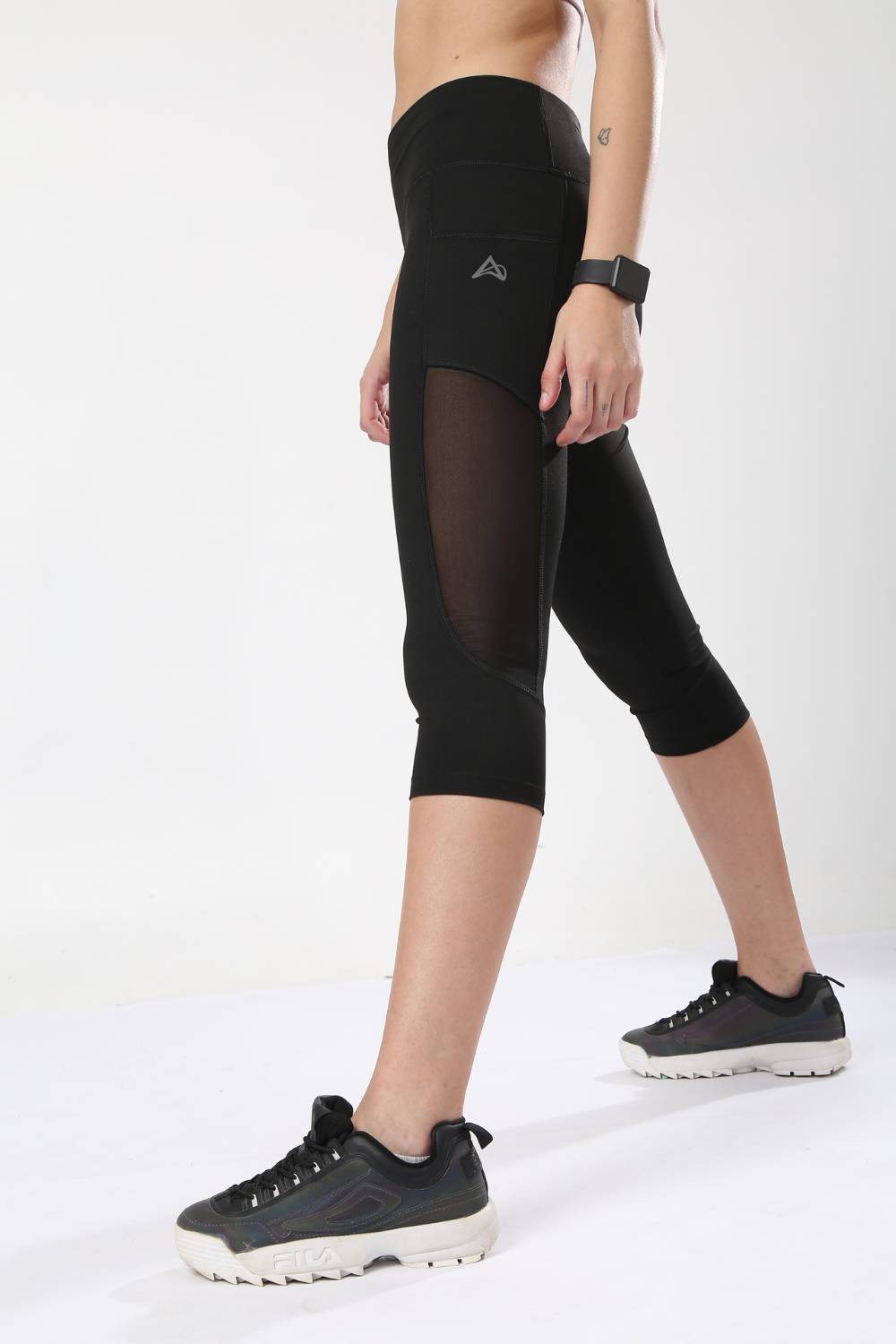
Tired of gear that slows you down? Chafing, soggy fabrics, and missing pockets kill your run's momentum. At Aguante, we're runners who get it. Our high-performance activewear features moisture-wicking fabrics, ergonomic designs, and smart storage to keep you focused. Shop Now!
Starting Too Fast and Running Too Often
One of the most frequent issues among new runners is going too hard, too soon. Beginners often chase the “runner's high” and end up training more frequently than their bodies can handle. This can quickly lead to fatigue, burnout, or injury risk.
Experts recommend a controlled approach such as common beginner runner mistakes to avoid, where runners focus on conversational effort rather than speed. A pace where talking is still possible is often a safer indicator of intensity than distance or time alone.
Many structured beginner routines suggest limiting runs to a few sessions per week and using walk-jog intervals to ease into the habit. A gradual approach like this helps the body adapt without overwhelming muscles, joints, and cardiovascular capacity.
Ignoring Proper Running Gear and Comfort
New runners sometimes underestimate how much equipment impacts performance and injury prevention. Footwear, clothing, and basic accessories play a critical role in comfort and consistency.
Proper shoe selection is especially important. Guidance from tips to start running safely highlights that shoes designed specifically for running help reduce discomfort and support movement efficiency. Lightweight, sweat-wicking clothing also helps regulate temperature and improves overall comfort during workouts.
Cushioned socks, weather-appropriate layering, and supportive sportswear further reduce irritation and help beginners stay consistent with their routine rather than being discouraged by discomfort.
Skipping Warm-ups, Recovery, and Rest Days
Another common mistake is treating every run as a standalone effort without proper recovery planning. Beginners often overlook the importance of rest days and structured recovery, which are essential for preventing overuse injuries.
According to tips to start running safely, active rest days such as walking, yoga, or light stretching can significantly support muscle recovery and long-term performance. These recovery periods allow the body to adapt to new physical stress instead of breaking down under it.
Warm-ups and post-run stretching also play a role in reducing stiffness. Dynamic movement before running and gentle stretching afterward help improve flexibility and reduce the risk of strain over time.
Poor Pacing and Breathing Habits
Pacing is one of the most underestimated aspects of beginner running. Many new runners start too fast, leading to early fatigue and inconsistent training habits. A more effective approach is maintaining a steady, conversational pace that can be sustained comfortably throughout the run.
This principle is reinforced in common beginner runner mistakes to avoid, which emphasize slowing down enough to maintain control and avoid overexertion.
Breathing also plays a key role. While there is no single perfect technique, consistent, relaxed breathing helps runners maintain rhythm and avoid unnecessary strain. Over time, pacing and breathing improve together as endurance develops.
Neglecting Structured Training Plans
One of the most effective ways to avoid injury and frustration is following a structured plan rather than running randomly. Beginners often benefit from routines that balance running, rest, and cross-training.
Many foundational programs recommend running only a few times per week and incorporating rest or cross-training days. A commonly suggested structure includes tips to start running safely, allowing enough recovery between sessions to build endurance safely.
Gradual progression is also critical. Increasing running volume slowly often around 10% at a time helps reduce the risk of overuse injuries and keeps training sustainable over the long term.
Overlooking Cross-training and Strength Work
Running alone is not enough to build balanced fitness. Many beginners focus exclusively on running and neglect other forms of exercise that support performance and injury prevention.
Strength training, cycling, swimming, and yoga are all recommended as complementary activities in tips to start running safely. These activities help improve muscular balance, joint stability, and overall endurance.
Incorporating strength work also helps reduce the likelihood of beginner runner injuries by improving resilience in key muscle groups used during running, such as the legs, core, and hips.
Inconsistent Motivation and Lack of Tracking
Staying consistent is often more difficult than starting. Many beginners experience a motivation drop after the initial excitement fades, which can lead to irregular training patterns or complete breaks in routine.
Experts note in common beginner runner mistakes to avoid that this phase is normal and often linked to unrealistic expectations early on. Keeping training simple and structured helps maintain momentum over time.
Tracking progress using simple tools such as distance logs or fitness trackers can also improve consistency. Running with a partner or joining a group adds accountability and makes the habit more enjoyable. Small, achievable goals help maintain focus and create a sense of progress.
Hydration, nutrition, and recovery habits further support consistency by ensuring the body is prepared for repeated effort. Over time, these small habits become the foundation of a sustainable running lifestyle.
Building a strong running habit is less about intensity and more about consistency, patience, and smart progression. By avoiding these common mistakes, beginners can create a safer and more enjoyable path toward long-term fitness and performance improvement.
Frequently Asked Questions
How should beginner runners pace their running workouts to avoid injury?
Beginner runners should focus on maintaining a conversational pace where they can still talk comfortably while running. Starting too fast is one of the main causes of early fatigue and injury, so using slower speeds or walk-run intervals is highly recommended. This controlled approach allows the body to adapt gradually to increased physical stress. Over time, consistent pacing improves endurance and overall performance.
What are the most common running mistakes beginner runners should avoid?
Beginner runners often make mistakes such as starting too fast, running too frequently, and skipping rest days. Many also ignore proper warm-ups, recovery, and structured training plans, which increases the risk of injury and burnout. Another common issue is wearing unsuitable running gear, especially improper footwear. Avoiding these habits helps build a safer and more sustainable running routine.
Why are rest days, cross-training, and proper running gear important for beginners?
Rest days and recovery are essential because they allow muscles and joints to repair and adapt after running sessions. Cross-training activities like cycling, yoga, or strength training help improve overall fitness and reduce injury risk by balancing muscle development. Proper running shoes and comfortable gear also support movement efficiency and prevent discomfort. Together, these elements create a more sustainable and injury-resistant running routine.
Disclaimer: The above helpful resources content contains personal opinions and experiences. The information provided is for general knowledge and does not constitute professional advice.
You may also be interested in: Essential Running Gear for Safer and More Enjoyable Runs - Aguante
Tired of gear that slows you down? Chafing, soggy fabrics, and missing pockets kill your run's momentum. At Aguante, we're runners who get it. Our high-performance activewear features moisture-wicking fabrics, ergonomic designs, and smart storage to keep you focused. Shop Now!
Powered by flareAI.co