



Quick Listen:
Runners in hot and humid conditions face a constant battle with sweat that can quickly turn a comfortable workout into an uncomfortable one. When moisture builds up in fabric, it not only feels clammy but also pulls heat away from the body, raising core temperature and forcing the heart to work harder. The right fabrics change that equation entirely, allowing runners to maintain pace, recover faster between efforts, and stay in the zone mile after mile.
The latest experiential marketing trends emphasize interactive and immersive experiences. Brands are now focusing on wear trial tests on Tencel and polyester mesh shirts to engage audiences, providing detailed strategies for creating memorable activations and boosting brand loyalty. The approach includes leveraging technology, interactivity, and multi-sensory engagement to elevate attendee experiences beyond traditional events.
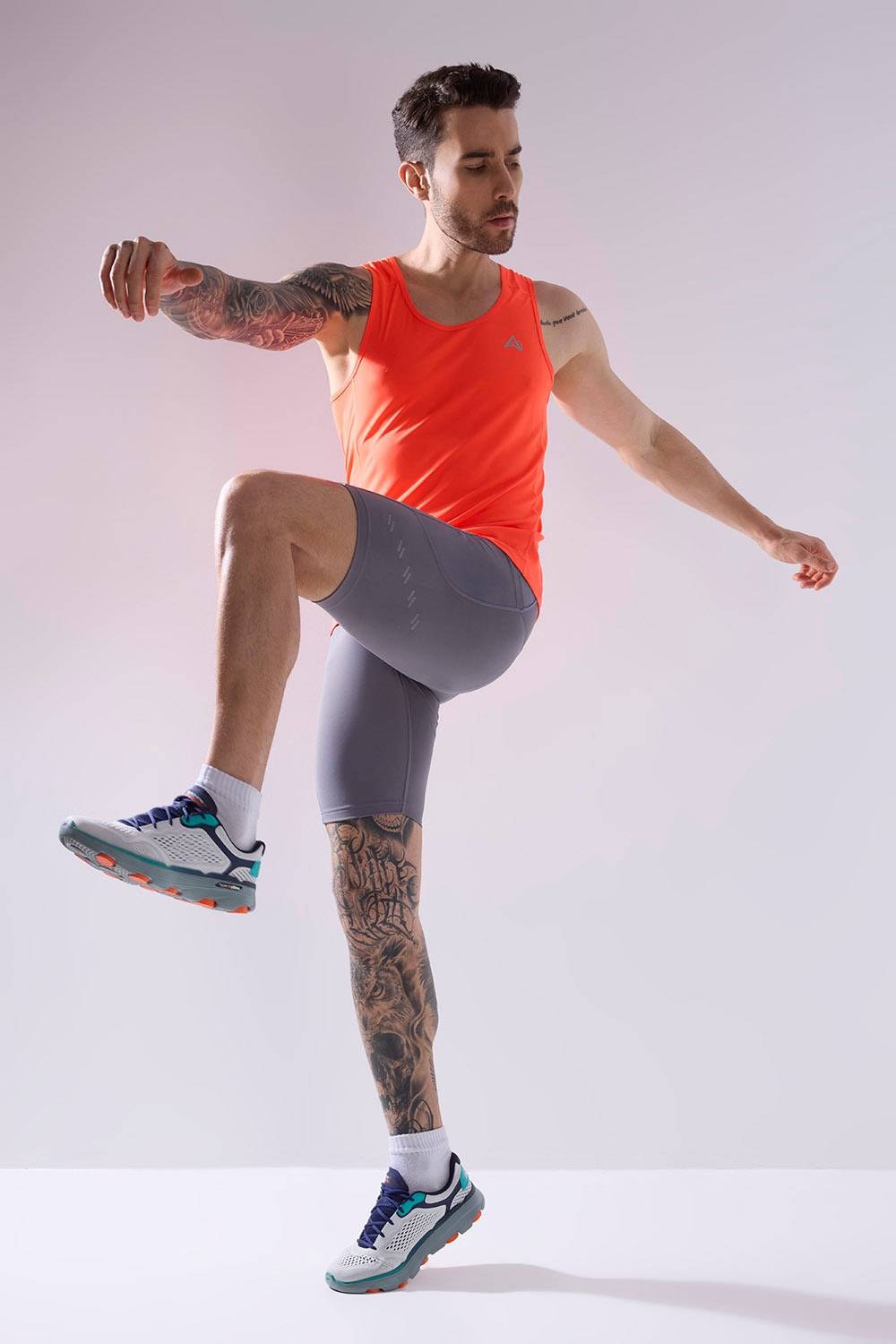
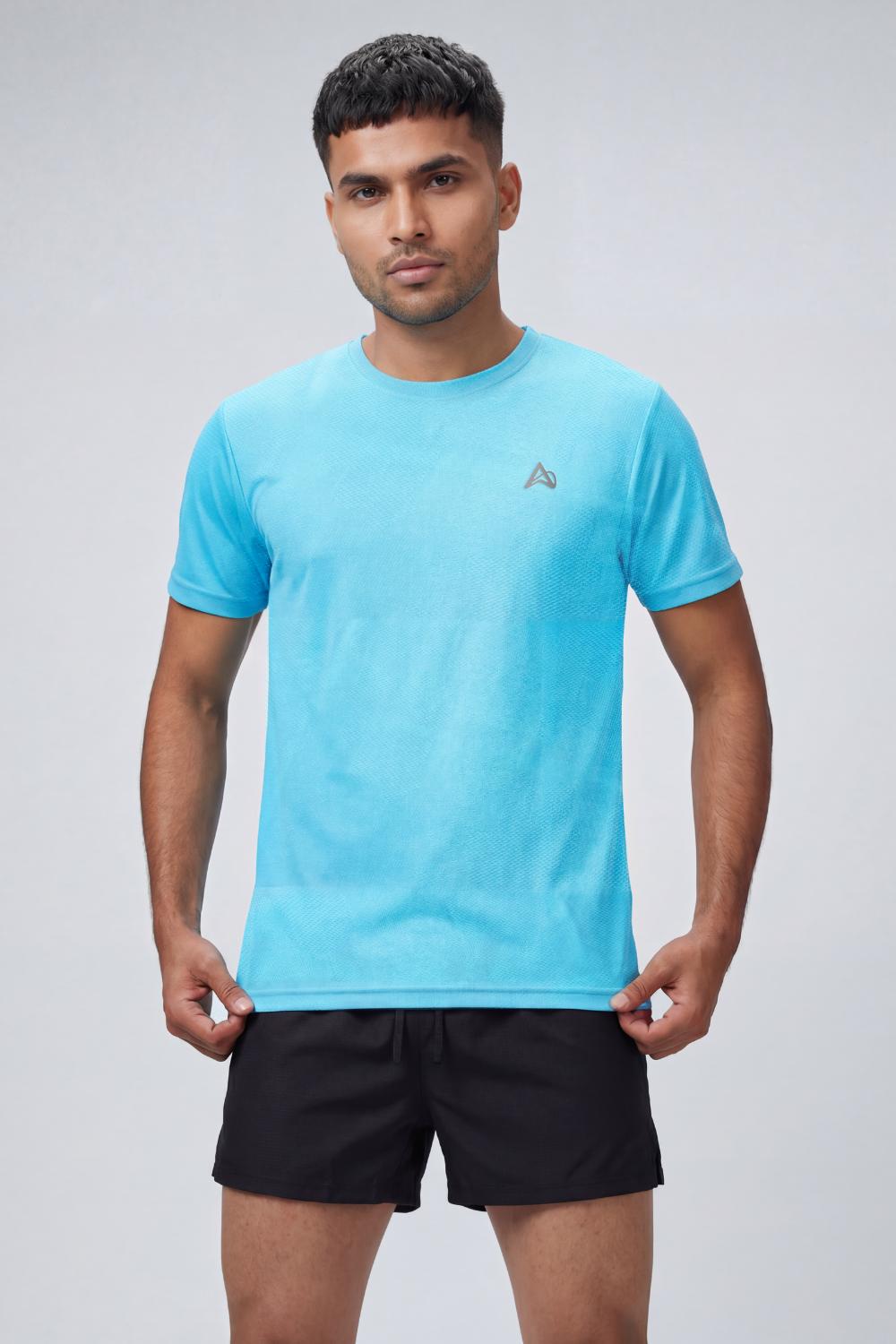
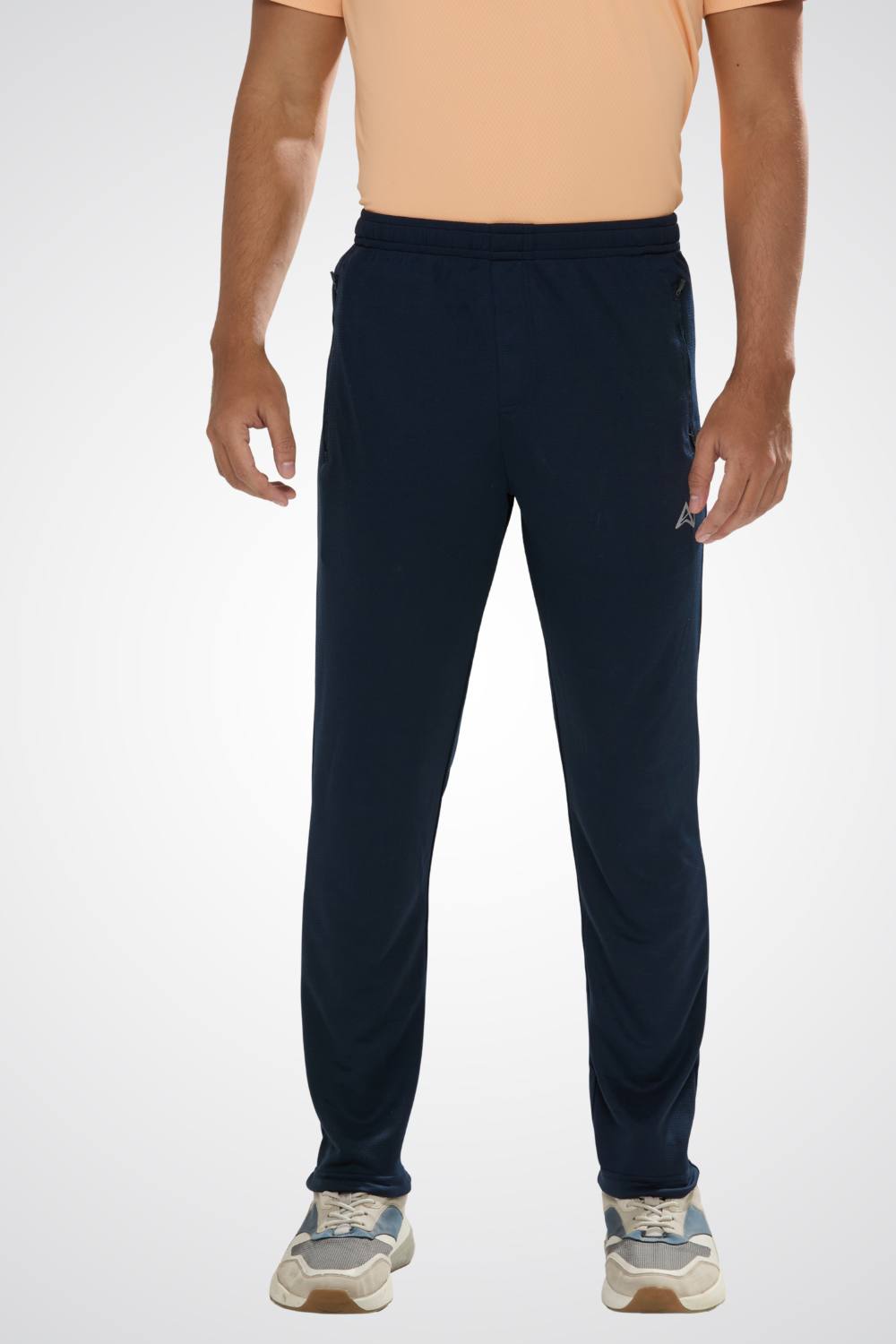
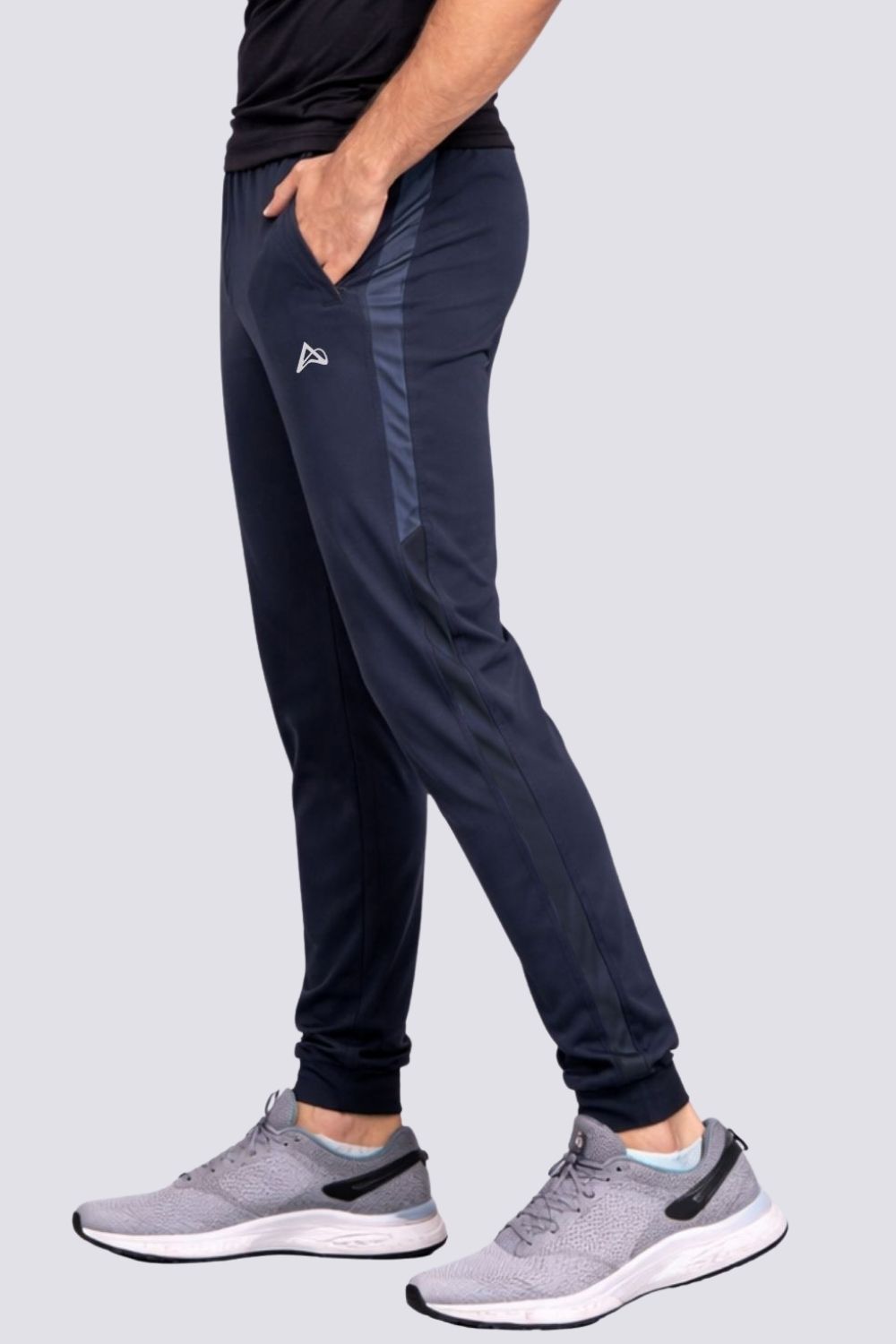
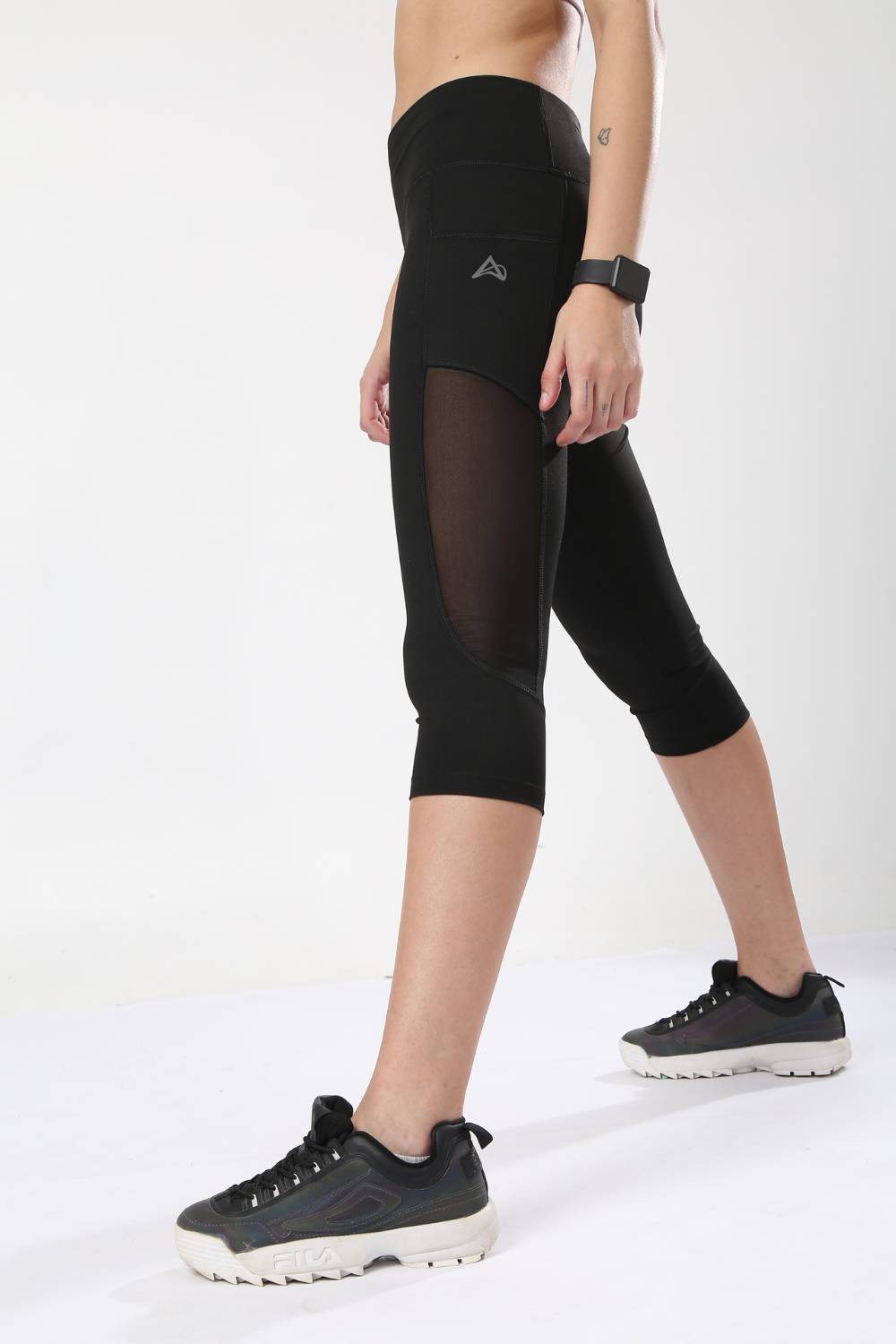
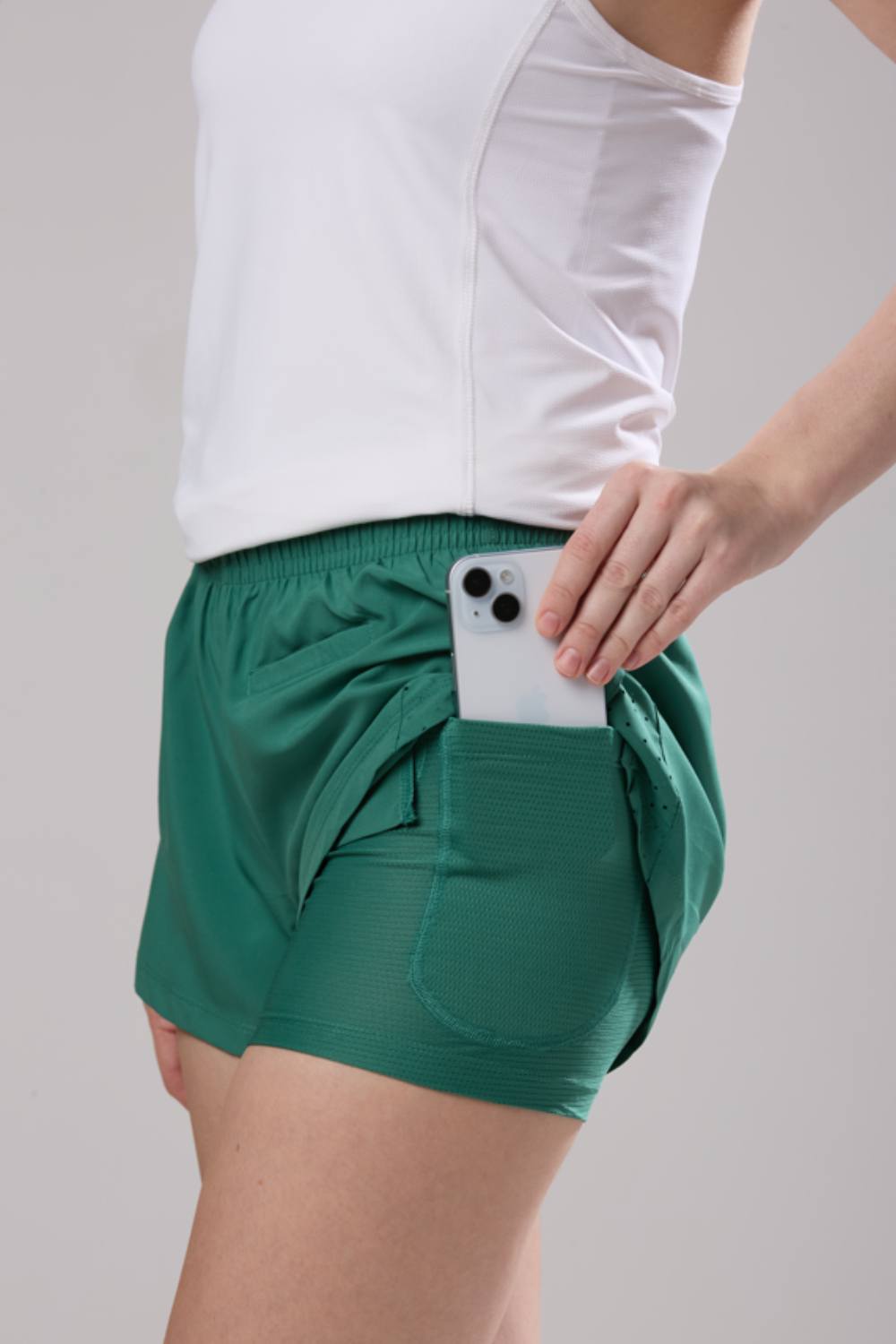
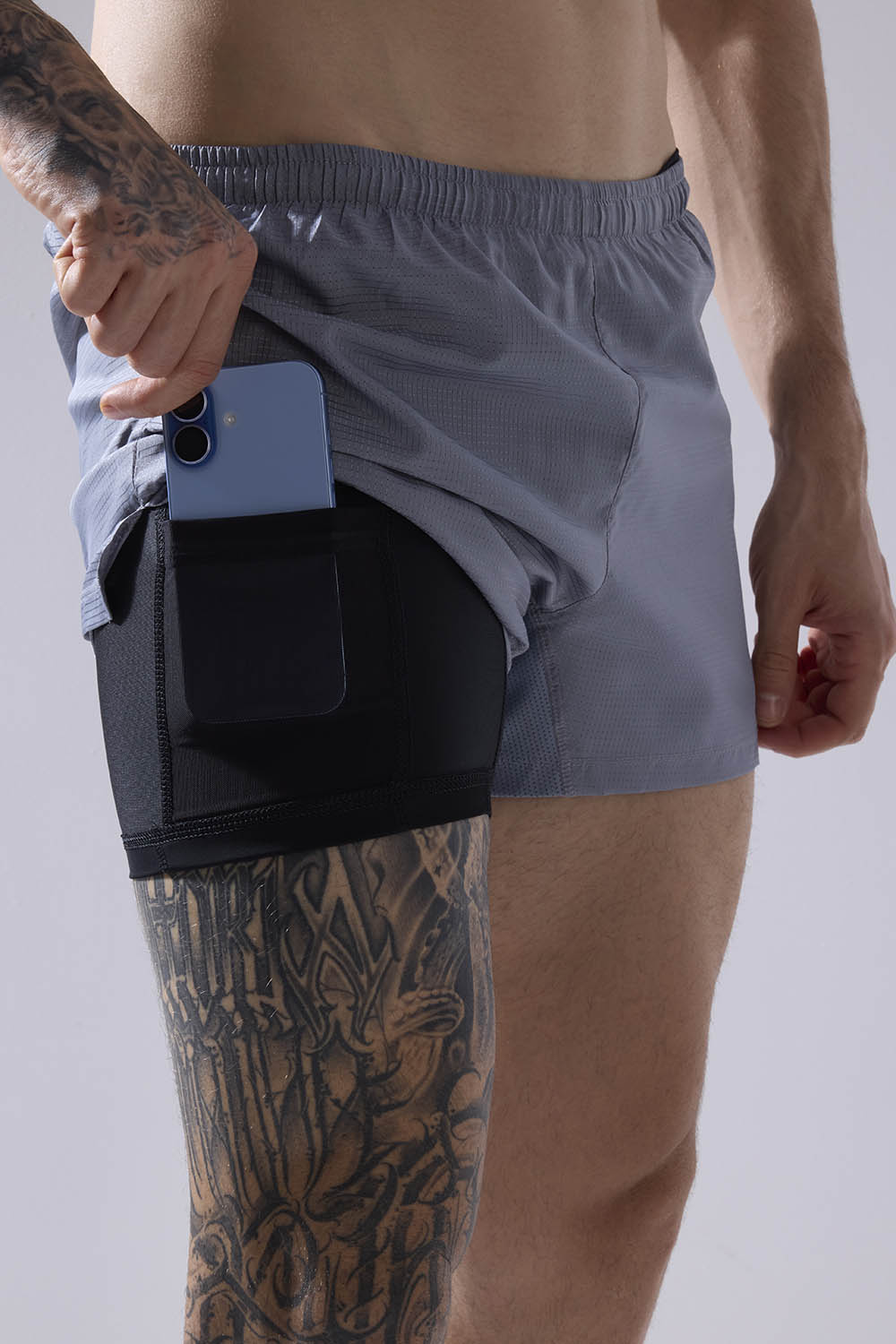
Tired of gear that slows you down? Chafing, soggy fabrics, and missing pockets kill your run's momentum. At Aguante, we're runners who get it. Our high-performance activewear features moisture-wicking fabrics, ergonomic designs, and smart storage to keep you focused. Shop Now!
The Science of Sweat and Heat Build-up During Runs
During high-intensity running, the body sweats to cool down, but trapped moisture creates a microclimate that increases skin and core temperatures. This forces the heart to pump harder and oxygen uptake to drop, making even moderate efforts feel exhausting. Fabrics that wick moisture away prevent this buildup by moving sweat to the outer surface where it evaporates quickly.
Studies on runners performing incremental exercise at 27 degrees Celsius confirm that certain constructions keep the skin-to-fabric gap cooler and drier. Materials with high air permeability and low thermal resistance excel here, reducing the effort required to sustain pace. The result is less fatigue and the ability to push harder without the hidden penalty of sticky, overheated clothing.
Core Benefits for Runners in Warm and Humid Climates
Moisture management directly improves thermoregulation. It keeps skin temperature lower, which means less strain on the cardiovascular system and faster cooling once exercise ends. Runners report less post-run chill, quicker recovery, and the freedom to focus on form and breathing rather than cooling their bodies.
These fabrics also reduce chafing and irritation, especially in areas prone to sweat like the back, underarms, and feet. For every runner chasing personal bests or simply enjoying longer training sessions, the practical difference is clear: less discomfort means more consistent effort and better enjoyment of the miles.
Textile Technologies That Deliver Superior Performance
Modern running apparel relies on engineered constructions to optimize moisture transfer. Polyester and nylon blends create internal channels through capillary action, pulling sweat away from the skin and letting it evaporate on the surface. Zoned mesh panels or seamless designs target high-sweat zones, accelerating the process even further.
Natural alternatives like merino wool absorb moisture into the fiber core without leaving the fabric damp, offering temperature regulation and built-in odor resistance. Bamboo viscose and hemp provide similar wicking plus antibacterial qualities that keep skin feeling fresh longer. These options combine performance with thoughtful sustainability, avoiding the persistent microplastic release common in some synthetics.
Case Study: Wear Trials Reveal Real Differences in Runner Comfort
Controlled wear trials tested five short-sleeve t-shirt styles on healthy long-distance runners performing incremental exercise at 27 degrees Celsius with moderate humidity. Fabrics made from Tencel single jersey and polyester mesh knitted constructions stood out. These materials maintained lower relative humidity and temperature in the skin-to-fabric gap because of their higher air permeability and lower thermal resistance.
Runners wearing these shirts experienced significantly reduced skin and core temperatures compared with conventional options, allowing them to sustain higher effort levels without feeling as fatigued. The results show that moisture-wicking performance directly influences how quickly athletes recover between efforts and how long they can maintain a strong pace over distance. For everyday runners chasing PRs or simply enjoying the road, choosing shirts with strong wicking and breathability properties removes a hidden barrier that limits both performance and enjoyment.
The evidence from controlled wear trials confirms what experienced runners have felt for years: the right fabric keeps sweat away from the skin so the body can focus on running instead of cooling itself down. In hot conditions or during long sessions, fabrics that quickly move moisture to the outer surface and let it evaporate fast become essential tools for staying cool, dry, and in the zone from the first mile to the finish line. By understanding the science, selecting the right constructions, and matching fabrics to your training style, every runner can overcome the discomfort that once limited performance and enjoyment.
How to Choose Fabrics That Match Your Running Style
Look for high-stretch knitted constructions with multi-dimensional stretch and zoned mesh panels for maximum comfort. Synthetic fibers excel at fast drying and quick evaporation, while merino or bamboo options suit longer efforts or those who prefer natural materials. Seamless designs reduce irritation and chafing, especially useful during training or races.
When layering, thin base layers underneath allow easy adjustment without overheating during exertion. Test fit in your own training conditions warm weather runs, humid mornings, or intense sessions to find the balance that keeps you dry and confident. The right combination of technology and fit turns what could be a sweaty struggle into a smooth, enjoyable run.
The Bottom Line: Invest in Fabrics That Support Your Goals
Moisture-wicking fabrics are not a luxury for runners they are essential tools for staying cool, dry, and in the zone from the first mile to the finish line. By understanding the science, selecting the right constructions, and matching fabrics to your training style, every runner can overcome the discomfort that once limited performance and enjoyment.
Runners on warm days or even in cooler weather when you still sweat heavily means your feet and torso need fabrics that pull moisture away fast enough to keep you comfortable mile after mile. Synthetic knitted materials such as polyester, nylon, and acrylic create many internal channels that transfer sweat through capillary action so it reaches the outer surface and evaporates rather than staying trapped against the skin. Expert textile designers and coaches recommend looking for high-stretch constructions with zoned mesh or seamless designs that target high-sweat zones like the feet, underarms, and back. These features not only speed up drying but also reduce chafing and irritation that can derail a run or training session. Natural alternatives such as merino wool absorb moisture into the fiber core without leaving the fabric damp, offering built-in temperature regulation and odor resistance that works especially well for longer efforts.
Bamboo viscose and hemp provide similar wicking plus antibacterial qualities and better environmental credentials since they break down safely and avoid persistent microplastic release during washing. Runners who experiment with these options report fewer blisters, cooler skin, and more consistent pace because the fabric no longer clings or traps heat. For runners training in varying weather, the ability to layer thin, highly wicking base layers underneath allows easy adjustment without overheating during exertion. The right choice of fabric can mean the difference between a tiring session that leaves you chilled or a smooth, enjoyable run that keeps you feeling fresh all the way to the finish. Industry insights from running coaches and mountain guides highlight that investing in moisture-management properties pays off in both daily training and race day performance, turning what could be a sweaty struggle into a reliable, dry-running experience.
Frequently Asked Questions
Which moisture-wicking fabrics are best for running clothing?
Common high-performance moisture-wicking fabrics include polyester and nylon blends, which use engineered fibers to quickly move sweat away from the body. Mesh and seamless constructions further improve breathability in high-sweat areas. Natural options like merino wool, bamboo viscose, and hemp also perform well by regulating temperature, resisting odor, and maintaining comfort during longer runs.
What are moisture-wicking fabrics and how do they work for runners?
Moisture-wicking fabrics are specially engineered textiles that pull sweat away from the skin and move it to the outer surface of the material. This process uses capillary action, allowing moisture to evaporate more quickly and keeping the skin dry. For runners, this helps regulate body temperature and reduces the discomfort of damp, clingy clothing during exercise.
Why are moisture-wicking fabrics important for running in hot and humid conditions?
In hot and humid environments, sweat can become trapped against the skin and create a warm, damp microclimate that increases heat strain. Moisture-wicking fabrics help prevent this by promoting faster evaporation and improving airflow. This reduces chafing, lowers perceived effort, and helps runners maintain endurance and comfort over longer distances.
Disclaimer: The above helpful resources content contains personal opinions and experiences. The information provided is for general knowledge and does not constitute professional advice.
You may also be interested in: How Moisture-wicking Fabrics Address Discomfort During Humid
Tired of gear that slows you down? Chafing, soggy fabrics, and missing pockets kill your run's momentum. At Aguante, we're runners who get it. Our high-performance activewear features moisture-wicking fabrics, ergonomic designs, and smart storage to keep you focused. Shop Now!
Powered by flareAI.co