



Quick Listen:
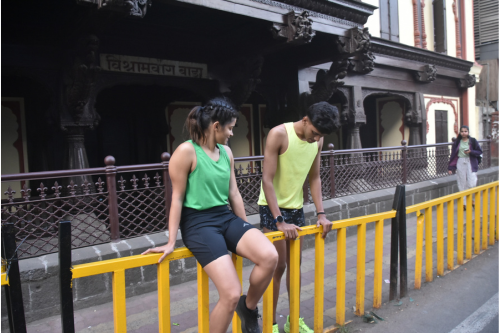
In the sultry predawn hours along Mumbai's Marine Drive, where the air hangs heavy with humidity, runners push through their routines. A standard cotton shirt quickly becomes a sodden burden, sapping energy and focus. But switch to gear crafted from advanced materials, and sweat vanishes almost magically, drawn away to evaporate swiftly. This seamless shift owes everything to moisture-wicking fabrics, engineered textiles that pull perspiration from the skin to the outer layer for rapid drying. These innovations, typically blending synthetic fibers like polyester or nylon with natural ones for added comfort, have revolutionized India's activewear landscape, particularly in regions battling intense heat and moisture.
Moisture-wicking technology stands as a cornerstone in modern activewear, especially for those enduring India's varied urban weather patterns. From the steamy coasts of Mumbai and Navi Mumbai to the milder yet humid climes of Bangalore and Hyderabad, these fabrics deliver essential dryness and cooling during exertion. They help maintain body temperature, boost performance, and avoid the irritation of accumulated sweat, finding applications in everything from athletic gear to professional attire and medical textiles.
Delving deeper, the mechanics hinge on sophisticated fiber design and capillary dynamics. Synthetic materials, such as specialized polyester or nylon mixtures, boast water-repelling surfaces that shunt sweat outward rather than absorbing it. This process, known as capillary action, uses microscopic channels in the yarn to transport moisture to the fabric's exterior, where it spreads and vaporizes efficiently. Unlike absorbent cotton, which traps wetness and weighs down the wearer, these fabrics prioritize quick evaporation, proving invaluable in high-activity scenarios across Pune, Delhi-NCR, and beyond.
Fabric architecture further amplifies this efficiency. Techniques like mesh knitting or intricate micro-channel weaving promote superior airflow and hasten drying times. The shape of yarn cross-sections often featuring grooves or triangular forms expands surface area, enhancing evaporation even in stagnant, moist environments. Such advancements draw heavily from India's robust textile research, with contributions from engineering institutes in western and southern hubs that supply the nation's sportswear needs.
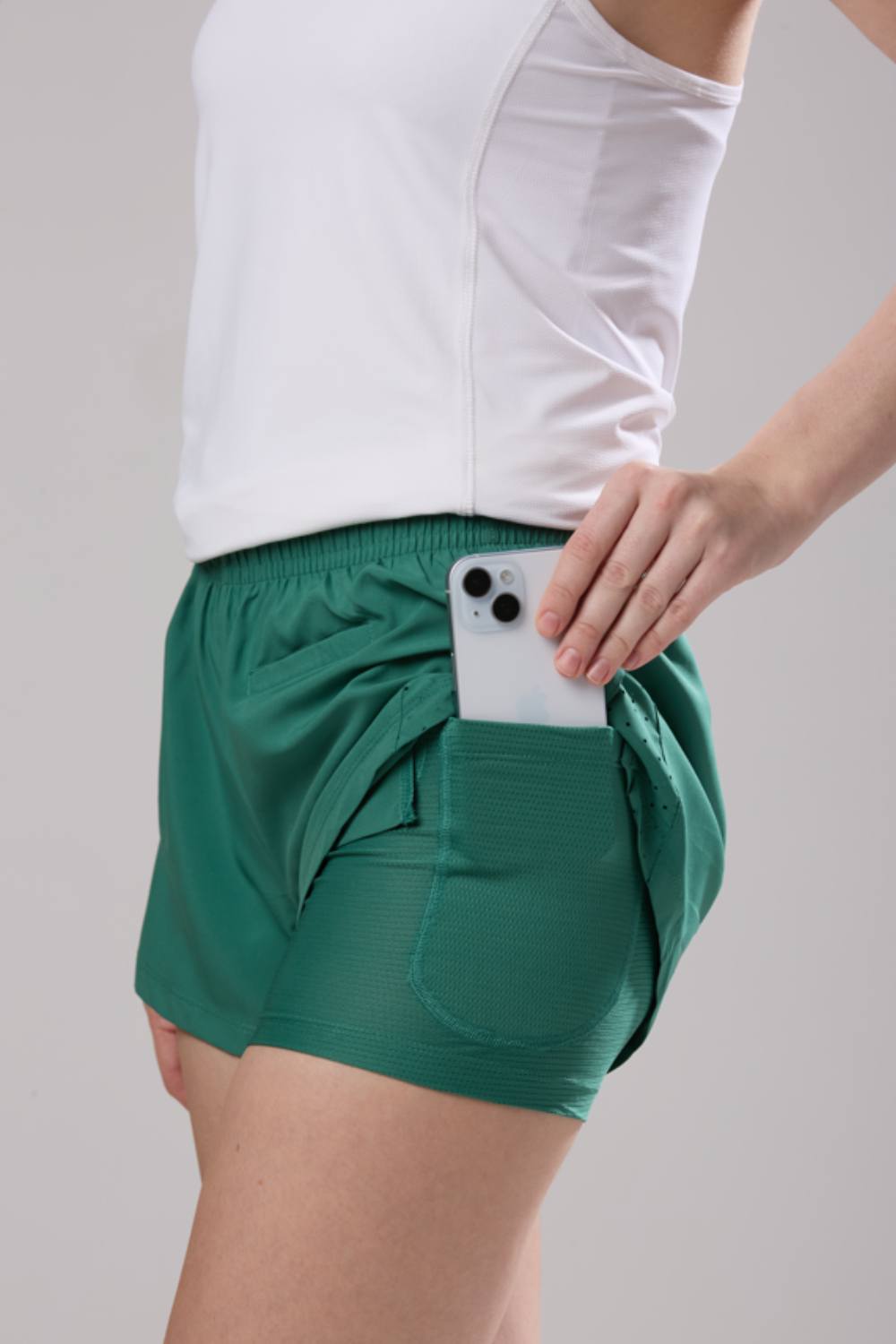
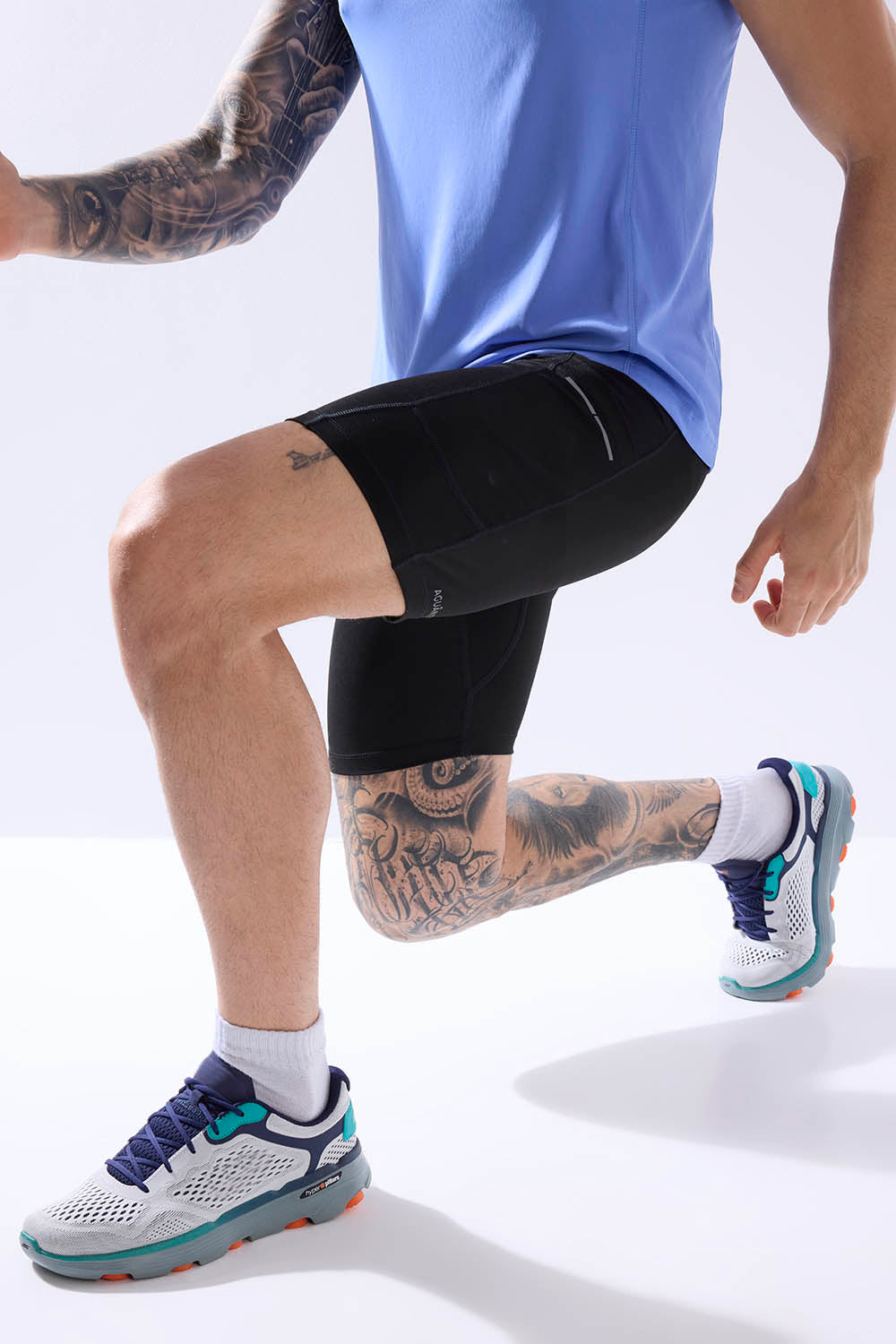
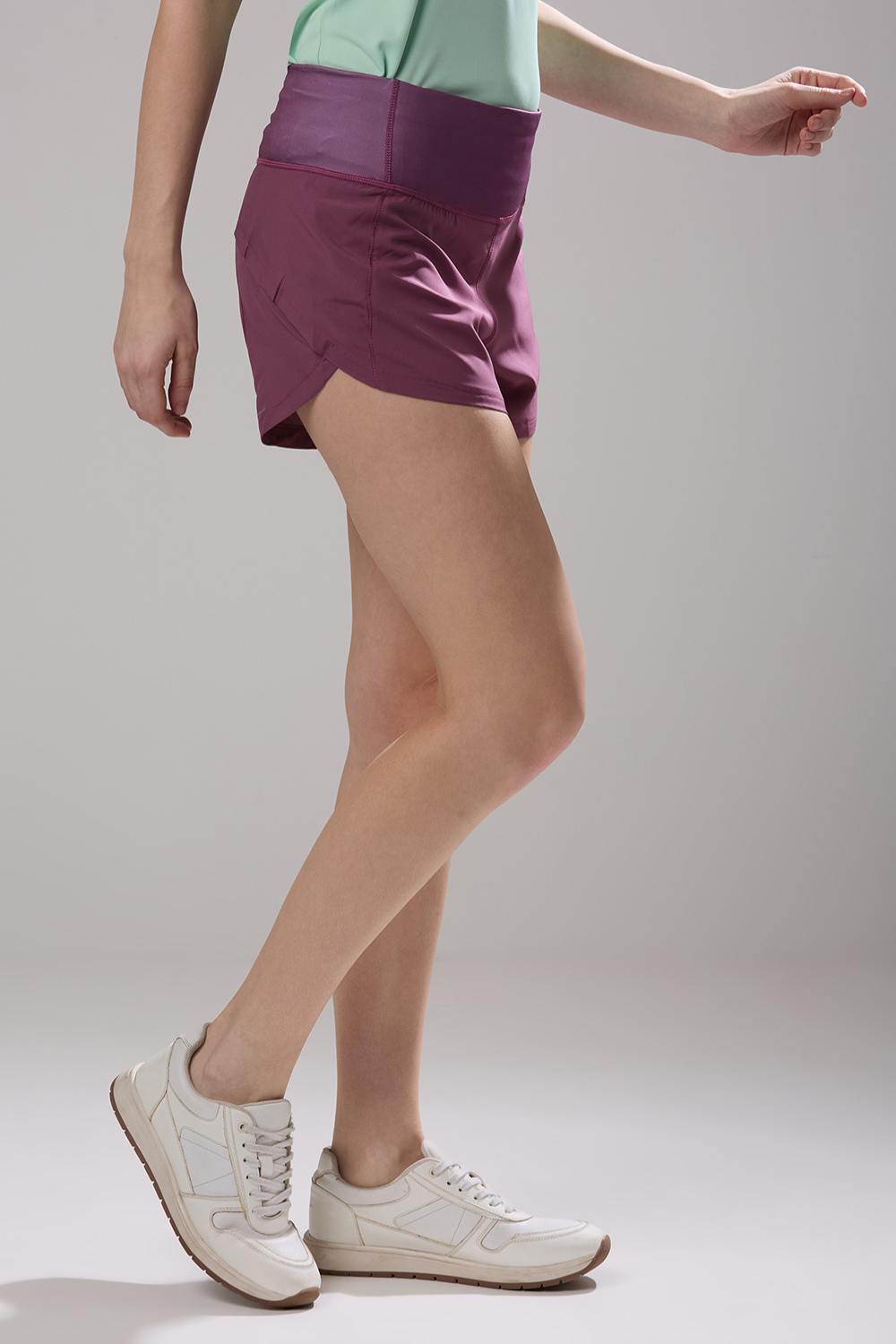
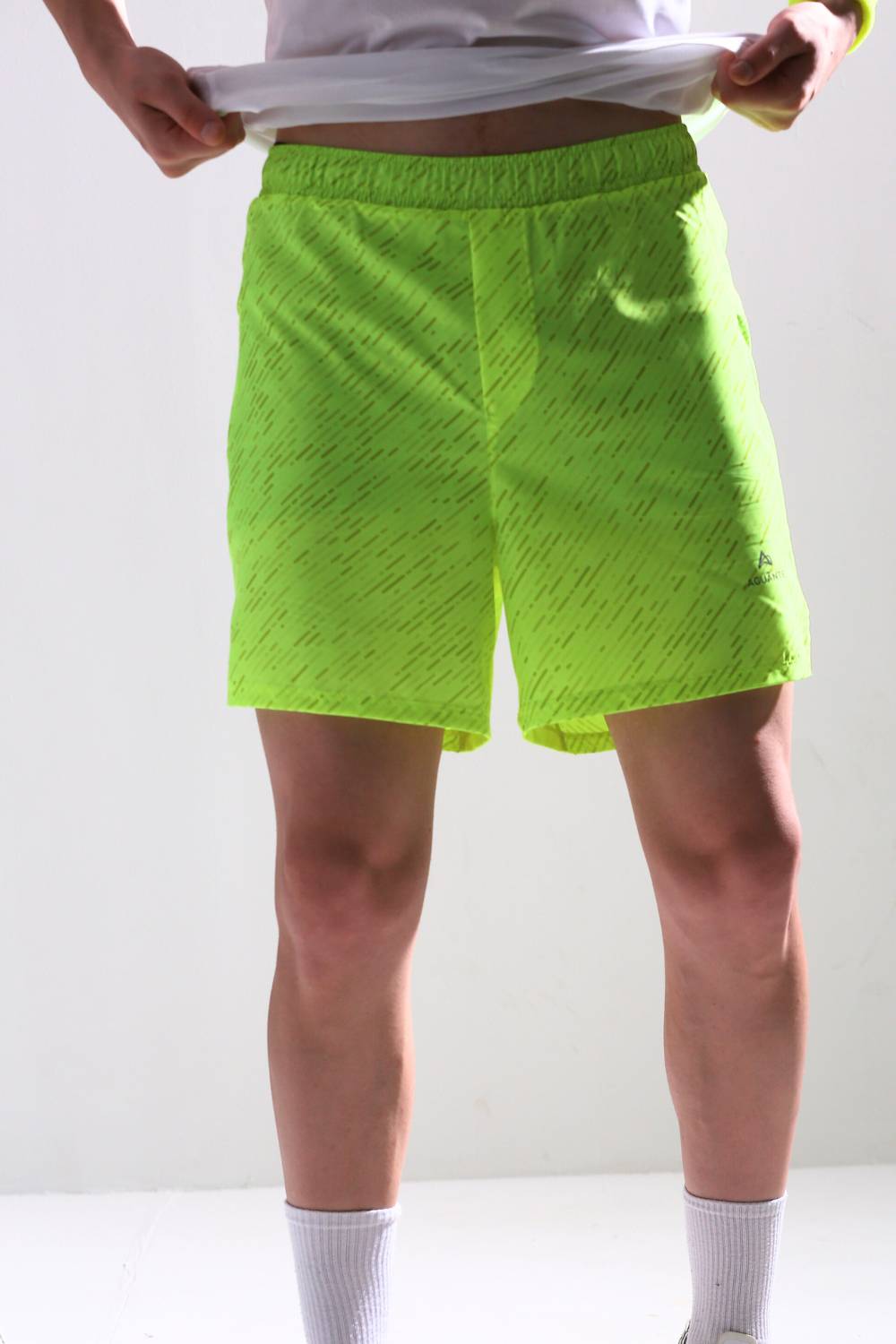
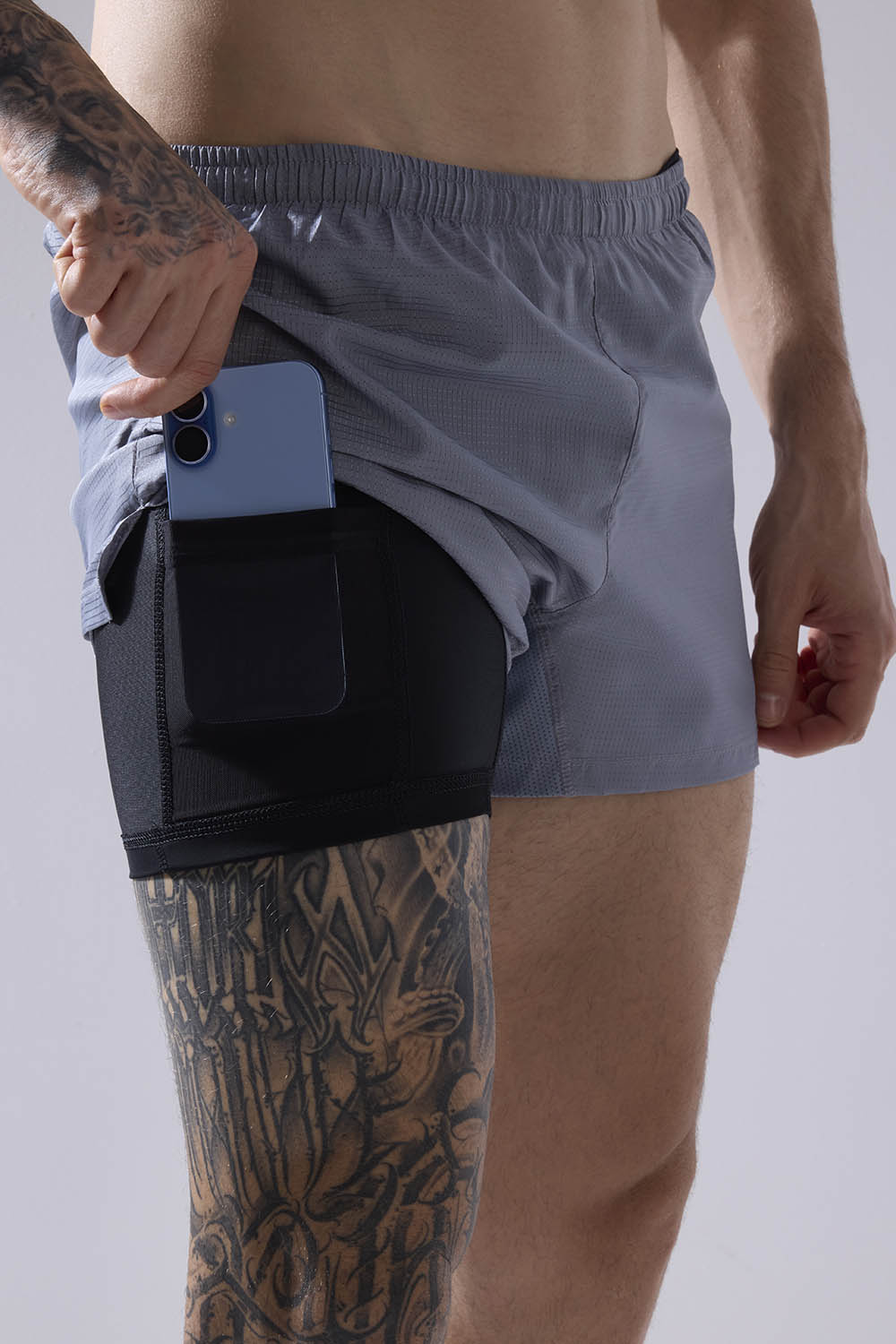
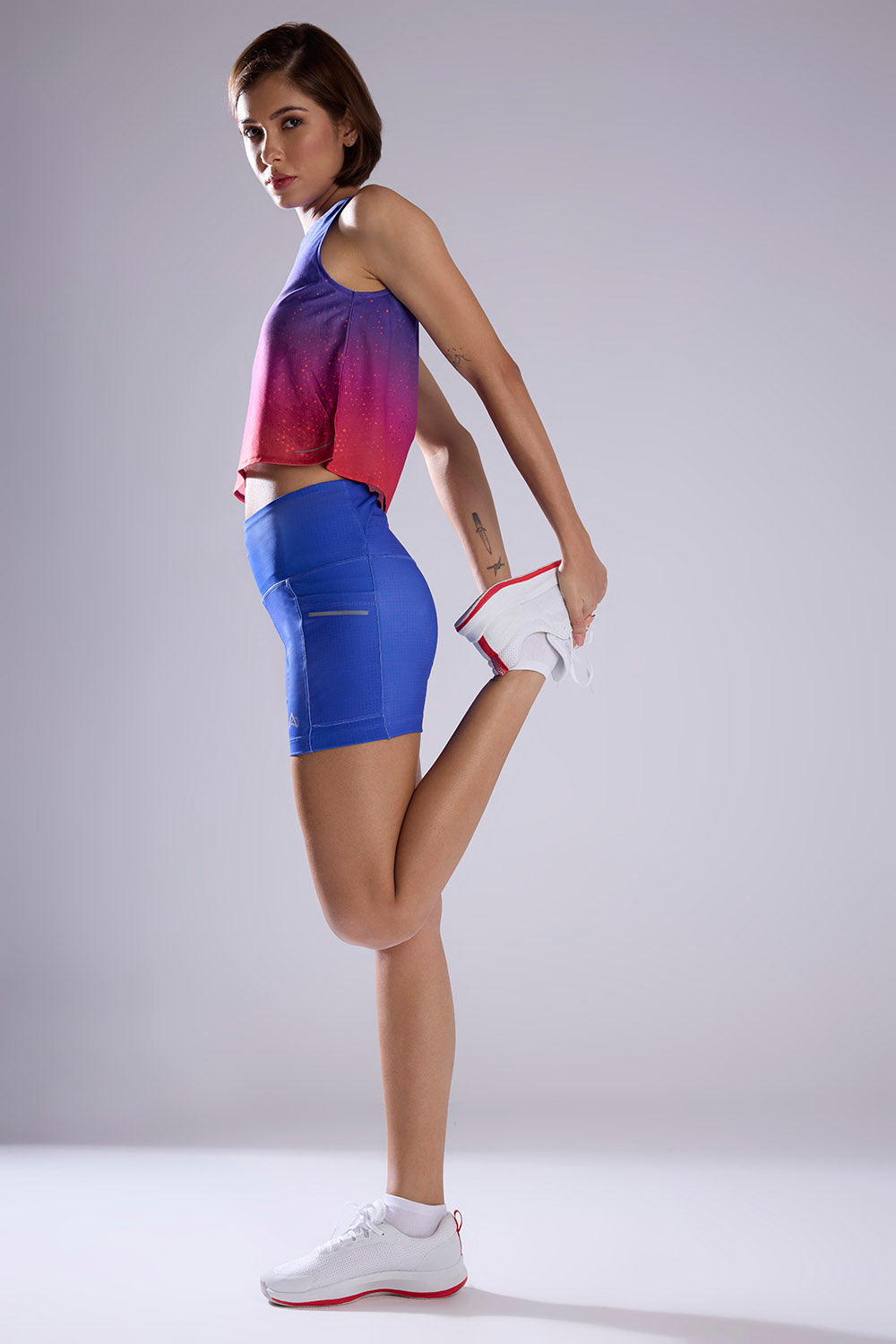
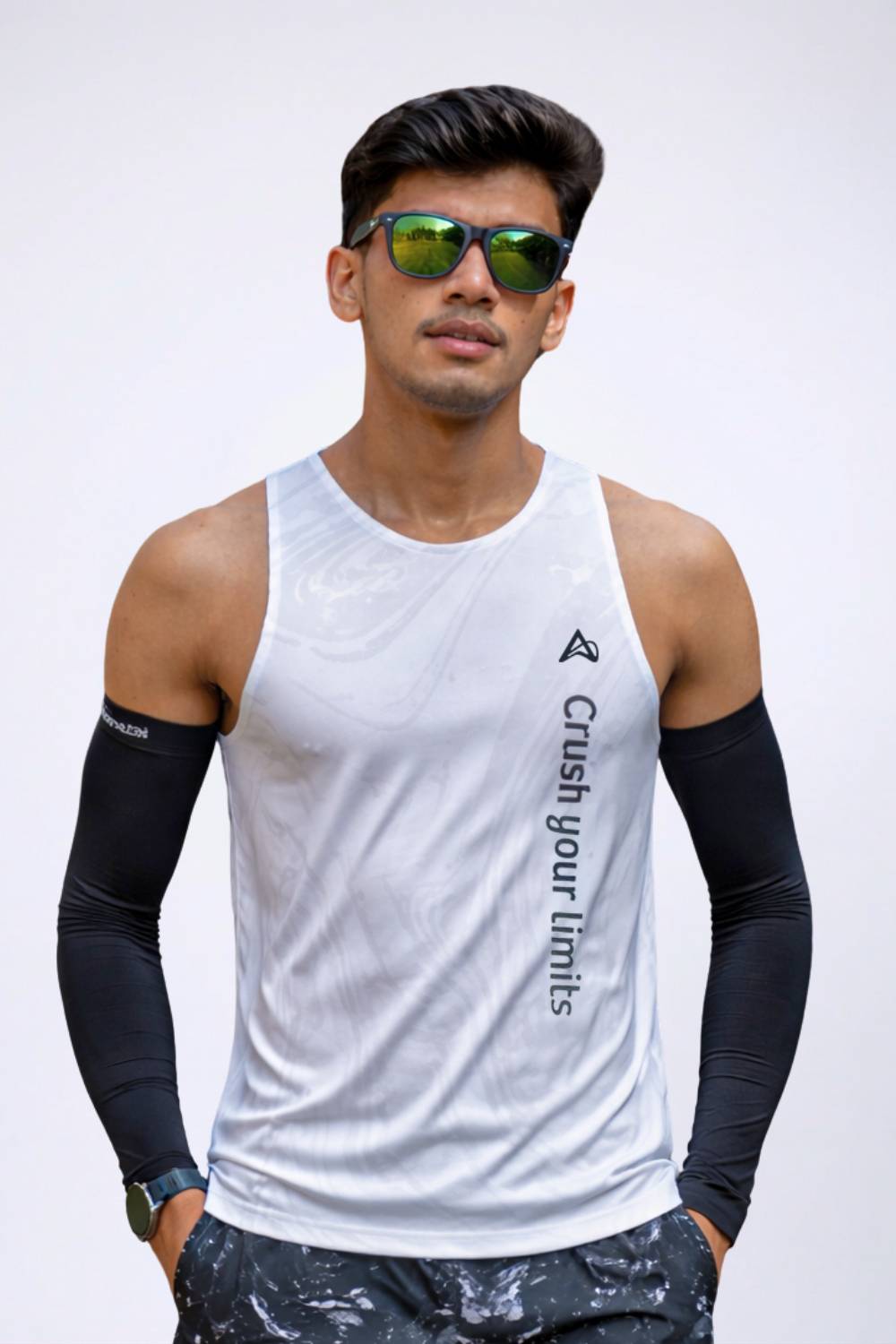
Tired of gear that slows you down? Chafing, soggy fabrics, and missing pockets kill your run's momentum. At Aguante, we're runners who get it. Our high-performance activewear features moisture-wicking fabrics, ergonomic designs, and smart storage to keep you focused. Shop Now!
India's Regional Manufacturing and R&D Powerhouse
India's textile infrastructure propels these developments forward, with specialized zones fostering expertise. In the west, Surat excels in producing synthetic yarns and processing fabrics tailored for athletic wear, supporting high-output demands. Ahmedabad leverages its historical prowess in textile advancements, while Mumbai and Navi Mumbai act as pivotal nodes for procurement, custom branding, and creative design in performance apparel.
To the south and north, complementary ecosystems thrive. Bangalore and Hyderabad spearhead rigorous testing, incorporate athlete insights, and nurture startups experimenting with novel materials often validated through real-life trials in humid outdoor settings. Delhi-NCR, including Gurugram, houses corporate offices, innovation studios, and extensive distribution channels, streamlining the path from concept to consumer shelves.
This networked approach enables Indian manufacturers to customize fabrics for local exigencies, merging international standards with indigenous knowledge to meet the rising call for functional activewear in cities like Surat, Ahmedabad, and Pune.
Emerging Trends Shaping the Future
As the sector evolves, trends emphasize featherlight, rapid-drying composites fine-tuned for India's tropical workouts. Antimicrobial coatings curb odor-causing microbes post-exercise, and resilience enhancements prolong garment longevity under frequent use. Strategic breathability mapping focuses on sweat-prone regions, such as the torso and limbs, in apparel for both genders.
Environmental consciousness is ascending, with recycled polyester derived from plastic waste emerging as a sustainable option that upholds efficacy. Gujarat and Karnataka's producers lead this eco-shift, responding to eco-aware consumers in urban fitness circles. These directions mirror broader preferences among casual joggers, endurance athletes, and exercise devotees in areas like Navi Mumbai and Gurugram.
Globally, the performance fabrics market reflects this upward trajectory. Valued at an estimated USD 80.70 billion in 2024, it is forecasted to expand to USD 114.66 billion by 2033, registering a compound annual growth rate of 4.1% over the period from 2026 to 2033. This surge stems from heightened interest in sportswear and active apparel, propelled by increasing health awareness and fitness movements in both mature and emerging markets. Shoppers seek garments with attributes like sweat control, air permeability, sun shielding, and elasticity hallmarks of these advanced textiles.
Asia Pacific commanded the largest portion at 39.2% of the revenue in 2026, underscoring India's pivotal role. Within materials, aramid fibers are poised for the swiftest expansion at a 4.8% CAGR, while the defense and public safety segment anticipates a 4.5% growth rate through 2033. Such statistics highlight the market's vitality, aligning with India's manufacturing strengths and consumer shifts toward multifunctional clothing.
Real-World Impact on Running and Fitness
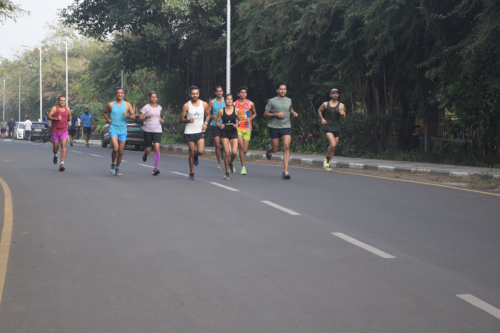
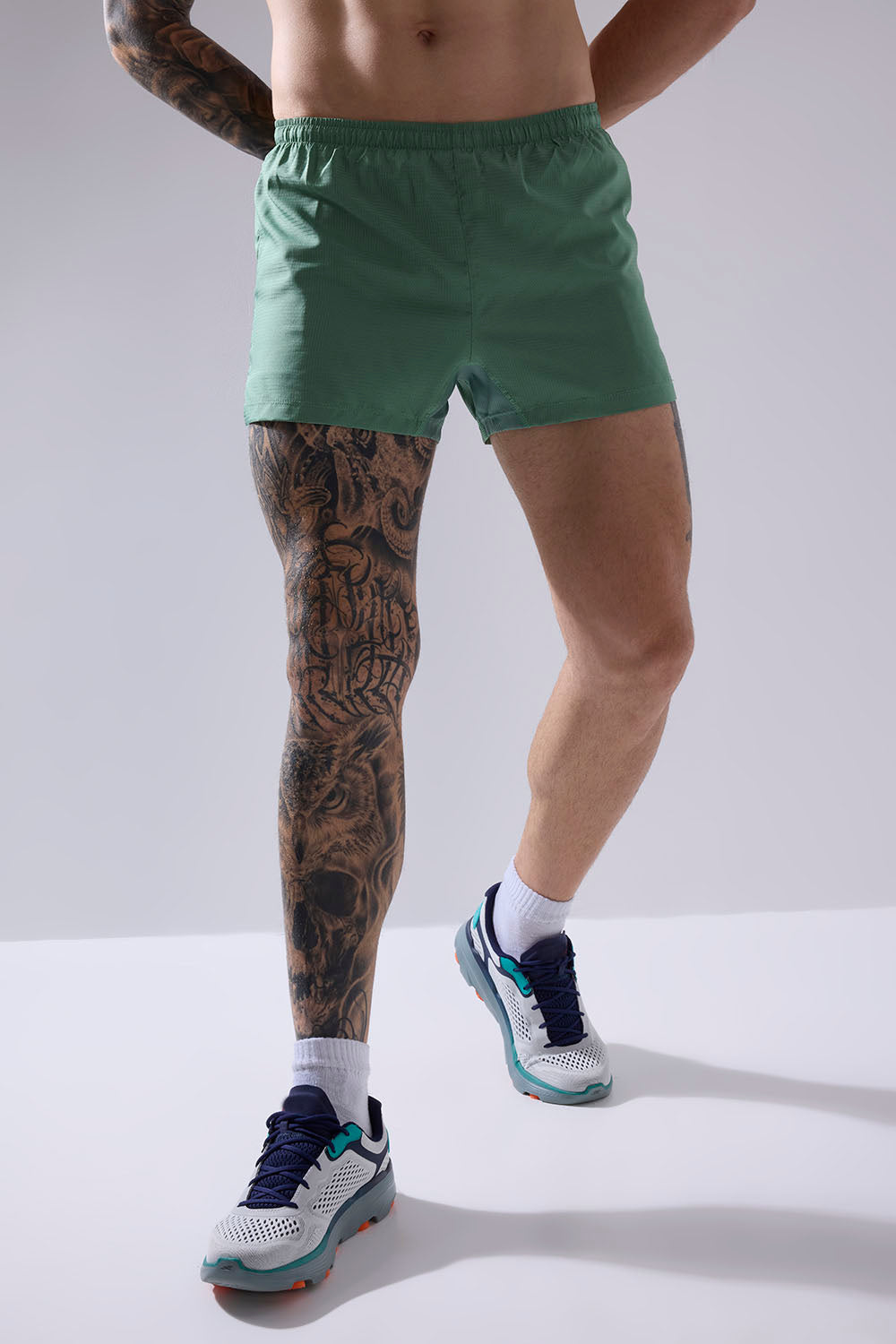
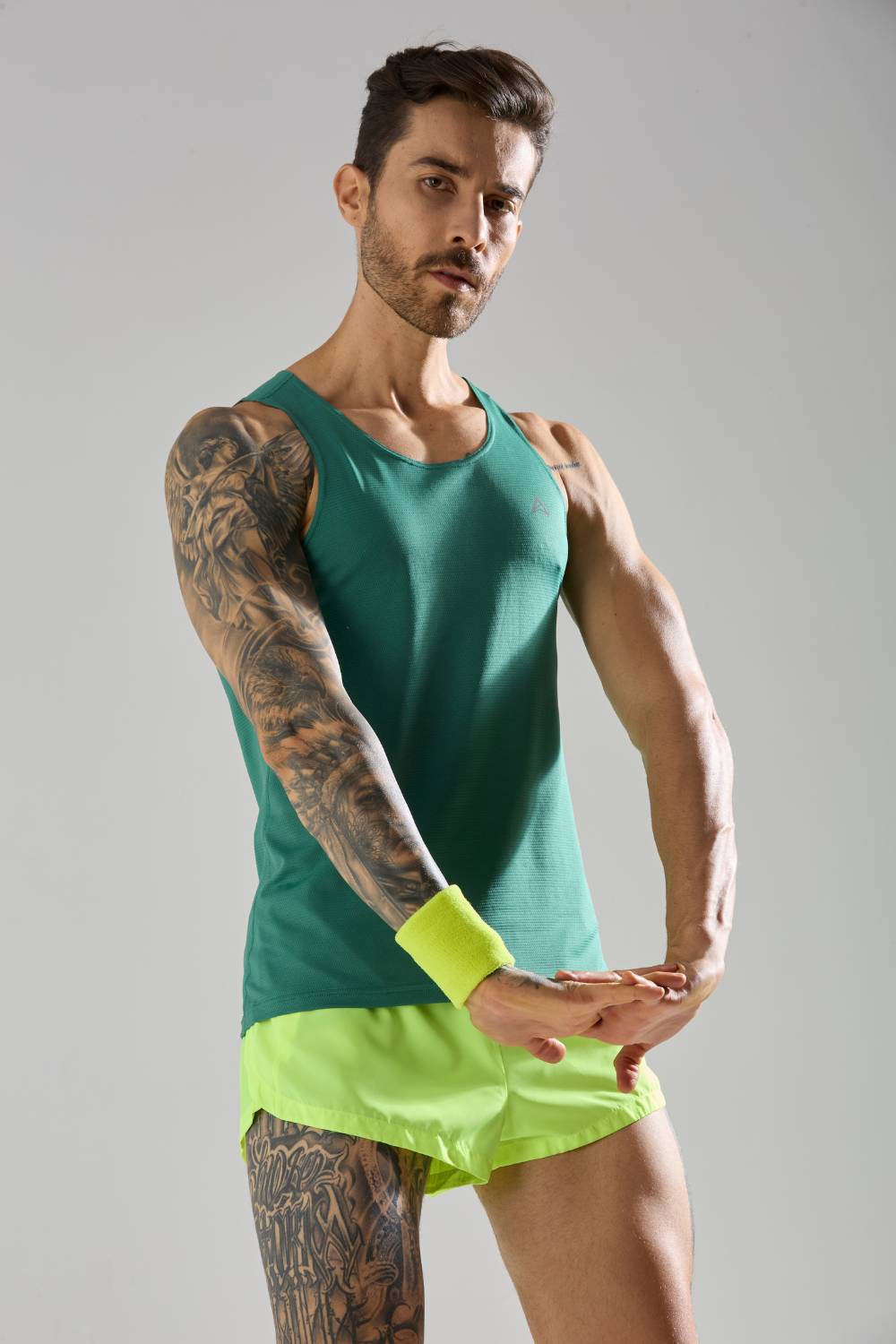
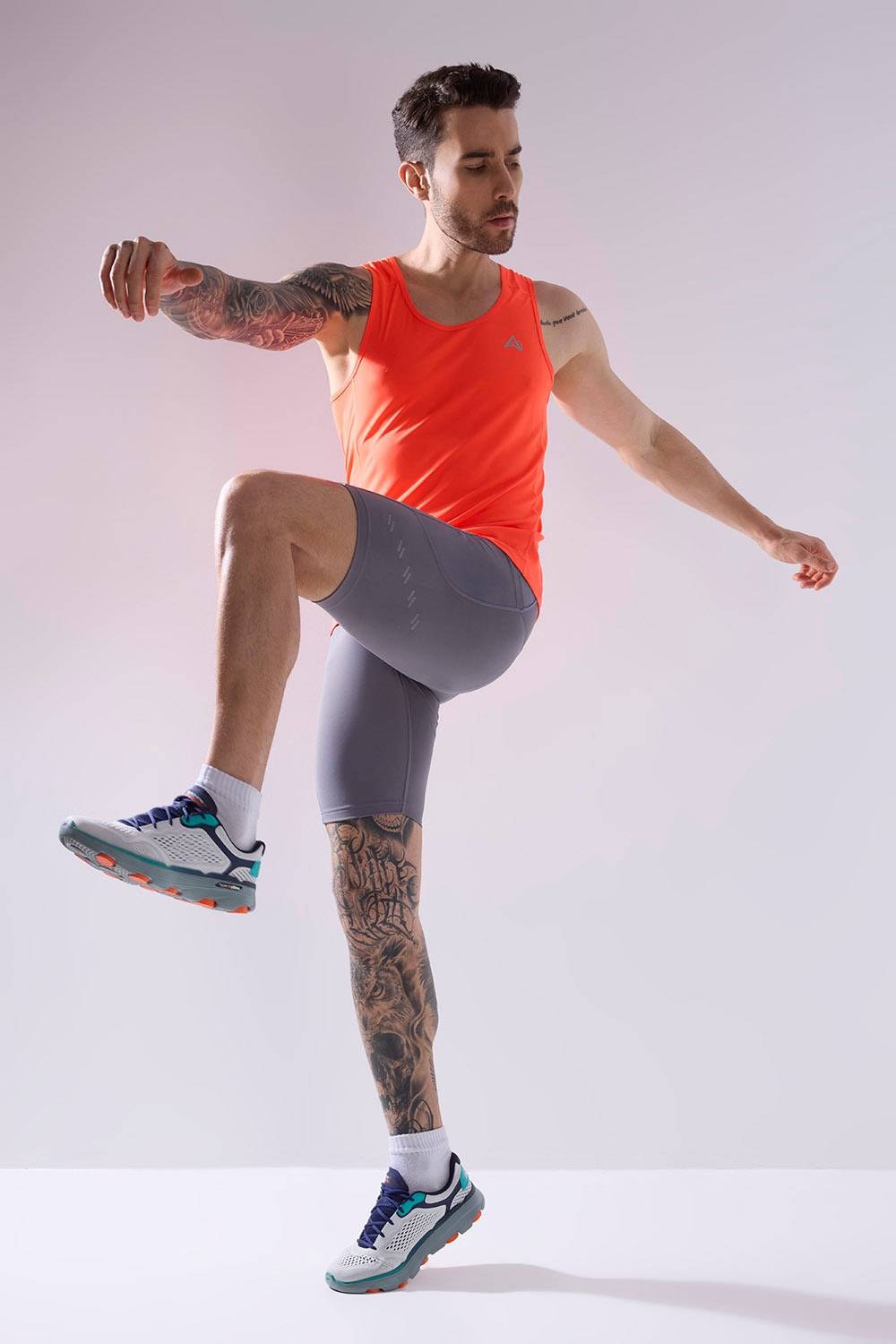
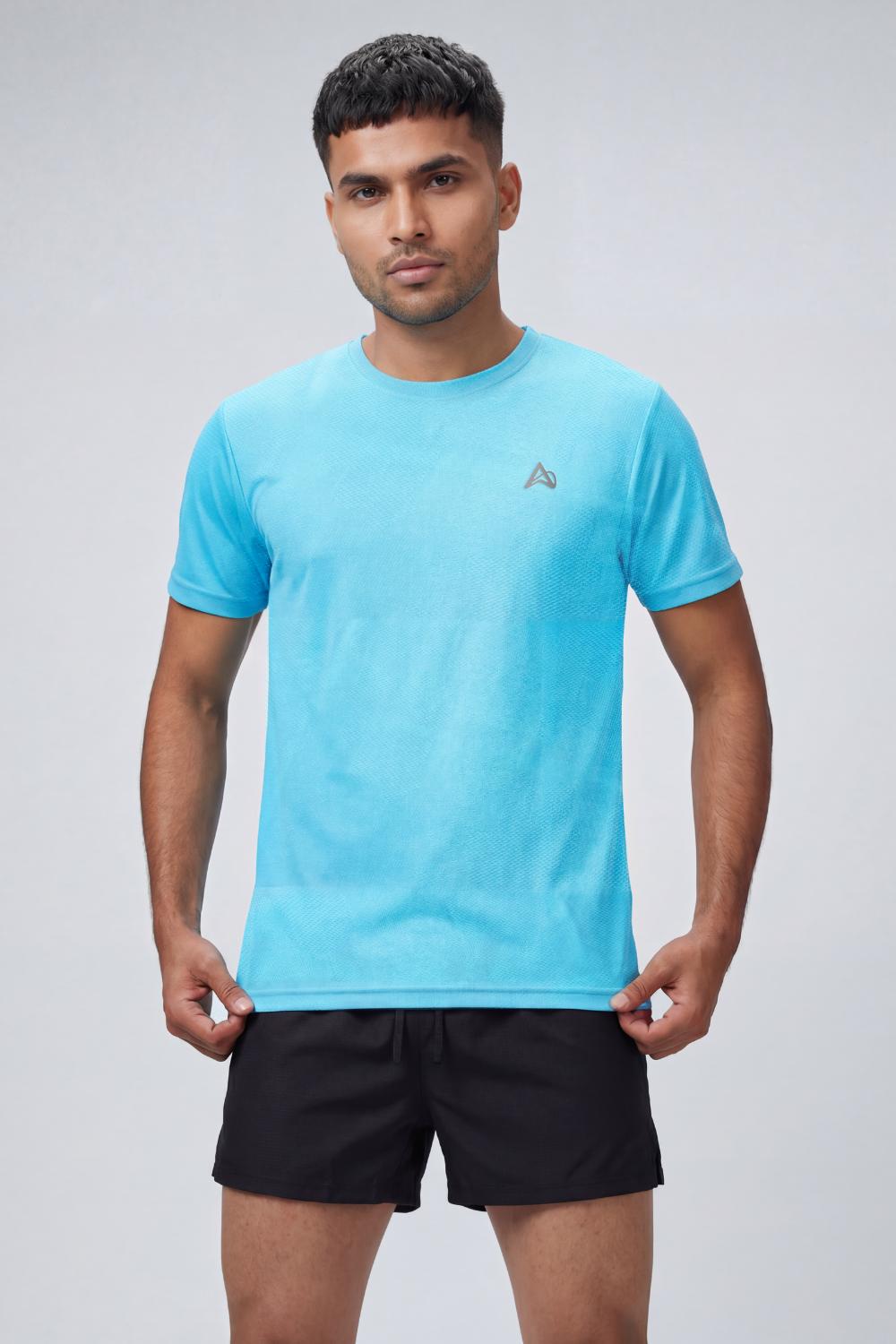
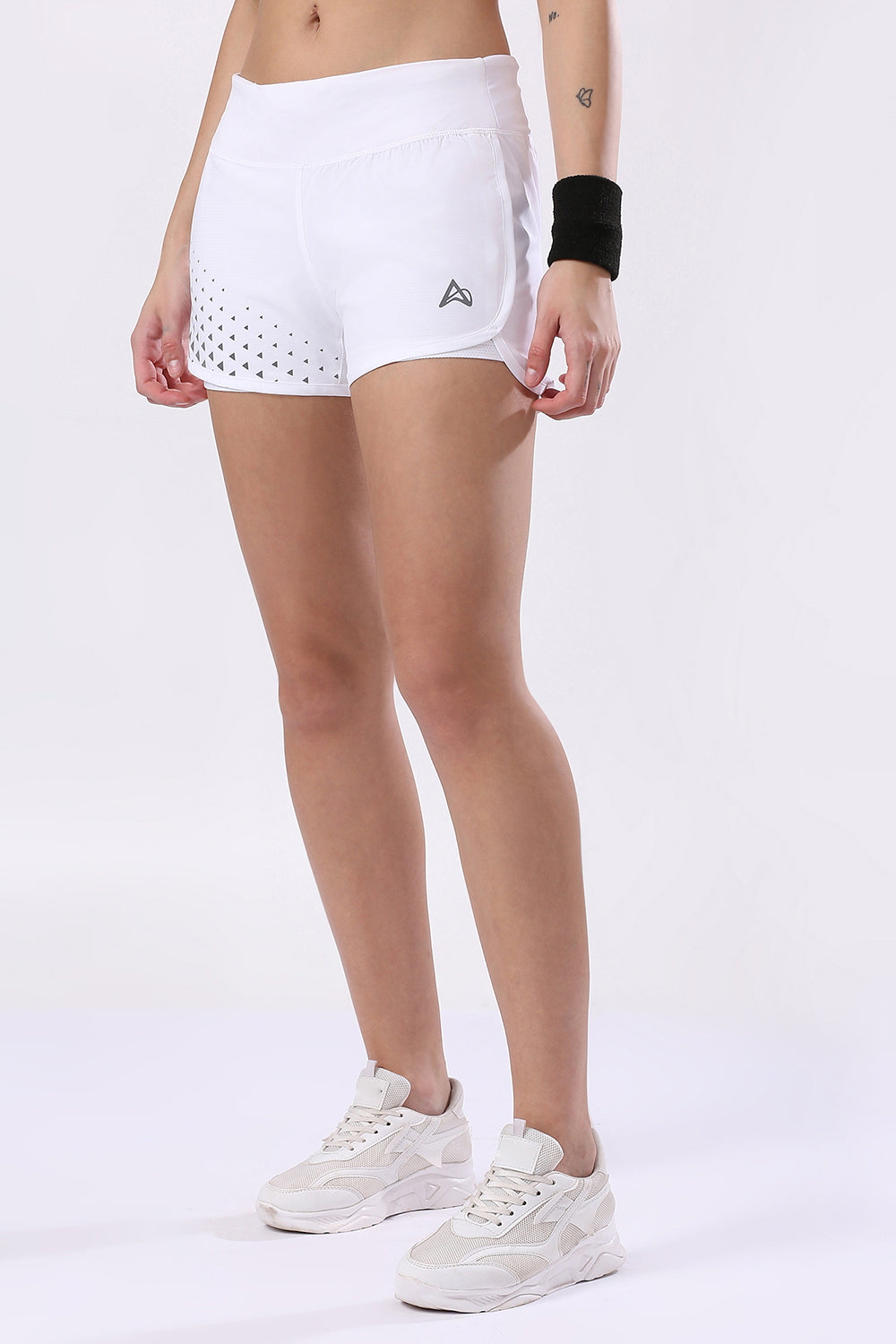
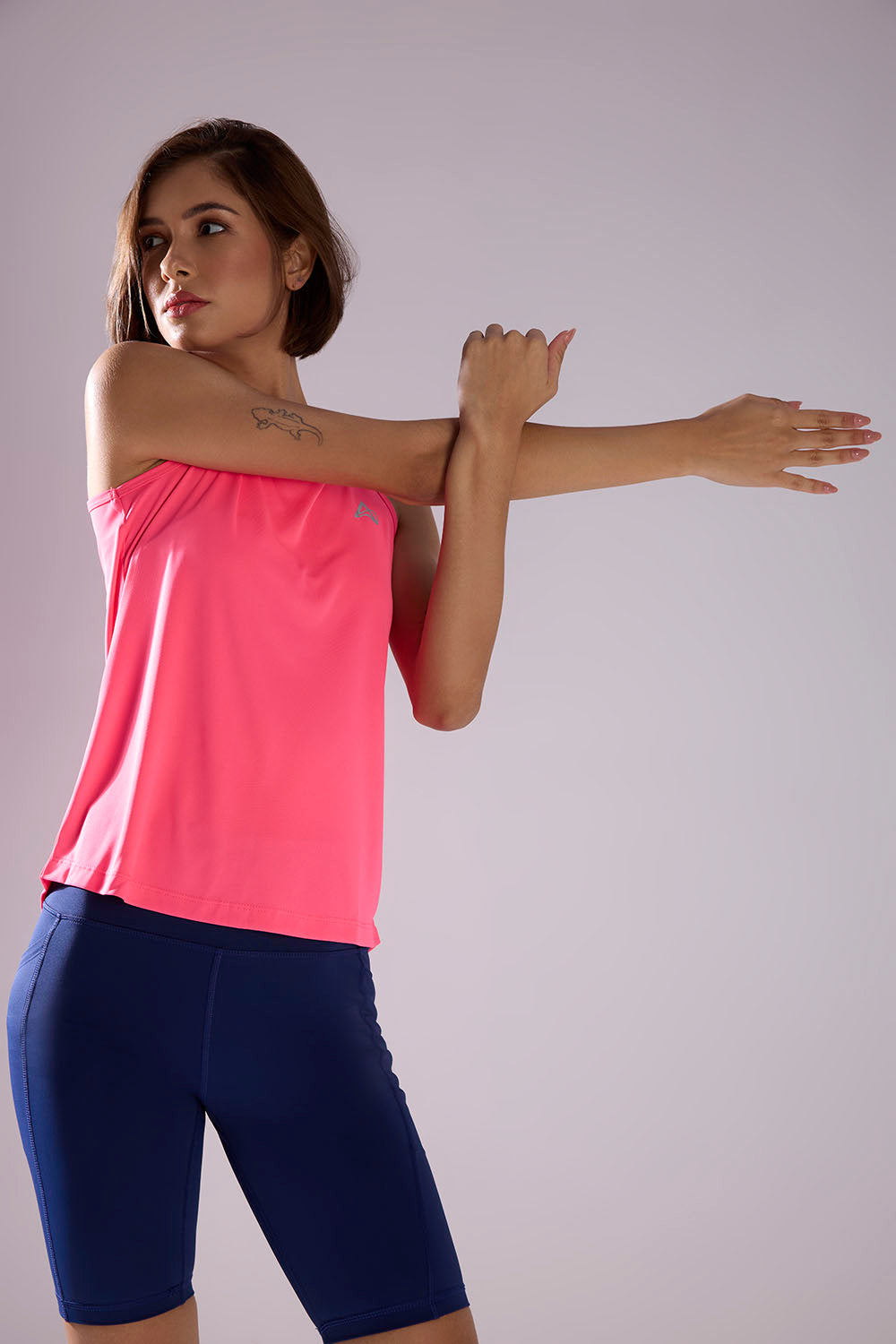
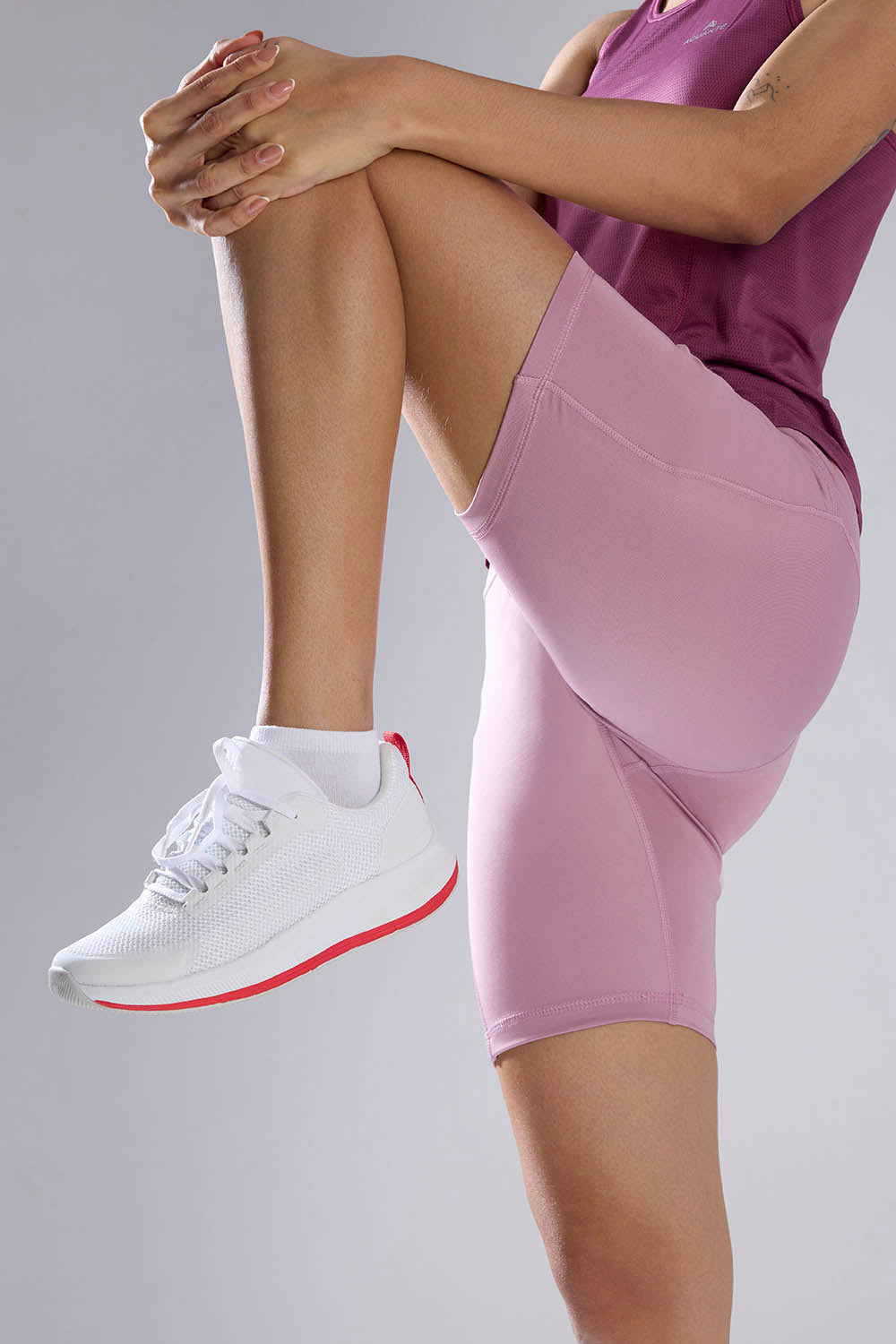
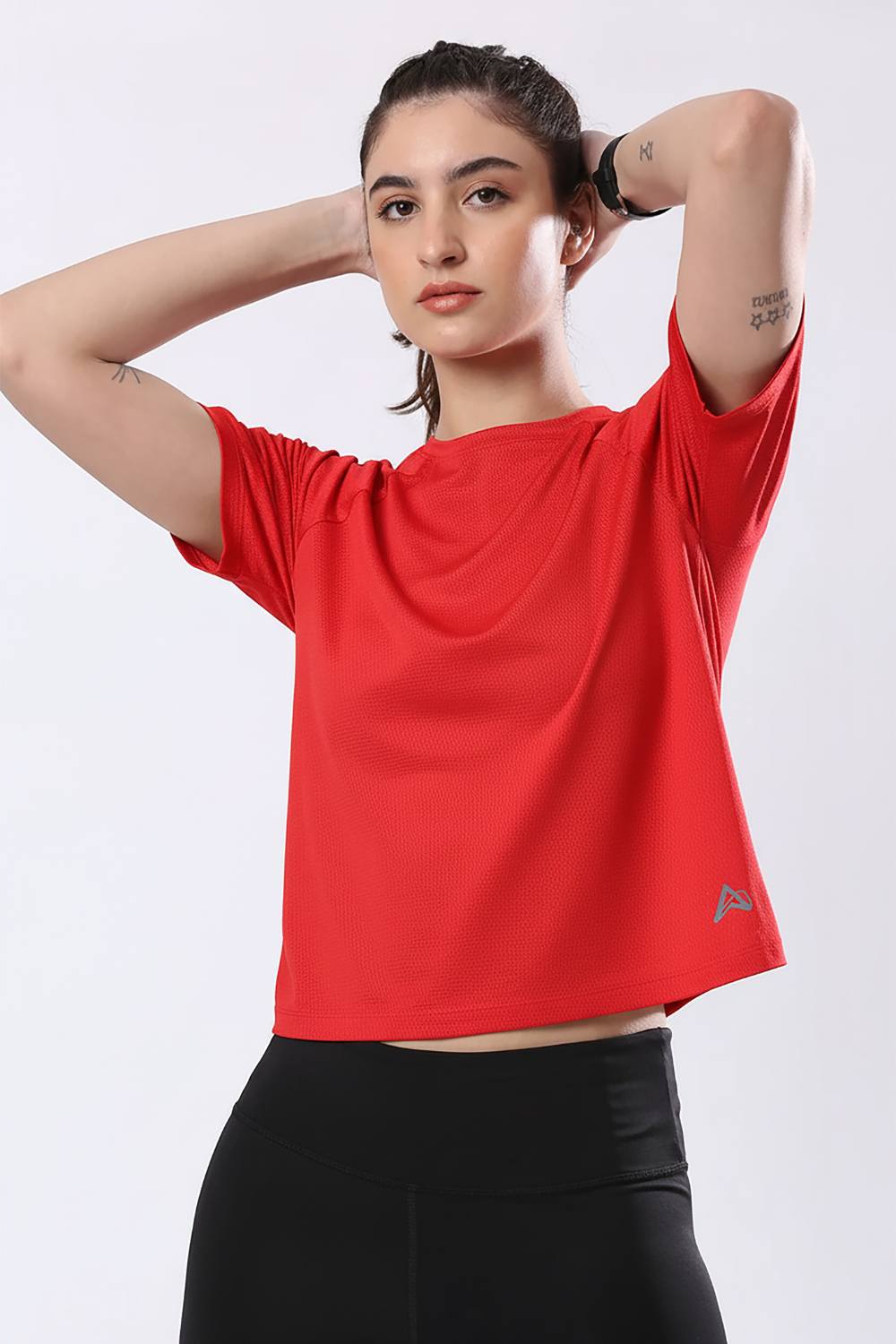
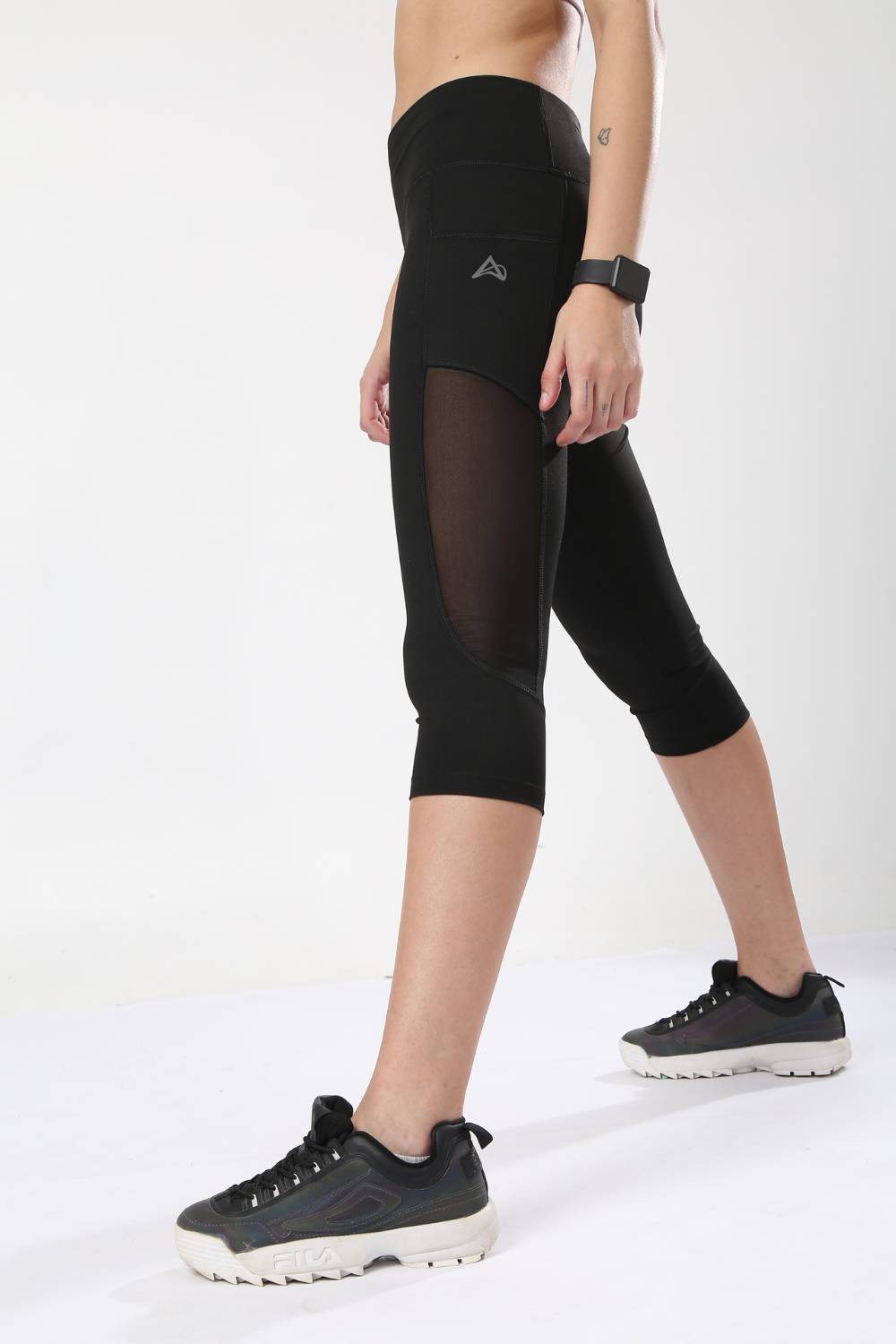
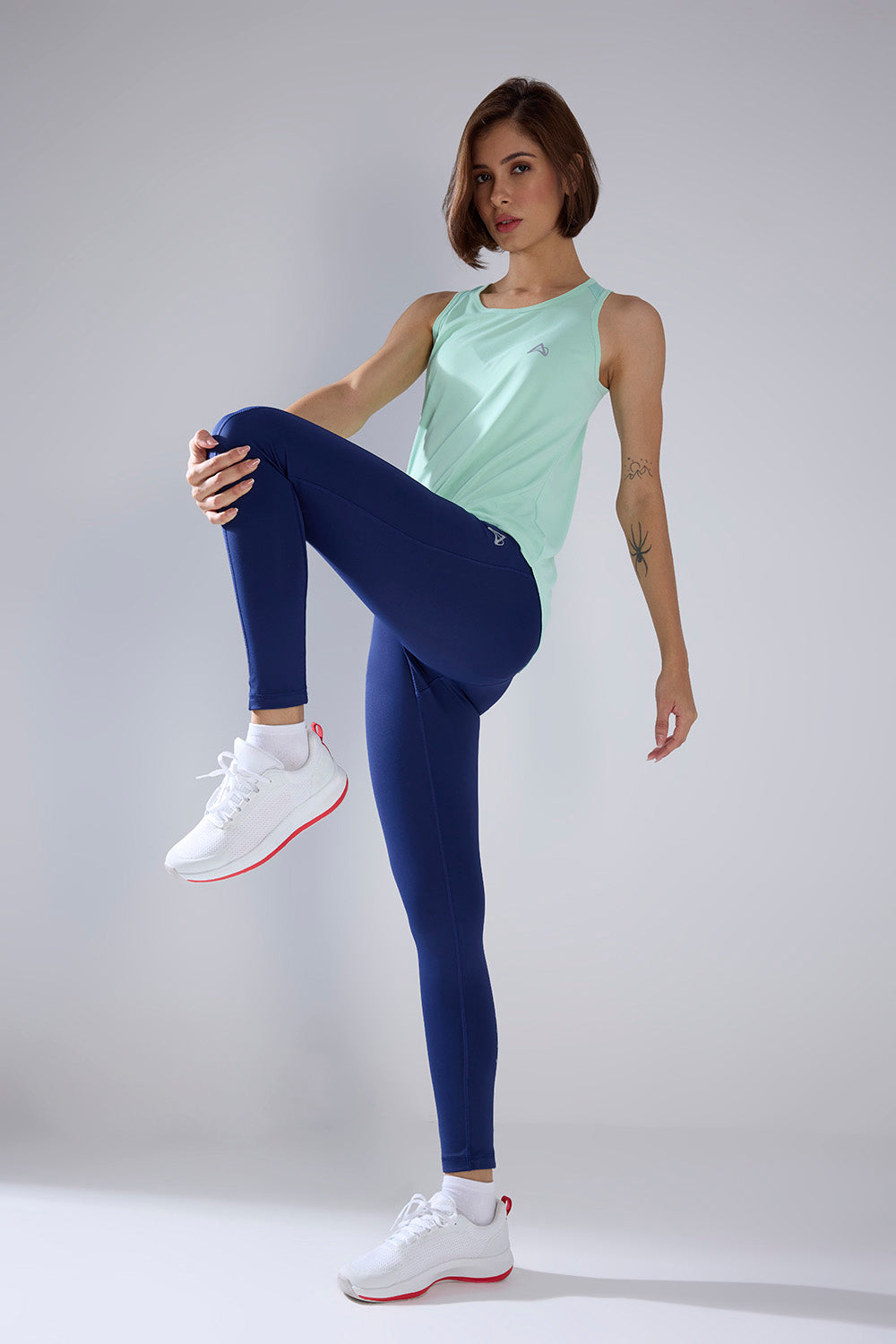
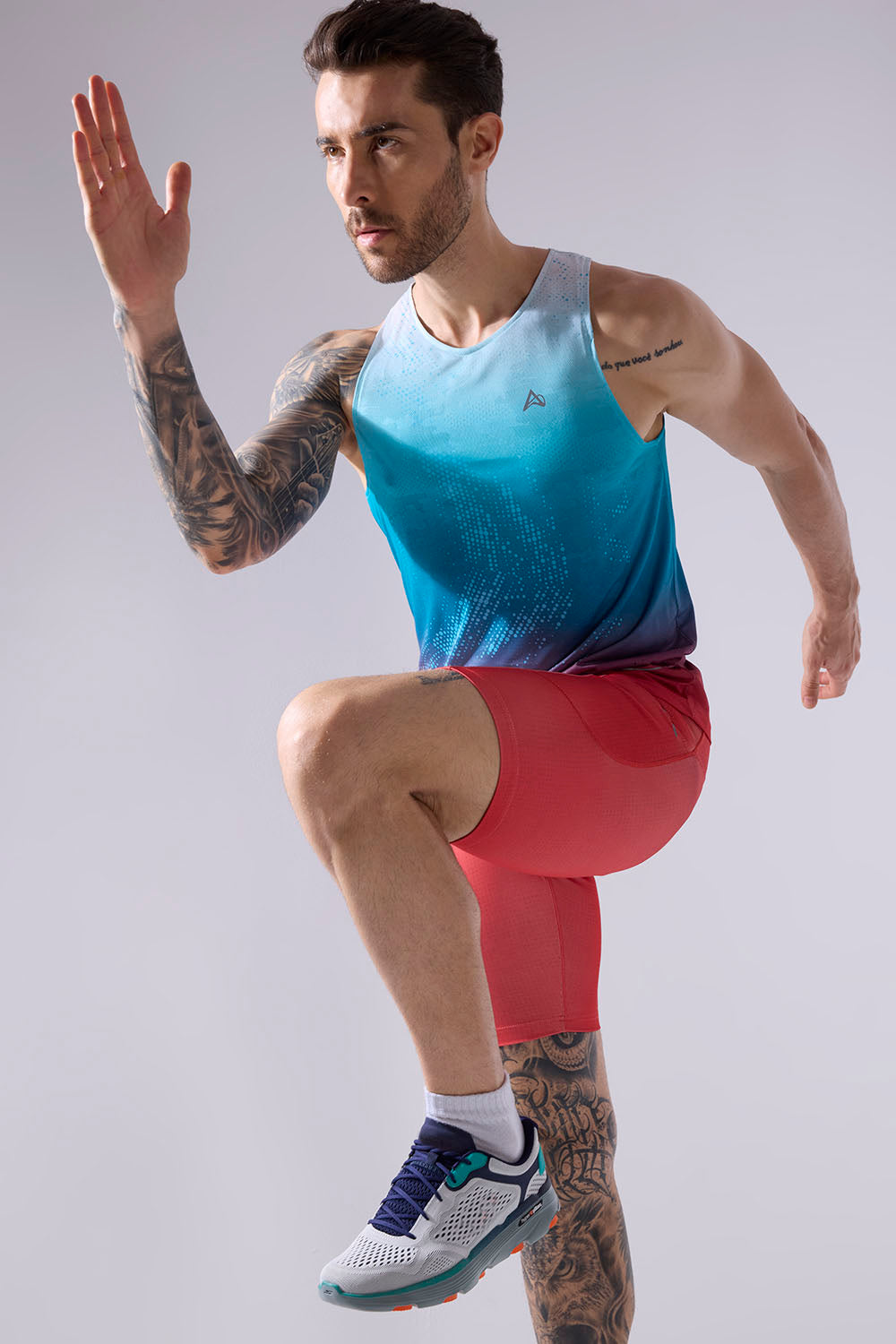
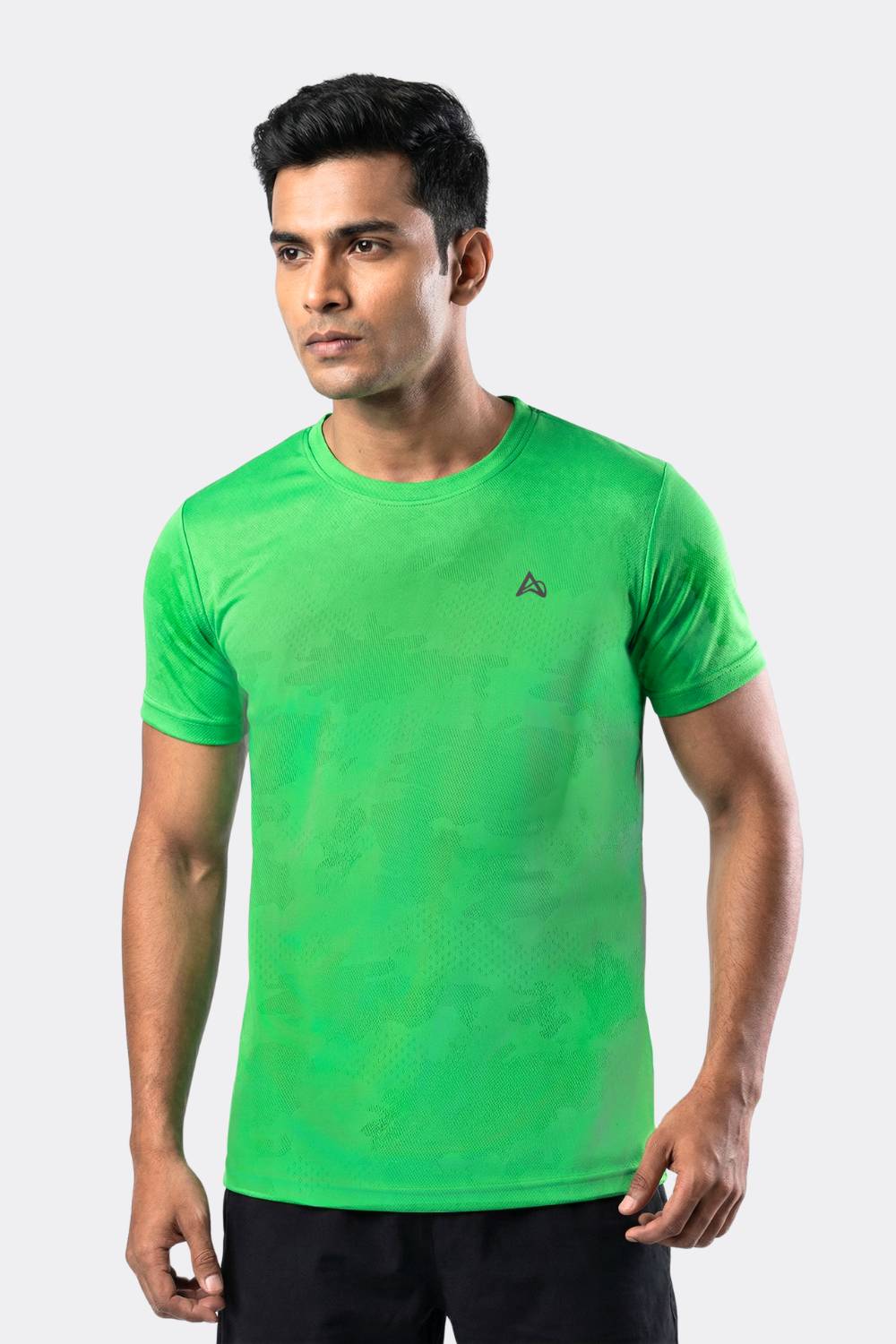
In application, moisture-wicking excels in dedicated running attire. Shirts, bottoms, leggings, and foundational layers suited for cityscapes ensure comfort for extended sessions among long-haul runners in Pune, Bangalore, and Delhi-NCR. The technology extends to gym outfits and casual activewear, where effective sweat handling elevates daily wearability and drives sales in the direct-to-consumer arena.
Yet, obstacles remain. In hard-water zones prevalent in many Indian metropolises, multiple launderings can erode fabric efficacy over time. Striking equilibrium among plushness, toughness, and moisture conveyance poses ongoing challenges. Buyers often grapple with distinguishing authentic innovations from promotional exaggerations, and pricing constraints pressure labels to balance superior materials with affordability.
These issues, however, spawn avenues for ingenuity. Brands emphasizing clear fabric details, stringent evaluations, and verifiable claims gain edges in a competitive field. Collaborations linking regional producers with specialized apparel firms could hasten bespoke advancements, fostering growth amid escalating fitness engagement.
Business Opportunities in a Growing Market
The moisture-wicking segment has experienced robust expansion lately, as noted in industry analyses. These specialized cloths, crafted to siphon sweat from the body to the exterior for swift dissipation, incorporate synthetics like polyester or nylon, sometimes mixed with naturals for enhanced feel. They aid in thermal balance, ensuring dryness and ease during exertion, and span uses in athletic clothing, external layers, occupational garb, medical fields, and style sectors, serving men's, women's, and kid's lines.
Market dimensions for moisture-wicking fabrics indicate sizes in both monetary value US$ billion and volume million square meters, segmented by fiber categories and sales channels from 2020 through 2034. This breakdown reveals sustained demand across diverse threads and dissemination paths, reflecting the fabric's versatility and appeal.
Opportunities abound for Indian enterprises through enhanced transparency in materials and adherence to testing protocols. Local alliances between textile innovators and activewear specialists promise accelerated progress. The emphasis on premium features at reachable prices dovetails with burgeoning involvement in endurance events, jogging groups, and wellness initiatives in key urban centers.
Technical textiles, encompassing these performance variants, draw from trusted insights in market reports. While specific data on broader technical textiles market loading awaits, the sector's reliance on structured analyses underscores its importance to global leaders seeking customized intelligence.
Looking Ahead: A Core Performance Promise
Experts foresee ongoing funding in research and development customized for India's climatic variances. Academic institutions and research entities are set to amplify their involvement in authenticating and verifying materials. The trajectory leans toward versatile cloths that integrate perspiration management with heat modulation and enduring strength.
For companies, the imperative is to position moisture-wicking as an essential commitment, not merely an add-on. In a country where fitness surges from early morning circuits in Bangalore's Cubbon Park to twilight sessions in Delhi's Lodhi Gardens fabrics that sustain dryness and motivation will steer future expansions.
The Next Era of India's Activewear Industry
As India's activewear industry advances, fusing production acumen in Surat, Ahmedabad, Mumbai, Bangalore, and Delhi-NCR with athlete-centric designs, entities investing in validated textile principles and forthright assertions are primed to dominate. The science is established; the comfort it provides lightens every endeavor, propelling a healthier, more dynamic populace forward.
Frequently Asked Questions
How does moisture-wicking fabric technology actually work?
Moisture-wicking fabrics use synthetic fibers like polyester or nylon with water-repelling surfaces that push sweat outward through capillary action. Microscopic channels in the yarn transport moisture to the fabric's exterior, where it spreads across a larger surface area and evaporates quickly. Unlike cotton that absorbs and traps wetness, these advanced textiles prioritize rapid evaporation to keep you dry during high-activity workouts.
What are the main benefits of wearing moisture-wicking activewear in India's climate?
Moisture-wicking fabrics are essential for India's humid and hot conditions, helping maintain body temperature and deliver comfort during exercise in cities from Mumbai to Bangalore. They prevent sweat accumulation that causes irritation and chafing, keep garments lightweight instead of sodden, and boost athletic performance by ensuring dryness throughout extended training sessions. Many modern versions also include antimicrobial coatings to prevent odor-causing bacteria buildup.
Are moisture-wicking fabrics sustainable and how long do they last?
The industry is increasingly adopting eco-friendly options like recycled polyester derived from plastic waste, with manufacturers in Gujarat and Karnataka leading this sustainable shift. However, durability can be affected by hard water common in Indian cities, which may reduce fabric efficacy over multiple washes. Quality moisture-wicking garments balance durability, comfort, and moisture transport, with proper care extending their functional lifespan significantly.
Disclaimer: The above helpful resources content contains personal opinions and experiences. The information provided is for general knowledge and does not constitute professional advice.
You may also be interested in: How Indian Runners Benefit From Moisture-Wicking Tops
Tired of gear that slows you down? Chafing, soggy fabrics, and missing pockets kill your run's momentum. At Aguante, we're runners who get it. Our high-performance activewear features moisture-wicking fabrics, ergonomic designs, and smart storage to keep you focused. Shop Now!
Powered by flareAI.co