



Quick Listen:
In the sweltering heat of a Bangalore dawn, a lone runner pounds the pavement, weaving through traffic and monsoon puddles, clad in apparel that doesn't just endure the elements it conquers them. This scene captures the essence of India's burgeoning sportswear revolution, where domestic manufacturing hubs are fueling a shift toward self-reliance, producing gear engineered for the nation's unique climates and challenges. As urban fitness enthusiasts in cities like Mumbai and Delhi embrace running as a daily ritual, brands like Aguante emerge at the forefront, delivering performance-driven products born from local ingenuity rather than distant assembly lines.
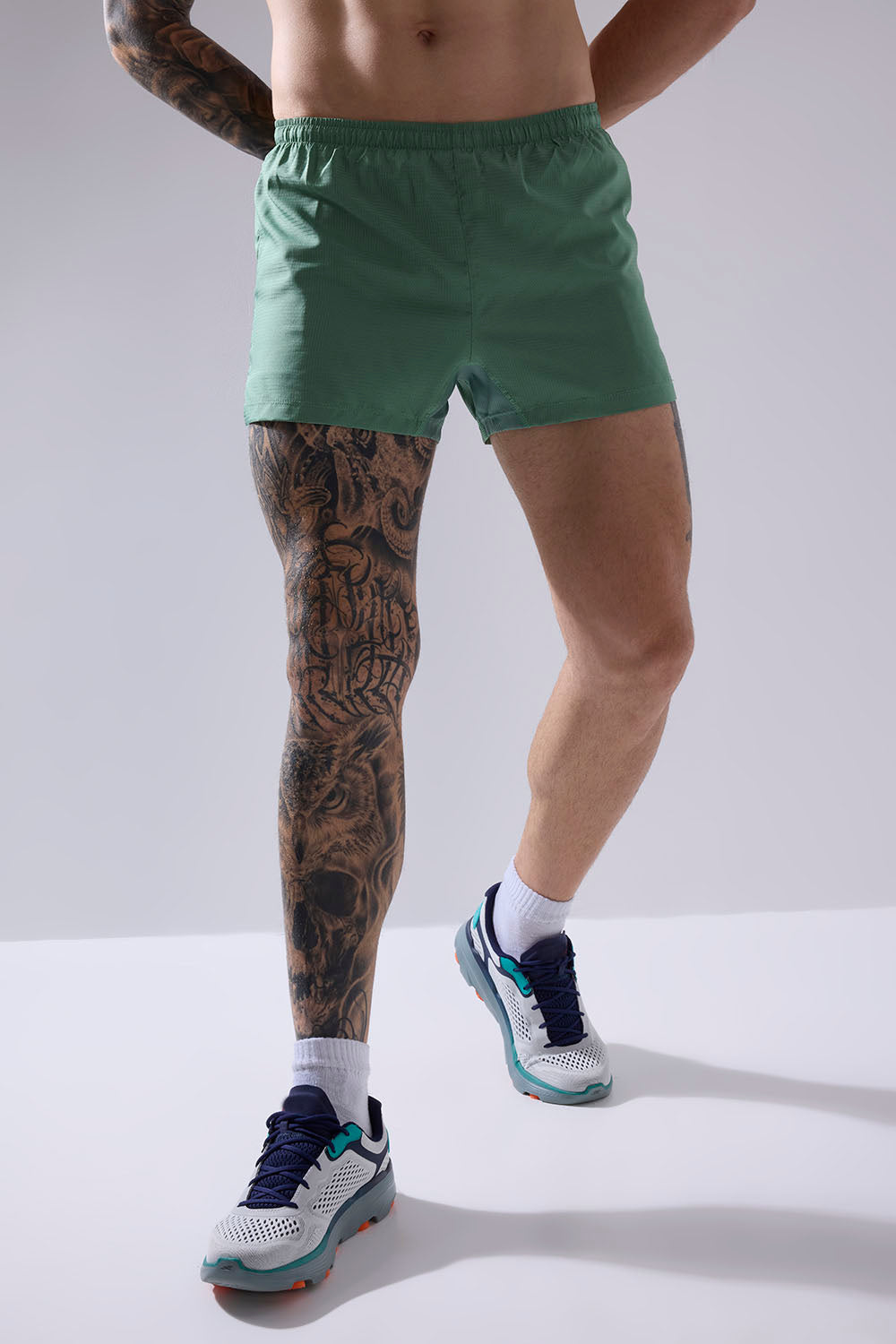
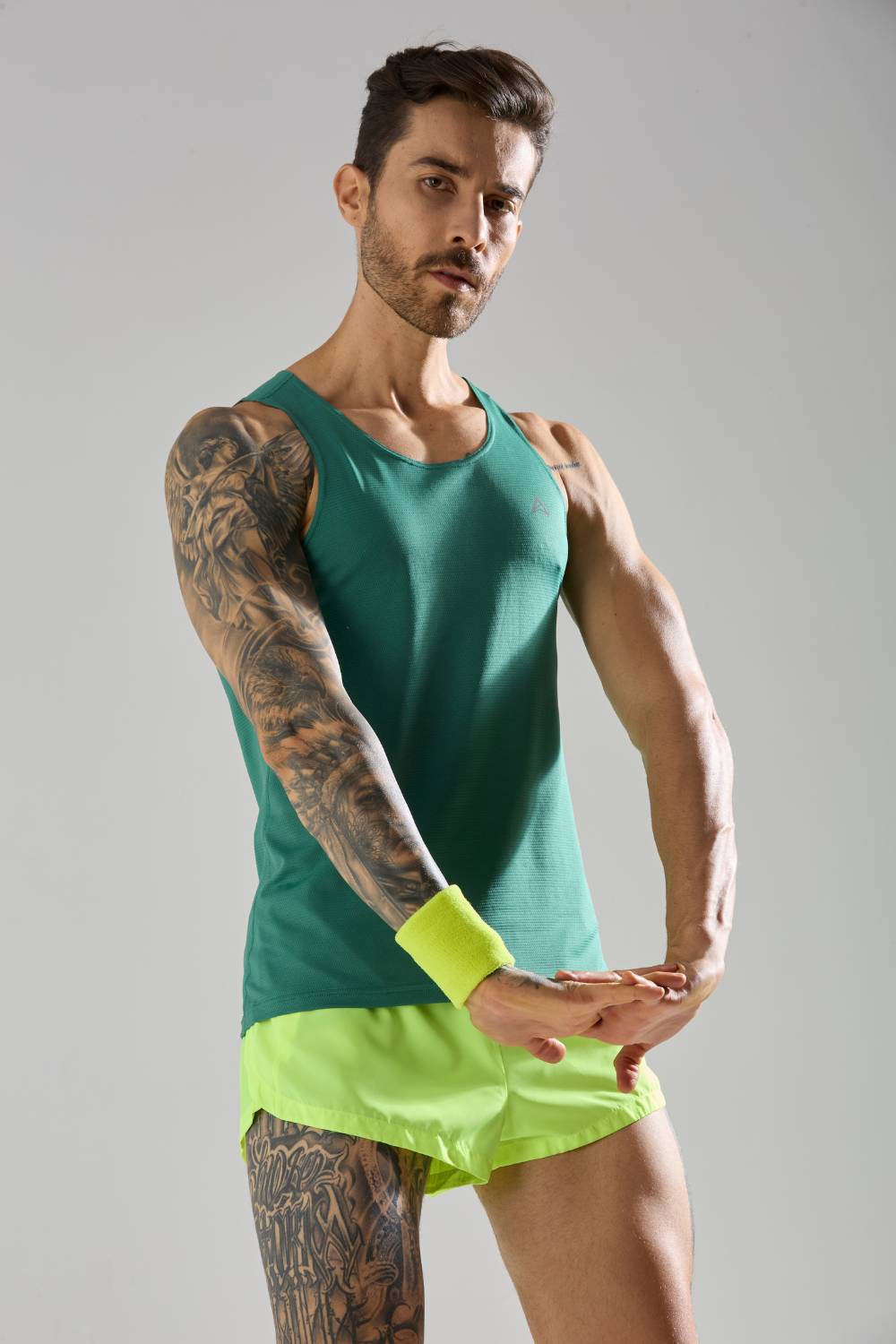
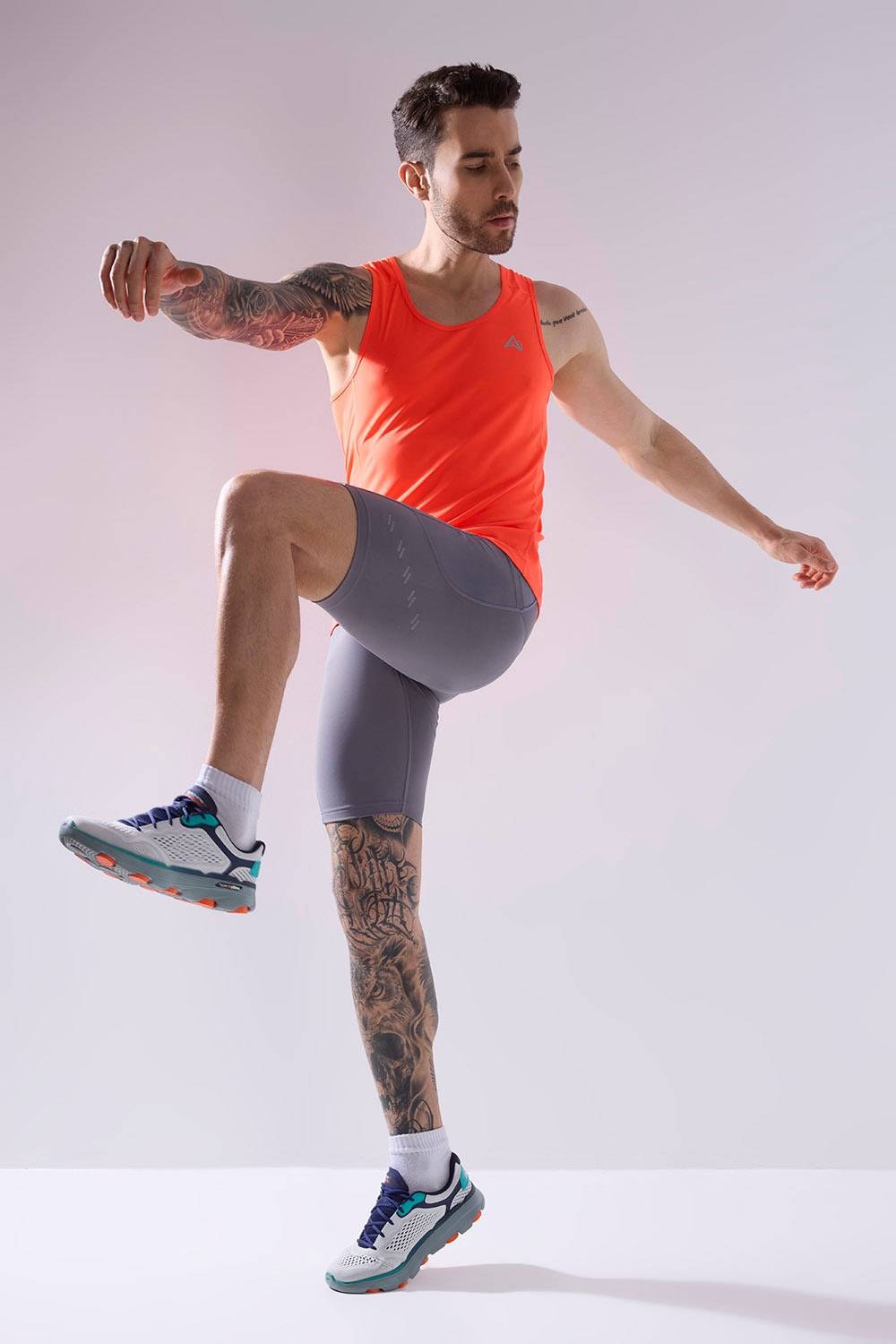
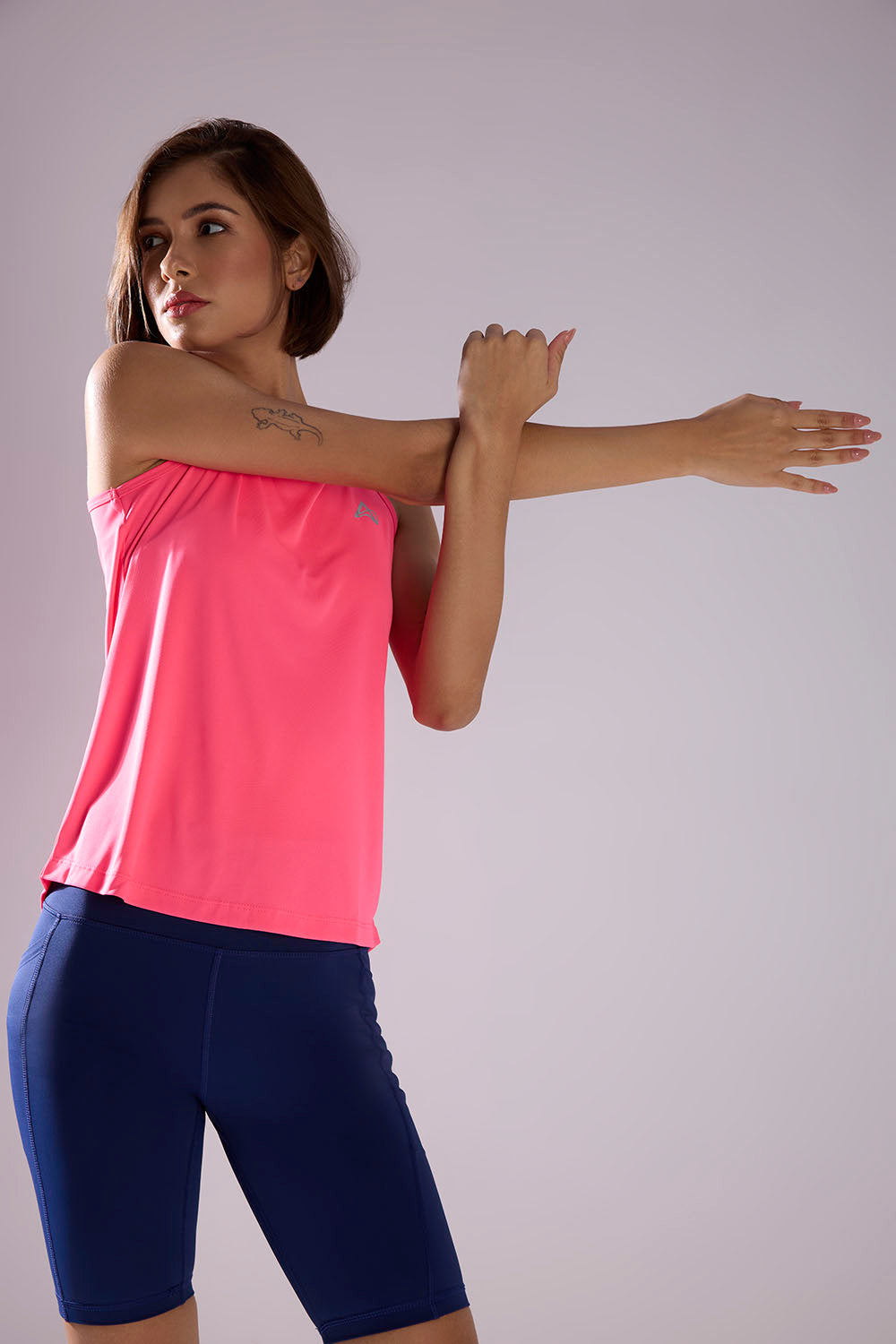
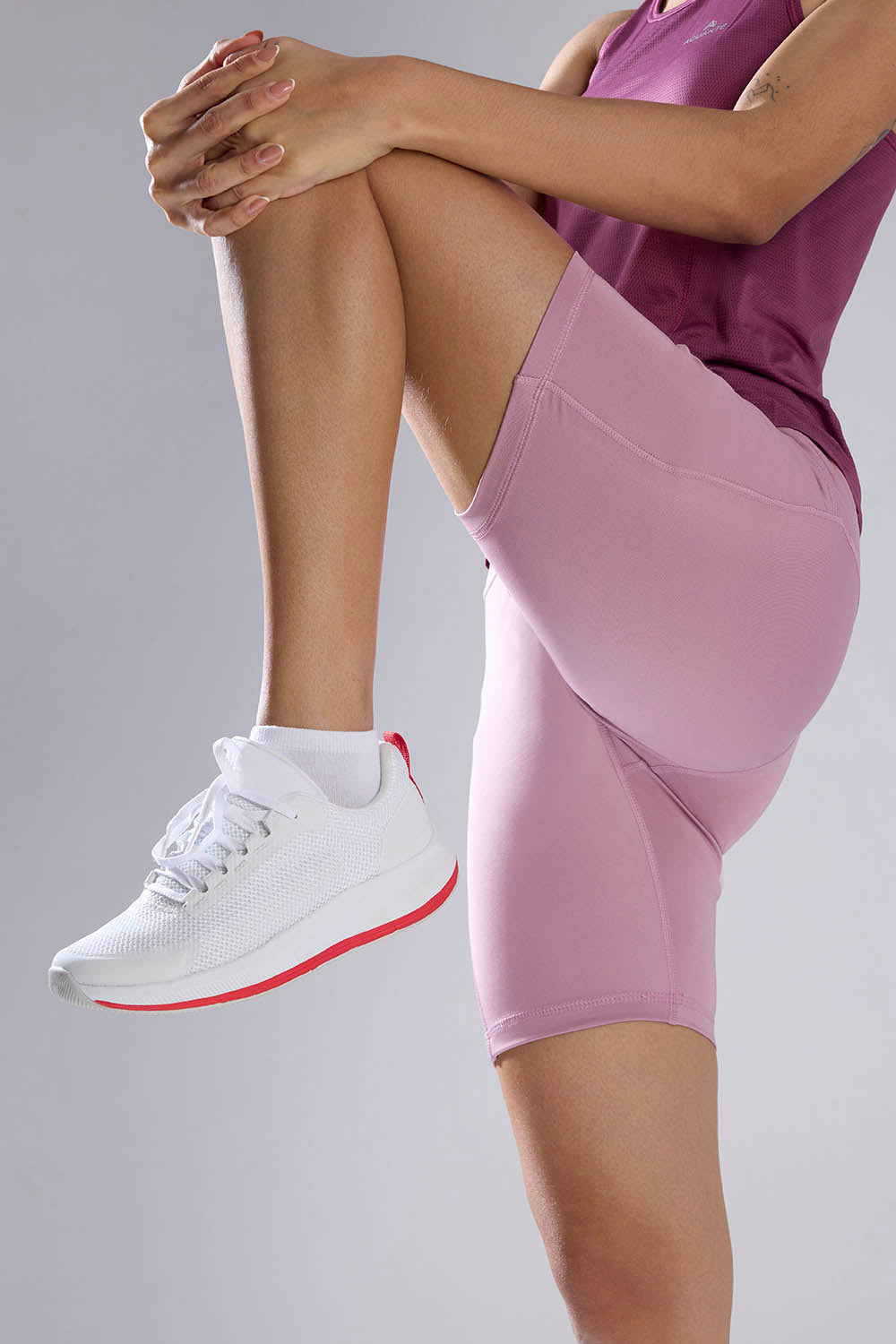
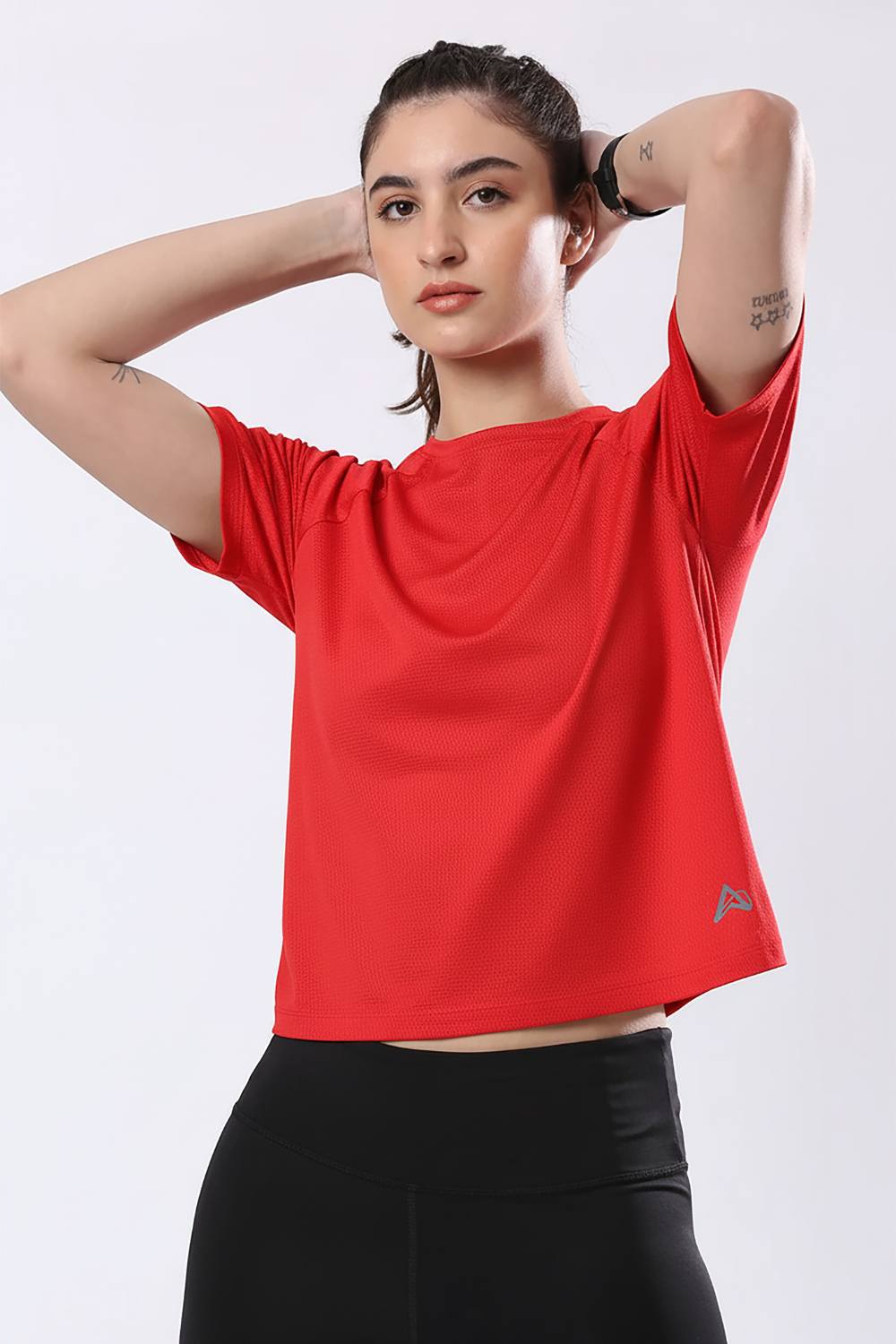
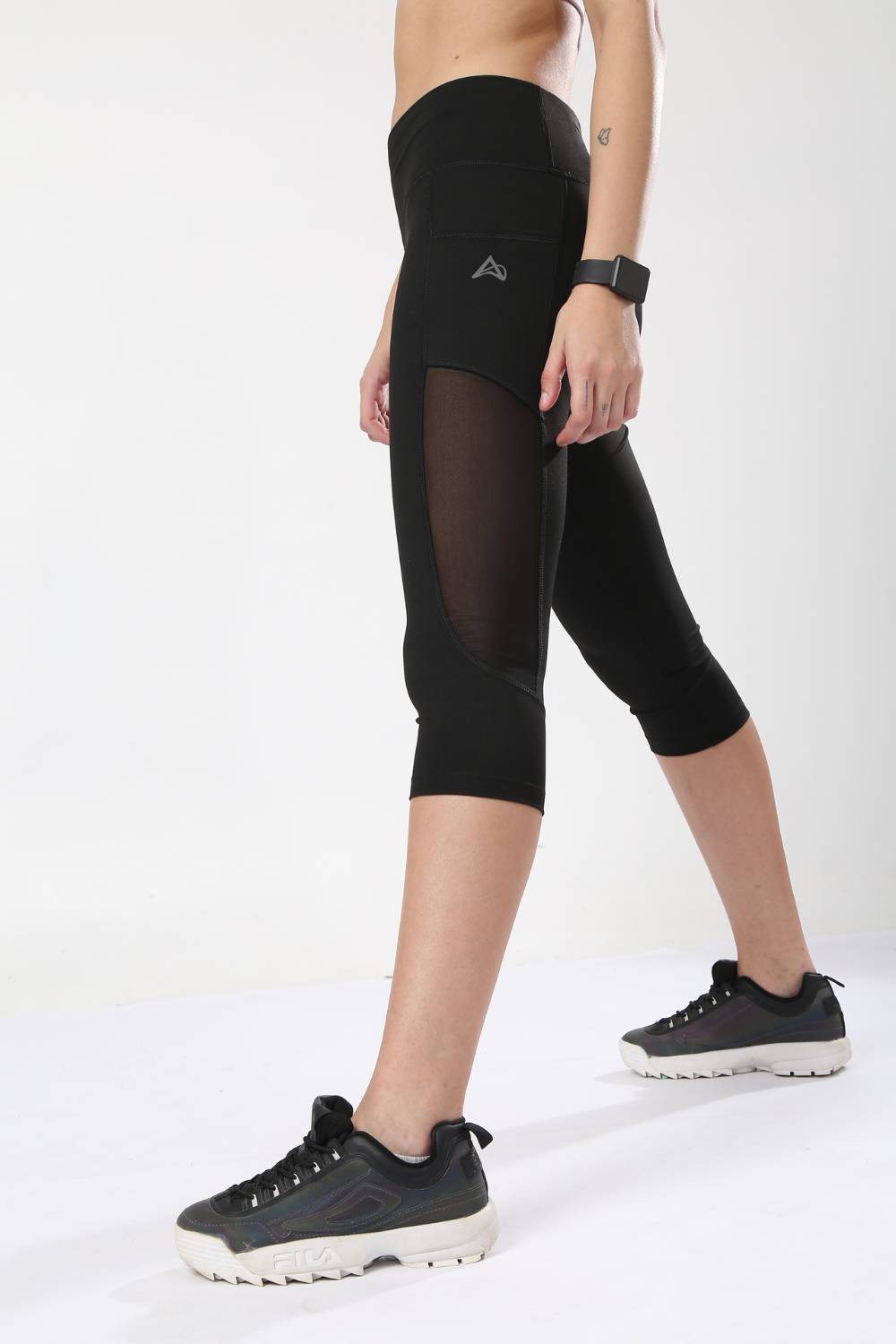
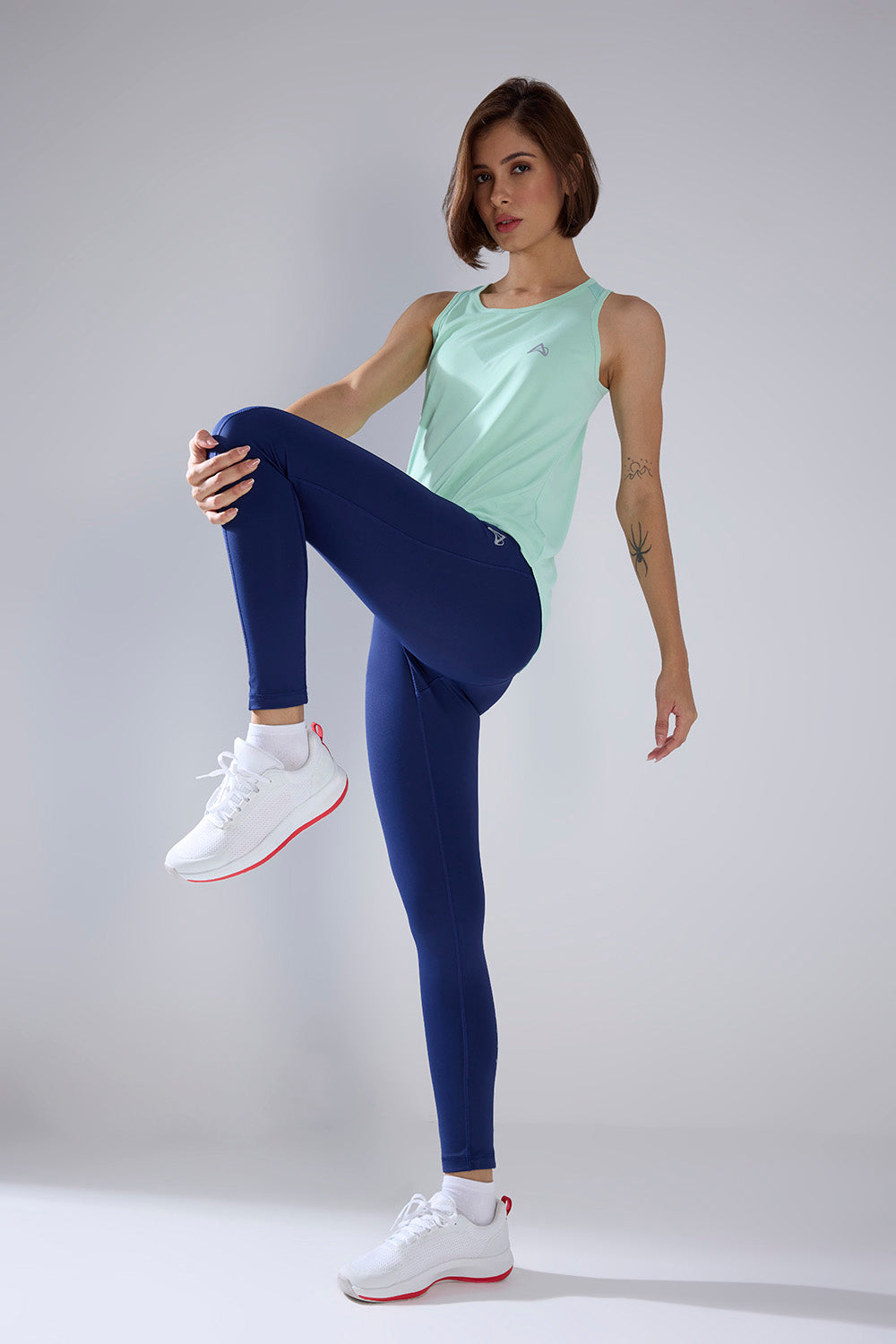
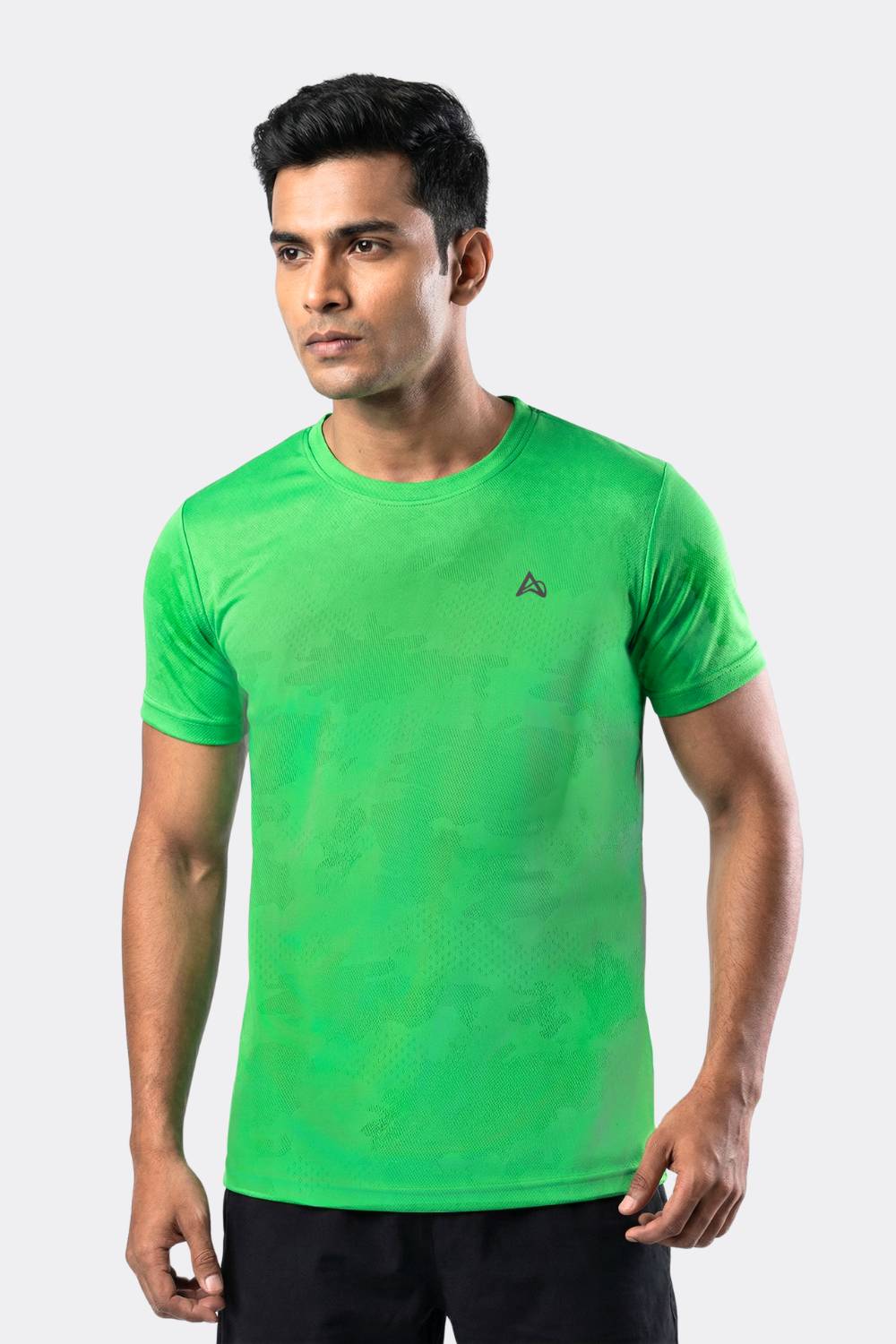
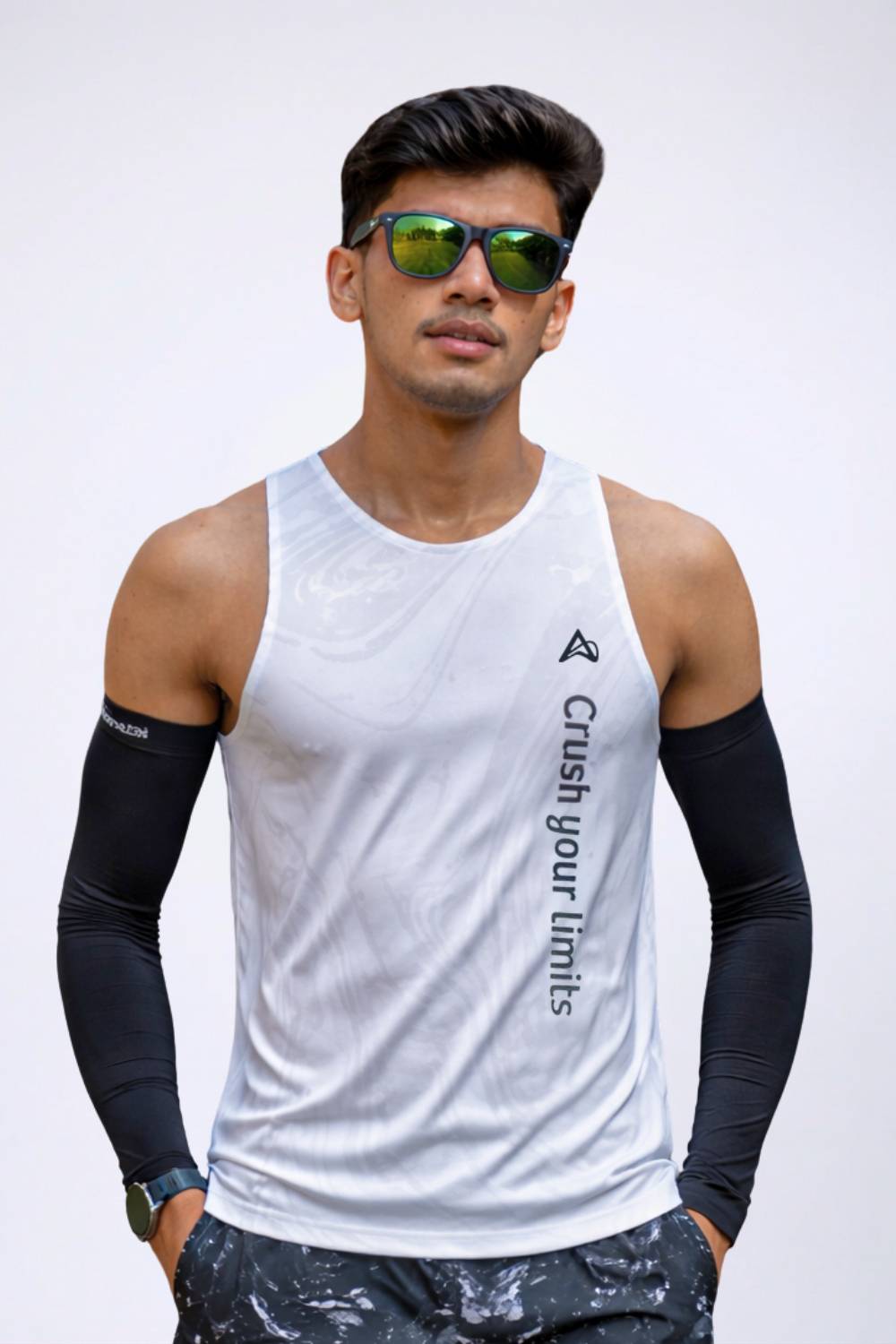
Tired of gear that slows you down? Chafing, soggy fabrics, and missing pockets kill your run's momentum. At Aguante, we're runners who get it. Our high-performance activewear features moisture-wicking fabrics, ergonomic designs, and smart storage to keep you focused. Shop Now!
Local Manufacturing Powers India's New Era of Self-Reliant Sportswear Innovation
How urban centers such as Bangalore, Mumbai, and Surat are transforming India's activewear landscape through localized production of high-performance running apparel.
India's sports sector stands on the brink of explosive expansion, projected to hit $130 billion by 2030, expanding at a 14% compound annual growth rate that outpaces the country's overall GDP growth by nearly twofold. This surge, as outlined in the collaborative Google and Deloitte analysis titled 'Think Sports: Unlocking India's $130B Sports Potential', stems from heightened government funding, a blossoming multi-sport enthusiasm, widespread digital integration, and diverse premium sports programming. It signals a profound evolution in sports engagement across the nation, with ripple effects into social progress, including youth empowerment and community building. Strategic infusions into grassroots programs and facilities are essential to maximize these gains, potentially generating as many as 10.5 million employment opportunities and contributing $21 billion in ancillary tax revenues by the decade's end.
Driving this momentum, the sports merchandise and clothing market is anticipated to balloon twofold to $58 billion by 2030, propelled by escalating health awareness and greater disposable incomes. Roma Datta Chobey, Google's Interim Country Lead in India, emphasizes the timeliness: a explosion in varied sports followings, digital platform dominance, and Gen Z's avid participation the demographic powerhouse of India's sports audience. These dynamics open doors for tailored innovations, allowing entities to forge deeper connections with dedicated followers. Digital channels have revolutionized access, with the majority of enthusiasts now consuming sports via online mediums, amplified by AI customization, immersive tech, and broader connectivity.
Major players are doubling down on domestic production too. Decathlon, the global sports giant, predicts that 80% of its Indian revenue will stem from locally made items in five years, rising from today's 60%, backed by a 100 million euro commitment to bolster manufacturing footprints. This aligns seamlessly with Aguante's ethos: crafting specialized running attire in Indian facilities, optimized for humidity, heat, and rugged paths that foreign designs often overlook. Meanwhile, the government's Production Linked Incentive (PLI) initiative for textiles has ignited Rs 7,343 crore in capital inflows, alongside Rs 4,648 crore in sales and Rs 538 crore in outbound shipments. Targeting manmade fiber garments, materials, and advanced textiles from September 2021 through March 2030, it provides five-year bonuses tied to turnover growth of at least 25% annually, with entry barriers at Rs 100 crore or Rs 300 crore investments per segment. Shaleen Toshniwal, head of the Manmade and Technical Textiles Export Promotion Council, praises its embrace of these high-potential areas, where technical textiles claim 56.75% of the 74 approved projects across 42 firms.
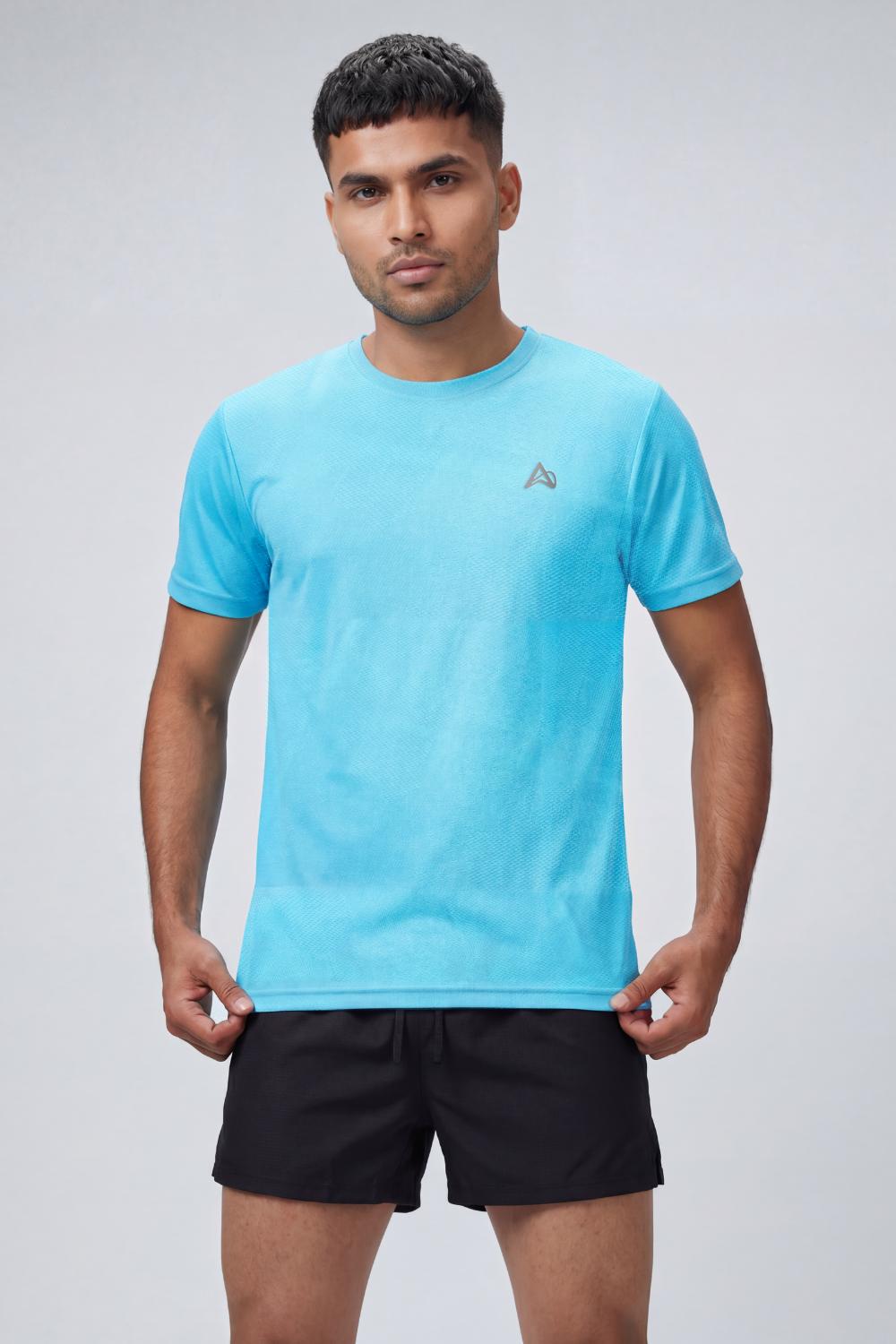
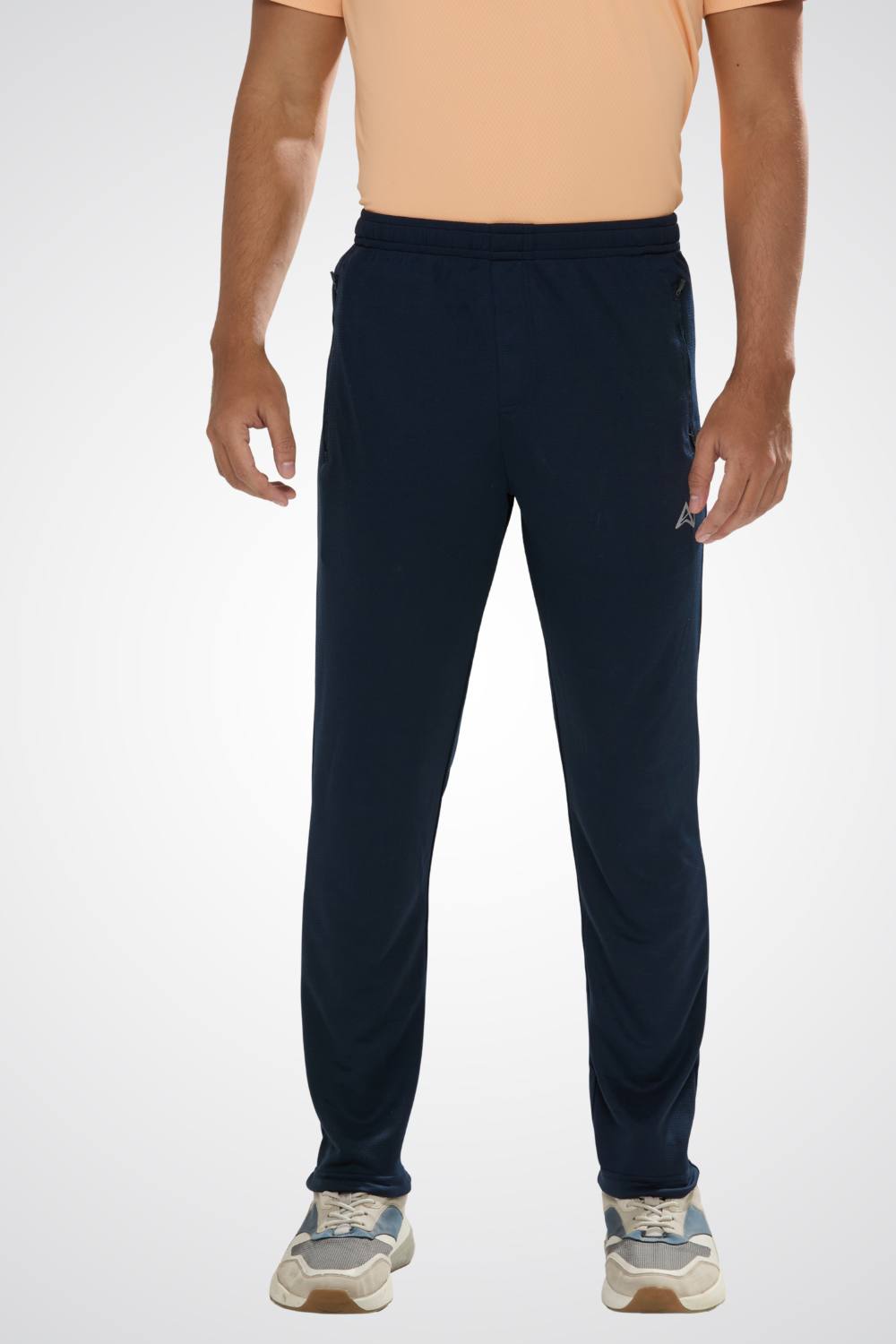
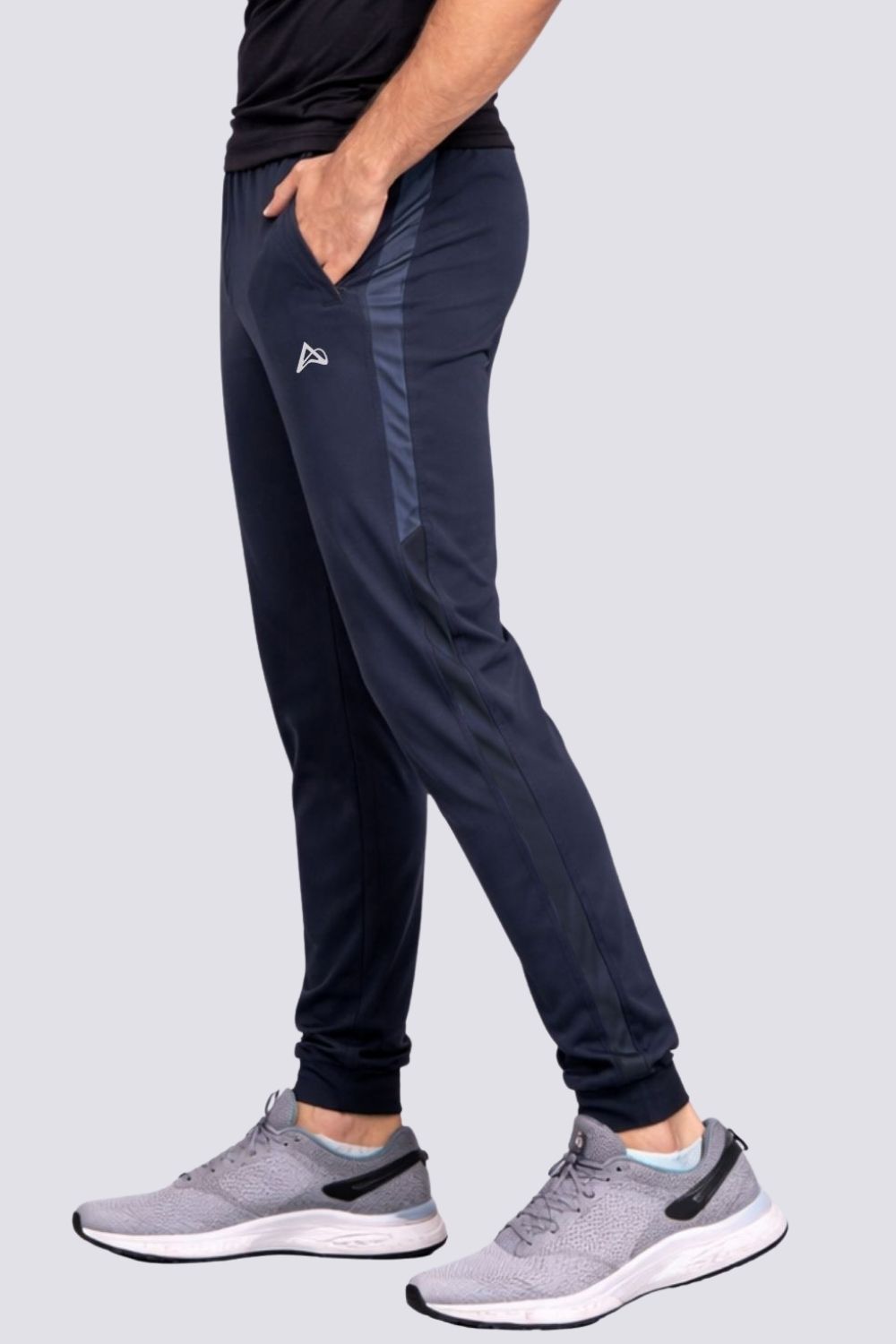
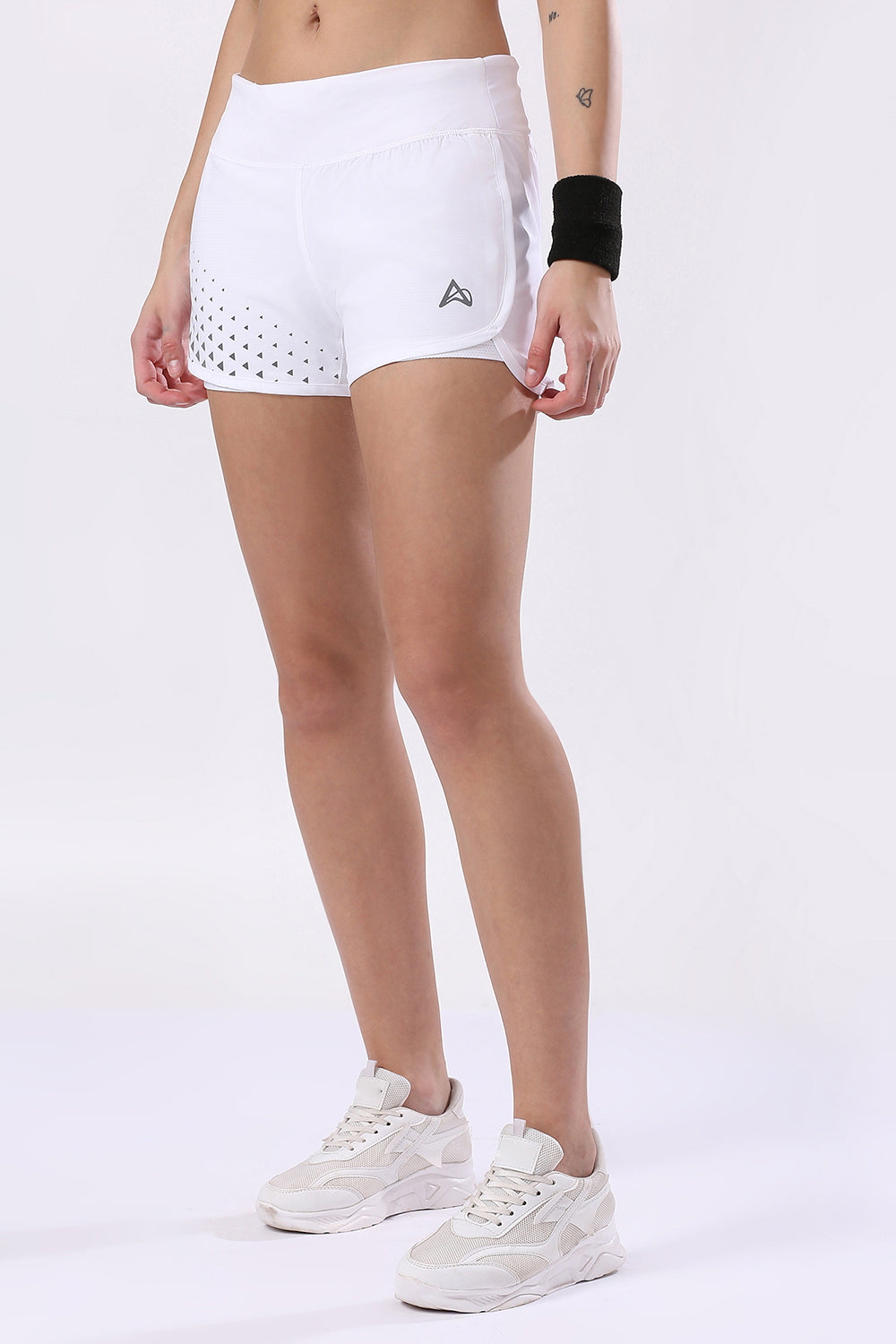
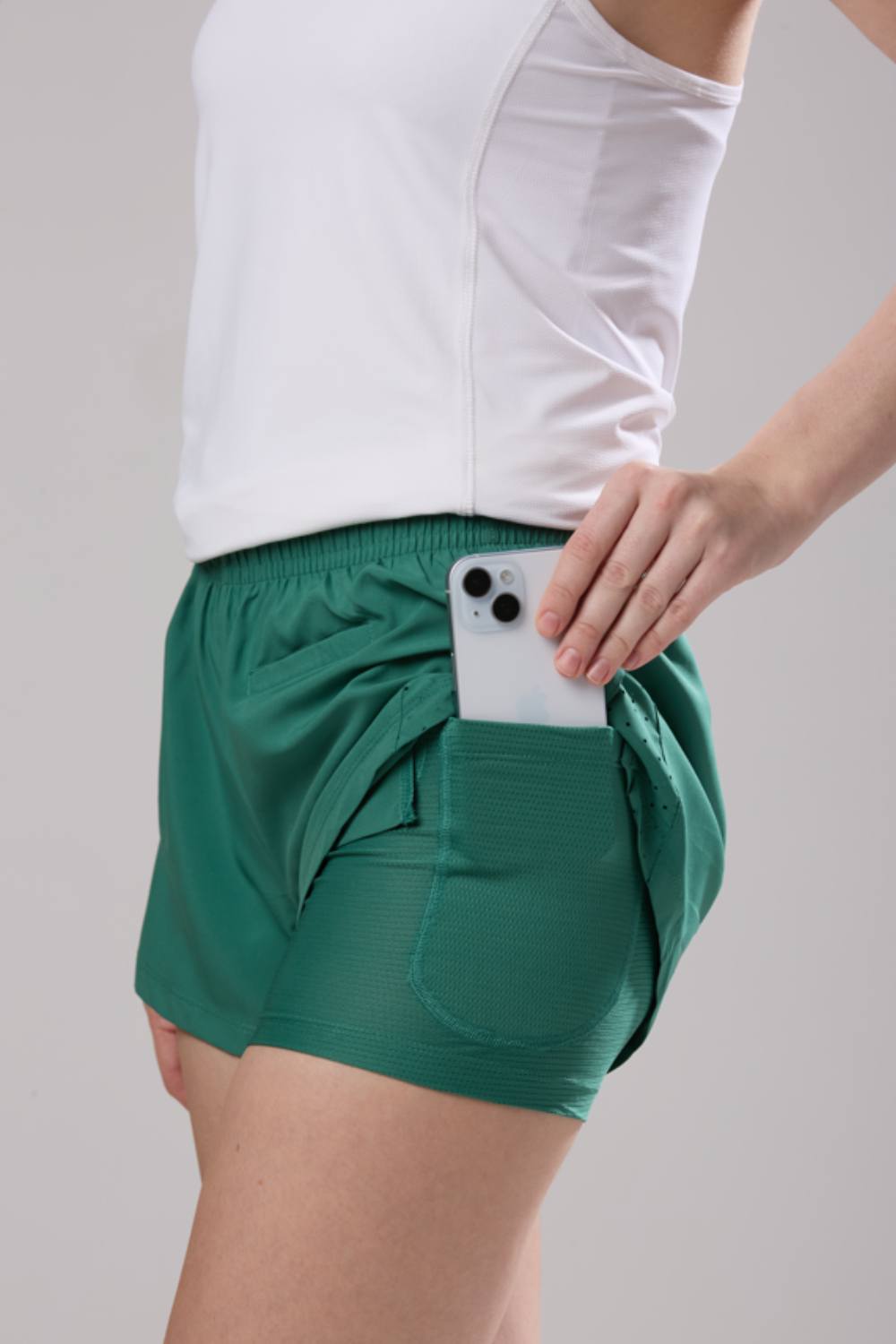
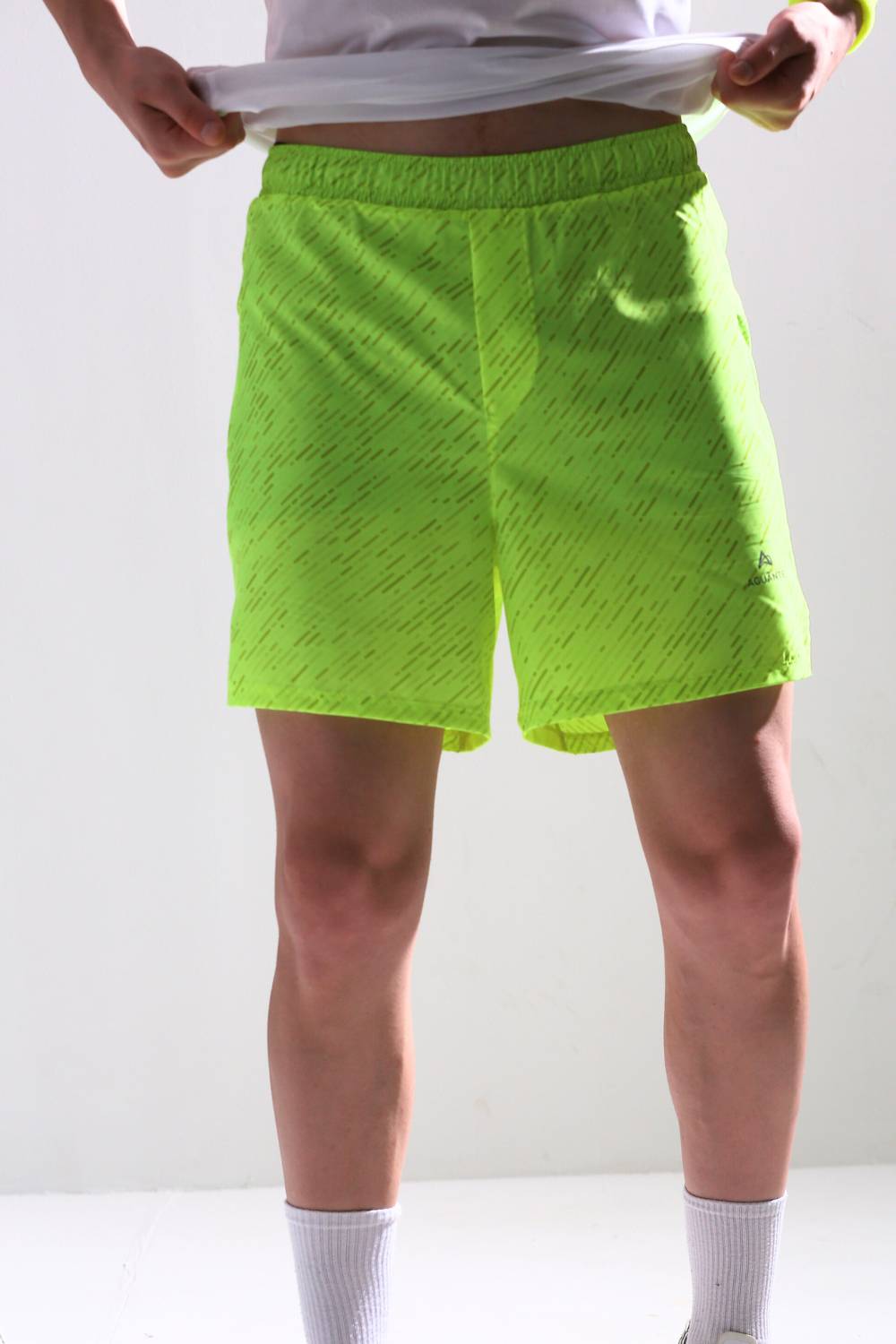
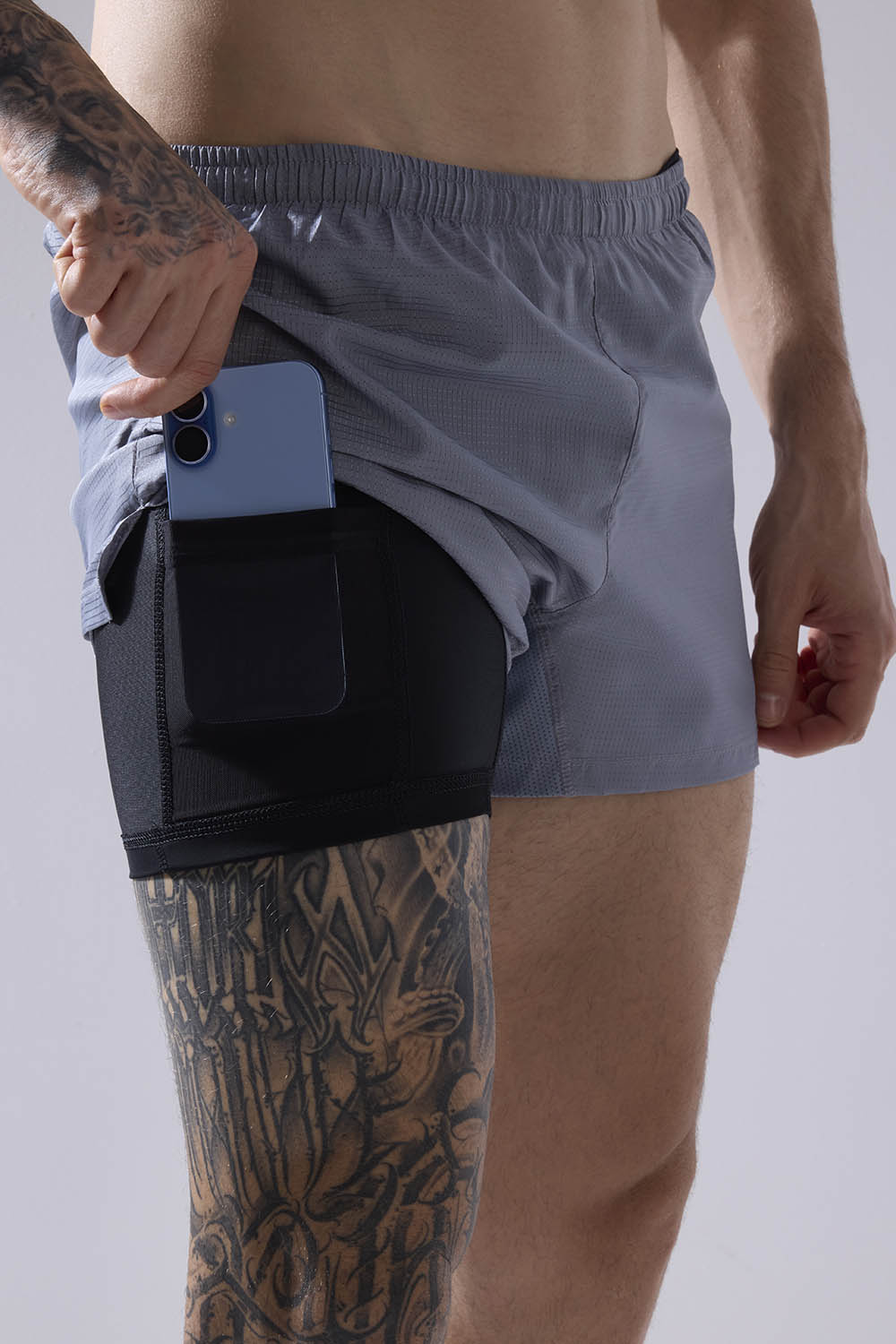
This ecosystem thrives in targeted regions like Bangalore, Hyderabad, Mumbai, Pune, Navi Mumbai, Delhi, Gurugram, Surat, and Ahmedabad hotspots where Aguante concentrates its outreach. Here, local innovation meets global standards, yielding gear with anti-chafing seams, non-slip pockets, sweat-evaporating materials, and visibility enhancements, all vetted by actual users for seamless, focused runs.
Emerging Trends: Self-Reliance Meets Performance Engineering
Bangalore pulses as a nexus for advanced textile development, where specialists refine sweat-management synthetics to defy the region's oppressive moisture, creating blends that evaporate perspiration swiftly during scorching outings. Pune complements this with research-focused enclaves pioneering chafe-resistant interiors and stable storage solutions that endure bumpy routes core features Aguante prioritizes to let athletes haul necessities without interruption.
In Gujarat's Surat and Ahmedabad, industrial looms churn elastane-infused and eco-friendly threads, delivering cost-effective yet superior options. These established textile bastions pivot to athletic wear, capitalizing on PLI incentives that prioritize technical fabrics, capturing over half the program's slots. Northern powerhouses Delhi and Gurugram fuel direct-to-consumer surges via online marketplaces, amplified by social channels like Instagram, Facebook, and YouTube. Aguante strategically taps these, where influencers such as @barefoot_coach_shanth_koushik and @coach_amitkumar disseminate expertise on technique and textiles, drawing in multi-discipline devotees.
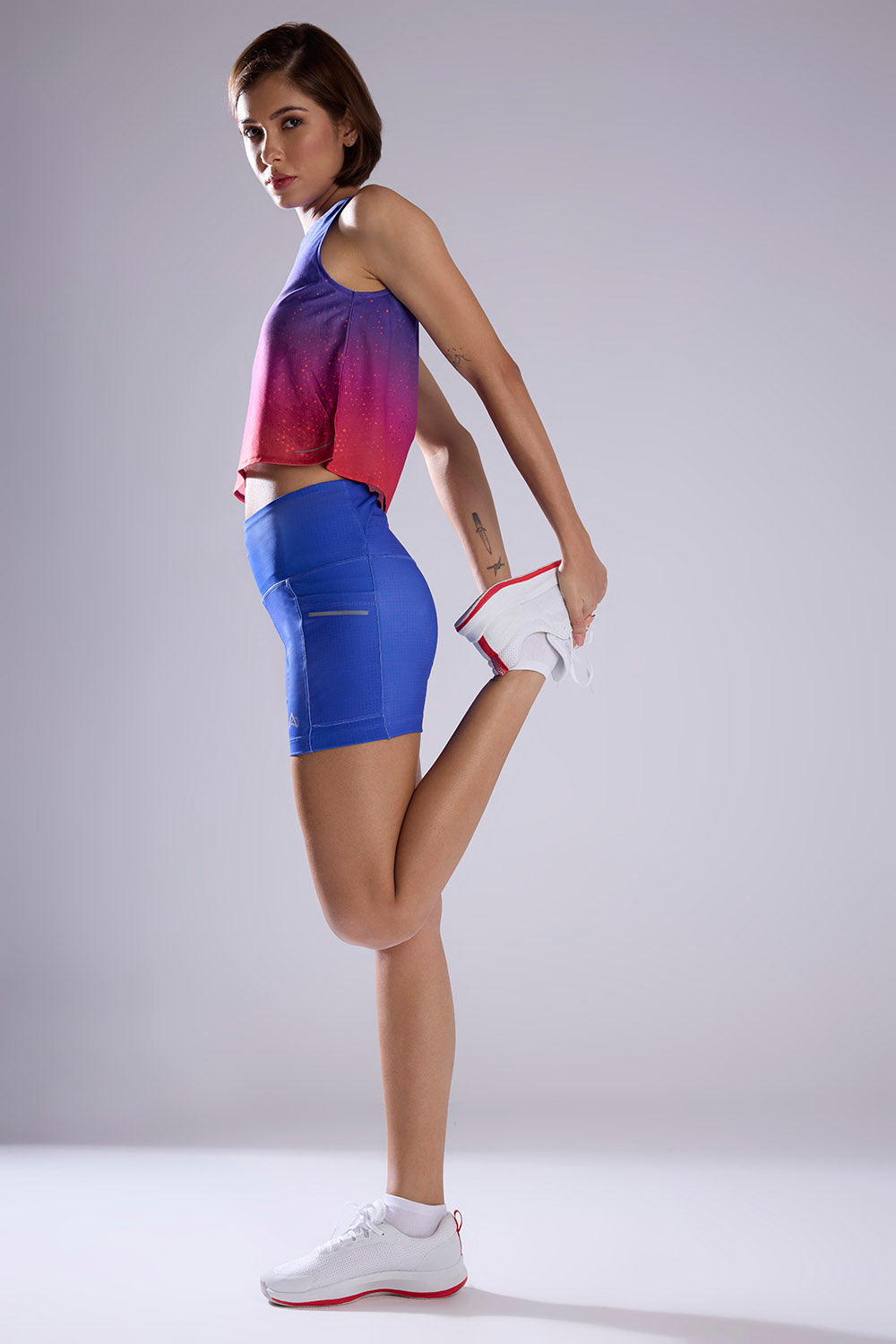
Such localized synergy yields adaptations for India's idiosyncrasies: glow-in-the-dark elements for dusk jogs amid smog, silhouettes calibrated for varied physiques from Mumbai's shores to Navi Mumbai's paths. Aguante distinguishes itself by shunning one-size-fits-all imports, instead engineering for deluges and debris at accessible rates, embodying homegrown excellence without inflated costs.
Beyond economics, this trend fosters sustainability and inclusivity. Post-COVID fitness spikes in these cities demand dependable equipment, while digital proliferation most sports intake now online empowers brands to showcase real-world testing. Gen Z's dominance in fandom invites tech integrations like virtual try-ons, further embedding local products into daily lives.
Real-World Examples: Local Manufacturing in Motion
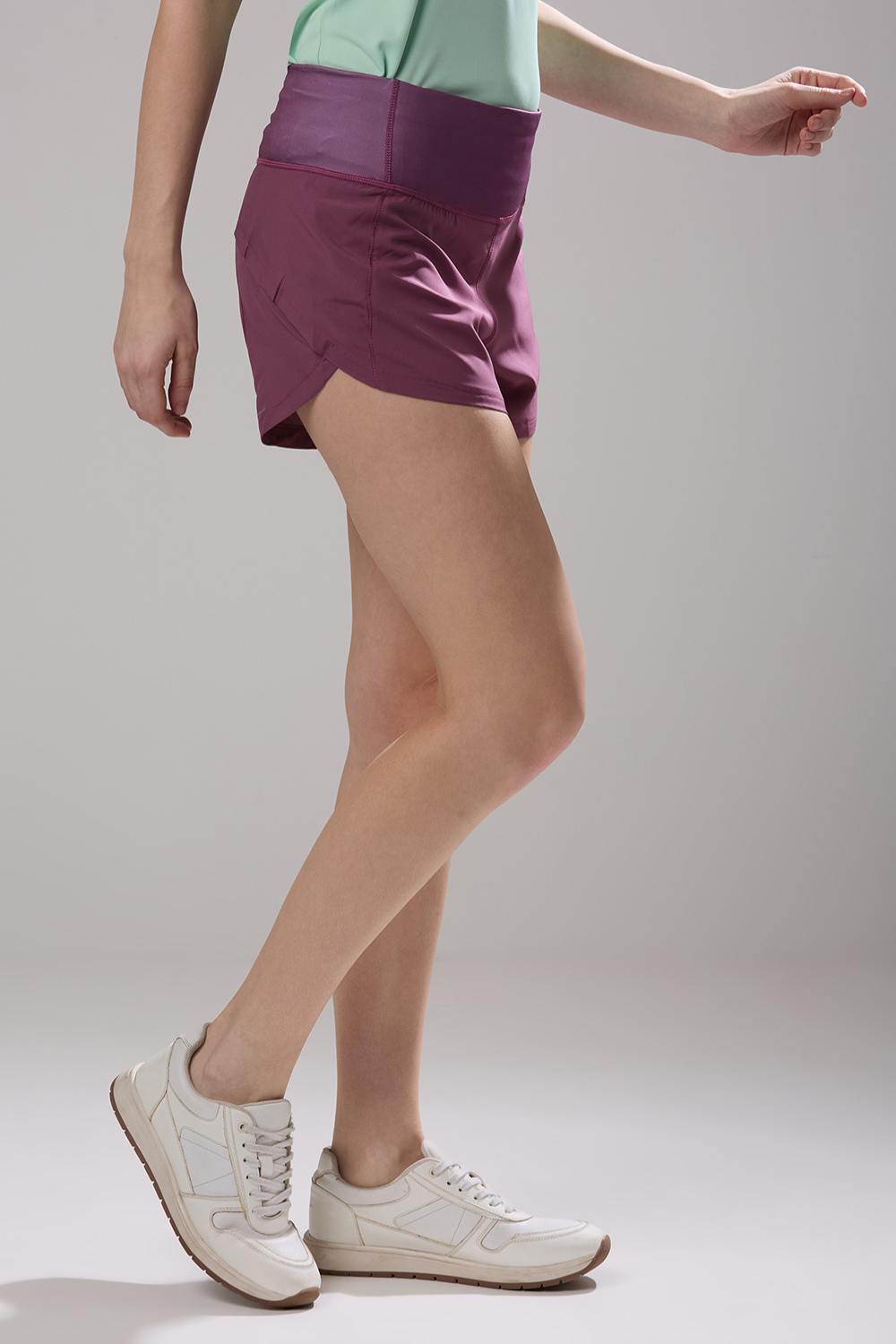
Bangalore and Hyderabad's ateliers exemplify hands-on creation: artisans assemble running bottoms with protective linings, iterating designs through community trials on bustling streets. Proximity to tech savants accelerates advancements in rapid-drying weaves that outpace evaporating rains.
Surat's operations harness manmade fibers for instant-dry wonders, fortified by PLI's technical textile emphasis 56.75% of approvals spanning 42 enterprises. Ahmedabad echoes this capability, eyeing regional exports while feeding domestic labels. In Mumbai and Navi Mumbai, vitality abounds: trainers like @runholic_dev and @fit_kaur23 rigorously evaluate samples along coastal stretches, their Instagram videos demonstrating Aguante's resilience in stifling dampness. Iterative refinements fortified pouches, bolstered joints ensure uninterrupted strides.
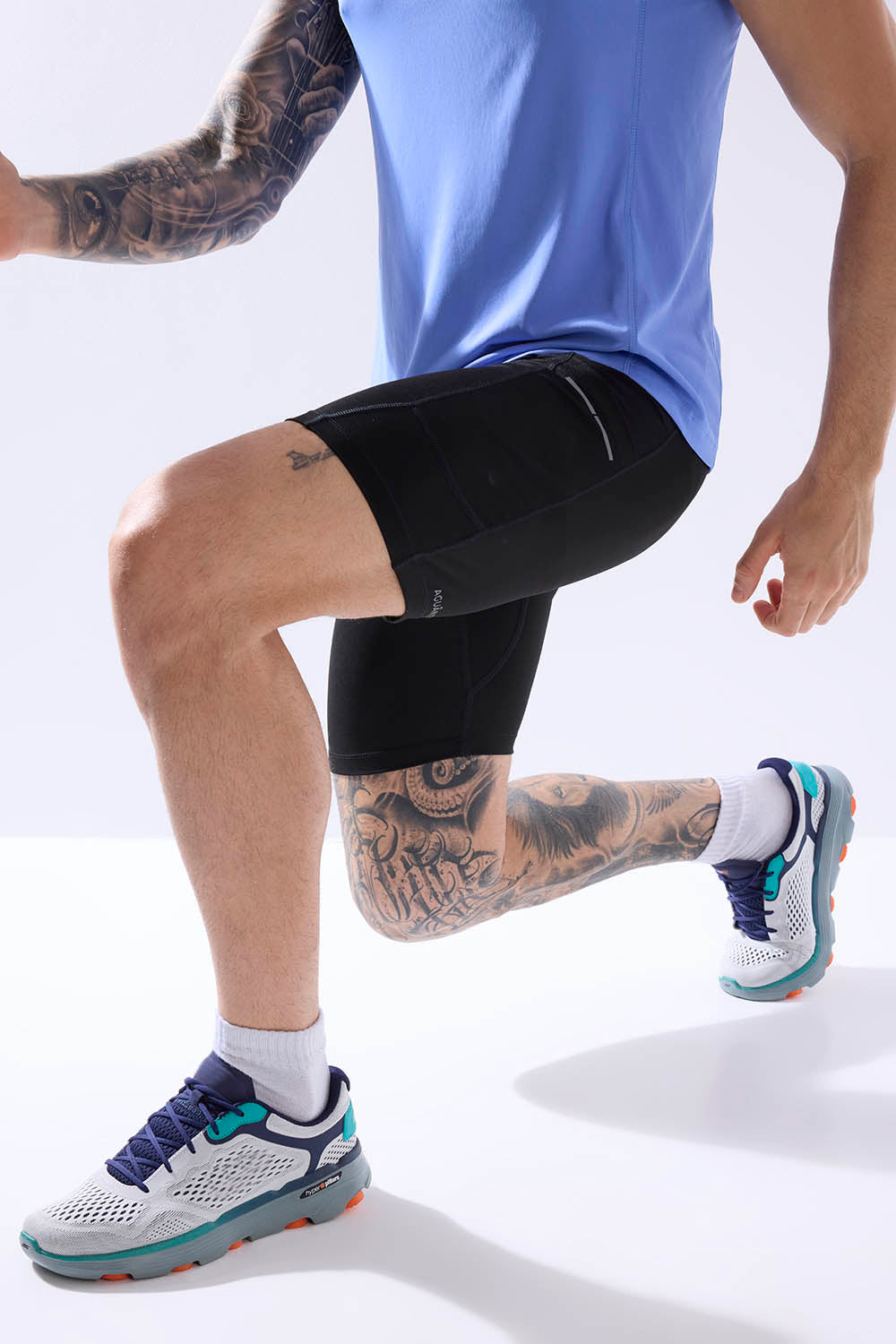
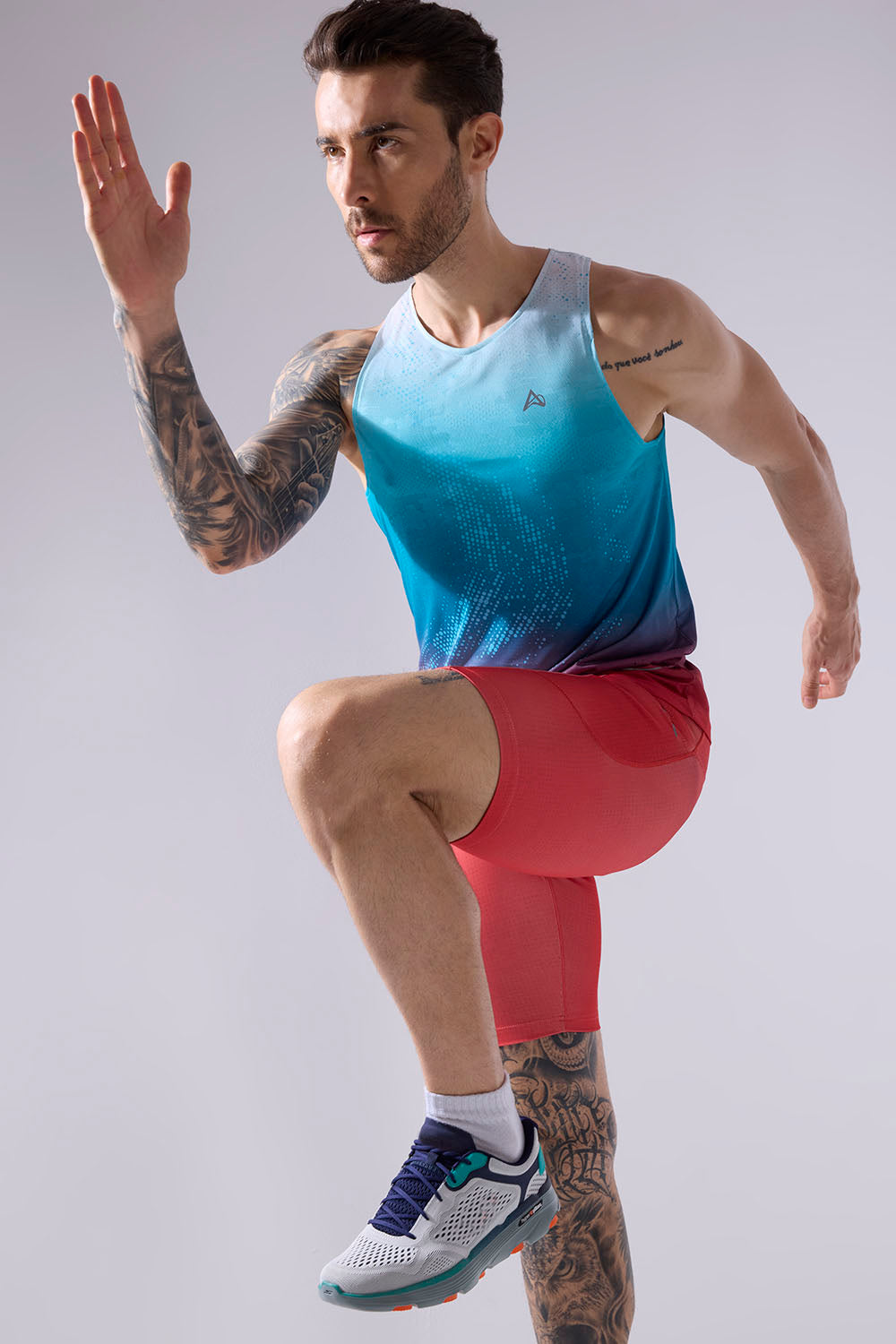
Aguante shines as purposeful equipment, not commonplace attire: ventilated for endurance, rugged for landscapes, accented with safety reflections for erratic settings. It represents indigenous creativity achieving worldwide benchmarks, affordably serving the post-pandemic jogging wave. Collaborations with coaches like @rajesh84parida on social platforms build authenticity, turning feedback into features that resonate in Pune's innovation labs or Gurugram's e-commerce hubs.
These instances highlight broader shifts: from Surat's yarn innovations to Delhi's marketing prowess, each region contributes uniquely, weaving a national narrative of progress.
Challenges: Scaling Without Compromising Quality
Growth brings hurdles. Disjointed logistics hinder harmony Bangalore's advancements may lag Surat's supplies, causing bottlenecks. Synthetic expenses escalate in Pune amid volatile globals, pressuring profits. Internationally, the U.S.'s halted 26% reciprocal duty on Indian imports casts uncertainty, elevating costs and rivalry versus lower-tariff peers like Brazil (10% rates), eroding U.S. market edges despite India's 3.91% global textile stake. This 90-day reprieve allows recalibration, but enforcement looms large for exporters nurturing American loyalties.
Innovation funding gaps stifle novel material breakthroughs, while city dwellers occasionally dismiss native brands for imported allure. Aguante combats this through proven efficacy on local grounds, yet expansion demands overcoming biases and infrastructural sprawls in this expansive land.
Opportunities: Building India's Self-Reliant Sportswear Ecosystem
Prospects abound. Initiatives like Make in India and PLI invigorate manmade fiber competitiveness, positioning challengers against textile titans. Urban running booms Delhi greens teeming, Mumbai walks thronged crave Aguante-style reliability, suited to native forms and finances.
Gujarat factories eye Southeast Asian outlets with value-driven offerings. Digital shifts empower: Gen Z scrolls Instagram for @rajesh84parida insights, merging endorsements with promotions across Facebook and YouTube. Ecosystem partnerships could amplify, from base-level builds to AI-tailored designs, harnessing the sector's social and economic promise.
With India's apparel facing external pressures, domestic focus strengthens resilience, turning challenges into export strategies while nurturing home markets.
The Future of India-Made Performance Wear
As regional strengths interconnect, India's activewear framework achieves autonomy, pioneering rather than mimicking. Bangalore's intellect to Surat's craftsmanship forms a robust fabric, spawning employment and identities. Aguante encapsulates it: apparel honed for Indian paces, pavements, and conditions fabricated domestically, validated locally, poised for international triumph. Amid a $130 billion vista, the verdict is evident: indigenous roots provide unparalleled advantage, propelling a healthier, more innovative nation forward.
Frequently Asked Questions
How big is India's sports market expected to grow by 2030?
India's sports sector is projected to reach $130 billion by 2030, growing at a 14% compound annual growth rate that nearly doubles the country's overall GDP growth. The sports merchandise and clothing segment alone is anticipated to double to $58 billion by 2030, driven by rising health awareness and increased disposable incomes. This growth is expected to generate 10.5 million employment opportunities and contribute $21 billion in tax revenues.
What is the Production Linked Incentive (PLI) scheme doing for India's textile industry?
The PLI initiative for textiles has catalyzed Rs 7,343 crore in capital investments, alongside Rs 4,648 crore in sales and Rs 538 crore in exports. Running from September 2021 through March 2030, it provides five-year bonuses tied to minimum 25% annual turnover growth, with technical textiles claiming 56.75% of the 74 approved projects across 42 firms. The scheme specifically targets manmade fiber garments and advanced textiles, strengthening India's competitiveness in high-performance sportswear manufacturing.
Which Indian cities are leading the local sportswear manufacturing revolution?
Key manufacturing hubs include Bangalore and Hyderabad for advanced textile development, Surat and Ahmedabad for industrial production of elastane-infused and eco-friendly fabrics, and Mumbai, Pune, and Navi Mumbai for product testing and innovation. Delhi and Gurugram drive direct-to-consumer growth through online marketplaces and social media channels. Each region contributes unique strengths from Bangalore's moisture-management synthetics to Surat's technical fiber innovations creating a comprehensive national ecosystem for performance wear.
Disclaimer: The above helpful resources content contains personal opinions and experiences. The information provided is for general knowledge and does not constitute professional advice.
You may also be interested in: Comfort vs. Performance: How Aguante Balances the Two in
Tired of gear that slows you down? Chafing, soggy fabrics, and missing pockets kill your run's momentum. At Aguante, we're runners who get it. Our high-performance activewear features moisture-wicking fabrics, ergonomic designs, and smart storage to keep you focused. Shop Now!
Powered by flareAI.co