



Quick Listen:
Choosing running half tights is not simply a matter of picking a close-fitting pair of shorts. For runners comparing options, the right garment can influence comfort, movement, and confidence throughout training sessions and race-day efforts. Understanding what to look for in running half tights helps athletes evaluate fit, fabric, storage, and construction before making a purchase. Whether the goal is preparing for a half marathon, improving regular training sessions, or finding more comfortable everyday running gear, the details behind the design matter.
Tired of gear that slows you down? Chafing, soggy fabrics, and missing pockets kill your run's momentum. At Aguante, we're runners who get it. Our high-performance activewear features moisture-wicking fabrics, ergonomic designs, and smart storage to keep you focused. Shop Now!
Why Running Half Tights Have Become a Performance Choice
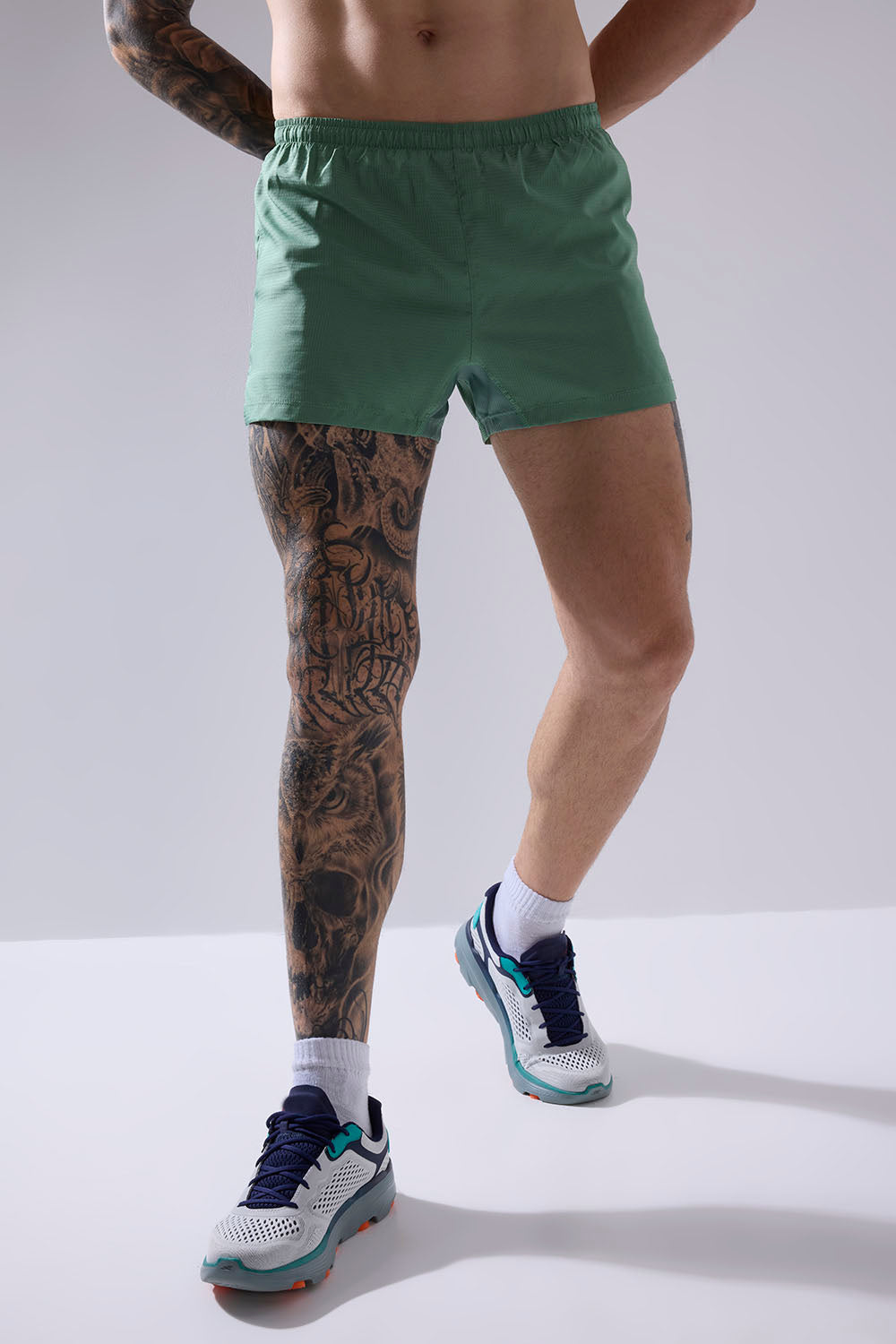
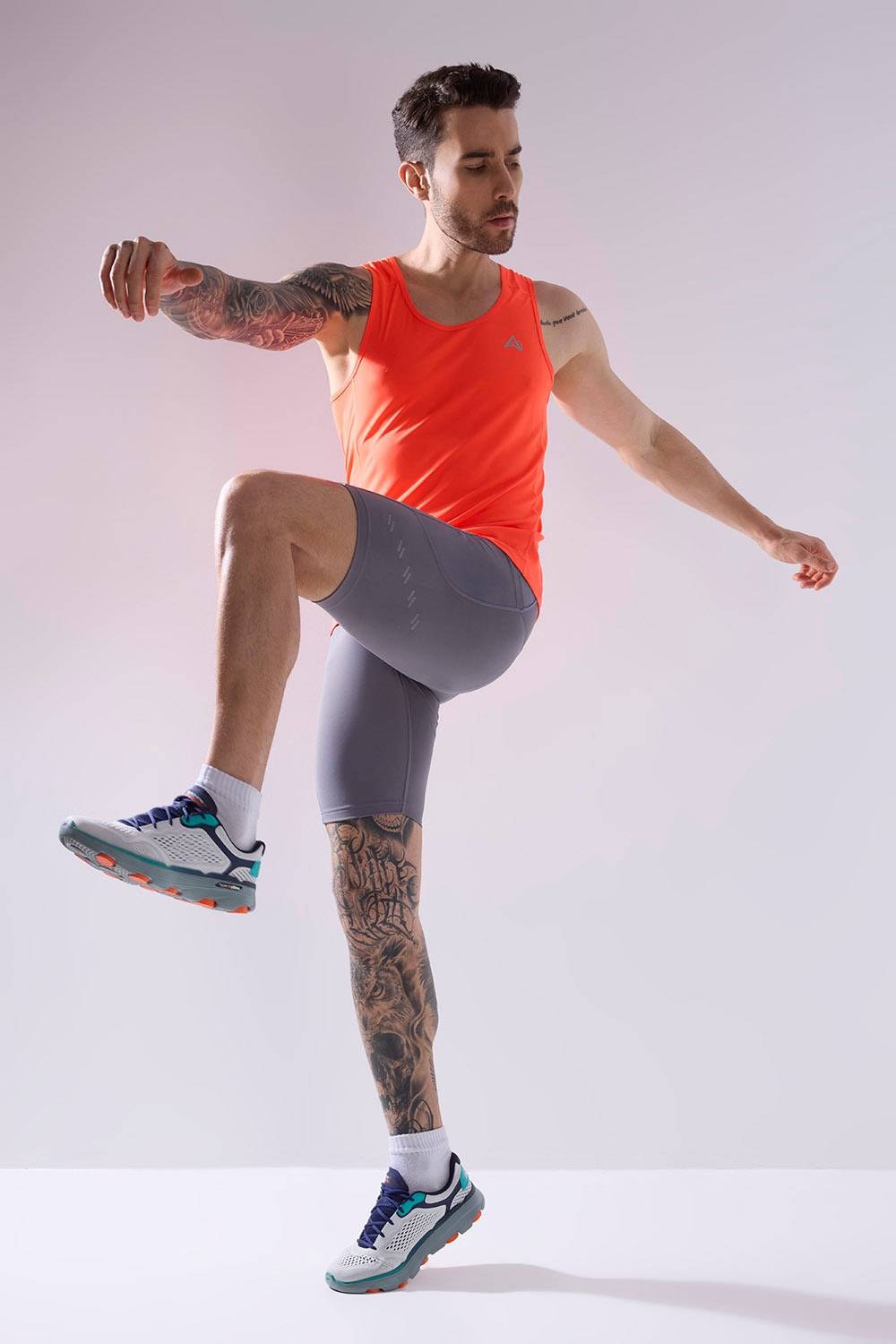
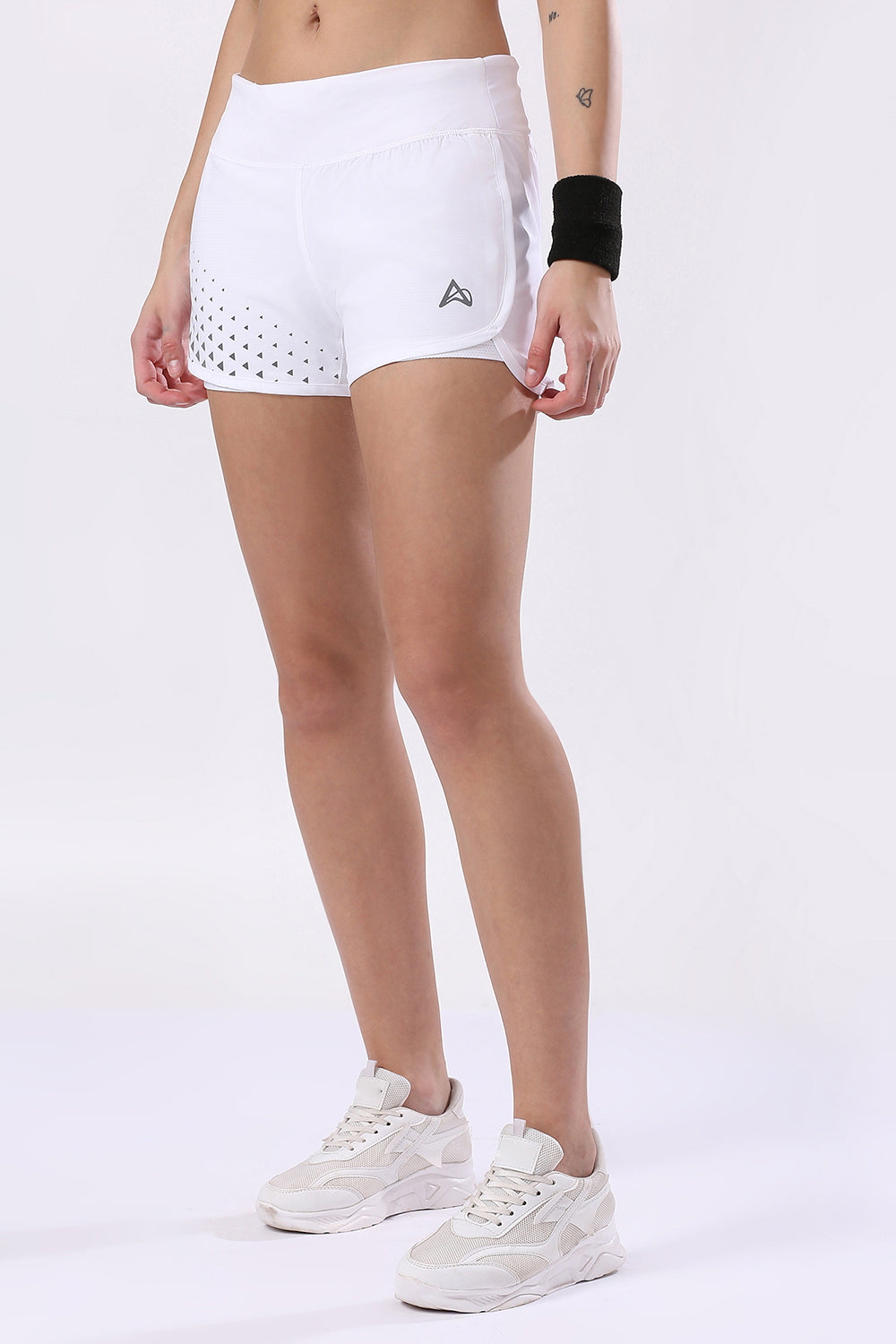
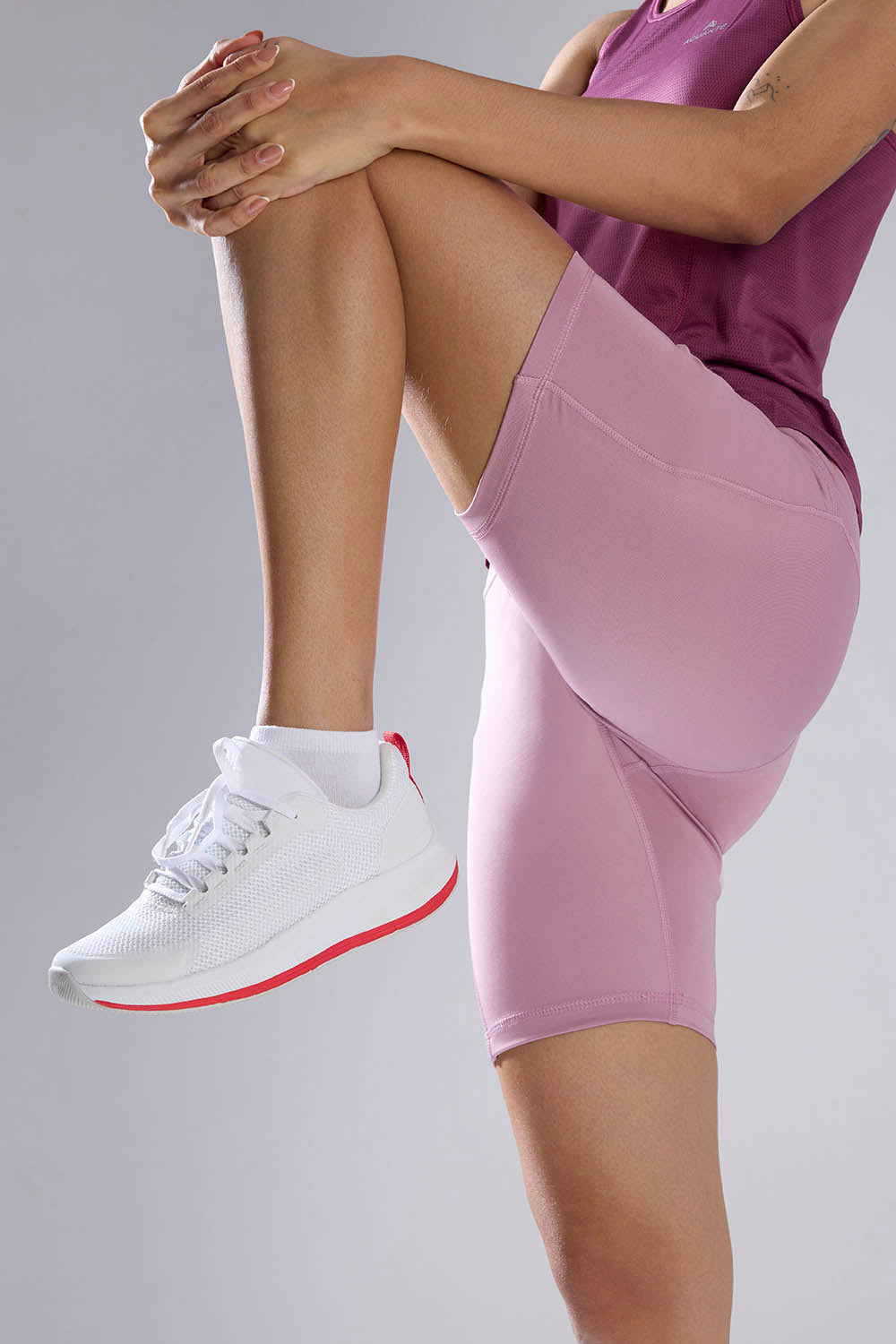
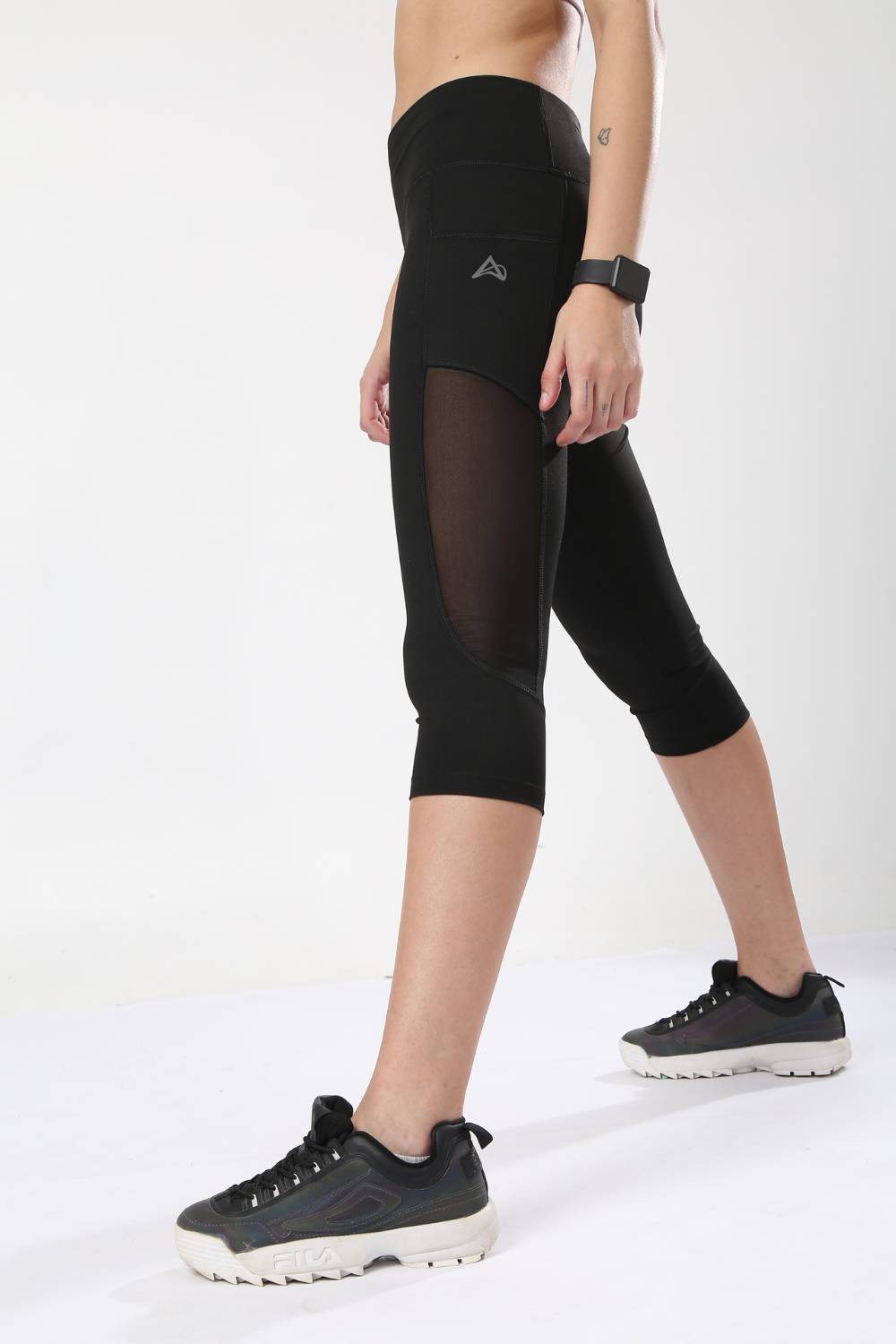
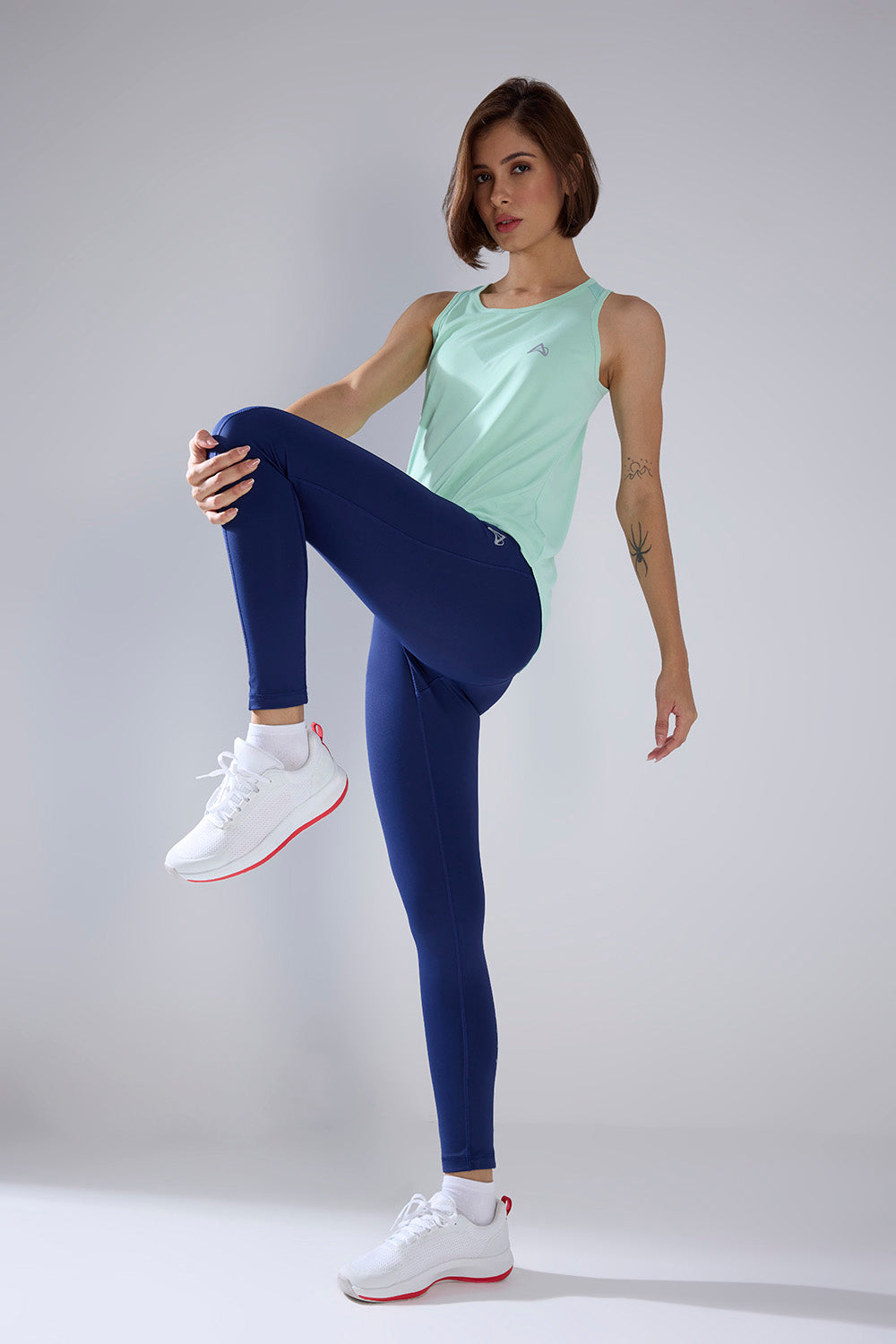
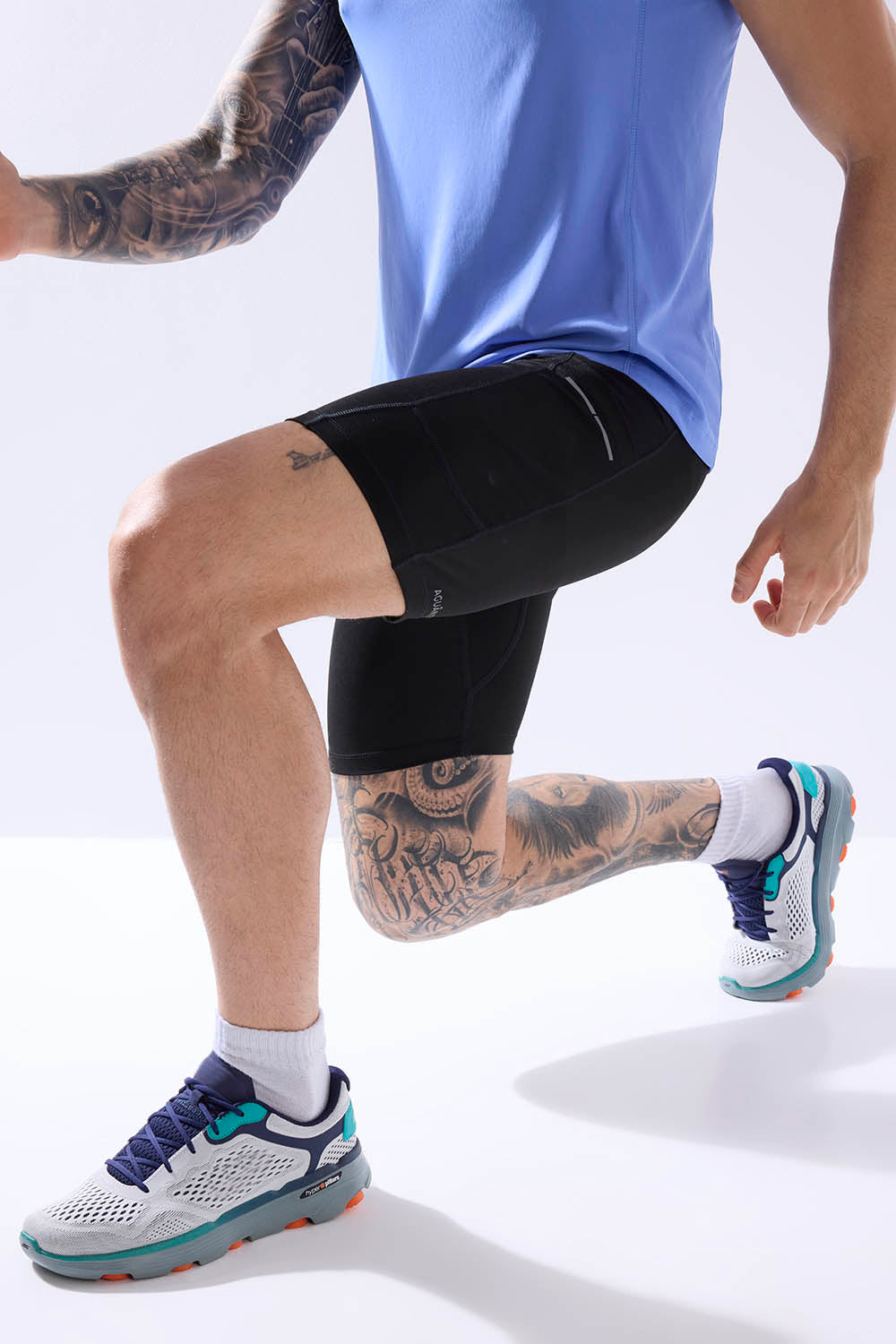
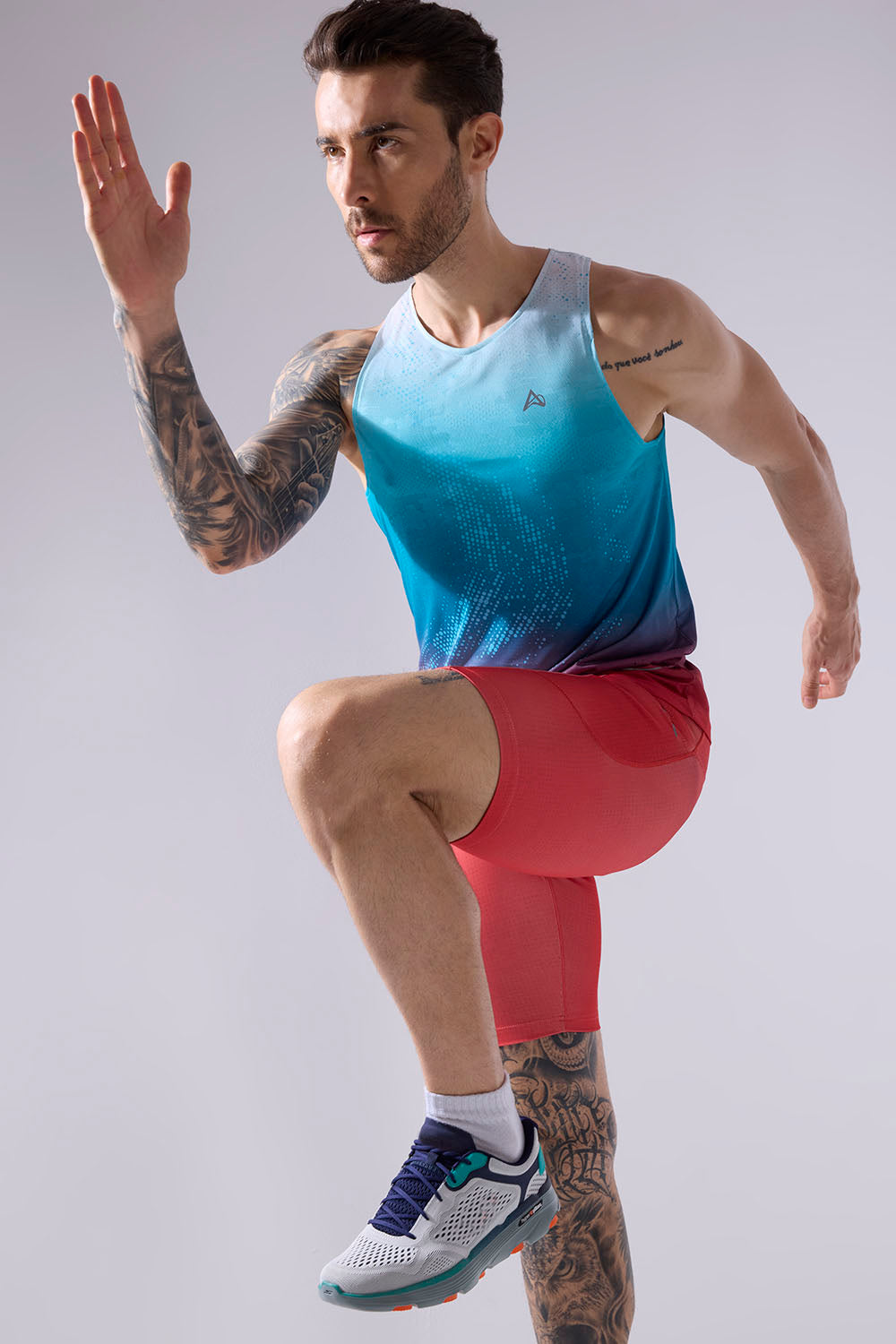
Running half tights sit between traditional running shorts and full-length tights, offering coverage while maintaining freedom of movement. Many runners choose them because they provide a secure feel around the legs without the additional fabric of longer tights. However, the benefits depend heavily on how well the garment is designed.
A good pair of running half tights should work with the body rather than distract from the run. The waistband should remain stable, the fabric should move naturally through each stride, and the overall fit should support different running intensities. A garment that looks comfortable when standing still may behave differently after several kilometres, which is why runners should consider real training conditions when evaluating their options.
Modern running bottoms are increasingly designed around practical performance needs. Features such as ventilation, secure storage, and ride-up prevention have become important considerations because runners need clothing that can handle movement, sweat, and longer distances. Testing these features during realistic runs is often more valuable than judging a garment only by appearance or a short fitting-room experience. Running gear features can help runners understand why construction details matter.
How to Choose Running Half Tights Based on Fit
Fit is one of the most important factors when deciding how to choose running half tights. A well-fitted pair should feel supportive without restricting movement. If the garment is too loose, it may shift during activity. If it is too tight, it can create discomfort and make longer runs more challenging.
Look for a Stable Waistband
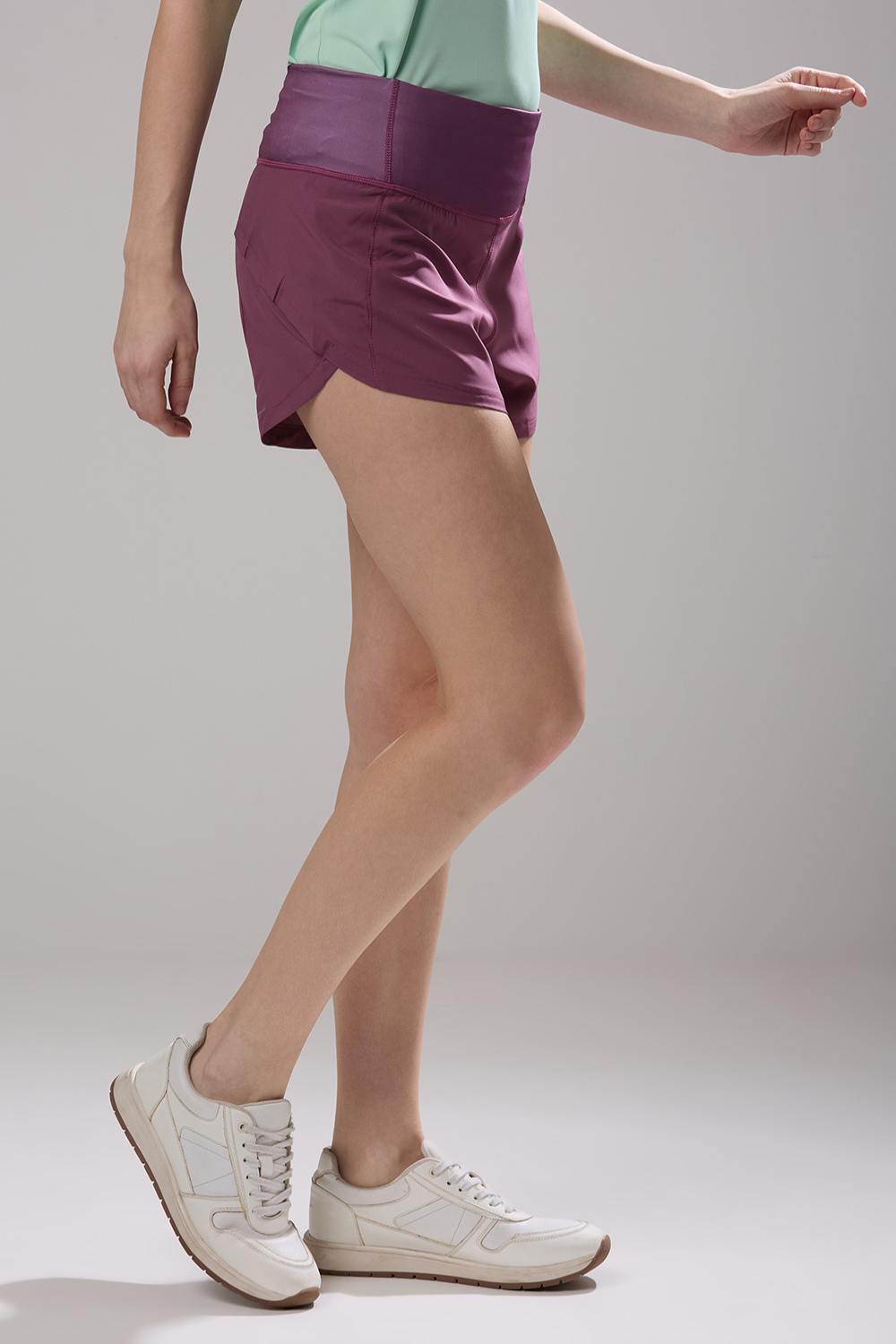
The waistband plays a major role in overall comfort. During running, repeated movement can cause poorly designed waistbands to roll, slide, or require frequent adjustment. A secure waistband should stay in place while allowing natural breathing and movement.
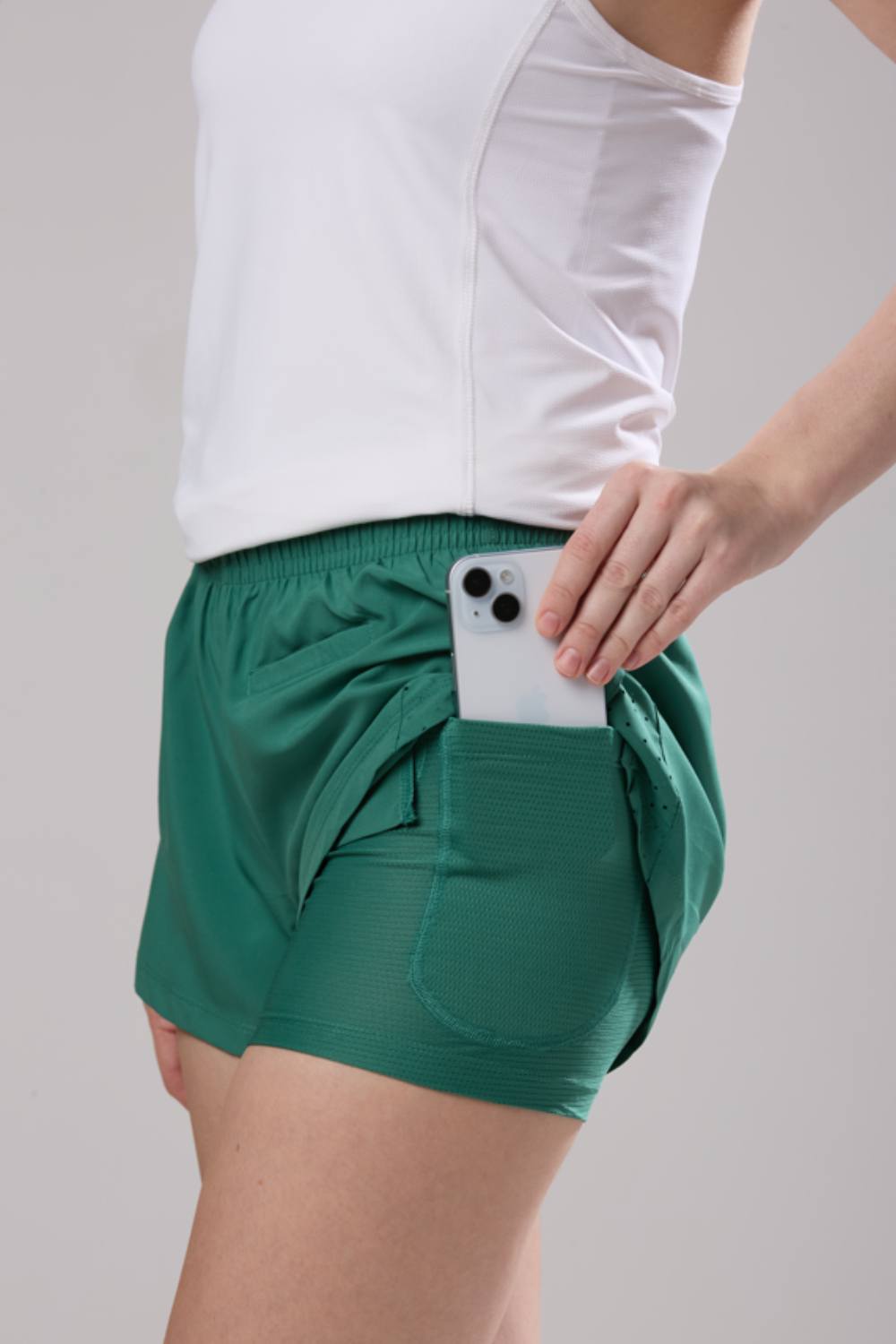
Runners should also consider how the waistband interacts with storage features. If pockets are placed around the waist, the construction needs to remain comfortable when carrying essentials such as a phone, keys, or nutrition items.
Consider Leg Length and Movement
Half tights come in different lengths, and the preferred option often depends on personal comfort, running conditions, and the type of training being performed. The garment should allow unrestricted hip and leg movement while maintaining coverage where runners need it.
Another important consideration is whether the leg openings remain stable during activity. Ride-up can become a distraction, particularly during longer sessions. Secure hems or grip elements can help maintain the intended fit without requiring constant adjustment.
Fabric and Moisture Management Matter on Longer Runs
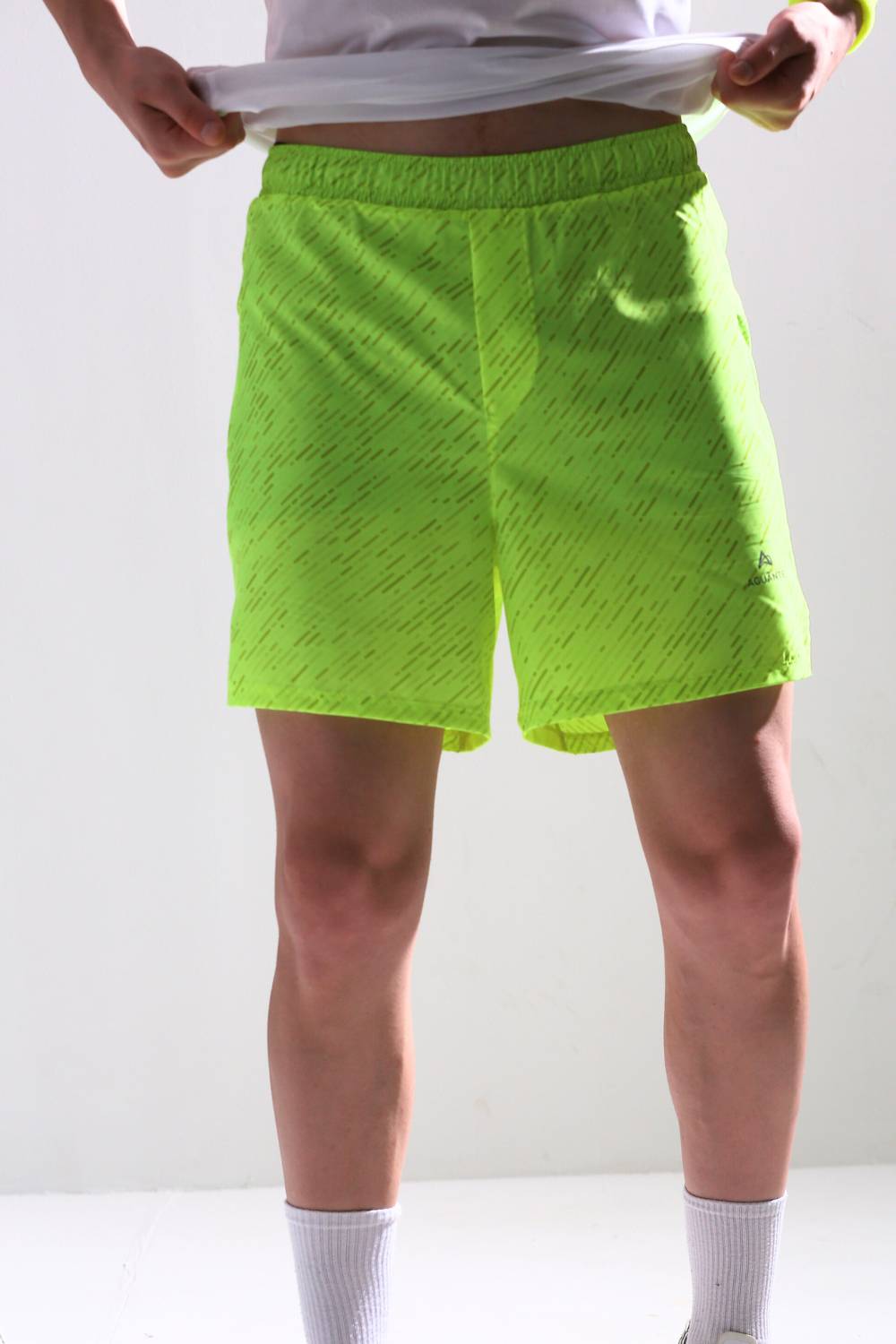
Fabric choice affects how running half tights feel after minutes of continuous movement. Because half tights sit close to the skin, the material needs to manage sweat effectively and remain comfortable throughout the run.
Moisture-wicking fabrics are designed to move perspiration away from the skin, helping reduce the uncomfortable feeling of damp clothing during exercise. This becomes especially important during longer training sessions, where small comfort issues can become more noticeable over time.
Runners should look beyond simple descriptions such as “breathable” or “quick drying” and consider how the garment performs in their usual running environment. A fabric that feels comfortable during a short, easy run may respond differently during a demanding workout, warmer conditions, or extended distance sessions.
Construction also matters alongside fabric. Seam placement, waistband design, and the interaction between different layers of material can affect friction and comfort. A thoughtful combination of fabric, fit, and finishing details often determines whether half tights remain comfortable throughout the intended distance. Moisture management is an important consideration when evaluating close-fitting running apparel.
Important Features to Evaluate Before Buying
The best half tights for running are not defined by one feature alone. Runners should evaluate how different design elements work together to support their individual needs.
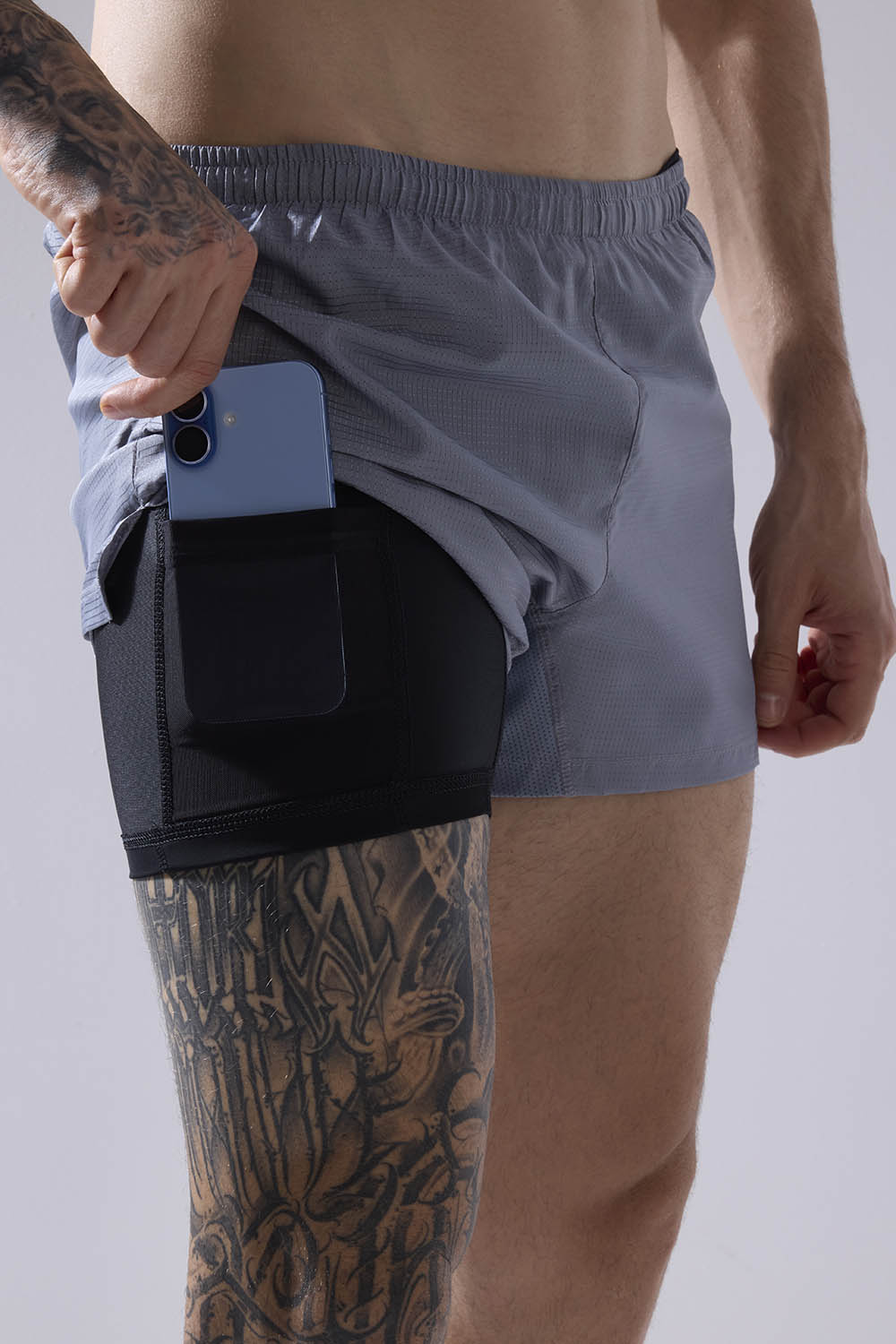
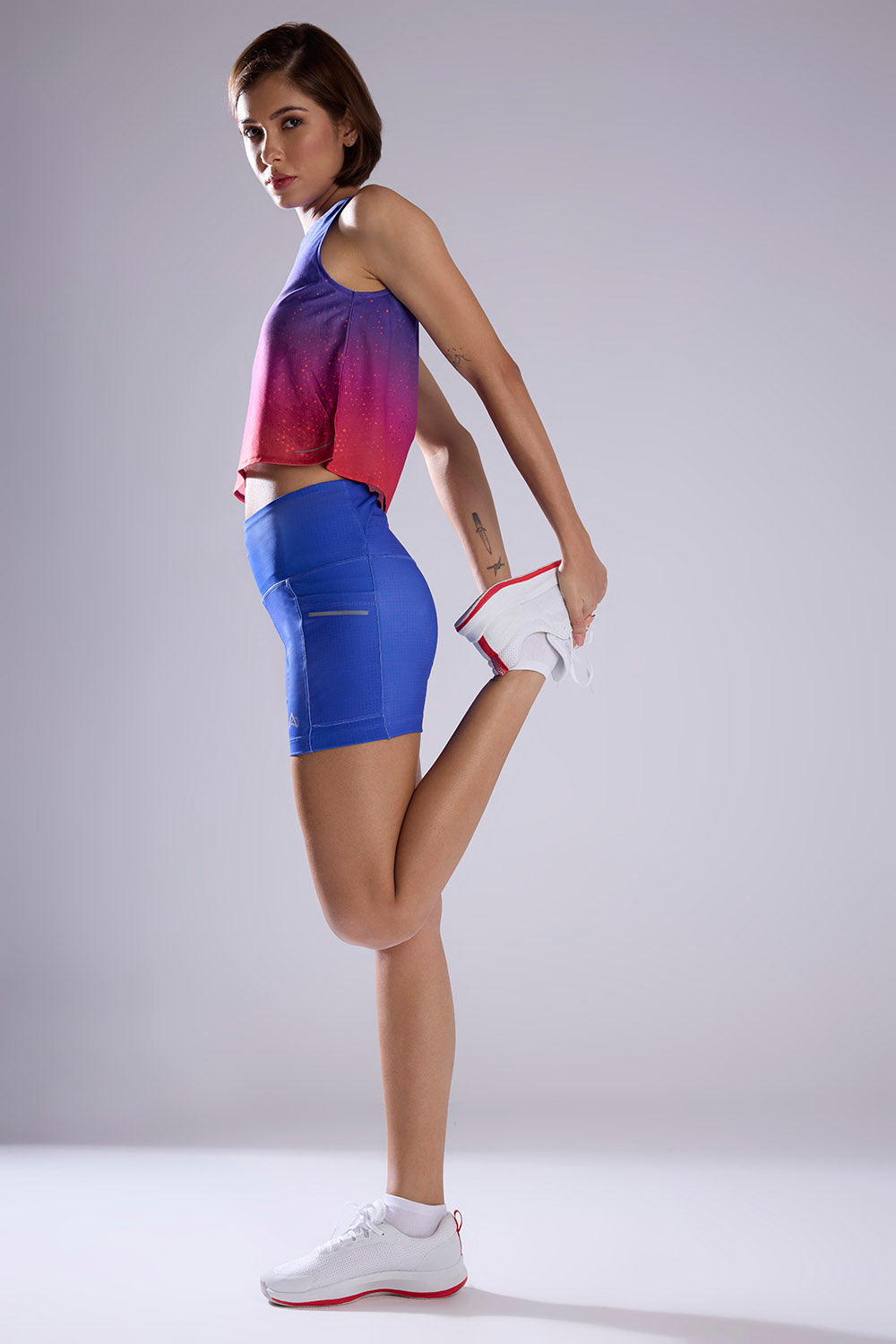
- Pocket design: Storage should be practical, stable, and positioned where it does not interfere with movement. Consider what you normally carry and whether pockets can hold those items securely.
- Breathability: Ventilation helps improve comfort during demanding runs, particularly when heat and sweat become factors.
- Chafe prevention: Smooth construction, suitable seams, and comfortable fabric interaction can reduce irritation during repeated movement.
- Stretch and recovery: The material should allow natural stride movement while maintaining its shape over time.
- Reflective details: For runners who train in lower-light conditions, visibility features can be a useful consideration.
Storage deserves particular attention because runners often carry essentials during training. A pocket that appears useful may not perform well if items bounce, shift, or create discomfort while moving. The location, depth, stretch, and stability of storage all influence whether it works during an actual run.
Running Half Tights for Men and Women: What Changes?
Running half tights for men and women may share many performance goals, but fit preferences can vary depending on body shape, comfort requirements, and personal running habits. The most important factor is not simply choosing a category but finding a design that supports the runner's movement and expectations.
Men and women should both consider the same core questions: Does the waistband stay secure? Does the fabric remain comfortable after extended use? Are storage options practical? Does the garment provide the right balance of support and flexibility?
Individual preferences also influence whether runners prefer a lighter, more flexible feel or a more supportive compression-style fit. Compression half tights for running can appeal to athletes who prefer a closer fit, but comfort should remain the priority. A garment that feels restrictive or distracting may not be suitable for everyday training.
Trying different designs and testing them during regular workouts can help runners understand which features match their running style. The ideal choice is the one .
Common Mistakes When Choosing Running Tights
Many runners focus on appearance first and performance second when selecting activewear. While style is a personal preference, running apparel needs to perform under real conditions.
One common mistake is choosing based only on how the garment feels for a few minutes. A pair of half tights may feel comfortable initially but reveal issues after extended movement. Longer training sessions provide better insight into waistband stability, moisture management, and friction points.
Another mistake is ignoring the purpose of the garment. Runners preparing for races may have different priorities from those using half tights for short fitness sessions. Distance, climate, personal carrying needs, and training routine should all influence the decision.
It is also useful to avoid focusing on a single feature. The most pockets, the tightest compression, or the lightest fabric does not automatically make a garment the right choice. Performance comes from how the complete design works together.
Making a More Confident Purchase Decision
For runners comparing activewear options, buying running half tights should be treated as a performance decision rather than an impulse purchase. A thoughtful evaluation process can help identify a garment that fits training needs and provides lasting comfort.
Before purchasing, consider the type of running you do most often. A runner completing long weekend sessions may prioritise storage and moisture management, while someone focused on shorter workouts may value flexibility and lightweight comfort. Understanding personal requirements makes it easier to compare different designs.
It is also worth considering how the garment fits into a broader running routine. Quality running apparel is used repeatedly, so comfort during everyday training is just as important as performance during occasional events. Features such as secure pockets, ergonomic construction, and breathable materials can influence the overall running experience.
For runners exploring performance apparel, half tights represent a balance between comfort, functionality, and freedom of movement. Choosing the right pair requires looking beyond appearance and understanding how design choices support real-world running.
Final Thoughts on Choosing Running Half Tights
The right running half tights should help runners focus on their performance instead of their clothing. Fit, fabric, storage, and construction all play a role in creating a comfortable experience from the first kilometre to the final stretch. By understanding what to look for in running tights and evaluating features based on personal training needs, runners can make a more informed decision. A well-chosen pair of half tights can become a reliable part of a runner's kit, supporting consistent training and more comfortable miles.
Frequently Asked Questions
How do I choose running half tights for better comfort and performance?
To choose running half tights, focus on fit, fabric, waistband stability, breathability, and practical features such as storage. The right pair should support natural movement, stay comfortable during longer runs, and avoid distractions caused by shifting or irritation.
What features should I look for in running half tights?
Important features of running half tights include moisture-wicking fabric, secure pockets, comfortable seams, stretch, and a stable fit that prevents ride-up. These details help runners maintain comfort and performance during training sessions and races.
Are compression half tights for running suitable for everyday training?
Compression half tights for running can be a good option for athletes who prefer a closer, supportive fit. However, comfort should remain the priority, and runners should choose a design that allows freedom of movement without feeling restrictive during regular workouts.
Disclaimer: The above helpful resources content contains personal opinions and experiences. The information provided is for general knowledge and does not constitute professional advice.
You may also be interested in: High-waisted Running Shorts India: A Complete Guide for Women Runners
Tired of gear that slows you down? Chafing, soggy fabrics, and missing pockets kill your run's momentum. At Aguante, we're runners who get it. Our high-performance activewear features moisture-wicking fabrics, ergonomic designs, and smart storage to keep you focused. Shop Now!
Powered by flareAI.co