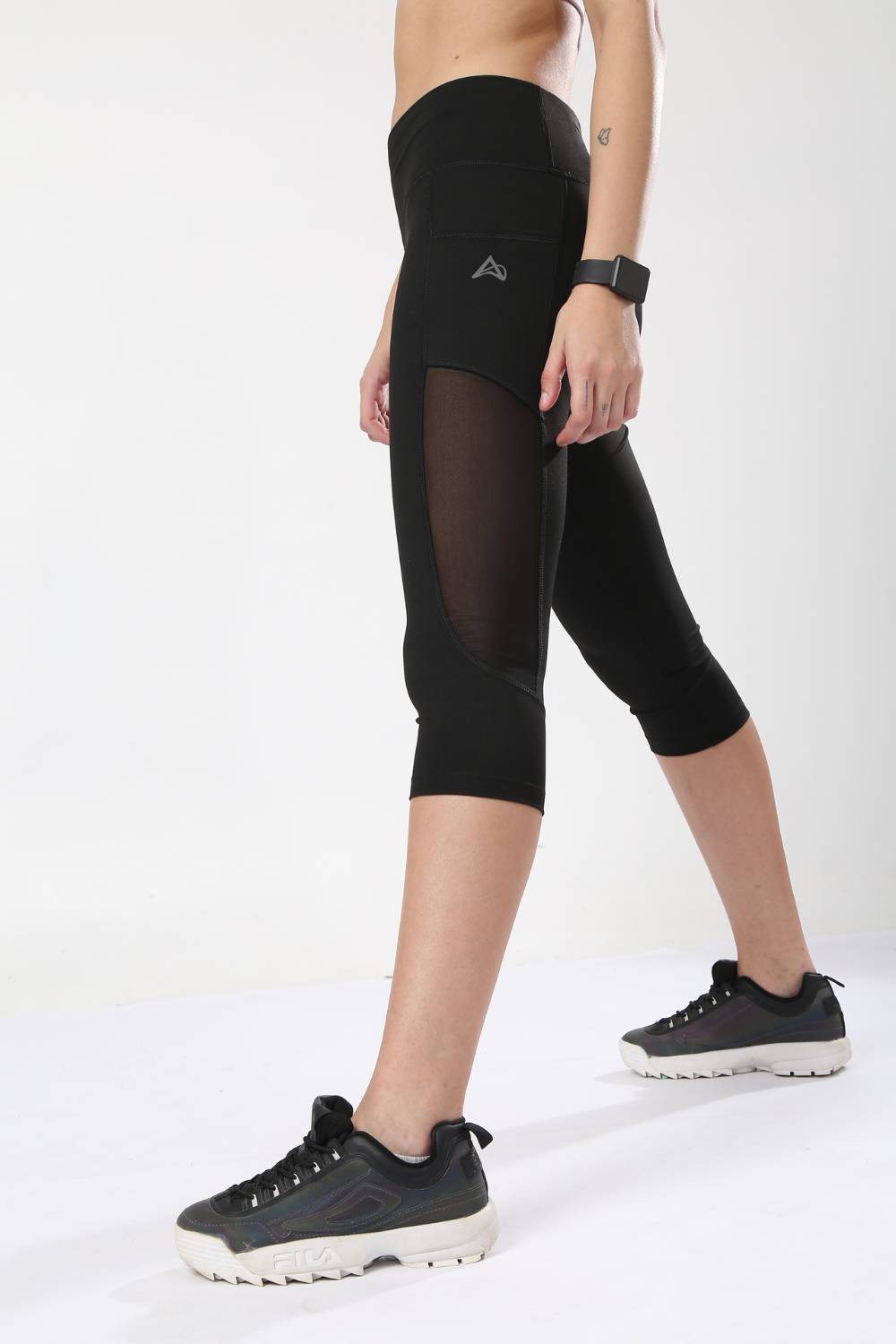
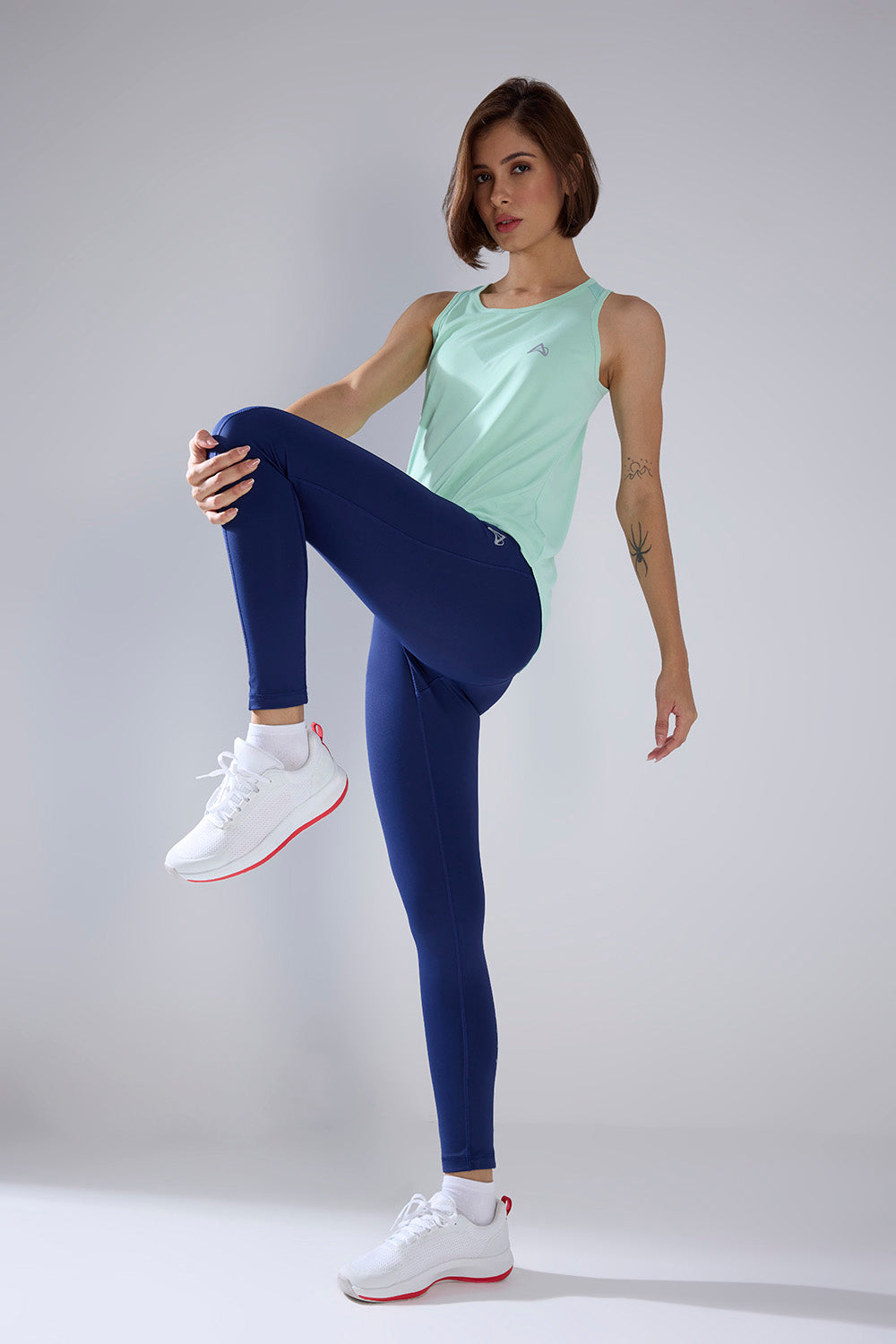

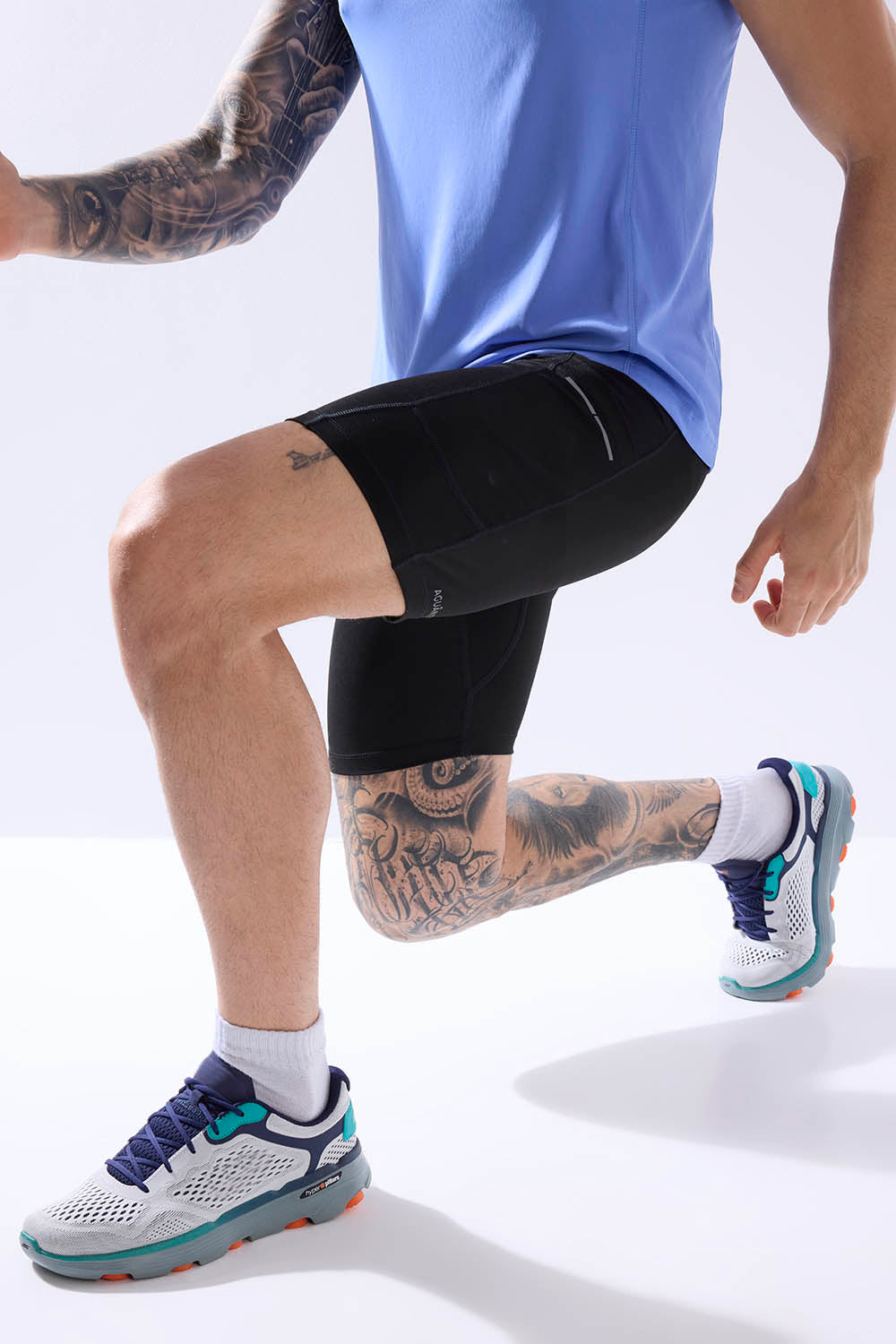
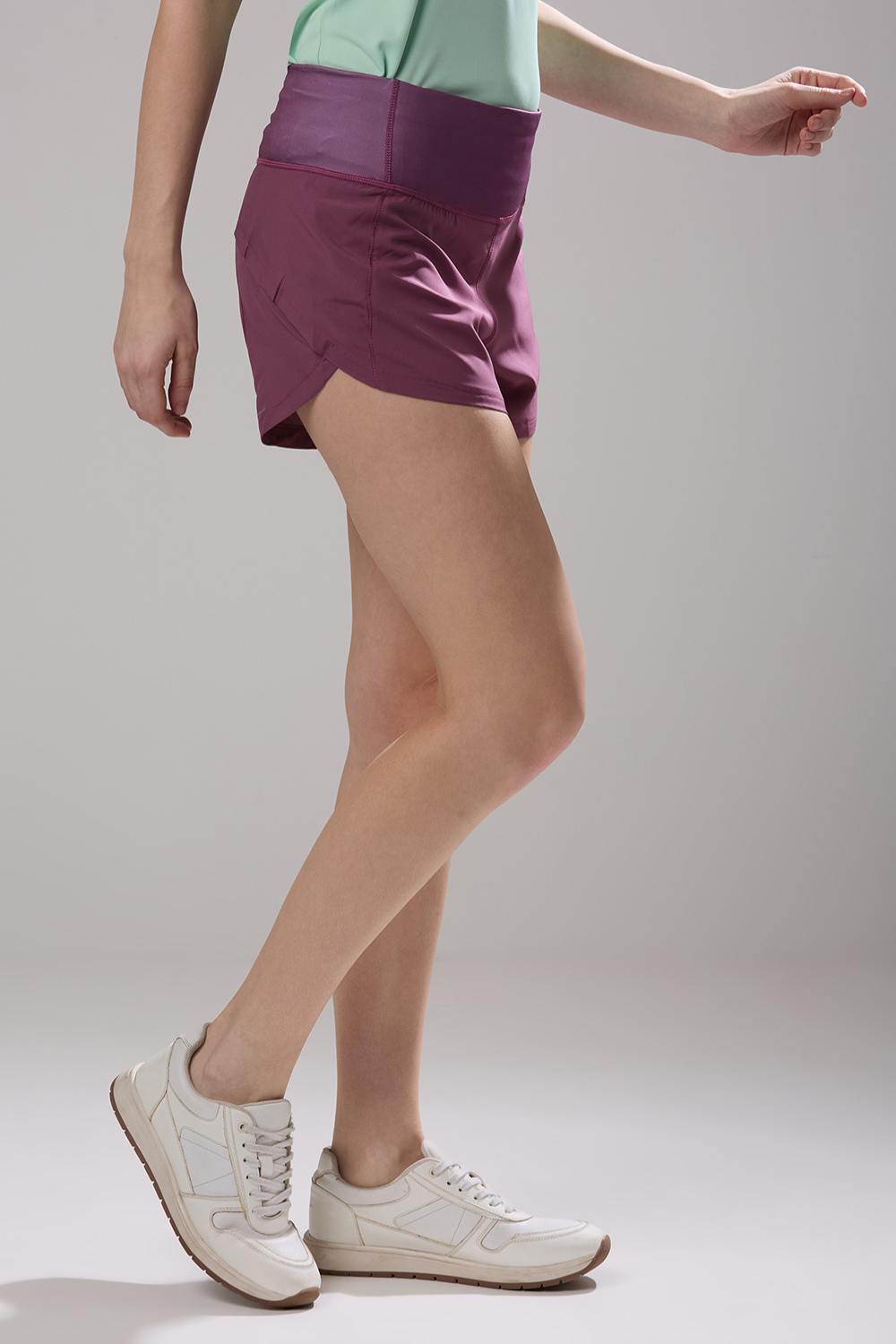
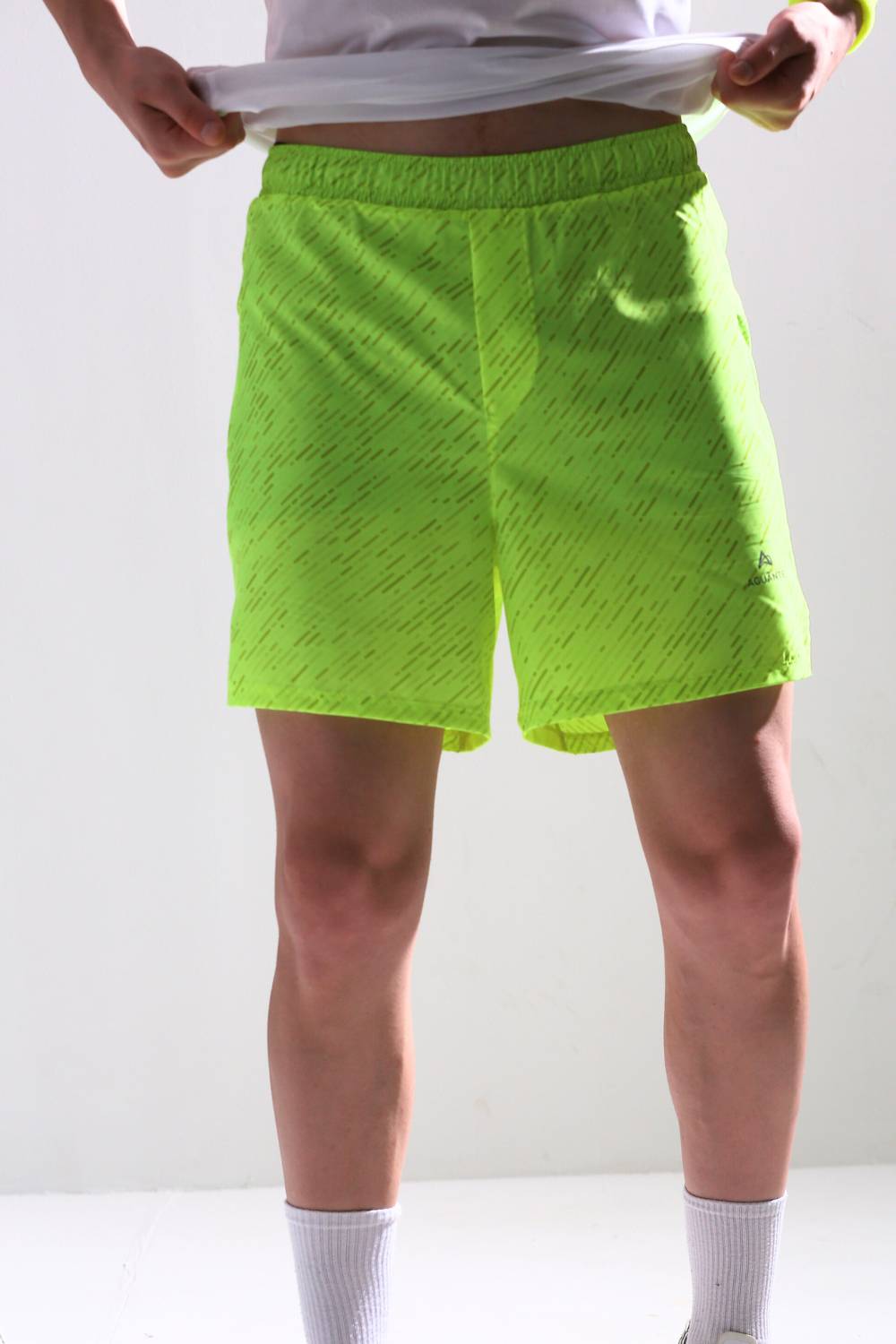

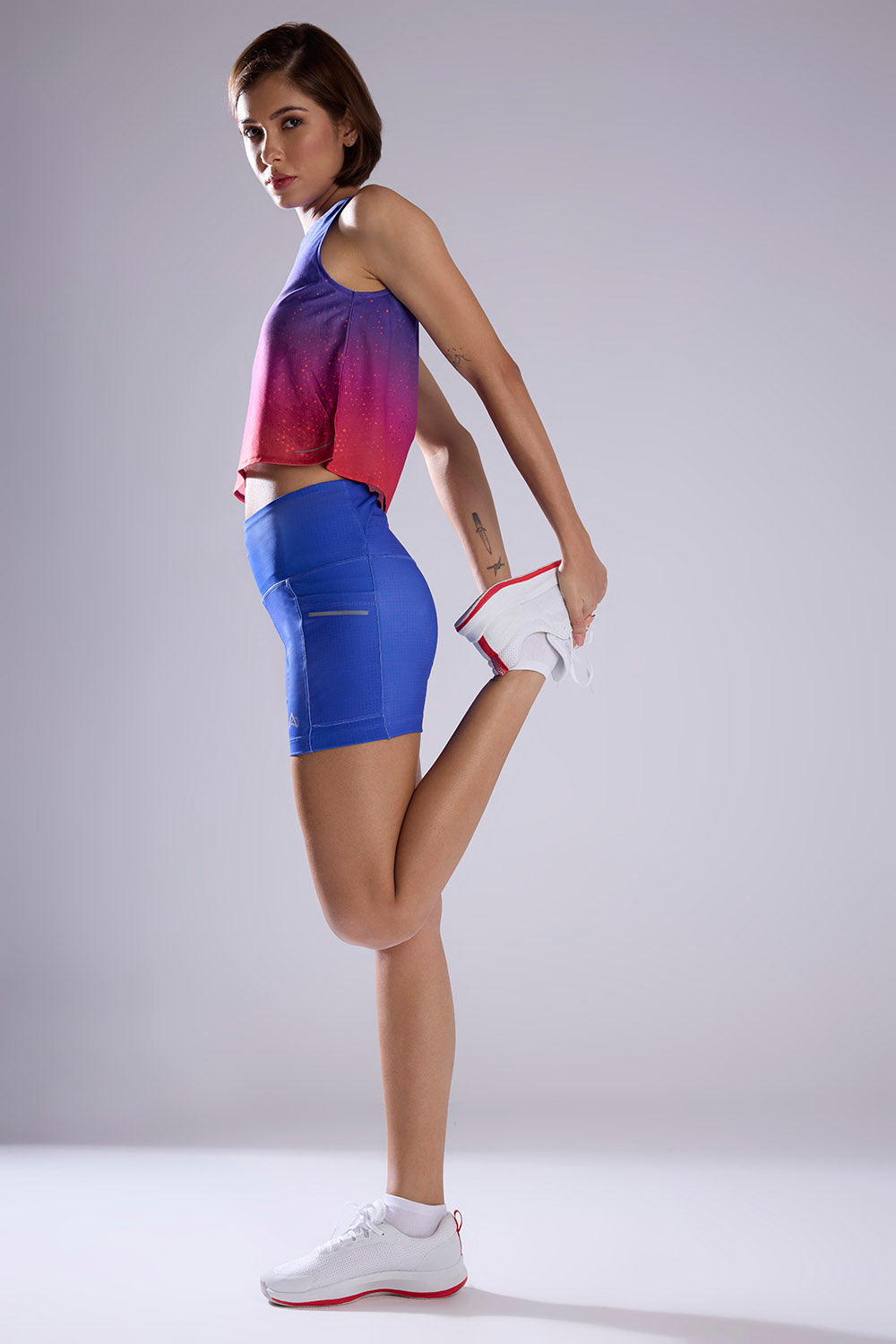
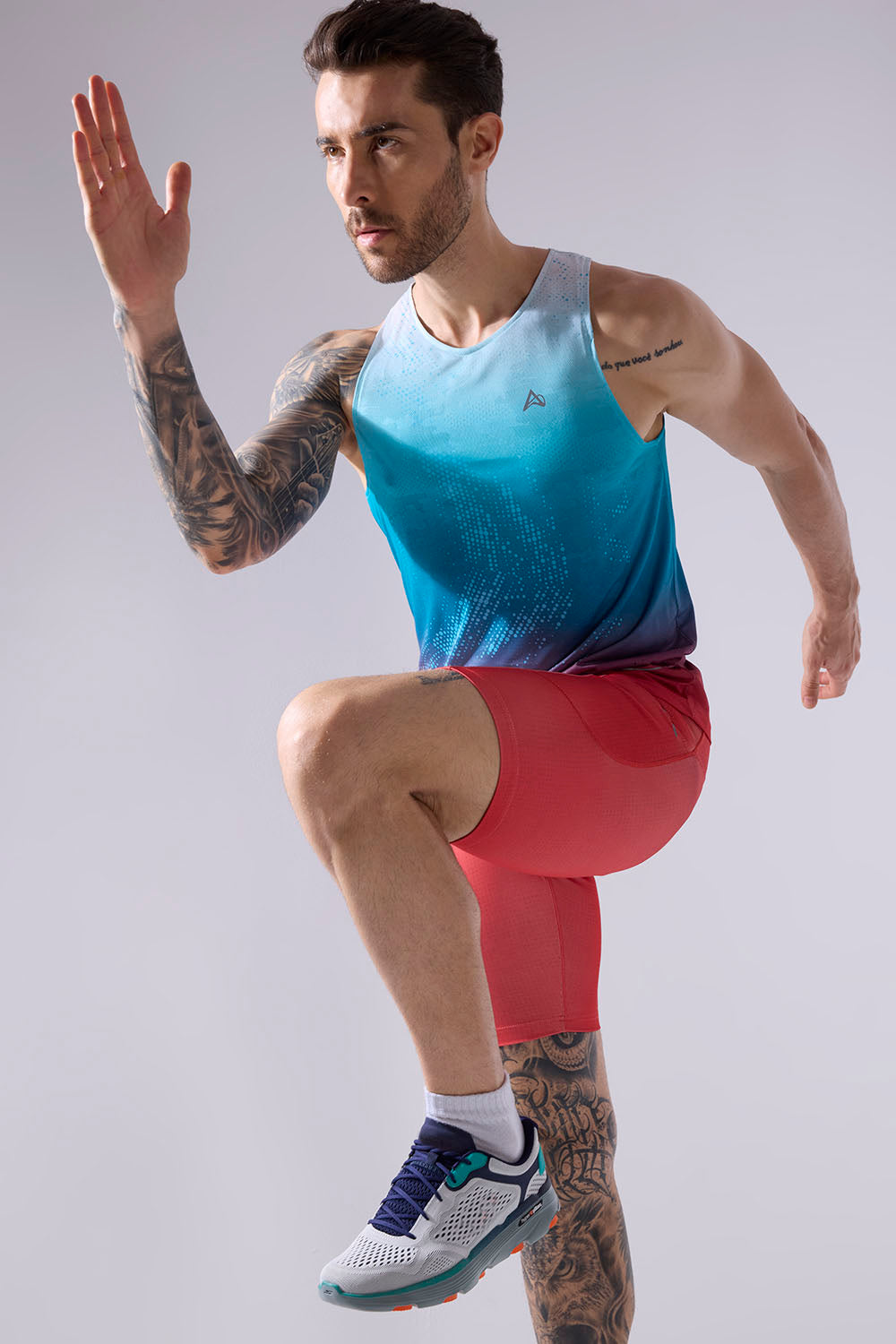

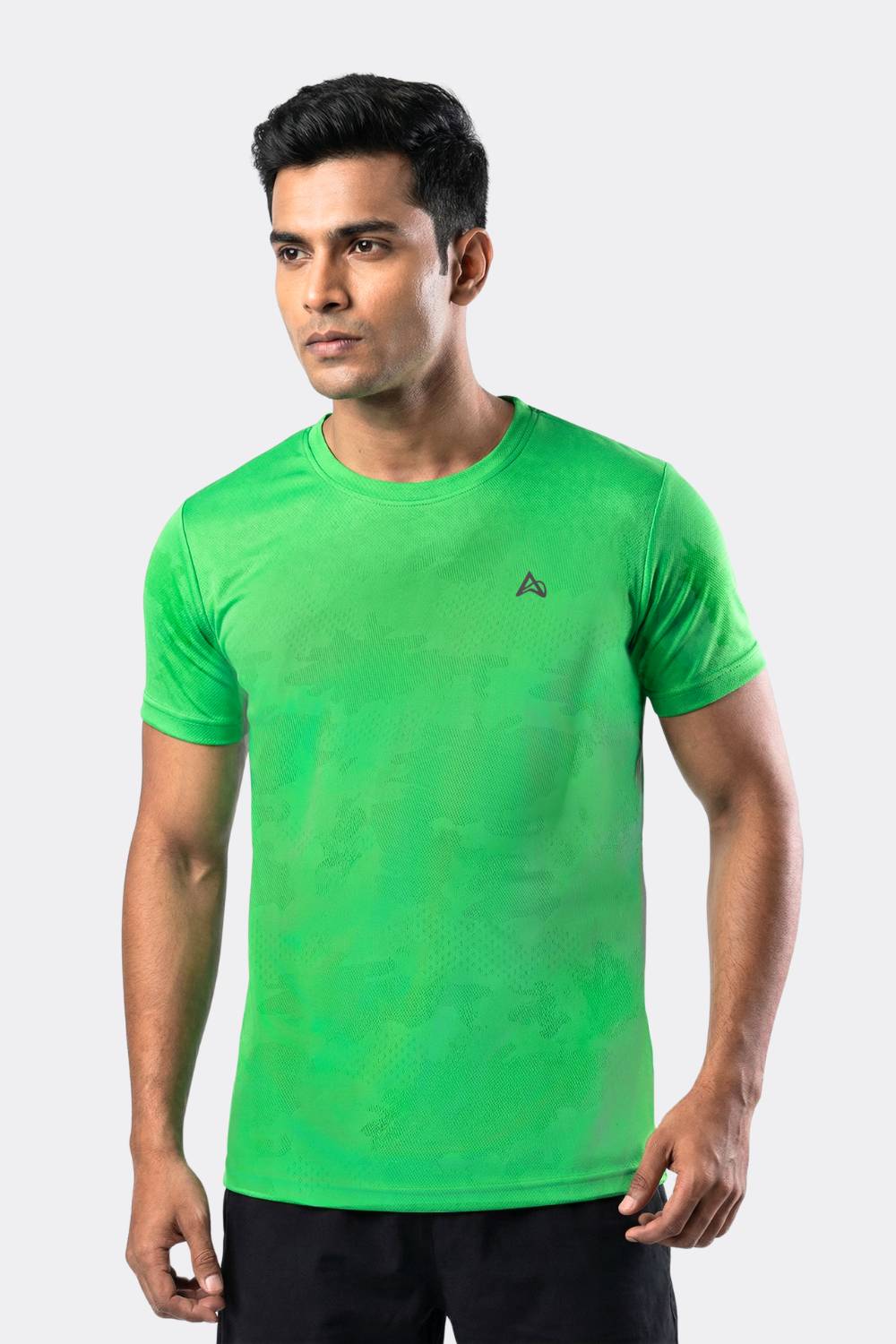
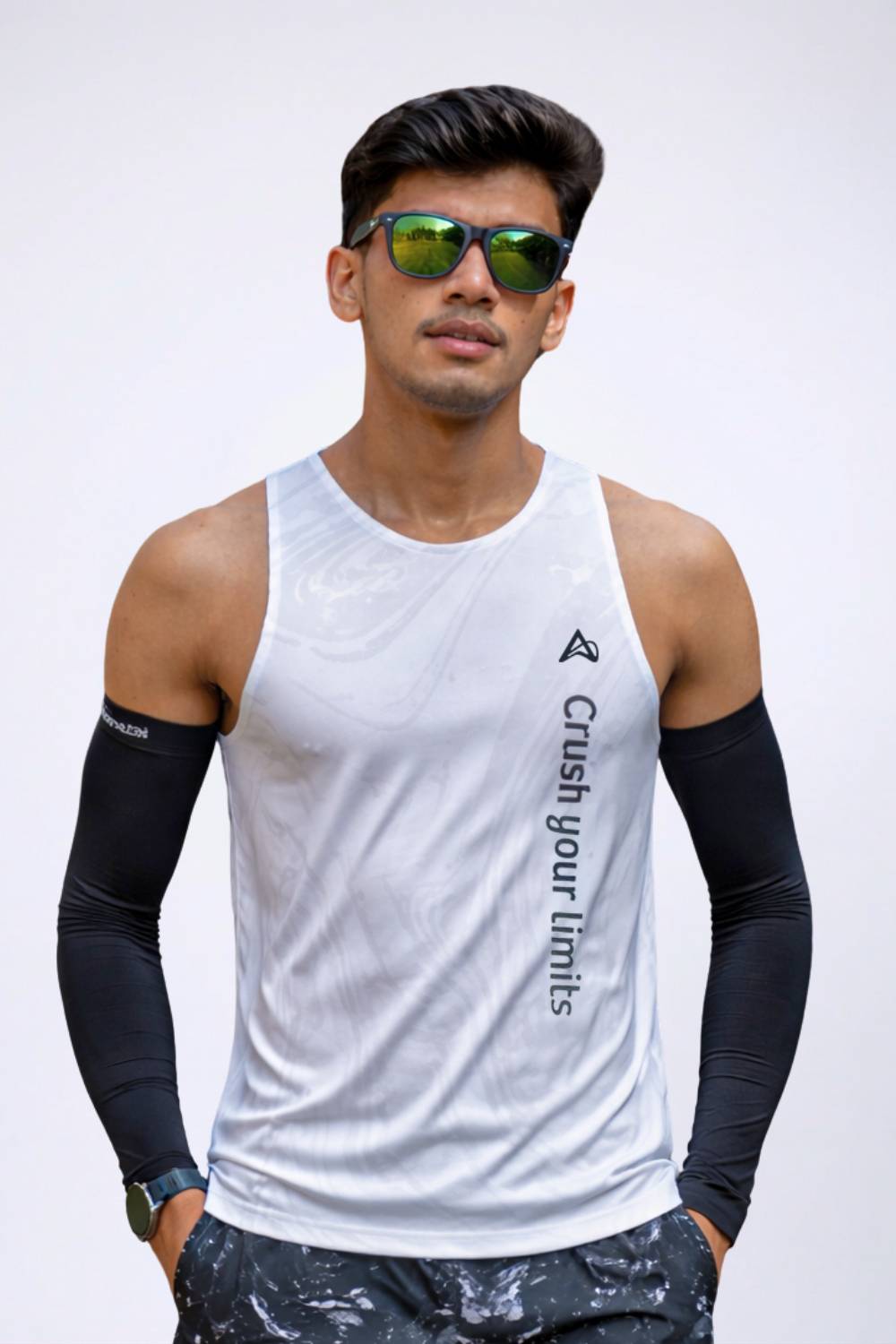

In the dense, moisture-laden air of Mumbai's predawn hours, a subtle shift is taking place among the city's dedicated runners. No longer settling for overseas designs that falter in India's unforgiving humidity, these athletes from casual enthusiasts to seasoned ultra-marathoners are championing gear engineered for the very elements they battle daily. Think fabrics that pull sweat away as efficiently as a storm channel, seams that resist chafing through grueling distances, and creations inspired by the steamy parks of Hyderabad or the misty mornings in Delhi. This movement goes beyond mere ease; it's about elevating performance in a nation where fitness is surging, with the activewear market reaching USD 10.7 million in 2025 and poised for continued expansion.
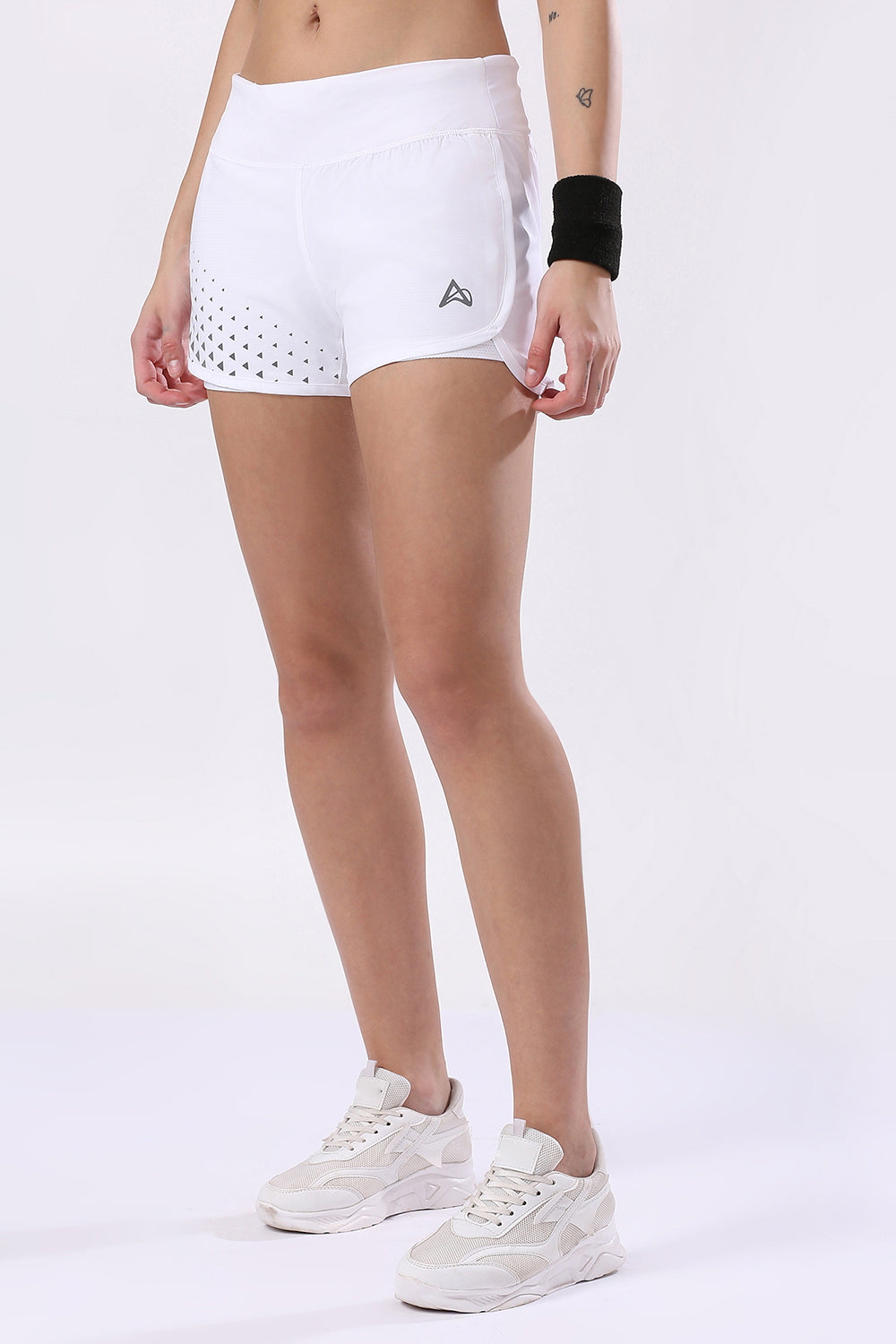
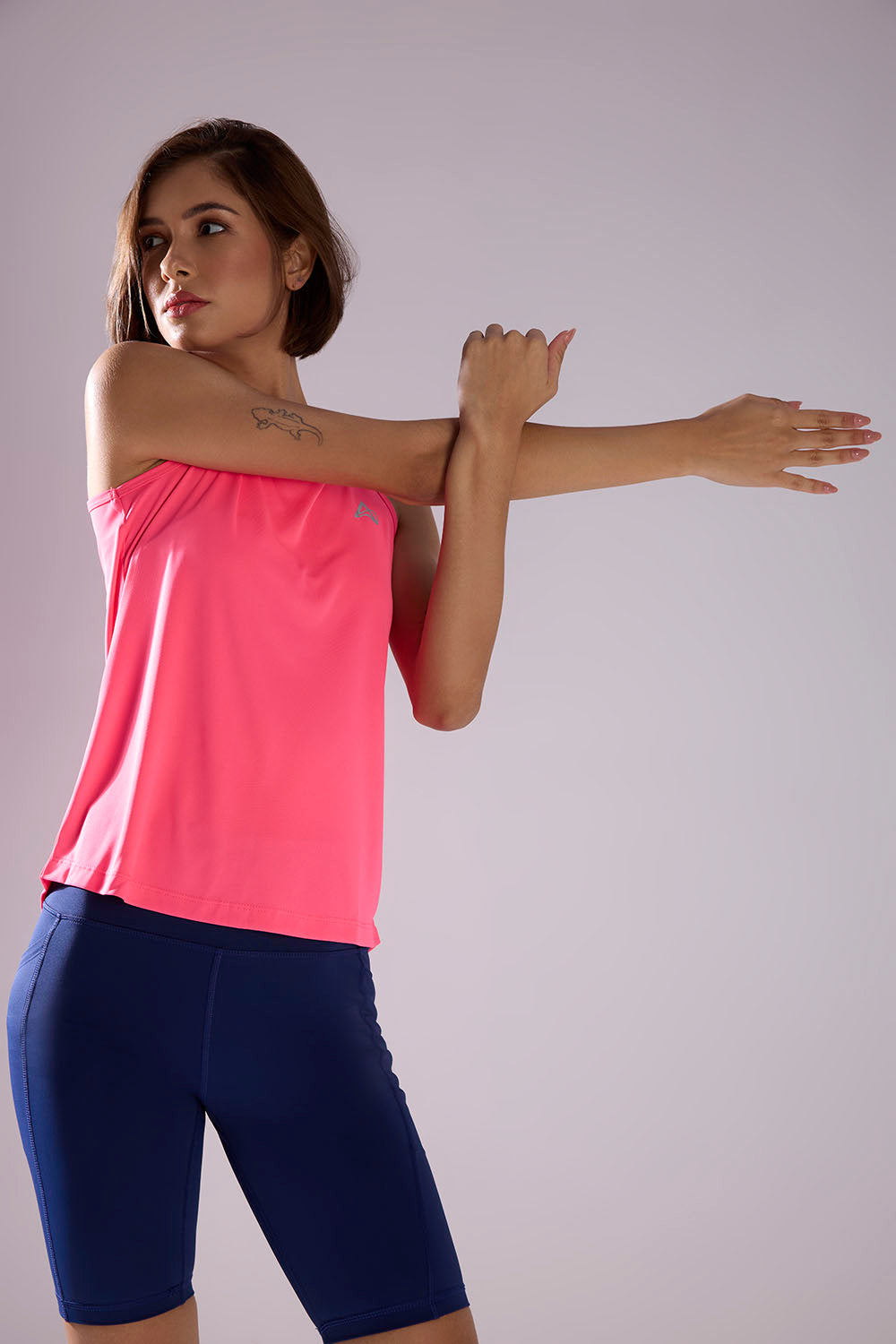
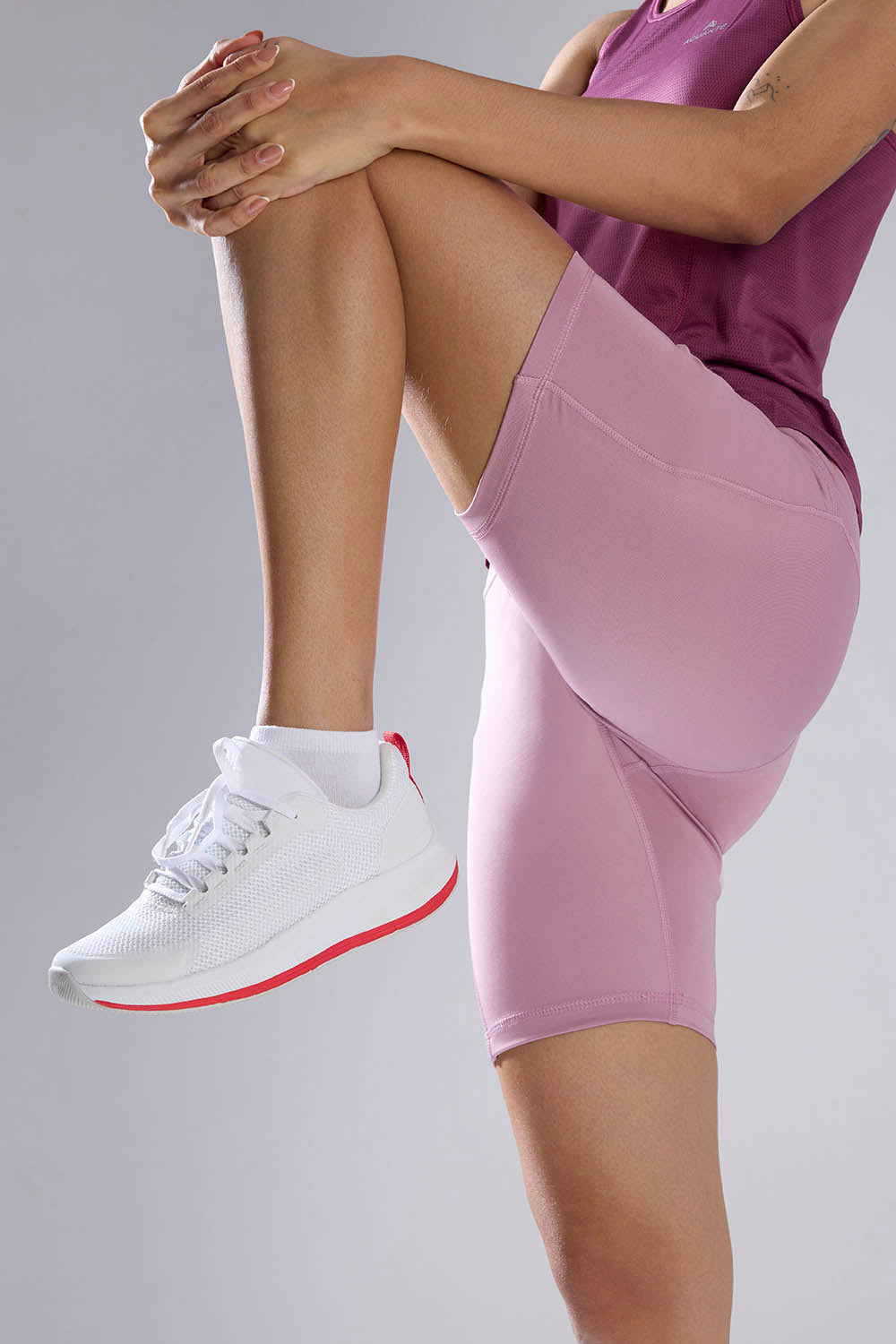
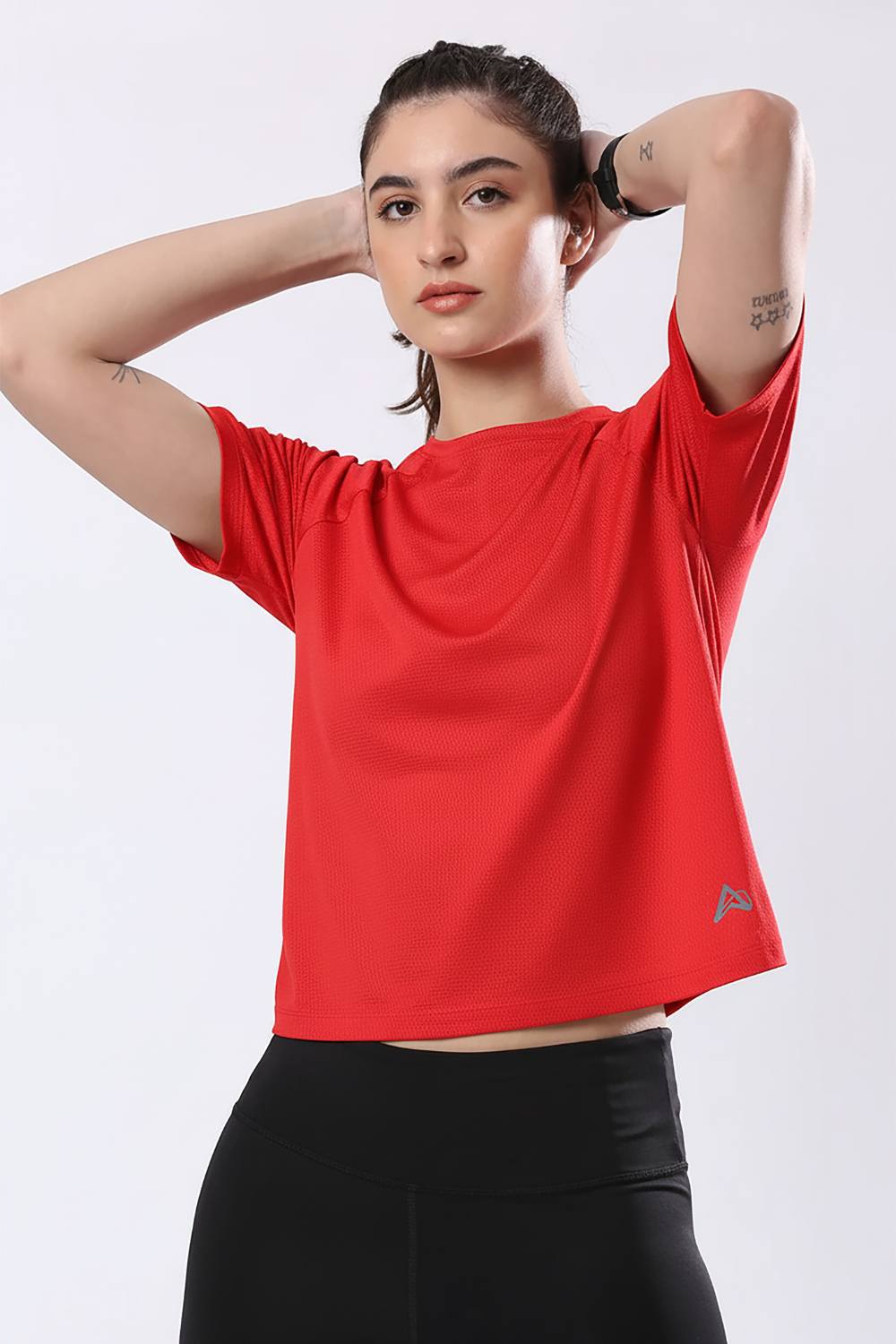
With more people across India embracing running for wellness and camaraderie, local brands like Aguante are rising to the occasion, developing apparel attuned to the subcontinent's sweltering, damp environments keeping athletes composed, arid, and undistracted on bustling city paths.
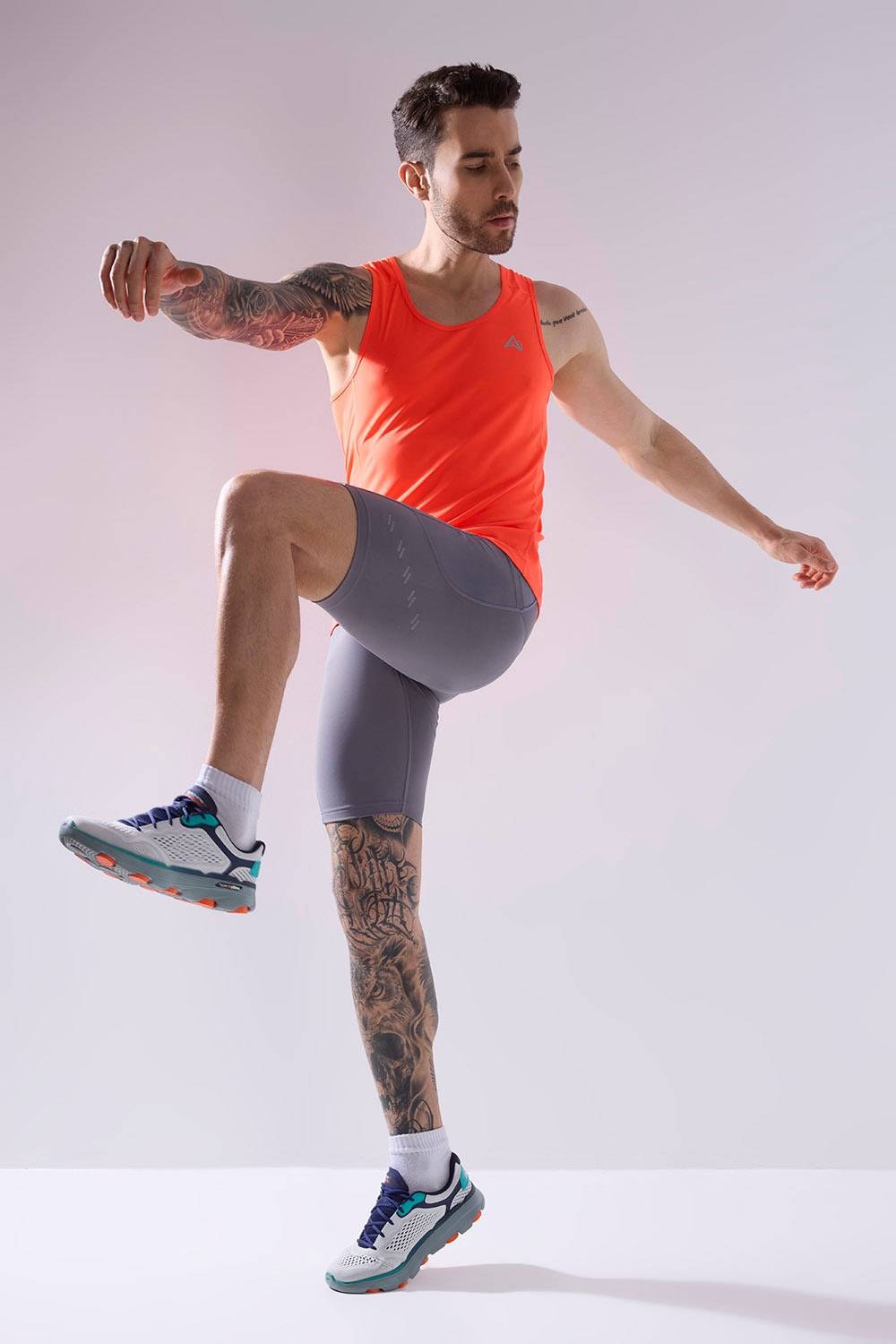
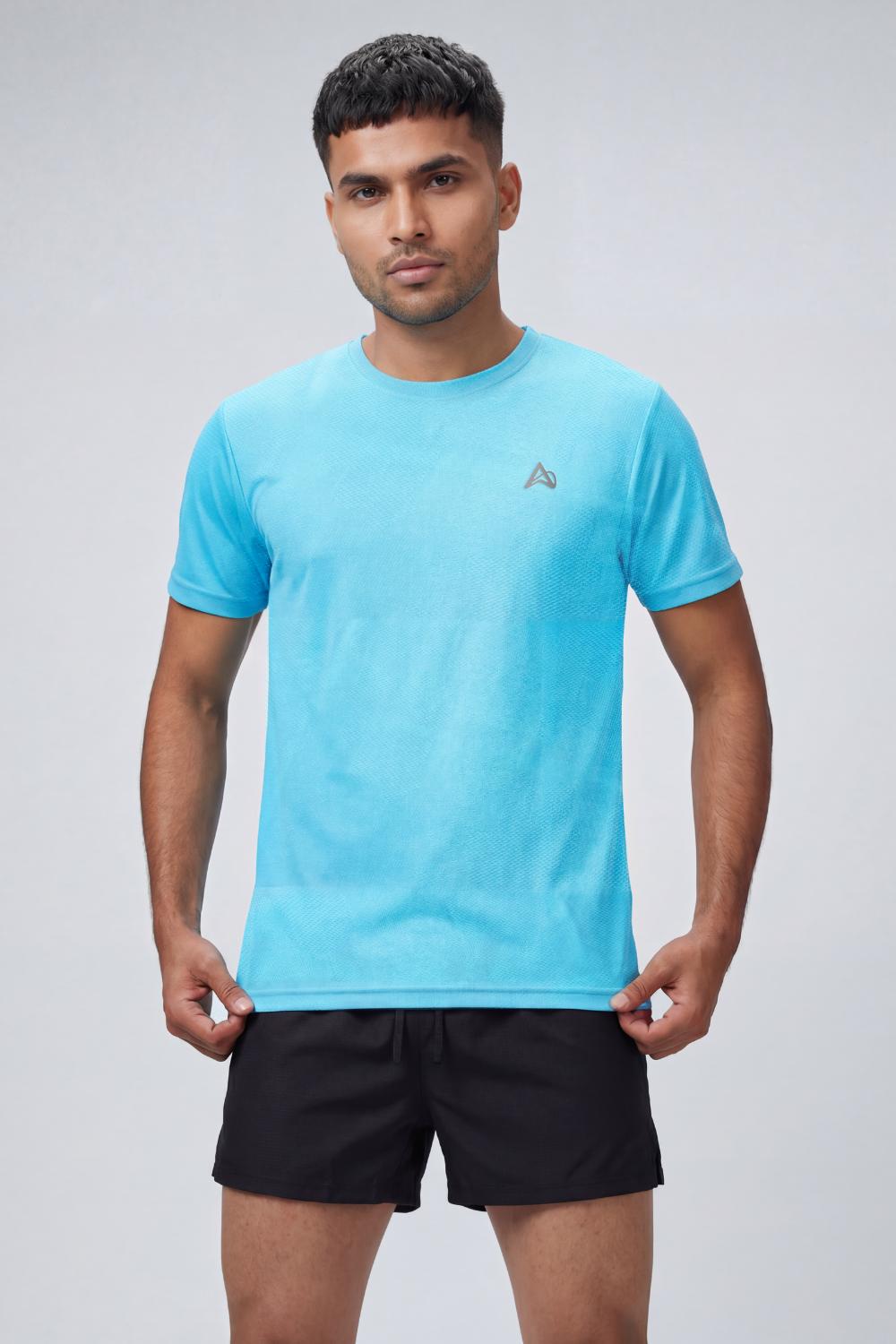
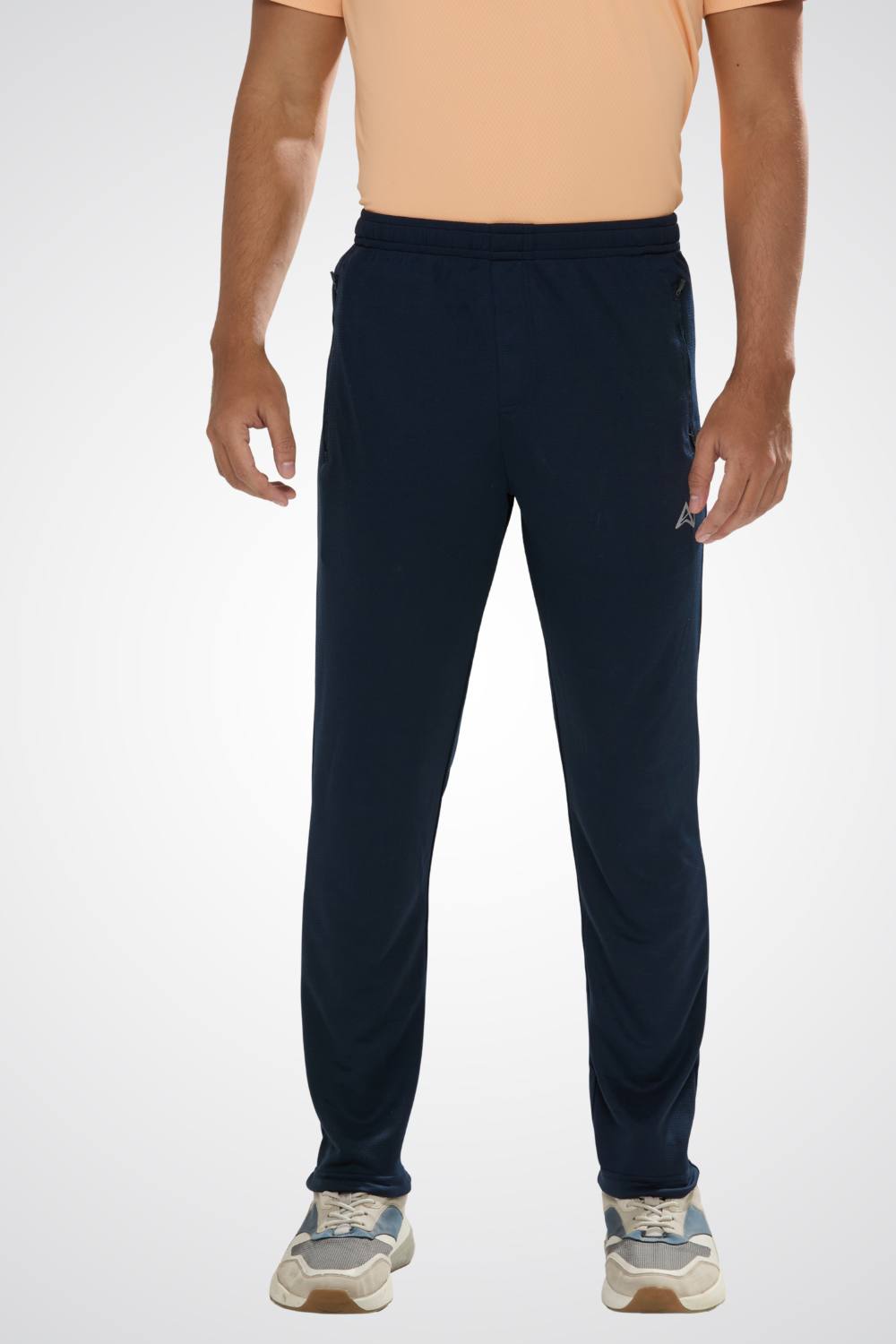
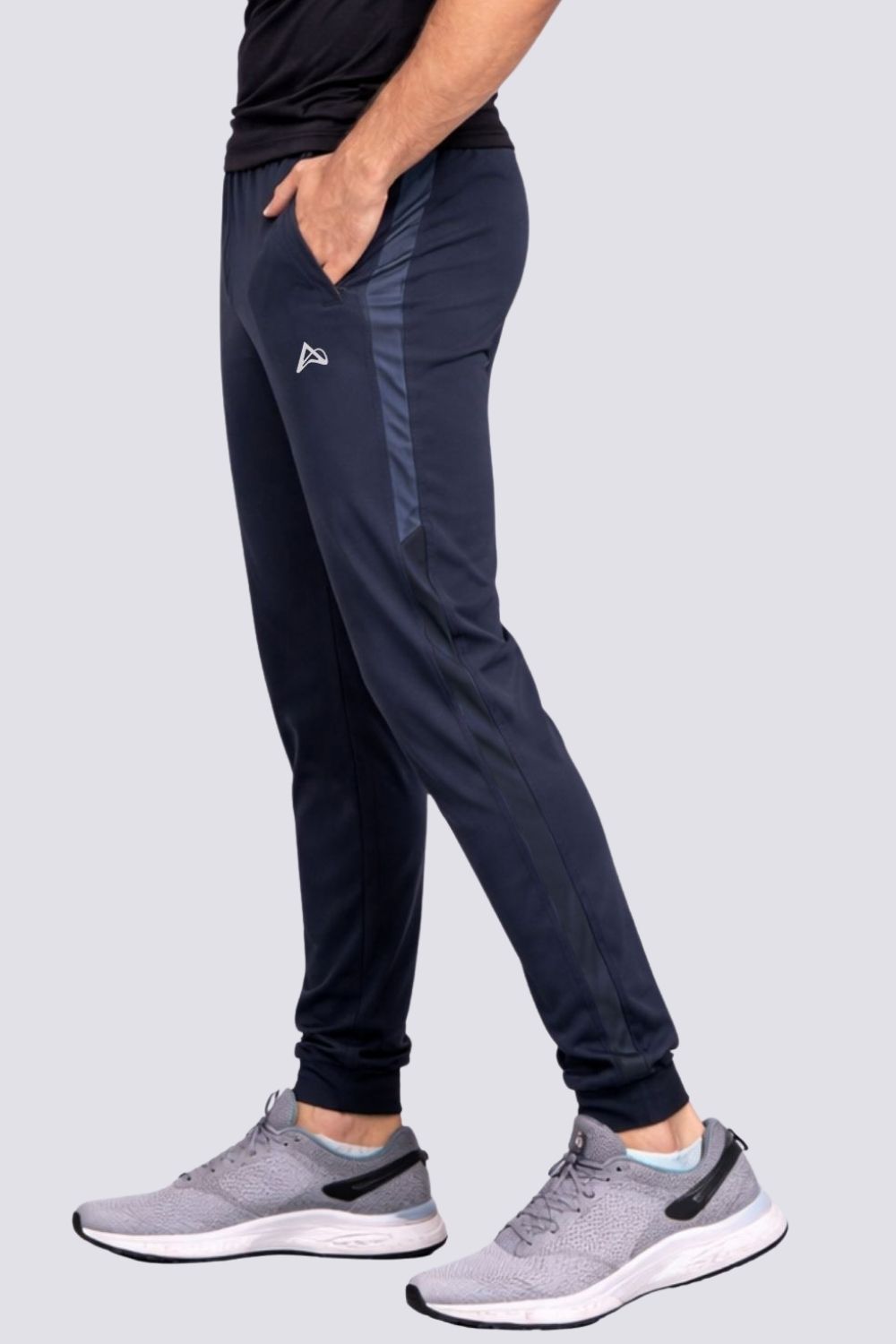
Tired of gear that slows you down? Chafing, soggy fabrics, and missing pockets kill your run's momentum. At Aguante, we're runners who get it. Our high-performance activewear features moisture-wicking fabrics, ergonomic designs, and smart storage to keep you focused. Shop Now!
The Surge in Customized Running Gear for India's Climate
India's fitness scene is evolving rapidly, especially in moisture-heavy metropolises. In locales such as Mumbai and Hyderabad, where humidity levels frequently top 80% during prime workout times, conventional sportswear often underperforms. Athletes describe issues with drenched materials that stick and irritate, diminishing stamina and heightening injury chances. Yet, domestic creators are tackling these directly with ventilated textiles boasting superior sweat-evaporation capabilities, rooted in materials crafted to defy tropical warmth. This aligns with a broader push for advanced fabrics that include sun shielding and germ-resistant qualities, supporting the sports fabric sector's growth from USD 1.66 billion in 2024 onward.
Such expansion reflects heightened wellness focus. In North India, covering Delhi and Gurugram, and West India, spanning Mumbai and Pune, engagement in pursuits like jogging has spiked. Public efforts like the Khelo India initiative foster athletics, while city-based groups turn exercise into shared experiences. The core advancement, however, is tailoring equipment to regional specifics erratic rains in Bangalore, arid paths in Ahmedabad, or the seaside damp of Navi Mumbai.
Consider how runners in Surat adapt to variable weather; their input has spurred designs that prioritize durability without sacrificing lightness. This localized approach not only boosts comfort but also encourages sustained participation, as gear that withstands local conditions motivates consistent training.
Current Trends Shaping Running Innovations
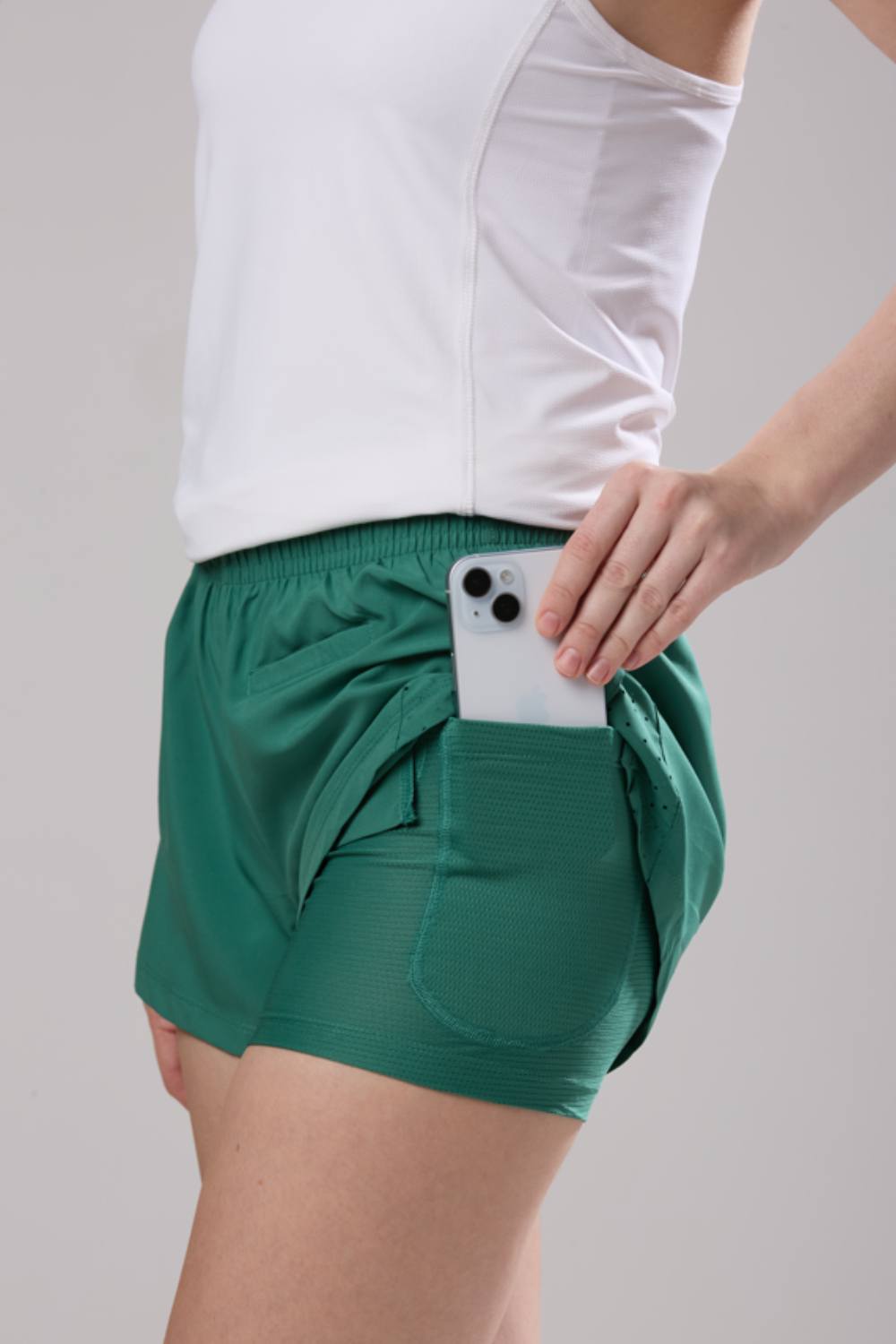
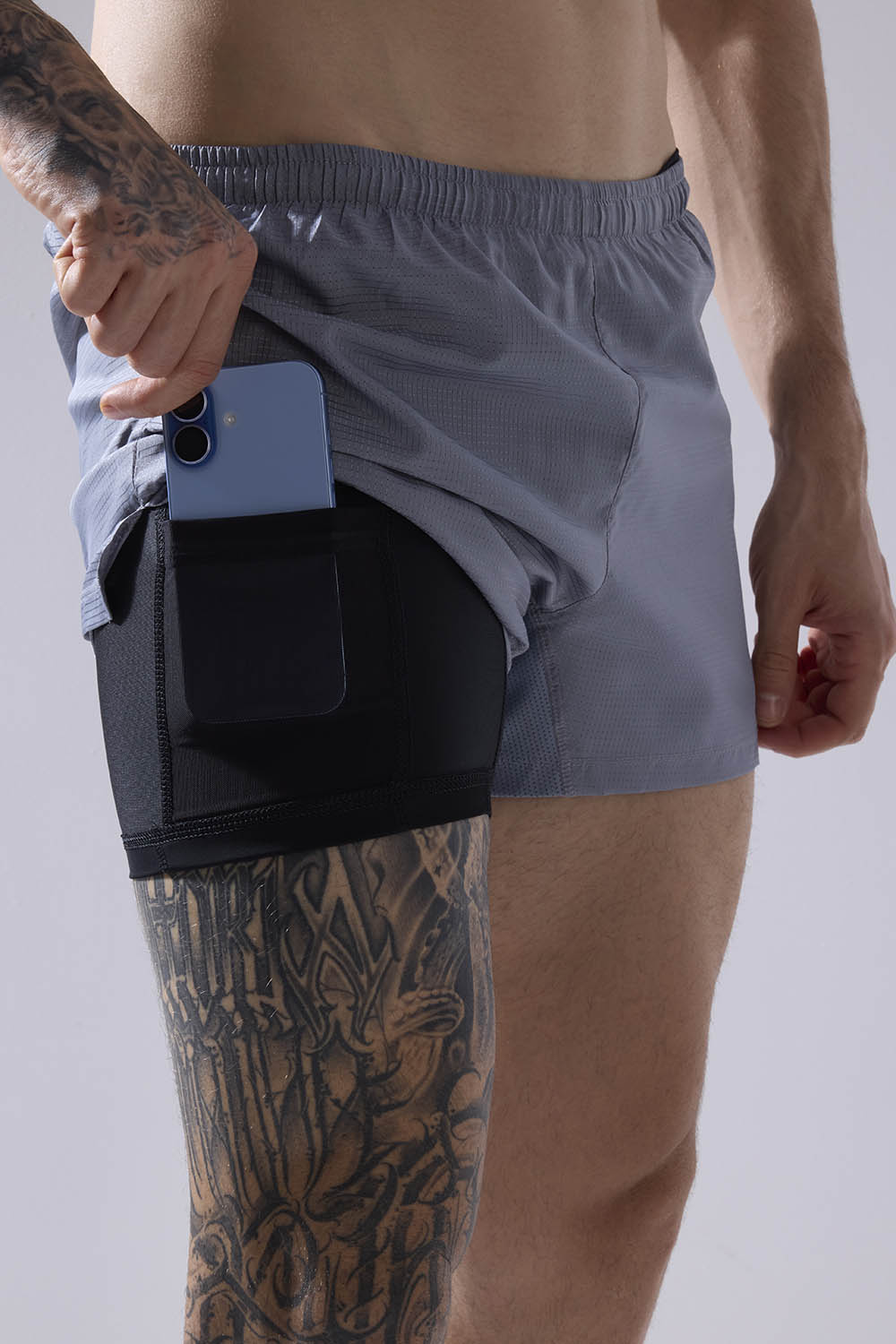
A prominent development is the emphasis on domestically validated prototypes. Diverging from international labels conceived in milder weathers, Indian developers highlight elements like broad air-flow zones and rapid-evaporating cloths. In Pune's warmth, athlete suggestions have led to compartment enhancements stable, jiggle-proof holders for necessities such as devices and access cards, impervious to perspiration. This practicality-oriented method shines through in group consultations, where collectives in Surat and Gurugram evaluate samples, guaranteeing equipment endures authentic dampness.
The ascent of athleisure merges exercise with daily attire, offering flexible clothing that shifts effortlessly from Mumbai's seaside promenades to routine errands. Chafe-preventing interiors, formerly premium, are now staples, averting friction on extended outings in Hyderabad's green spaces. Additionally, eco-friendly textiles from Bengaluru's labs, such as airy biopolymer mixes, maintain coolness in severe heat, syncing with sustainability movements.
Blending Tech with Heritage
Progress in intelligent materials sweat-managing cloths with precise support improves recuperation during muggy workouts. Glow-in-the-dark accents increase visibility on Delhi's poorly illuminated routes, while featherweight builds address Pune's undulating landscapes. These aren't novelties; they're essentials, echoing the sportswear market's trajectory toward functional elegance.
Emerging technologies like moisture-activated cooling, as seen in innovations such as StayCool by Polygiene, respond to body heat and sweat, dropping fabric temperatures for sustained comfort. This is particularly vital in humid hubs, where maintaining endurance without overheating can define a session's success.
Practical Instances from India's Running Epicenters
Look at Rajesh Parida, an ultra-endurance athlete navigating India's varied extremes. From Rajasthan's scorching 40°C sands in the Hell Race to Ladakh's lofty chills at 12,000 feet, he depends on apparel that regulates moisture and thermal fluctuations. His insights from damp competitions like the NMDC Hyderabad Marathon stress acclimation and sweat control principles mirrored in his advice for regularity and physical mindfulness.
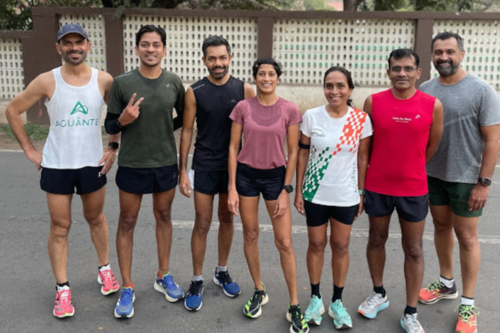
In Mumbai, organizations like Striders and Ace Runners transform lone trots into communal gatherings, where equipment talks center on dampness-resistant choices. A participant in Navi Mumbai could commend super-light cloths for combating shore-side wetness, whereas Hyderabad's HydRN Social Run Club stresses collective jogs in airy outfits. Bangalore's Jayanagar Jaguars and Delhi's ASICS Running Club blend stride assessments with regional gear experiments, nurturing advancements like non-bouncing pockets.
For instance, during a 10K amid Hyderabad's July stifling heat, participants clad in sweat-evaporating clothing noted enhanced outcomes, unhindered by annoyances. Likewise, in Ahmedabad's endurance events, reliable constructs avert failures during altitude ascents. In Gurugram, corporate professionals join early runs with groups like New Balance Run Club, testing innovations that integrate seamlessly into busy lifestyles.
Shanthi Krishnan, a barefoot coach in Bengaluru, exemplifies this through her training regimes. Her emphasis on mobility and recovery, often in group settings on NICE Road, highlights gear that supports barefoot styles in humid, uneven terrains promoting consistency amid India's challenging weather.
Amit Kumar, a prolific marathon coach from Thane, shares experiences from multiple ultras, advocating for recovery-focused equipment like compression aids and breathable layers to counter humidity's toll on endurance.
Major Hurdles in Damp Training Environments
High moisture presents formidable obstacles: profuse sweating triggers dehydration, while inferior materials provoke irritation and sores. In Delhi's hot seasons or Mumbai's downpours, joggers contend with heavy, soaked garments that slow them, risking thermal fatigue. Metropolitan smog in Gurugram exacerbates problems, necessitating bacteria-fighting apparel. Drawbacks encompass steep prices for elite foreign goods and sizing mismatches for local physiques issues indigenous labels counter with fair costing.
Dangers include excessive exertion sans adequate restoration tools, such as support features lacking in standard clothing. Inconsistent groundwork in Surat or Pune demands equipment that manages erratic surfaces, from craters to pools.
Surmounting Fabric Constraints
Initial breakthroughs encountered longevity problems in India's diverse climes, but athlete responses have honed creations, lessening these perils. For example, reinforced seams and treated fibers now better resist repeated exposure to sweat and rain, extending gear lifespan.
Yet, accessibility remains a concern; not all runners in tier-2 areas like Ahmedabad have easy access to these specialized items, prompting calls for wider distribution through e-commerce.
Prospects and Commercial Implications
The thriving jogging culture unlocks pathways for improvements. Brands committing to regional research and development harvest benefits, fostering allegiance in vibrant communities. West India, including Mumbai and Pune, commands a significant portion, propelled by style-aware buyers. South India's segment, encompassing Bangalore and Hyderabad, flourishes on wellness waves.
Enterprises fixated on nuances firm compartments, luminous highlights earn devotion from networks in Navi Mumbai and Ahmedabad. Online retail surges extend accessibility, and athleisure's charm widens audiences. Prospects abound in expanding to secondary markets, where jogging collectives proliferate, assuring ongoing advancement.
Government allocations for sports infrastructure further bolster this, creating ecosystems where innovations can thrive. For instance, expanded retail outlets and local manufacturing initiatives reduce costs, making high-performance gear more attainable.
Specialist Perspectives and Horizons Ahead
Authorities like Manoj Thakur, a Pune-based marathon veteran, observe, "Equipment fell short in India's perspiration and glare." His emphasis on intent-crafted clothing heralds a pivot to indigenous answers. Horizons foresee embedded technologies, such as monitoring devices in clothing, augmenting damp workouts.
As jogging groups burgeon from Mumbai's convivial exertions to Delhi's auroral customs suggestions encompass favoring ventilated, friction-resistant equipment vetted domestically. With sectors broadening, Indian athletes will persist in pioneering, converting moist barriers into advancement leaps. The path forward? More temperate, parched, and boundlessly traversable.
Frequently Asked Questions
What makes running gear specifically designed for India's humid climate different from regular sportswear?
Running gear designed for India's humid climate prioritizes features like broad ventilation zones, rapid moisture-evaporating fabrics, and chafe-resistant interiors that standard sportswear lacks. In cities like Mumbai and Hyderabad where humidity regularly exceeds 80% during peak workout hours conventional materials can become waterlogged, causing skin irritation and reducing endurance. Indian brands are also incorporating antimicrobial properties and UV protection to address additional local challenges like urban pollution and intense sun exposure.
Which Indian cities are leading the trend in climate-adapted running apparel innovation?
Mumbai, Hyderabad, Bengaluru, Pune, and Delhi are at the forefront of India's climate-adapted running gear movement. Each city presents unique conditions Mumbai's coastal dampness, Bangalore's erratic rains, Ahmedabad's dry heat, and Delhi's extreme seasonal swings that have directly influenced product design. Local running communities such as Mumbai's Striders, Hyderabad's HydRN Social Run Club, and Delhi's ASICS Running Club actively test gear prototypes, providing real-world feedback that shapes innovations like sweat-proof pockets and reflective safety accents.
Are Indian running brands offering affordable, high-performance humid-weather gear compared to international options?
Yes, one of the key advantages of homegrown Indian running brands is that they offer climate-specific, high-performance gear at more accessible price points than premium international labels. Overseas brands are often designed for temperate climates and come with sizing mismatches for Indian body types, making them a poor fit literally and functionally. Domestic brands are closing this gap with locally validated designs, fair pricing, and growing e-commerce distribution, making specialized humid-weather running apparel increasingly available even in tier-2 cities like Surat and Ahmedabad.
Disclaimer: The above helpful resources content contains personal opinions and experiences. The information provided is for general knowledge and does not constitute professional advice.
You may also be interested in: Heat and Humidity Pose Unique Challenges for Indian Marathoners
Tired of gear that slows you down? Chafing, soggy fabrics, and missing pockets kill your run's momentum. At Aguante, we're runners who get it. Our high-performance activewear features moisture-wicking fabrics, ergonomic designs, and smart storage to keep you focused. Shop Now!
Powered by flareAI.co