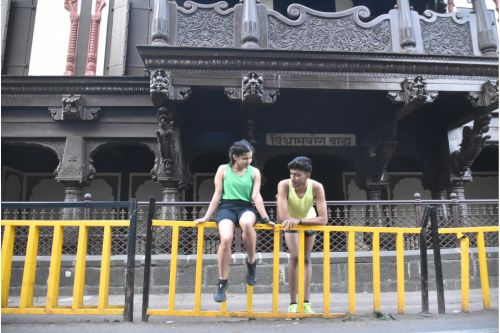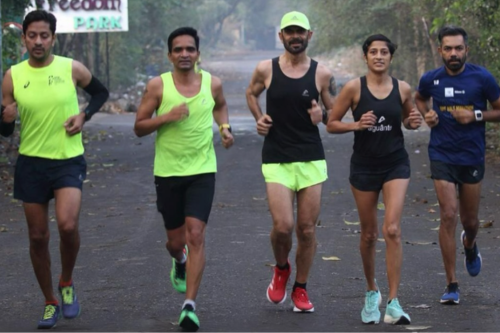
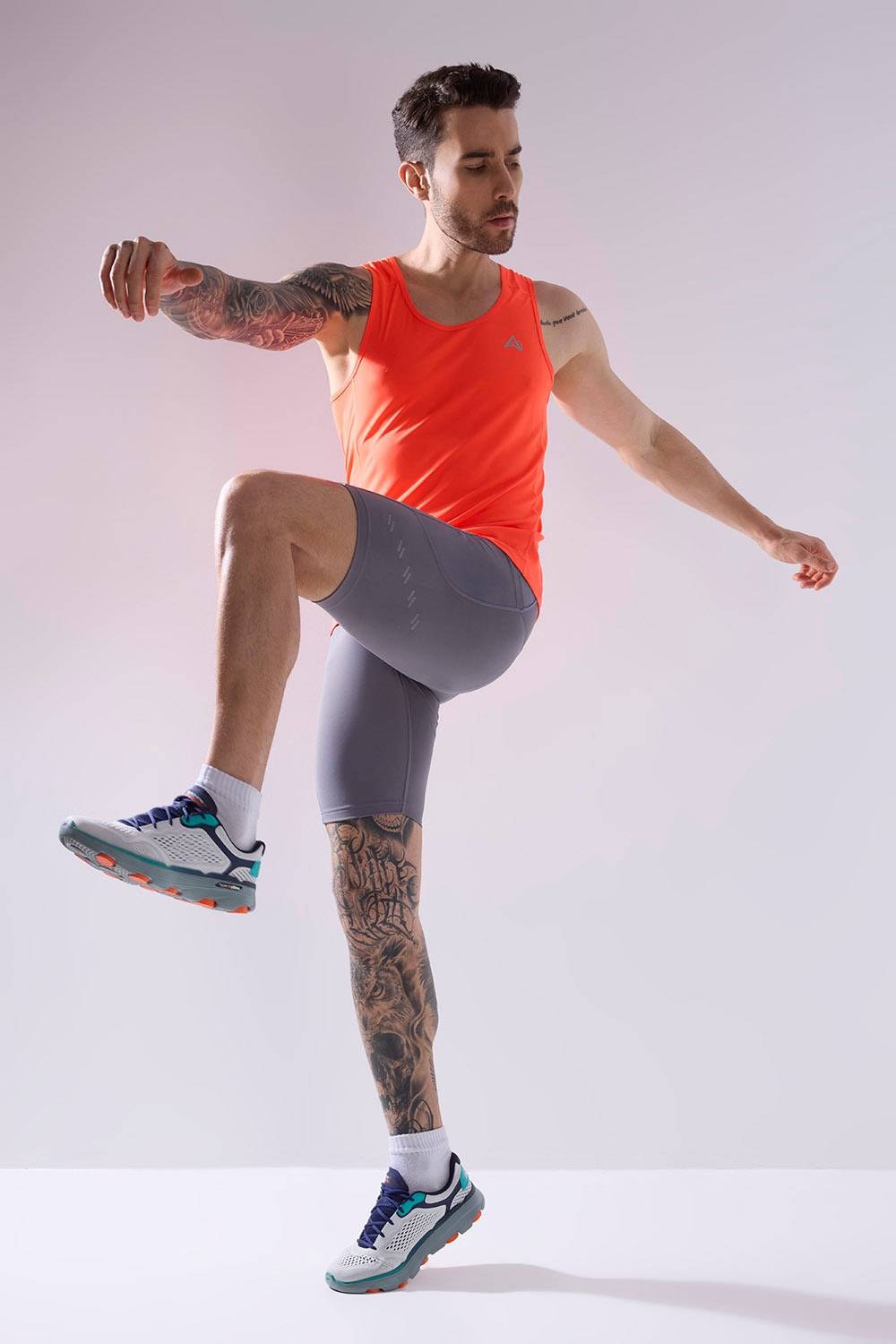
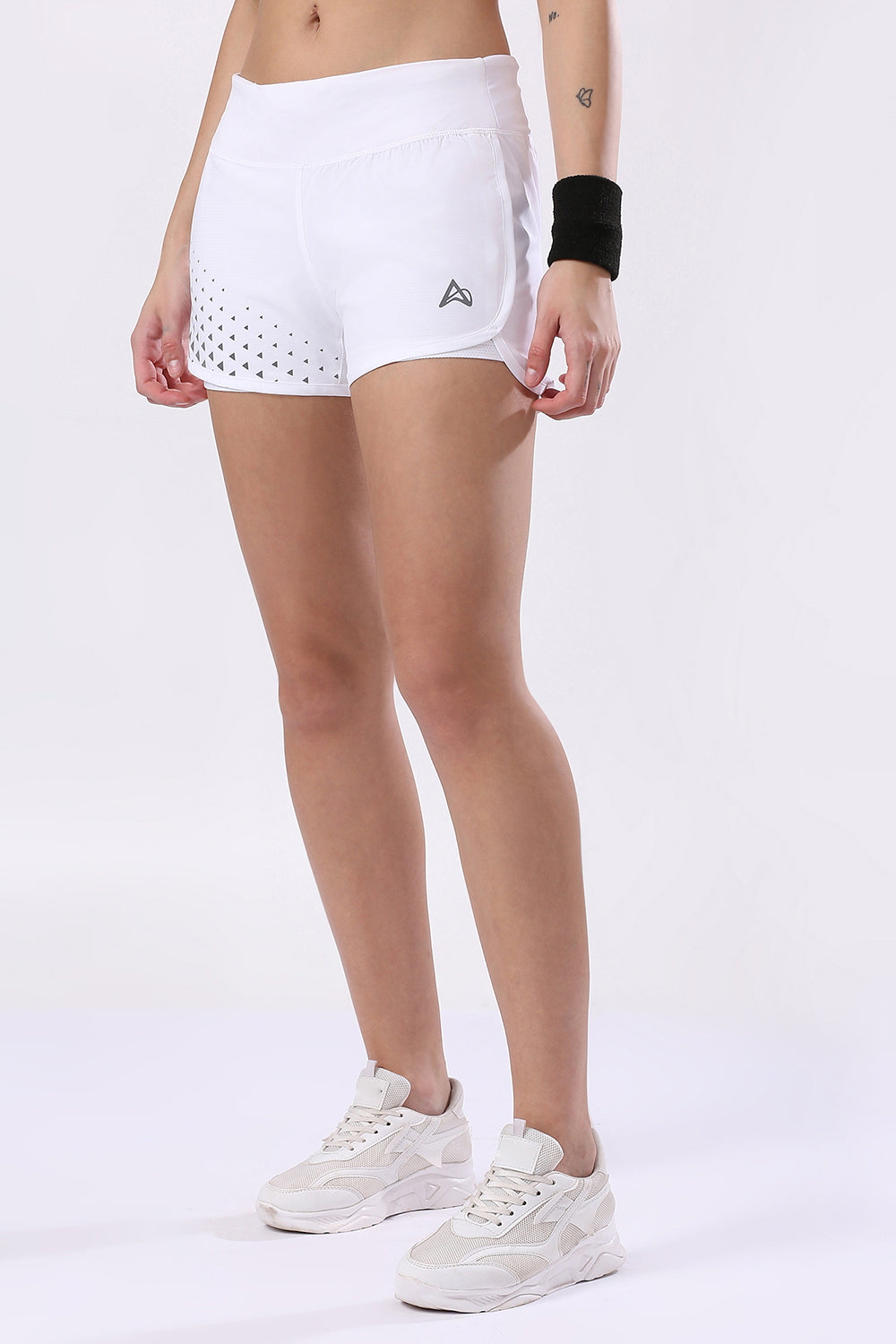
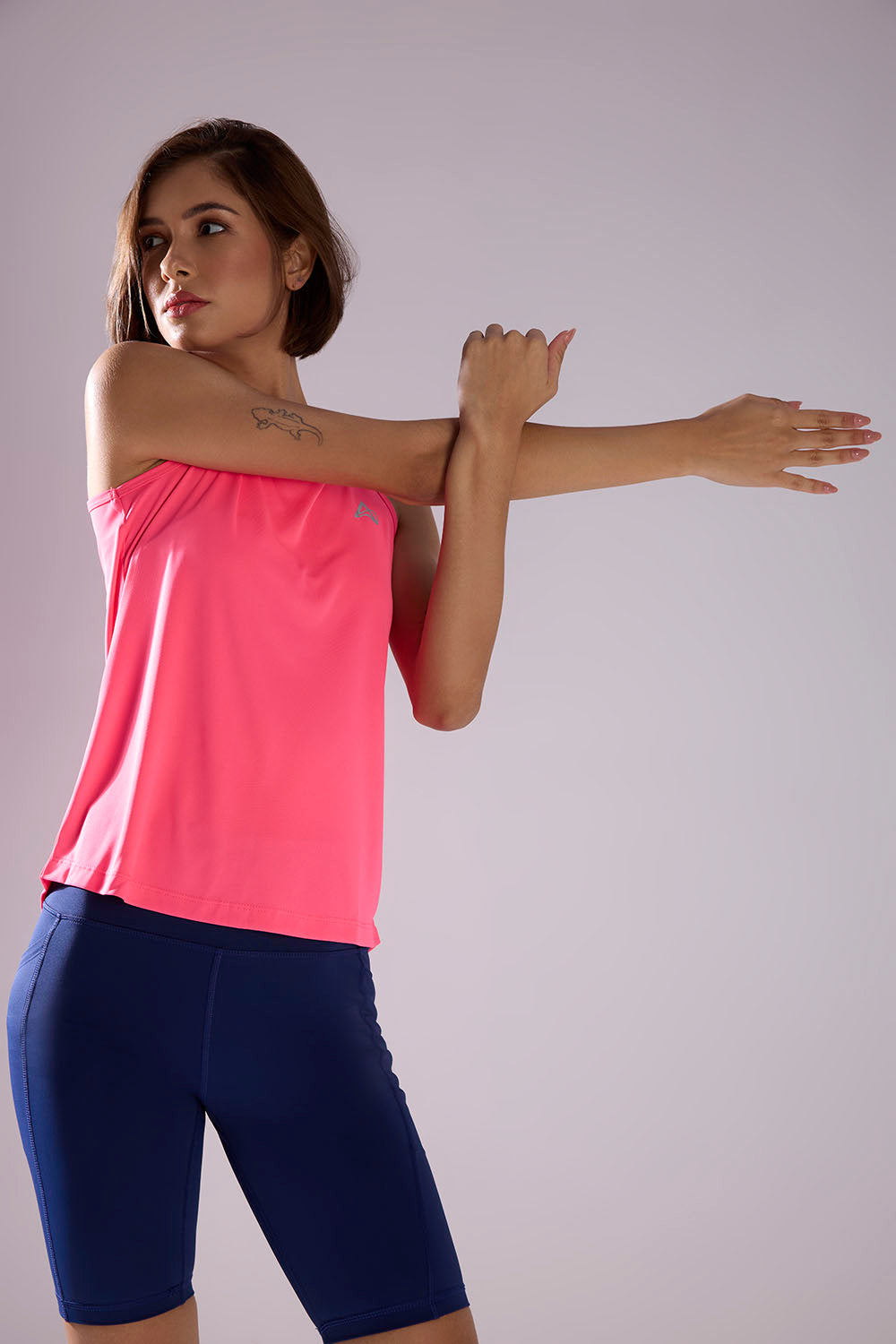
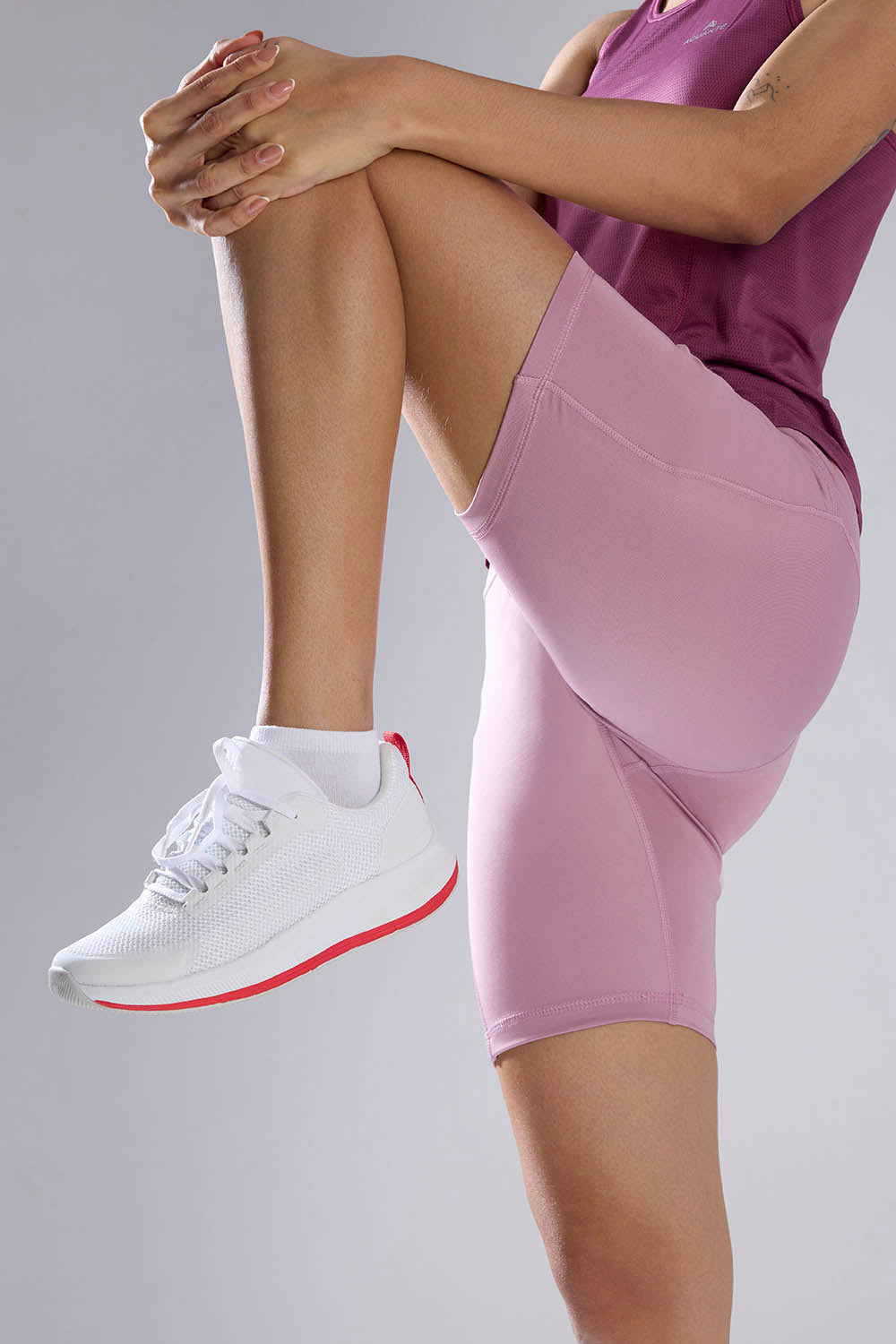
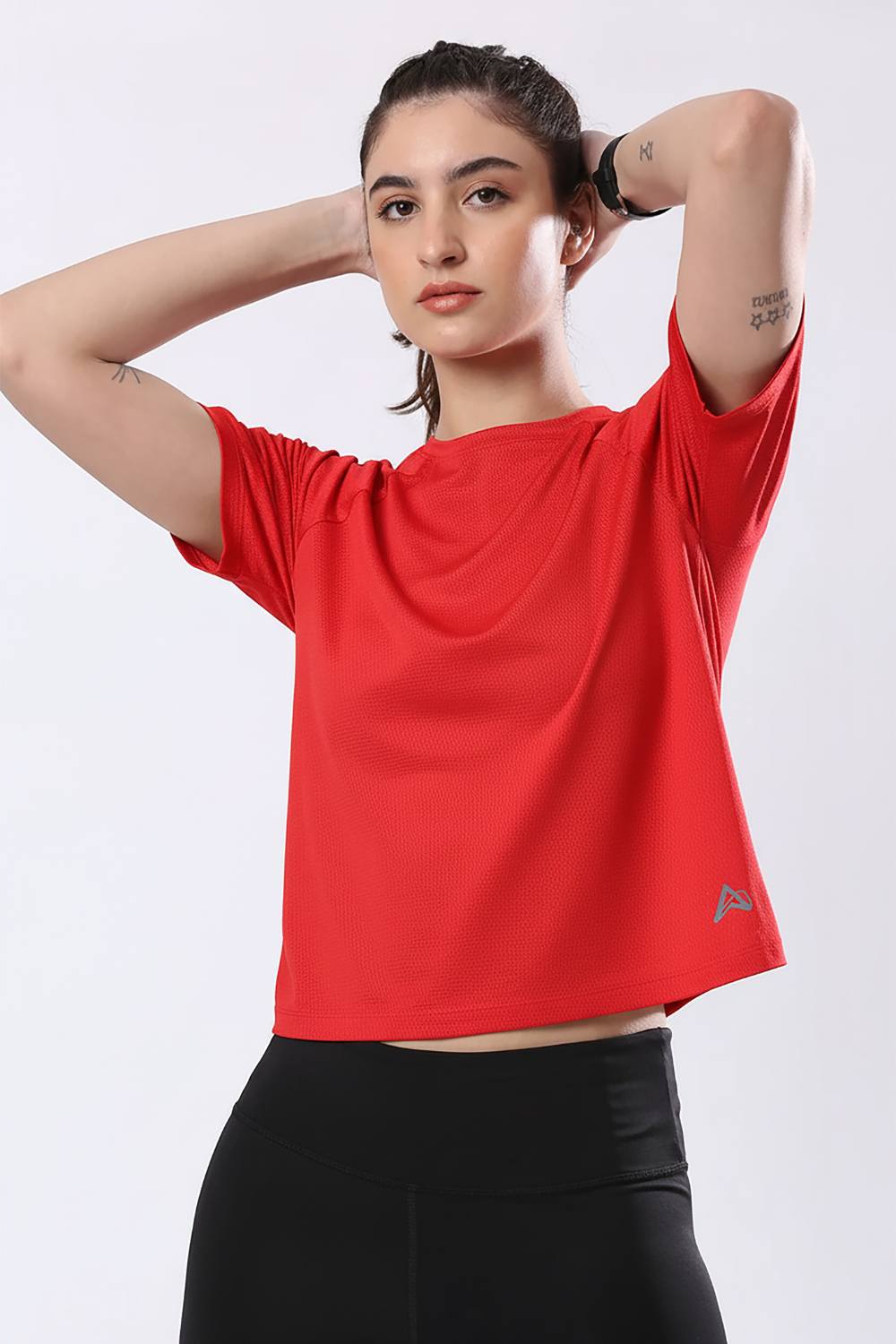
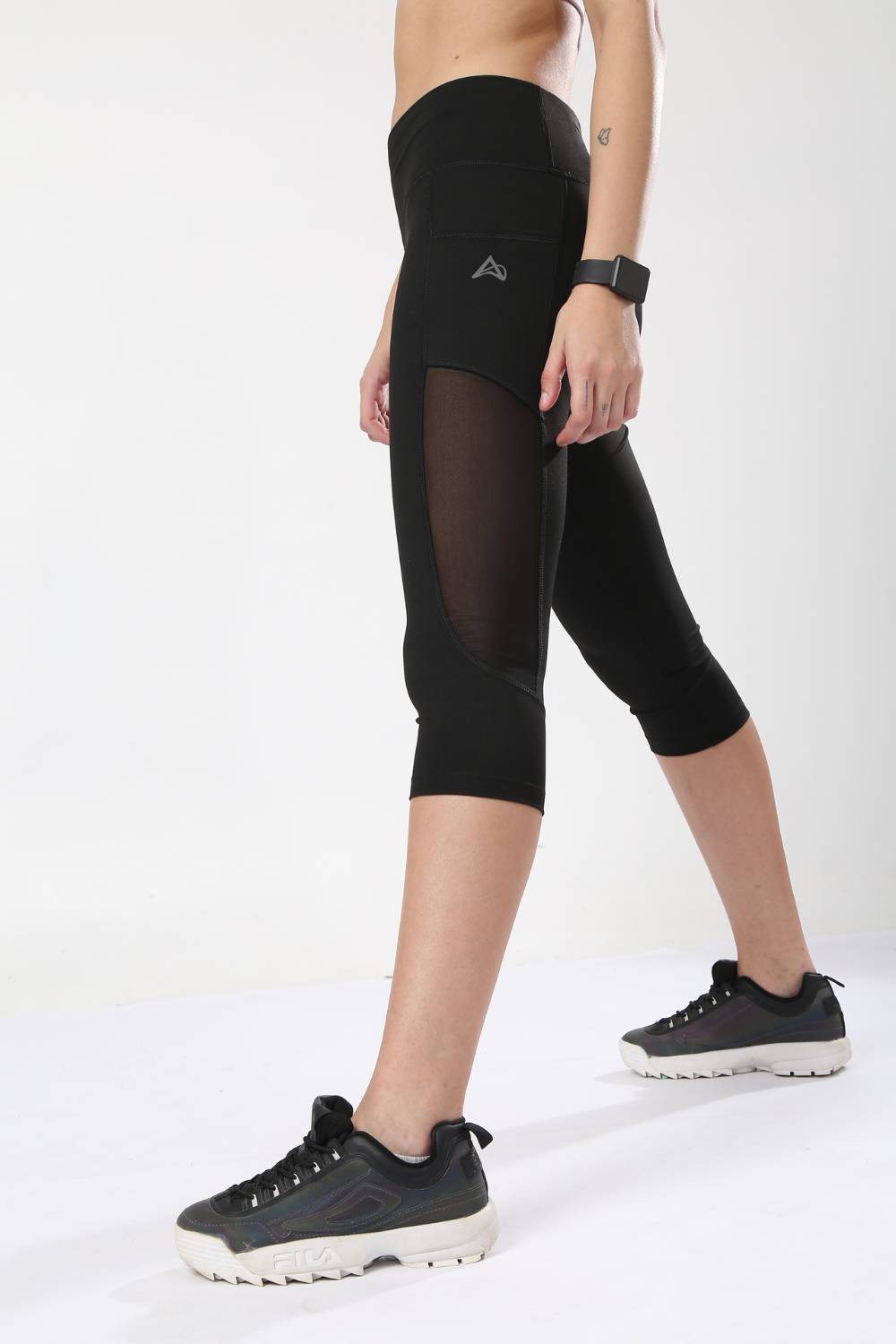
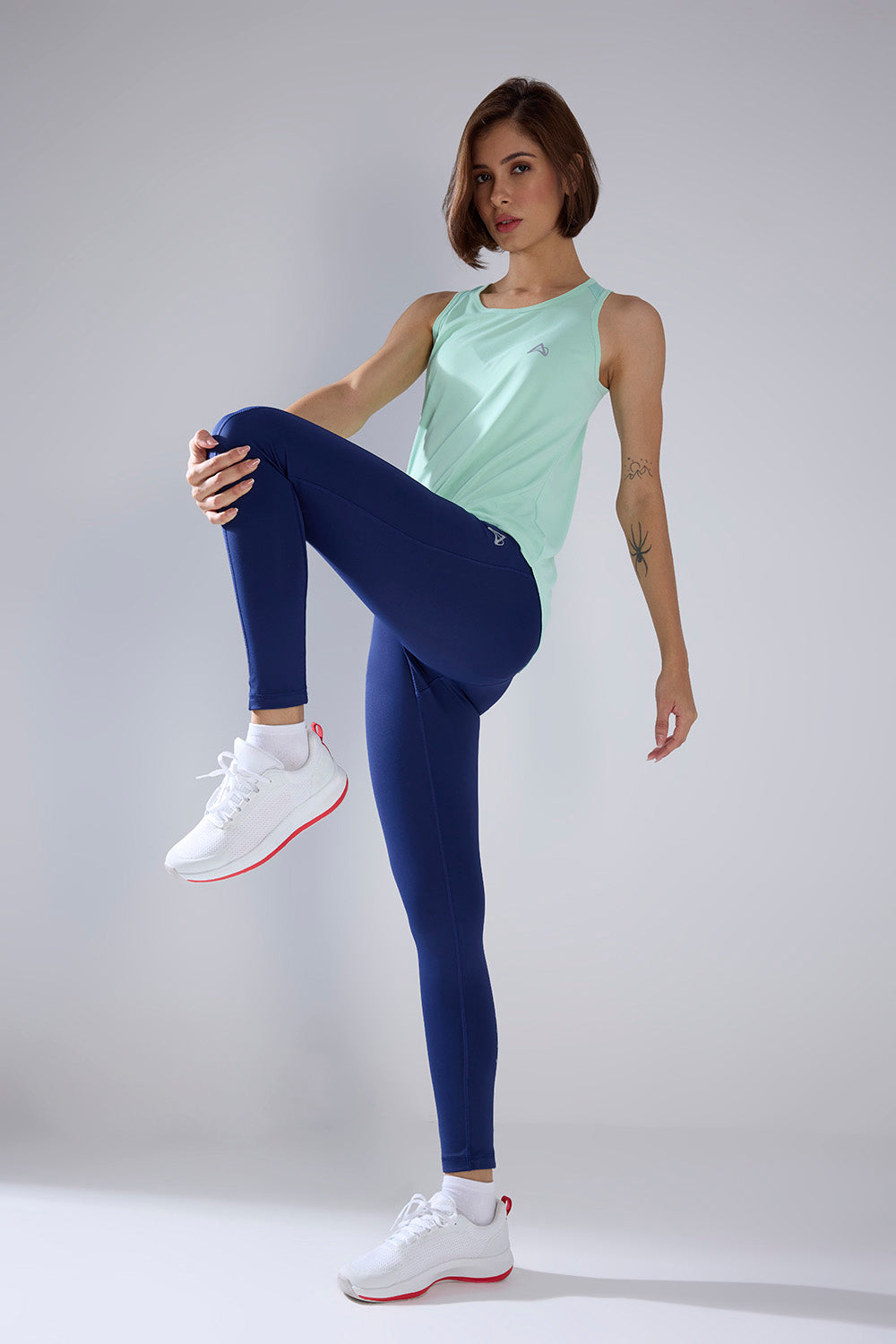

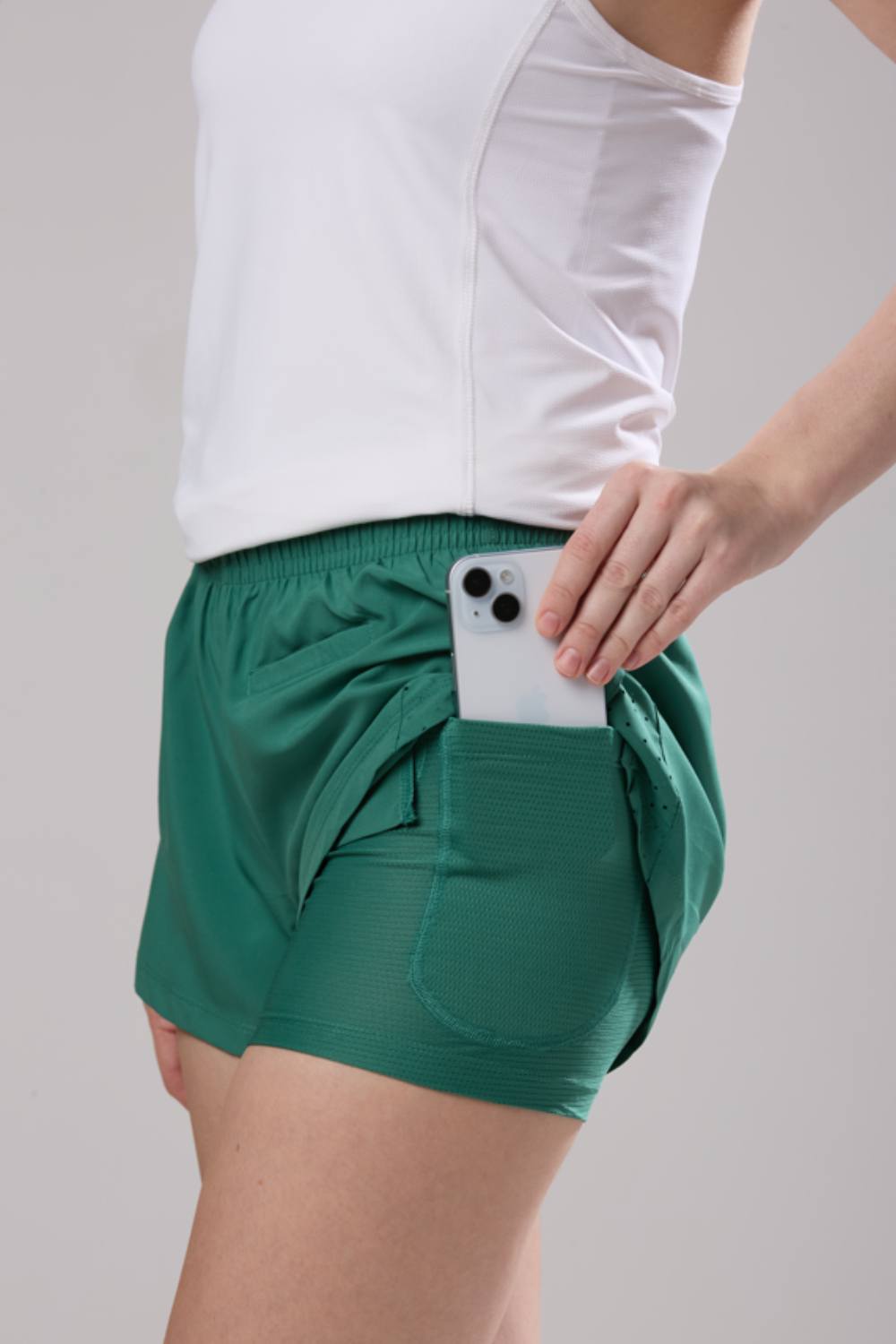
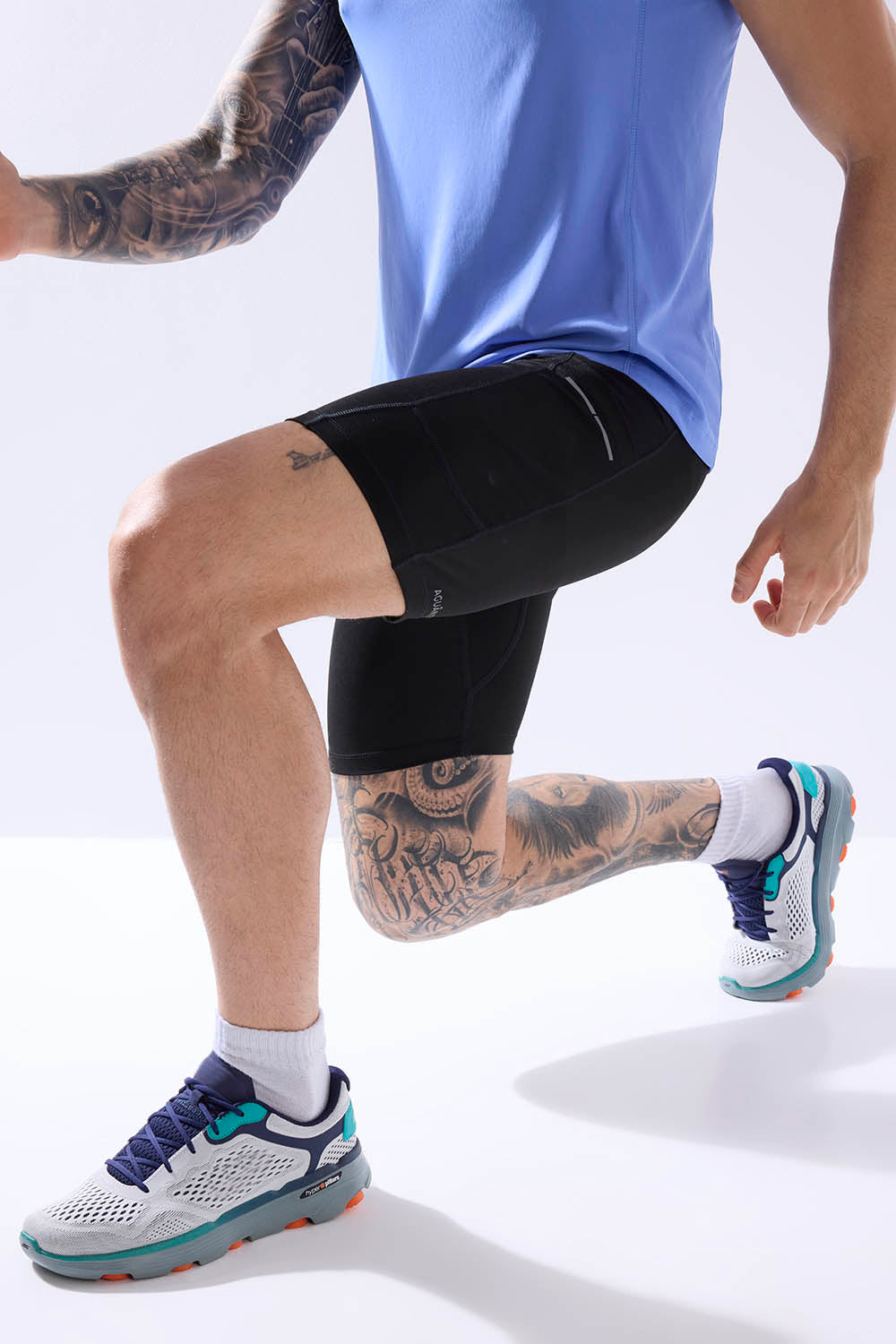
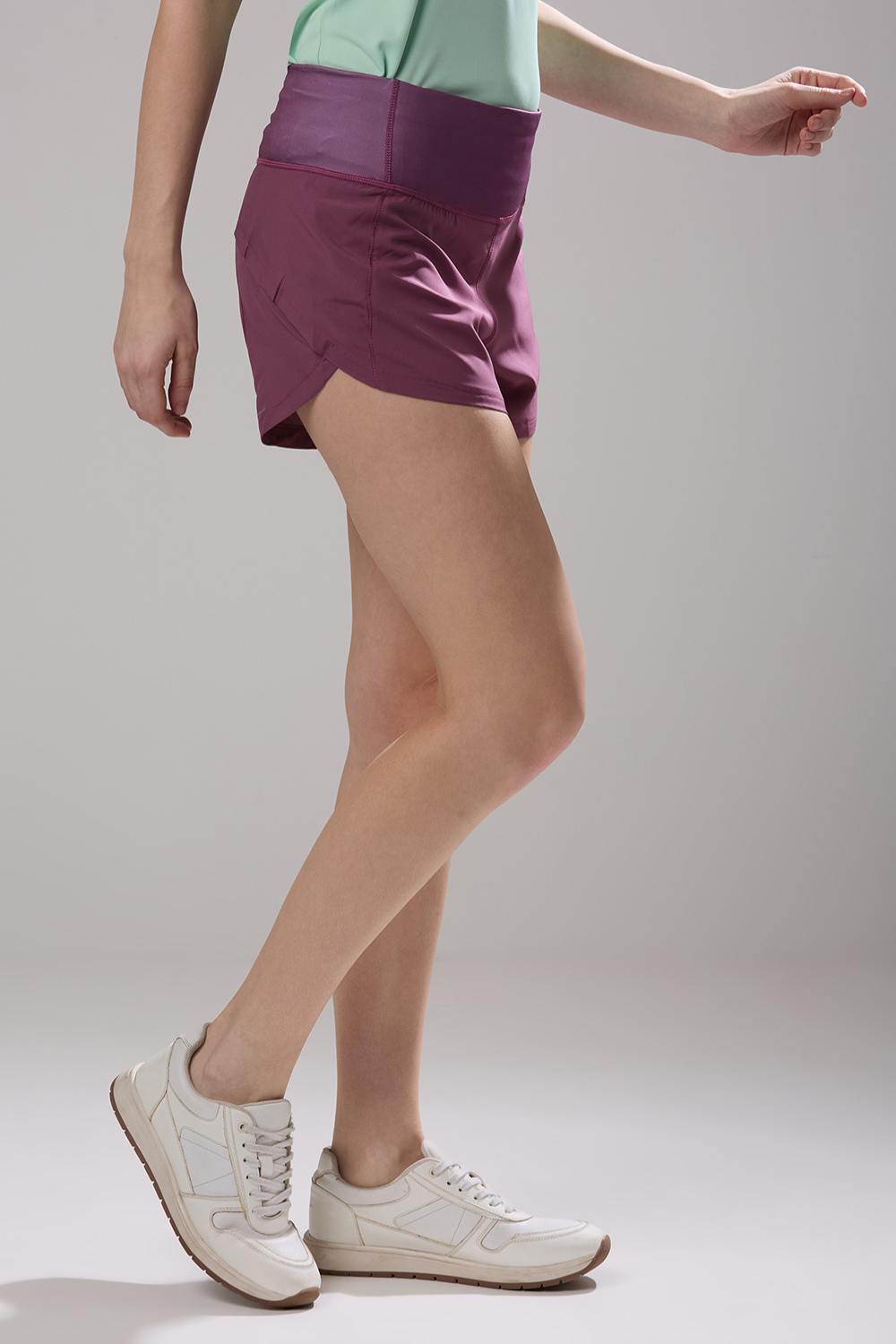
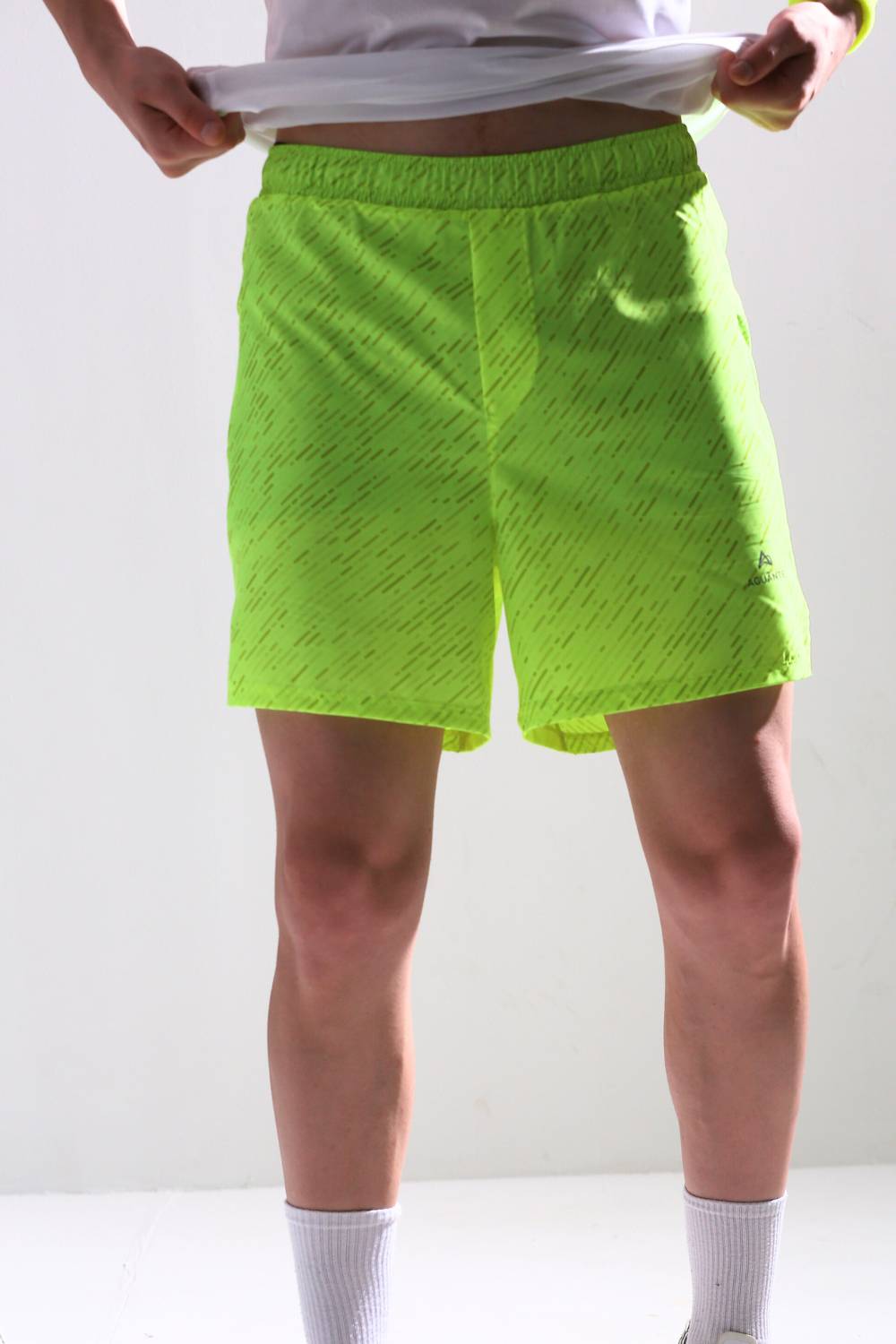
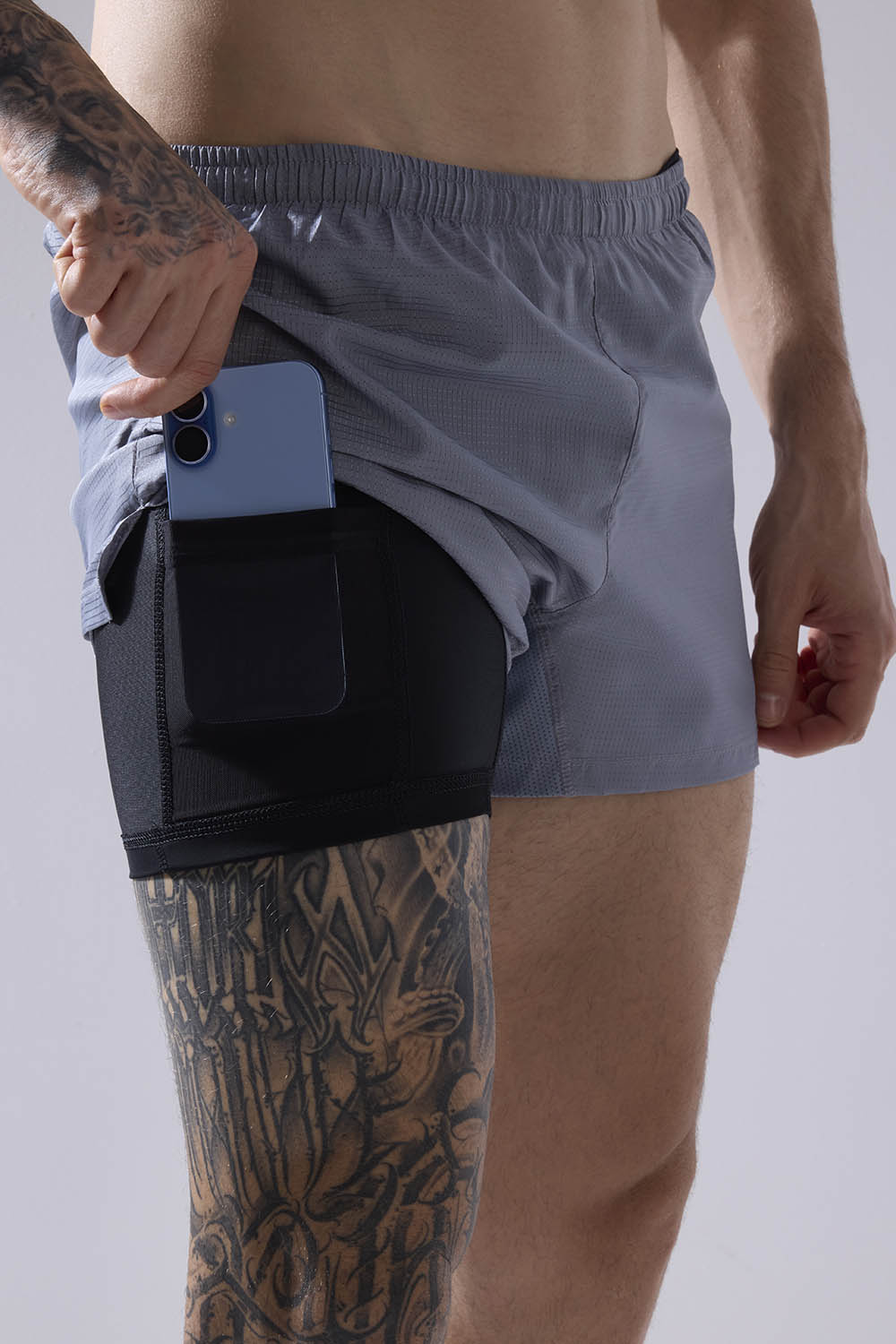

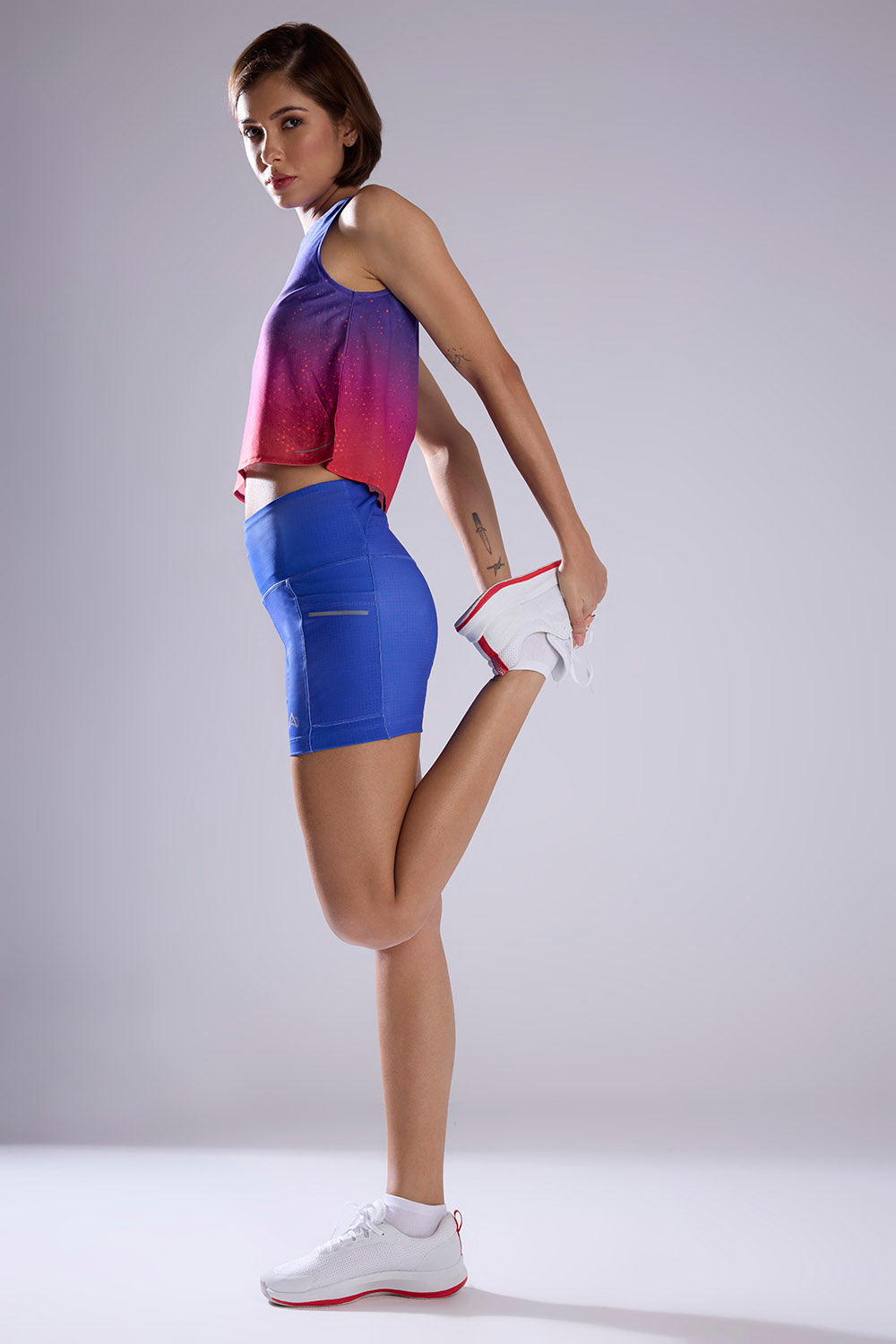


In the early morning light of Bangalore's Cubbon Park or along Mumbai's Marine Drive promenade, India's urban runners are out in force pounding pavement before the cities fully wake. From Hyderabad's Tank Bund to Delhi's Nehru Park, Pune's hills, Gurugram's arterial roads, Navi Mumbai's coastal stretches, Surat's emerging trails, and Ahmedabad's Sabarmati Riverfront paths, running has become a powerful way to counter sedentary jobs, rising stress, and health concerns. Yet the toughest part often arrives 24 hours later: stiff quads, tender calves, and that quiet dread of the next alarm. For thousands of city runners, compression gear is quietly shifting that equation helping legs recover faster so consistency no longer feels like a battle.
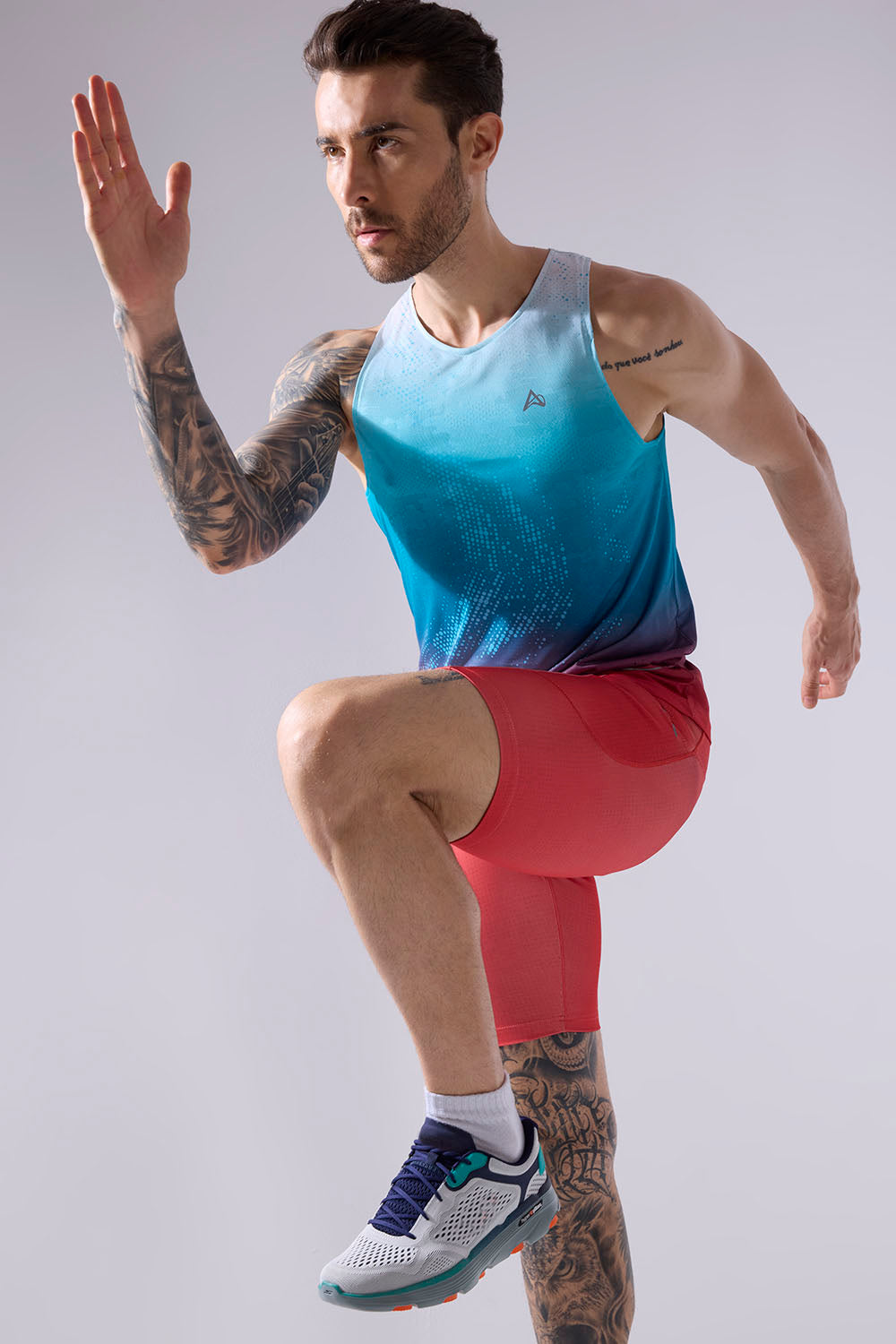
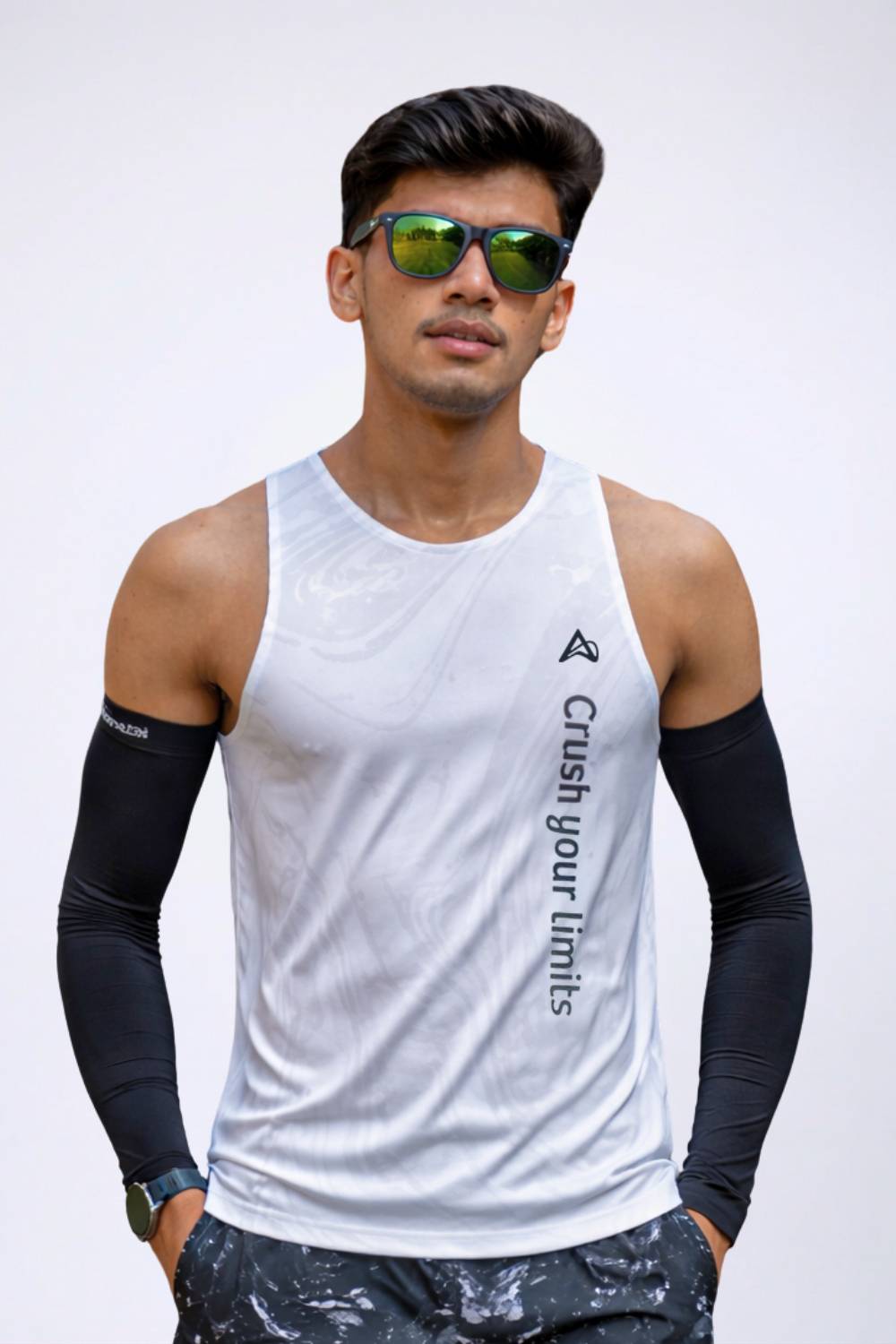
Tired of gear that slows you down? Chafing, soggy fabrics, and missing pockets kill your run's momentum. At Aguante, we're runners who get it. Our high-performance activewear features moisture-wicking fabrics, ergonomic designs, and smart storage to keep you focused. Shop Now!
Why Recovery Feels Harder in Indian Metros
Running in these cities is rarely just about distance. Heat that climbs into the mid-30s, humidity that clings like a second skin, uneven footpaths, vehicle exhaust, and the sheer logistics of squeezing training into packed days all compound muscle fatigue. Runners in Ahmedabad and Surat frequently start before sunrise to escape peak temperatures, while Mumbai and Hyderabad athletes battle stickier air year-round. Even when the run itself feels strong, delayed-onset muscle soreness (DOMS) can leave legs heavy for days disrupting rhythm and inviting minor injuries.
The silver lining is that more Indian runners are discovering practical recovery tools. Demand for functional, breathable activewear continues to climb as health awareness spreads and participation in running, marathons, and daily fitness grows across metros. Brands that understand local climate realities sweat-soaked long runs, sudden downpours, dusty trails are gaining loyal followings by delivering apparel that performs when conditions are toughest.
The India sports fabric market size reached USD 1.66 Billion in 2024. Looking forward, IMARC Group expects the market to reach USD 3.47 Billion by 2033, exhibiting a growth rate(CAGR) of 7.87% during 2025-2033. The market is driven by rising health consciousness, increasing participation in fitness and sports activities, and demand for high-performance and breathable materials.
How Compression Actually Helps Muscles Recover
Graduated compression garments apply carefully calibrated pressure tightest at the ankle or wrist, gradually easing upward. This gentle squeeze improves venous return (helping blood flow back toward the heart), reduces muscle vibration during impact, limits swelling, and accelerates clearance of metabolic waste products such as lactate. Multiple reviews of sports science literature indicate that compression wear worn after intense exercise can meaningfully reduce perceived soreness and support quicker return to training, especially following long runs or high-volume weeks.
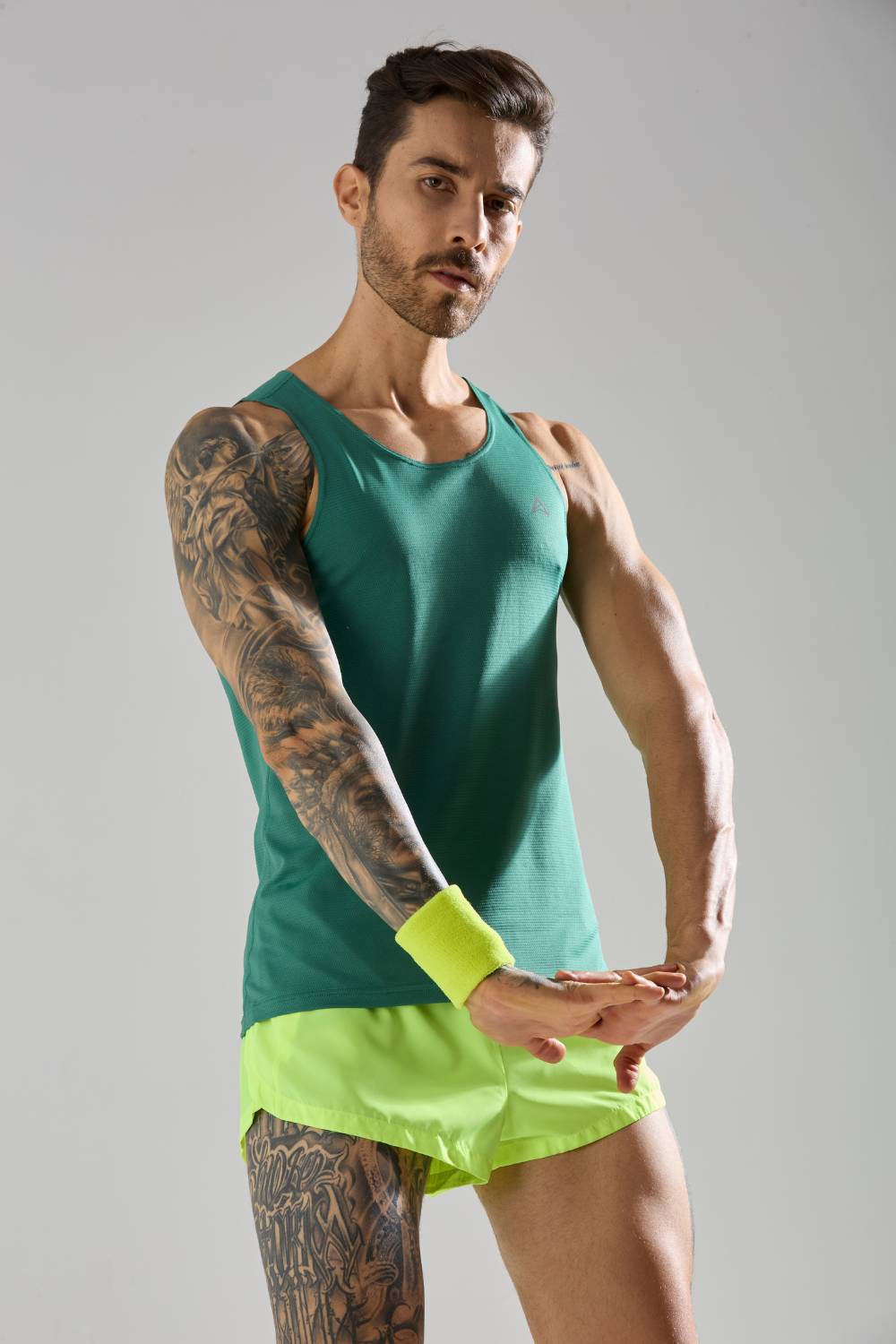
The benefit many urban runners notice first is perceptual: legs simply feel lighter the next morning. That psychological edge matters enormously when motivation already competes with office deadlines, family responsibilities, and monsoon disruptions. In humid coastal cities like Mumbai or Chennai-adjacent Navi Mumbai, the key is choosing pieces engineered with advanced moisture-wicking fabrics that move sweat away rapidly instead of trapping it against the skin.
Real Scenes from Running Communities Across India
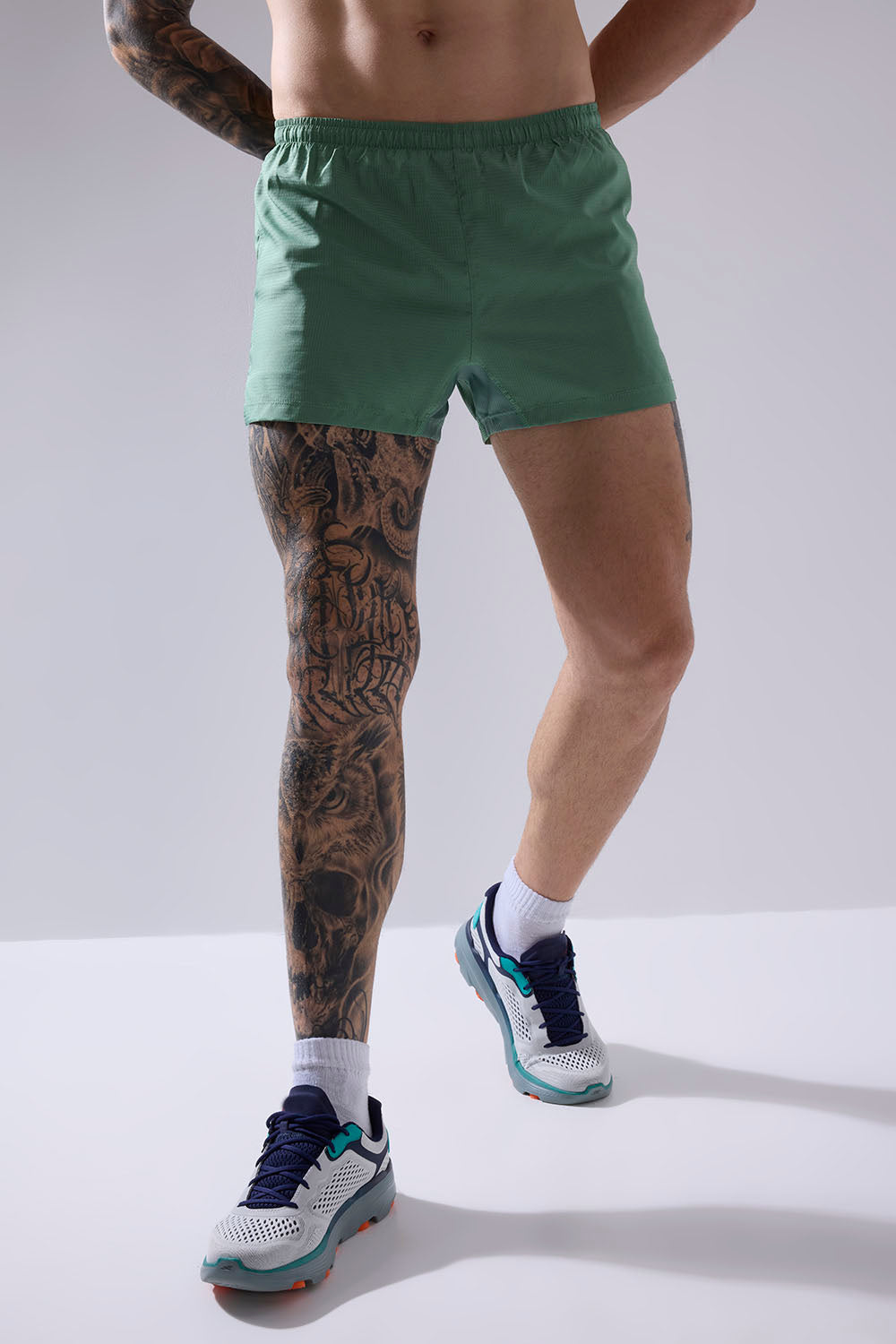
Walk through Cubbon Park on a Saturday in Bangalore and you'll spot more half-tights and compression sleeves than you did five years ago. Delhi runners gathering at India Gate or Sanjay Van frequently pair compression shorts with singlets for long Sunday efforts. In Hyderabad's KBR National Park, marathon trainees share notes on how wearing compression during cool-downs shortens recovery between back-to-back sessions. Pune trail runners and Gurugram road warriors report similar experiences: less stiffness after hilly or high-mileage weeks.
These aren't elite athletes; they are software engineers, doctors, teachers, and entrepreneurs in their 20s to 50s who simply want to keep running without constant setbacks. For many, the difference between limping through Monday and striding out again on Tuesday is the difference between maintaining a habit and dropping it.
Common Concerns and Realistic Answers
Doesn't Compression Feel Too Hot in Indian Weather?
It can if the fabric isn't designed for high heat and humidity. Poorly made pieces turn into personal saunas. Runner-first brands counter this problem with lightweight, highly breathable knits that wick aggressively and dry fast, so compression supports recovery without cooking the wearer.
What If the Fit Is Wrong?
Too loose and you lose the pressure gradient; too tight and circulation suffers or seams chafe. That's why sizing calibrated to Indian proportions and thorough on-body testing by actual runners make a measurable difference in comfort and effectiveness.
Is This Only for Fast Runners or Professionals?
No. Beginners building from 5 km to 10 km, mid-pack marathoners, and casual park joggers in Surat or Ahmedabad benefit just as much. The biggest gains often appear when someone is increasing volume or intensity the exact moments soreness threatens to derail progress. Start with recovery-focused wear after harder days rather than all-day compression.
Why the Timing Is Right for Indian Runners
Marketplaces such as Myntra Marketplace and Amazon Marketplace now carry far more performance-oriented options than they did a few years ago. This wider availability coincides with a growing understanding that thoughtful, affordable gear designed for Indian heat, roads, and bodies can deliver outsized returns on every rupee spent.
Runners gain practical efficiency: shorter recovery windows, steadier training blocks, fewer unplanned rest days, and lower injury risk. In densely packed metros where time is scarce, those advantages compound quickly into months and years of sustained running.
One Small Change That Can Keep You Moving
Compression gear will never replace sleep, hydration, smart nutrition, or easy days but when added thoughtfully to those fundamentals, it becomes a reliable ally. In a country where running communities are expanding rapidly and new personal records are being set from Hyderabad to Gurugram, tools that shorten the gap between hard efforts and fresh legs help more people stay in the game.
Next time you finish a long run or tempo session, consider slipping on a pair of compression shorts or calf sleeves for the walk home or the evening commute. Pay attention to how your legs feel 36 hours later. For a growing number of city runners across Bangalore, Mumbai, Delhi, Pune, and beyond, that small ritual has become the quiet difference between “I'll try again next week” and “See you tomorrow at 5:30.”
Frequently Asked Questions
Does compression gear actually help with muscle recovery after running?
Yes graduated compression garments improve venous return (blood flow back to the heart), reduce muscle vibration during impact, and help clear metabolic waste like lactate more quickly. Sports science literature supports that wearing compression after intense exercise can meaningfully reduce perceived soreness and speed up return to training. Many urban runners report that their legs feel noticeably lighter the morning after a hard run when they use compression gear for recovery.
Is compression wear suitable for running in hot and humid Indian weather?
It depends on the fabric quality. Poorly made compression pieces can trap heat and feel suffocating in India's high-humidity cities like Mumbai or Chennai. Look for lightweight, breathable knits with advanced moisture-wicking technology that pull sweat away from the skin and dry quickly these deliver the recovery benefits of compression without overheating. Brands that design specifically for Indian climate conditions make a significant difference in comfort and effectiveness.
Do beginner runners or casual joggers benefit from compression gear, or is it only for elite athletes?
Compression gear benefits runners at all levels from beginners building from 5 km to 10 km, to mid-pack marathoners and casual park joggers. In fact, the biggest gains are often felt when someone is increasing their training volume or intensity, which is exactly when soreness is most likely to disrupt consistency. Wearing compression shorts or calf sleeves after harder sessions rather than all day is a practical starting point for anyone looking to recover faster and stay injury-free.
Disclaimer: The above helpful resources content contains personal opinions and experiences. The information provided is for general knowledge and does not constitute professional advice.
You may also be interested in: The Role of Lightweight Activewear in Improving Running Times
Tired of gear that slows you down? Chafing, soggy fabrics, and missing pockets kill your run's momentum. At Aguante, we're runners who get it. Our high-performance activewear features moisture-wicking fabrics, ergonomic designs, and smart storage to keep you focused. Shop Now!
Powered by flareAI.co